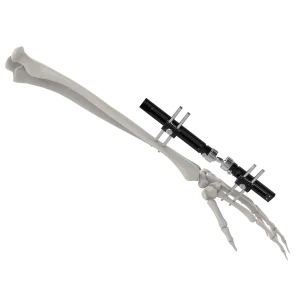
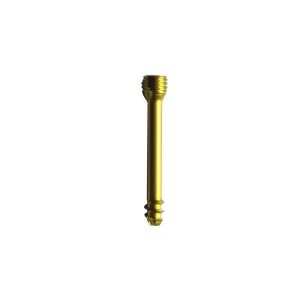
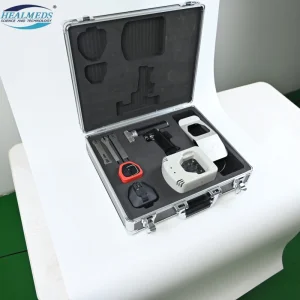
Highly configurable external fixation systems engineered for rapid application in high-energy alpine sports traumas and complex reconstruction procedures across Austria.
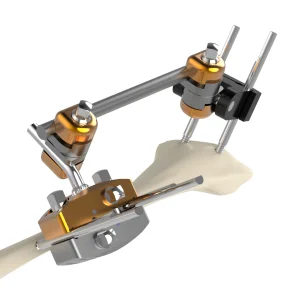
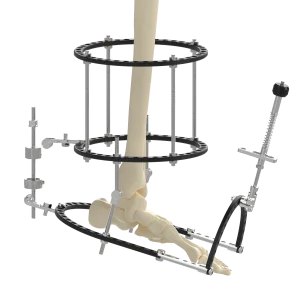
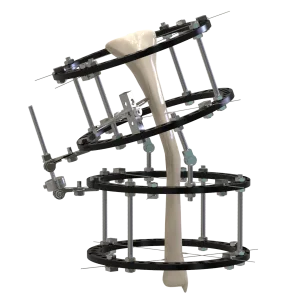
Austria boasts one of the most advanced healthcare and traumatology infrastructures in the world, managed under the strict supervision of the Austrian Federal Office for Safety in Health Care (BASG) and AUVA (General Accident Insurance Institution). The country's Alpine geography creates unique epidemiological demands, characterized by a seasonal influx of high-velocity sports injuries (skiing, snowboarding, climbing) alongside demographic shifts towards geriatric fracture management.
In high-demand medical zones such as Tyrol, Salzburg, and Vorarlberg, trauma centers require immediate, robust external fixation solutions. Temporary external fixation serves as the primary standard in "Damage Control Orthopedics" (DCO) for open tibial shafts, distal femur comminuted fractures, and complex articular disruptions, preventing secondary soft-tissue necrosis prior to definitive open reduction internal fixation (ORIF).
"Moventra's external fixation devices are manufactured to meet the biomechanical load requirements needed for both high-energy sport fractures and fragile, osteoporotic bone fixations prevalent in Central European demographics."
Our ongoing collaboration with international biomechanics labs dictates our R&D roadmap, focusing on micro-mobility control, weight reduction, and infection prevention.
Integrating controlled micro-movement mechanisms to promote secondary bone healing (callus formation) via dynamization. This limits stress-shielding effects, accelerating recovery times in active patients.
Research targeting titanium-niobium nitride (TiN) coatings and silver-ion implantation on Schanz pins. These surface treatments significantly lower the incidence of pin-tract infections (PTIs), a leading complication in long-term external fixation.
Transitioning traditional steel structures to PEEK (Polyether ether ketone) and premium carbon composites. This grants surgeons an unobstructed view of fracture alignment under intraoperative C-arm fluoroscopy.
Importing medical devices into the European Economic Area (EEA), particularly to high-scrutiny markets like Austria, requires strict regulatory alignment. Under the European Medical Device Regulation (EU MDR 2017/745), external fixators are classified as Class IIb (long-term active or surgically invasive implants) or Class IIa/I depending on their modular components and residency time.
Moventra ensures all orthopedic implants and instruments shipped to European clients have registered UDI (Unique Device Identification) codes mapped on EUDAMED. Technical documentations including biocompatibility assessments (ISO 10993 series), clinical evaluation reports (CER), and PMCF (Post-Market Clinical Follow-up) frameworks are continuously audited to guarantee uninterrupted clearance by Austrian custom authorities and seamless integration into hospital purchase lists.
| Regulatory Metric | Moventra Standard | Austrian Market Applicability |
|---|---|---|
| CE Certification | EU MDR Compliant (Notified Body audited) | Mandatory for clinical usage in EU |
| ISO Standards | ISO 13485:2016 Medical Manufacturing | Ensures systemized batch traceability |
| UDI Tracking | Barcoded packaging with GS1 standards | Ready for Austrian hospital ERP systems |
| Biocompatibility | ISO 10993 certified materials | Zero heavy metal contamination risk |
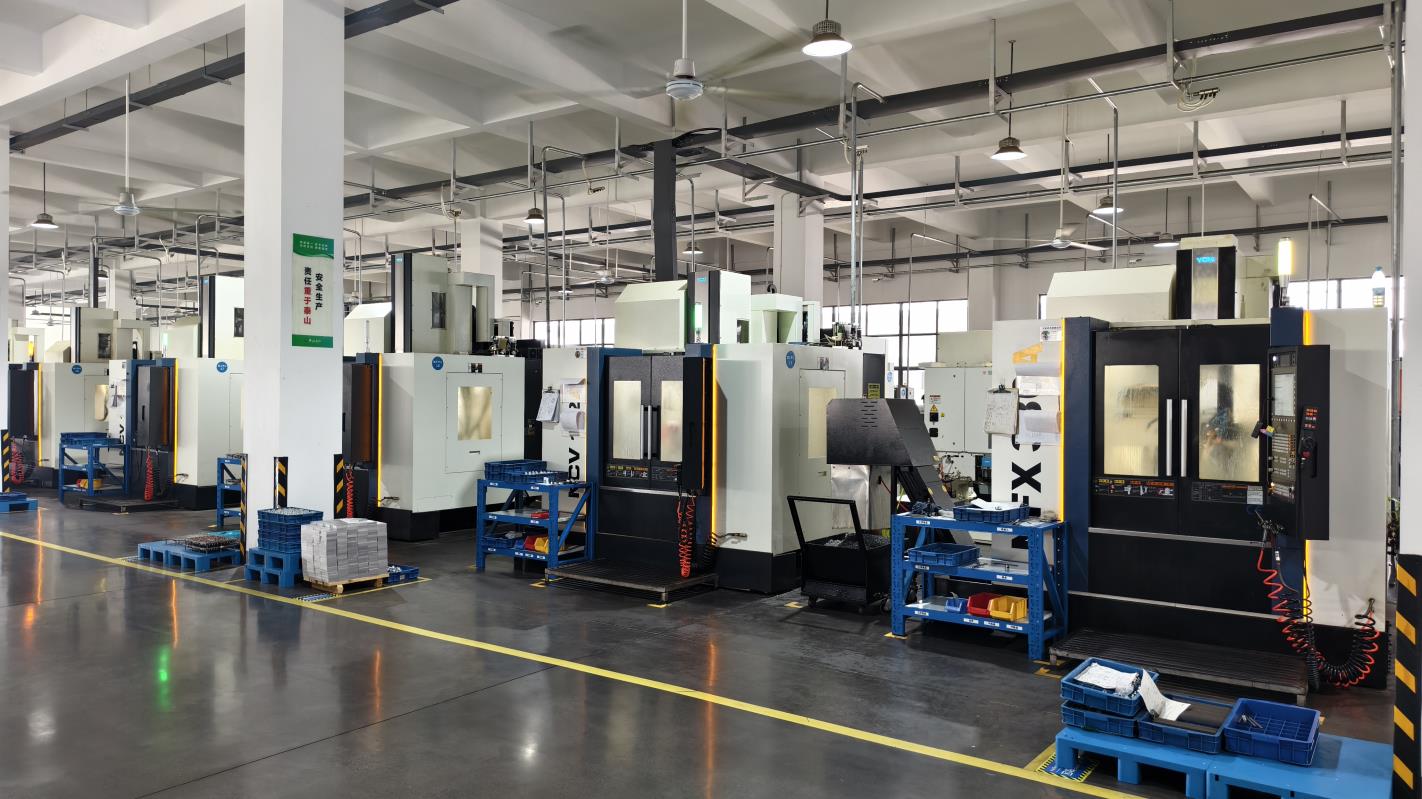
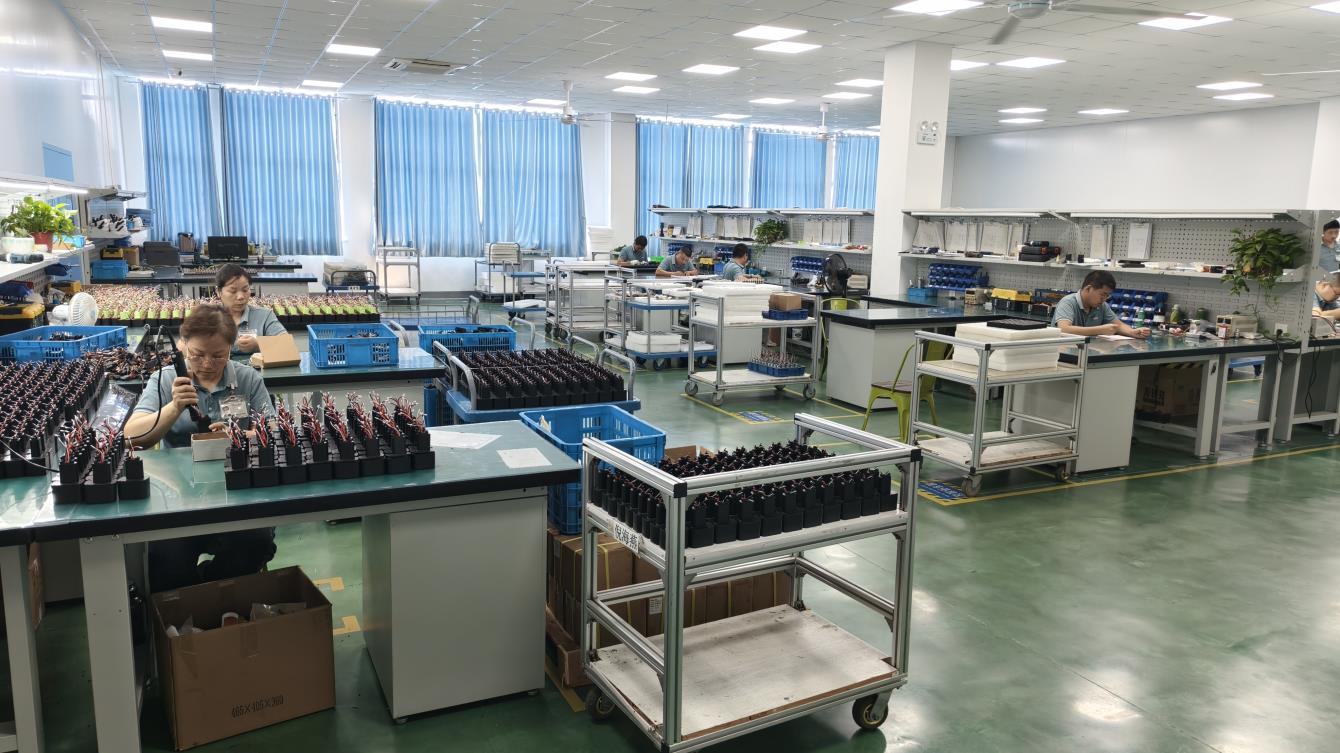
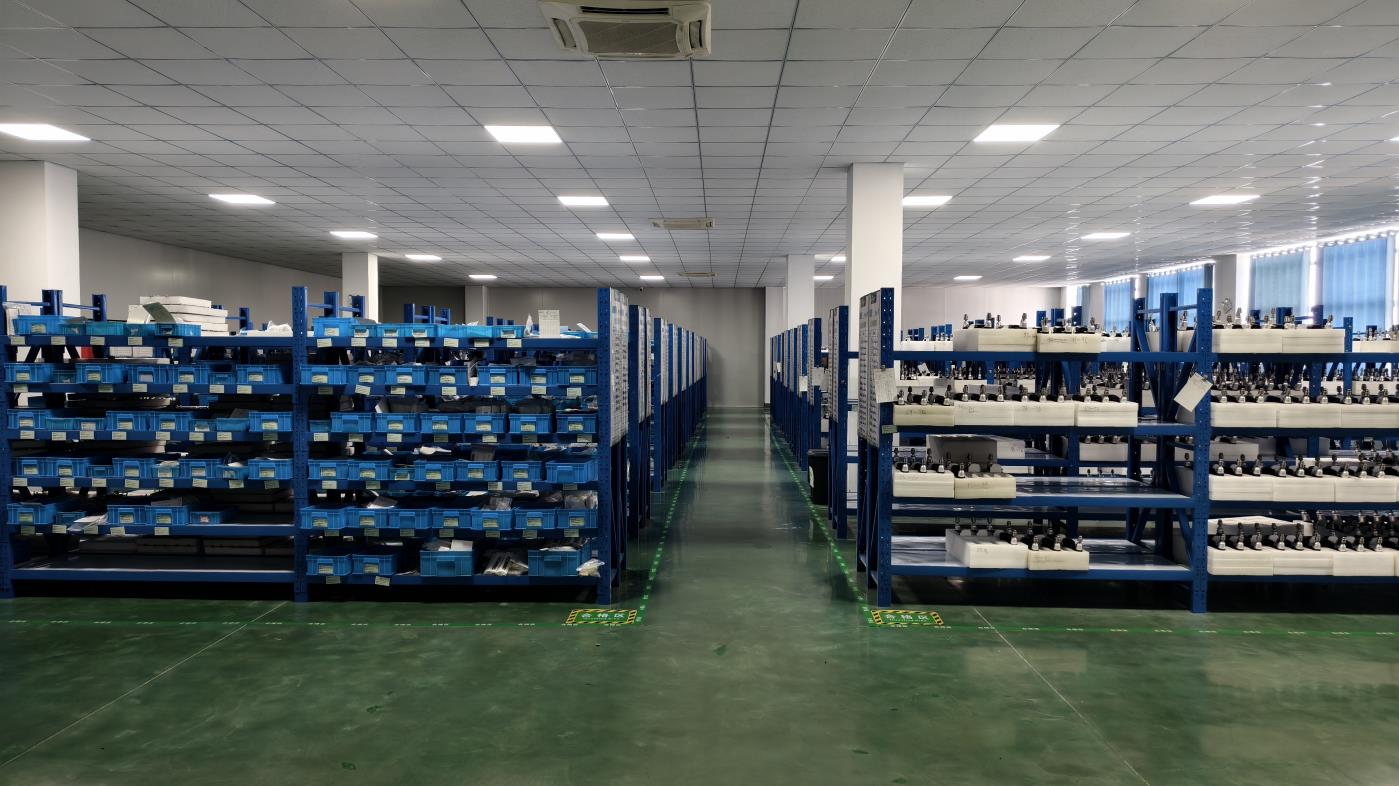
Strategic capacity and high precision at Moventra's 18,600 m² state-of-the-art facility, securing reliable supply chains for central European healthcare distributors.
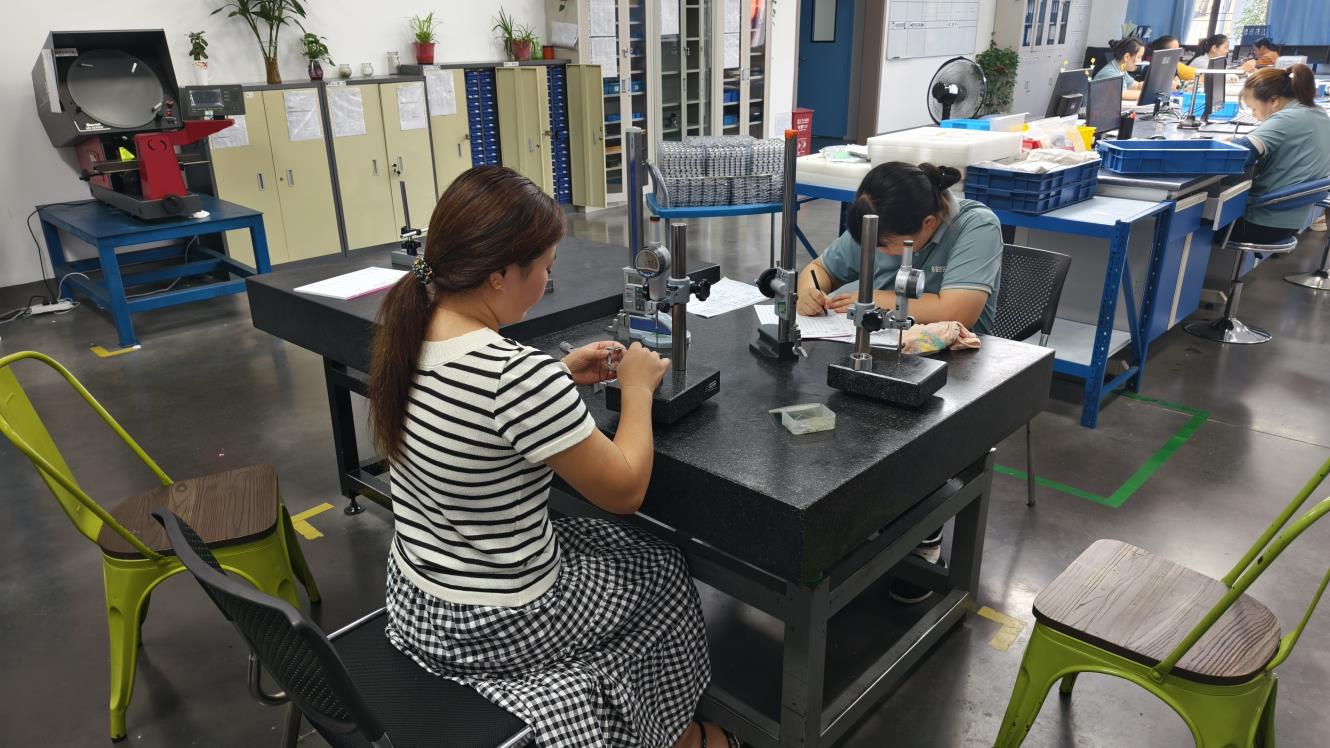
Established in 2017, Moventra Medical Technology has bridged the gap between cost efficiency and high-end medical engineering. Operating in an 18,600 m² modern facility, we utilize Swiss-type CNC automatic lathes, multi-axis machining centers, and precision wire-cutting devices to produce implants with dimensional accuracy measured in microns. From raw material input to final packaging, every batch undergoes a 100% inspection schema utilizing advanced coordinate measuring machines (CMM), optical micrometers, and mechanical stress profile validators.
This deep industrial verticalization enables us to mitigate global supply chain fluctuations, ensuring predictable delivery lead times to Austrian hubs such as Vienna, Linz, and Graz. We act as a trusted OEM/ODM partner, helping European brands customize surgical kits, tool shapes, and sterile packaging arrangements.
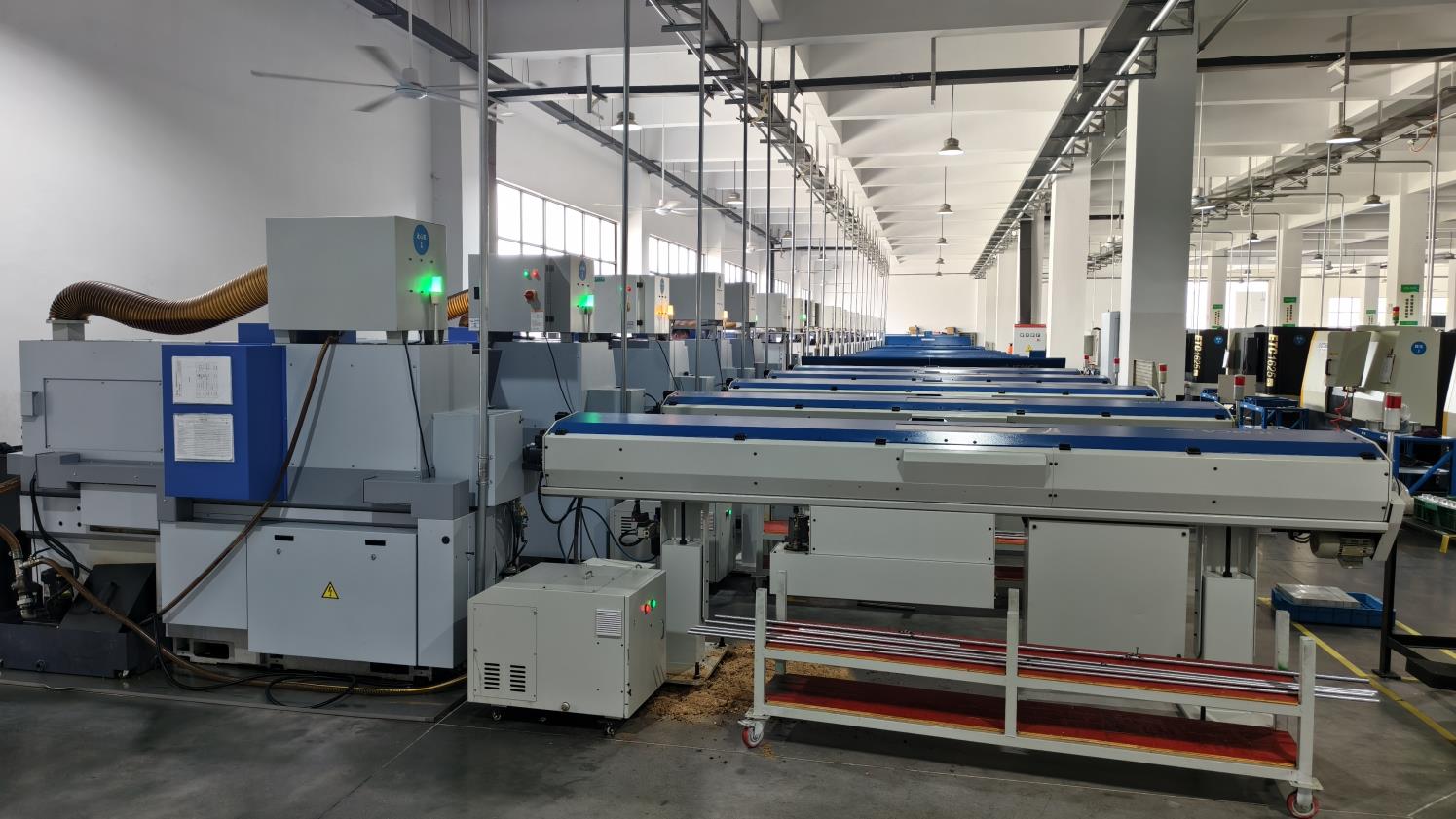
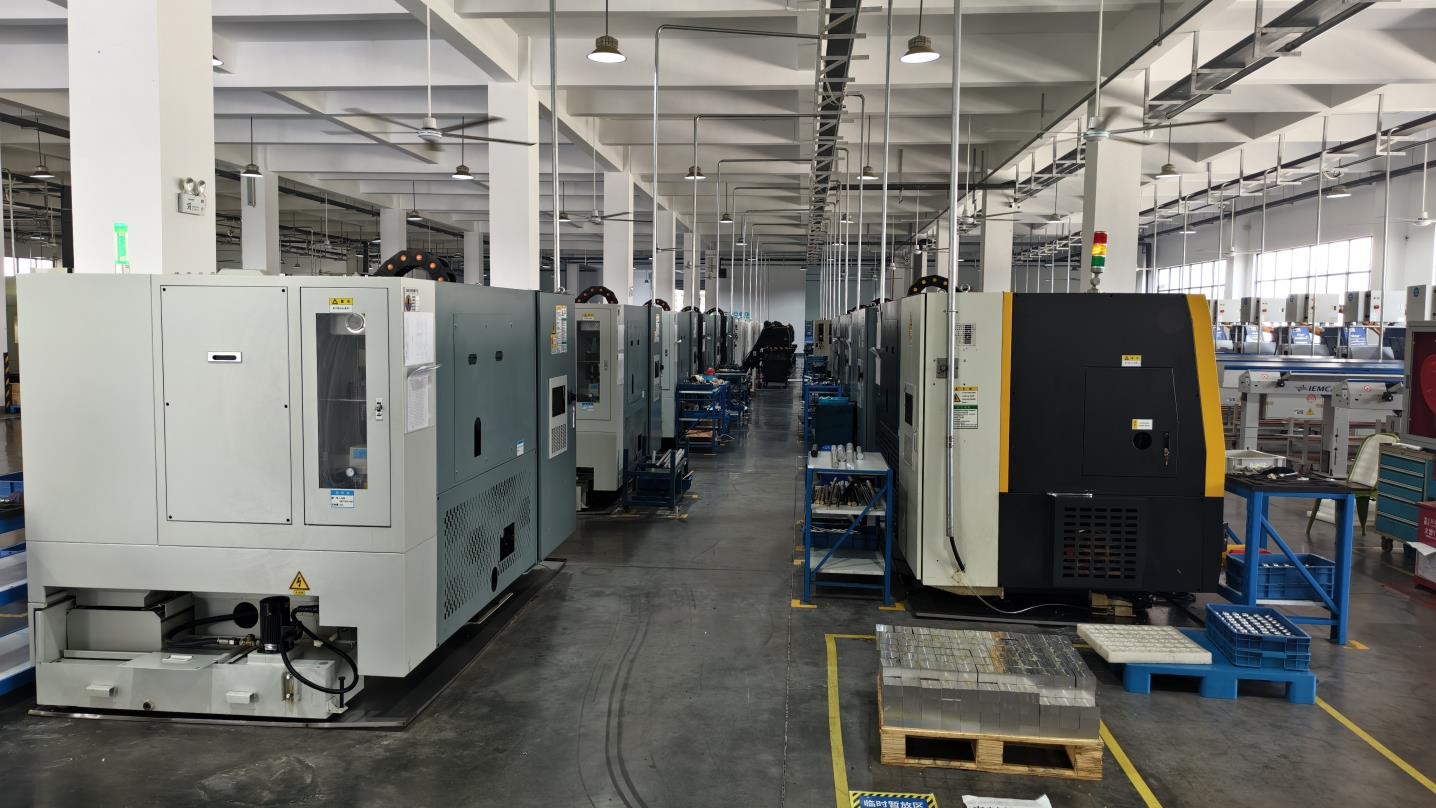
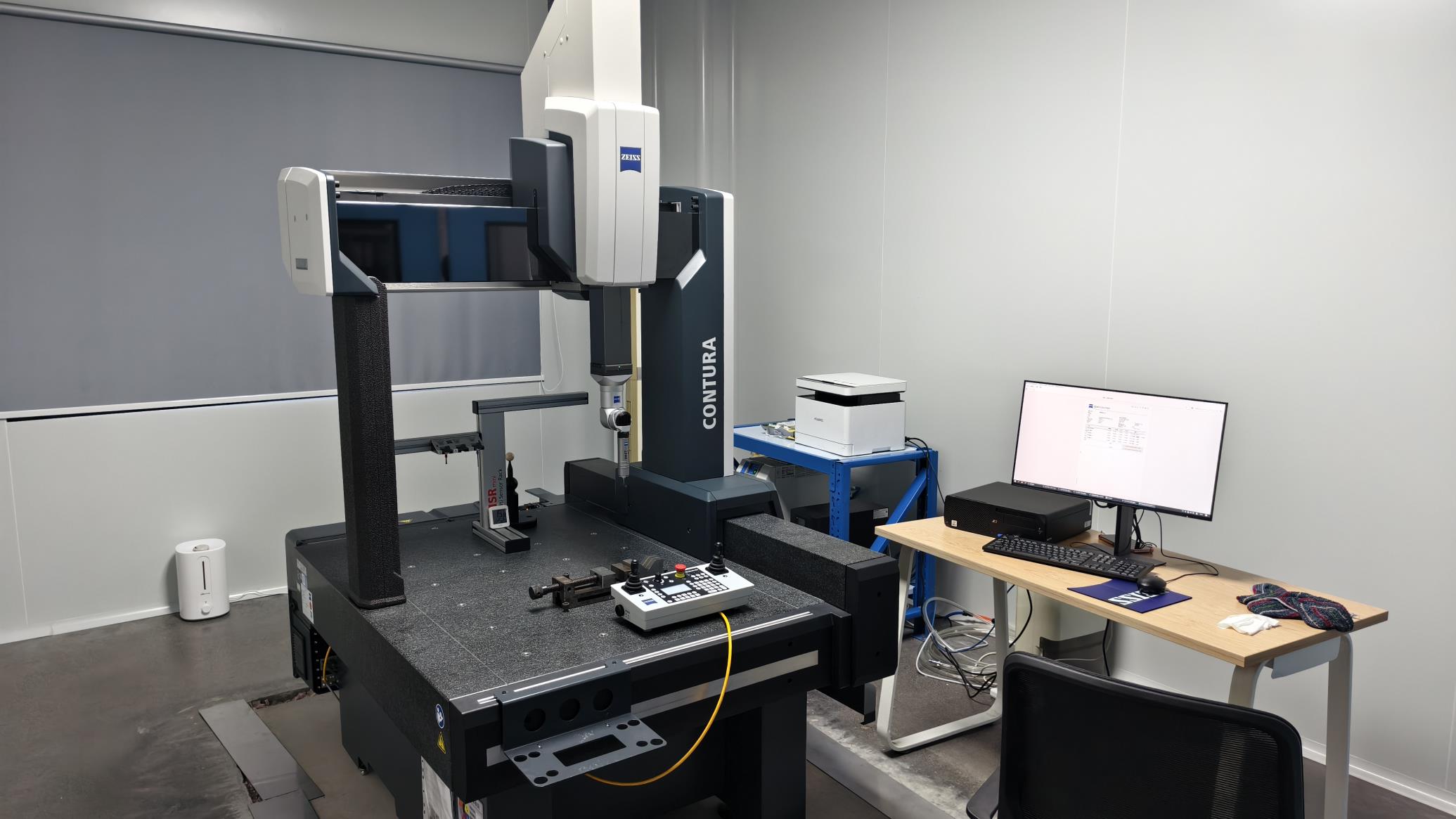
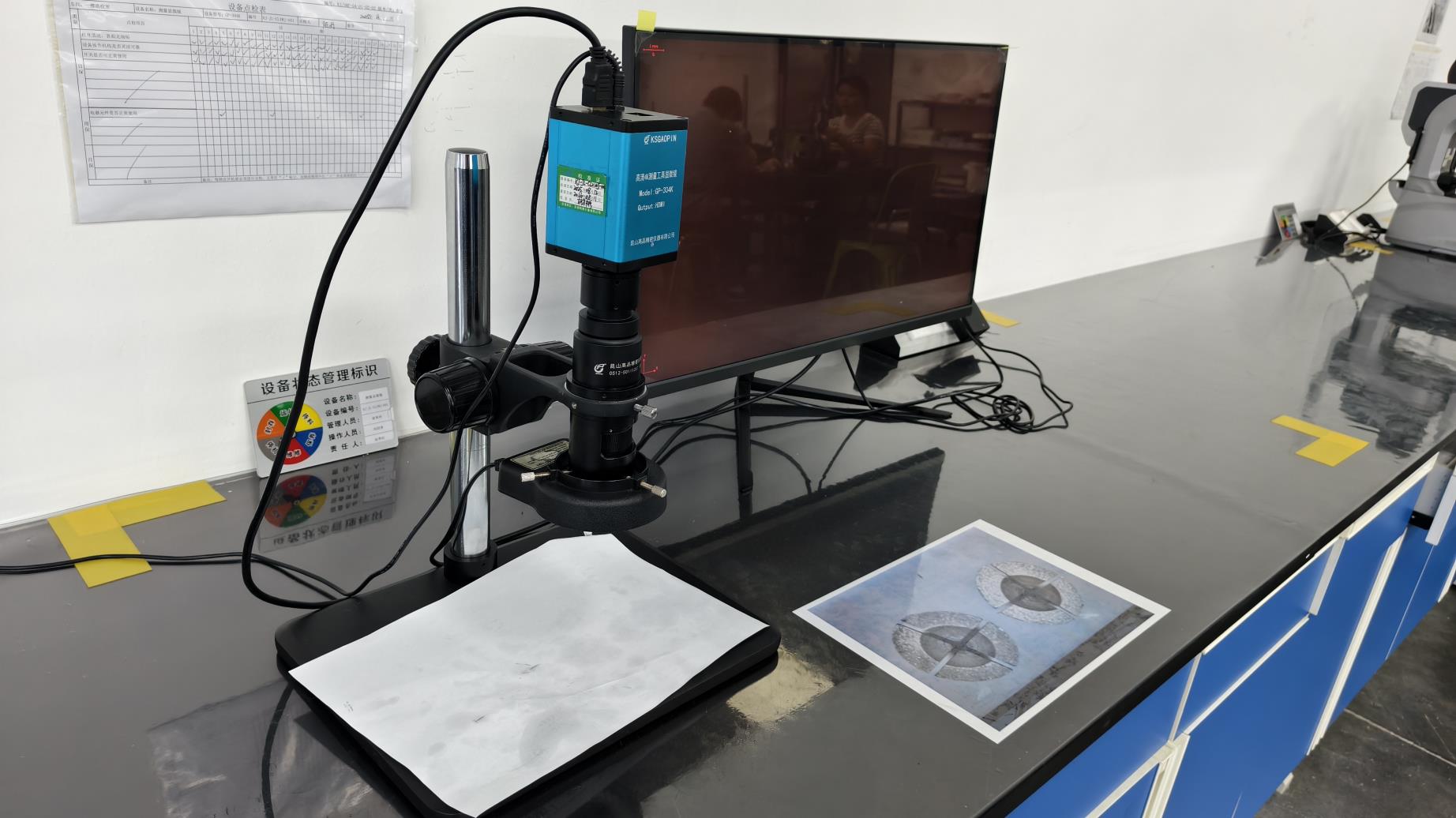
Complete product range supporting orthopedic surgeons in Austria with certified materials and ergonomic design instrumentation.
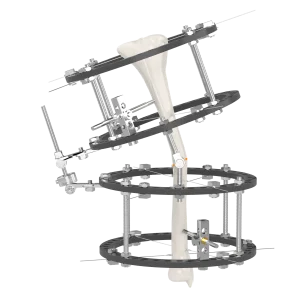
Key information regarding material characteristics, EU regulations, clinical selection criteria, and logistics coordination for the Austrian market.
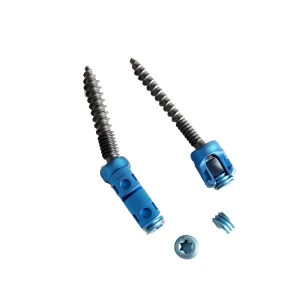
Austria’s alpine regions see a high incidence of high-impact skiing and snowboarding fractures. Our external fixator components, constructed from anodized aerospace-grade Titanium and ultra-lightweight carbon fiber rods, provide a high strength-to-weight ratio. This stiffness minimizes micromovement at the fracture gap under stress, reducing soft tissue swelling and pain. The snap-fit clamps allow surgeons to reduce fractures in minutes, critical during emergencies.
We are fully audited under ISO 13485:2016 quality management systems. Our implants are registered on the European Database on Medical Devices (EUDAMED) with unique UDI-DI codes. Technical dossiers, including bio-compatibility certifications (ISO 10993) and rigorous biomechanical cycle tests simulating up to 1 million gait cycles, are complete and ready to satisfy Austrian import control protocols and hospital procurement evaluations.
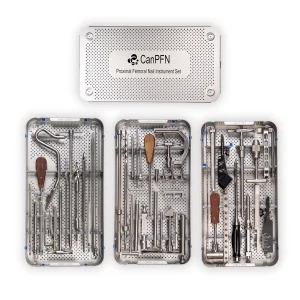
We offer extensive customization. This includes custom anodizing colors (for sizing and side differentiations), proprietary instrument handle geometries, custom container/tray layout configurations, laser-marking of corporate logos, and custom sterile packaging solutions. Supported by our R&D group of 86 engineers, we can develop and manufacture custom components based on supplied drafts or target clinical requirements.
Every raw material batch (Titanium alloys, stainless steels, and PEEK composites) is sourced from certified medical-grade suppliers and undergoes strict incoming spectroscopic analysis to confirm chemical composition and mechanical compliance. During processing, our 48 QA professionals employ metallographic microscopes, micro-hardness testers, and coordinate measuring machinery to ensure no microstructural defects or surface deviations occur.
For standard external fixator configurations, our supply chain ensures shipping within 15–30 days. We utilize express air freight or combined rail links directly into Central Europe (Vienna logistics hub) to secure reliable transits. Minimum order quantities (MOQs) are flexible, geared towards building long-term trial relationships with Austrian hospital purchasing networks and regional distributors.
 Moventra Medical