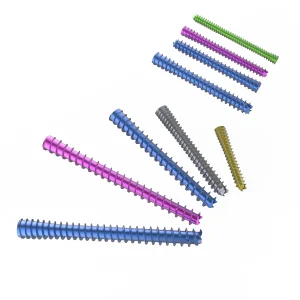
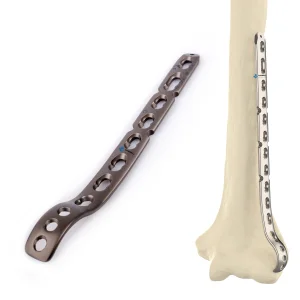
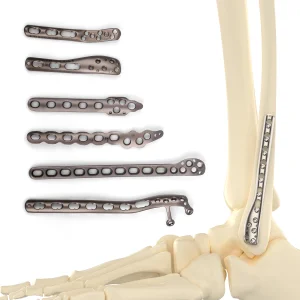
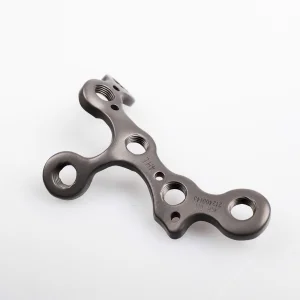
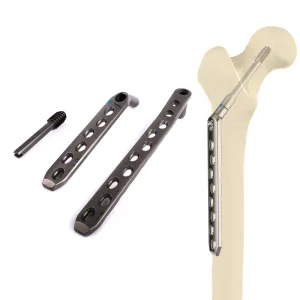
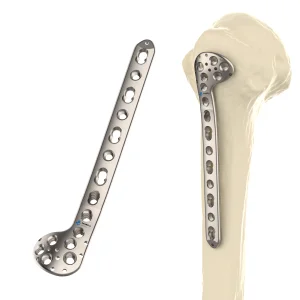
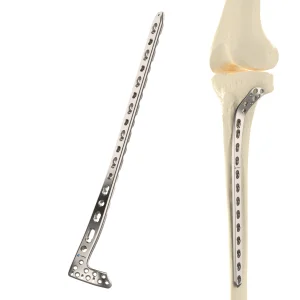
Precision-Engineered Osteosynthesis Systems, Titanium Locking Plates, and Cannulated Screws Custom-Built for NITOR Specifications and DGDA Regulatory Compliance.
Advanced fixation solutions designed to reduce post-operative complications and meet international standard tolerances required by local clinical distribution channels.
A comprehensive analysis of procurement dynamics, regulatory updates, surgical instrument trends, and distribution roadmaps for high-performance osteosynthesis devices.
Bangladesh, dynamic and fast-developing, is facing a substantial shift in orthopedic healthcare delivery. With major hospitals like the National Institute of Traumatology and Orthopaedic Rehabilitation (NITOR) in Dhaka operating at peak capacities, and private clinical networks expanding across Chittagong, Sylhet, and Rajshahi, local surgeons perform millions of trauma surgeries annually. The critical drivers include high road traffic accident (RTA) incidences, industrial injuries within the RMG (Ready-Made Garment) sector, and age-related osteoporotic fractures.
These clinical demands necessitate a continuous, high-volume supply of locking compression plates (LCP), intramedullary nails, and external fixators that guarantee bio-compatibility, strict mechanical tolerances, and reliable fatigue life profiles.
The Directorate General of Drug Administration (DGDA) of Bangladesh has systematically tightened import standards to prevent low-quality metal implants from entering the market. Successful exporters must supply extensive documentation including Certificate of Free Sale (CFS), ISO 13485 Quality Management certificates, and CE certifications.
At Moventra Medical Technology, we provide comprehensive dossier support to our Bangladeshi partners, ensuring smooth customs clearances and licensing approvals. Our manufacturing methodologies focus on traceable raw material chains (ISO 5832-2 and ISO 5832-3 grade titanium), safeguarding patient outcomes and reducing hospital litigation risks.
We rely on high-grade clinical metals: Ti-6Al-4V ELI (Extra Low Interstitial) for high flexibility and bio-inert performance, and 316LVM implant-grade stainless steel to ensure rigidity in high-stress non-articulated bone segments.
Our plates are designed to pair flawlessly with international manual and power orthopedic instrument kits, reducing intraoperative alignment struggle for surgeons working in busy trauma centers.
By leveraging advanced Swiss-type CNC automatic lathes and automated wire-cutting centers, we keep unit costs highly competitive, meeting the stringent budget boundaries of tender projects in Bangladesh.
For orthopedic distributors and ministries of health in Bangladesh, securing a reliable supply of medical devices is paramount. Local manufacturing of complex implants remains challenging due to the heavy capital requirements for metallurgy validation, multi-axis milling technology, and biological sterilization checking setups. The current import-led model relies on factories that can deliver consistent batch-to-batch uniformity.
Providing clear traceability, certified raw materials, and robust design engineering (such as low-profile anatomic curves that require minimal manual contouring) is what positions Moventra as a premier partner for the top-tier orthopedic companies in Dhaka and beyond.
A globally trusted OEM/ODM manufacturer of state-of-the-art orthopedic medical devices, driving surgical innovation and clinical precision since 2017.
Established in 2017, Moventra Medical Technology focuses on the research, development, and high-precision production of implants for trauma, spine, joint reconstruction, and sports medicine. Operating out of a modern manufacturing facility, we integrate Swiss-type lathes, multi-axis machining centers, and comprehensive mechanical performance laboratories to ensure our osteosynthesis devices withstand demanding clinical loads.
We provide OEM and ODM services to global medical device brands, orthopedic distributors, hospitals, and national health departments. Our quality control system is backed by 48 dedicated specialists conducting 100% inspections before shipment.
| Capability Item | Operational Details |
|---|---|
| Established & Experience | 2017 (13 Years Industry Experience) |
| R&D Strength | 86 Engineers; 156 New Products Released Last Year |
| Quality Control Staff | 48 QC Technicians |
| Inspection Procedures | Dimensional, Chemical Material Analysis, Surface Roughness, Mechanical Strength, Sterility |
| Customization Choices | Logo, Packaging, Custom Drawing, Sample Engineering |
| Target Segments | Medical Brands, Distributors, Hospital Purchasing Groups |
Take a virtual look inside our automated production centers, precision inspection labs, and raw material warehousing zones designed for global medical compliance.
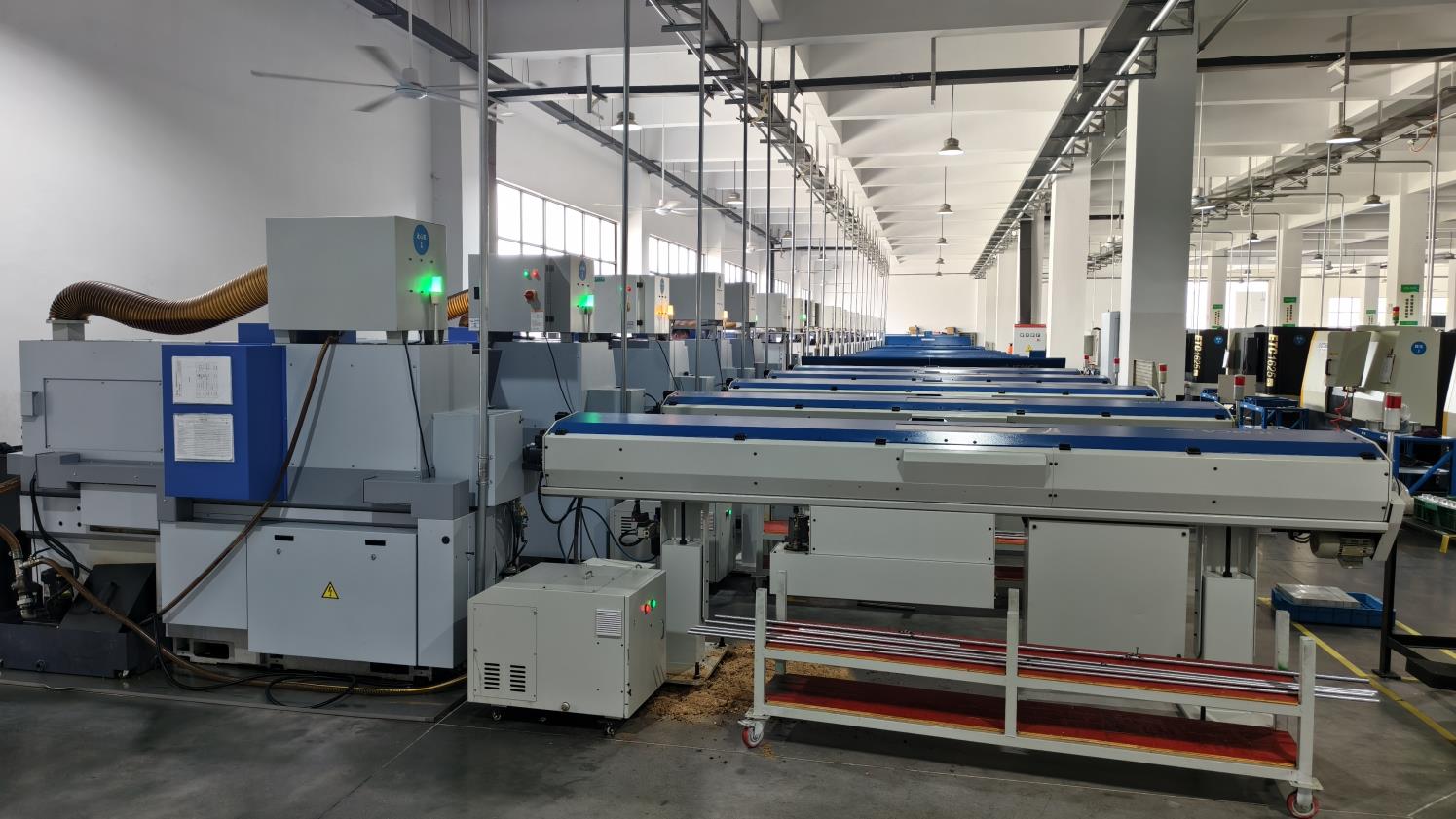
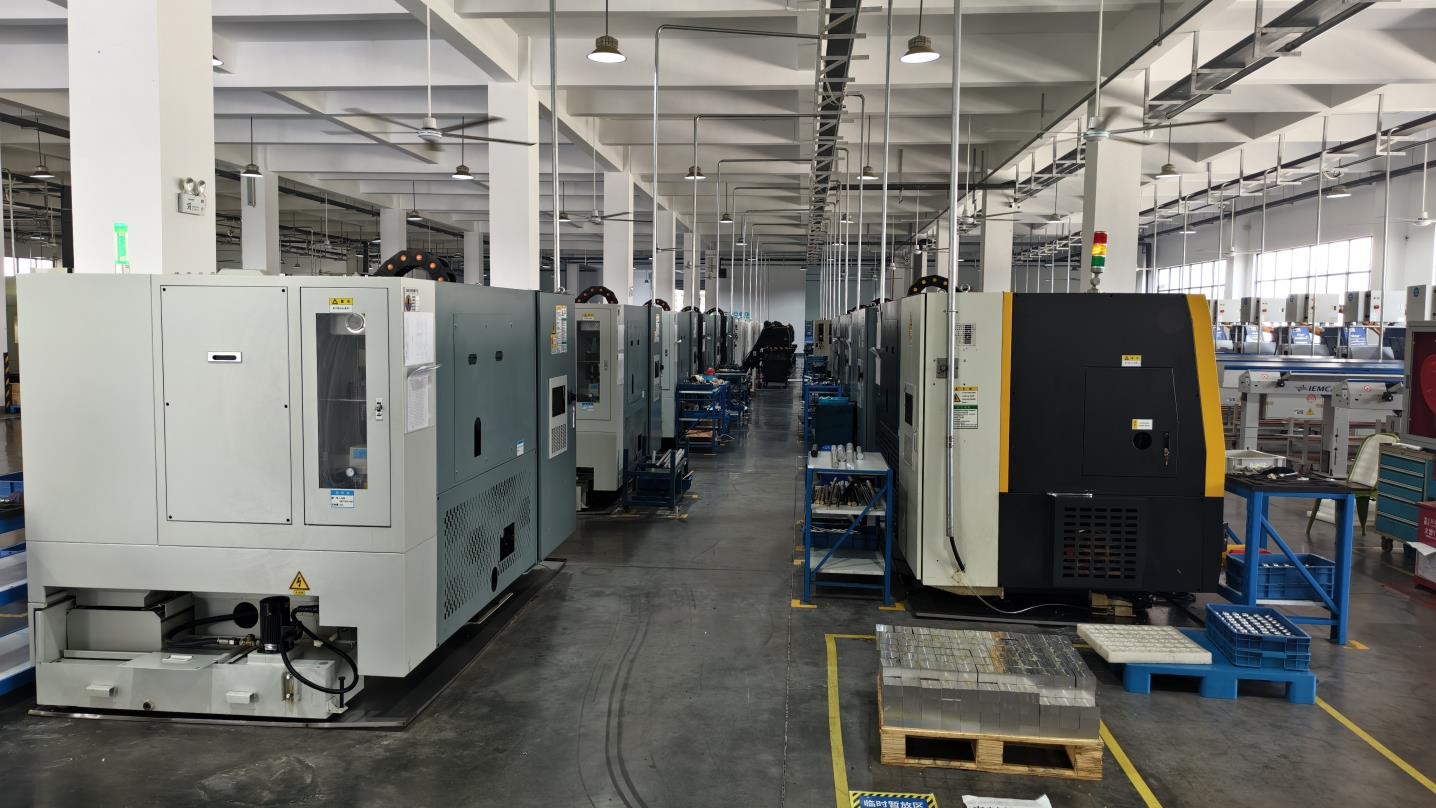
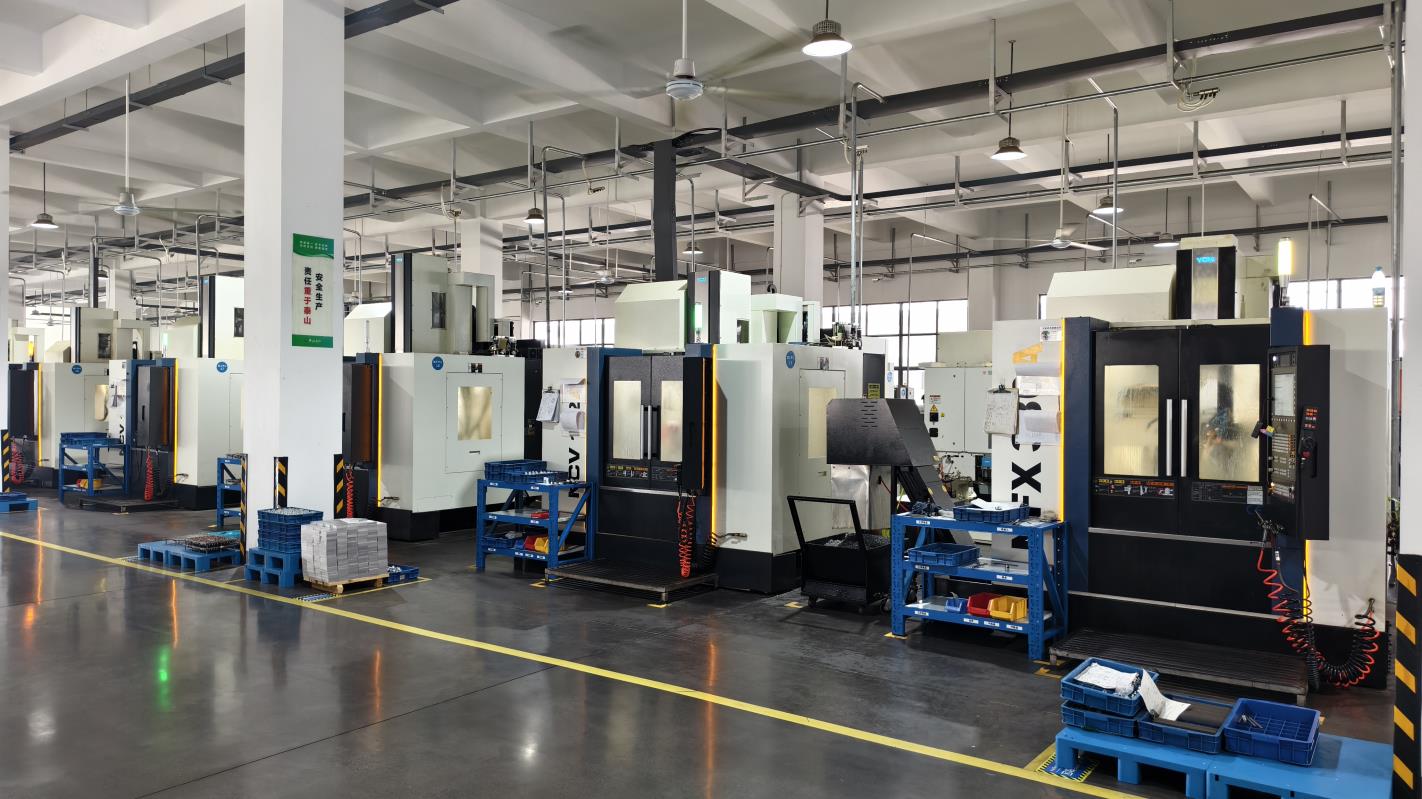
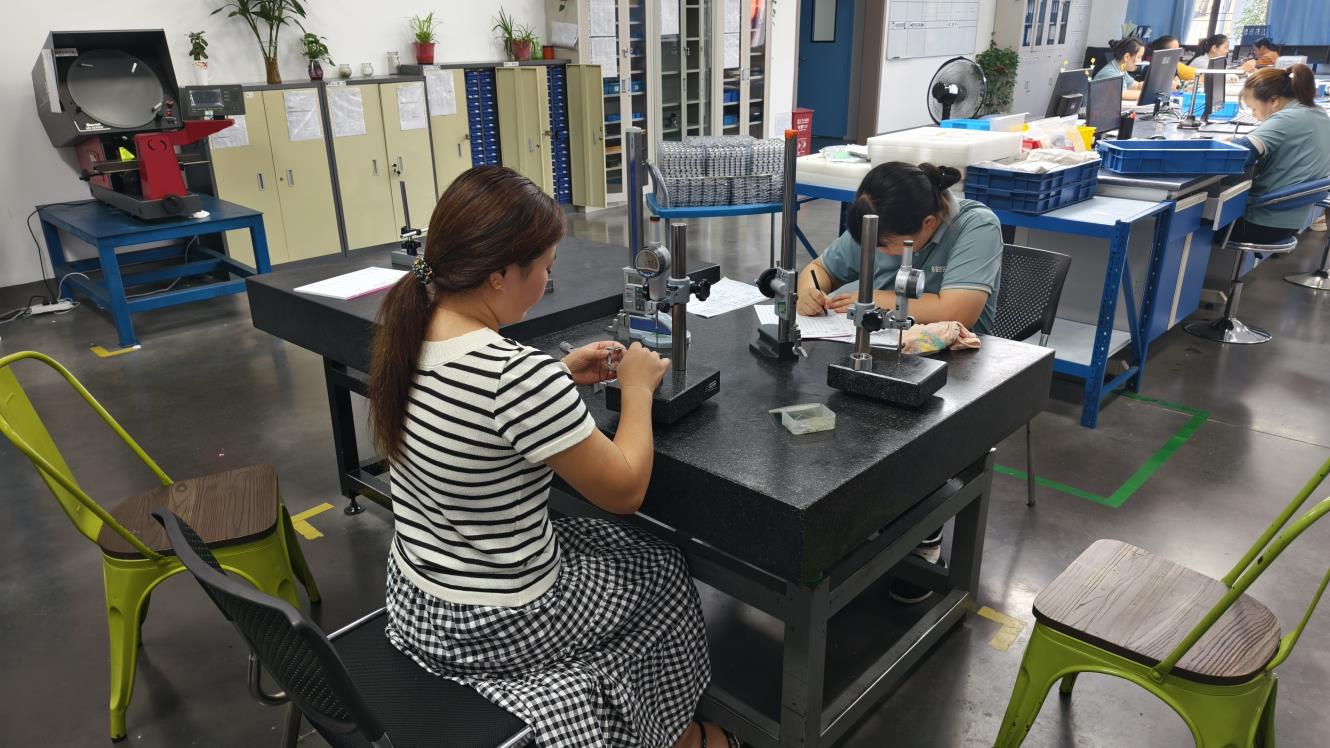
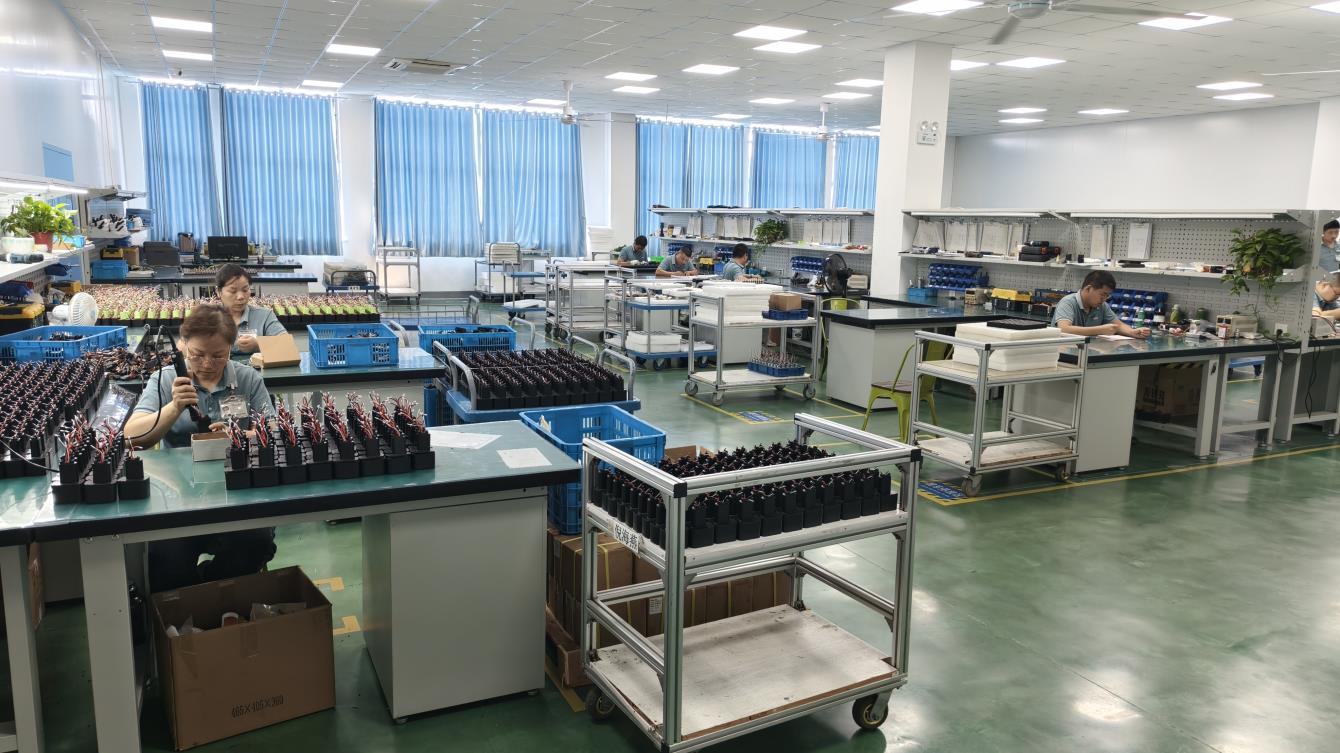
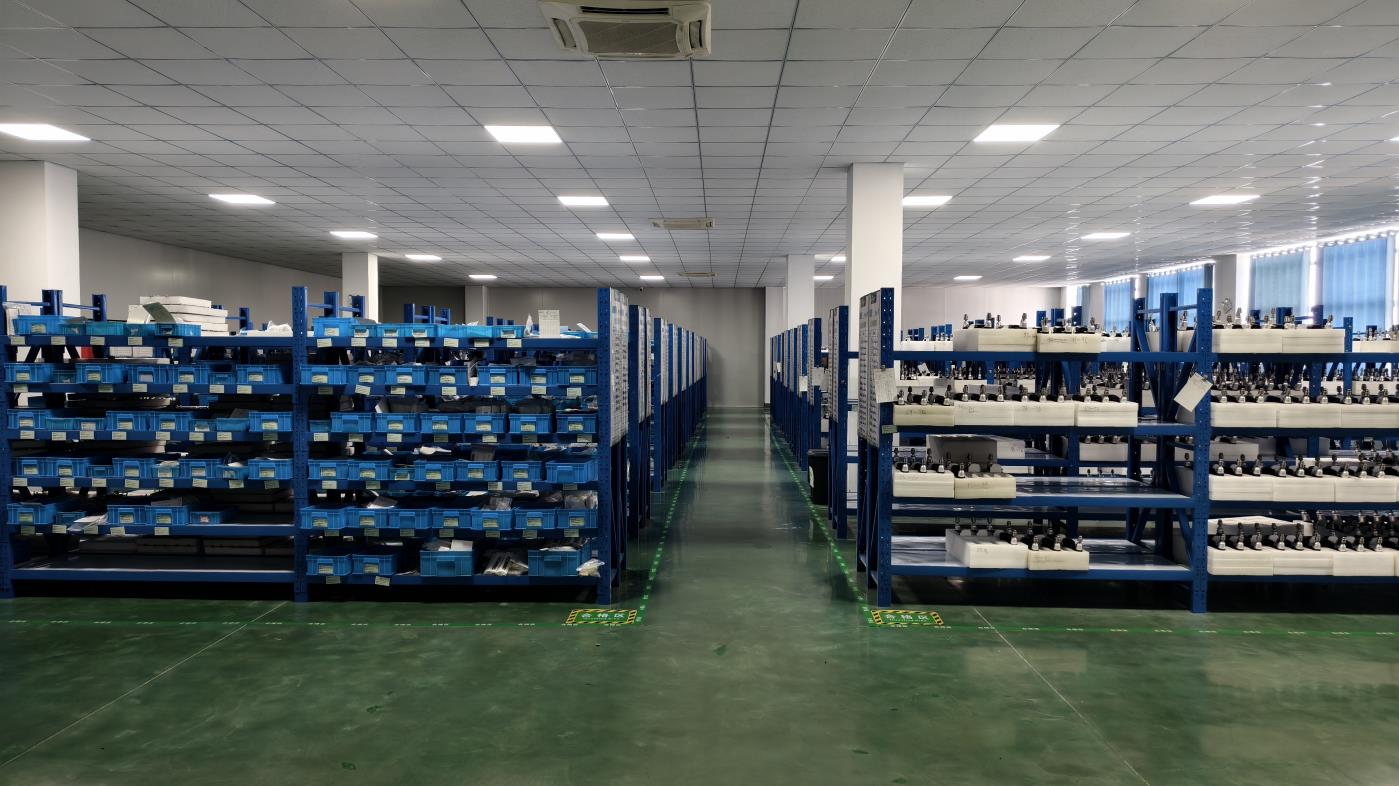
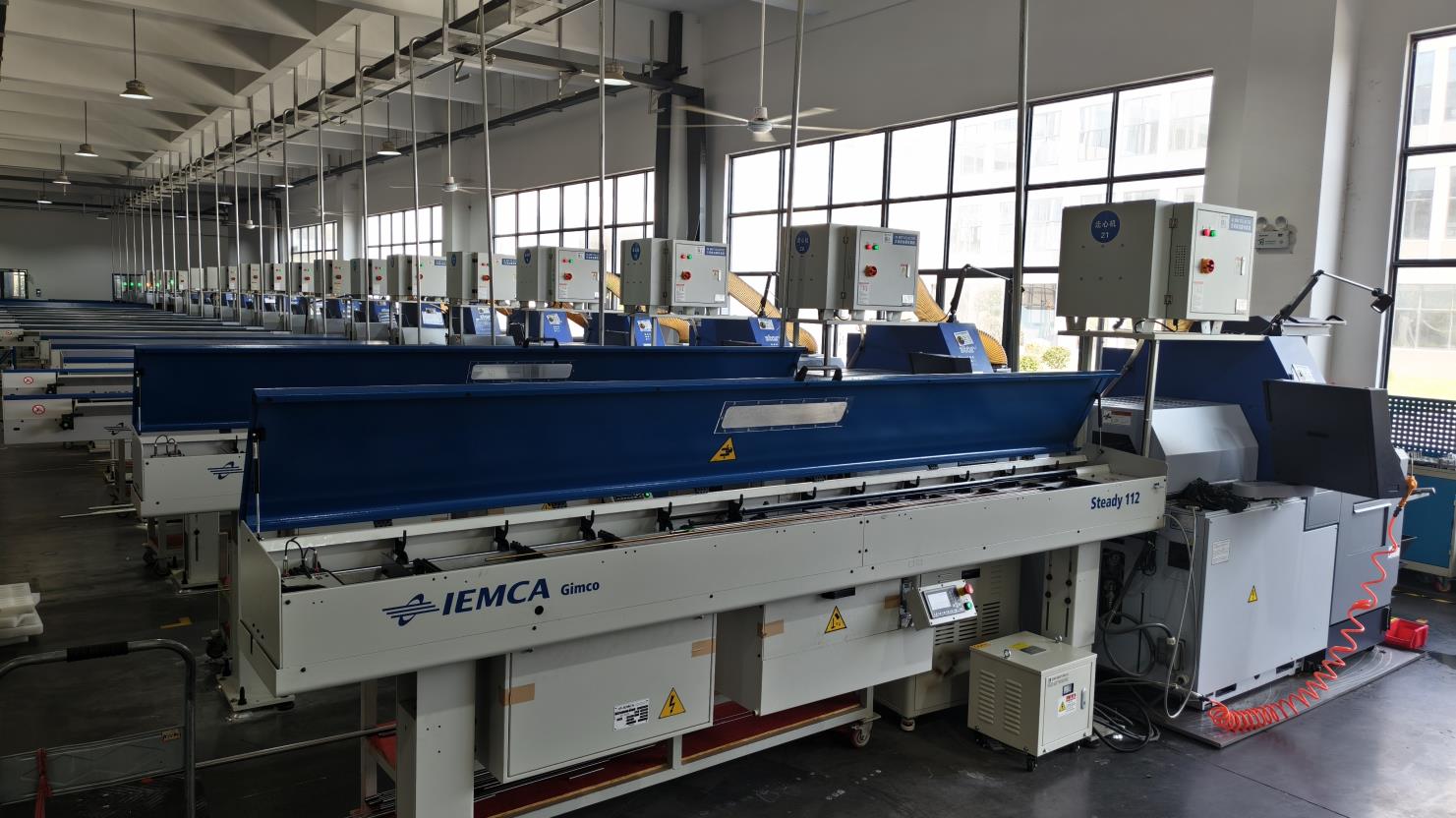
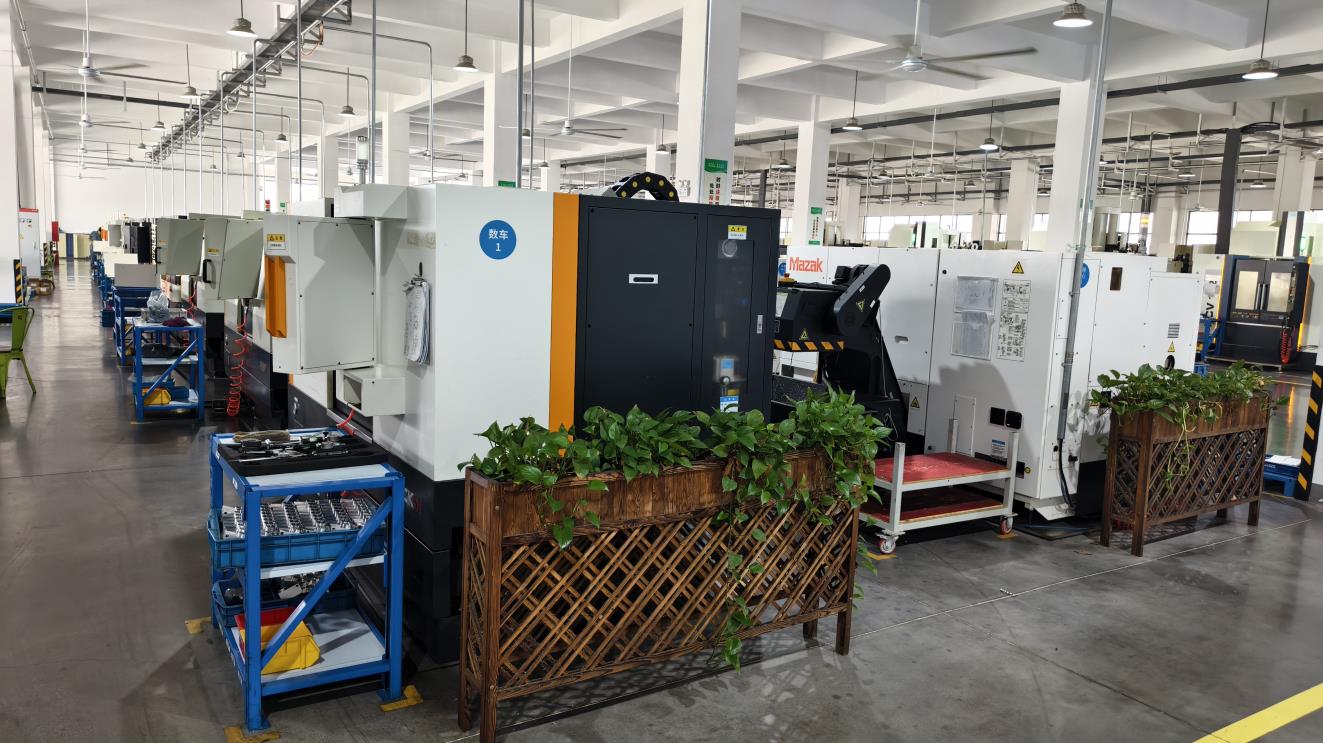
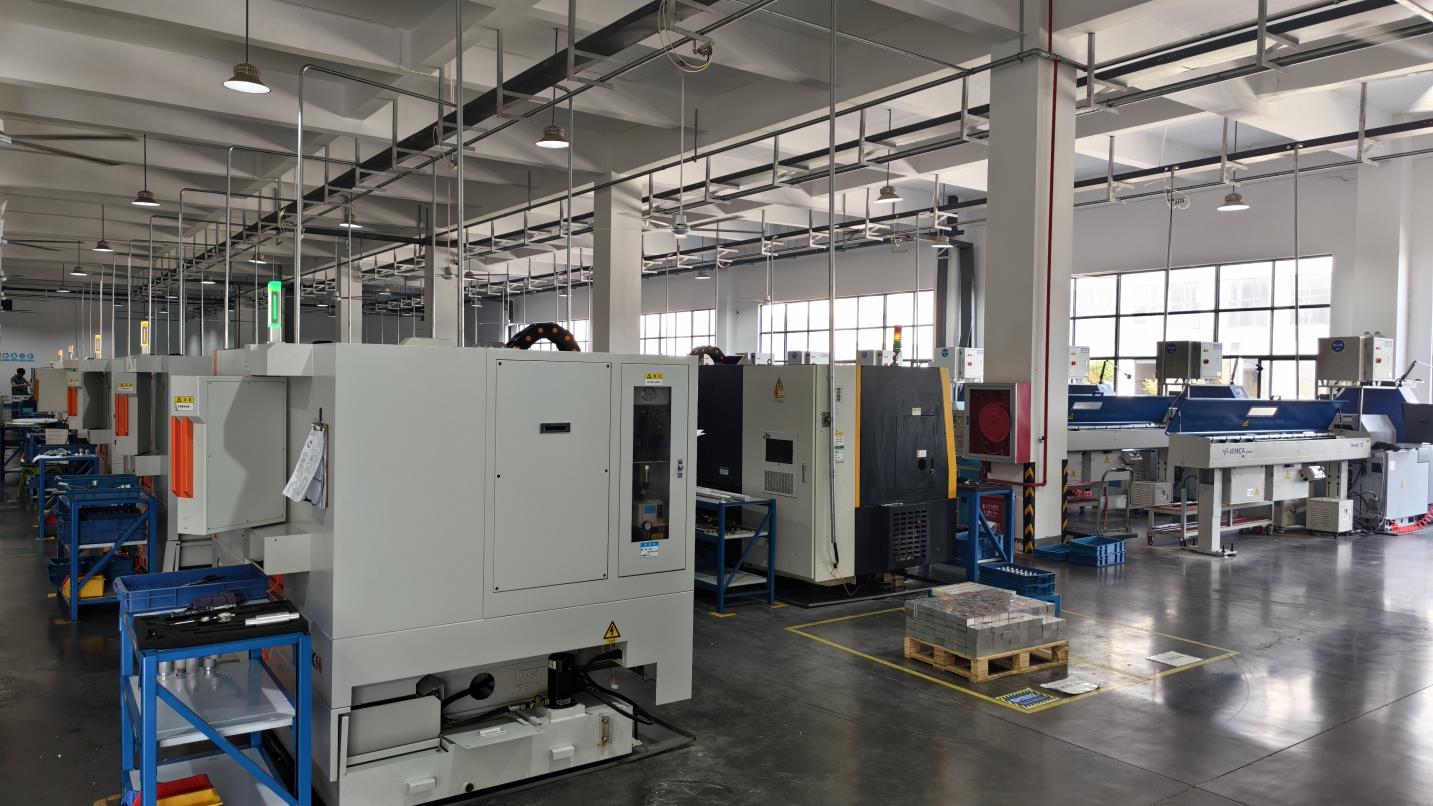
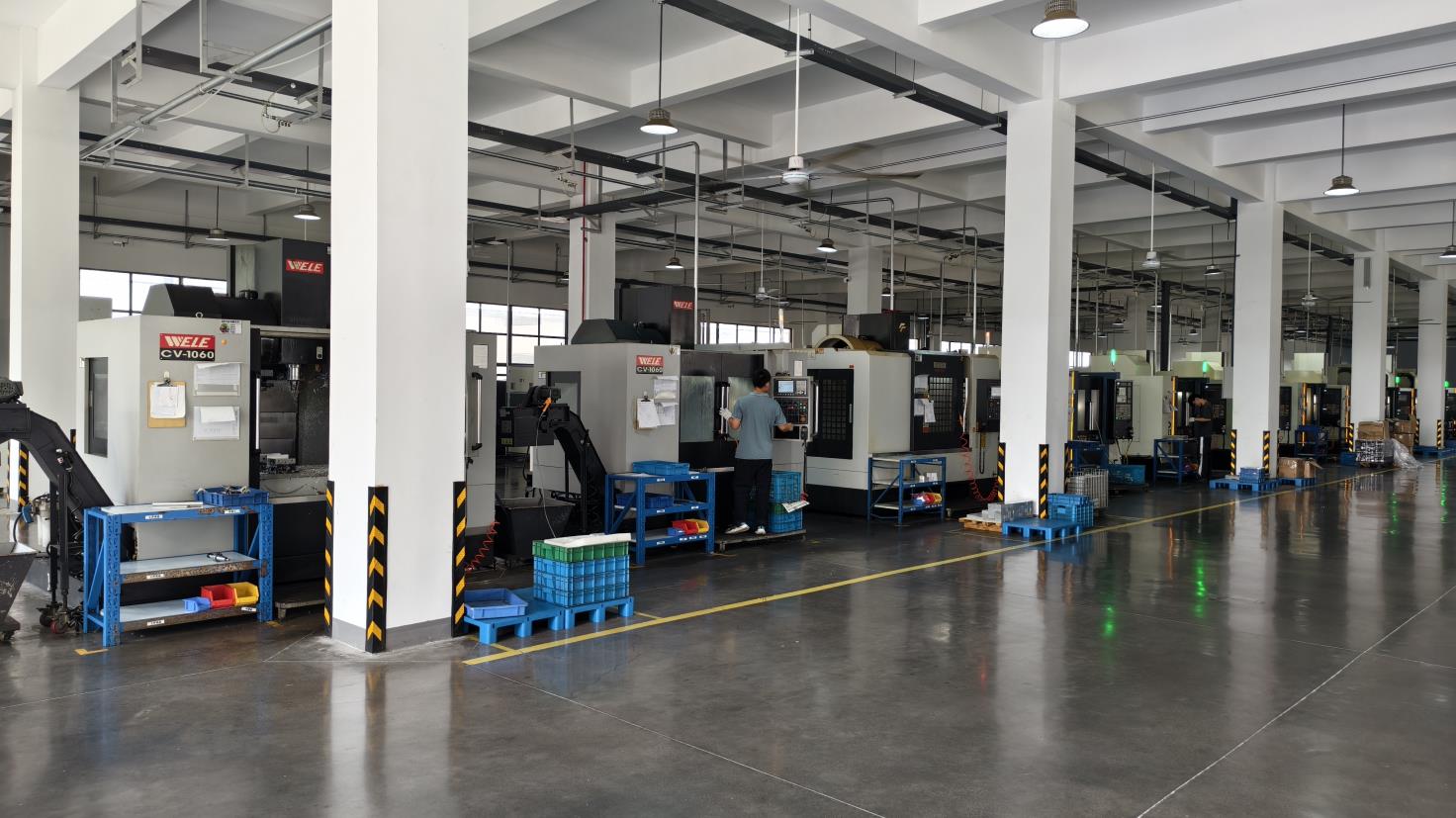
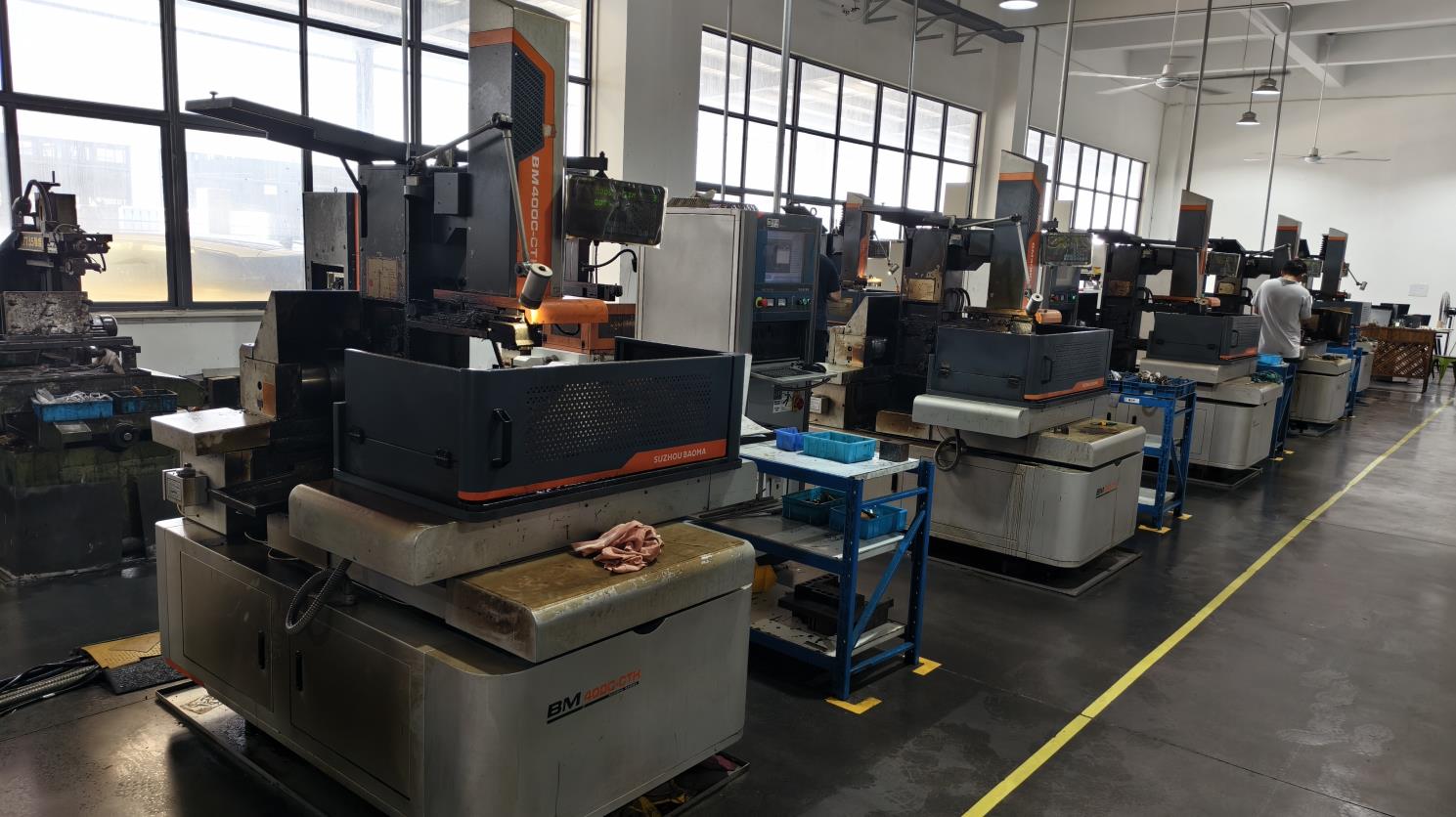
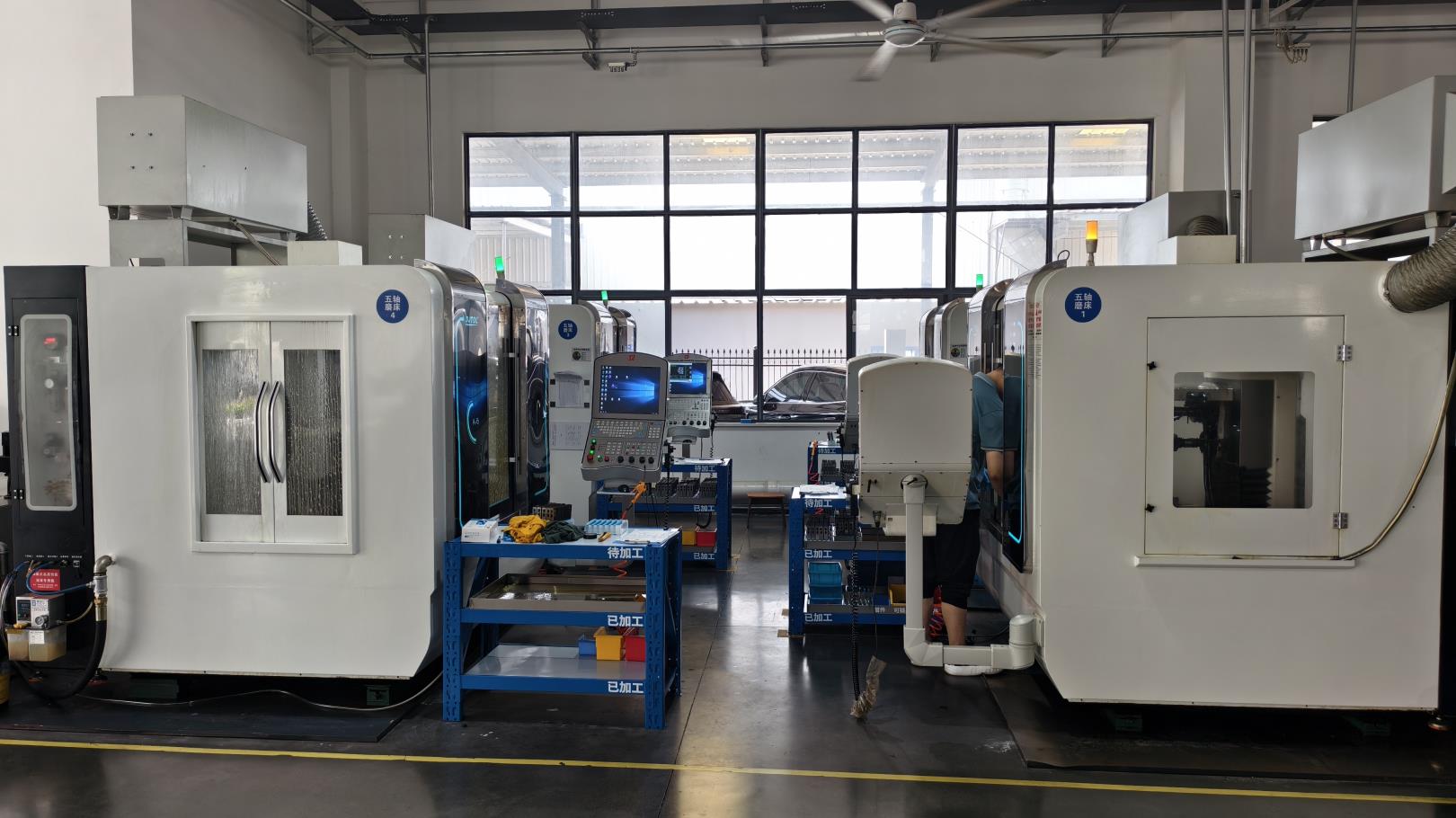
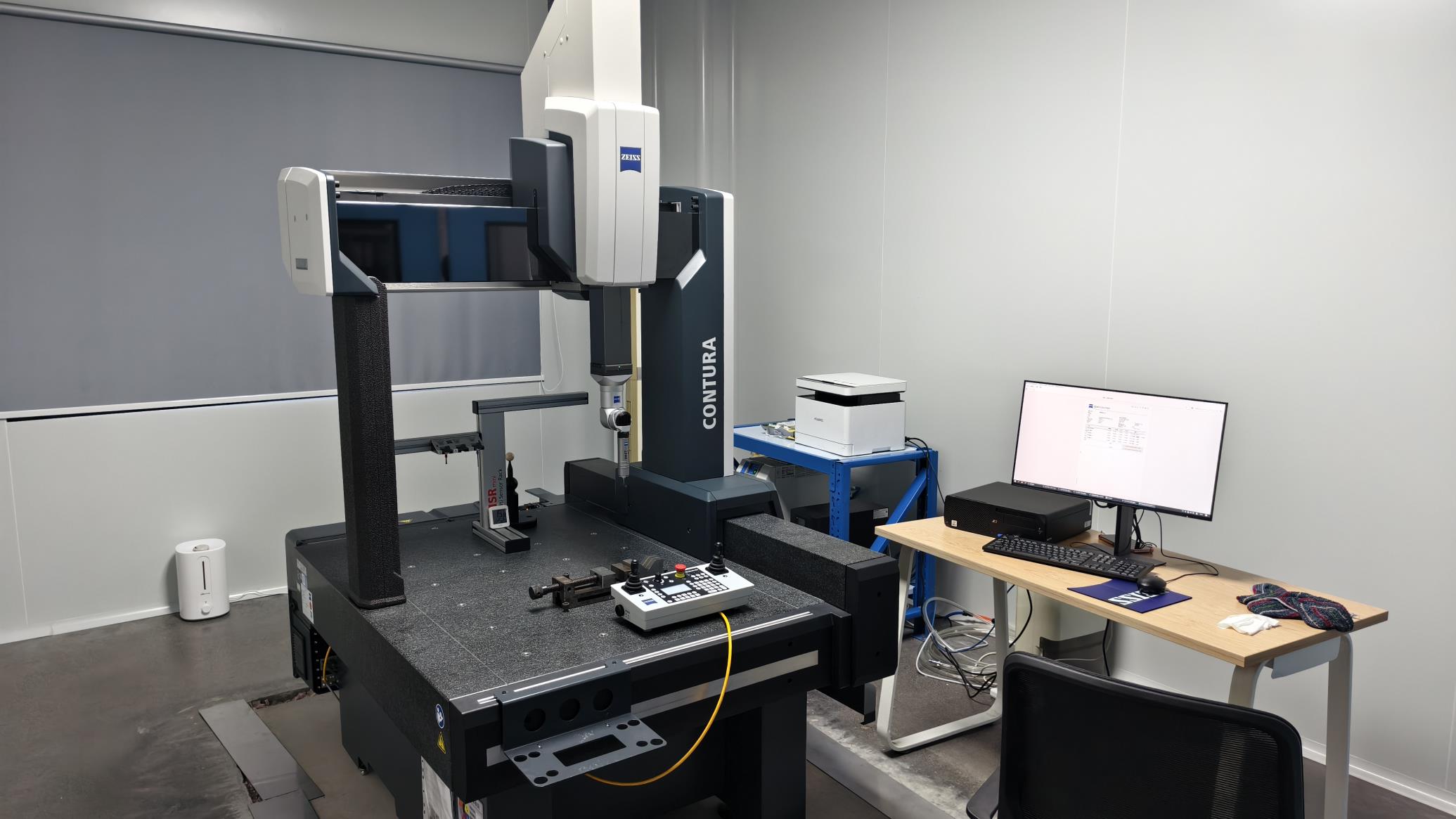
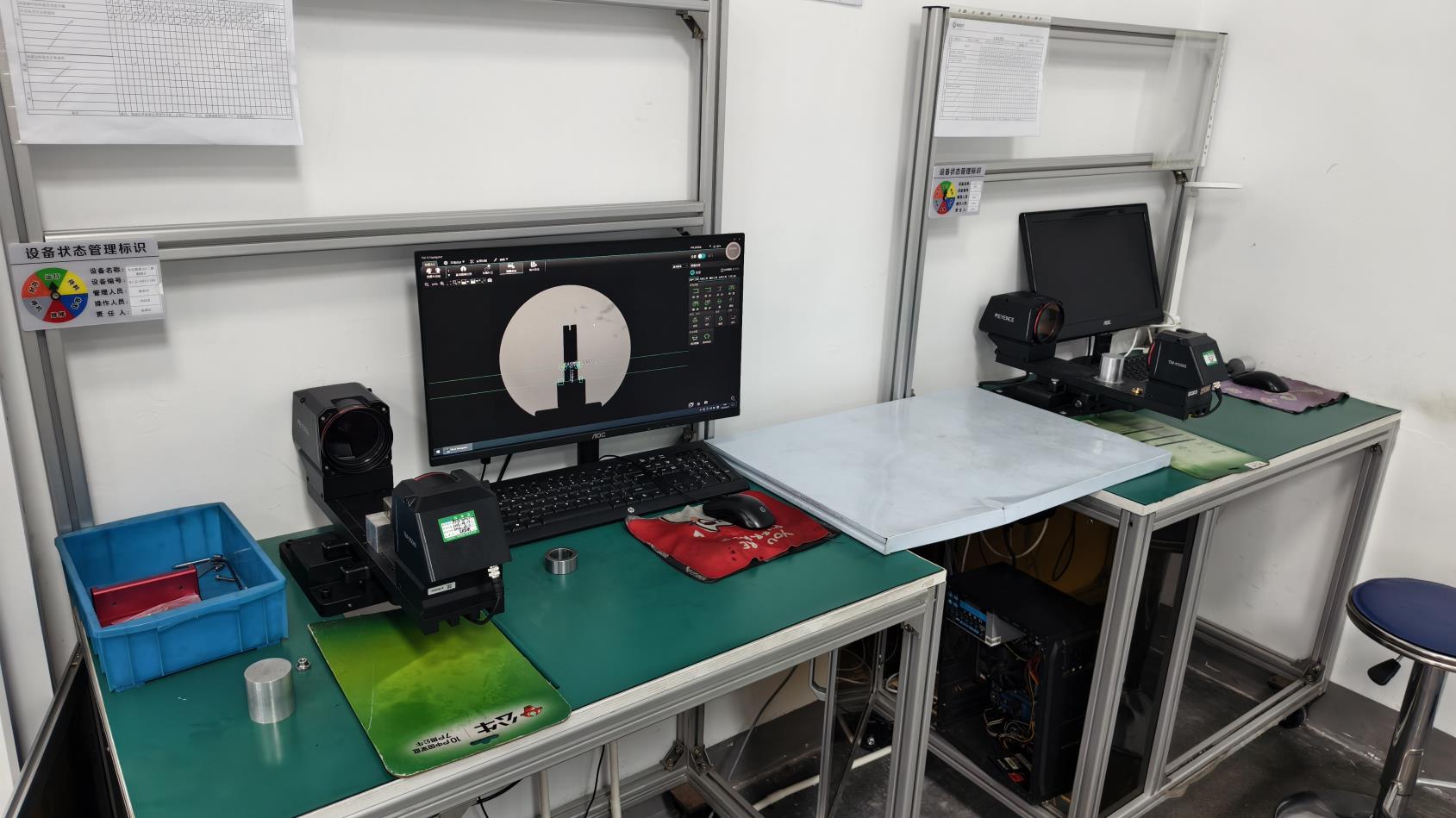
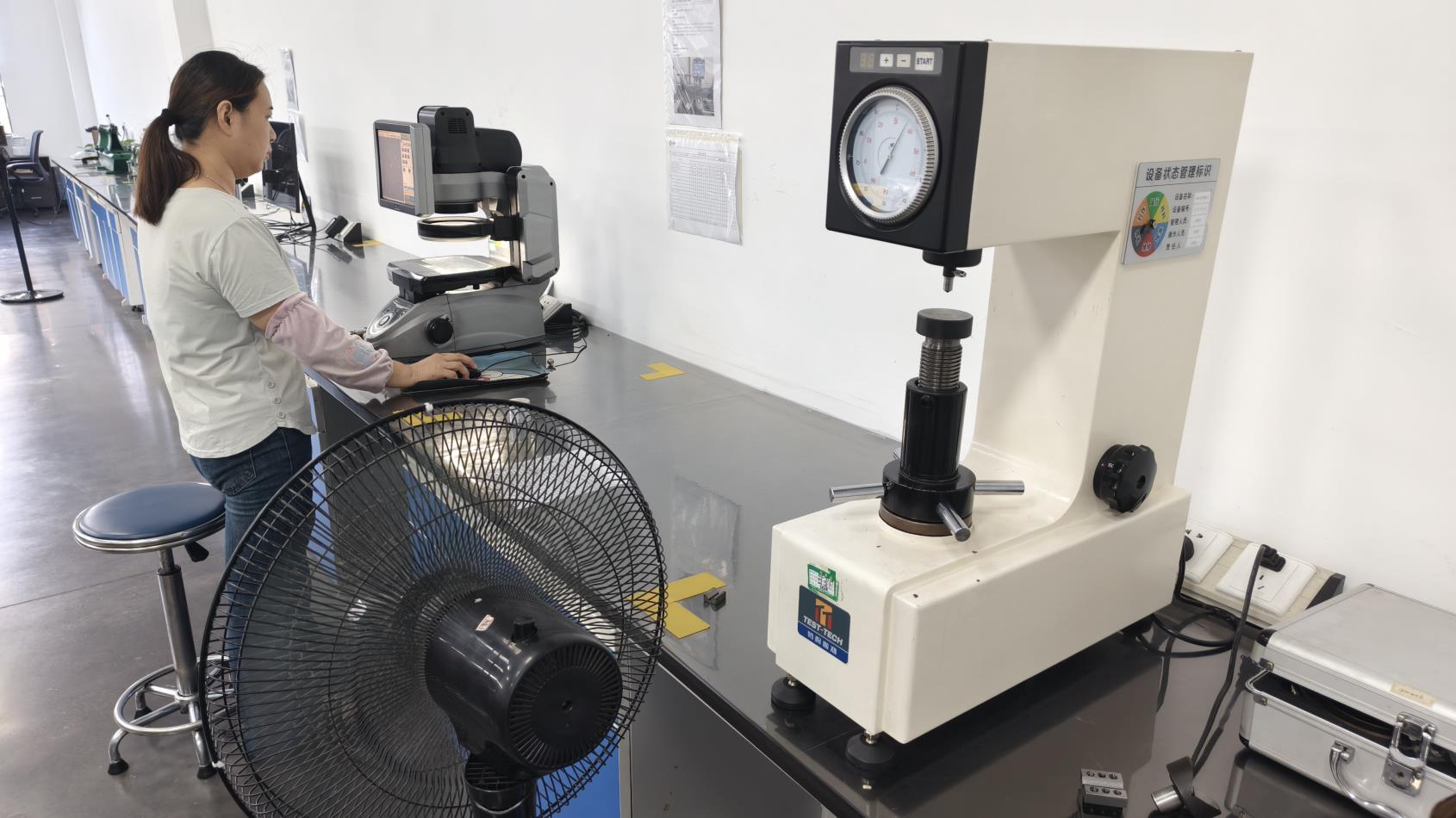
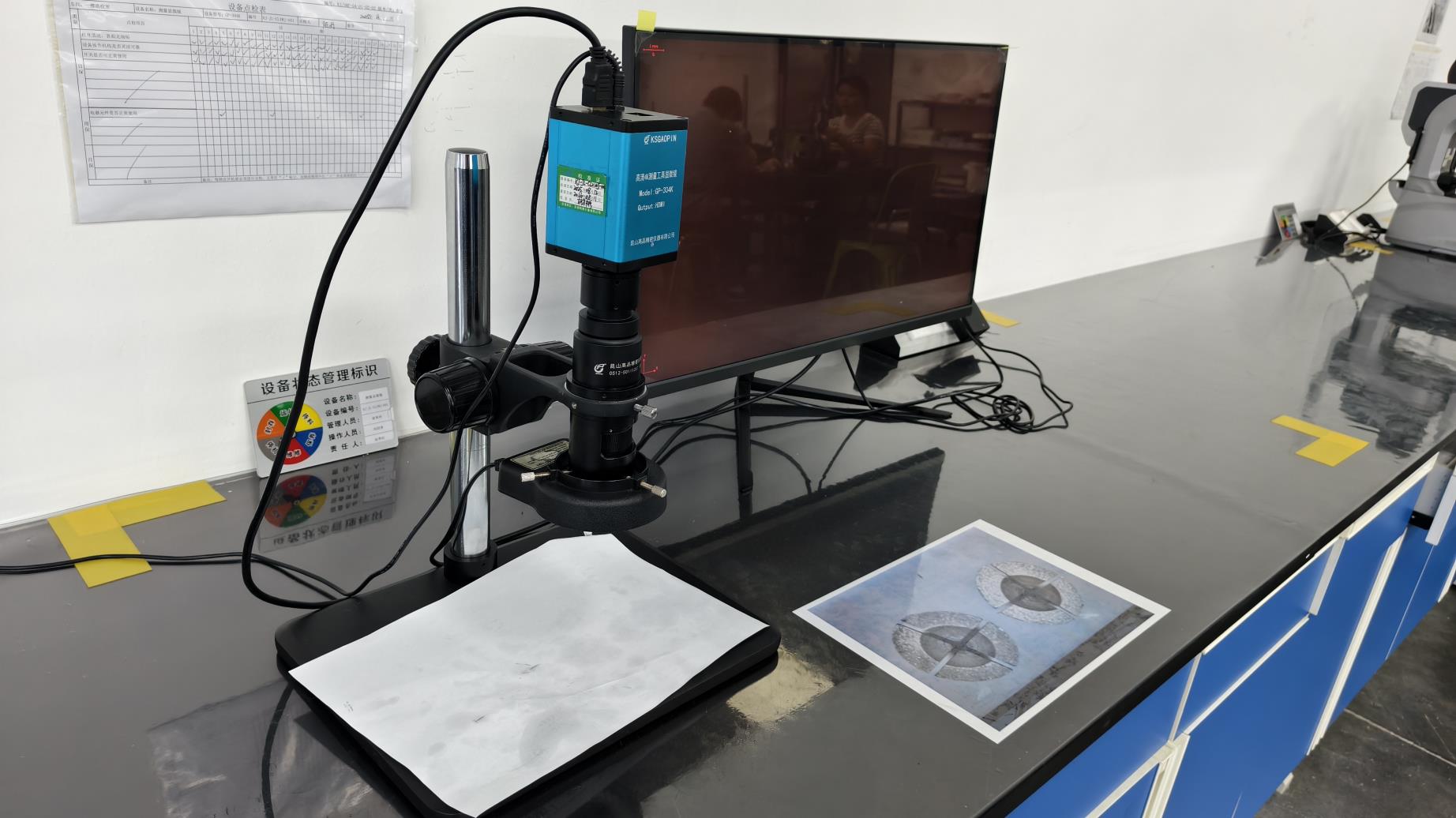
Standardizing quality metrics for trauma plates and fasteners in South Asian healthcare environments.
In humid South Asian climates, proper sterilization prep and storage stability are paramount. Our titanium products undergo specialized type II anodization, creating a dense, protective titanium oxide (TiO2) layer. This surface treatment reduces metal ion release into surrounding tissues, enhances fatigue strength, and minimizes bacterial adhesion pathways—critical for lowering surgical site infection rates in crowded municipal orthopedic wards.
Additionally, our color-coded plating systems allow surgical technicians to easily distinguish anatomical plate configurations, streamlining setup in emergency trauma rooms.
Orthopedic implants are exposed to immediate loading, especially in low-compliance situations. Our R&D team subjects all batch runs to rigorous fatigue testing, simulating millions of cycles of weight-bearing pressure. The screw-to-plate locking mechanisms are machined with precise tolerance control, eliminating cross-threading and locking failures that can lead to revision surgeries.
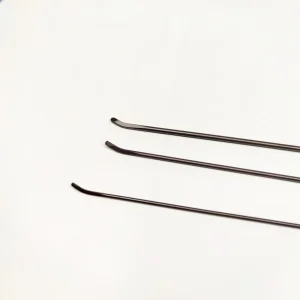
For pediatric cases, our flexible titanium elastic nails provide the exact elasticity modulus required to align bone fractures without disrupting growth plates.
Engineered for complex load distributions and micro-movement prevention in articular fracture configurations.
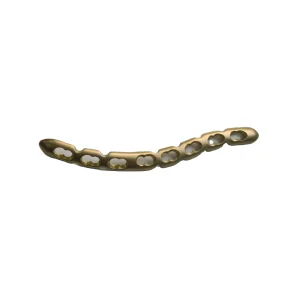
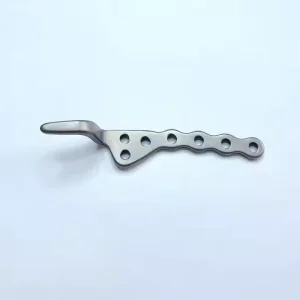
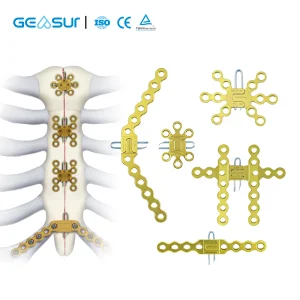
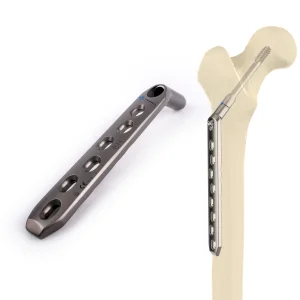
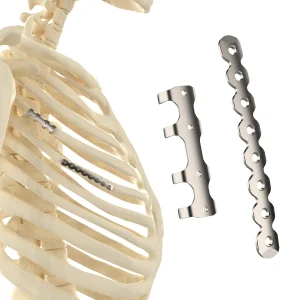
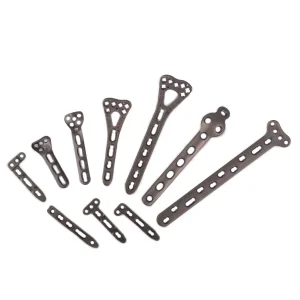
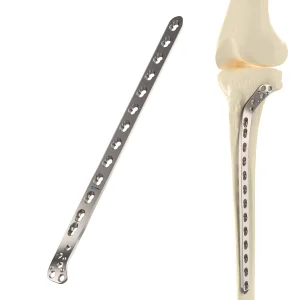
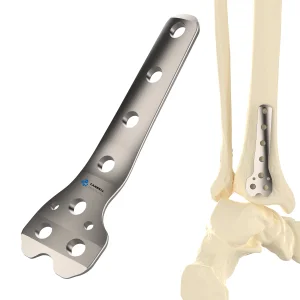
Explore our flagship lines of anatomical compression locking systems, pediatric intramedullary devices, and high-strength rib plates.
Quick answers regarding licensing, customs, manufacturing capabilities, and shipping routes for medical devices.
We supply a complete regulatory support package, which includes certified copies of ISO 13485, CE Certificates, Free Sale Certificates (FSC) verified by national competent authorities, and detailed technical master files containing mechanical testing and raw material analysis (mill sheets) necessary for DGDA application forms.
We manufacture our plates and screws exclusively using certified raw materials: Titanium Grade 5 (Ti-6Al-4V ELI) complying with ASTM F136 / ISO 5832-3 standards, Pure Titanium (Grade 2/4) complying with ASTM F67 / ISO 5832-2, and Implant-grade Stainless Steel 316LVM complying with ASTM F138 / ISO 5832-1.
Yes, with our 86 experienced R&D engineers, we provide complete design customization. We can work from physical samples, 3D CAD drawings (IGS/STEP formats), or specific clinical parameters requested by local hospital systems to create customized plates and dedicated instrumentation systems.
For standard stocked catalog items, we can dispatch shipments within 7–15 days. Custom OEM batches generally require 30–45 days depending on tooling complexity. We accept Letter of Credit (L/C at sight) payment structures, which is standard for Bangladesh bank transactions, as well as T/T.
We offer both solutions. Implants can be shipped clean-packaged (non-sterile), requiring hospital autoclave sterilization prior to surgery, or pre-sterile (gamma-irradiated or EO sterilized) in sealed double-blister medical packaging ready for direct clinical usage.
Our internal testing processes are comprehensive: dimensional validation via 3D Coordinate Measuring Machines (CMM), chemical composition verification using spectrometer analysis, surface roughness measurement, hardness testing, mechanical fatigue checking, and cleanroom sterility bio-burden monitoring.
 Moventra Medical