Engineered to meet the stringent demands of top Indonesian orthopedic centers and clinics.
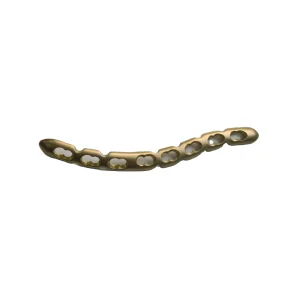
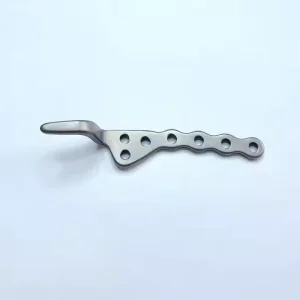
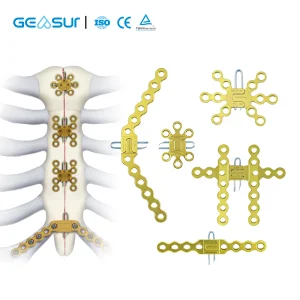
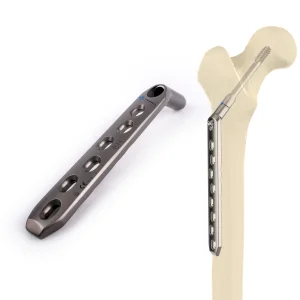
Indonesia, as the largest archipelagic state in the world, presents unique geopolitical, demographic, and medical supply chain challenges. With a population exceeding 275 million distributed across more than 17,000 islands, delivering consistent, high-standard orthopedic trauma care requires not just advanced implants, but robust manufacturing and distribution partnerships. This whitepaper analyzes the current status, growth vectors, and future technical roadmaps of orthopedic implants within the Indonesian healthcare ecosystem.
“As road infrastructure expansions (like the Trans-Java and Trans-Sumatra Toll Roads) increase vehicular speeds, high-energy polytrauma cases in Indonesia have scaled dramatically. The demand for reliable, osteophilic titanium locking systems has shifted from premium capital-city private centers to regional public hospitals covered under the BPJS Kesehatan scheme.”
According to clinical data compiled by the Indonesian Orthopaedic Association (PABOI), traffic accidents represent the primary driver of musculoskeletal trauma, with over 70% of accidents involving two-wheeled vehicles. These high-energy impacts result in complex, comminuted extremity fractures, proximal femur fractures in aging demographics, and pediatric long-bone fractures. Consequently, the Indonesian market demands implants that balance outstanding mechanical properties, such as dynamic fatigue strength, with optimal anatomic pre-contouring to reduce intraoperative molding times under critical surgical conditions.
Globally, the orthopedic trauma implant market is shifting toward patient-specific design, smart bioactive coatings, and carbon-reinforced PEEK compounds. In Indonesia, however, the immediate market dynamics are governed by two major forces: the local content policy (Tingkat Komponen Dalam Negeri - TKDN) administered by the Ministry of Industry, and the technical registration process governed by Kemenkes RI (Ministry of Health). Manufacturers seeking to supply this market must demonstrate compliance with ISO 13485 quality management systems, CE certification, and undergo thorough biocompatibility and mechanical verification assays (ASTM F136/F138 standards).
The next decade of traumatology in Indonesia will be defined by the transition from dynamic compression technology to Variable-Angle (VA) locking systems. VA technology allows locking screws to be angled up to 15 degrees off-center, allowing surgeons to target optimal bone blocks in osteoporotic or comminuted metaphyseal zones. Furthermore, the integration of ultra-low profile plates prevents soft tissue irritation, which is particularly critical in thin soft-tissue areas like the distal tibia and clavicle.
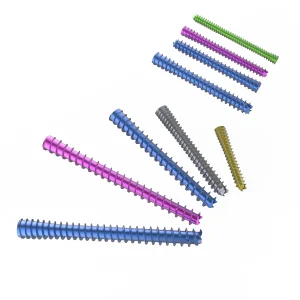
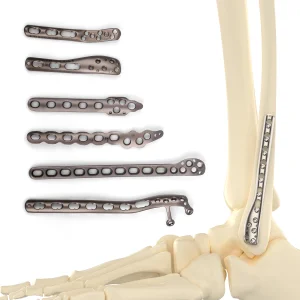
Clinical settings in remote regions like Sulawesi, Kalimantan, and West Papua require robust delivery configurations. Consignment cabinets containing complete anatomical plating systems (including distal radius, distal tibia, and clavicle plates) along with unified instrumentation sets (Swiss-grade drill guides, depth gauges, and self-holding screwdrivers) are critical. The availability of universal screw diameters (e.g., combining 3.5mm and 4.0mm systems) significantly reduces inventory strain and simplifies surgical preparation in provincial referral hospitals.
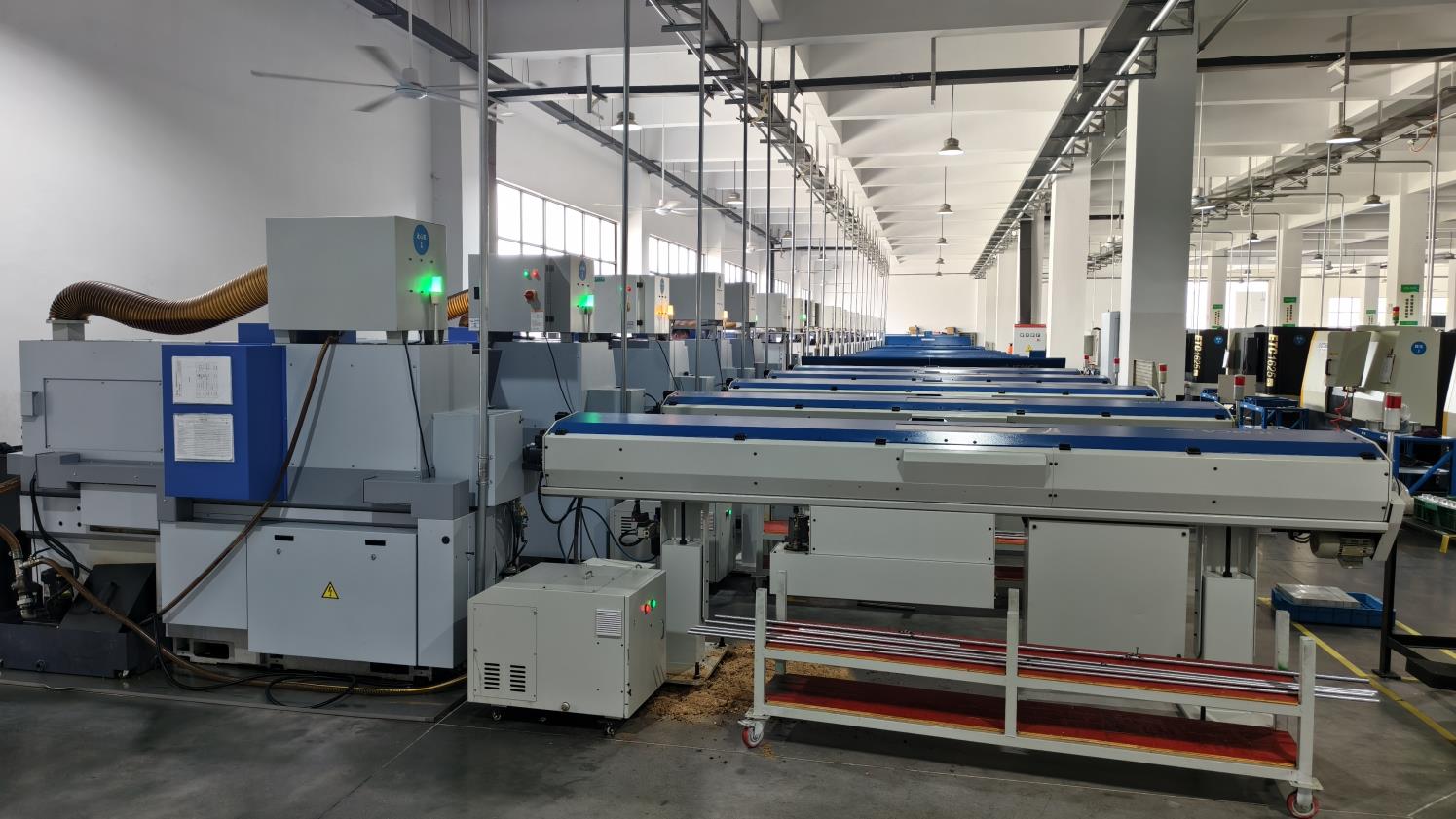
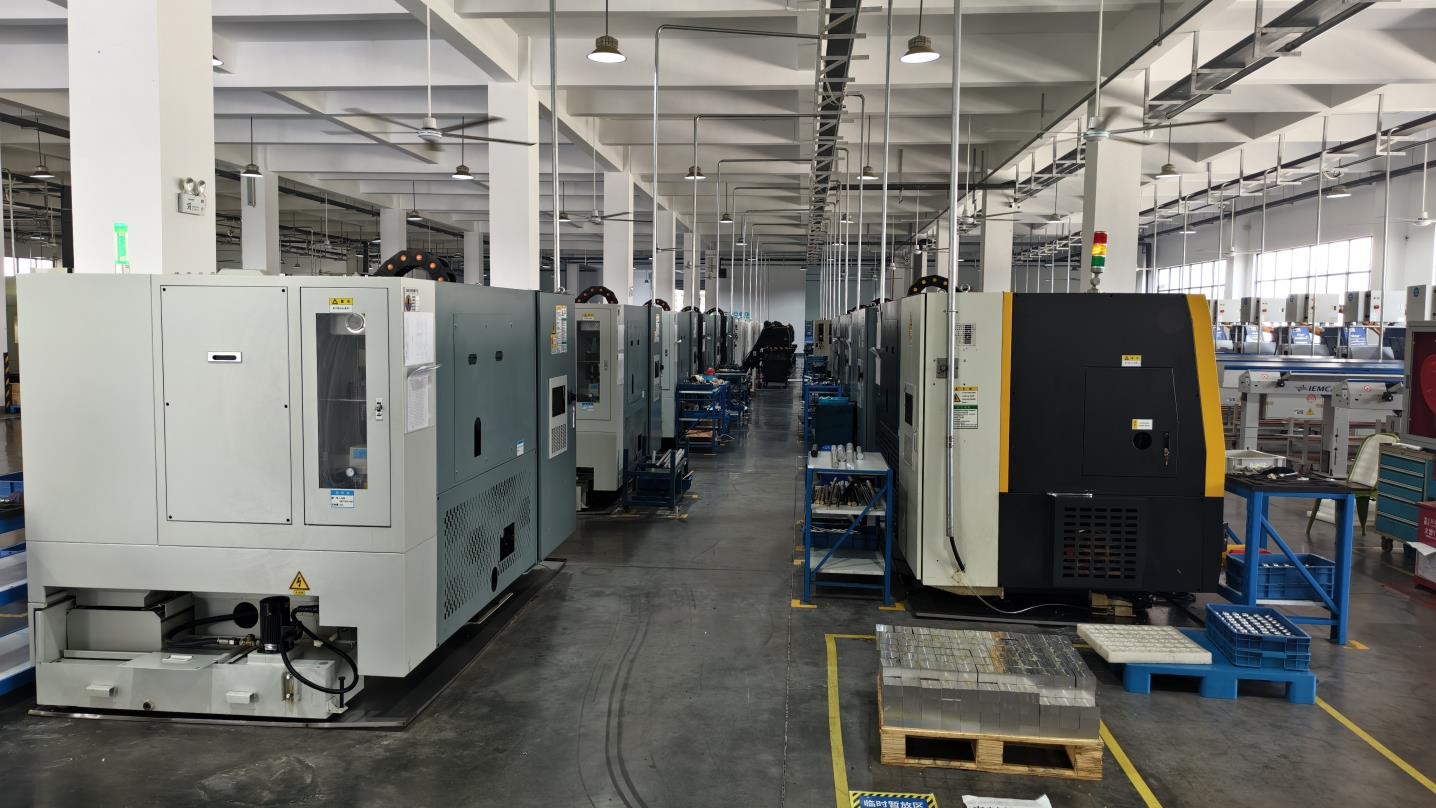
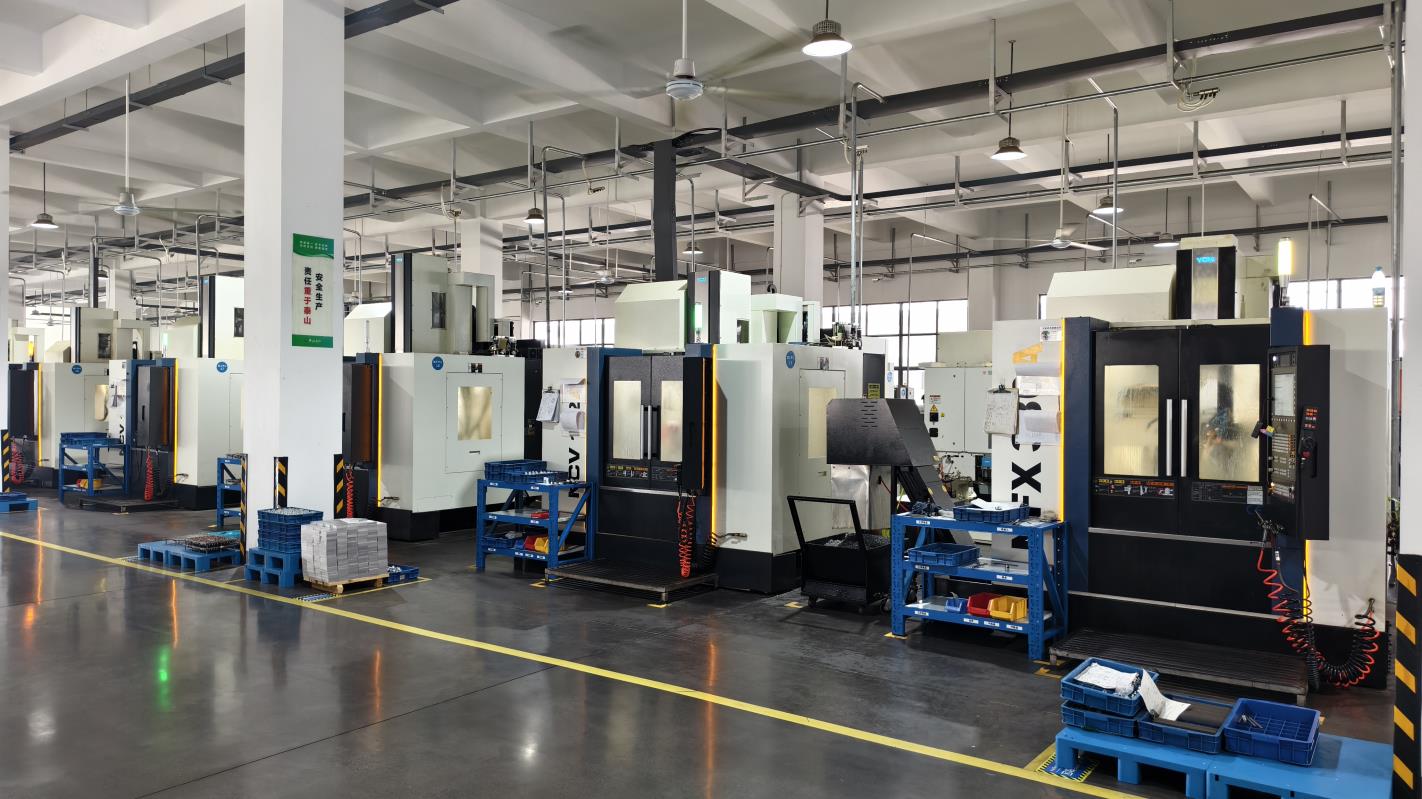
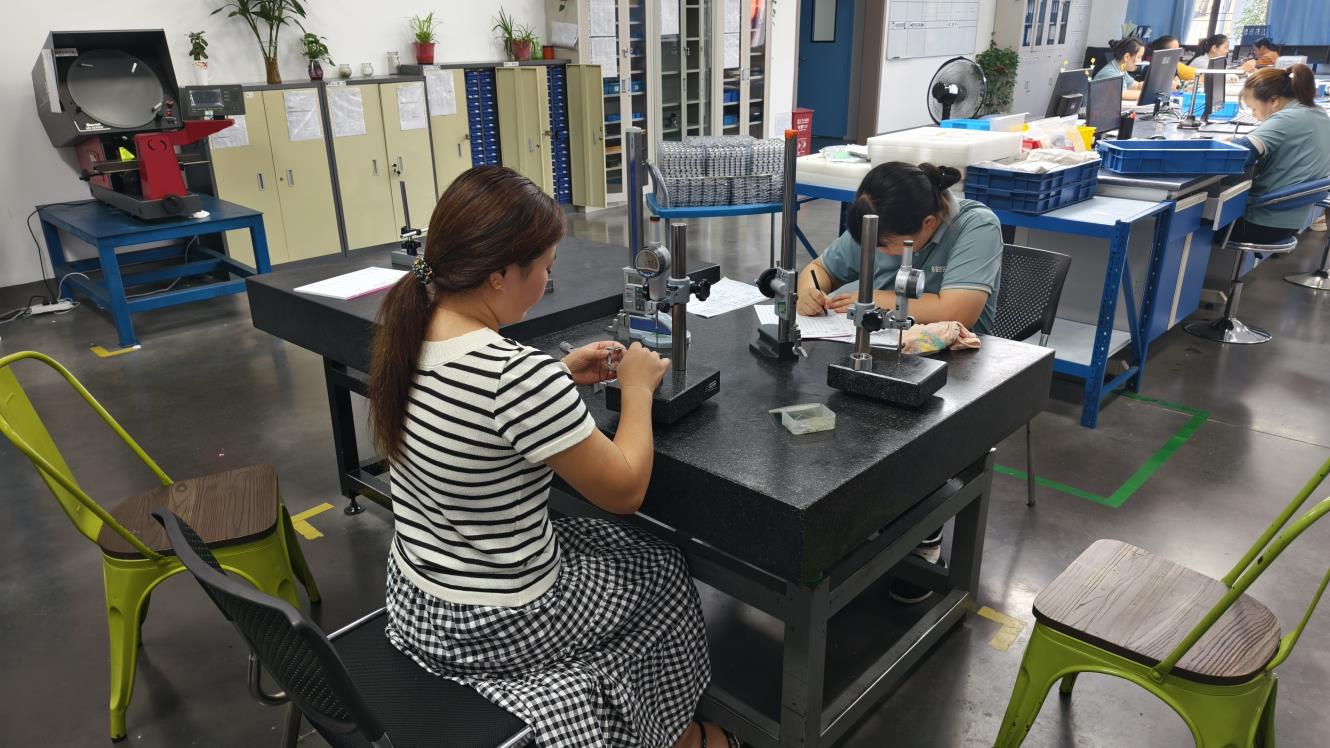
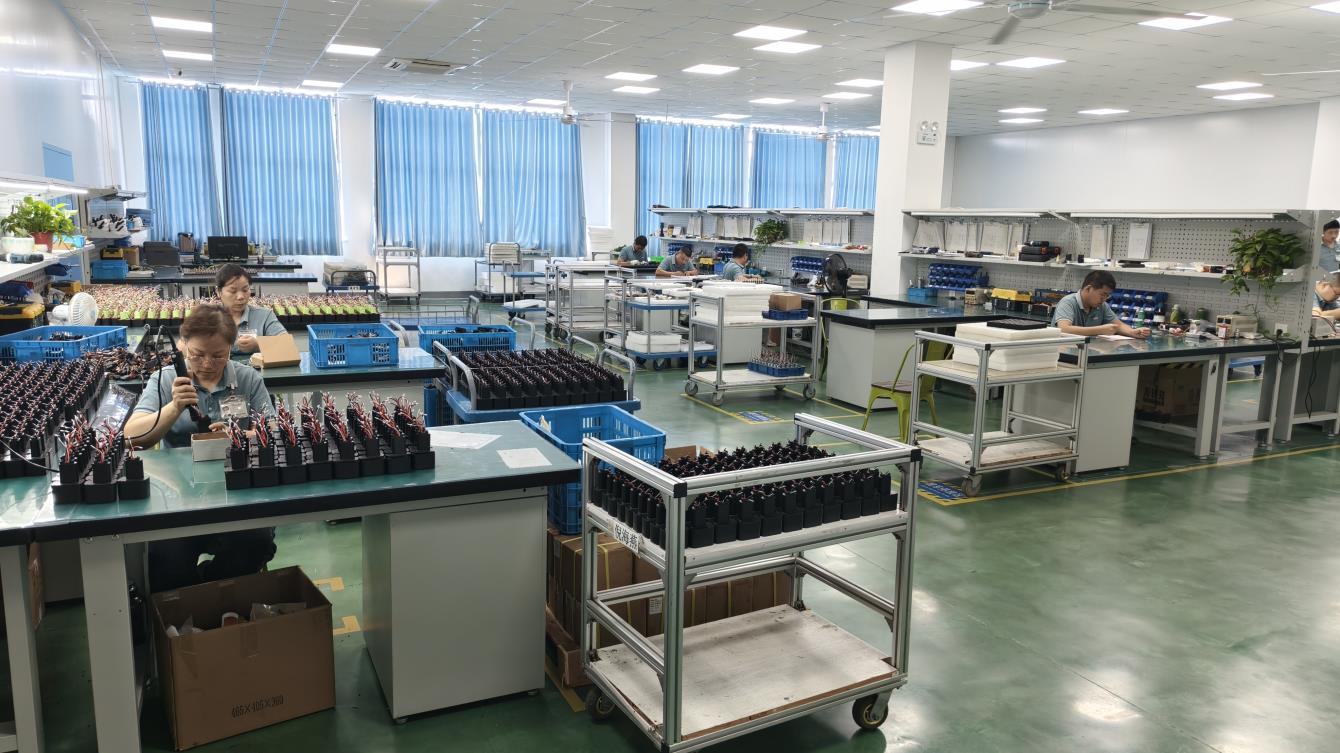
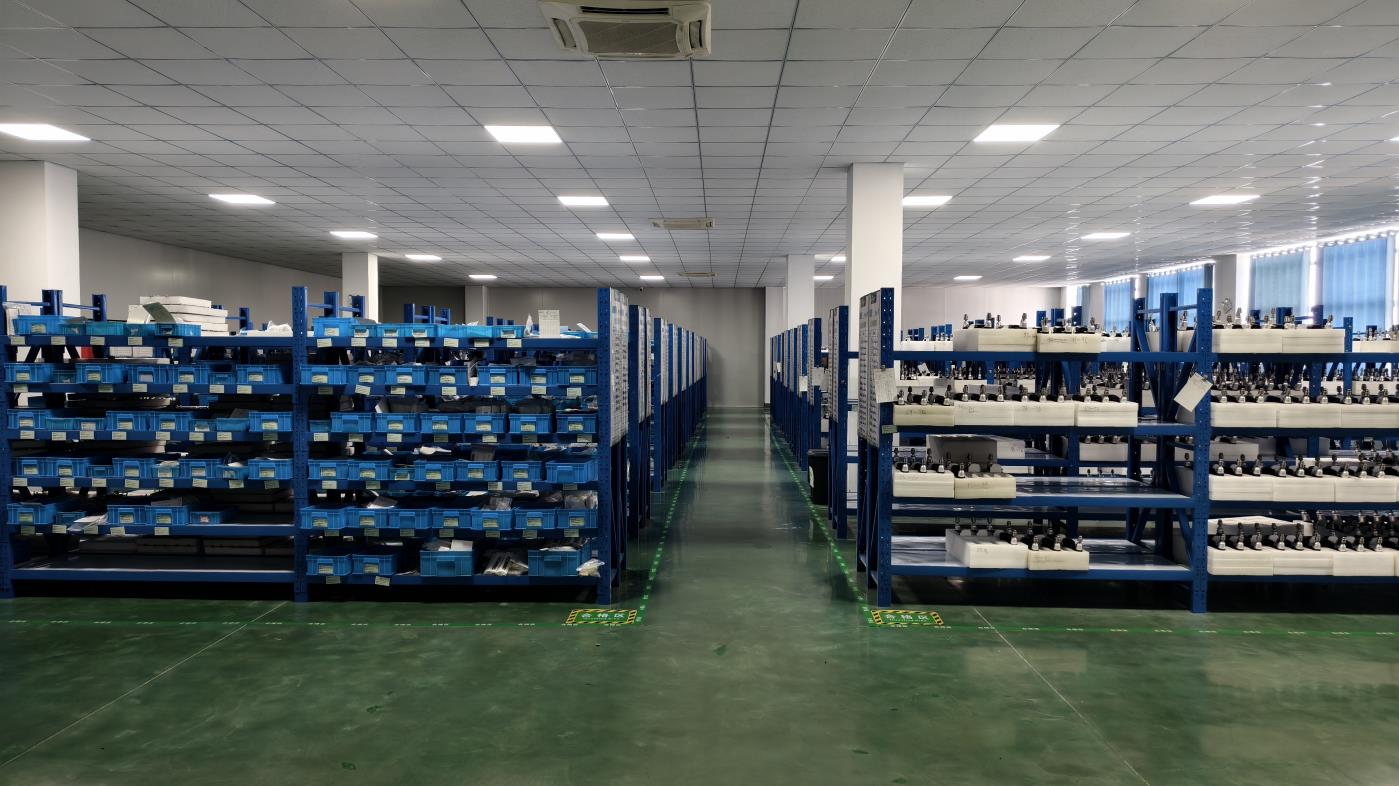
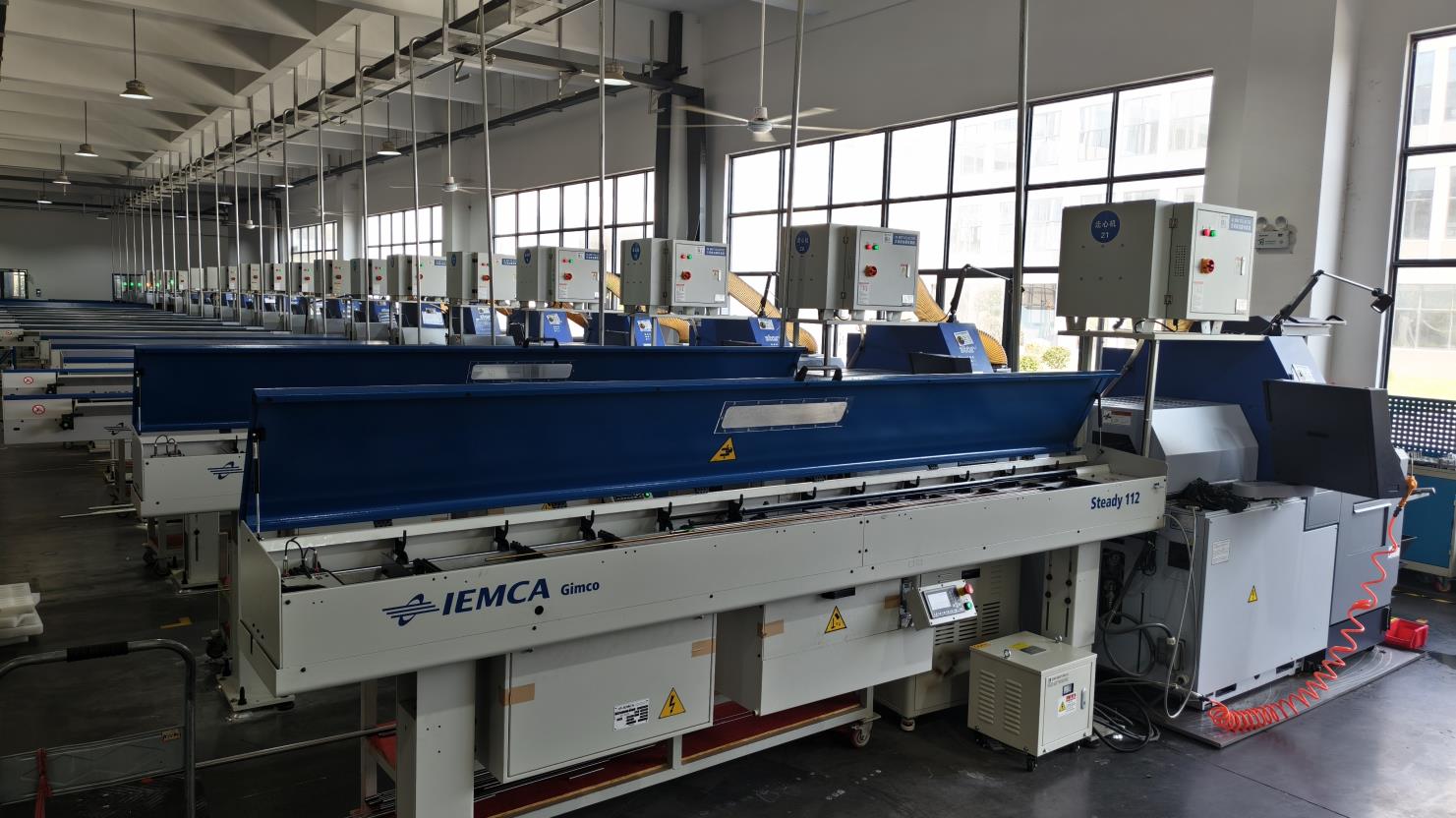
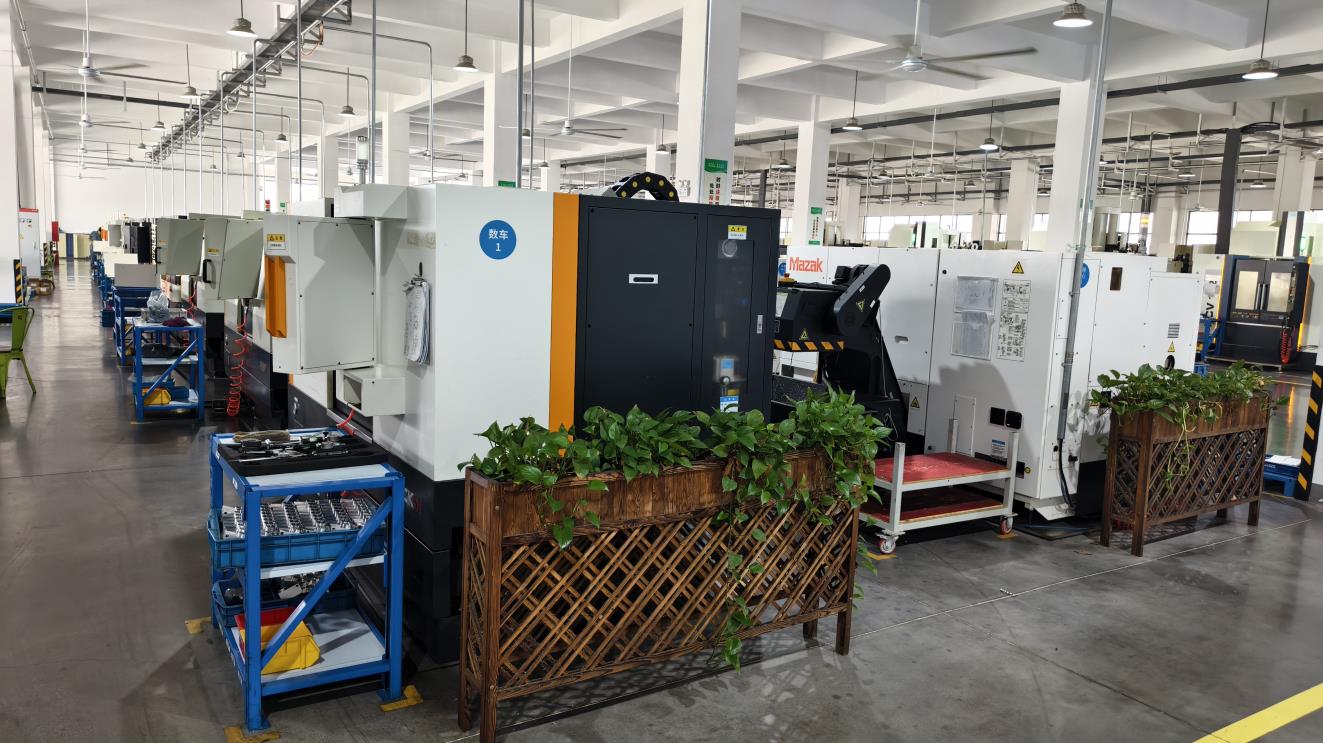
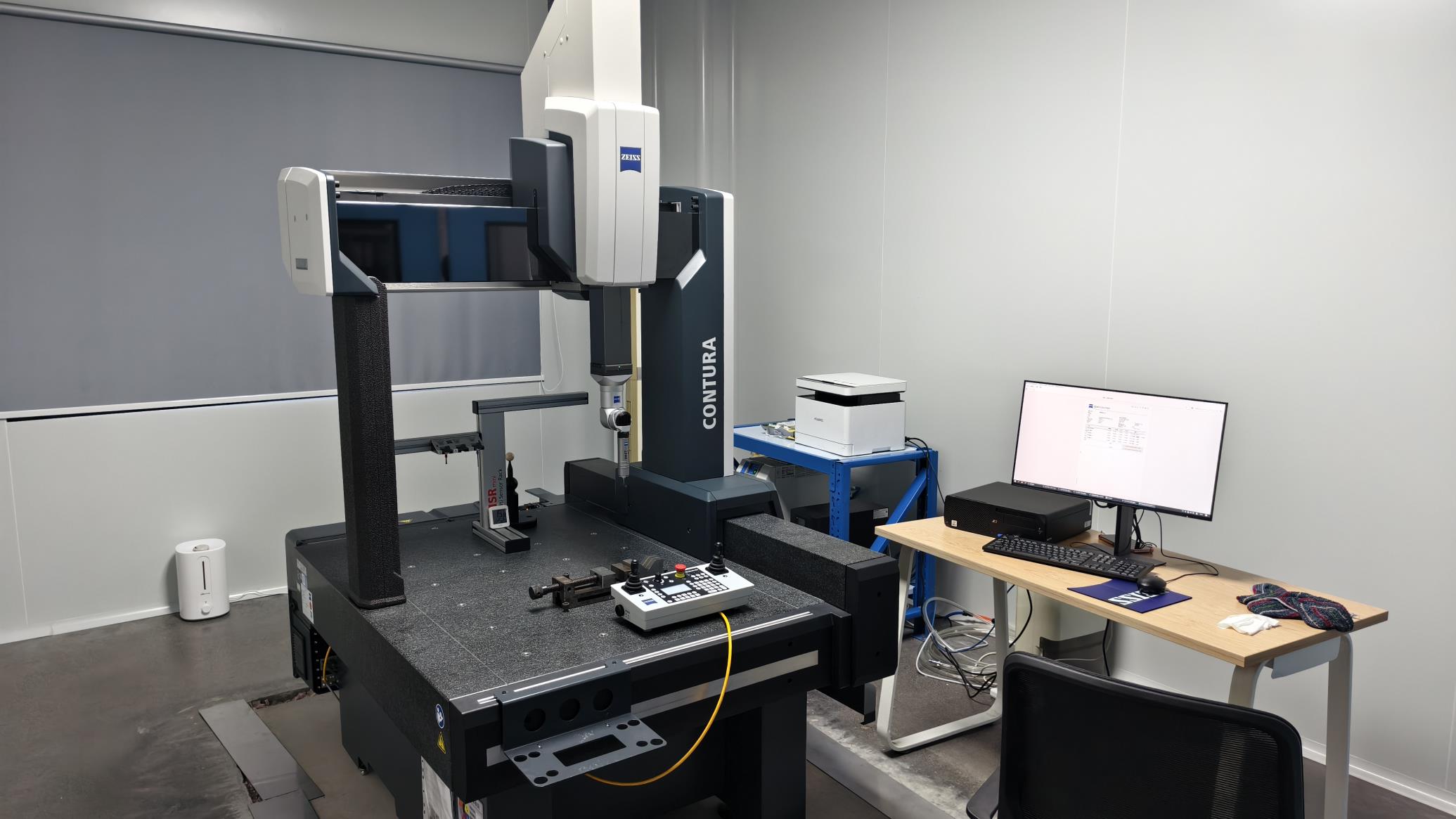
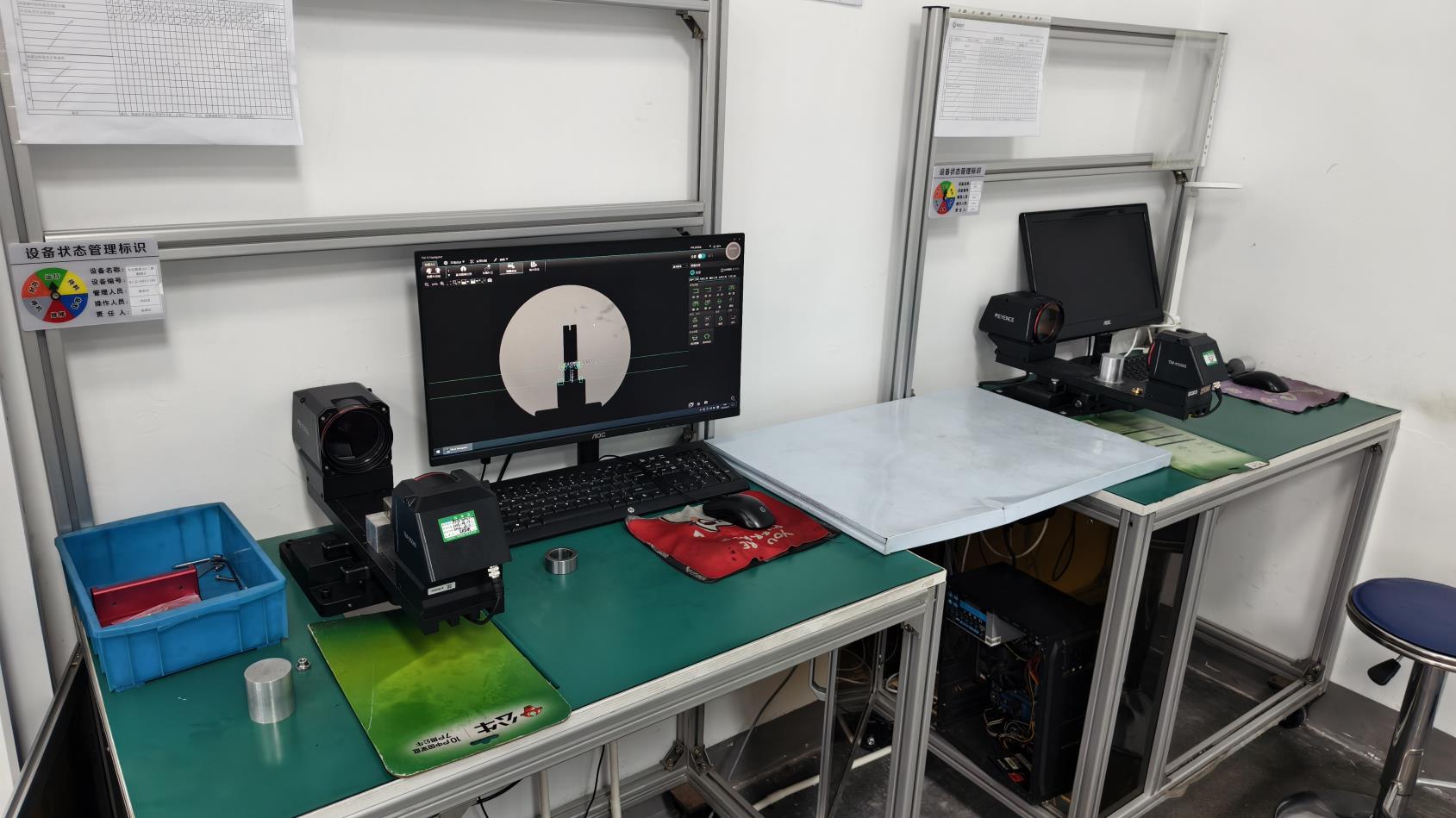
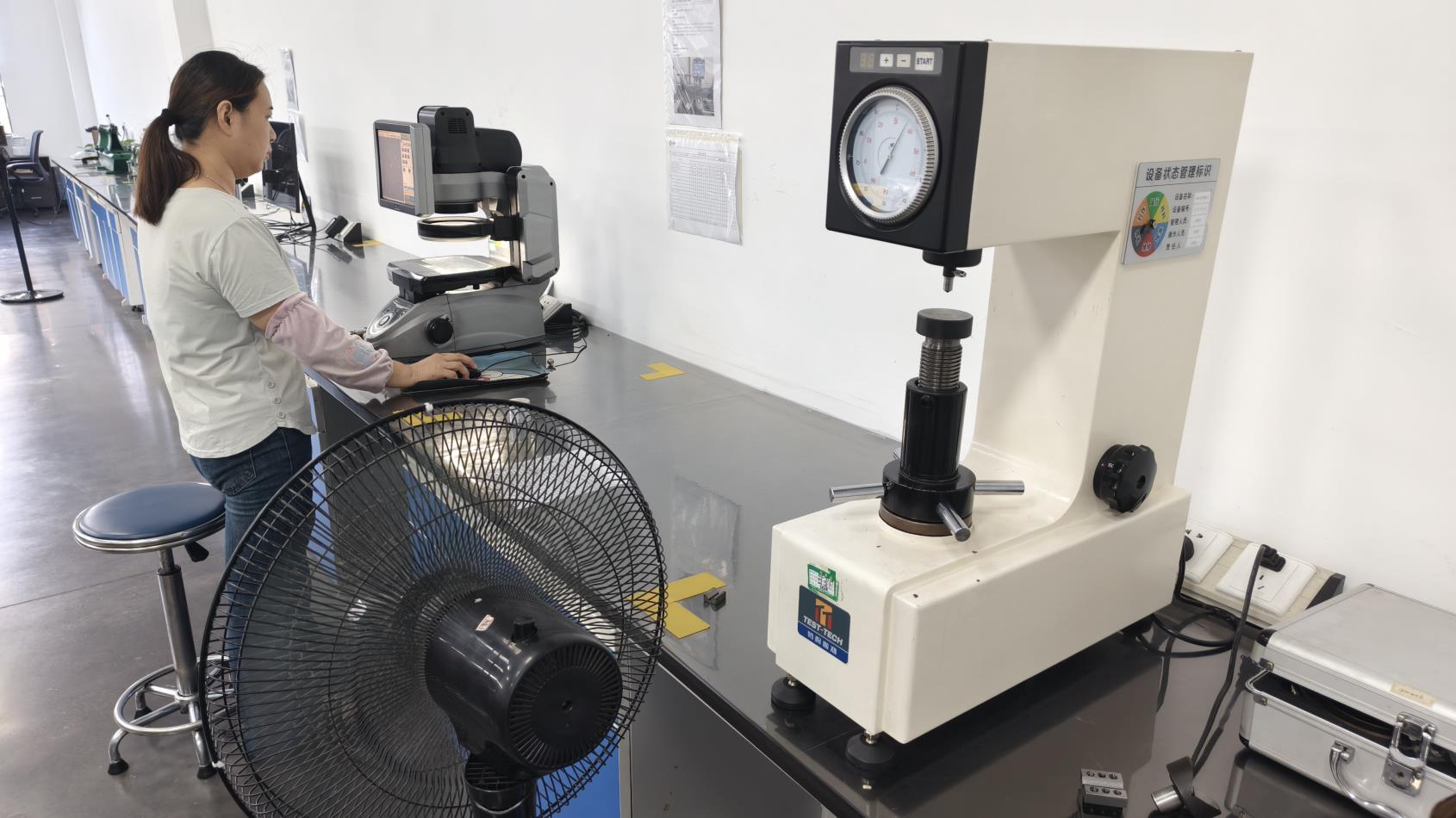
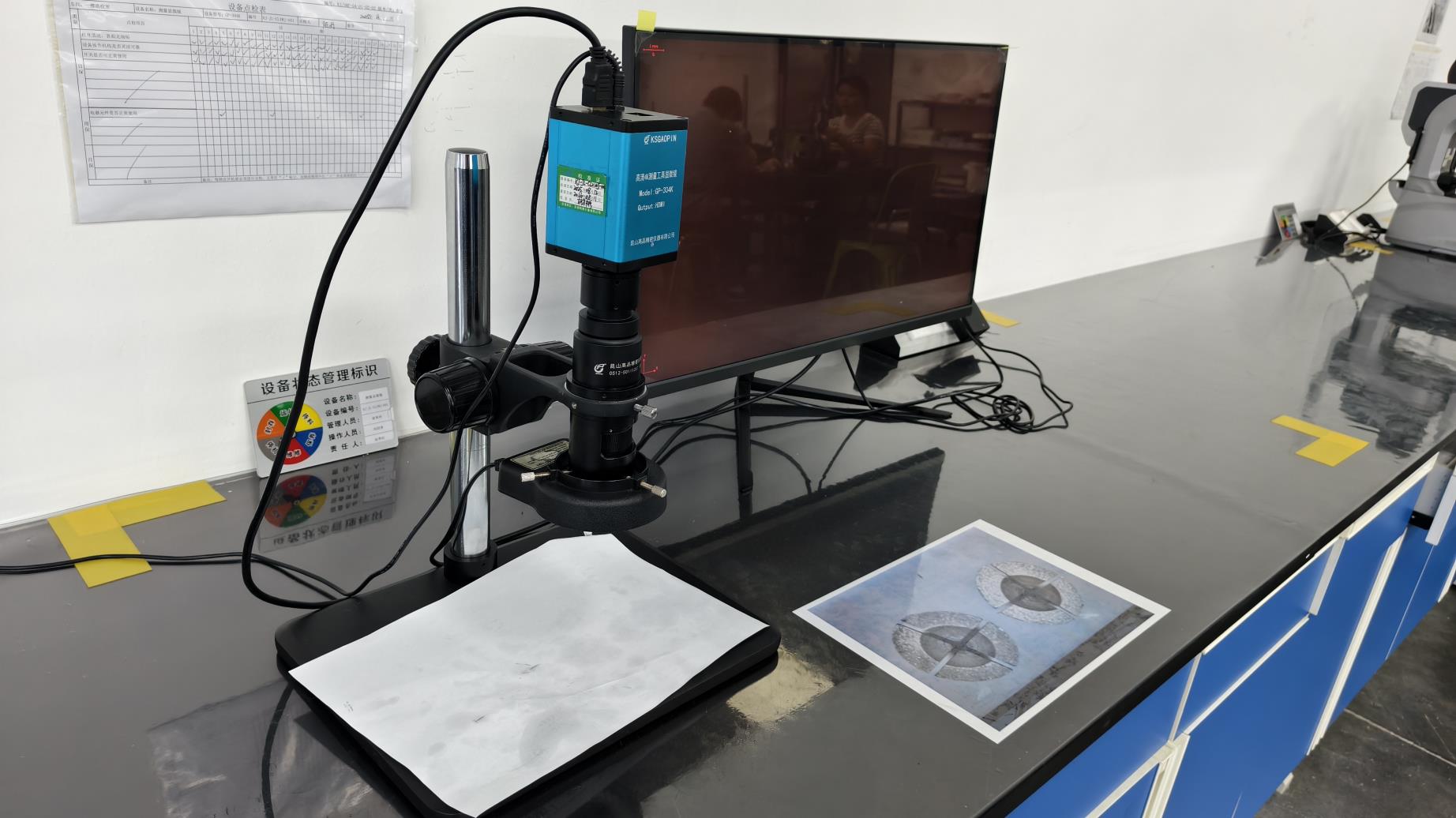
Moventra Medical Technology integrates state-of-the-art Swiss machining centers with rigid medical-grade testing protocols.
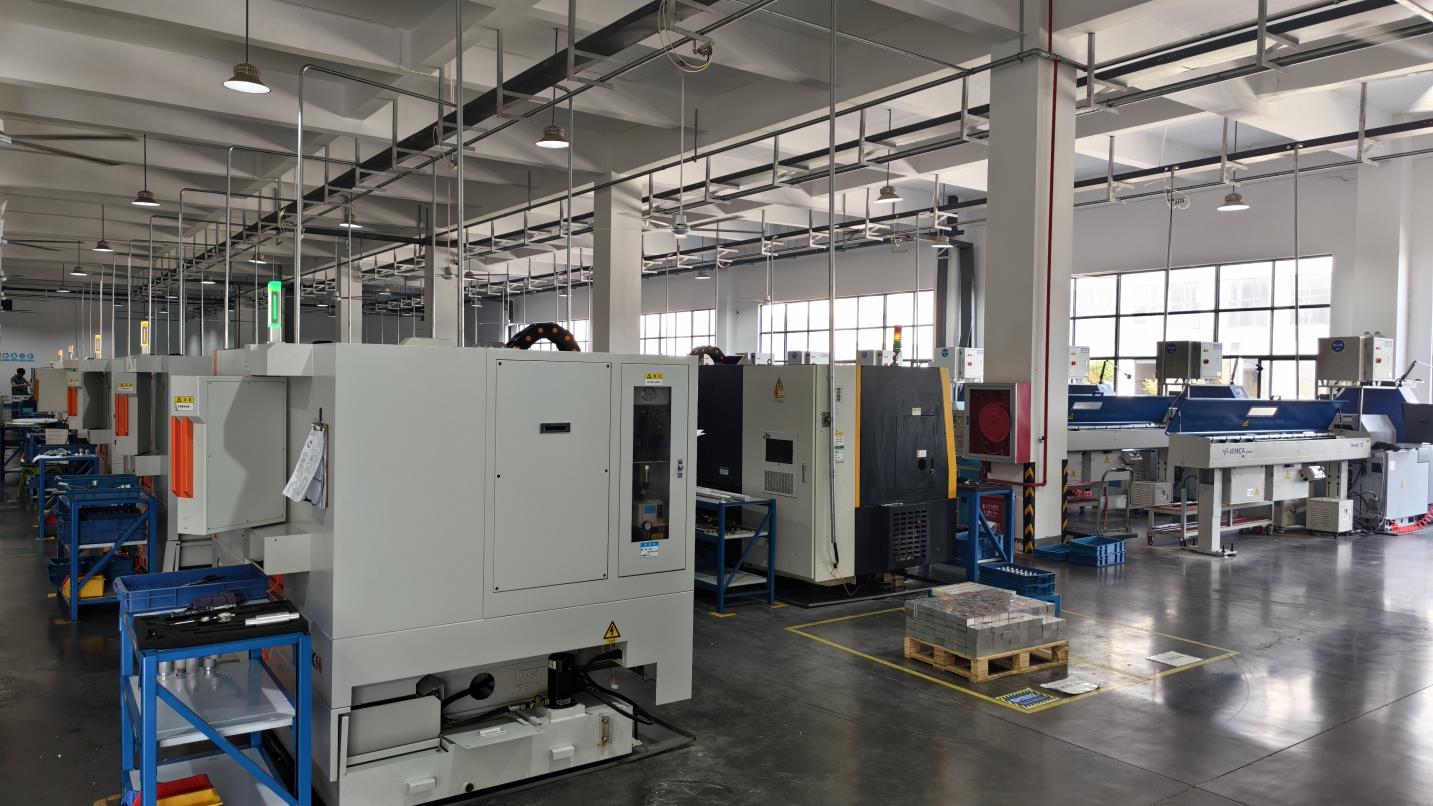
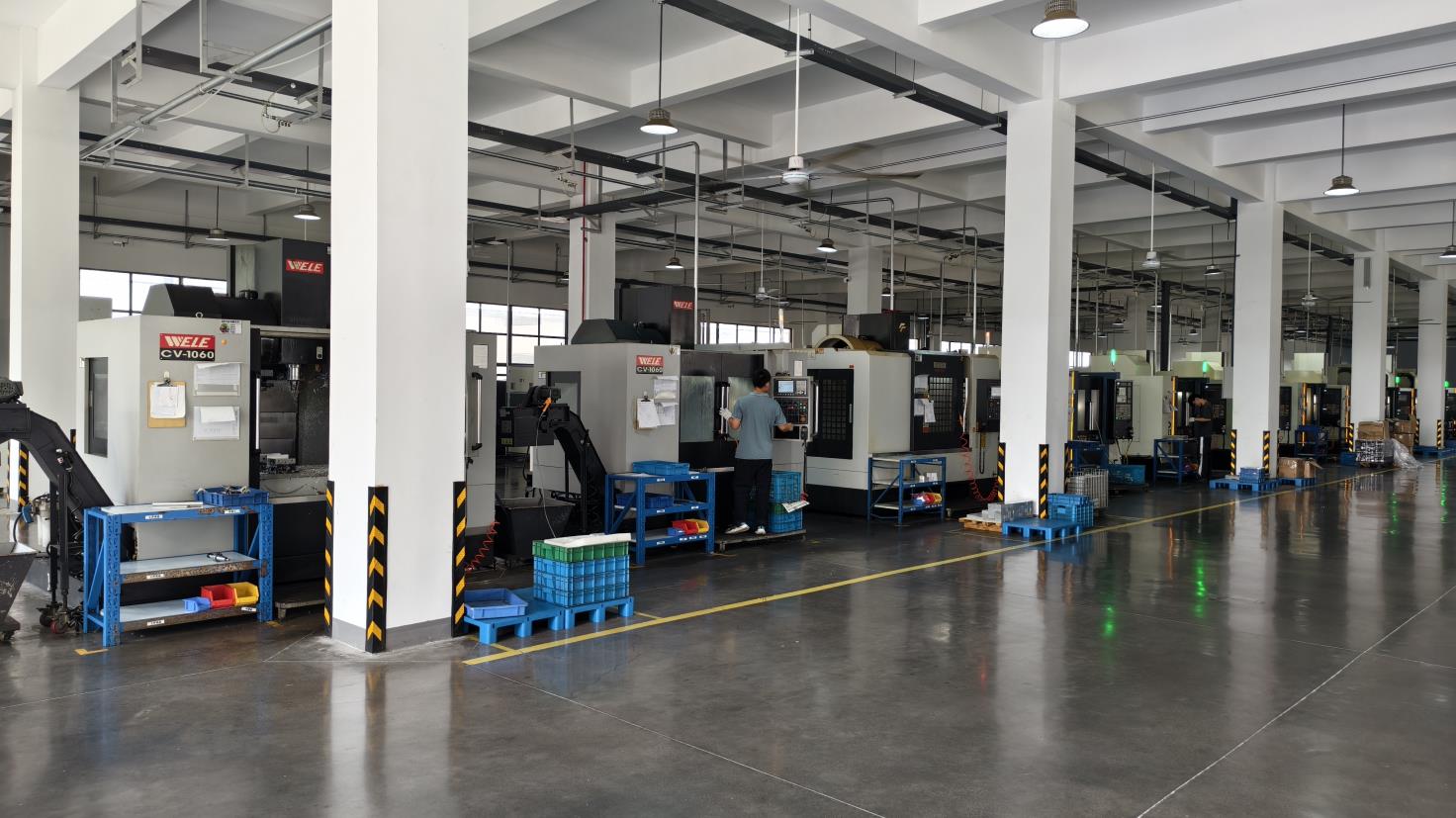
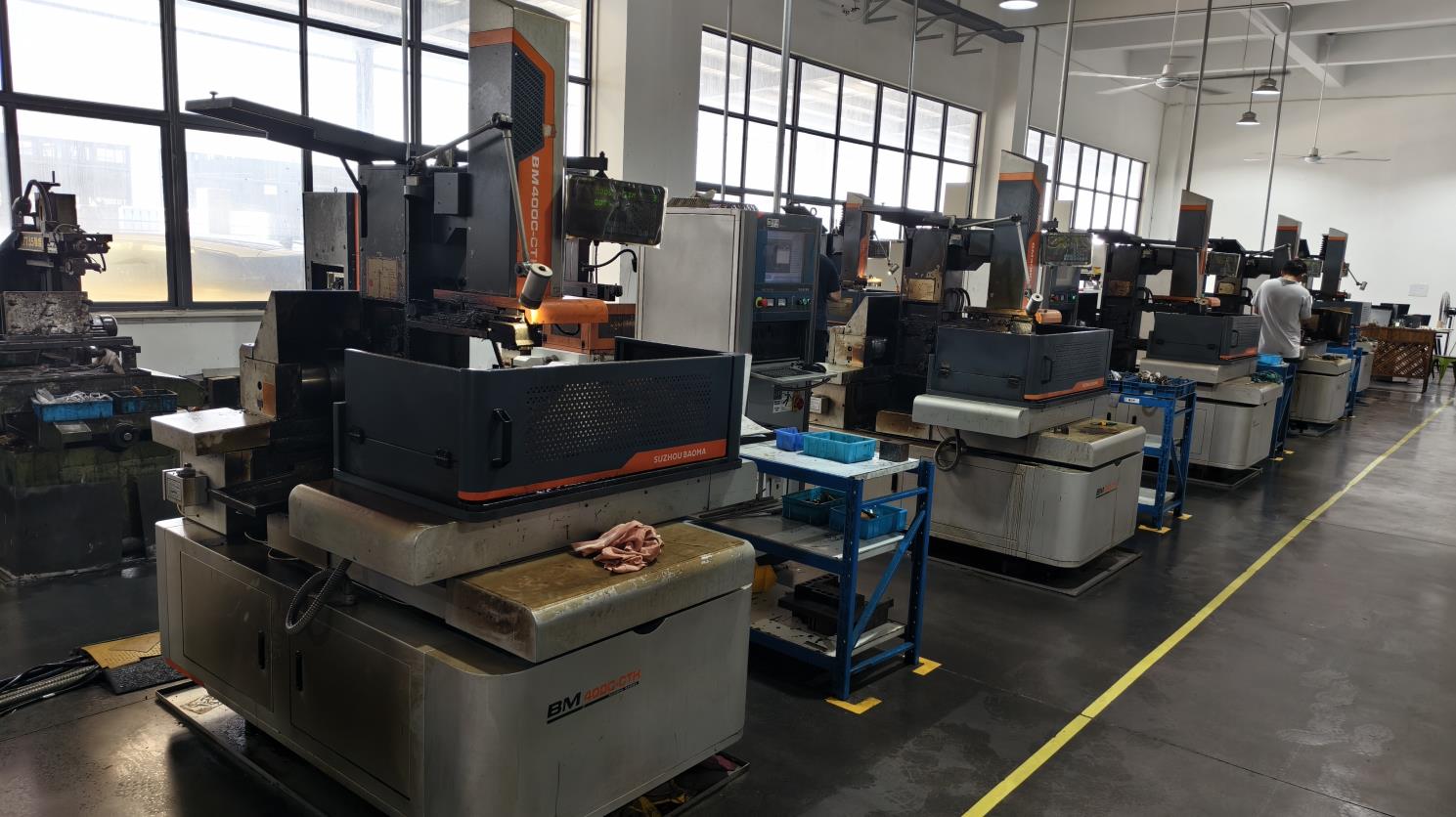
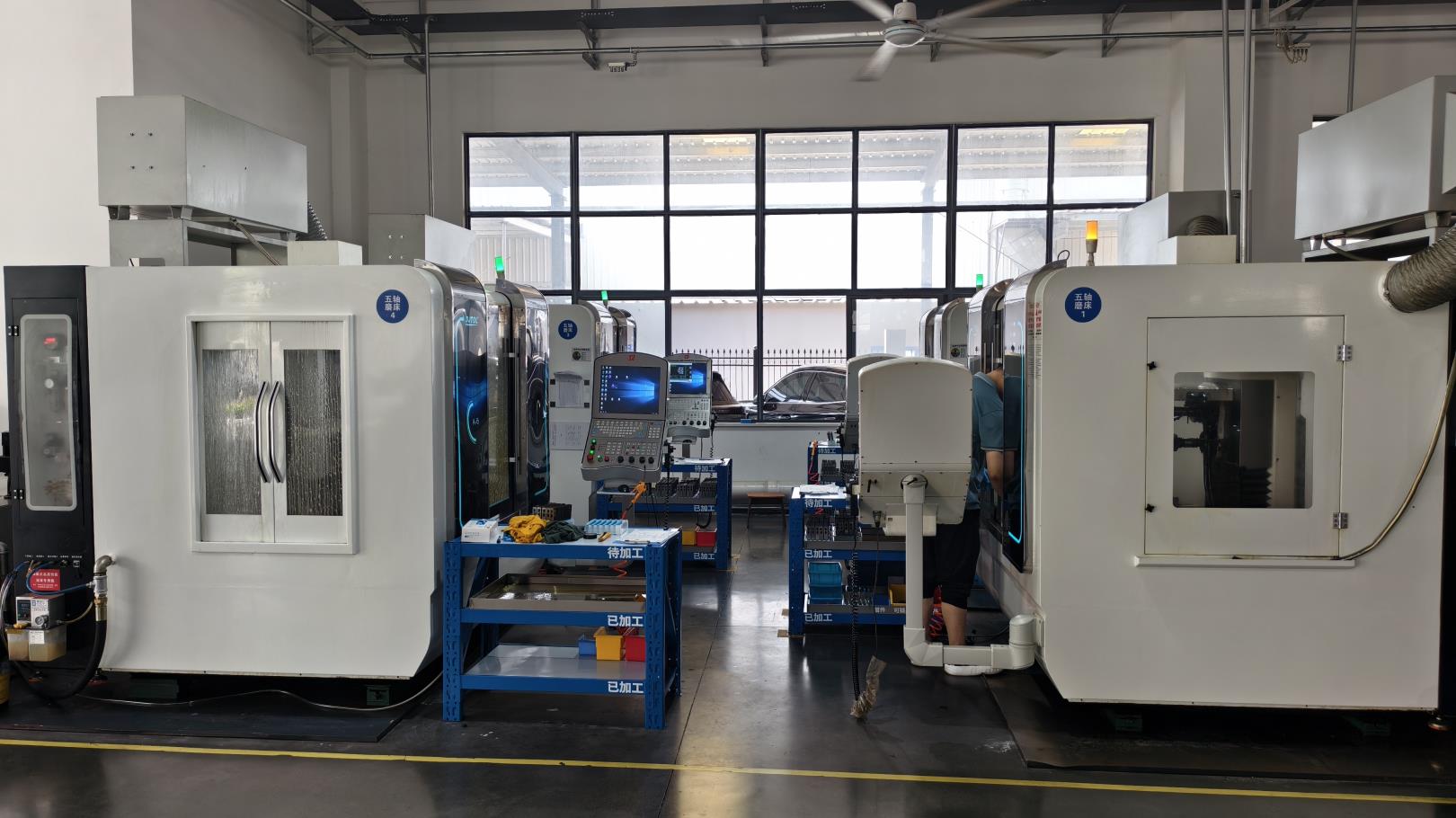
Established in 2017, Moventra Medical Technology (China) Co., Ltd. operates an expansive 18,600 m² state-of-the-art facility optimized for medical component manufacturing. Driven by high-precision Swiss-type lathes, multi-axis milling centers, and wire-cutting machinery, the facility is designed to meet international standards (CE, ISO) for trauma, spine, joint reconstruction, and sports medicine applications.
| Parameter | Detail and Manufacturing Capabilities |
|---|---|
| Company Name | Moventra Medical Technology (China) Co., Ltd. |
| Annual Export Revenue | USD 23.8 Million |
| Facilities & Area | 18,600 m² modern facility including Class 100,000 cleanrooms. |
| Testing Methodologies | Dimensional inspection, Material Analysis (Spectral), Surface Finish Inspection, Mechanical Performance Testing, Sterility Verification. |
| Key Machine Assets | Swiss-type lathes, Multi-axis Machining centers, wire-cutting machines, grinding machines. |
| R&D and Customization | 86 R&D engineers; OEM, ODM, drawing-based manufacturing, and custom sample engineering. |
Our vertical integration ensures that raw medical-grade titanium (Ti-6Al-4V ELI) is processed, machined, surface-anodized, and quality checked under one roof, guaranteeing traceablity for every batch delivered to Indonesian distributors.
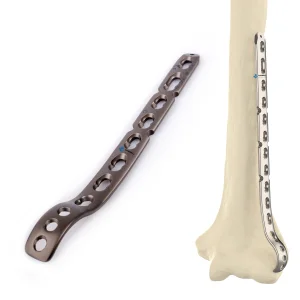
Anatomical configurations optimized for complex fracture patterns and bone morphology.
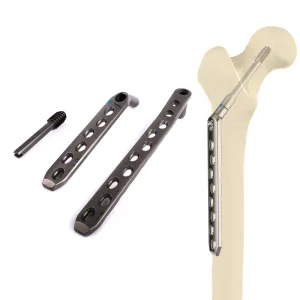
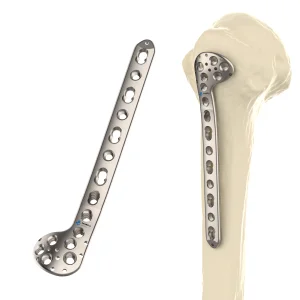
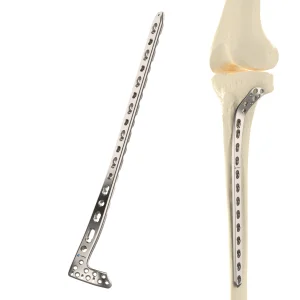
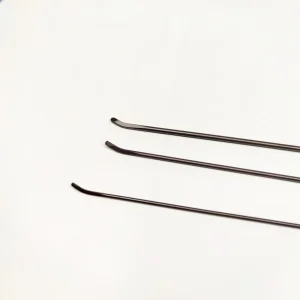
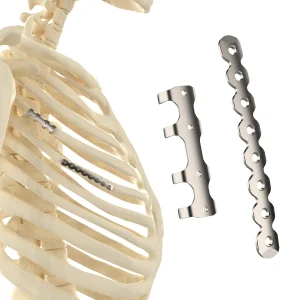
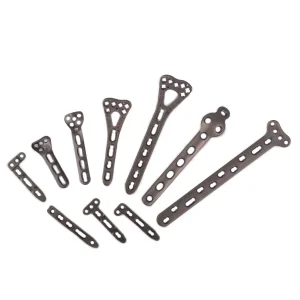
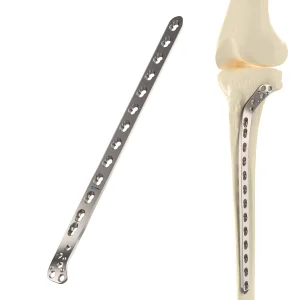
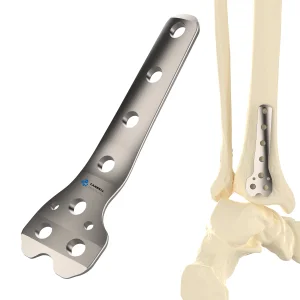
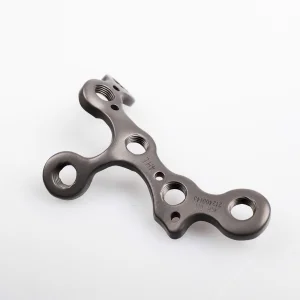
Highly specialized titanium hardware configurations for precise joint compression and foot/ankle reconstruction.
Critical regulatory, chemical, and logistics answers for Indonesian medical device buyers.
Contact our business development team today to receive direct pricing, OEM capabilities catalogs, and registration dossiers for the Indonesian market.
Send Inquiry Now Moventra Medical