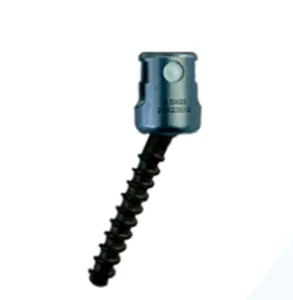
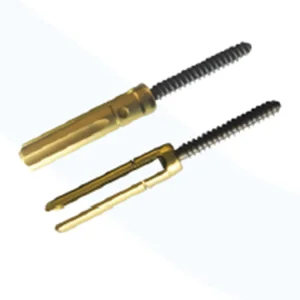
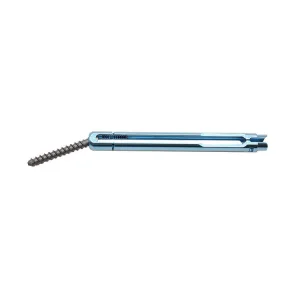
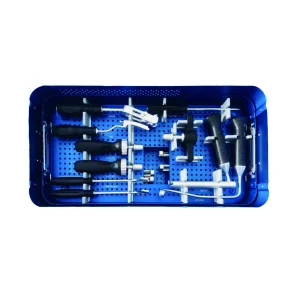
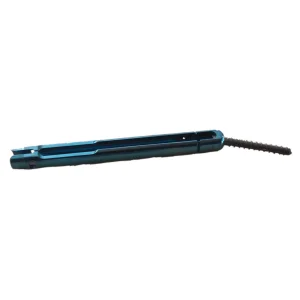
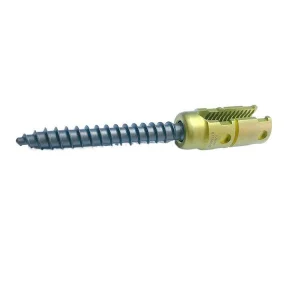
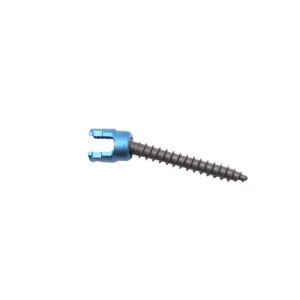
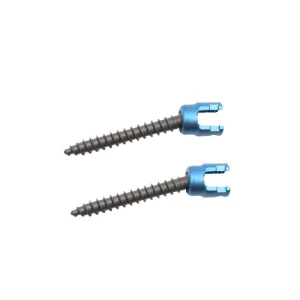
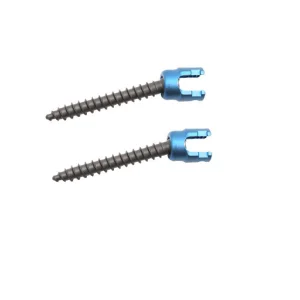
Advanced orthopaedic spine surgical implants optimized for anterior and posterior stabilization protocols.
Comprehensive market analysis on orthopedic and neurosurgical implant requirements within West African healthcare networks.
Ghana's healthcare system experiences high volumes of spine stabilization procedures driven by orthopedic trauma from motor vehicle accidents, construction injuries, and degenerative disc pathologies common among manual workers in the agricultural and mining sectors.
Large medical institutions like Korle-Bu Teaching Hospital in Accra and Komfo Anokye Teaching Hospital in Kumasi face critical procurement challenges: long lead times for Western European implants and prohibitive costs of proprietary screw systems.
Registering and customs-clearing medical devices with the Ghana Food and Drugs Authority (FDA) requires rigorous documentation of manufacturing traceability, bio-compatibility certifications, and compliance with ISO 13485.
In major regional surgical hubs across West Africa, spinal implants serve two primary segments. The first is traumatic stabilization, resulting from road traffic accidents along economic corridors (e.g., the Accra-Kumasi highway). These cases require immediate, high-strength posterior fixation systems. Moventra's titanium alloy pedicle screws provide the extreme shear-strength and pull-out resistance necessary for unstable fractures. The second segment involves degenerative spondylosis, spinal stenosis, and spinal tuberculosis (Pott's disease). Degenerative conditions require interbody fusion cages paired with robust posterior fixation to restore anatomical disc height and achieve long-term osseointegration.
For medical distributors based in Accra, Tema, and Kumasi, establishing direct supply lines with a verified manufacturer in China provides substantial competitive advantages. Traditional supply chains routed through European intermediary traders increase product cost by up to 150%. By bypassing unnecessary middlemen, Ghanaian importers can secure high-grade orthopedic medical devices that comply with ASTM standards while matching local budgets, allowing public health systems to deliver affordable spine surgeries to patient cohorts.
Understanding the strict micro-tolerances and bio-engineering parameters of modern spinal fixation technology.
Modern spinal instrumentation utilizes state-of-the-art titanium alloys (such as Ti-6Al-4V ELI / Extra Low Interstitial, complying with ASTM F136 specifications). This material is selected for its superior biocompatibility, high strength-to-weight ratio, and lower modulus of elasticity, which reduces stress shielding in bone structures. Medical device design has transitioned to Minimally Invasive Surgery (MIS) configurations, featuring self-tapping cannulated pedicle screws, low-profile screw heads, and percutaneous rod insertion protocols.
ASTM F136 Medical Grade Titanium ensures high fatigue strength and resistance to corrosive physiological environments.
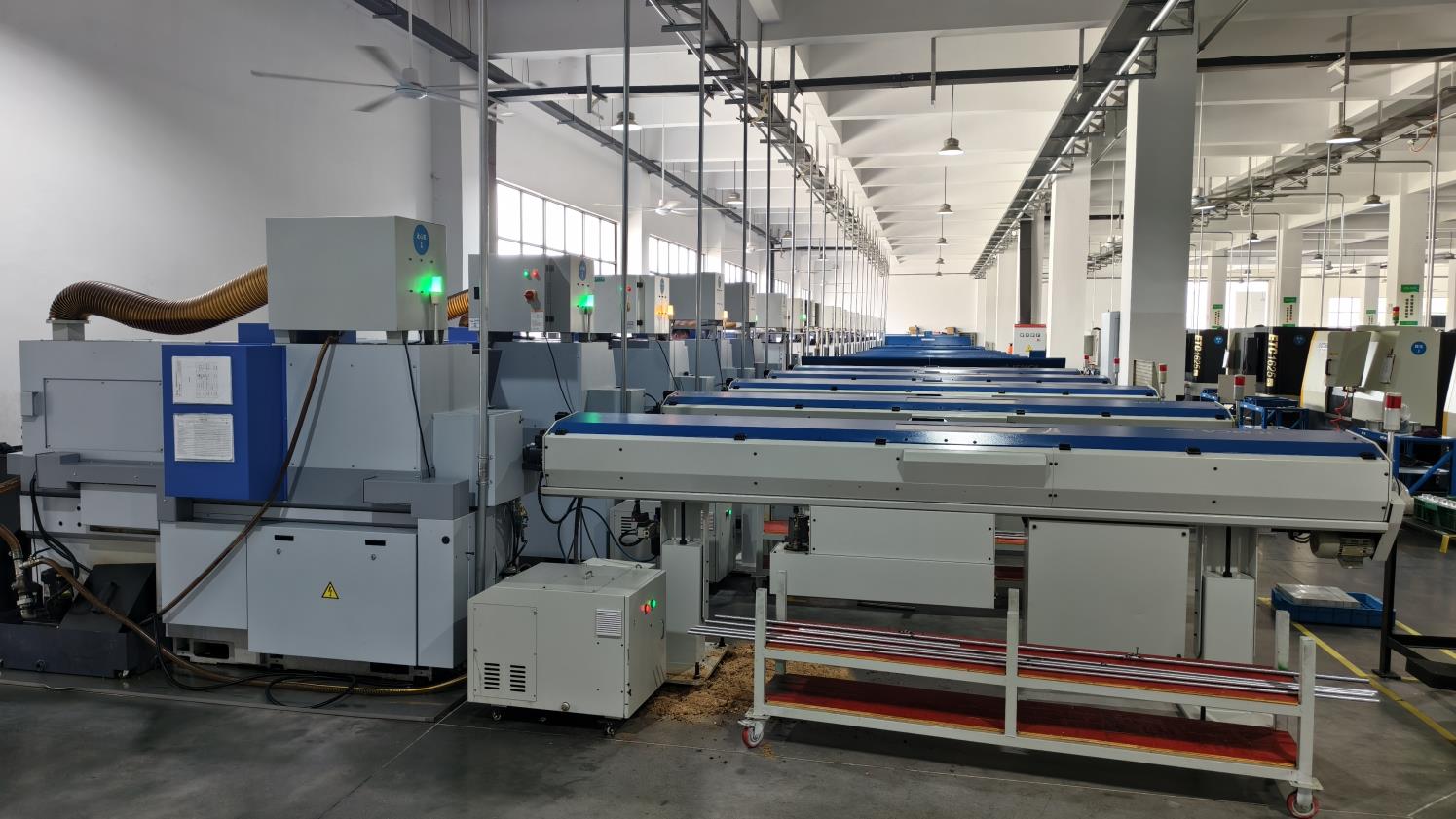
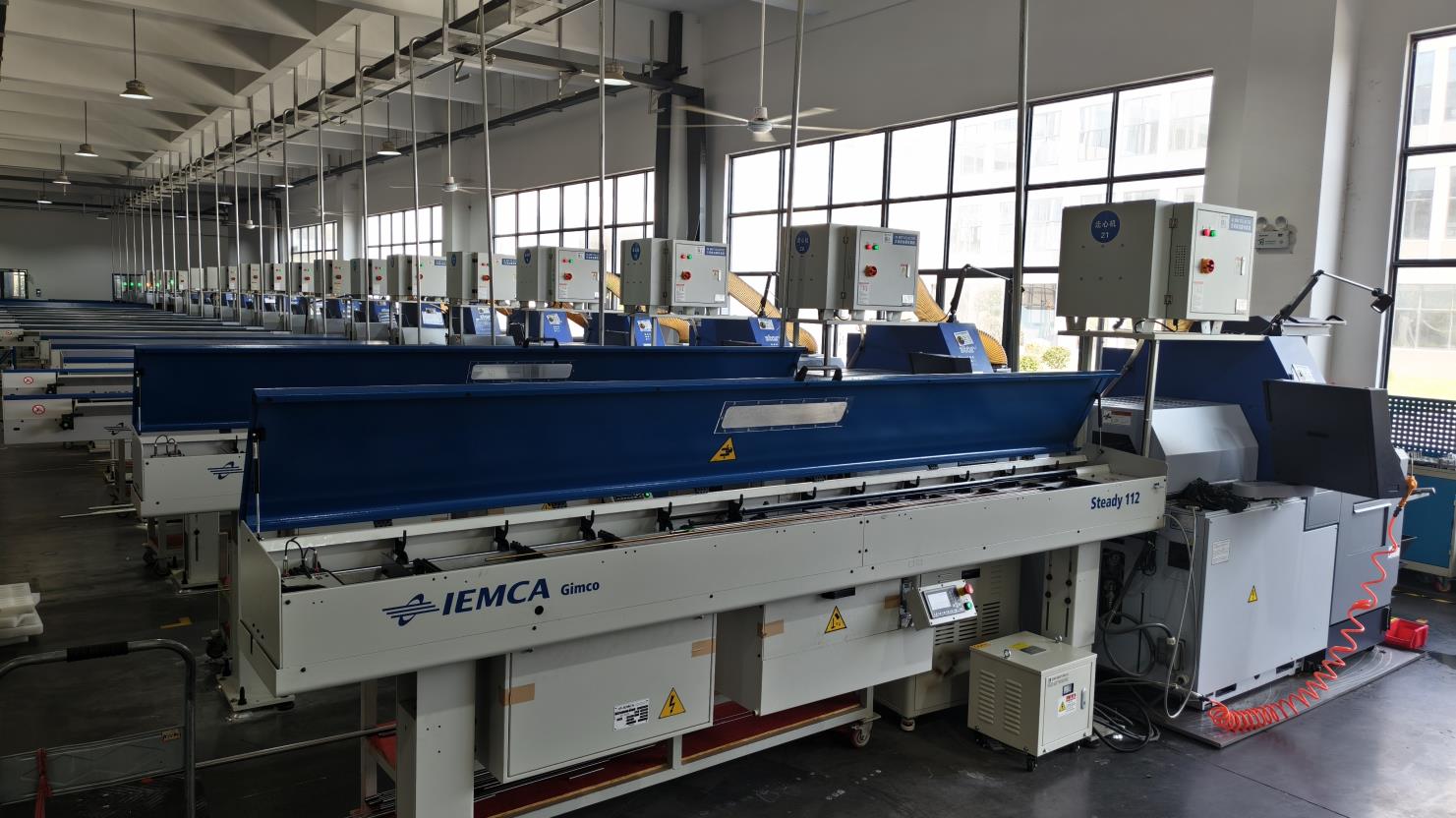
Micron-level thread alignment produced by Swiss CNC machines prevents intra-operative cross-threading and stabilizes locking caps.
Polyaxial head rotation up to 60 degrees allows multi-level alignment with minimal bending of titanium interconnecting rods.
Globally, spine surgery has shifted toward minimizing soft-tissue disruption. Traditional open approaches require long incisions and muscle detachment, which lead to significant postoperative pain and extended recovery times. Minimally Invasive Spine Surgery utilizing cannulated pedicle screws and percutaneous rod systems allows surgeons to stabilize the column through small stab incisions. This paradigm is critical for developing nations like Ghana, where hospital bed capacity is premium; reducing average hospital stays from 7 days to 2 days allows institutions to maximize clinical output.
How Moventra Medical combines raw material accessibility, automation, and ISO-certified quality protocols.
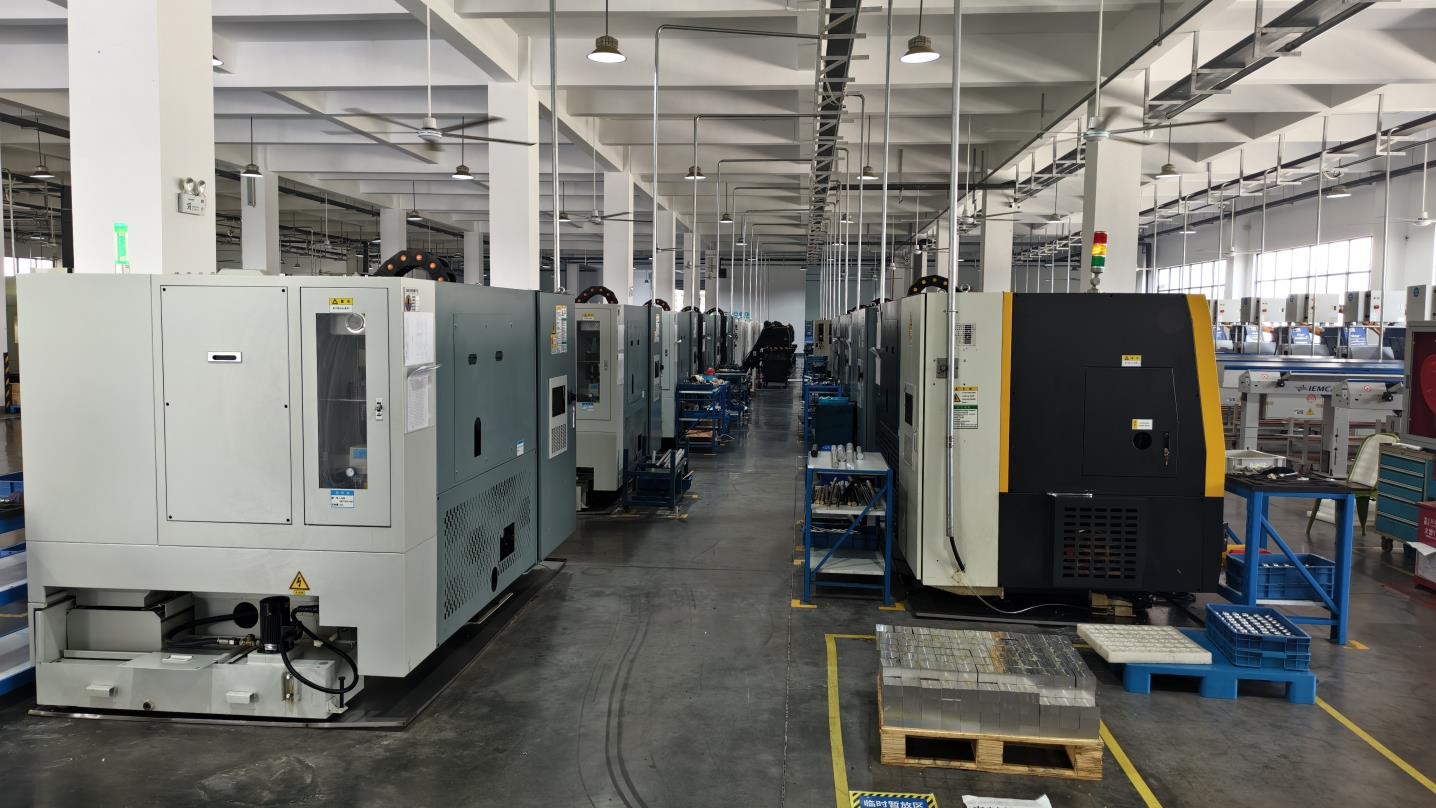
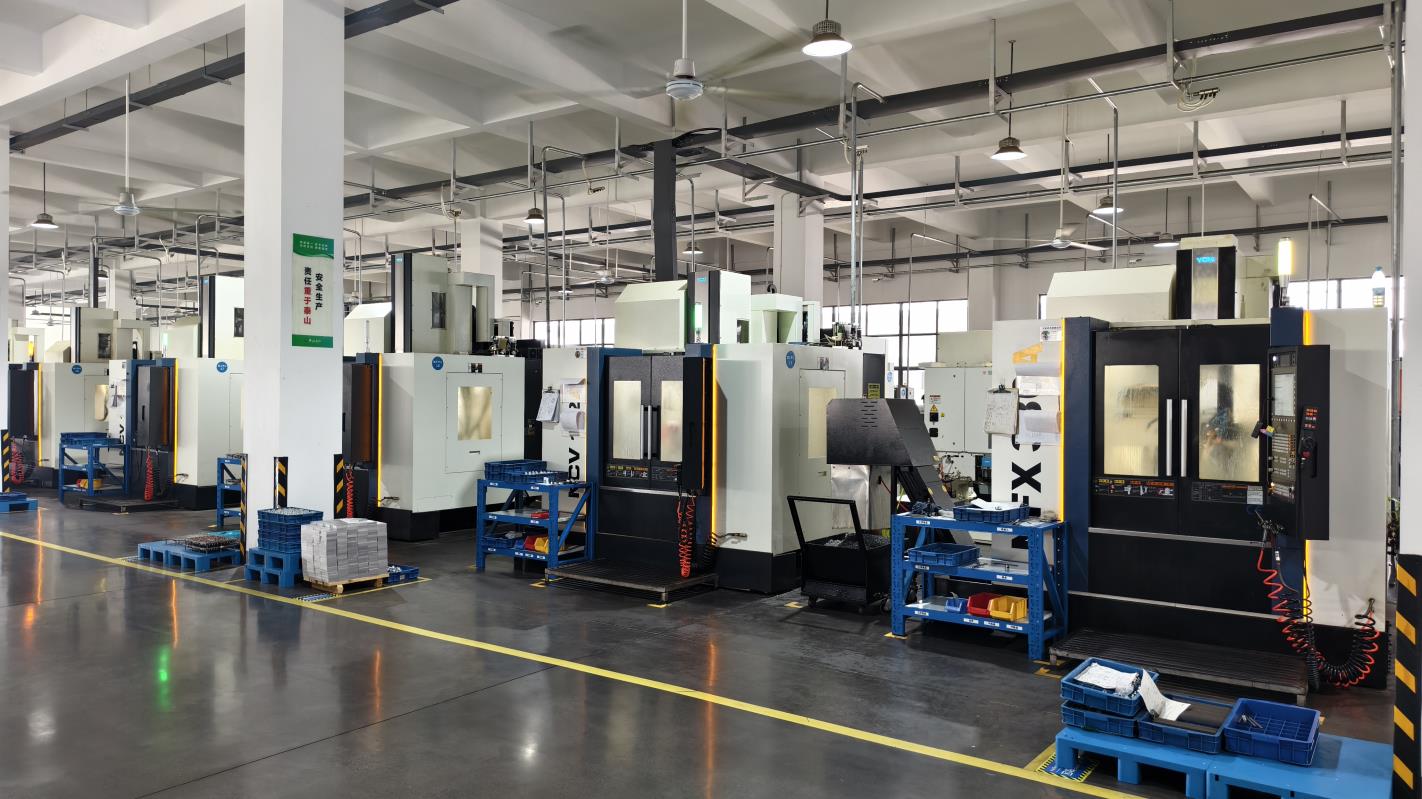
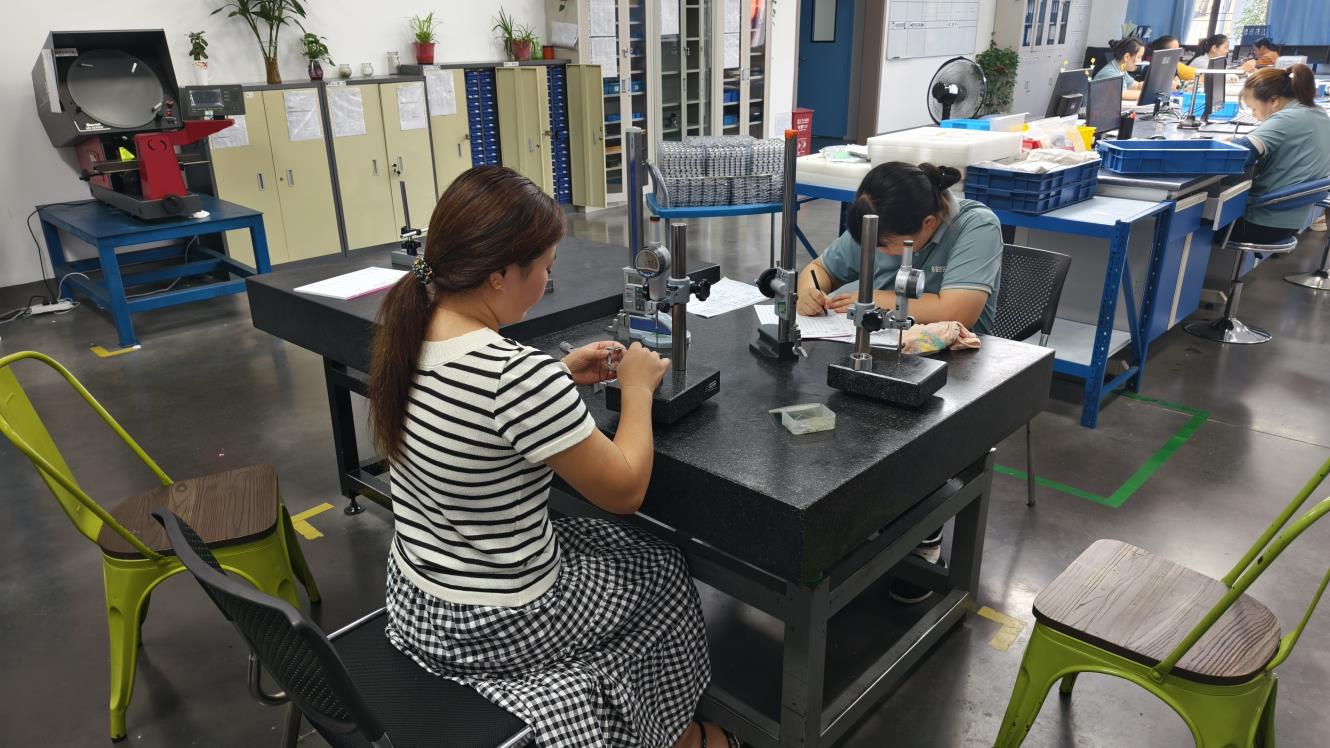
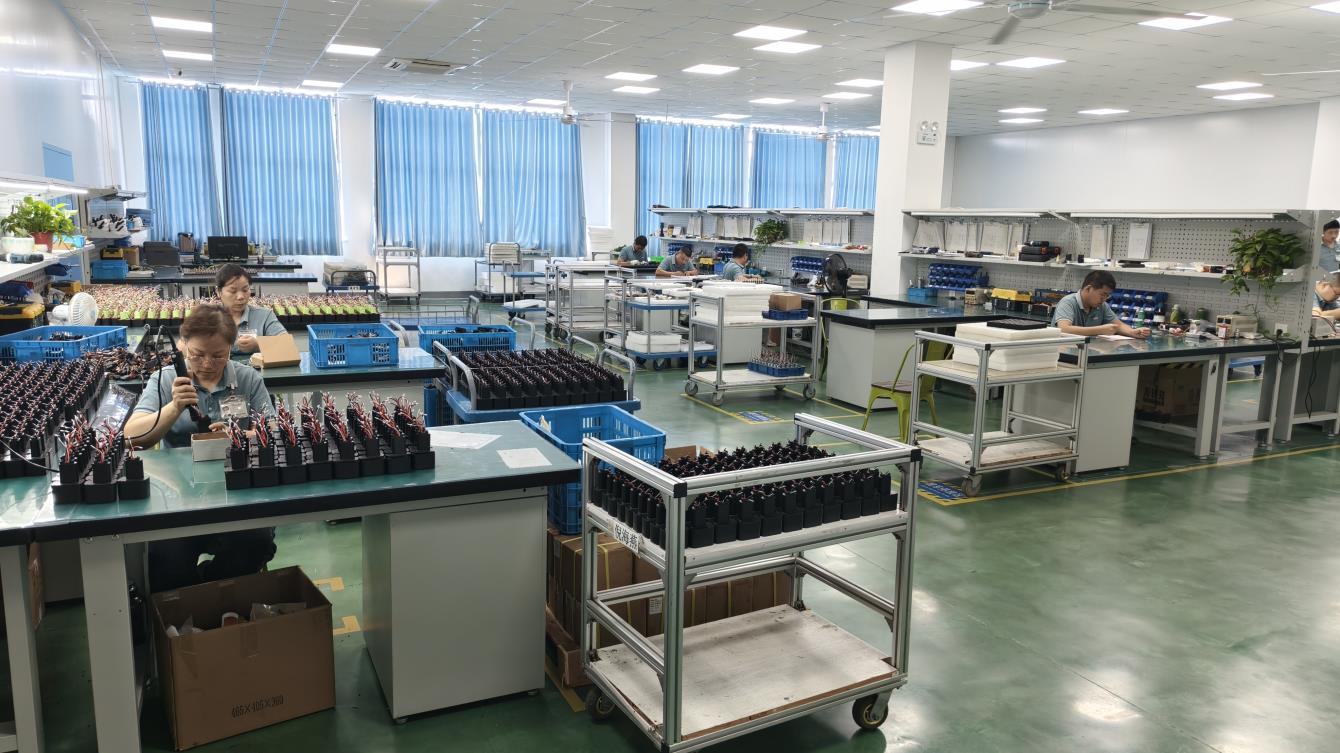
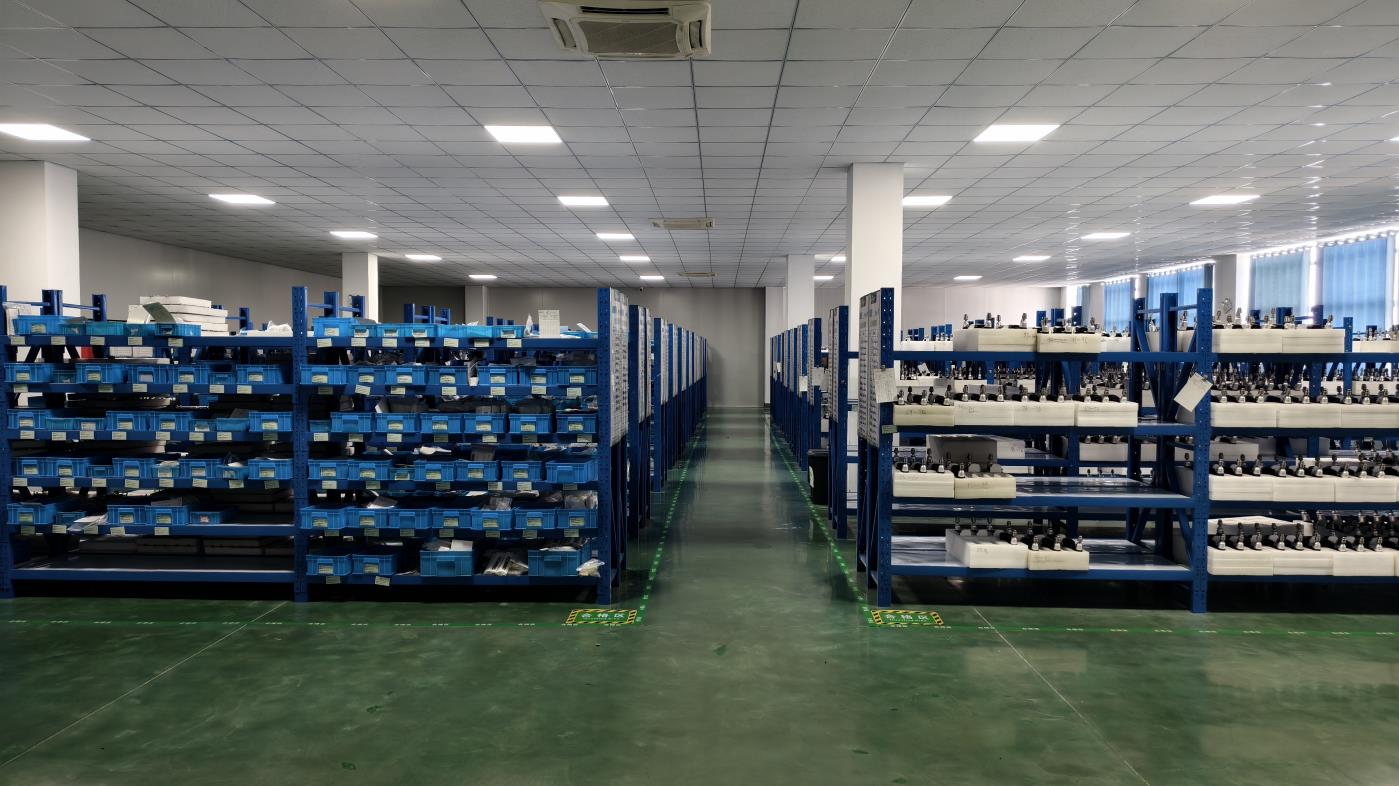
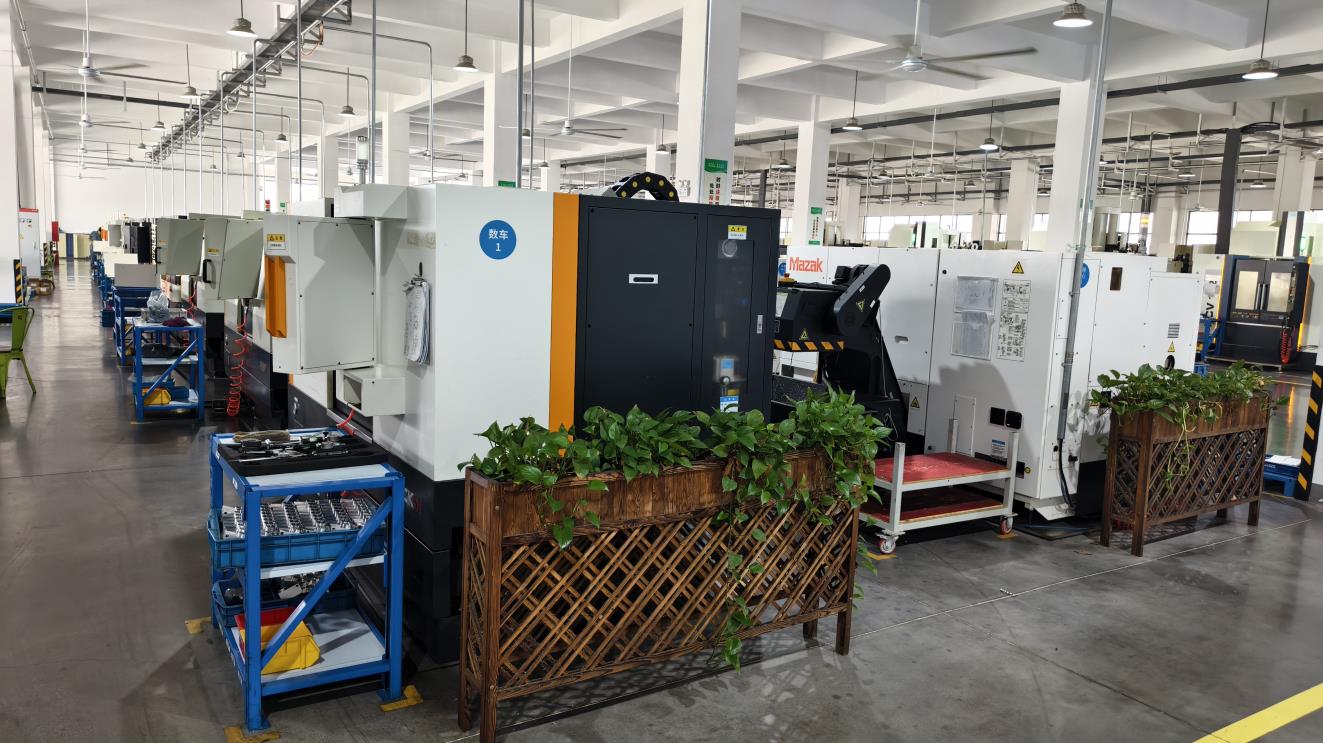
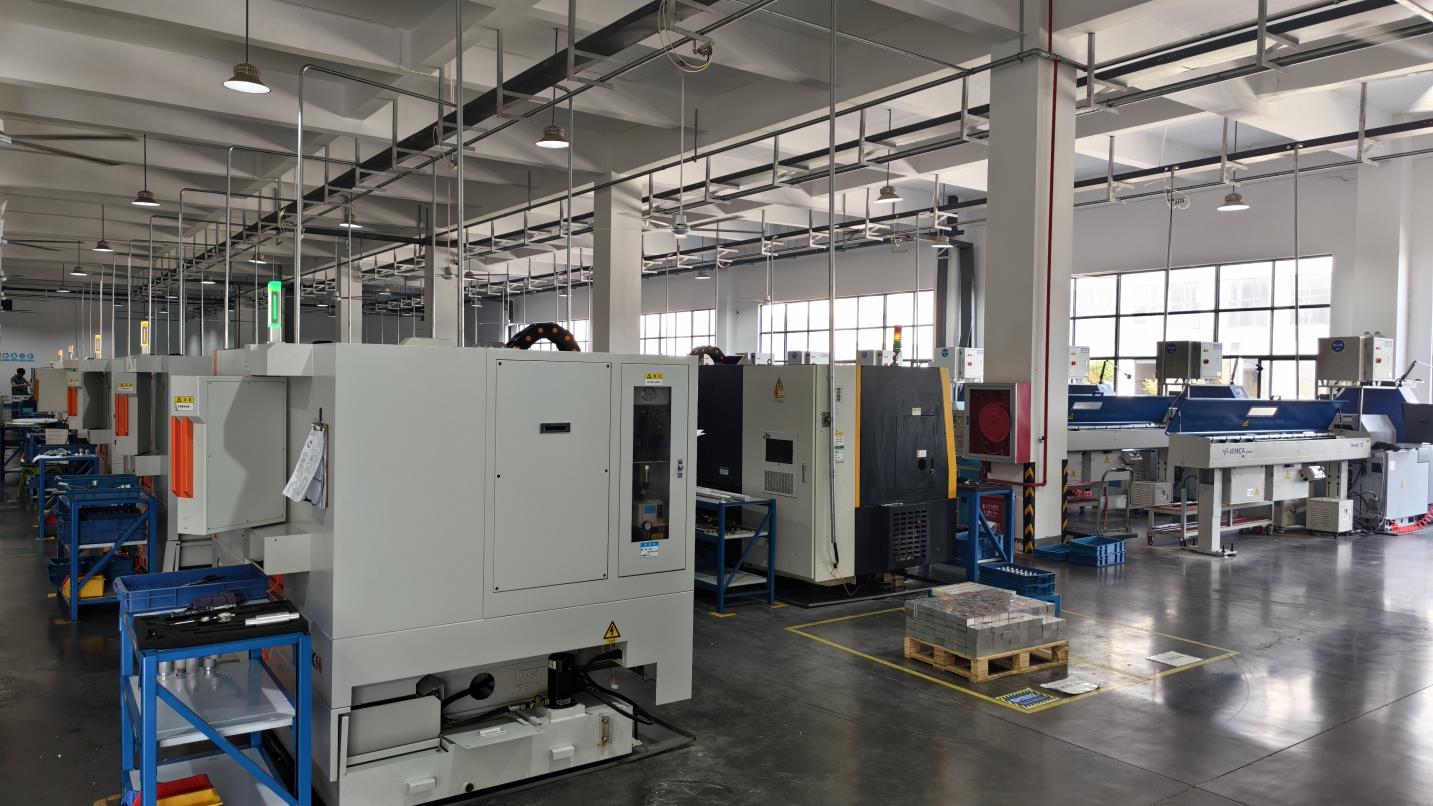
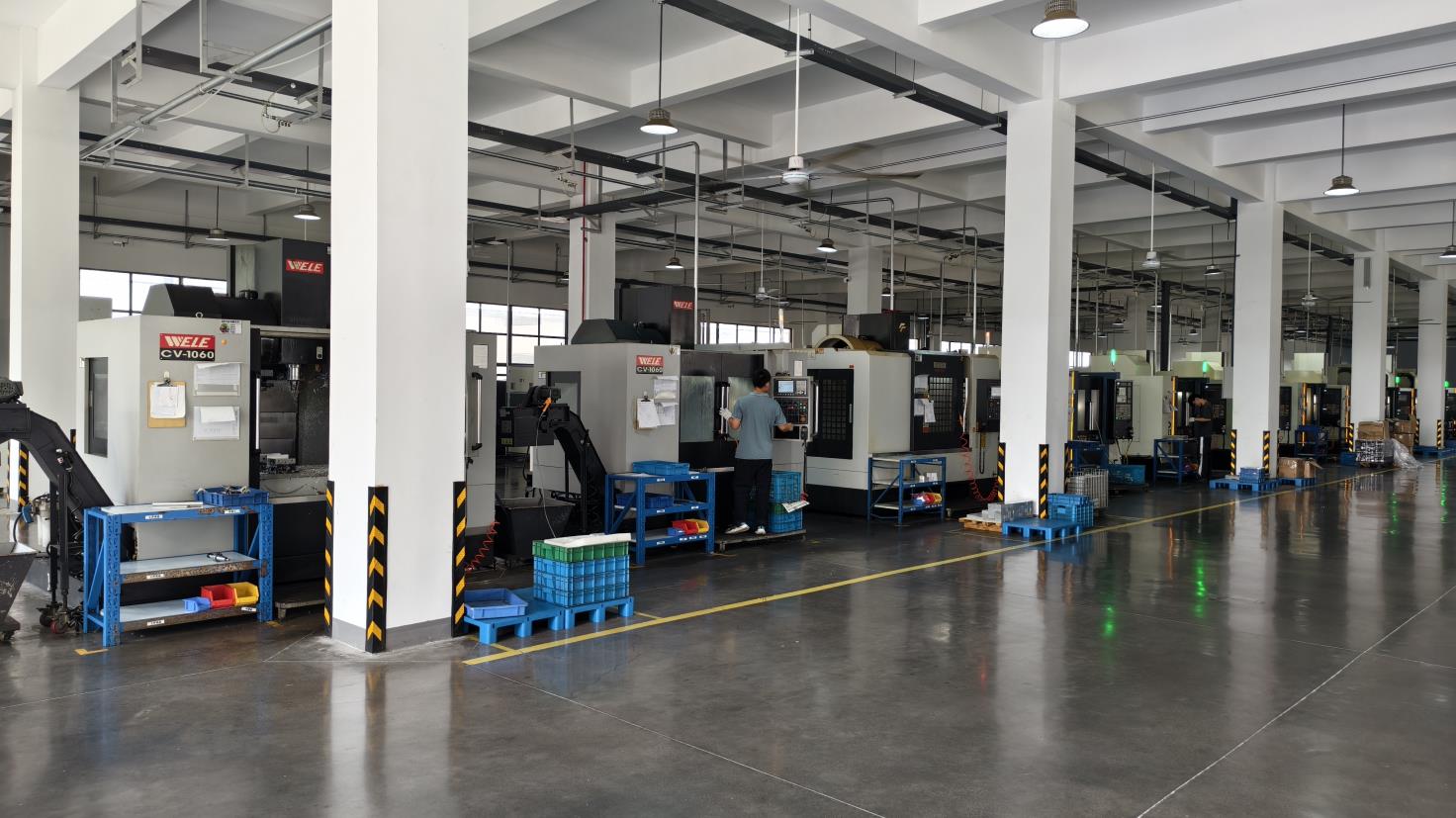
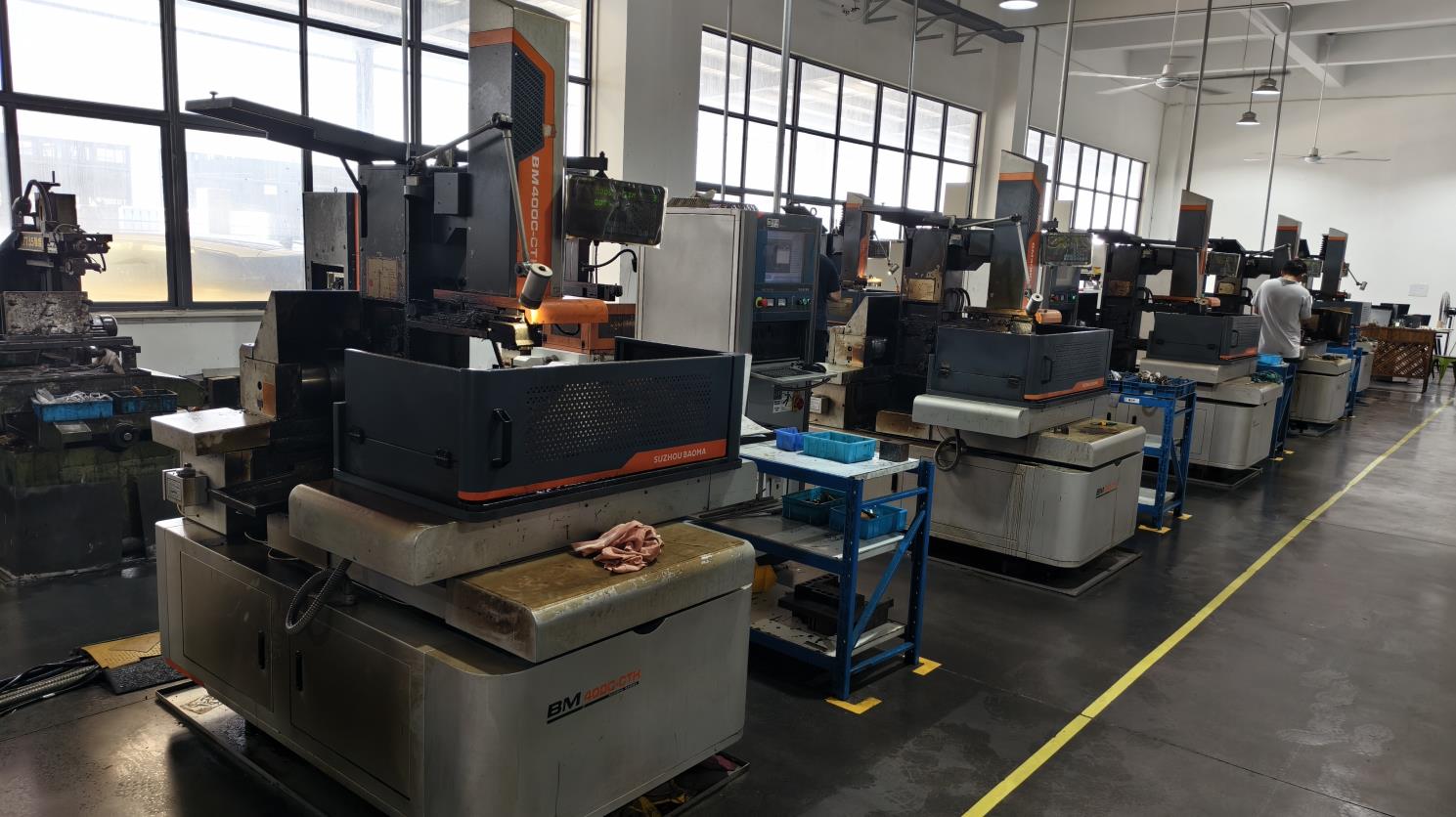
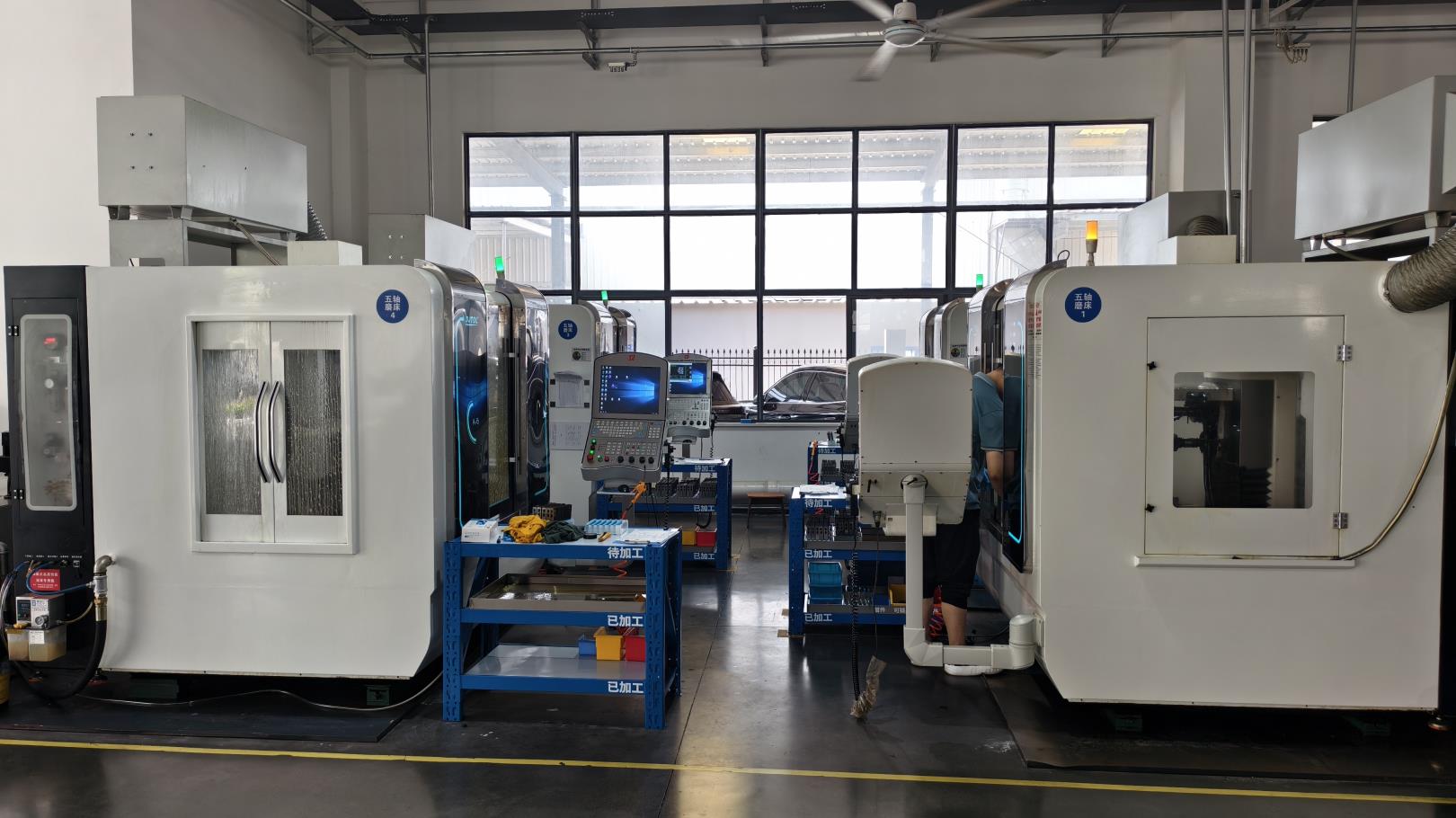
China's industrial manufacturing ecosystem offers unmatched structural advantages. By leveraging complete local supply chains for titanium purification, CNC tool fabrication, and chemical surface treatments, Moventra optimizes production costs without compromising structural integrity. Our advanced manufacturing facility operates Swiss-type CNC centers and automated milling lines, enabling the execution of complex designs with high dimensional repeatability.
State-of-the-Art Factory
R&D Engineers
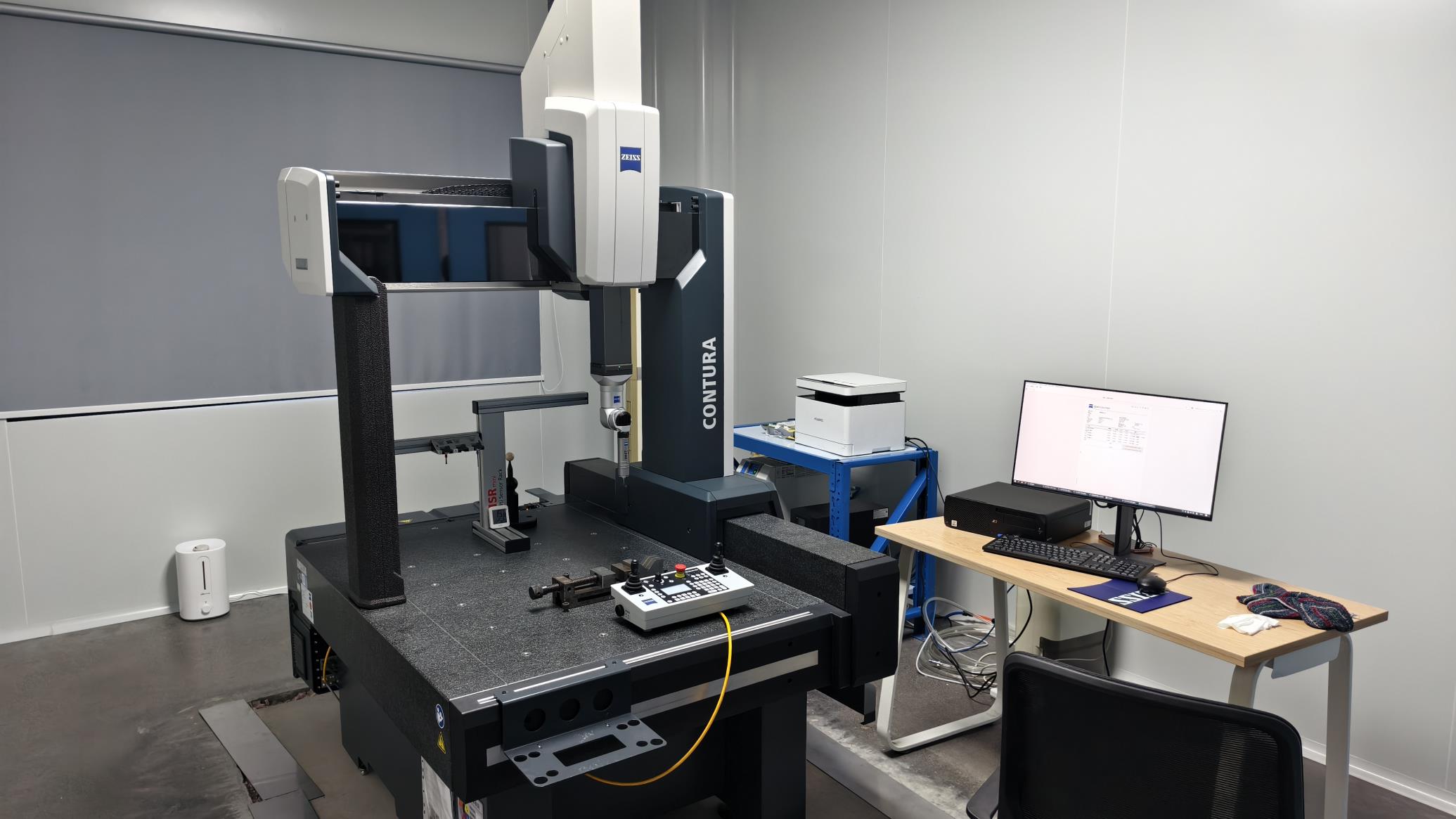
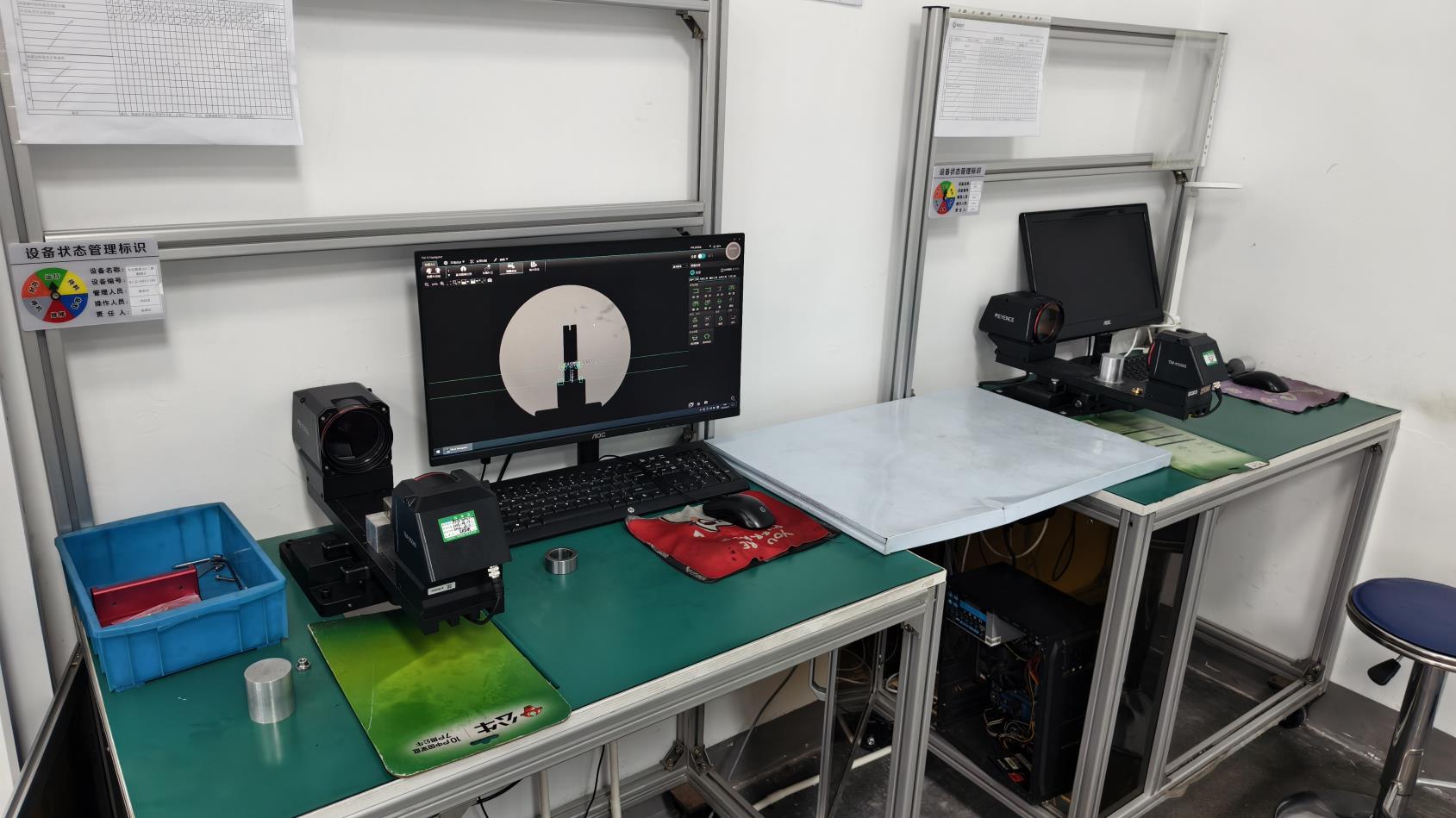
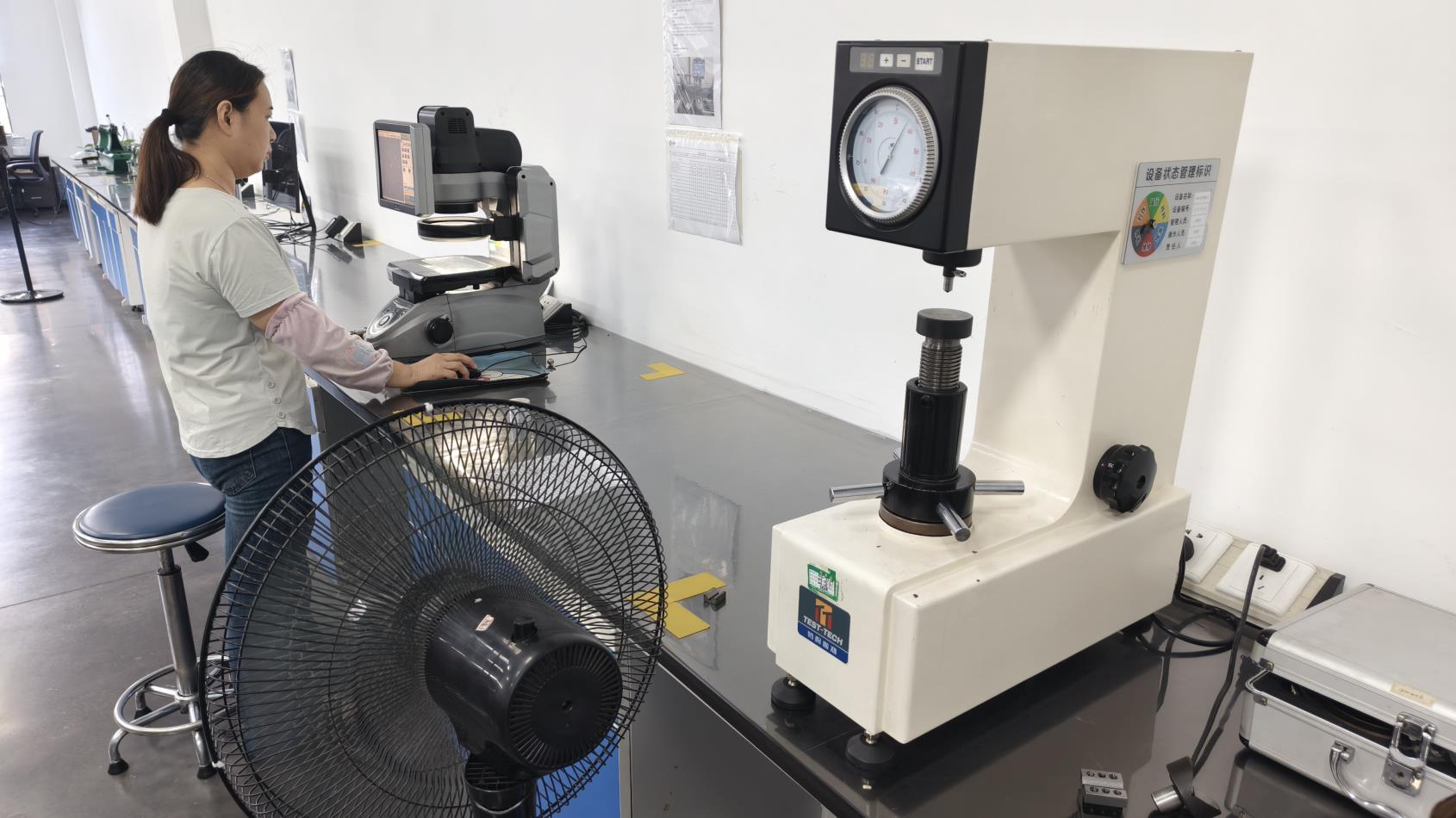
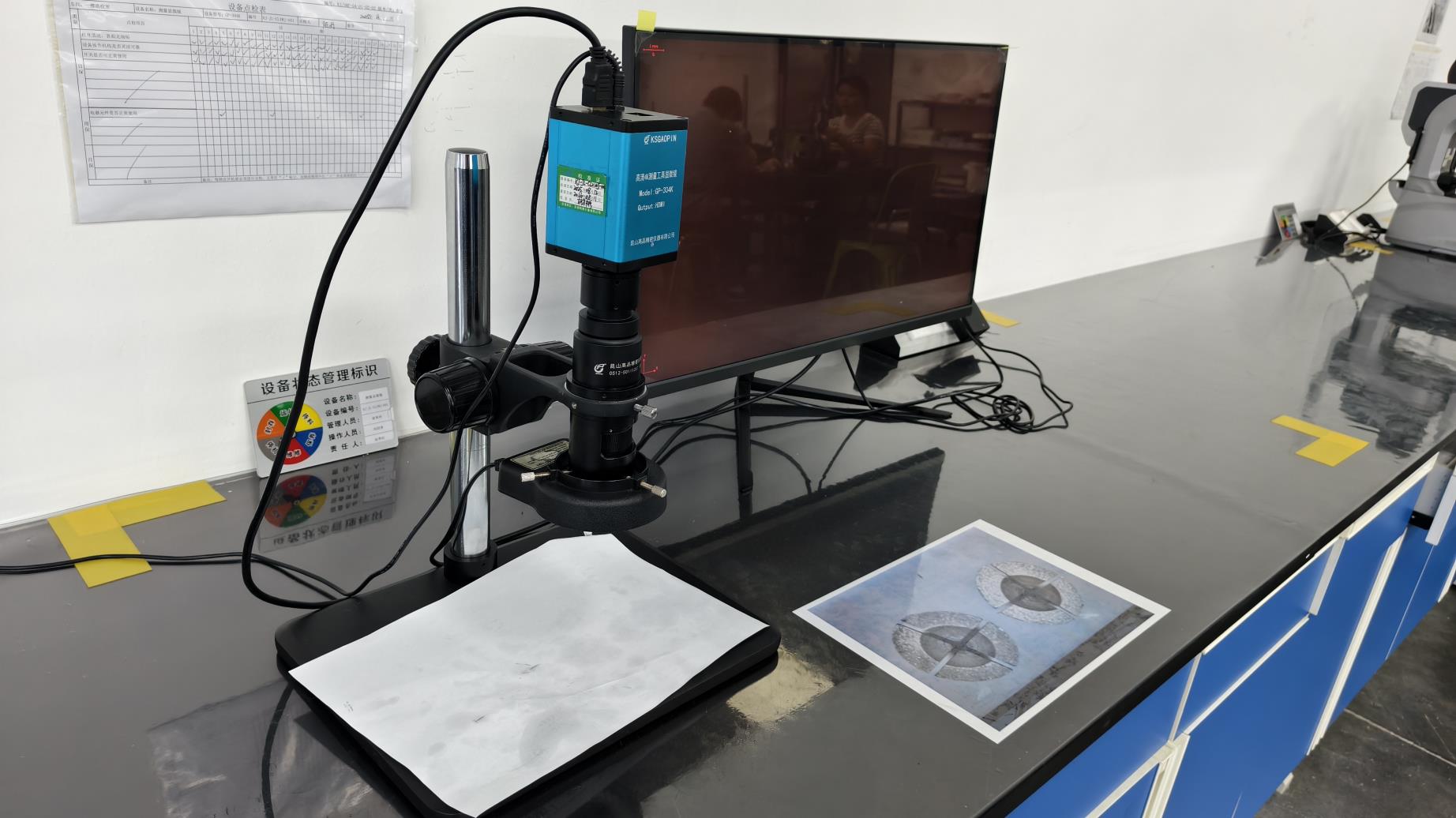
Pre-Shipment Quality Testing
Annual Export Value
Every batch of spinal implants undergoes rigorous testing, including dynamic compression bending fatigue tests, pull-out resistance tests, material chemical composition verification via spectroscopy, and coordinate measuring machine (CMM) dimensional mapping. Our facility maintains 48 dedicated QC inspectors ensuring that every pedicle screw, straight rod, and cervical plate leaving the factory floor matches exact CAD models. This prevents mechanical failures in vivo, safeguarding patient health and securing surgeon confidence.
Real-world surgical applications of our spine implants across Ghanaian orthopedic clinics and trauma units.
Clinical Setting: Emergency departments at tertiary hospitals (e.g., Korle-Bu, KATH).
Indication: Thoracolumbar burst fractures and unstable spine dislocations.
Solution: Posterior fixation using Moventra’s high-strength reduction polyaxial pedicle screws and 6.0mm titanium straight rods to achieve decompression and realignment.
Clinical Setting: Specialized private orthopedic spine centers in Accra and Kumasi.
Indication: Severe lumbar canal stenosis and spondylolisthesis.
Solution: TLIF/PLIF spinal fusion utilizing self-tapping pedicle screws to minimize intraoperative screw path preparation and reduce anesthesia times.
Clinical Setting: Regional orthopedic outreach programs and charity surgery missions.
Indication: Progressive adolescent idiopathic scoliosis (AIS).
Solution: Multi-segmental posterior pedicle screw instrumentation, utilizing cobalt-chromium and titanium rods to correct spinal deformities across three planes.
Operating a specialized facility spanning 18,600 m² to deliver OEM, ODM, and direct bulk export services worldwide.
| Corporate Parameter | Details & Operational Specifications |
|---|---|
| Company Name | Moventra Medical Technology (China) Co., Ltd. |
| Brand / Labeling | Moventra (Direct Factory Exports & Custom OEM Branding Available) |
| Year of Establishment | 2017 (Industry R&D expertise dating back to 2010) |
| Manufacturing Facility Area | 18,600 m² (Advanced cleanrooms, machining halls, and testing laboratories) |
| Annual Export Revenue | USD 23.8 Million (Distributors located in Europe, South America, and Africa) |
| Quality Assurance Protocol | 100% Quality Inspection before shipment |
| Validation Methodologies | Dimensional inspection, material spectroscopy, surface topography analysis, fatigue testing |
| Design & Engineering Staff | 86 Engineers specializing in orthopedic implants and biomechanics |
| Customization Options | Logo etching, packaging design, customized thread pitch, drawing-based manufacturing |
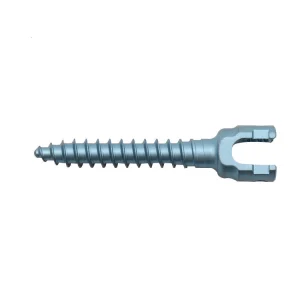
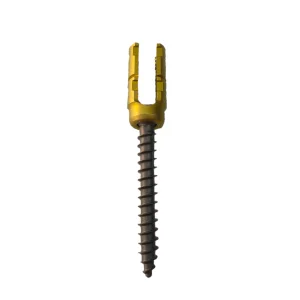
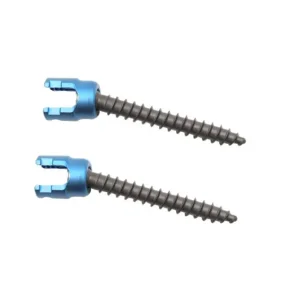
Comprehensive surgical hardware including reduction polyaxial, monoaxial pedicle screws, and medical-grade straight rods.
Detailed answers addressing importation protocols, product certifications, material parameters, and packaging options.
 Moventra Medical