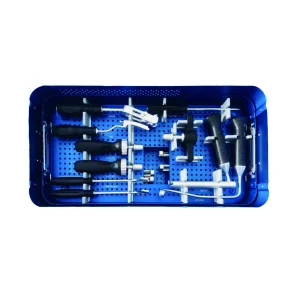
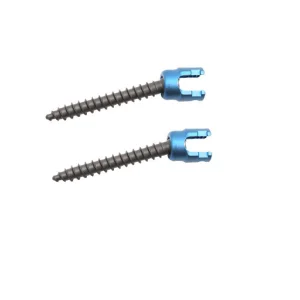
Direct access to our most frequently specified clinical systems, trusted by orthopaedic distributors and surgeons in the Asia-Pacific region.
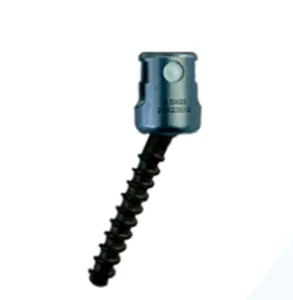
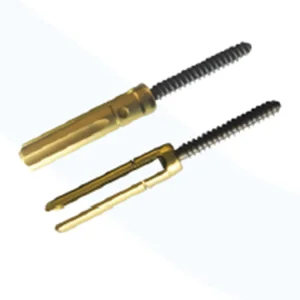
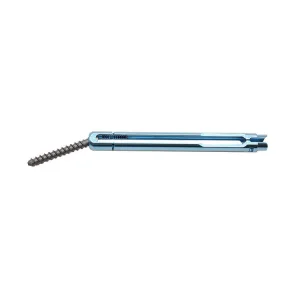
Analyzing the demographics, clinical structures, and procurement patterns in Singapore's orthopaedic and neurosurgical markets.
Singapore is experiencing a rapid demographic transition, colloquially termed the "Silver Tsunami." By 2030, an estimated one in four citizens will be aged 65 or older. This demographic shift is driving a dramatic increase in degenerative spinal pathologies, including spinal canal stenosis, degenerative disc disease (DDD), spondylolisthesis, and osteoporotic vertebral compression fractures. Medical structures such as the National University Hospital (NUH) and Singapore General Hospital (SGH) require implant solutions that combine long-term stability with minimal postoperative recovery times.
The Singaporean market operates on a highly integrated dual-track system: public healthcare institutions (governed by SingHealth, National University Health System, and National Healthcare Group) and private healthcare providers (such as Mount Elizabeth Hospital, Gleneagles, and Farrer Park Hospital). Public hospitals tend to source through structured GPO tenders focusing on cost-containment, clinical validation, and comprehensive supply security. Conversely, private specialist clinics demand high-end customization options, immediate inventory replenishment, and premium material certificates.
Beyond domestic demand, Singapore functions as the medical referral hub for Southeast Asia. Patients from Indonesia, Malaysia, and the wider ASEAN region frequently travel to Singapore for complex corrective spinal surgeries. Sourcing certified spinal fixation systems that carry extensive biomechanical documentation is crucial for hospitals aiming to maintain their international clinical reputations and JCI (Joint Commission International) accreditations.
Ensuring seamless import, distribution, and clinical application under Singapore's Health Sciences Authority rules.
In Singapore, spinal implants (including pedicle screws, rods, crosslinks, and interbody cages) are classified as Class C (Medium-High Risk) or Class D (High Risk) Medical Devices by the Health Sciences Authority (HSA). Sourcing from overseas manufacturers requires an established product registration pathway on the Singapore Medical Device Register (SMDR).
Moventra provides complete technical files to support local Registrants (Local Authorized Representatives) in Singapore. Our compliance package includes:
We facilitate fast-track routes (such as the Immediate Class C registration route if the device is already evaluated by reference agencies like US FDA, CE Mark, or HSA equivalent bodies).
Pioneering orthopaedic manufacturing standards to improve patient osteointegration and reduce implant failure rates.
Utilization of medical-grade Titanium Alloy (Ti-6Al-4V ELI) and Polyetheretherketone (PEEK). We prioritize raw material traceability, utilizing materials that meet ASTM F136 specifications. This ensures maximum tensile strength, excellent corrosion resistance, and optimized modulus of elasticity to minimize stress shielding.
Implementing advanced surface treatment technologies including anodic oxidation (Type II/Type III anodization) to enhance wear properties, and sandblasting/acid-etching processes (SLA) to develop micro-rough surfaces. This increases the contact area between bone and implant, stimulating rapid osseointegration.
Our R&D is actively developing porous 3D-printed titanium implants featuring customized trabecular structures, and exploring smart implants integrated with strain sensors to monitor spine fusion progress in real-time. This aligns with the Smart Nation medical directives in Singapore.
Leveraging China's manufacturing ecosystems to deliver quality medical products with efficient lead times.
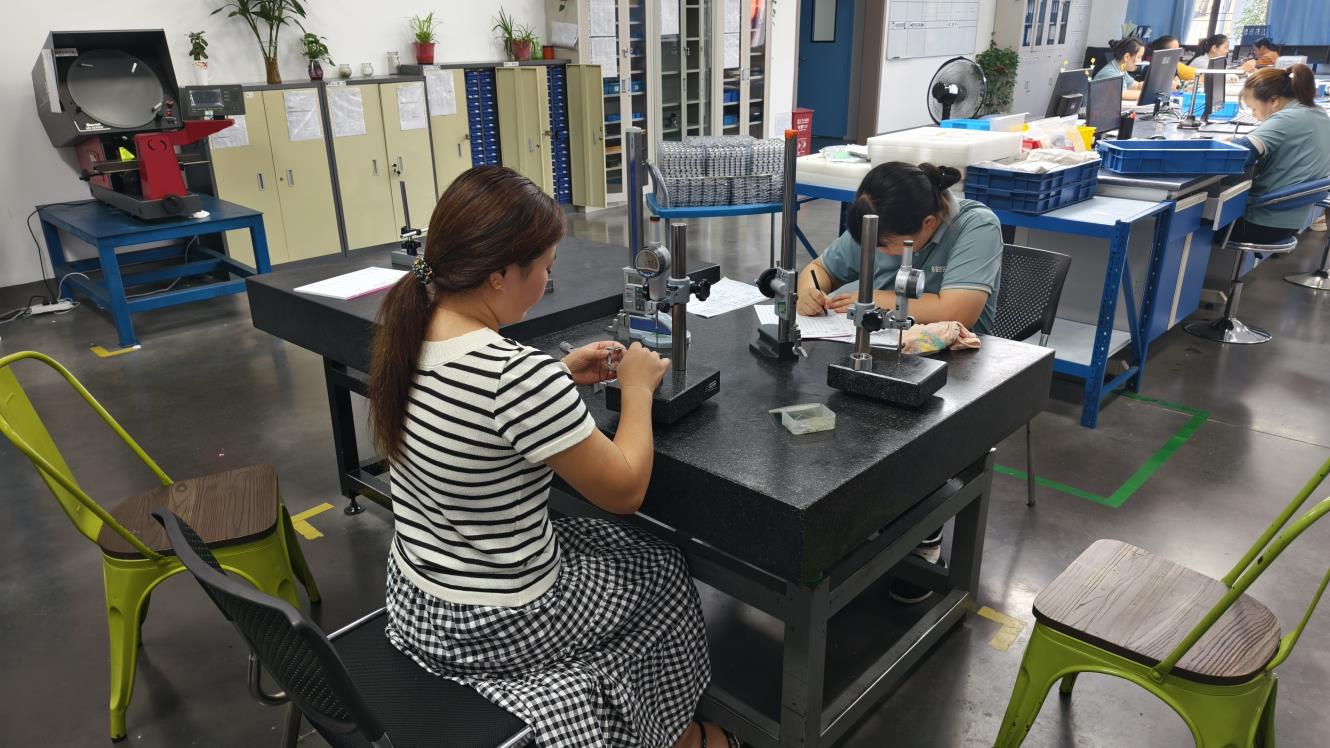
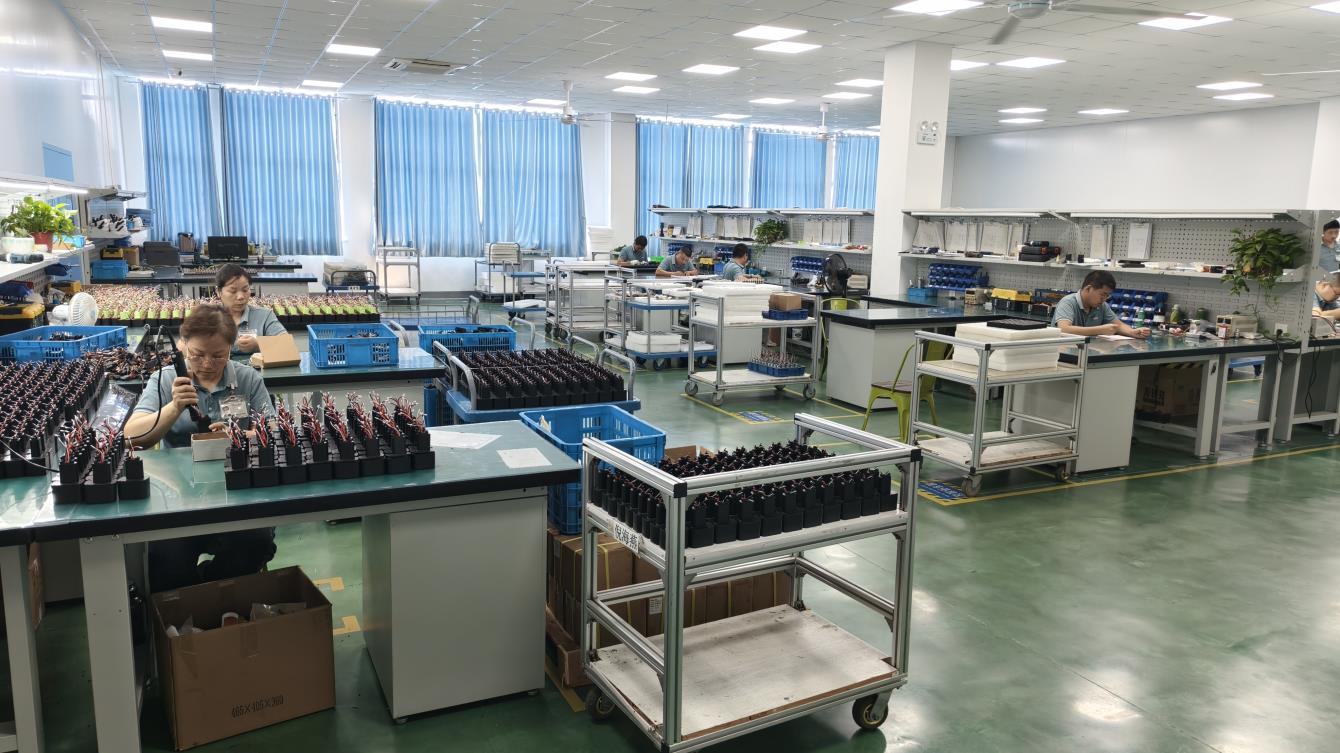
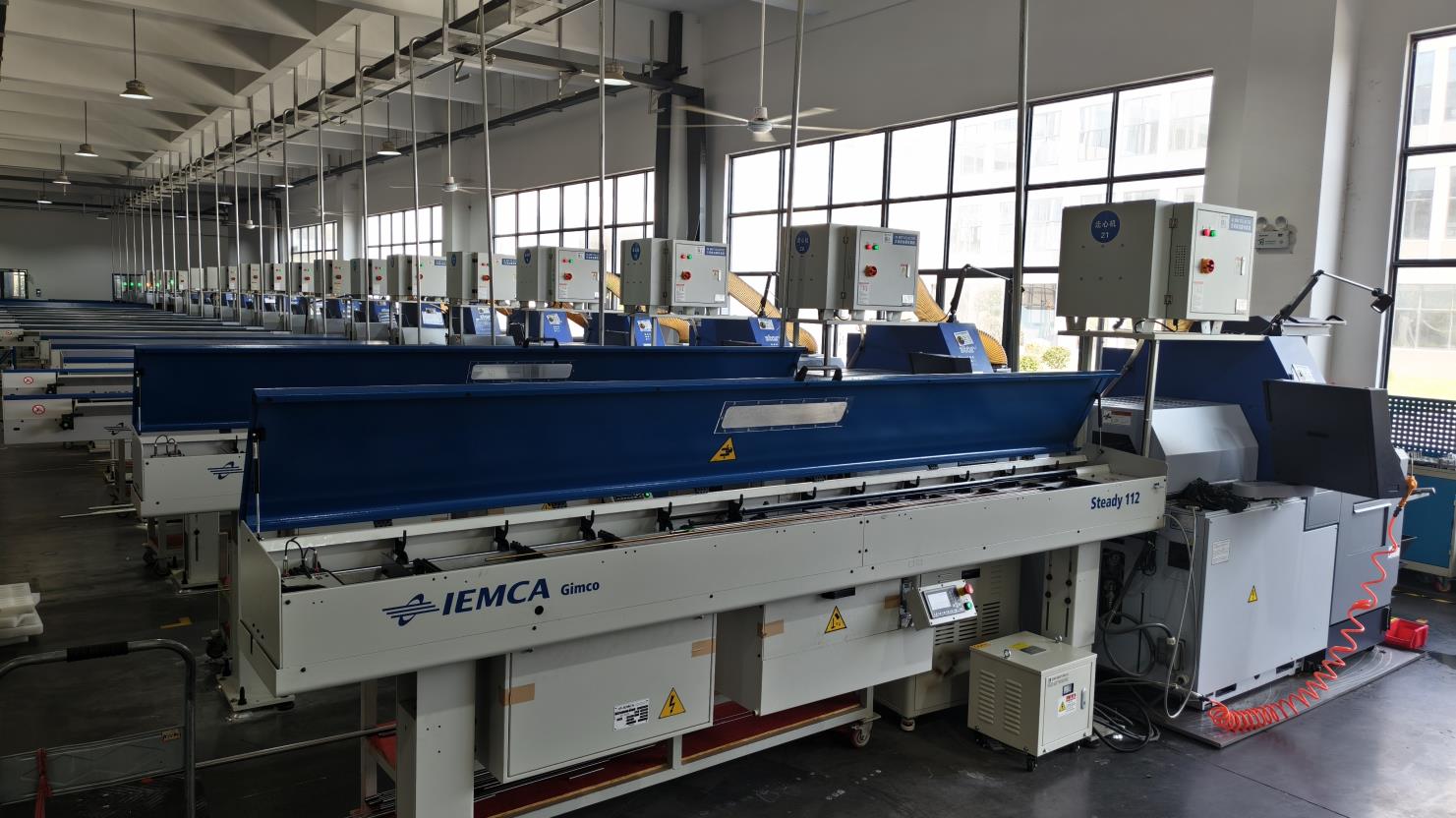
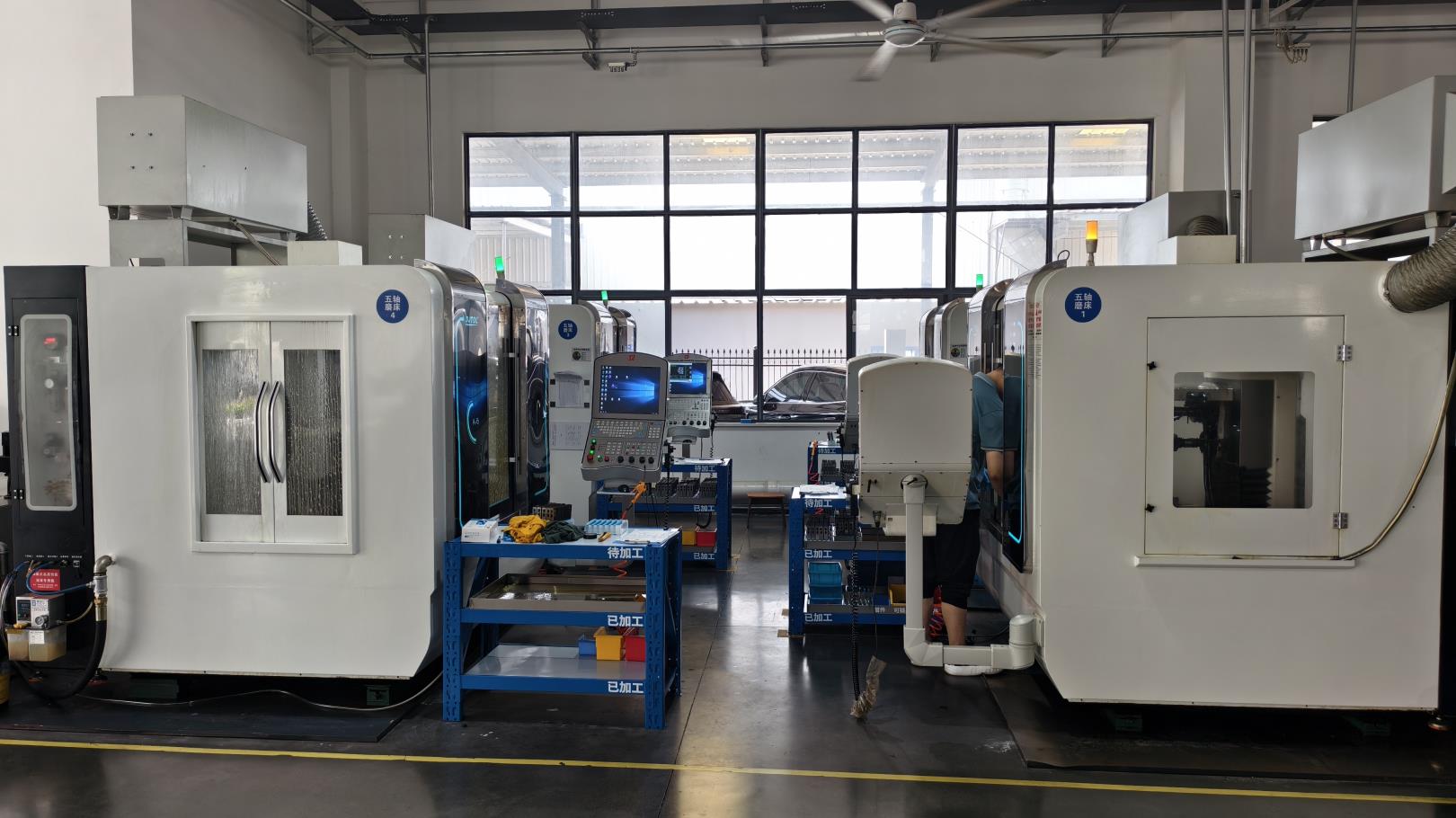
Established in 2017, Moventra Medical Technology (China) Co., Ltd. serves as a reliable manufacturing partner for distributors in Southeast Asia. Our integrated supply chain relies on Swiss-type CNC lathe processing, high-precision machining centers, and comprehensive mechanical testing. This allows us to provide cost-efficiency without compromising the material integrity required by high-income markets like Singapore.
| Operational Parameter | Moventra Production Capabilities & Verification Protocols |
|---|---|
| Company Name / Brand | Moventra Medical Technology (China) Co., Ltd. (Brand: Moventra) |
| Industry Experience | 13 Years of orthopedic design and manufacturing expertise |
| Annual Export Revenue | USD 23.8 Million with partners in North America, Europe, and Southeast Asia |
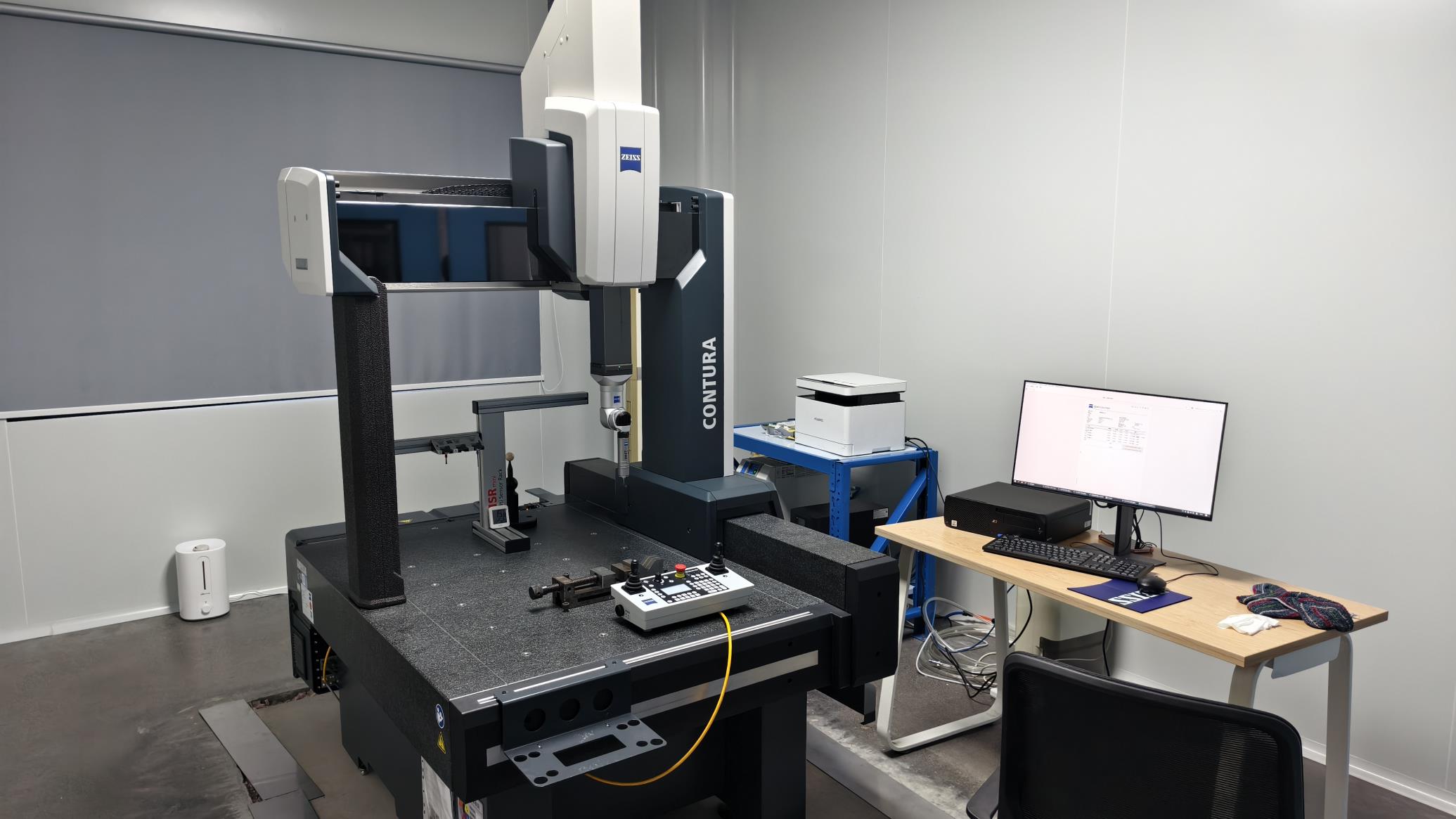
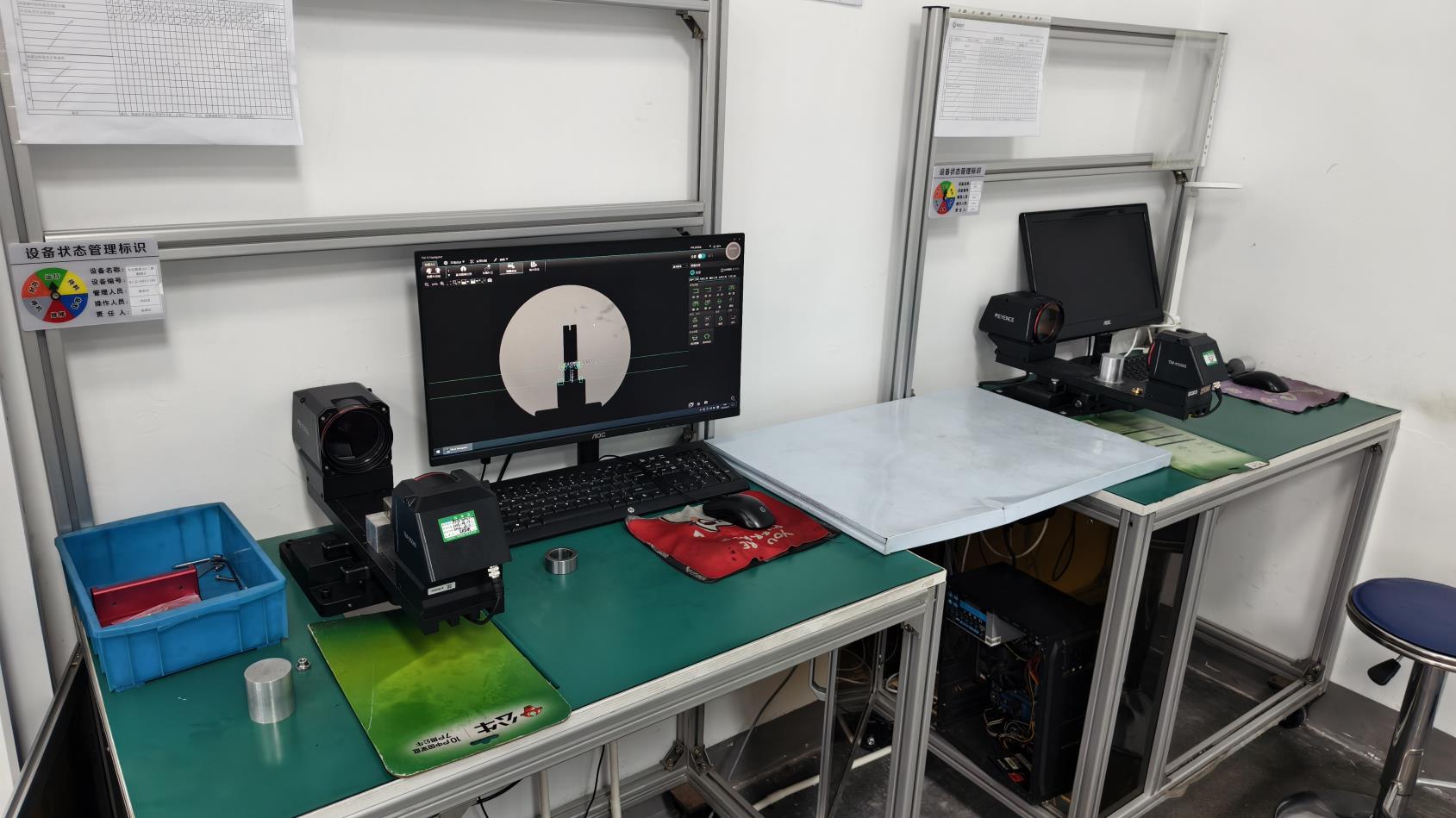
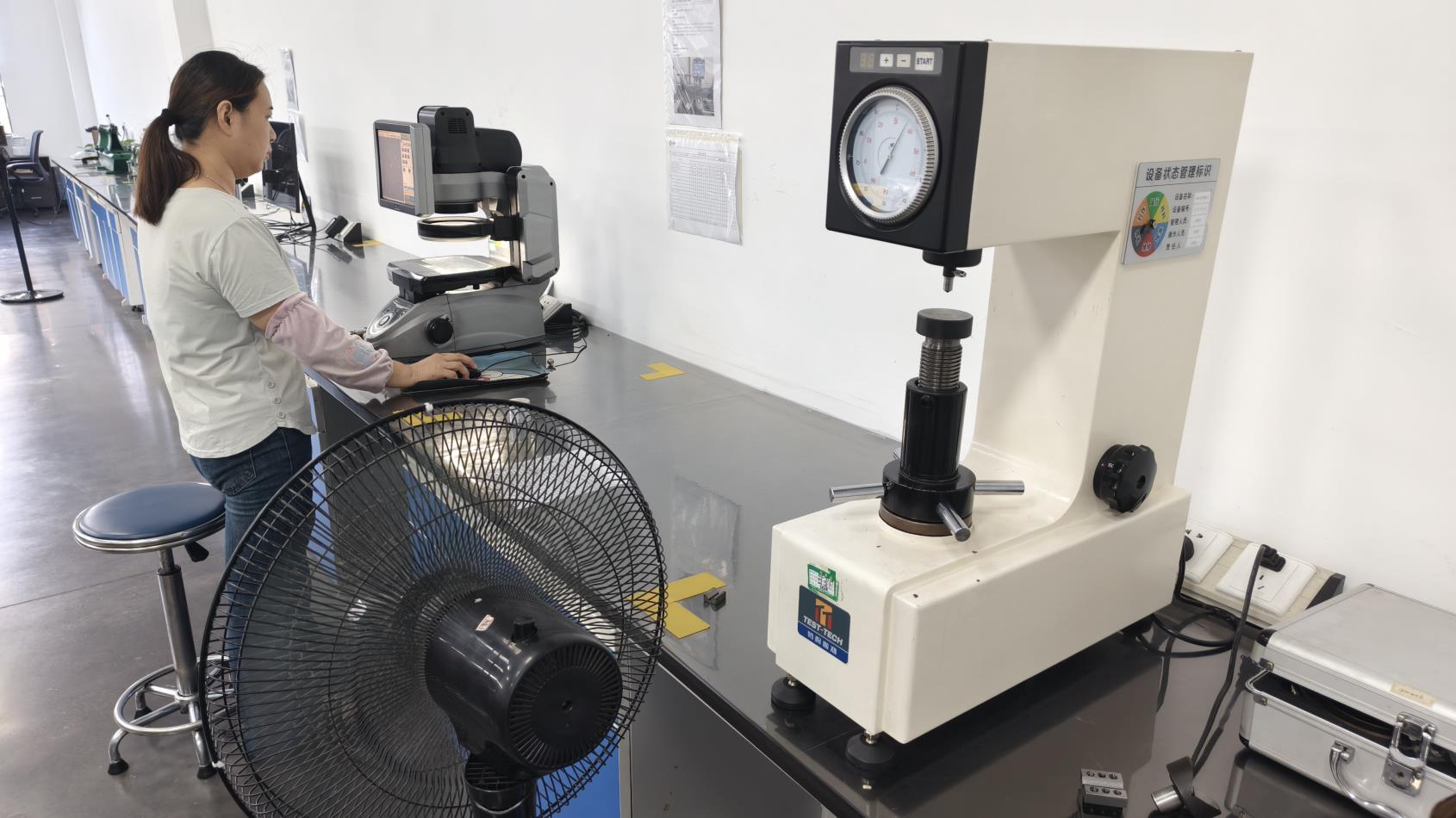
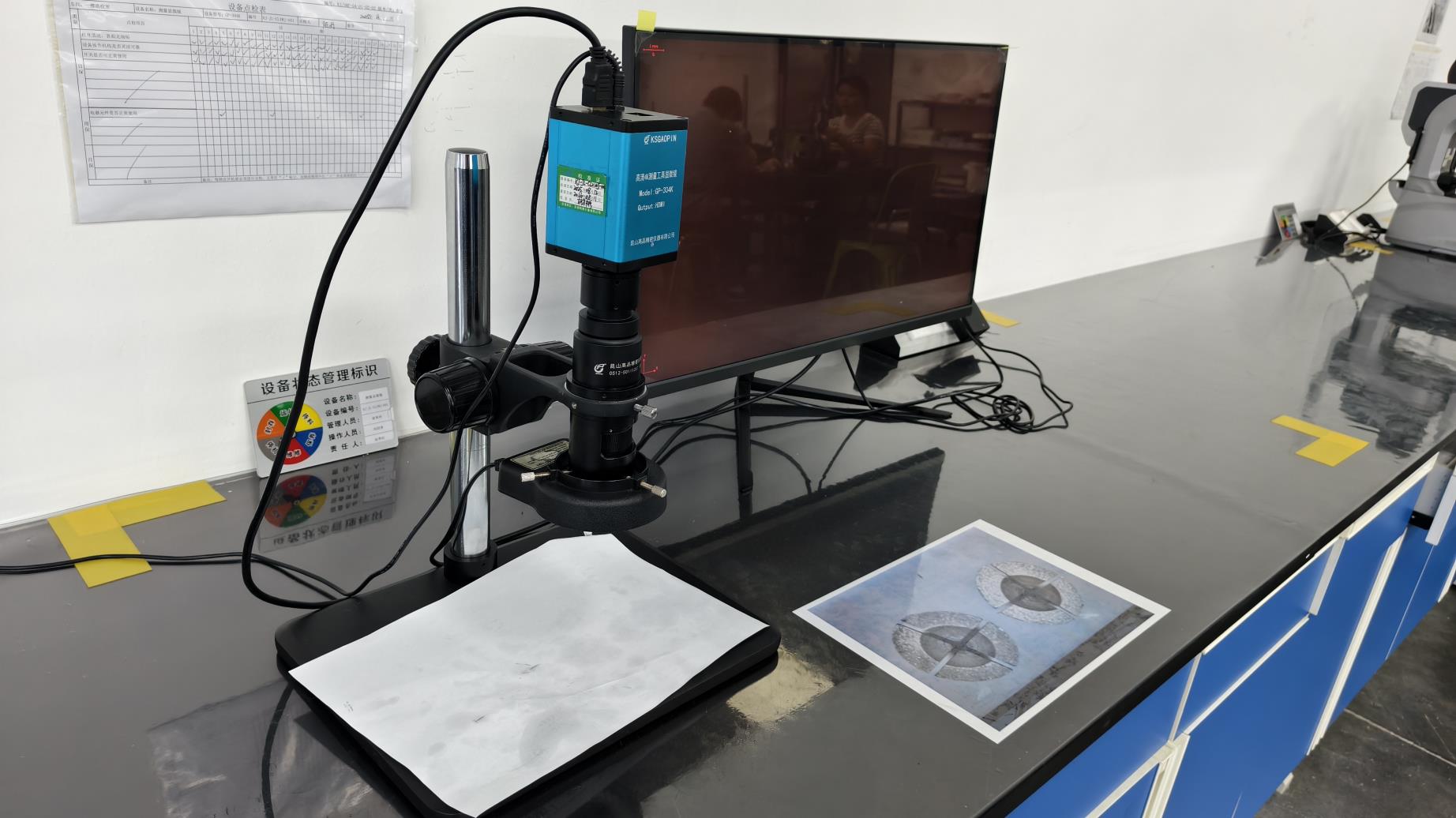
| Quality Inspection Protocols | Dimensional inspection, material chemical analysis, surface finish evaluation, mechanical fatigue validation, sterility assurance testing |
| Customization Capabilities | Complete OEM/ODM customization (laser-marking logo, custom packaging, structural drawing design, rapid sample prototyping) |
| New Product Development | 156 new product models released in the last calendar year |
Our cleanrooms, multi-axis machines, and testing systems undergo strict annual audits to maintain international orthopedic certifications.
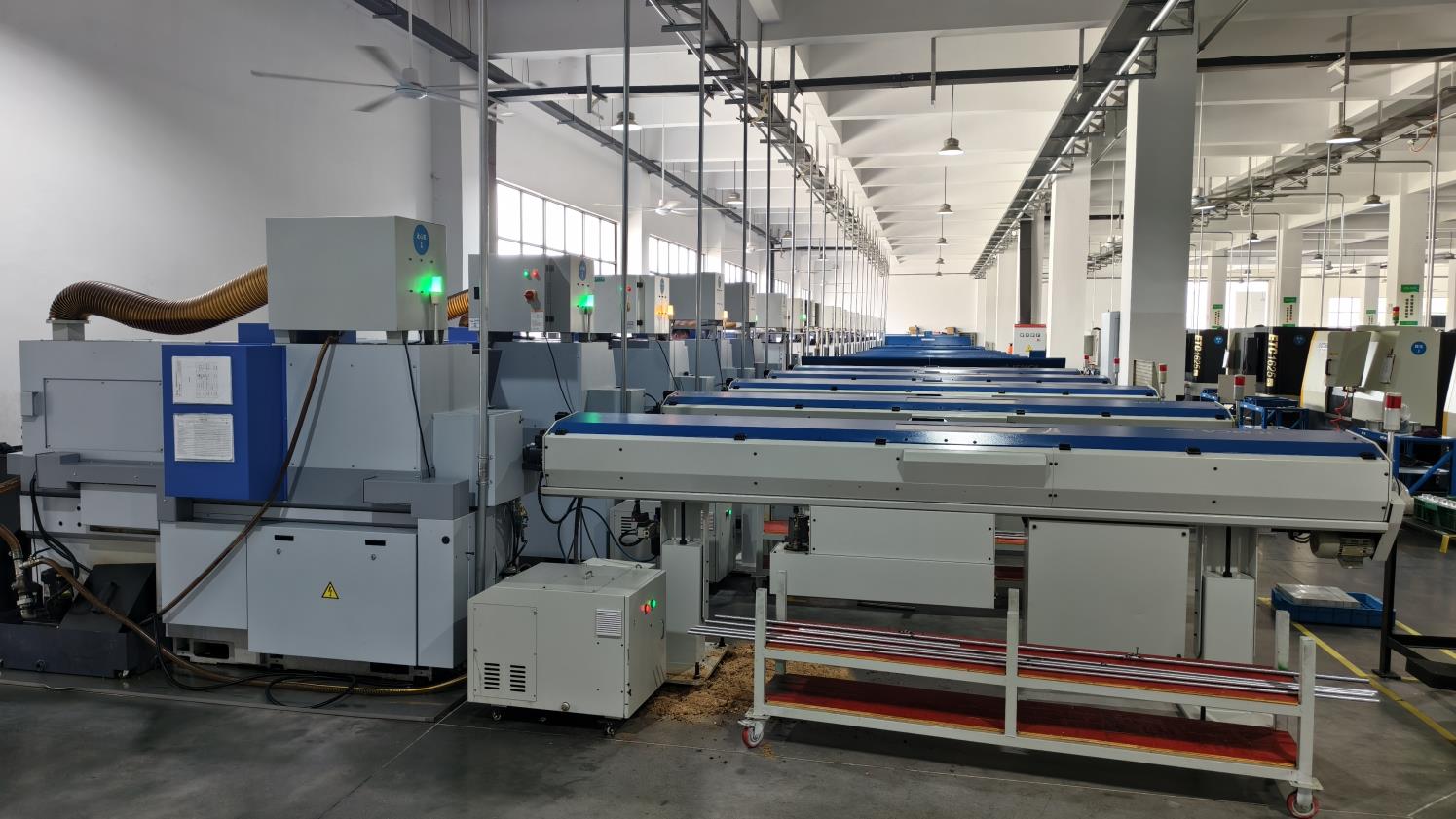
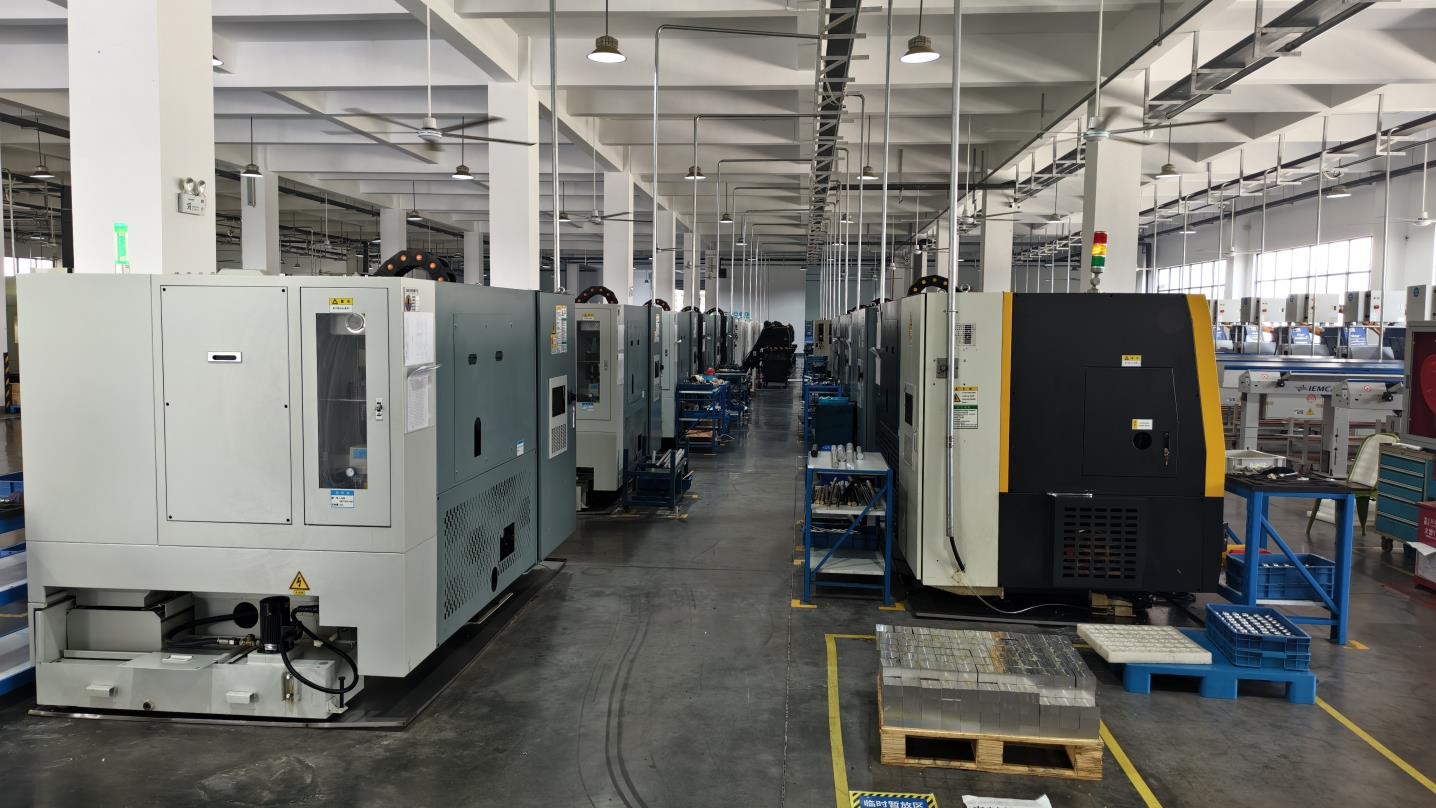
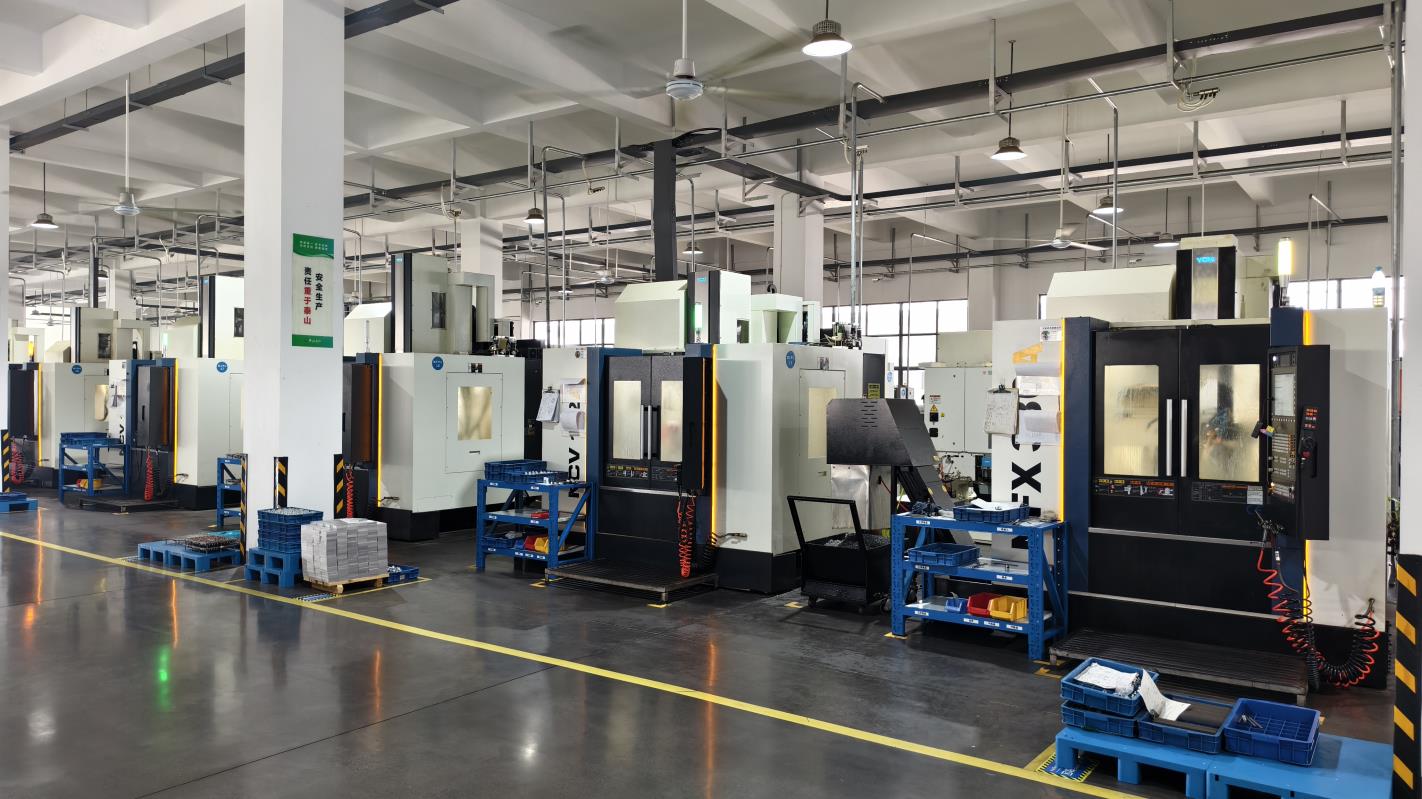
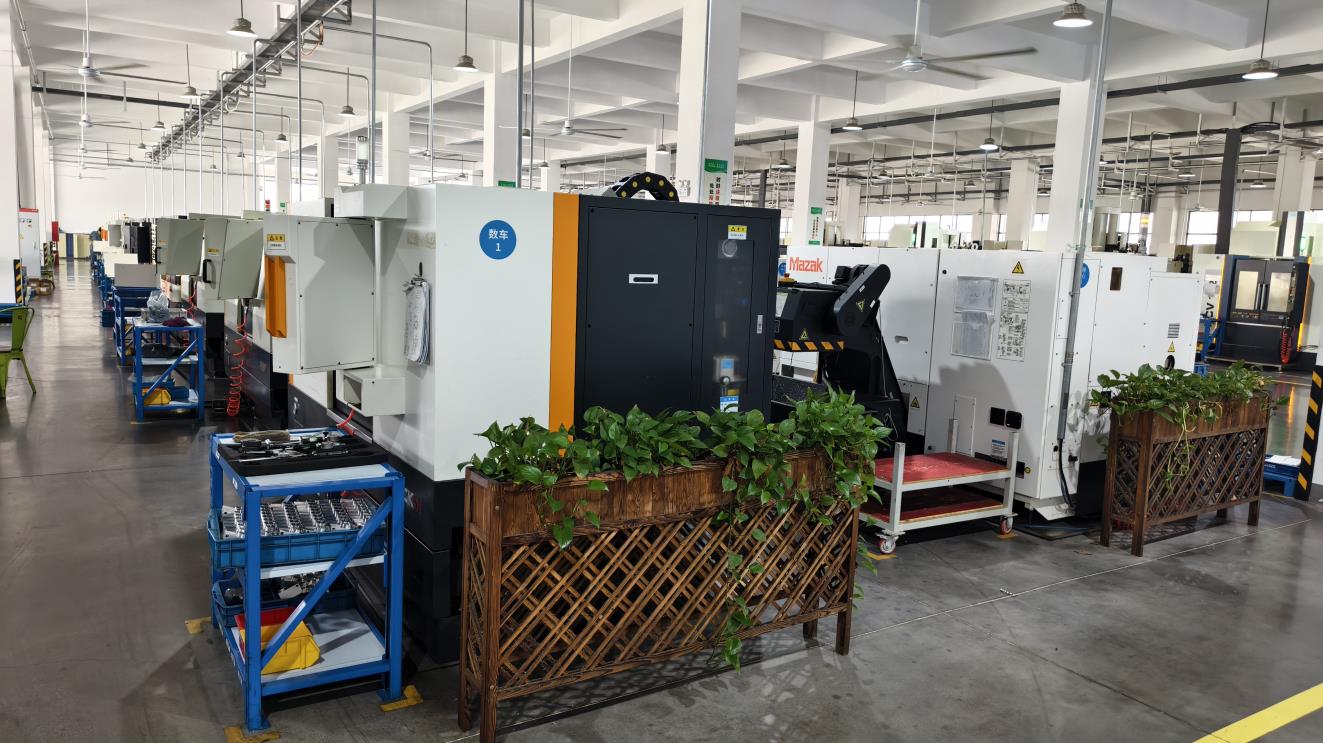
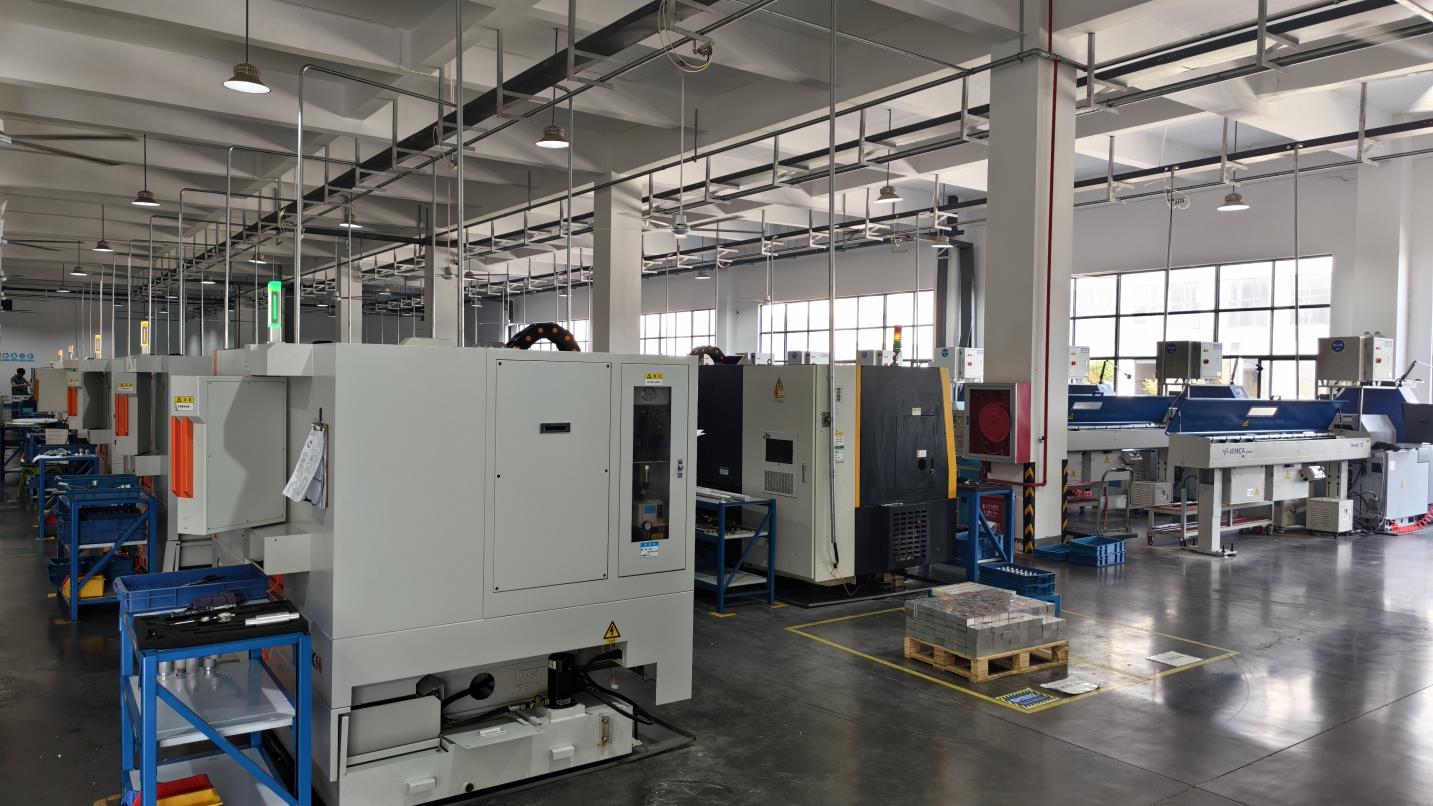
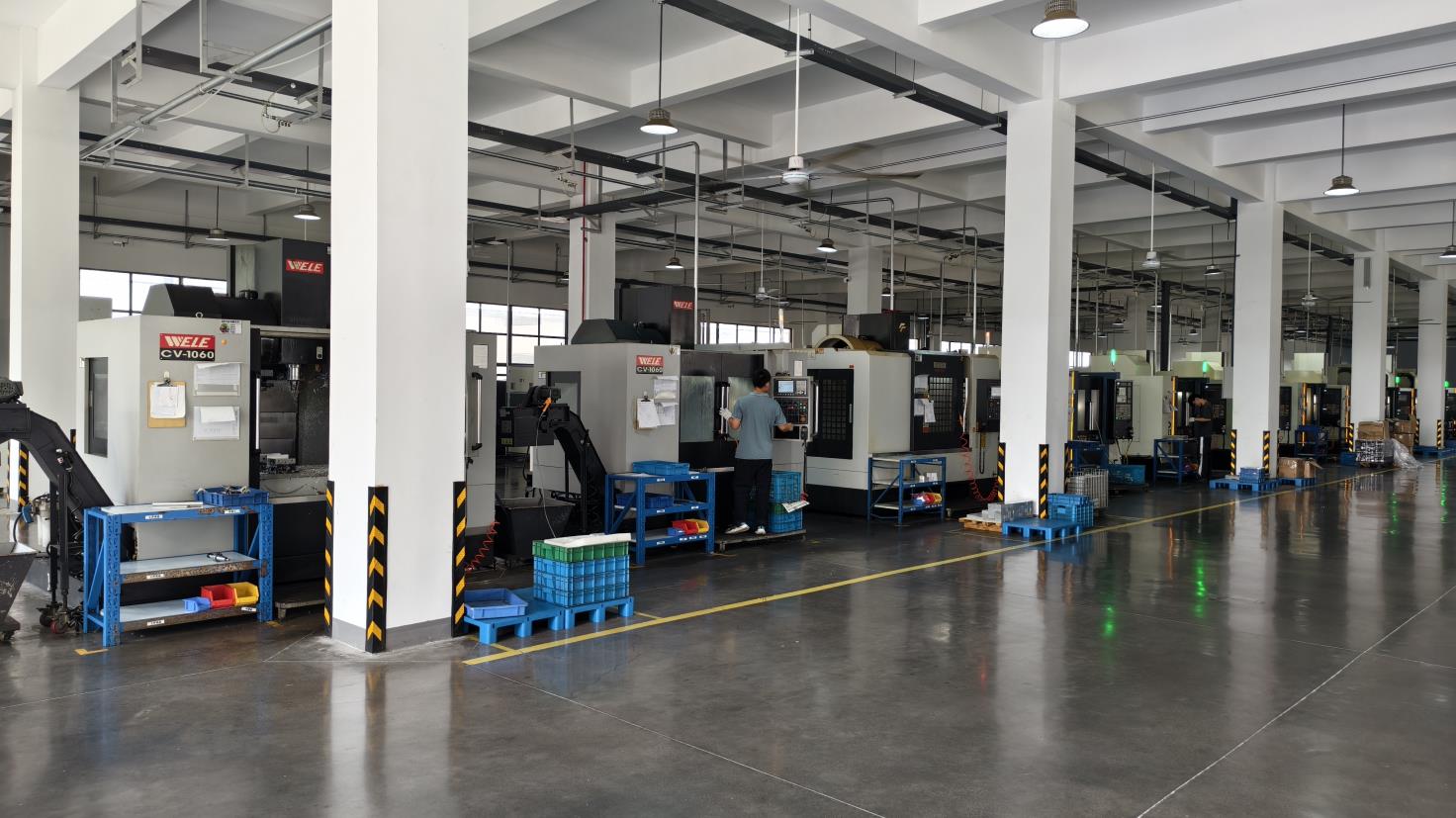
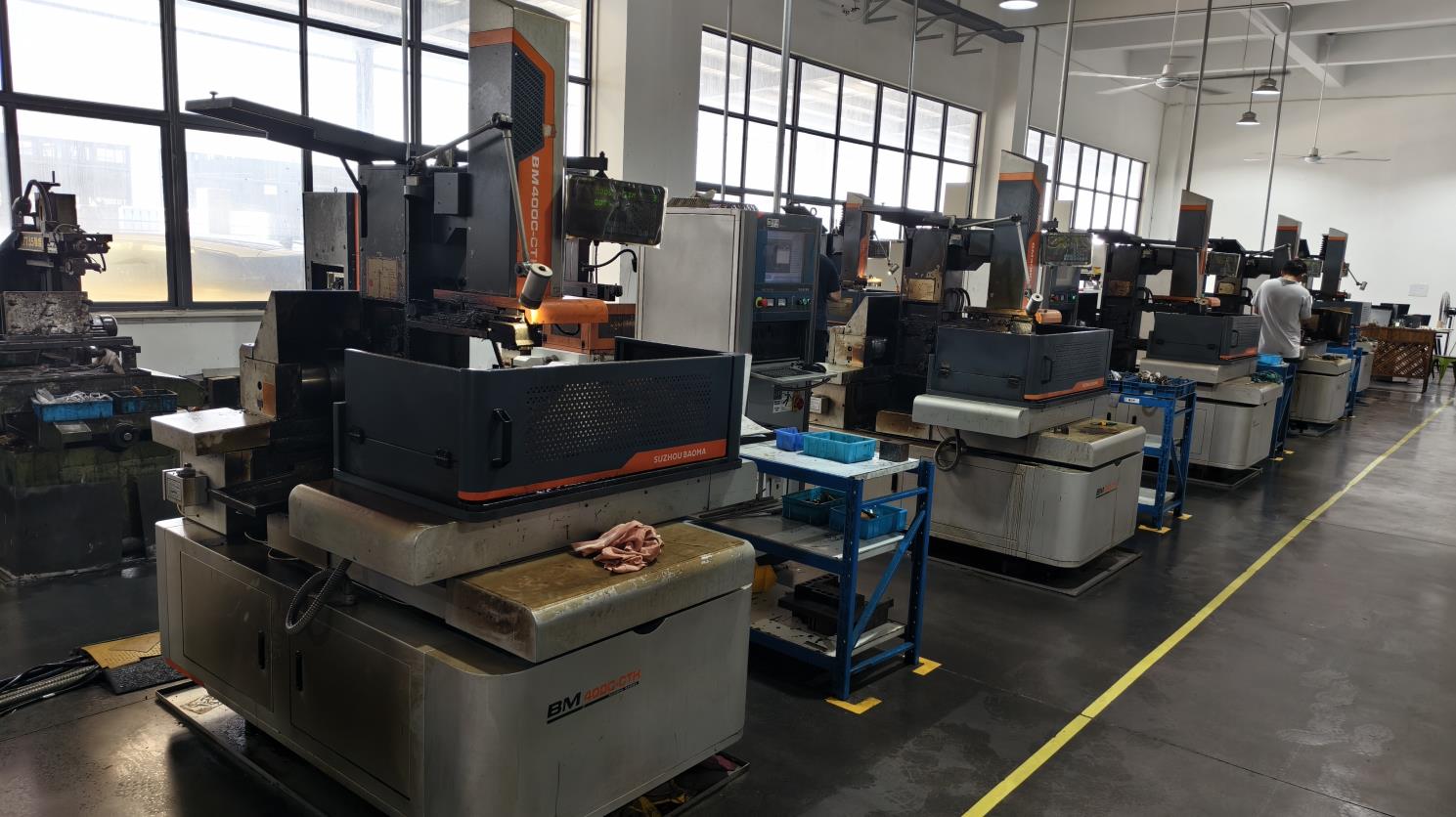
Full system components designed for posterior stabilization, reduction, and interventional spinal osteosynthesis.
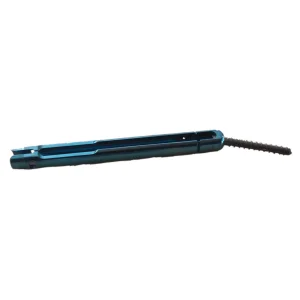
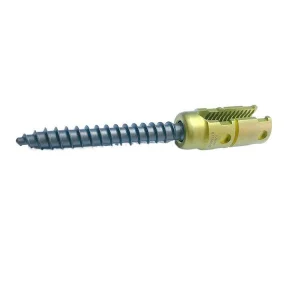
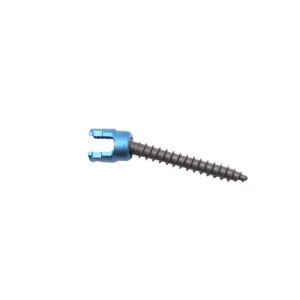
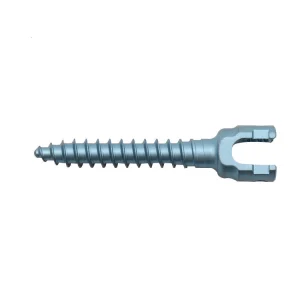
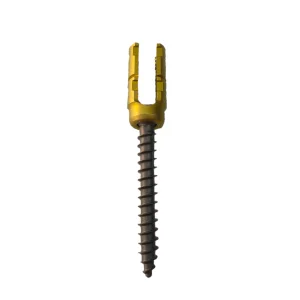
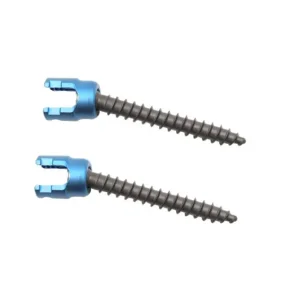
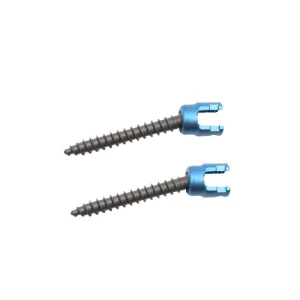
A detailed breakdown of design characteristics, surgical step compatibility, and verification checklists.
Before any batch of spinal fixation components is packed for transport to Singapore hubs (e.g. logistics hubs near Changi or Jurong port), it undergoes strict QA screening at our testing facility. This includes:
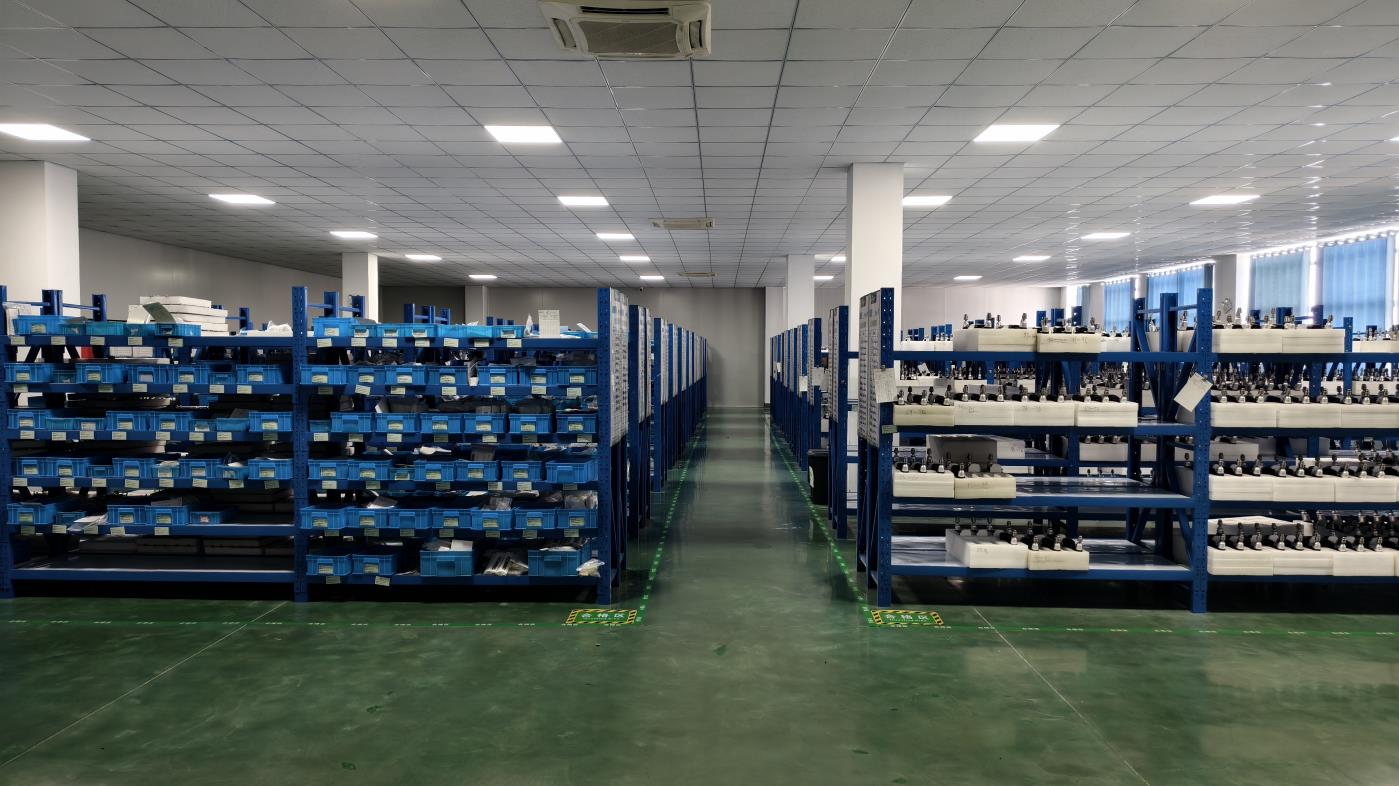
We understand that orthopedic distributors in Singapore operate on lean inventory systems (Just-In-Time delivery to surgery theaters). Moventra supports customized logistics options:
Addressing key technical, regulatory, and commercial inquiries from medical buyers and orthopaedic distributors.
Contact our technical team to request sample implants, regulatory documentation packs, or a custom quote for your Singapore clinic or distributorship.
Send Inquiry Now Moventra Medical