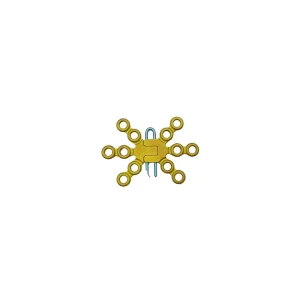
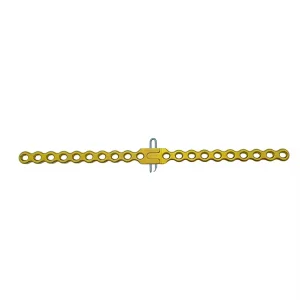
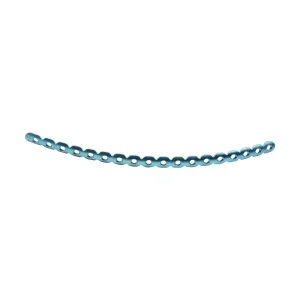
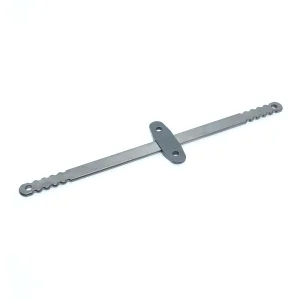
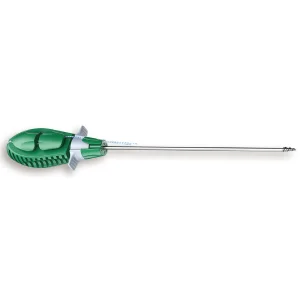
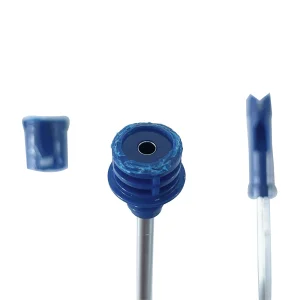
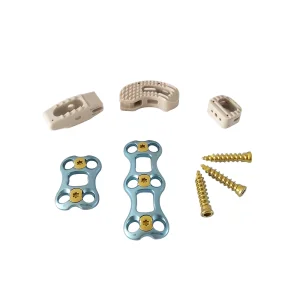
High-precision orthopedic trauma and thoracic fixation implants designed to minimize recovery time in Swedish clinical setups.
Insight into Sweden's healthcare ecosystem, rigid fixation transition trends, and rigorous clinical requirements.
Sweden represents one of the world's most progressive medical technology landscapes, characterized by a decentralized public healthcare system governed by the 21 Regions (Regionerna). High-profile medical research facilities such as the Karolinska University Hospital, Sahlgrenska Academy, and Uppsala University Hospital dictate clinical standards throughout the Nordic region. In the field of thoracic surgery, particularly following median sternotomies for Coronary Artery Bypass Grafting (CABG) or valve replacements, Swedish clinical guidelines have witnessed a decisive paradigm shift toward rigid internal sternal fixation systems.
Historically, stainless steel wire cerclages were the default choice in Sweden due to their ease of deployment. However, statistics from national quality registries, such as the Swedish Heart and Lung Surgery Registry (Svenska hjärt-lungkirurgiregistret), highlight a critical need for reducing Deep Sternal Wound Infections (DSWI) and sternal dehiscence. Patients with risk factors such as high Body Mass Index (BMI), chronic obstructive pulmonary disease (COPD), osteoporosis, or diabetes present significant closure challenges. The biomechanical load distribution offered by anatomical sternal plate systems has demonstrated superior healing outcomes, leading to increased adoption within Swedish municipal procurements (LOU - Lagen om offentlig upphandling).
Furthermore, Sweden’s commitment to sustainable public purchasing imposes unique criteria. Suppliers of sternal fixation systems must not only provide bio-compatible implant profiles and absolute sterile integrity but also satisfy strict criteria regarding supply chain carbon neutrality, manufacturing transparency, and zero toxic effluents—demands that prioritize state-of-the-art global factories capable of matching these standards.
The technological transition from basic wiring to custom-engineered anatomical locked plating.
| Feature / Parameter | Traditional Wire Cerclage | Standard Titanium Plating | Advanced Rigid Sternal Fixation Systems |
|---|---|---|---|
| Primary Stability Method | Tension wiring (linear wrap) | Unidirectional locked plating | Multi-planar locking & dynamic compression |
| Dehiscence Risk Rate | Moderate to High (5% - 8% in high-risk patients) | Low (<2.1%) | Extremely Low (<0.8% in clinical studies) |
| Implant Material Profile | Stainless Steel (316L) | Grade 4 Pure Titanium | Medical Ti-6Al-4V ELI / Dynamic Alloy |
| MRI & CT Scan Artifacts | Severe distortion & heat risk | Minimal shadow artifact | Zero displacement risk, Optimized scan clarity |
| Patient Rehabilitation Time | 8 - 12 weeks restriction | 4 - 6 weeks | Accelerated 3 - 4 weeks with early mobility |
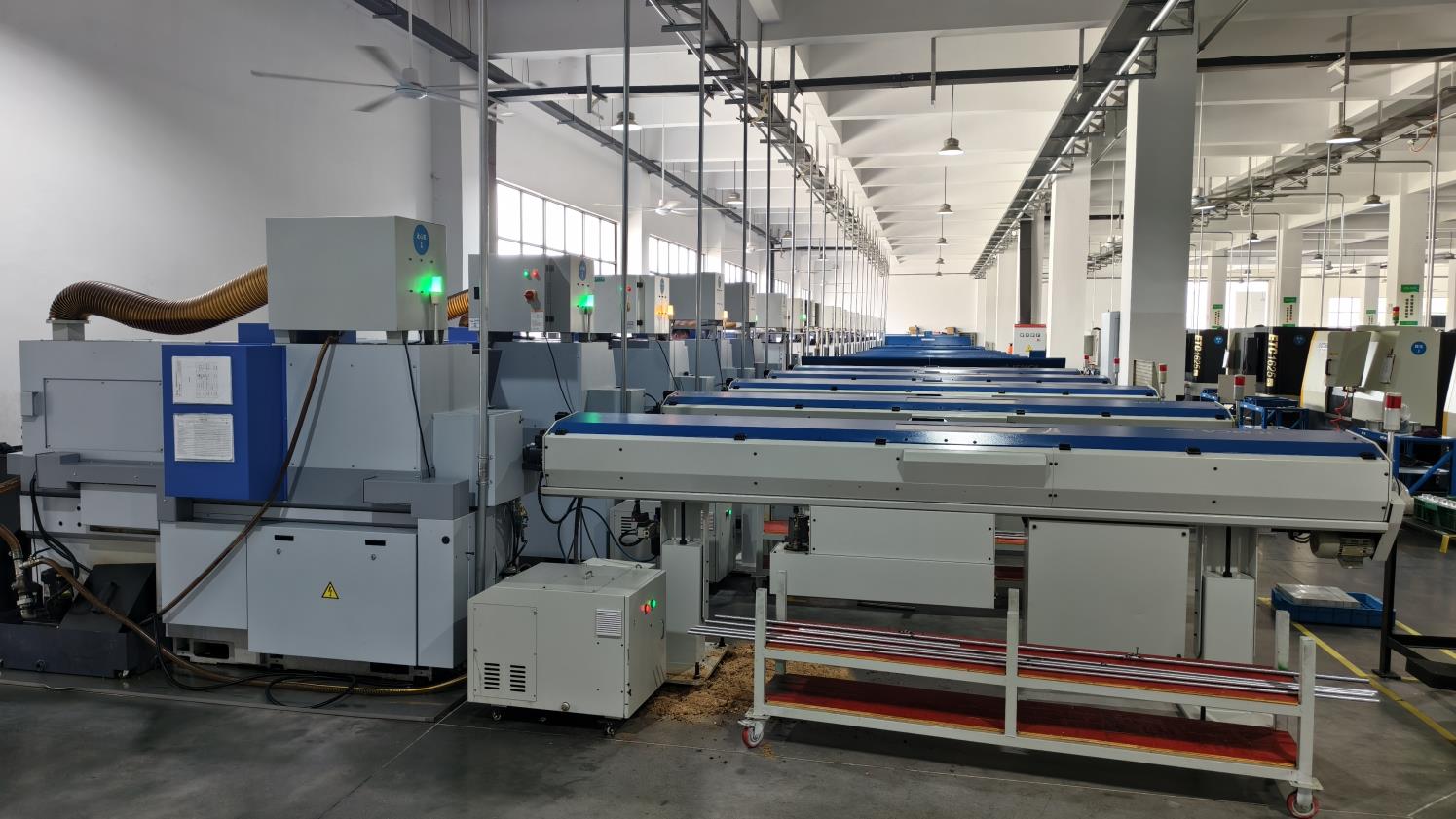
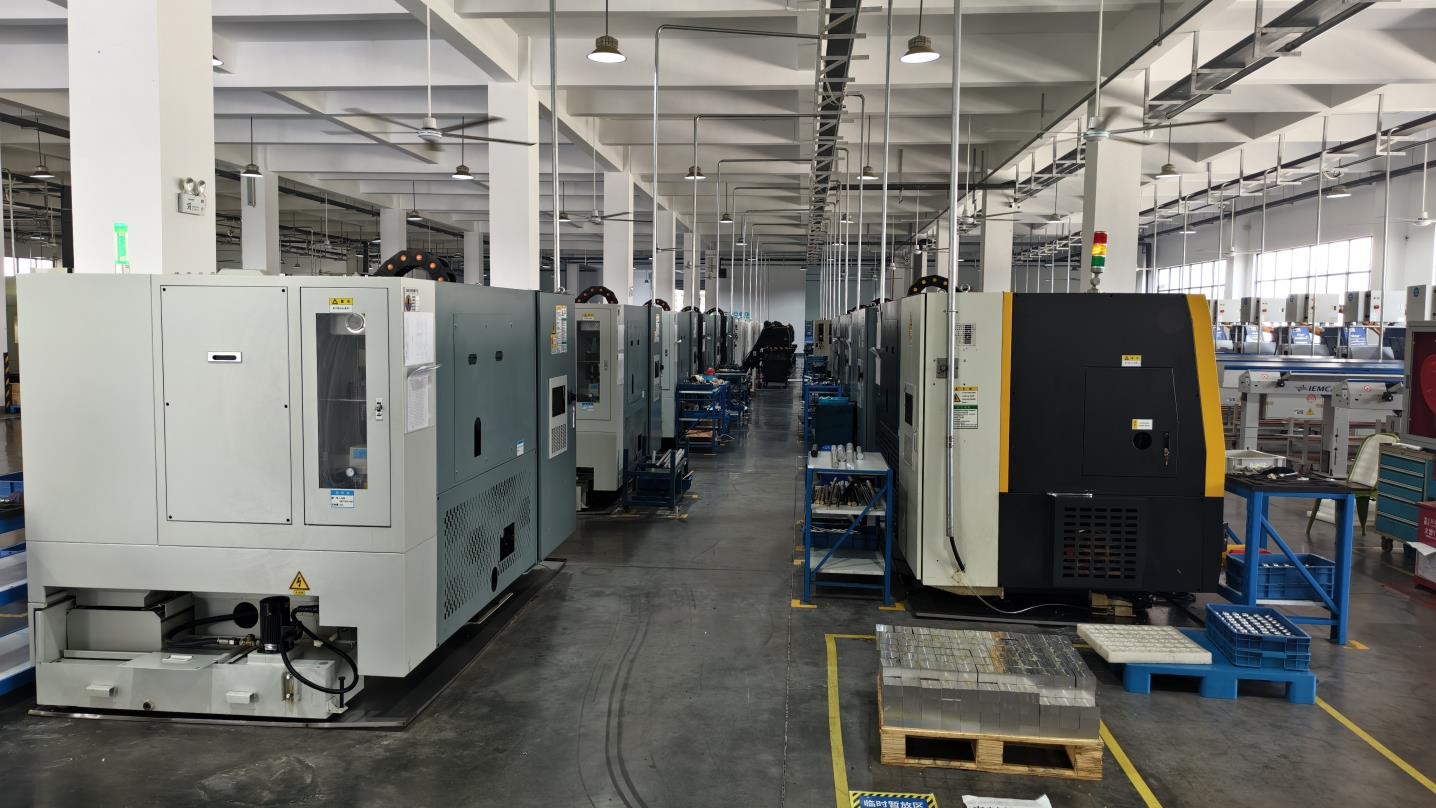
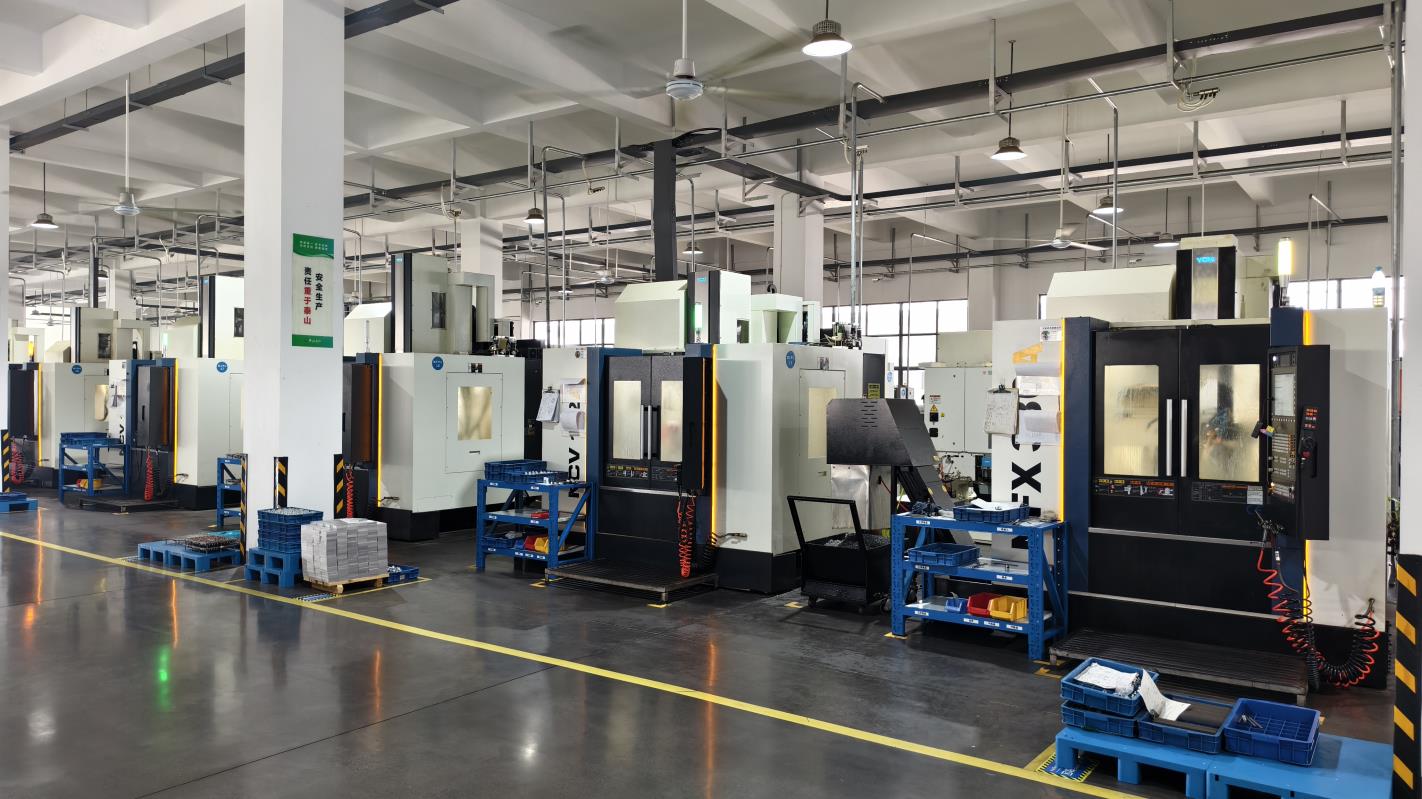
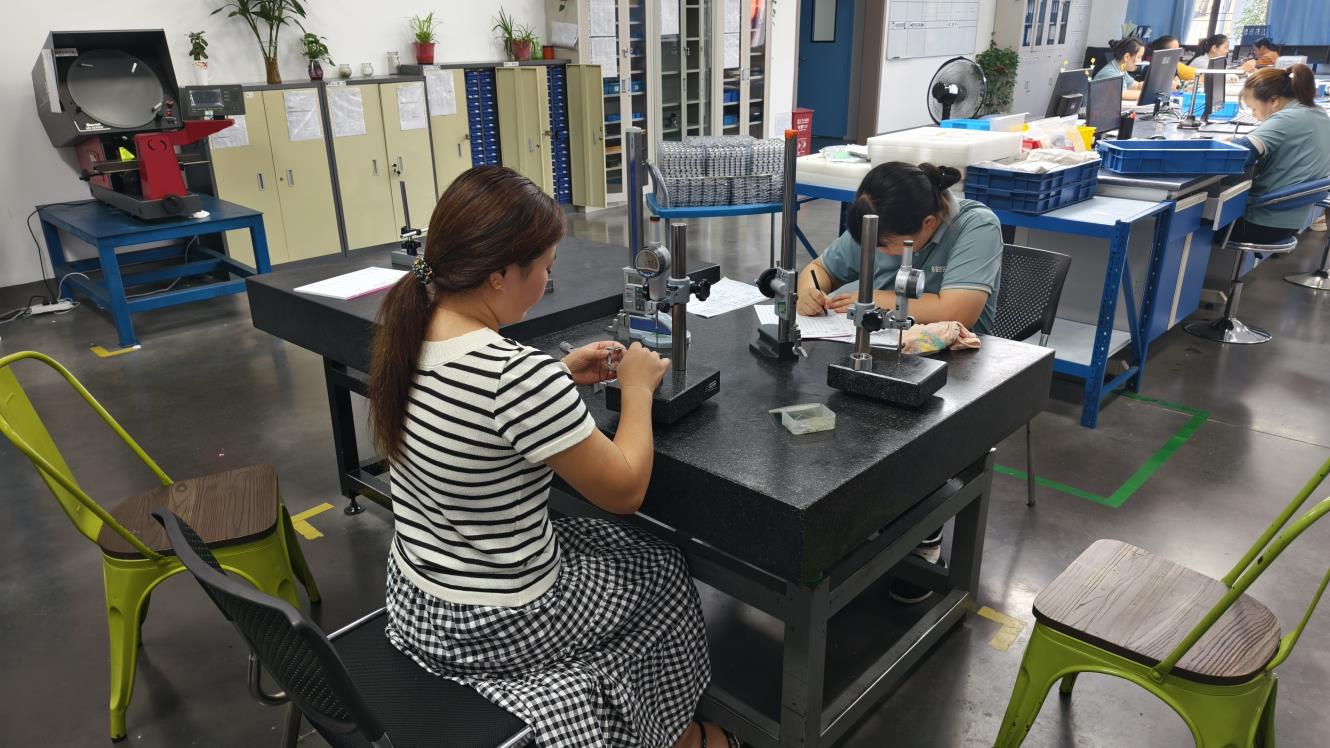
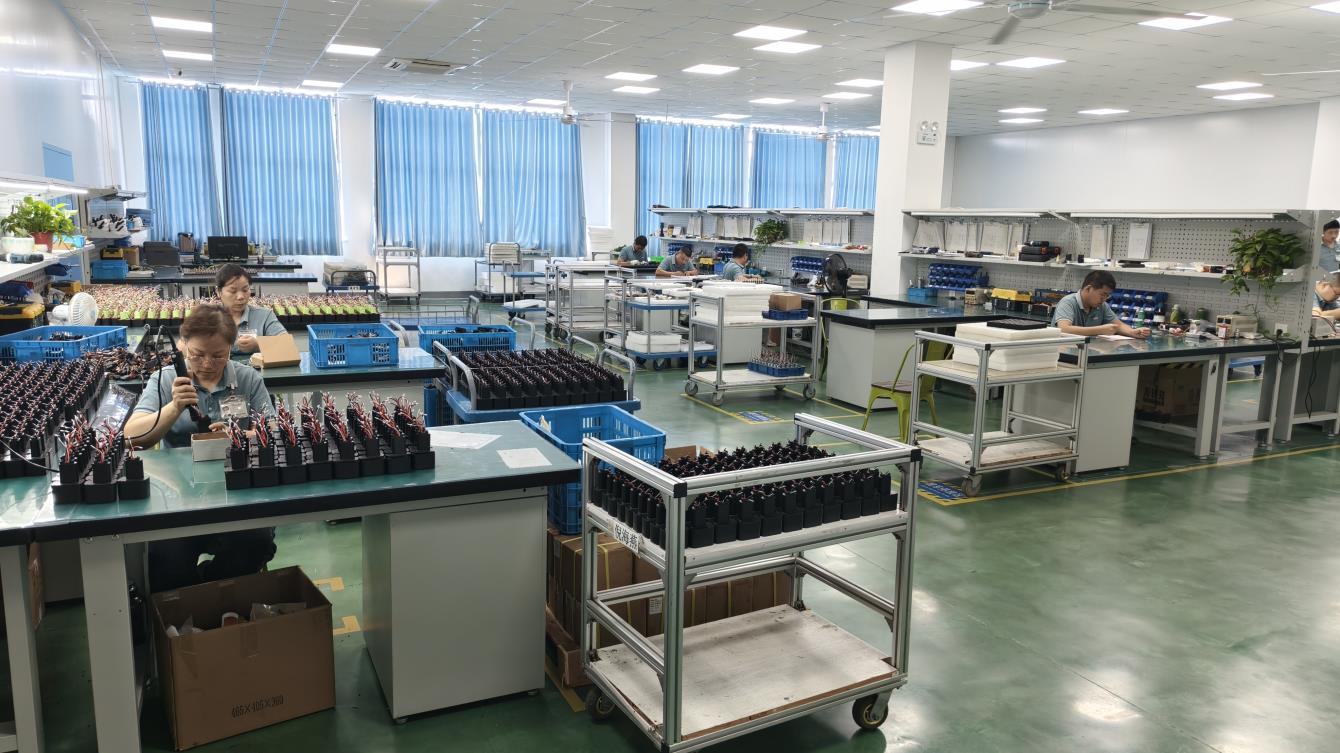
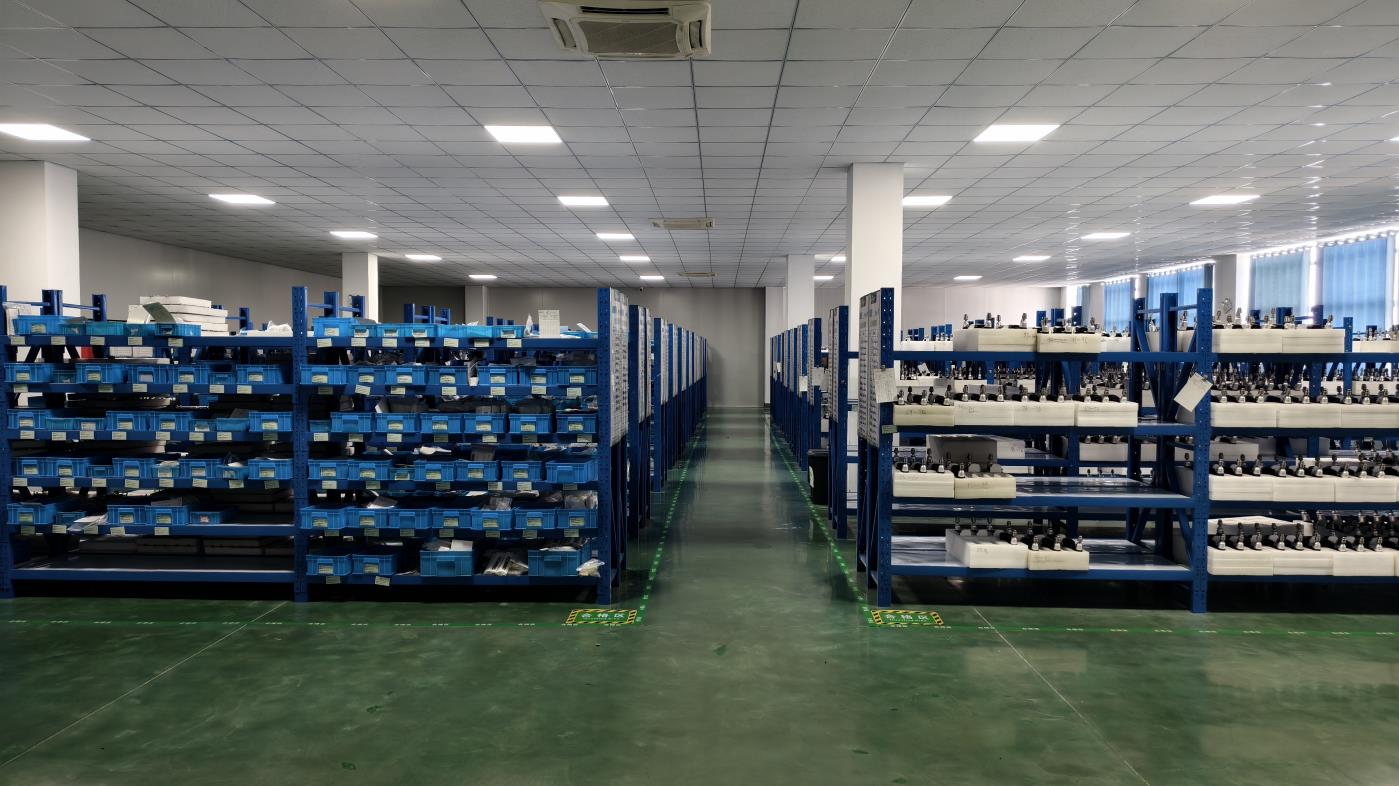
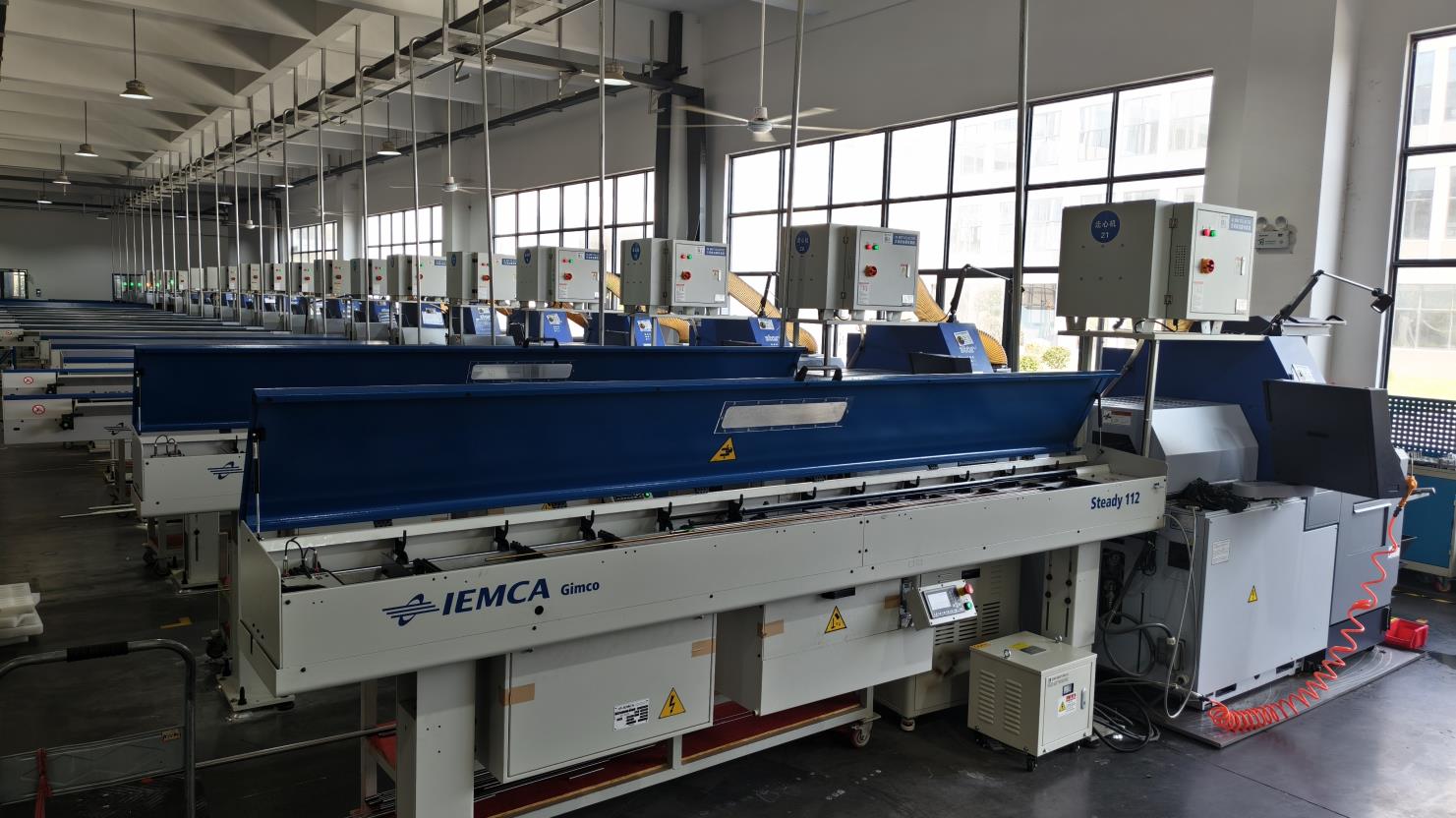
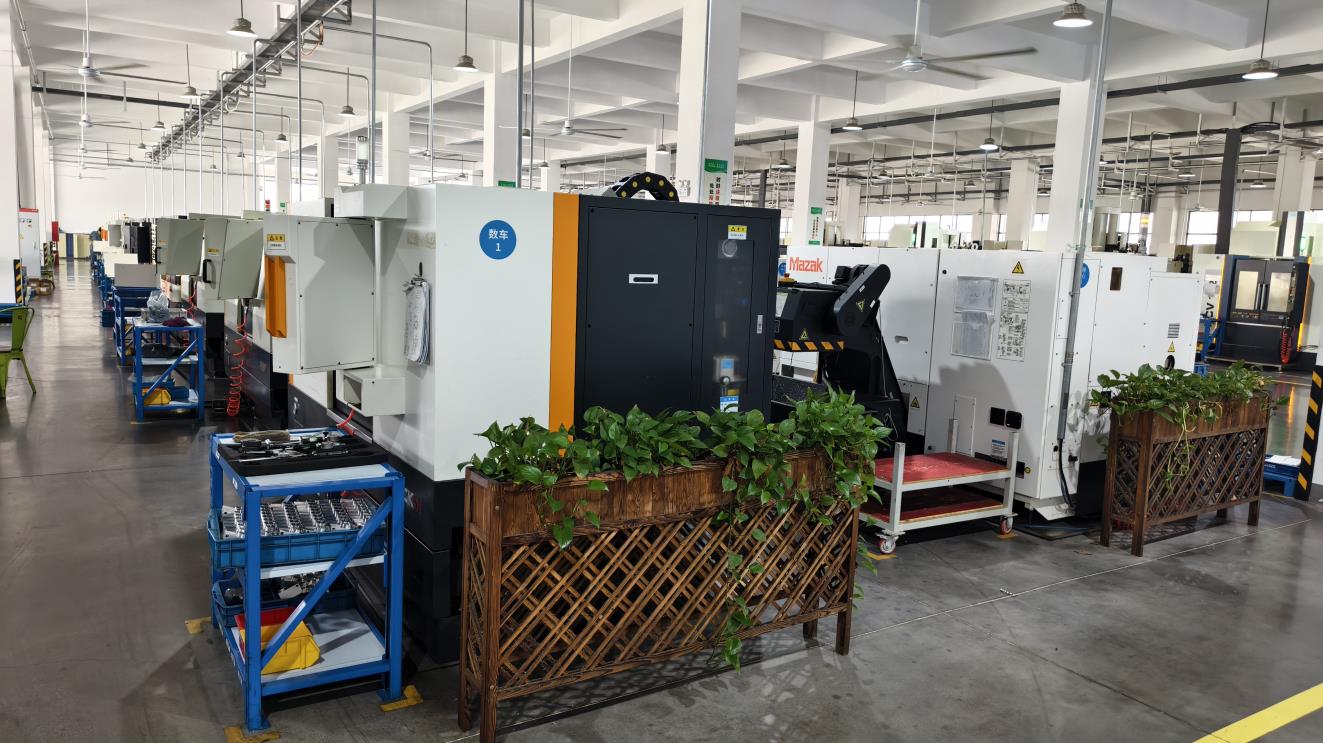
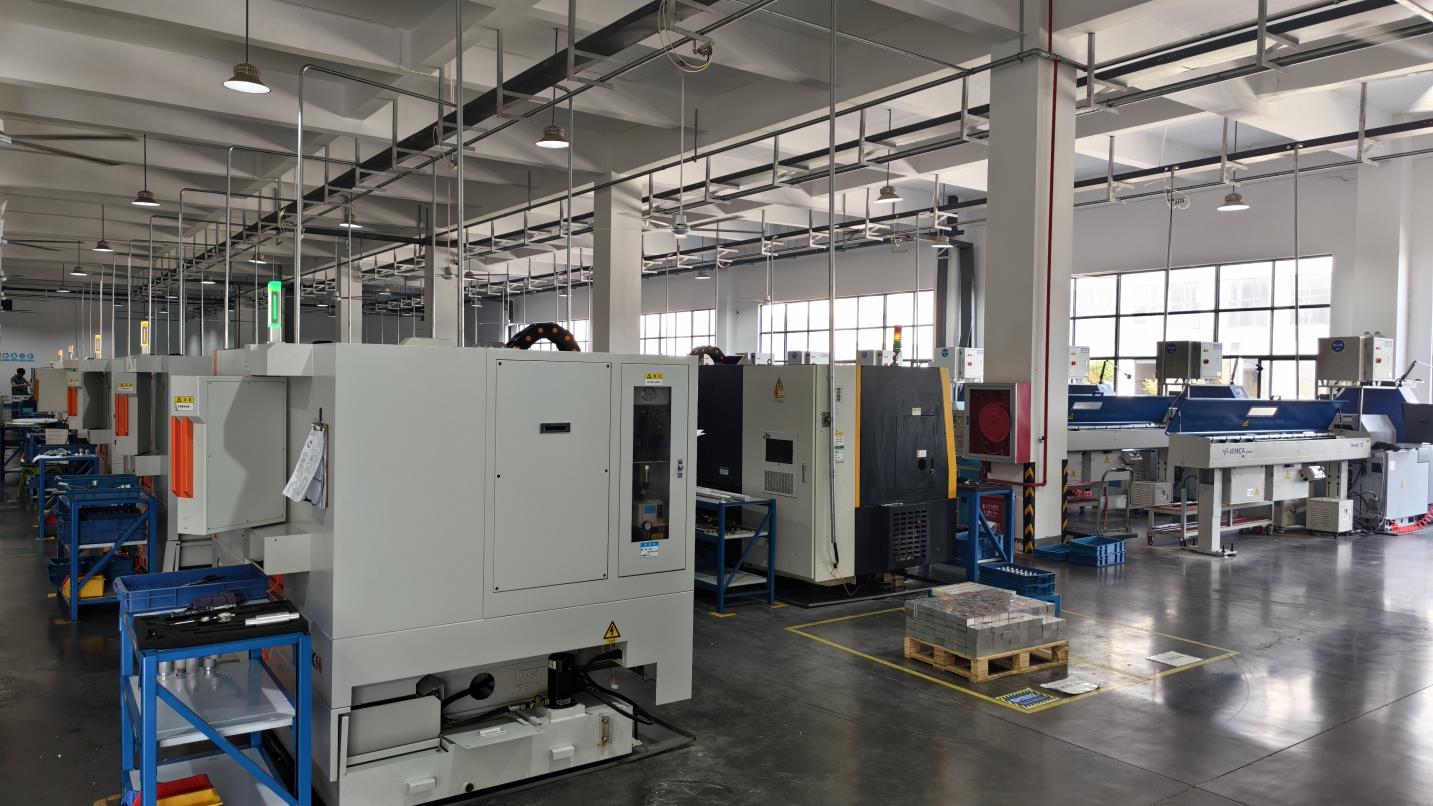
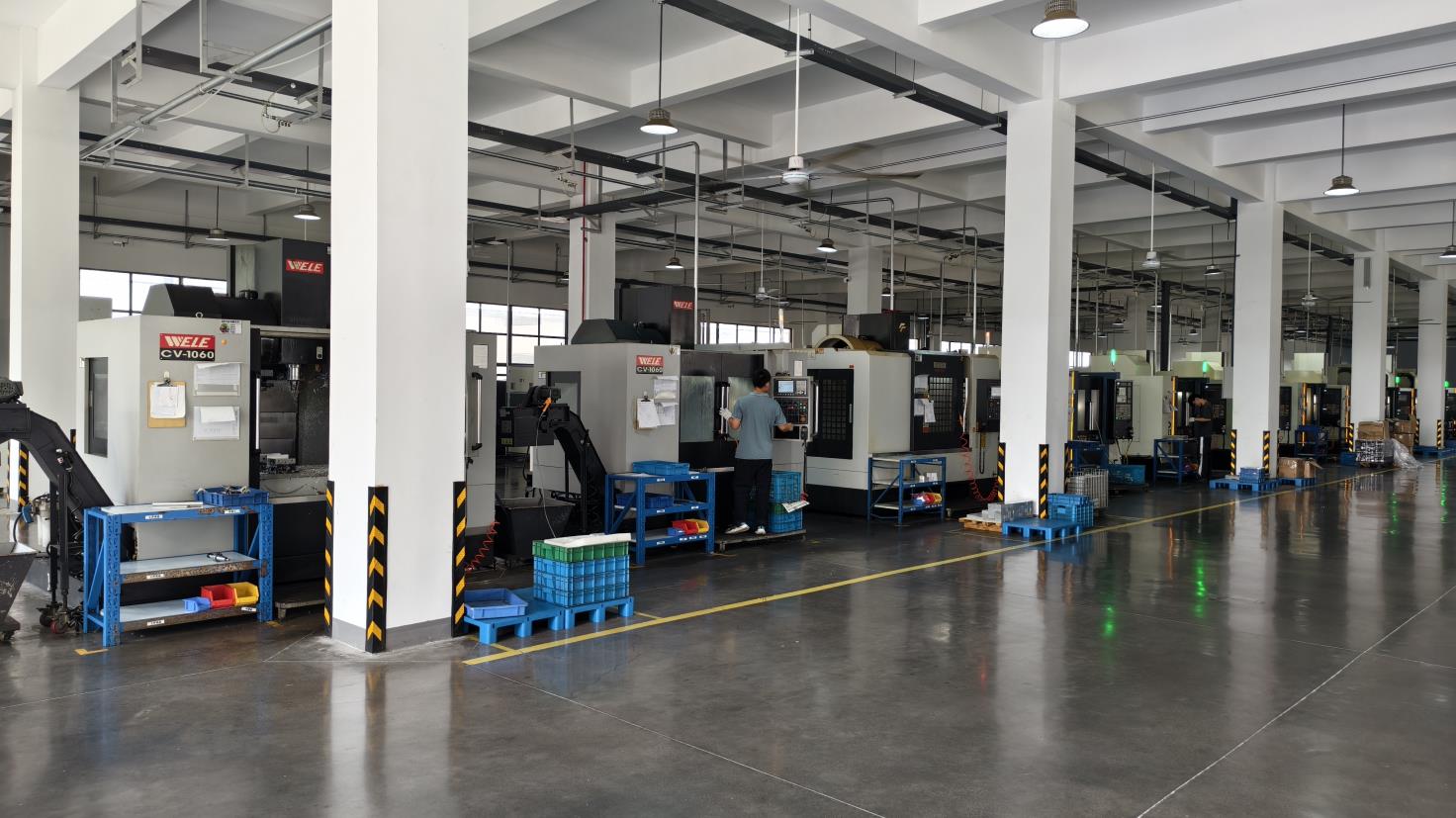
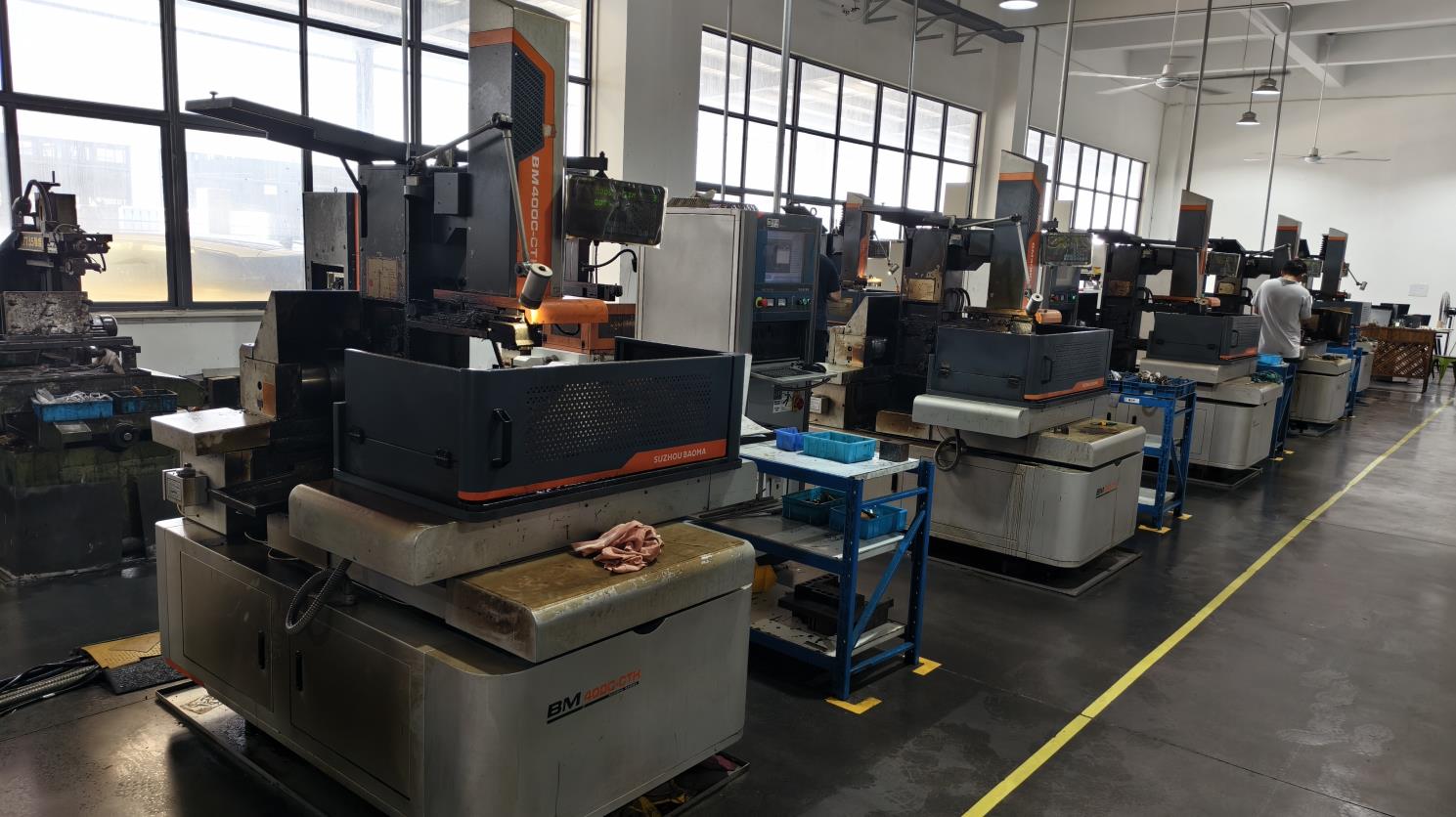
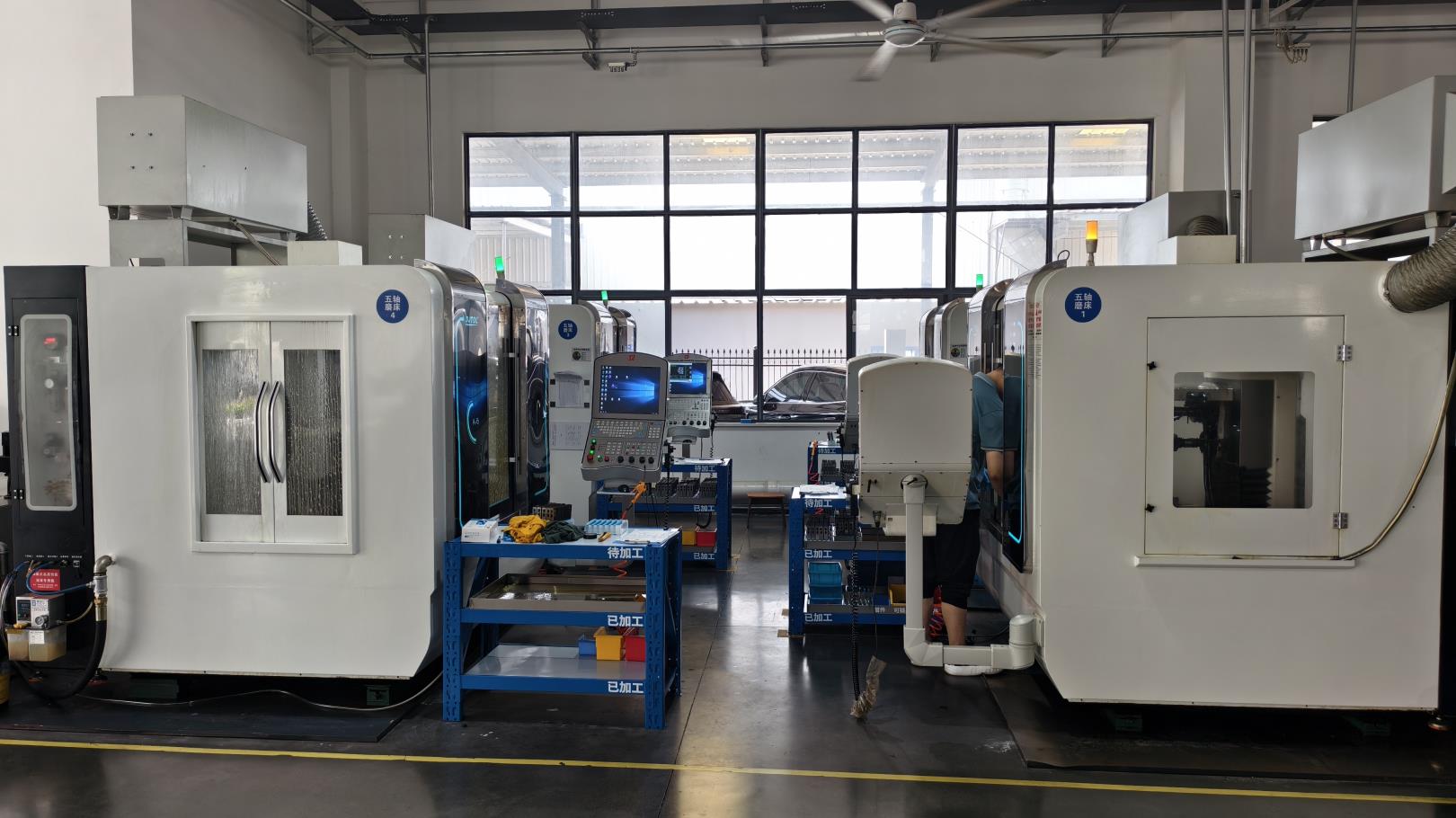
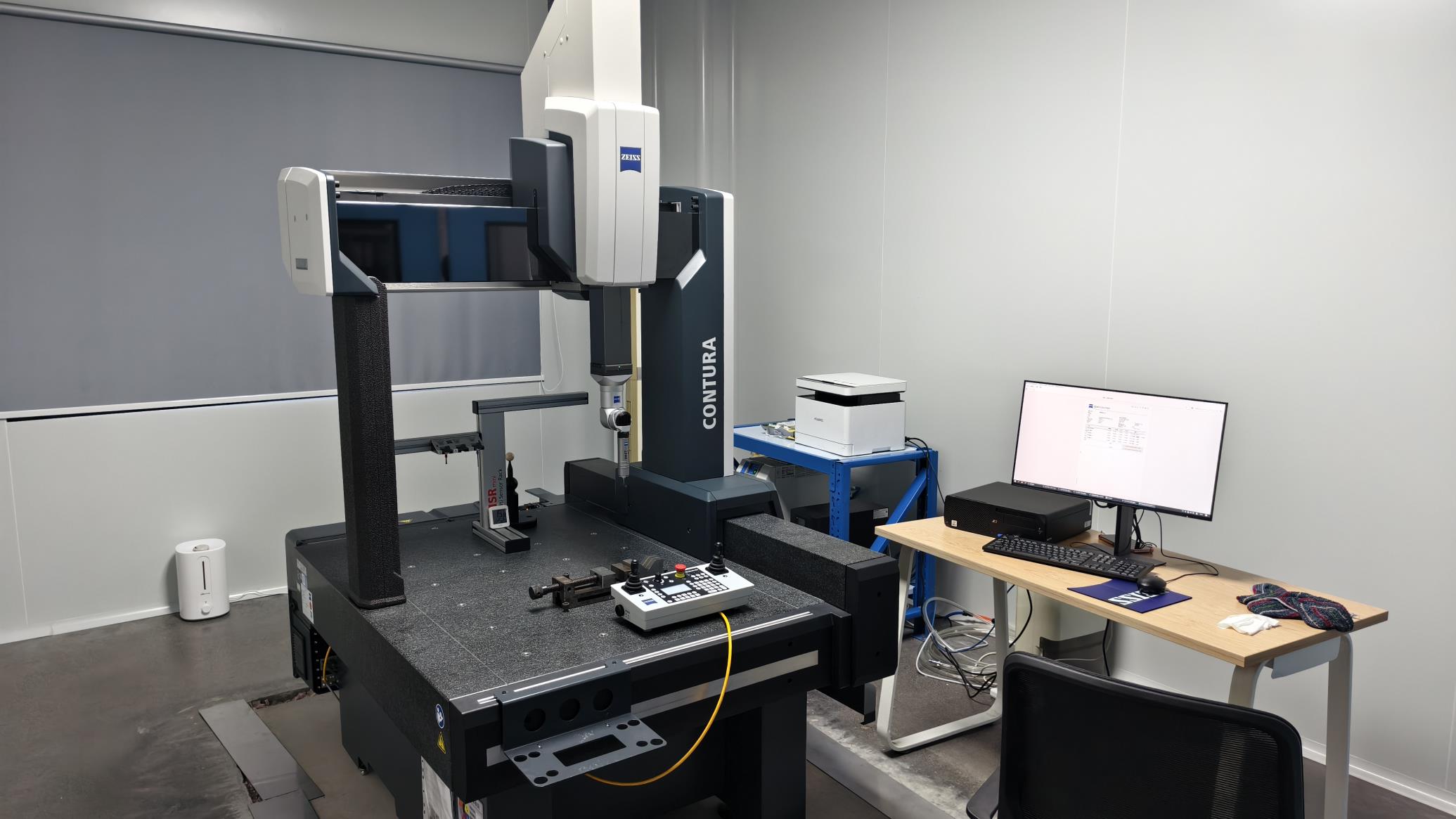
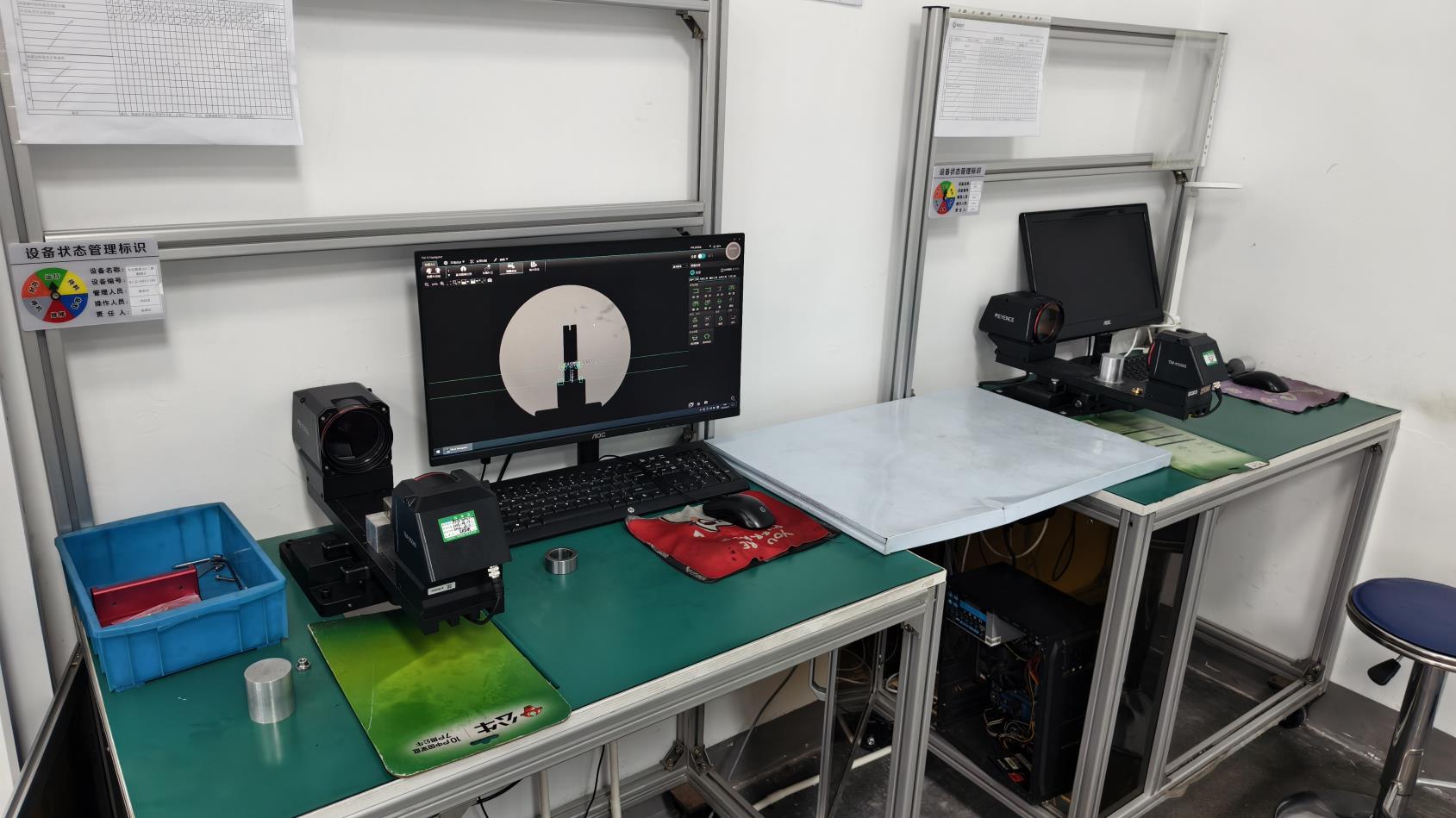
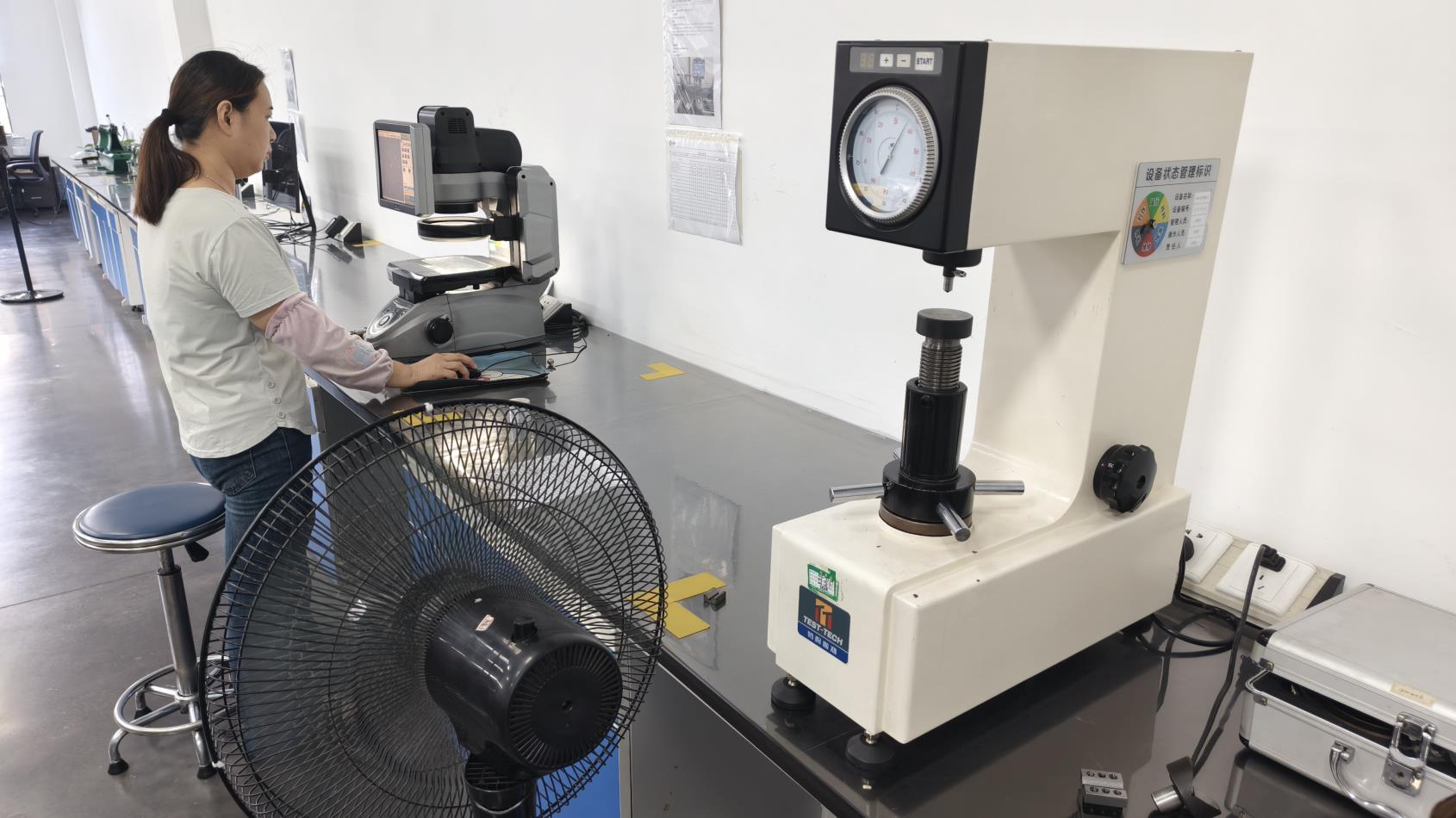
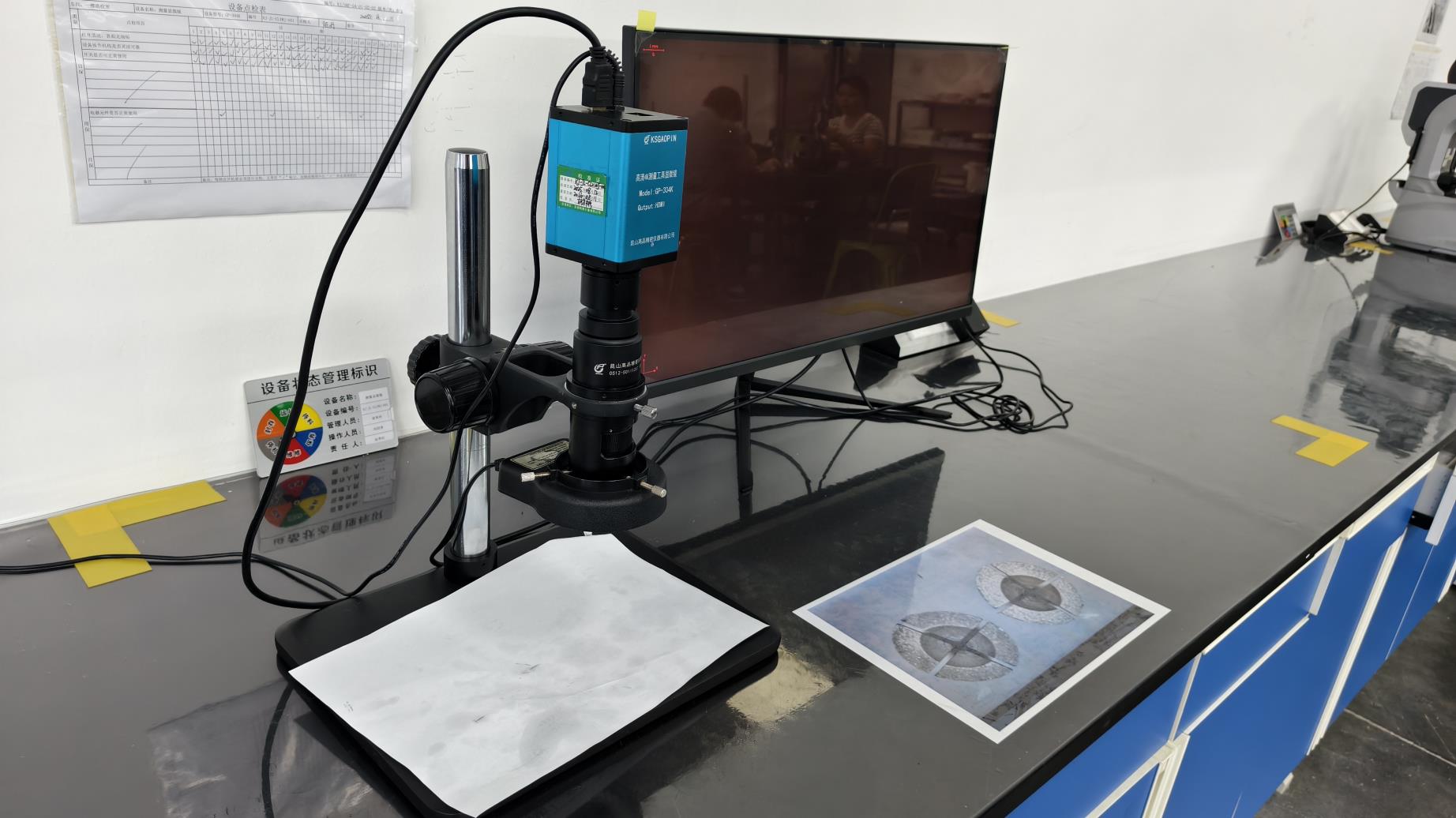
A look into our global precision production facility supplying Class III orthopedic implants to EU markets.
Mapping the worldwide flow of cardiothoracic implants and how Moventra serves Northern Europe.
The global sternal fixation market is experiencing a significant growth trajectory, expected to reach a value of USD 3.8 billion by 2030, driven by the rise in cardiovascular disease surgeries and a clear transition towards rigid internal fixation plates over wiring. Large medical conglomerates in the US and Germany have traditionally dominated this sector. However, the modern supply chain requires diversified, highly agile manufacturing partners to insulate healthcare networks from sudden shortages. This is where Moventra excels—positioning its industrial hubs in China as high-tech alternatives that balance engineering complexity with competitive cost structures.
By exporting over $23.8M annually, Moventra maintains active supply loops matching American FDA guidelines and European CE MDR audits, bridging raw material trace audits with automated traceability matrices.
Sweden demands unique packaging formats to streamline operation room workflows. We provide customized OEM sterile double-barrier packaging, complete with cleanroom sterilization certificates, complying with regional infection prevention targets.
Sweden's eco-sensitive economy expects suppliers to optimize logistics. By utilizing lightweight titanium constructs and recycling metal scraps inside our closed-loop facility, we lower the overall carbon burden per implant package.
Mitigating global logistics bottlenecks through robust manufacturing planning and air-cargo priority routes.
In post-pandemic medical purchasing, the reliability of a manufacturer is measured by its supply chain flexibility. Typical lead times for major European orthopedic brands can range from 3 to 6 months for specialized sternum hardware. Moventra addresses this by retaining strategic safety stocks of medical-grade titanium rods, sheets, and pre-machined profiles at our 18,600 m² headquarters. Our integration of advanced Swiss-type CNC lathes and multi-axis milling centers allows us to process emergency batches and dispatch custom-engineered trauma components to Sweden within a fraction of that time.
Logistically, Moventra partners with premier global air-cargo and express carriers (such as DHL, FedEx, and UPS) to ensure seamless delivery routes from Shanghai or Shenzhen hubs directly to Swedish distribution points in Stockholm, Gothenburg, and Malmö. Working with seasoned customs brokers, we manage all necessary documentation to prevent clearance delays, guaranteeing that surgical kits and single-use sterilization trays arrive ready for immediate use.
Meeting European Medical Device Regulations and coordinating local distributor networks.
Entering the Swedish healthcare sector demands absolute compliance with the EU Medical Products Agency (Läkemedelsverket) and strict adherence to the latest Medical Device Regulation (MDR EU 2017/745). Our factory has updated all technical documentation, clinical evaluations, and post-market clinical follow-up (PMCF) protocols to guarantee that our Class III and Class IIb implants meet European CE marking criteria.
A complete selection of orthopedic implants and instruments optimized for Northern European surgical practices.
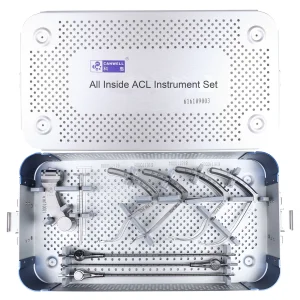 CANWELL All Inside ACL/PCL Reconstruction Drill Guide Orthopedic Surgical Instrument Acl Pcl Instrument Set Sports Medicine (Sweden Edition)
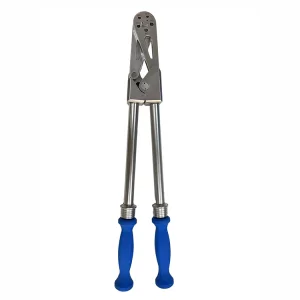 Orthopedic Surgery Cutter Bone Treatment Orthopedic Cutter Stainless Steel Cutting Pliers Orthopedic Instruments (Sweden Edition)
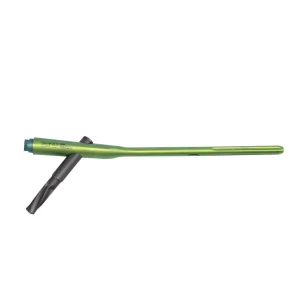 Orthopedic Implant Trauma Bone Nail PFNA Anti-rotation Proximal Femoral Femur Interlocking Nail (Sweden Edition)
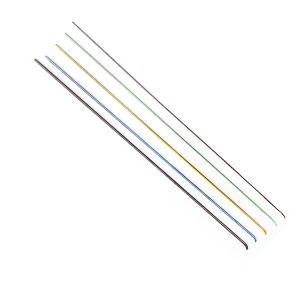 Pediatric Orthopedic Intramedullary Titanium Alloy Elastic Nails Surgical Implants & Interventional Materials for Hospitals Use (Sweden Edition)
Essential insights for Swedish procurement managers, surgical departments, and orthotic distributors.
Contact our orthopedic engineering team to request sample kits, technical catalogs, and certificates of conformity tailored for Sweden's procurement requirements.
Send Inquiry Now Moventra Medical