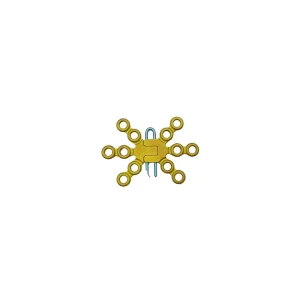
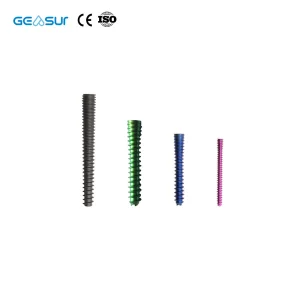
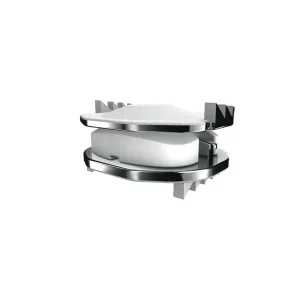
High-grade implant options engineered specifically for chest wall stability and sternum closure following sternotomy or trauma.
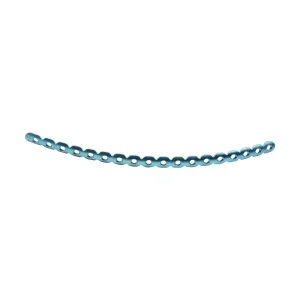
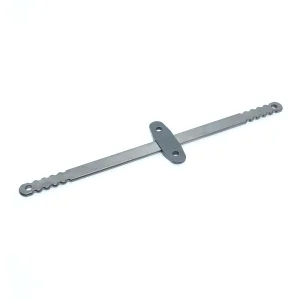
An analysis of clinical demands, public health dynamics, and the technological transition from traditional wire closure to rigid fixation.
In recent years, Sri Lanka's healthcare sector has witnessed a significant transformation in the management of cardiovascular and thoracic conditions. With cardiovascular disease (CVD) remaining the leading cause of non-communicable mortality across the island nation, medical institutions such as the National Hospital of Sri Lanka (NHSL) in Colombo, the Karapitiya Teaching Hospital in Galle, and the Jaffna Teaching Hospital have expanded their cardiothoracic capacities. As coronary artery bypass grafting (CABG) and open-heart surgeries increase in volume, the clinical community is rapidly moving away from traditional stainless-steel wire cerclage—the historical standard for sternotomy closure—toward modern Rigid Sternal Fixation Systems.
Sri Lanka's tropical climate presents unique postoperative challenges. High humidity levels and heat indices place elevated biological stress on surgical incisions. Clinical reports indicate that traditional wire sutures, under physical strain from deep coughing, patient respiratory expansion, or osteoporosis, can slice through soft bone. This sternal instability often initiates micro-motion, leading to aseptic non-union, intense postoperative pain, and in severe cases, deep sternal wound infections (DSWI) or mediastinitis. Rigid plate-and-screw fixation platforms manufactured from high-grade titanium (such as Moventra's portfolio) distribute forces uniformly across the sternum, securing primary stability that minimizes bone shear and reduces recovery times inside busy local intensive care units.
From a procurement perspective, the Sri Lankan market relies on a dual pathway consisting of the public sector—regulated by the State Pharmaceuticals Corporation (SPC) and the Ministry of Health (MOH)—and a highly dynamic private sector including hospital networks like Asiri Health, Durdans, and Nawaloka. Because Sri Lankan healthcare prioritizes both cost-efficiency and clinical reliability, global OEM/ODM manufacturers who can supply CE-certified, biocompatible titanium implants directly from advanced manufacturing hubs in China hold a competitive edge. This model bypasses expensive western multinational markups, making advanced sternal stabilization financially accessible across both government tenders and private insurance programs.
The shift toward personalized medicine, dynamic compression, and smart biomechanical implants.
Historically, implants utilized pure titanium due to its exceptional biocompatibility. However, modern sternal fixation demands the mechanical integrity of titanium alloys. We manufacture our systems using Grade 5 Titanium (Ti-6Al-4V ELI). This alloy provides high tensile strength, fatigue resistance, and a low modulus of elasticity that closely matches human cortical bone, preventing stress-shielding while ensuring that the plate maintains its shape even during extreme chest expansion events.
Traditional plates were thick, causing palpable discomfort under the skin in lean patients. Global trends dictate the adoption of low-profile (usually 1.0mm to 1.5mm thickness) anatomical configurations. Crucially, the introduction of locking screws prevents the screw from backing out under cyclical load. The screw locks directly into the plate, forming a single rigid frame that transfers stresses away from the healing bone interface.
For patients suffering from massive chest wall trauma or tumor resections (such as chondrosarcomas of the sternum), standard off-the-shelf plates are insufficient. The industry is pivoting toward patient-specific implants (PSIs) designed using patient CT scans. Moventra's R&D department utilizes advanced CAD/CAM modeling and rapid prototyping to support customized designs, supporting complex thoracic reconstructions globally.
Established in 2017 with a modern facility spanning 18,600 m², Moventra integrates Swiss-precision technology with rigorous medical compliance.
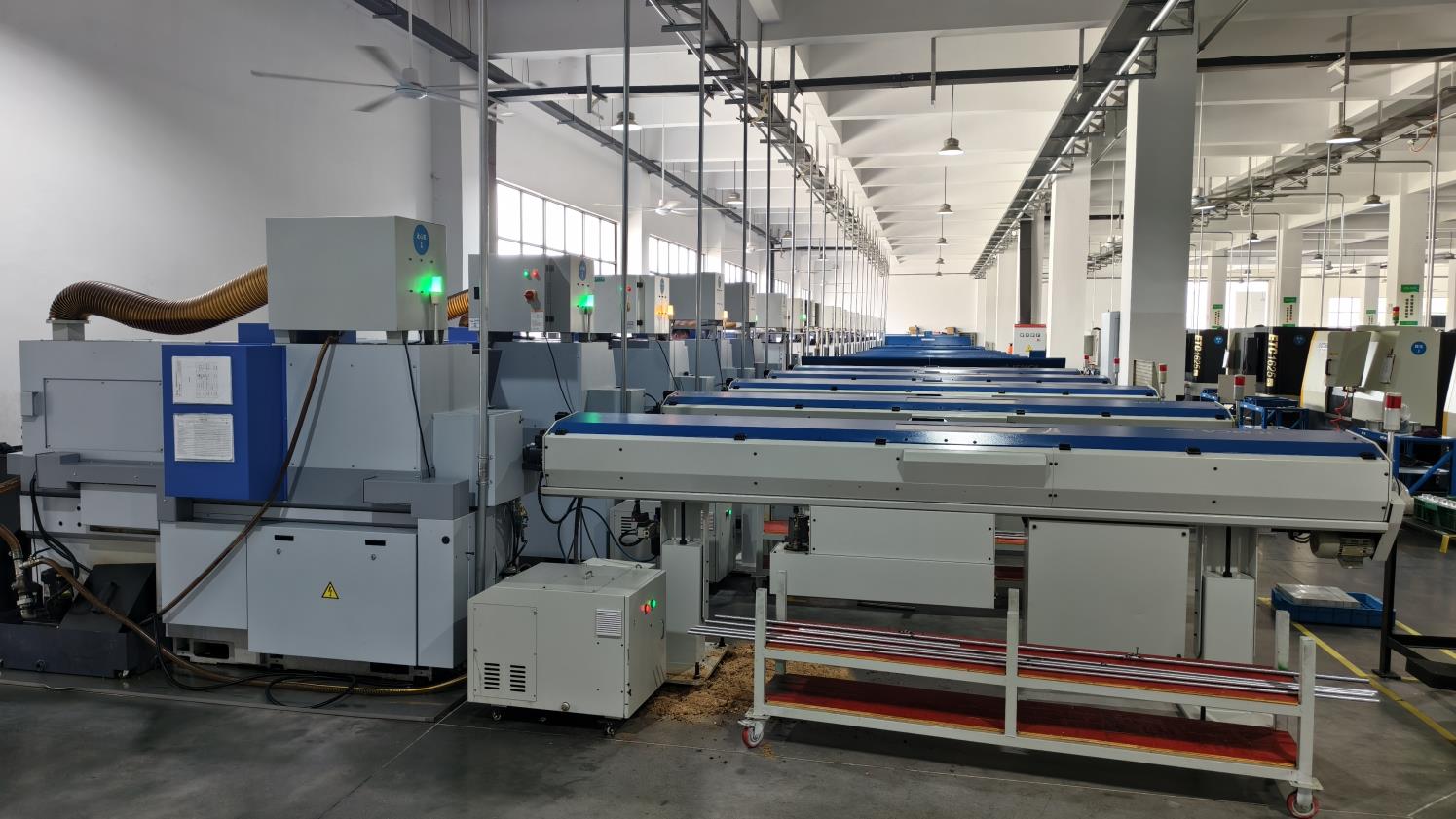
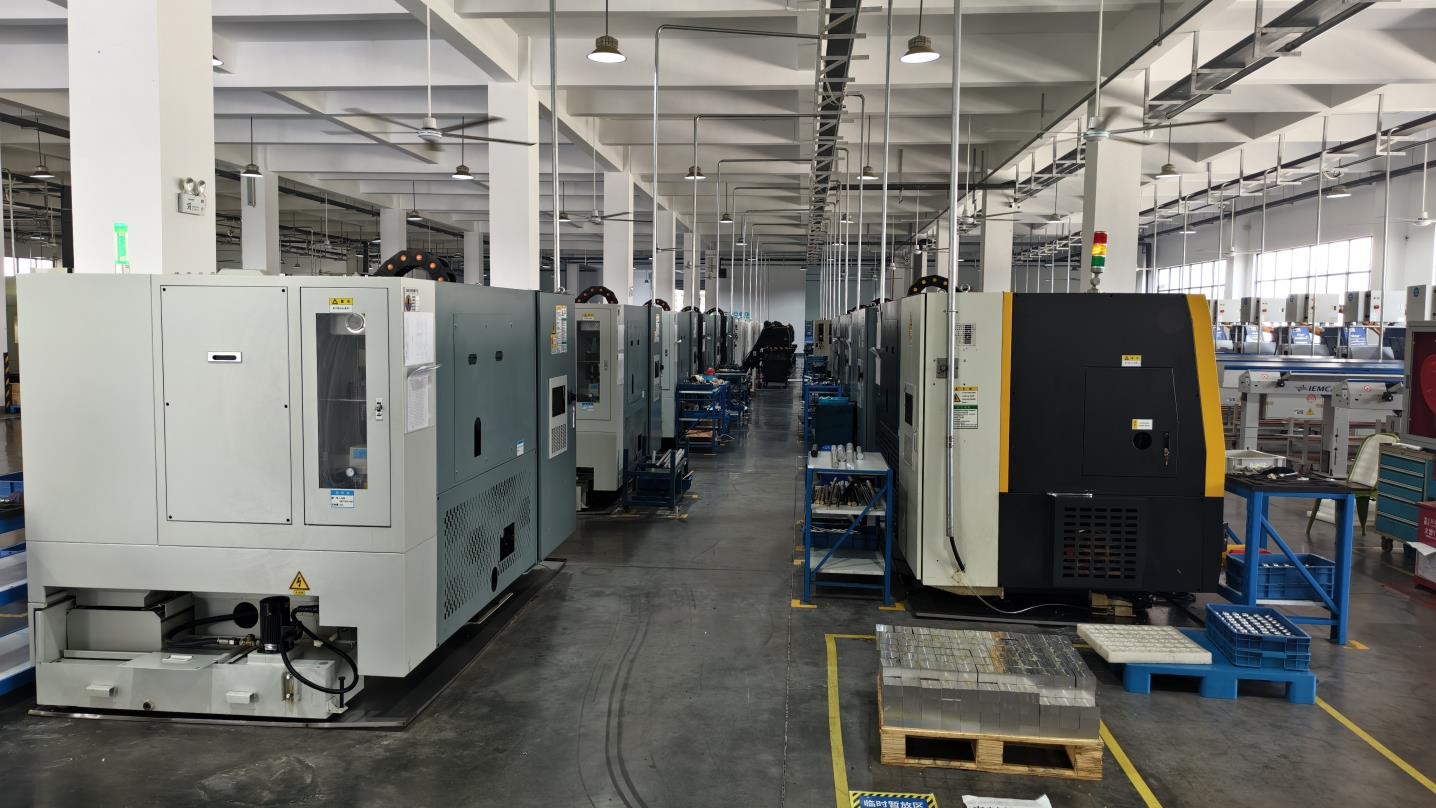
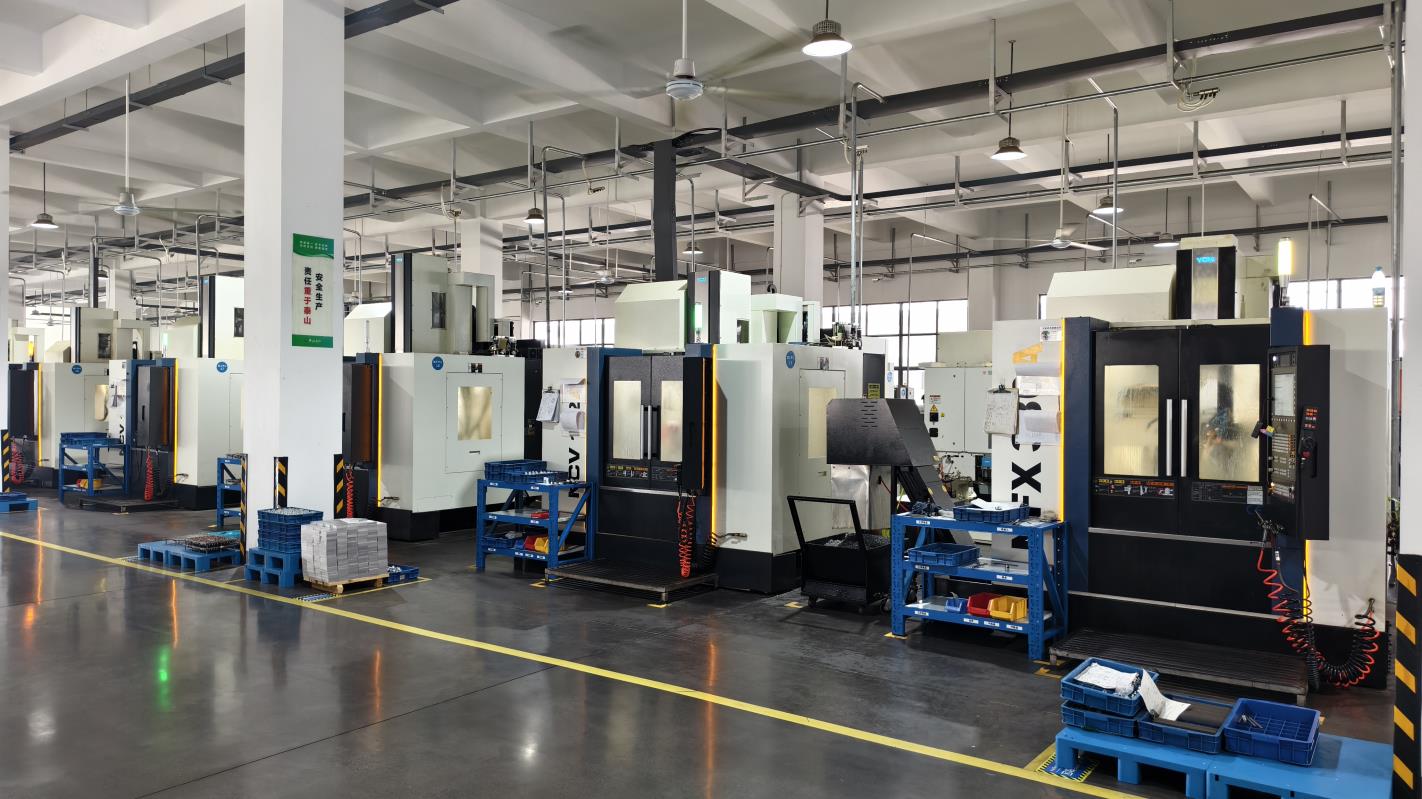
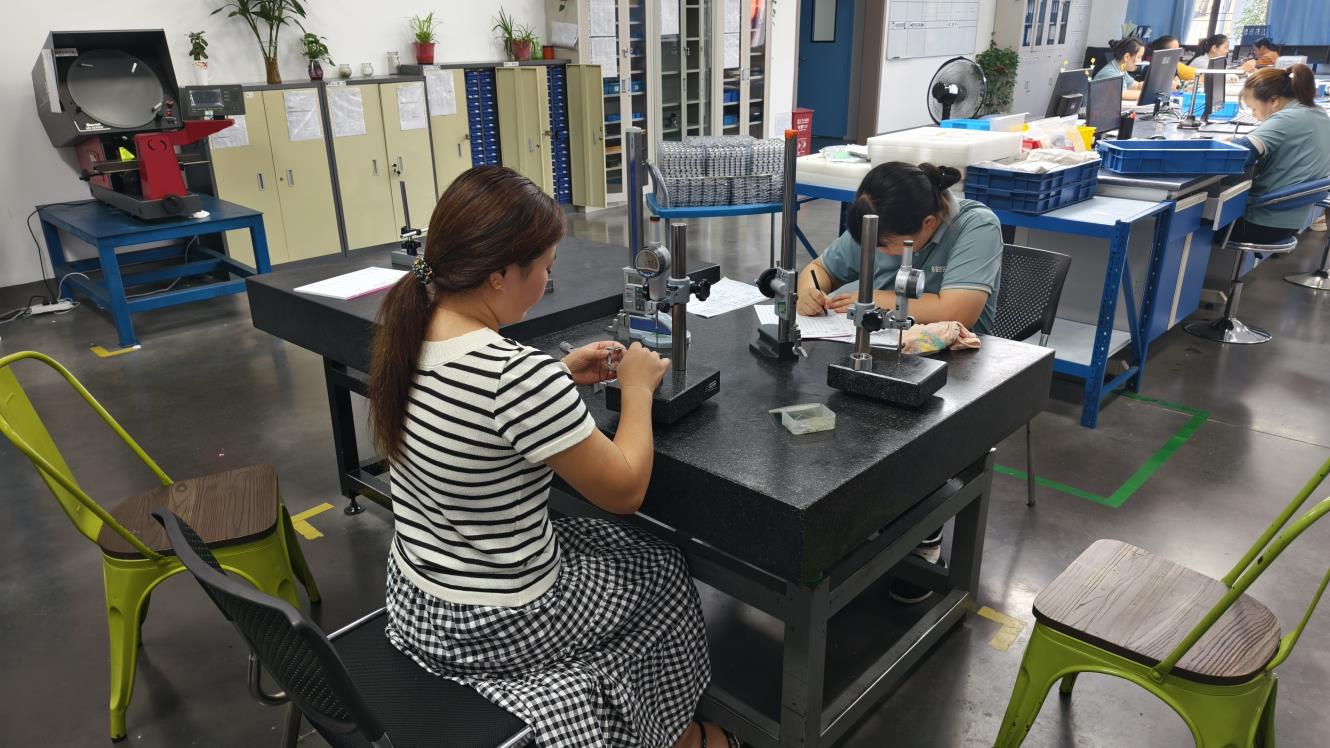
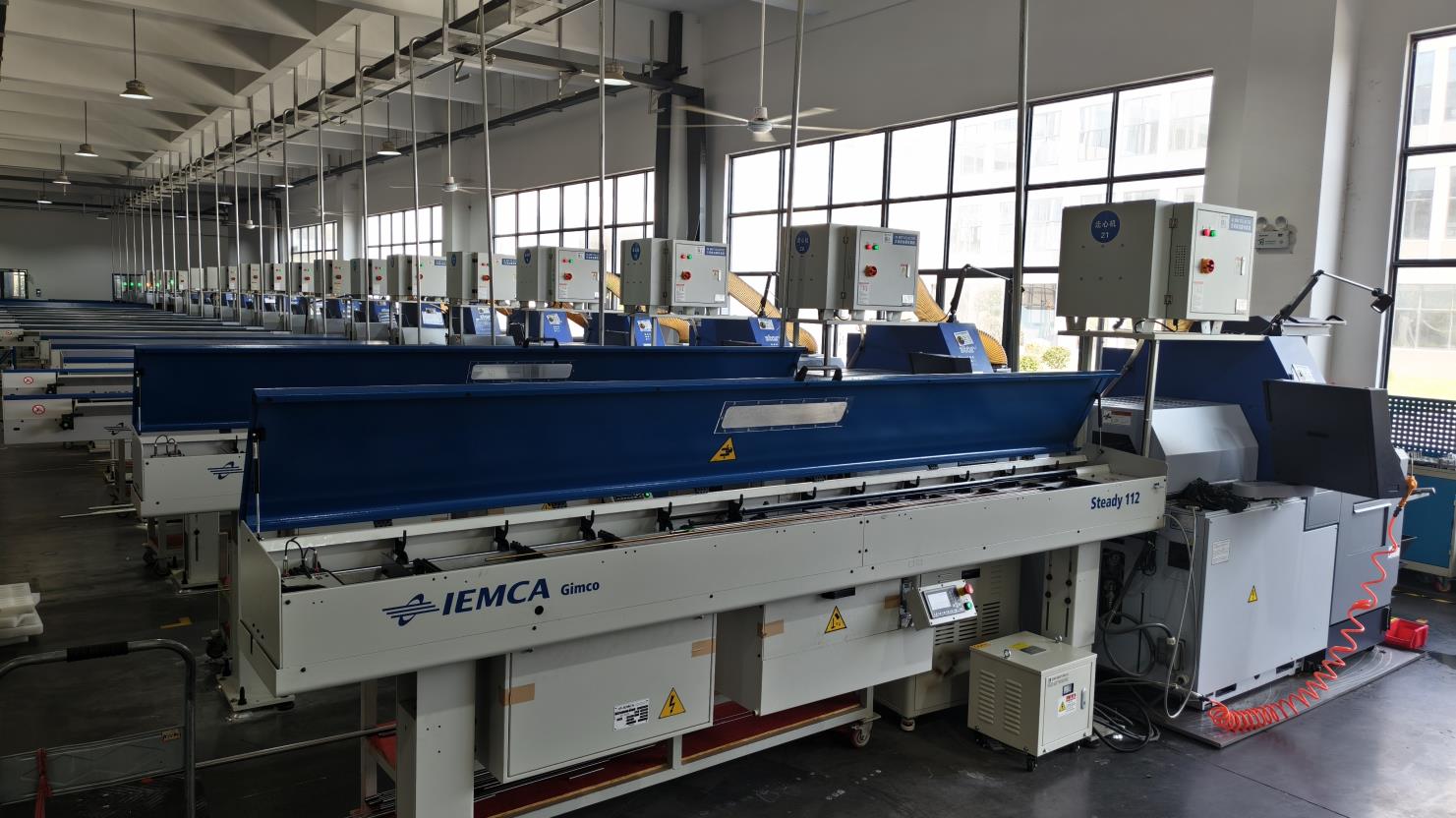
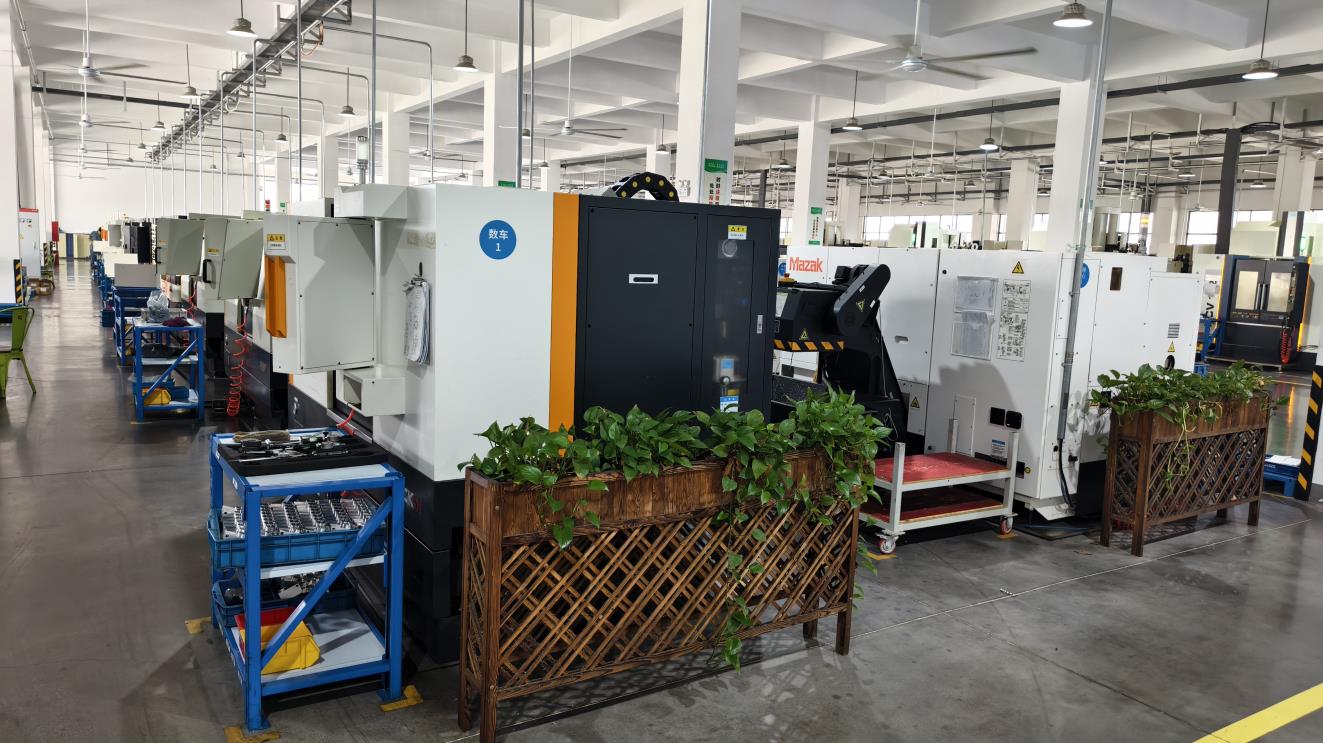
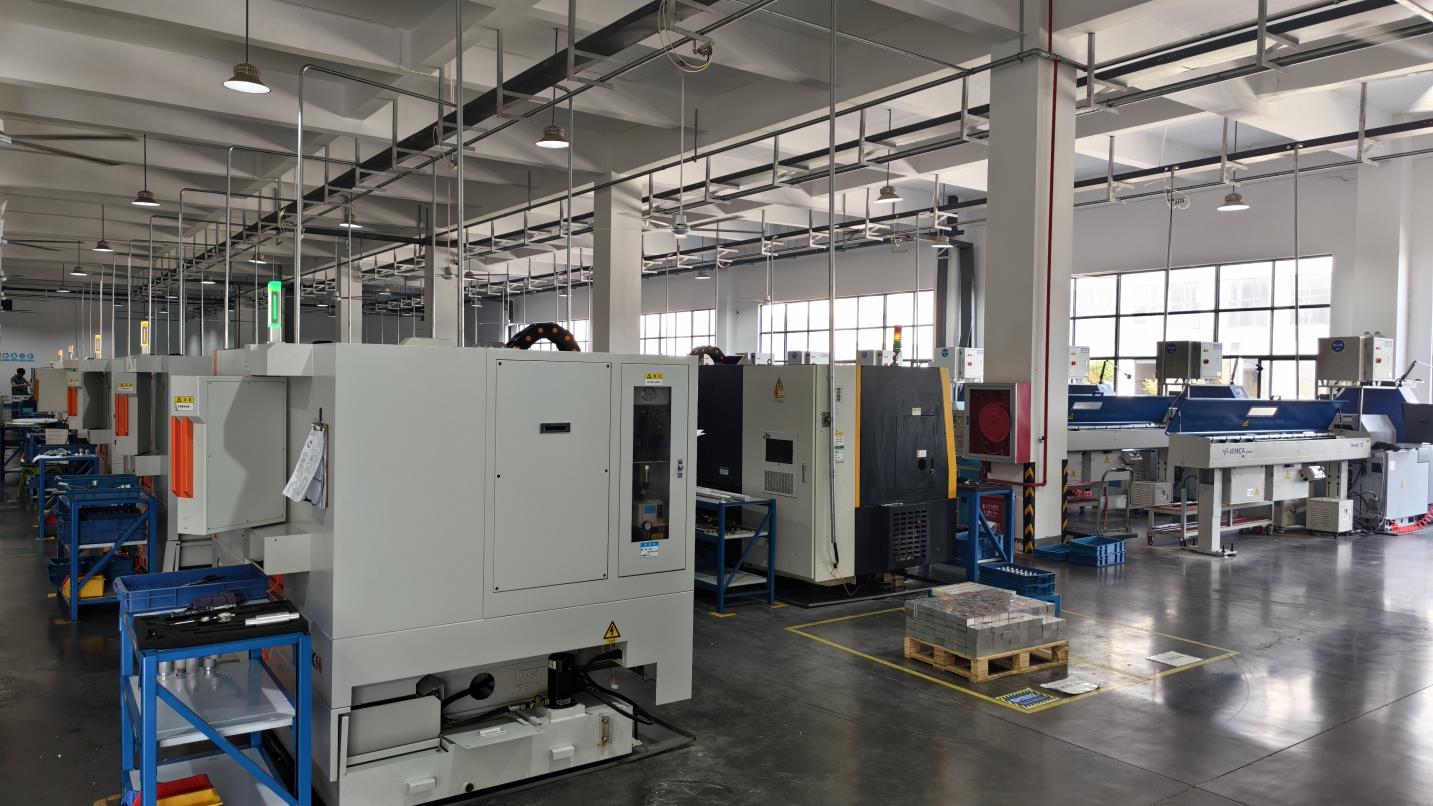
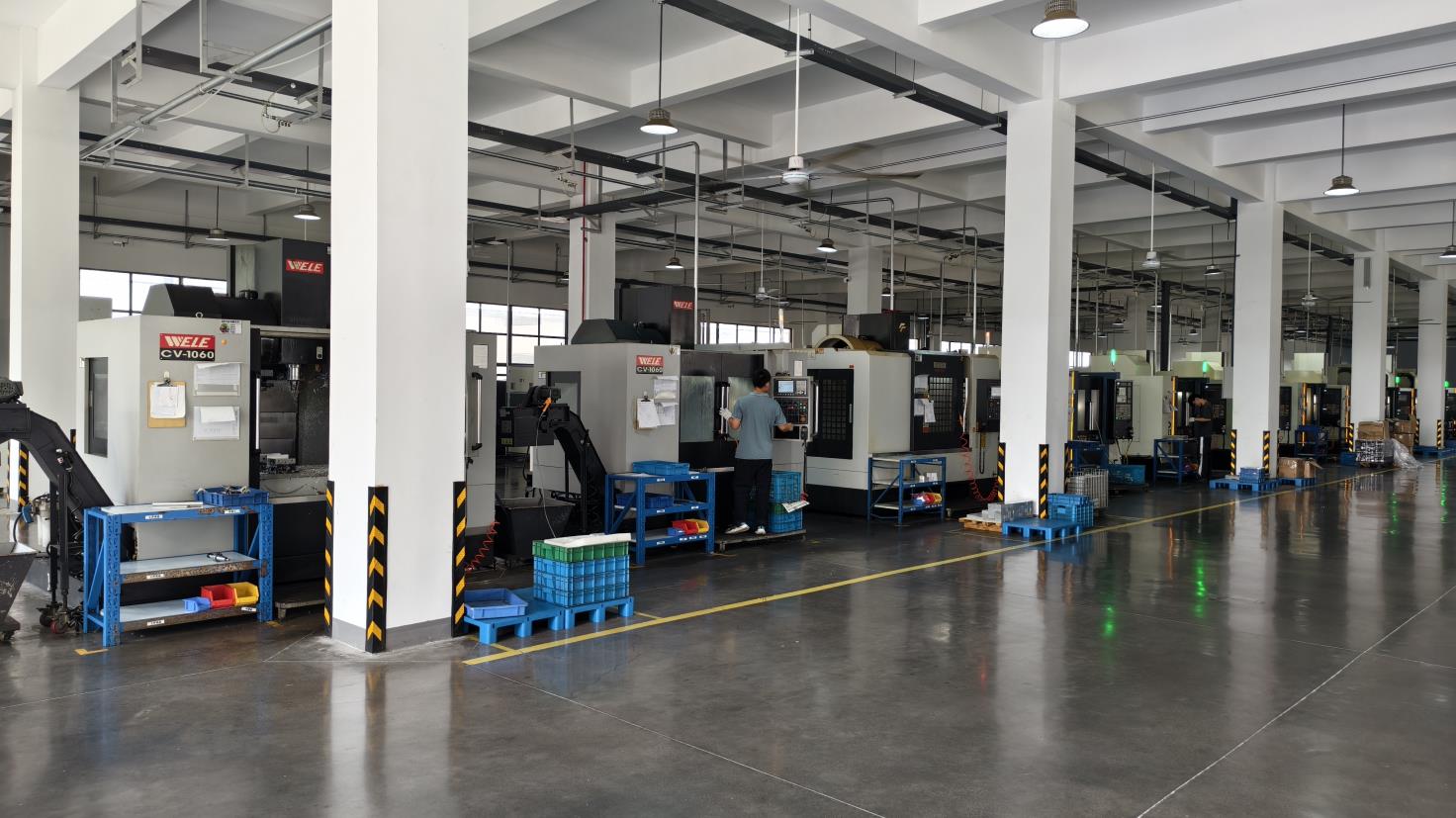
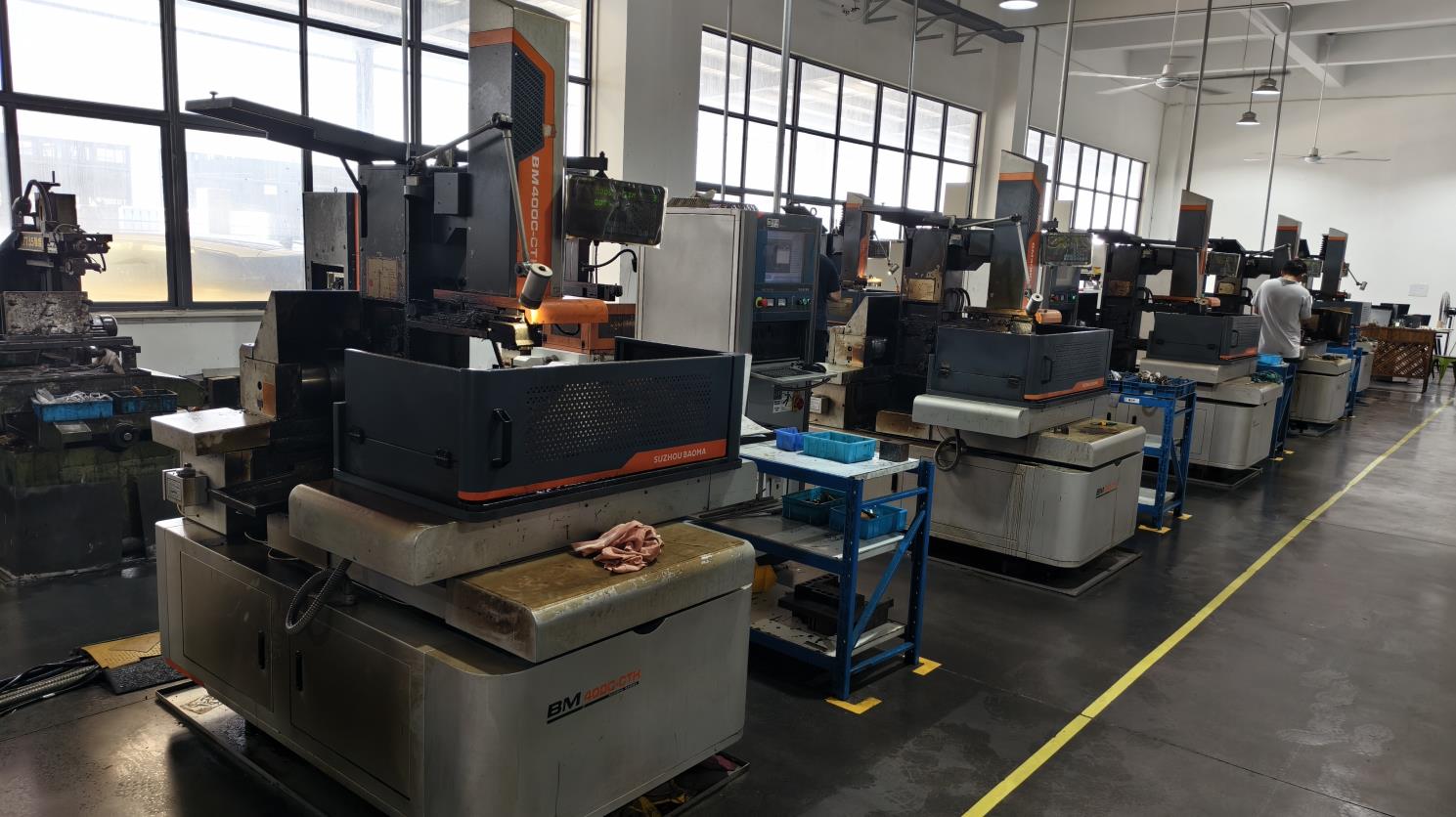
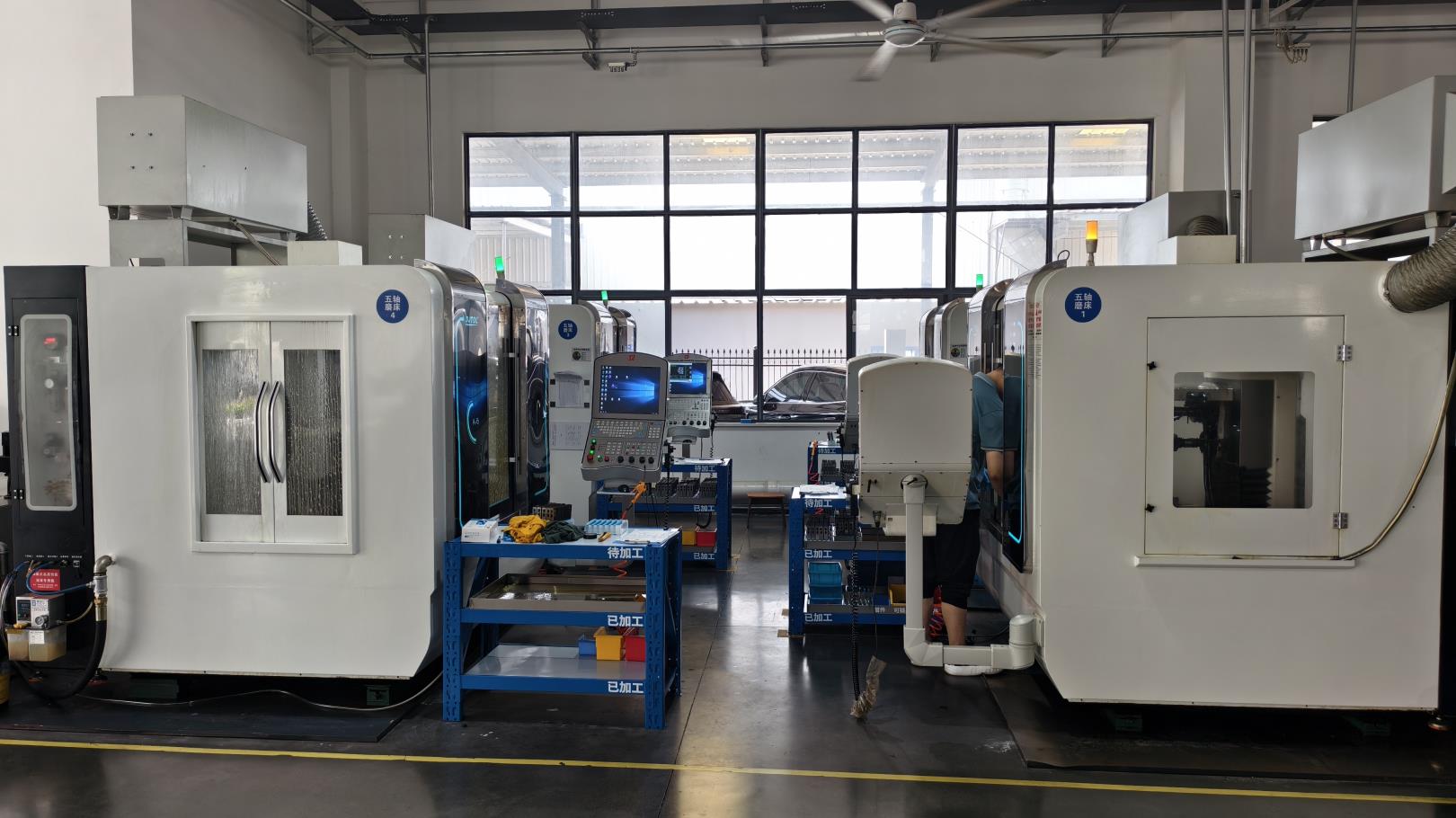
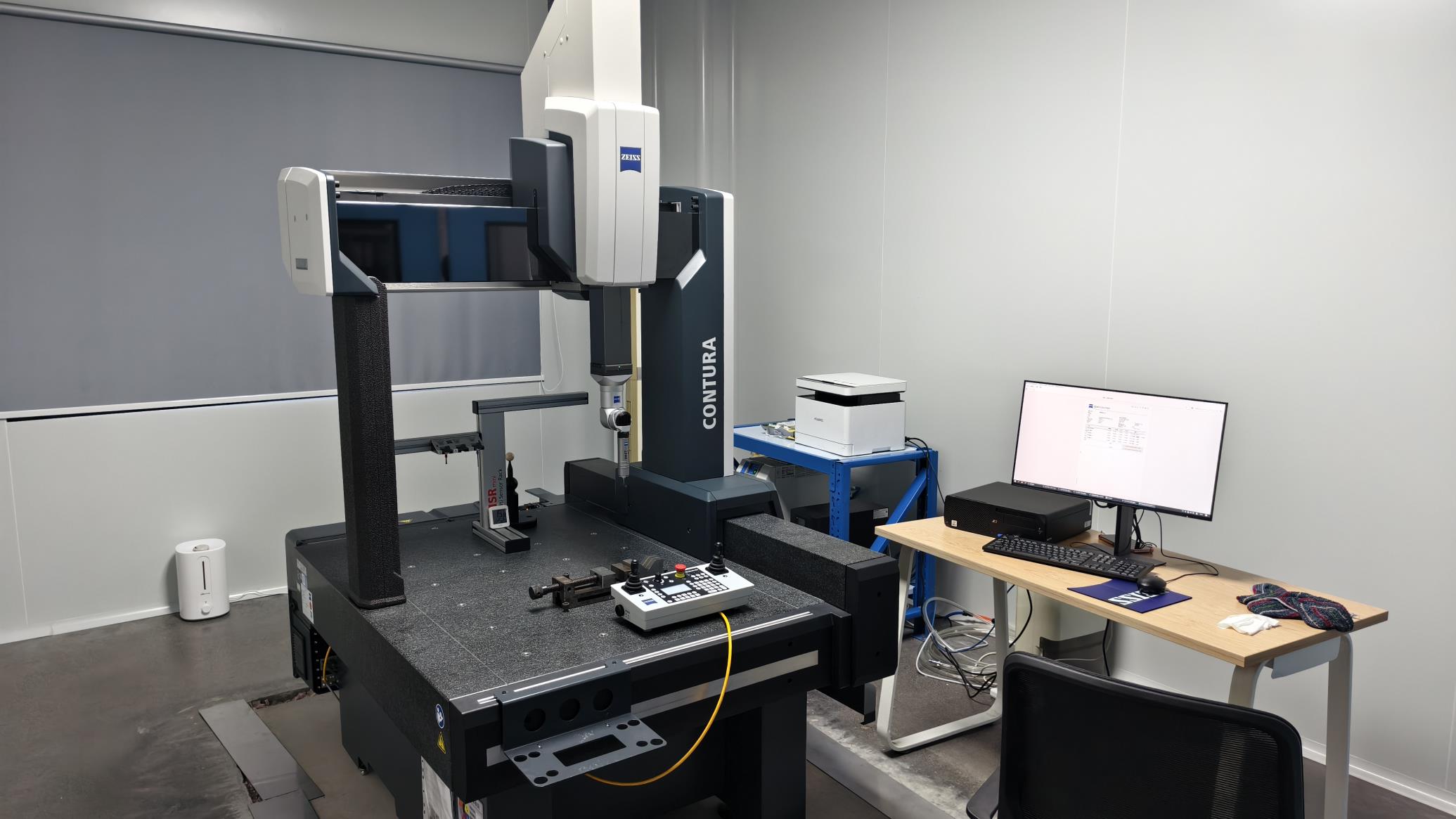
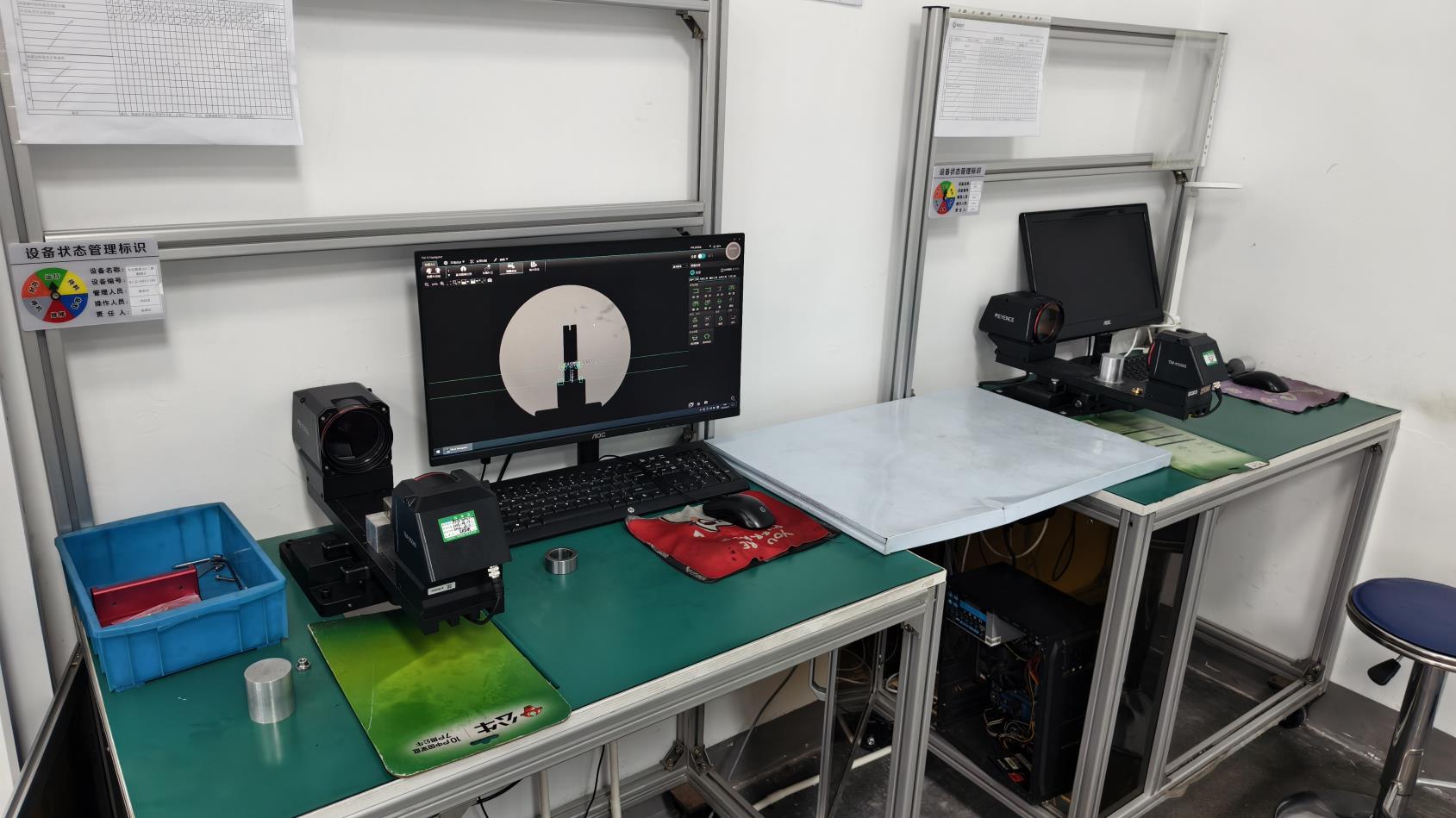
With over 13 years of deep industry experience, Moventra Medical Technology (China) Co., Ltd. has positioned itself as an elite manufacturer of trauma, spine, joint, and thoracic reconstructive solutions. We enforce 100% Quality Inspection before shipment, utilizing precision dimensional inspection, material chemical analysis, mechanical performance tests, and sterile verification protocols. Our facility operates high-end Swiss-type lathes, multi-axis machining centers, and wire cutting instruments to produce complex geometries required by advanced orthopedic and cardiothoracic surgeons.
| Operational Metric | Details & Specifications |
|---|---|
| Company Name | Moventra Medical Technology (China) Co., Ltd. |
| Core Business Models | Manufacturer, OEM & ODM, Exporter |
| Quality Certifications | CE, ISO 13485, GMP Compliant Class III Manufacturing |
| Product Line Focus | Sternal Plates, Rib Plates, Trauma Locking Plates, Spinal Cages, Power Tools |
| Annual Export Revenue | USD 23.8 Million (7 Years Global Export Experience) |
| Quality Control Staff | 48 dedicated specialists conducting chemical and mechanical tests |
| Supply Chain Network | 1,120 global partners across Europe, North America, Southeast Asia, and Middle East |
| New Products (Last Year) | 156 innovative designs released in orthopedic & thoracic spheres |
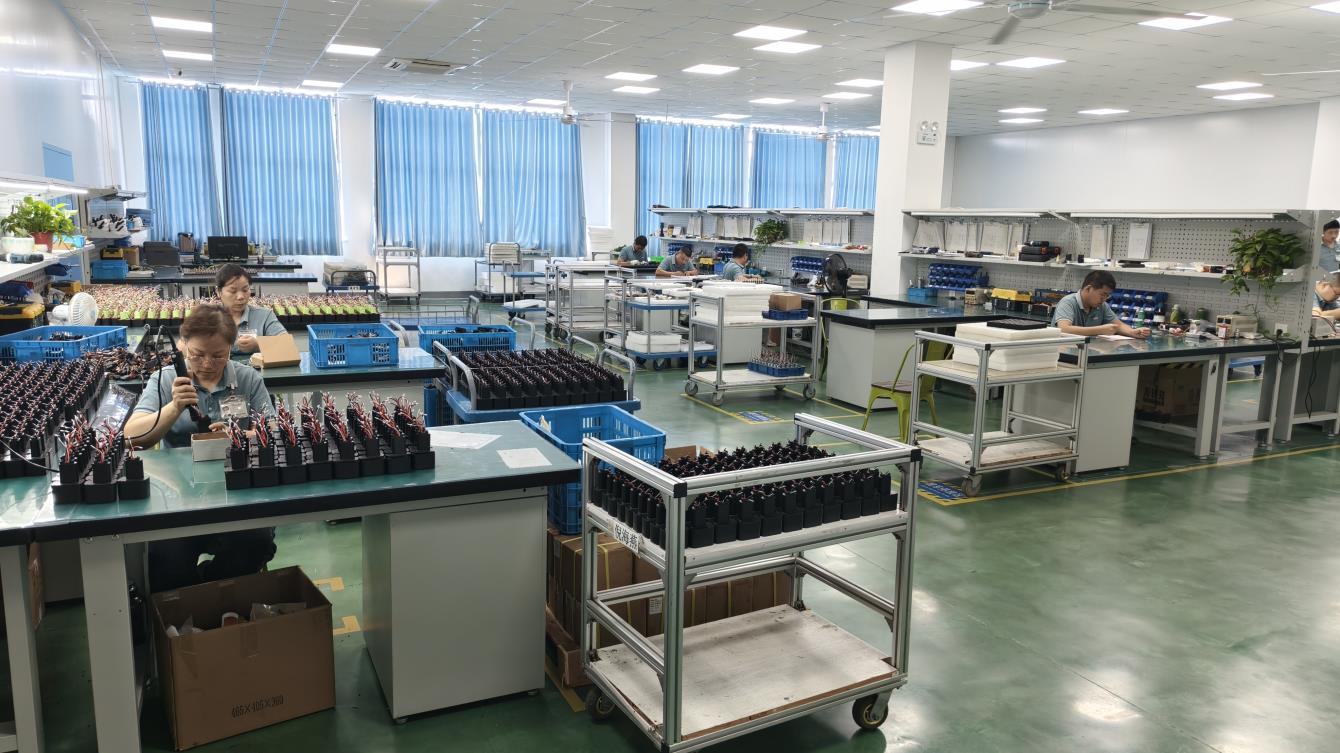
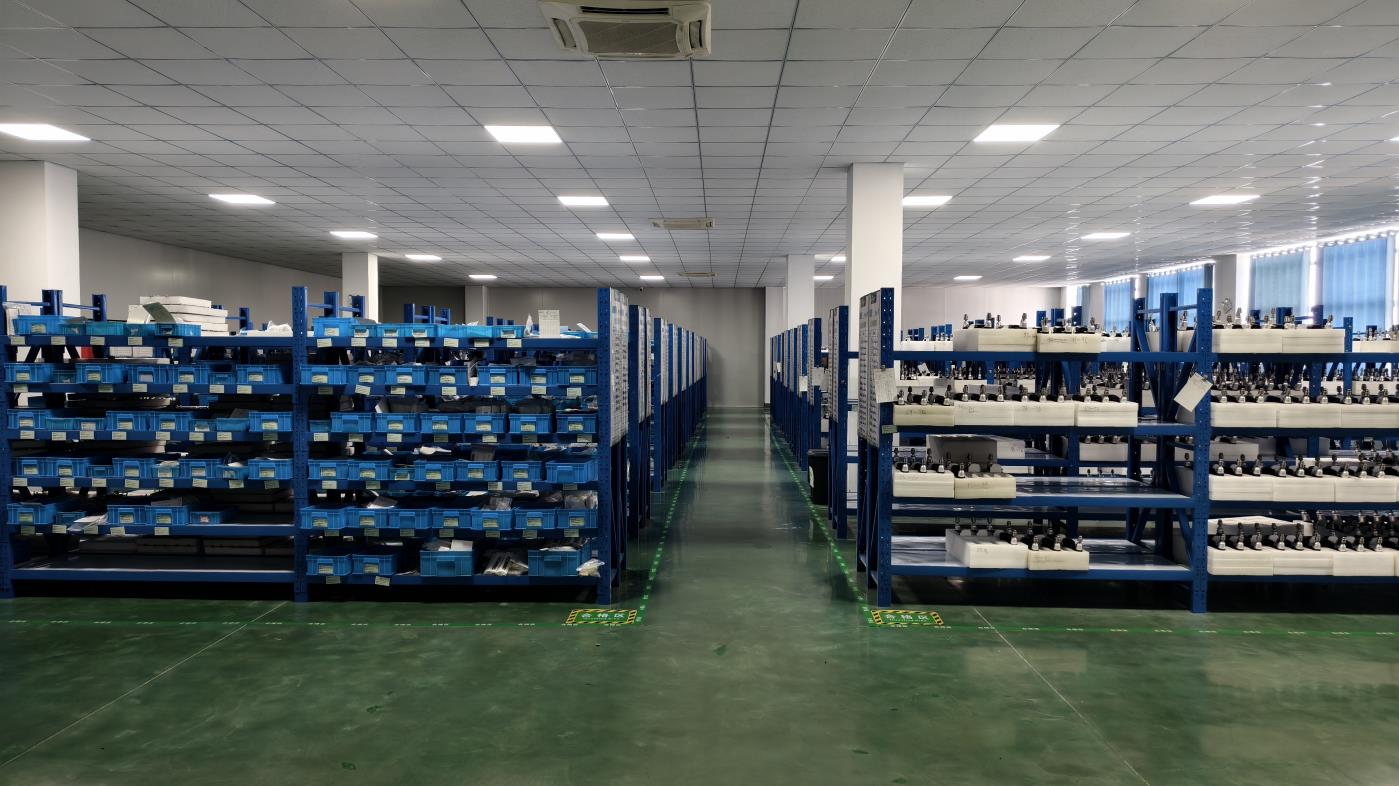
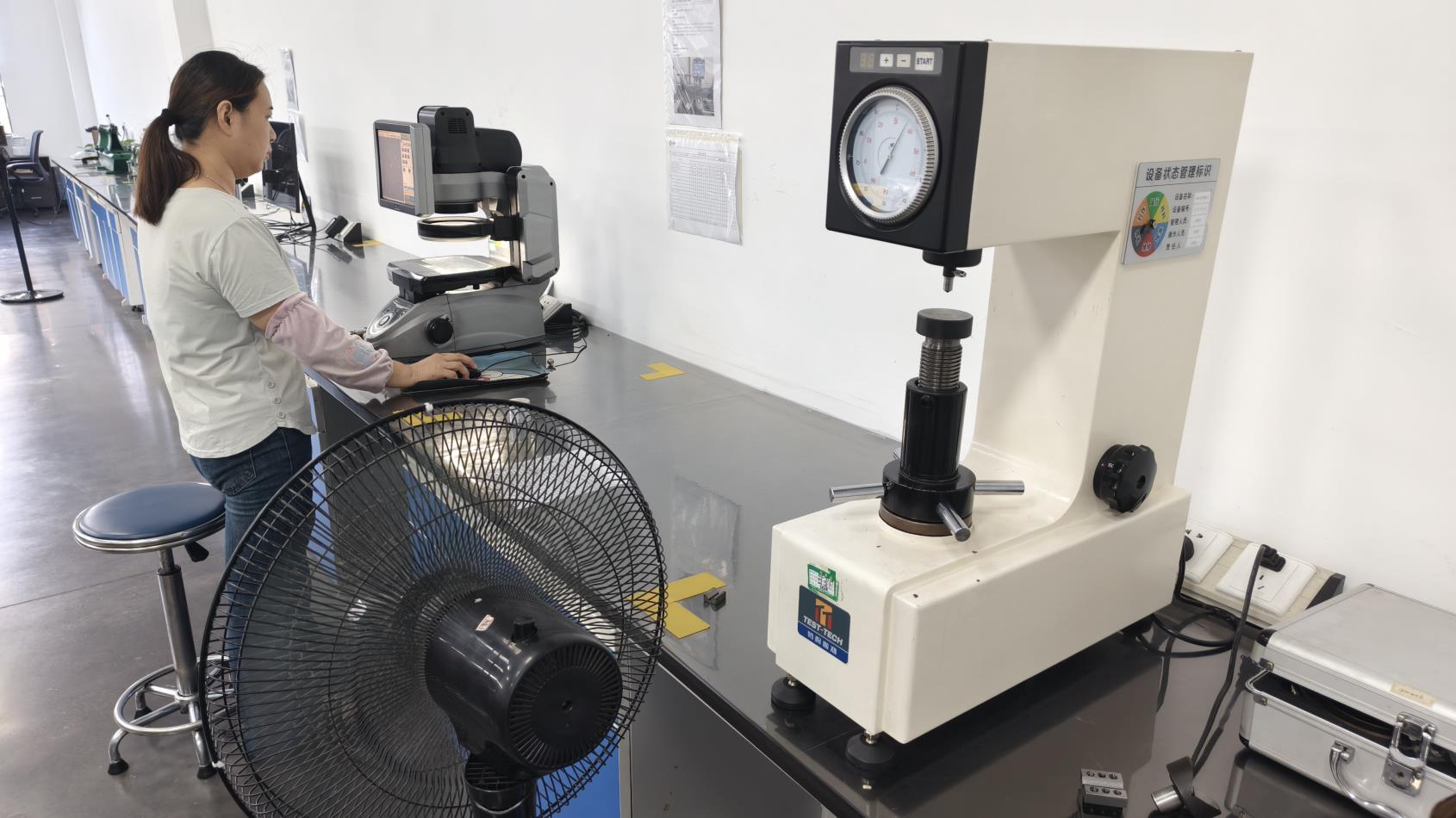
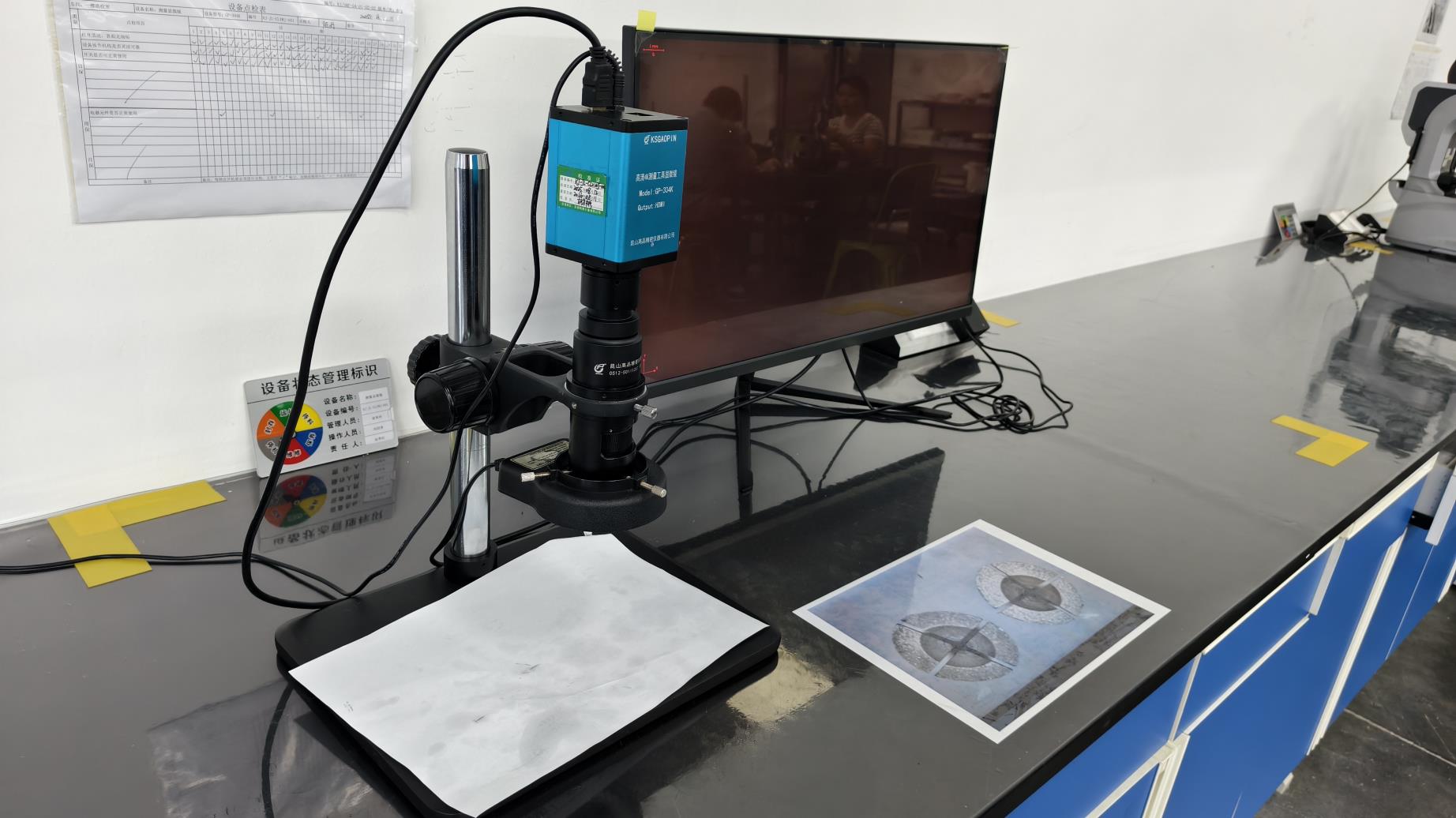
Tour our Swiss-grade machining floors and cleanrooms where sternal fixation systems are micro-milled and tested.
How our rigid sternal systems resolve challenging chest wall surgeries inside local government and private hospitals.
In patients with overlapping risk factors such as chronic obstructive pulmonary disease (COPD), insulin-dependent diabetes mellitus, and advanced age, standard wire closure poses high risk. Strong coughing spells post-extubation can tear the bone. Moventra's sternal plates construct a unified structural shield across the osteotomy line, neutralizing lateral shear forces. This ensures the sternum is protected even during severe pulmonary rehabilitation exercises.
In pediatric and young adult populations presenting with congenital funnel chest (pectus excavatum), rigid stabilization using the Geasure Funnel Chest System provides the structural elevation required to relieve pressure on the heart and lungs. The plates remain structurally robust, resisting the significant compressive elastic forces of the patient's costal cartilages.
With the expansion of Southern Expressway networks, high-impact chest trauma cases are increasingly received at the Karapitiya Teaching Hospital. Flail chest chest-wall instabilities require rapid, rigid fixation. Our rib titanium locking systems allow surgeons to secure multiple segmental fractures, enabling rapid weaning of patients from mechanical ventilators and preventing long-term restrictive lung disease.
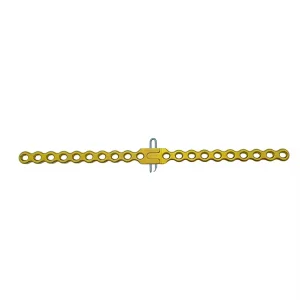
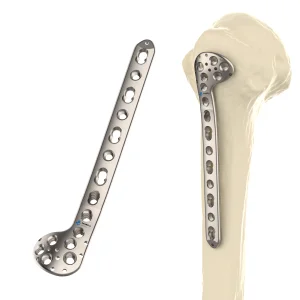
Our wider orthopedic portfolio designed to support trauma hospitals, spine clinics, and orthopedic distributors across Sri Lanka.
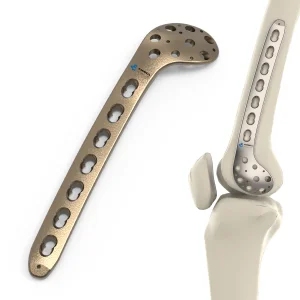
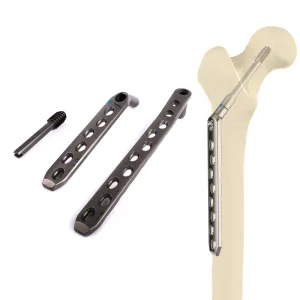
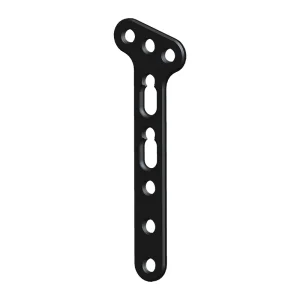
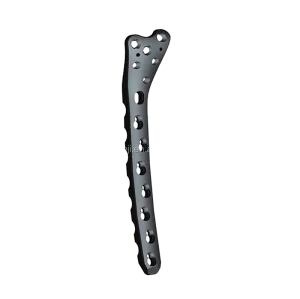
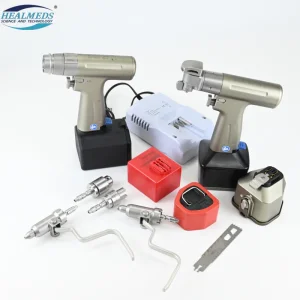
Essential surgical apparatus and spinal fusion solutions supporting localized clinical pathways in South Asia.
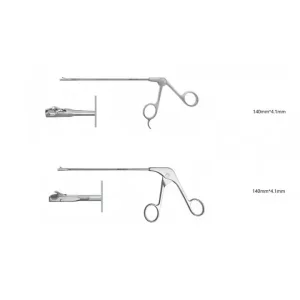
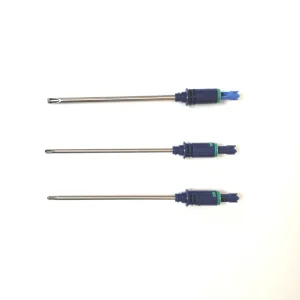
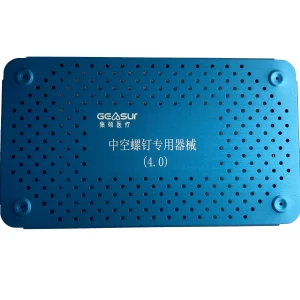
Expert technical insights regarding registration, biomechanics, and global shipping policies for Sri Lankan partners.
Whether you are a medical distributor submitting bids for Sri Lankan government healthcare tenders, or a private hospital procurement officer looking for stable CE-certified implant lines, Moventra delivers precision-engineered solutions.
Contact Our Global Tender Desk Moventra Medical