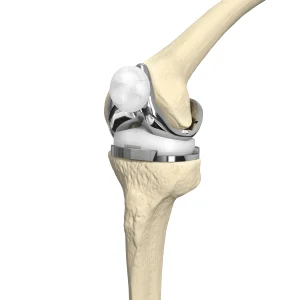
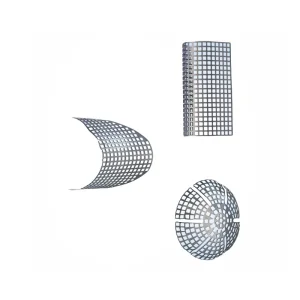
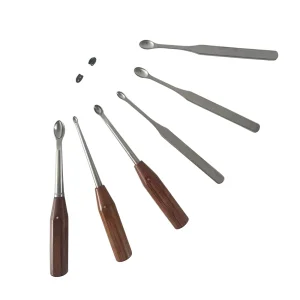
High-performance implants designed to match anatomical specifications and withstand long-term biomechanical wear.
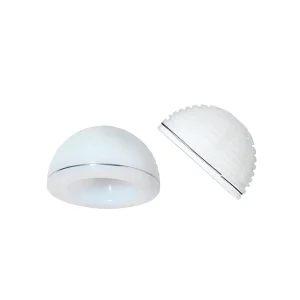
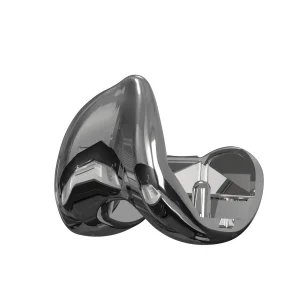
Ethiopia, as Africa's second most populous nation, is witnessing a monumental transition in healthcare modernization. With massive urban expansion and public infrastructure investments, major medical institutes like the Tikur Anbessa (Black Lion) Specialized Hospital and St. Paul's Hospital Millennium Medical College are drastically upgrading their joint reconstruction capabilities. Orthopedic surgeries, specifically Total Hip Replacement (THR) and Total Knee Replacement (TKR), are transitioning from highly localized, scarce procedures to mainstream medical interventions across both public regional referral networks and expanding private healthcare setups.
However, Ethiopia's domestic medical manufacturing sector is currently in its nascent stages, relying heavily on international supply chains for high-specification orthopedic implants. Importers face structural hurdles including foreign exchange allocation constraints and complex regulatory alignments via the Ethiopian Food and Drug Authority (EFDA). Achieving procurement efficiency necessitates partnerships with global manufacturers capable of navigating direct export documentation, ensuring competitive pricing structures, and maintaining ISO-certified production lines to guarantee patient safety.
• Heavy reliance on advanced foreign imports for cobalt-chromium and titanium alloys.
• Streamlining clinical workflows requires comprehensive surgical instrument sets alongside implants.
• EFDA compliance requires robust documentation, technical dossiers, and traceable quality verification files.
Exploring how advanced clinical engineering is reshaping patient rehabilitation and implant lifespans worldwide.
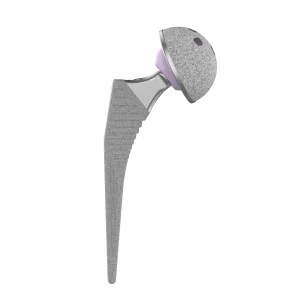
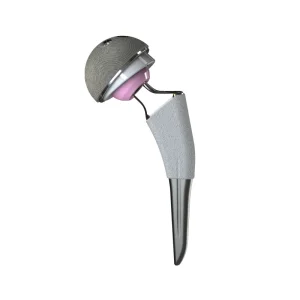
Modern hip systems utilize Delta Ceramics and Ultra-High-Molecular-Weight Polyethylene (UHMWPE) to minimize friction. These materials greatly reduce wear debris, preventing early osteolysis and extending implant lifespans to over 20-25 years.
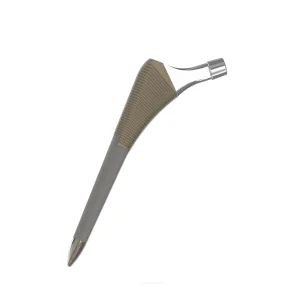
Titanium stems with Plasma-sprayed Hydroxyapatite (HA) coatings facilitate rapid osseointegration. This biological fixation reduces the reliance on bone cement, promoting stable, long-term bone growth directly onto the prosthesis.
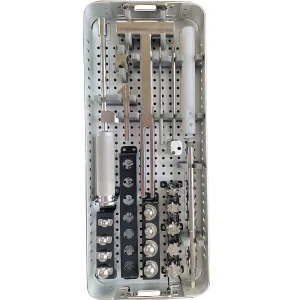
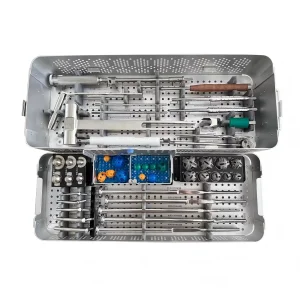
Surgical success depends heavily on customized instrument kits. Ergonomic, sterilizable reamers, trials, and guides minimize operating time and support orthopedic surgeons in executing complex reconstructions.
How advanced automation and strict quality management systems make Moventra a premier orthopedic supplier.
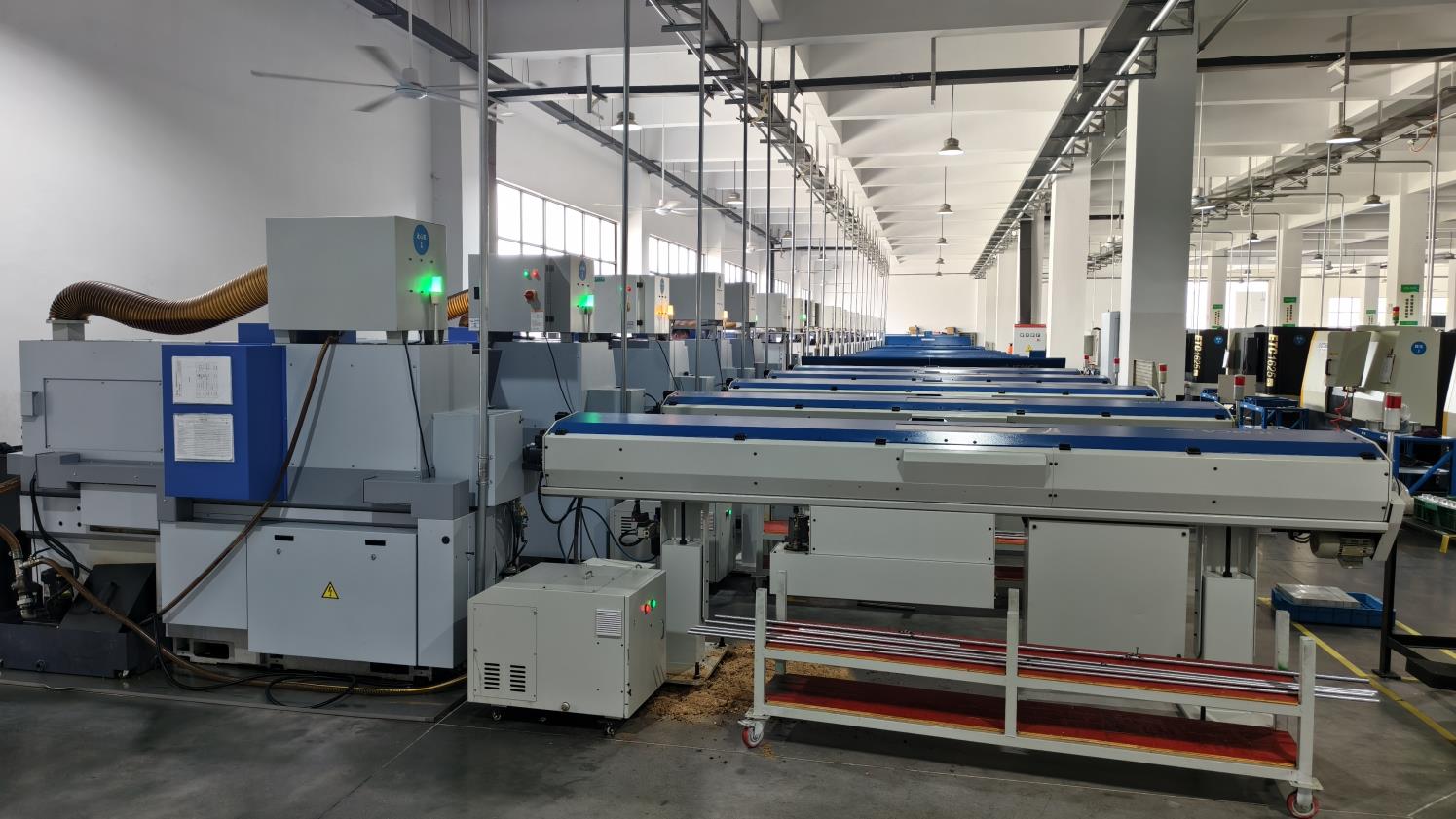
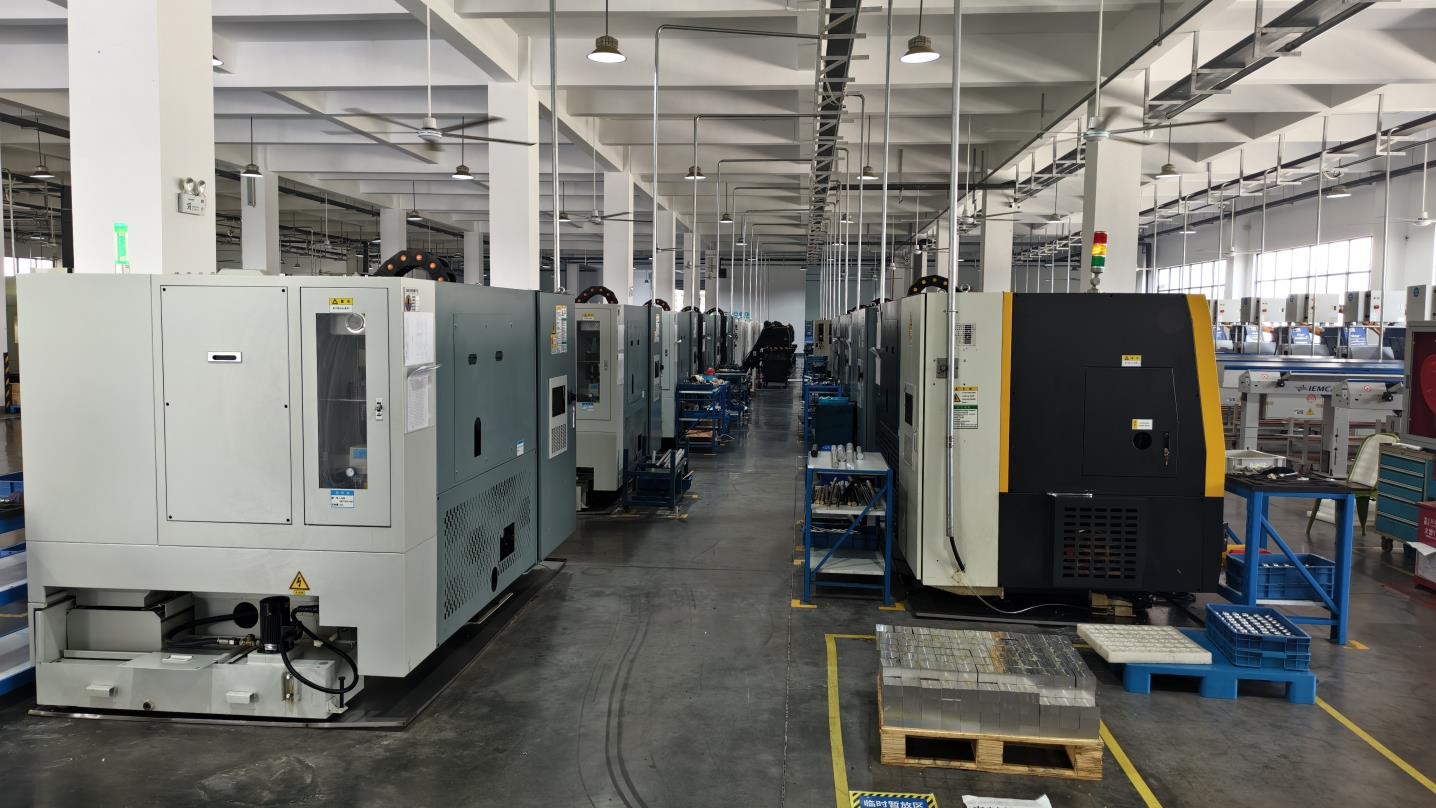
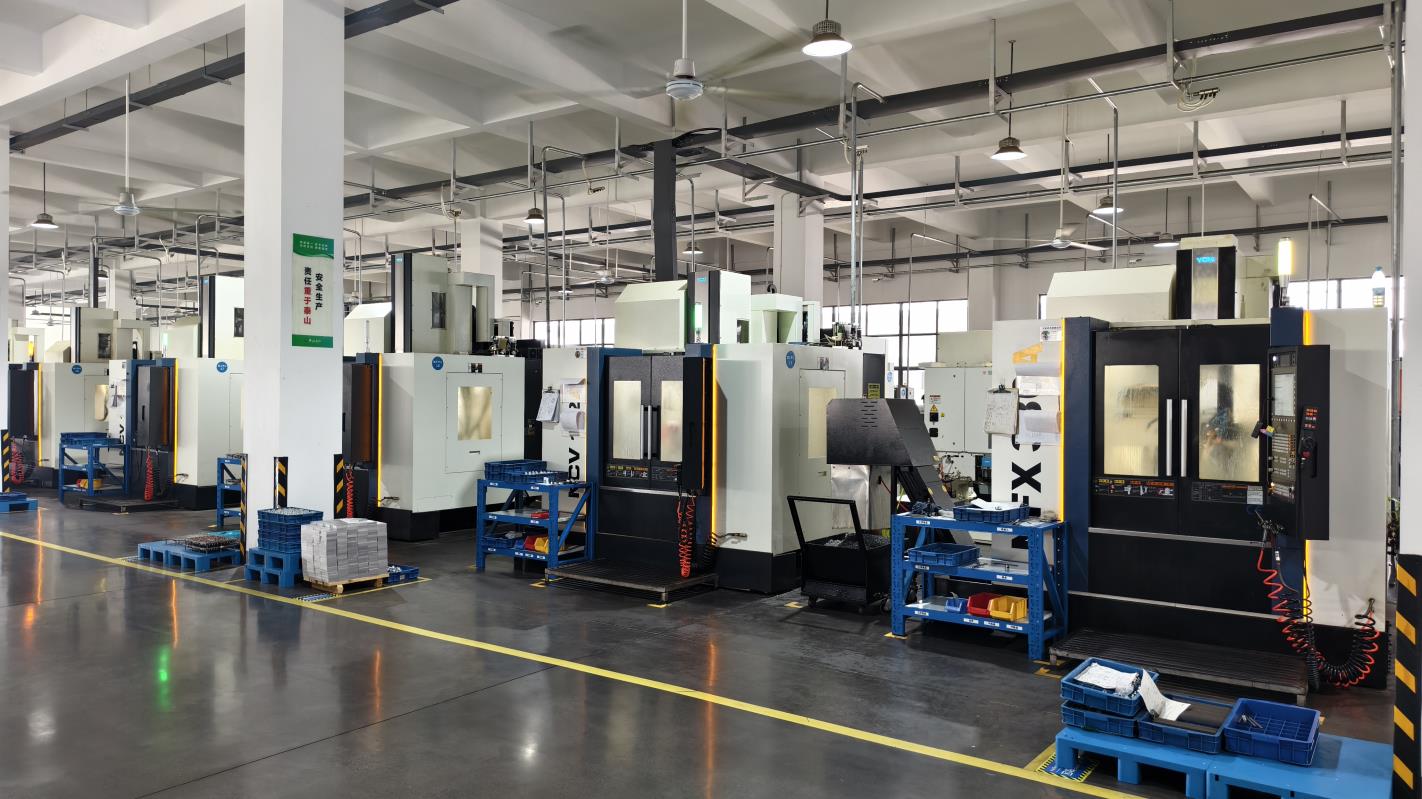
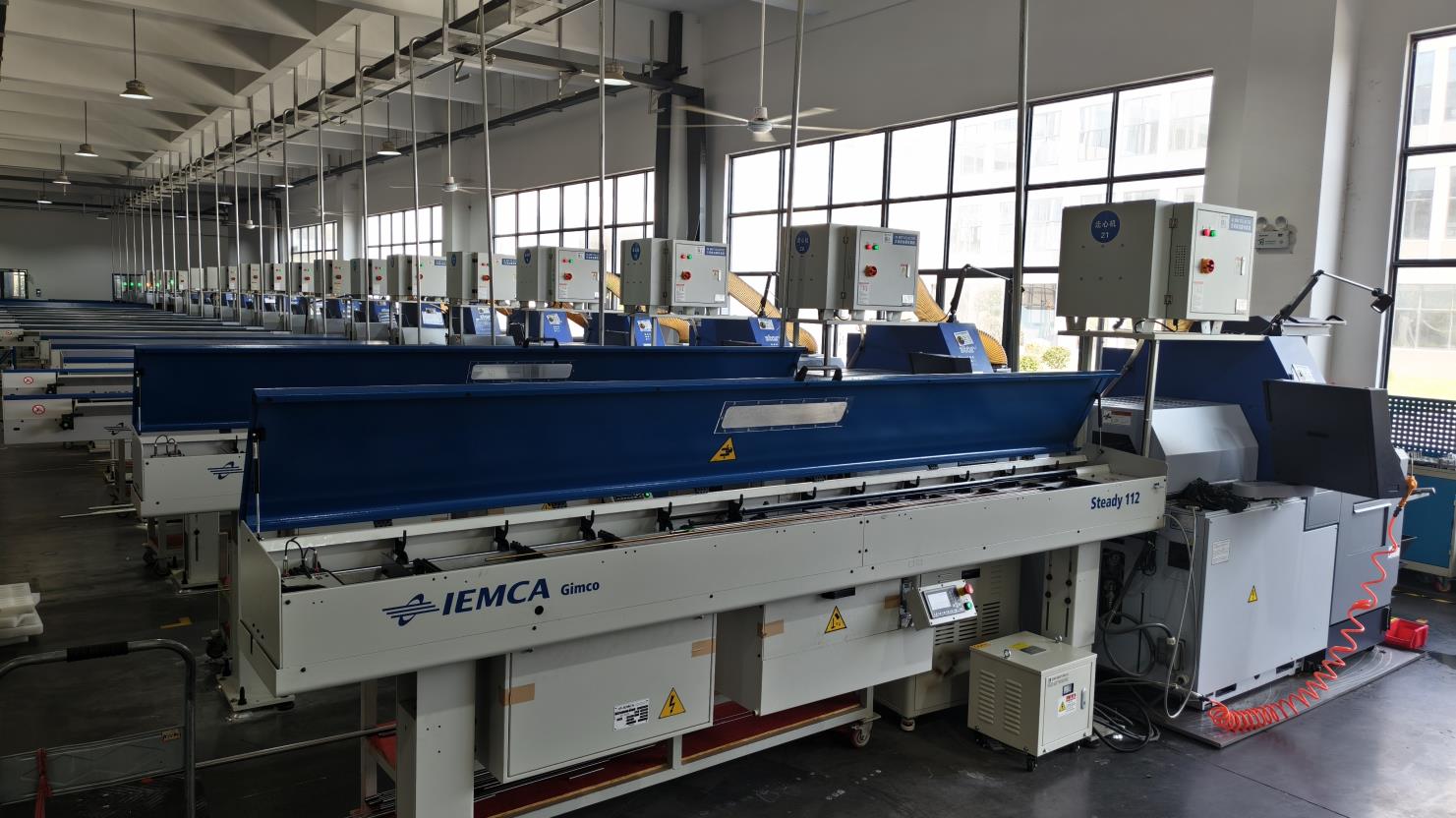
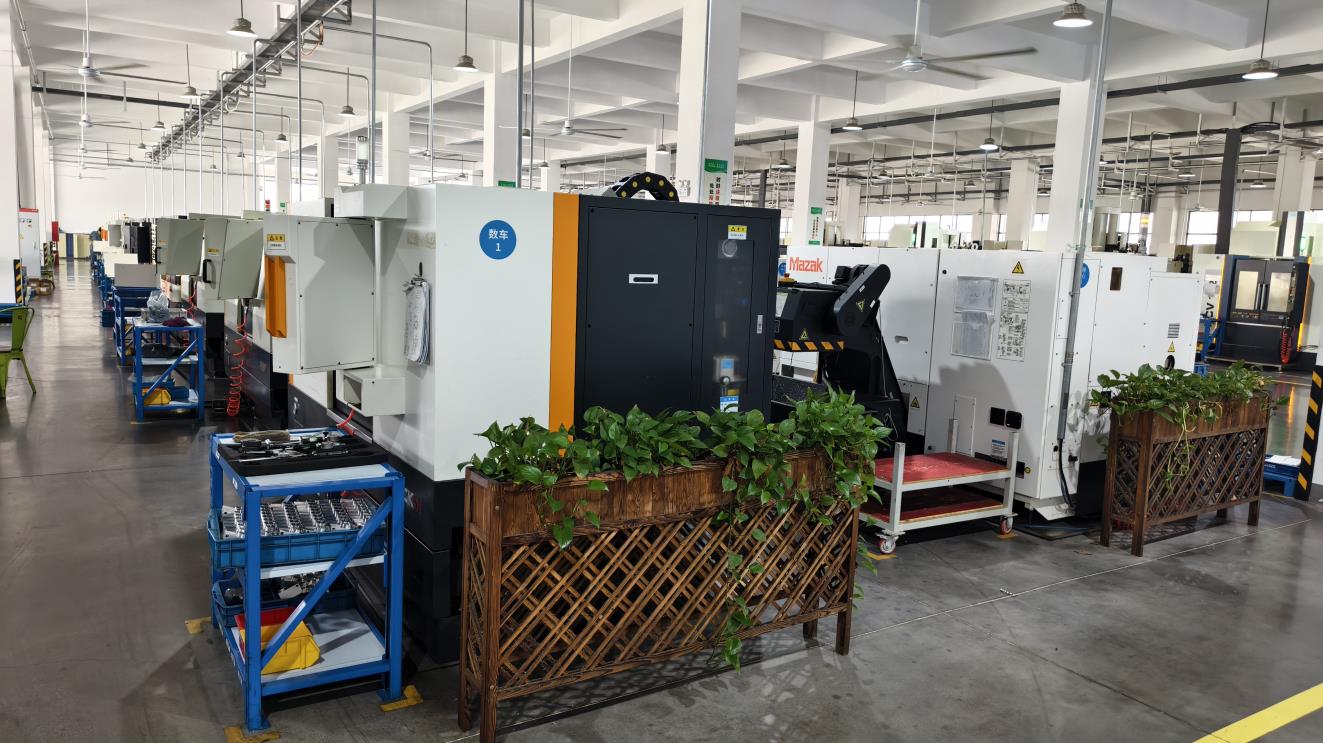
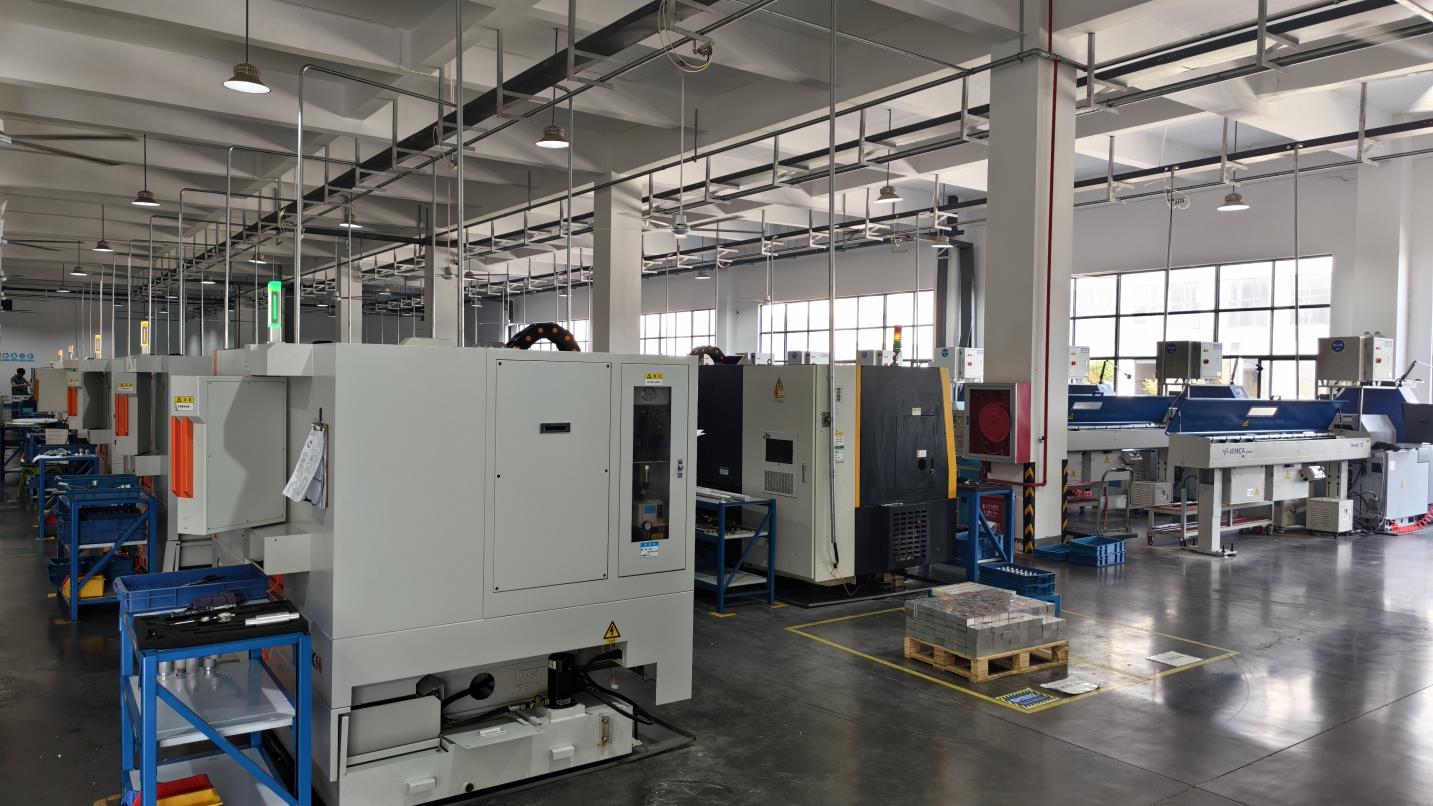
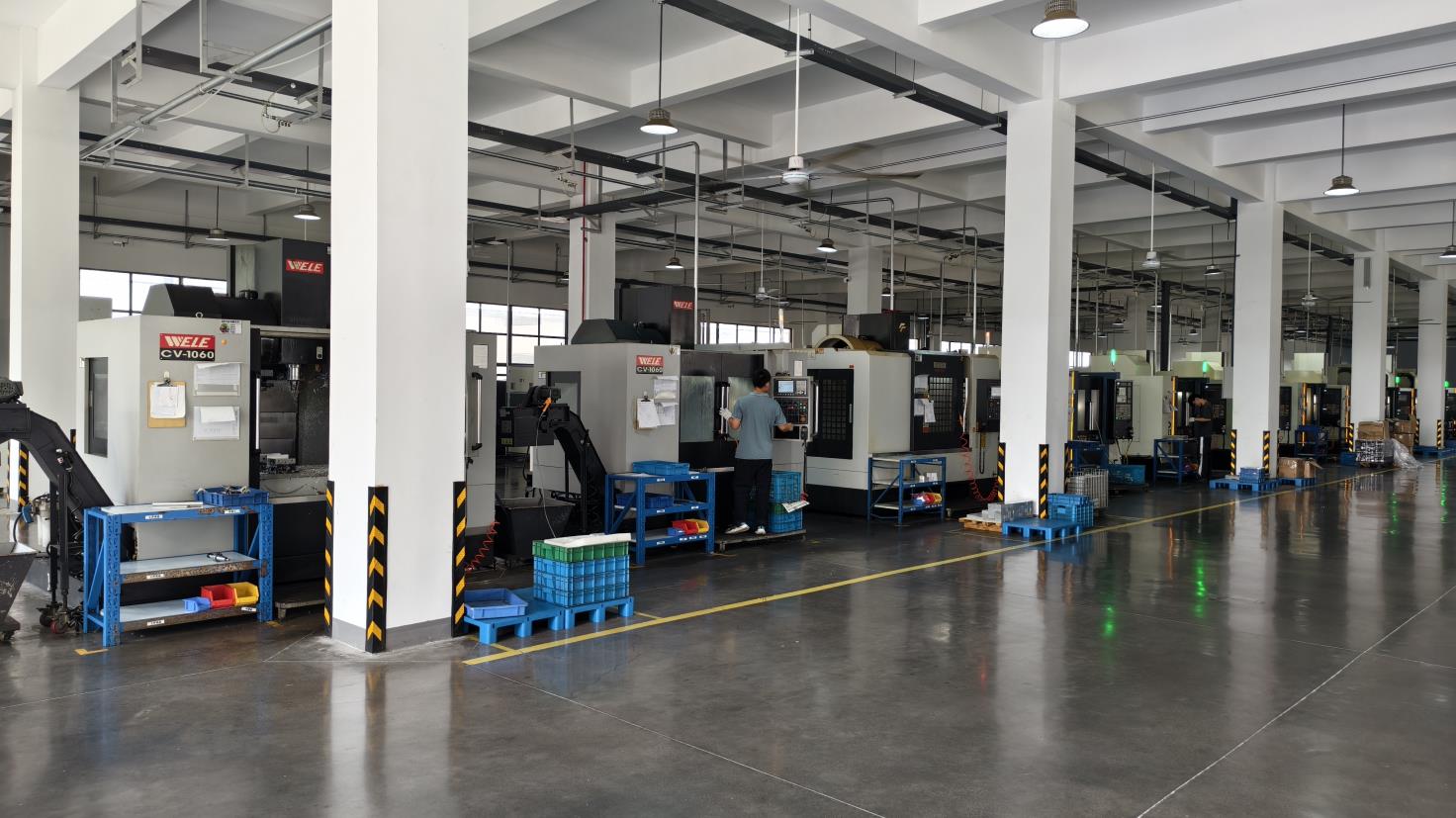
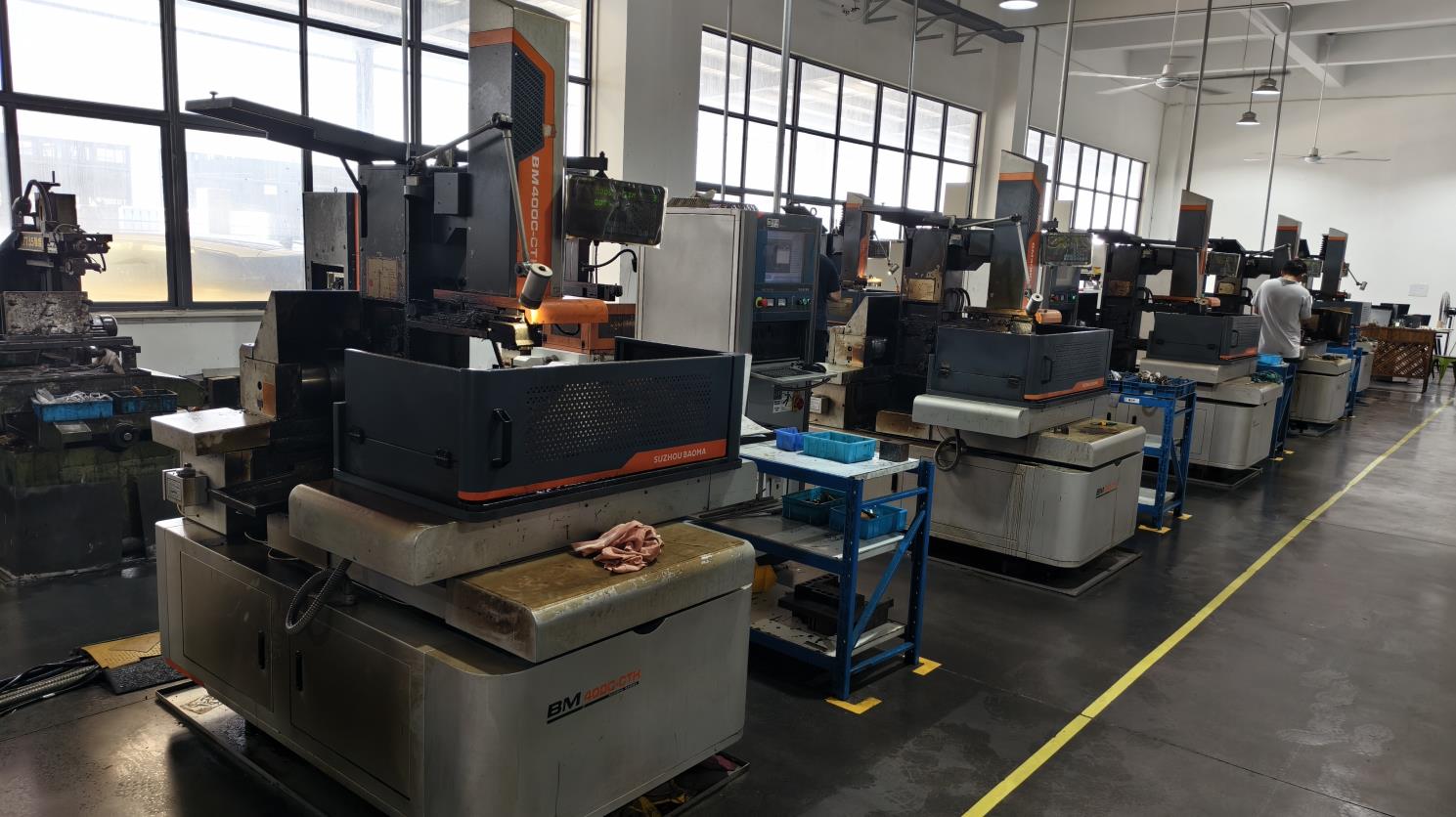
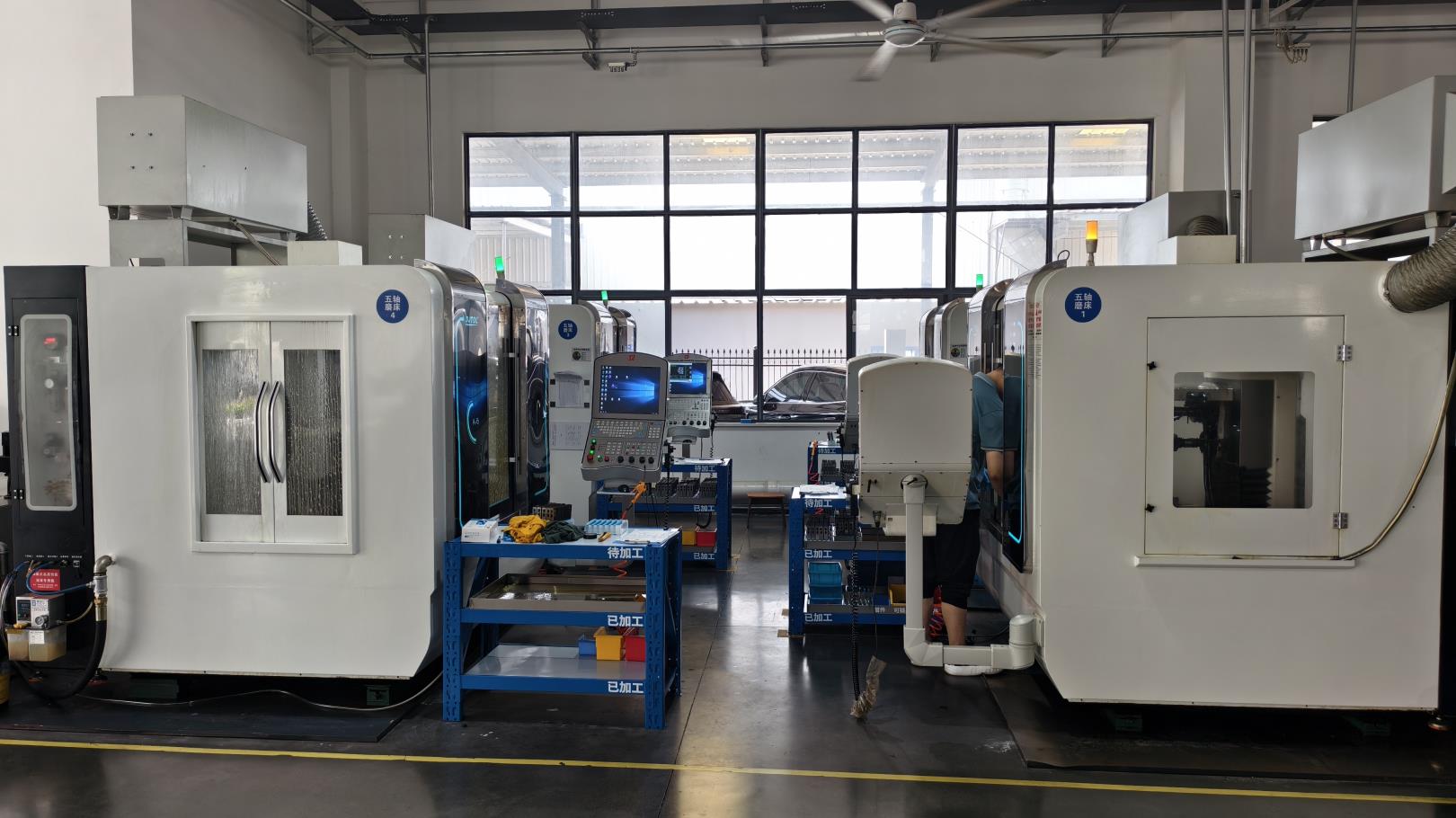
Moventra Medical operates an 18,600 m² modern manufacturing facility equipped with advanced multi-axis CNC machines and Swiss-type lathes. By combining high-speed automated milling and rigid raw material controls, we consistently produce orthopedic components with micron-level tolerances.
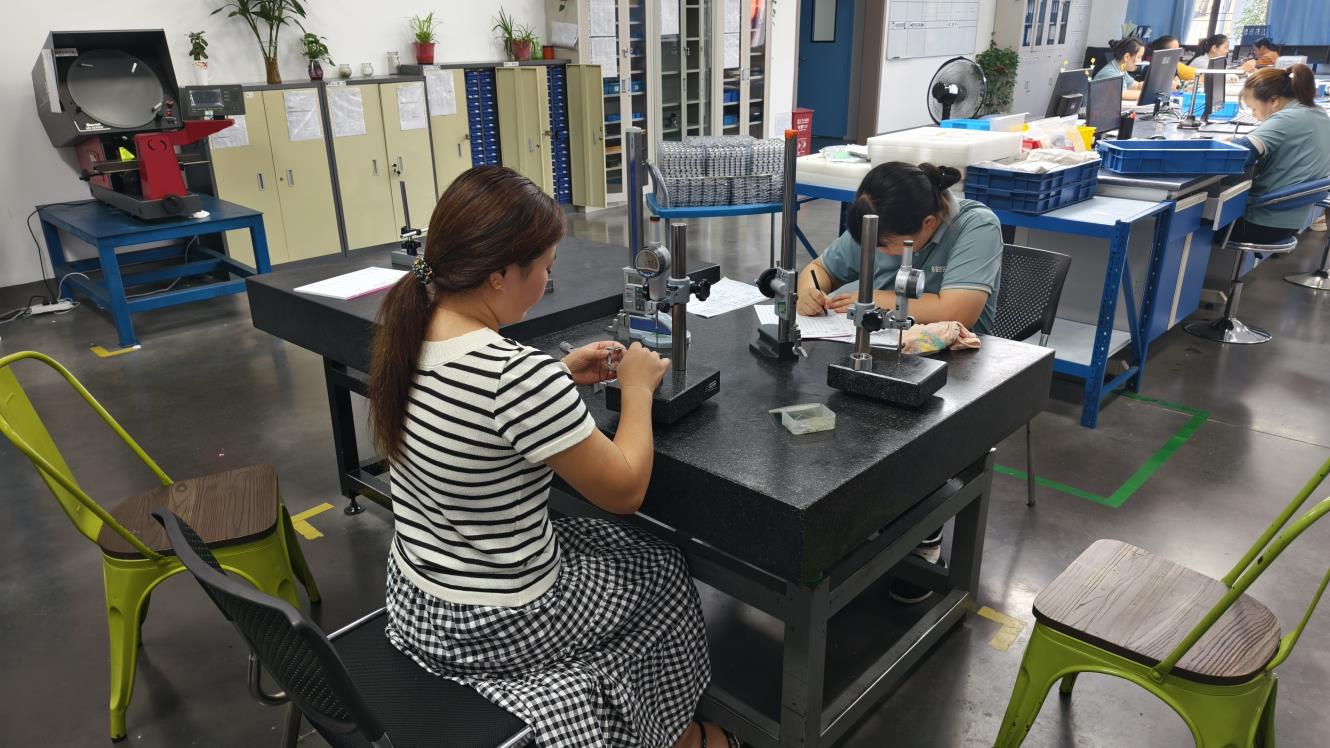
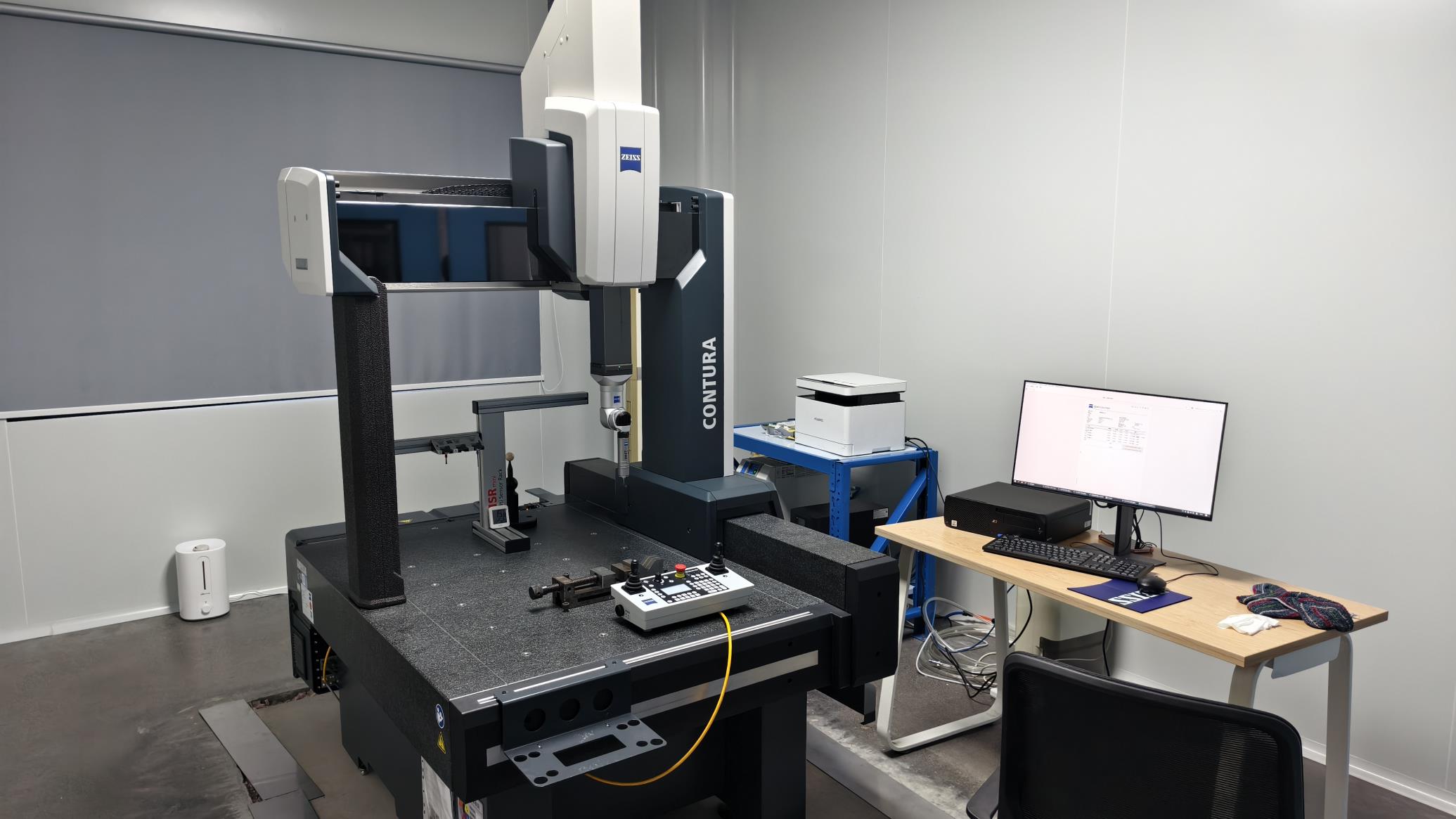
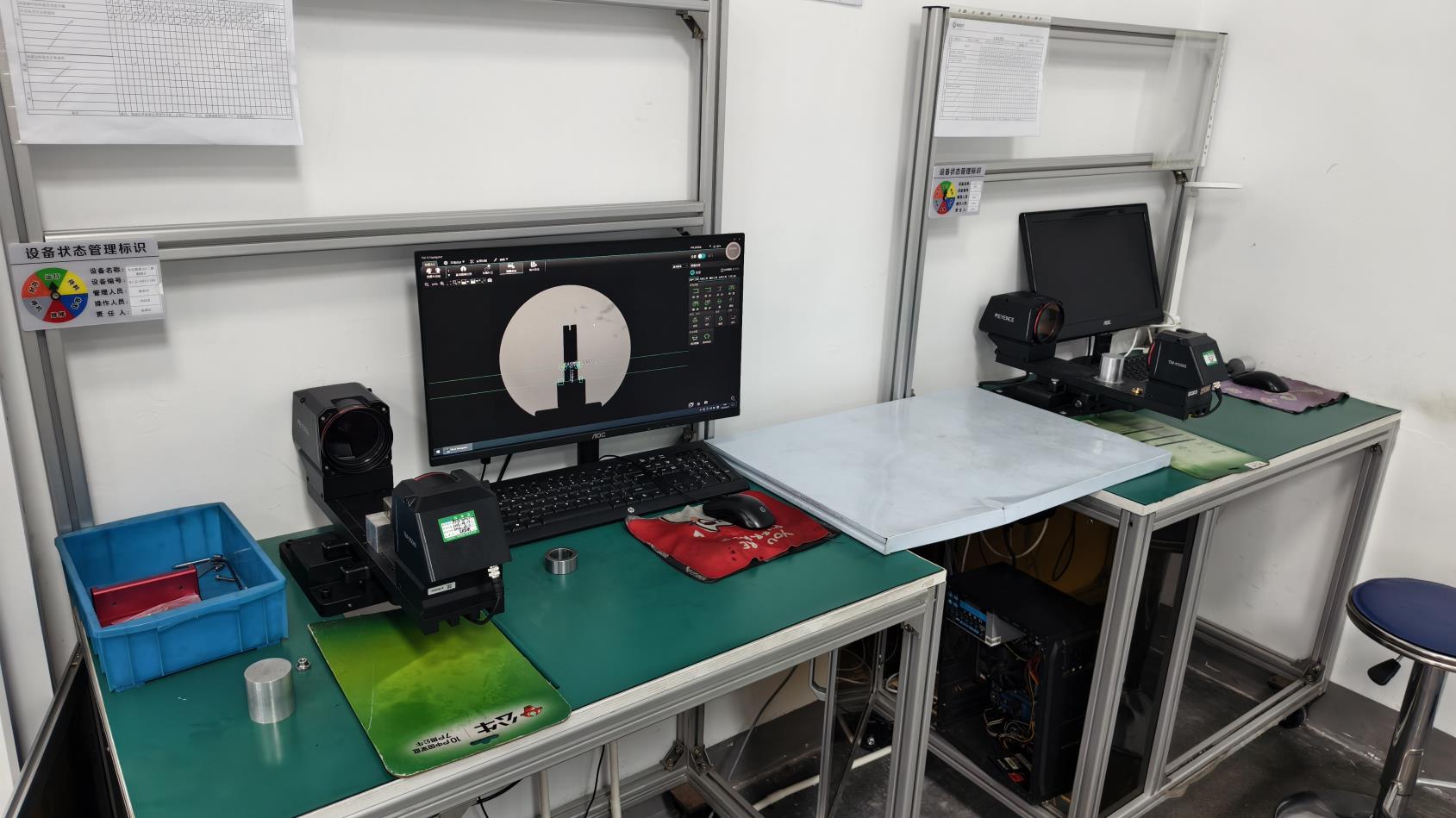
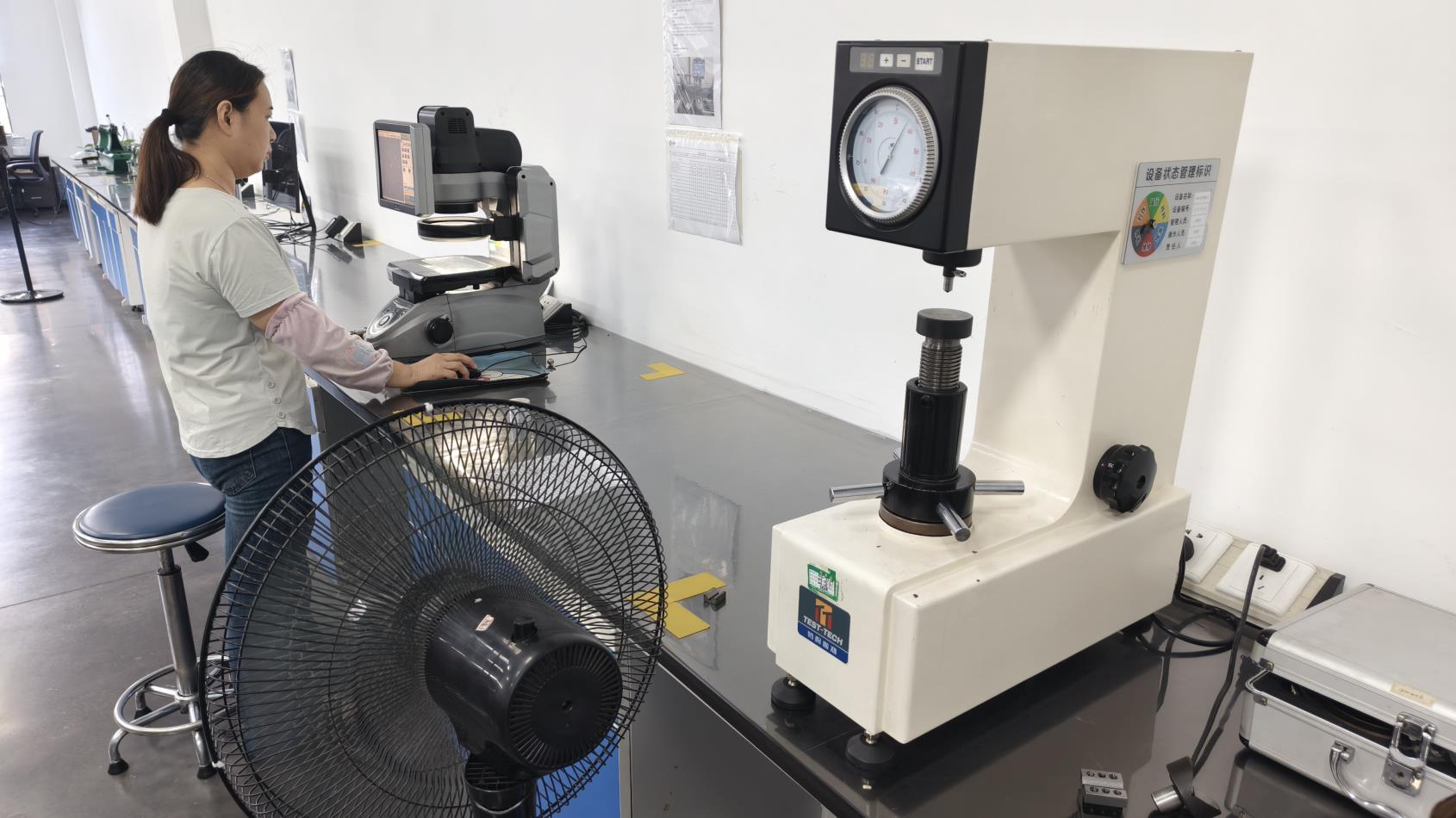
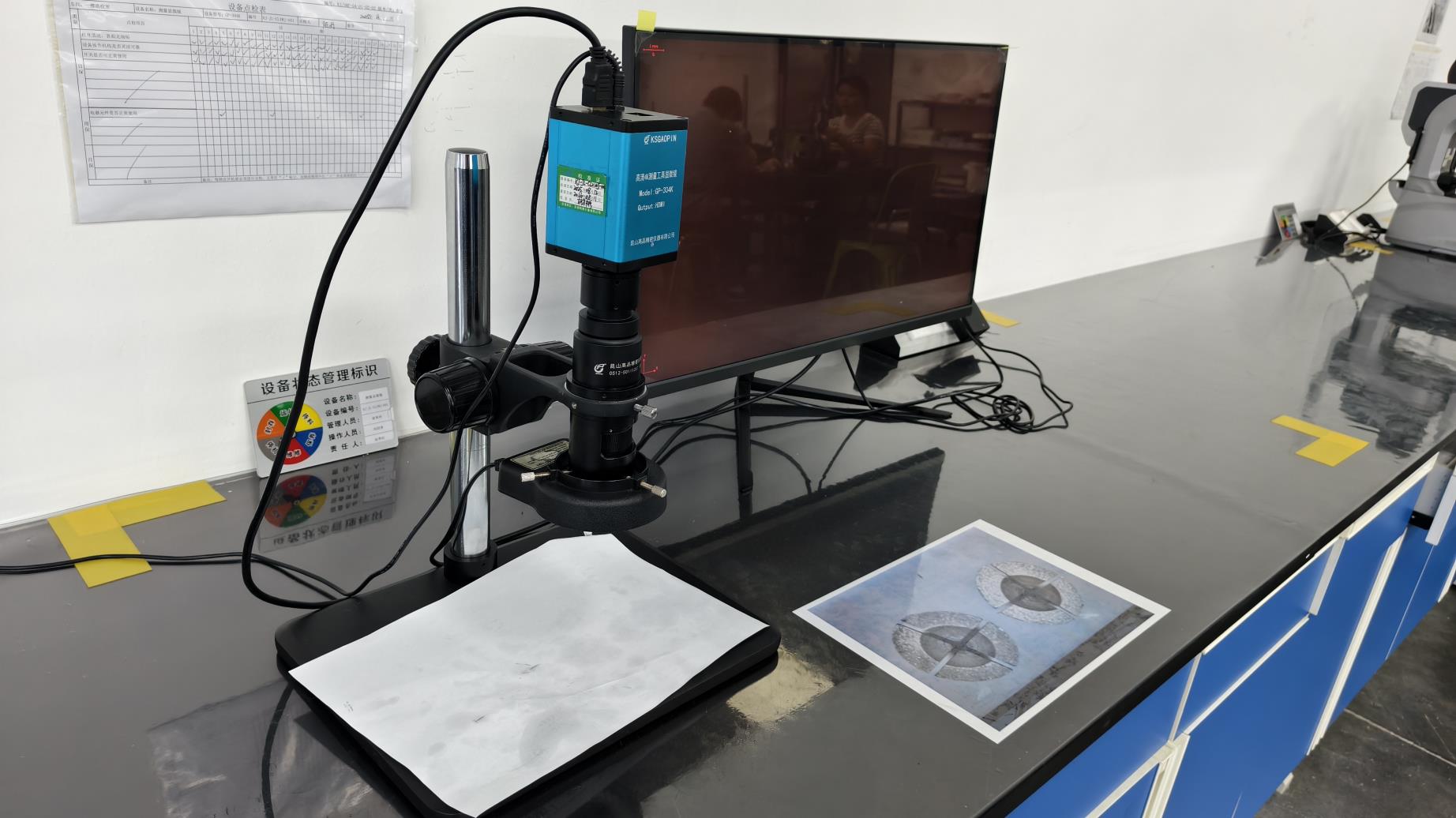
Our quality assurance infrastructure features 48 dedicated QC staff monitoring every phase of production. We employ optical comparators, three-coordinate measuring systems, and computerized mechanical testing equipment to ensure every implant is ready for immediate surgical application.
Large-scale raw material sourcing, combined with highly optimized process automation, allows Chinese manufacturers to offer a distinct cost-to-performance advantage. This helps reduce procurement expenses for Ethiopian medical distributors and government hospital tenders without compromising implant longevity or safety.
Furthermore, our dedicated logistics networks and extensive export experience minimize supply chain disruptions, ensuring prompt deliveries and reliable support for international surgical projects.
Adapting global arthroplasty designs to align with the physiological, logistical, and economic needs of Ethiopian healthcare providers.
East African patient groups exhibit specific proximal femoral geometries. Our customizable modular stems and dynamic modular systems allow surgeons to accurately restore anatomical leg length and offset without requiring massive bone resections.
In municipal surgical settings, autoclave efficiency and sterilization cycles are critical. Moventra's consolidated PGR and THR instrumentation kits reduce preparation time and simplify cleaning, sterilization, and layout setup in crowded operating rooms.
To reduce post-operative dislocation risks—particularly when comprehensive physical therapy resources may be limited—our dual mobility systems provide exceptional mechanical stability, allowing patients to regain mobility faster and safer.
A trusted, certified manufacturing partner delivering OEM and ODM orthopedic solutions globally.
| Specification & Operational Metrics | Corporate Details (Moventra Medical Technology) |
|---|---|
| Company Name | Moventra Medical Technology (China) Co., Ltd. |
| Primary Brand Registration | Moventra |
| Establishment Year | 2017 (With 13 Years of Industry Experience) |
| Total Facility & Production Area | 18,600 m² (Class 100,000 Cleanrooms & CNC Workshops) |
| Annual Export Revenue | USD 23.8 Million |
| Quality Inspection Protocol | 100% Quality Inspection Before Shipment |
| Product Verification Methods | Dimensional Inspection, Material Analysis, Surface Finish Inspection, Mechanical Performance Testing, Sterility Verification |
| R&D Engineers & QC Specialists | 86 R&D Engineers / 48 Quality Control Specialists |
| Business Scope | Manufacturer, OEM & ODM, Exporter |
| Primary Export Demographics | North America, Europe, South America, Middle East, Southeast Asia, Australia, East Africa |
| Supply Chain Partners | 1,120 global partners |
| New Products Released Last Year | 156 new product lines and orthopedic accessories |
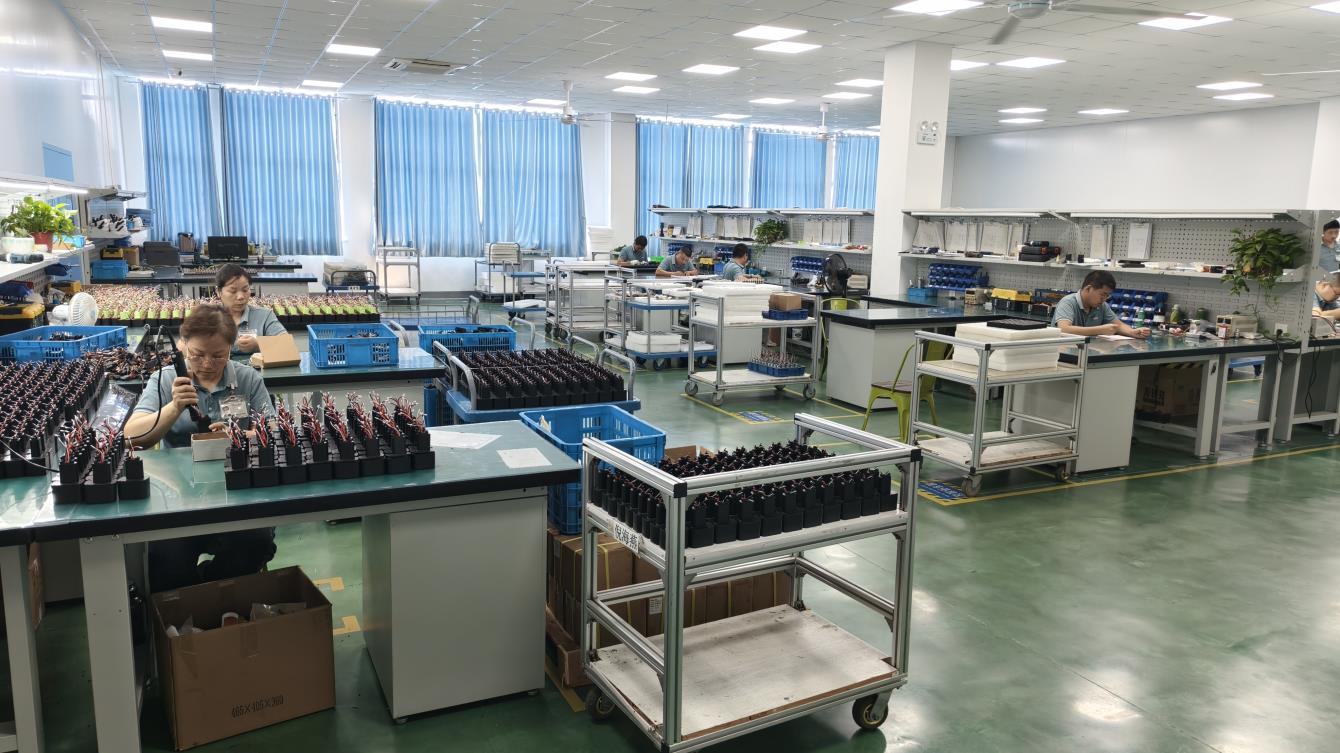
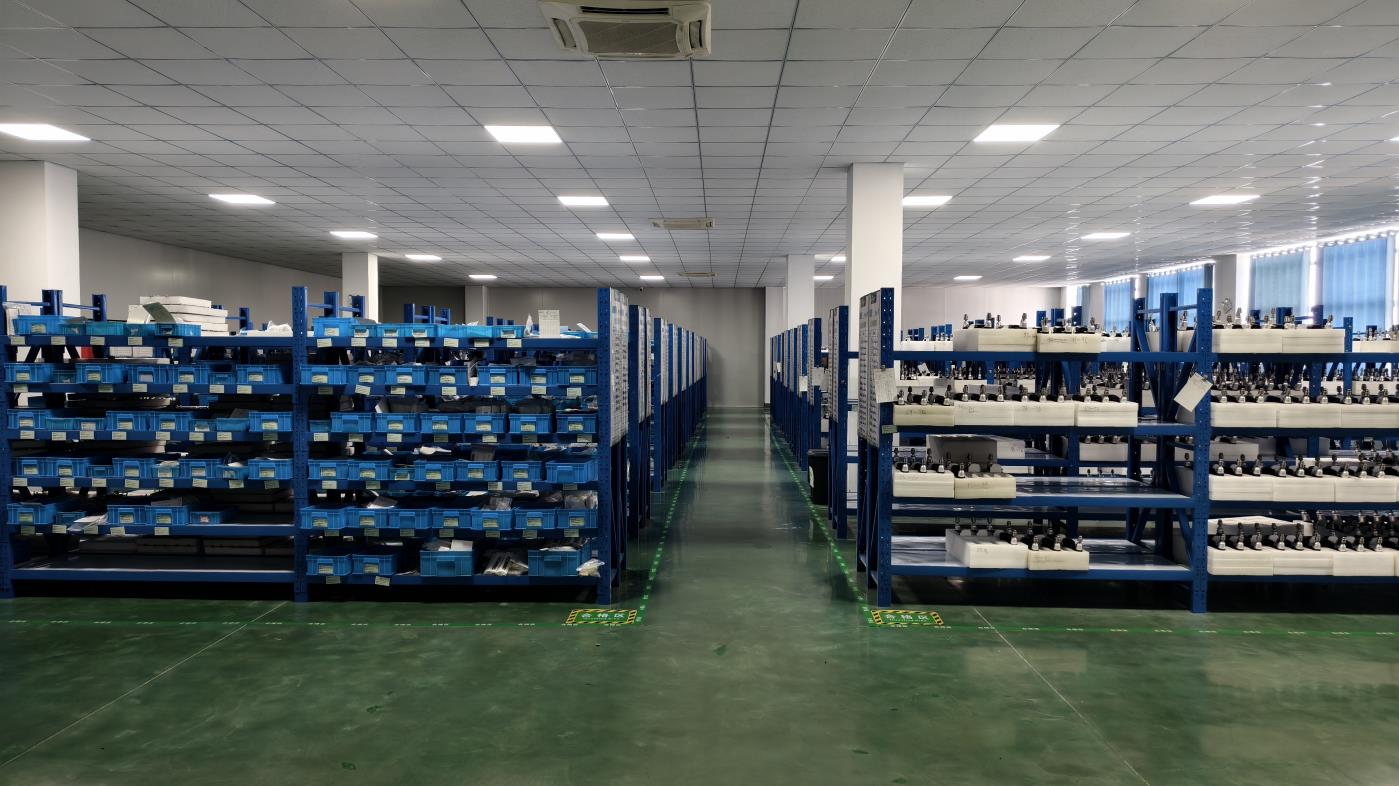
Strict compliance, absolute sterile testing, and state-of-the-art tooling machinery.
Key advancements shaping the next generation of total hip and knee reconstruction.
3D-printed porous implants mimic human trabecular bone structure. This advanced design accelerates osteointegration, creating a highly stable biological interface for complex revision surgeries.
To reduce post-surgical infection risk, modern implants incorporate advanced copper, silver, or antibiotic-infused coatings. These coatings release targeted antimicrobial agents without compromising bone healing.
Using clinical imaging and anatomical databases, AI systems help design patient-specific implants and dynamic surgical guides, improving surgical accuracy and alignment.
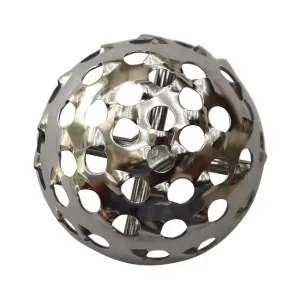
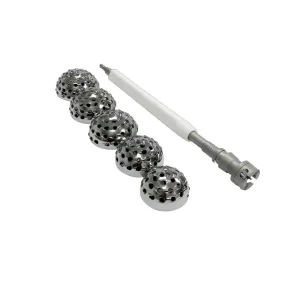
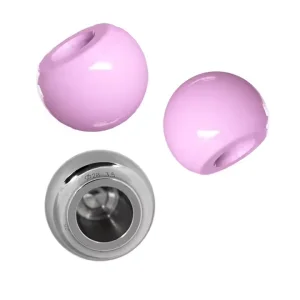
Explore our CE-certified selection of joint implants and specialized orthopedic surgical tools.
Critical validation parameters that professional procurement teams use to assess orthopedic implant factories.
Reliable suppliers must provide comprehensive Technical Files, including ISO 13485 certificates, material source analyses, and CE documentation. This traceablity is essential for successful registry with agencies like the EFDA in Ethiopia.
A supplier's R&D strength can be measured by their ability to customize implant profiles, modify sizing options, and design custom instrument trays. This adaptability helps distributors meet unique clinical requirements and secure tender contracts.
High-quality implants require medical-grade Titanium Alloy (Ti6Al4V ELI) and Cobalt-Chromium-Molybdenum (CoCrMo) alloys. Every batch must undergo strict testing, including surface roughness analysis and fatigue testing, to ensure patient safety.
Clear, comprehensive answers to help medical distributors and hospital procurement teams streamline their sourcing processes.
Connect with our expert technical sales team to request custom manufacturing options, receive detailed catalogs, or obtain pricing for hospital tenders in Ethiopia.
Send Inquiry Now Moventra Medical