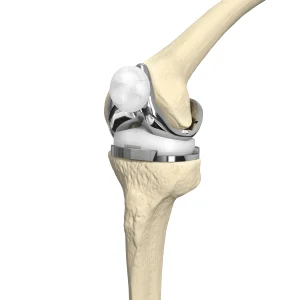
Advanced Class III orthopedic implants featuring clinical-grade titanium, highly cross-linked polyethylene (XLPE), and bioactive HA coatings optimized for European surgical protocols.
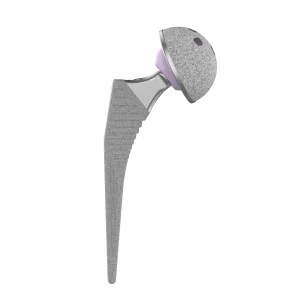
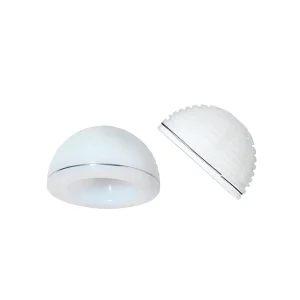
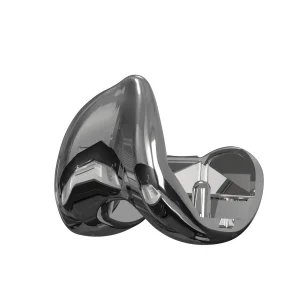
A comprehensive whitepaper overviewing demographic trends, regulatory constraints, and procurement requirements within the capital region of Germany.
The Berlin-Brandenburg metropolitan region is currently undergoing a significant demographic transition. According to localized census data, the segment of the population aged 65 and older is projected to rise by over 18% within the current decade. This aging demographic exhibits a direct correlation with the incidence rate of degenerative joint diseases, such as advanced osteoarthritis and osteonecrosis.
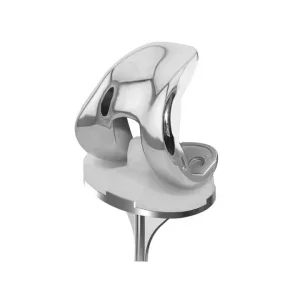
Consequently, the volume of primary total hip replacements (THR) and total knee replacements (TKR) across Berlin's clinics is escalating. Major municipal and private healthcare systems, including the Charité - Universitätsmedizin Berlin, Vivantes Network, and Helios Kliniken, face immense pressure to balance high clinical efficacy with stringent cost constraints. Purchasing managers are actively shifting away from single-source domestic suppliers toward qualified global manufacturers that can offer direct cost advantages while maintaining rigorous Class III MDR compliance.
Modern dual-mobility and highly cross-linked polyethylene interfaces have demonstrated significant reductions in revision arthroplasty procedures within major German joint registries (EPRD).
Navigating the German healthcare procurement channel demands absolute adherence to European regulations. Under the European Medical Device Regulation (MDR 2017/745), joint replacement implants are classified as Class III (high risk). This requires comprehensive clinical evaluation files, exhaustive post-market surveillance (PMS), and active monitoring of biocatalytic and mechanical wear rates.
Furthermore, registration with the German Federal Institute for Drugs and Medical Devices (BfArM) and documentation within the German Arthroplasty Registry (Endoprothesenregister Deutschland - EPRD) are essential prerequisites for reimbursement. Factories exporting to Berlin must provide traceably mapped raw material documentation (such as ISO 5832-3 compliant Titanium-6Aluminum-4Vanadium ELI alloys and ISO 5832-4 Cobalt-Chromium-Molybdenum alloys) alongside validated sterilization certificates.
1. ISO 13485:2016 certification covering the design and manufacturing of orthopedic implants.
2. Complete chemical and mechanical characterization of raw materials from accredited labs.
3. Class 10,000 (ISO Class 7) cleanroom packaging environments preventing particulate contamination.
4. Complete trace-forward and trace-back capabilities via Unique Device Identification (UDI).
How Moventra Medical leverages advanced manufacturing automation to deliver regulatory-grade orthopedic implants with unprecedented efficiency and resiliency.
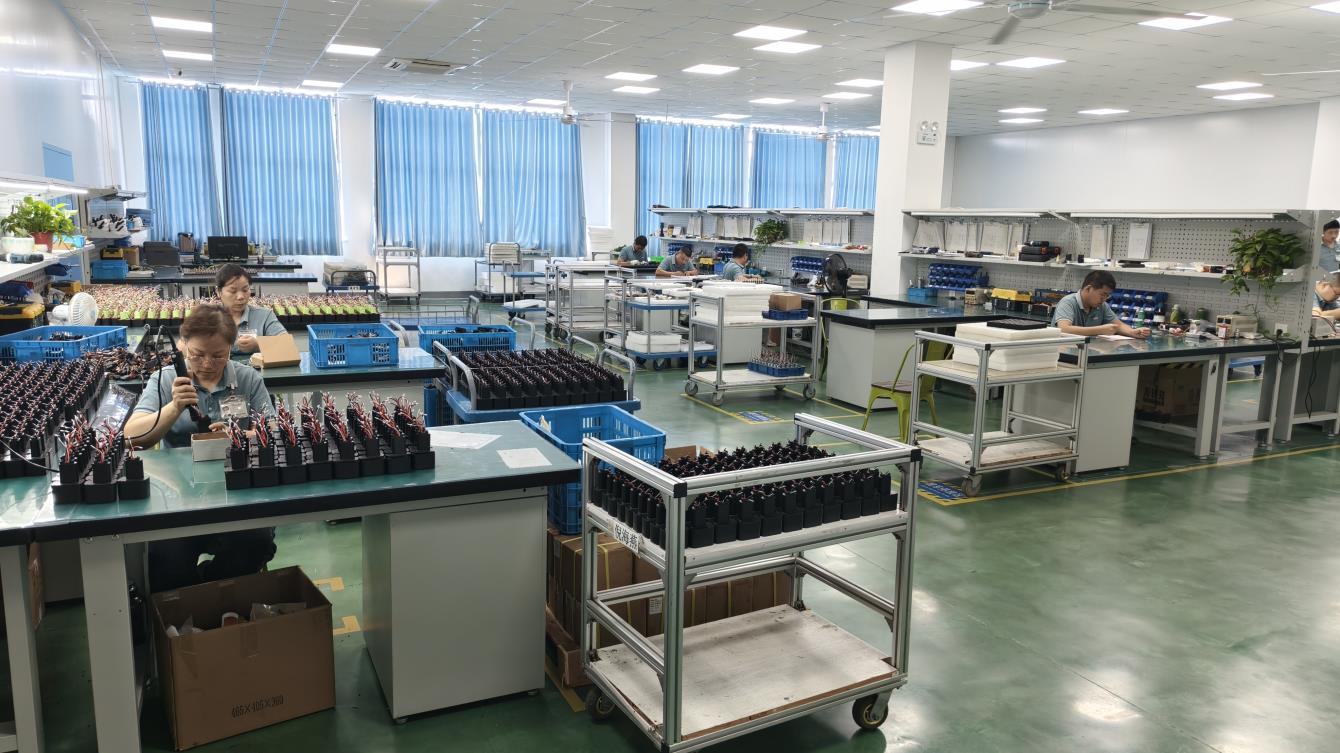
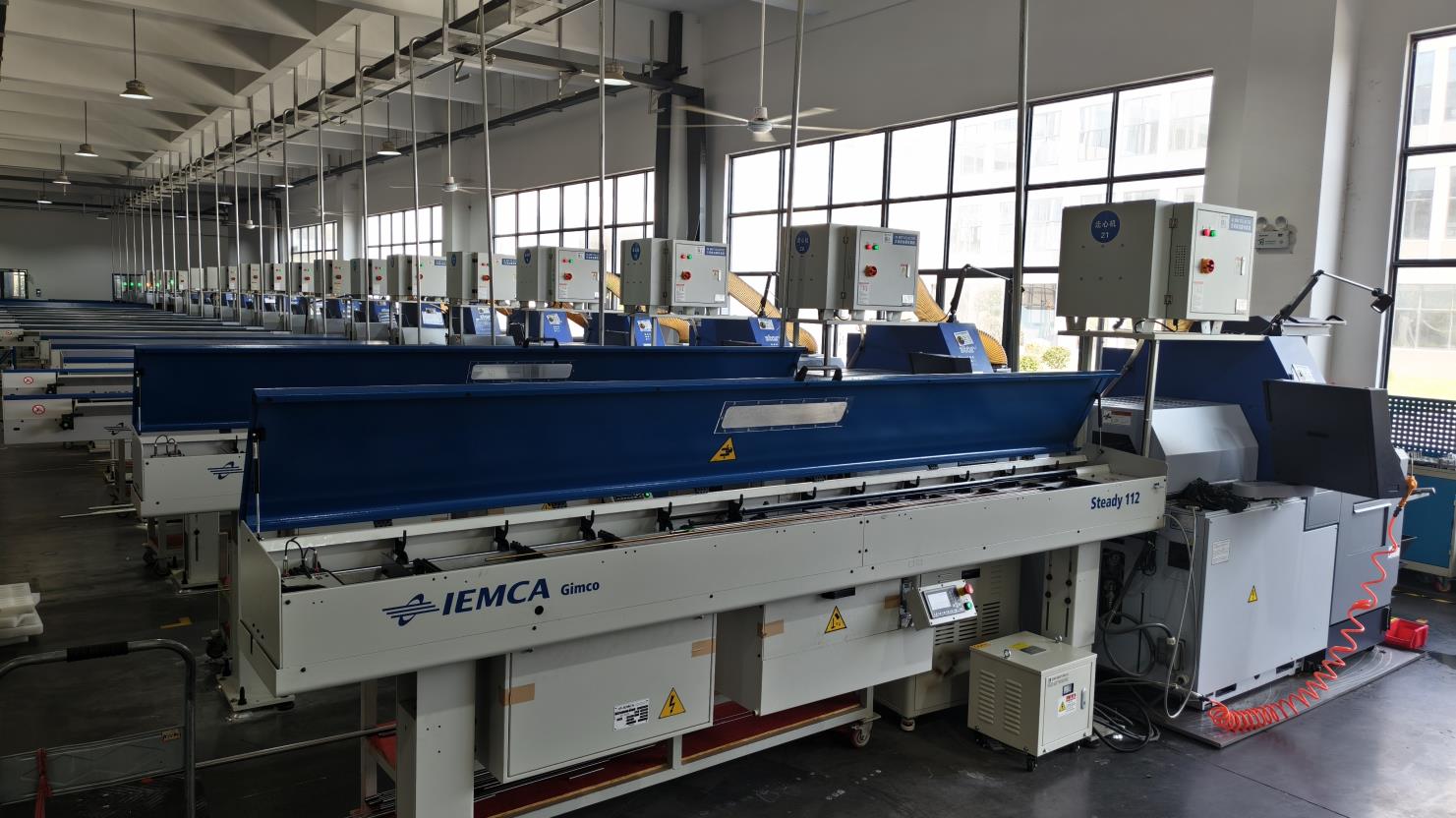
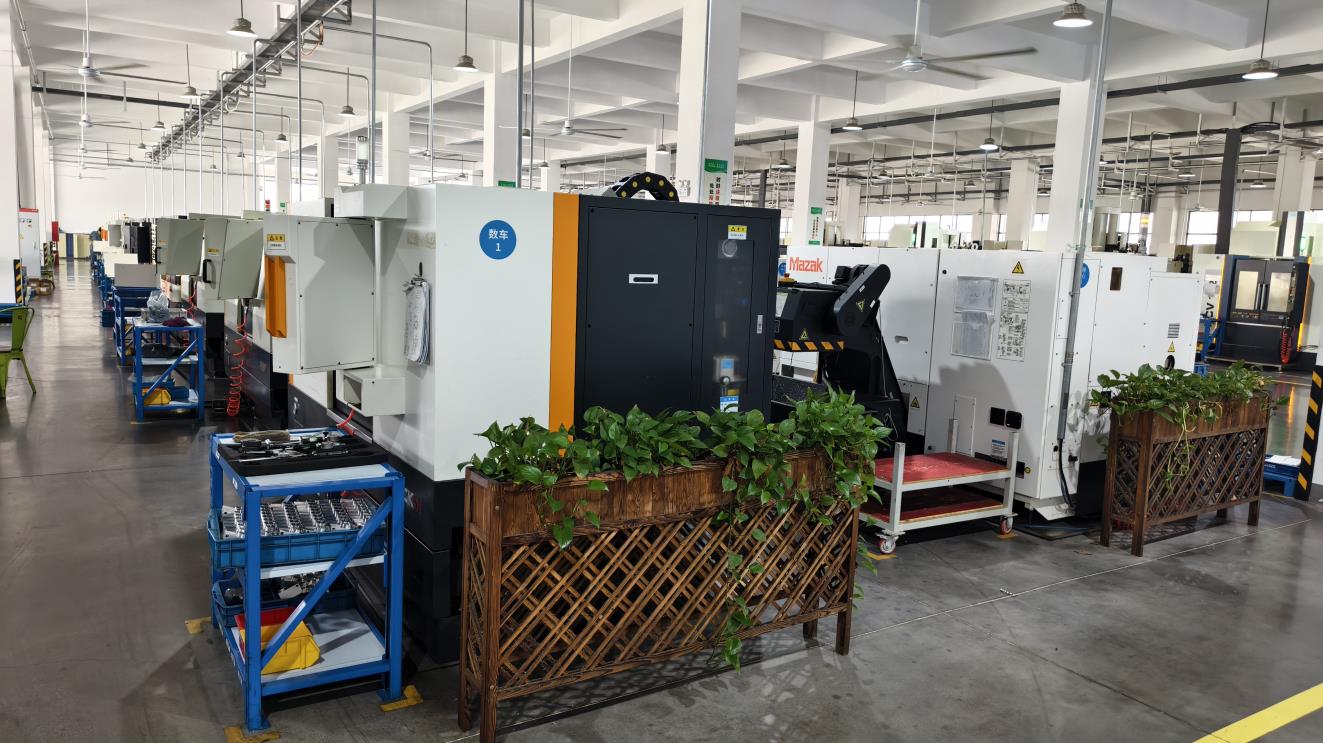
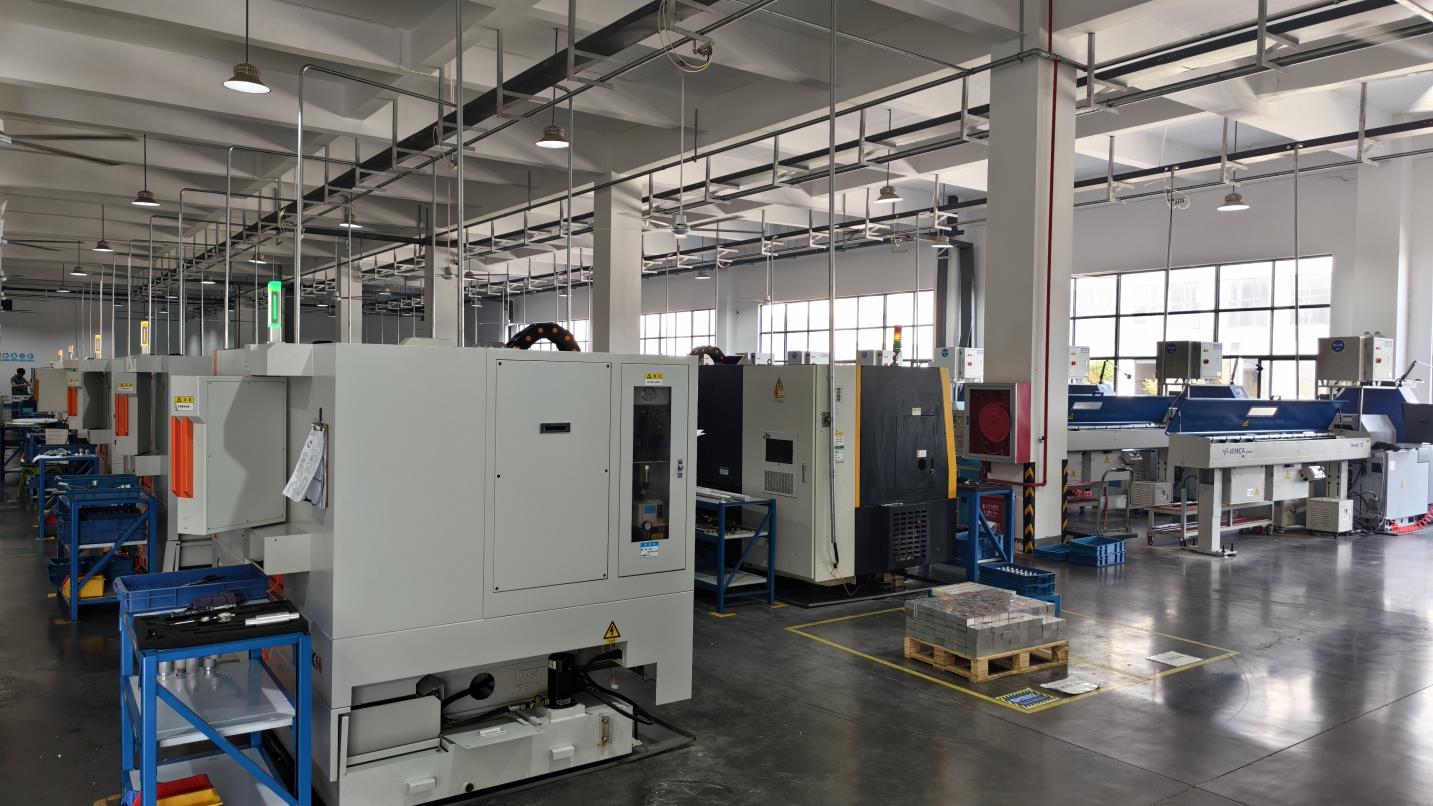
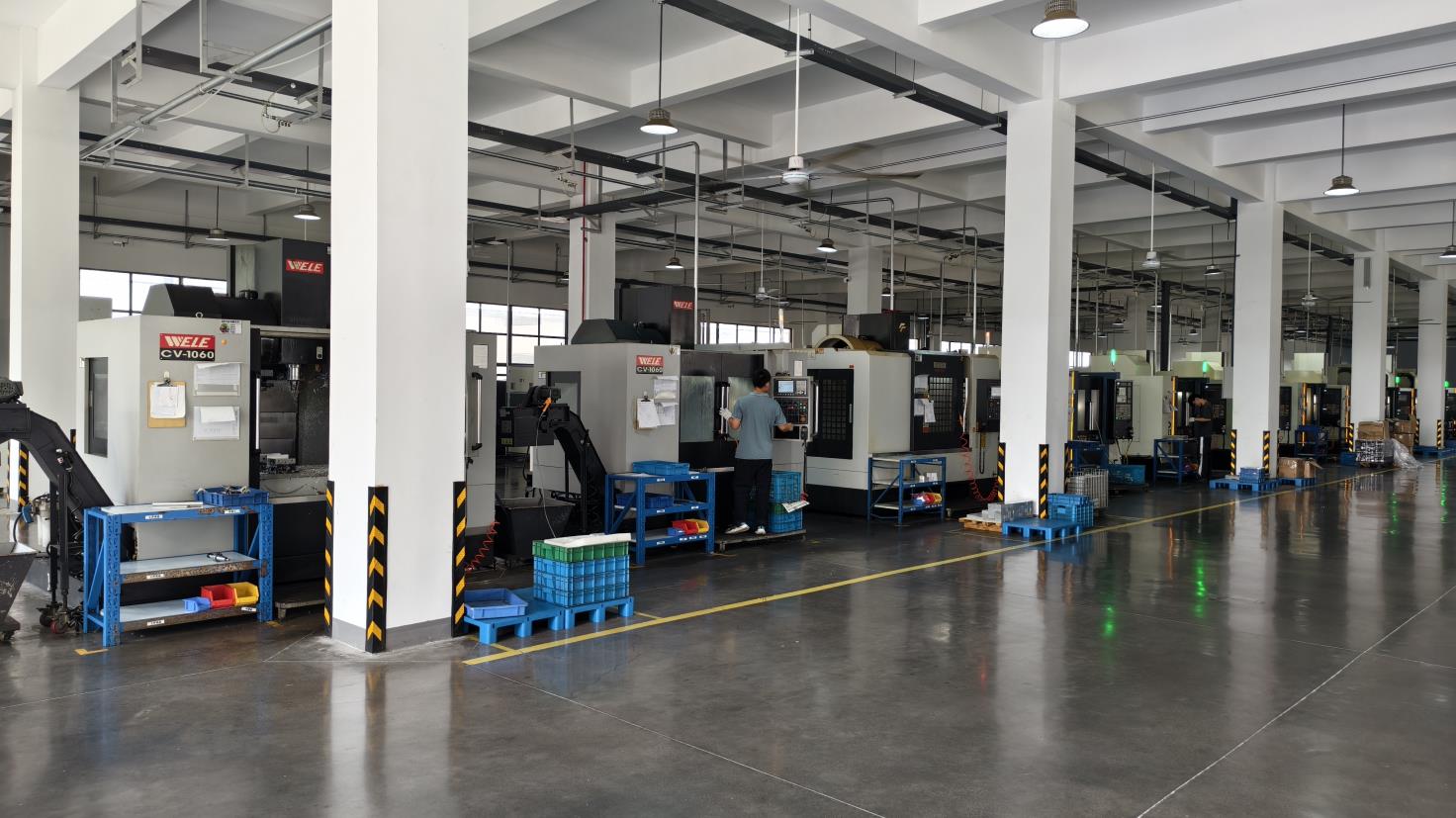
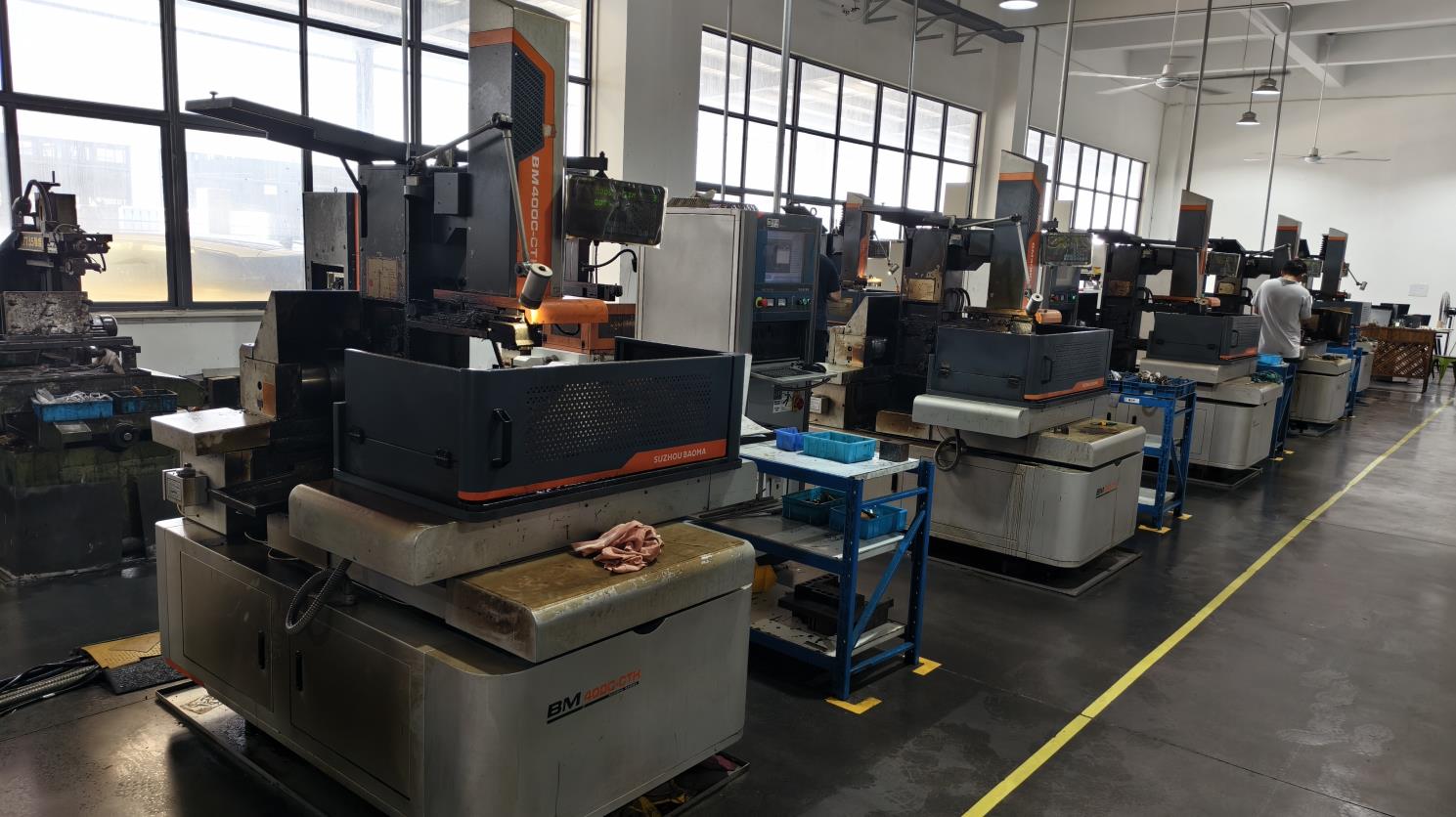
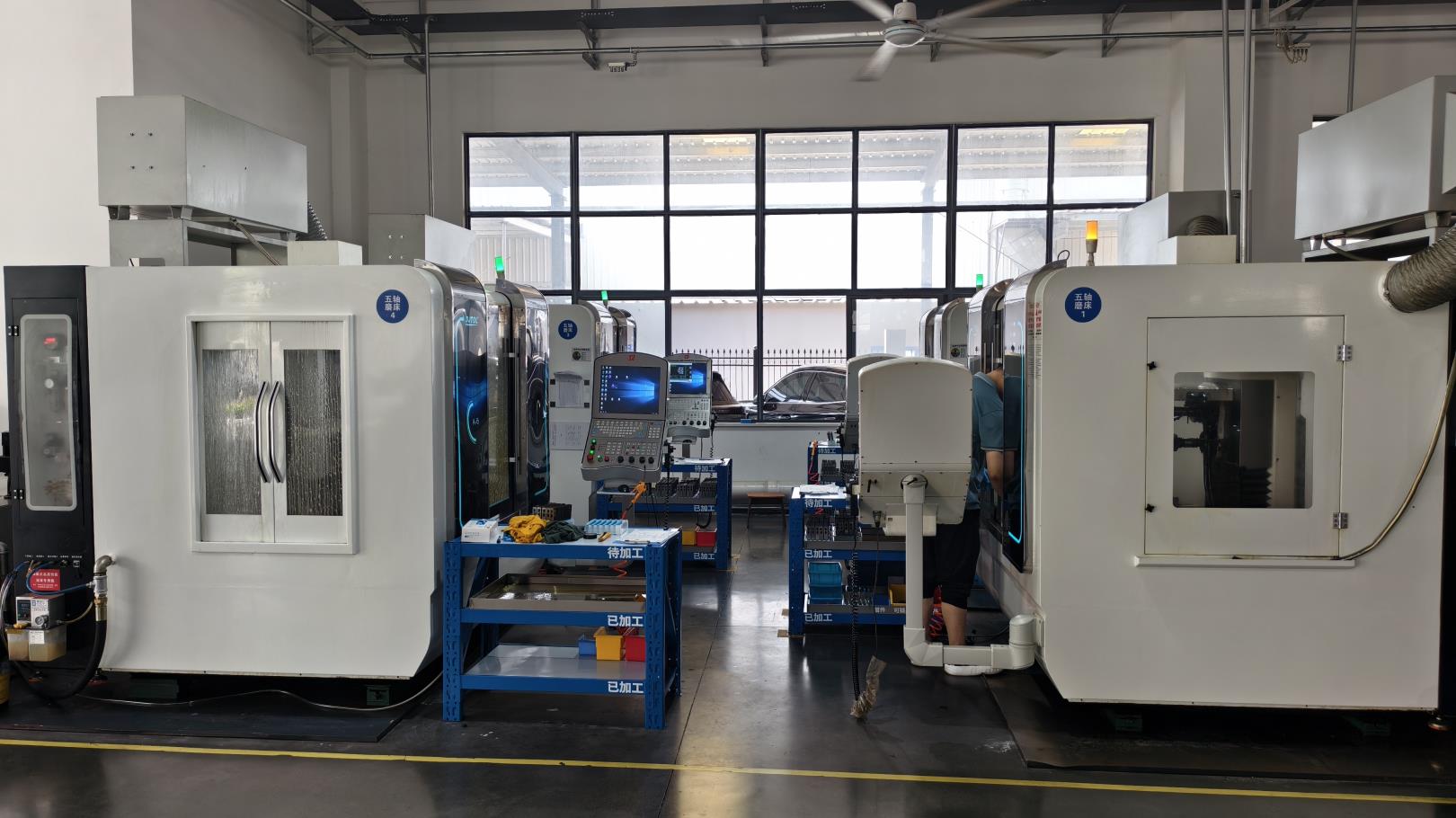
Global procurement teams in the European Union face persistent logistics challenges, shifting raw material dynamics, and capacity limitations from local boutique contract manufacturers. Moventra Medical Technology mitigates these vulnerabilities by offering a fully integrated, high-capacity supply chain. Our state-of-the-art facility utilizes high-speed Swiss-type CNC lathes and multi-axis milling centers to process medical-grade implants under extremely tight tolerances (<5 microns).
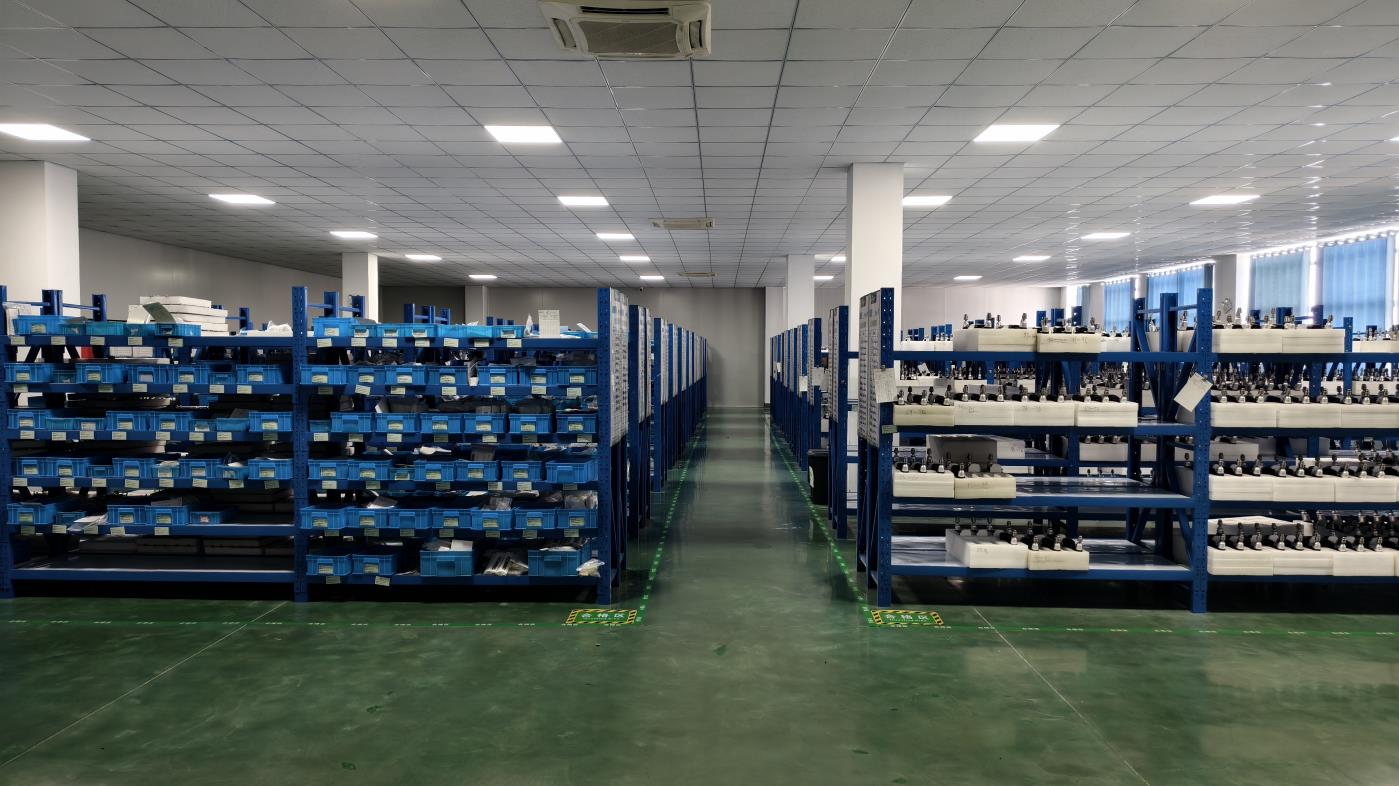
This automated vertical integration allows us to shield our German and European partners from sudden price shocks in the cobalt-chrome or titanium supply streams. By running coordinated batch processing with a QA-to-operator ratio of nearly 1:2 (48 dedicated QC staff monitoring production), we guarantee zero-defect shipments direct to warehouse hubs in Germany.
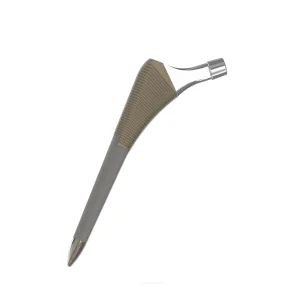
Through our dedicated R&D infrastructure of 86 engineers, we released over 156 new products in the last calendar year alone. This fast-turnaround capability enables us to rapidly adapt designs to specific requests from Berlin clinicians, such as modifying femoral stem geometries to accommodate bone-conserving minimally invasive surgery (MIS) approaches.
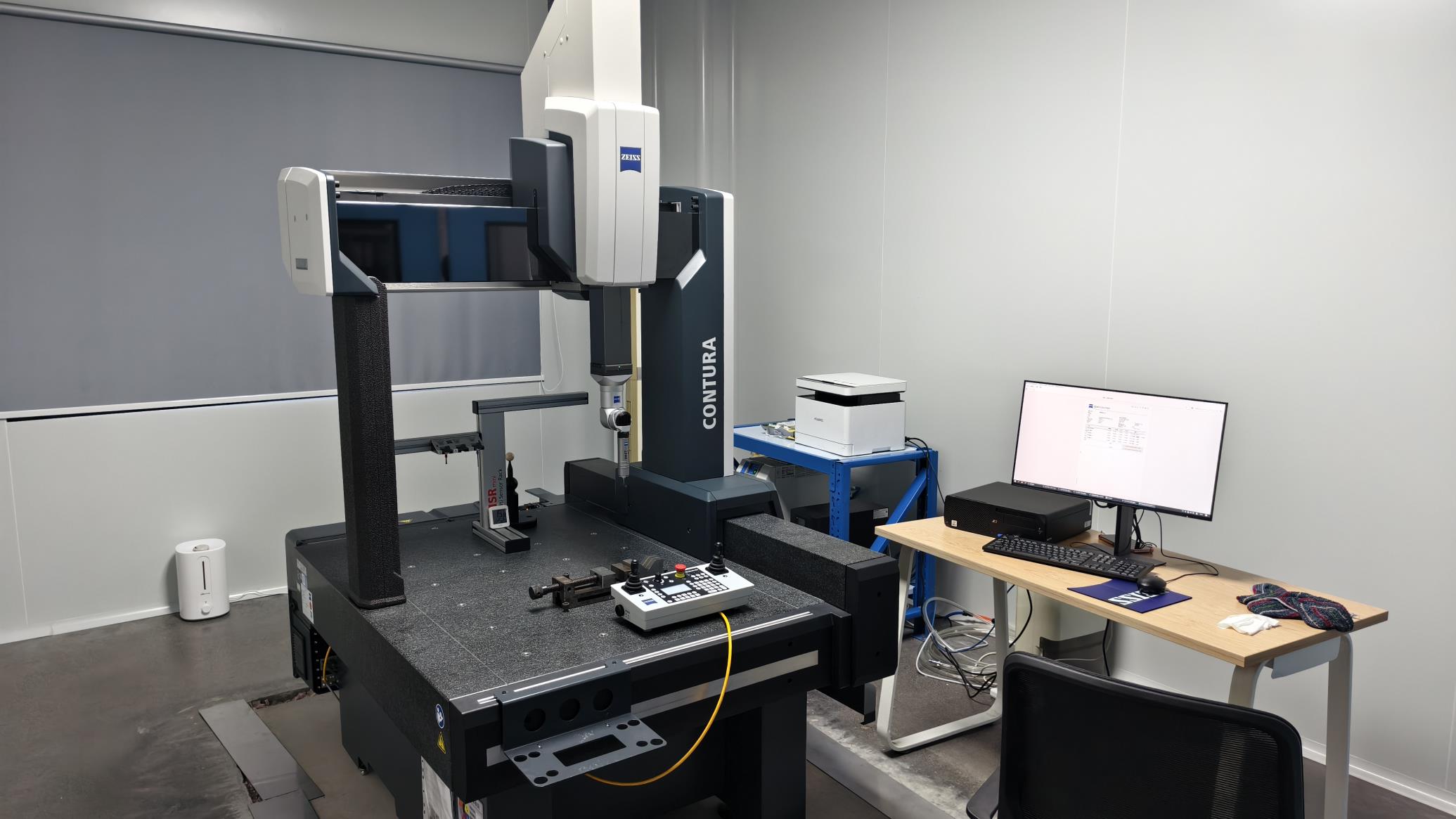
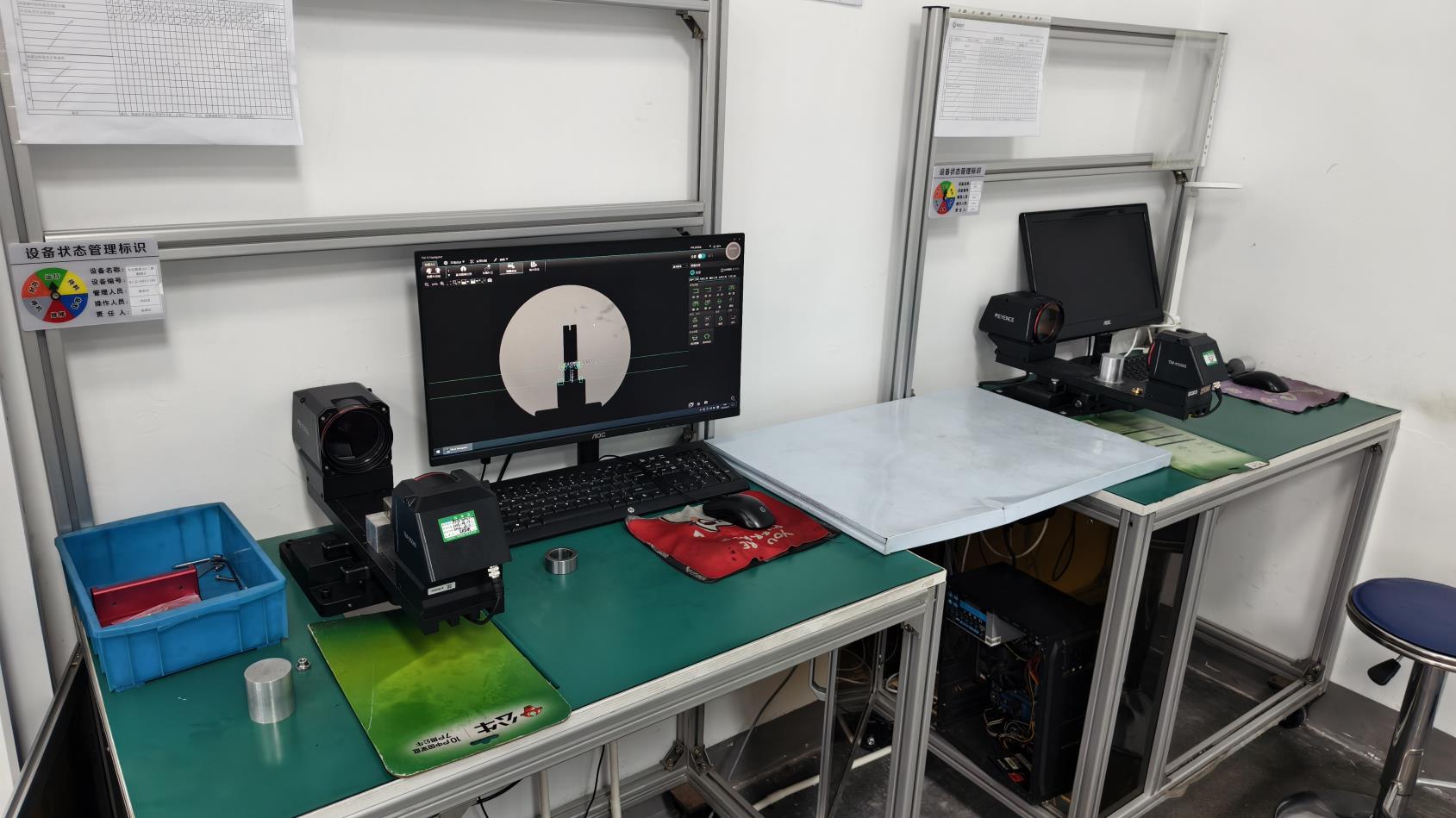
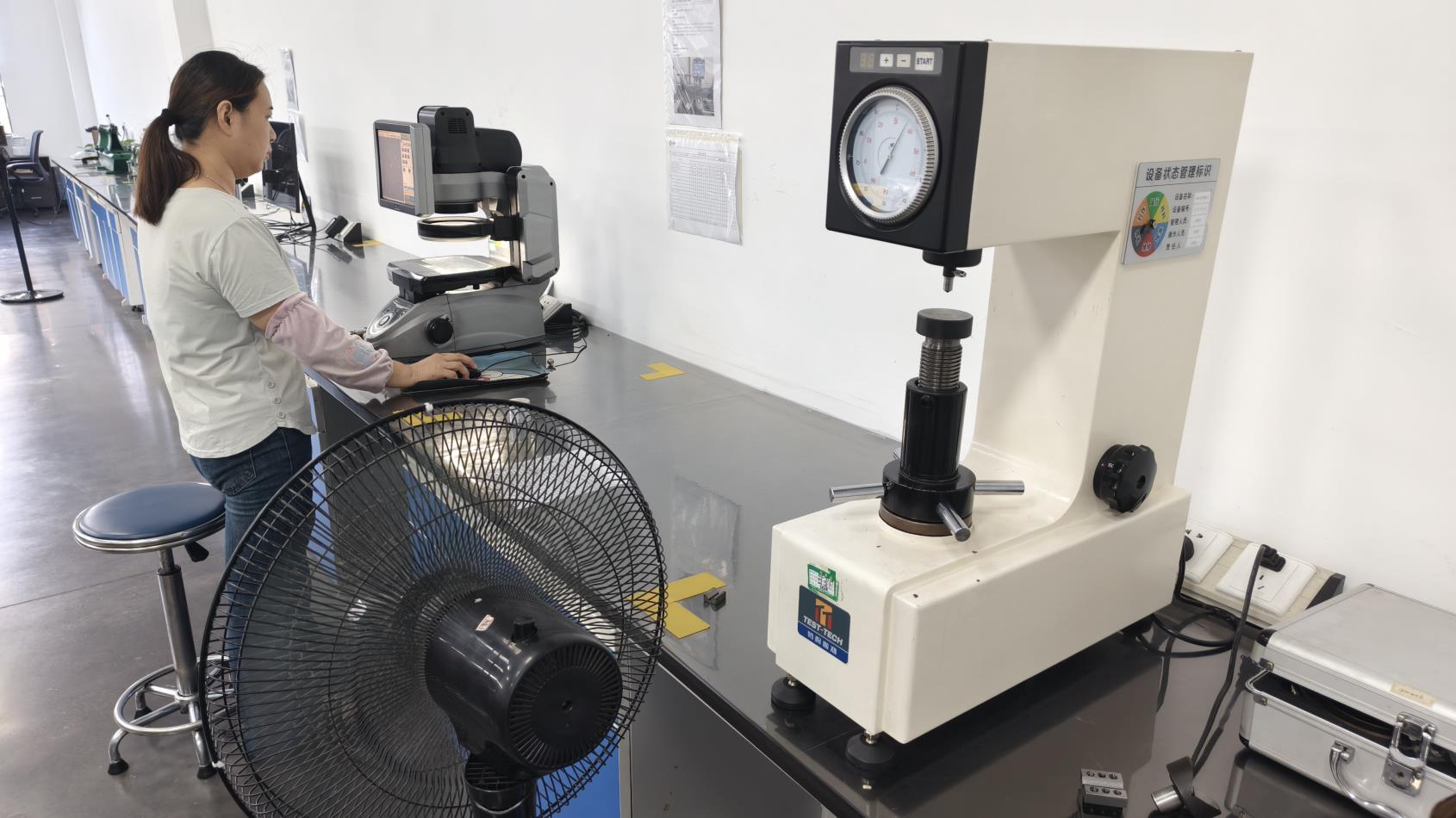
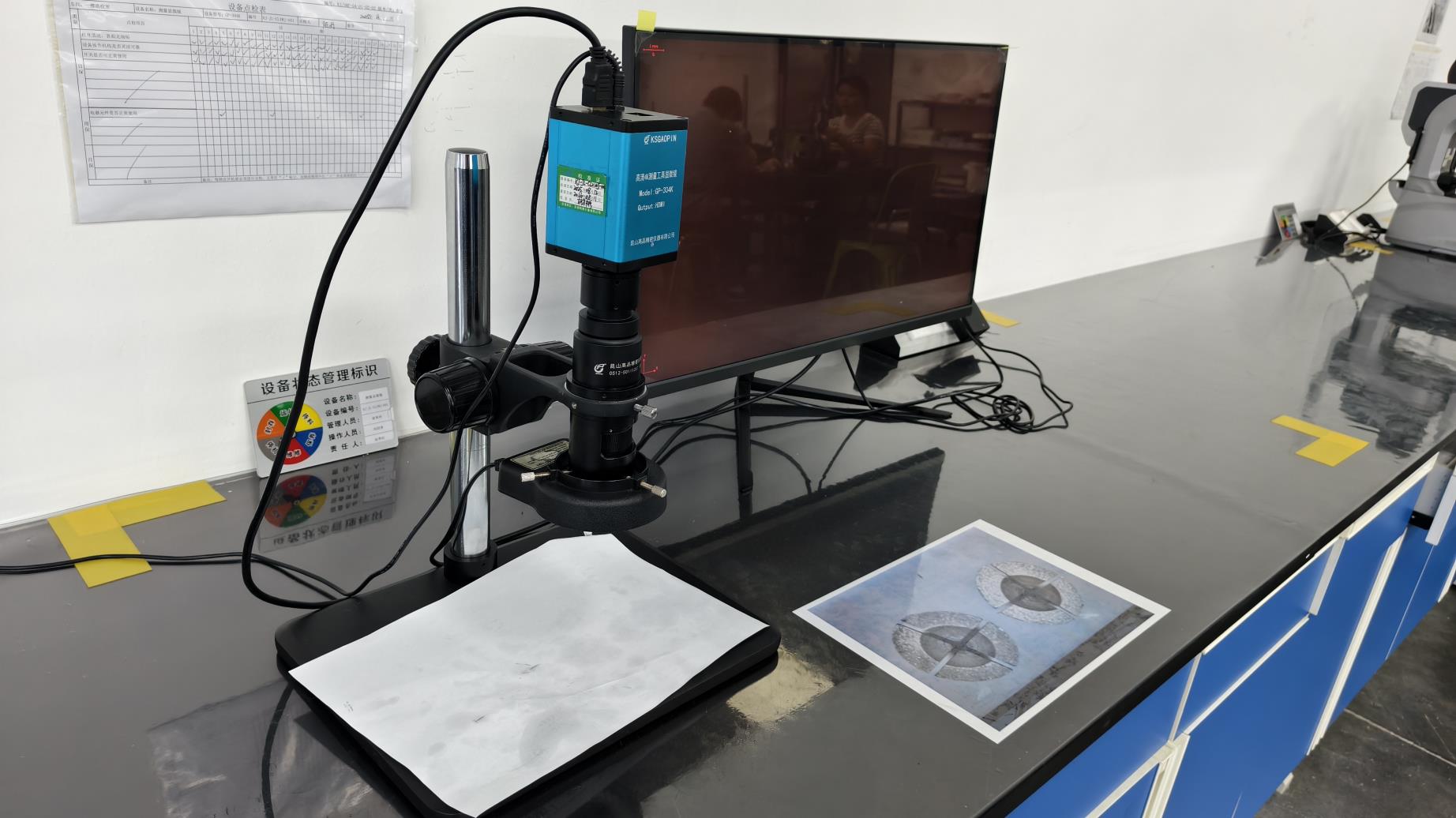
Take an inside look at the high-precision machinery and rigorous testing protocols that define Moventra's Industry 4.0 medical manufacturing facilities.
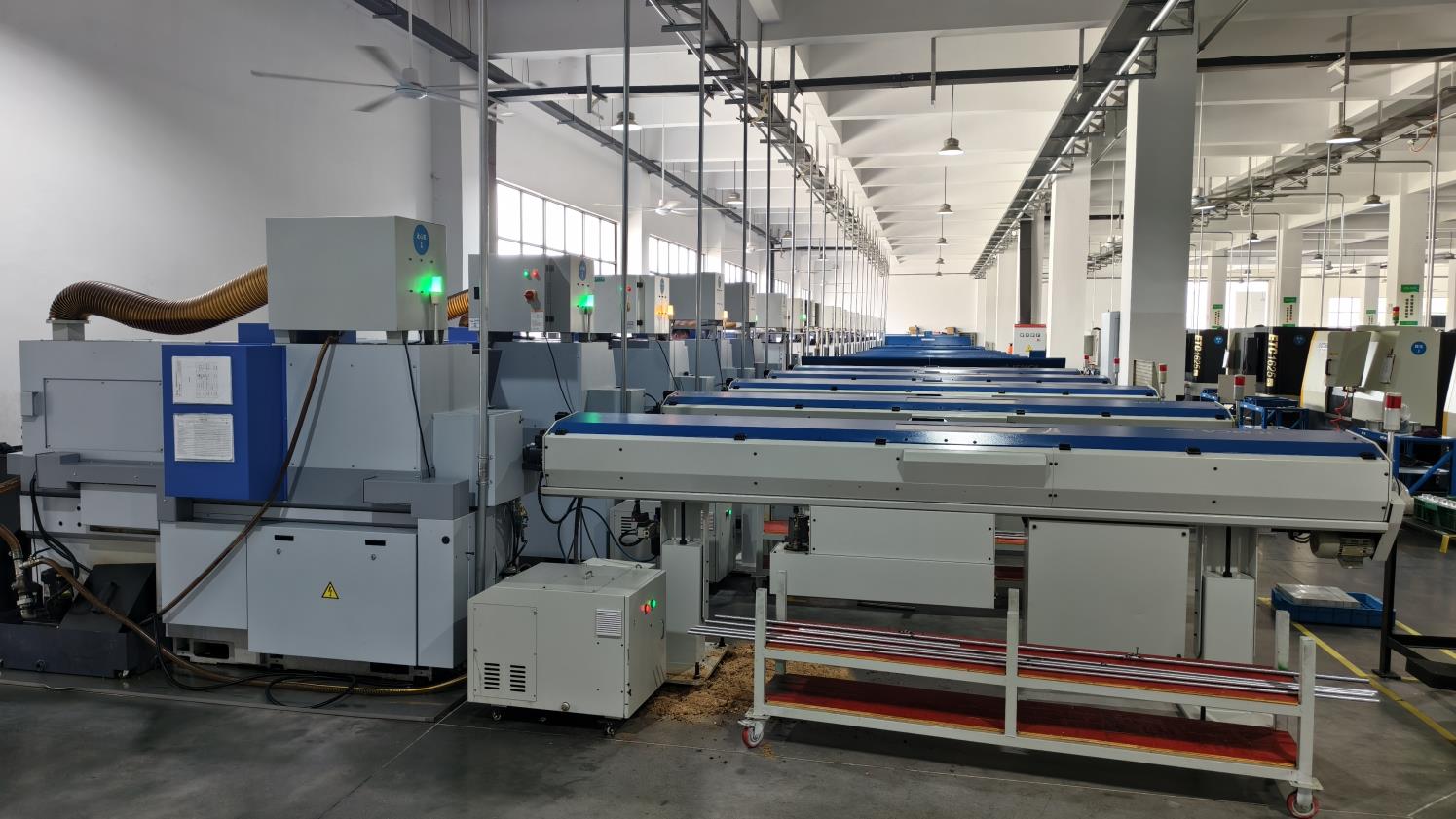
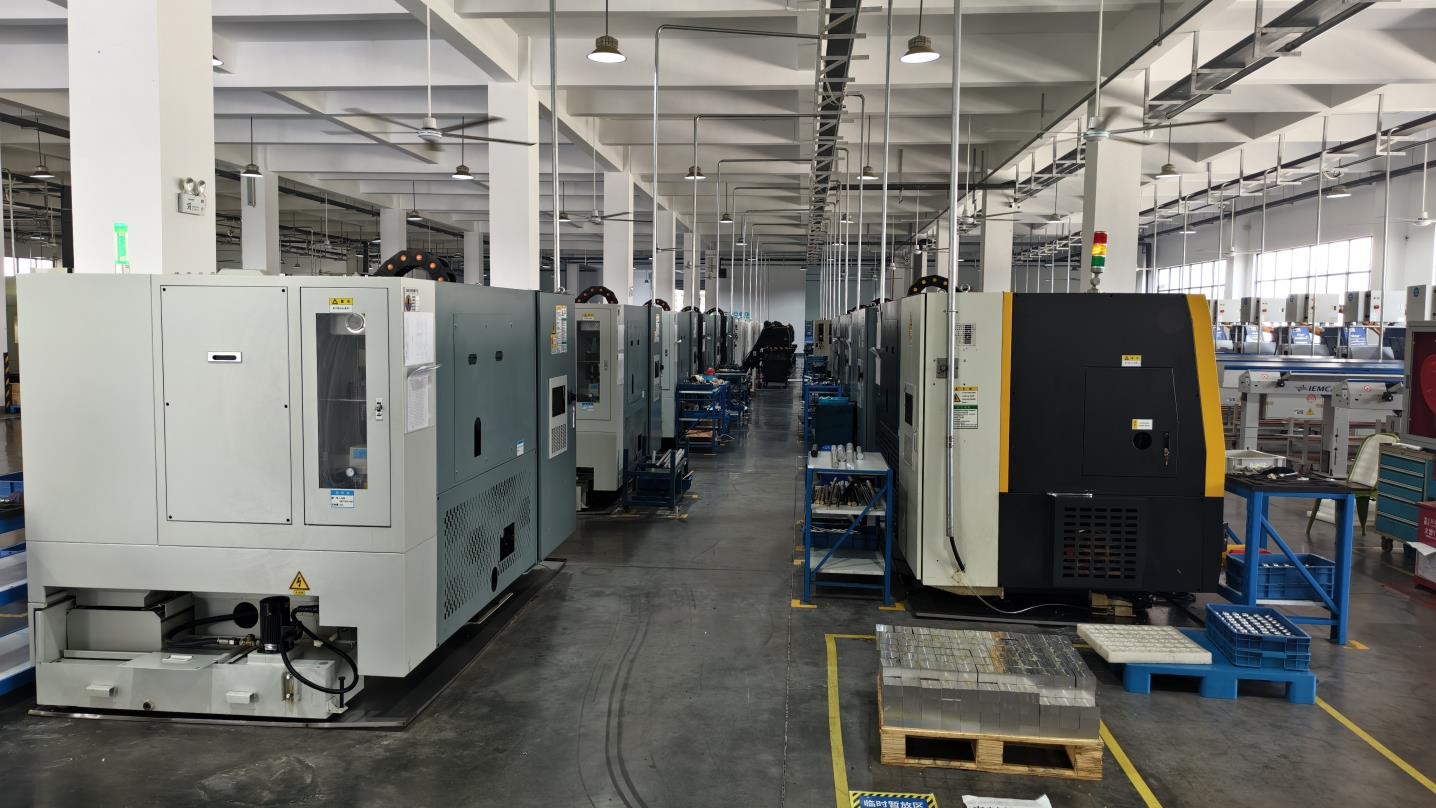
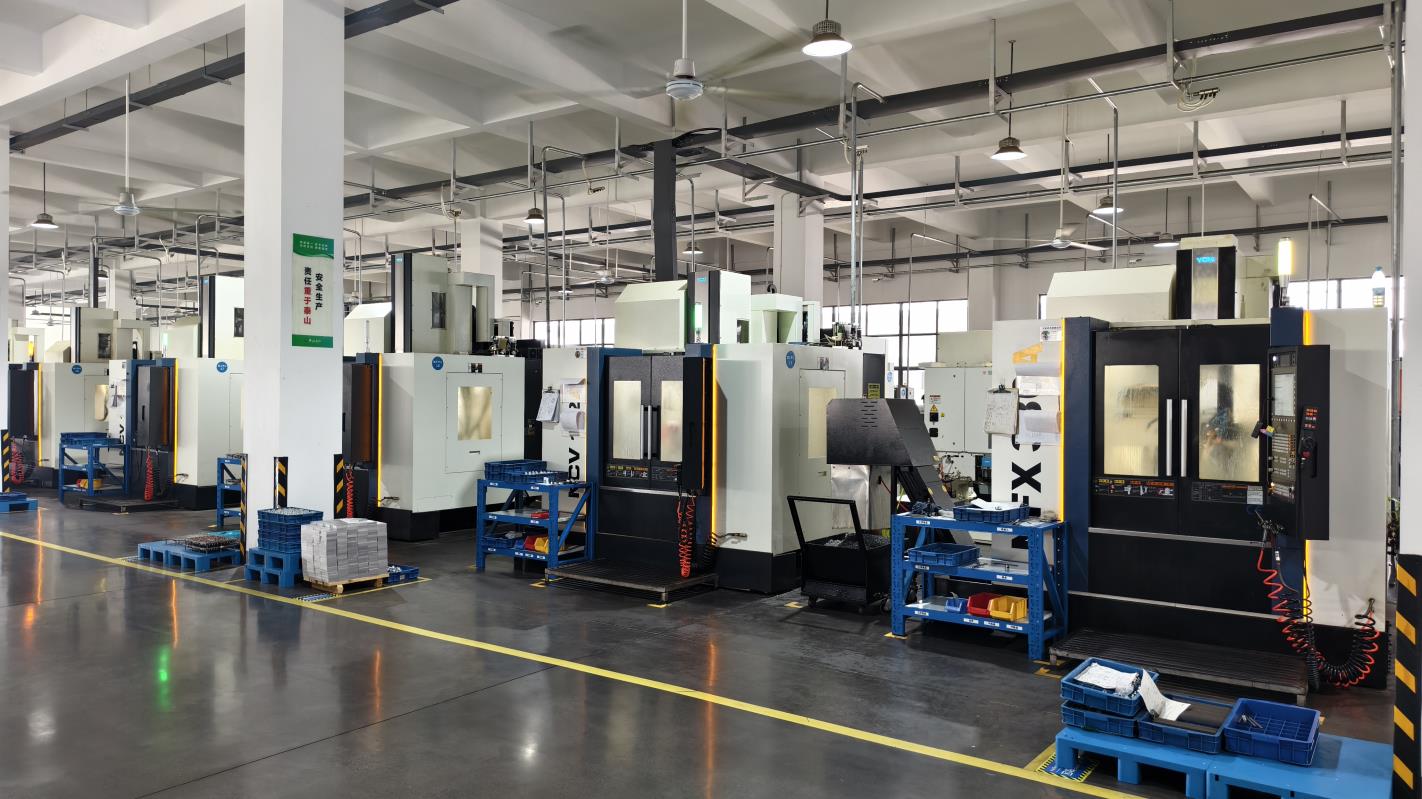
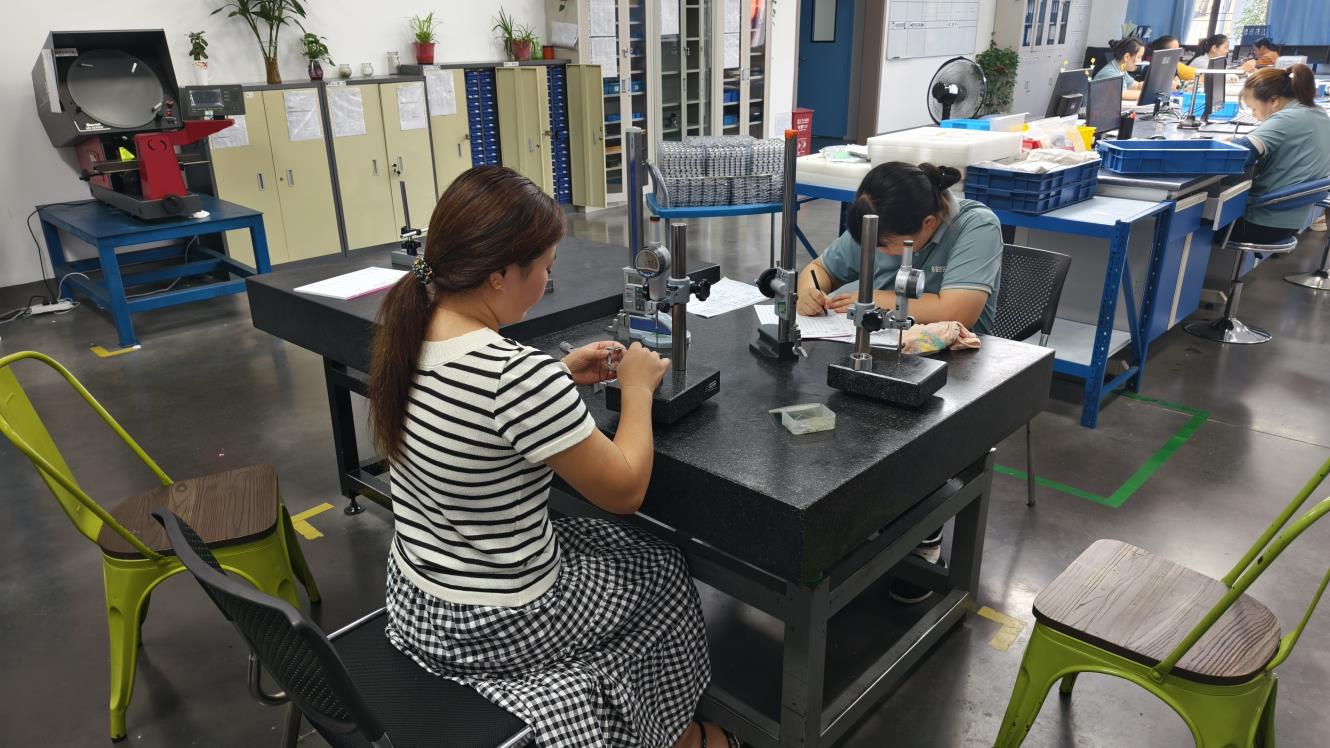
Addressing the specific demands of orthopedic surgeons and sterile processing departments (AEMP) in German hospitals.
Fast-track surgery pathways are increasingly common across German municipal hospital networks. In Berlin, this protocol demands implants designed to support immediate, pain-free post-operative weight-bearing. Moventra's cementless hip systems utilize highly osteoinductive titanium coatings that speed up biological fixation. This ensures primary mechanical stability while reducing the average inpatient stay to less than four days, maximizing clinic throughput.
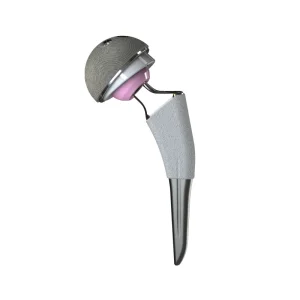
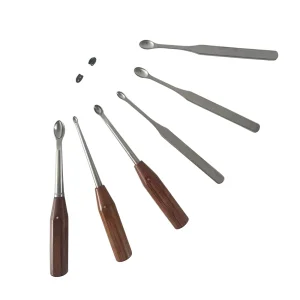
Berlin serves as a prominent European hub for veterinary medicine, hosting advanced veterinary referral hospitals and research clinics. Micro-hip reconstruction in small animals (dogs and cats) requires specialized surgical instruments and miniaturized implants. Moventra's customized bipolar hip systems and specialized instrumentation sets meet these precise needs, helping veterinary surgeons successfully treat severe canine hip dysplasia and femoral head fractures.
A transparent breakdown of Moventra Medical Technology's operations, capacities, and quality standards.
| Operational Parameter | Capability Detail & Auditable Specifications |
|---|---|
| Company Name & Brand | Moventra Medical Technology (China) Co., Ltd. (Brand: Moventra) |
| Established & Experience | Established in 2017 | 13 Years of Industry Experience | 7 Years of Direct Export Experience |
| Manufacturing Capacity | 18,600 m² Facility | 86 Dedicated R&D Engineers | 48 In-house QA Inspectors |
| Annual Export Revenue | USD 23.8 Million |
| Material Bio-compatibility | ASTM F136 / ISO 5832-3 Ti6Al4V ELI | ISO 5832-4 CoCrMo | ISO 5834-2 UHMWPE (Highly Cross-linked Polyethylene) |
| Quality Inspection Protocols | 100% Quality Inspection Before Shipment. Dimensional analysis via CMM, chemical validation, surface finish mapping, mechanical testing, and sterility verification. |
| Customization Scope | Full OEM/ODM support, including customized packaging, surgical instrument development, logo printing, and print-to-model fabrication. |
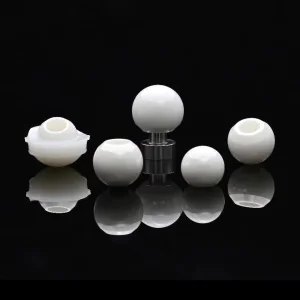
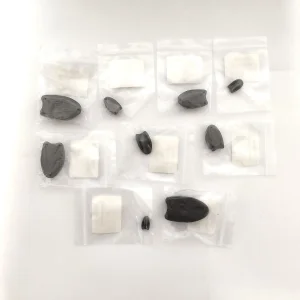
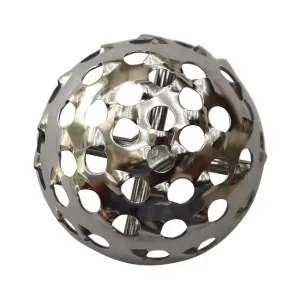
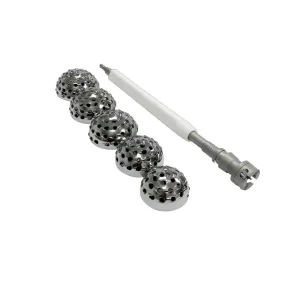
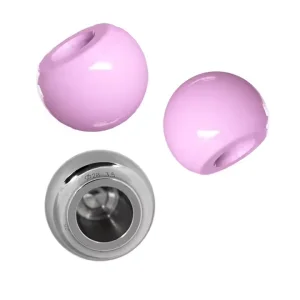
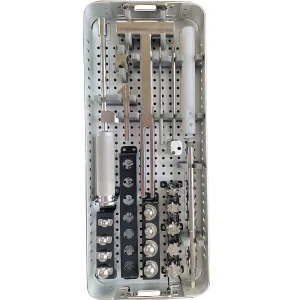
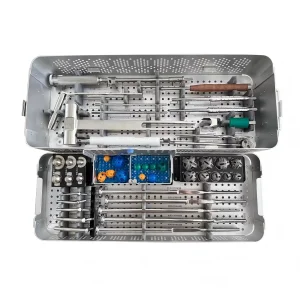
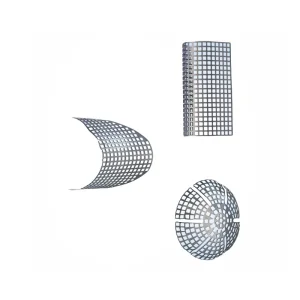
Fully compatible orthopedic solutions, including ceramics, surgical instrumentation sets, and specialty implants designed to integrate seamlessly into hospital workflows.
In-depth responses to critical questions from European clinical procurement managers, regulatory directors, and distribution partners.
Connect directly with our engineering and procurement team. Get a detailed quote, request a customized sample kit, or discuss regulatory pathways for your specific orthopedic applications in Germany.
 Moventra Medical