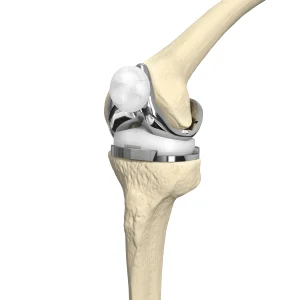
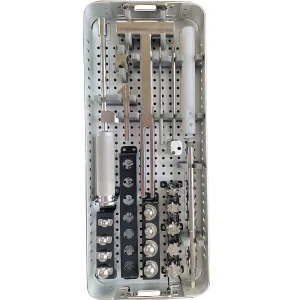
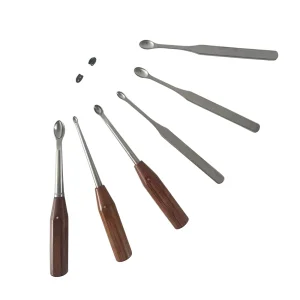
Engineered for initial implant stability, long-term biological fixation, and physiological stress distribution in primary joint arthroplasty procedures.
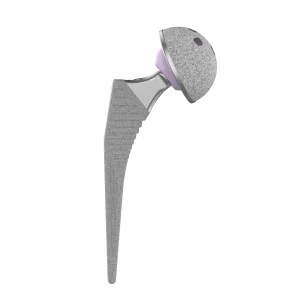
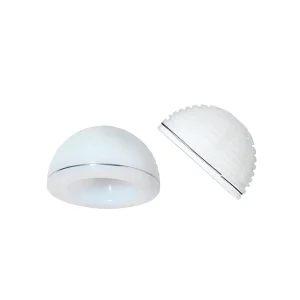
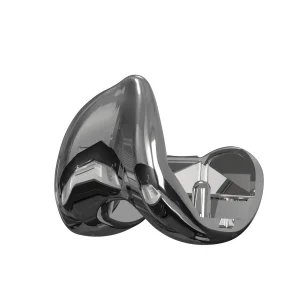
Portugal's orthopedic market represents a sophisticated segment within the European healthcare ecosystem. The demand for Joint Arthroplasty, specifically Total Hip Replacement (THR) and Total Knee Replacement (TKR), has grown exponentially over the last decade. This is driven by an aging demographic, a rising active lifestyle index, and the national commitment to shortening waiting times within the Serviço Nacional de Saúde (SNS).
Surgical decisions in Portuguese clinical centers emphasize long-term implant survival, low revision rates, and biocompatibility. In THR operations, cementless implants, titanium stems coated with hydroxyapatite (HA), and dual-mobility acetabular systems are highly favored to combat post-operative dislocation and accelerate osteointegration.
For TKR systems, Portuguese surgeons demand high flexibility, joint stability, and anatomical alignment compatibility. The market demands both posterior-stabilized (PS) and cruciate-retaining (CR) knee replacement variants designed with high-grade Cobalt-Chromium-Molybdenum (CoCrMo) alloy and ultra-high-molecular-weight polyethylene (UHMWPE) inserts to minimize wear and osteolysis.
Procuring medical devices in Portugal requires strict adherence to European Union regulations, overseen locally by INFARMED (National Authority of Medicines and Health Products).
Combining advanced manufacturing processes, cost efficiencies, and strict quality control to deliver high-quality, regulatory-compliant medical implants.
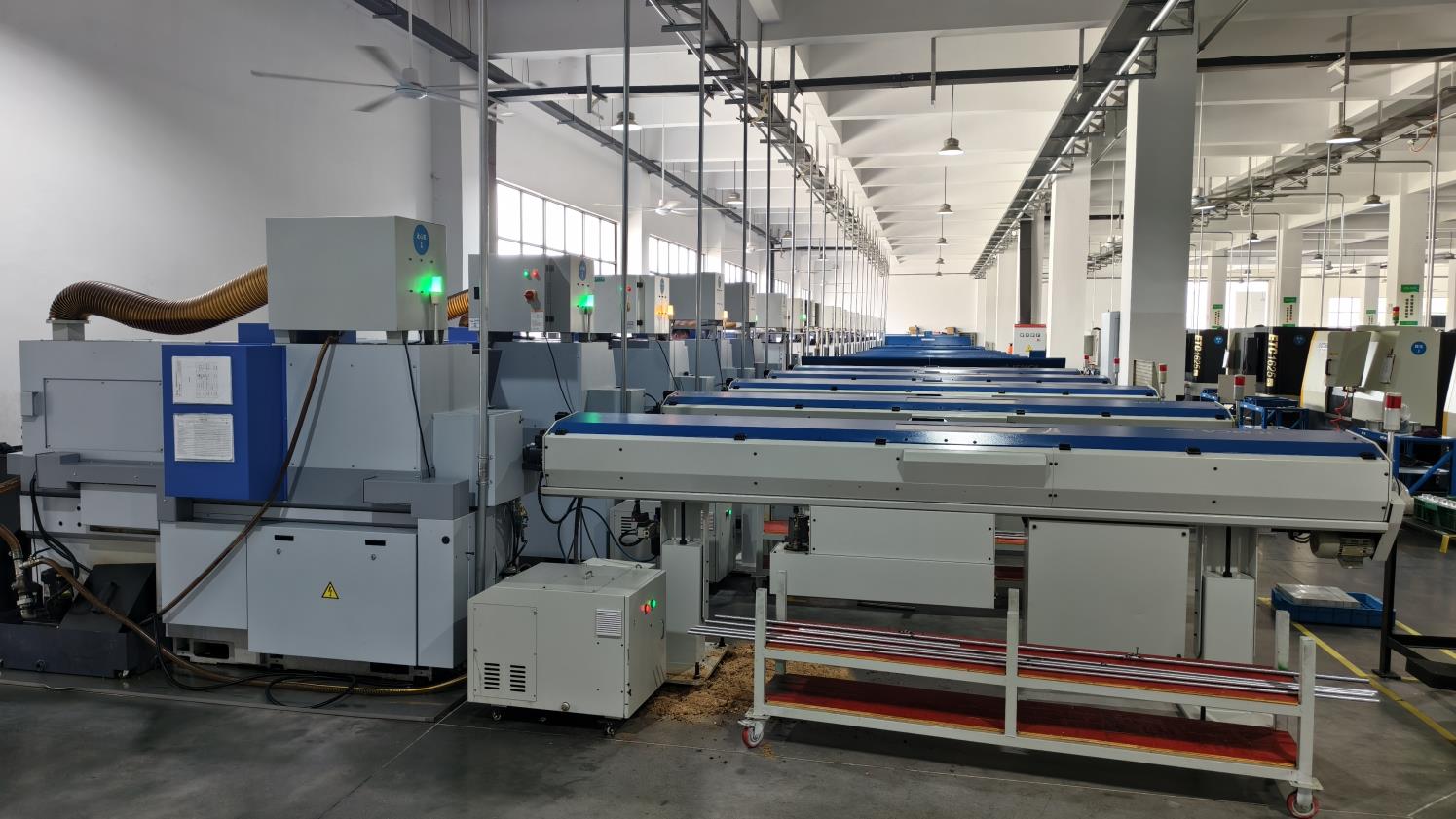
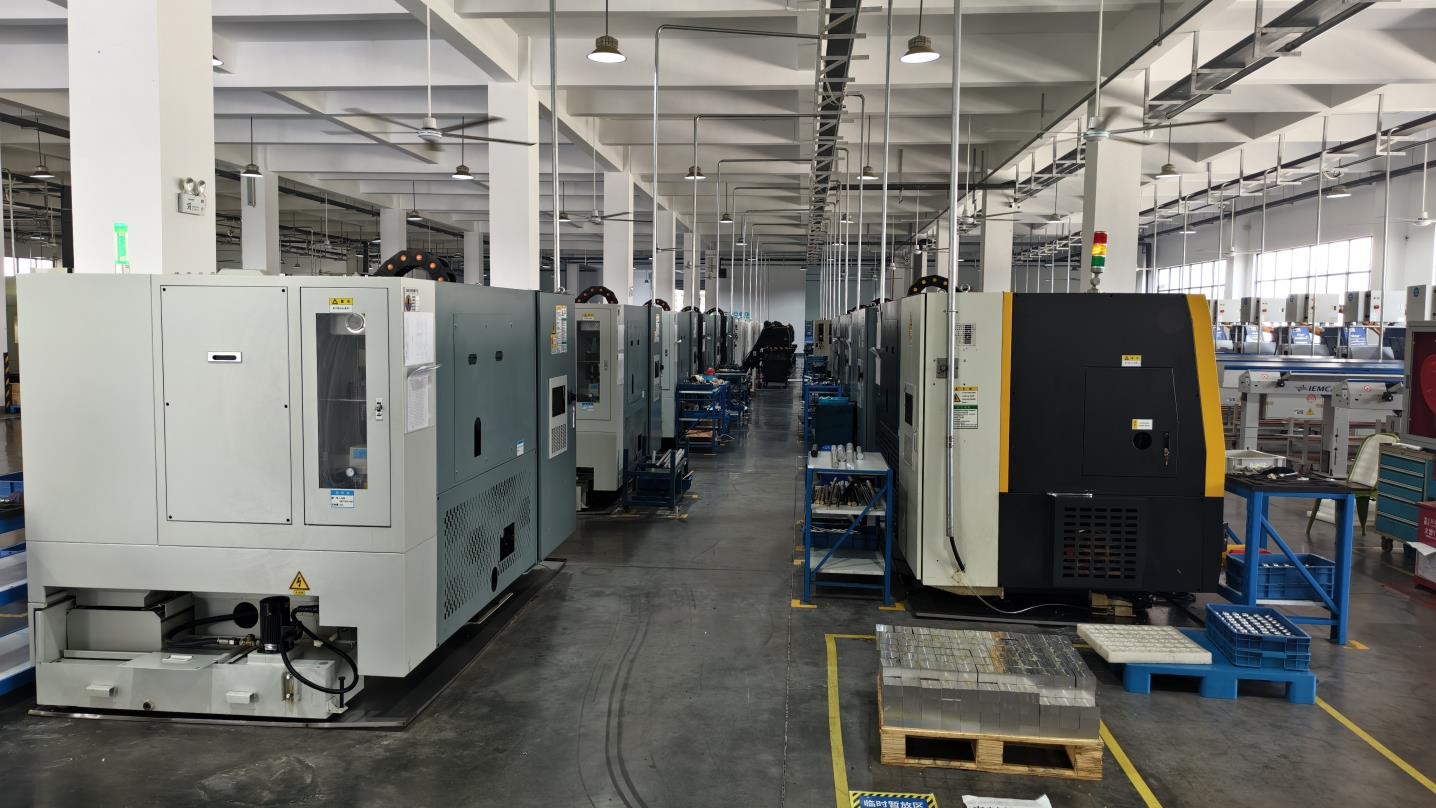
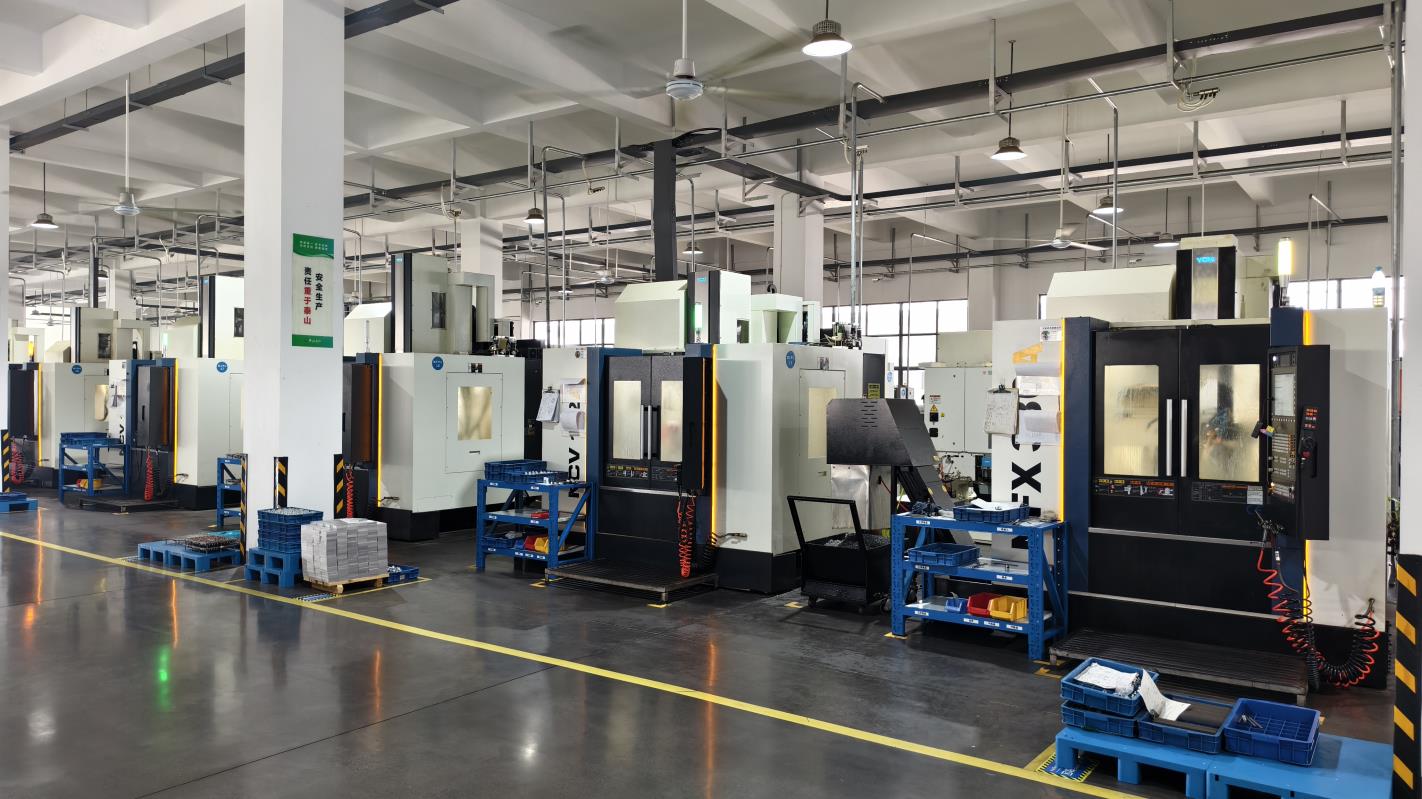
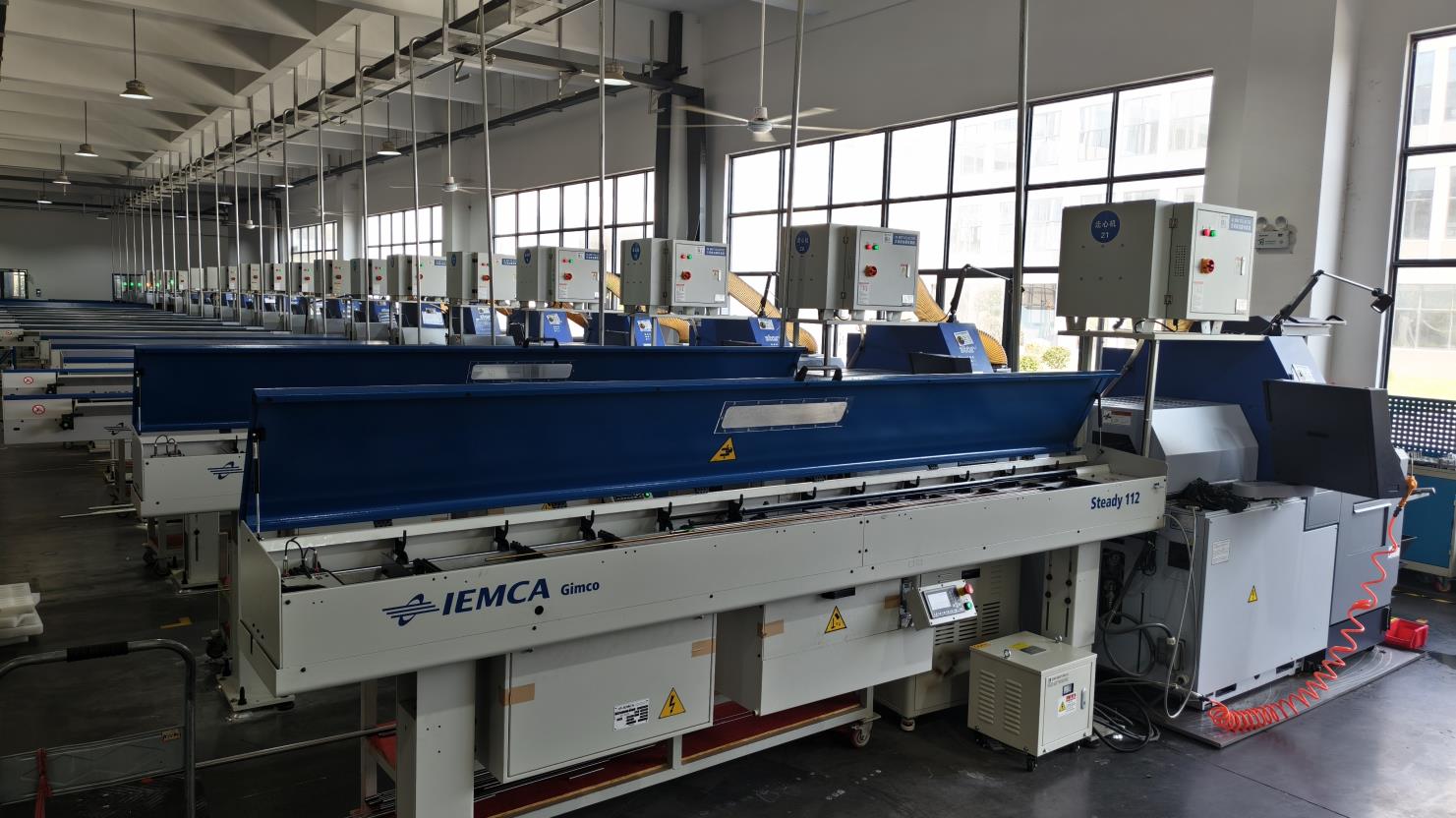
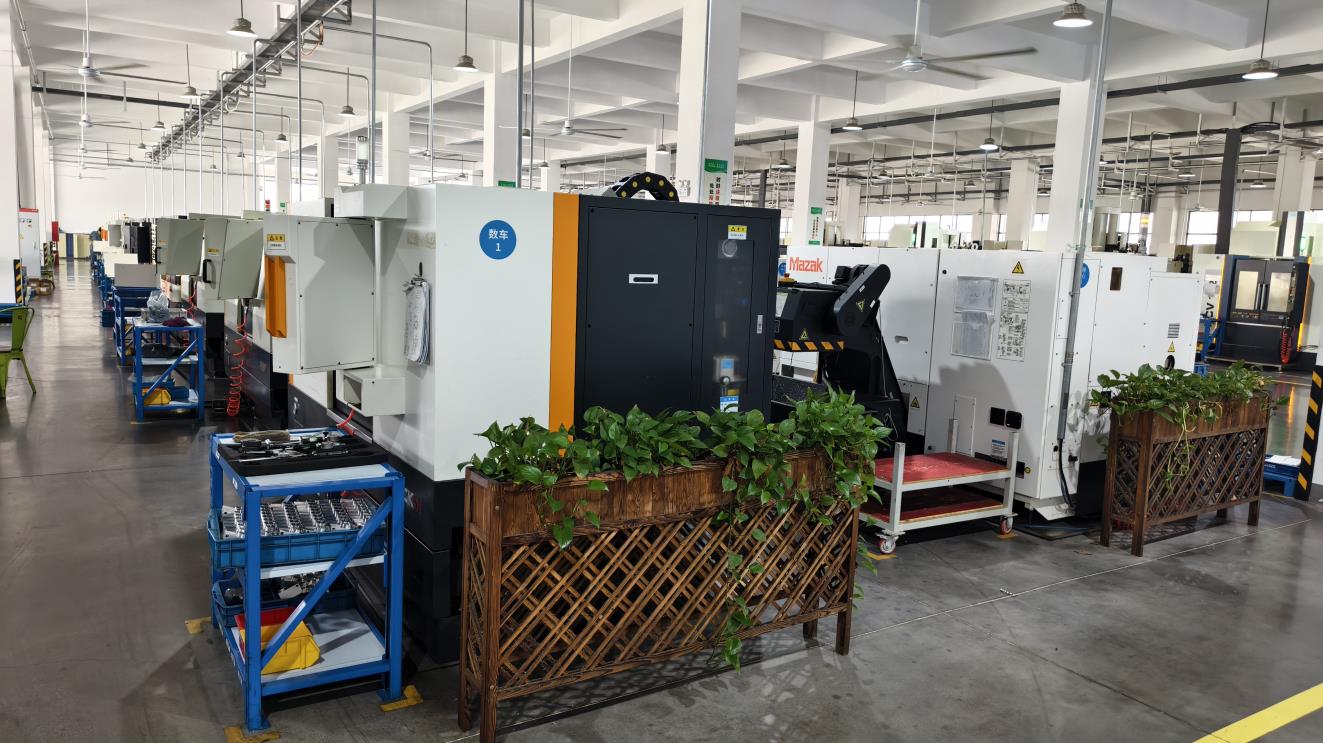
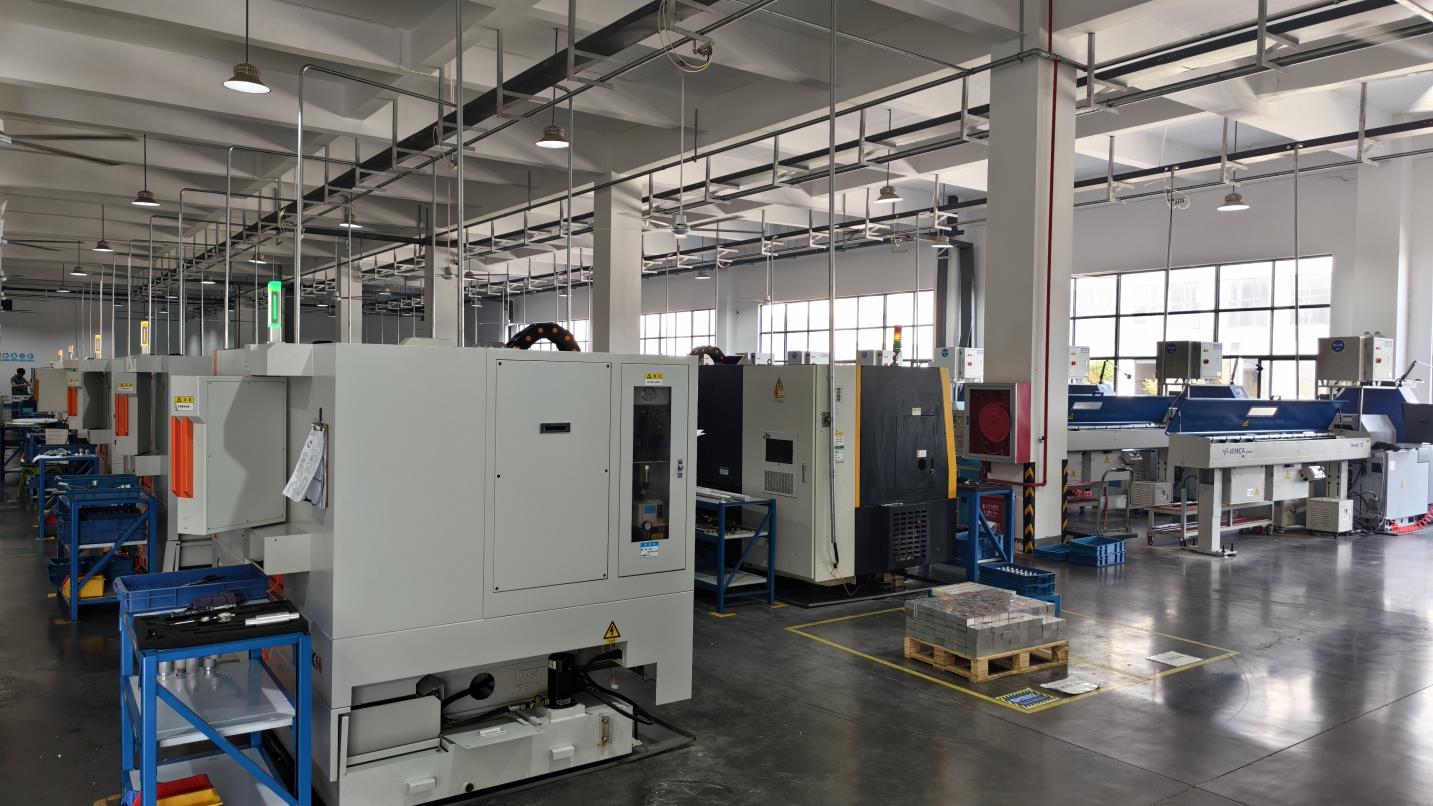
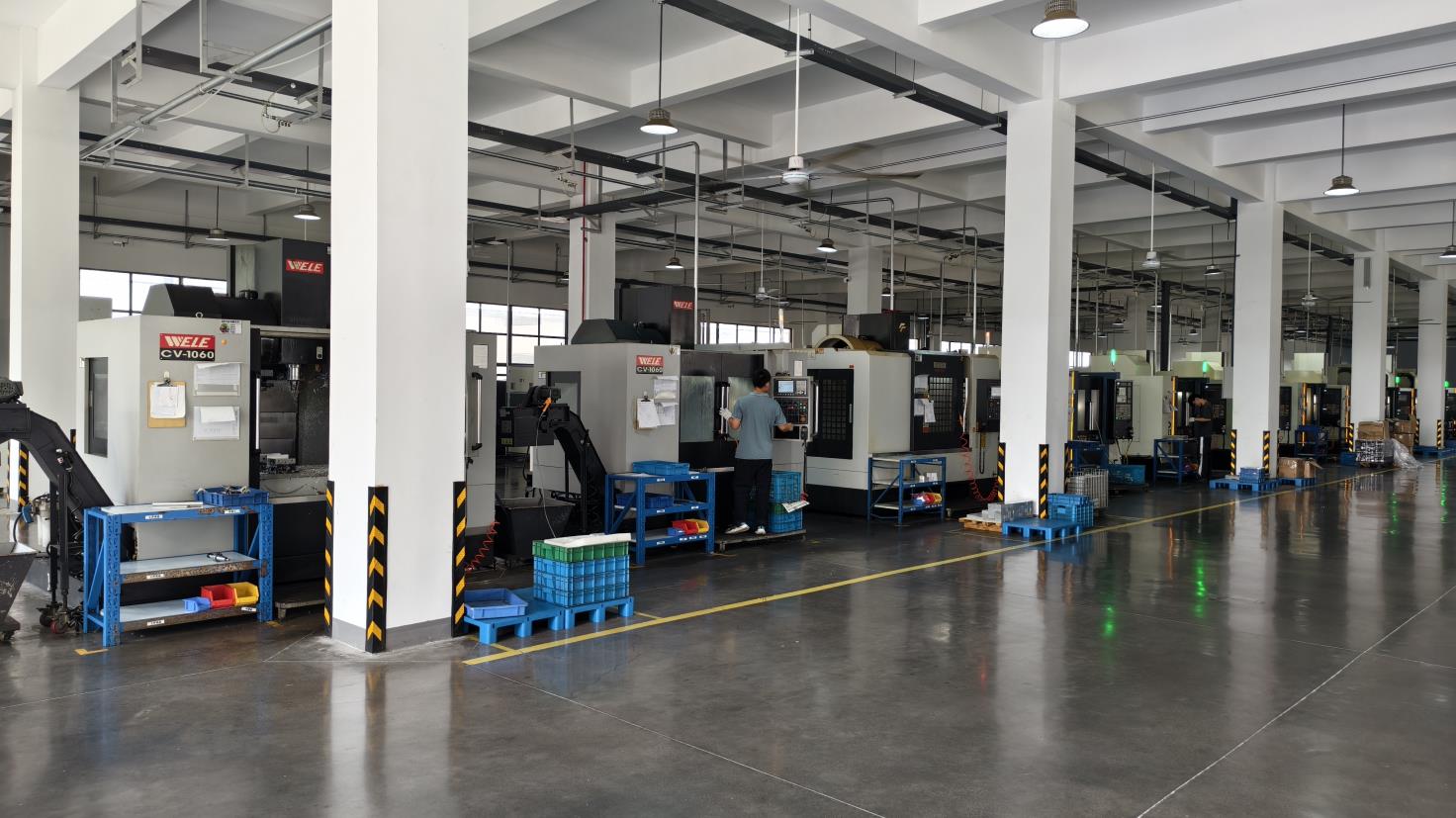
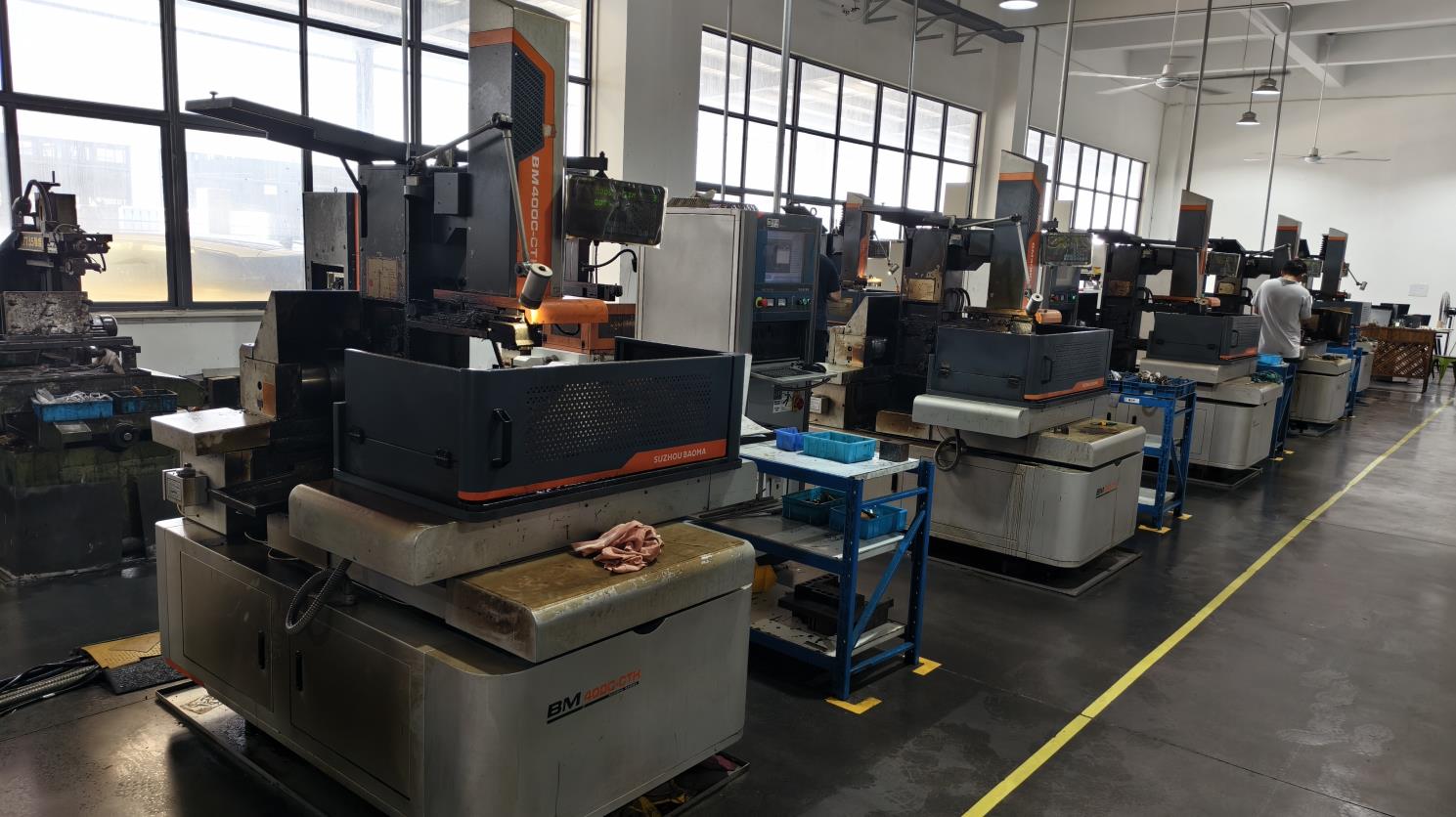
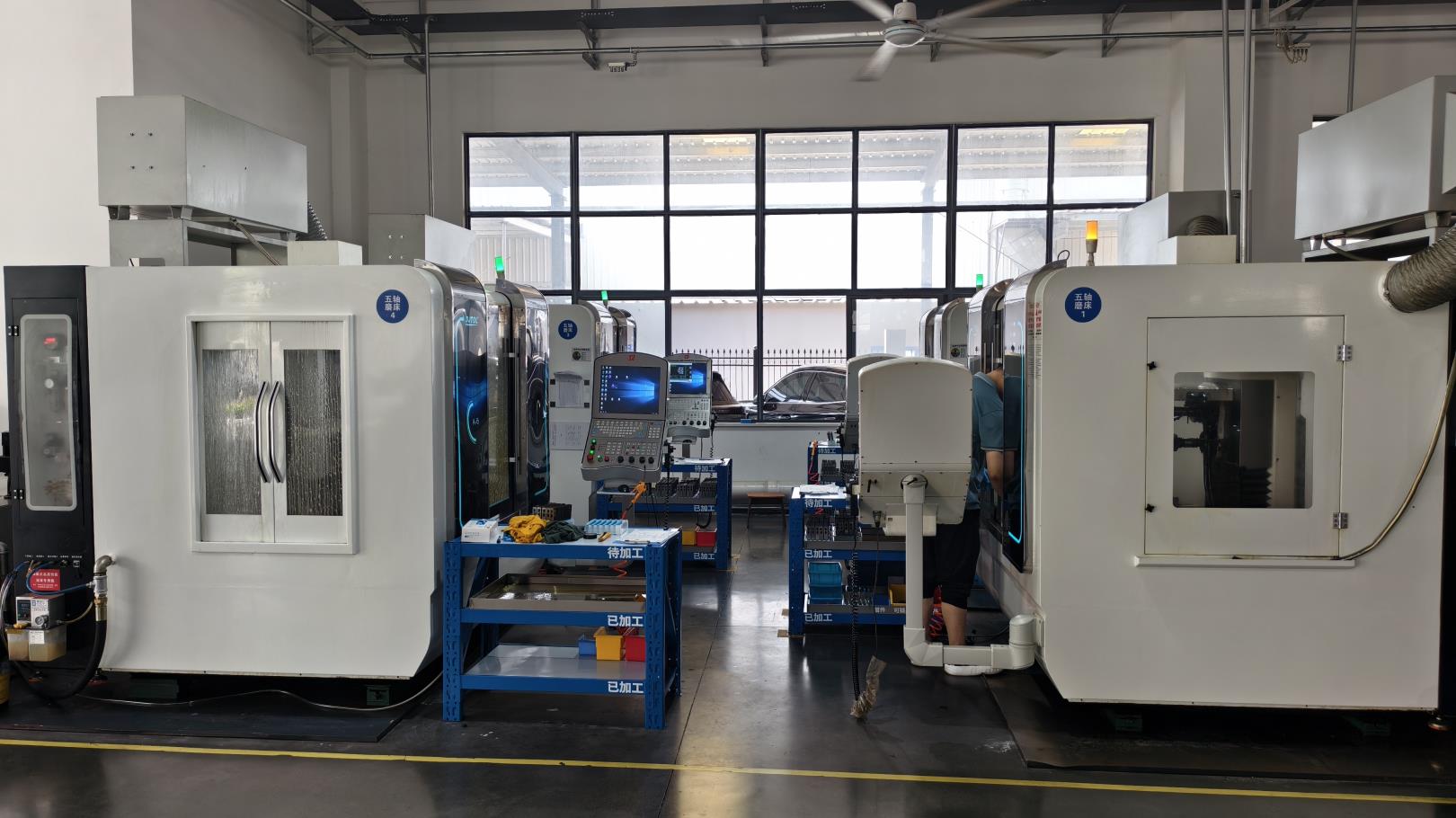
Using Swiss-type CNC lathes and multi-axis milling centers to achieve tolerances of less than 5 microns. This guarantees consistent stem geometries and taper parameters critical for component modularity.
Using plasma-sprayed Hydroxyapatite (HA) and titanium powders to create micro-porous surfaces. This encourages rapid osseointegration and provides strong long-term biological fixation.
Combining professional materials sourcing with advanced automation allows us to reduce unit costs by 35% compared to local European manufacturers, helping to ease the pressure on hospital procurement budgets.
We provide custom engineering services, drawing-based manufacturing, rapid prototyping, and private labeling matching CE MDR requirements.
Connect with our R&D Team NowEstablished in 2017, Moventra Medical Technology is a specialized developer, manufacturer, and global exporter of high-precision orthopedic medical devices. Our clinical engineering solutions focus on trauma, spine, sports medicine, joint reconstruction, and dedicated surgical instrumentation systems.
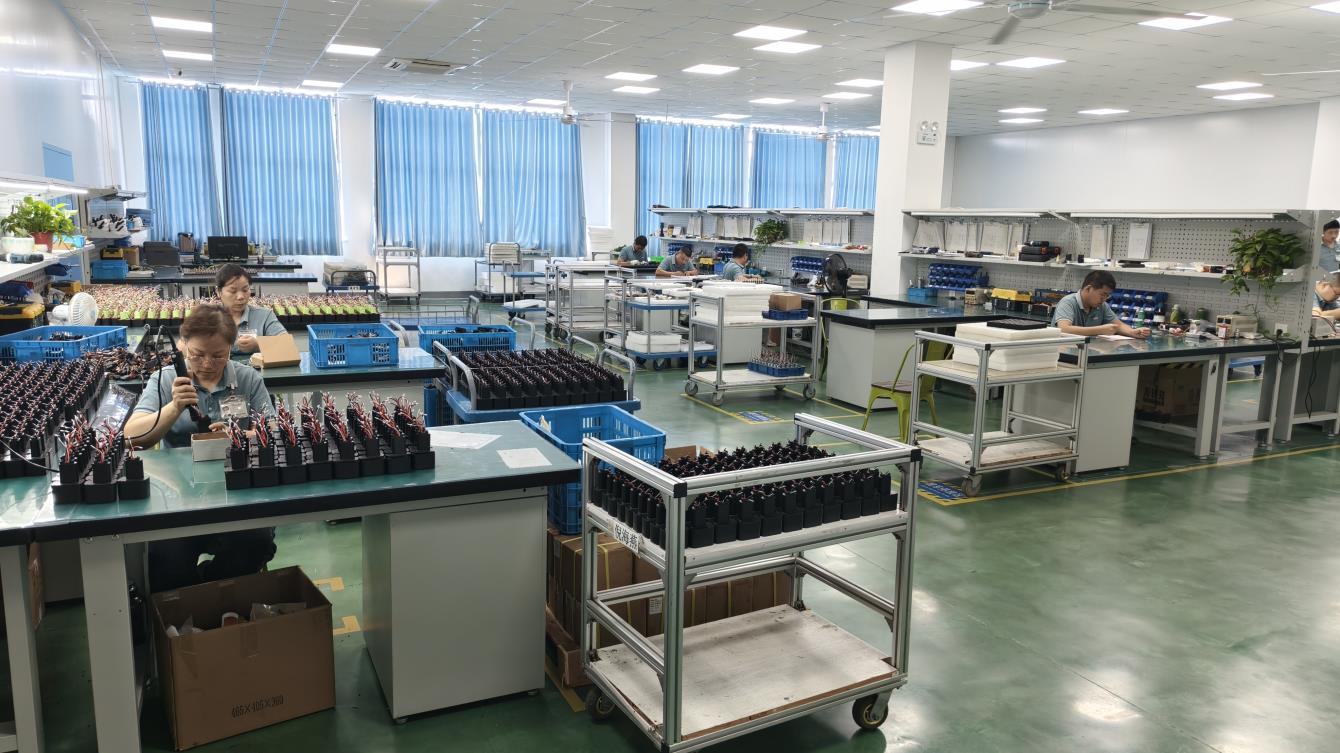
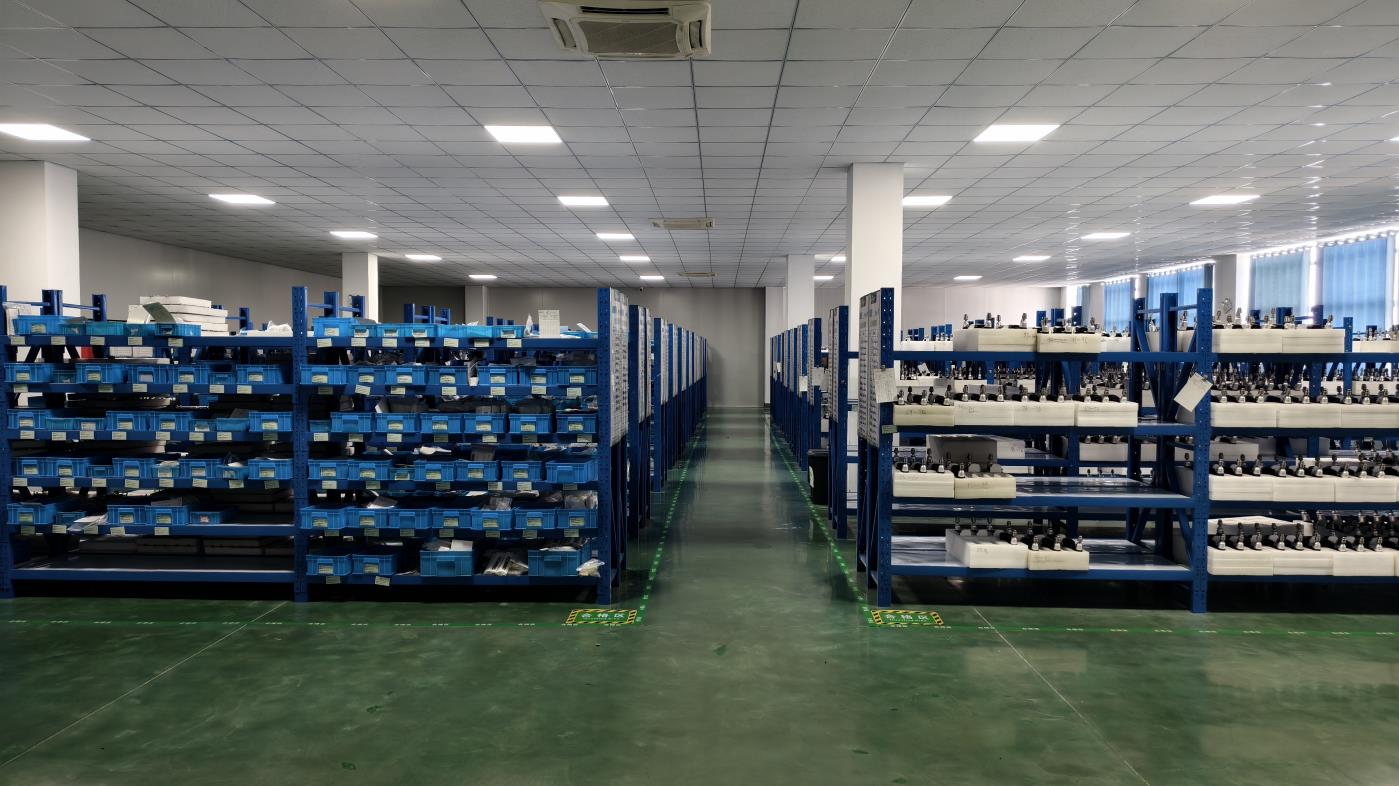
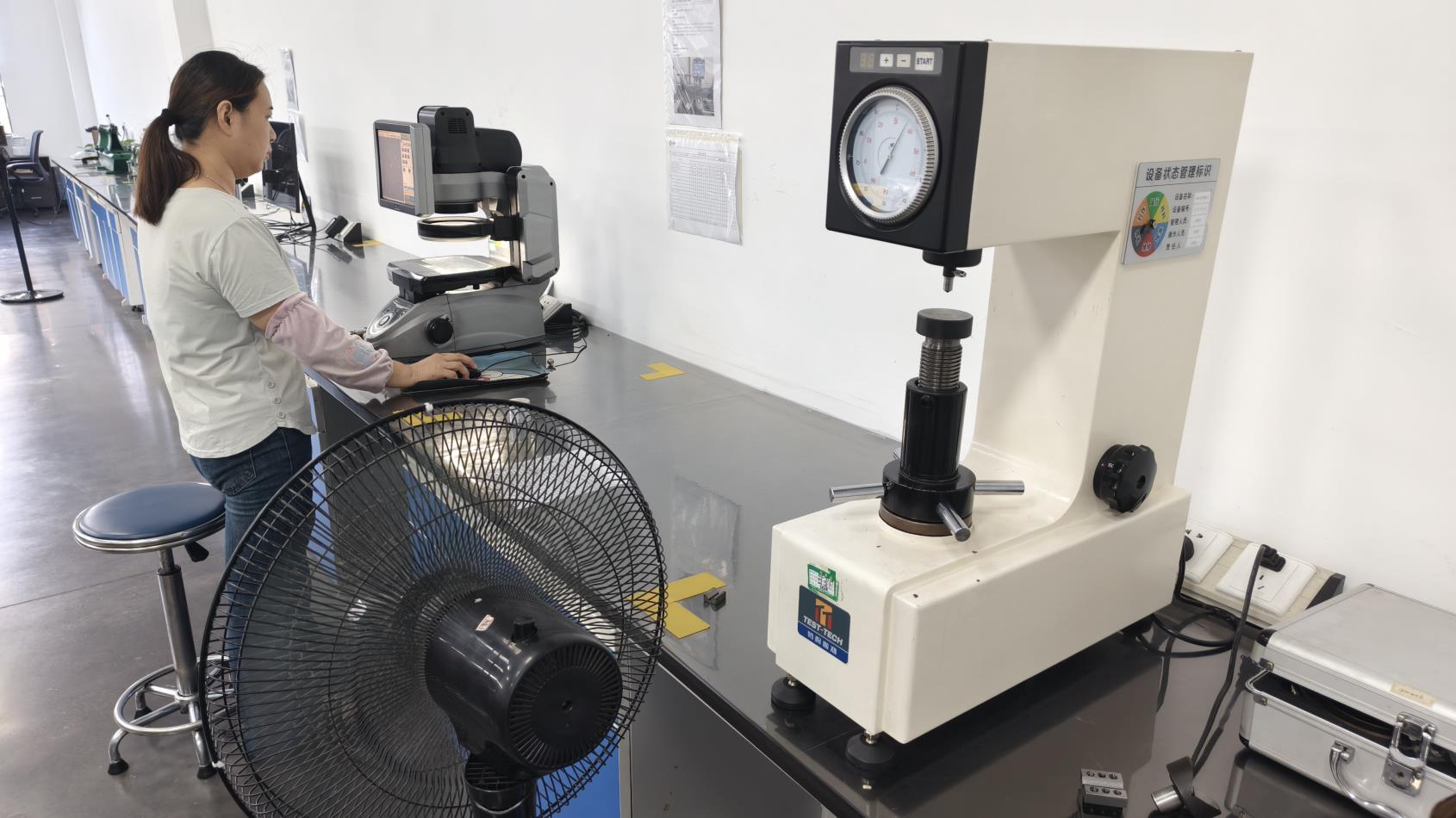
With over 13 years of industry experience, our production is housed in an 18,600 m² modern facility. We utilize advanced multi-axis CNC machining, automated cleanroom packaging, and in-house mechanical testing labs. This setup ensures our orthopedic implants consistently perform to the highest standards.
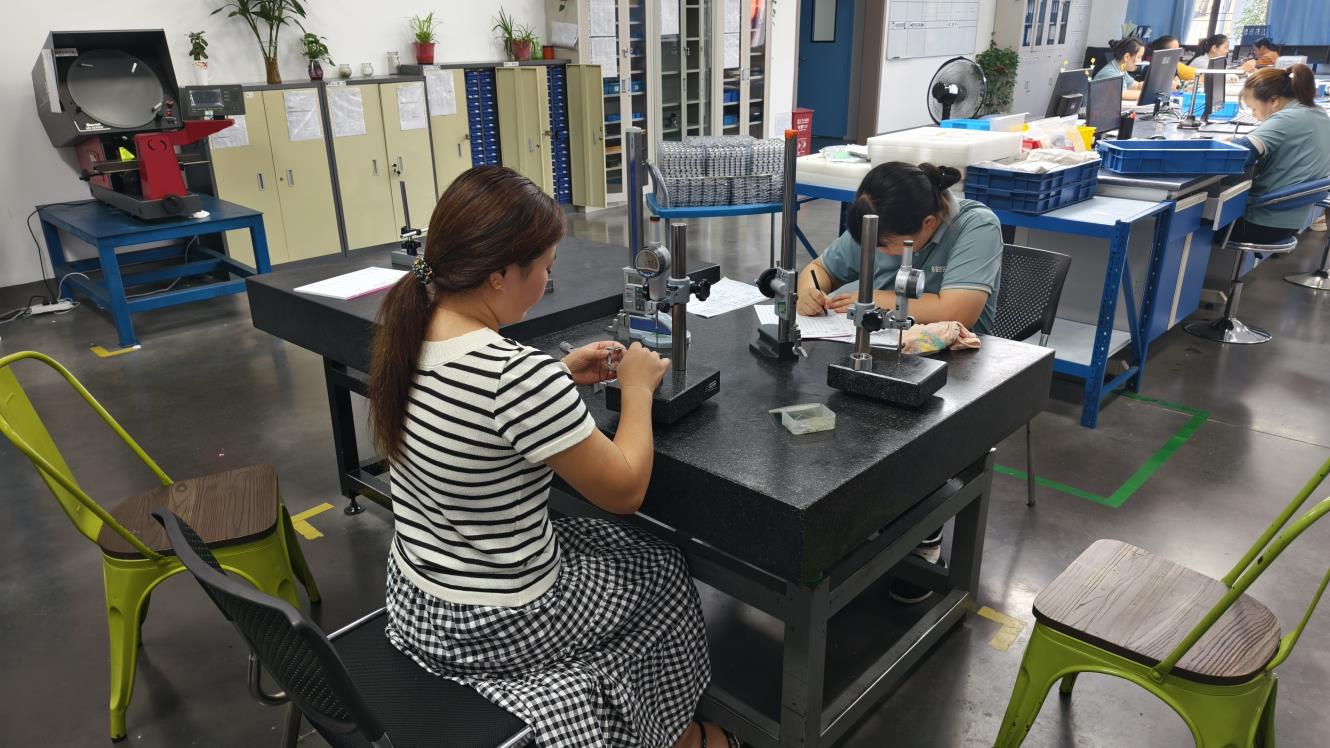
Our global distribution footprint reaches markets across Europe, North America, South America, and the Asia-Pacific region. Every single implant and instrument undergoes a 100% thorough inspection before dispatch, ensuring complete clinical compliance and reliable performance.
| Performance Metrics | Operational Data |
|---|---|
| Core Facility Scale | 18,600 m² Fully Integrated Plant |
| Annual Export Volume | USD 23.8 Million |
| R&D Engineering Team | 86 Senior Orthopedic Engineers |
| Dedicated QC Specialists | 48 Specialists |
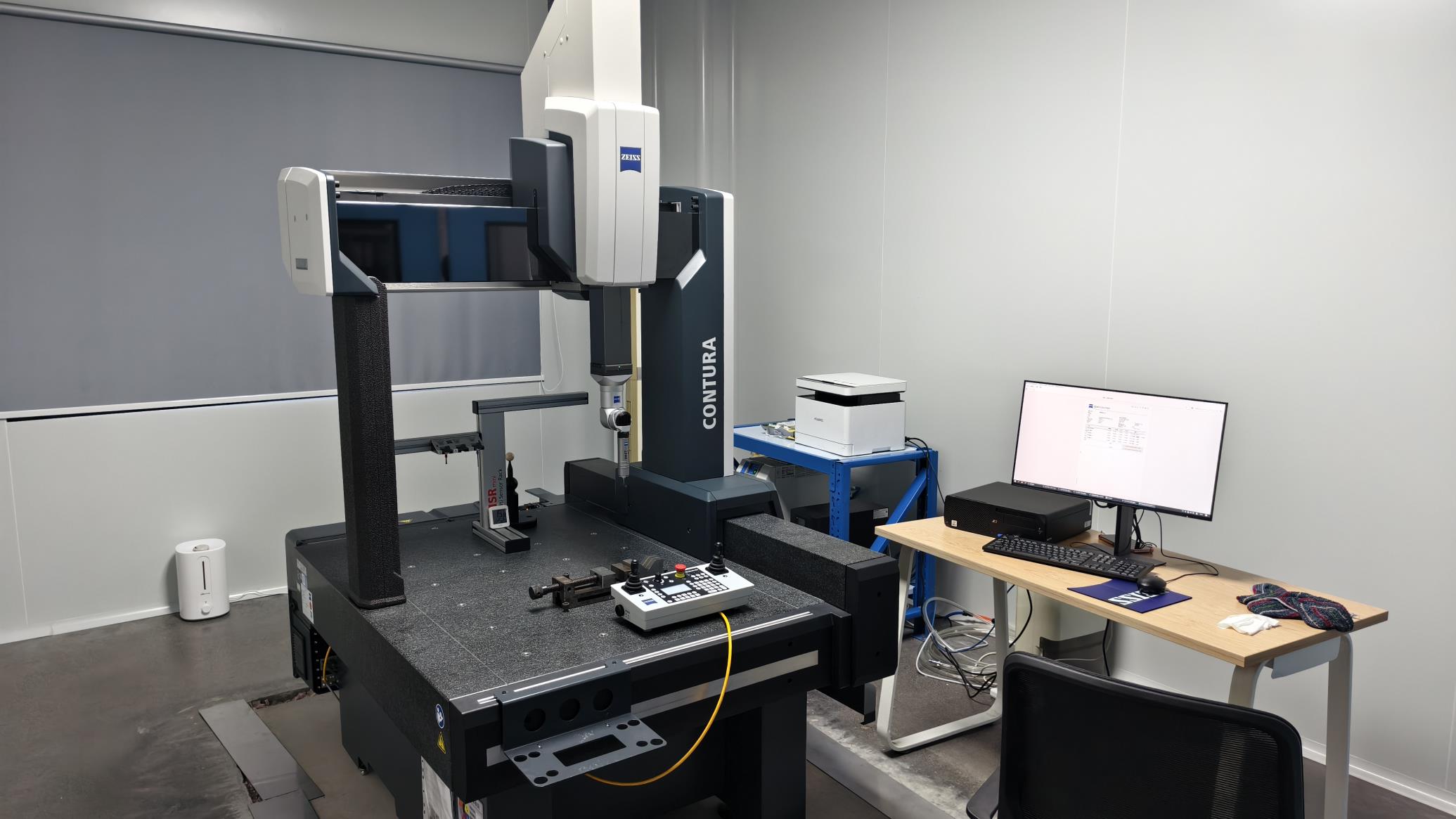
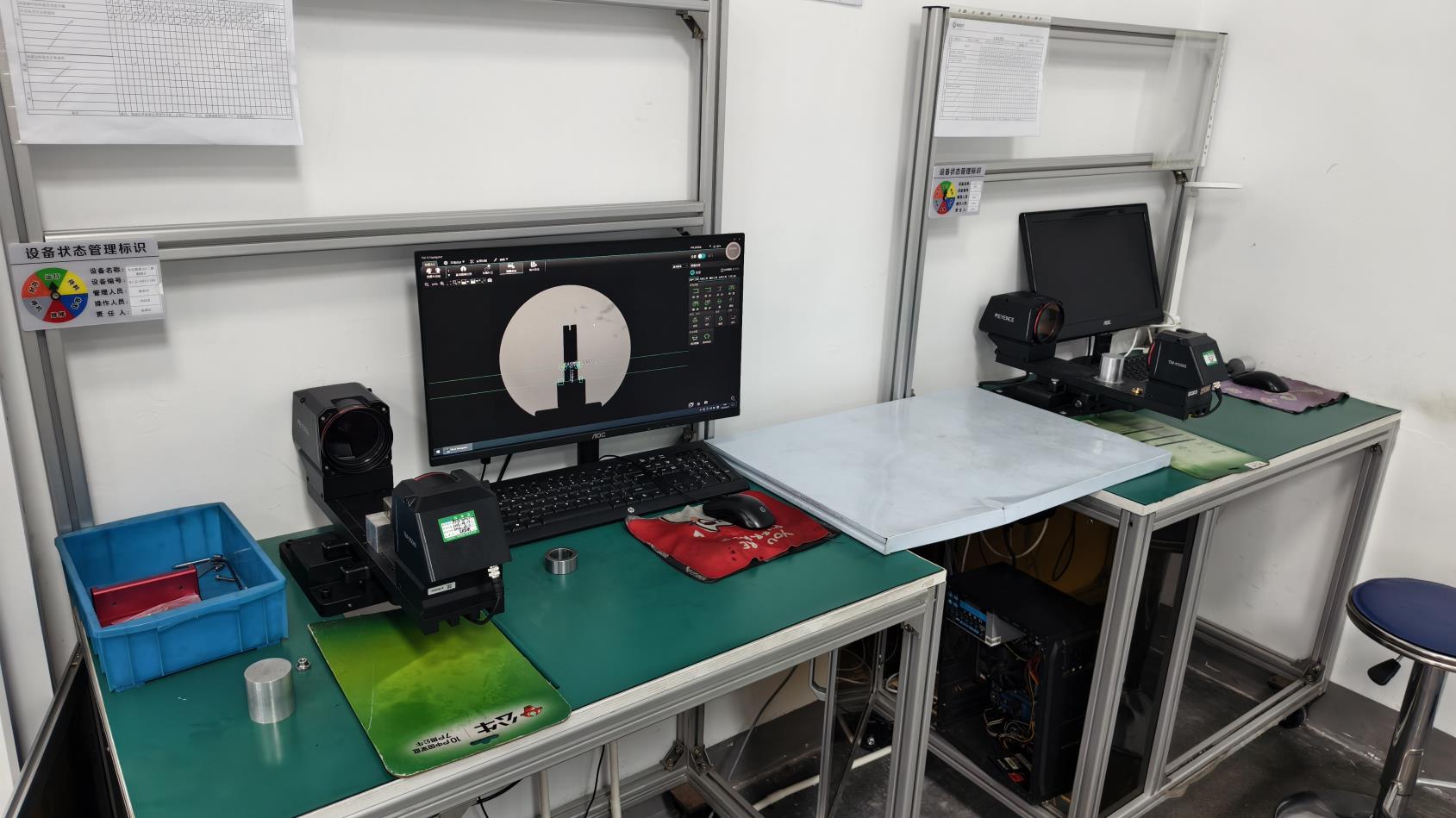
| Inspection Protocol | 100% Quality Inspection Before Delivery |
| Key Methodologies | Dimensional, Mechanical, Material, Surface Finish, Sterility |
| Regulatory Standards | CE Mark, ISO 13485, GMP Compliance |
A comprehensive system of implants, materials, and surgical instruments designed for human and veterinary applications.
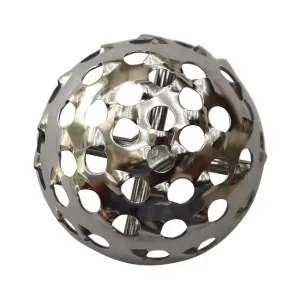
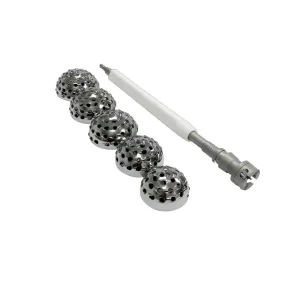
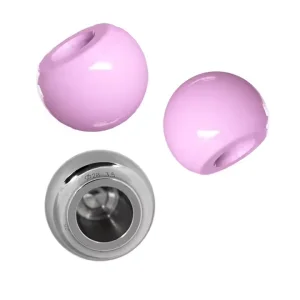
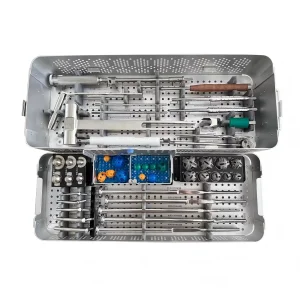
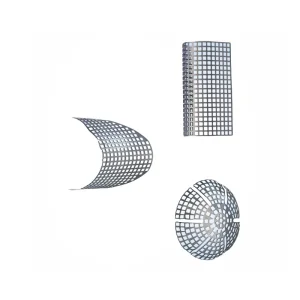
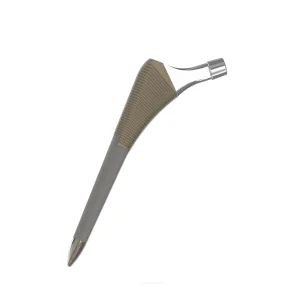
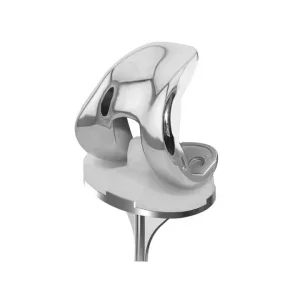
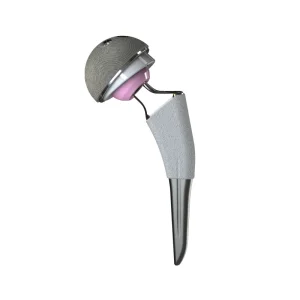
The clinical failure of THR and TKR implants is often caused by aseptic loosening triggered by wear debris. Minimizing this risk requires selecting high-performance raw materials and processing them with precise surface polishing:
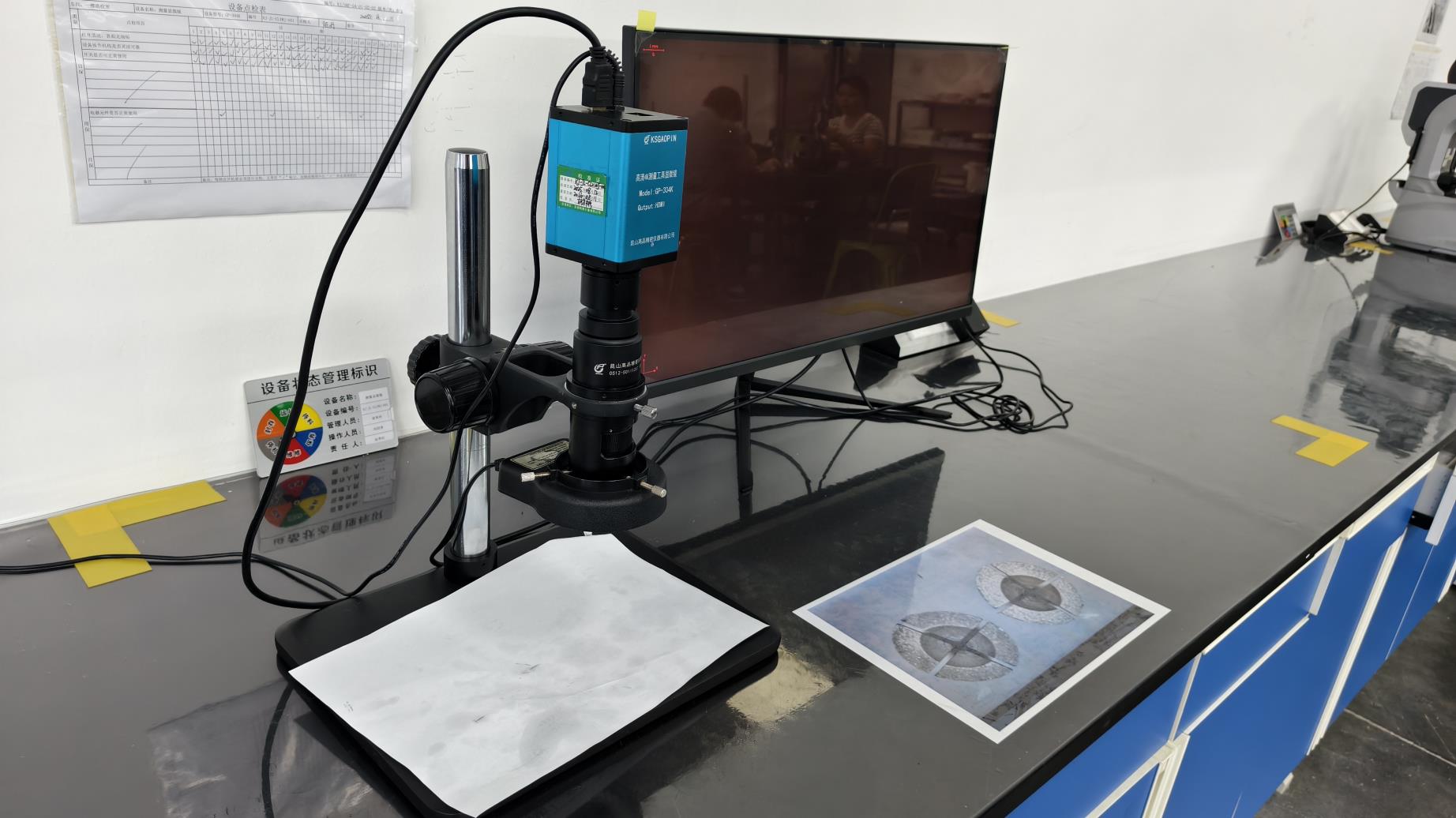
At Moventra, our testing framework ensures compliance with strict quality standards:
Answers to common regulatory, material, and logistics questions for distributors, purchasing managers, and healthcare providers.
Get in touch with our product specialists to request technical documentation, CE certificates, physical samples, or custom manufacturing estimates.
Send Inquiry Now Moventra Medical