Advanced orthopaedic replacement systems optimized for durability, anatomical fit, and accelerated recovery pathways in Japanese clinical settings.
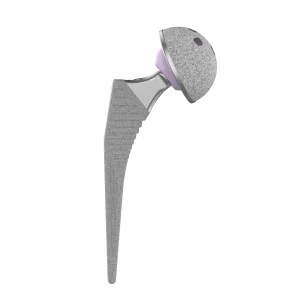
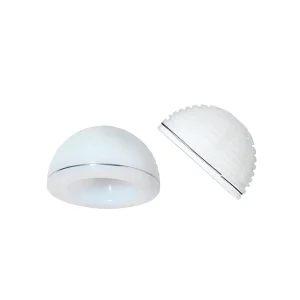
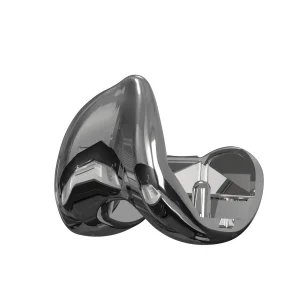
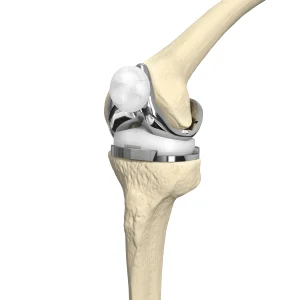
The Tokyo metropolitan area, representing the epicenter of the world's most rapidly aging super-society, faces unprecedented demand for durable, biocompatible, and high-performance joint arthroplasty products. The clinical consensus across Tokyo's university hospitals and specialized orthopedic clinics focuses heavily on minimizing revision surgery rates through advanced biomaterials and precise anatomical fits. Total Hip Replacement (THR) and Total Knee Replacement (TKR) interventions are no longer reserved solely for late-stage osteoarthritis; they are increasingly deployed to maintain active lifestyles in the senior population.
For global medical device importers, distributors, and surgical institutions operating within Kanto, sourcing implants requires strict alignment with local physiological parameters. The bone mineral density (BMD) profiles and femoral geometry of Asian patients frequently differ from Western populations. This structural divergence mandates specialized sizing configurations, shallower acetabular cups, and shorter femoral stems that guarantee maximum primary mechanical stability without the risk of periprosthetic fractures.
Navigating the Japanese market requires a deep understanding of the Pharmaceuticals and Medical Devices Agency (PMDA) and the Ministry of Health, Labour and Welfare (MHLW) regulatory standards. Orthopedic implants such as primary femoral stems, dual mobility acetabular cups, and total knee prostheses are categorized as Class III medical devices in Japan, requiring exhaustive technical dossiers, clinical trial data (or robust equivalence evidence), and strict compliance with Japan's MHLW Ministerial Ordinance No. 169 (equivalent to ISO 13485 but with unique domestic variances).
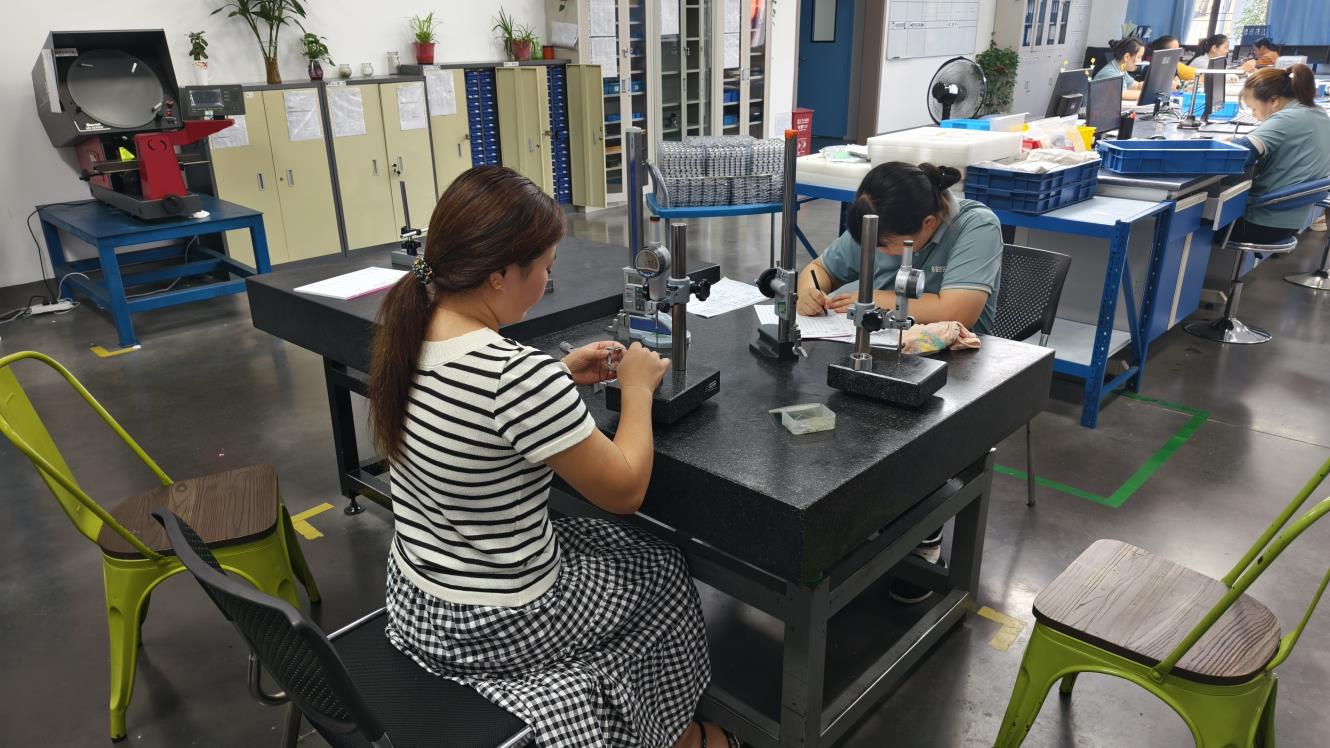
Moventra Medical Technology addresses these strict quality gates by maintaining a rigorous 100% pre-shipment quality inspection protocol. Our manufacturing facilities leverage state-of-the-art metrology tools, including Coordinate Measuring Machines (CMM), surface roughness testers, and mechanical stress profile simulators, to ensure that every orthopedic batch matches or exceeds the dimensional tolerances and biocompatibility thresholds demanded by Japanese regulatory agencies.
Founded in 2017, Moventra Medical Technology (China) Co., Ltd. is a global leader in high-precision orthopedic implant design and cleanroom fabrication, supporting global distributors and hospital procurement divisions.
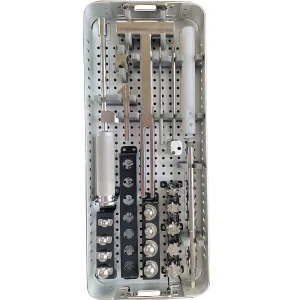
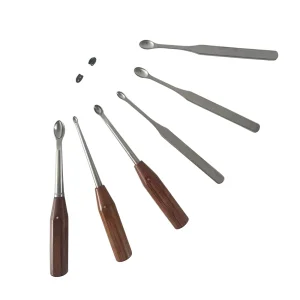
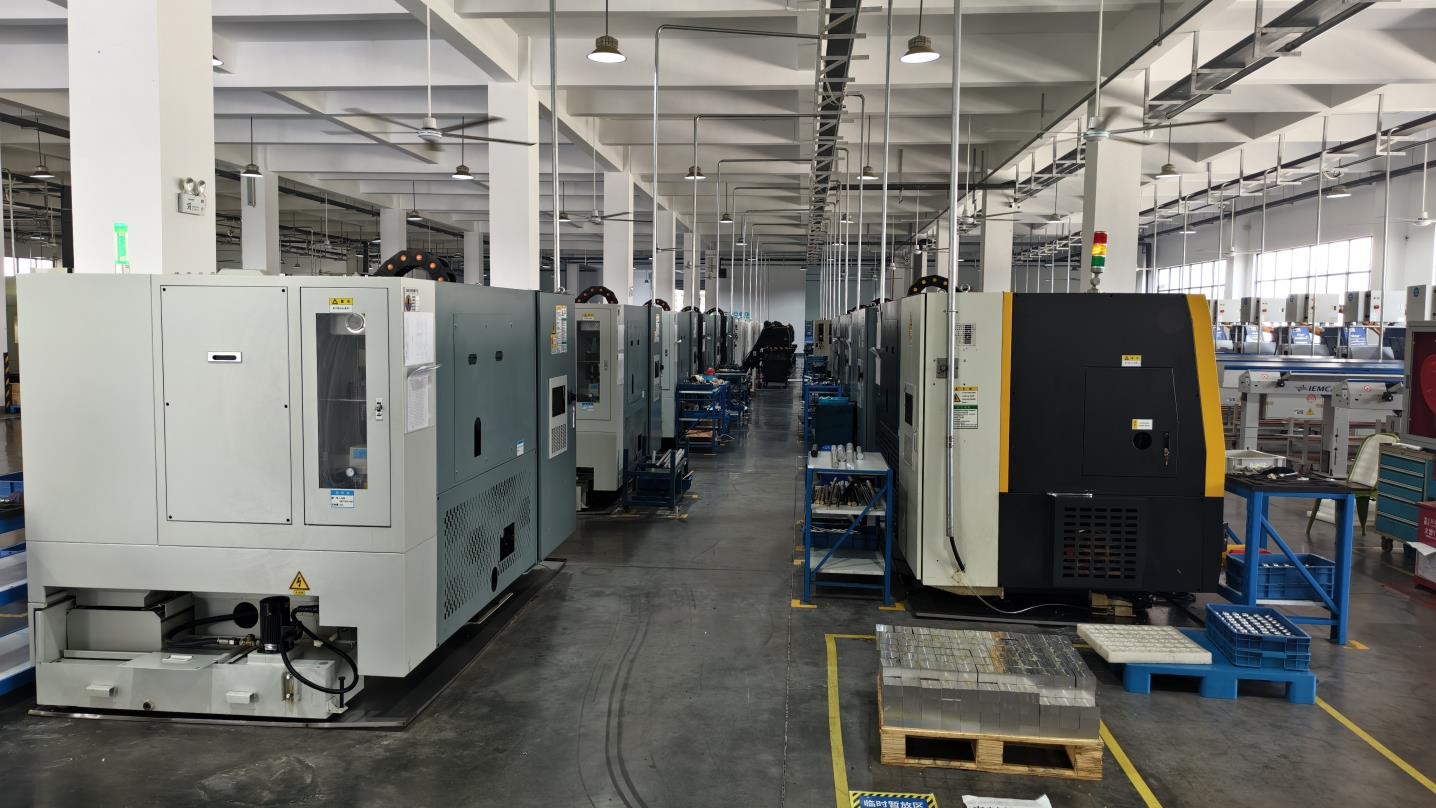
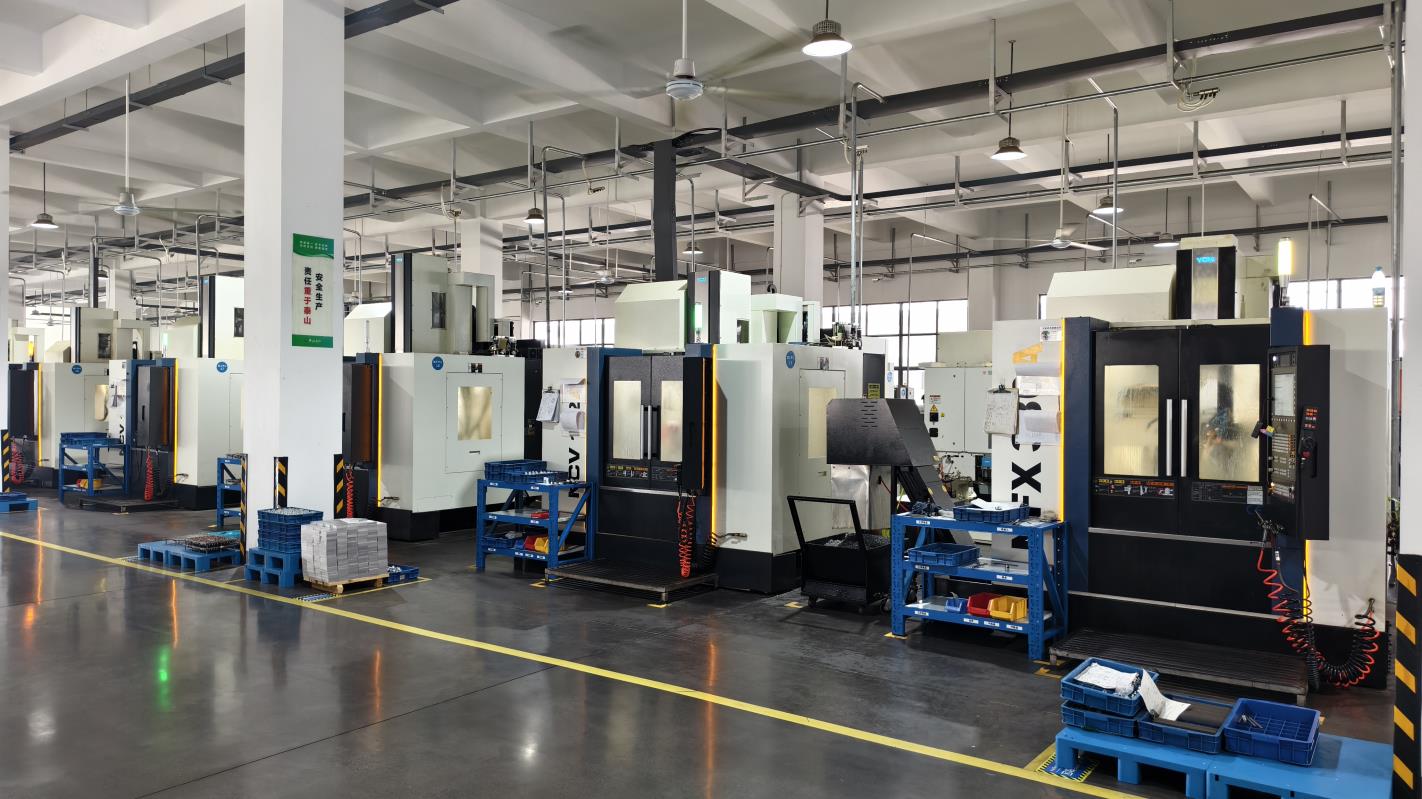
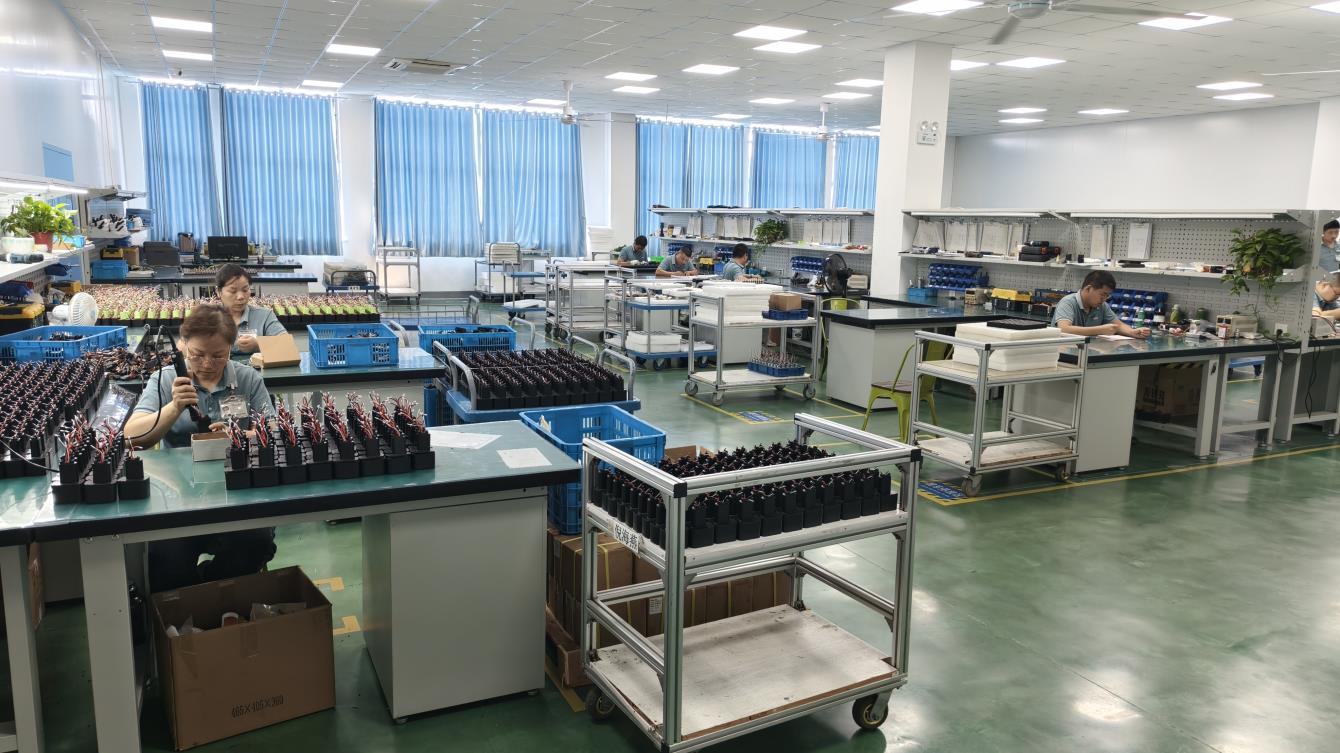
With an advanced 18,600 m² production footprint, Moventra utilizes cutting-edge Swiss-type CNC machining centers, high-capacity milling lathes, and class-10,000 cleanroom assembly lines. We specialize in both OEM and ODM partnerships, providing customized surgical instruments, biological coatings (such as Titanium-HA dual-spray coatings), and complete knee/hip reconstruction kits. Our team of 86 R&D engineers continuously refines implant micro-structures to accelerate osseointegration and reduce long-term wear rates.
| Operating Metric | Operational Standard & Compliance Capability |
|---|---|
| Company Name | Moventra Medical Technology (China) Co., Ltd. |
| Core Brand Registration | Moventra |
| Industry Experience | 13 Years of Specialized Orthopaedic Engineering |
| Export Experience | 7 Years of Global Supply Chain Operations (Europe, Tokyo, South America) |
| Quality Inspection Methodology | 100% Dimensional, Structural, and Mechanical Verification prior to shipment |
| Verification Protocols | Dimensional Metrology, Material Spectrometry, Surface Roughness Inspection, Mechanical Tensile Testing, Sterility Verification |
| Quality Control Staff | 48 Dedicated On-Site Quality Assurance Technicians |
| Core Capabilities | Contract OEM, ODM Production, Drawing-based Engineering, Rapid Functional Prototyping |
| R&D Output | 156 New Proprietary Orthopaedic Instruments & Implant Designs Released Annually |
Explore our end-to-end manufacturing footprint, where precision engineering meets clinical excellence.
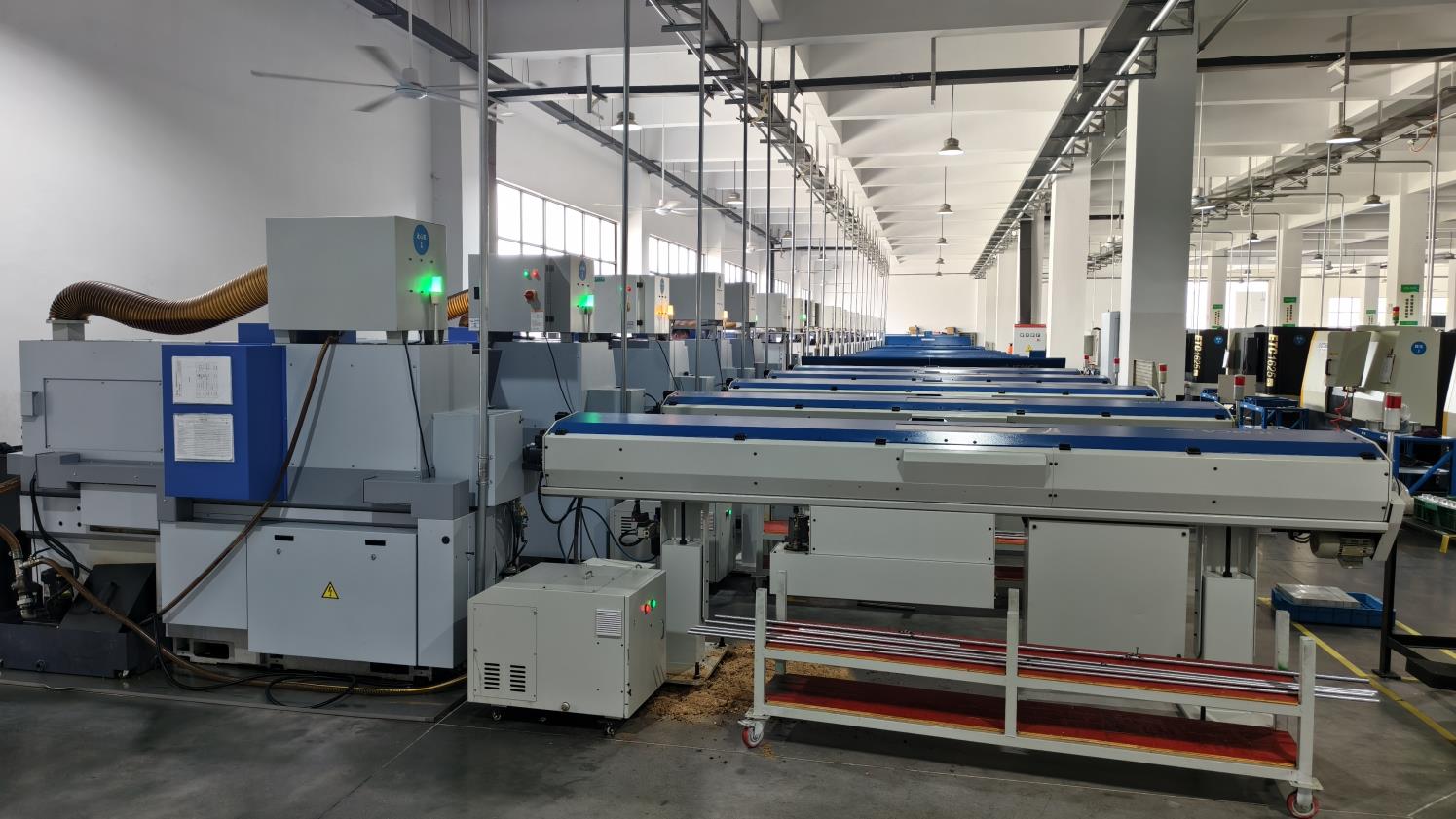
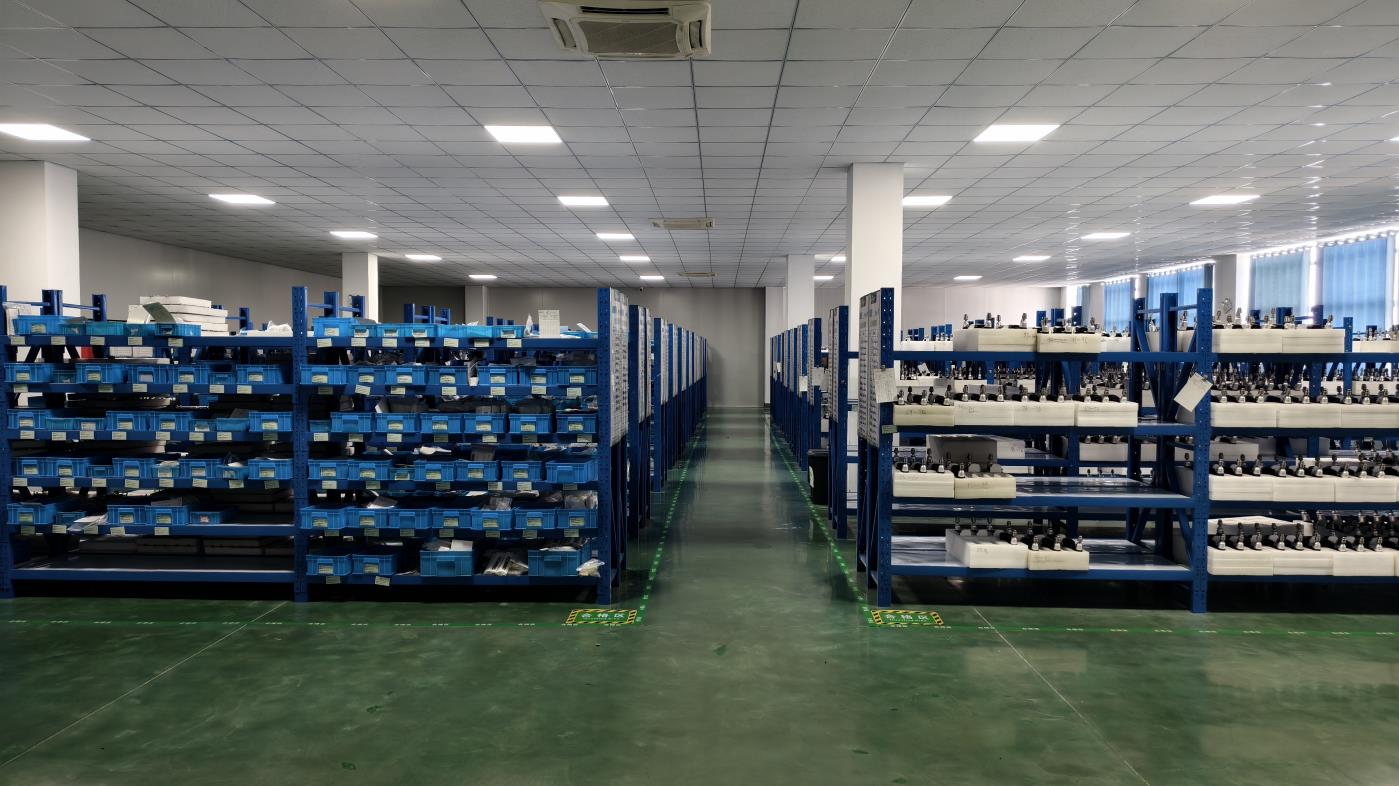
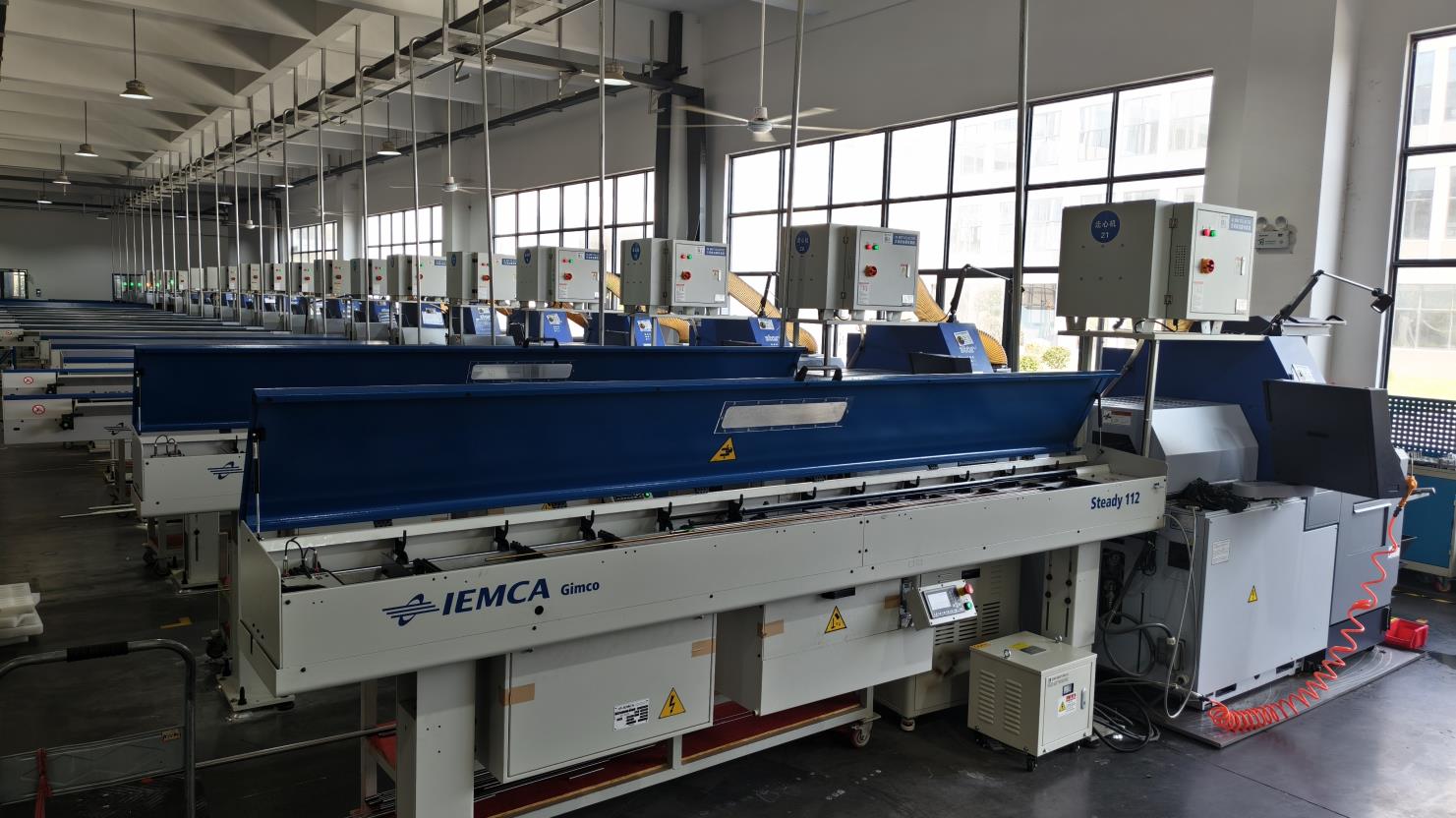
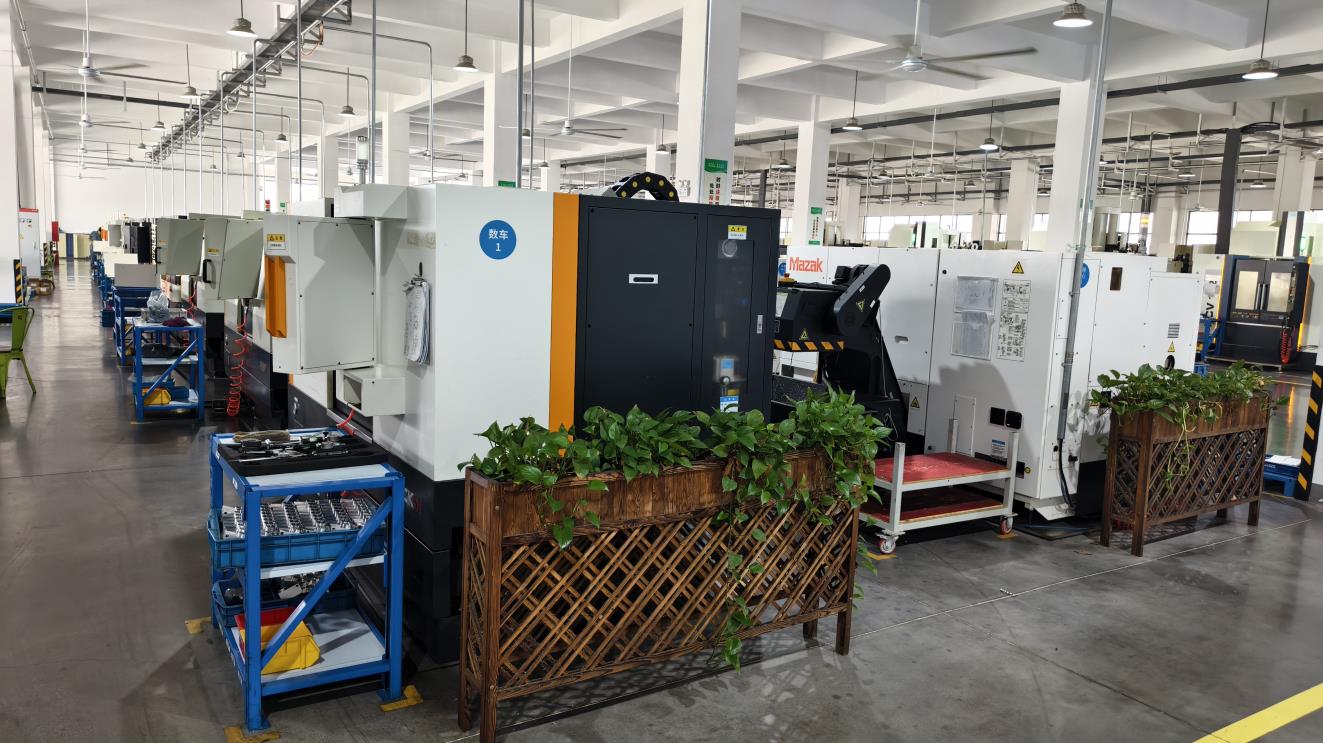
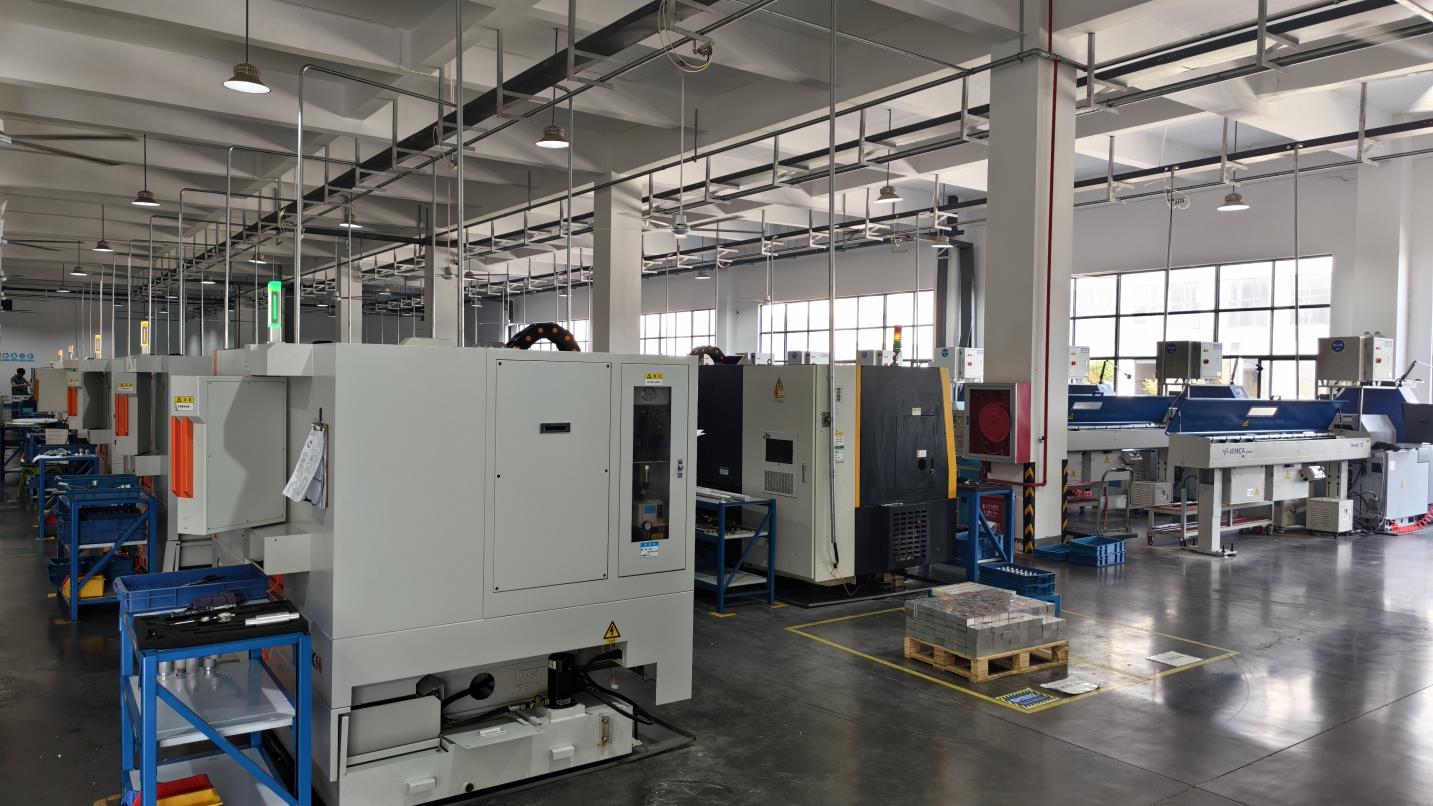
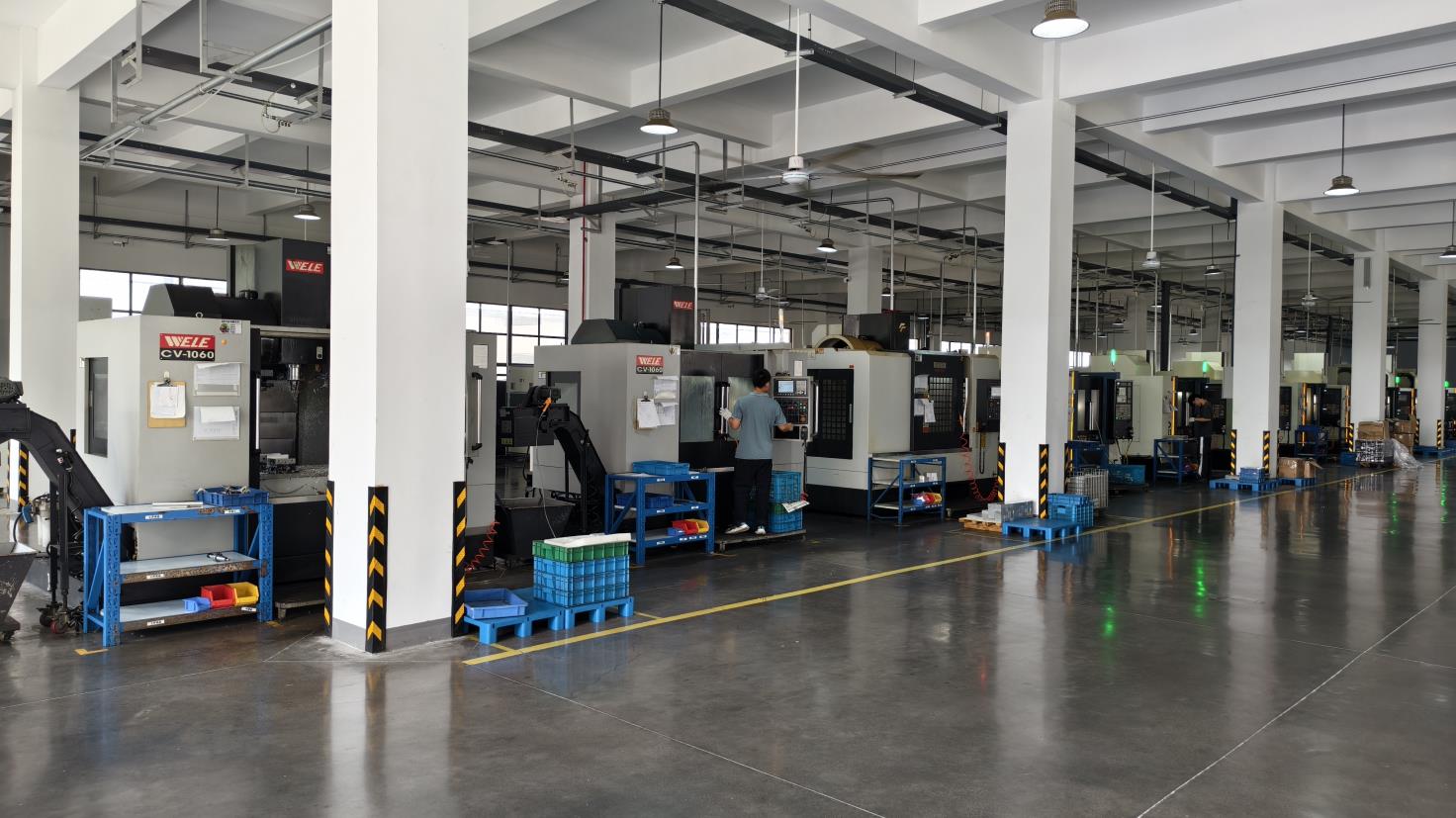
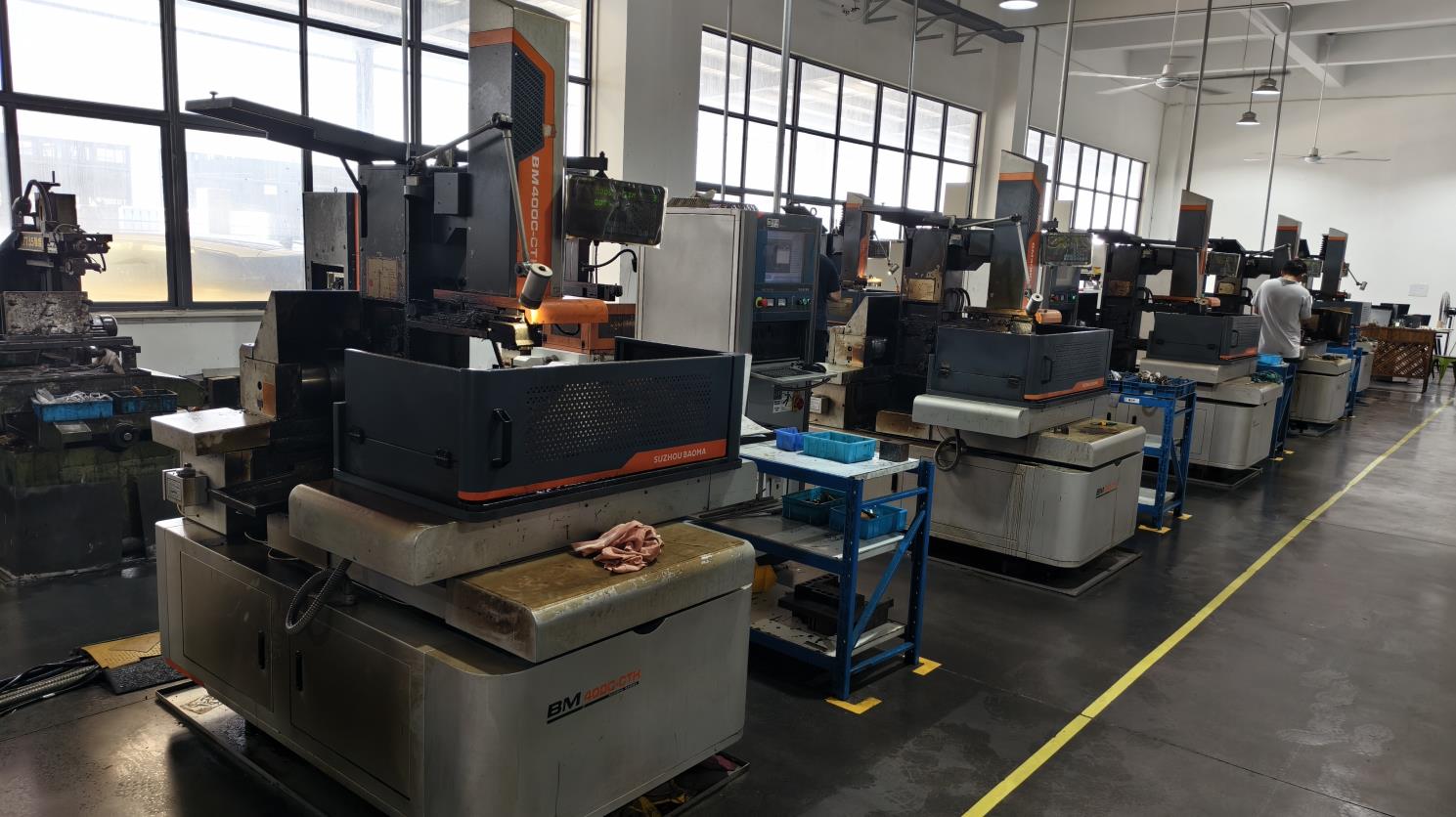
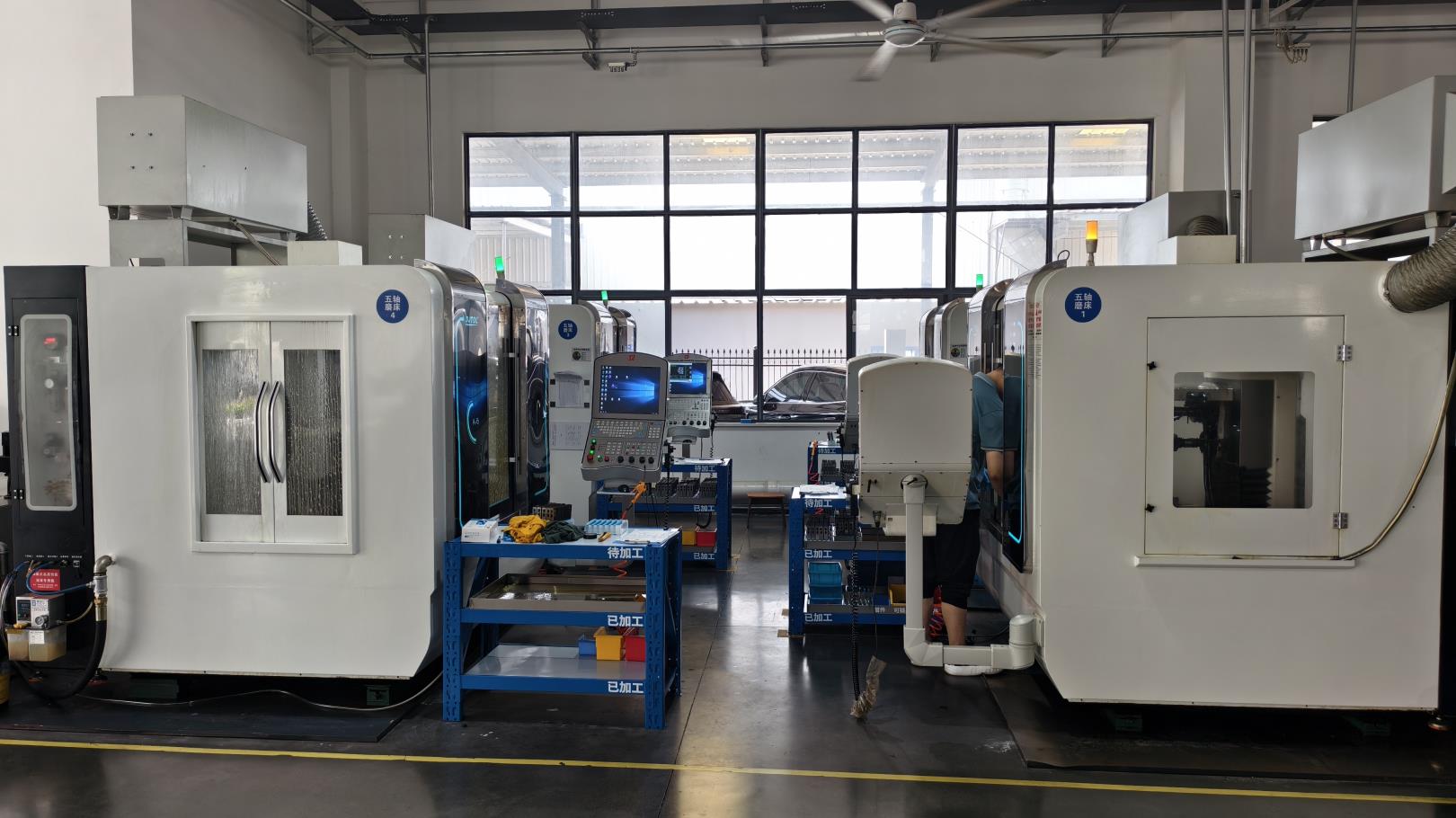
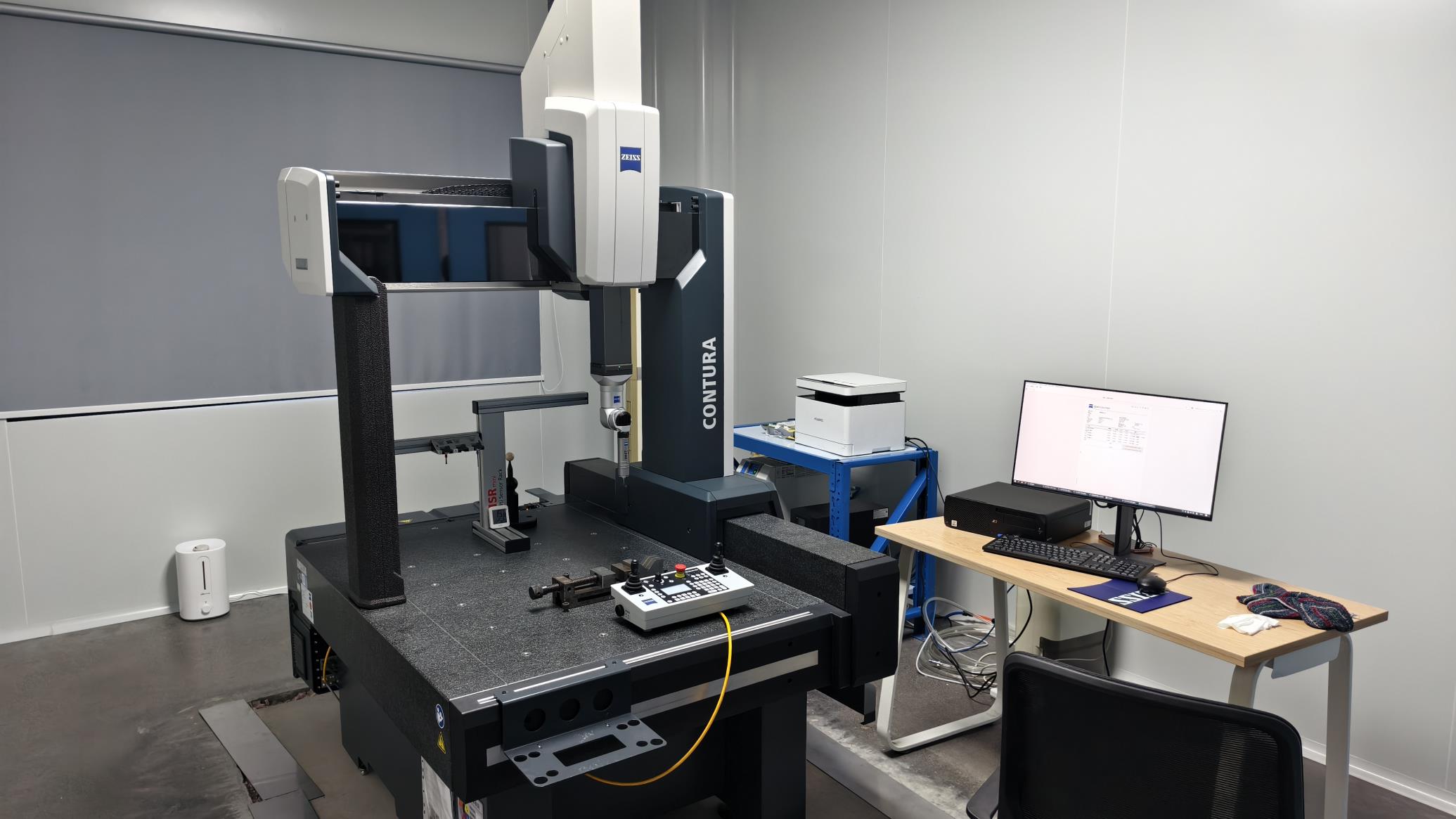
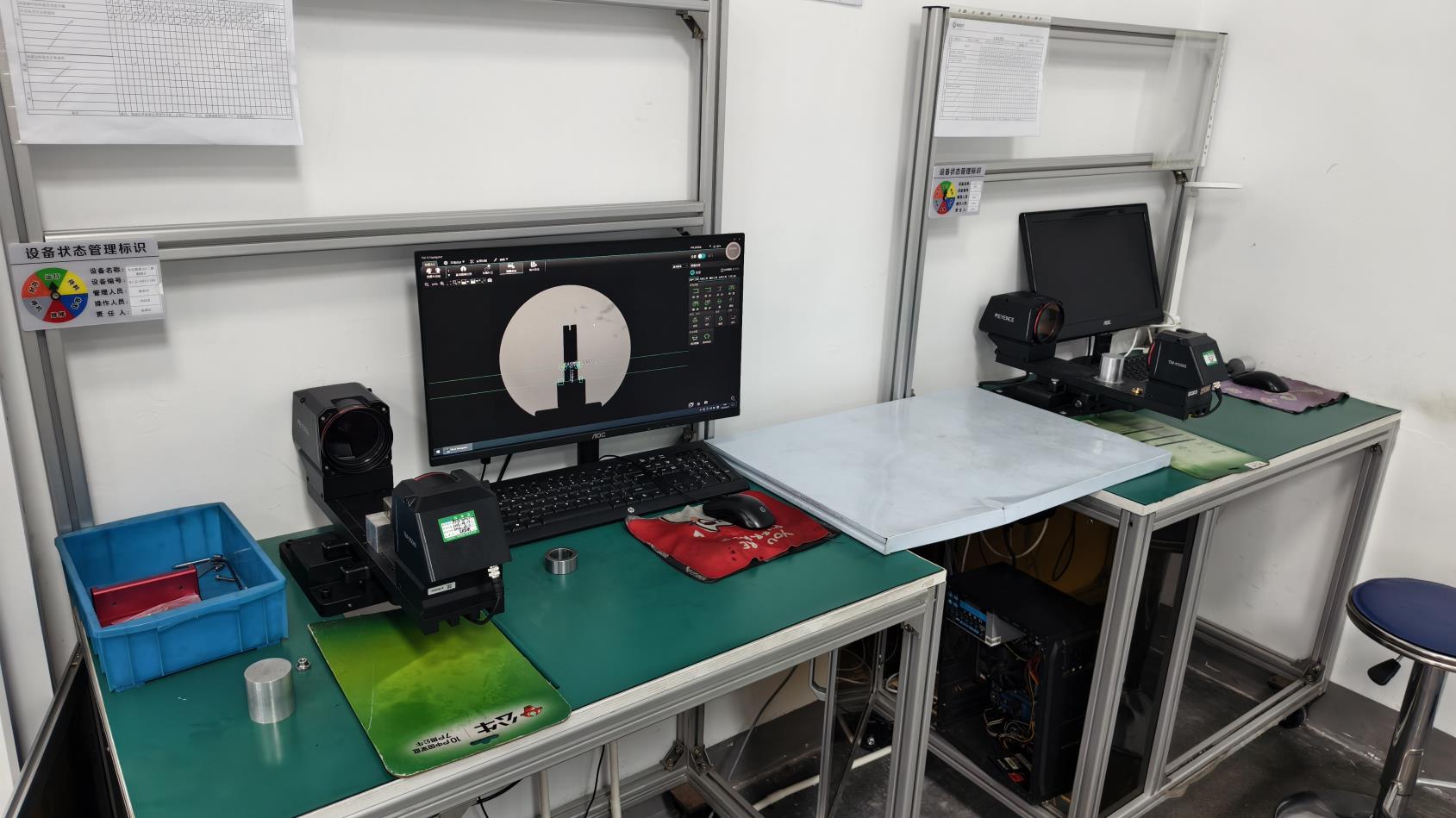
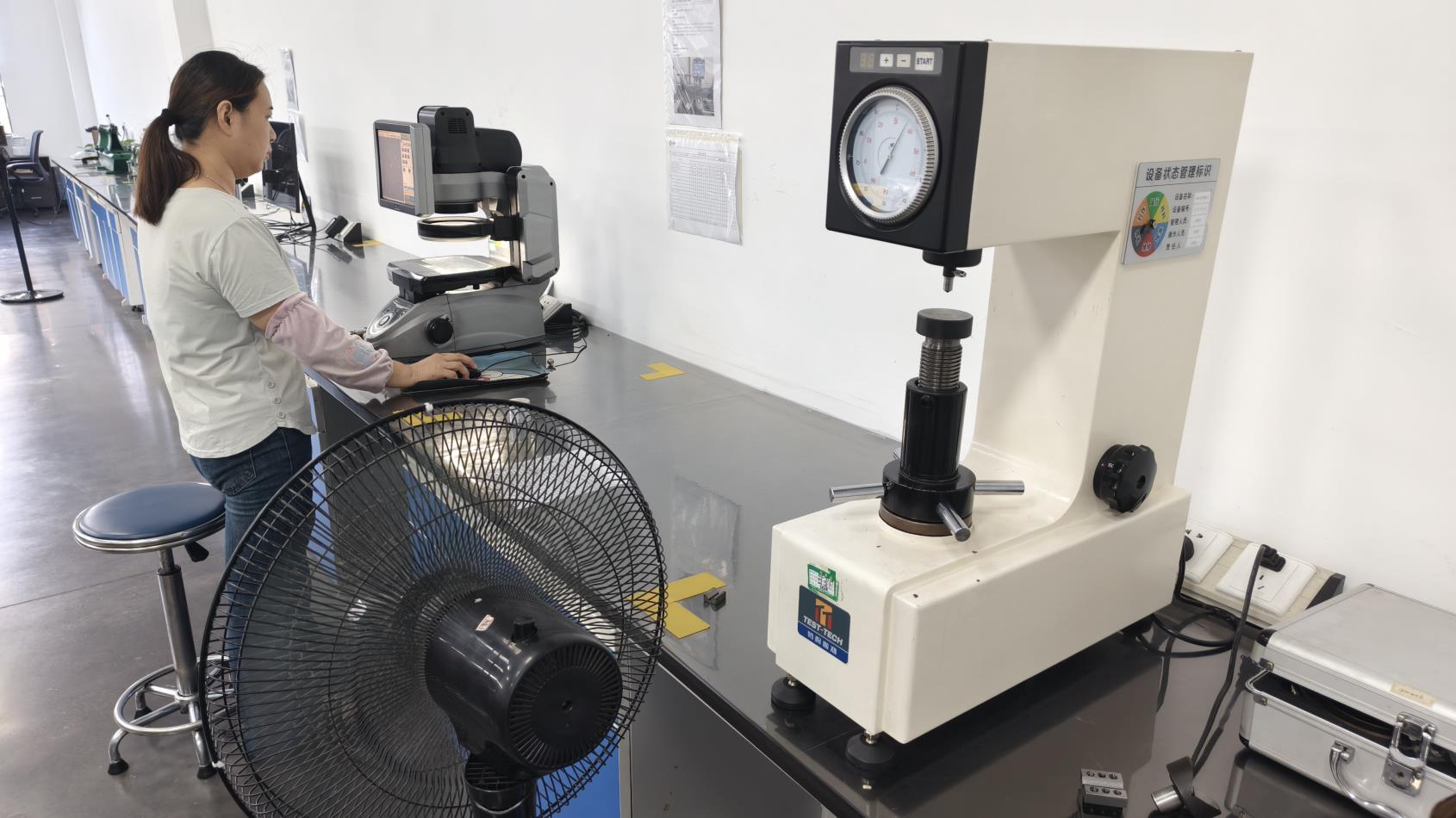
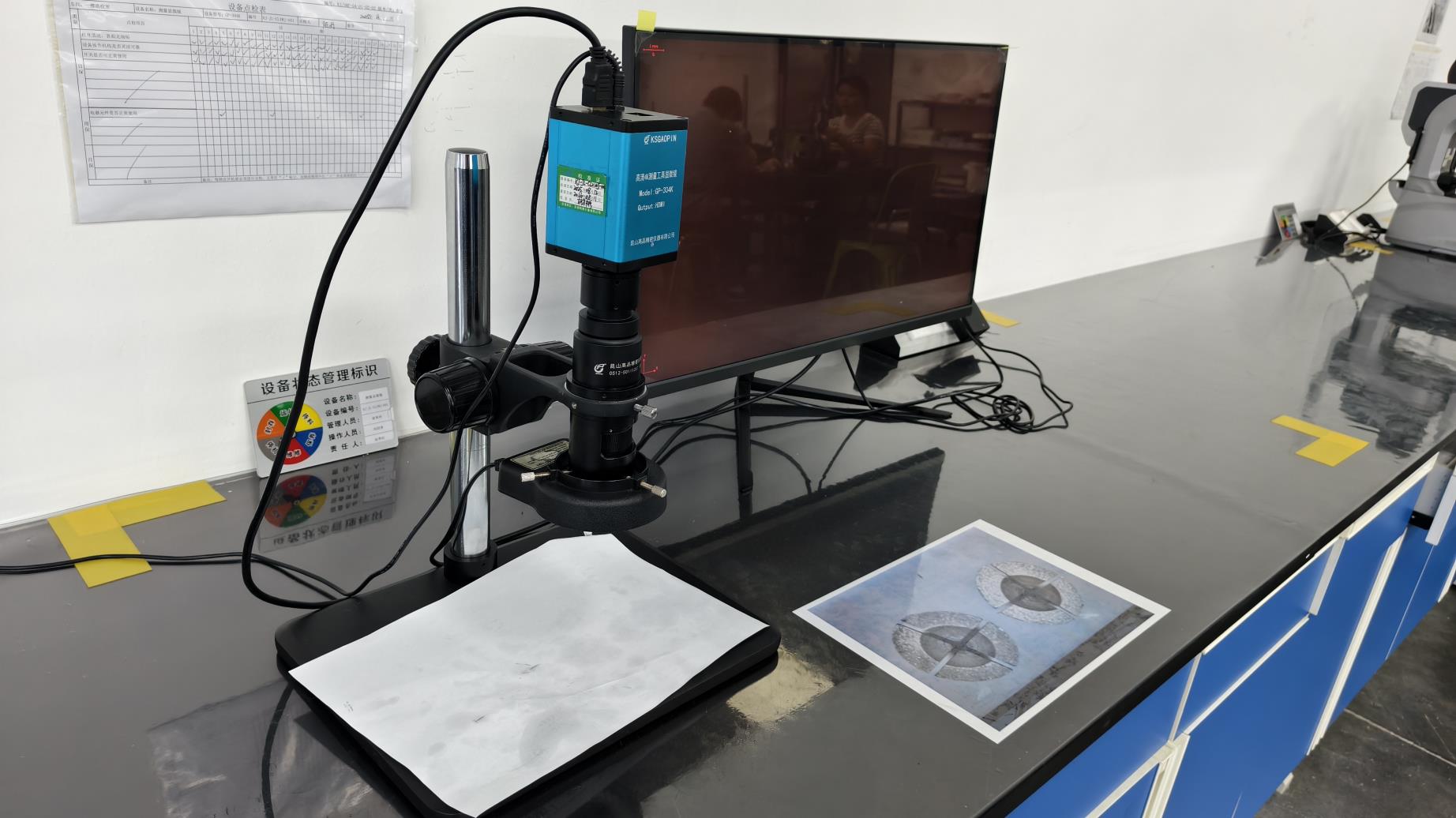
As healthcare costs rise globally, major medical centers in Tokyo, Yokohama, and Osaka face strict budget targets under Japan's National Health Insurance (NHI) system. Consequently, hospital procurement directors are looking beyond traditional domestic suppliers to secure high-quality implants at sustainable price points. Partnering with a China-based contract manufacturer like Moventra provides a strong competitive advantage, combining competitive pricing with international quality certifications.
By locating our production in China's key industrial hubs, we utilize a highly integrated raw material supply chain. This setup gives us reliable access to medical-grade titanium, high-strength cobalt-chromium, and ultra-high-molecular-weight polyethylene (UHMWPE). This localized supply chain reduces lead times and minimizes costs compared to Western operations, without compromising on quality. Additionally, our streamlined shipping routes from Eastern China directly to the Port of Tokyo ensure quick deliveries, helping distributors maintain optimal inventory levels.
Our implant designs are tailored for specific clinical situations common in modern Japanese hospitals:
Detailed technical answers for procurement managers, medical engineers, and orthopaedic distributors in Tokyo and Kanto region.
Moventra provides foreign manufacturer registration support, complete design dossiers (DHF), raw material traceability reports (ISO 5832 series compliance), cleanroom validation records, and biocompatibility profiles (ISO 10993). We collaborate closely with Japanese Designated Marketing Business License holders (MAH) to streamline the PMDA Class III device approval process.
We use medical-grade Titanium Alloy (Ti-6Al-4V ELI) conforming to ASTM F136 / ISO 5832-3 for femoral stems, Cobalt-Chromium-Molybdenum (CoCrMo) alloy conforming to ASTM F75 / ISO 5832-4 for knee components and modular femoral heads, and ultra-clean UHMWPE (including vitamin E blended variants) conforming to ASTM F648 for bearing liners.
Our cleanrooms are designed and certified to ISO Class 7 (Class 10,000) standards. We provide implants in bulk non-sterile packaging for local sterilization, or gamma/EtO sterilized double blister packaging conforming to ISO 11137 and ISO 11135 regulations.
For standard orthopedic configurations, our lead time ranges from 30 to 45 days after design finalization. For custom ODM orders requiring unique forging dies or specialized titanium plasma coatings, lead times vary from 60 to 90 days. We offer air cargo shipping directly to Tokyo Haneda (HND) or Narita (NRT) airports for urgent orders.
Comprehensive orthopaedic systems, precision instrumentation, and joint reconstruction accessories designed to match international surgical protocols.
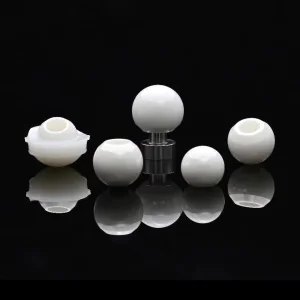
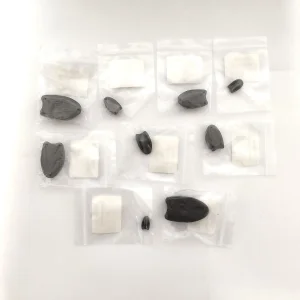
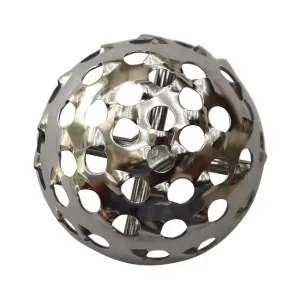
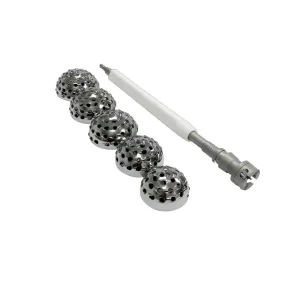
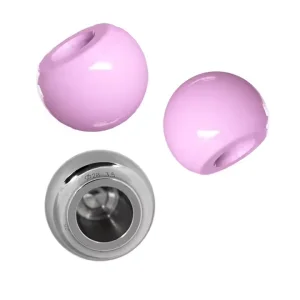
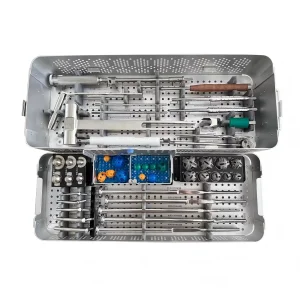
High-grade arthroplasty components and surgical instrumentation designed to support orthopedic clinics and veterinary trauma centers.
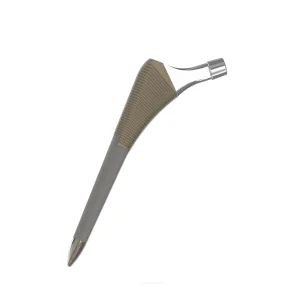
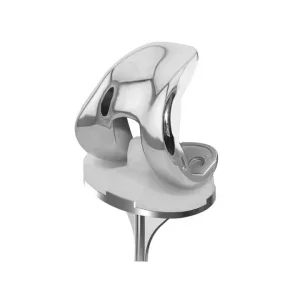
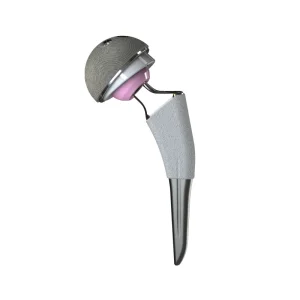
 Moventra Medical