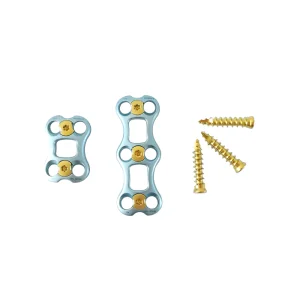
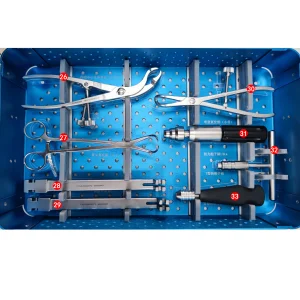
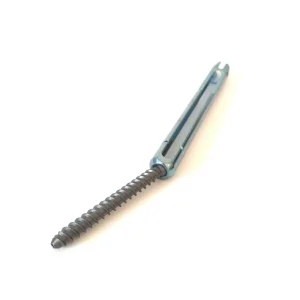
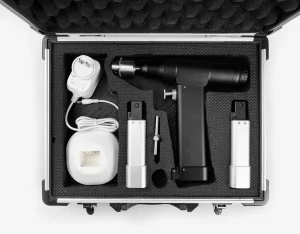
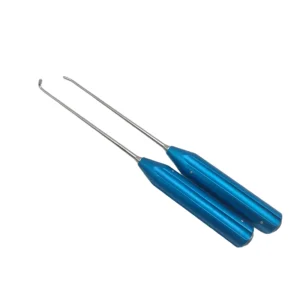
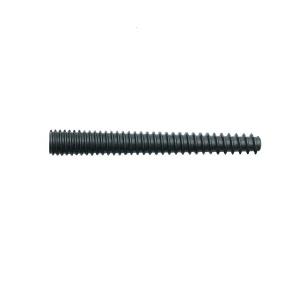
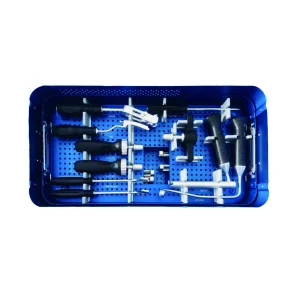
Explore our high-precision surgical instruments and trauma fixation implants manufactured under CE Class III / ISO 13485 standards.
Analyzing the evolution of femoral internal fixation from mechanical rigidity to biological adaptation.
Modern internal fixation designs focus on physiological load transfer. By using anatomical profiles and locking mechanics, stress shielding is minimized, reducing the incidence of implant failure and post-surgical osteoporosis under the plate.
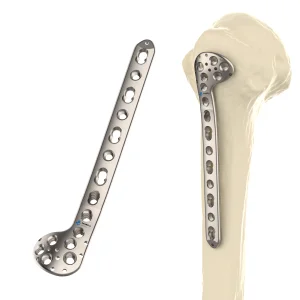
Engineered precisely to match the complicated geometry of the distal and proximal femur. Anatomical pre-shaping decreases intraoperative manipulation time, eliminates mechanical stress points, and safeguards soft tissue vascular structures.
Using Minimally Invasive Plate Osteosynthesis (MIPO) pathways, locking screw constructs act as internal fixators. The limited contact profile preserves periosteal blood supply, promoting secondary bone healing through healthy callus formation.
Clinical Focus: High-energy femoral shaft fractures and distal articular comminution present significant surgical challenges. Standard dynamic compression plates frequently compress periosteal capillaries, leading to delayed union or non-union. Transitioning to CE-certified femoral locking plates with combi-holes and polyaxial screw designs allows locking configurations to sustain axial load without stripping cortical threads, even in osteopenic bone structures.
Addressing OEM requirements, international compliance shifts (MDR), and supply chain resilience.
Global medical device procurers face severe challenges regarding regulatory shifts, rising raw material costs, and strict manufacturing standards. Under the European Union’s Medical Device Regulation (MDR 2017/745), traceability, post-market clinical follow-up (PMCF), and comprehensive mechanical testing are strict criteria for orthopedic products entering key regional markets.
As a seasoned manufacturing hub, Moventra Medical Technology bridges this regulatory gap. Our design and test laboratories validate every batch of medical-grade Titanium and Cobalt-Chromium alloys, ensuring seamless distribution across North America, Europe, South America, and the Middle East.
| Compliance & Supply Aspect | Moventra Industrial Standard |
|---|---|
| Raw Material Certification | Medical Grade Titanium Alloy (TC4/Grade 5 / ASTM F136) |
| Certification Standards | CE Mark, ISO 13485:2016 Quality Management |
| Traceability (MDR Ready) | Laser-etched Unique Device Identification (UDI) Codes |
| Mechanical Assessment | Fatigue & Static Torsion Test, Pullout Force Evaluation |
| Facility Coverage | 18,600 m² Advanced Production Base (est. 2017) |
| Quality Personnel | 48 Inspectors with 100% Pre-Shipment Validation |
Inside Moventra Medical's state-of-the-art facilities: Where medical grade materials meet Swiss micro-machining.
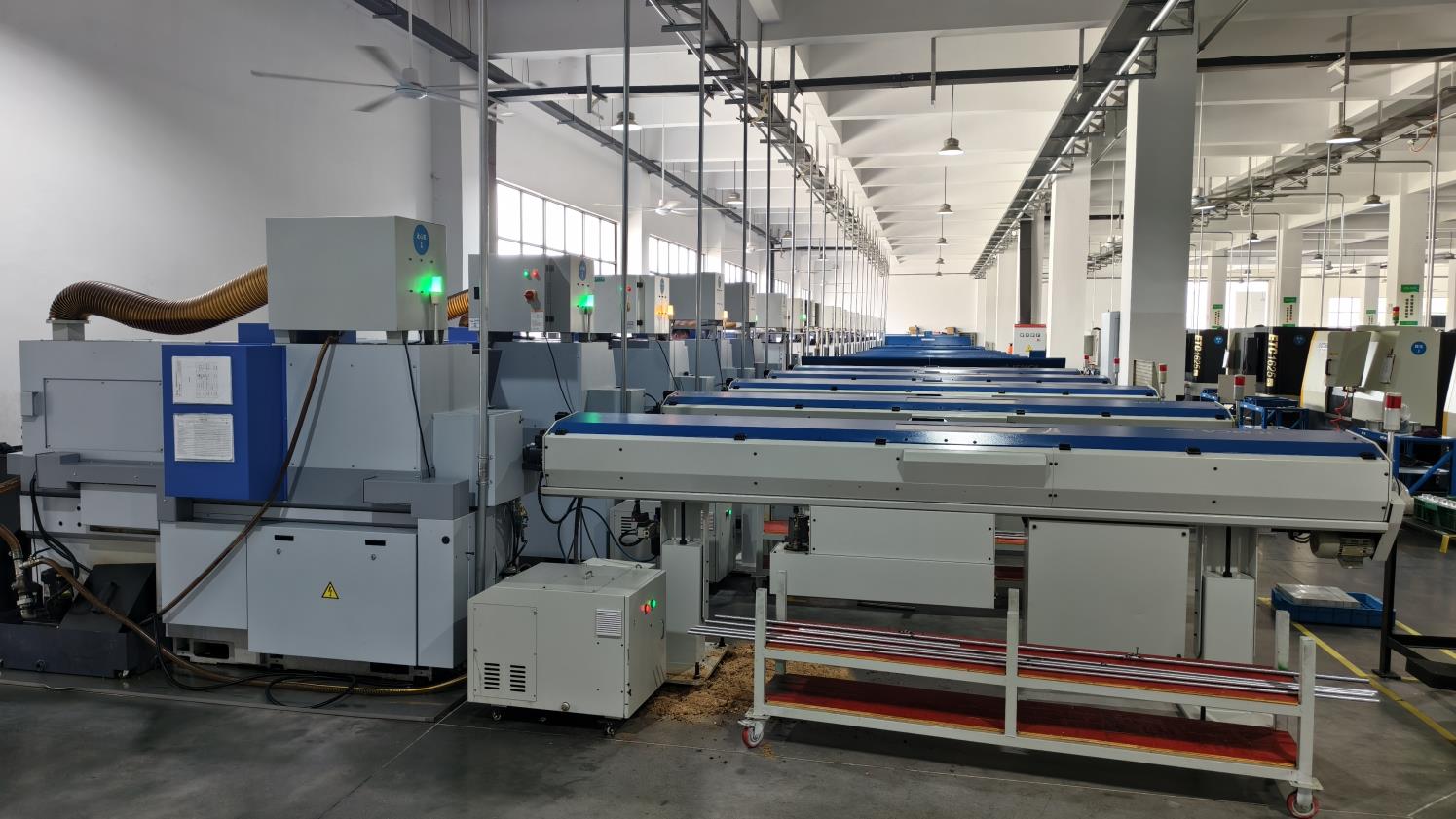
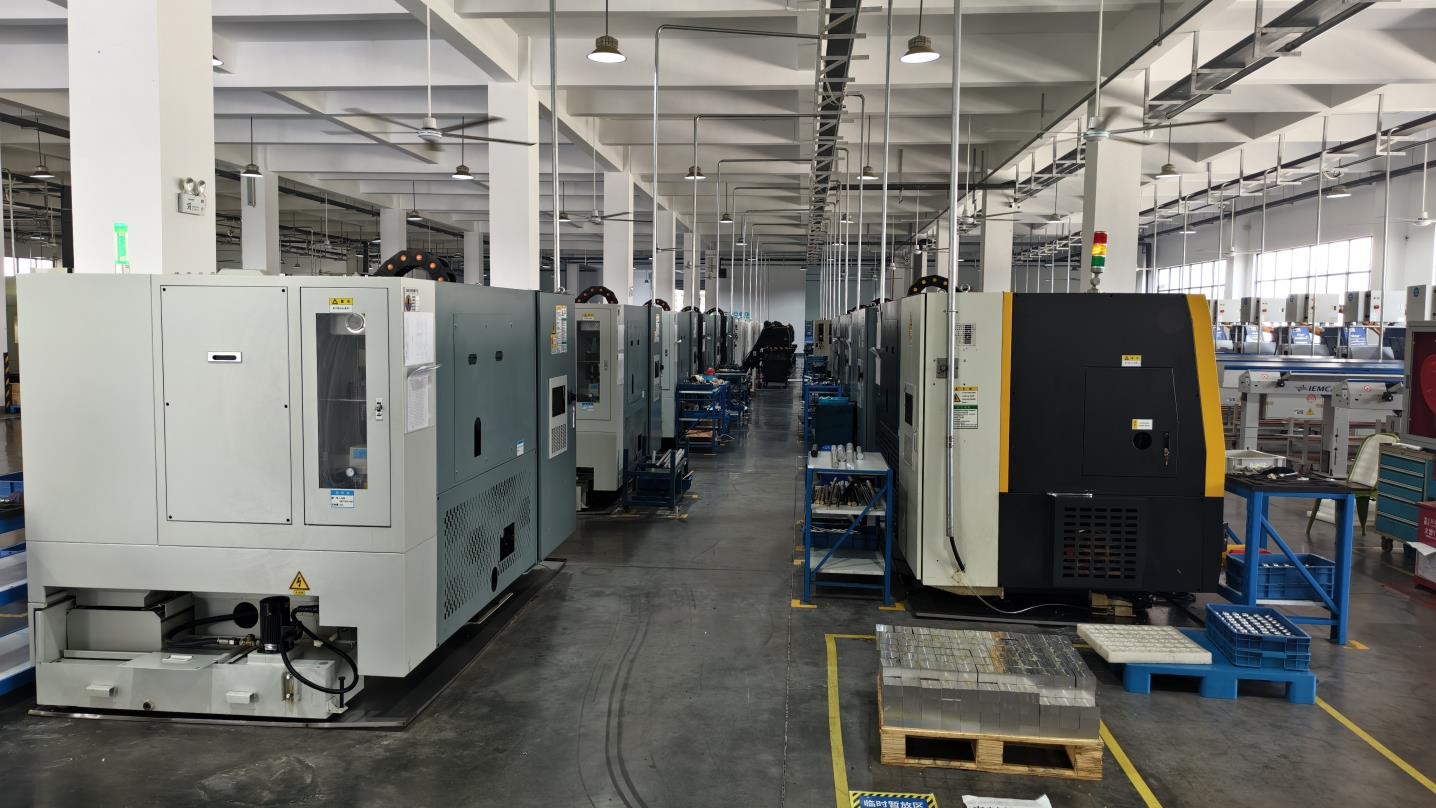
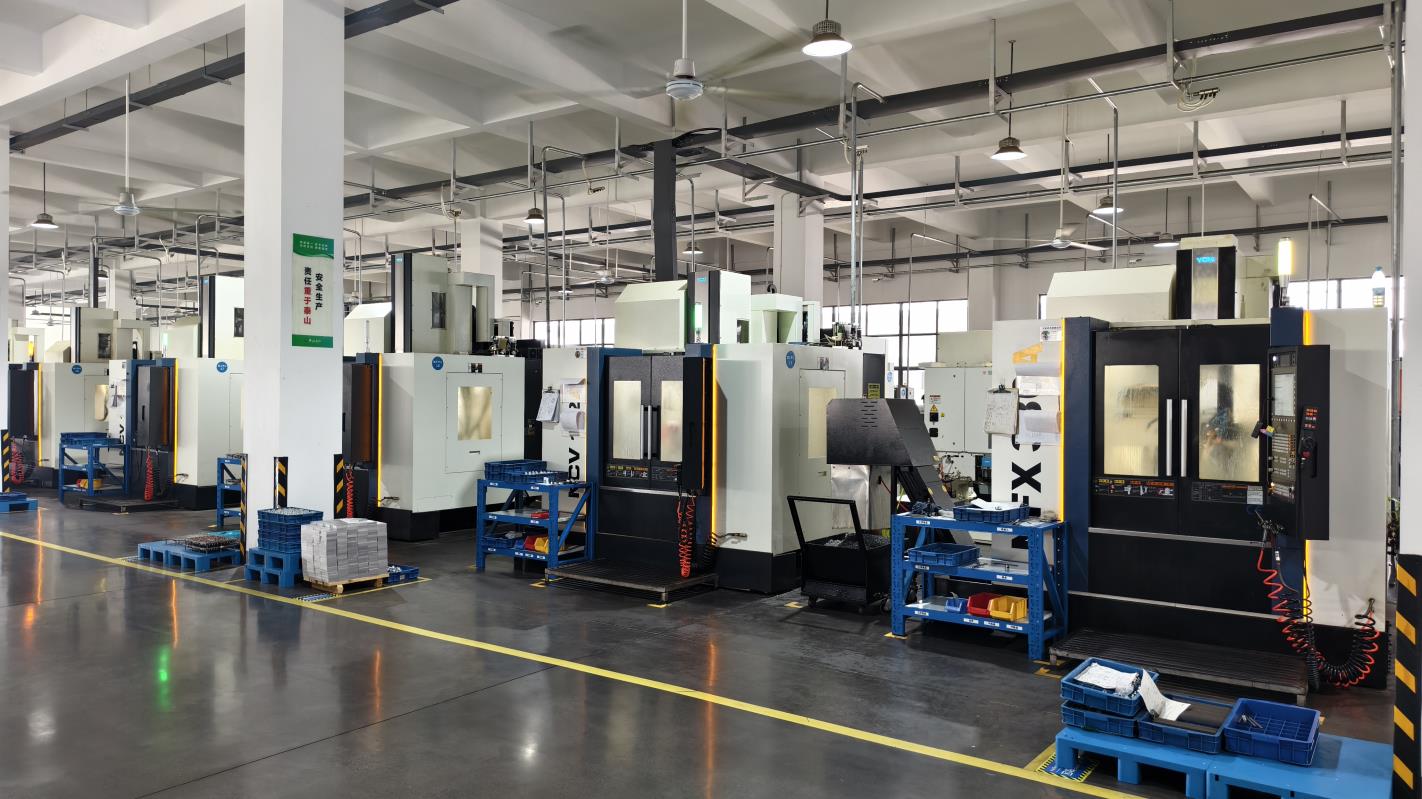
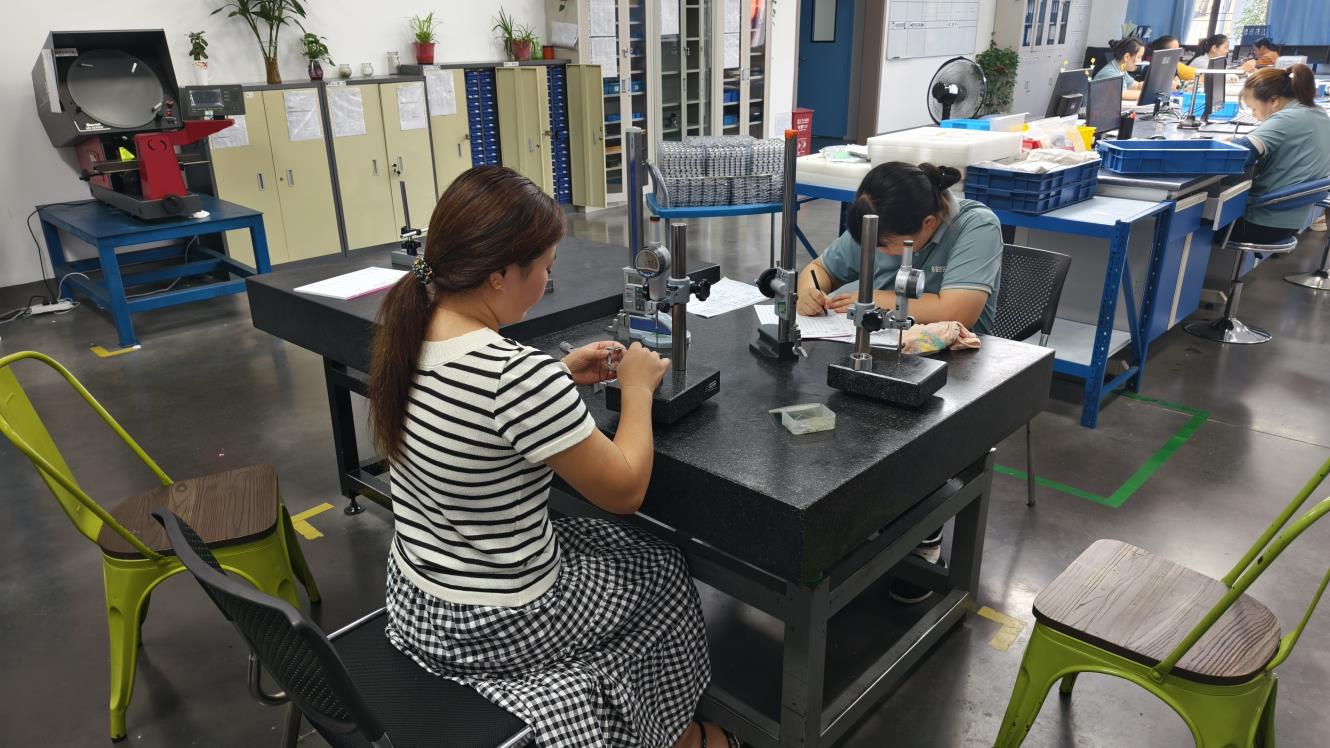
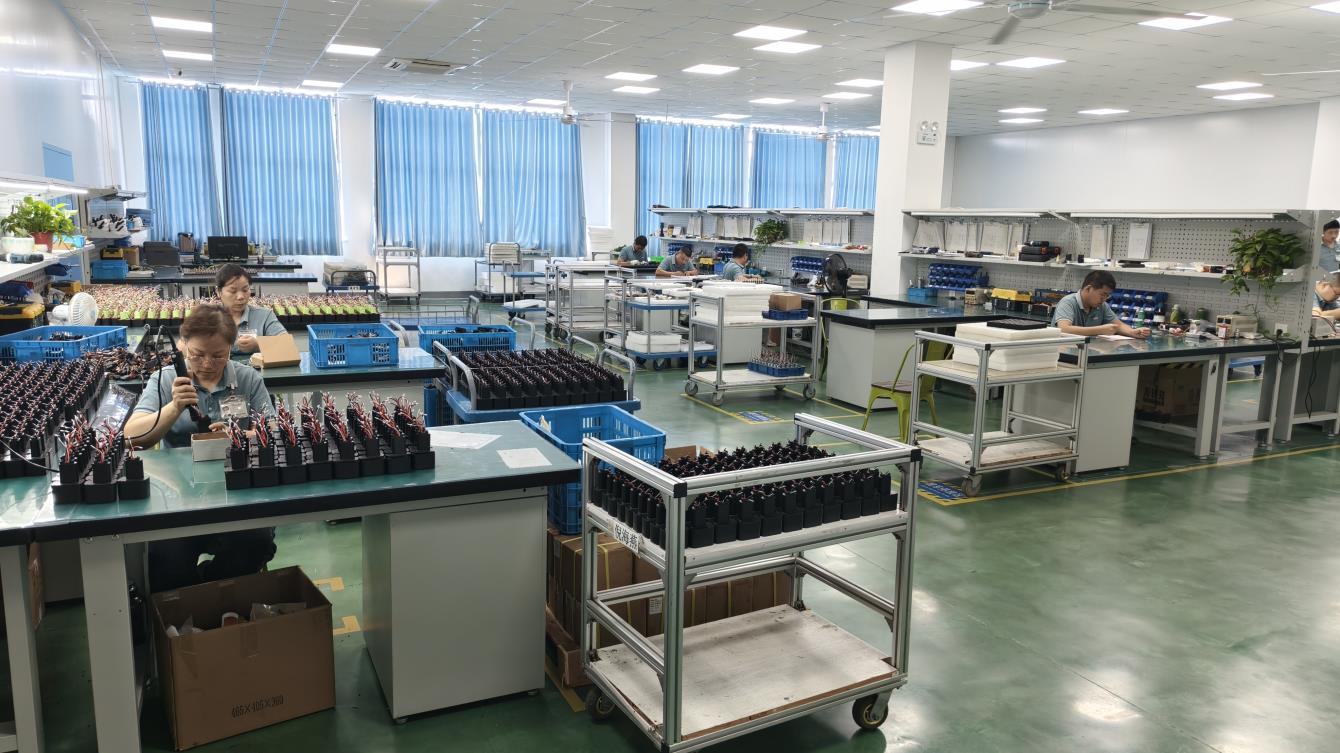
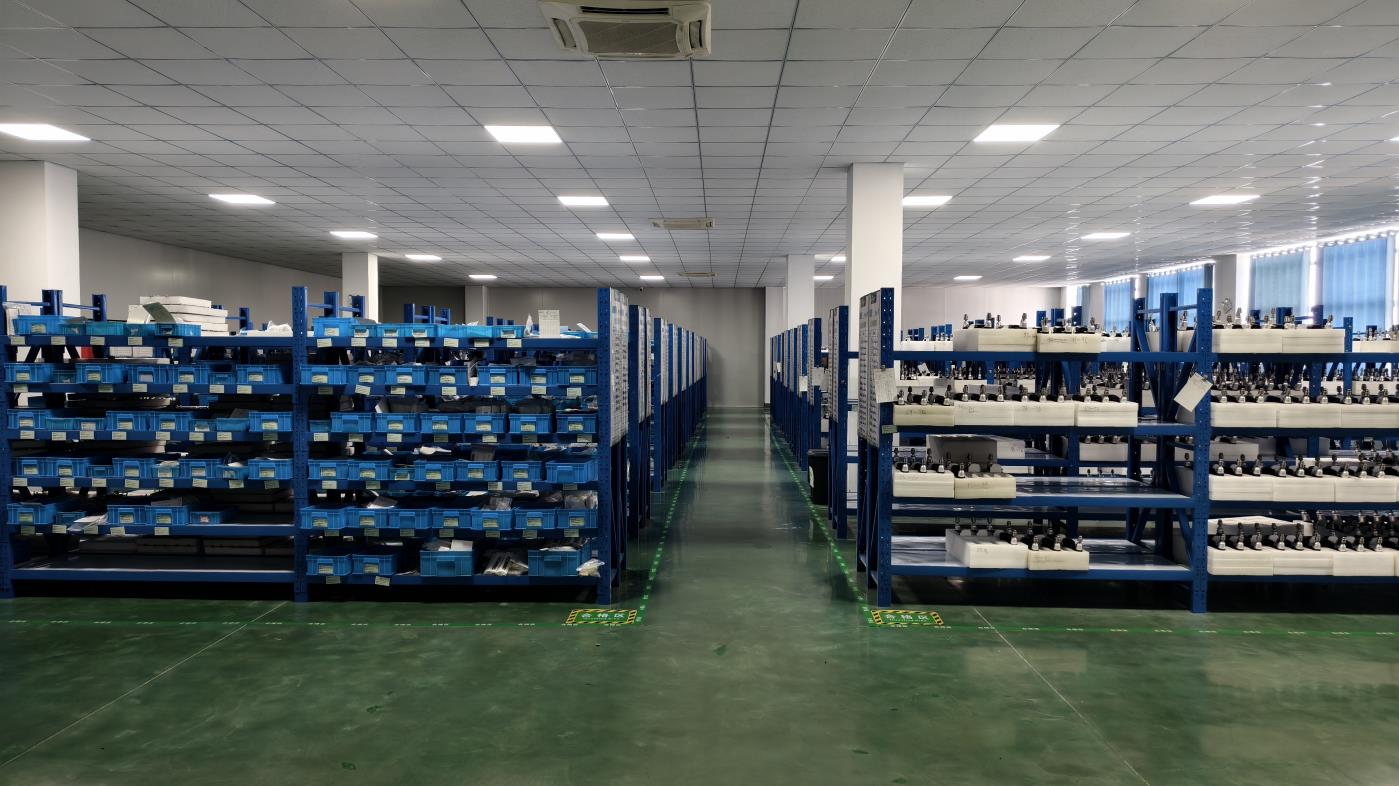
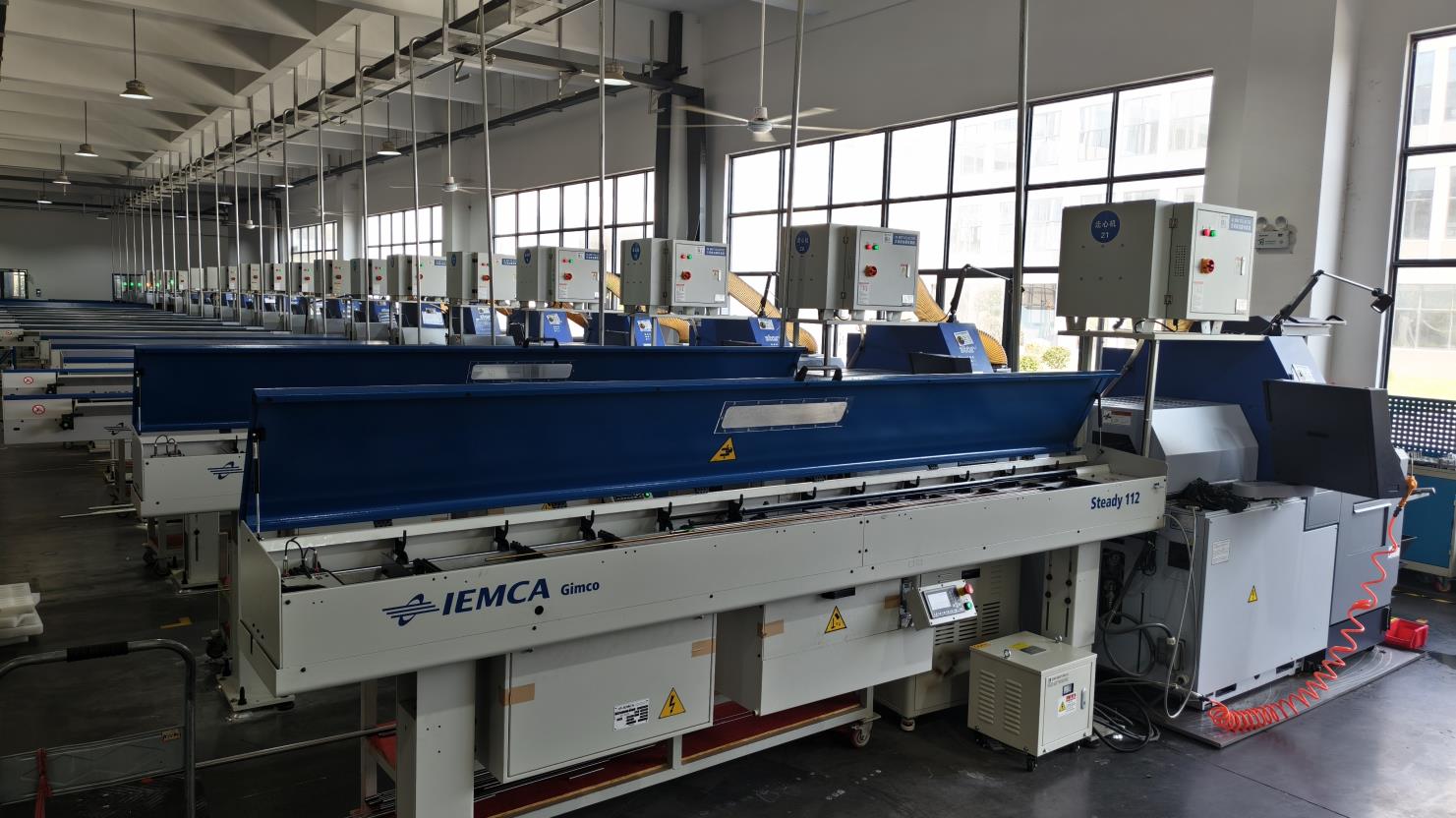
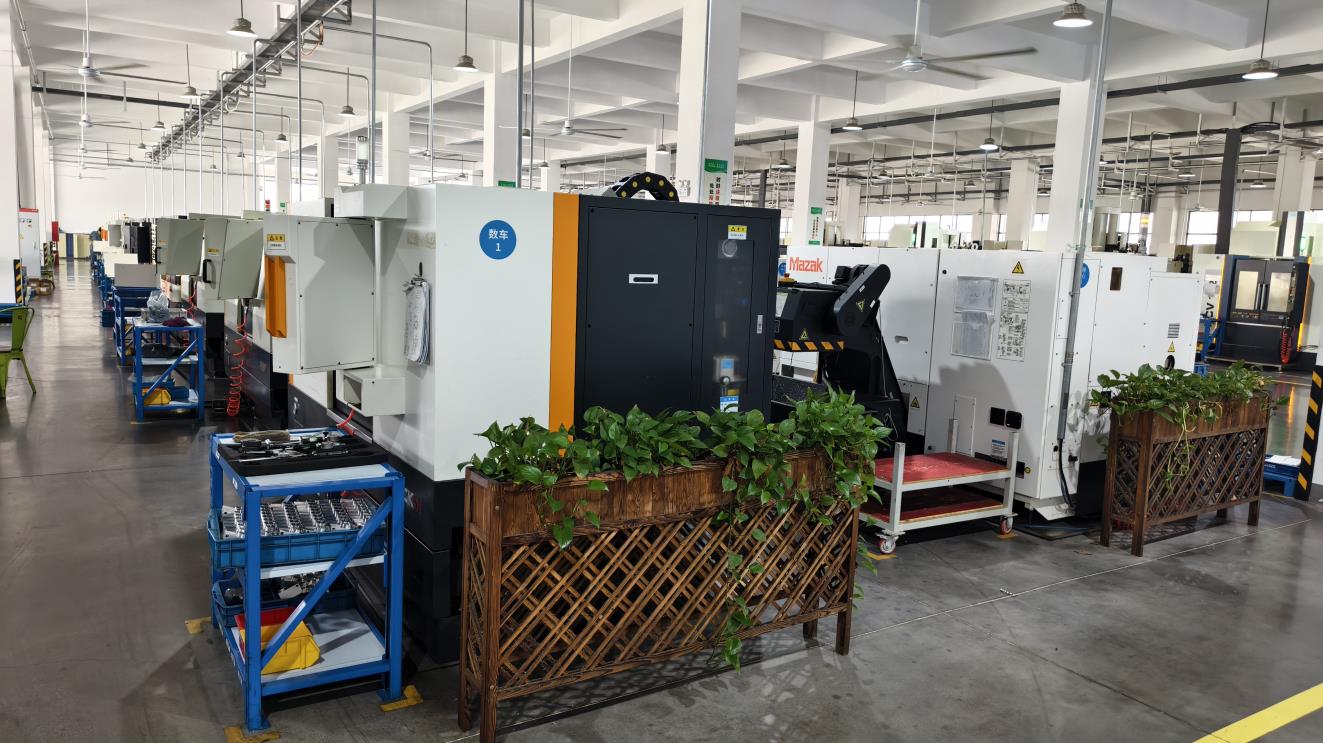
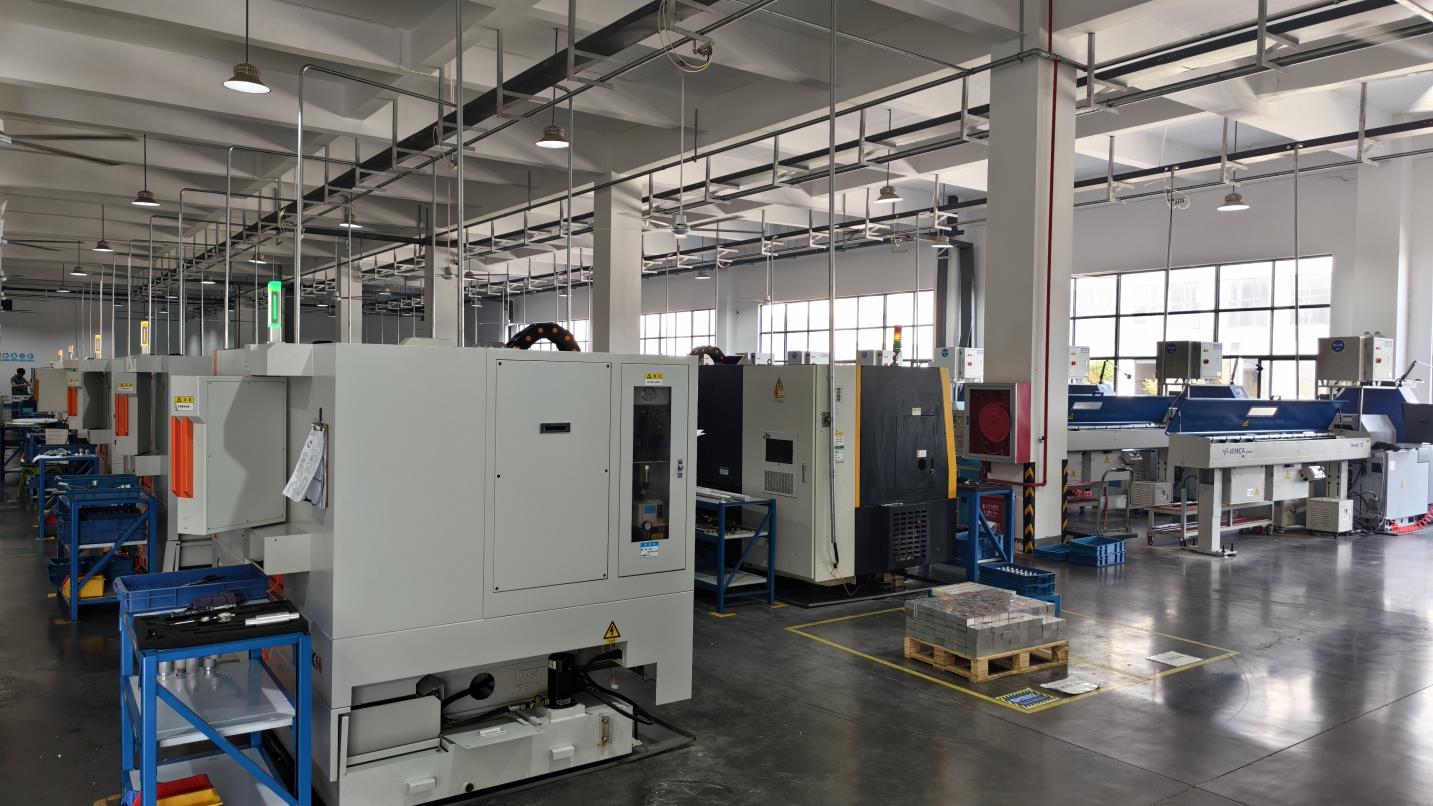
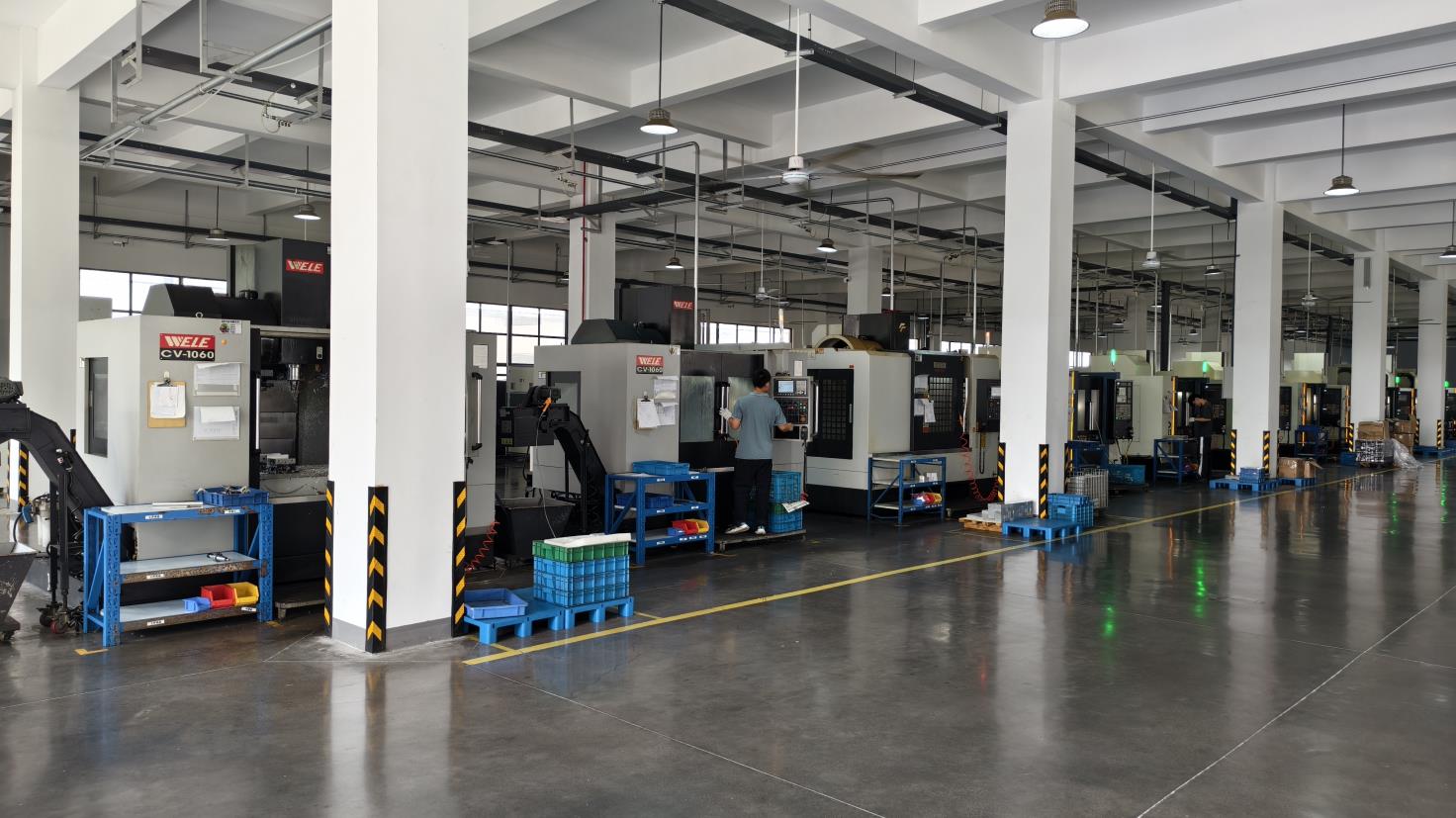
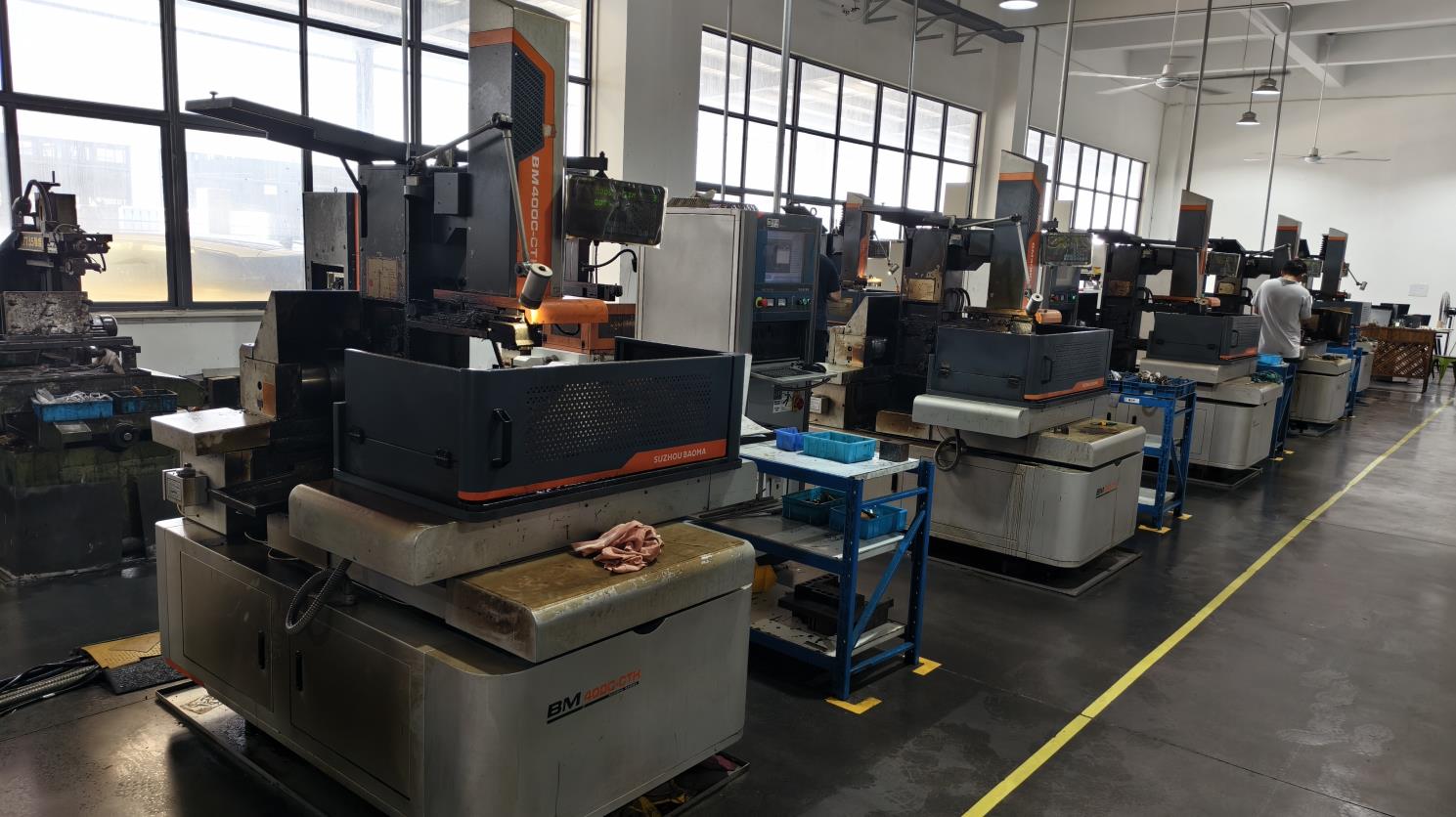
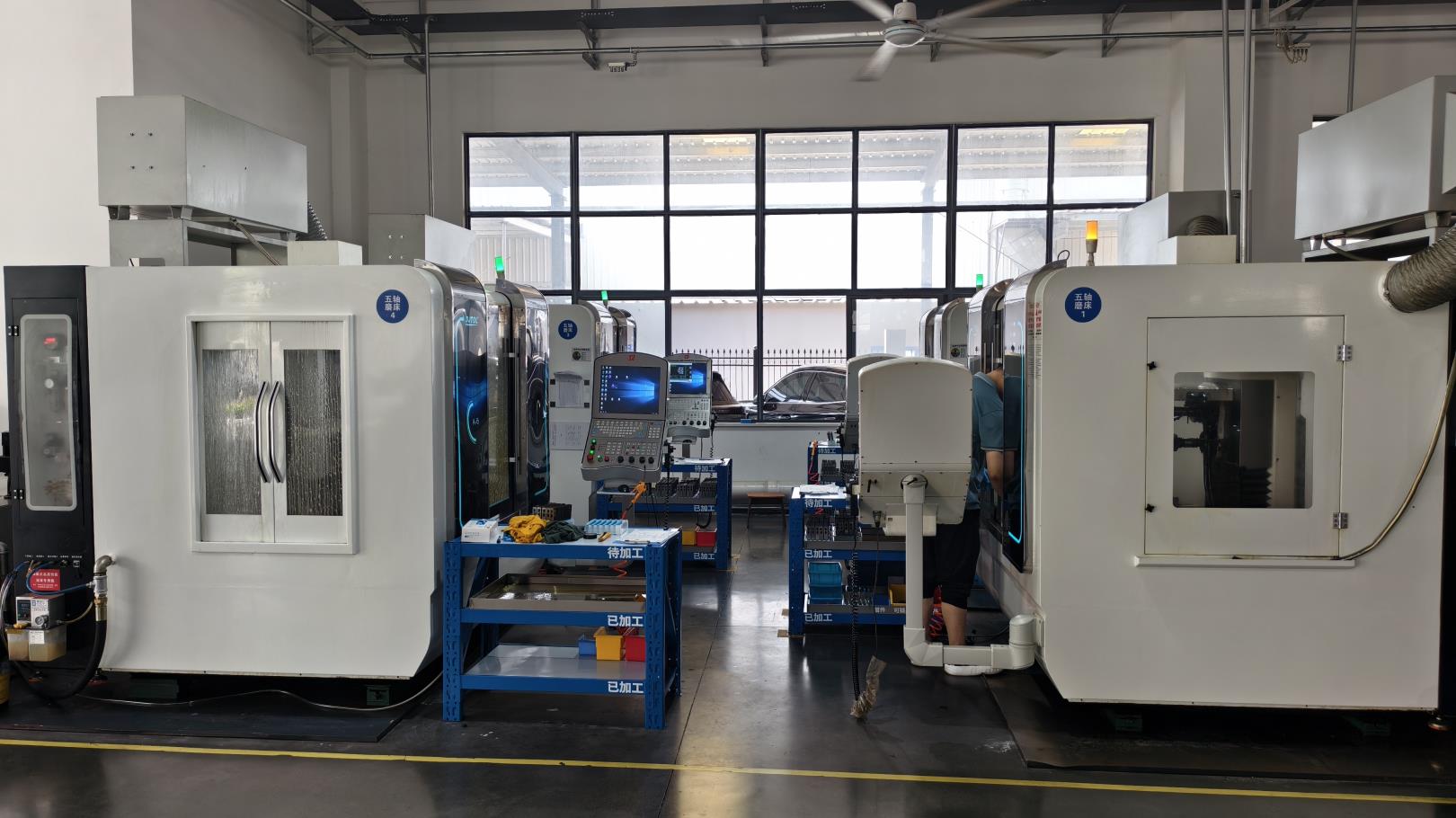
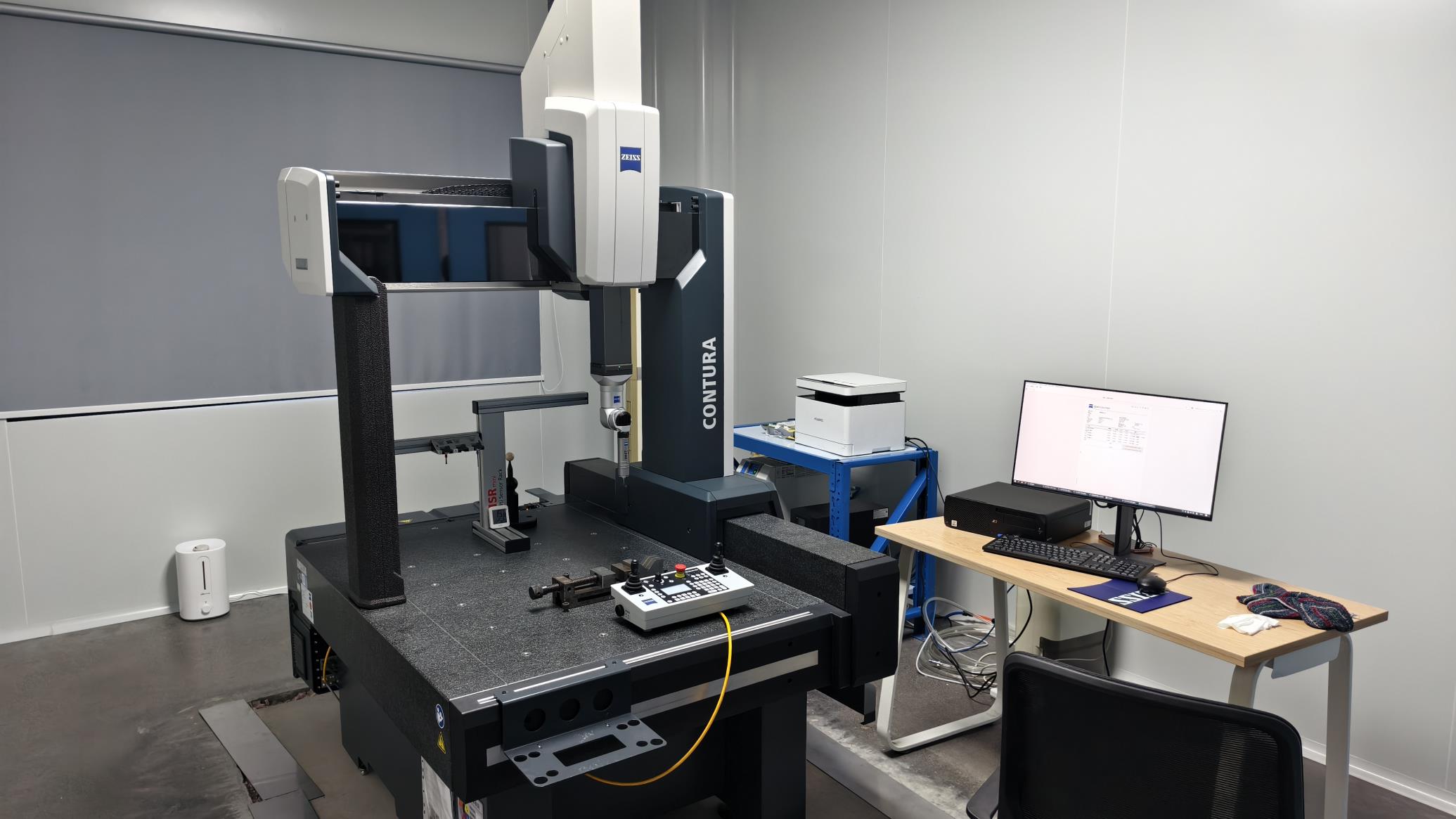
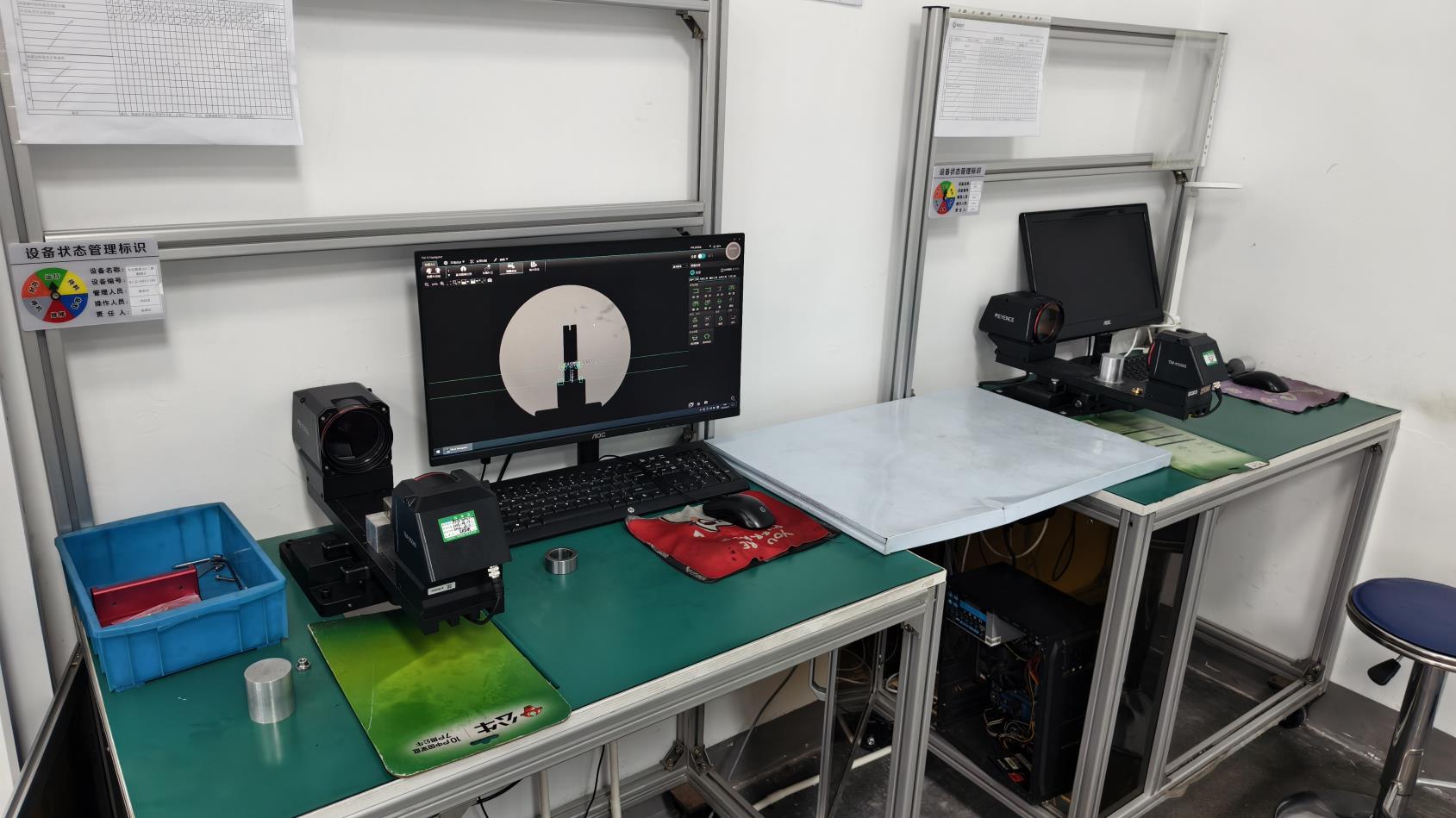
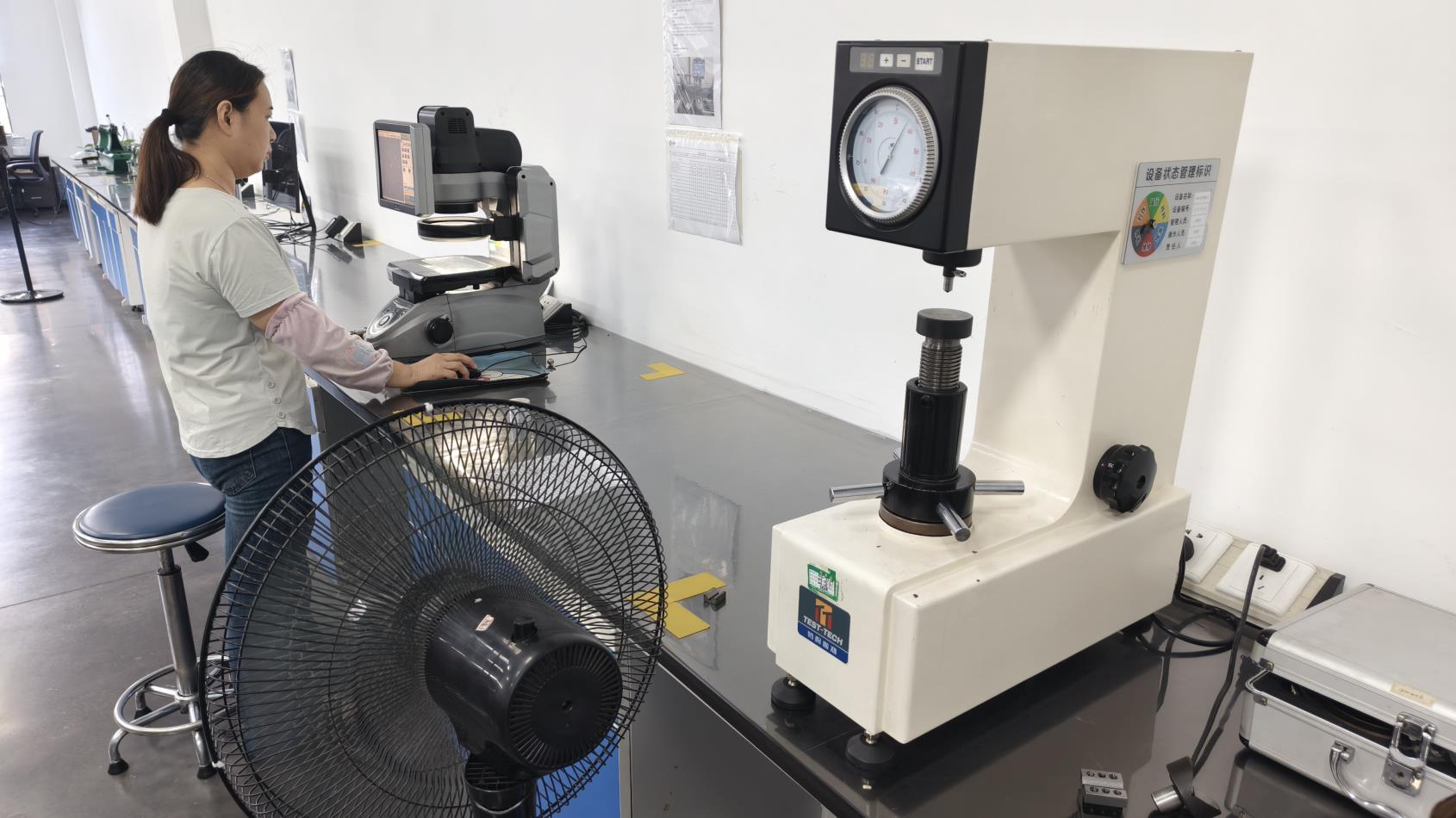
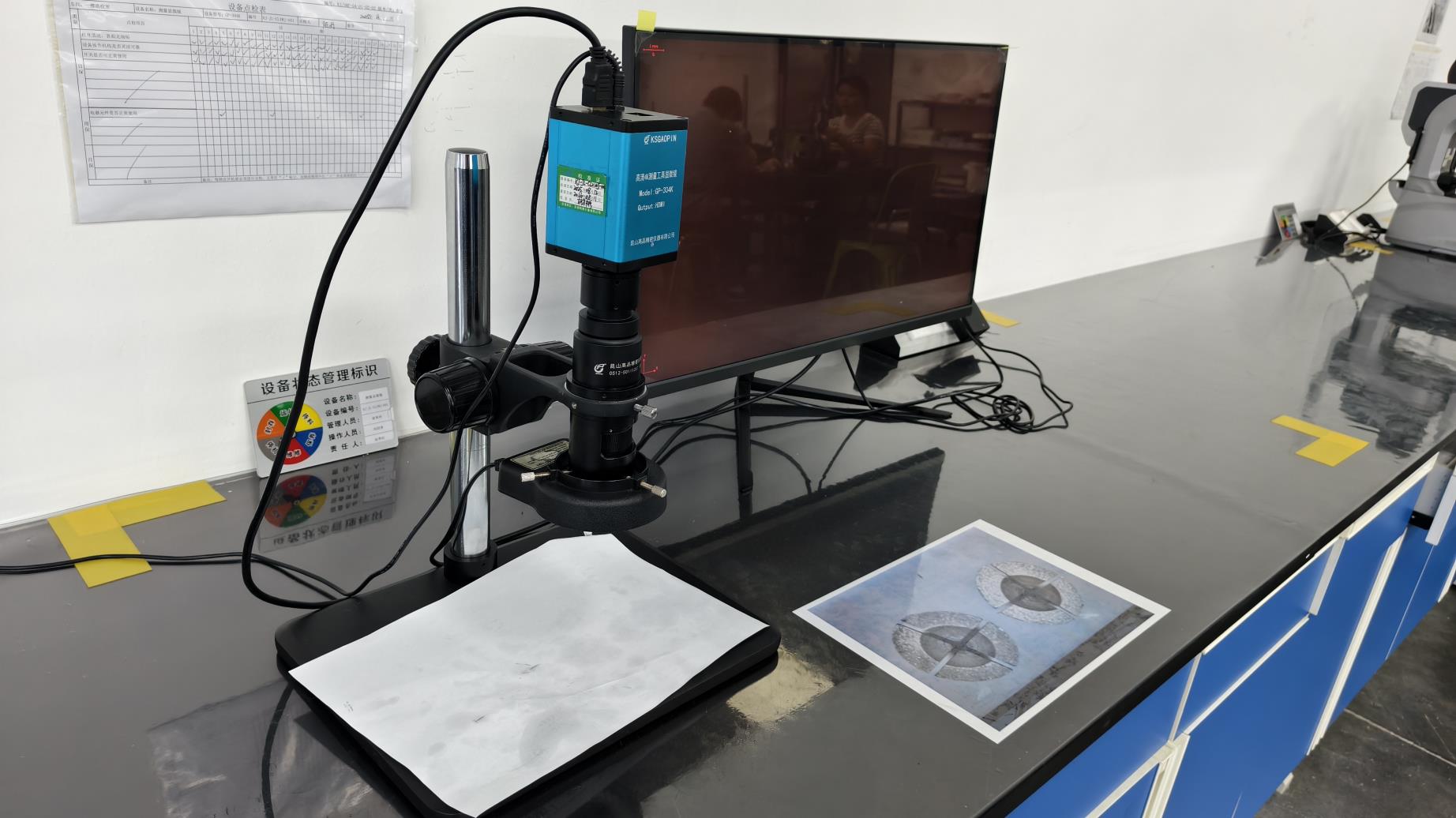
Our production line features leading equipment, including Swiss-type automatic lathes and 5-axis vertical machining centers. To guarantee standard surface roughness ($R_a < 0.4\,\mu\text{m}$ for sliding surfaces) and perfect screw-to-plate locking dynamics, we use advanced measurement instruments. These include 3D coordinate measuring machines (CMM) and high-resolution optical profile projectors.
Matching dynamic anatomical configurations to unique patient fracture conditions.
Using a distal lateral femoral locking plate to span metaphyseal comminuted areas. Multi-directional screw configurations securely anchor the subchondral bone, maintaining alignment and preventing varus collapse under load.
Proximal femoral locking plates (PFLP) manage the deforming force vectors of the iliopsoas and gluteus medius muscles. Standard combi-holes allow compression and locking stabilization within a single construct.
Developing next-generation active surface modifications and smart implant designs.
Applying Type II grey anodization to titanium surfaces to reduce friction, minimize cold welding between screws and plates, and increase fatigue resistance.
Integrating hydroxyapatite (HA) and silver-ion coatings to stimulate early bone integration and mitigate potential bacterial adhesion.
Developing internal fixators featuring strain-micro-sensor pathways to capture bone healing data in real-time, helping clinicians guide patient rehabilitation.
Deploying Electron Beam Melting (EBM) and Direct Metal Laser Sintering (DMLS) to produce customized, low-modulus porous locking designs for challenging cases.
Expert answers addressing materials, safety parameters, regulatory files, and surgical processes.
Providing high-precision surgical instruments, specialized implants, and trauma care components.
 Moventra Medical