Engineered for anatomical alignment, mechanical stability, and excellent clinical outcome
An authoritative deep dive into spinal implants design, surgical kinematics, and material sciences.
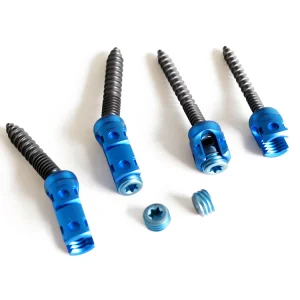
In posterior spinal fusion surgeries, achieving solid instrumentation while preserving natural anatomical structures is a significant surgical challenge. Monoaxial screws restrict placement angles, causing severe stress concentration on the rod-screw interface and potentially leading to screw pullout or pedicle fracture. Polyaxial pedicle screws address this problem by incorporating a spherical joint design within the screw head. This configuration permits a wide range of motion (typically up to 60 degrees of angulation), allowing the surgeon to insert the screw along the anatomical axis of the pedicle while aligning the slot to receive the spinal rod with minimal bending forces.
This design alleviates biomechanical tension on adjacent segments, reduces the risk of postoperative implant loosening, and accommodates varied patient anatomy. As a certified global manufacturer, Moventra focuses on optimizing this design through precise manufacturing tolerances and advanced metallurgy, ensuring high holding power and structural reliability.
“Information Gain in Orthopedic Design: Precision is not merely a manufacturing standard; it represents a critical factor in patient recovery. By reducing dimensional tolerances to the micron scale, we lower wear debris and mitigate the long-term risk of metallosis.”
The choice of materials directly impacts the biocompatibility, mechanical durability, and imaging compatibility of spinal implants. Moventra uses high-strength titanium alloy Ti-6Al-4V ELI (Extra Low Interstitial), conforming to ASTM F136 standards. This alloy provides an optimal balance of properties:
In addition, advanced electrochemical anodization is applied to the screw surfaces. This treatment generates a uniform, stable titanium oxide passivation layer, which enhances fatigue resistance and provides color-coded sizing identification to simplify procedures in the operating room.
Combining advanced CAD design with automated CNC production lines to deliver high-performance orthopedic solutions
Dual-lead and cortical-cancellous thread designs maximize purchase in varying bone densities. Self-tapping tips facilitate smooth insertion and minimize surgical time.
Features a square-thread set screw structure that reduces the risk of head splay and cross-threading, ensuring robust stabilization of the spinal construct.
The friction-fit head design maintains its spatial orientation prior to rod reduction, offering up to 60° of angulation for versatile placement options.
A transparent review of Moventra Medical Technology (China) Co., Ltd. based on actual enterprise resources
| Operational Metric | Details & Compliance Specifications |
|---|---|
| Company Name | Moventra Medical Technology (China) Co., Ltd. (Established 2017) |
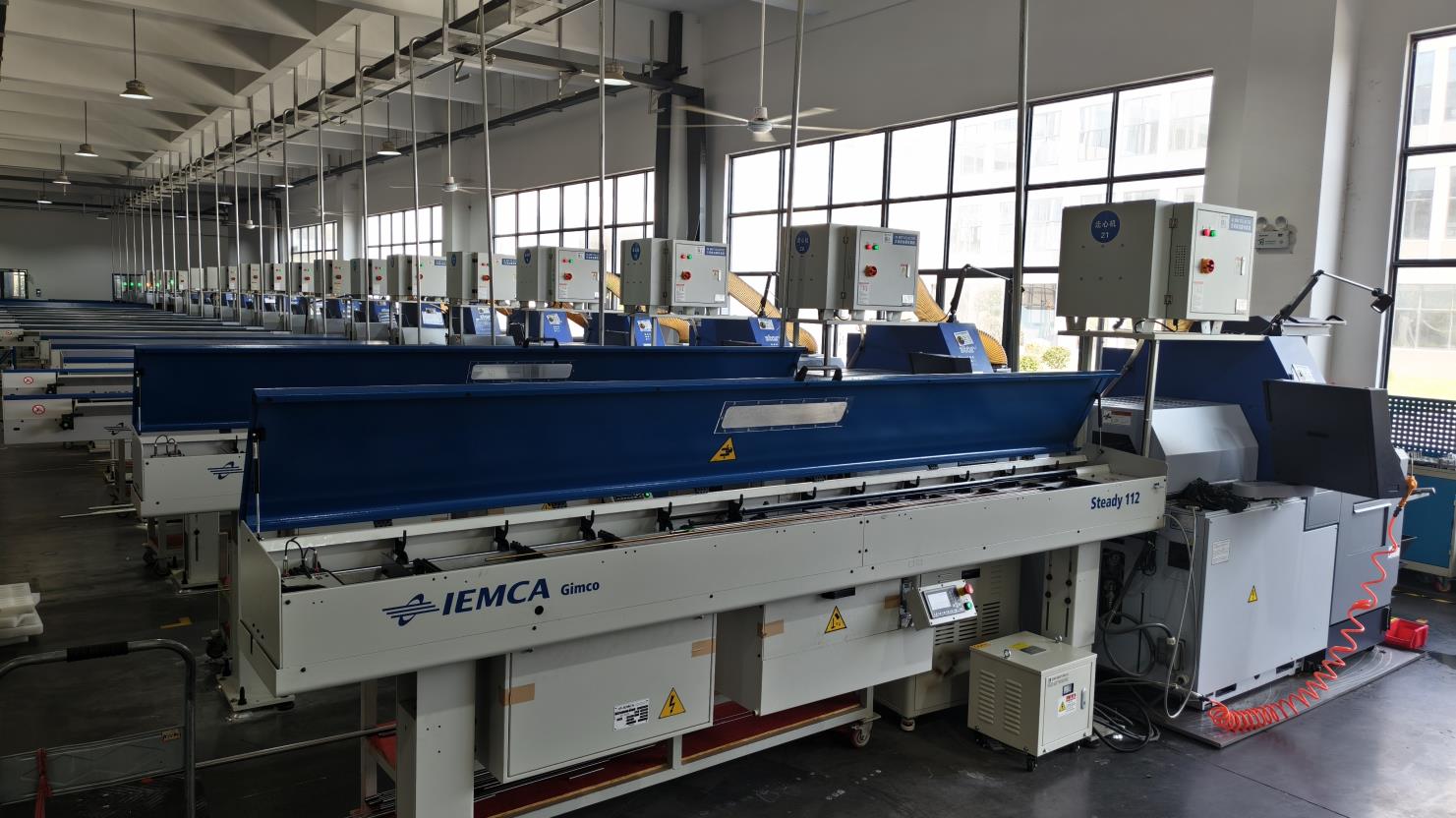
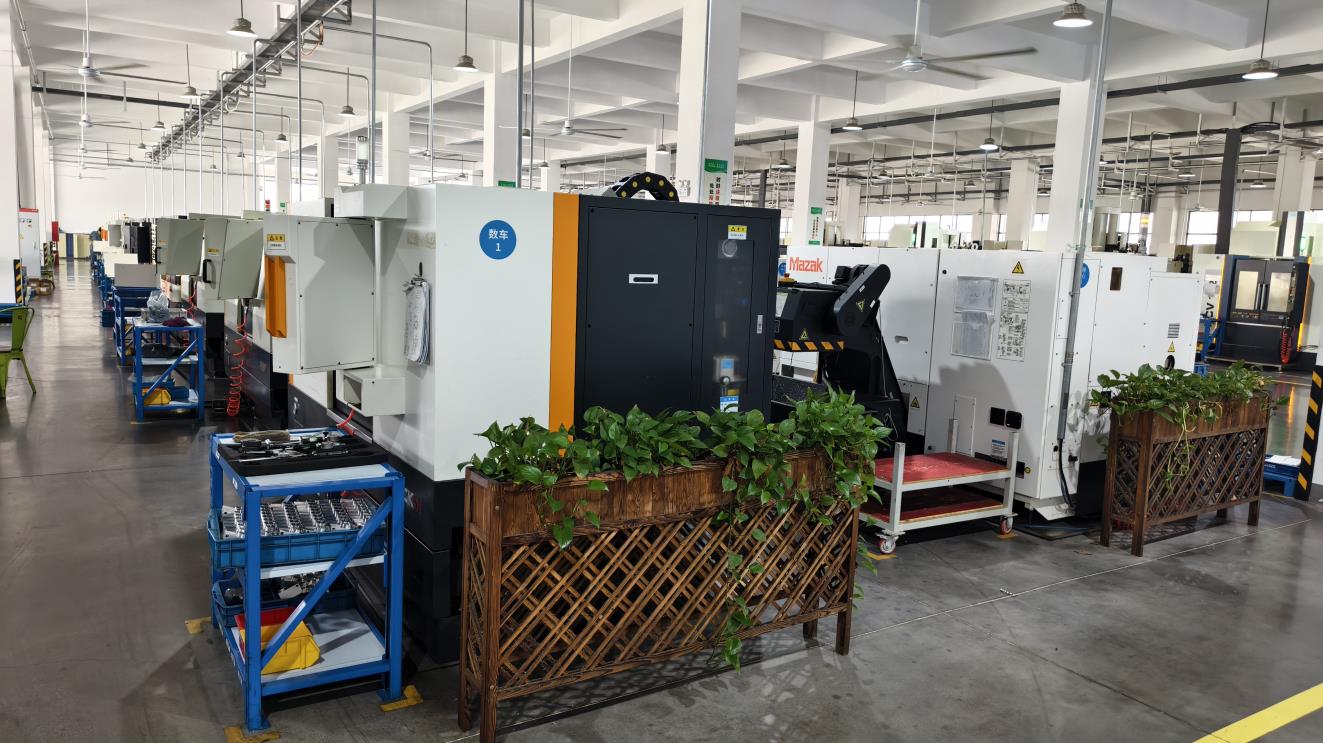
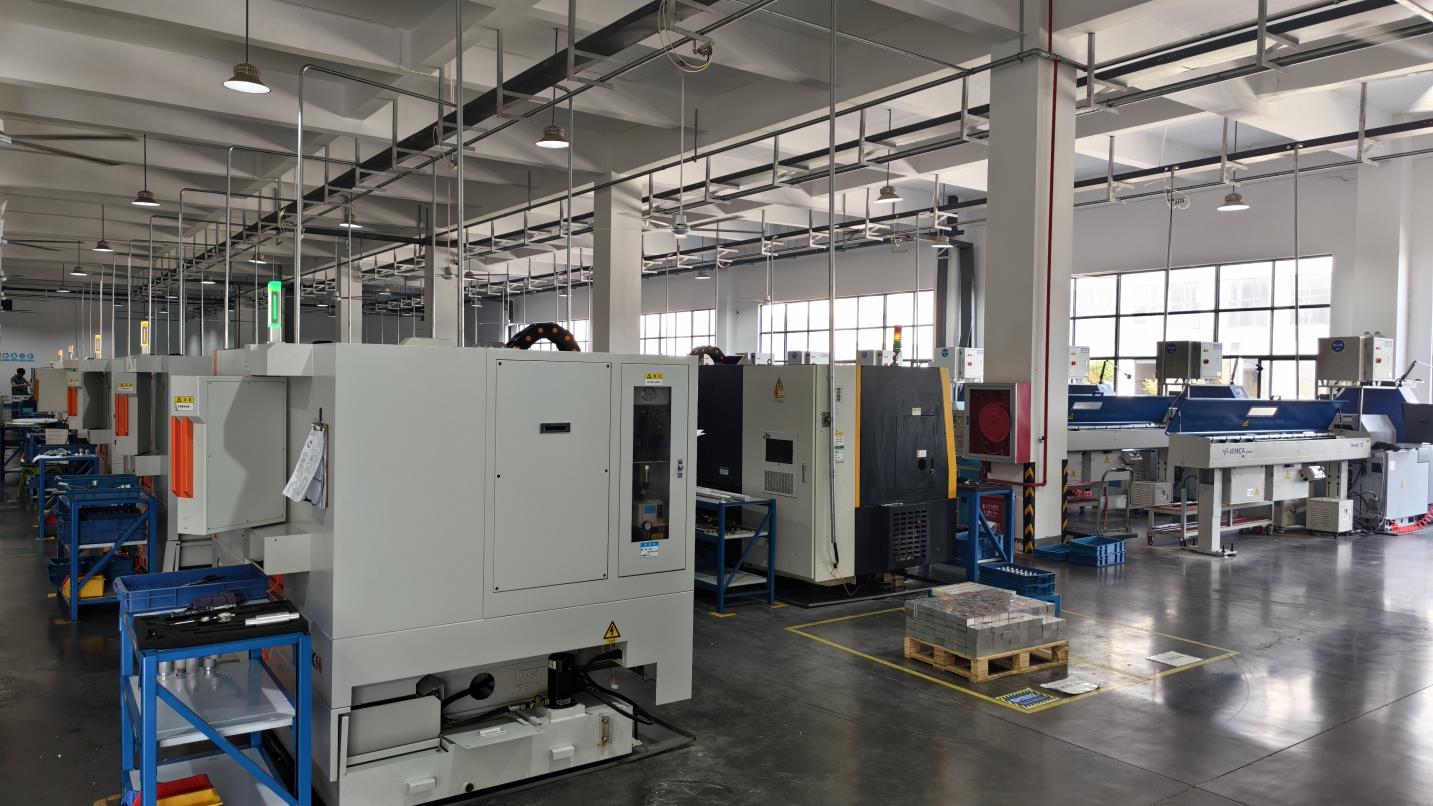
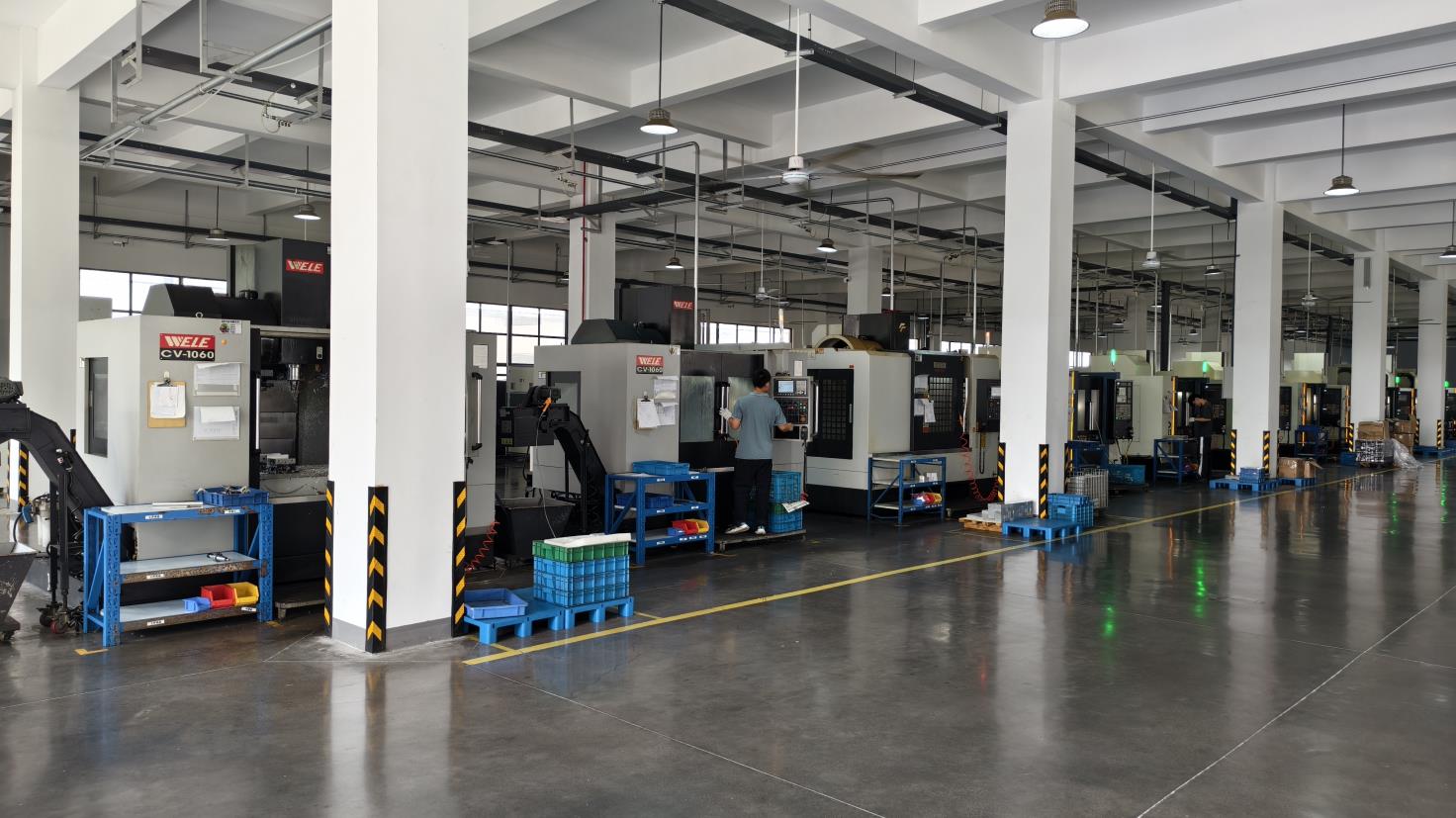
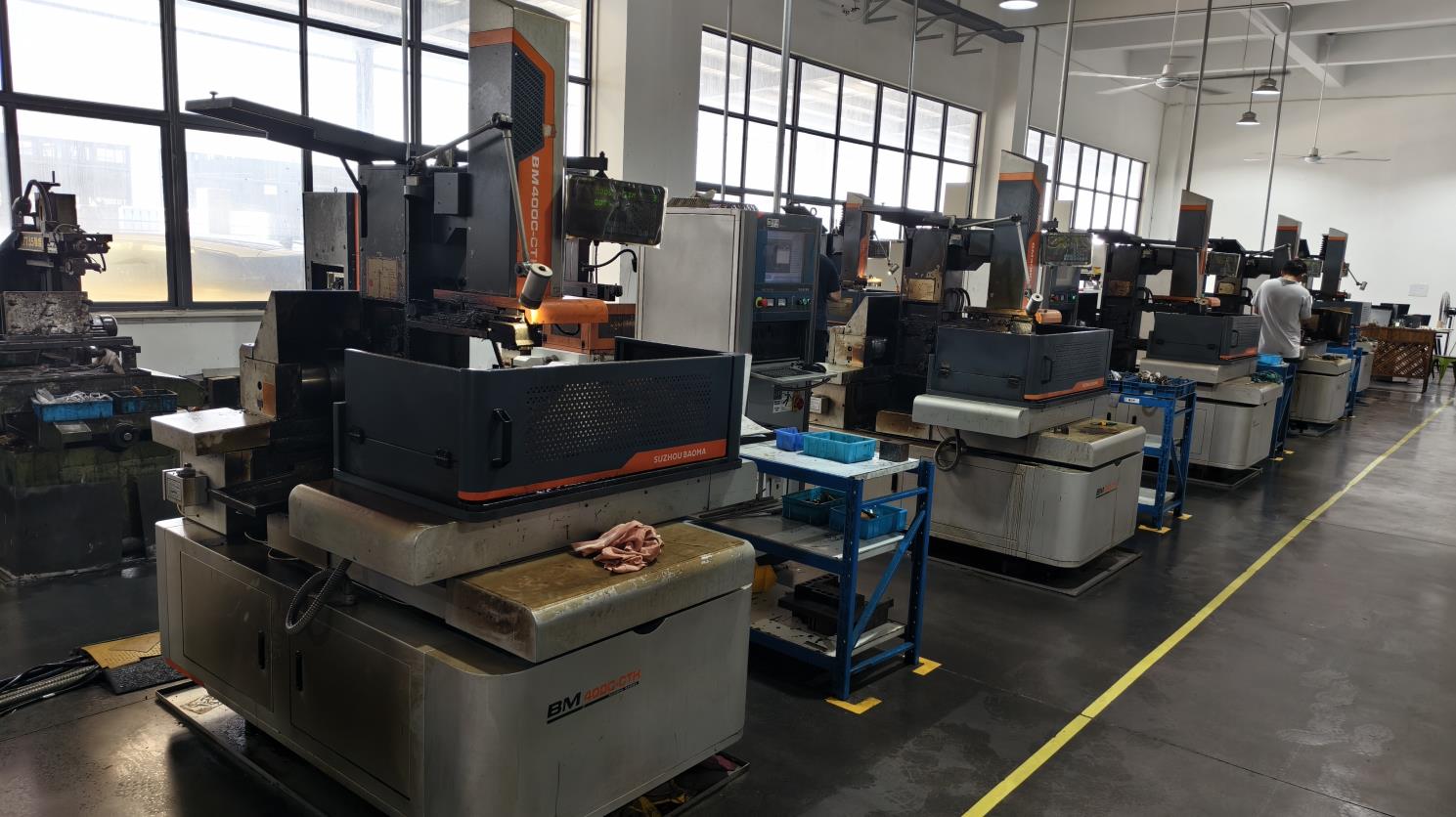
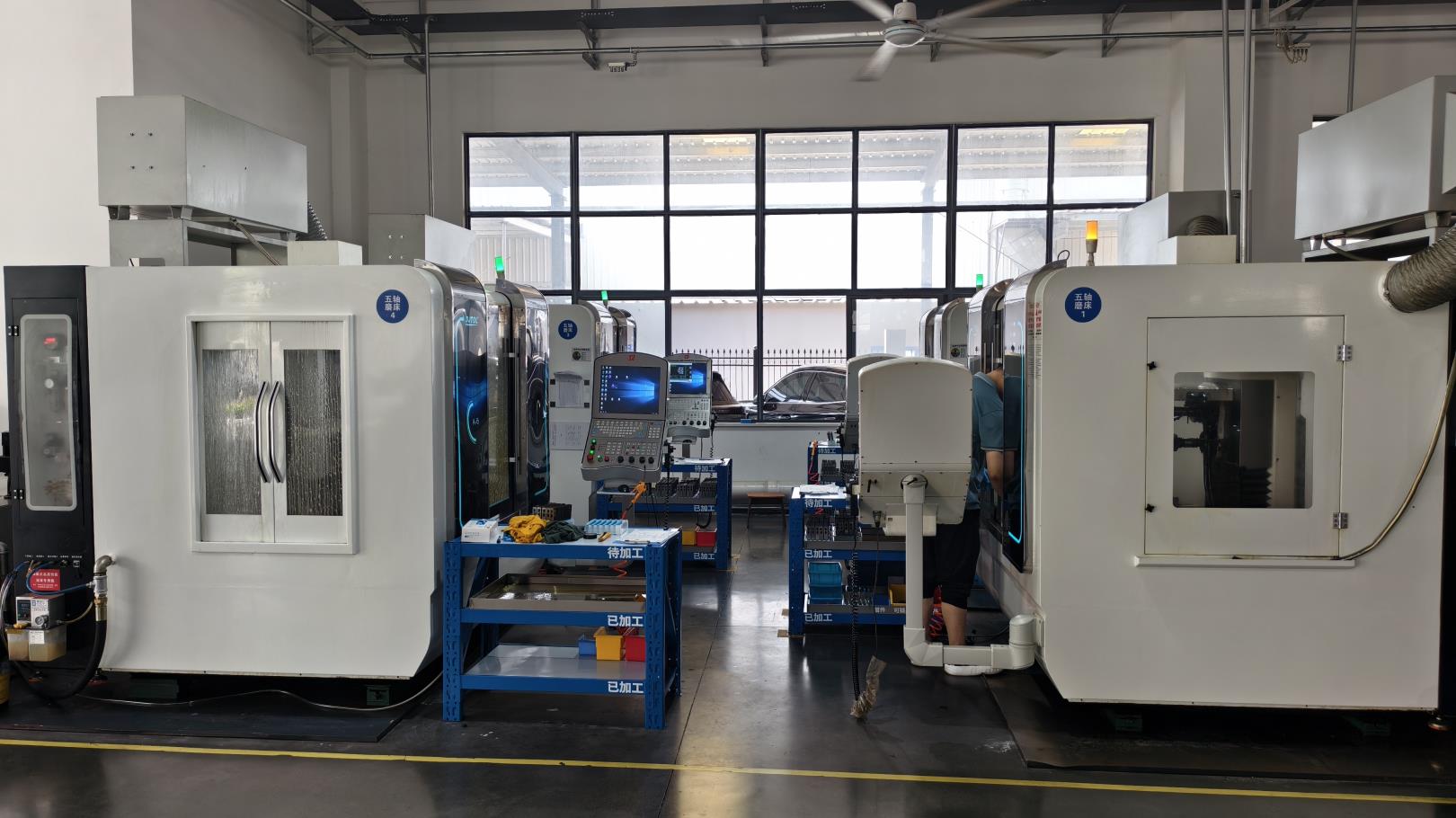
| Manufacturing Infrastructure | 18,600 m² modern facility specializing in Swiss-type CNC machining and class 100,000 cleanrooms. |
| Quality Certification Status | CE certified (Class III medical device paths), ISO 13485:2016 quality management system compliance. |
| Export & Global Footprint | 7 years of direct export history, active in North America, Europe, South America, and the Middle East. |
| R&D Capability | 86 specialist engineers; 156 new product systems launched in the last calendar year. |
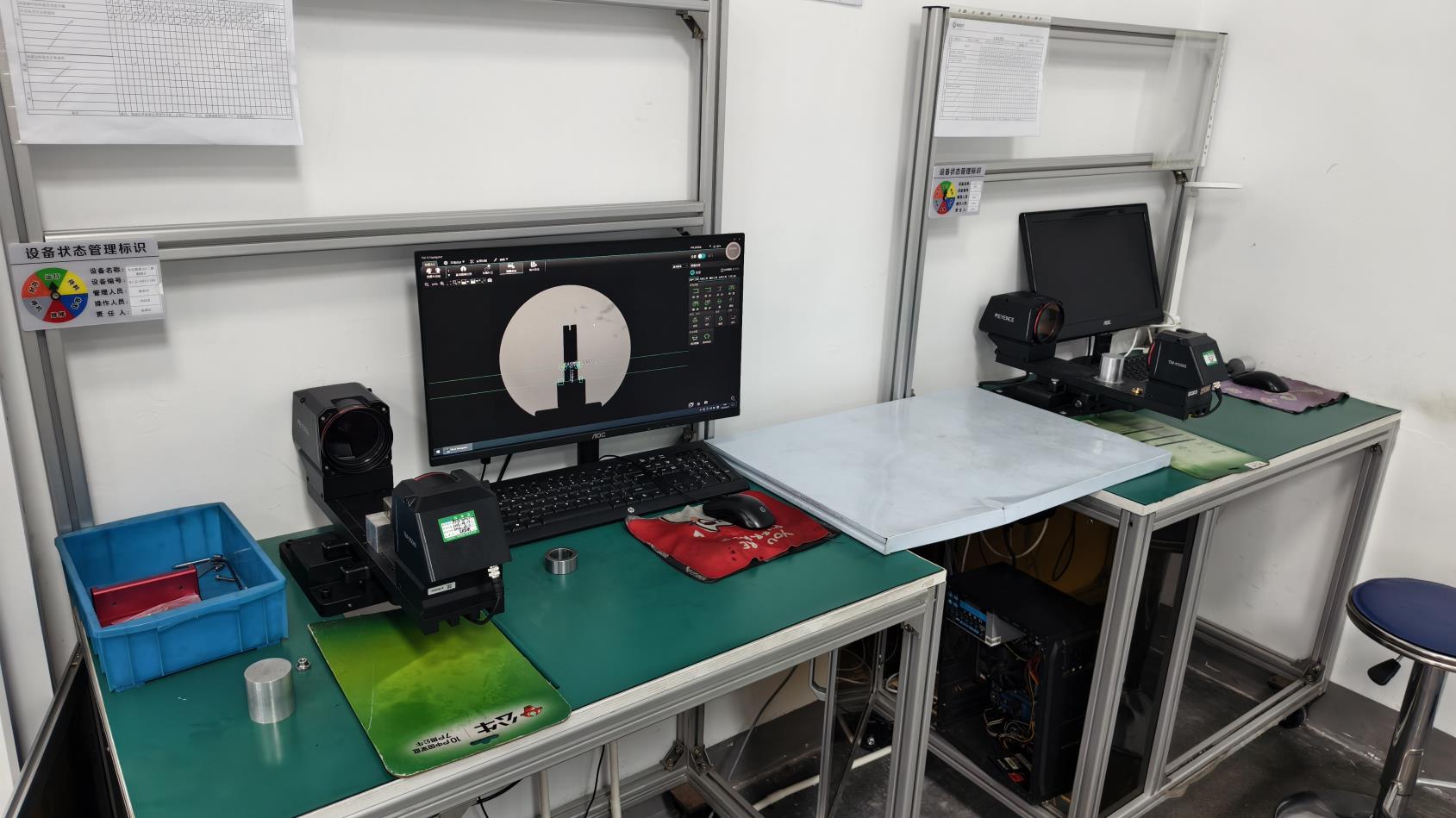
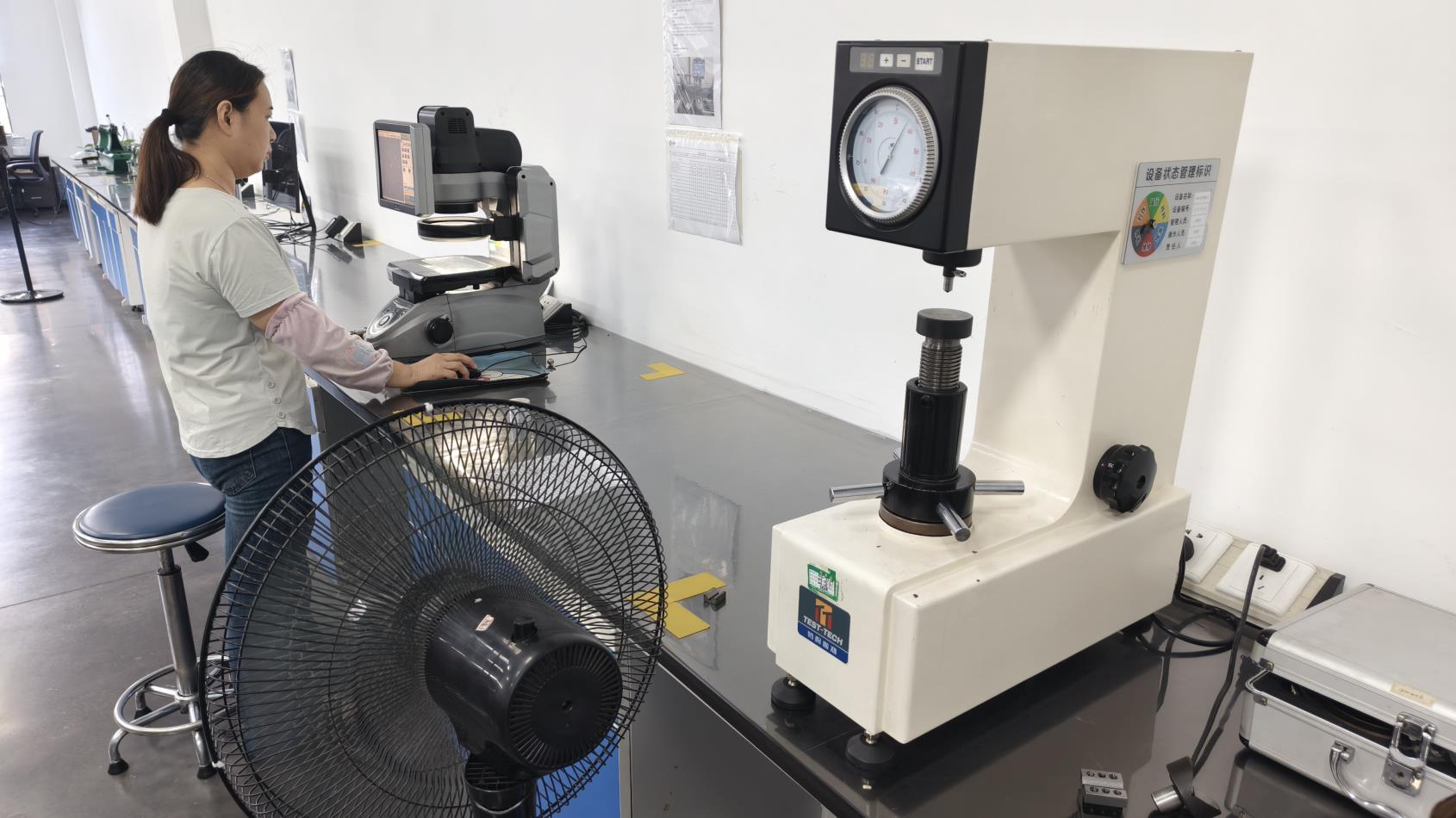
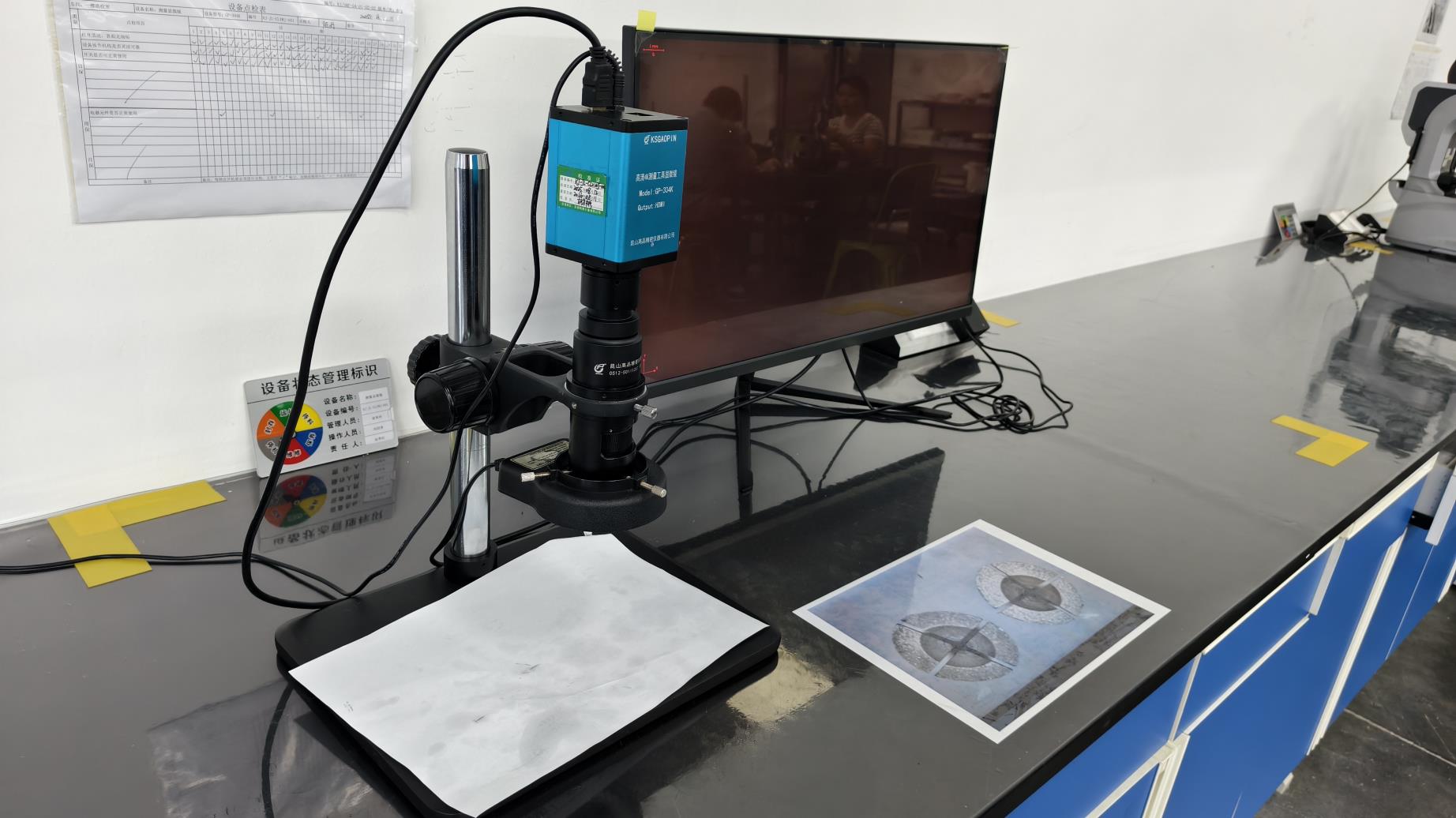
| In-House Testing Methods | Dimensional inspection, material chemical analysis, surface finish inspection, mechanical performance testing (ASTM F1717), sterility verification. |
| QC Personnel | 48 dedicated Quality Assurance and Quality Control officers operating independent labs. |
| Customization Options | Logo customization, sterile & non-sterile packaging customization, drawing-based manufacturing, and custom R&D. |
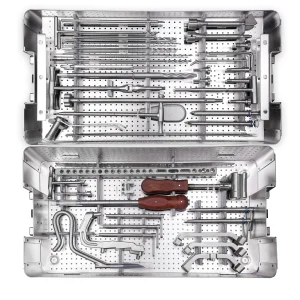
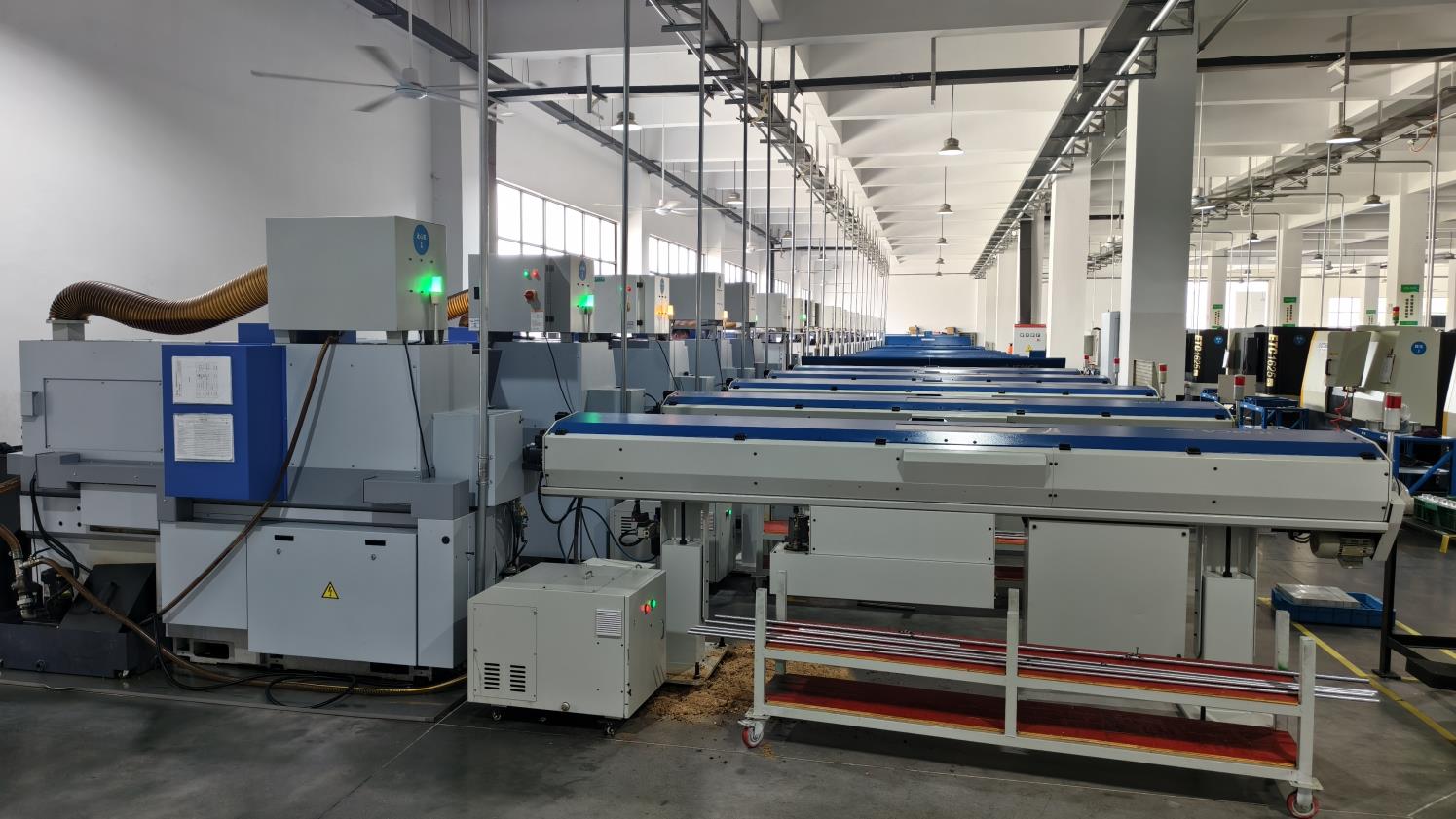
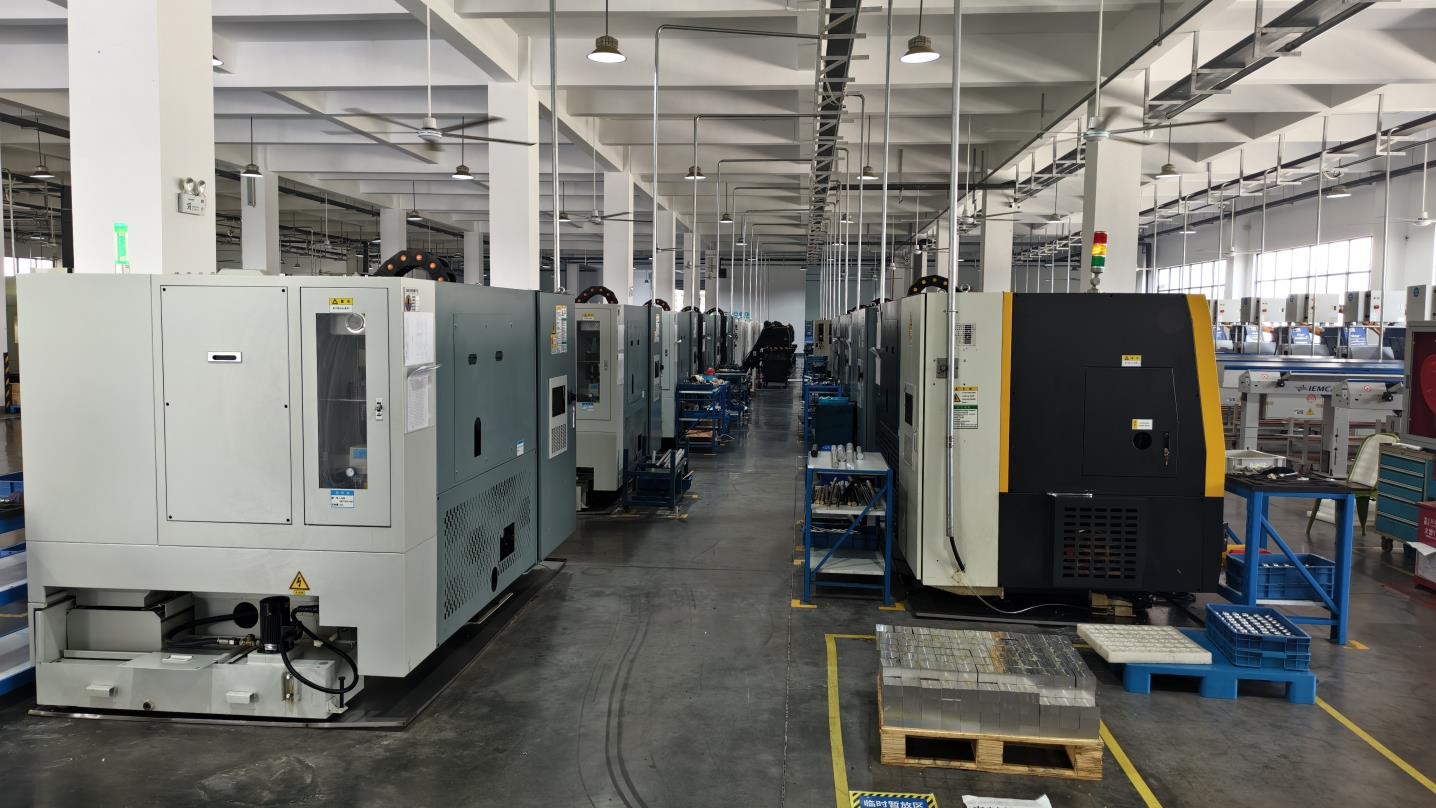
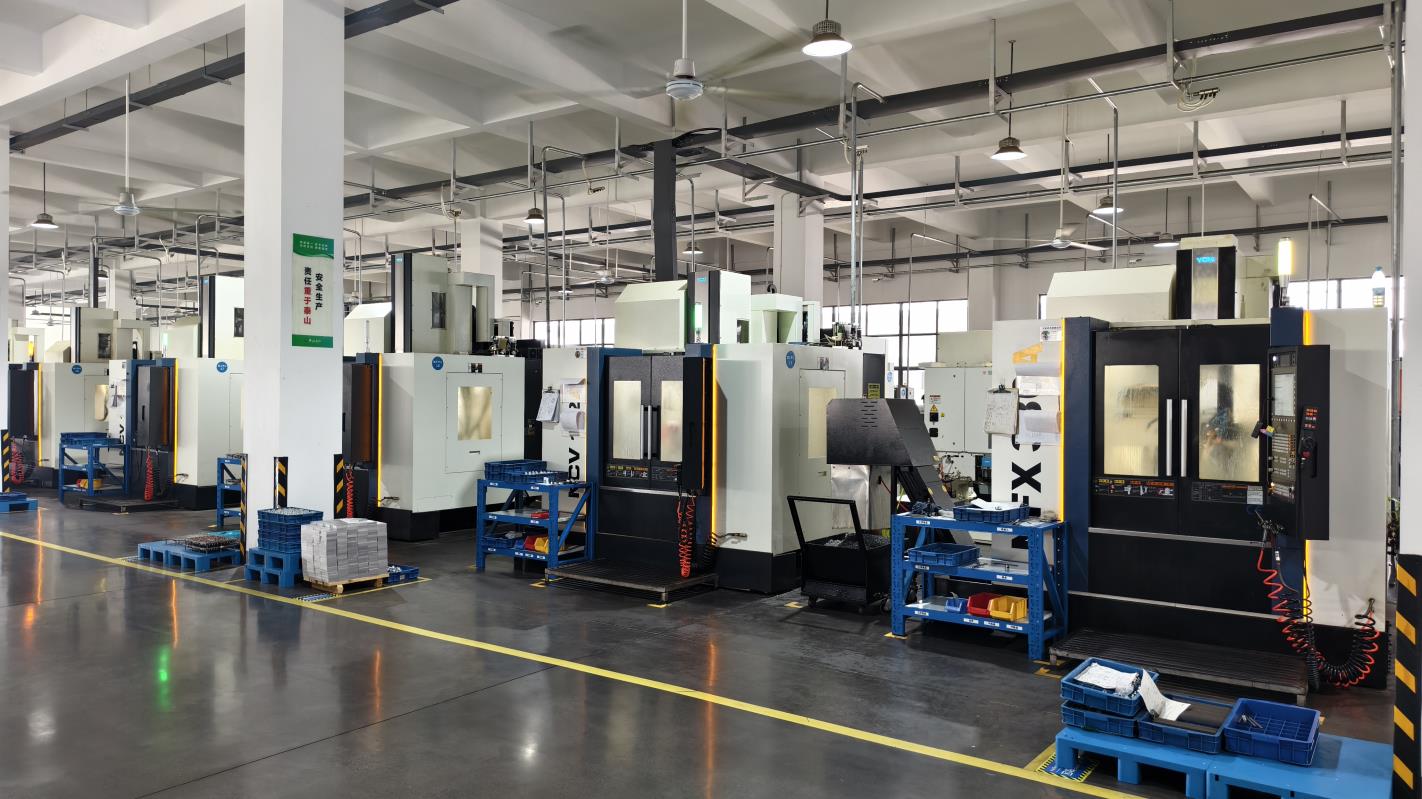
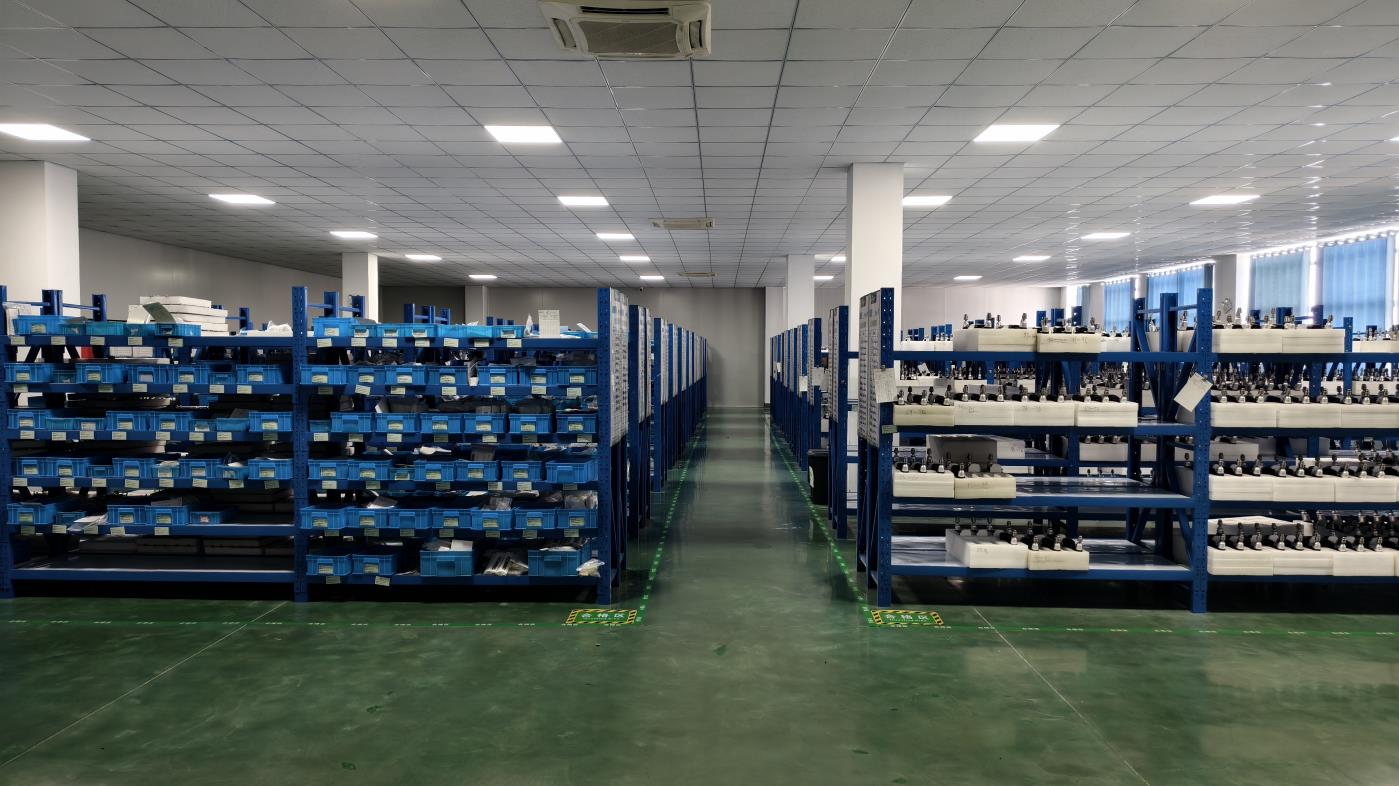
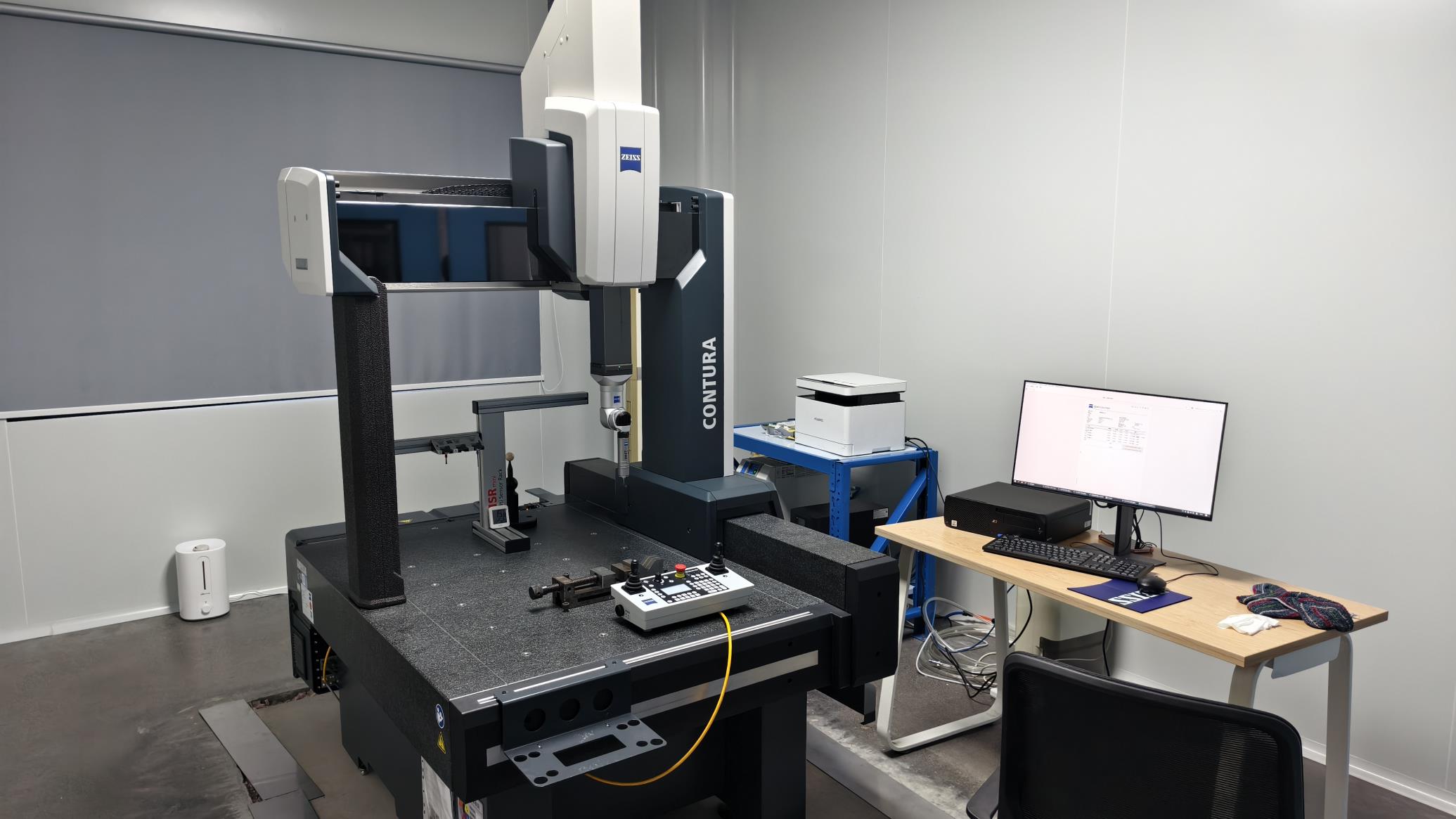
Images from our production facility demonstrate our quality controls, precision machining, and validation processes.


Navigating the evolving regulatory landscape of orthopedics
The regulatory pathway for spinal implants has shifted with the implementation of the European Union Medical Device Regulation (EU MDR 2017/745). As Class III high-risk medical implants, polyaxial pedicle screws require thorough clinical evaluation, comprehensive Post-Market Clinical Follow-up (PMCF), and complete traceability via Unique Device Identification (UDI). Moventra maintains an ISO 13485:2016 certified facility, with quality systems designed to meet European MDR, FDA 510(k), and ANVISA requirements.
The global spinal implant market is driven by demographic shifts, including aging populations and a rising prevalence of degenerative disc diseases, spondylolisthesis, and spinal stenosis. Surgeons are increasingly adopting minimally invasive surgeries (MIS) to shorten hospital stays and improve patient outcomes. This shift requires pedicle screws with low profiles, high-load capacities, and compatibility with percutaneous guidance systems.
Operating in North America, Europe, South America, and the Middle East, Moventra partners with over 1,120 supply chain networks. We provide customized solutions to medical device brands, orthopedic distributors, hospitals, and national procurement projects. Our OEM/ODM capabilities include sterile packaging and custom thread profiles to meet local clinical preferences.
The future of spinal reconstruction combines mechanical hardware with digital workflows. Moventra's R&D is focused on three areas:
Answers to technical and regulatory inquiries from orthopedic distributors and hospital procurement officers
We use premium medical-grade Titanium Alloy (Ti-6Al-4V ELI) conforming to ASTM F136 specifications. This material offers biocompatibility, high fatigue limit, and minimized MRI distortion.
Yes, Moventra operates under an ISO 13485:2016 certified quality management system. Our spinal implants hold CE certification, meeting the safety requirements for clinical distribution across the European Union and other international markets.
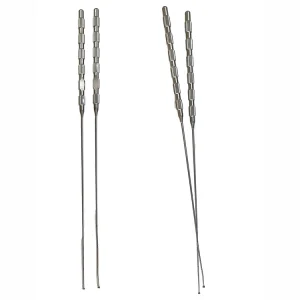
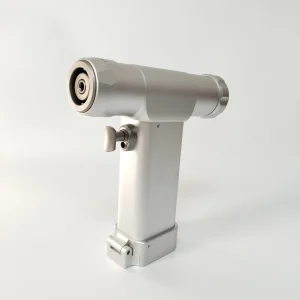
We offer comprehensive OEM/ODM services, including custom thread diameters, head angulations, surface treatments (anodizing), custom surgical instrument design, laser marking, and sterile packaging.
Each batch undergoes 100% quality inspection. This process includes coordinate measuring machine (CMM) dimensional checks, raw material spectroscopy, micro-surface analysis, ASTM F1717 mechanical fatigue testing, and cleanroom bio-burden validation.
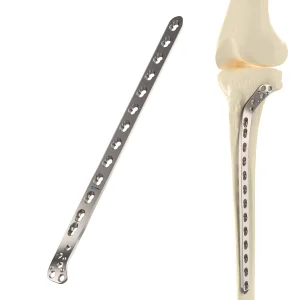
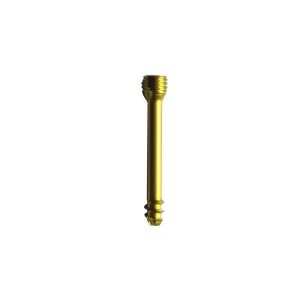
Explore our certified products for osteosynthesis, trauma stabilization, and joint reconstruction
 Moventra Medical