Advanced trauma surgical tools, joint implants, and revision components engineered to international clinical standards.
An in-depth perspective on modern distal femur fracture management, stability profiles, and surgical indications.
In contemporary orthopedic trauma, managing distal femur and supracondylar fractures presents a significant clinical challenge. The development of Retrograde Femoral Nails (RFN) has revolutionized the treatment paradigm, offering a biomechanically superior alternative to plate fixation and antegrade nailing for specific indications. Biomechanically, retrograde intramedullary nails act as load-sharing devices positioned closer to the anatomical mechanical axis of the femur. This load-sharing capability reduces the risk of implant failure in osteoporotic bone, which is common among geriatric populations suffering from low-energy falls.
Unlike lateral locking plates, which are load-bearing and can experience high bending moments leading to fatigue failure, retrograde nails allow for controlled micromotion at the fracture site. This micromotion promotes secondary bone healing through callus formation. Clinically, the entry point for retrograde nailing is located in the intercondylar notch, directly in line with the longitudinal axis of the femoral shaft. This distal-to-proximal insertion technique offers several clear surgical advantages:
Reduces bending stresses and optimizes load transfer down the mechanical axis of the femur, accelerating early patient mobilization.
Insertion through a minimal longitudinal patellar tendon-splitting incision prevents major vastus lateralis disruption and knee dysfunction.
Utilizes dynamic and static transverse, oblique, and anteroposterior locking screws to secure distal fragments reliably.
Exploring the engineering milestones of Moventra's intramedullary solutions, from grade 5 titanium alloys to precision instrumentation.
Developing a high-performance retrograde femoral nail demands precision engineering. Moventra's R&D department collaborates with clinical experts to implement features that reduce complications such as nail back-out, valgus/varus malalignment, and distal joint penetration. Our current technical roadmap focuses on three main design characteristics:
1. Material Science and Surface Topography: We manufacture our retrograde nails using high-strength Titanium Alloy (Ti-6Al-4V ELI) complying with ASTM F136 and ISO 5832-3 standards. This material offers an optimal modulus of elasticity closer to that of cortical bone compared to stainless steel, reducing stress shielding. The surface is treated with type II anodization, which improves fatigue limits, reduces fretting wear at the screw-nail interface, and provides a biocompatible barrier.
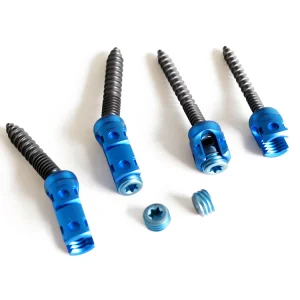
2. Distal Lock Configurations & Thread Mechanics: To handle the high torque forces in the distal metaphysis, our nails feature up to four distal locking holes. Two of these are configured in the mediolateral plane, one in the anteroposterior plane, and one oblique hole. This multi-planar alignment prevents the "windshield wiper" effect. The locking screws feature self-tapping, deep-threaded geometries that optimize purchase in cancellous bone.
3. Advanced Targeting Instrumentation: Accuracy in distal locking remains a major challenge in retrograde nailing. Moventra provides carbon-fiber-reinforced carbon-matrix composite (radiolucent) targeting jigs that do not obstruct fluoroscopy. Combined with precision sleeves, these jigs ensure drill placement alignment down to ±0.1mm, reducing radiation exposure times for the surgical team.
Established in 2017, Moventra Medical Technology is a trusted partner for global orthopedic brands, importers, and healthcare institutions.
Moventra Medical Technology (China) Co., Ltd. is a professional manufacturer specializing in the research, development, production, and global supply of orthopedic medical devices and surgical solutions. Established in 2017, the company is dedicated to delivering innovative, high-quality products for trauma, spine, joint reconstruction, sports medicine, and orthopedic surgical procedures.
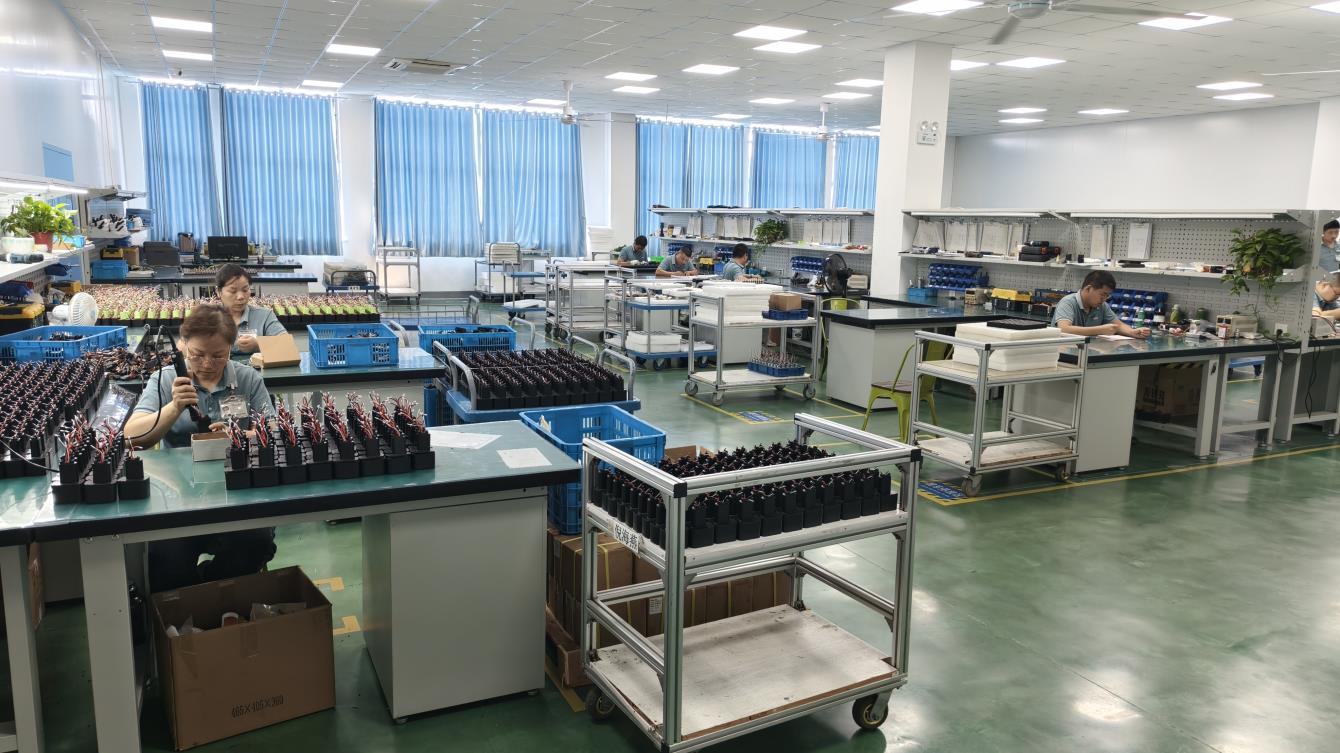
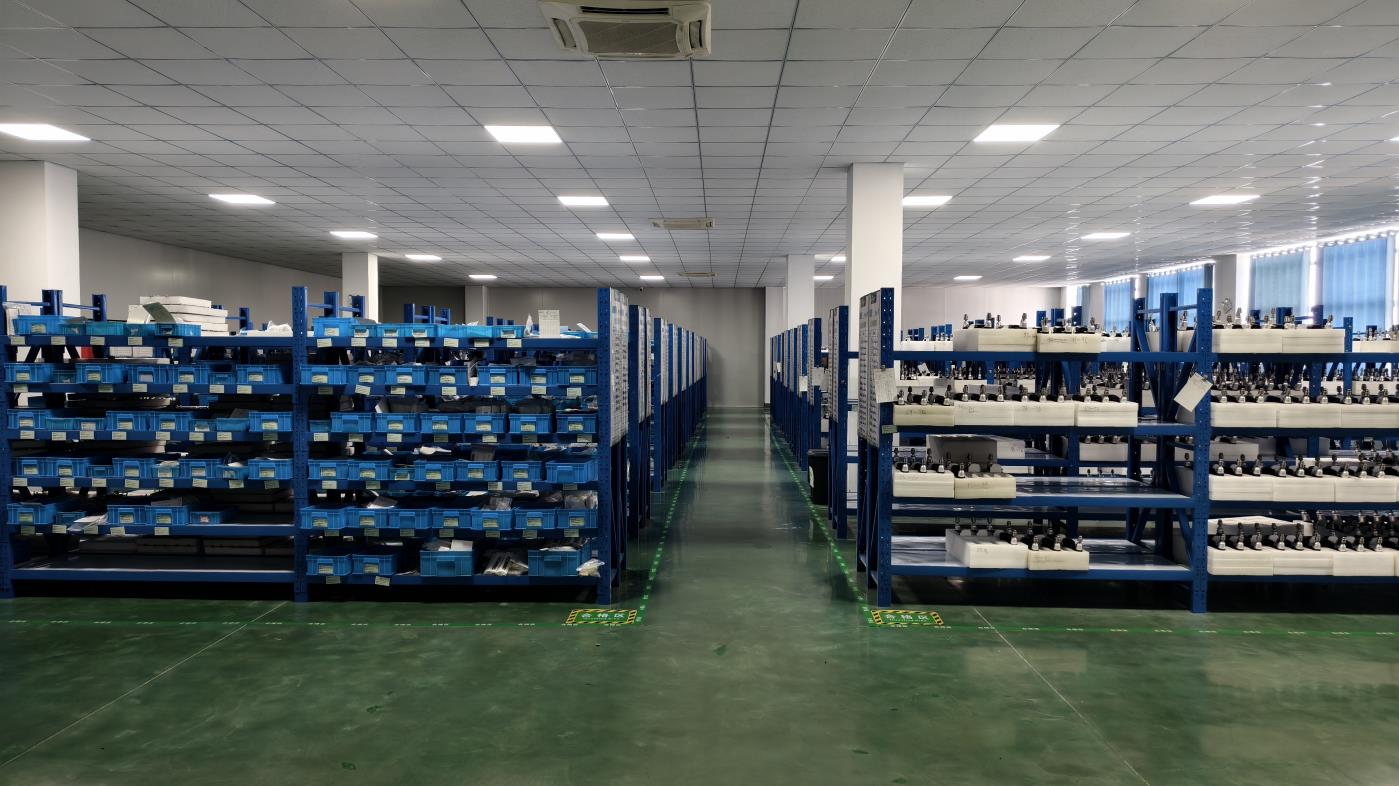
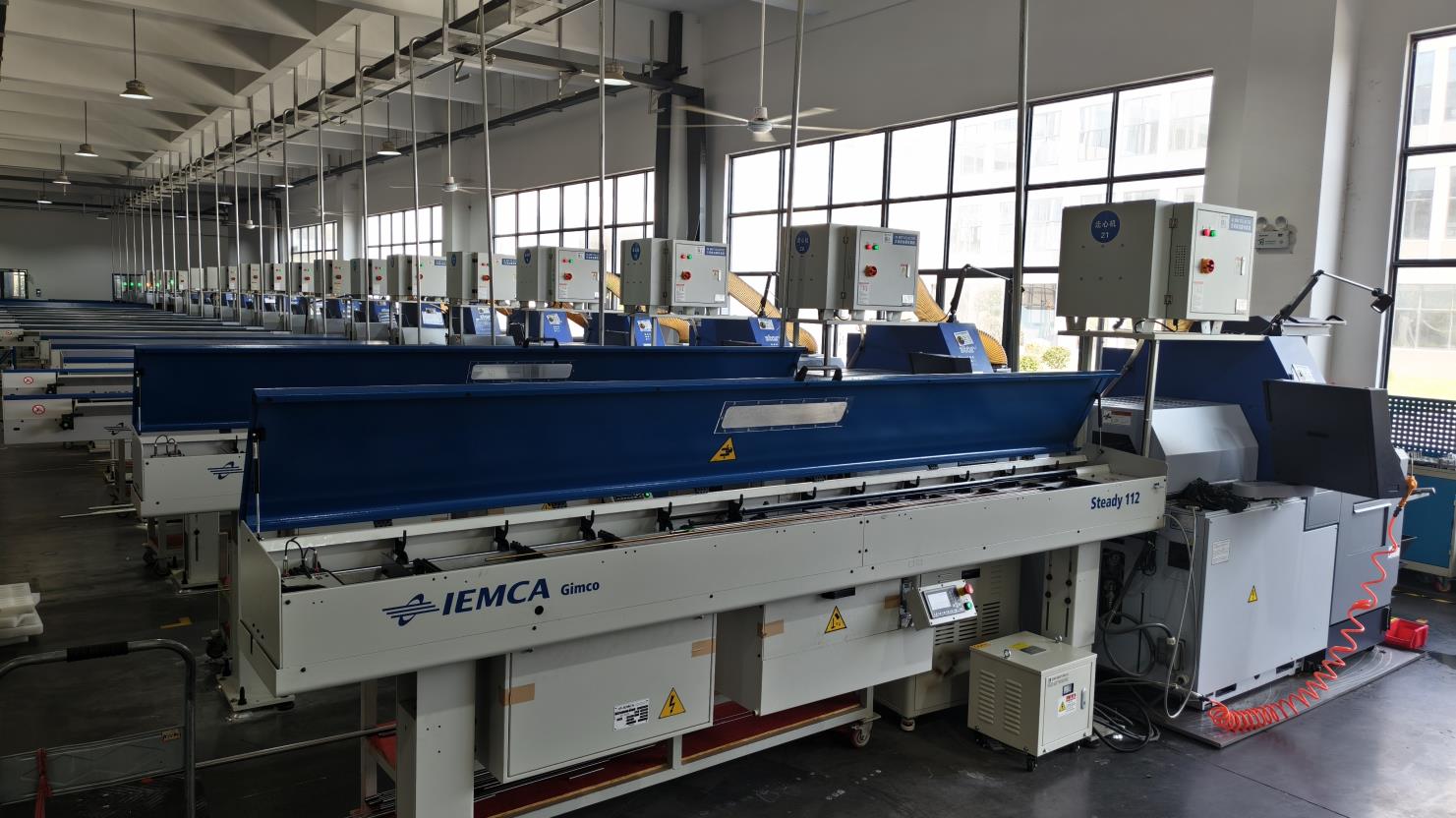
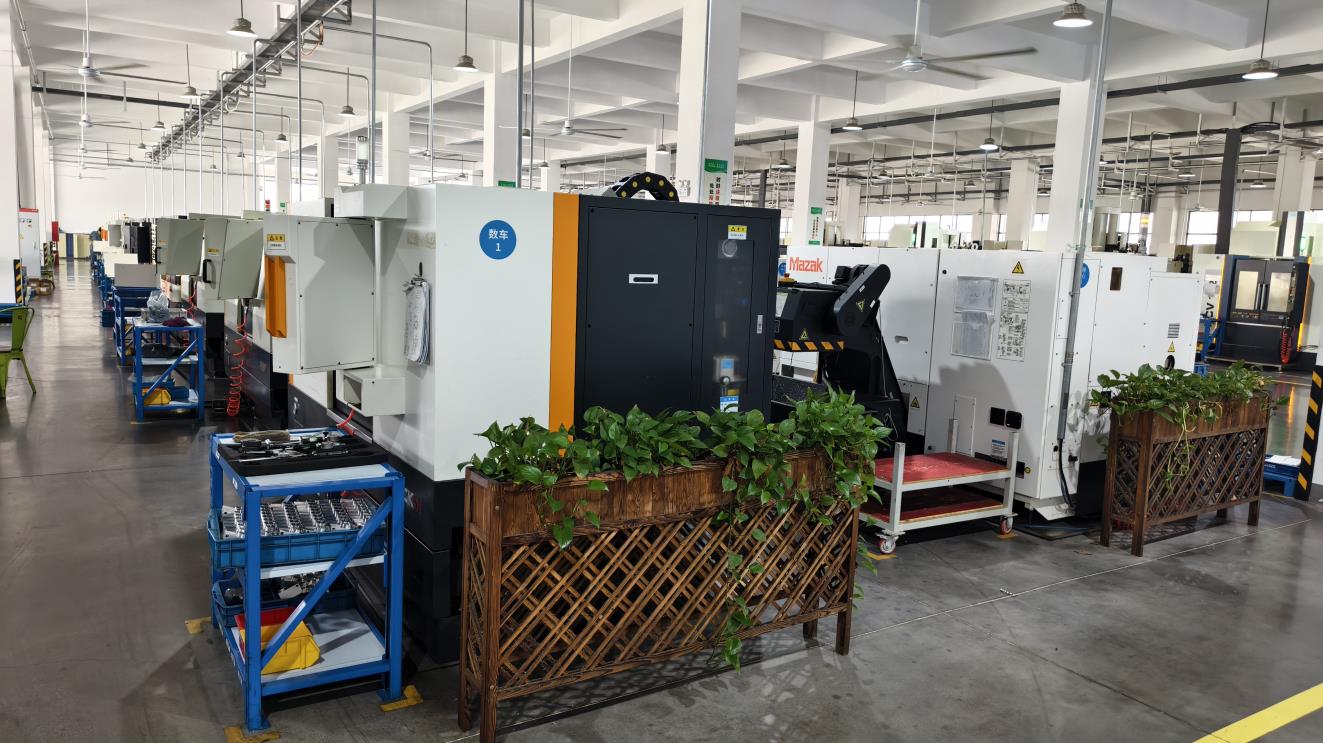
With a modern manufacturing facility covering 18,600 m², Moventra integrates advanced CNC machining, precision manufacturing, automated production lines, and strict quality management systems to ensure every product meets international medical standards. Our commitment to continuous innovation enables us to provide reliable OEM and ODM services for global medical device brands, distributors, and healthcare institutions.
Supported by an experienced R&D team and comprehensive quality assurance system, Moventra continuously develops innovative orthopedic solutions that improve surgical efficiency and patient outcomes. Our products are exported to customers worldwide and are trusted for their precision, safety, and consistent performance.
| Item | Details |
|---|---|
| Company Name | Moventra Medical Technology (China) Co., Ltd. |
| Brand | Moventra |
| Established | 2017 |
| Facility Area | 18,600 m² |
| Annual Export Revenue | USD 23.8 Million |
| Export Experience | 7 Years |
| Industry Experience | 13 Years |
| Quality Inspection | 100% Quality Inspection Before Shipment |
| Product Inspection Methods | Dimensional Inspection, Material Analysis, Surface Finish Inspection, Mechanical Performance Testing, Sterility Verification |
| Quality Control Staff | 48 |
| Business Type | Manufacturer, OEM & ODM, Exporter |
| Main Markets | North America, Europe, South America, Middle East, Southeast Asia, Australia |
| Supply Chain Partners | 1,120 |
| Main Customer Types | Medical Device Brands, Orthopedic Distributors, Hospitals, Importers, Government Procurement Projects |
| R&D Capability | Independent Product Design, Rapid Prototyping, OEM/ODM Development, Customized Engineering Solutions |
| Customization Options | Logo Customization, Packaging Customization, Product Design Customization, Drawing-Based Manufacturing, Sample-Based Manufacturing |
| New Products Released Last Year | 156 |
| R&D Engineers | 86 |
Adapting retrograde femoral nail solutions to patient demographics, surgical resources, and local clinical environments.
The selection of an orthopedic implant depends on the patient demographic, surgical infrastructure, and regional clinical settings. Moventra's retrograde femoral nailing system is engineered to address these localized application demands:
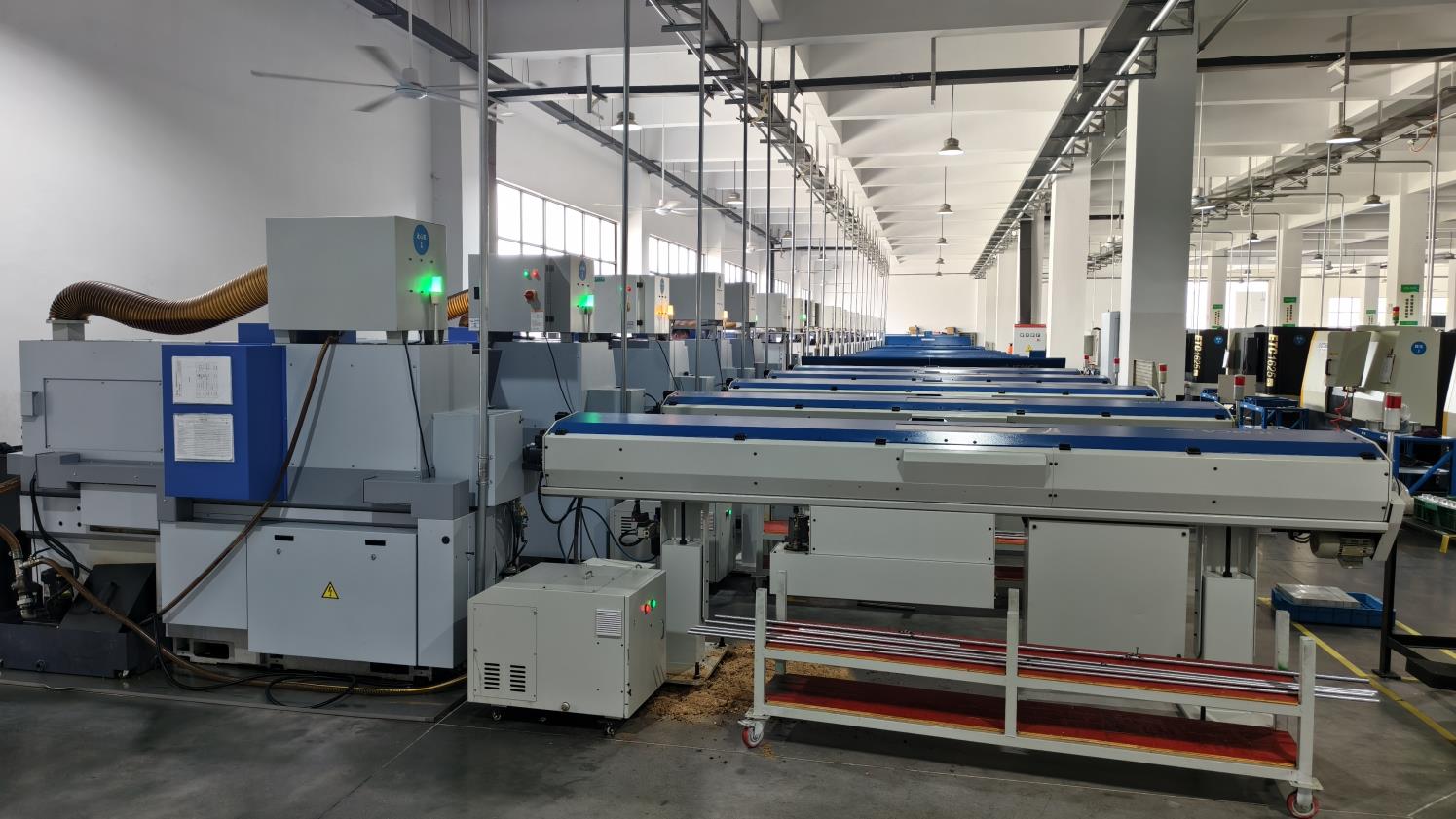
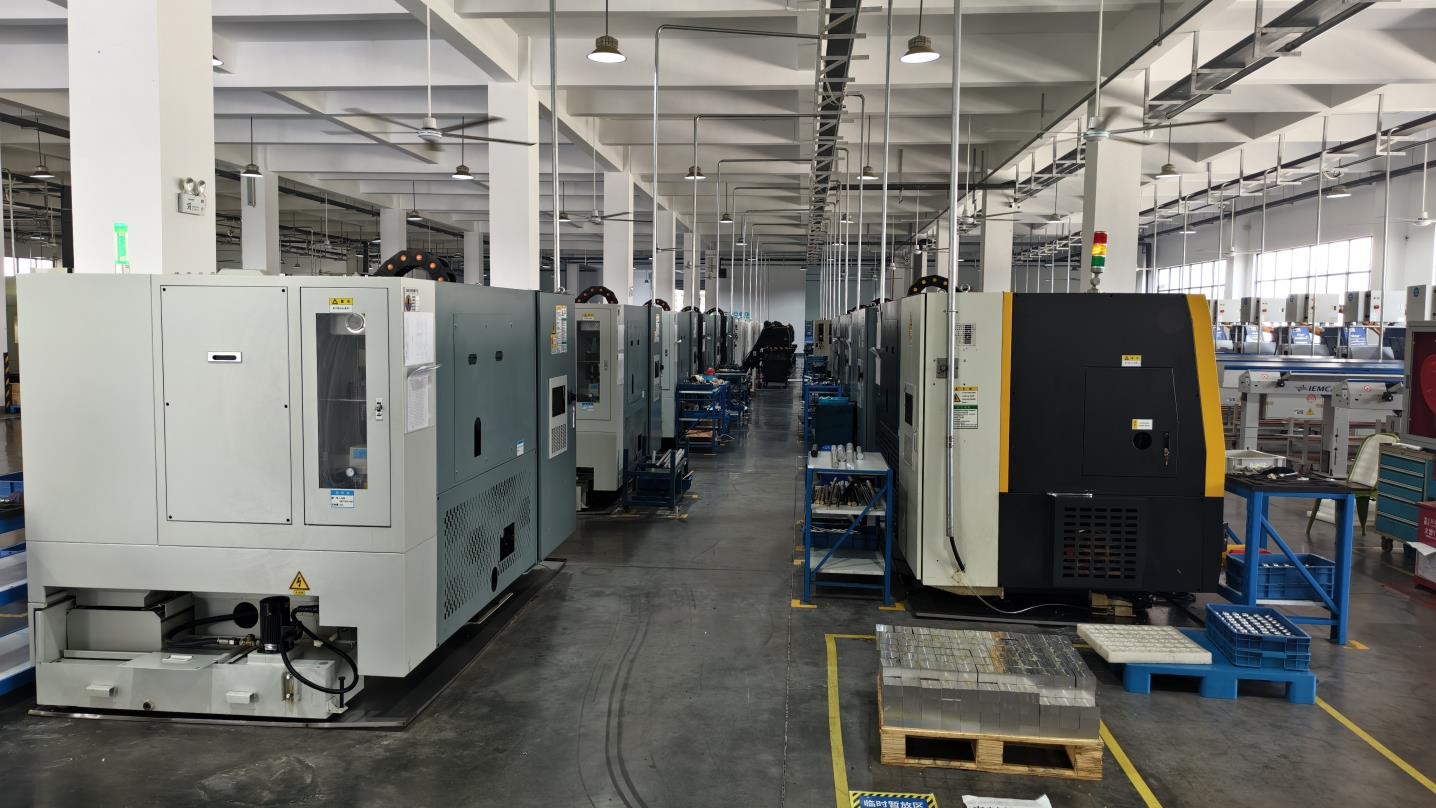
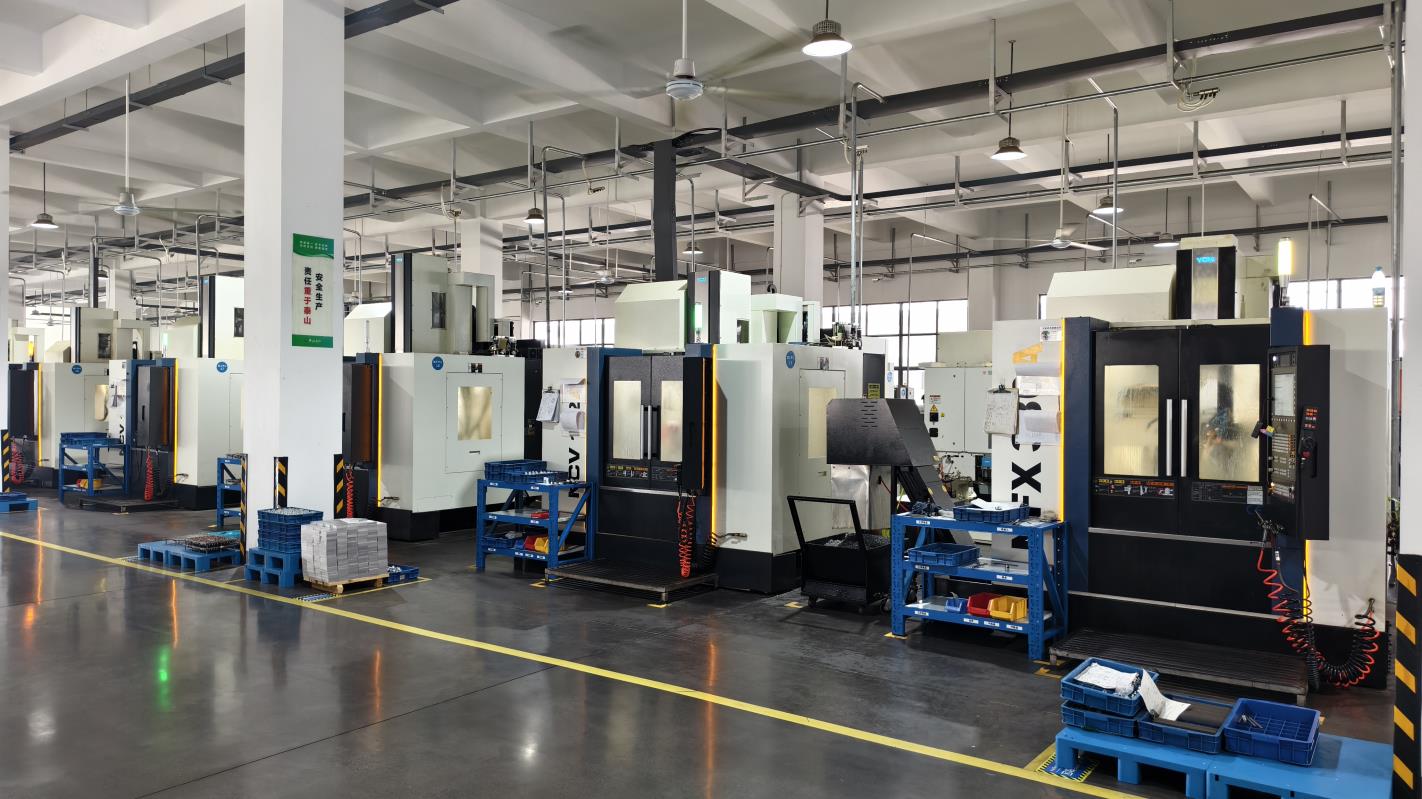
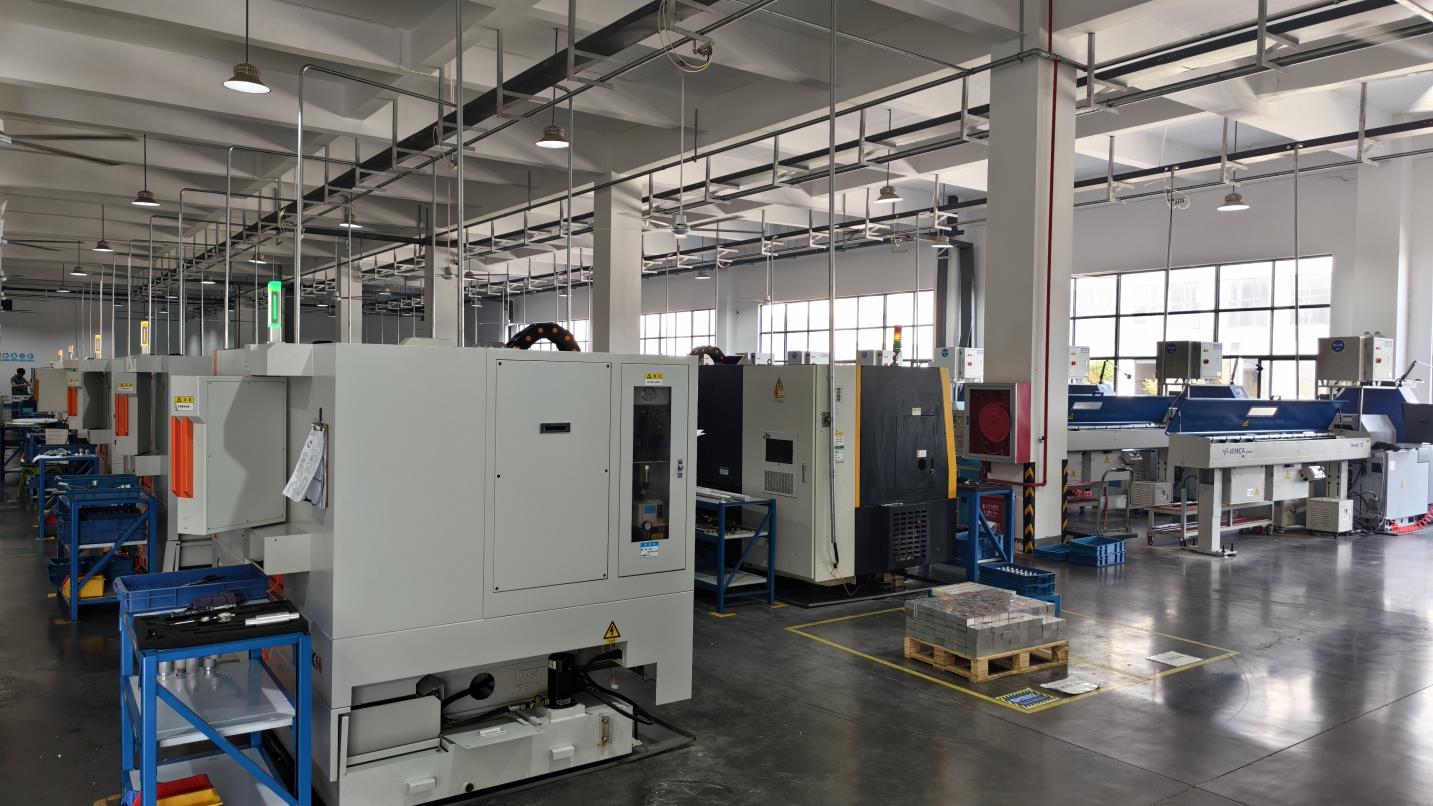
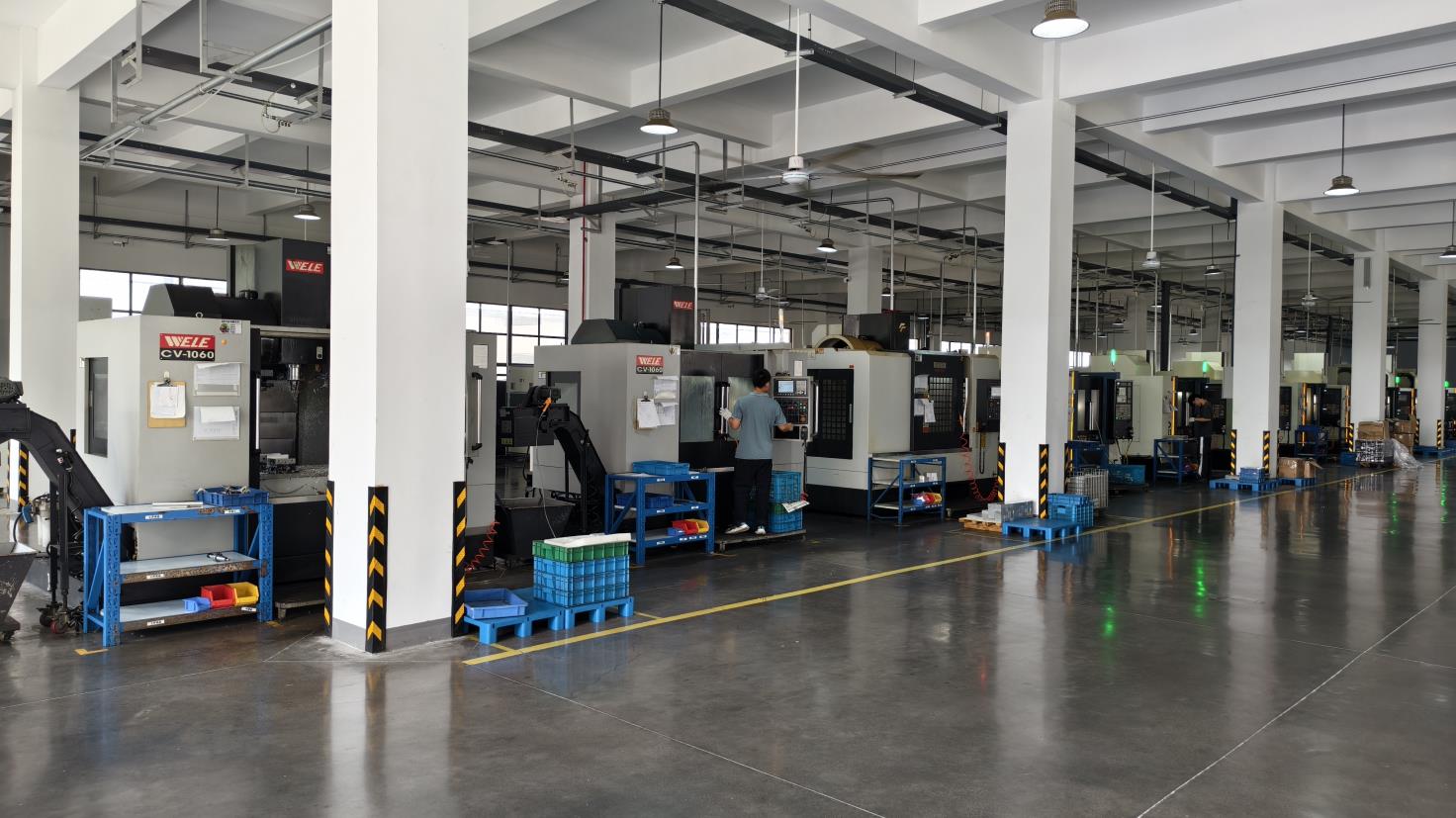
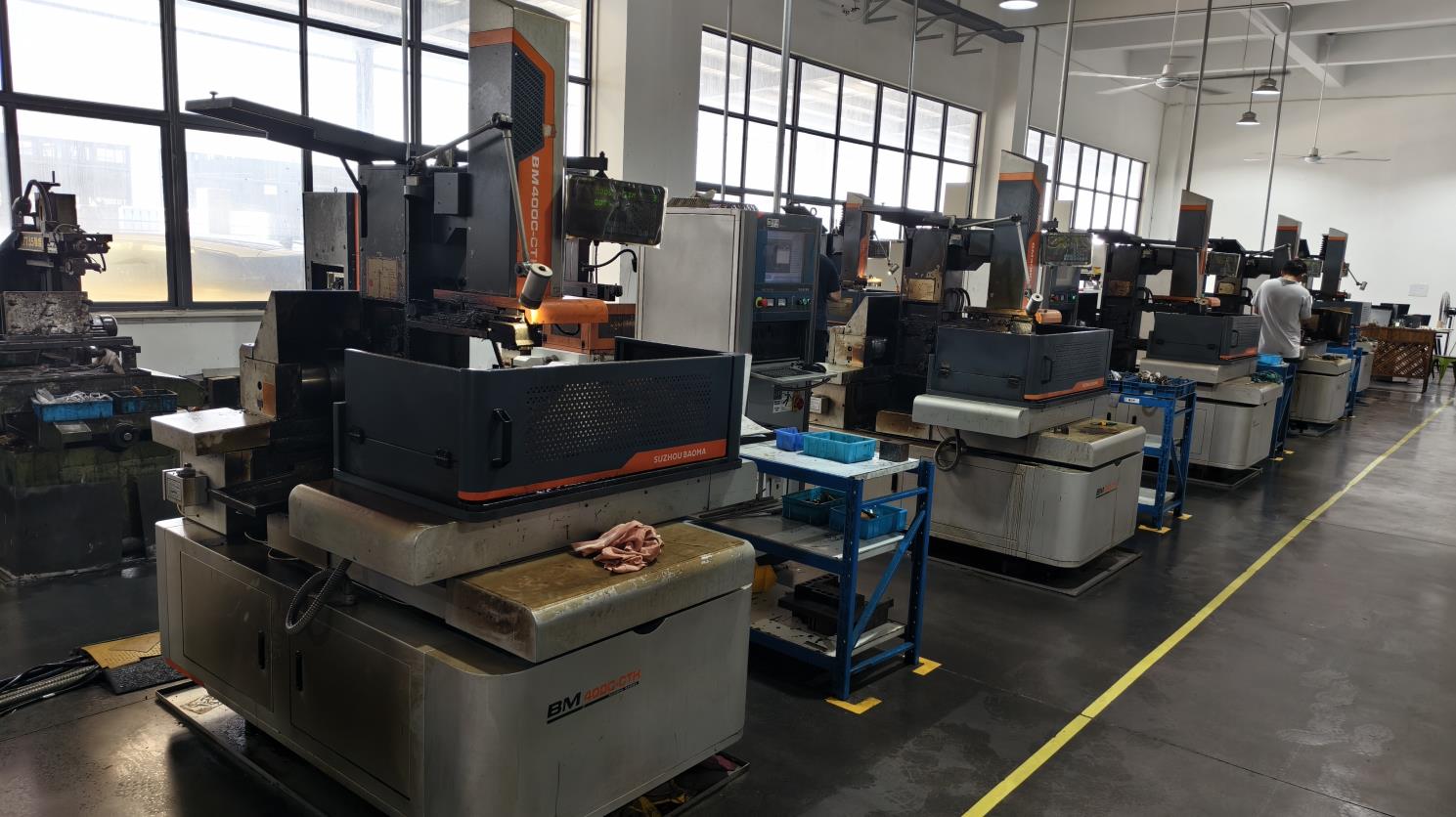
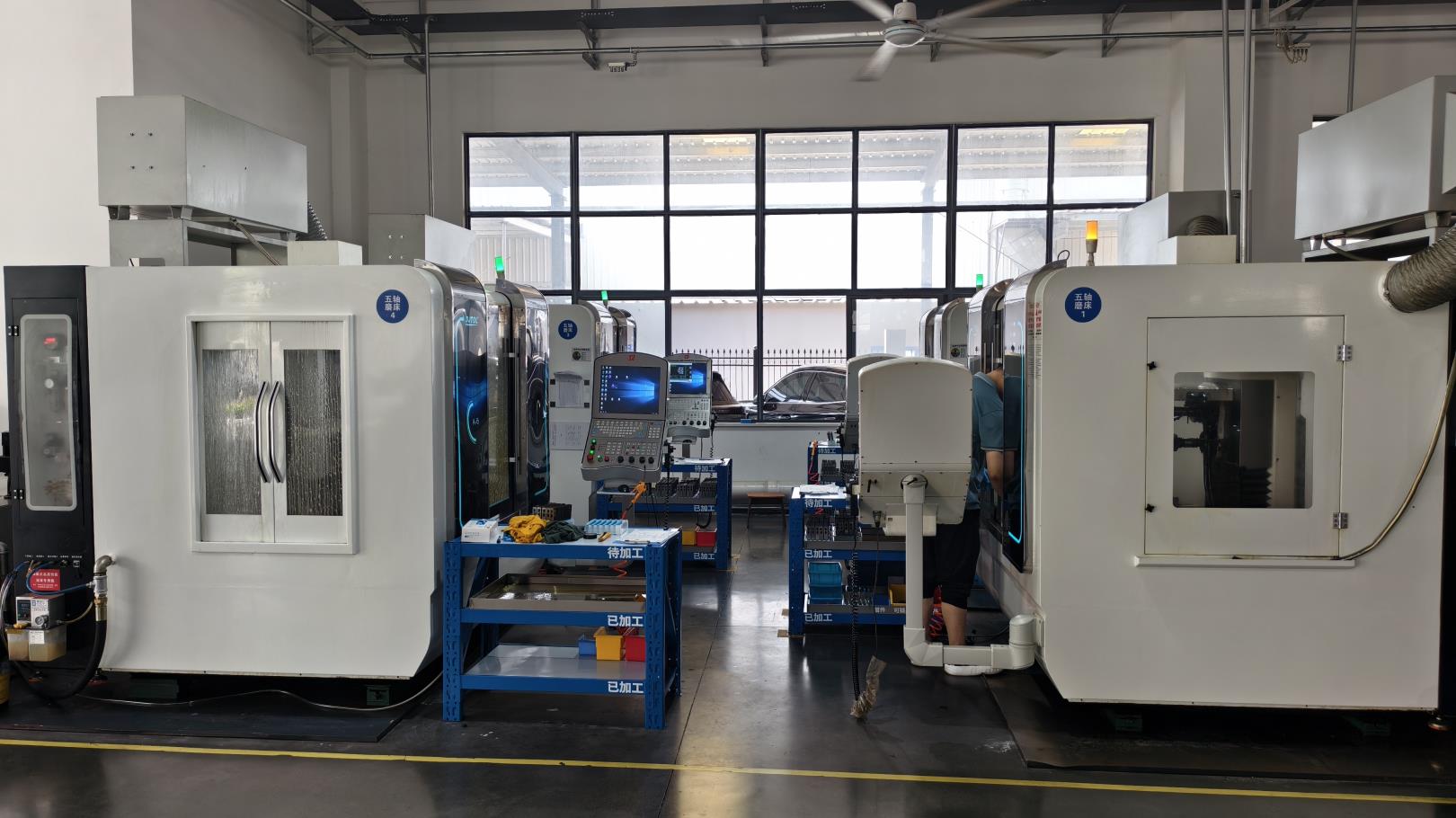
A look into Moventra's vertically integrated production, advanced Swiss-type machinery, and quality control systems.
The global medical device market requires stable supply chains, cost efficiency, and consistent quality. Located in China’s advanced medical manufacturing corridor, Moventra leverages a strong domestic supply chain network with over 1,120 supply partners. This integration allows us to secure premium medical-grade titanium alloy raw materials, manage tooling fabrication, and access advanced surface treatment facilities with minimal lead times.
Our 18,600 m² facility features Swiss-type lathes, multi-axis machining centers, and automated wire-cutting systems. This high degree of automation ensures that tolerance levels on our interlocking nail channels are kept within ±5 microns. This level of precision is critical to preventing alignment issues during surgical locking. By managing all stages from raw material analysis to final sterile packaging, we mitigate shipping delays and protect clients from cost fluctuations.
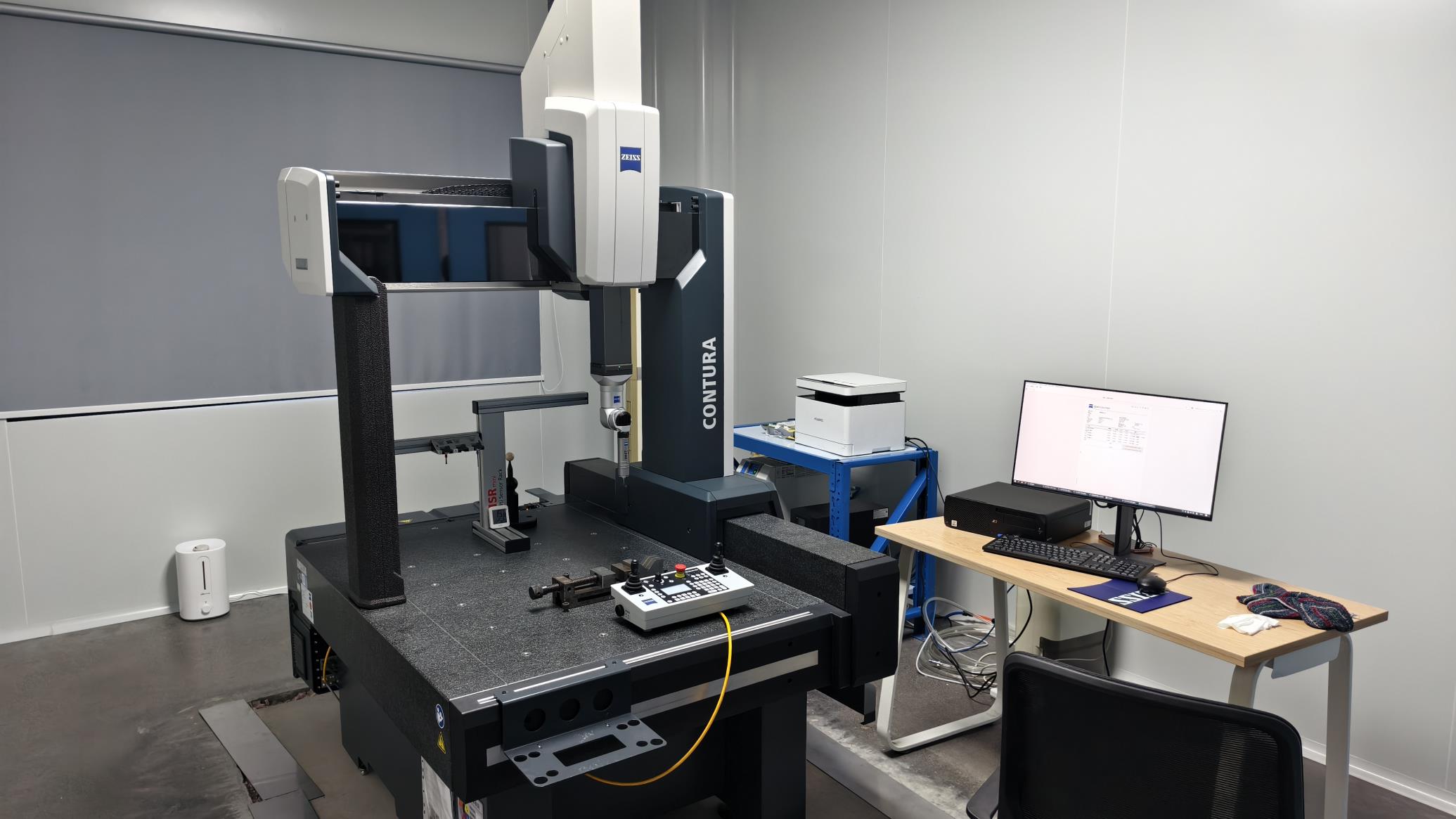
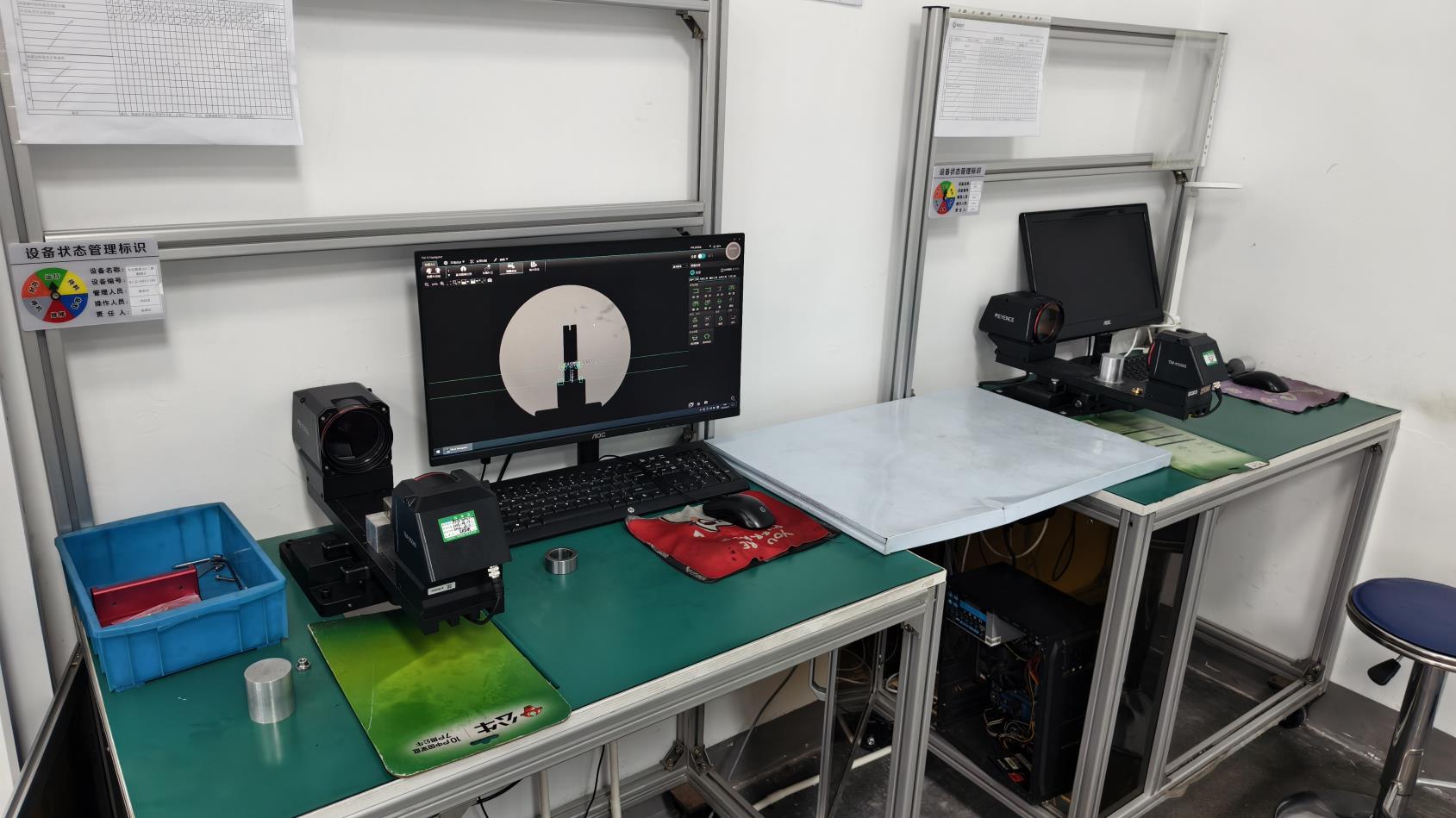
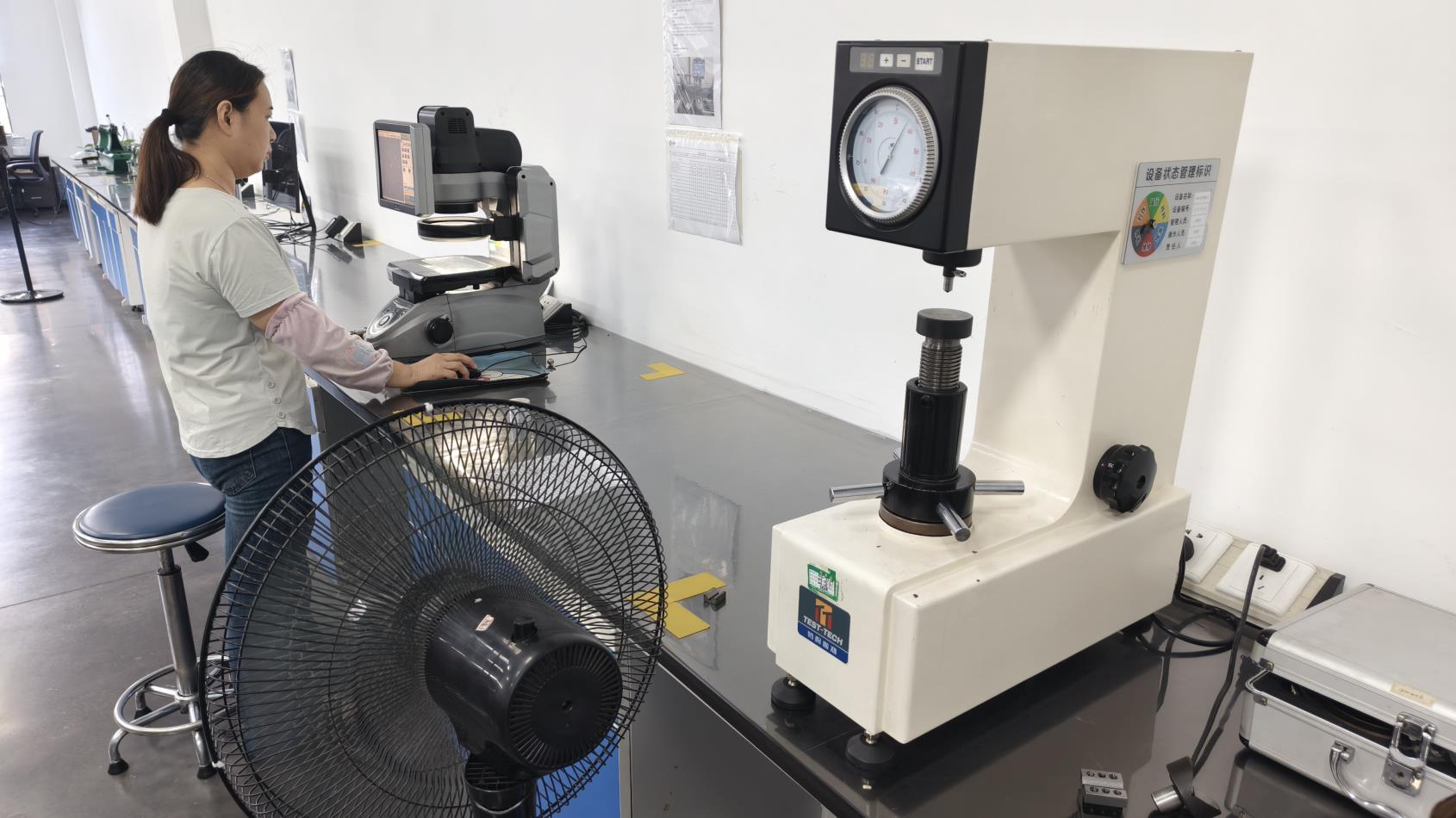
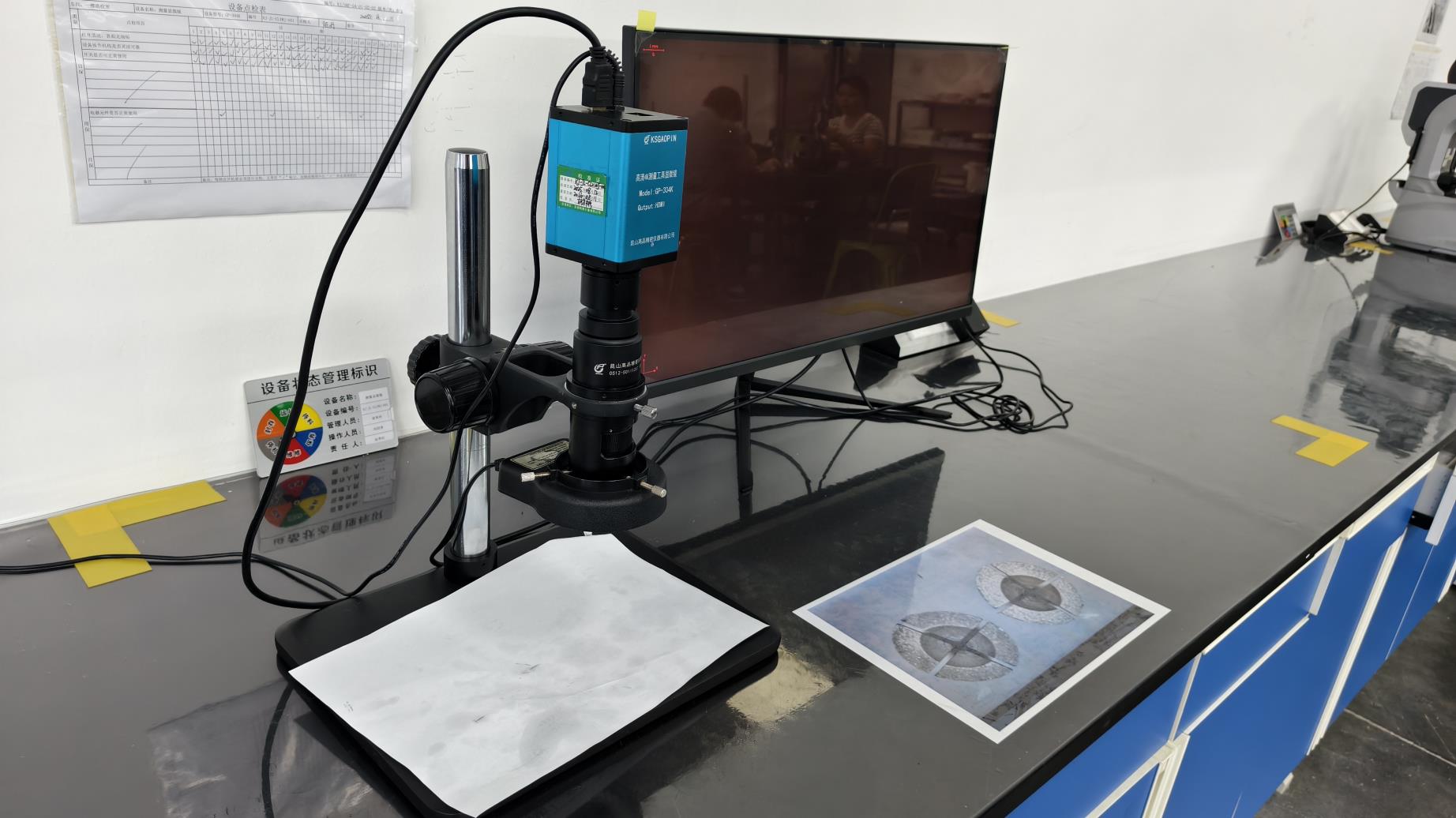
Meeting international quality benchmarks to support direct importation and distributor tender procurement.
In the medical device industry, compliance is key to market access and patient safety. Moventra operates a quality management system certified to ISO 13485:2016. Our trauma products, including retrograde femoral nails, hold the CE mark, which simplifies registration for importers in the EU and countries that recognize CE certification.
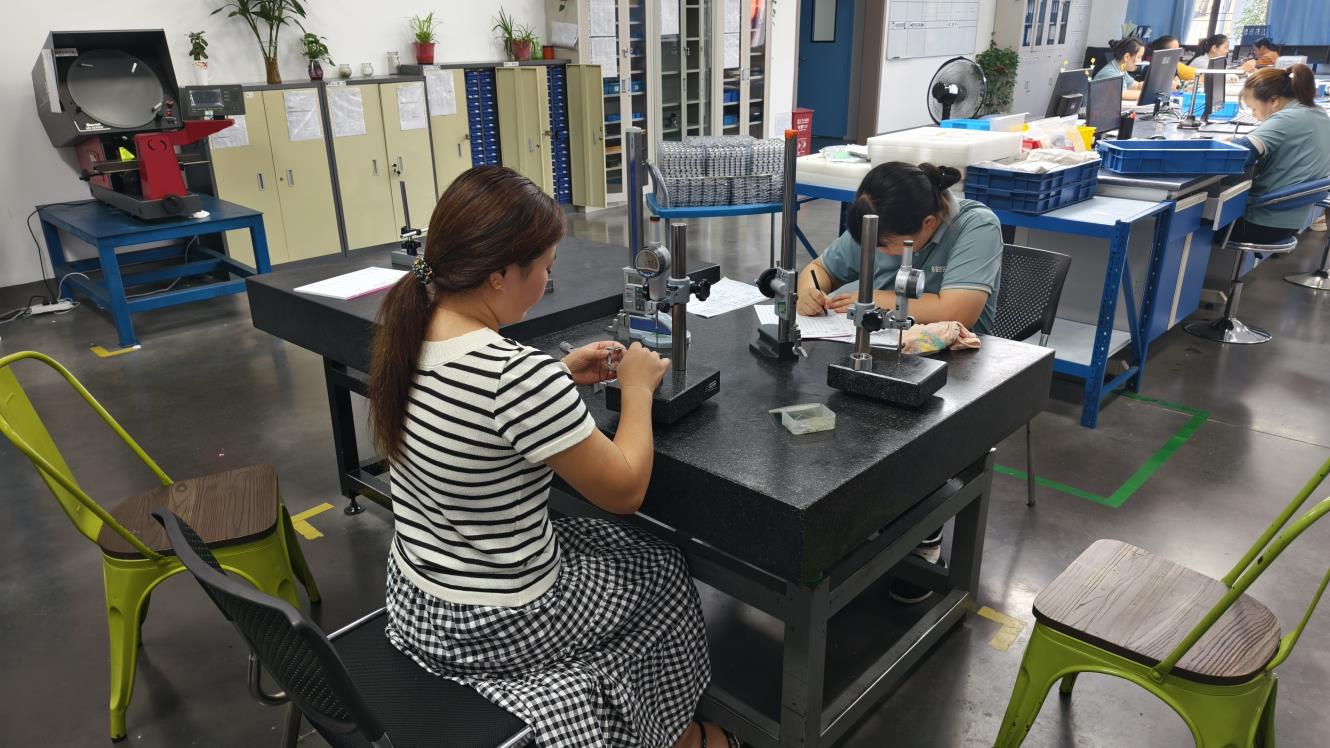
To support regulatory approval for our international distributors, we provide complete technical files containing fatigue testing reports (ASTM F382 or equivalent), biocompatibility profiles (ISO 10993 series), and validated sterilization cycle protocols. Our quality assurance team of 48 specialists performs 100% inspections of functional surfaces and thread clearances before shipment, ensuring hassle-free clearance through customs and hospital QA audits.
Common inquiries from orthopedic distributors, procurement directors, and clinical engineers.
Browse our extensive selection of surgical saws, drills, spinal fixation components, and specialized trauma plates.
 Moventra Medical