Precision-engineered implant solutions built to strict international safety and clinical guidelines.
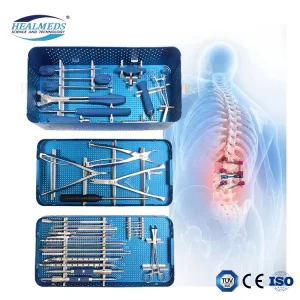

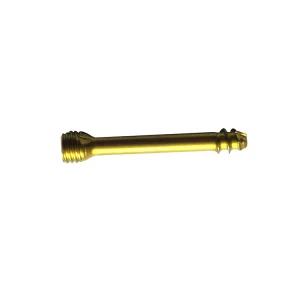
An analysis of the orthopedic spine market, technological migrations, and regulatory criteria governing ACDF implants.
Anterior Cervical Discectomy and Fusion (ACDF) remains the gold standard for treating cervical degenerative disc disease, herniations, radiculopathy, and myelopathy. Central to the clinical success of this procedure is the Anterior Cervical Plate (ACP) system. Structurally engineered to provide immediate mechanical stability, lock bone grafts in place, and optimize fusion rates, ACP systems have undergone rapid design iterations over the last two decades.
Globally, the orthopedics market is shifting towards low-profile, load-sharing systems designed to mitigate dysphagia and adjacent segment pathology—two historically prevalent complications. The global spine surgery implant market, valued at billions of dollars annually, is increasingly reliant on cost-effective, high-quality manufacturing corridors in China to balance premium biocompatibility requirements with healthcare cost containment.
Modern plates must maintain rigid biomechanical construct integrity while minimizing soft tissue irritation, keeping anterior profile heights typically below 2.0mm.
Transition from completely rigid constructs to semi-rigid or dynamic structures that encourage controlled subsidence (Wolff's Law) for healthier bone fusion.
Medical-grade titanium alloys (Ti-6Al-4V ELI) and polymer integrations (PEEK) dominate, providing superior fatigue resistance and excellent MRI compatibility.
Selecting the optimal mechanical behavior based on patient pathology and surgeon preference.
Surgical success depends highly on matching the biomechanics of the cervical spine with the right implant architecture. Anterior cervical plates are categorized based on their ability to permit screw movement within the plate construct:
| Feature / Parameter | Static / Rigid Plate Systems | Dynamic / Load-Sharing Plate Systems |
|---|---|---|
| Mechanism of Action | Fixed screw angles relative to plate; zero axial rotation or linear translation within the plate slots. | Translational slots or variable-angle locking mechanisms allowing physiological micro-motion. |
| Stress Distribution | Shields the bone graft from load bearing (Stress Shielding), transferring forces entirely through the plate. | Shares the compressive force with the interbody bone graft, satisfying Wolff's Law. |
| Primary Indications | Multi-level cervical constructs, trauma, spinal instability, or correction of severe cervical kyphosis. | Single-level or two-level ACDF cases where rapid interbody fusion and high graft compression are desired. |
| Risk of Non-Union | Slightly higher risk if graft resorption occurs, as the gap is not naturally closed by gravitational forces. | Reduced non-union rates due to consistent graft-to-endplate apposition during physical activities. |
| Dysphagia Profile | Typically dependent on profile thickness; fixed orientation dictates exact implant placement. | Often features ultra-low profiles to adapt smoothly to the physiological lordotic curve of the neck. |
Choosing between these methodologies requires a high-precision supplier capable of customizing plate systems for OEM contracts. Factories like Moventra Medical Technology (China) Co., Ltd. supply both rigid and dynamic instrumentation, helping healthcare brands configure tailored surgical sets for global distribution.
A deep dive into Moventra's advanced industrial footprint, production standards, and quality frameworks.
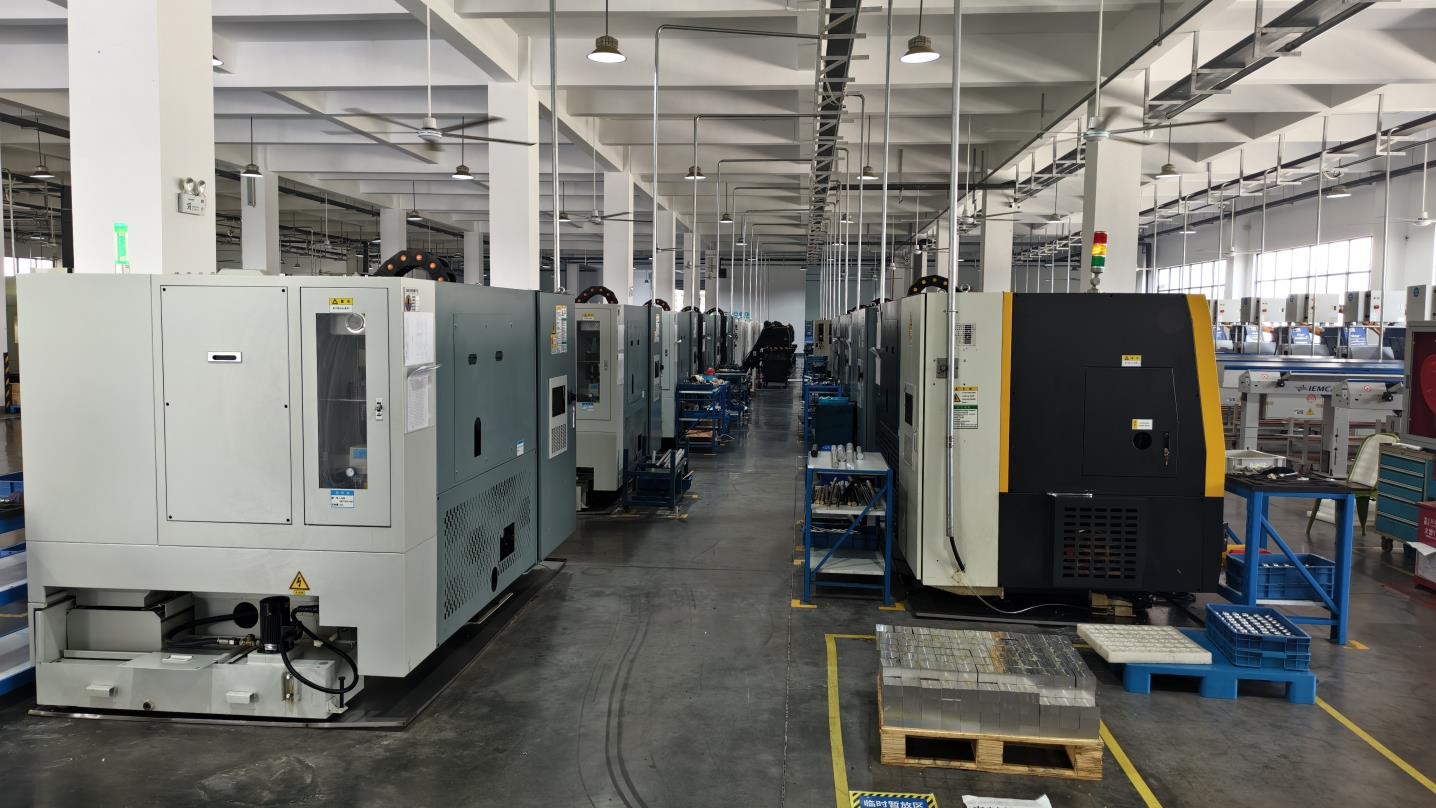
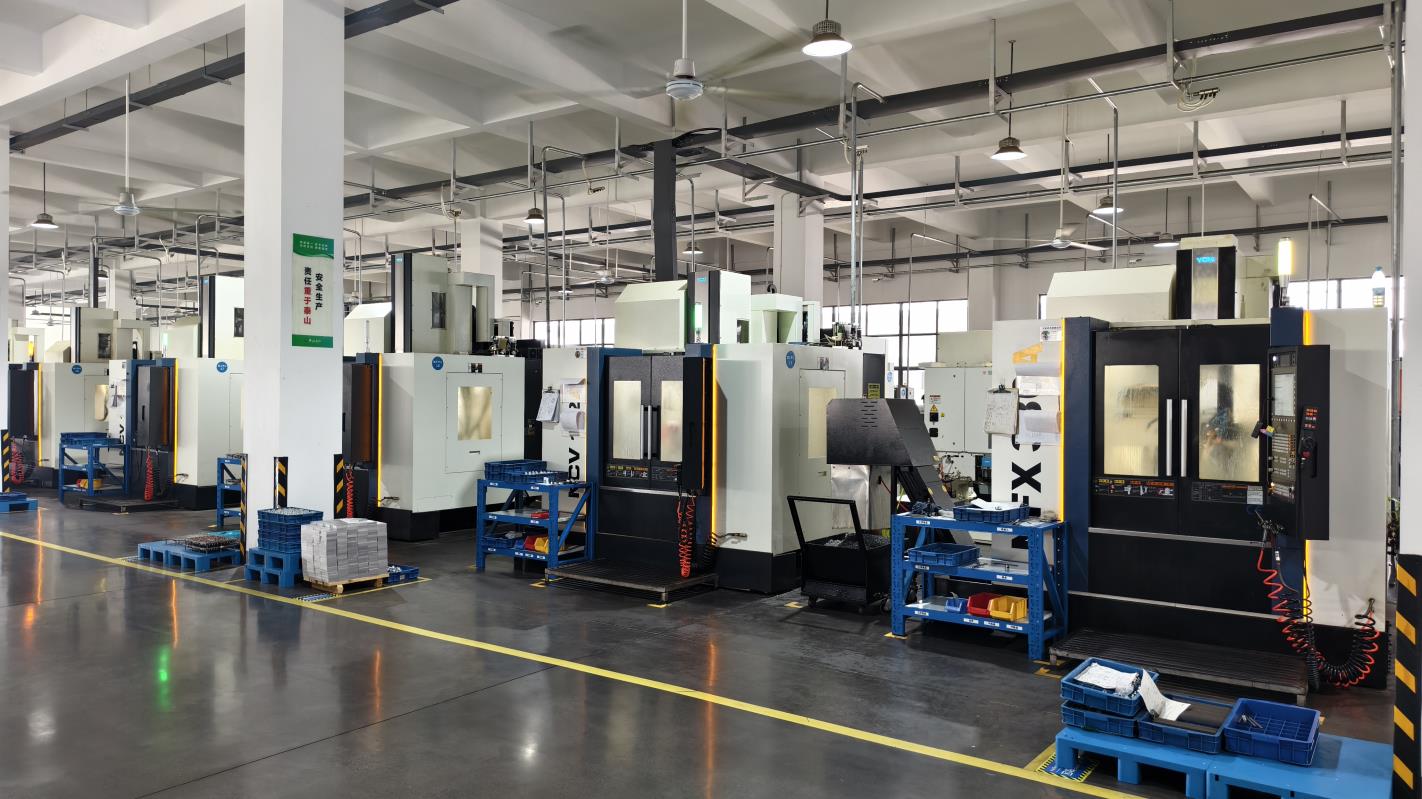
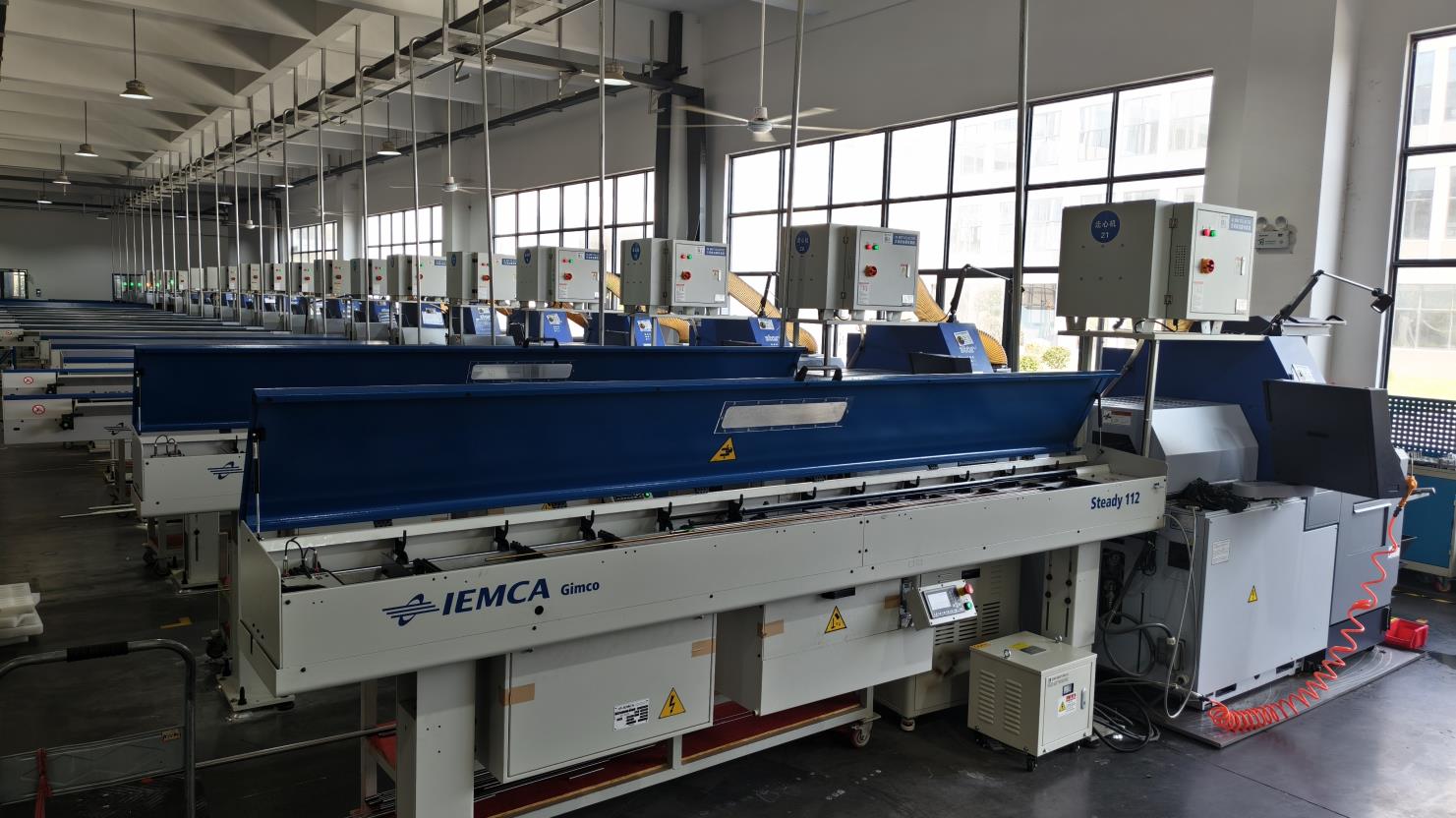
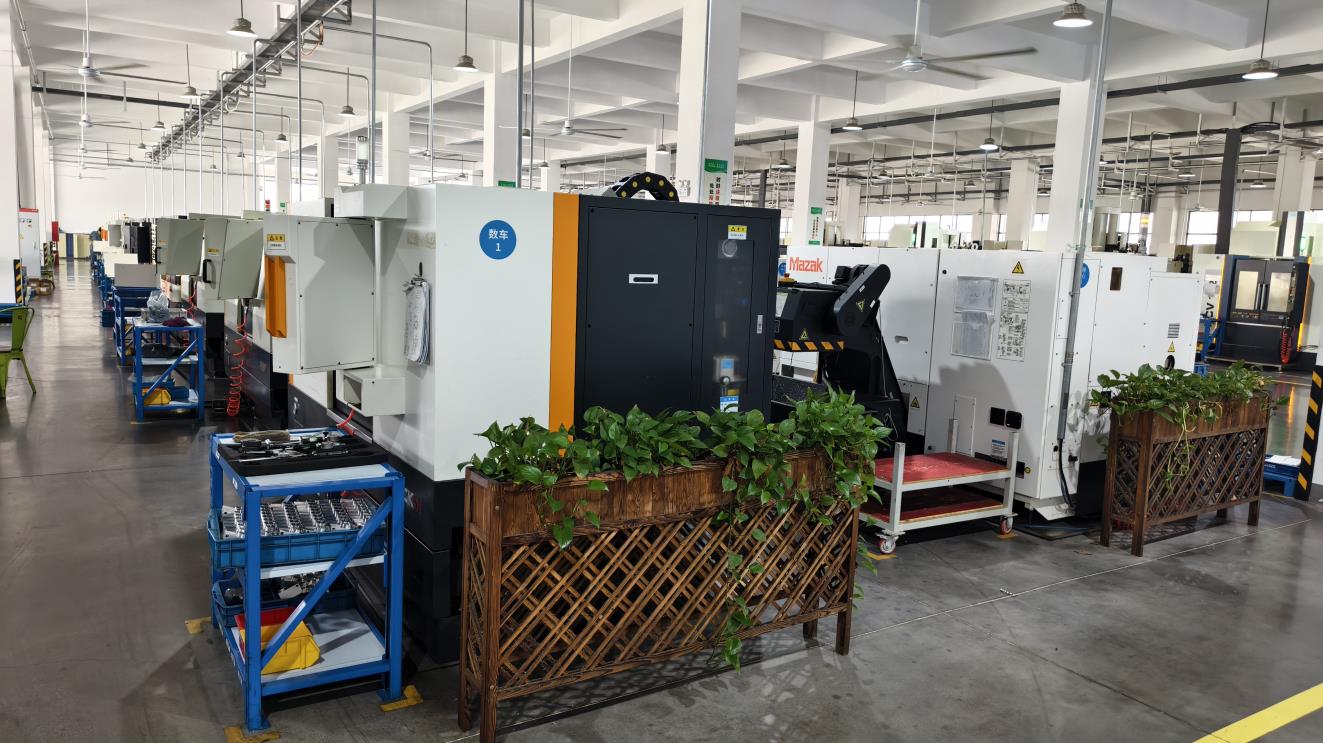
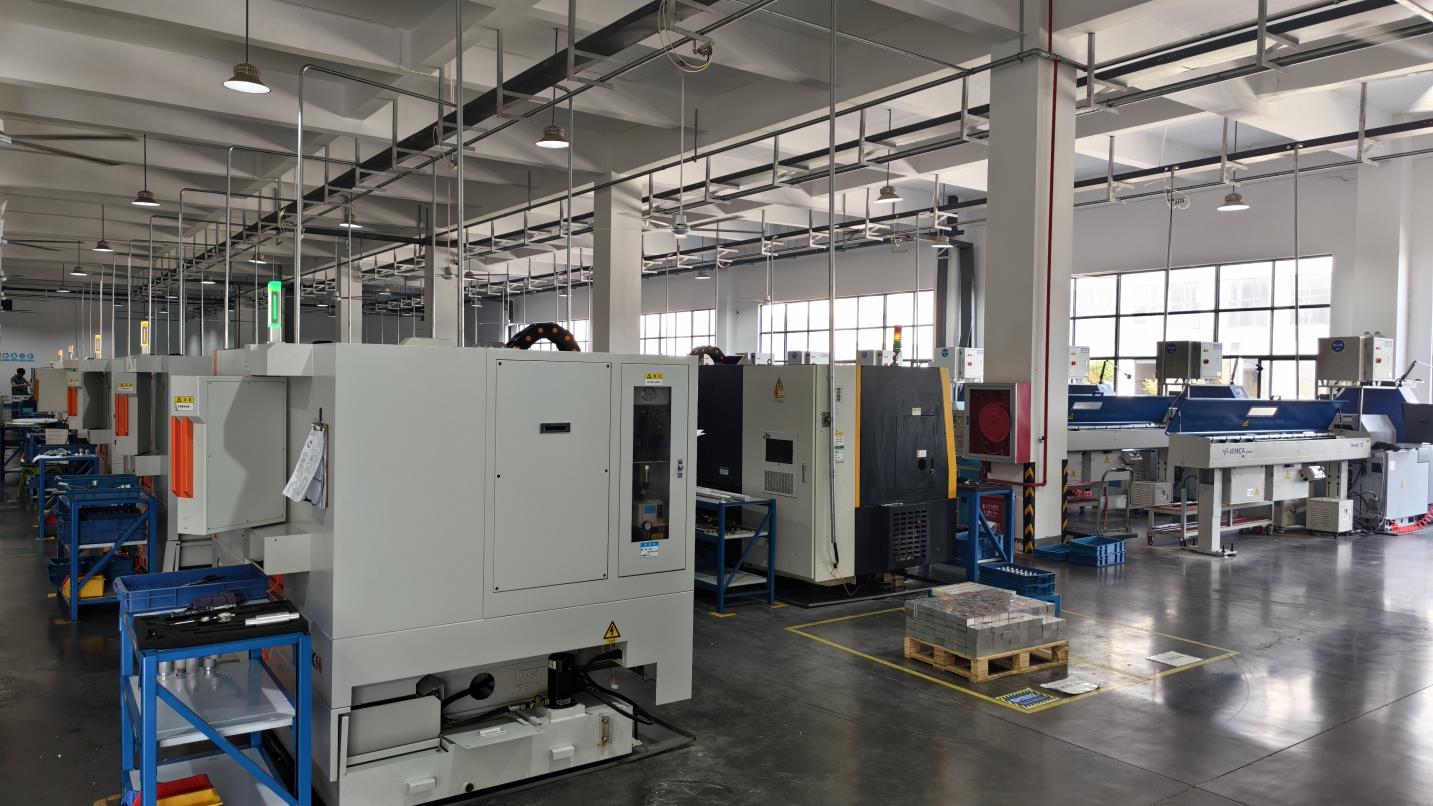
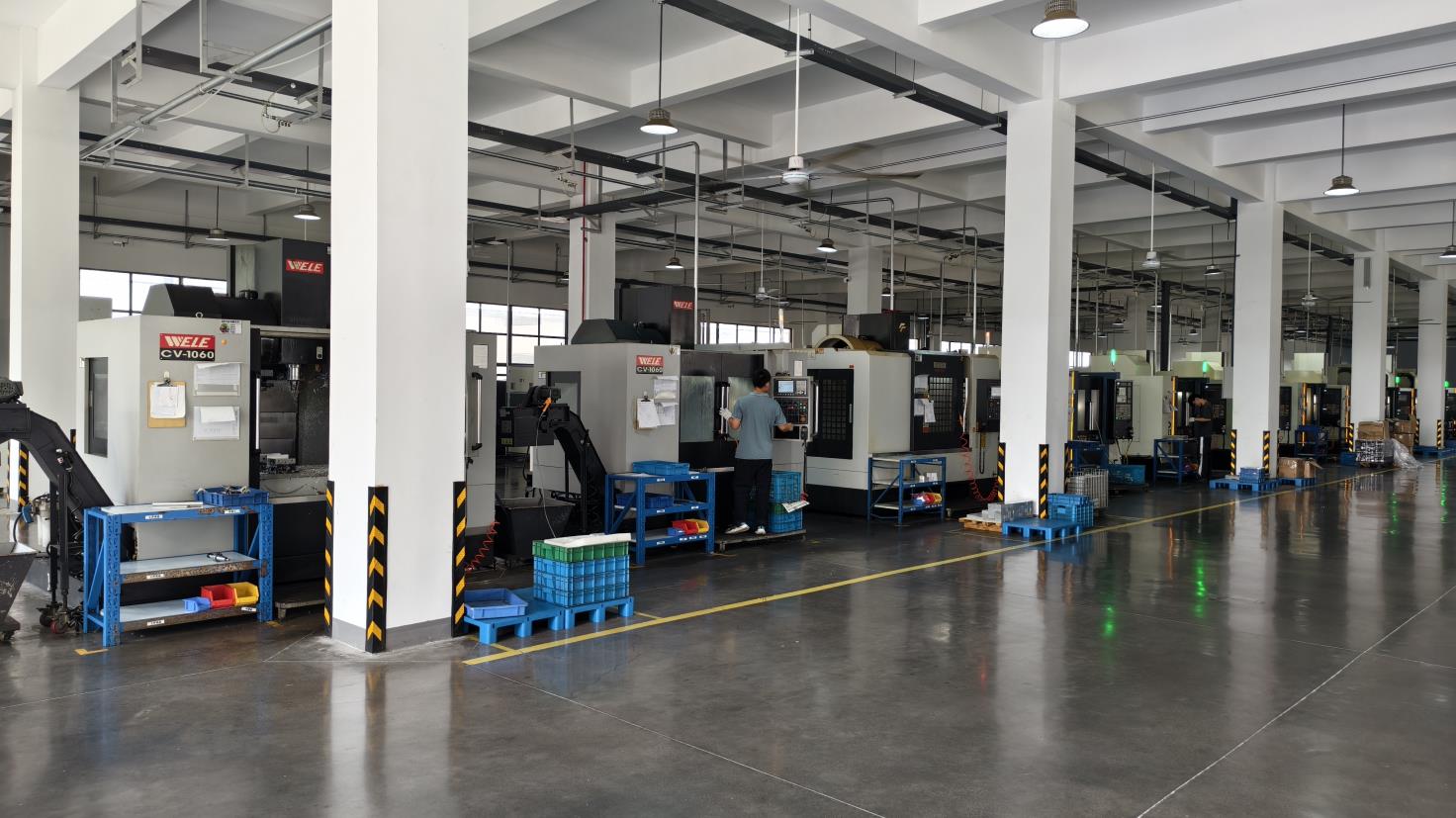
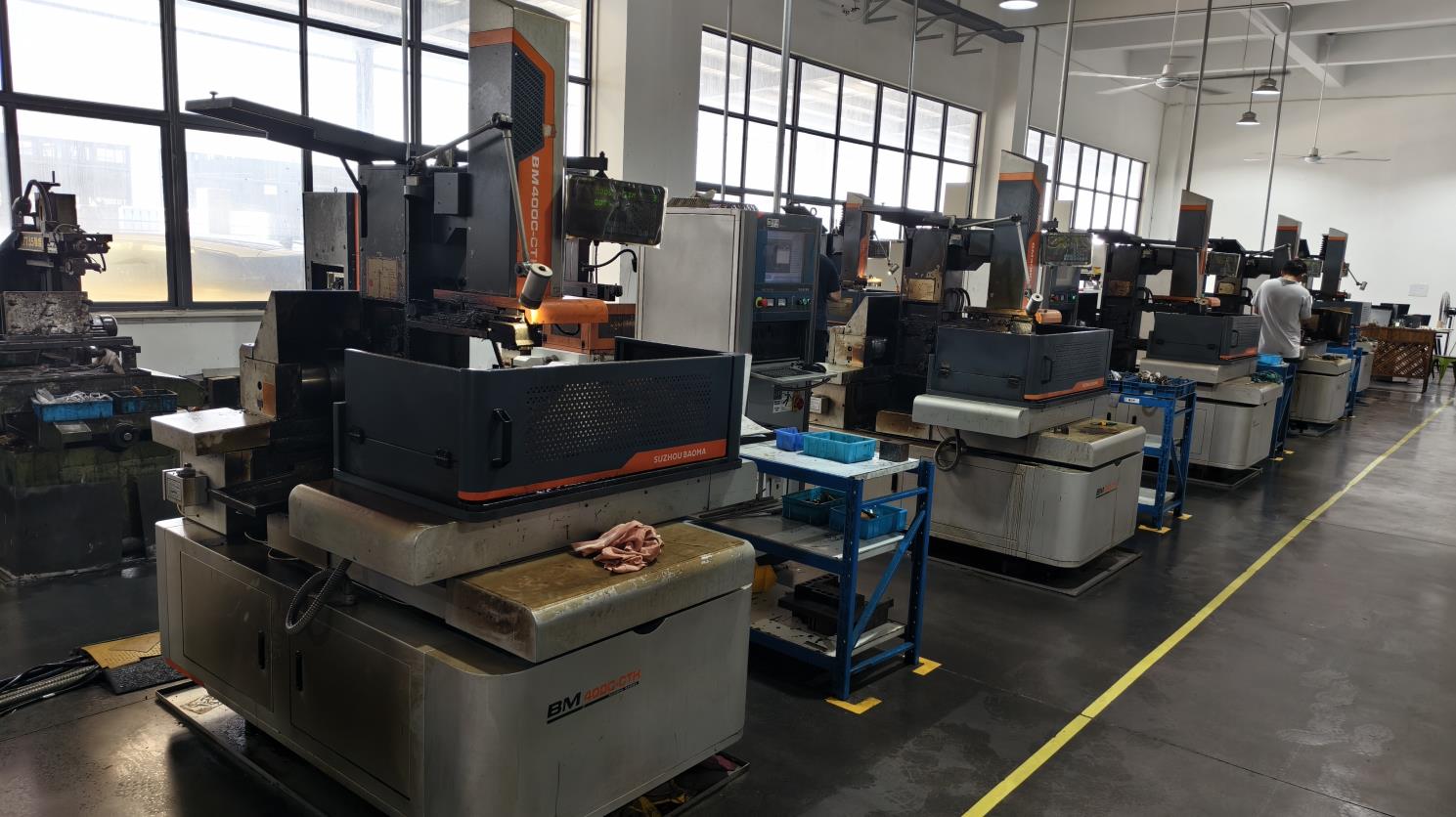
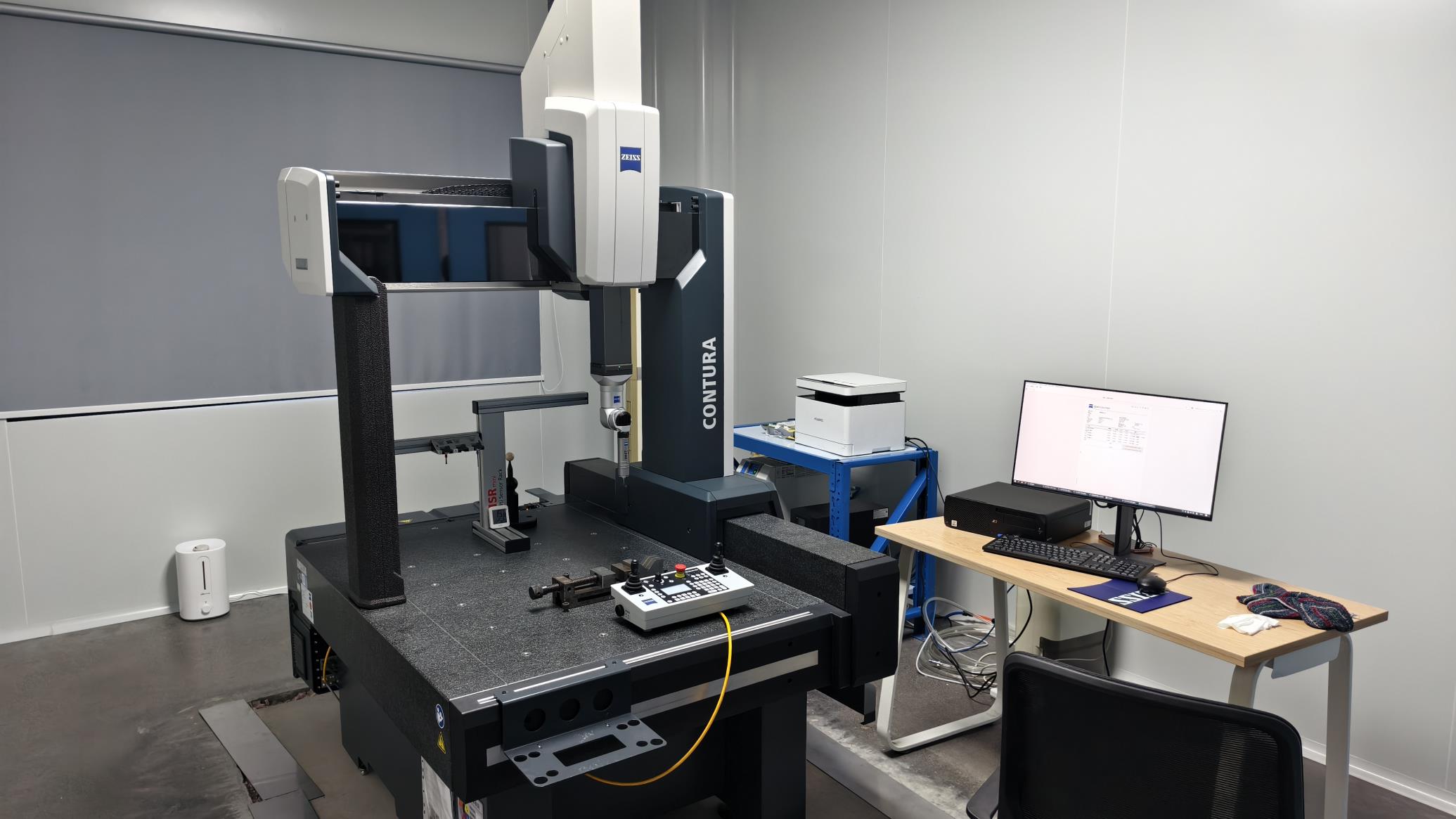
Established in 2017, Moventra Medical Technology (China) Co., Ltd. is a premier manufacturer specializing in the research, development, and international supply of orthopedic devices and spinal instrumentation. Operating out of an expansive 18,600 m² modern facility, the company leverages cutting-edge Swiss-type CNC lathes, coordinate measuring systems, and ISO-certified cleanroom environments to deliver clinical-grade surgical implants.
| Industrial Attribute | Technical & Commercial Specifications |
|---|---|
| Annual Export Experience | 7 Years of seamless delivery into North America, Europe, South America, and APAC. |
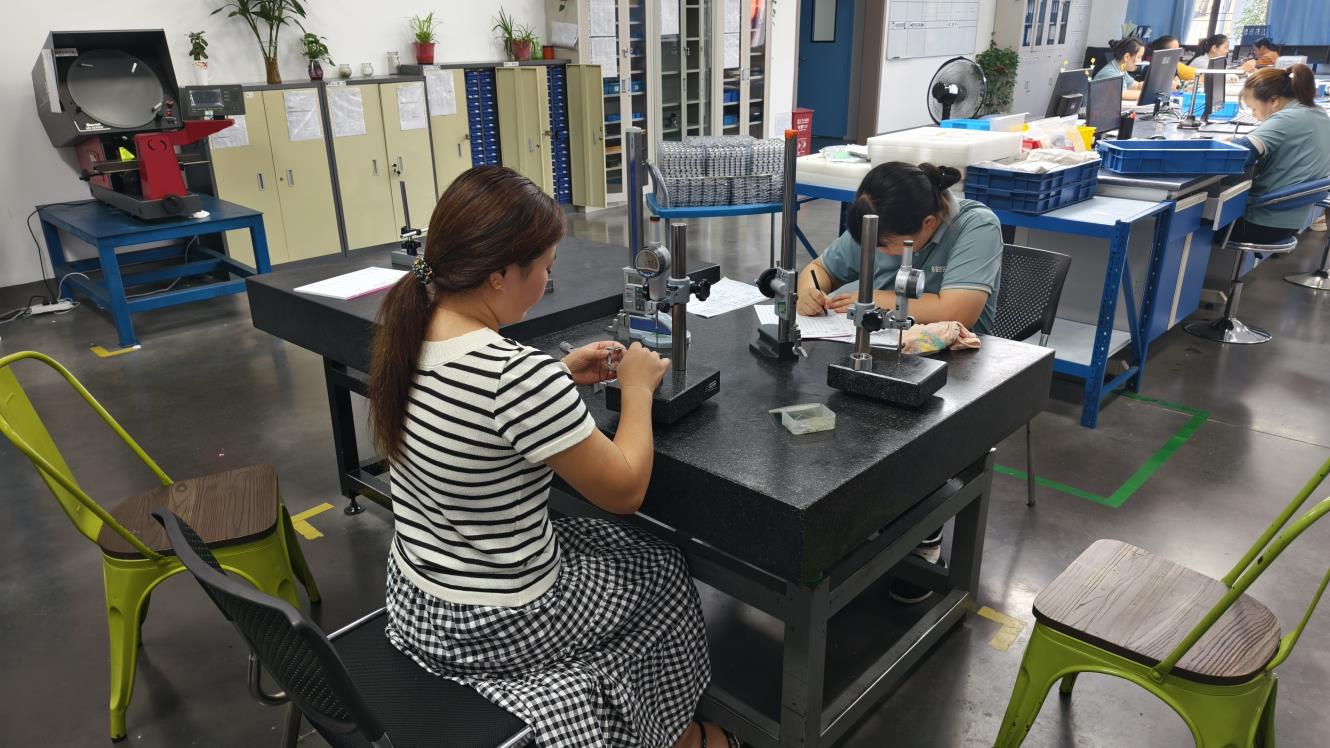
| Quality Inspection Staff | 48 dedicated QC inspectors ensuring 100% Quality Inspection before shipment. |
| Testing Methodology | Dimensional Inspection, Material Analysis (Spectrometry), Surface Finish Testing, Mechanical Fatigue Testing, and Sterility Verification. |
| R&D Output | 156 new orthopedic and trauma designs released last year alone. |
| Customization Options | Full OEM/ODM support including logo customization, packaging, and custom surgical instrument drawings. |
| Supply Chain Footprint | Partnered with over 1,120 global distributors, healthcare systems, and surgical procurement programs. |
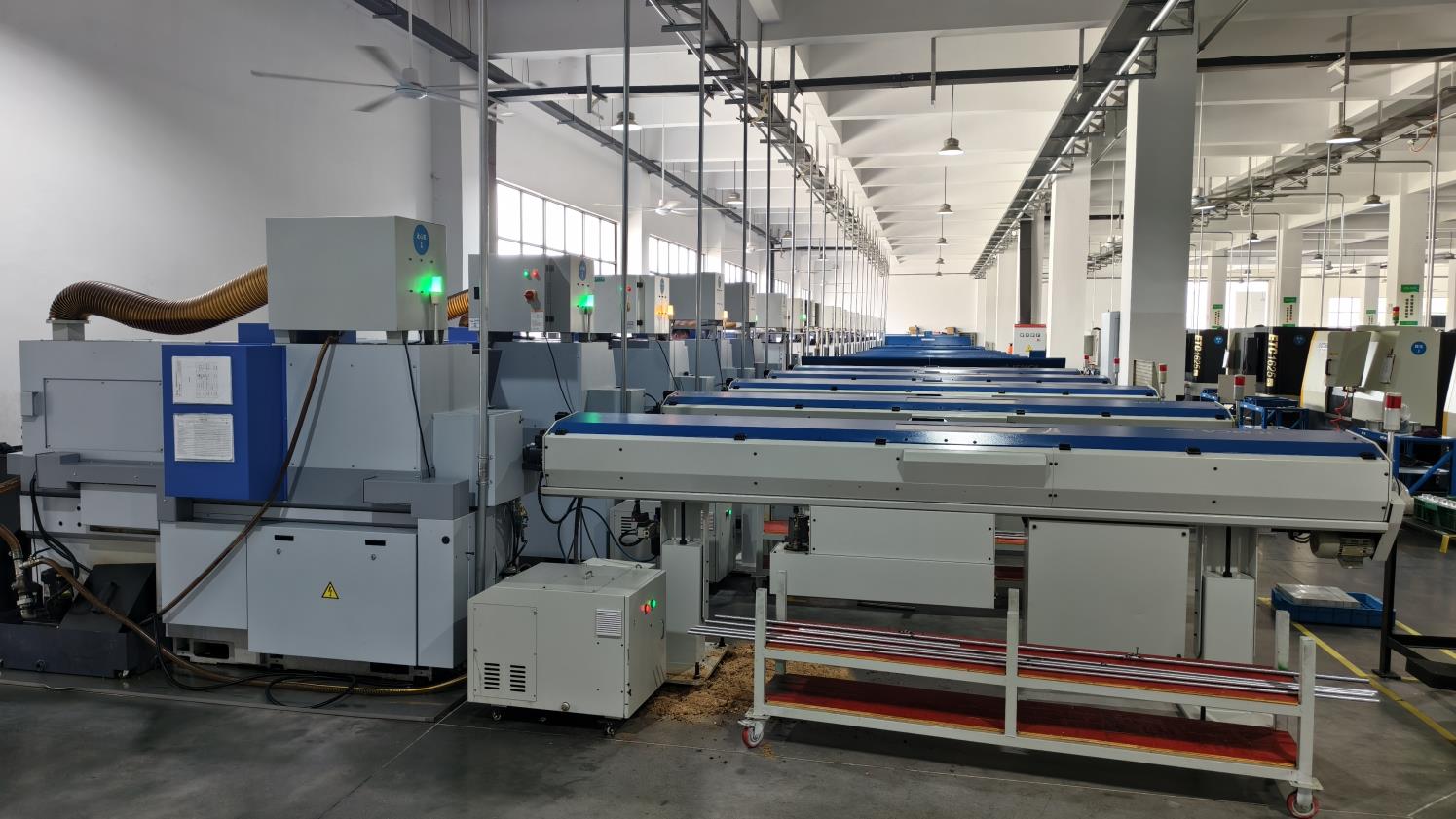
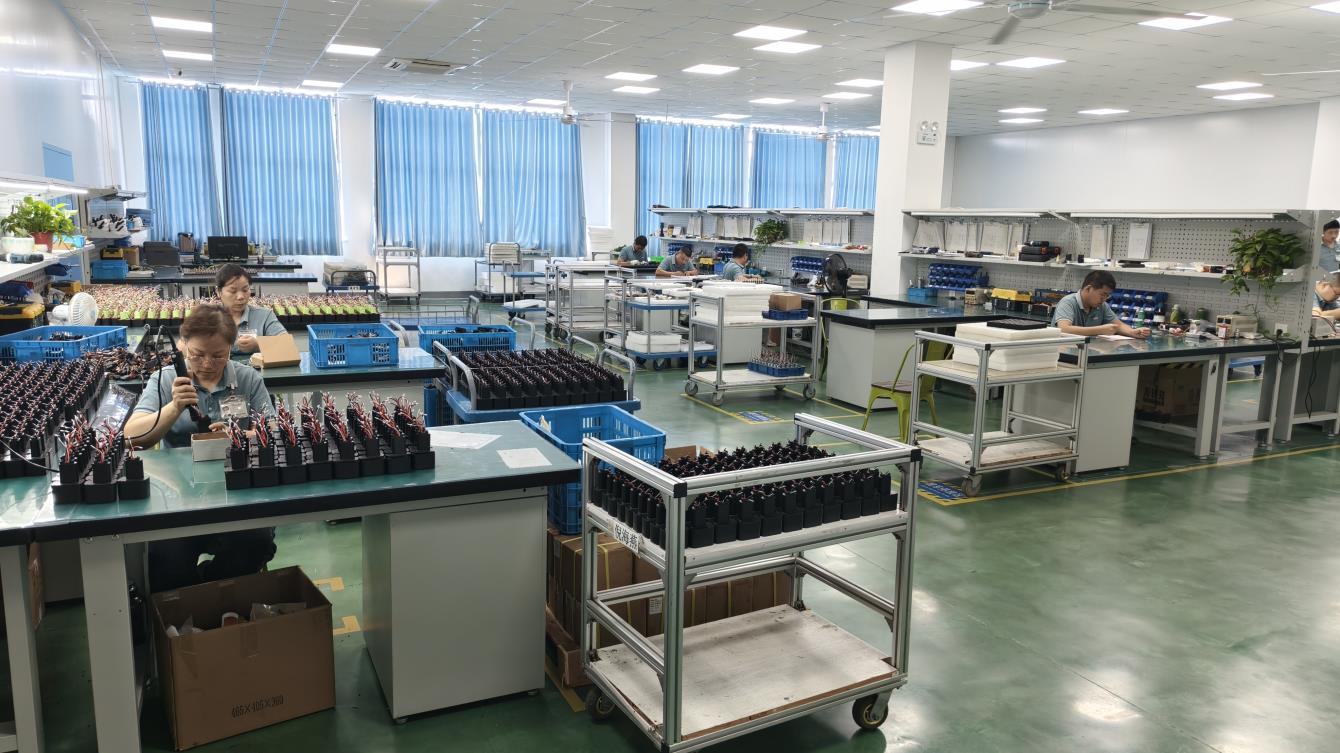
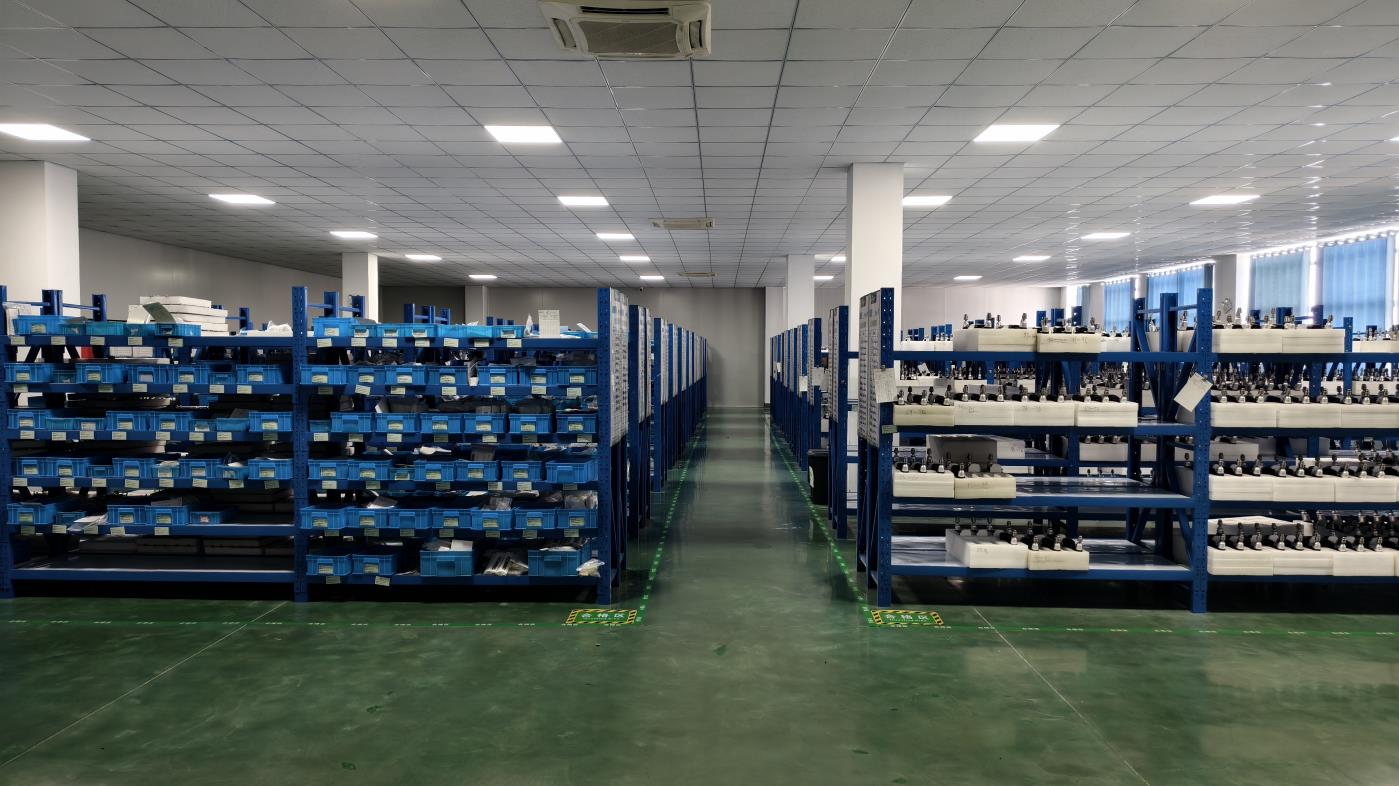
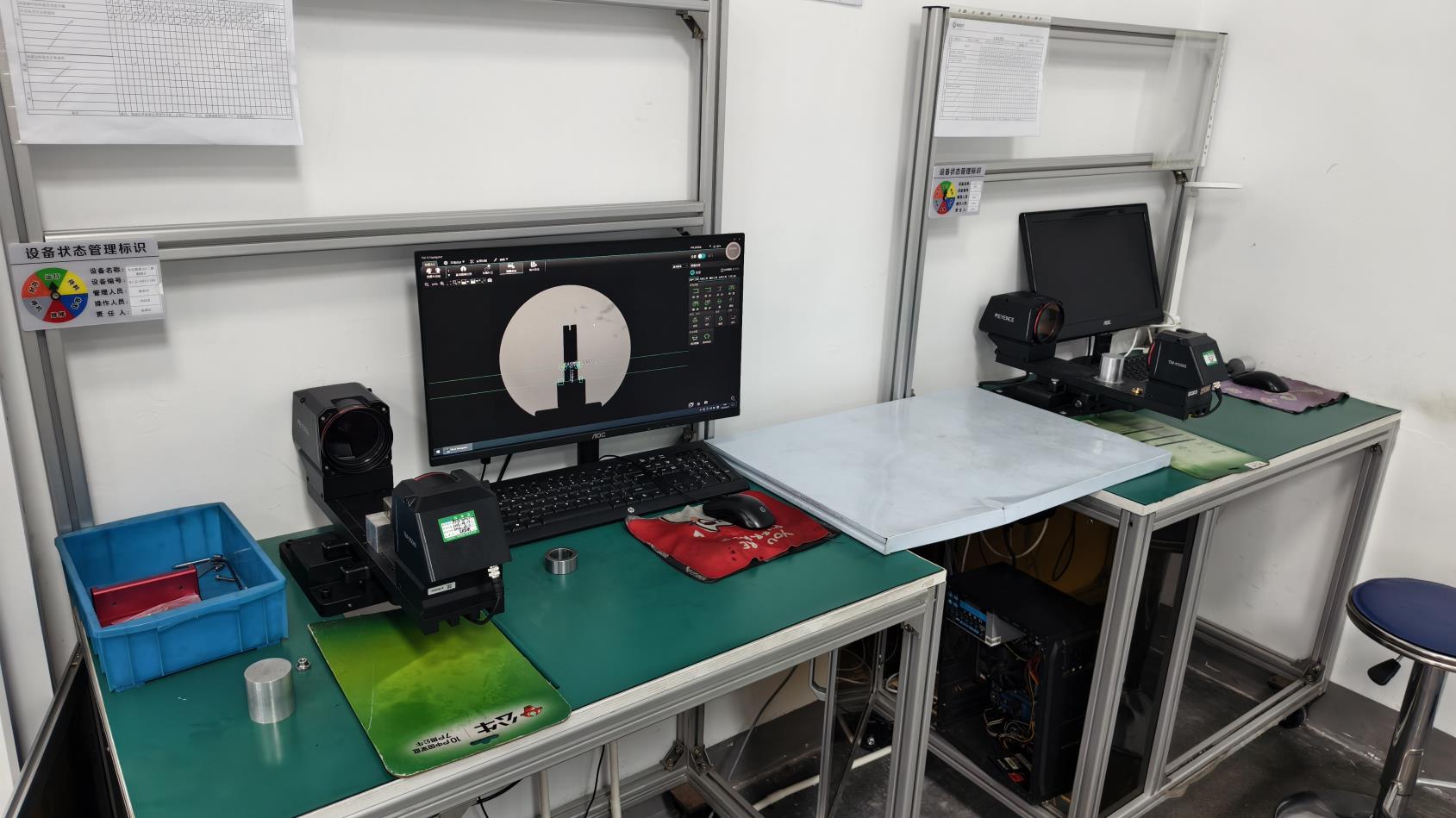
Insight into our precision machinery, measurement toolings, and cleanroom facilities.
Orthopedic implants mandate sub-micron precision to guarantee structural integrity and safe integration with human bone. Our production line integrates top-tier international machinery and analytical apparatuses to minimize human error and ensure compliance with medical manufacturing standards.
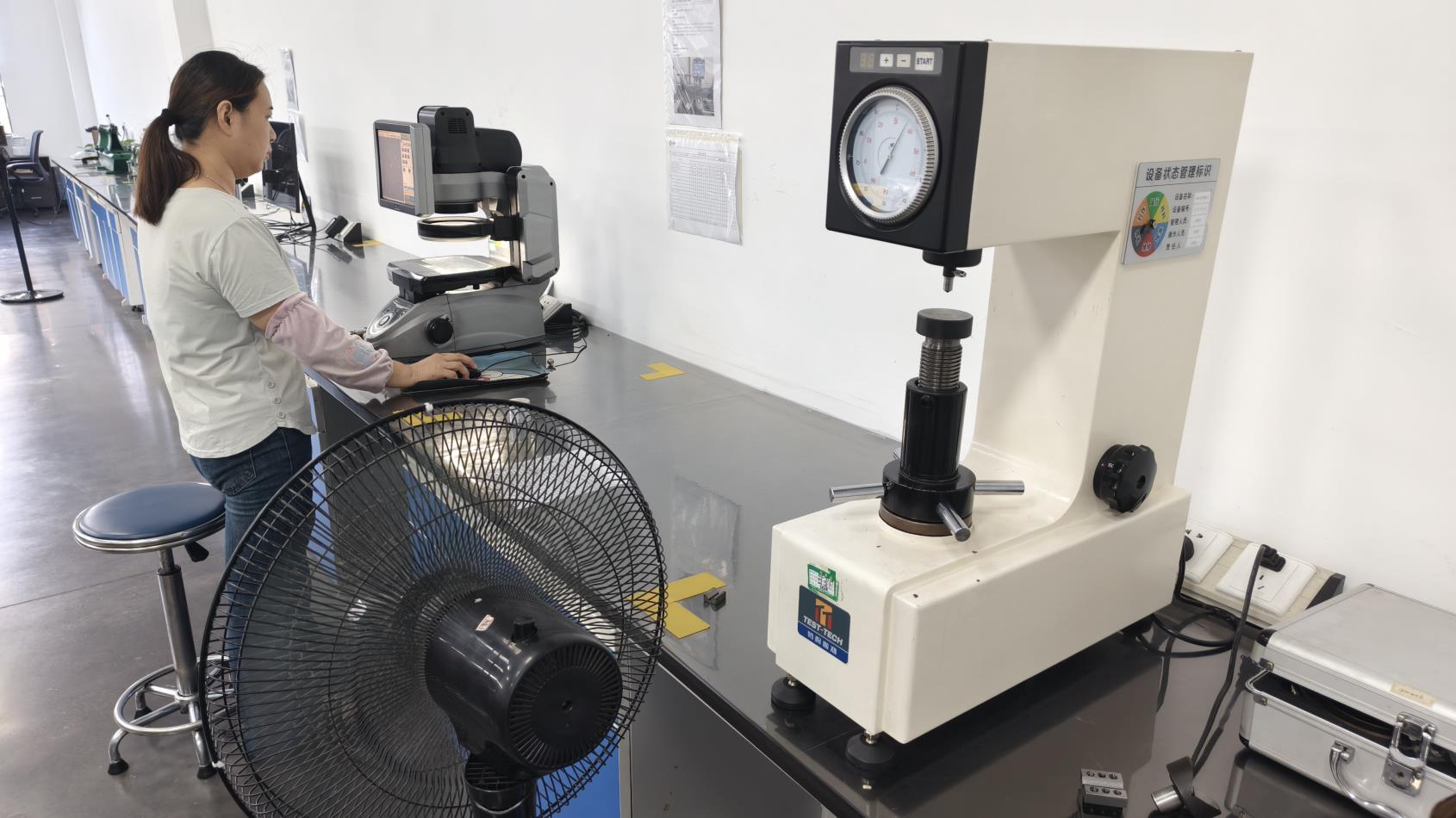
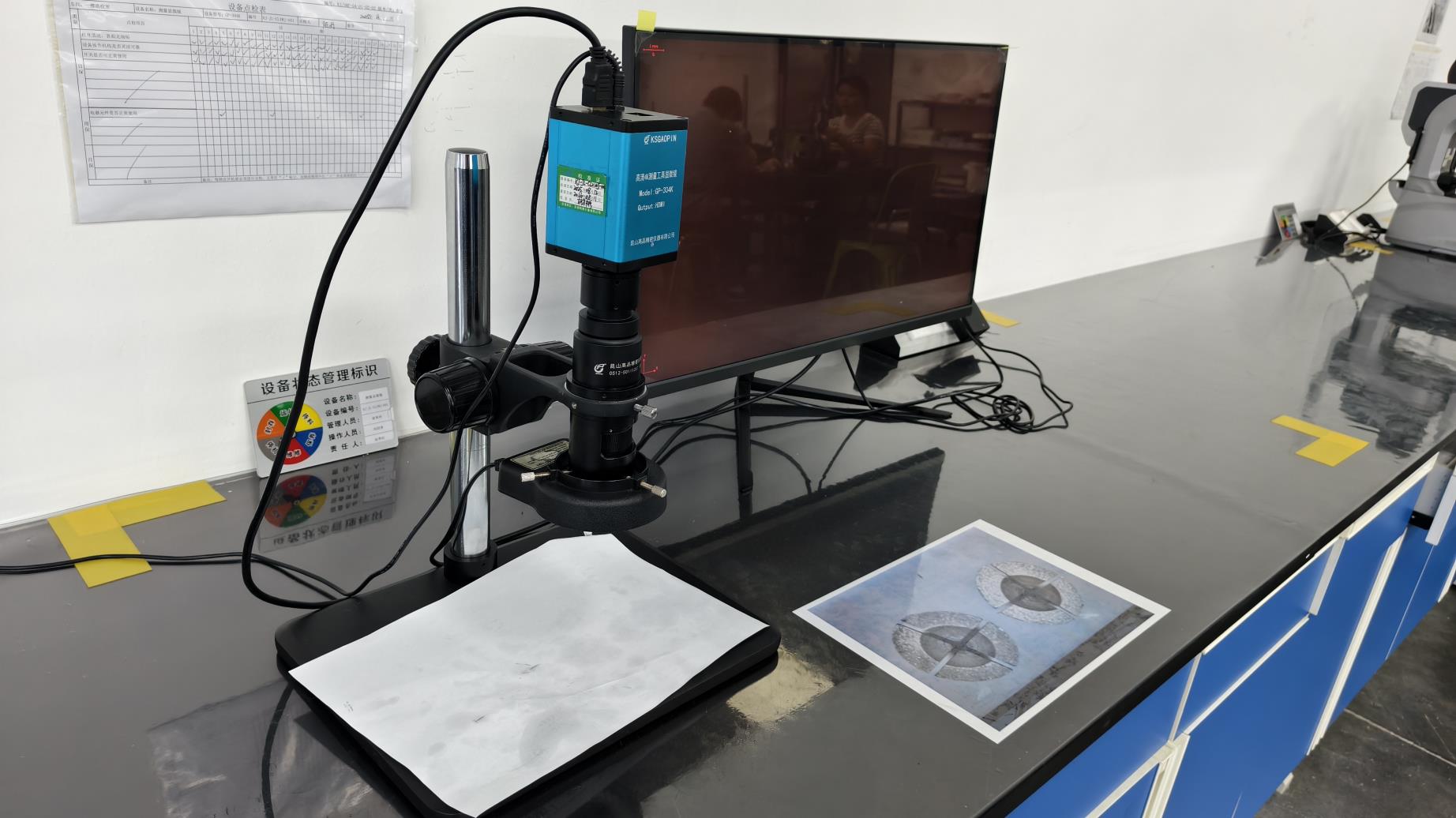
How procurement departments verify capabilities, navigate regulatory certifications, and control costs.
For international medical distributors and spine implant brands, selecting a supplier in China requires a comprehensive auditing structure. Moving beyond pure manufacturing capacity, buyers must scrutinize regulatory alignments and production capabilities to satisfy local authorities (FDA, MDR, NMPA).
Every anterior cervical plate batch must begin with documented, certified medical-grade titanium blocks. Raw material testing must check for tensile strength, elongation, and crystalline microstructures.
Implants require cleanroom post-processing and specialized surface treatments. This includes Type II anodization to reduce cold welding of titanium screws, and cleanroom air handling to ensure low bioburden levels before sterilization.
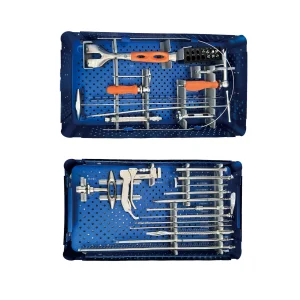
Reliable B2B suppliers coordinate with logistics partners to supply sterile-barrier peel pouches, custom laser etching, and tailored surgical instrument kit sets containing trial spacers, plate holders, and drill guides.
Future technological directions shaping cervical spine reconstruction.
As spine surgery moves further towards minimally invasive surgeries (MIS) and personalized medicine, research is shaping the next generation of cervical plate constructs:
Integration of dynamic plate locking structures directly into the interbody spacer. This eliminates the profile layout on the anterior side of the vertebral body, lowering adjacent-level pressure and post-operative dysphagia rates.
Applying hydroxyapatite (HA) or porous titanium coatings onto PEEK and hybrid titanium substrates. This combines the native elasticity modulus of polymers with the osteoconductive properties of titanium, facilitating rapid endplate integration.
Embedded micro-strain gauges within the plate constructs to monitor real-time fusion progression and post-operative strain. This allows clinicians to monitor recovery progression and identify pseudarthrosis early.
Answers to essential clinical, engineering, and supply questions for global distributors.
Additional surgical implants, animal models, and specialty screws manufactured to international standards.
 Moventra Medical