Explore our clinical-grade implants, high-performance power tools, and specialized surgical reconstruction systems.
In modern arthroscopic reconstructive surgery, the choice of implant material plays a critical role in determining patient recovery times, bone integration, and long-term joint stability. Polyetheretherketone (PEEK) suture anchors have emerged as the industry gold standard for soft tissue-to-bone fixation, particularly in high-tension clinical procedures such as rotator cuff repairs, glenoid labrum stabilization, and Achilles tendon reconstructions.
Historically, titanium anchors dominated orthopedics. However, their high modulus of elasticity relative to native bone often led to stress shielding, localized bone resorption, and significant artifacts during postoperative MRI or CT imaging. Bio-absorbable materials were developed as an alternative, but their unpredictable degradation rates occasionally caused sterile inflammatory responses or early implant failure.
PEEK resolves these clinical challenges by offering an elastic modulus (approx. 3-4 GPa unfilled, up to 18 GPa reinforced) that closely matches human cortical bone. This biomechanical compatibility optimizes load transfer, minimizes stress shielding, and promotes healthy bone remodeling. Additionally, its complete radiolucency allows surgeons to monitor bone healing and implant positioning via standard imaging without metal artifact distortion.
From an engineering perspective, PEEK’s structural stability is superior under cyclic loading conditions. In procedures like shoulder arthroscopy, suture anchors must withstand thousands of micro-movement cycles post-surgery. PEEK's high fatigue resistance prevents micro-fracturing at the anchor threads, ensuring the suture loop remains securely locked in place during the critical 6-to-12-week soft tissue healing window.
The global medical device market demands absolute compliance with quality standards alongside pricing sustainability. Sourcing PEEK suture anchors from China’s leading orthopedic manufacturing clusters offers multinational healthcare brands a strategic advantage. By pairing state-of-the-art production technologies with integrated raw material supply chains, Chinese manufacturers deliver Class III medical implants that meet or exceed European (CE) and American regulatory benchmarks.
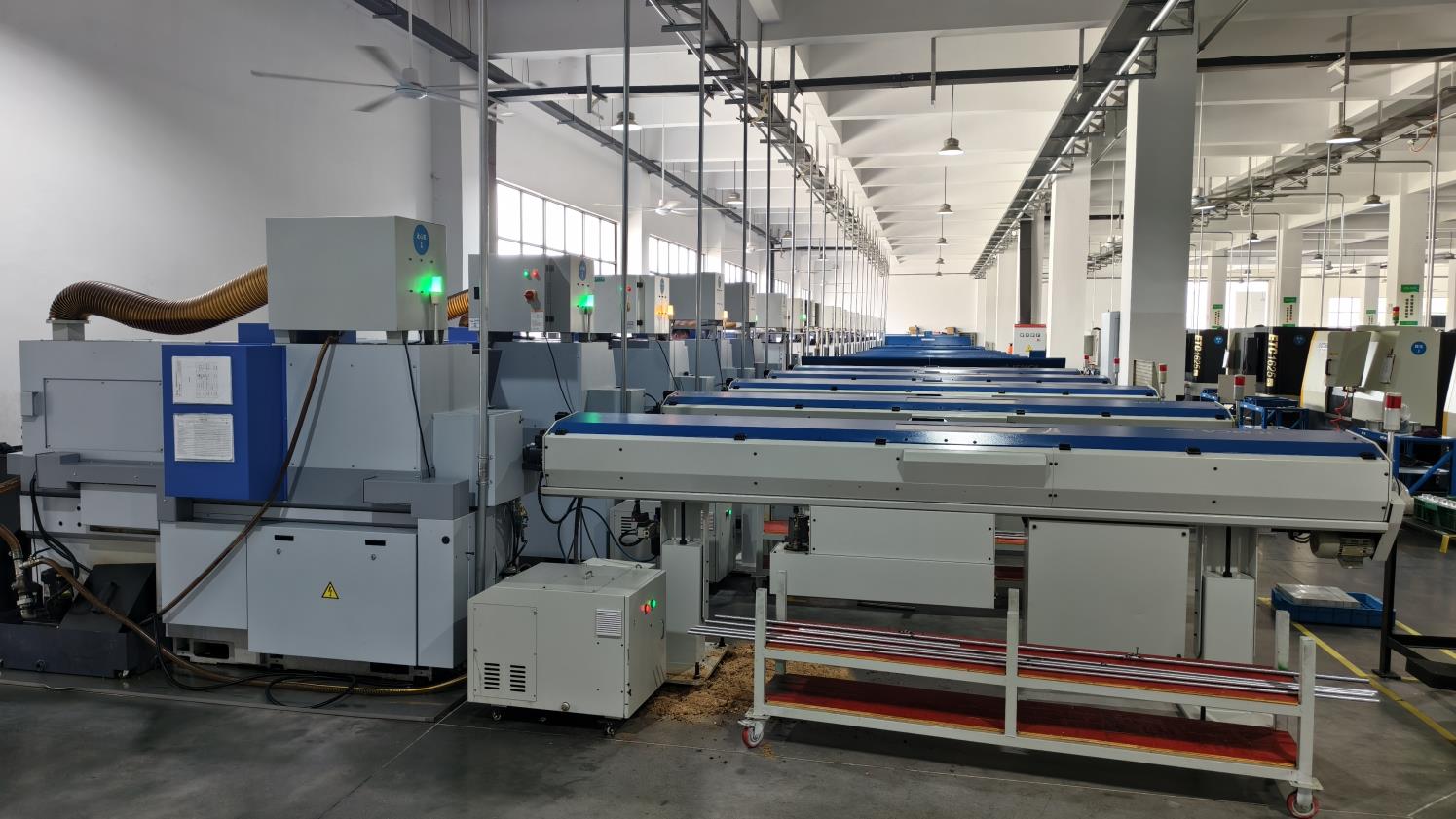
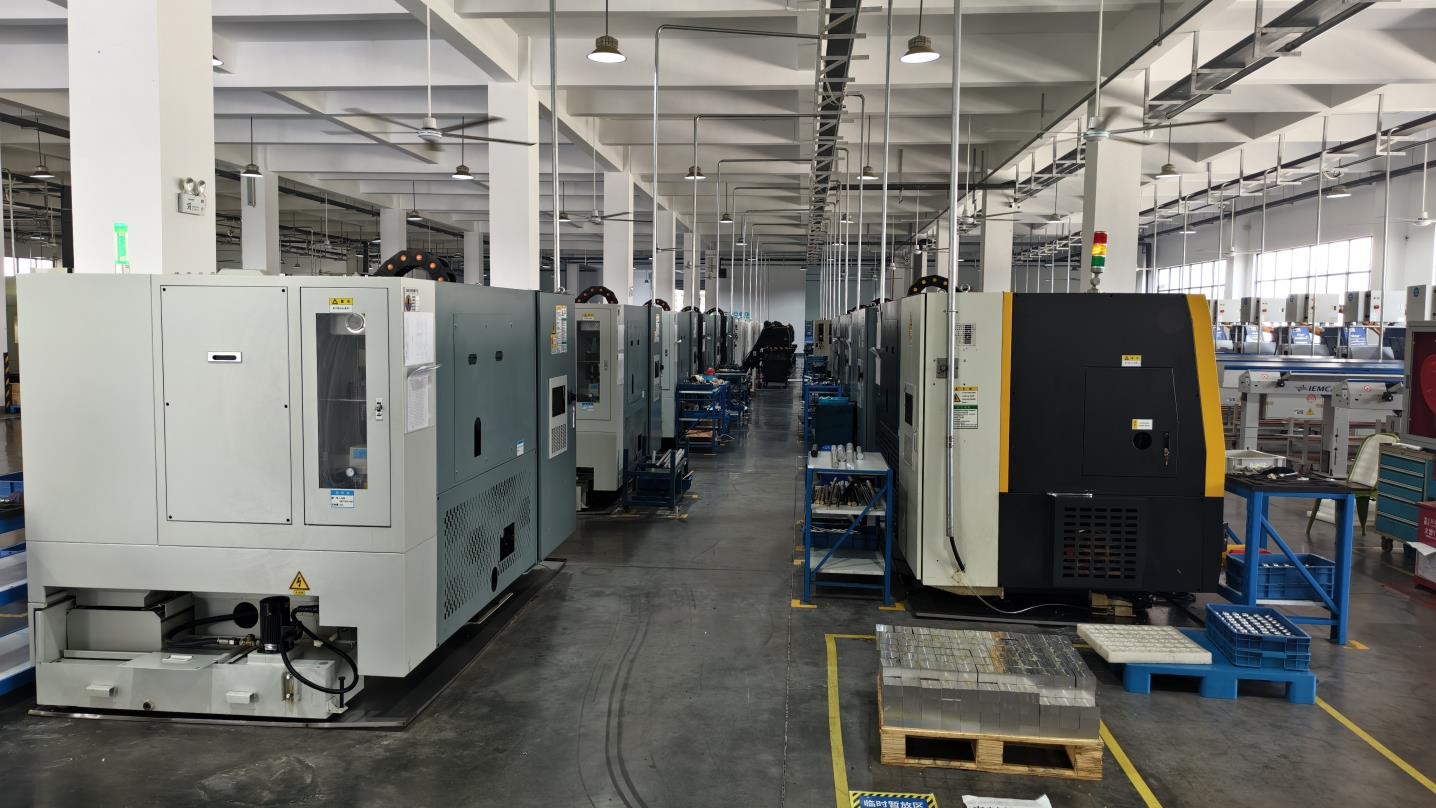
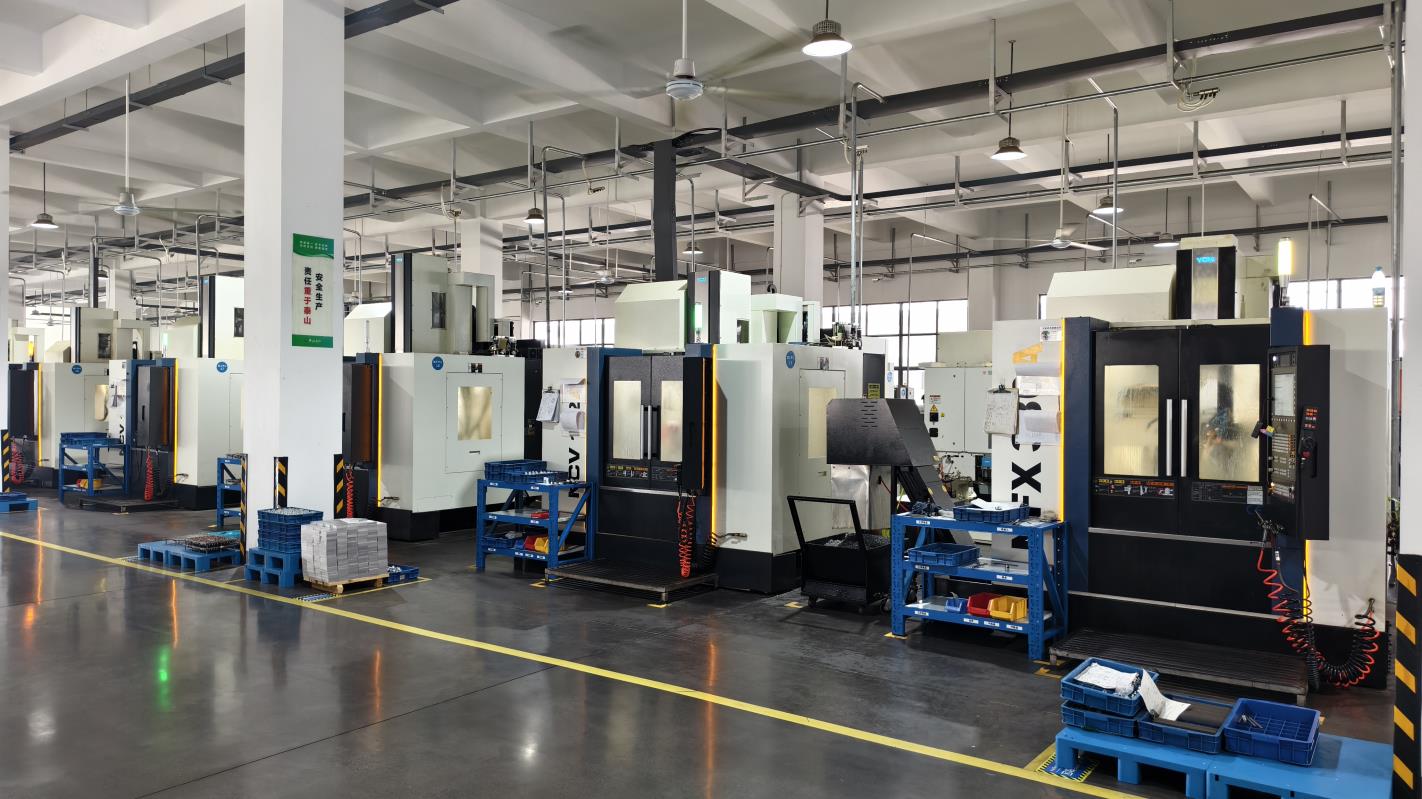
Modern Chinese medical factories utilize advanced Swiss-type longitudinal turning lathes, high-precision machining centers, and wire cutting setups to manufacture complex anchor geometries. Thread designs can be customized—ranging from dual-thread configurations for osteoporotic bone to tap-in designs for dense cortical bone. Furthermore, automated Cleanroom Class 10,000 packaging lines and strict validation of ethylene oxide (EO) sterilization cycles guarantee that implants arrive globally ready for sterile operating theater use.
Moventra Medical Technology (China) Co., Ltd. is a global leader in high-performance orthopedic and sports medicine solutions.
Established in 2017, Moventra Medical Technology (China) Co., Ltd. is a professional manufacturer specializing in the research, development, production, and global supply of orthopedic medical devices and surgical solutions. The company is dedicated to delivering innovative, high-quality products for trauma, spine, joint reconstruction, sports medicine, and orthopedic surgical procedures.
With a modern manufacturing facility covering 18,600 m², Moventra integrates advanced CNC machining, precision manufacturing, automated production lines, and strict quality management systems to ensure every product meets international medical standards. Our commitment to continuous innovation enables us to provide reliable OEM and ODM services for global medical device brands, distributors, and healthcare institutions.
Supported by an experienced R&D team and comprehensive quality assurance system, Moventra continuously develops innovative orthopedic solutions that improve surgical efficiency and patient outcomes. Our products are exported to customers worldwide and are trusted for their precision, safety, and consistent performance.
| Corporate Capability Item | Detailed Specifications & Validation |
|---|---|
| Company Name | Moventra Medical Technology (China) Co., Ltd. |
| Brand Identity | Moventra |
| Established Year | 2017 |
| Facility Footprint | 18,600 m² class-certified manufacturing zone |
| Annual Export Revenue | USD 23.8 Million (Reflecting global market trust) |
| Export Portfolio History | 7 Years of seamless international logistics and customs compliance |
| Orthopedic Industry Experience | 13 Years of engineering expertise in joint, spine, and sports medicine |
| Quality Inspection Standard | 100% Quality Inspection Before Shipment (Zero-defect policy) |
| Product Verification Methods | Dimensional Inspection, Material Analysis, Surface Finish Inspection, Mechanical Performance Testing, Sterility Verification |
| Dedicated Quality Control Staff | 48 Certified Quality Auditors |
| Primary Business Model | Manufacturer, OEM & ODM Contract Manufacturing, Authorized Exporter |
| Main Target Markets | North America, Europe, South America, Middle East, Southeast Asia, Australia |
| Active Supply Chain Partners | 1,120 qualified raw material, sterilization, and logistics partners |
| Core Customer Segment | Medical Device Brands, Orthopedic Distributors, Hospitals, Importers, Government Procurement Projects |
| R&D Integration Capabilities | Independent Product Design, Rapid Prototyping, OEM/ODM Development, Customized Engineering Solutions |
| Tailored Customization Scope | Laser Logo Marking, Sterile Packaging Customization, Product Design Modification, Drawing/Sample-Based Manufacturing |
| Annual Product Innovation Rate | 156 newly registered/released product SKUs last year |
| Dedicated R&D Engineering Team | 86 orthopedic product engineers and material specialists |
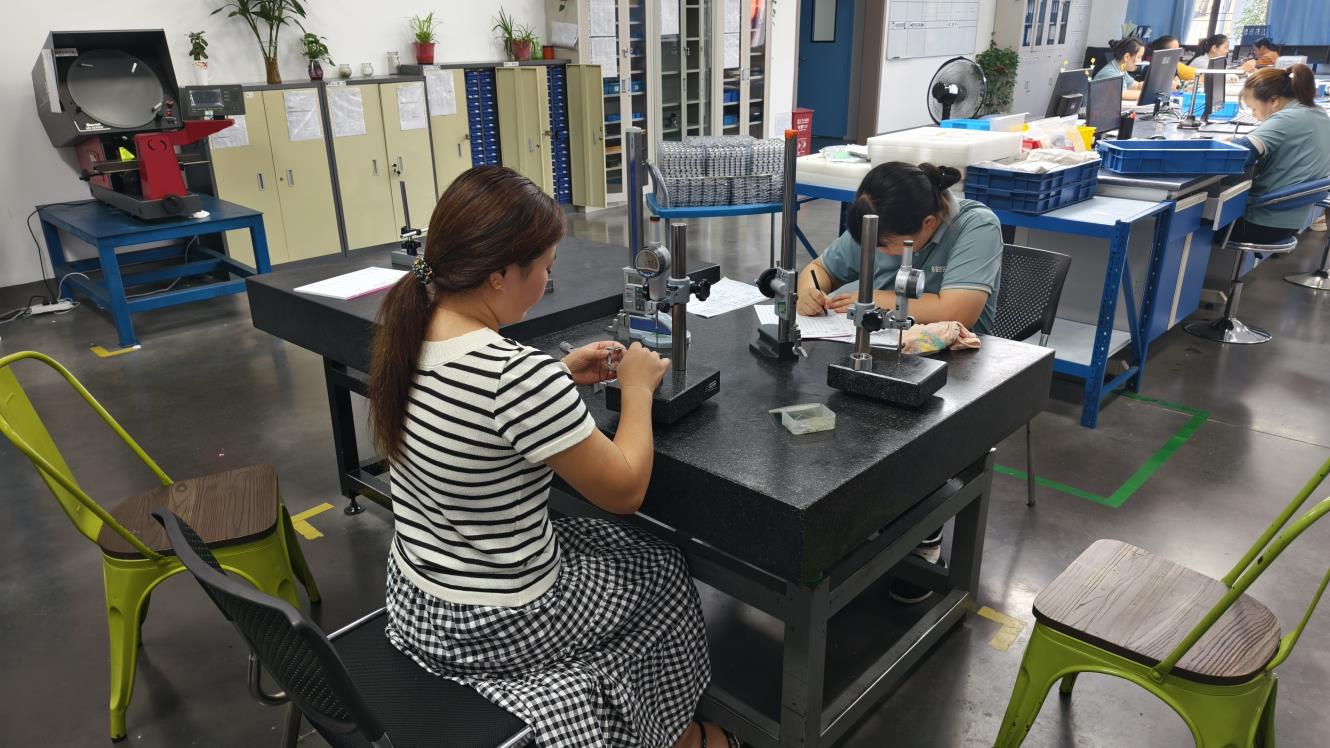
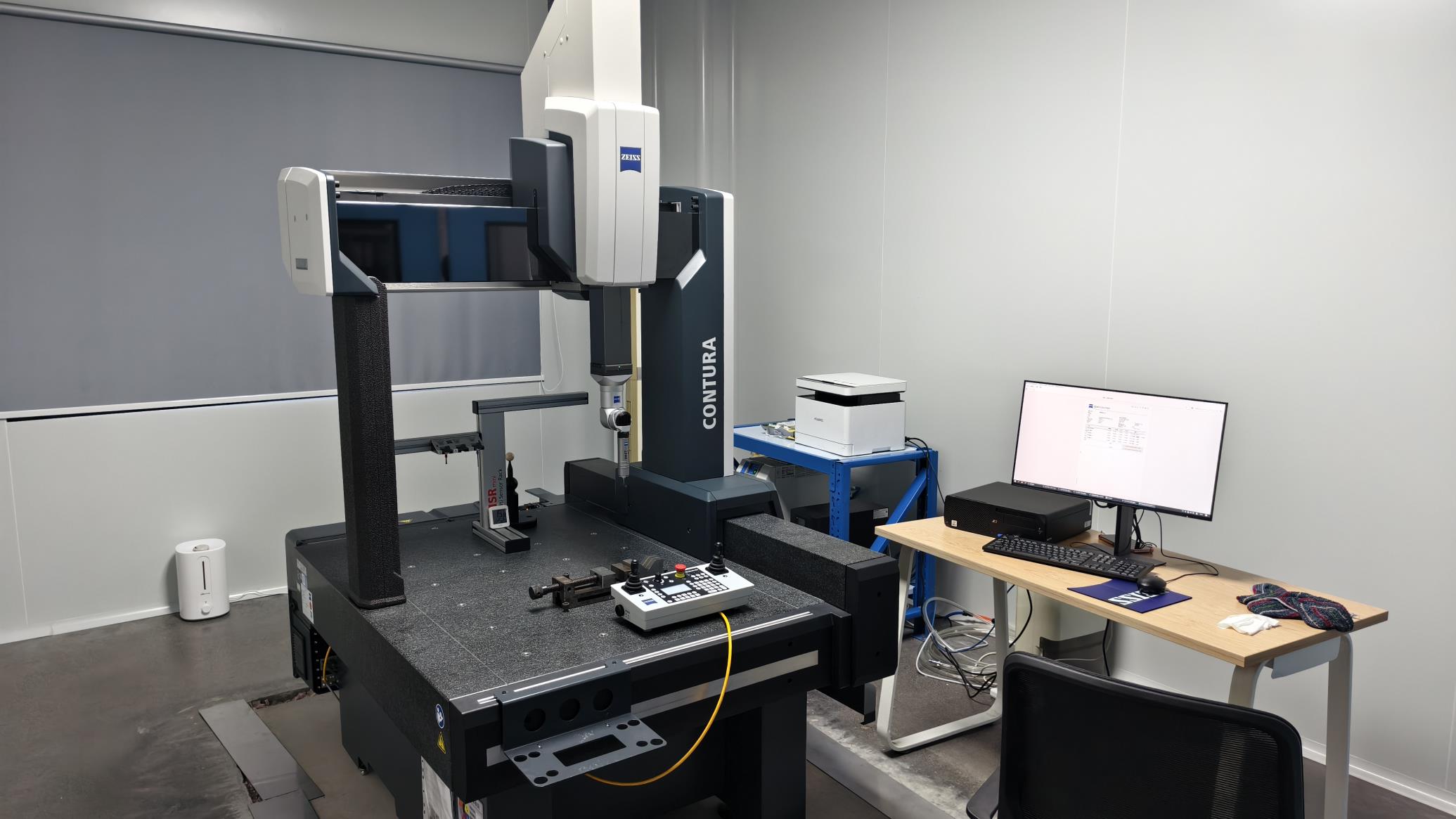
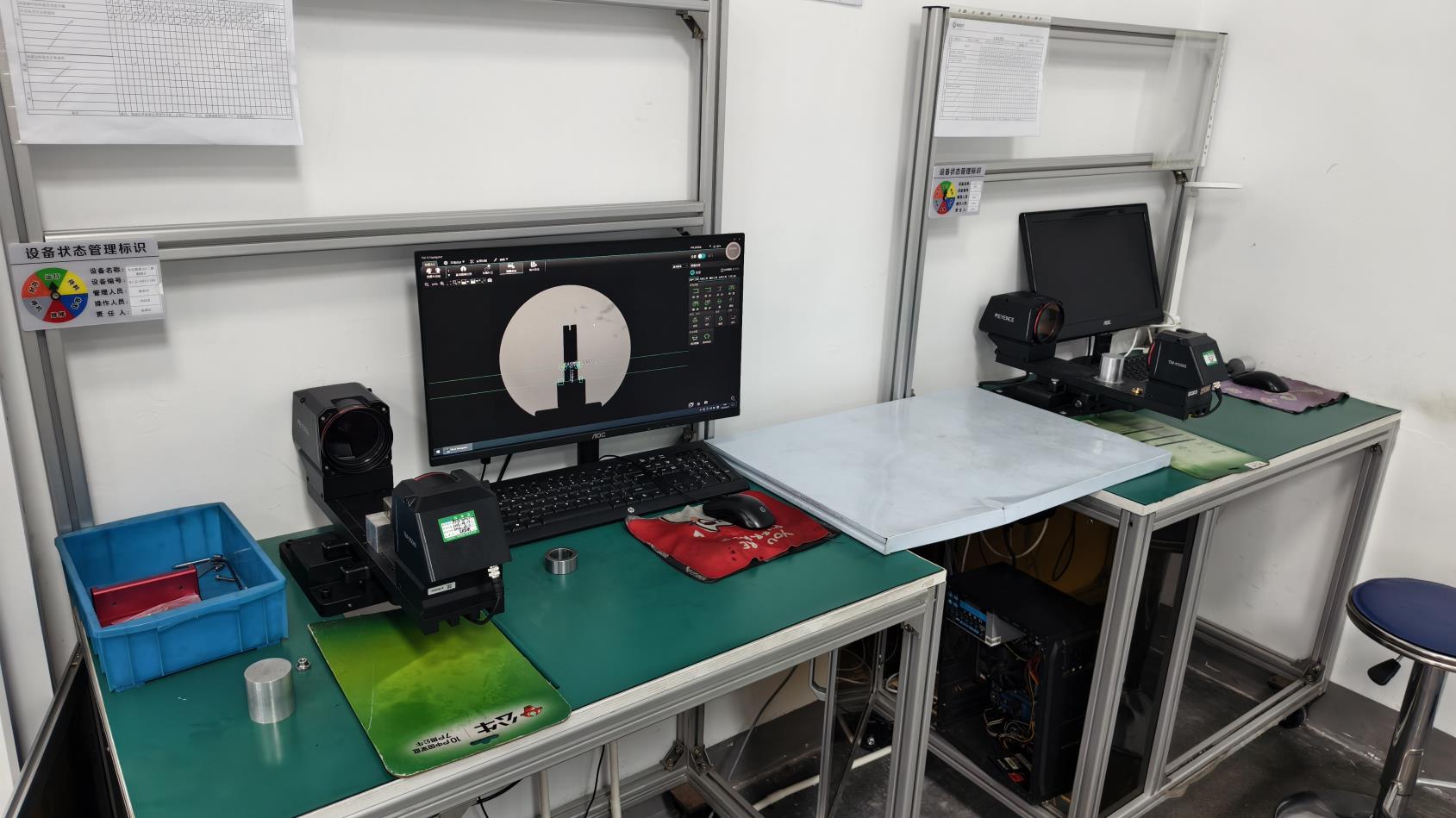
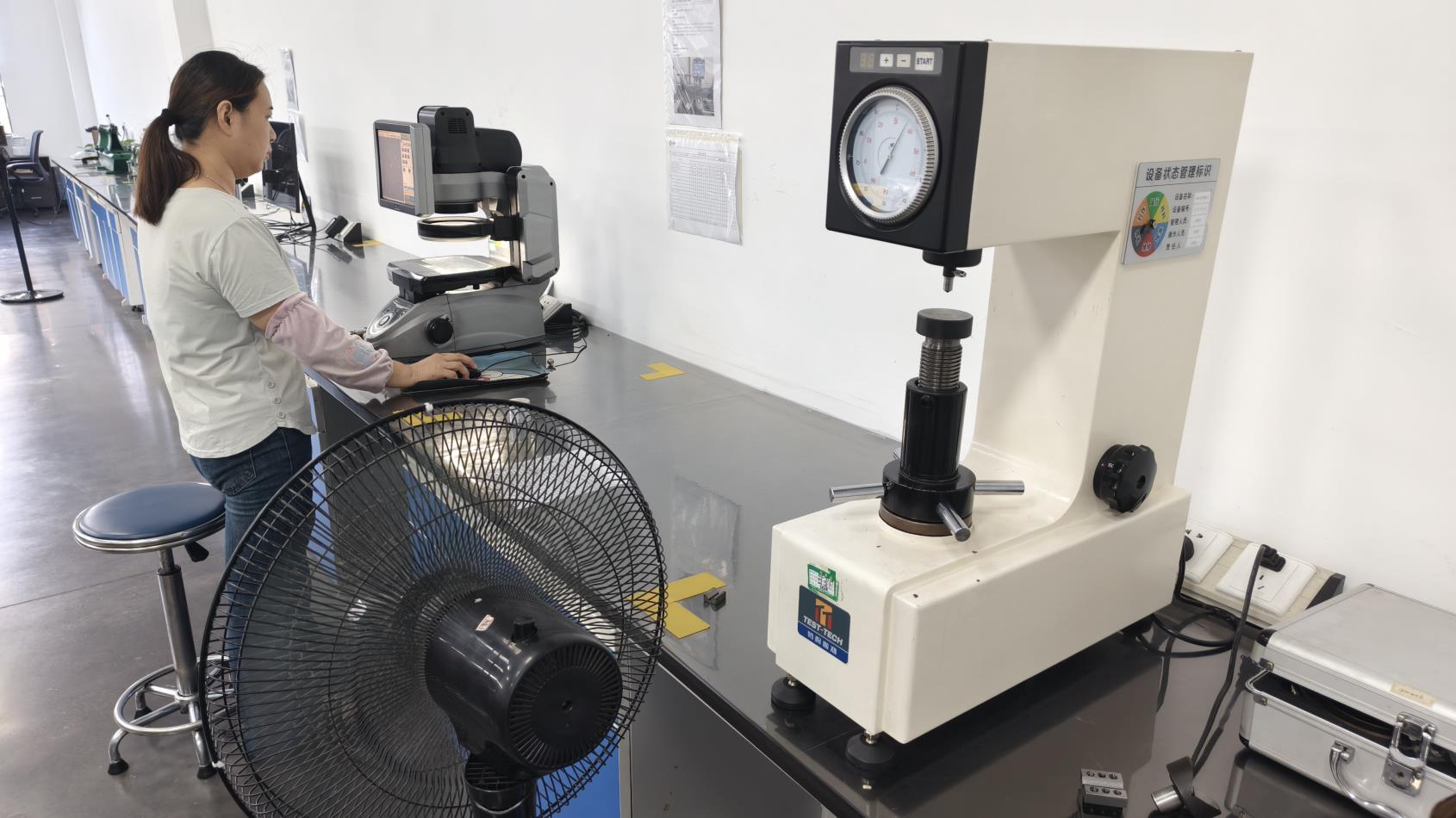
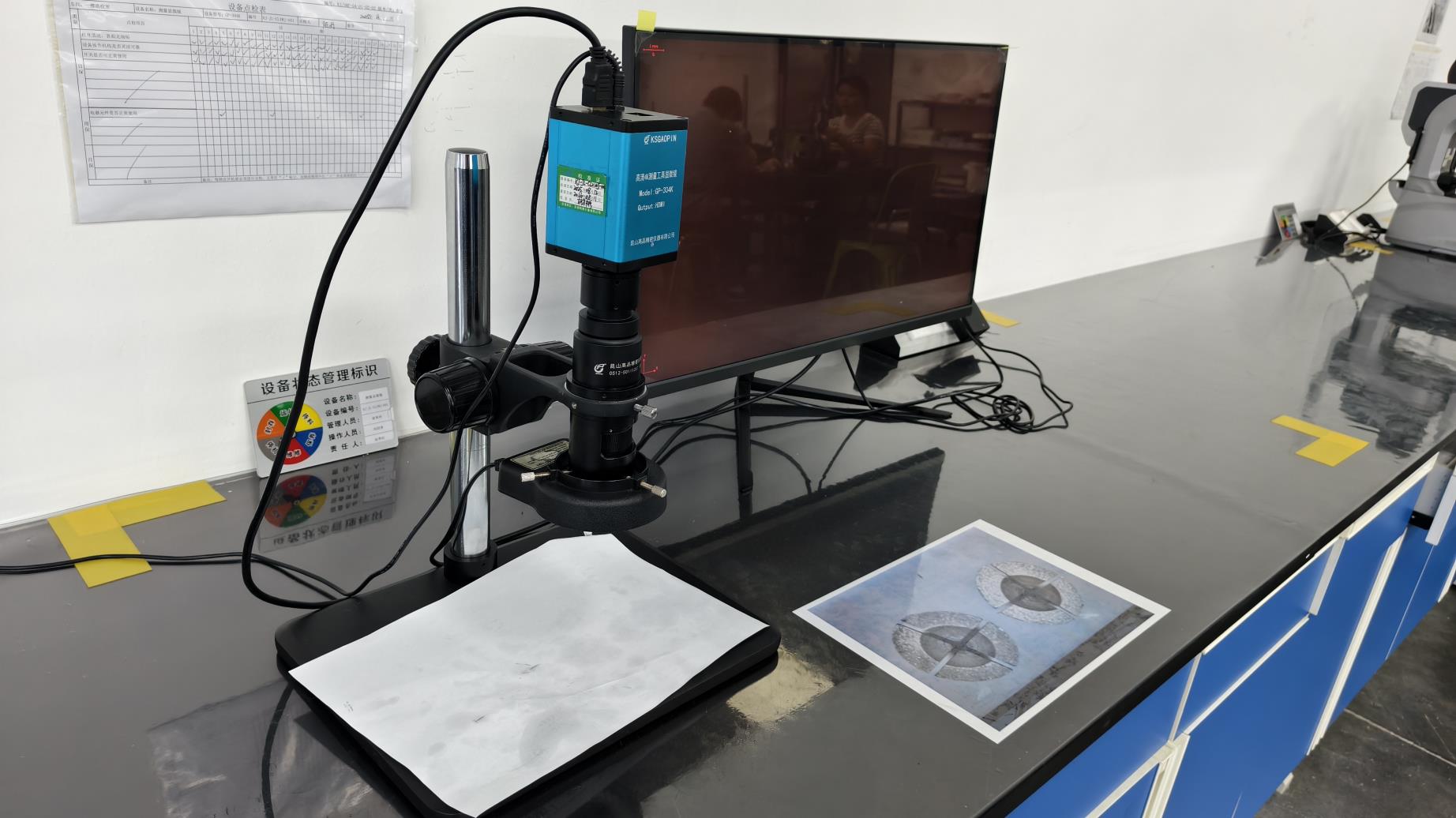
A closer look at our state-of-the-art CNC machinery, quality testing devices, and assembly cleanrooms.
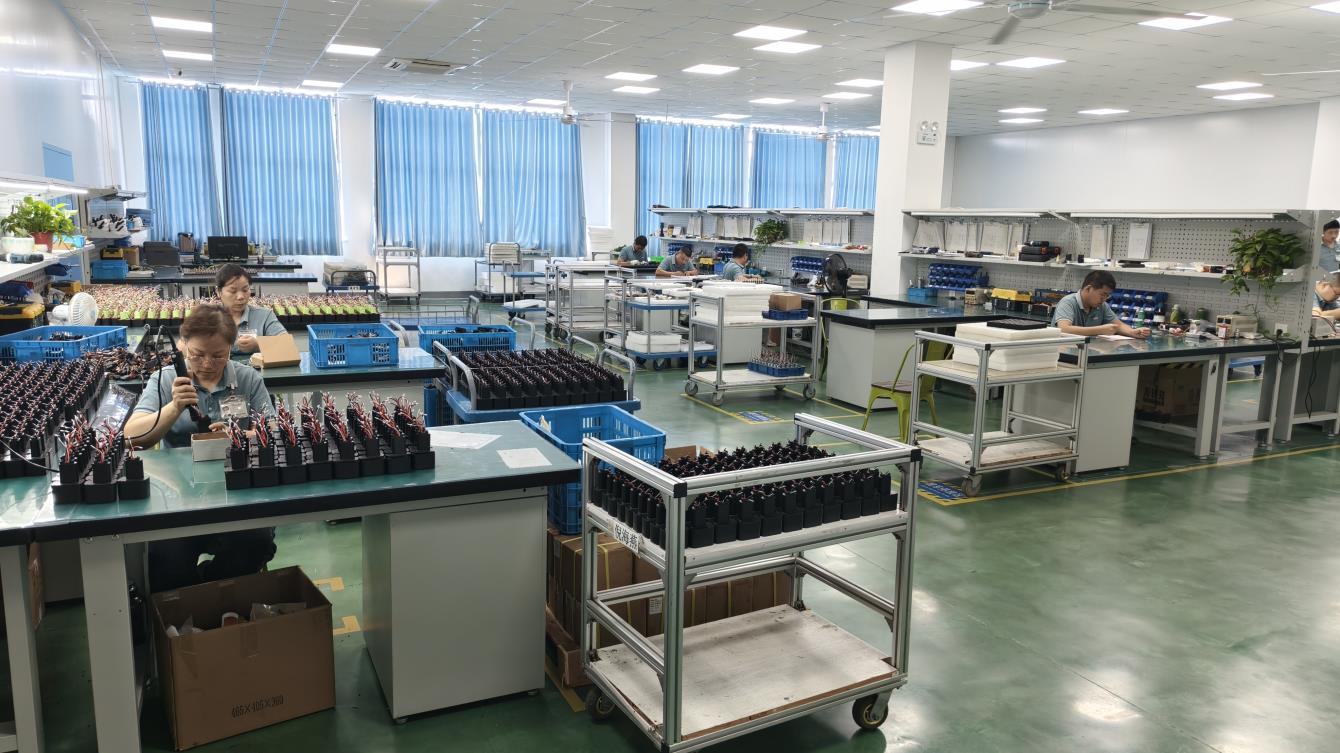
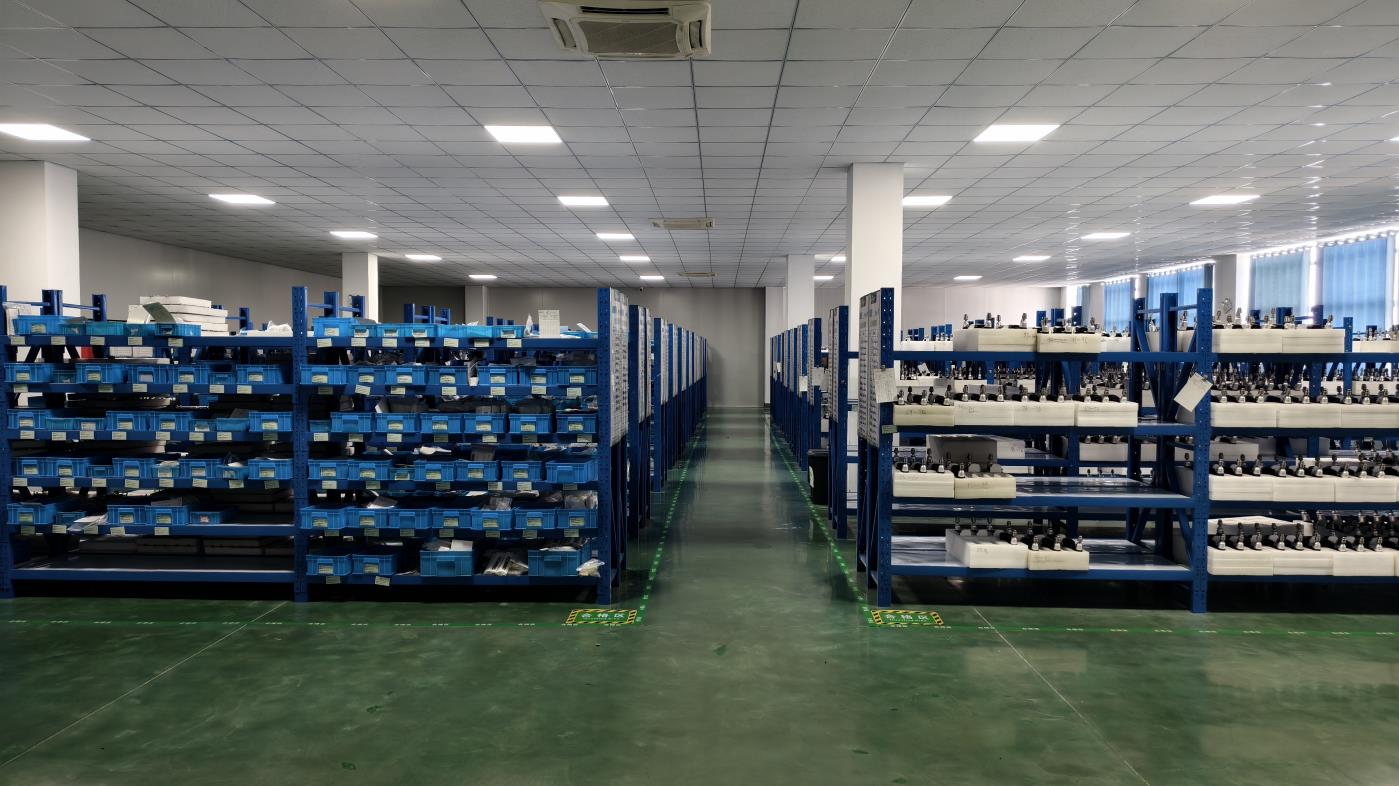
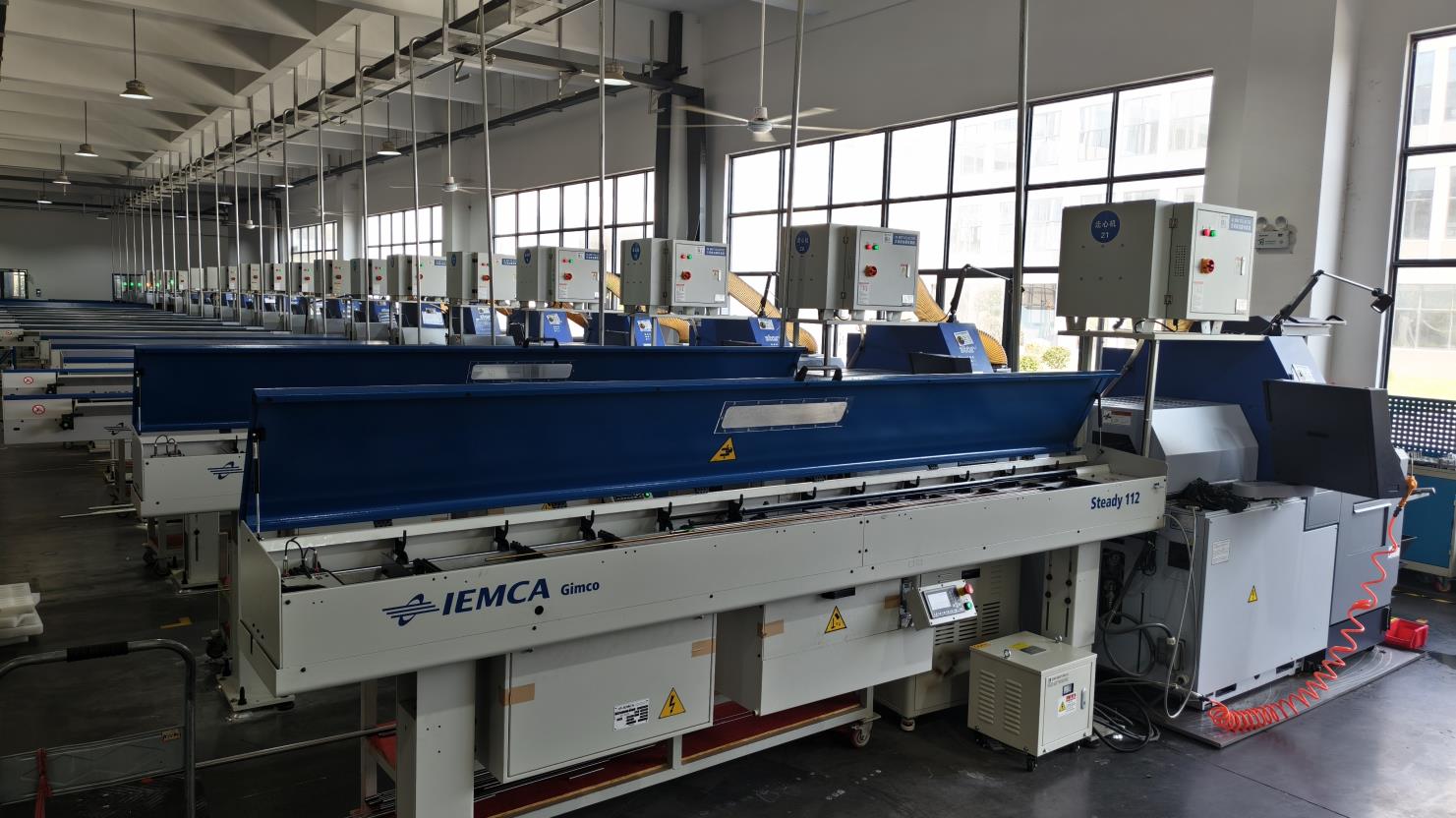
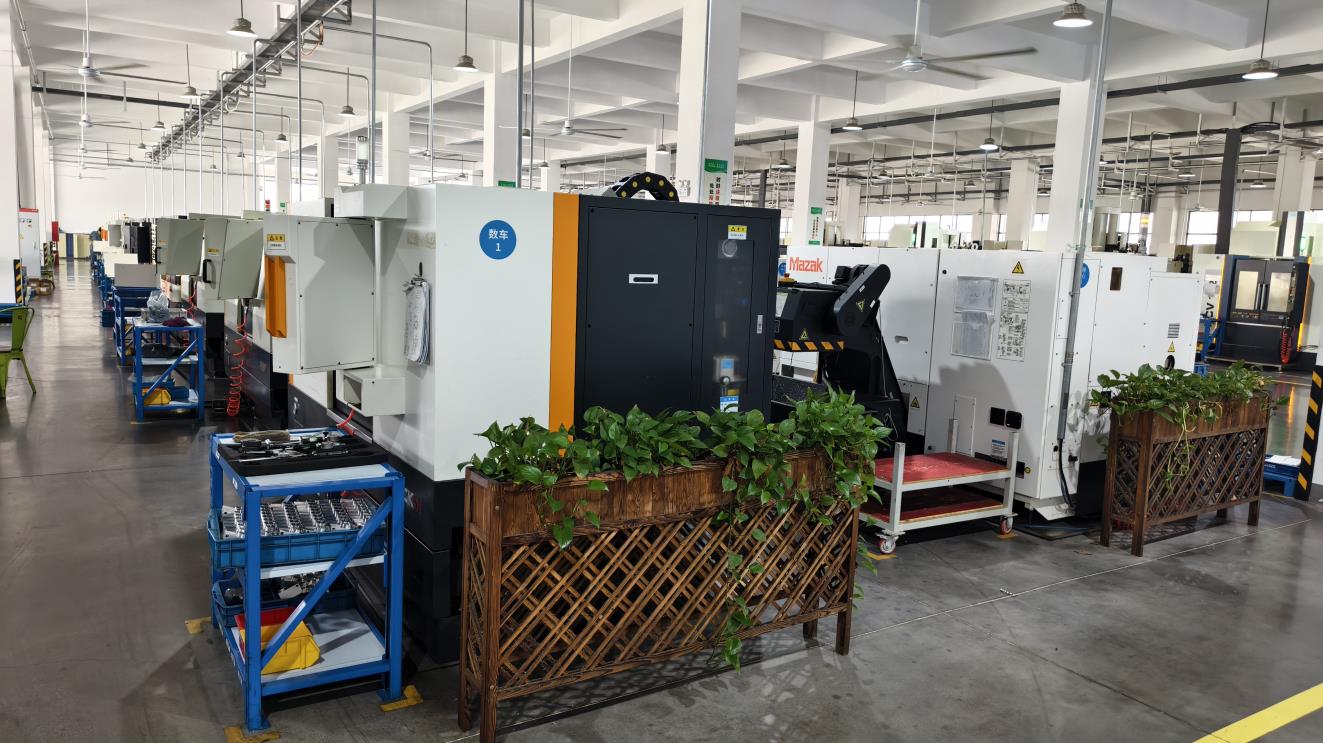
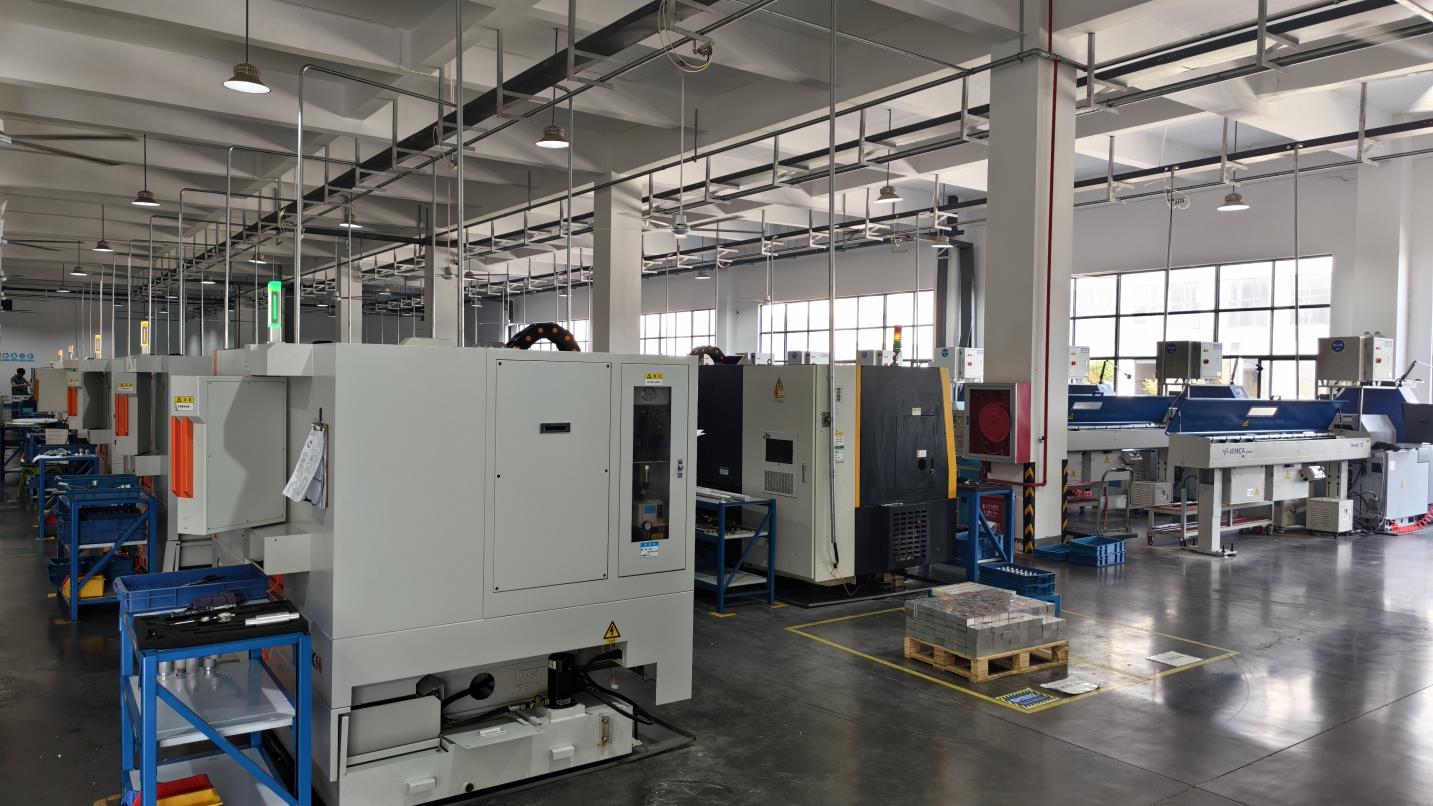
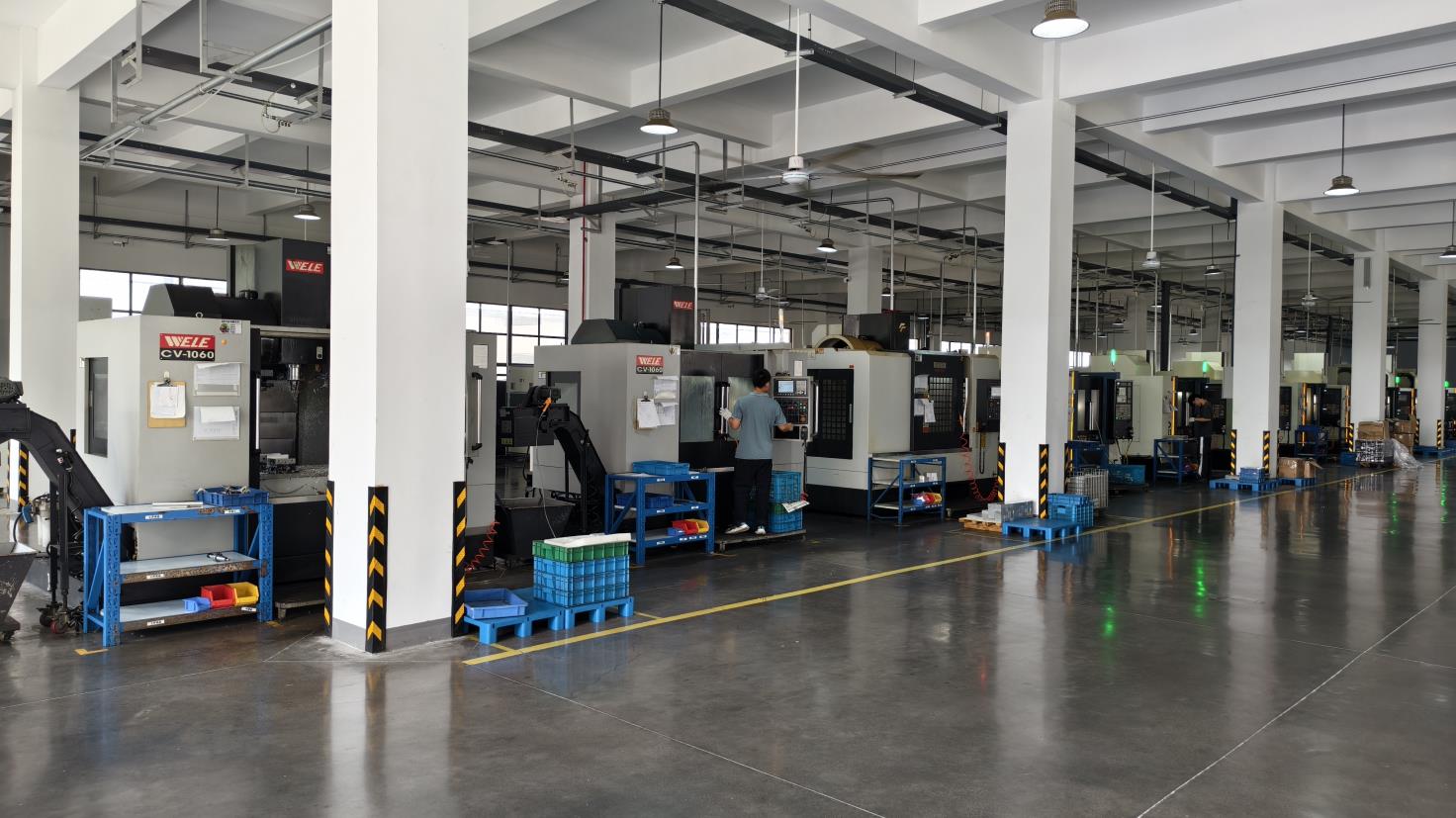
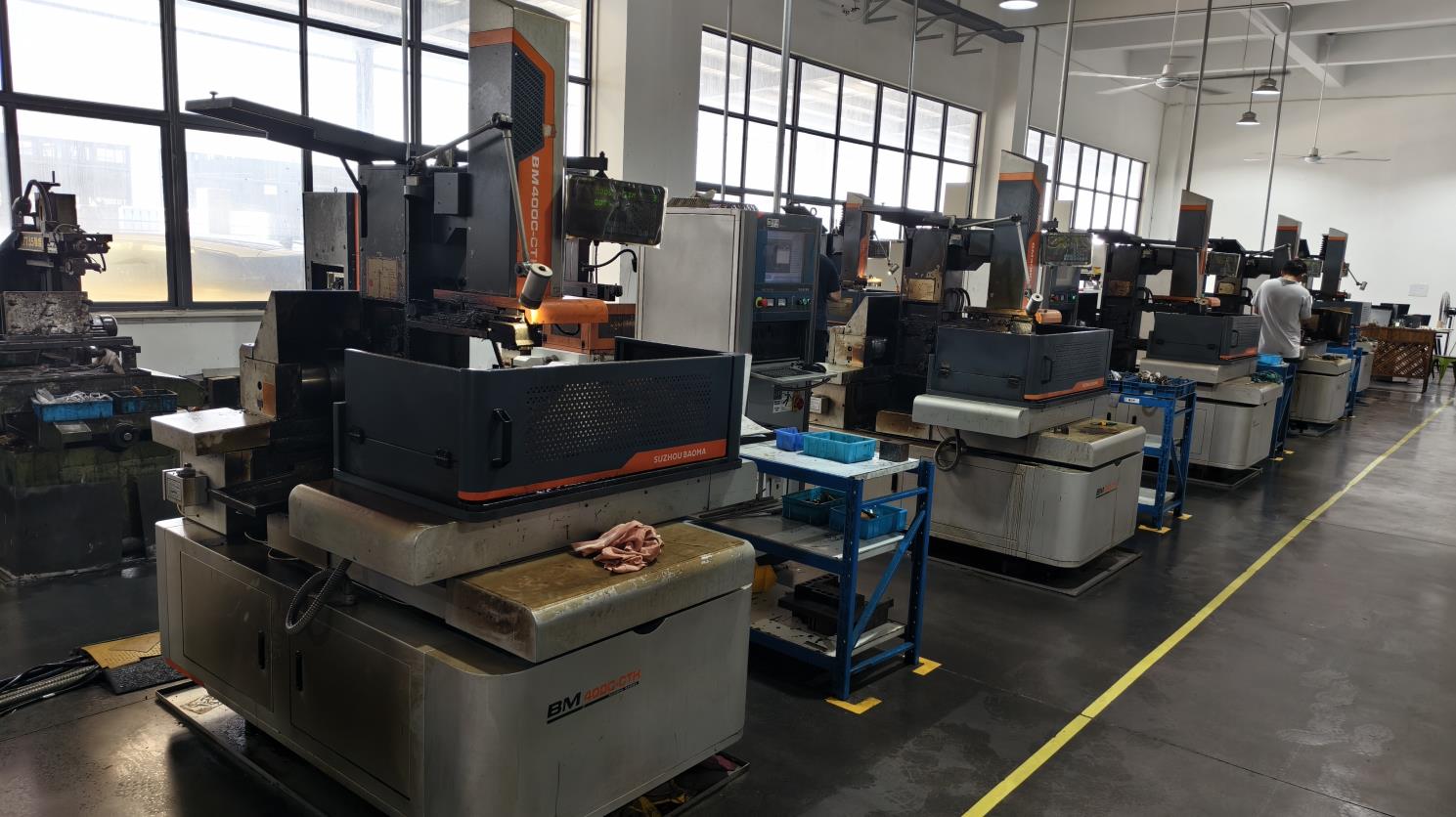
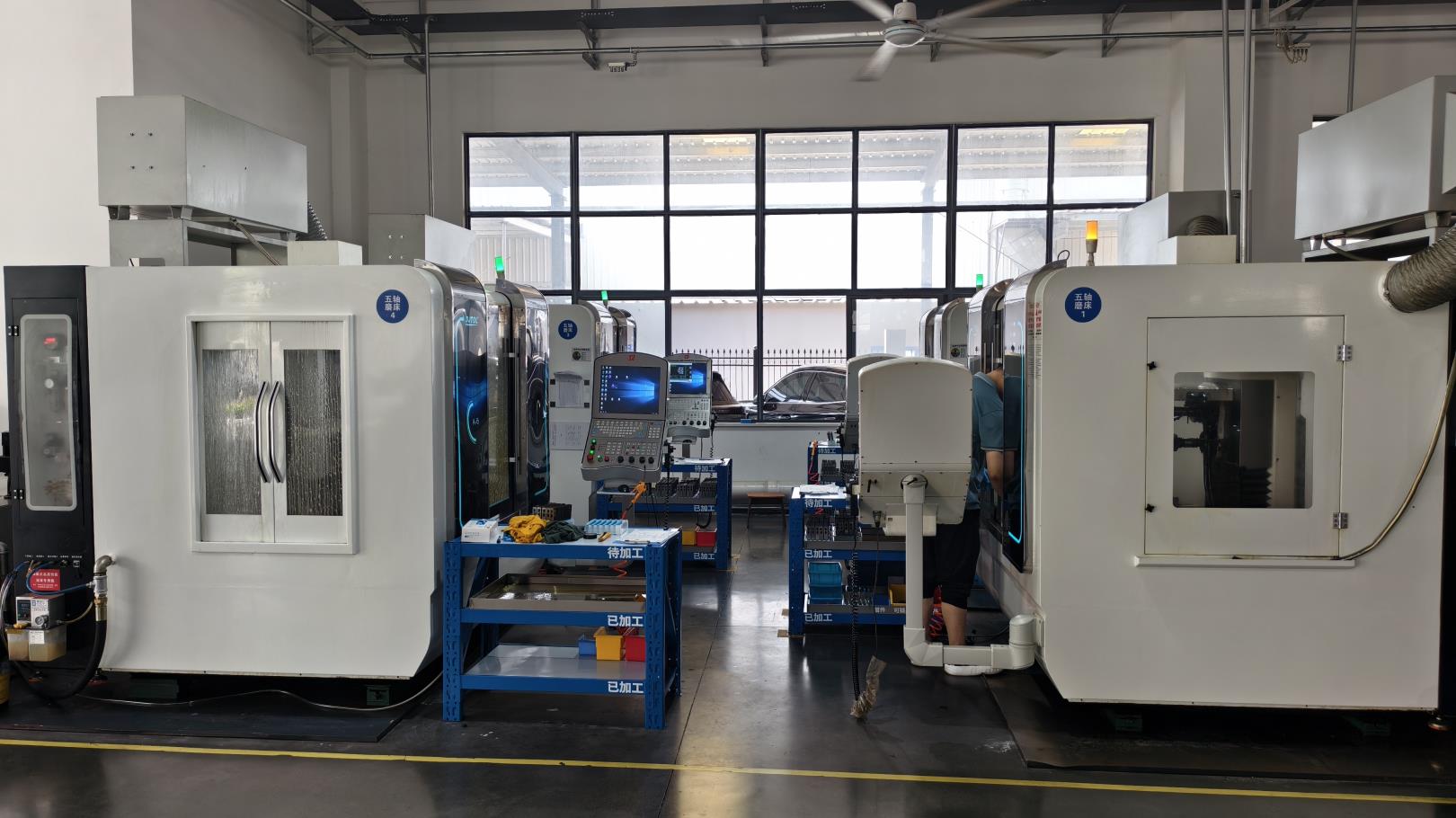
In sports medicine, surgical speed and fixation strength are often at odds. To address these demands, our R&D department focuses on two primary PEEK suture anchor designs: Threaded (Screw-In) Anchors and Knotless (Push-In) Anchors.
Threaded anchors feature deep, coarse threads designed to engage cortical bone securely. They are highly favored for open and arthroscopic repairs where maximum bone-grip surface area is needed. Using high-tensile UHMWPE (Ultra-High-Molecular-Weight Polyethylene) sutures, these anchors deliver pull-out forces that exceed standard physiological limits, ensuring long-term stability during intense physical rehabilitation programs.
Our knotless PEEK systems streamline the surgical workflow by eliminating intraoperative knot tying, which can be inconsistent. Instead, the surgeon captures the soft tissue with suture tape, passes it through the anchor’s distal eyelet, and presses the anchor body directly into the pre-drilled bone socket. This provides precise, reproducible tension control and lowers the implant profile, reducing the risk of postoperative joint impingement.
As a leading exporter of Class III orthopedic devices, Moventra implements a comprehensive quality validation process. Every batch of medical-grade PEEK raw material undergoes chemical identification testing (FTIR), mechanical testing, and thermal analysis (DSC) to confirm compliance with ASTM F2026 specifications. Our quality department is staffed by 48 certified auditors who oversee every step of production.
We test final products to ensure precise dimensional control and high mechanical strength, using advanced measuring systems like our Three-coordinate measuring machine (CMM) and optical comparators. Pull-out tests are conducted on validated polyurethane bone models to confirm that our anchors can withstand the physical forces required for clinical safety. This thorough documentation provides global distributors with complete material traceability and regulatory peace of mind.
Technical answers to help guide your purchasing and clinical decisions.
Browse our extensive selection of surgical implants, veterinary tools, and specialized joint systems.
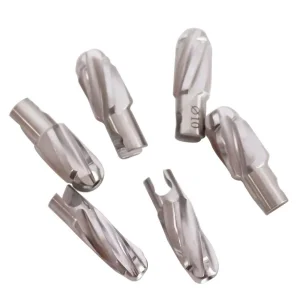
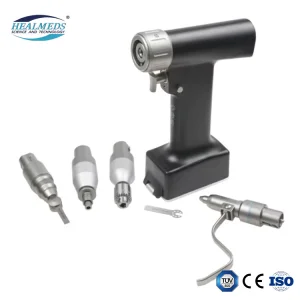
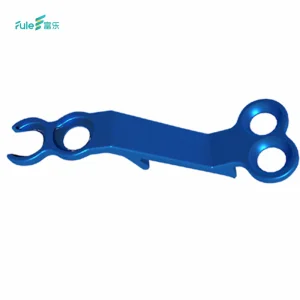
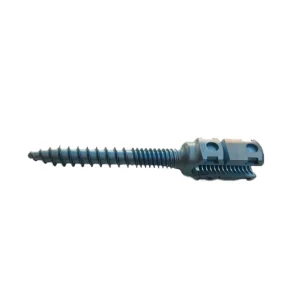
Hot Sales Titanium Posterior Cervical Laminoplasty Spine Surgery Orthopedic Implant CE Certified
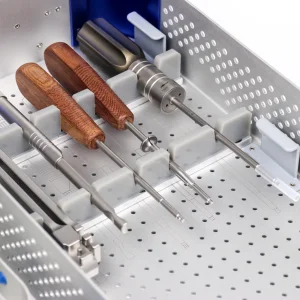
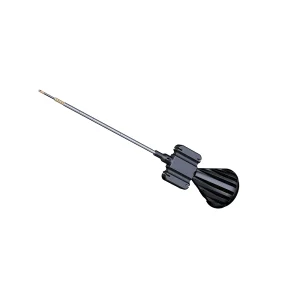
Geasure Sports Medical Knotless PEEK Suture Anchor for Arthroscopy Surgery
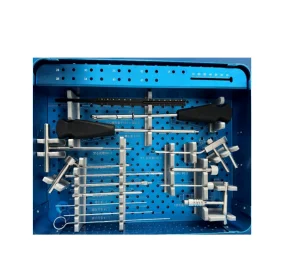
Geasure Orthopedic Surgical Instruments 4.5mm Cannulated Screw Instrument Set
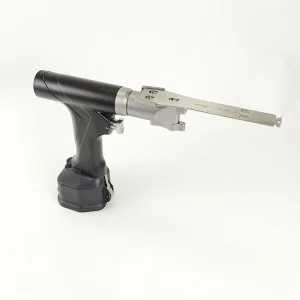
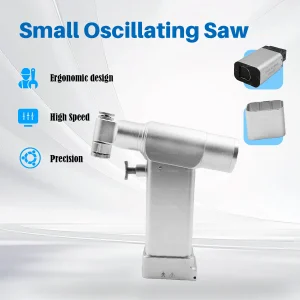
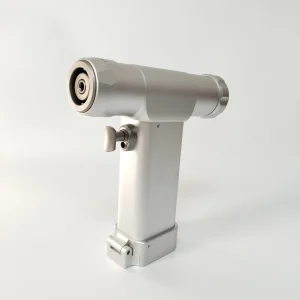
Stryker 6209 System 6 Precision Oscillating Tip Saw Large Bone Orthopedics
 Moventra Medical