Explore our top-tier surgical components, engineered with medical-grade materials and manufactured under strict international standards.
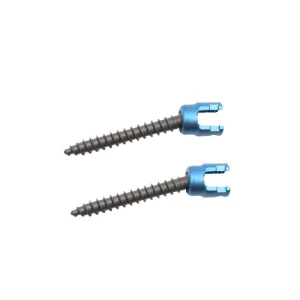
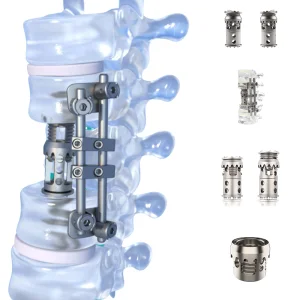
Reduction pedicle screws are specialized spinal fixation implants designed with extended break-away tabs (long arms) to facilitate the reduction of spondylolisthesis, correction of severe scoliosis, and realigning fractured vertebral bodies back to their anatomical position.
Unlike standard polyaxial screws, the extended tabs on reduction screws serve as built-in guides, allowing surgeons to gradually draw the spinal rod down into the screw head without the need for bulky instrumentation. This mechanical leverage reduces the stress exerted on the bone-screw interface, mitigating the risk of intraoperative pullout in osteoporotic or compromised bone.
At Moventra Medical Technology, we address these challenges through optimized thread geometry. Our dual-lead, self-tapping thread design accelerates insertion speeds while maximizing pull-out resistance, ensuring immediate structural stability during corrective maneuvers.
Our reduction screws feature a precision-cut break-off notch engineered to withstand high torque loads during reduction maneuvers while guaranteeing a clean, burr-free break once the set screw is locked in place. The transition zone is engineered via FEA (Finite Element Analysis) to eliminate stress concentrations, which are common points of failure in inferior spinal implants.
Utilizing premium raw Ti-6Al-4V ELI (Grade 23) alloy, the internal thread of the screw head is designed to prevent cross-threading. The saddle geometry ensures perfect contact with standard 5.5mm and 6.0mm spinal rods, maximizing friction and preventing post-operative rod slippage under dynamic loading.
Continuous R&D is critical to maintaining a competitive edge in spinal arthrodesis implants. Our technological roadmap defines the trajectory of Moventra's R&D team.
Developing micro-rough surfaces via Type II anodization to improve osteointegration and reduce bacterial adhesion. This increases the contact area with surrounding bone tissue, enhancing early stabilization.
Optimizing set screw thread geometry to eliminate cross-threading risk and maximize tightening torque. A reverse angle thread profile is designed to lock the rod securely and prevent head splay.
Investigating flexible polymers and biocompatible materials for hybrid systems, allowing micro-motion at the adjacent segments to prevent Adjacent Segment Disease (ASD) while maintaining posterior stability.
How reduction pedicle screws resolve mechanical challenges in complex spinal surgeries.
In cases where one vertebra has slipped forward over the one below, reduction screws provide the traction force needed to pull the slipped vertebra back into alignment. The extended tabs allow progressive correction without sudden stress peaks, minimizing root irritation and instrument failure.
Correcting multi-planar spinal deformities requires applying rotational and translational force. Long-arm reduction screws act as temporary levers, enabling derotation of the vertebral body relative to the spinal rod. The tabs are removed once permanent locking is achieved.
In burst fractures, restoring anterior column height is critical. Reduction screws provide posterior leverage to distract the disc space and reduce bone fragments, stabilizing the posterior column to promote anatomical alignment and healing.
Why leading global orthopedics brands choose Moventra as their trusted manufacturing partner in China.
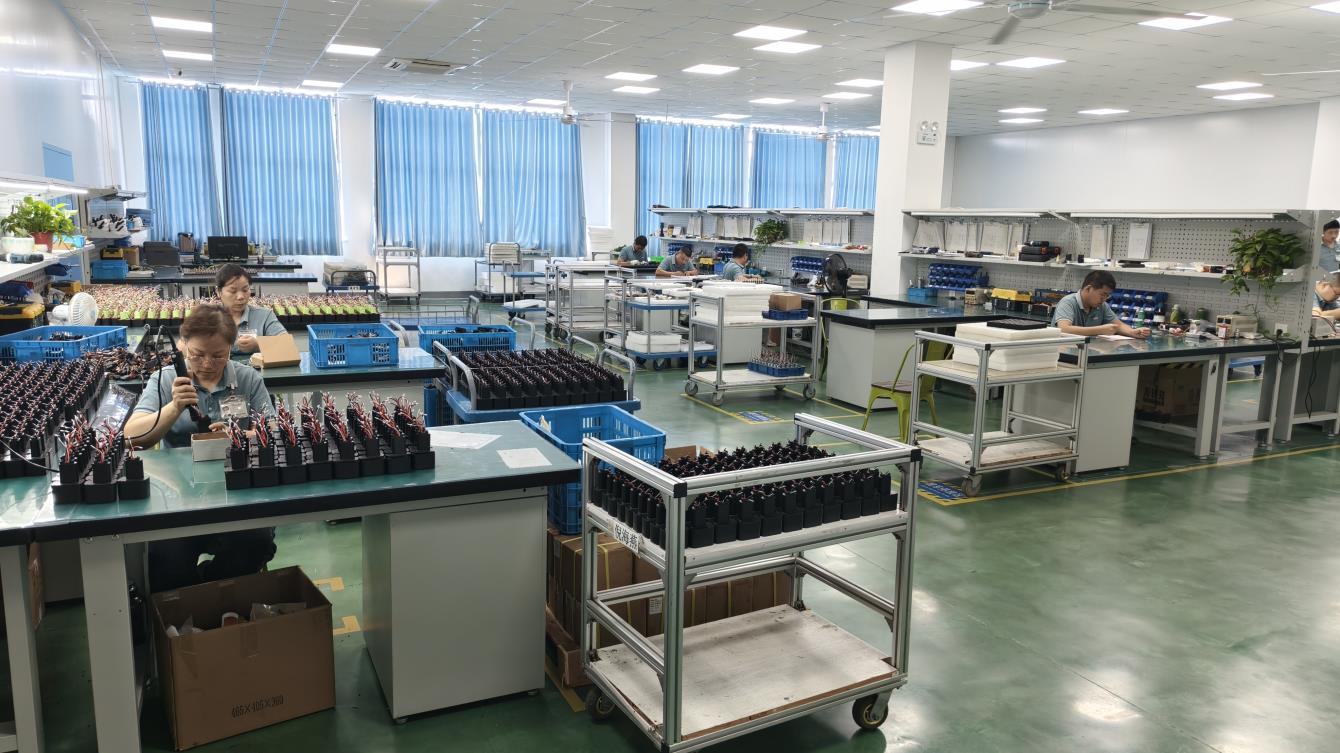
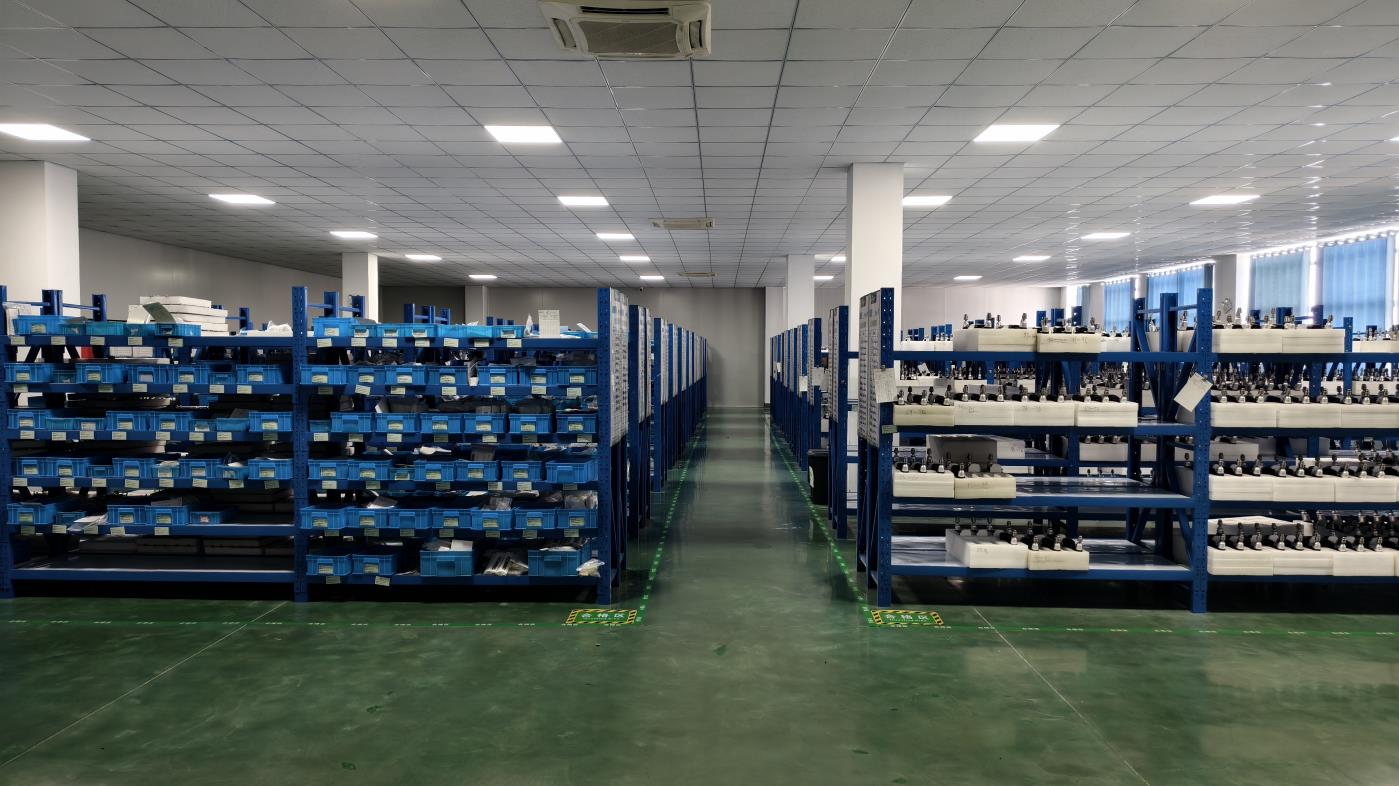
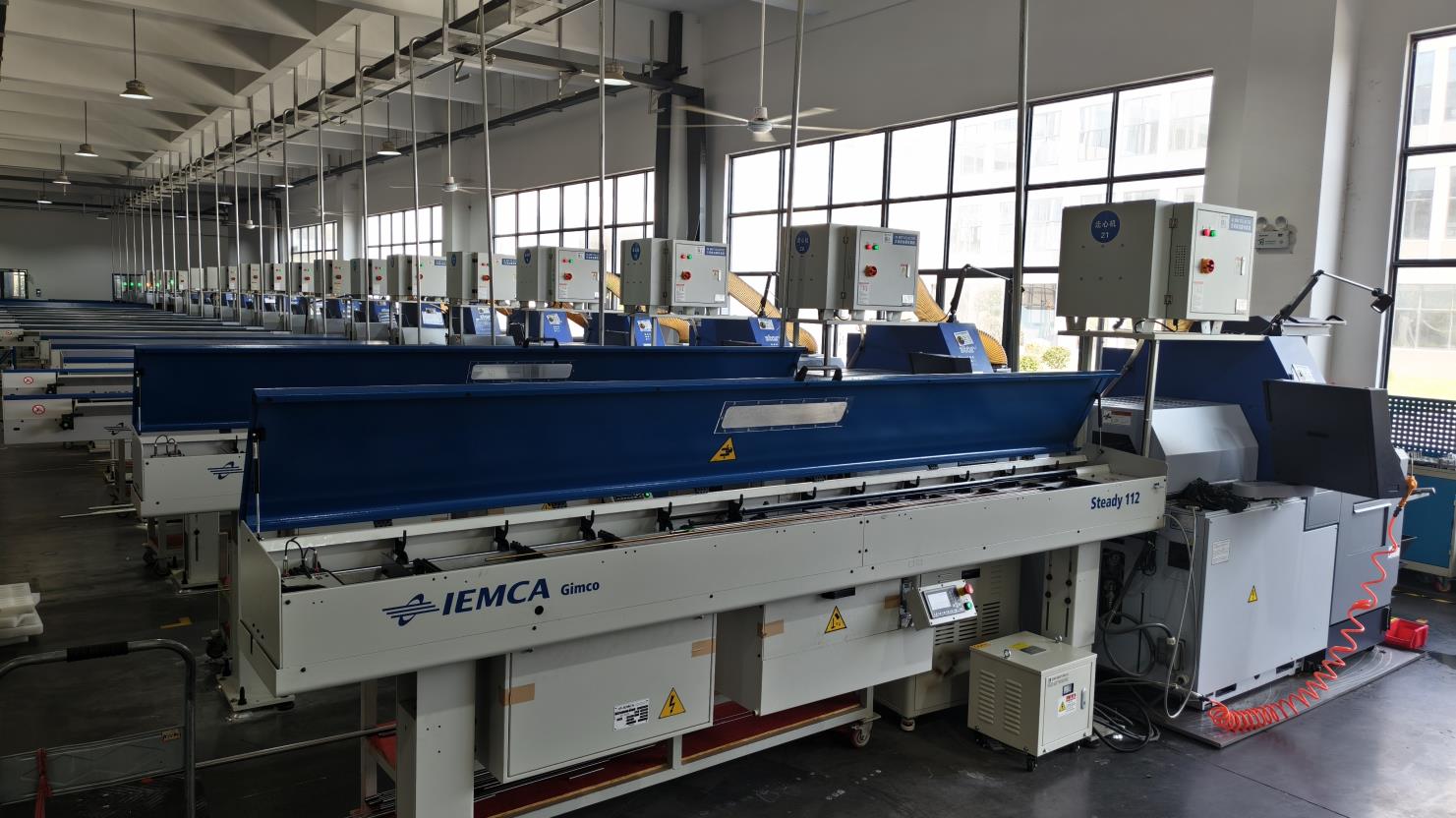
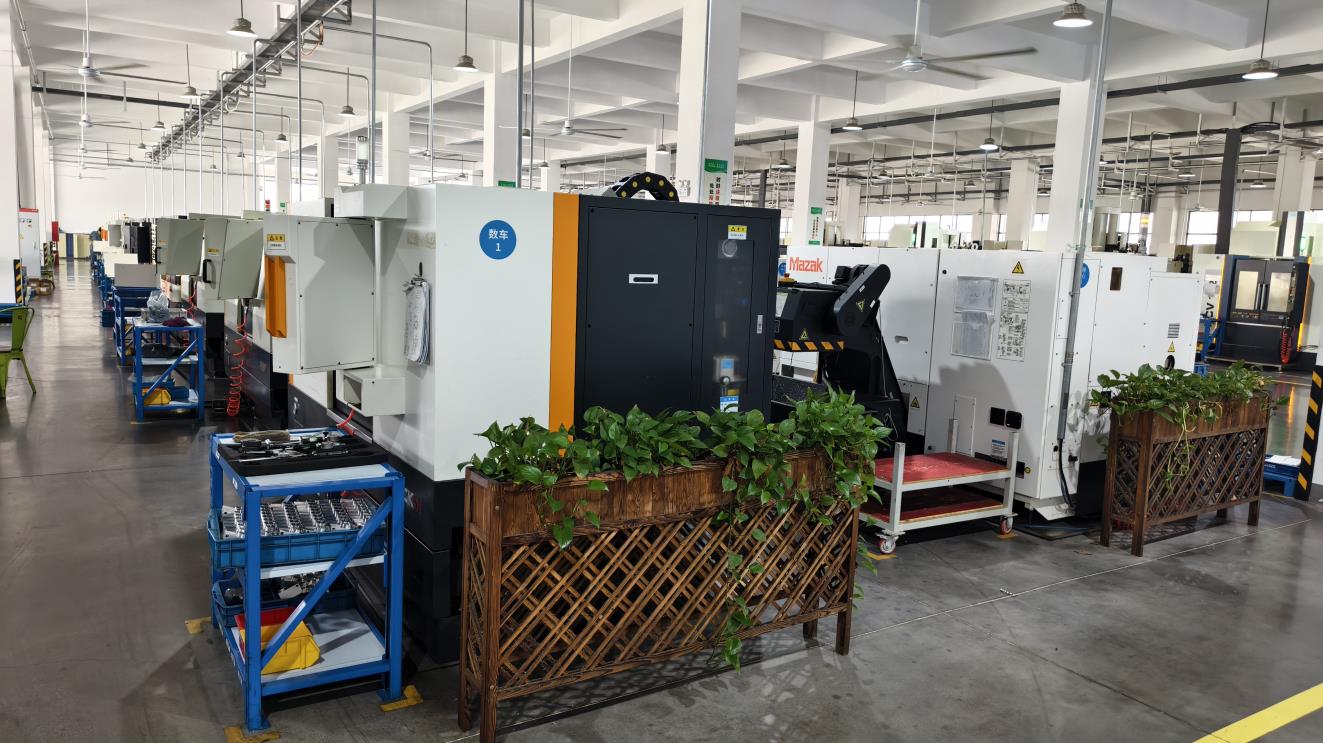
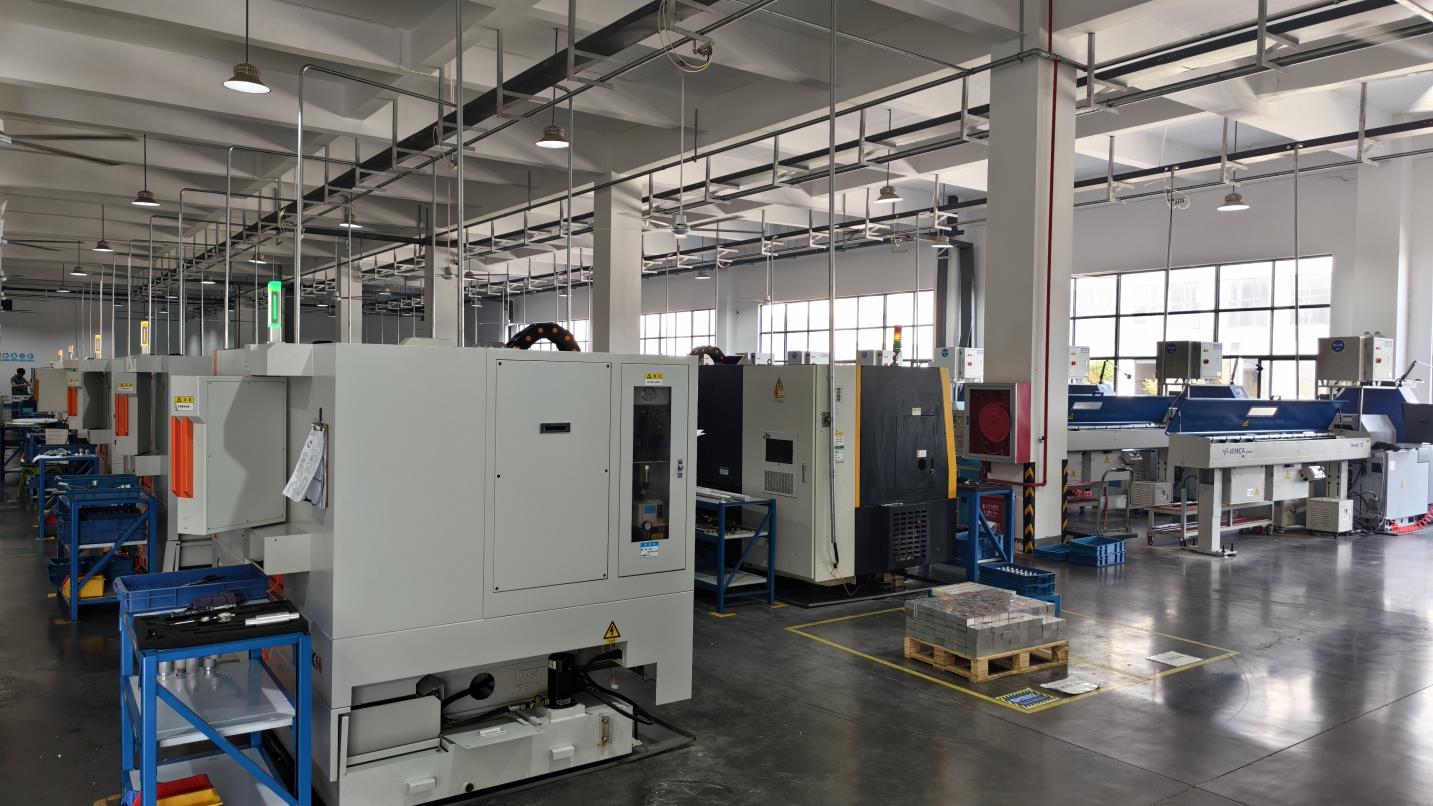
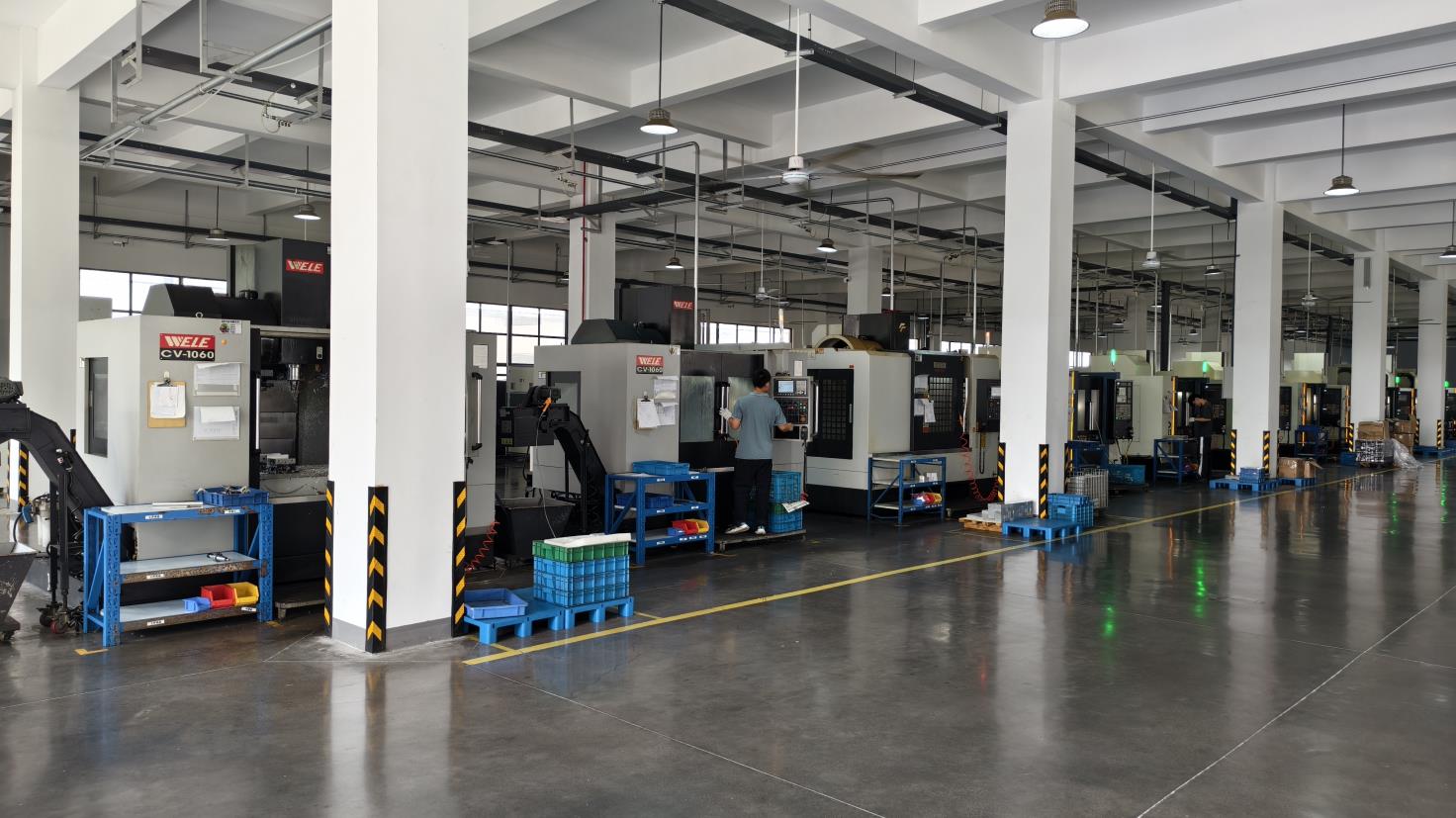
Operating an 18,600 m² modern facility, Moventra combines precision CNC Swiss-type turning center technology with lean manufacturing models, maintaining raw material sourcing loops that reduce delivery lead times to under 30 days.
Since 2017, Moventra has specialized in the development and manufacture of orthopedic devices for global medical brands and distributors.
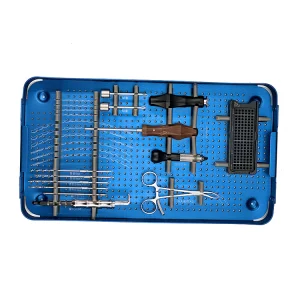
Driven by clinical research and high-precision CNC machining, we offer a comprehensive range of solutions covering spine, trauma, sports medicine, joint reconstruction, and dedicated instrument sets. Our engineering team converts custom blueprints or samples into surgical-grade prototypes within 10 days, helping you accelerate product launches.
Through our strict material sourcing (utilizing certified titanium alloys, PEEK, and surgical stainless steel), every implant meets the mechanical strength requirements mandated by ASTM and ISO standards.
| Parameters | Specifications |
|---|---|
| Established | 2017 (13 Years Industry Experience) |
| R&D Capability | Independent Design, Rapid Prototyping, OEM/ODM |
| Main Markets | North America, Europe, South America, Middle East, Southeast Asia |
| Inspection Protocols | Dimensional, Material Analysis, Surface Finish, Mechanical, Sterility |
| Customization Options | Logo, Packaging, Custom Drawing & Sample Manufacturing |
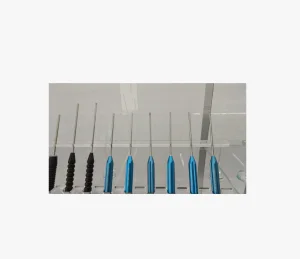
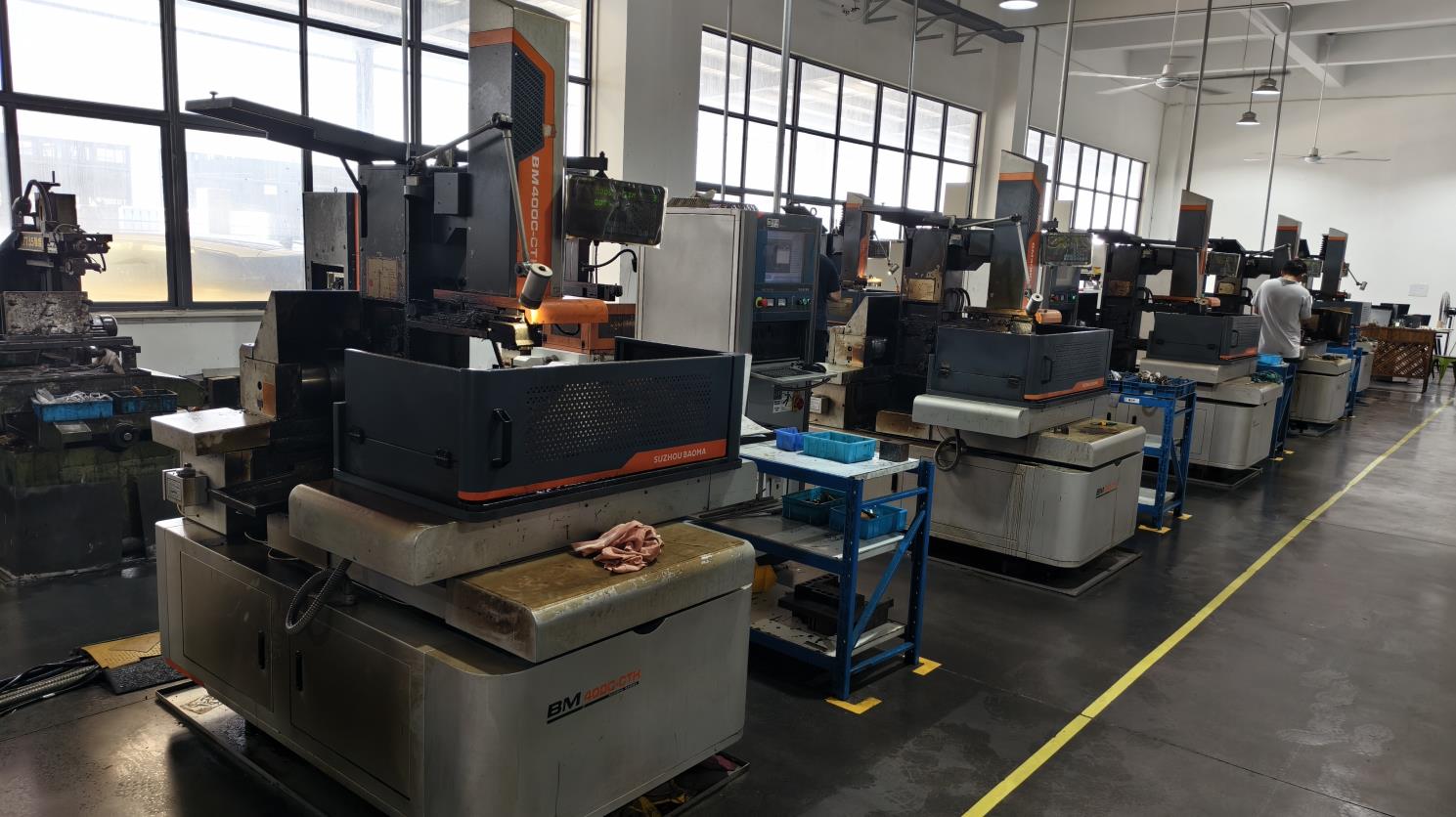
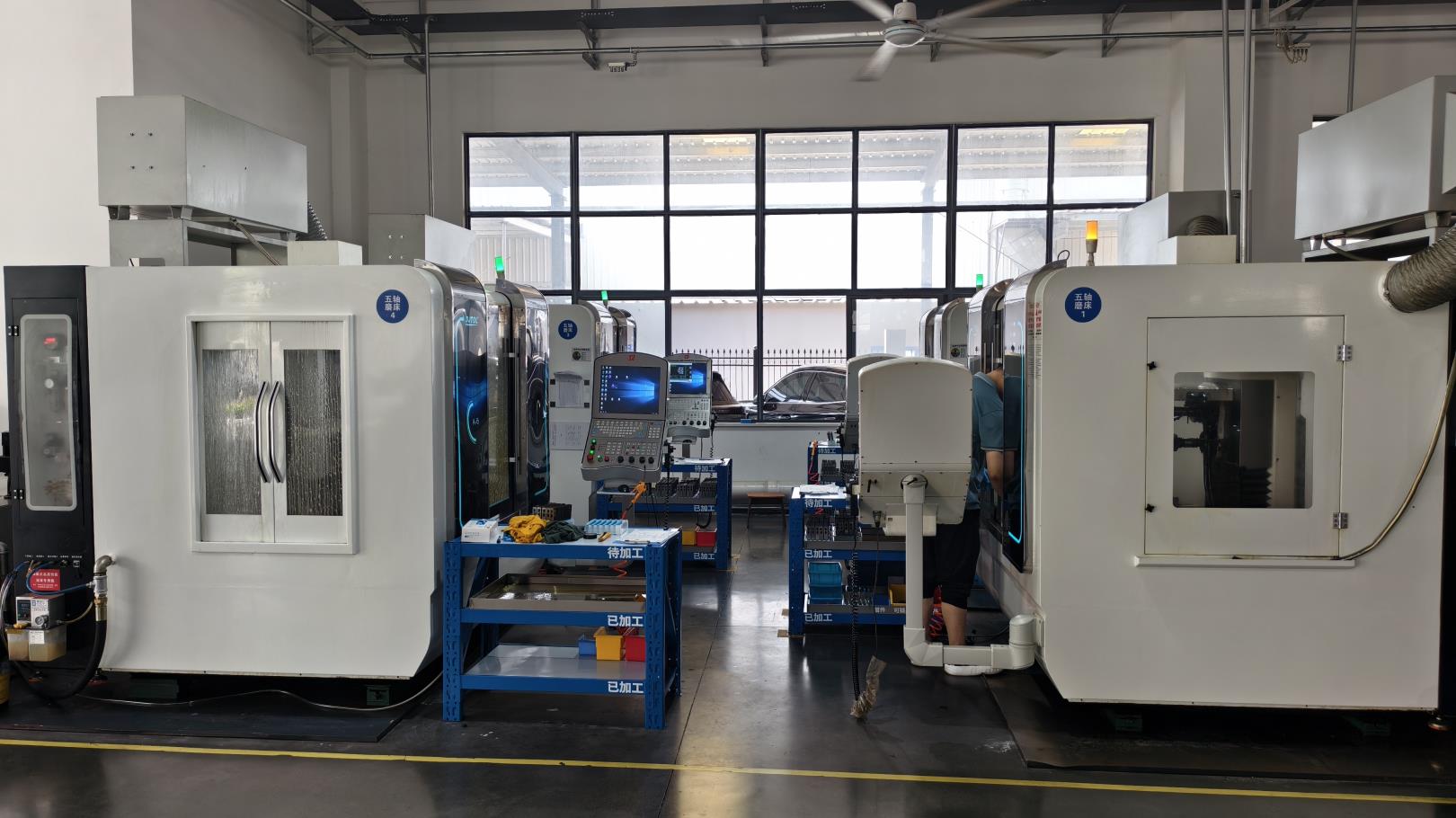
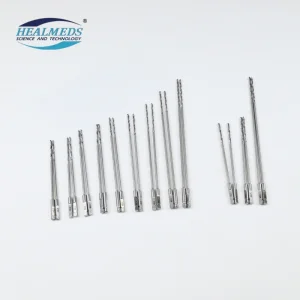
Our facility is equipped with top-tier CNC machining and inspection instruments to ensure dimensional accuracy and structural integrity.
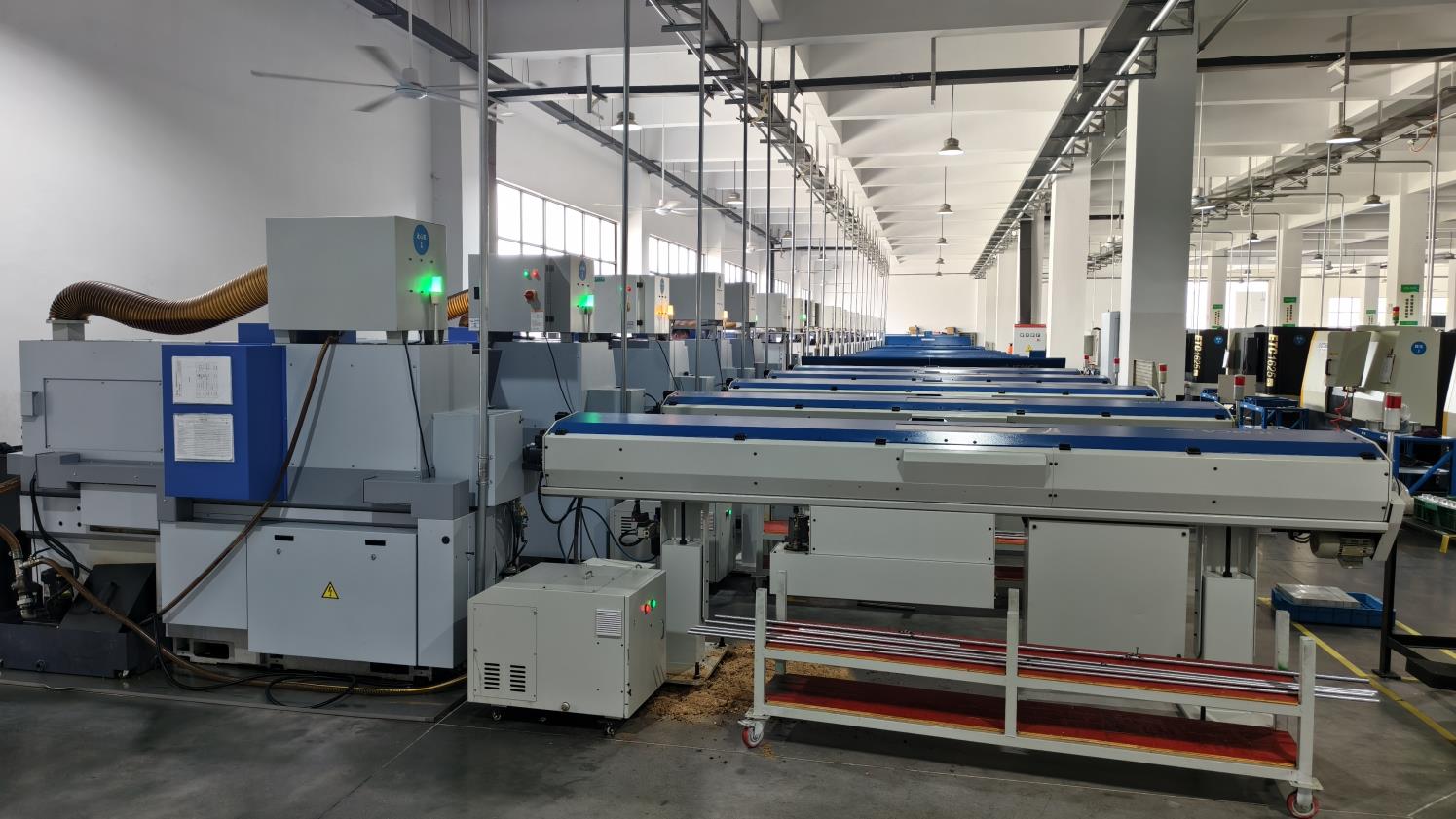
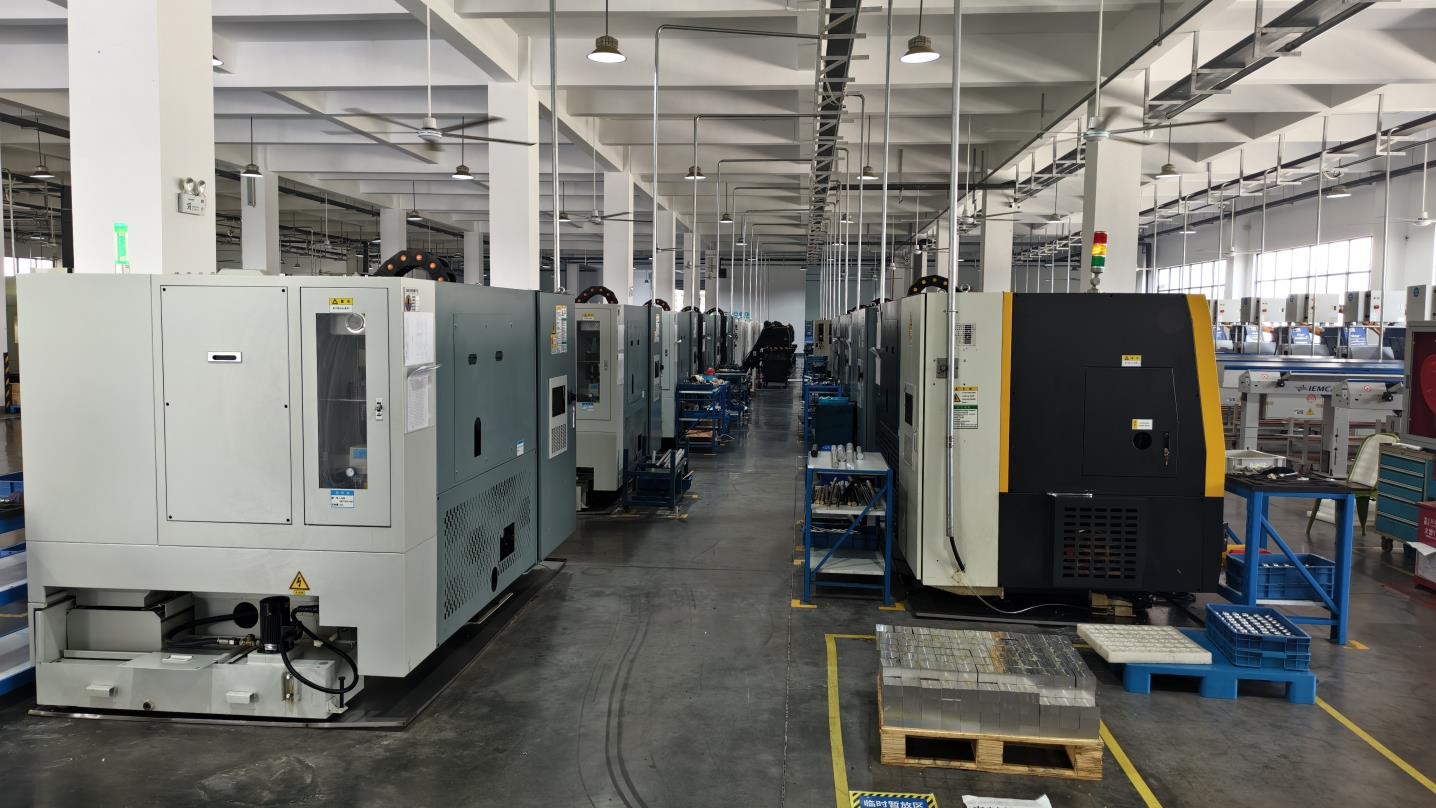
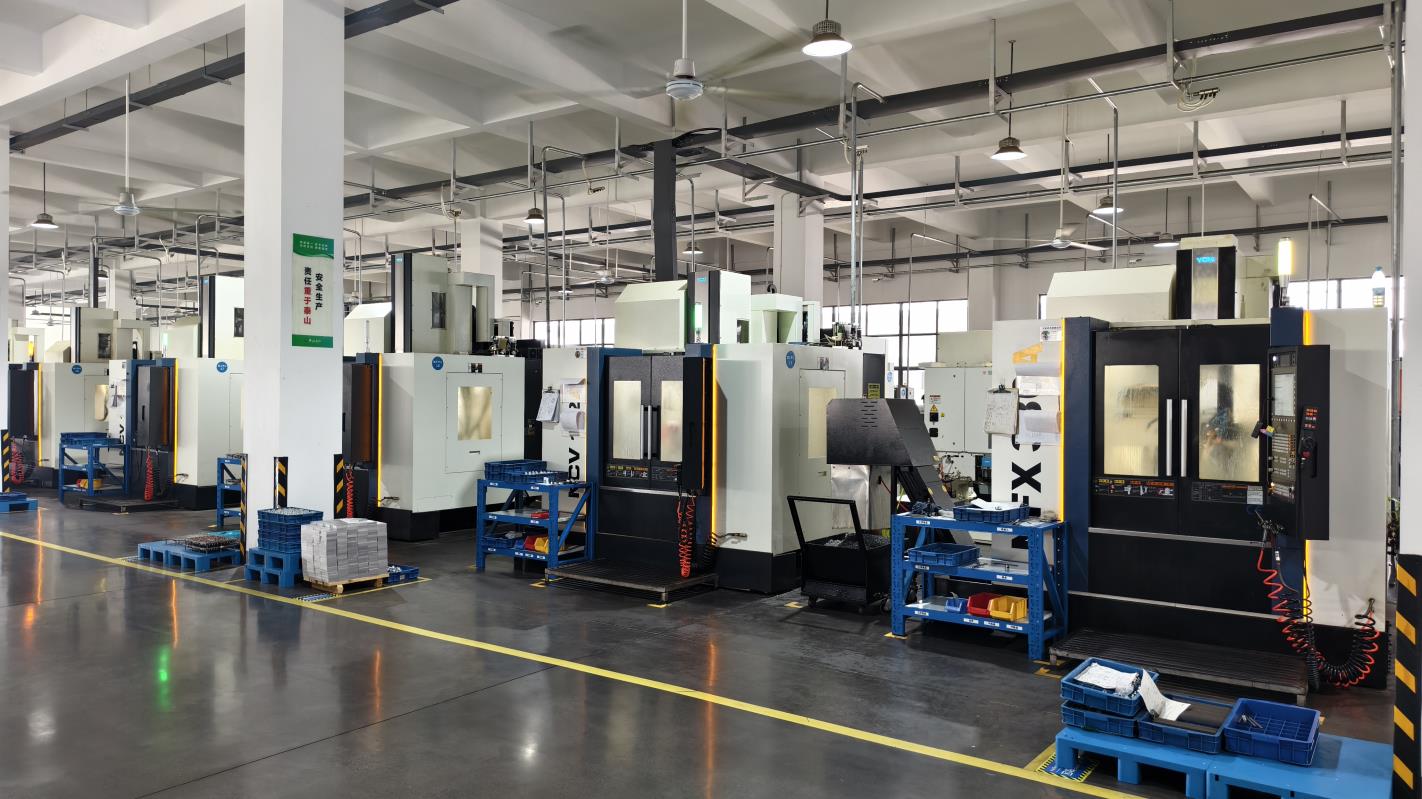
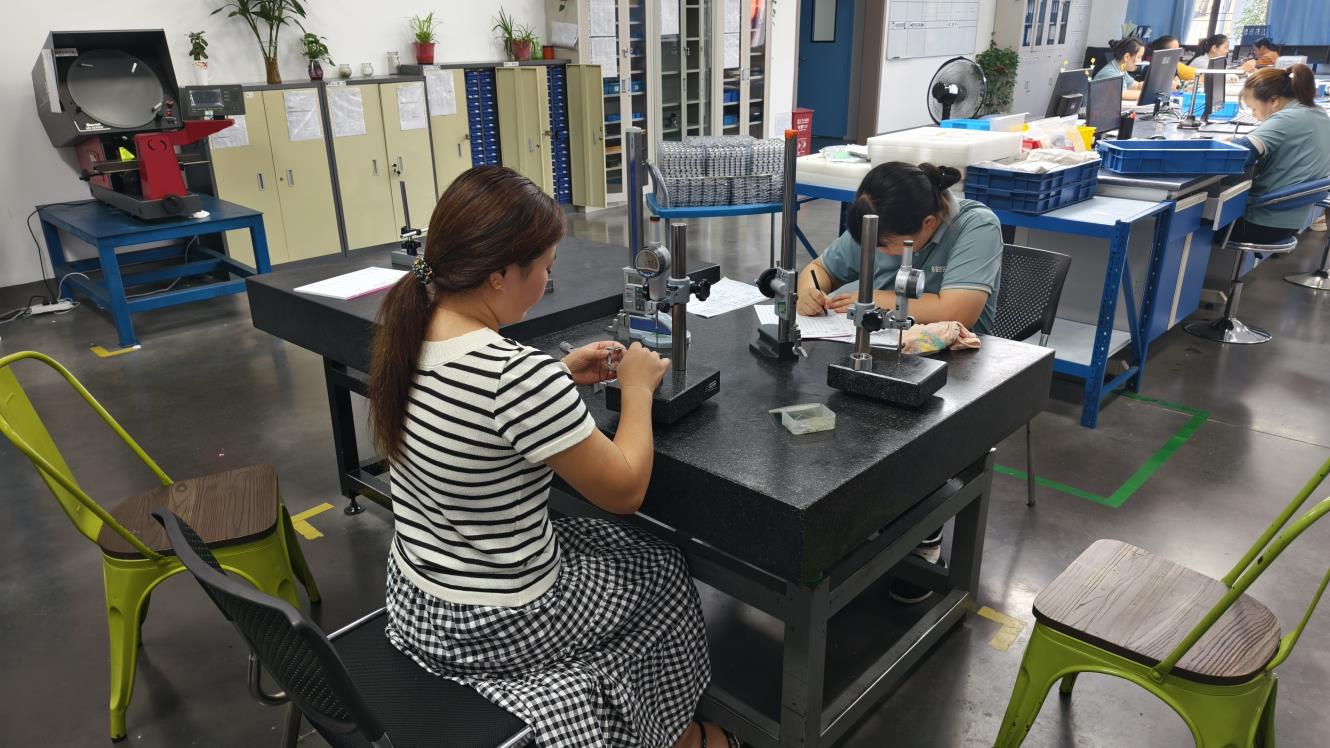
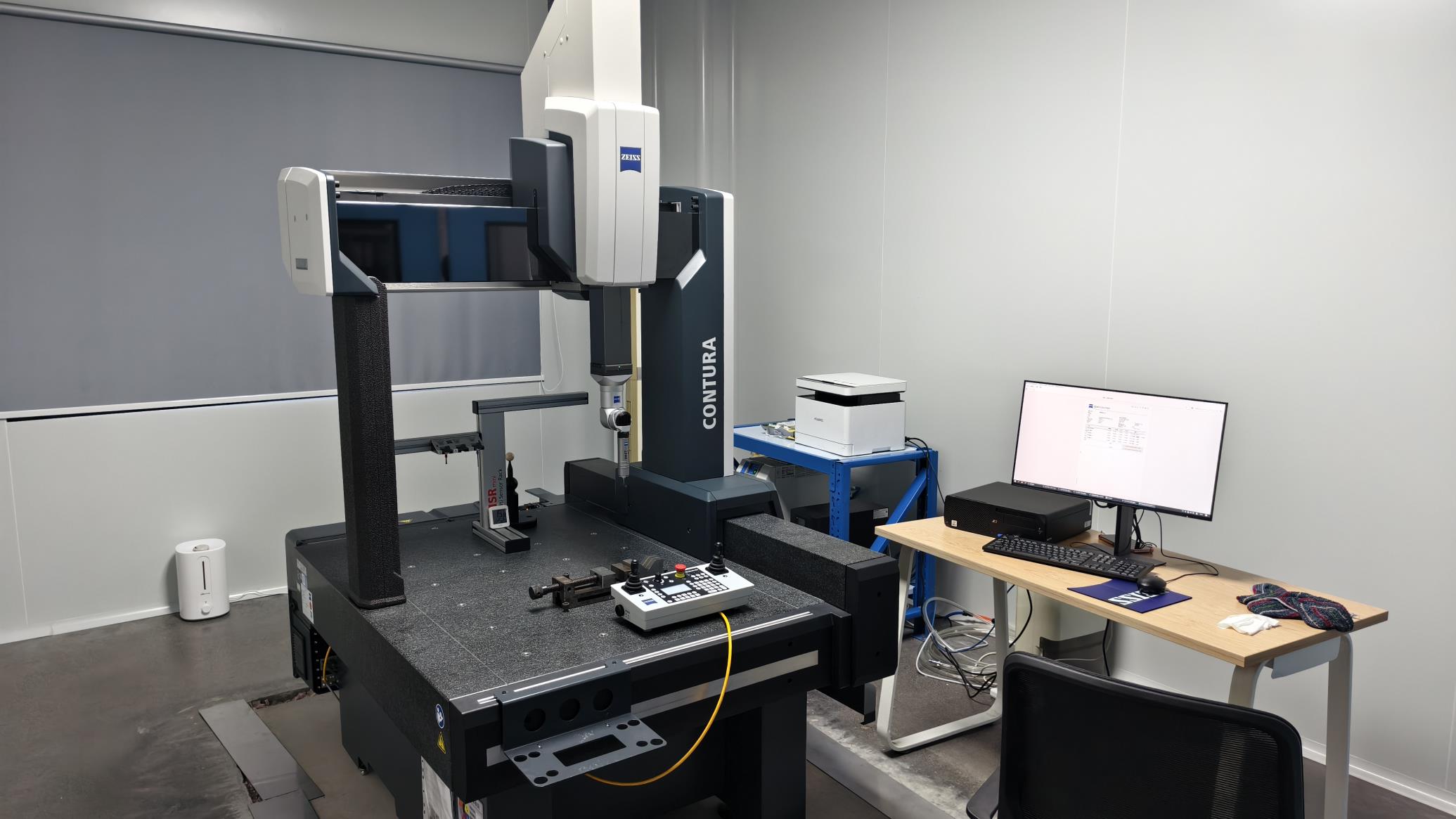
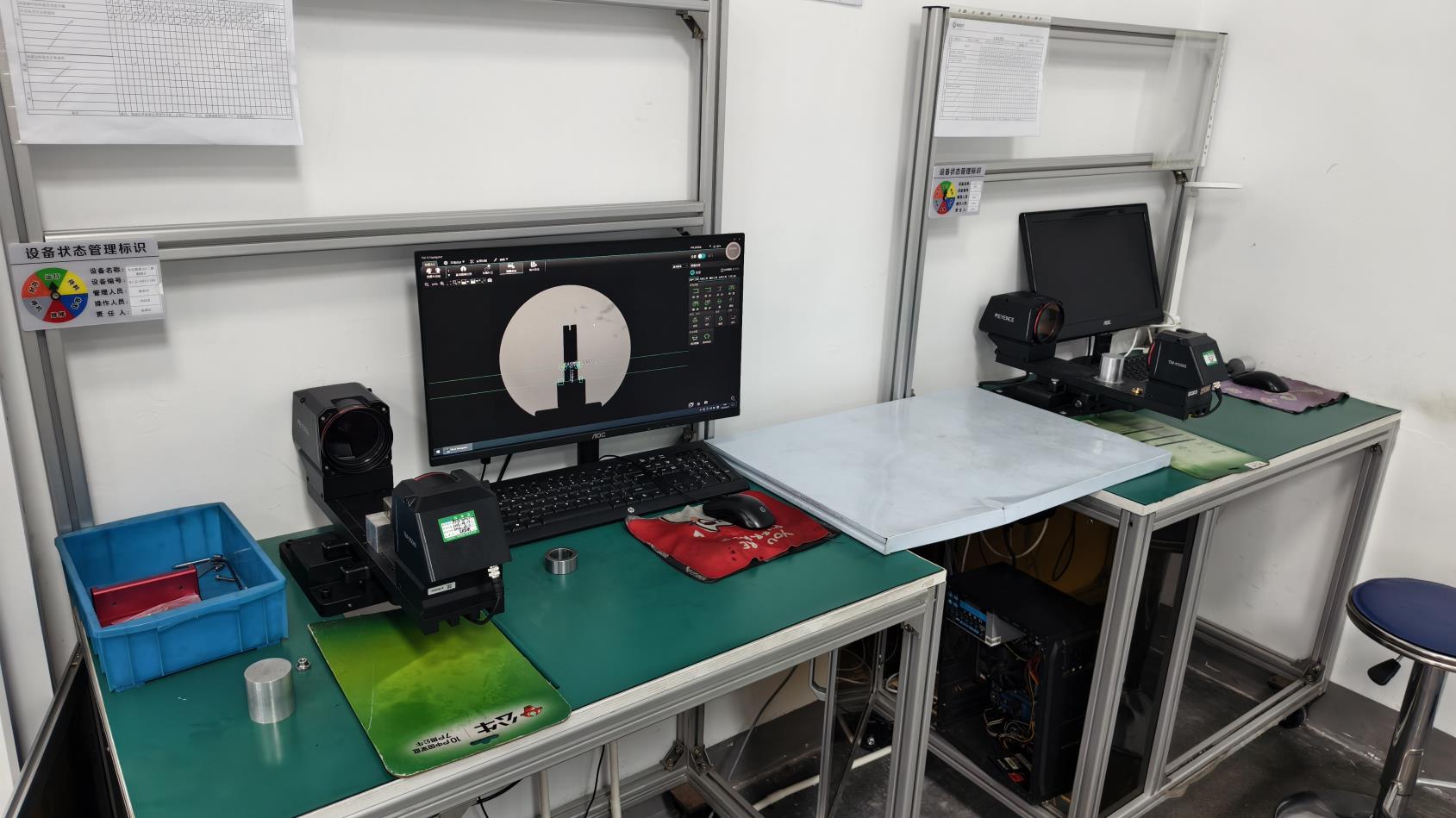
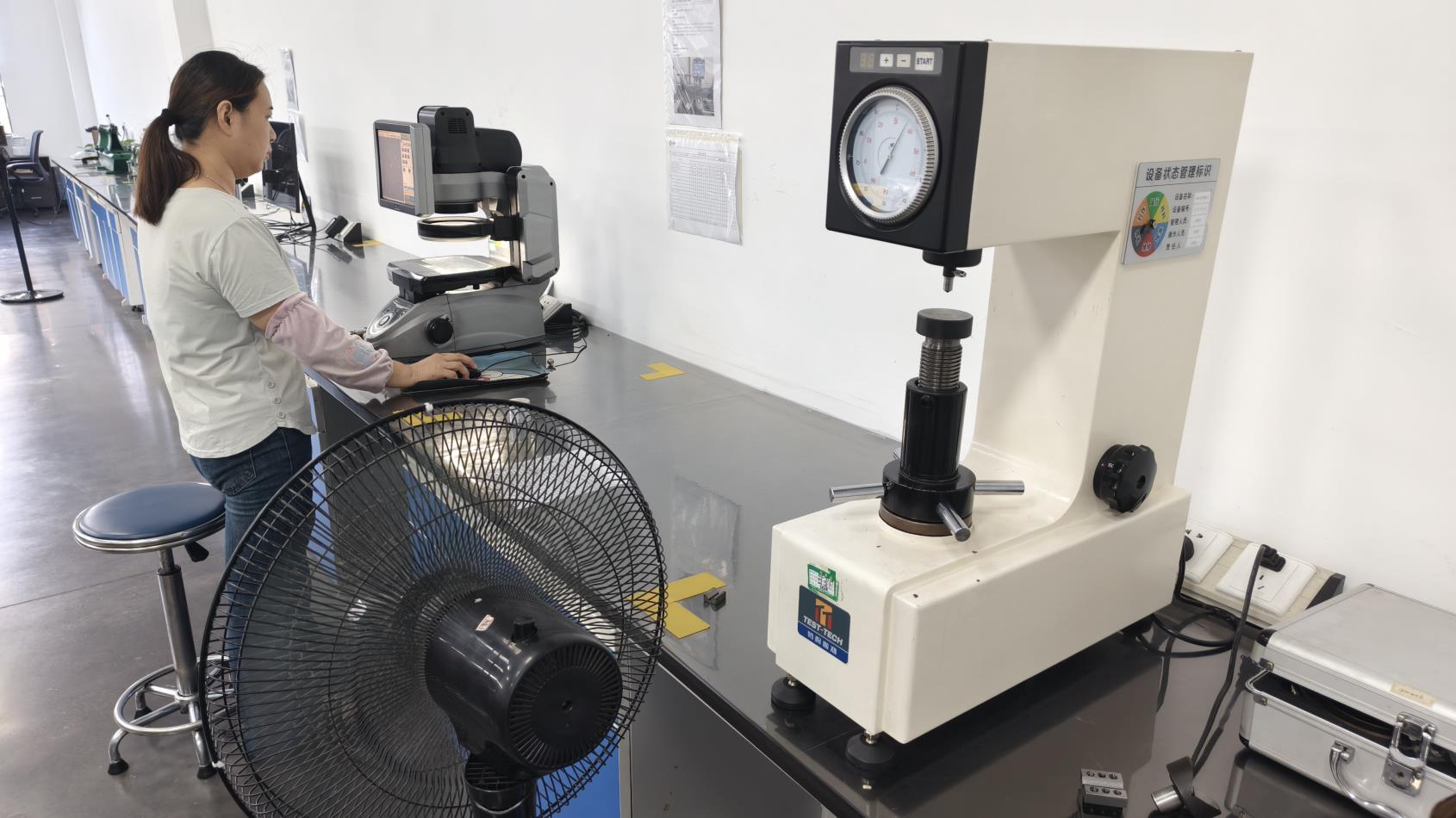
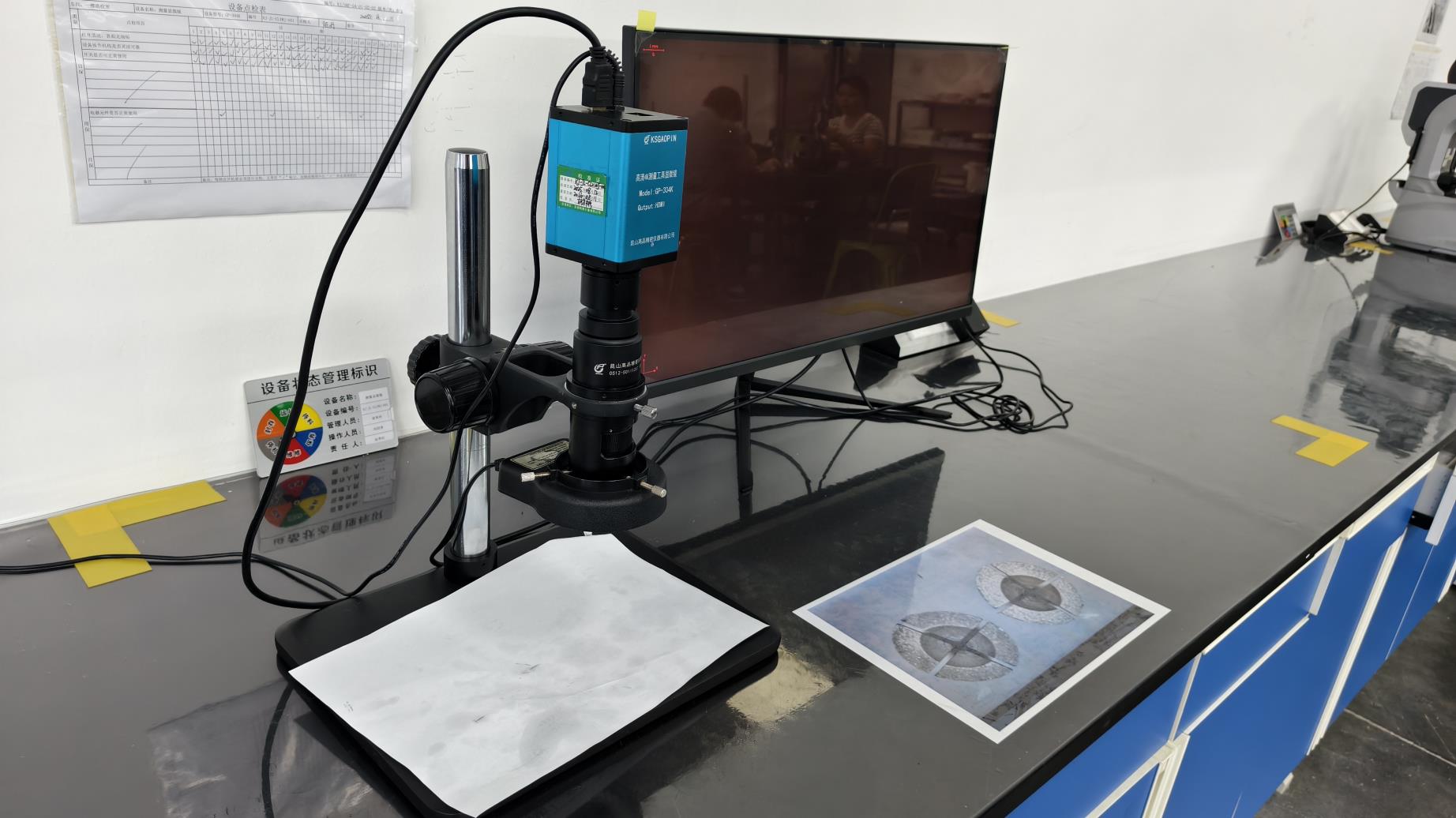
Ensuring absolute reliability and regulatory compliance for every clinical market.
Our quality management system is audited under ISO 13485 frameworks for medical device design and manufacturing, ensuring compliance for CE marking and global commercial distribution.
Every raw material batch undergoes chemical composition testing and mechanical performance analysis (UTS, Yield Strength, Elongation). Each finished screw is marked with a unique laser-engraved ID for full tracing from supplier to operating theater.
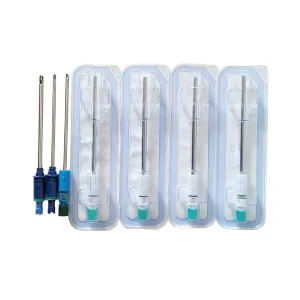
Implants can be supplied sterile (Gamma irradiated/EO sterile barrier systems) or non-sterile according to client requirements. Sterile options use high-barrier protective packaging to maintain double-barrier integrity during transit.
Answers to common engineering and sourcing questions about our reduction pedicle screws.
We manufacture our implants primarily from Ti-6Al-4V ELI (Grade 23) alloy matching ASTM F136 specifications. This medical-grade alloy provides high fatigue limits, excellent biocompatibility, and minimal MRI artifacts compared to standard stainless steel.
Reduction screws feature extended break-away tabs (long arms). These tabs guide the spinal rod into the saddle without separate reduction tools, simplifying the procedure and reducing operative times in complex deformity cases.
We provide comprehensive customization, including adjusting screw lengths, thread pitches, and surface coatings, as well as developing custom instruments. Our 86 R&D engineers can produce working design files and prototypes based on your specific requirements.
Every production run undergoes strict quality control. The notch depth is machined using precision Swiss-type lathes to ensure the tabs withstand the torque required during rod reduction, but snap off cleanly without creating sharp edges or metallic debris.
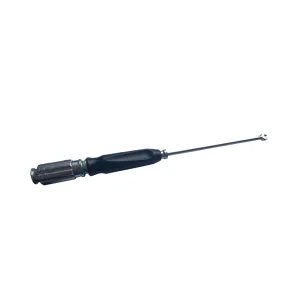
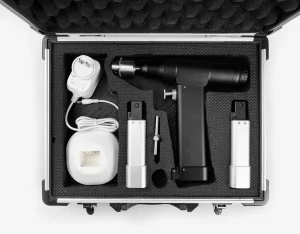
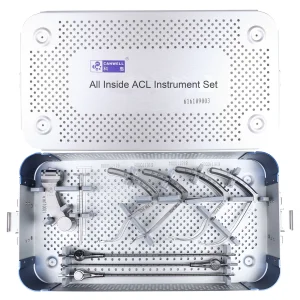
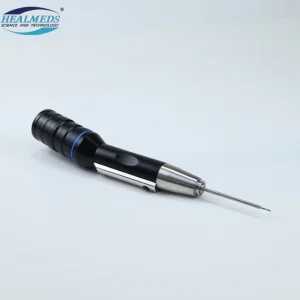
Complete your orthopedic portfolio with our premium tools, dynamic systems, and specialized surgical accessories.
 Moventra Medical