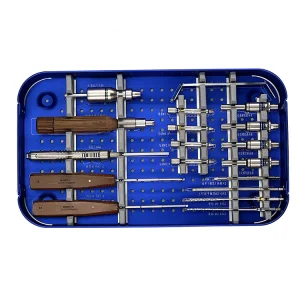
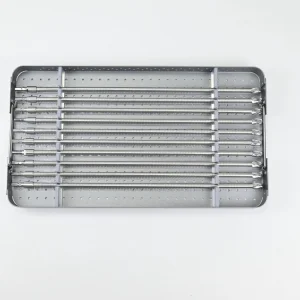
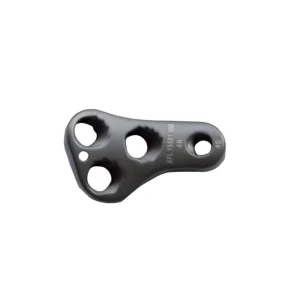
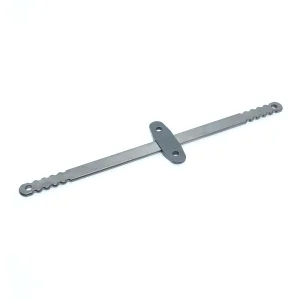
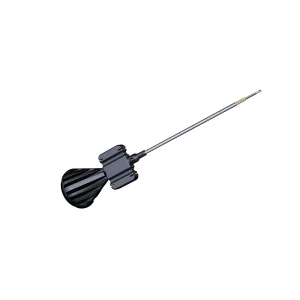
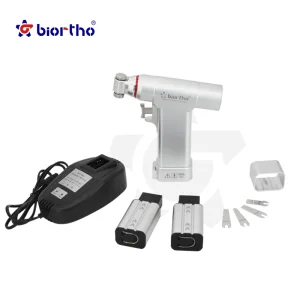
Discover our core surgical implants, specialized instrumentation kits, and advanced trauma systems engineered to medical-grade tolerances.
Empowering healthcare worldwide through robust manufacturing, advanced R&D, and certified orthopedic excellence.
Spinal internal fixation systems are critical in stabilizing spinal segments, promoting osseointegration, and treating conditions such as degenerative disc disease, spondylolisthesis, spinal deformities, and severe traumas. Choosing the right medical-grade material and design configuration dictates the surgical success, patient comfort, and long-term implant performance. Moventra Medical Technology focuses on high-yield, fatigue-resistant materials including Titanium Alloy (Ti-6Al-4V ELI) conforming to ASTM F136 and medical-grade PEEK (Polyetheretherketone) to balance structural rigidity with biocompatibility.
The biomechanical success of a pedicle screw or spinal rod depends heavily on the modulus of elasticity. Traditional stainless steel has been largely phased out by Titanium Alloy (Ti-6Al-4V ELI) due to its superior biocompatibility, fatigue resistance, and lower modulus of elasticity, which reduces stress shielding. Moventra sources its raw materials from leading certified medical titanium suppliers, ensuring zero porosity and clean microstructures. Additionally, for interbody cages, PEEK remains the standard due to its radiolucency and elastic modulus mimicking natural human cortical bone, which facilitates post-operative fusion assessments.
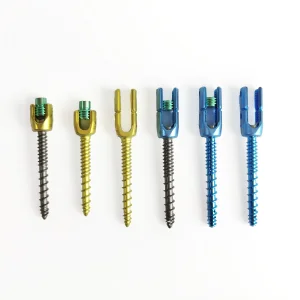
Rigid fusion systems can sometimes lead to adjacent segment degeneration (ASD). To prevent this, the industry is witnessing a design transformation towards hybrid and dynamic stabilization systems. Multi-threaded configurations in polyaxial screws allow for modular adjustments, while dual-lead thread designs provide greater pullout strength in cancellous bone. Our manufacturing tolerances ensure the polyaxial head operates with controlled friction, preventing premature loosening while offering 30 to 45 degrees of angulation for flexible surgical insertion.
Aligning development with surgical robotics, custom printing, and biomimetic coatings.
Moving towards additive manufacturing (SLM/EBM) to create porous titanium structures that mimic human bone trabecular configurations, vastly speeding up the osseointegration rate compared to smooth surfaces.
Integrating micro-navigational markers on pedicle screws and surgical instruments. This facilitates seamless compatibility with surgical planning software and automated robotic arms for precise placement.
Development of nano-hydroxyapatite (nHA) coatings and anodized surface structures to minimize bacterial colonization while actively promoting immediate post-op vascularization around the implants.
Leveraging domestic industrial clusters, high-speed Swiss-type tooling, and automated QA systems.
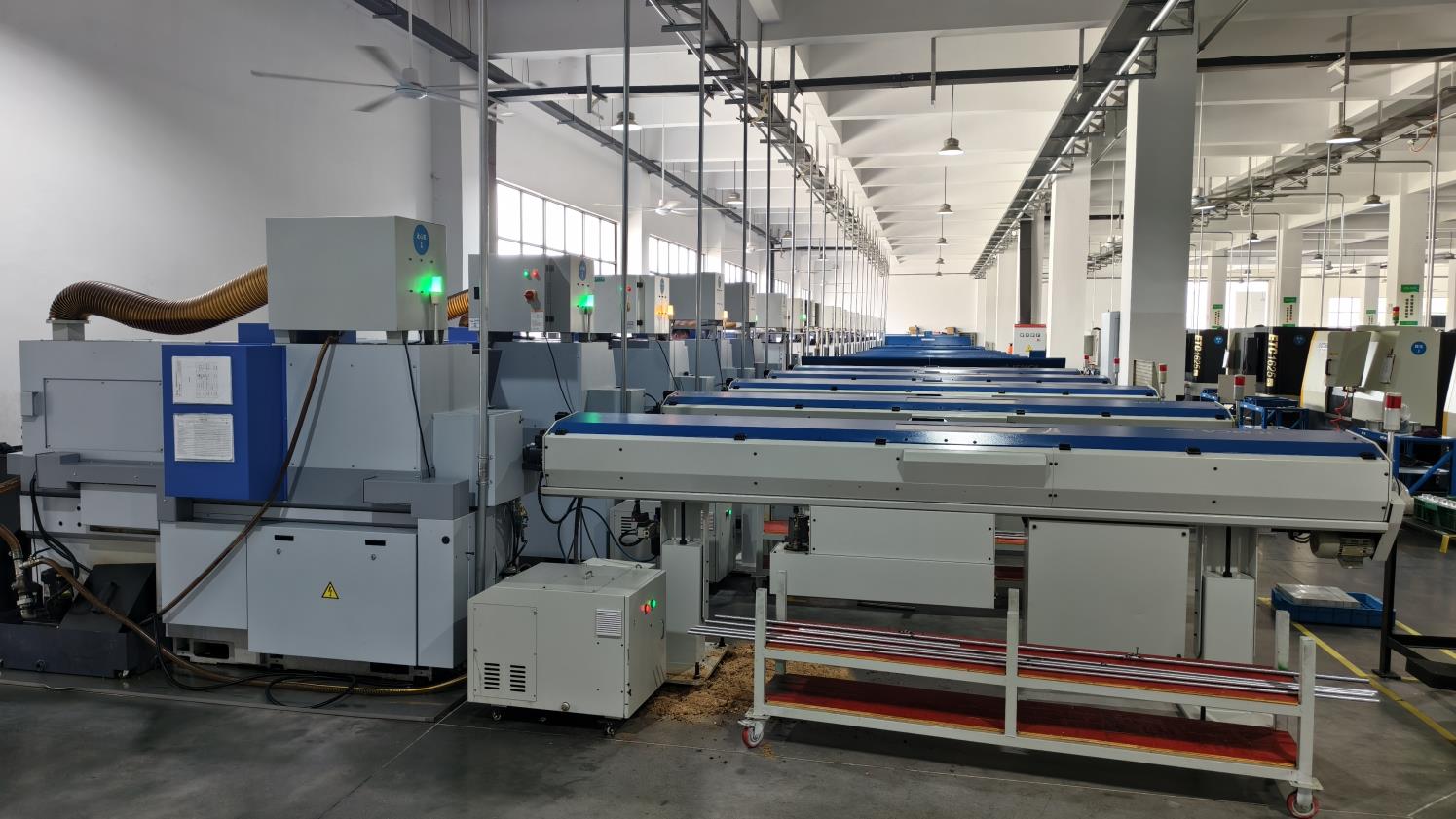
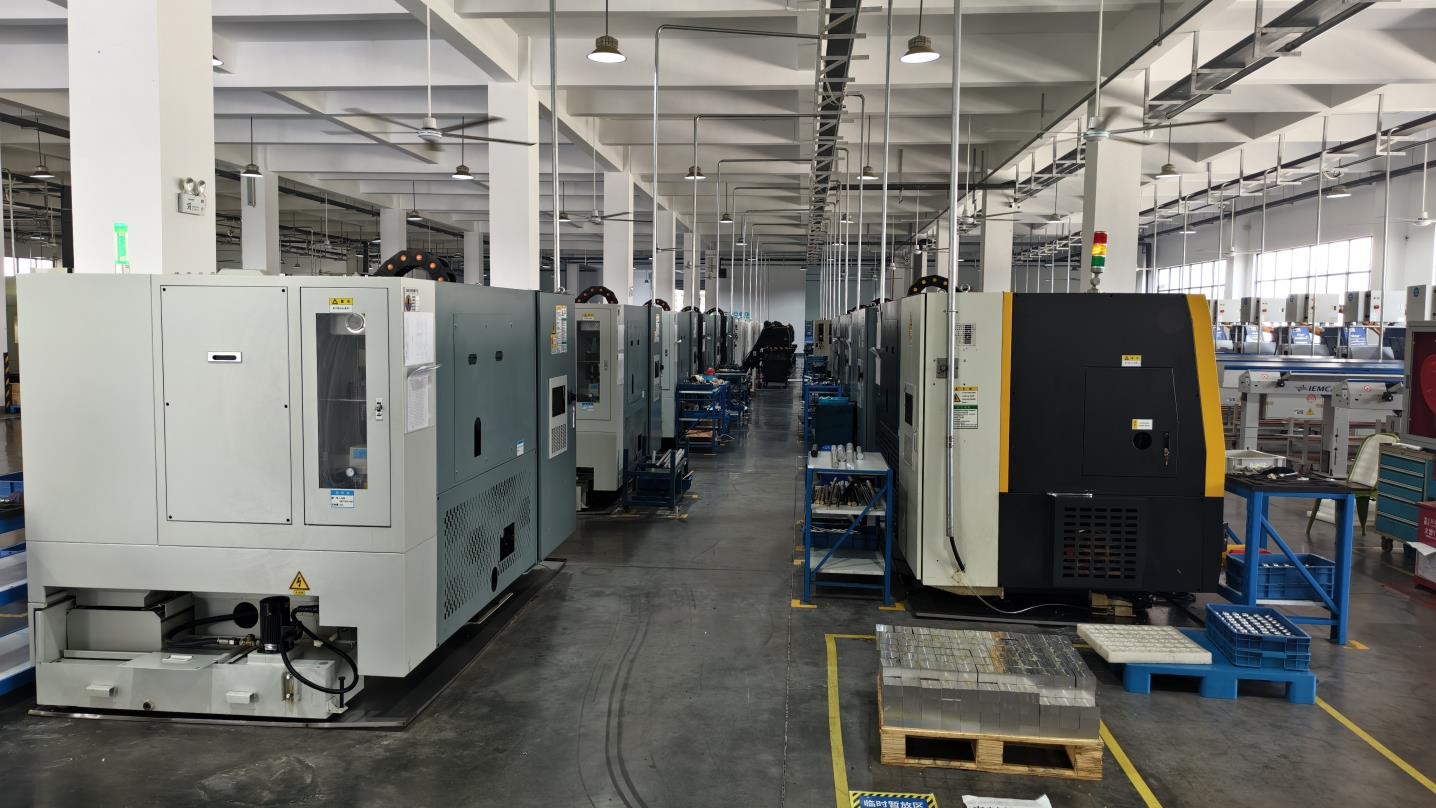
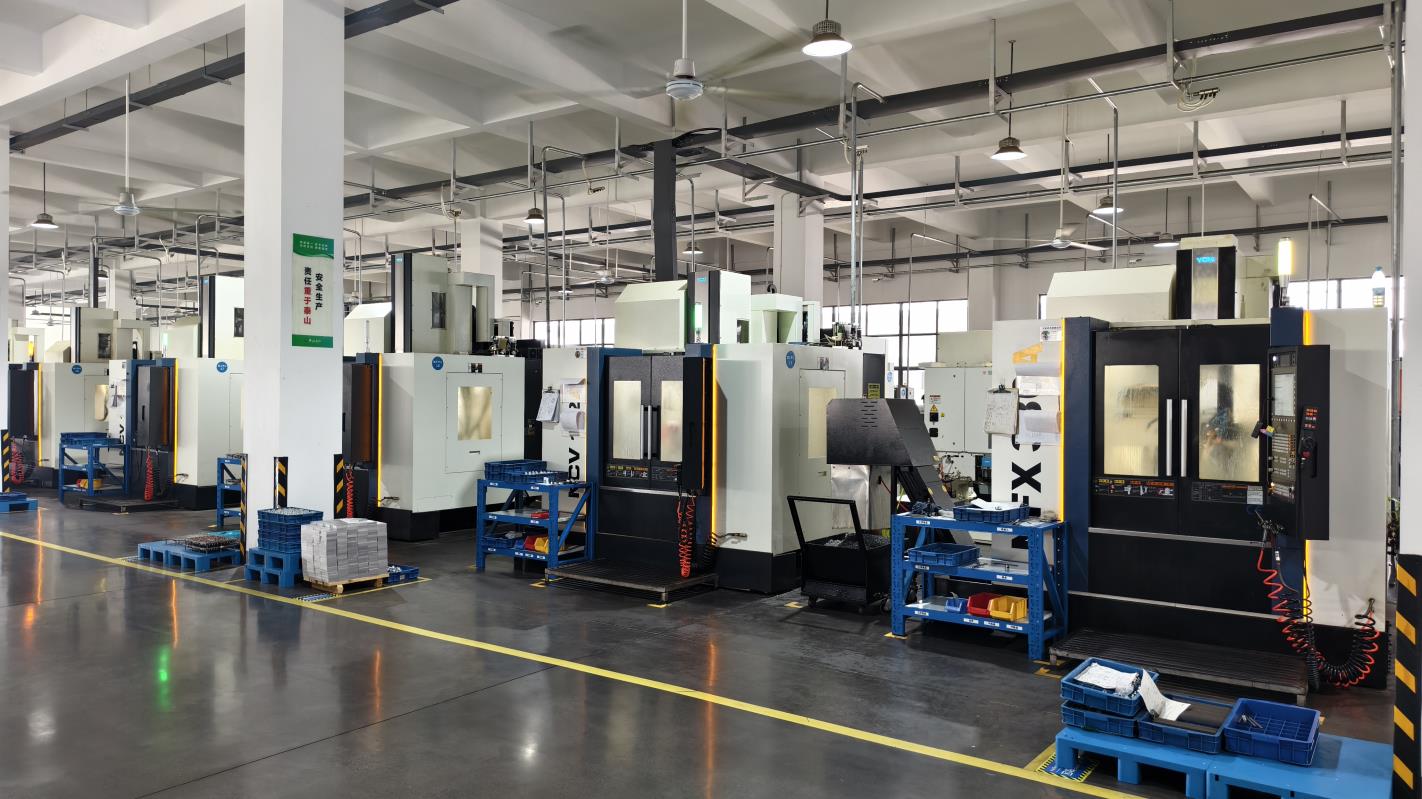
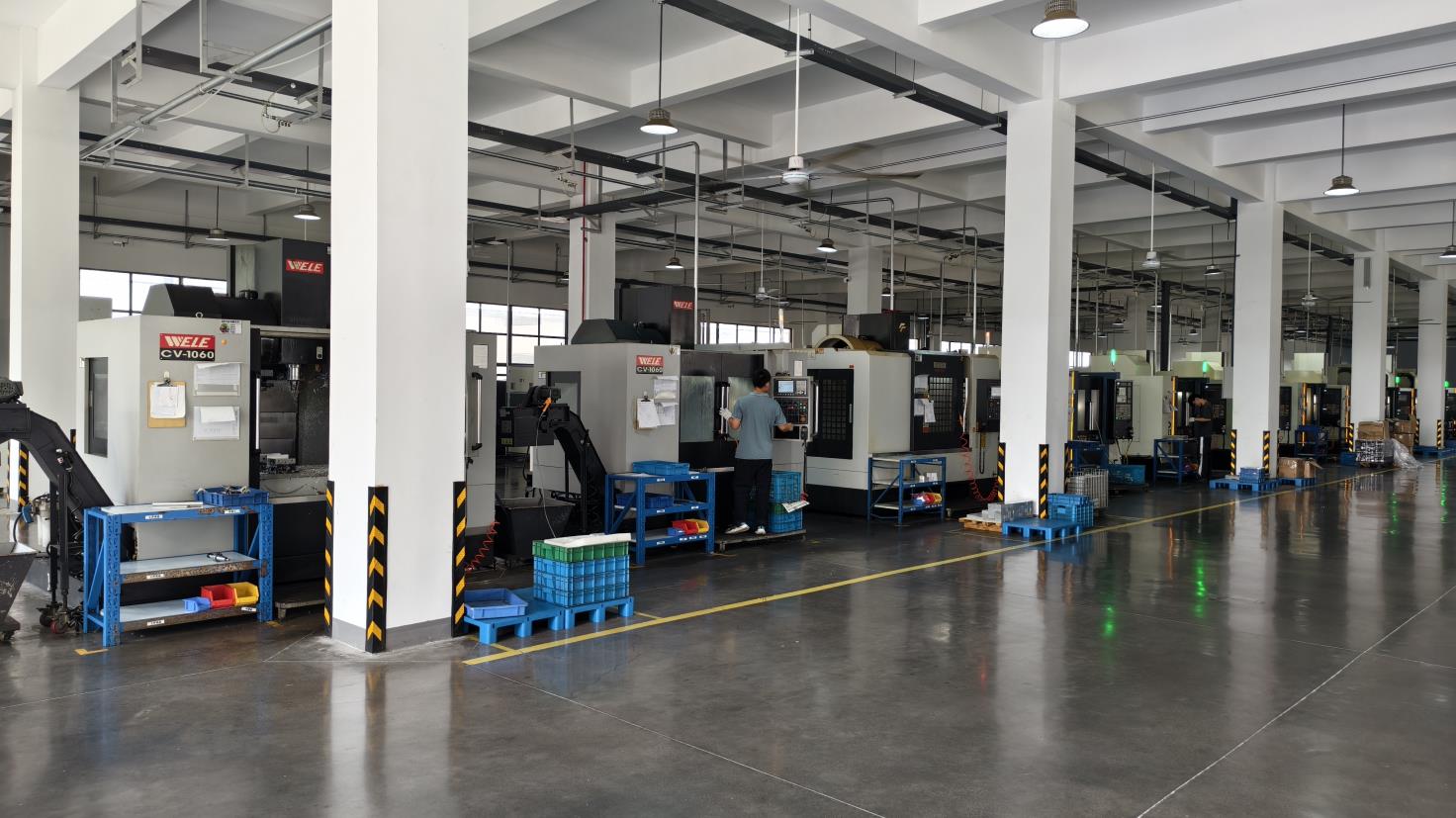
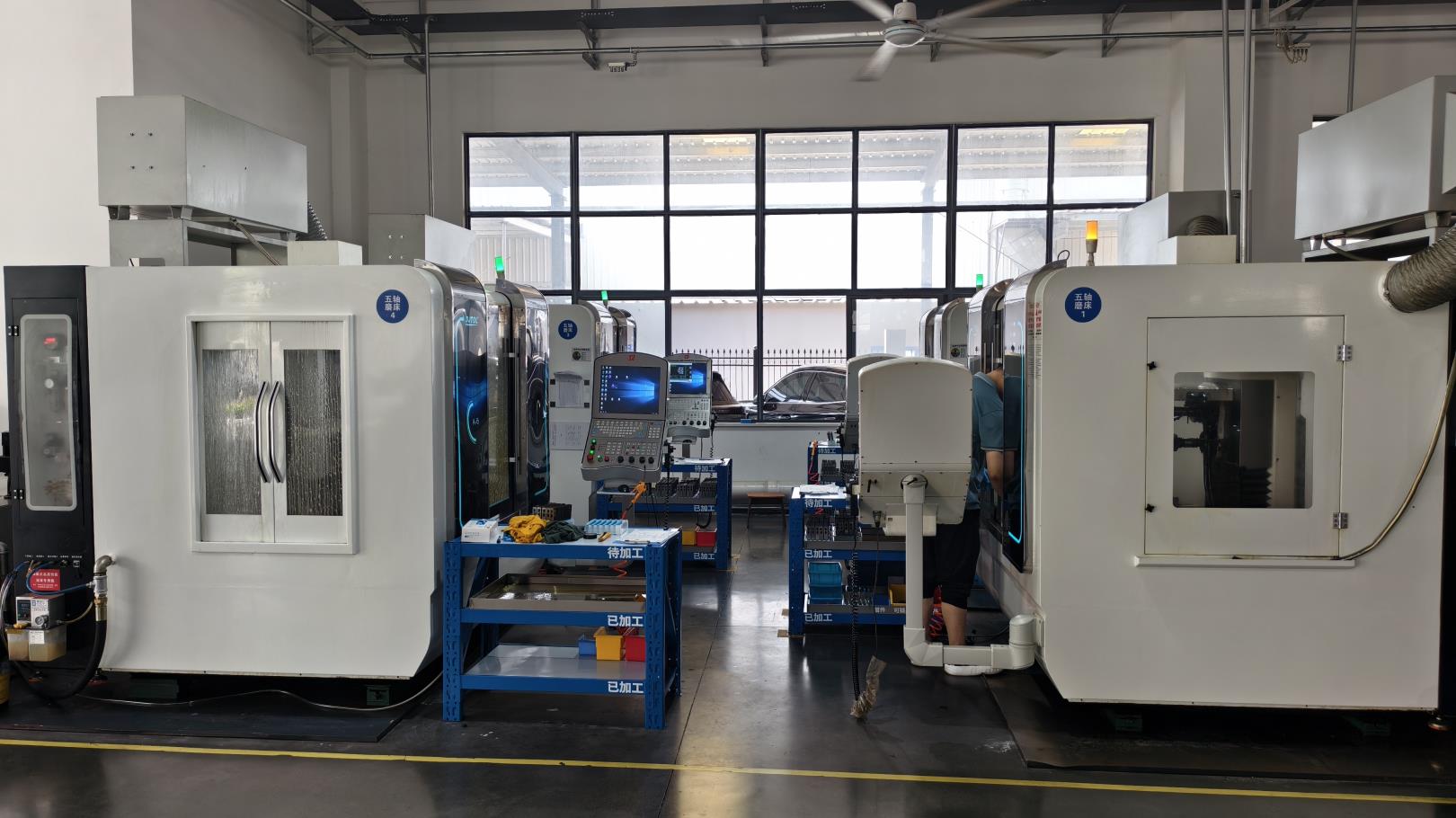
Our fleet of Swiss-type lathe and milling machines enables complete high-precision manufacturing of complex pedicle screw threads and polyaxial heads in a single operation, keeping dimensional errors under ±0.005mm.
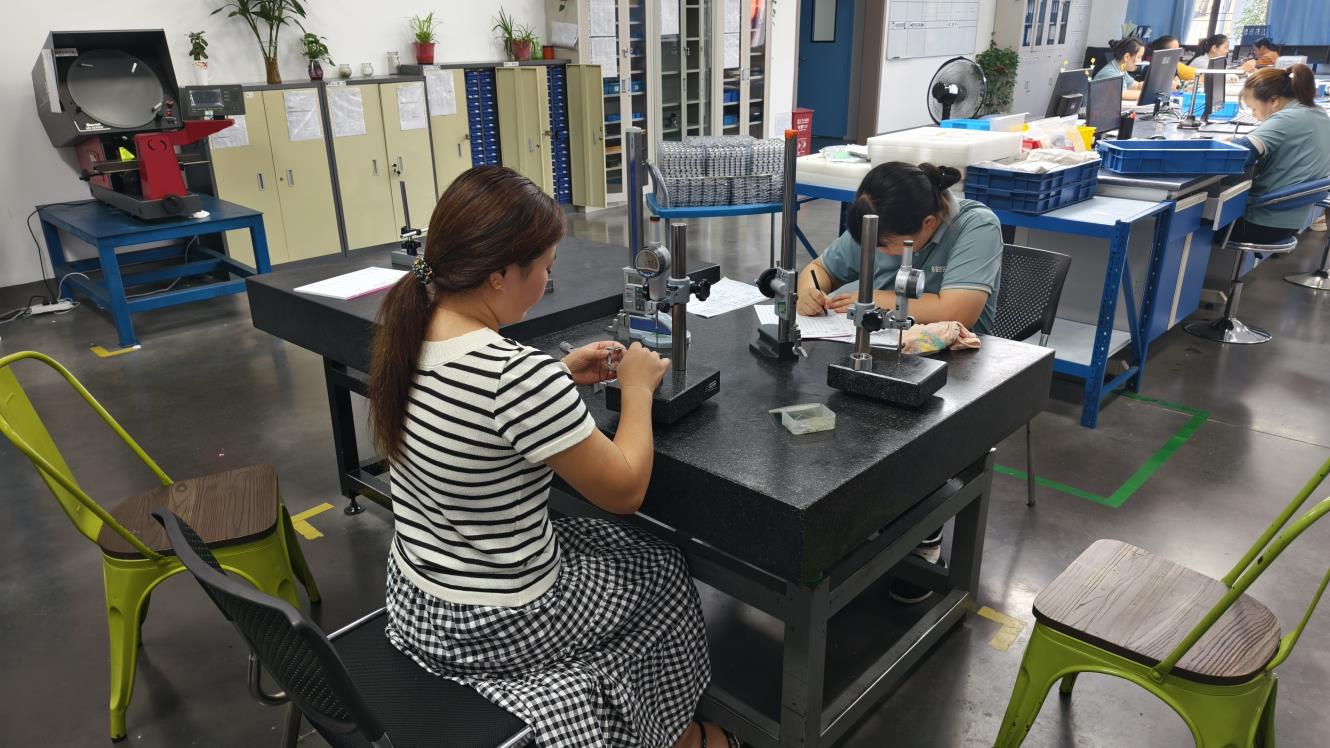
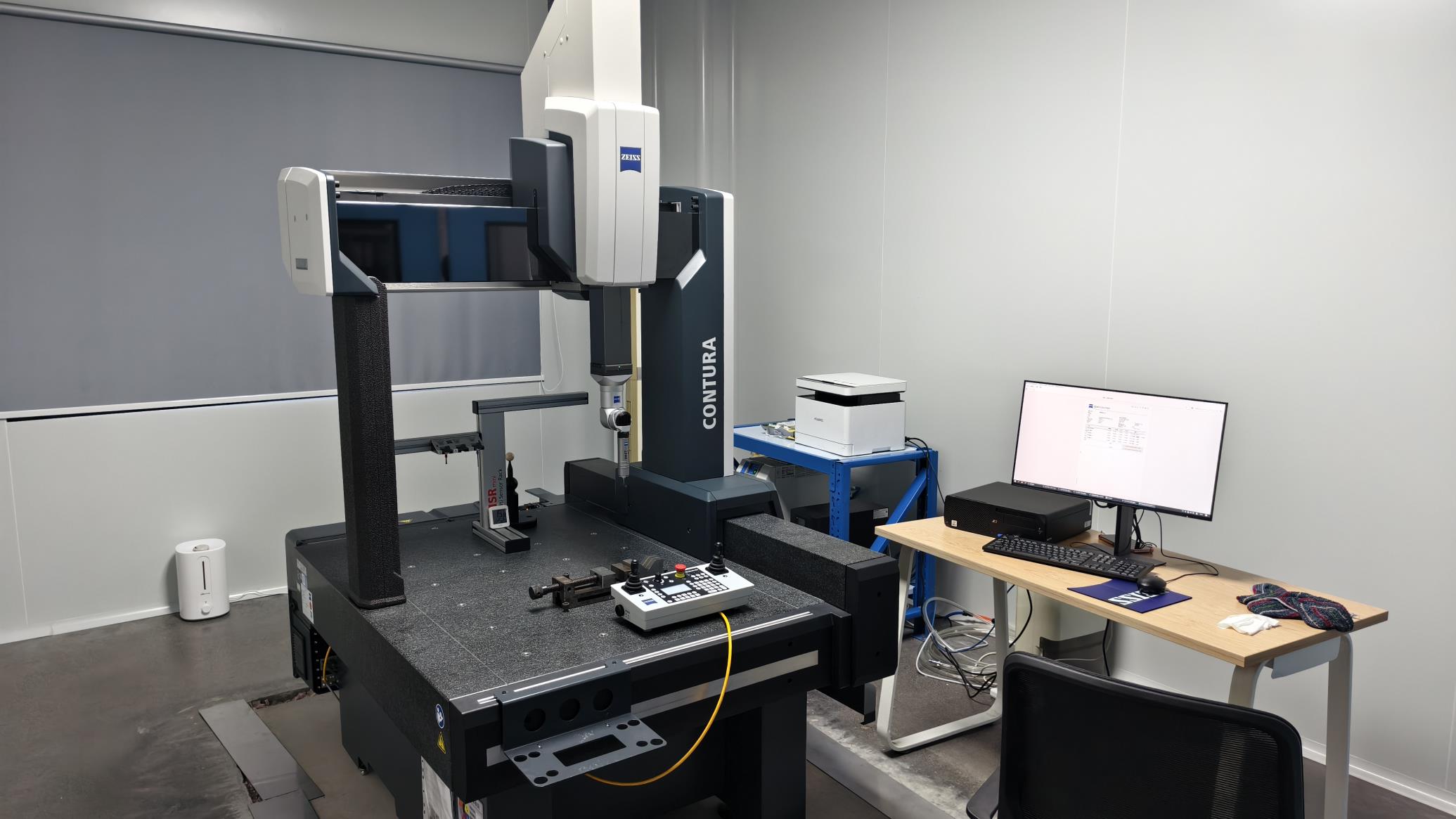
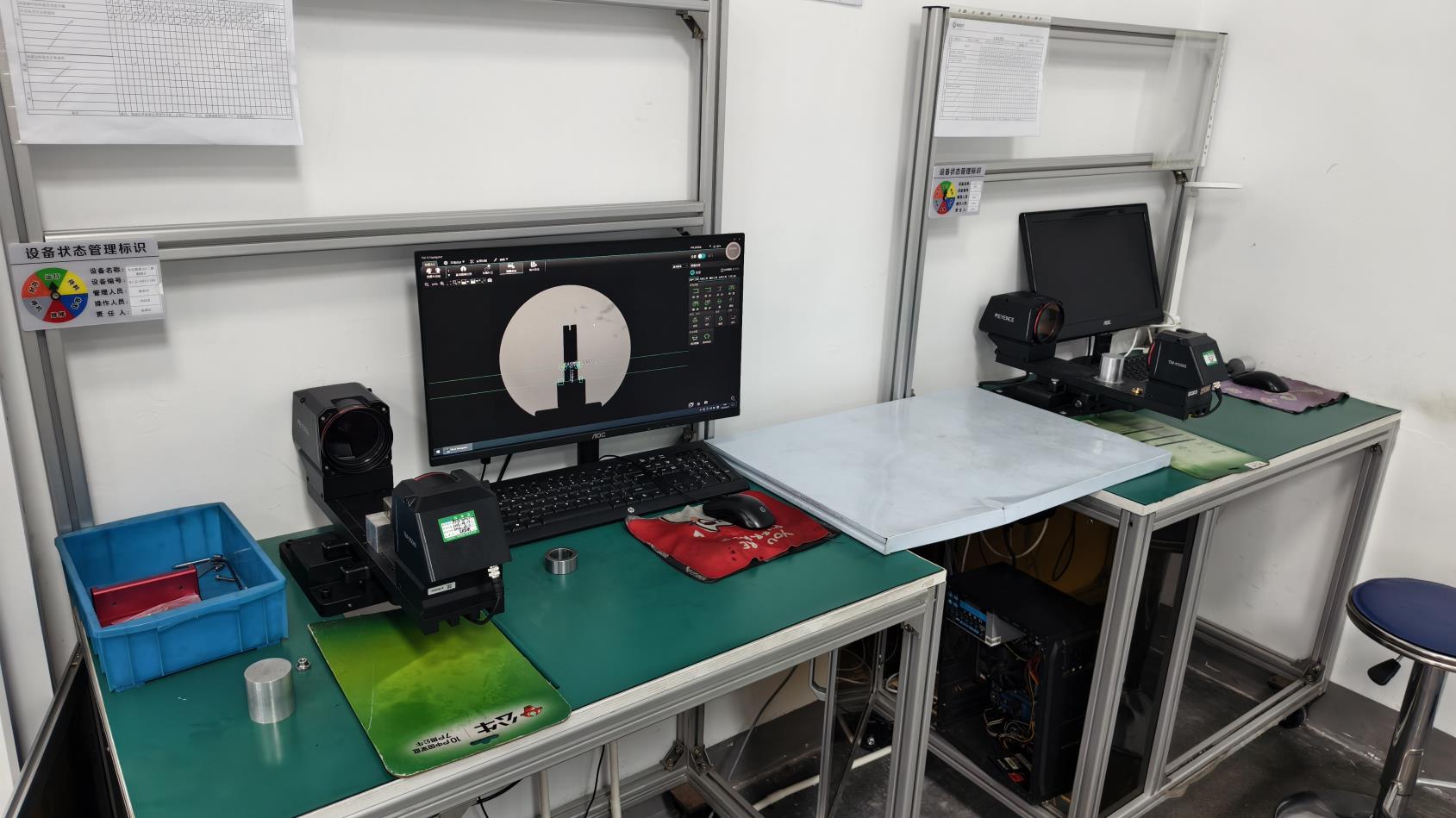
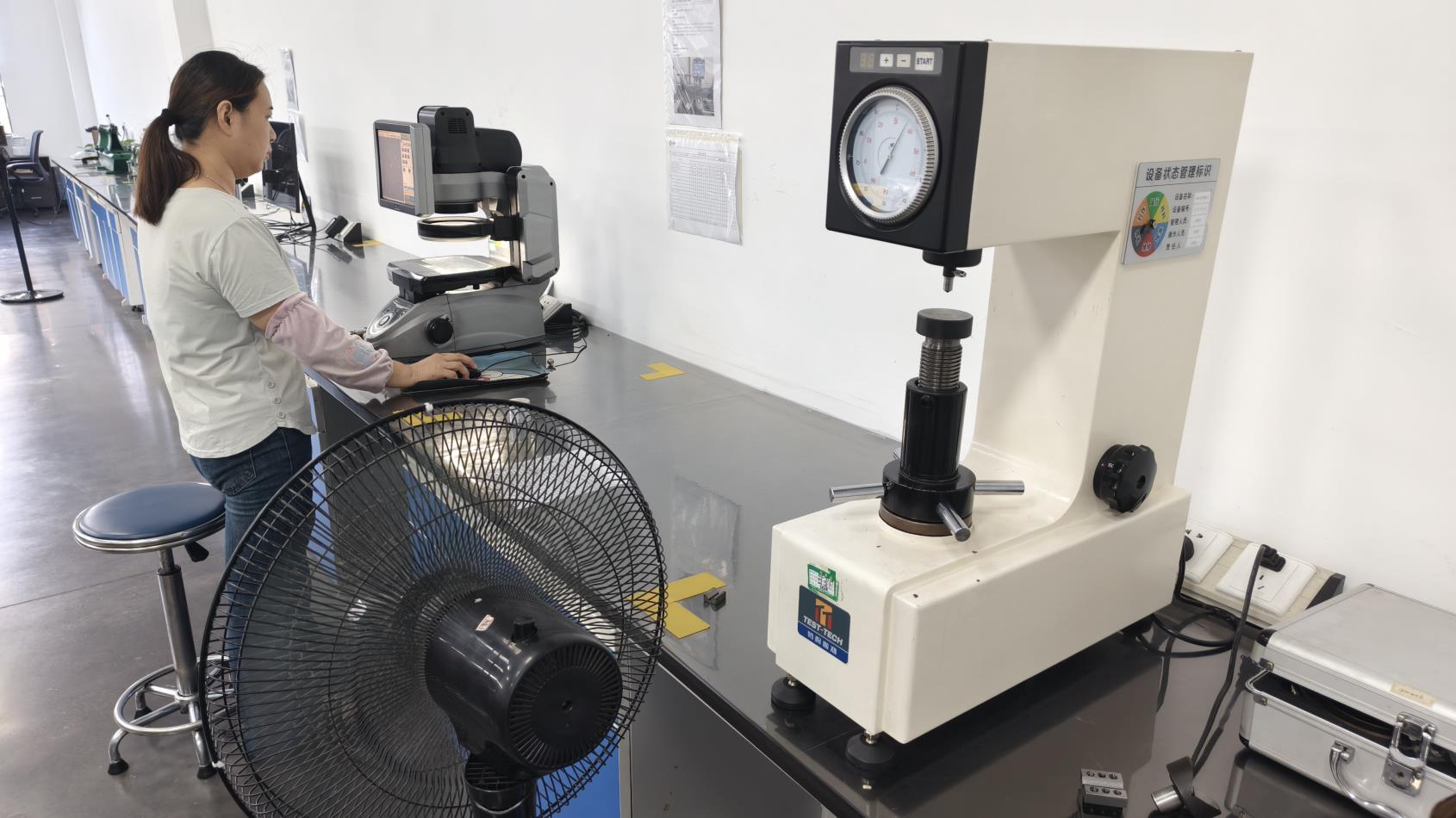
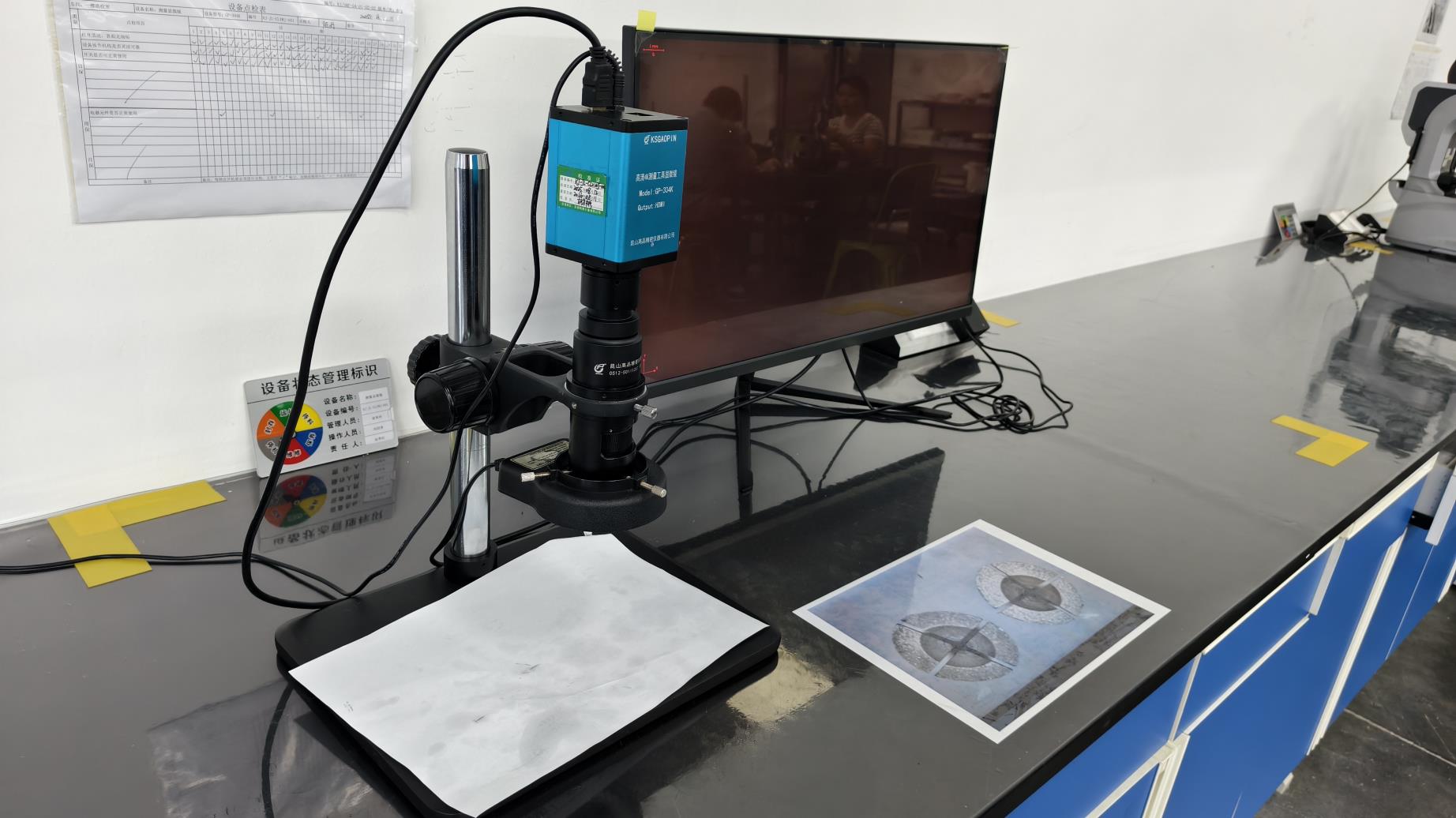
No screw leaves our warehouse without verification. By integrating 3D coordinate measuring machines (CMM) and microscopic inspection, every batch of internal fixation hardware meets ASTM international mechanical standards.
By partnering with 1,120 reliable supply chain entities, we maintain a rolling stock of raw titanium alloy bars and medical-grade PEEK, insulating our global OEM/ODM clients from unexpected global supply line disruptions.
Moventra Medical Technology (China) Co., Ltd. is a professional manufacturer specializing in the research, development, production, and global supply of orthopedic medical devices and surgical solutions. Established in 2017, the company is dedicated to delivering innovative, high-quality products for trauma, spine, joint reconstruction, sports medicine, and orthopedic surgical procedures.
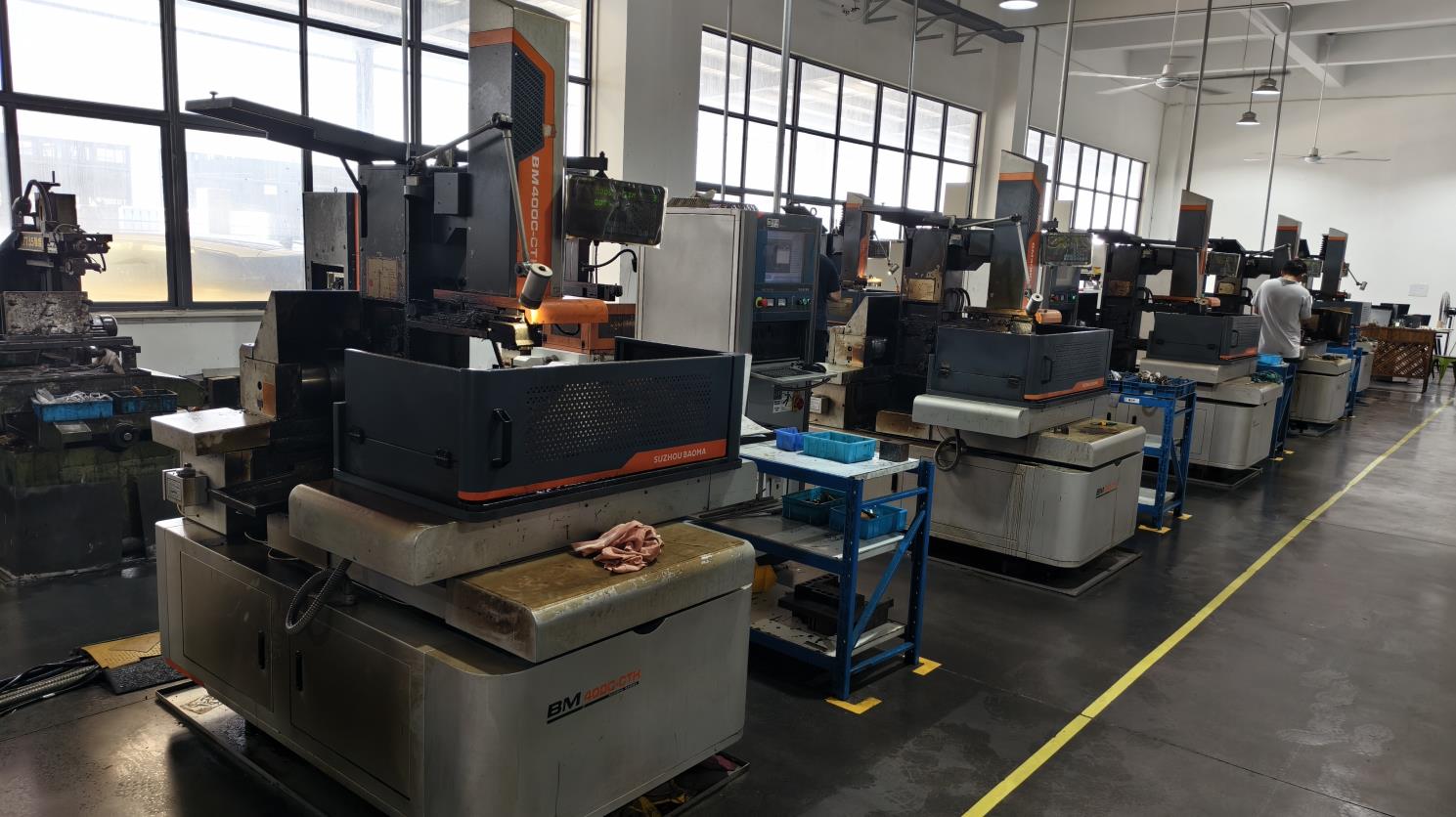
With a modern manufacturing facility covering 18,600 m², Moventra integrates advanced CNC machining, precision manufacturing, automated production lines, and strict quality management systems to ensure every product meets international medical standards. Our commitment to continuous innovation enables us to provide reliable OEM and ODM services for global medical device brands, distributors, and healthcare institutions.
Supported by an experienced R&D team and comprehensive quality assurance system, Moventra continuously develops innovative orthopedic solutions that improve surgical efficiency and patient outcomes. Our products are exported to customers worldwide and are trusted for their precision, safety, and consistent performance.
| Item | Details |
|---|---|
| Company Name | Moventra Medical Technology (China) Co., Ltd. |
| Brand | Moventra |
| Established | 2017 |
| Facility Area | 18,600 m² |
| Annual Export Revenue | USD 23.8 Million |
| Export Experience | 7 Years |
| Industry Experience | 13 Years |
| Quality Inspection | 100% Quality Inspection Before Shipment |
| Product Inspection Methods | Dimensional Inspection, Material Analysis, Surface Finish Inspection, Mechanical Performance Testing, Sterility Verification |
| Quality Control Staff | 48 |
| Business Type | Manufacturer, OEM & ODM, Exporter |
| Main Markets | North America, Europe, South America, Middle East, Southeast Asia, Australia |
| Supply Chain Partners | 1,120 |
| R&D Capability | Independent Product Design, Rapid Prototyping, OEM/ODM Development |
| Customization Options | Logo, Packaging, Product Design, Drawing-Based, Sample-Based |
| New Products Released Last Year | 156 |
| R&D Engineers | 86 |
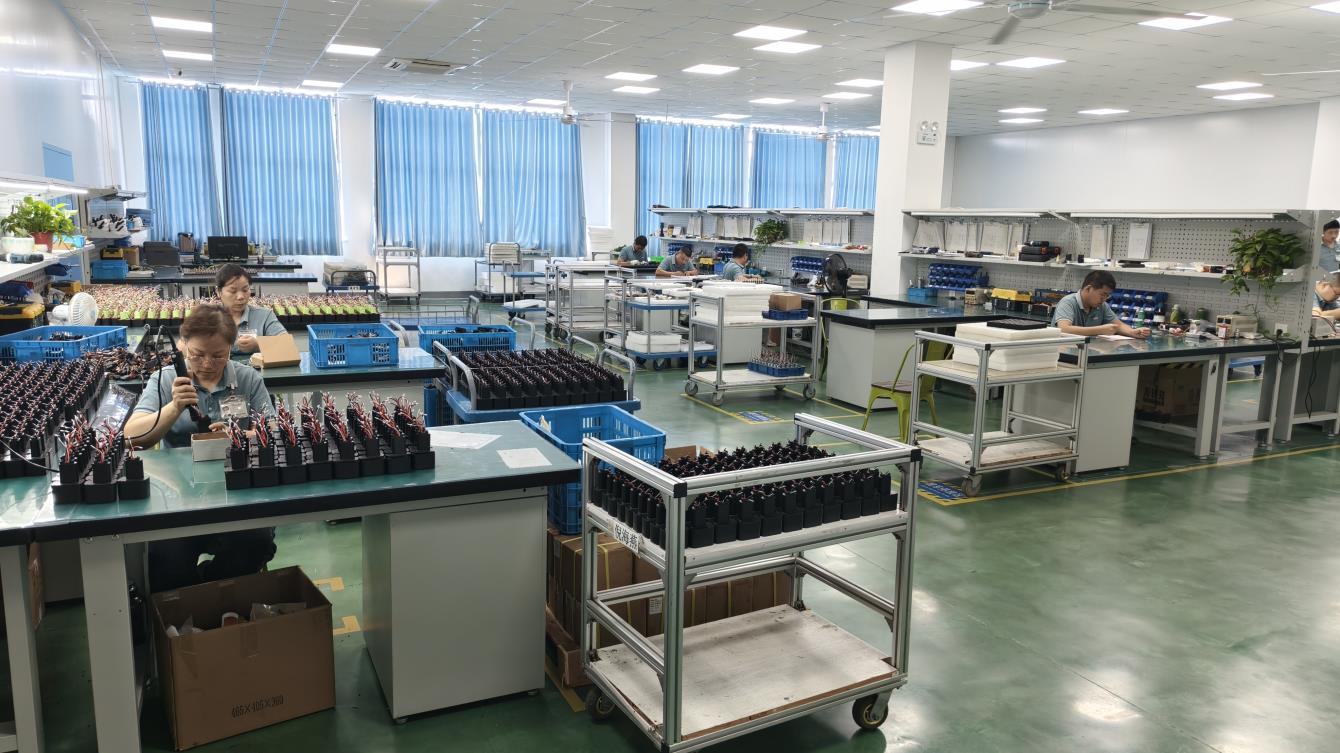
Inside Moventra's advanced ISO-compliant production workshops and state-of-the-art metrology labs.
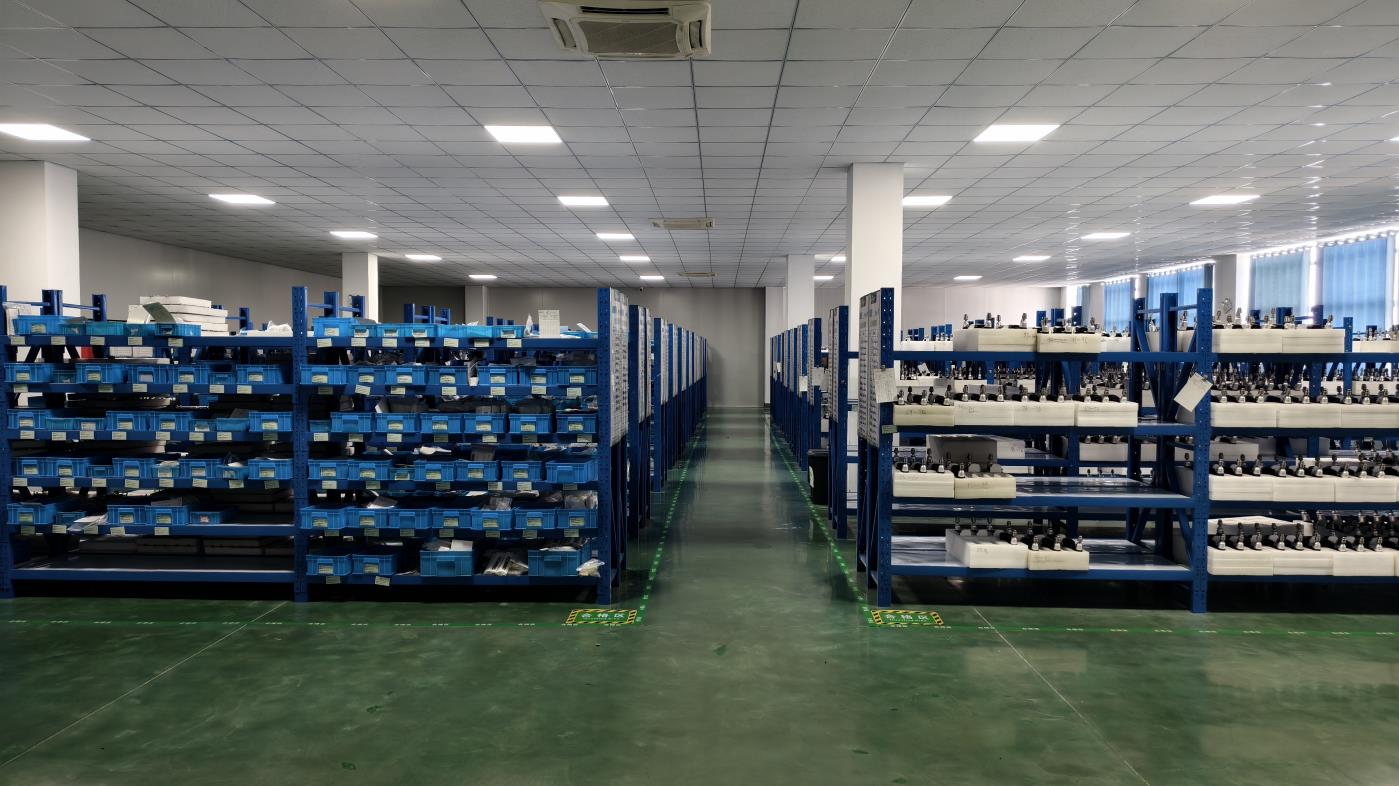
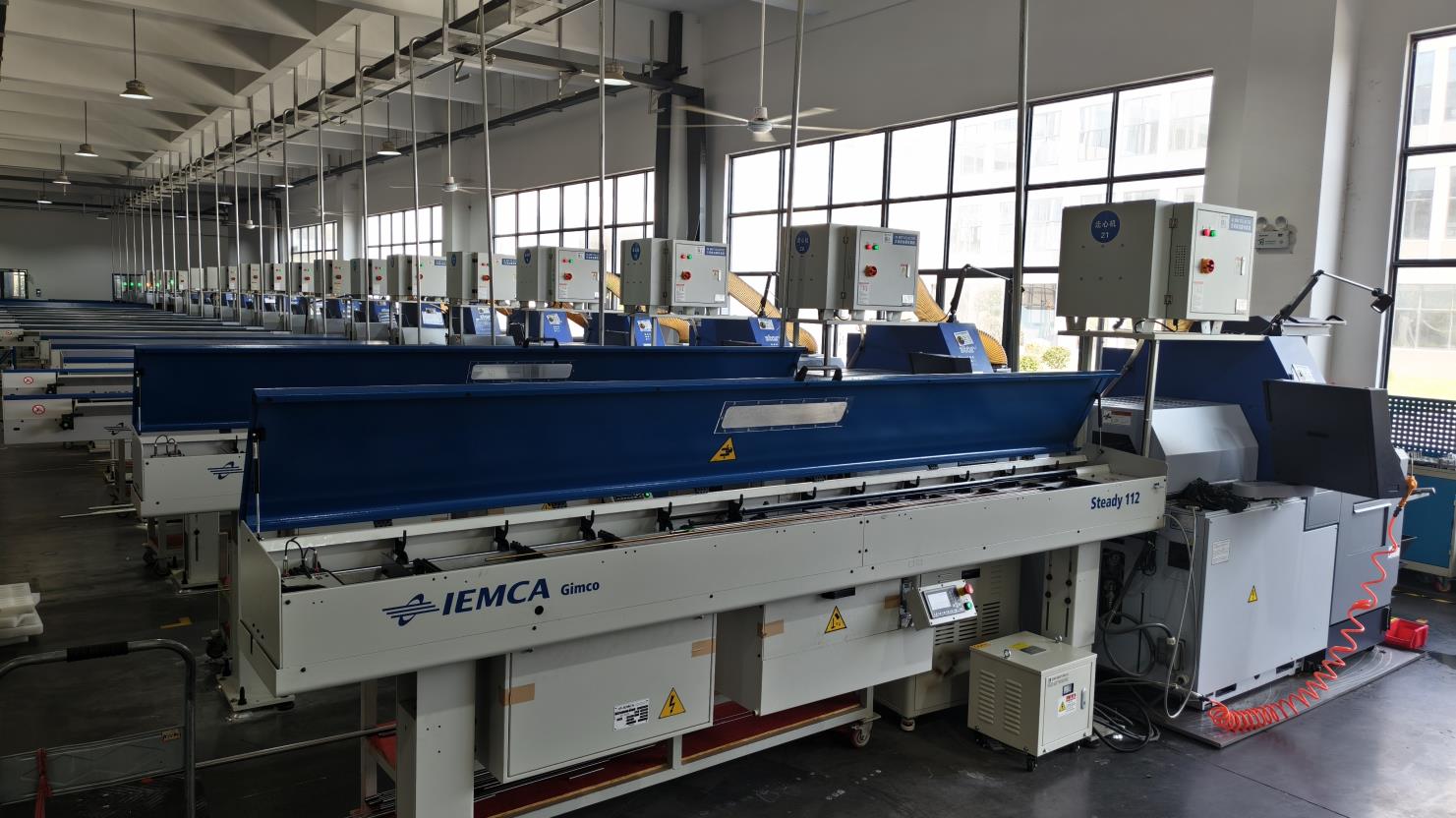
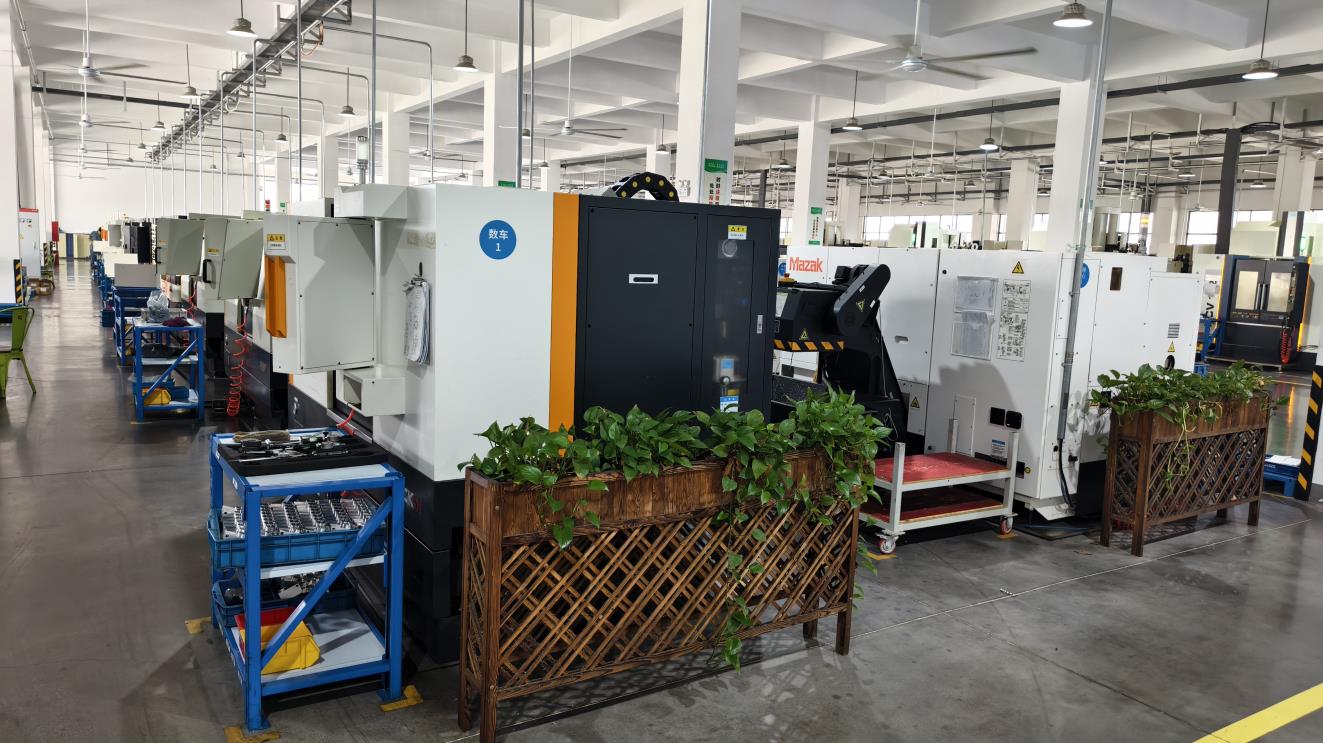
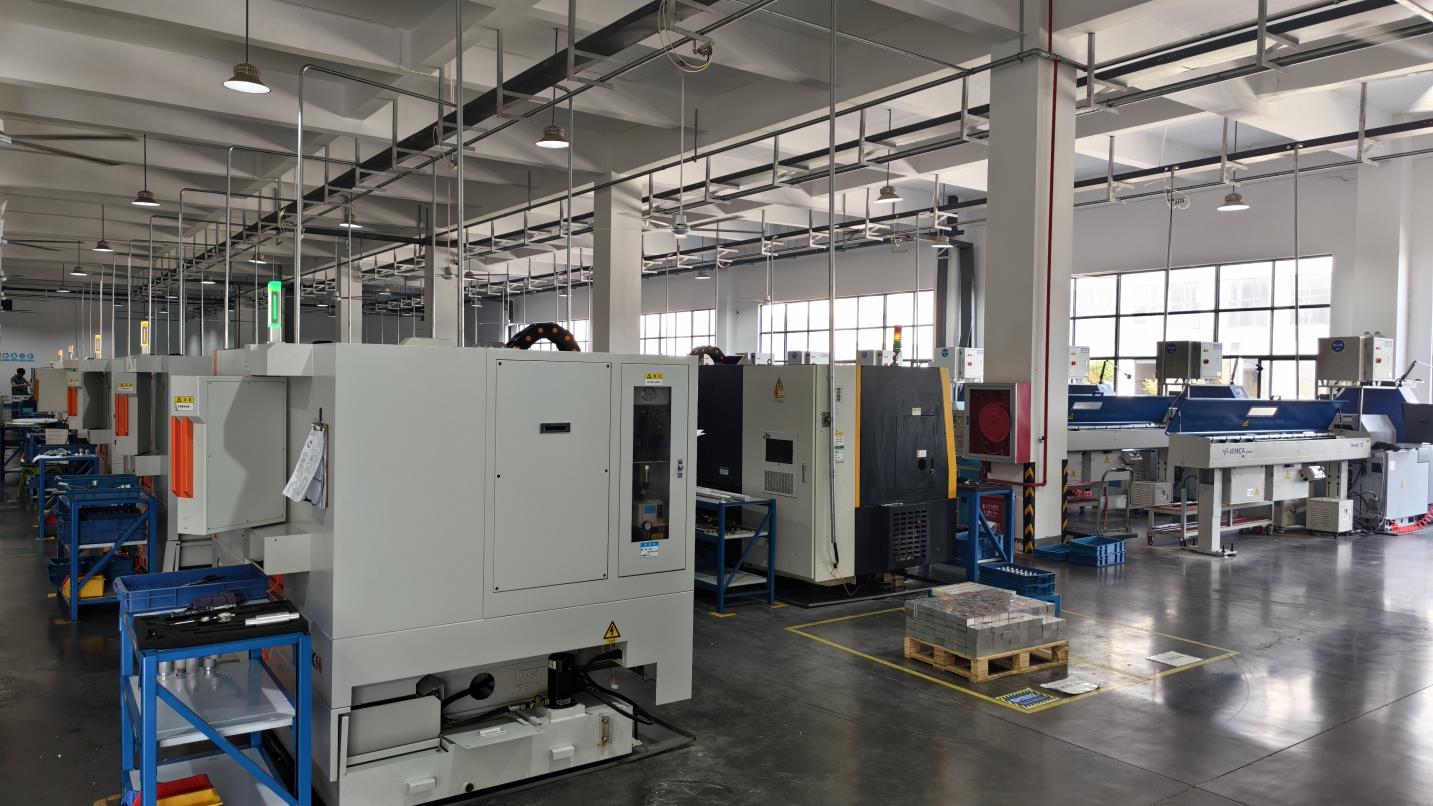
Entering international healthcare markets requires absolute compliance with local healthcare authorities. As a premium Chinese exporter of spinal internal fixation systems, Moventra has built a dedicated regulatory affairs team to facilitate the submission of Technical Files for regional registrations.
We provide full documentation portfolios including biocompatibility test reports (ISO 10993), sterilization validation protocols, and comprehensive risk analysis reports to accelerate FDA 510(k), CE MDR, and ANVISA registrations.
To support global distributors, we coordinate with regional logistics hubs to maintain inventory for standard orthopedic kits, enabling rapid fulfillment and avoiding long lead times during critical surgical shortages.
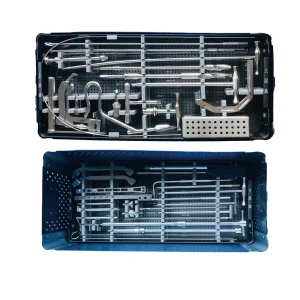
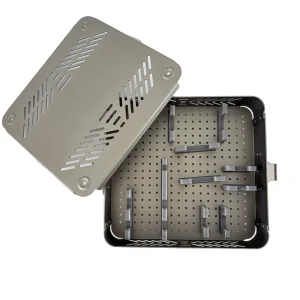
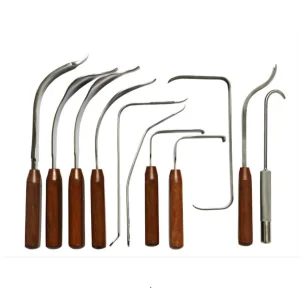
Every spinal system we manufacture is paired with matching, ergonomically designed surgical toolkits. We offer virtual surgical planning resources and clinical application guides for orthopedic surgeons.
Hospital purchasing managers and orthopedic device distributors face strict criteria when auditing a potential manufacturing partner. In spinal internal fixation systems, a micro-fracture or minor tolerance deviation can lead to catastrophic hardware failure. Here are the core factors procurement departments prioritize:
Professional answers to technical and commercial inquiries regarding our spinal internal fixation systems.
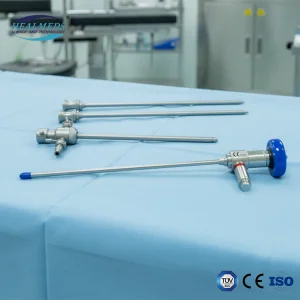
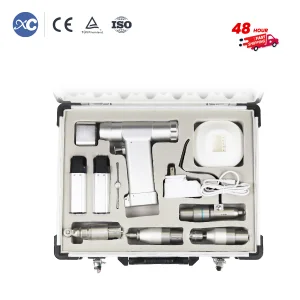
Broad range of surgical consumables, power tools, reconstruction plates, and arthroscopy instrumentation.
 Moventra Medical