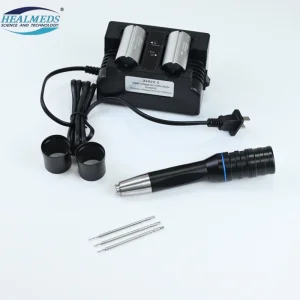
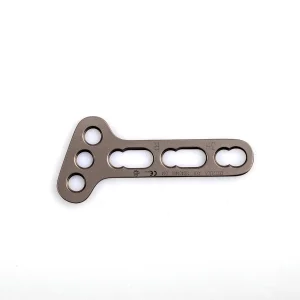
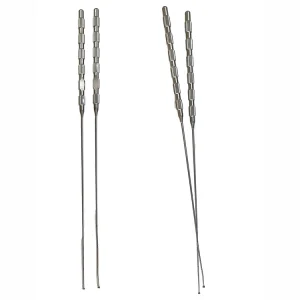
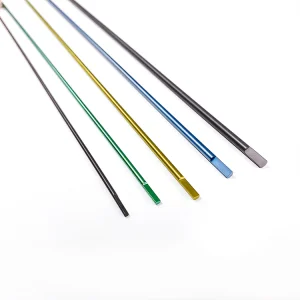
Premium Instruments and Fixation Materials
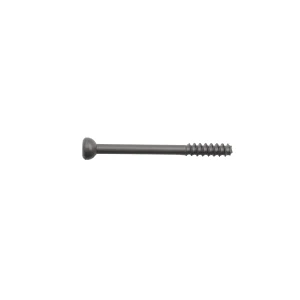
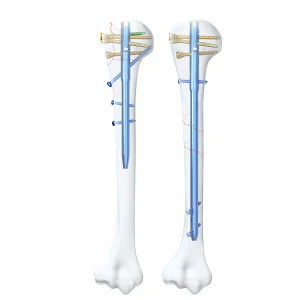
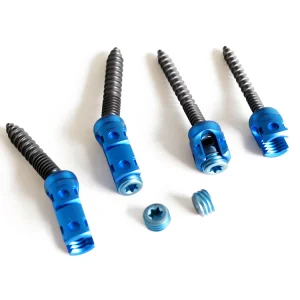
In modern trauma and orthopedic surgery, biomechanical stability, material safety, and precise surgical technique represent the cornerstones of successful patient rehabilitation. Titanium Cannulated Screws have become the gold standard for minimally invasive osteosynthesis procedures, specifically in treating femoral neck fractures, scaphoid fractures, ankle arthrodesis, and various pediatric trauma cases.
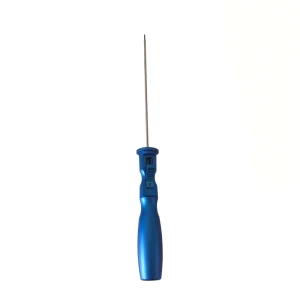
By utilizing a central hollow shaft (cannulation), surgeons can insert a guide wire under fluoroscopic guidance to precisely locate the fracture line before drilling and driving the screw. This drastically reduces operating times, minimizes tissue disruption, and improves overall alignment accuracy. However, producing a cannulated screw requires stringent raw material standards, advanced precision machining, and exhaustive validation frameworks. The mechanical tolerance of the central bore must remain highly concentric to prevent guide-wire jamming or drill-bit deviation, which can lead to catastrophic intraoperative failures.
Moventra Medical Technology (China) Co., Ltd. is a professional manufacturer specializing in the research, development, production, and global supply of orthopedic medical devices and surgical solutions. Established in 2017, the company is dedicated to delivering innovative, high-quality products for trauma, spine, joint reconstruction, sports medicine, and orthopedic surgical procedures.
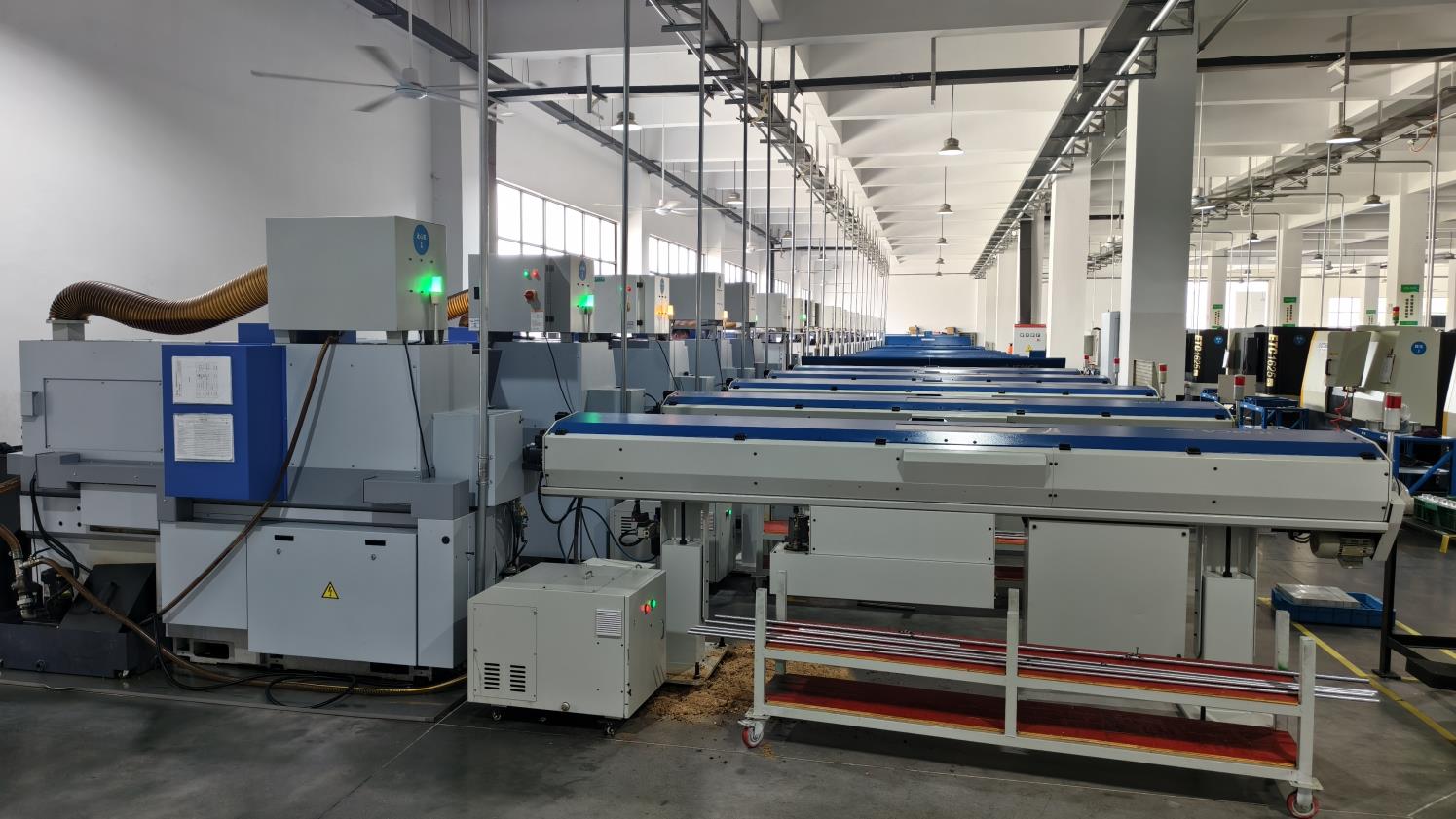
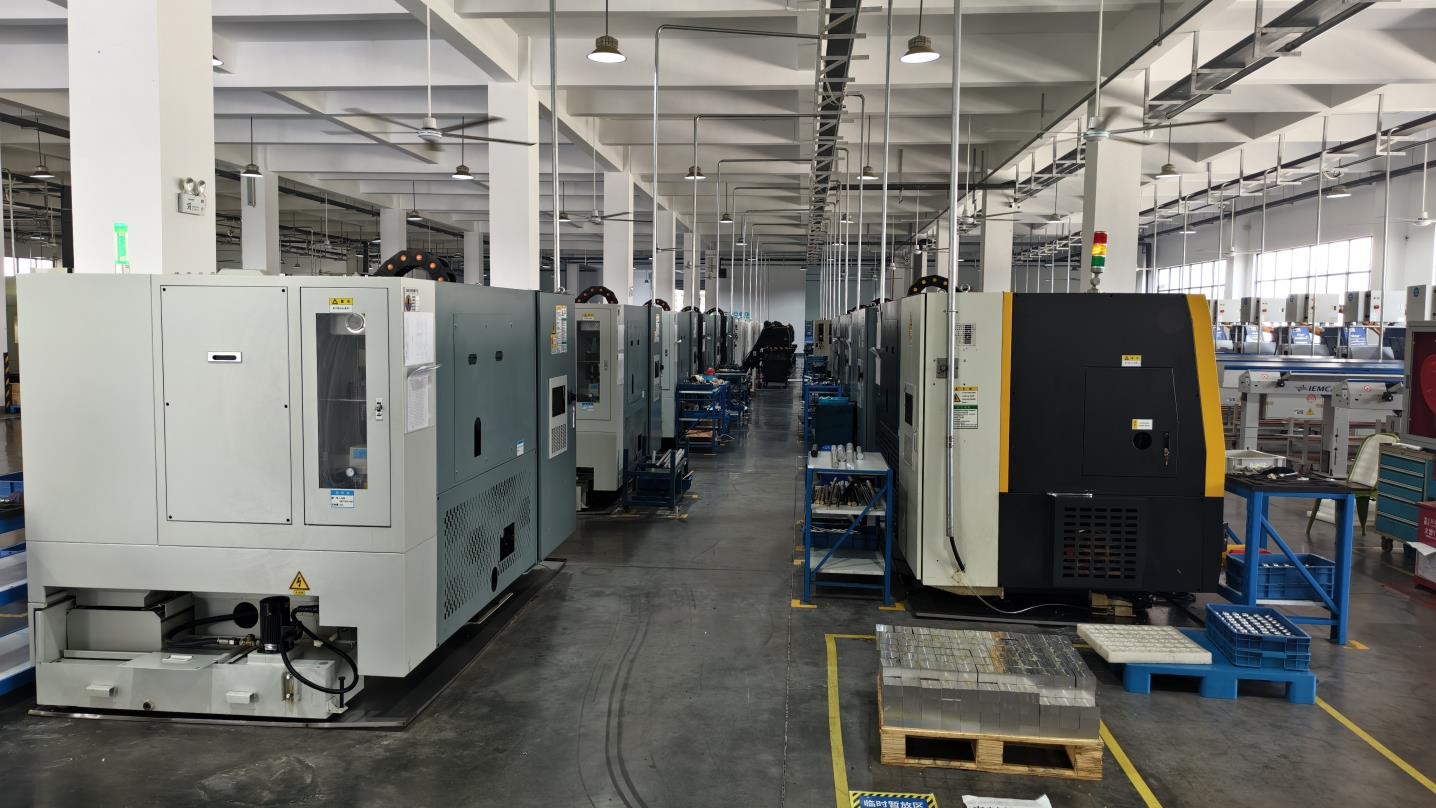
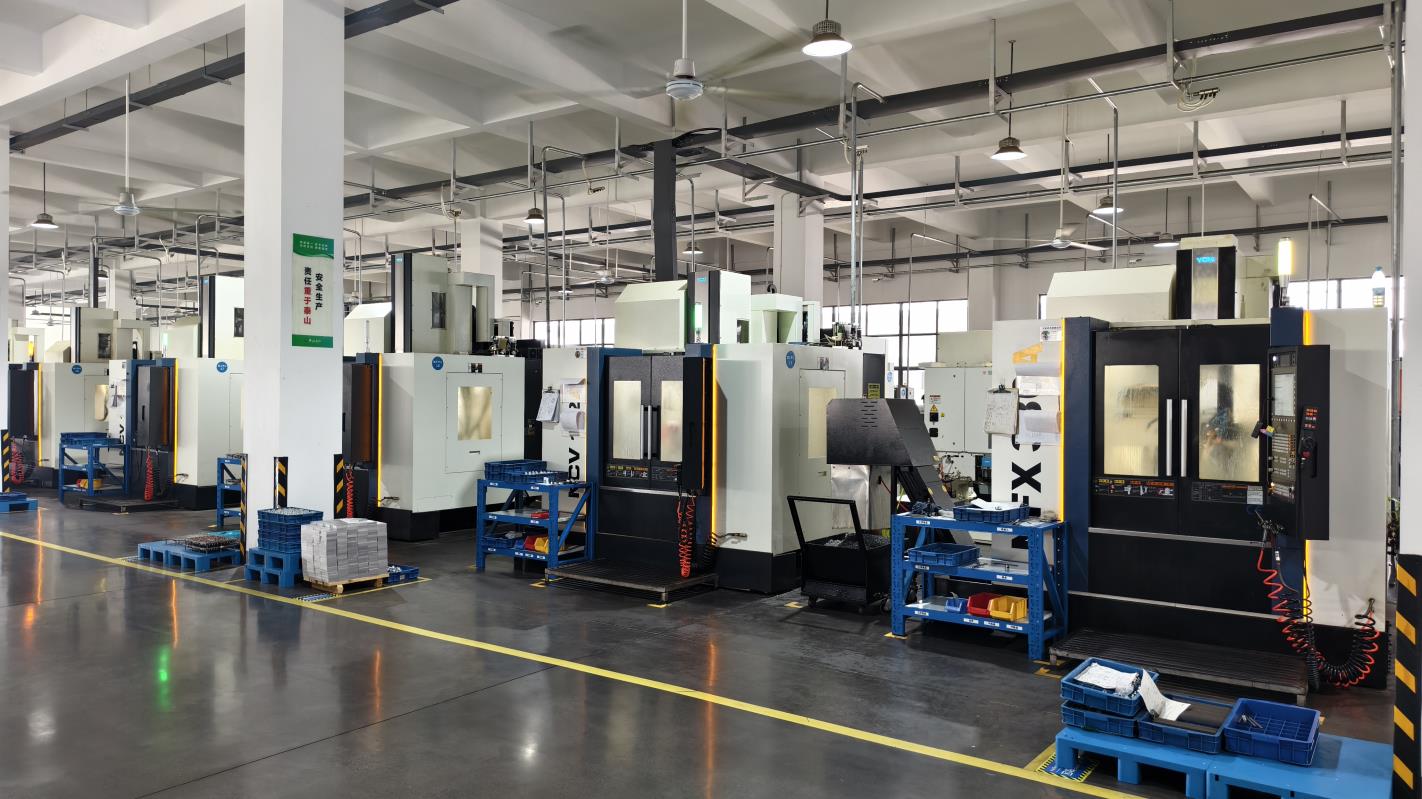
With a modern manufacturing facility covering 18,600 m², Moventra integrates advanced CNC machining, precision manufacturing, automated production lines, and strict quality management systems to ensure every product meets international medical standards. Our commitment to continuous innovation enables us to provide reliable OEM and ODM services for global medical device brands, distributors, and healthcare institutions.
Supported by an experienced R&D team and comprehensive quality assurance system, Moventra continuously develops innovative orthopedic solutions that improve surgical efficiency and patient outcomes. Our products are exported to customers worldwide and are trusted for their precision, safety, and consistent performance.
| Item | Details |
|---|---|
| Company Name | Moventra Medical Technology (China) Co., Ltd. |
| Brand | Moventra |
| Established | 2017 |
| Facility Area | 18,600 m² |
| Annual Export Revenue | USD 23.8 Million |
| Export Experience | 7 Years |
| Industry Experience | 13 Years |
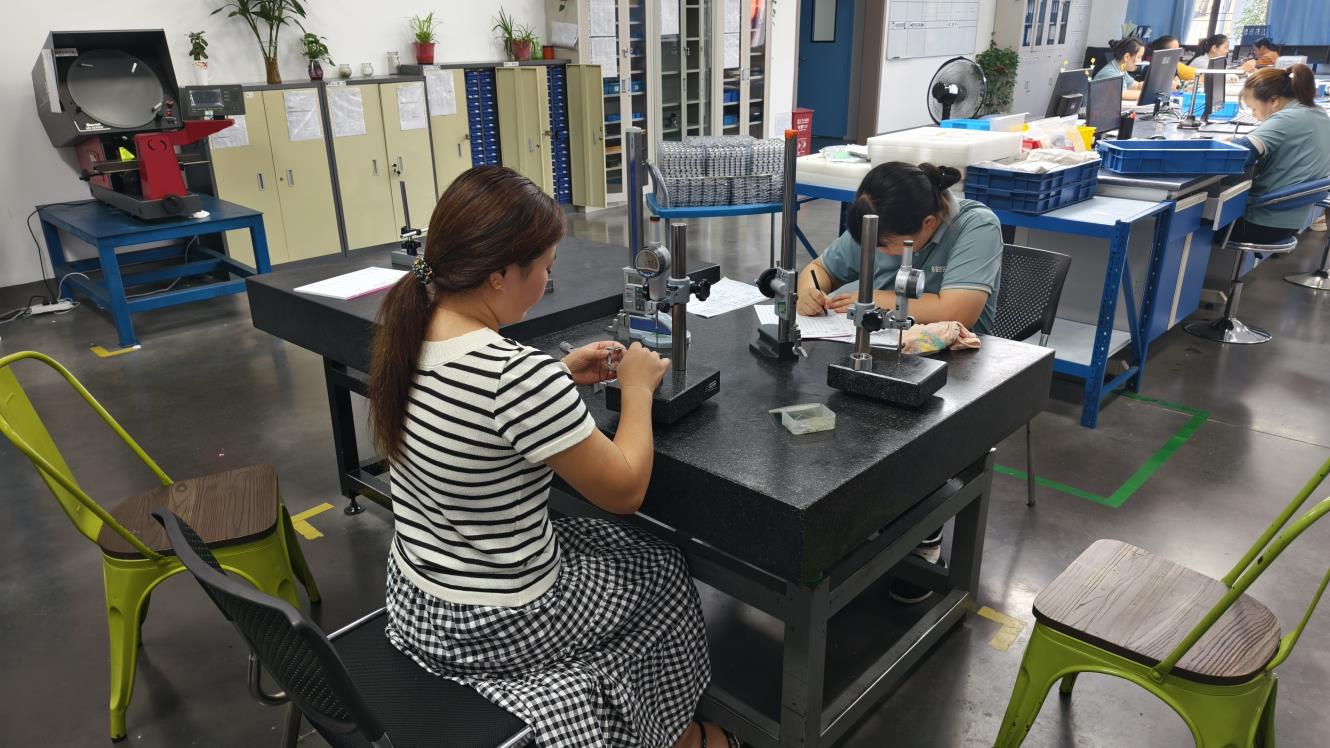
| Quality Inspection | 100% Quality Inspection Before Shipment |
| Product Inspection Methods | Dimensional Inspection, Material Analysis, Surface Finish Inspection, Mechanical Performance Testing, Sterility Verification |
| Quality Control Staff | 48 |
| Business Type | Manufacturer, OEM & ODM, Exporter |
| Main Markets | North America, Europe, South America, Middle East, Southeast Asia, Australia |
| Supply Chain Partners | 1,120 |
| Main Customer Types | Medical Device Brands, Orthopedic Distributors, Hospitals, Importers, Government Procurement Projects |
| R&D Capability | Independent Product Design, Rapid Prototyping, OEM/ODM Development, Customized Engineering Solutions |
| Customization Options | Logo Customization, Packaging Customization, Product Design Customization, Drawing-Based Manufacturing, Sample-Based Manufacturing |
| New Products Released Last Year | 156 |
| R&D Engineers | 86 |
State-of-the-Art Machining, Testing, and Packaging Capabilities
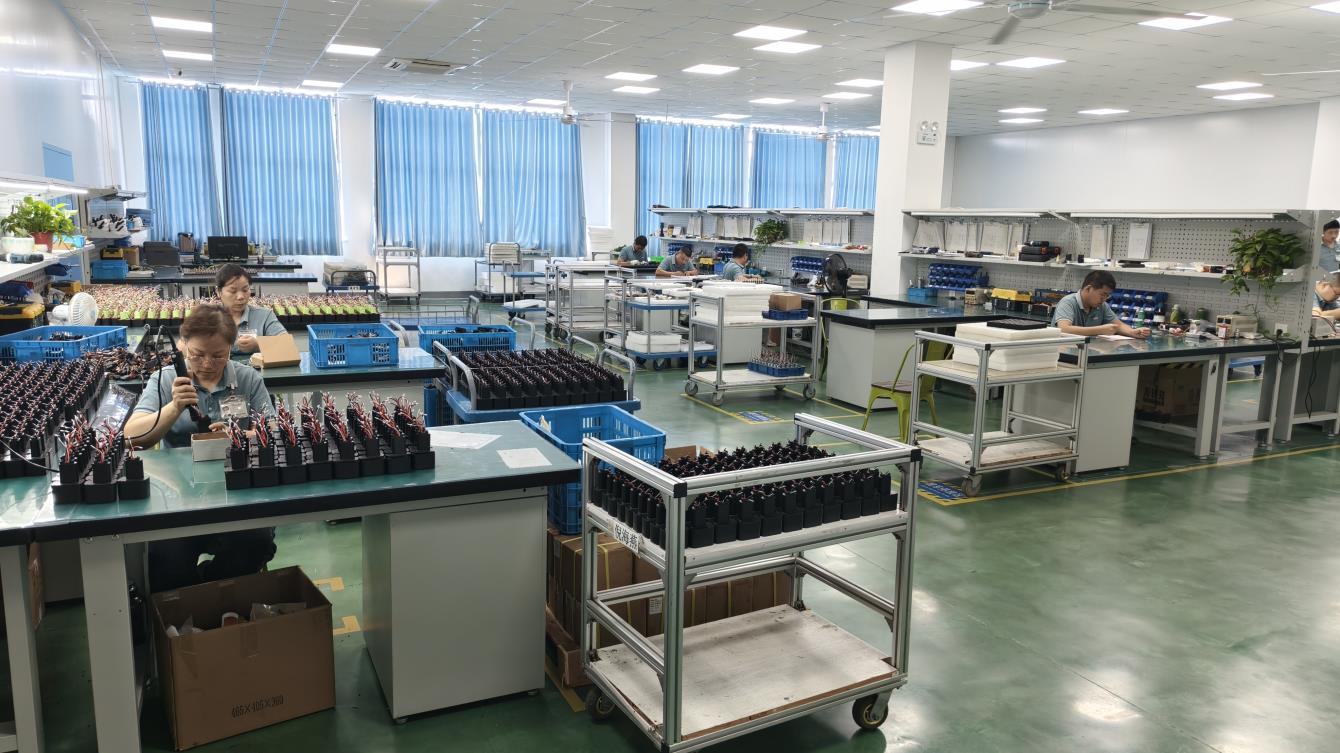
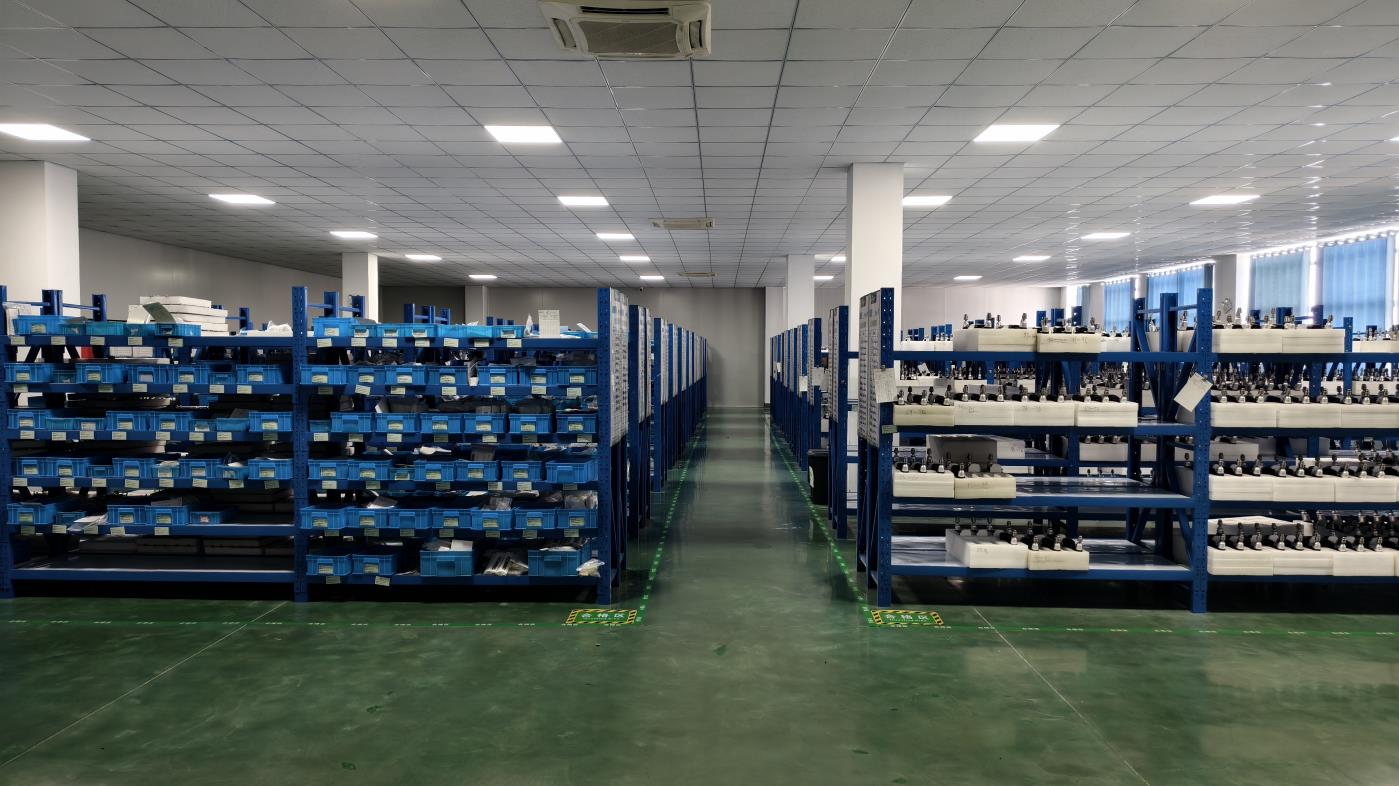
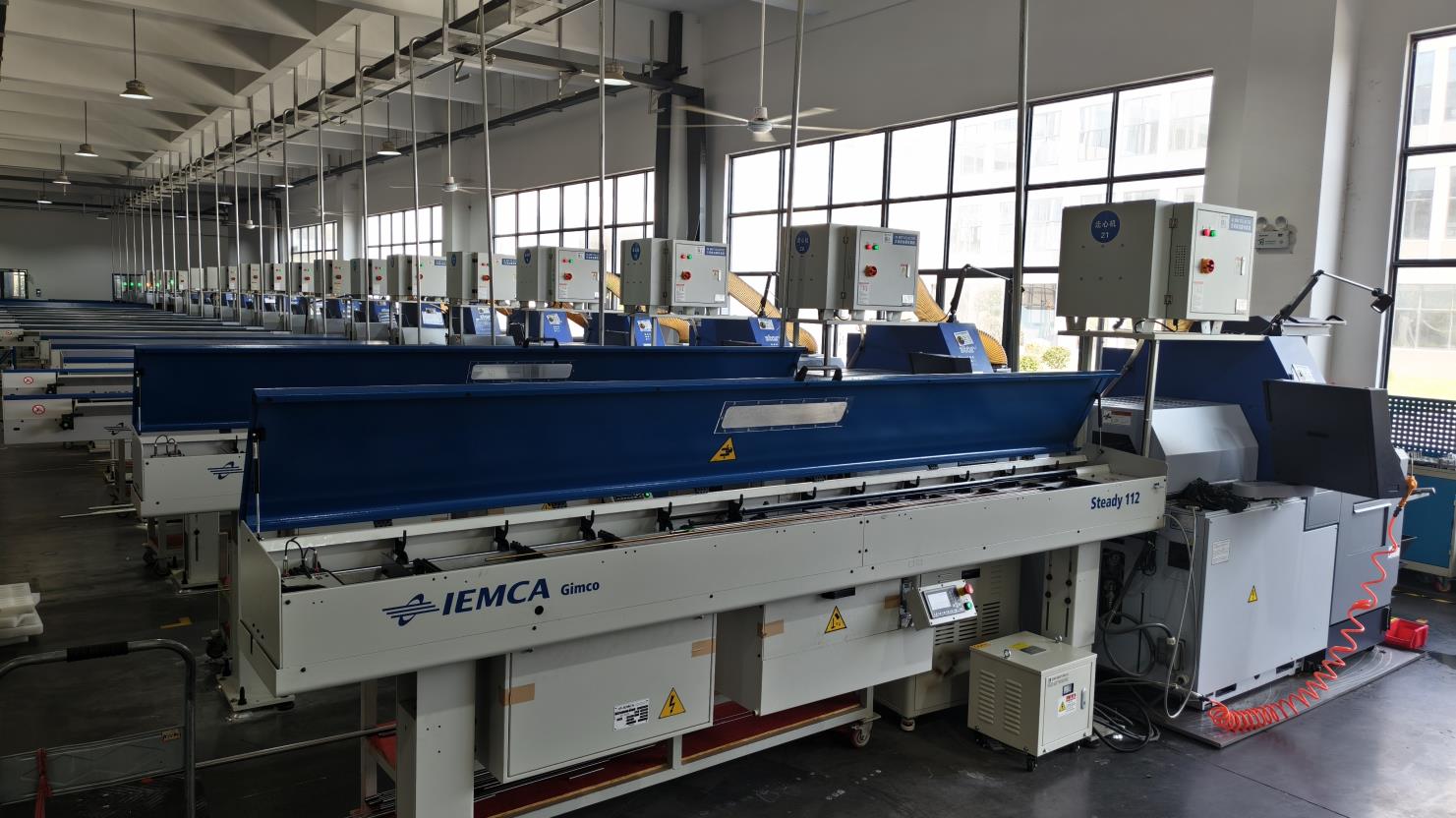
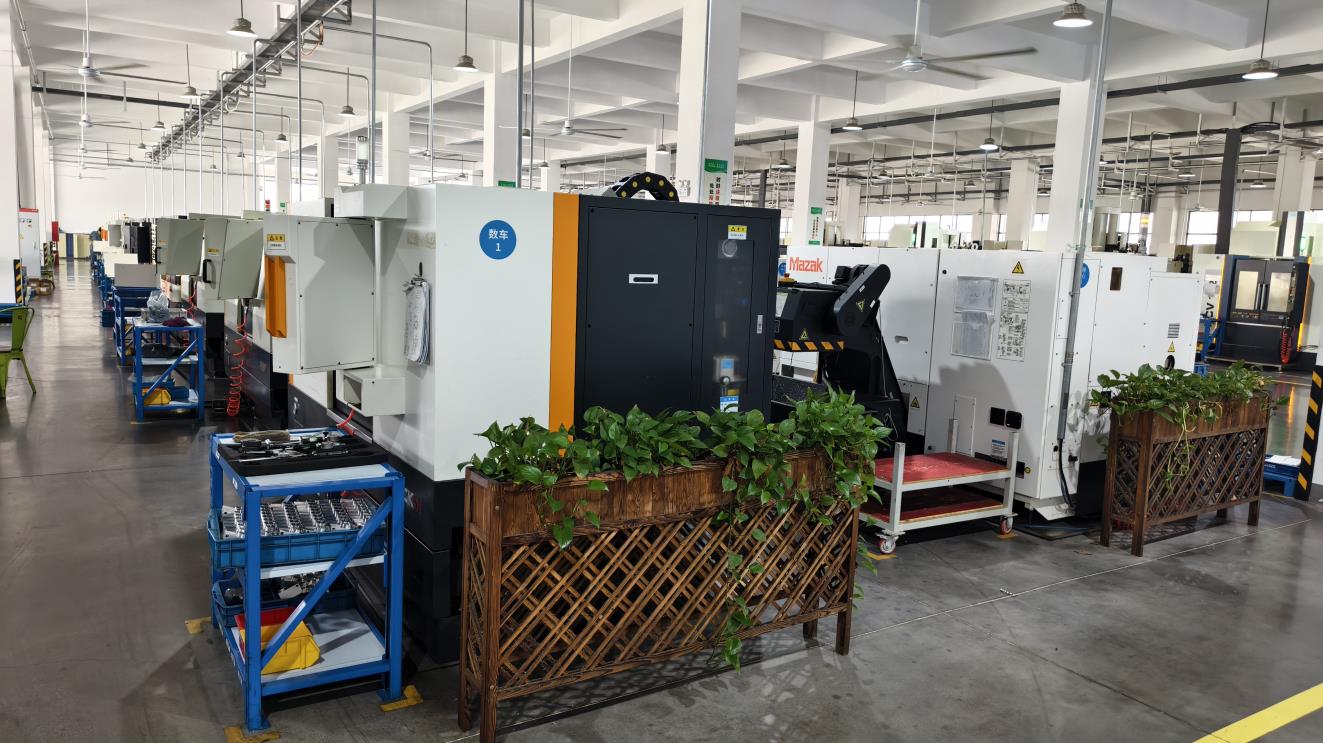
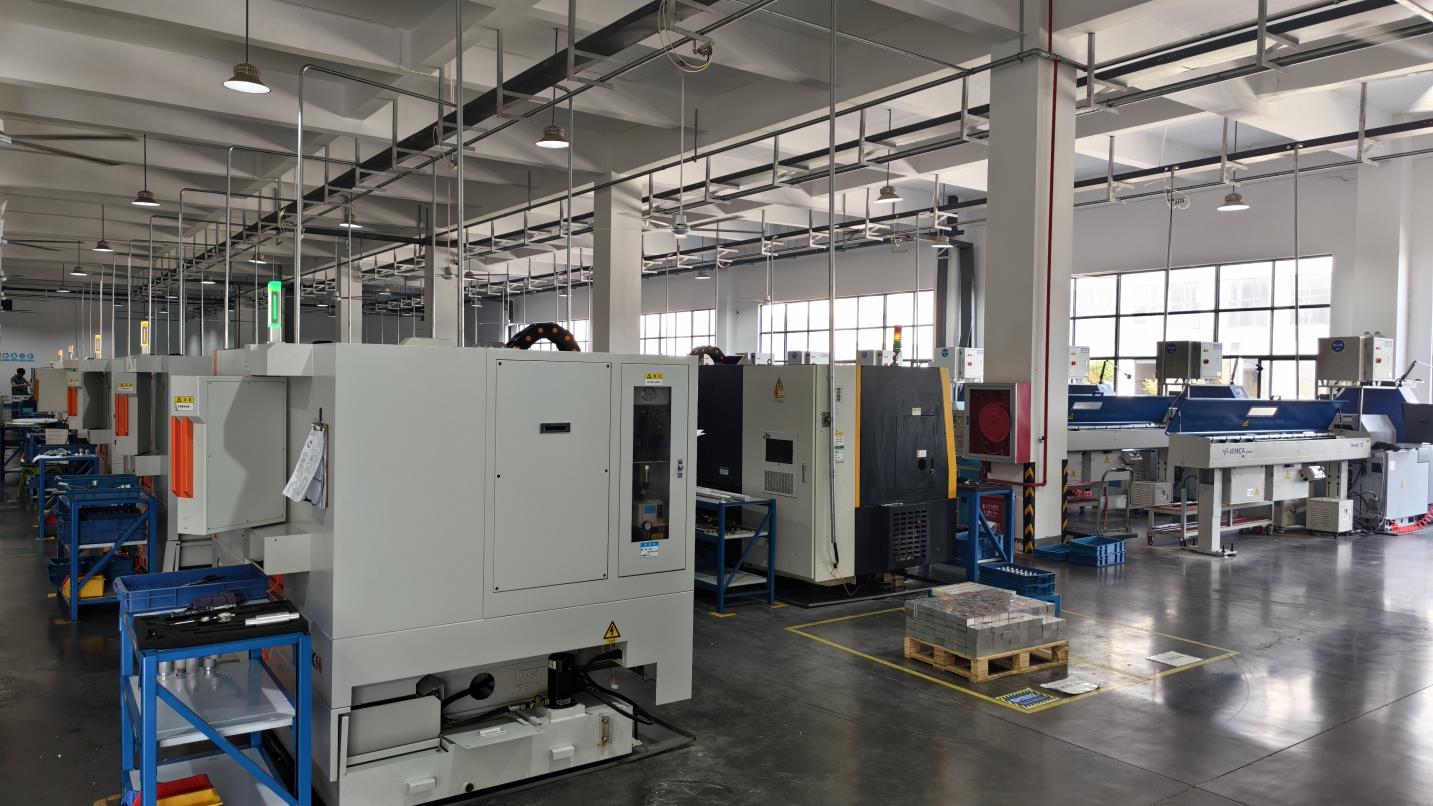
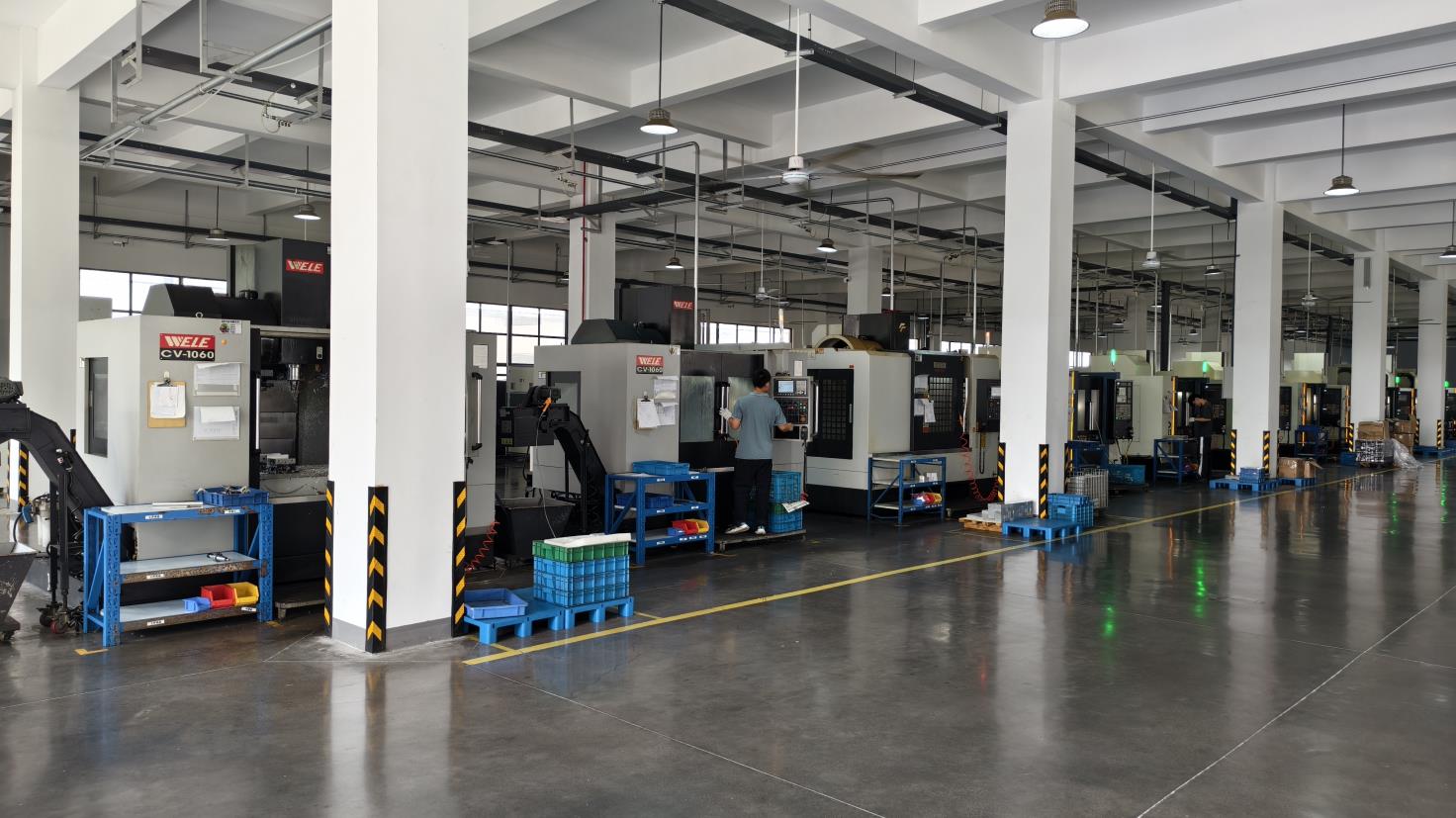
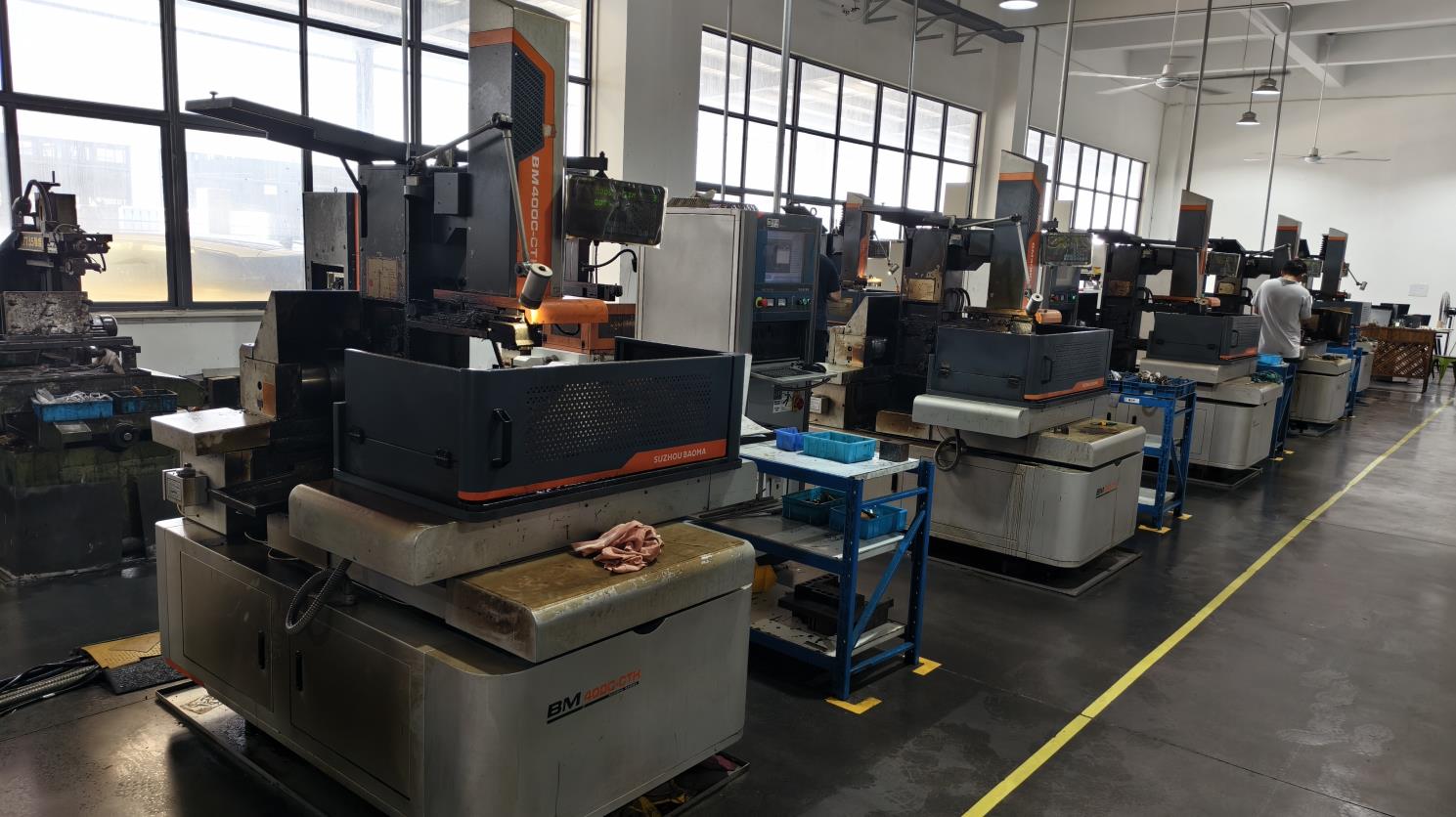
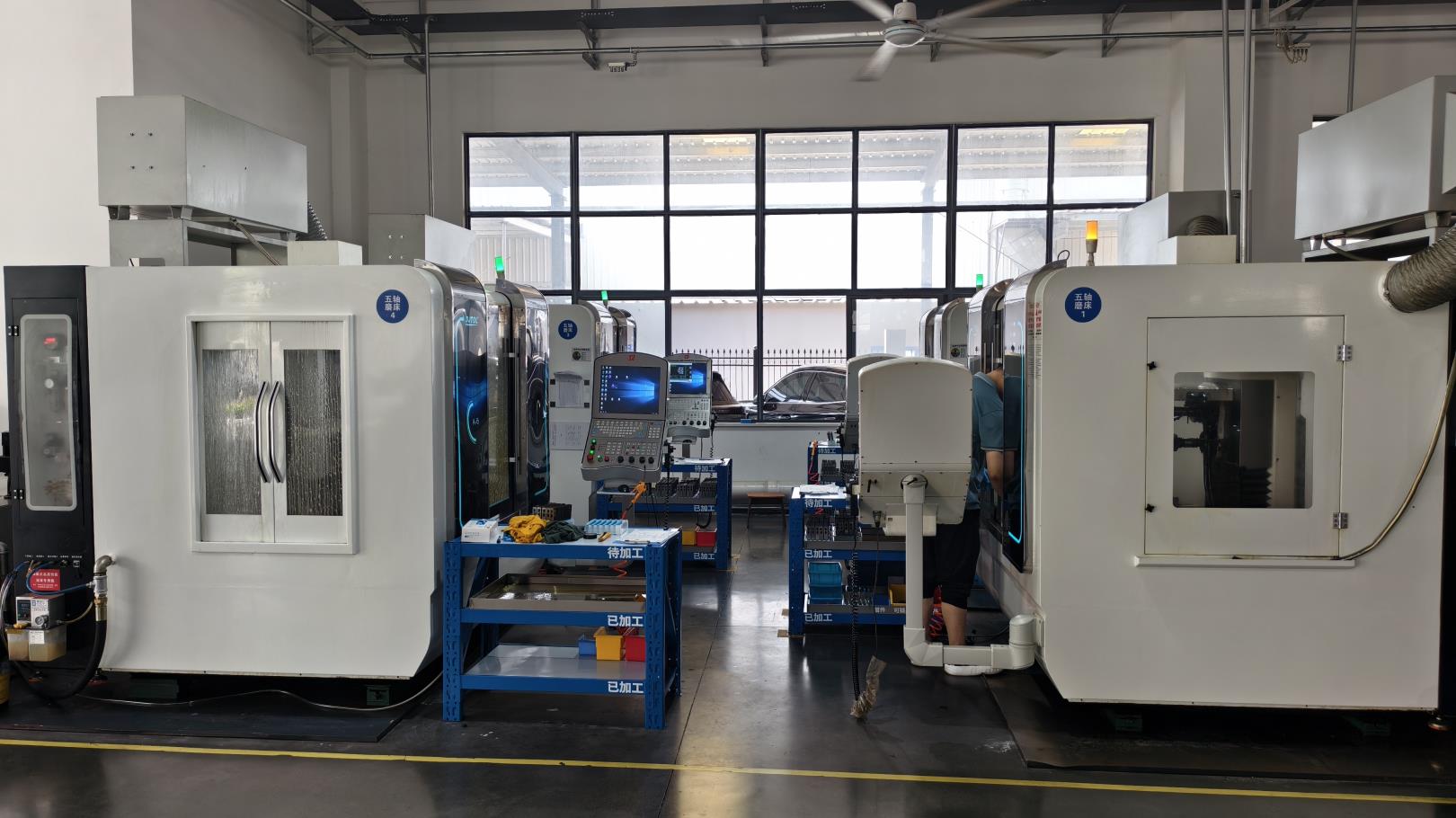
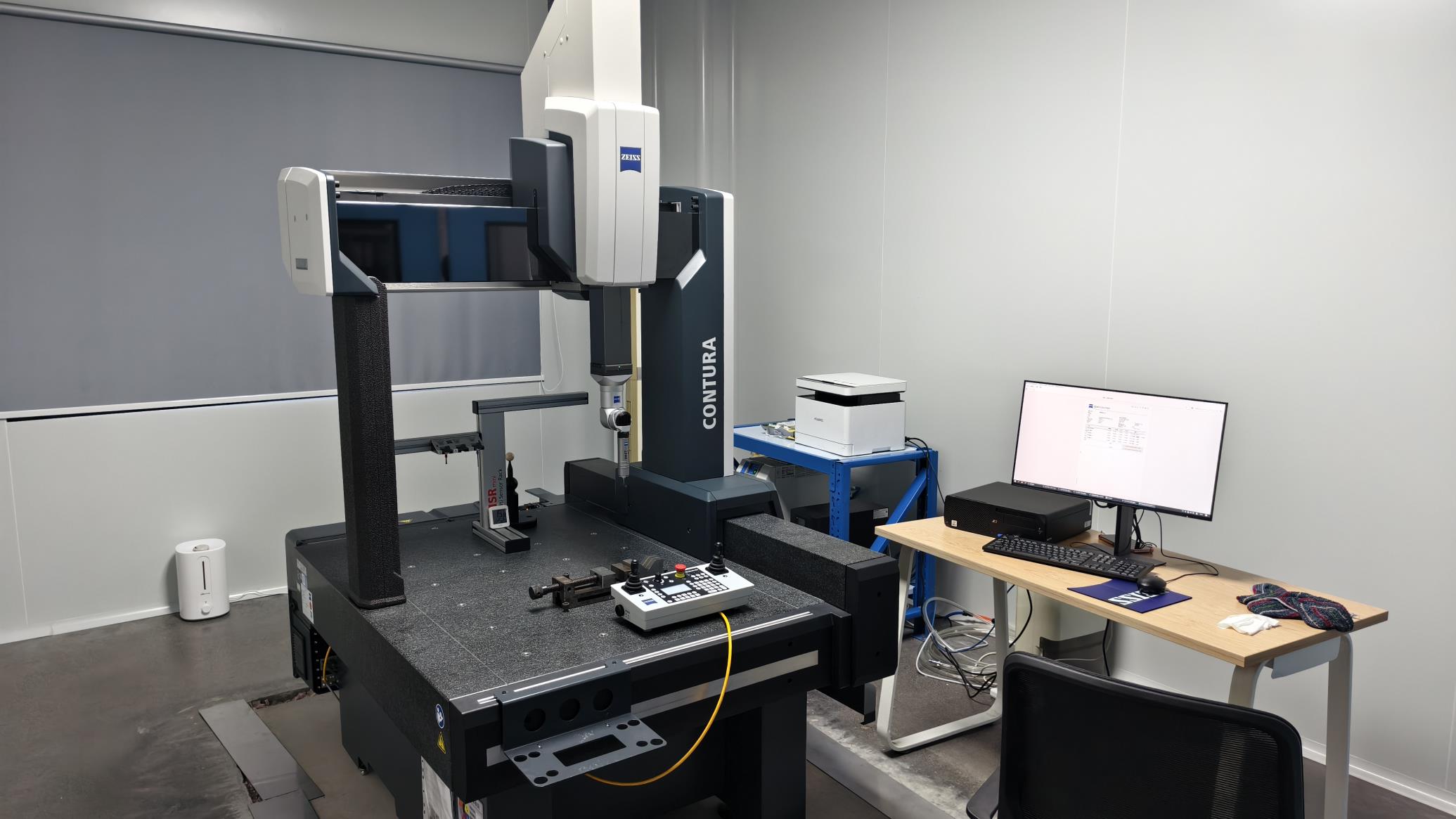
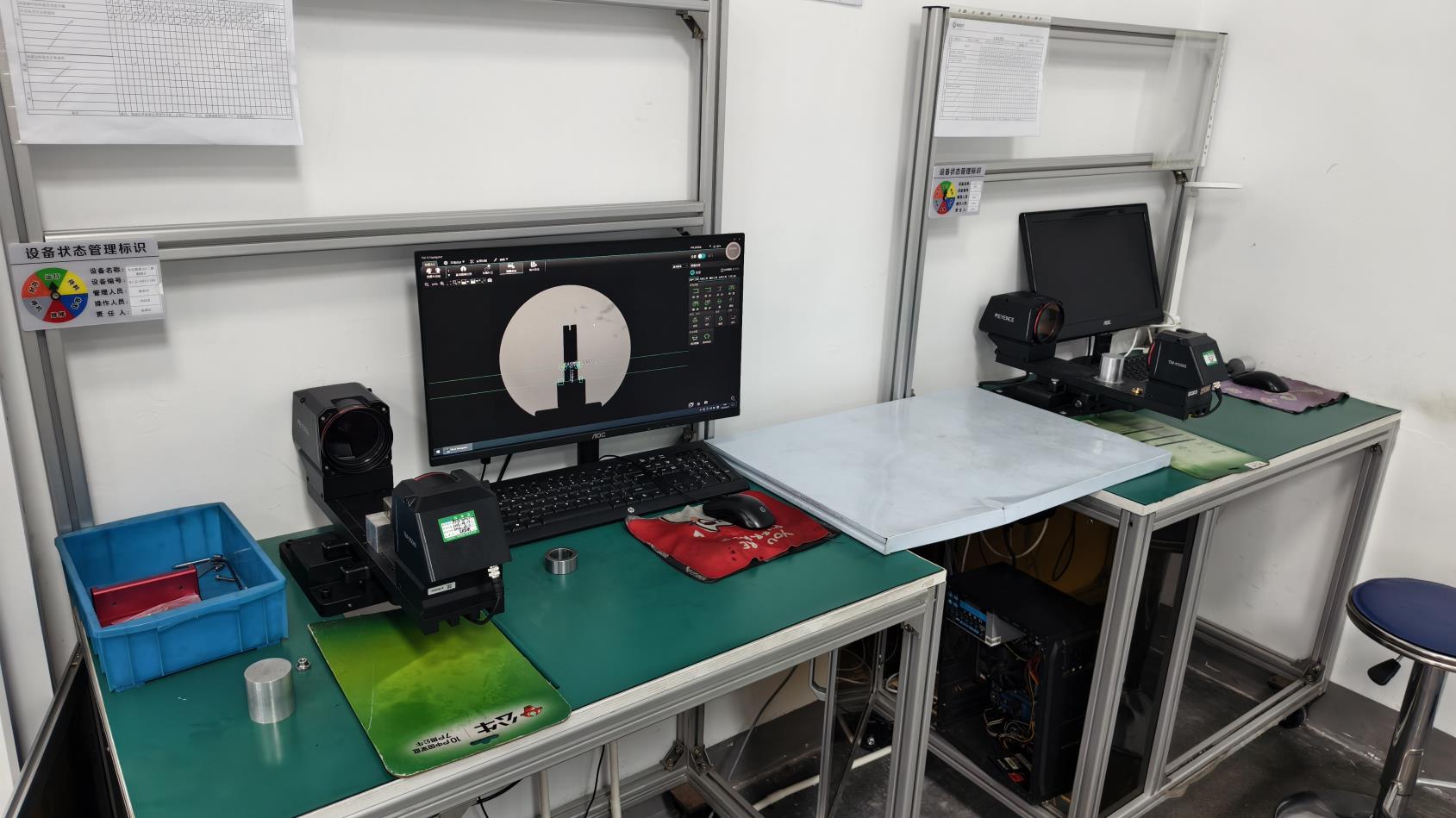
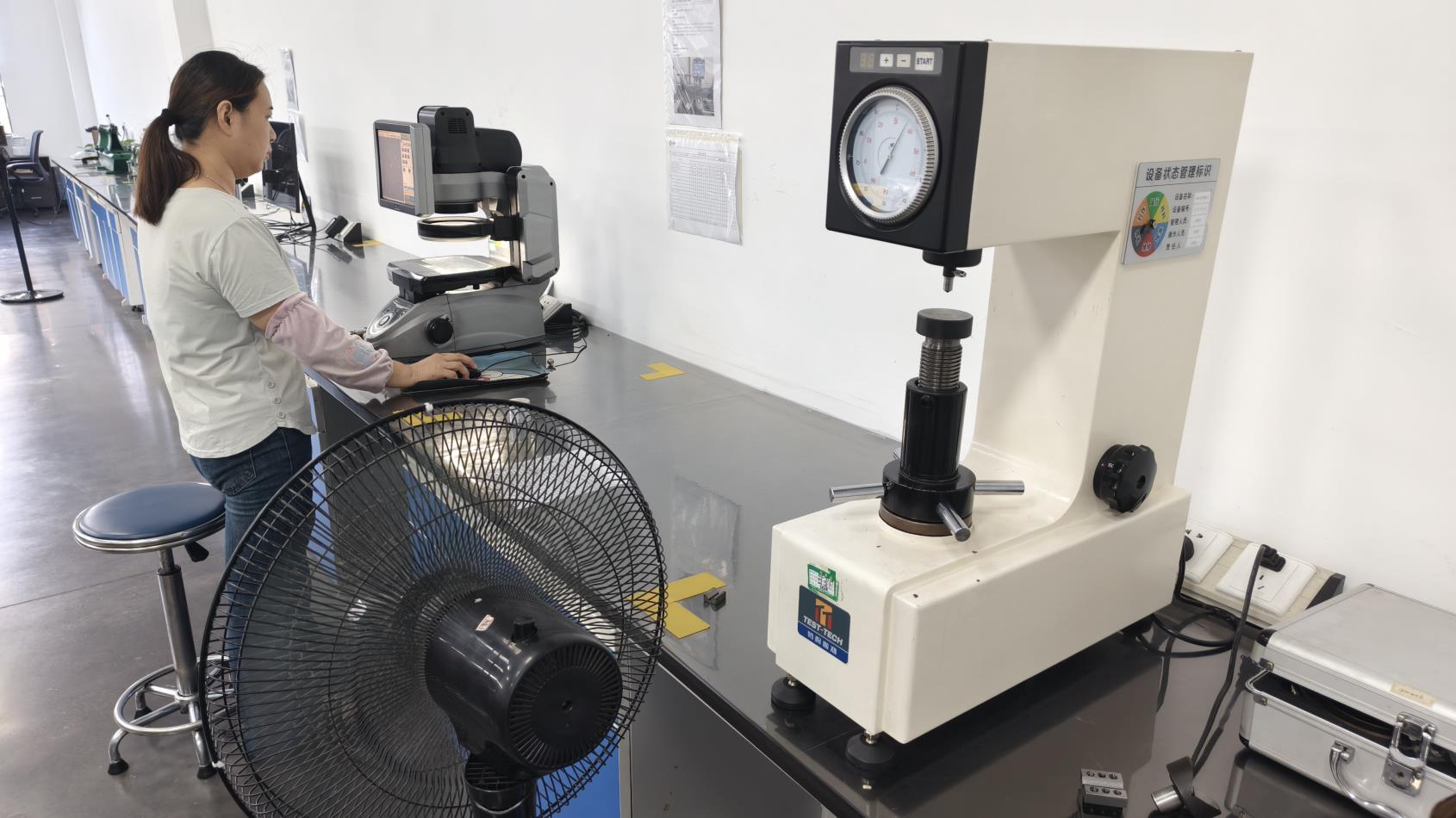
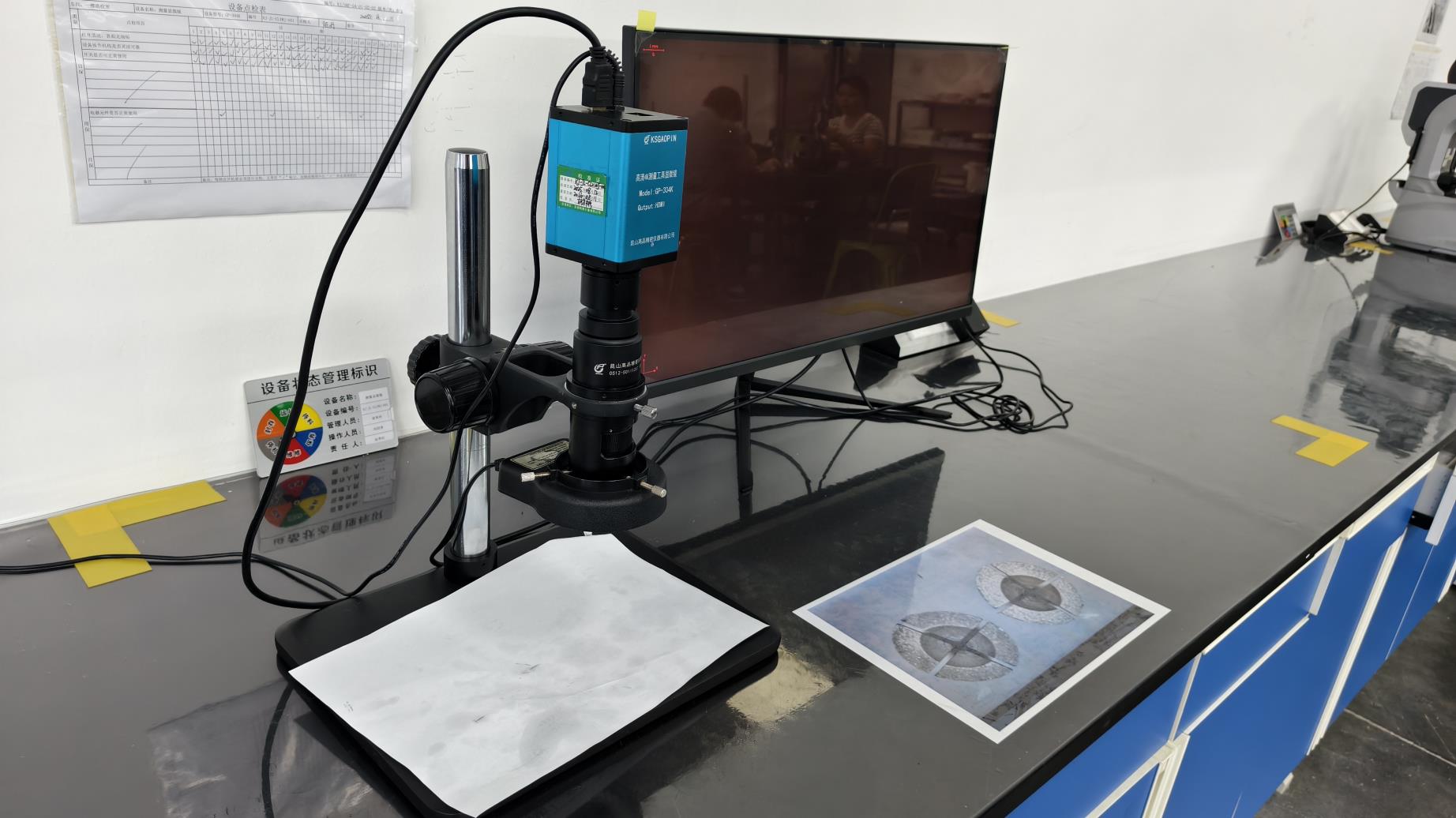
The global medical device sector has undergone a massive paradigm shift. Sourcing orthopedic implants from China is no longer merely an exercise in direct labor cost reduction. Today, global leaders buy from Chinese suppliers due to massive technological scalability, raw materials localization, and an incredibly robust regulatory ecosystem.
At Moventra Medical Technology, we leverage several critical localized industrial advantages:
We deploy high-speed multi-axis Citizen and Tsugami Swiss-type CNC lathes. These machine tools are specifically designed to turn long, slender titanium medical components with positional tolerances as tight as 5 micrometers (±0.005mm), ensuring flawless thread forms and absolute concentricity of the cannula.
Our raw material supply chain guarantees Grade 23 Ti-6Al-4V ELI (Extra Low Interstitial) medical-grade titanium alloy. This material features reduced concentrations of carbon, oxygen, nitrogen, and iron, providing higher fracture toughness, ductility, and fatigue resistance under cyclic biomechanical loads.
Implants and surgical instrument sets must be particulate-free. Moventra features certified Class 100,000 (ISO Class 8) cleanrooms where surgical screws undergo ultrasonic cleaning, passivated chemical rinsing, drying, and primary sterile packaging to eliminate pyrogens and foreign body particulates.
To ensure effective stabilization of bone fragments during fracture healing, we configure our cannulated screws based on precise orthopedical and biomechanical metrics:
Partially threaded screws are primarily utilized as lag screws. By positioning the threaded segment entirely inside the far bone fragment and having the smooth shank cross the fracture line, turning the screw generates a compressive force across the fracture site (interfragmentary compression). Fully threaded screws are deployed when stabilization is required without compression, maintaining structural separation while neutralizing shear stresses.
Our screws incorporate optimized flute geometry at their tip. The self-tapping variant cuts its own thread path as it advances, which minimizes bone necrosis caused by friction and heat. Self-drilling variants feature a distinct cutting edge that removes the need for pre-drilling, simplifying procedures in emergency and trauma rooms.
To facilitate removal of implants after bone union has occurred, our screws feature specialized reverse-cutting flutes. When the surgical driver is rotated counterclockwise during revision surgery, these flutes clear fibrous tissue and bone ingrowth out of the screw head, preventing stripping.
For international medical device brands and hospital distributors, establishing a resilient supply chain is critical. The regulatory landscape (including the transition to the European Union’s Medical Device Regulation, EU MDR) has intensified scrutiny on manufacturing traceability and post-market surveillance.
Moventra addresses this with a robust Quality Management System (QMS) certified to ISO 13485:2016 standards:
Every raw material batch receives a certified mill test report (MTR). Laser-marked unique device identifiers (UDI) allow complete tracking from the titanium bar stock directly to the operating room.
We provide full-spectrum OEM and ODM workflows. Clients can request specialized thread styles, anodization colors, and peel-pack sterile packaging configurations with tailored barcode labels.
We supply non-sterile implants for hospital autoclaving or pre-sterilized formats processed through validated Gamma Irradiation or Ethylene Oxide (EtO) sterilization routines.
We subject screw batches to axial pullout tests, torsional yield strength trials, and driving torque evaluations in synthetic bone mediums, adhering strictly to ASTM F543 requirements.
Clinicians require precise dimensional matrices to fit various anatomical applications. Sizing options typically span diameter profiles ranging from 2.0mm micro-screws up to 7.3mm heavy trauma screws.
These large-diameter screws provide high bending and shear stiffness. Placed in a parallel "triangular" configuration, they resist varus bending moment loads, facilitating optimal compression and preventing femoral head collapse in elderly or high-impact trauma patients.
For carpal and tarsal repairs, micro-cannulated headless screws are used. Being headless, they can be driven flush with or below the articular cartilage surface, preventing impingement against adjacent joint tissues.
Commonly deployed in distal tibia and fibula ankle fractures. The medium diameter provides a balance of compression and structural hold, securing anatomical reduction while keeping soft-tissue irritation to a minimum.
With the rapid expansion of advanced veterinary surgical care, there is high demand for miniature cannulated systems for cruciate ligament repairs and micro-fracture stabilization in companion animals and horses.
The field of orthopedic osteosynthesis continues to evolve. Staying ahead of these market changes ensures long-term clinical relevance and supply chain optimization.
Technical, Manufacturing, and Regulatory Inquiries
Reliable Solutions for Spine, Trauma, and Reconstruction
 Moventra Medical