China Best Titanium Interference Screws Factories & Suppliers

Expert-Level Orthopedic & Sports Medicine Fixation Solutions: Architectural Precision, Metallurgical Integrity, and Dynamic Clinical Performance.

1. The Global Landscape of Titanium Interference Screws

In contemporary sports medicine and reconstructive orthopedics, the secure fixation of soft tissue or bone-tendon-bone (BTB) autografts and allografts remains a primary determinant of successful patient outcomes. Titanium interference screws have served as the foundational gold standard for anterior cruciate ligament (ACL) and posterior cruciate ligament (PCL) reconstructions. While polymer-based and bioabsorbable alternatives have emerged, high-strength titanium alloys (specifically Ti-6Al-4V ELI / ASTM F136) continue to dominate global clinical preference due to their unrivaled primary mechanical stability, predictable integration profile, and absence of adverse inflammatory tissue degradation responses.

The global demand for reliable, cost-efficient, and structurally precise titanium interference screws is escalating. Driven by an increase in active athletic lifestyles, expanding geriatric populations undergoing joint arthroplasties, and growing healthcare accessibility in emerging economies, global medical device brands and orthopedic distributors are turning to China’s advanced medical manufacturing sectors. Leading manufacturers like Moventra Medical Technology (China) Co., Ltd. represent the pinnacle of this integration, coupling advanced Swiss-type CNC precision machining with stringent ISO 13485 quality management architectures to deliver clinical-grade implants to global markets.

"Clinical consensus highlights that immediate primary pullout strength is the single most critical factor in preventing early graft slippage during aggressive rehabilitation cycles. Metal interference screws consistently demonstrate higher insertion torque thresholds and less thread damage risk compared to their polymeric counterparts."

2. Structural Anatomy & Technical Specifications of Titanium Interference Screws

A premium titanium interference screw is not merely a threaded fastener; it is a highly engineered biomechanical interface. Every architectural feature must be optimized to maximize bone-tendon contact without causing lacerations to the graft tissue during insertion:

Asymmetrical Thread Pitch

Designed with a blunt, non-cutting leading thread to prevent graft laceration, combined with a deep, sharp trailing edge that maximizes purchase in cancellous bone.

Fully Cannulated Geometry

Accommodates standard guide wires (typically 1.1mm to 1.5mm) to ensure axial alignment, preventing off-axis insertion and divergent screw trajectories in deep femoral tunnels.

Optimized Drive Types

Features Star (Torx) or Hexagonal driver connections to maximize torque transmission and eliminate stripping risks during dense tibial or femoral cortical bone engagement.

Comparing Screw Material Science: Titanium vs. Bioabsorbable vs. PEEK

For sports medicine procurement directors, selecting the correct material represents a balance between biological integration and mechanical security:

  • Titanium Alloy (Ti-6Al-4V ELI): Yields the highest pullout strength (typically > 500 N depending on bone density). It is highly biocompatible and undergoes passive osseointegration, forming direct contact with host bone. There is zero risk of late-stage sterile abscesses or osteolysis, which are sometimes associated with fast-degrading bioabsorbable screws.
  • PEEK (Polyetheretherketone): Possesses a modulus of elasticity closer to cortical bone, reducing stress-shielding. However, it does not osseointegrate natively unless modified with bioactive coatings (like Calcium Phosphate or HA), and it remains in the body permanently as a foreign body.
  • Bioabsorbable (PLDLA / TCP): Designed to degrade gradually as bone heals. However, degradation rate mismatch can lead to premature mechanical failure, tunnel widening, or localized inflammatory reactions due to acidic degradation byproducts.

3. Technical Roadmap: Advanced Manufacturing & Engineering in Chinese Factories

The manufacturing of titanium interference screws in leading Chinese facilities follows a sophisticated technological roadmap that bridges material science and mechanical engineering:

Phase 1: Raw Material Procurement and Certification

Quality begins with raw titanium ingot quality. Chinese orthopedic leaders procure medical-grade titanium wire rods certified under ASTM F136 and ISO 5832-3. Every batch is subjected to rigorous chemical composition spectroscopy and mechanical tensile testing to verify that chemical limits for elements like hydrogen, nitrogen, and oxygen are kept within Extra Low Interstitial (ELI) thresholds.

Phase 2: Swiss-Type CNC Micro-Machining

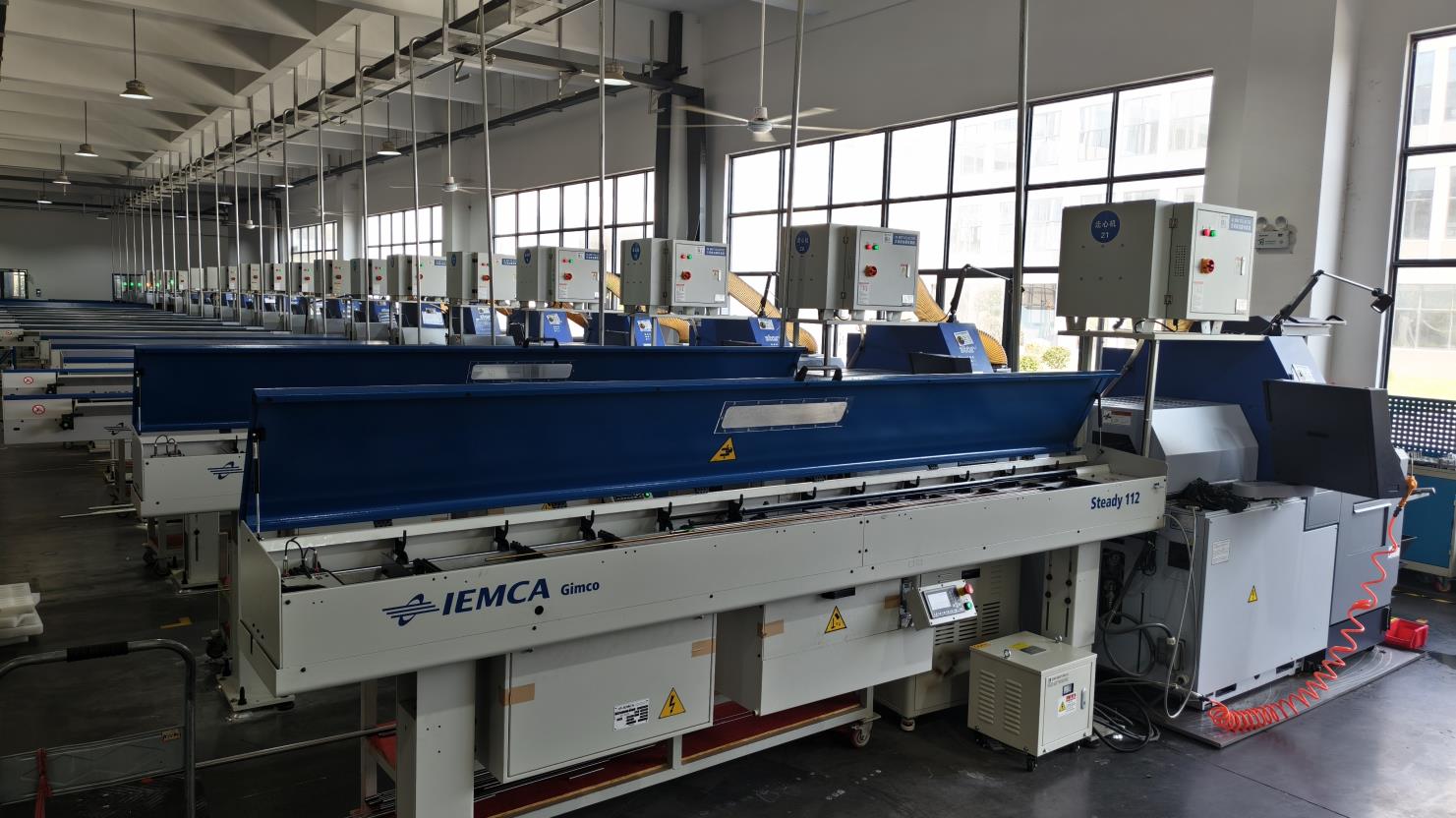
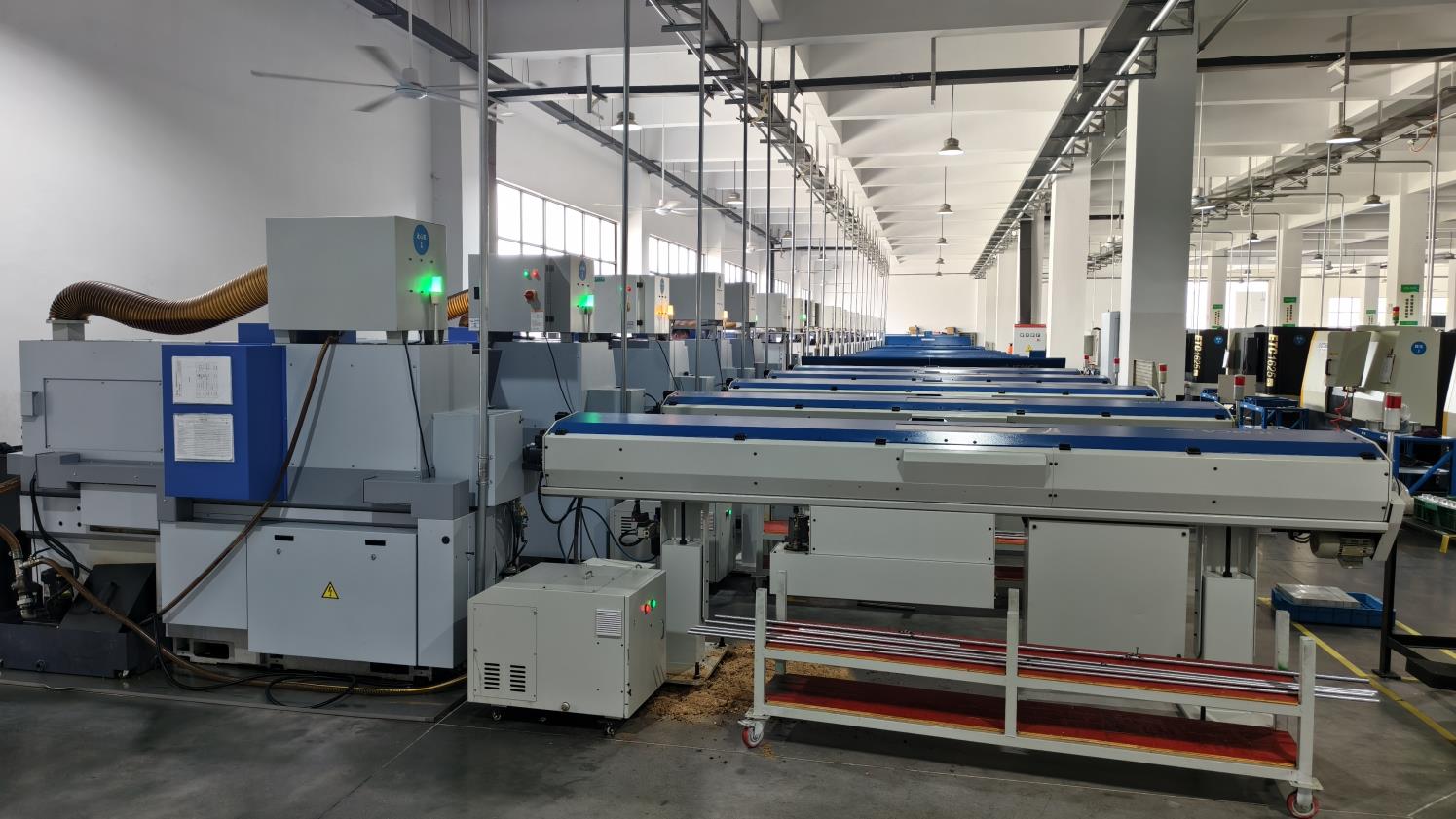
Modern interference screws feature complex geometry that cannot be produced on standard lathes. Factories utilize multi-axis, Swiss-type CNC machining centers (e.g., Tsugami, Star, or Citizen machines) to turn, mill, and drill the screw body in a single setup. This ensures perfect concentricity between the cannulation hole and the external thread profile, with dimensional tolerances held tightly within ±0.01 mm.

Phase 3: Surface Modification & Passivation

To enhance osseointegration and surface biocompatibility, machined screws undergo advanced surface treatments:

  • Anodic Oxidation: Creates a uniform titanium oxide surface layer that increases corrosion resistance and allows for color-coding of screw diameters (e.g., green for 7mm, blue for 8mm, gold for 9mm) to simplify intraoperative identification.
  • Acid Etching and Passivation: Removes residual metallic ions and micro-burrs, creating a micro-rough surface profile that promotes osteoblast adhesion and acceleration of bone-to-implant contact (BIC).

Phase 4: Sterility Assurance & Packaging

Finished screws are cleaned using multi-stage ultrasonic wash systems using deionized water. They are packaged inside Class 100,000 (ISO Class 8) cleanrooms into double-barrier medical pouches or blister packs, ready for sterilization (Ethylene Oxide or Gamma Irradiation).
Moventra Medical Technology Co., Ltd.

A premier Chinese developer and global OEM/ODM manufacturer of state-of-the-art orthopedic devices and instruments.

Established in 2017, Moventra Medical Technology (China) Co., Ltd. is a professional manufacturer specializing in the research, development, production, and global supply of orthopedic medical devices and surgical solutions. Over the past 7 years, we have scaled our operations to provide elite OEM and ODM services for global medical device brands, distributors, and healthcare institutions.

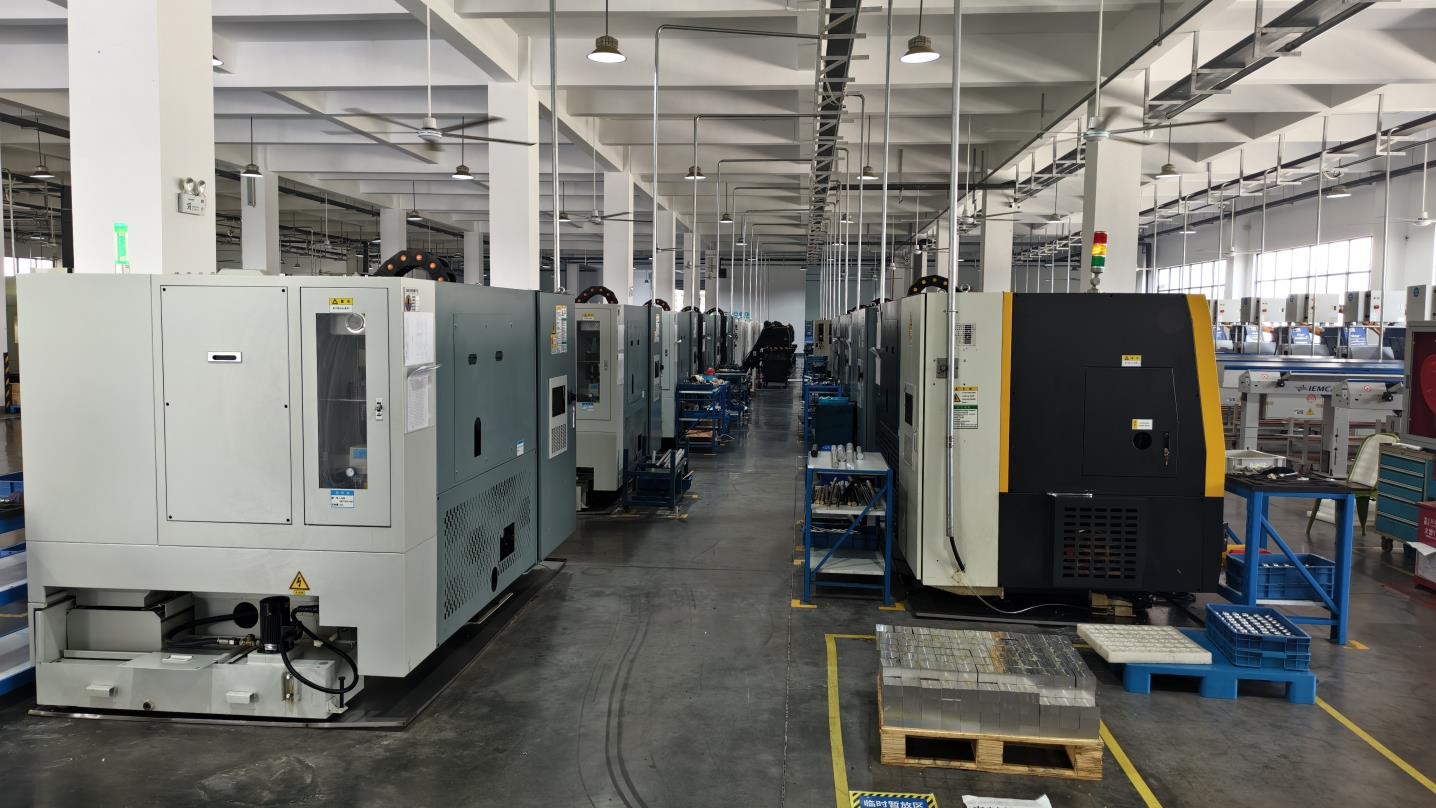
Operating out of a modern manufacturing facility covering 18,600 m², Moventra integrates advanced CNC machining, automated production lines, and comprehensive quality control testing systems to ensure that every implant meets international medical standards.

2017
Established Year
18,600 m²
Facility Area
$23.8M
Annual Export Rev.
86
R&D Engineers
Operational Parameters Details & Specifications
Company Name & Brand Moventra Medical Technology (China) Co., Ltd. | Brand: Moventra
Industry Experience 13 Years of Professional Technical Experience (7 Years Export Experience)
Quality Control Staff 48 Quality Control Professionals
Quality Inspection 100% Quality Inspection Before Shipment
Product Inspection Methods Dimensional Inspection, Material Analysis, Surface Finish Inspection, Mechanical Performance Testing, Sterility Verification
Main Markets North America, Europe, South America, Middle East, Southeast Asia, Australia
Supply Chain Partners 1,120 Certified Logistics & Material Supply Partners
R&D Capability & Customization Independent Product Design, Rapid Prototyping, OEM/ODM Development, Customized Engineering Solutions (Logo, Packaging, Drawing-Based)
New Products Released Last Year 156 Innovative Designs & Iterations

4. Chinese Supply Chain Resilience & Cost-Efficiency Advantages

The global sourcing of orthopedic implants has shifted significantly toward specialized Chinese clusters. The competitive advantage offered by Chinese medical manufacturers is built upon structural and macroeconomic factors that guarantee supply chain continuity:

Geographical Clusters and Material Access

Major medical device clusters in regions like Jiangsu (Changzhou/Suzhou) house integrated ecosystems. From titanium melting and bar drawing to surface processing laboratories, sterilization facilities, and customs clearance hubs, all steps in the manufacturing cycle occur within close proximity. This geographic density minimizes logistics delays and limits the impact of global supply chain disruptions.

Unrivaled Production Capacity and Lead Times

Leveraging advanced Swiss-type lathe machining and automated testing equipment, Chinese factories maintain high throughput levels. Scale efficiencies permit manufacturers to manage volatile demand cycles, offering significantly shorter lead times (typically 4–6 weeks for customized batches) than Western counterparts, which often struggle with backlogs extending over several months.

Scale-Driven Cost Efficiencies

By combining vertically integrated supply systems, lower tooling costs, and government-supported industrial infrastructure, Chinese suppliers offer high quality at competitive unit prices. This enables global distributors to increase their margins while providing cost-effective surgical options to healthcare institutions globally.

5. Clinical Application Scenarios: Where Titanium Screws Perform

Titanium interference screws are utilized across a wide spectrum of sports medicine reconstructive surgeries, providing critical primary mechanical fixation:

  • Anterior Cruciate Ligament (ACL) Reconstruction: Used to secure either a soft tissue graft (e.g., hamstring tendon autograft) or a Bone-Patellar Tendon-Bone (BTB) graft within the femoral and tibial tunnels. The screw compresses the graft against the bone tunnel wall, prompting rapid ligamentization.
  • Posterior Cruciate Ligament (PCL) Reconstruction: Similar to ACL surgeries, PCL reconstruction requires implants with high torsional and pullout strength to withstand the significant forces exerted on the posterior knee joint.
  • Medial Collateral Ligament (MCL) & Lateral Collateral Ligament (LCL) Repair: Provides anchoring support for reconstructive grafts in complex, multi-ligament knee injuries.
  • Foot and Ankle Ligament Reconstruction: Used for tendon transfers and lateral ankle ligament stabilization (such as the Brostrom-Gould procedure) using smaller-diameter interference screws (typically 4mm to 6mm).

In these scenarios, surgeons select screw dimensions based on tunnel diameter, graft size, and bone density. The choice of titanium ensures that the screw remains inert, providing lifetime stability without requiring secondary removal surgeries, unless revision arthroplasty is indicated.

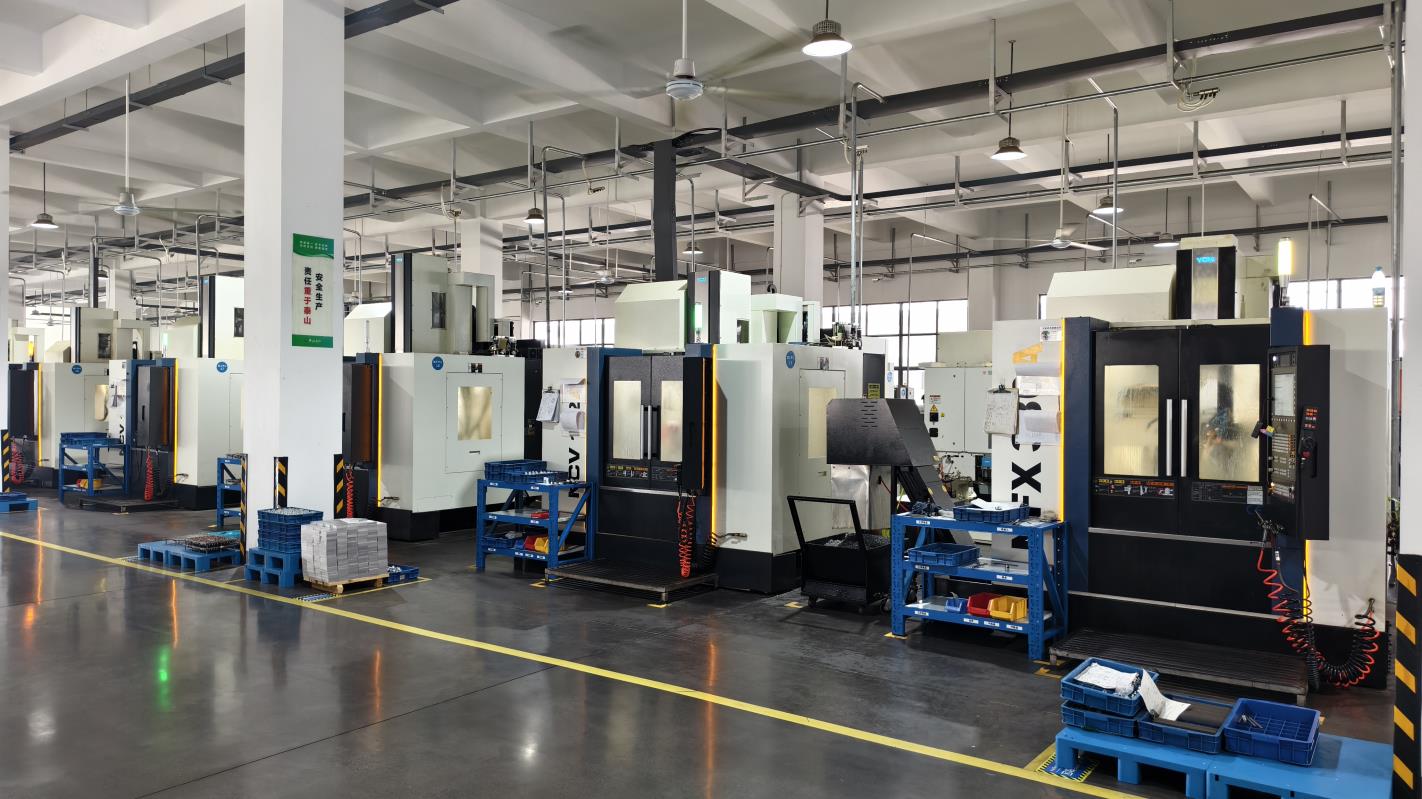
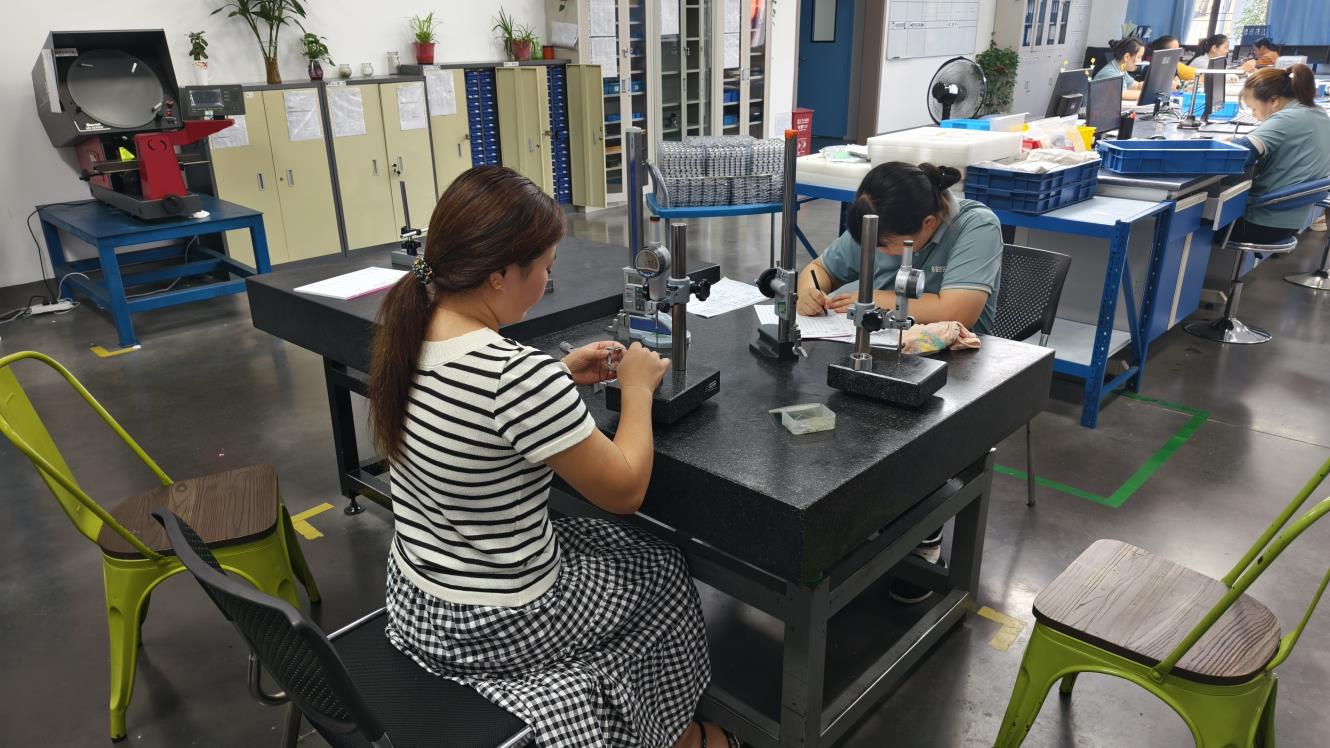
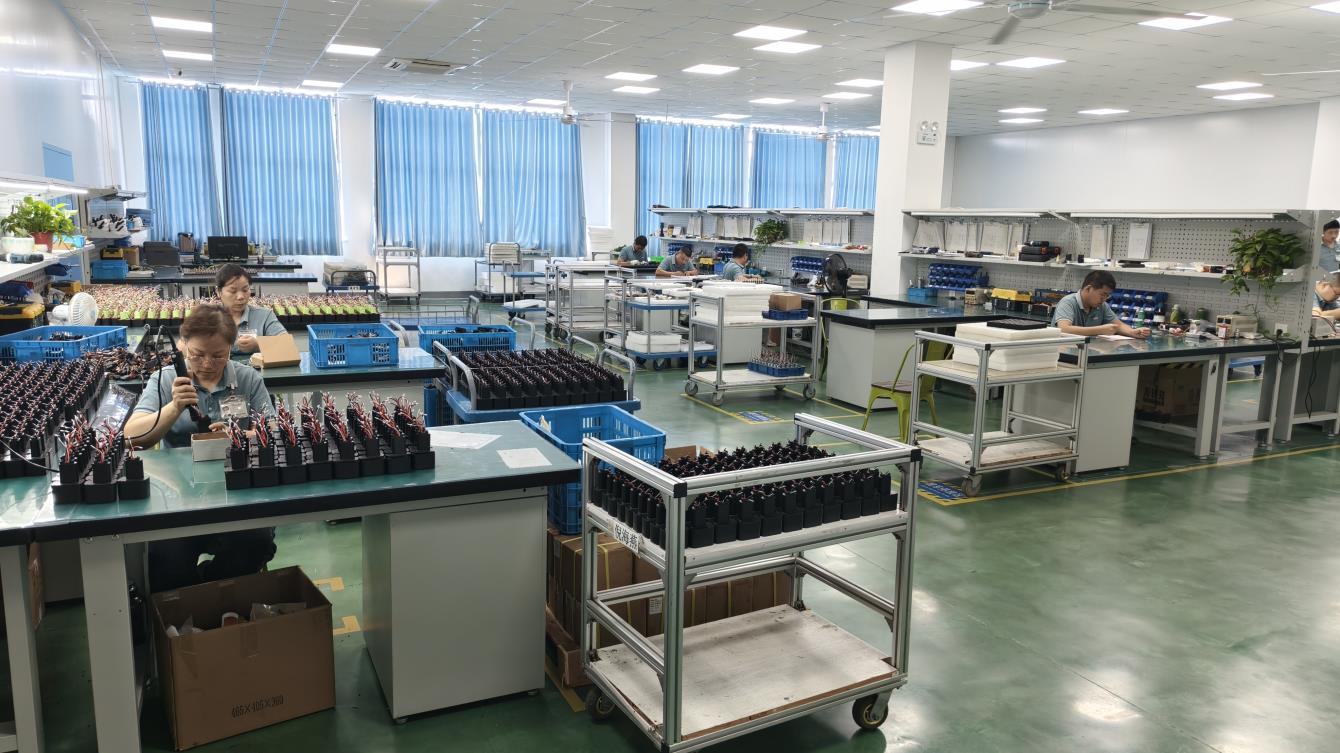
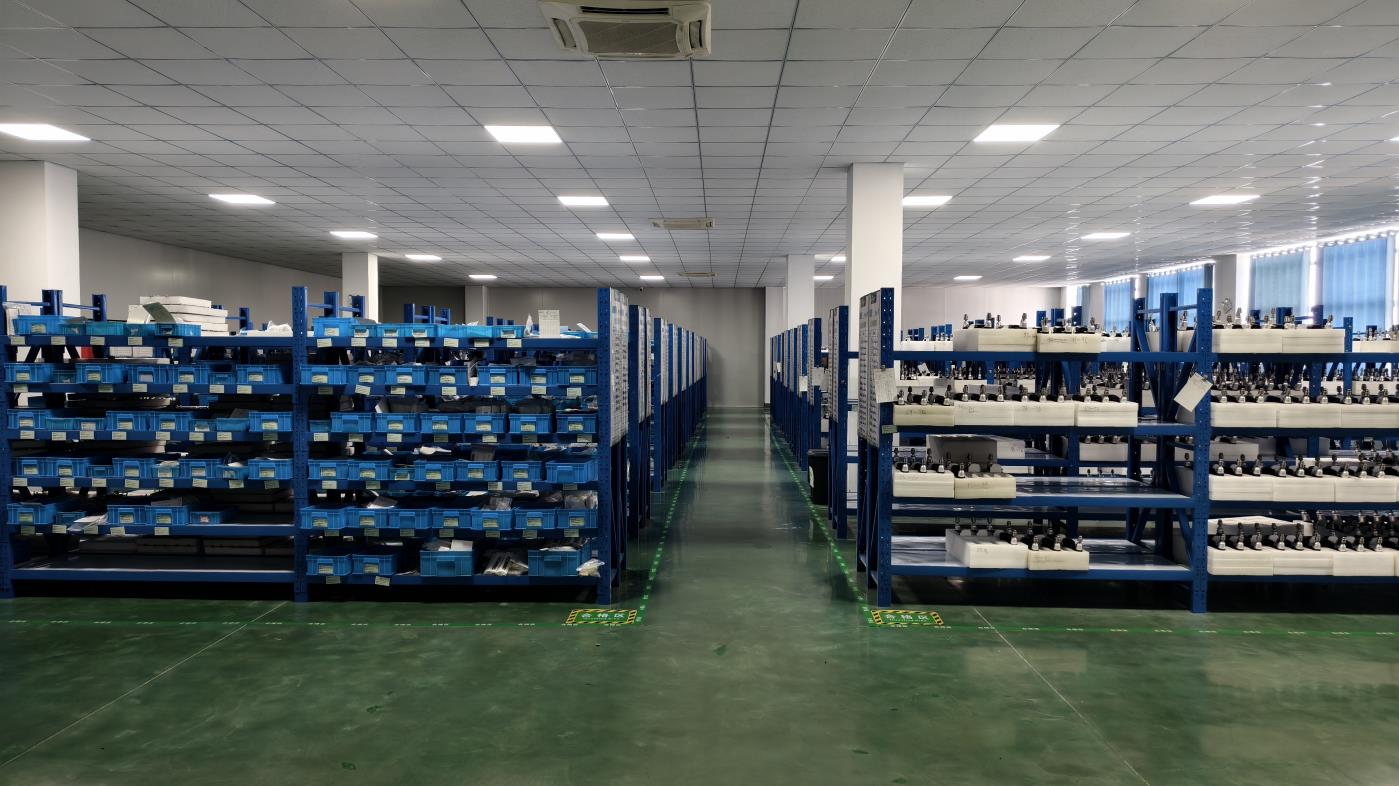
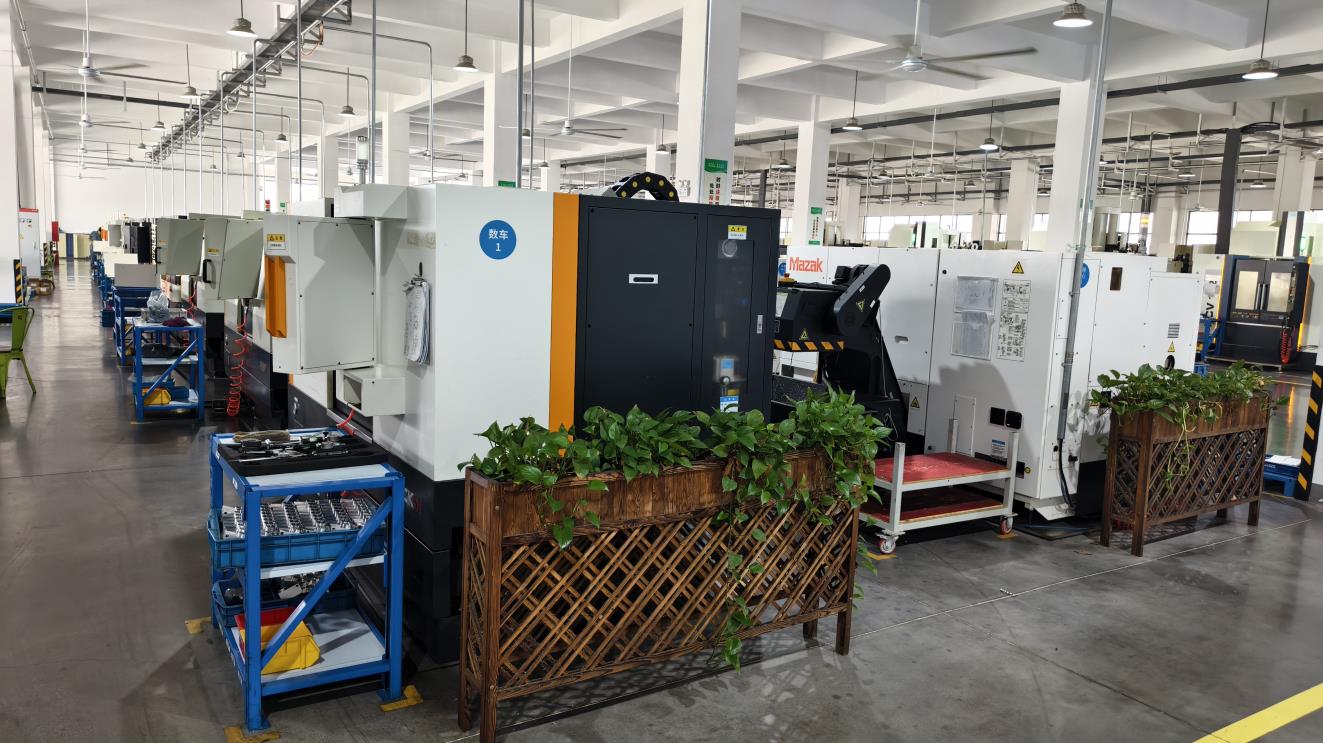
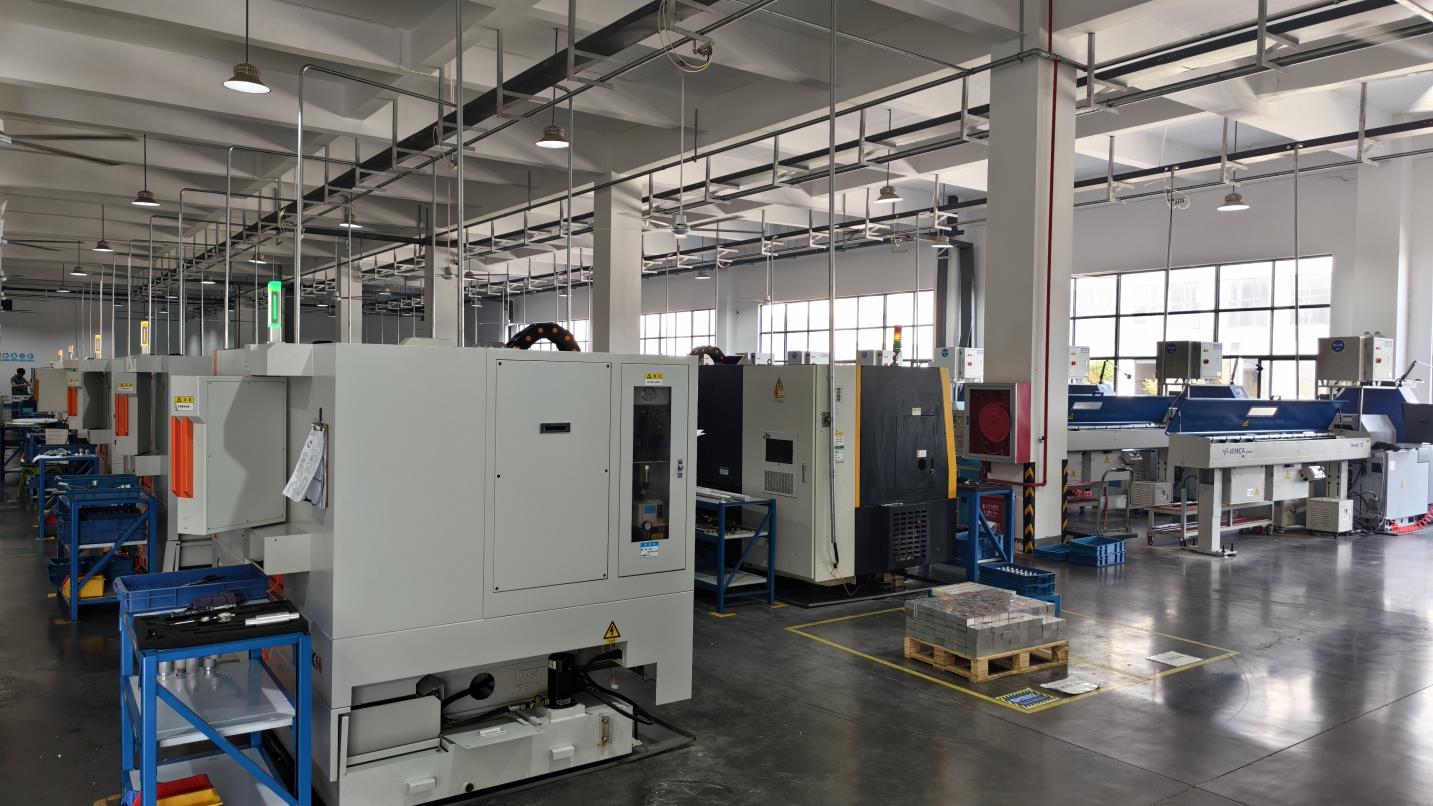
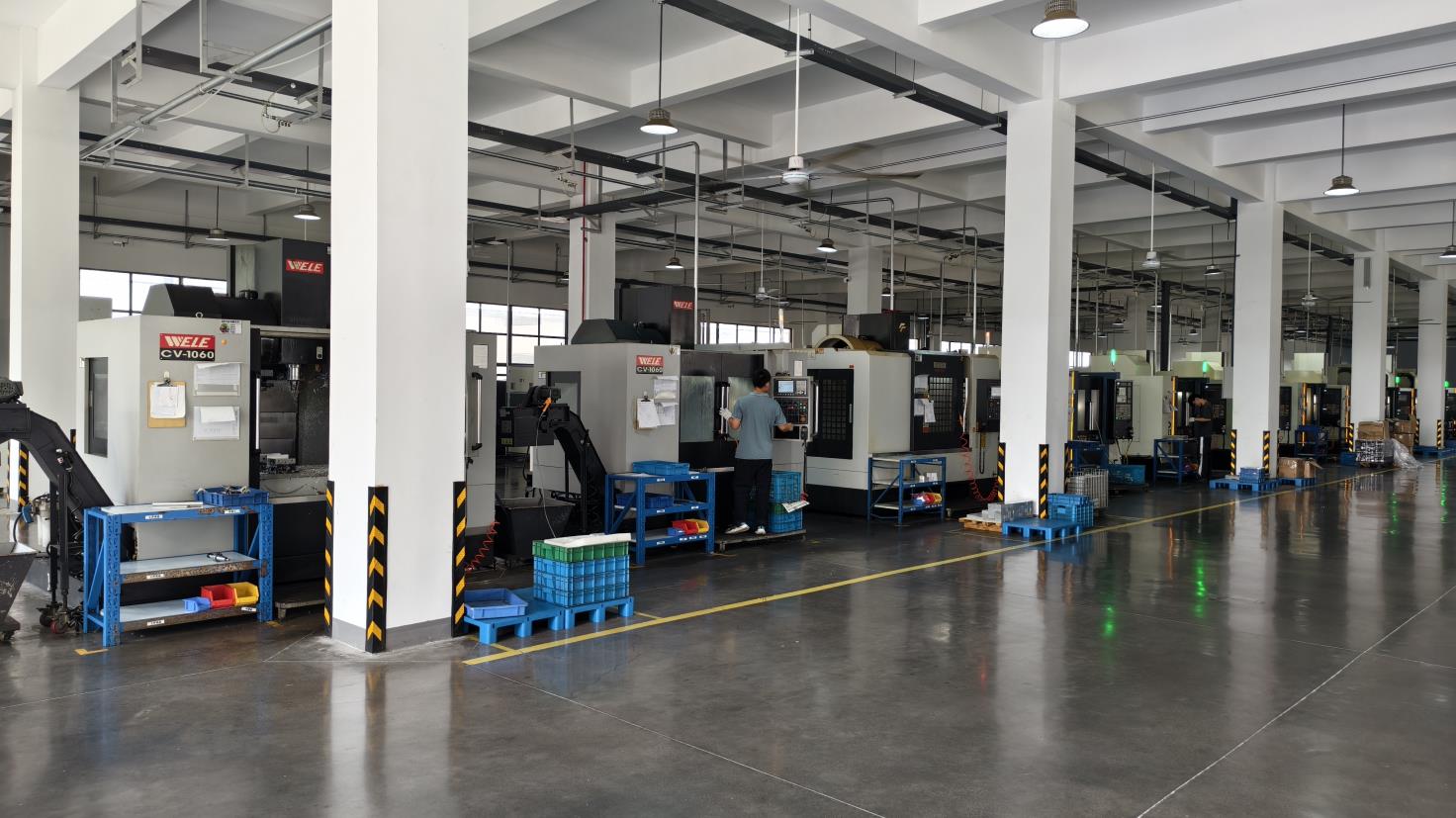
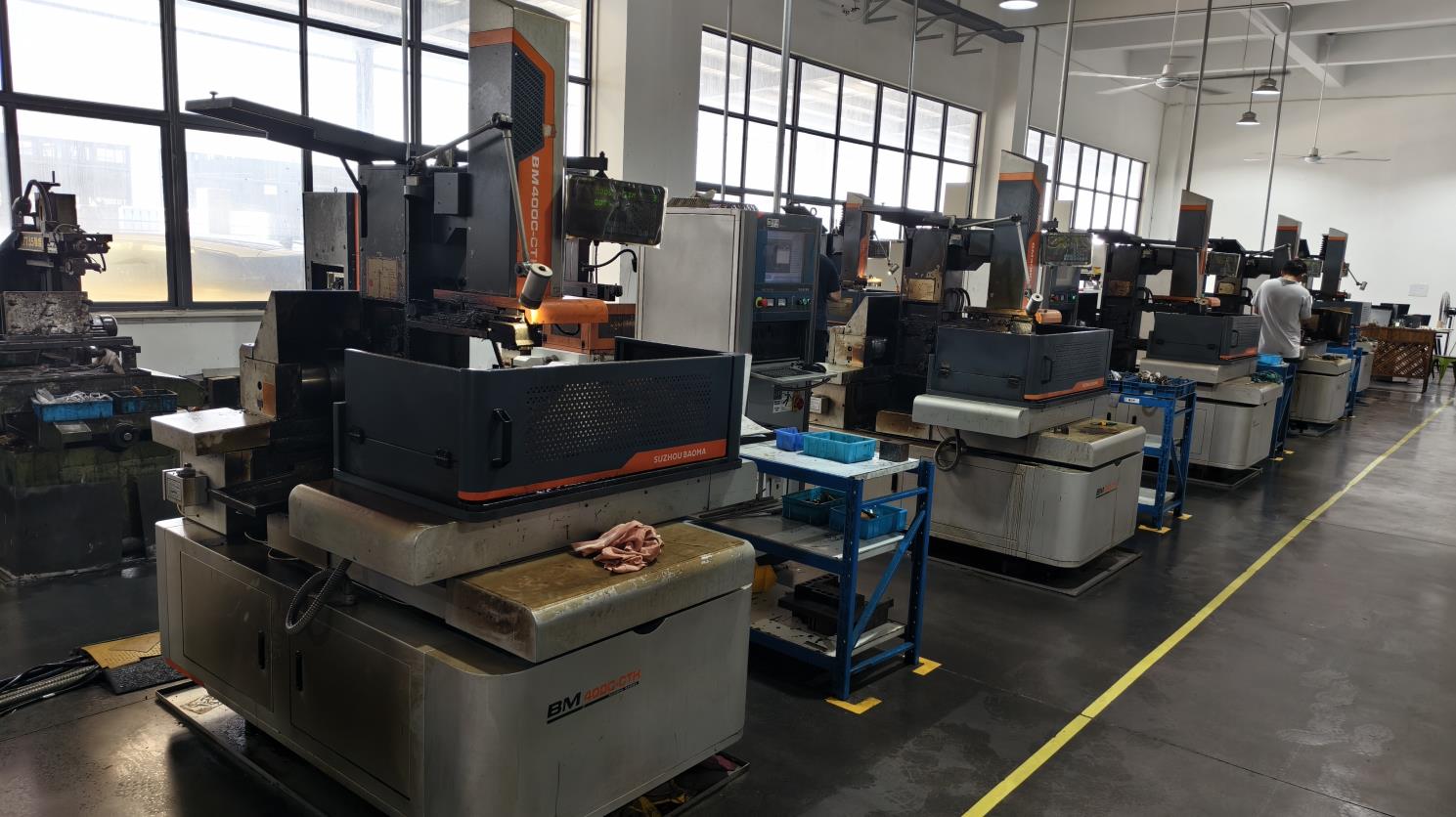
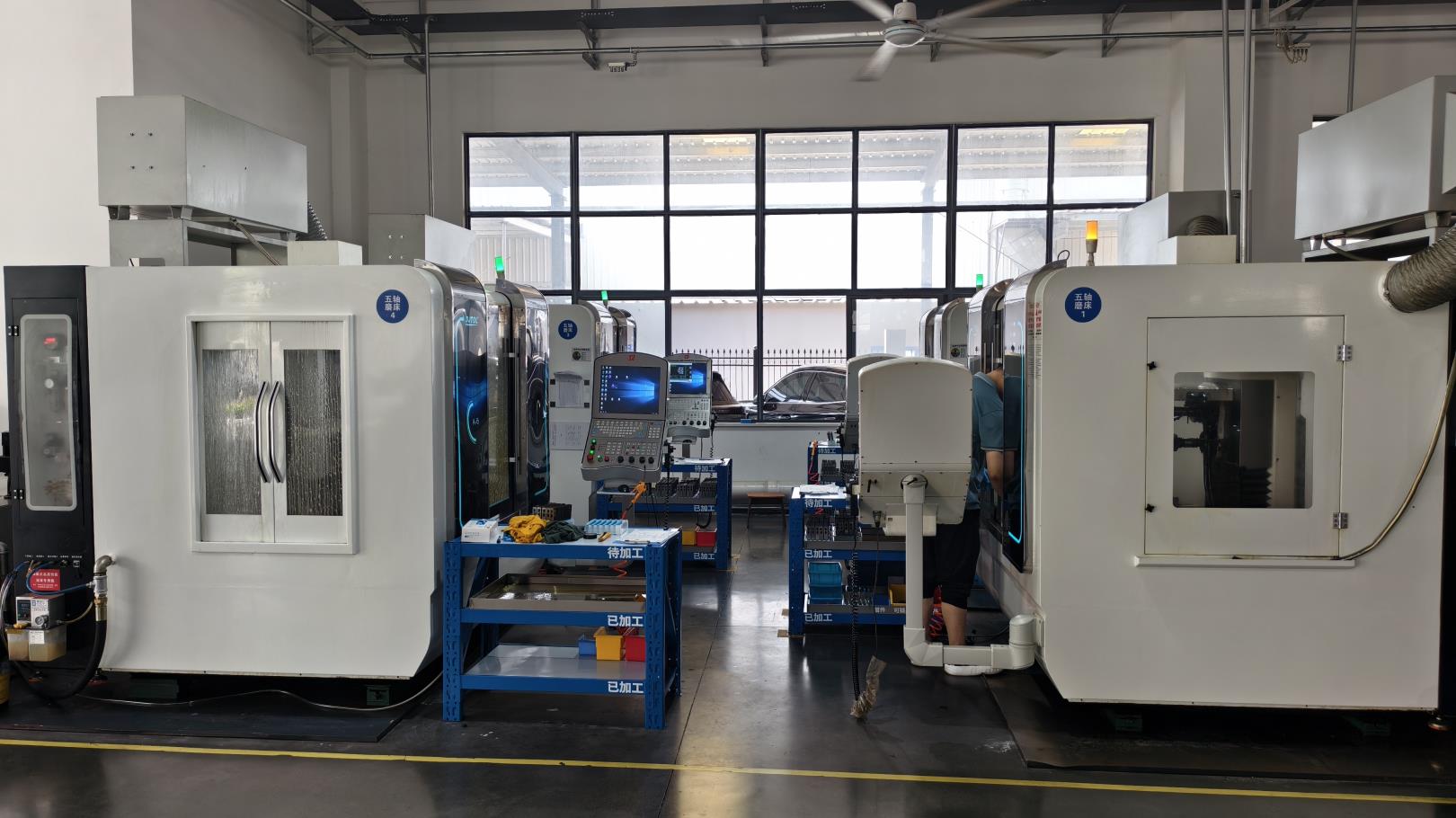
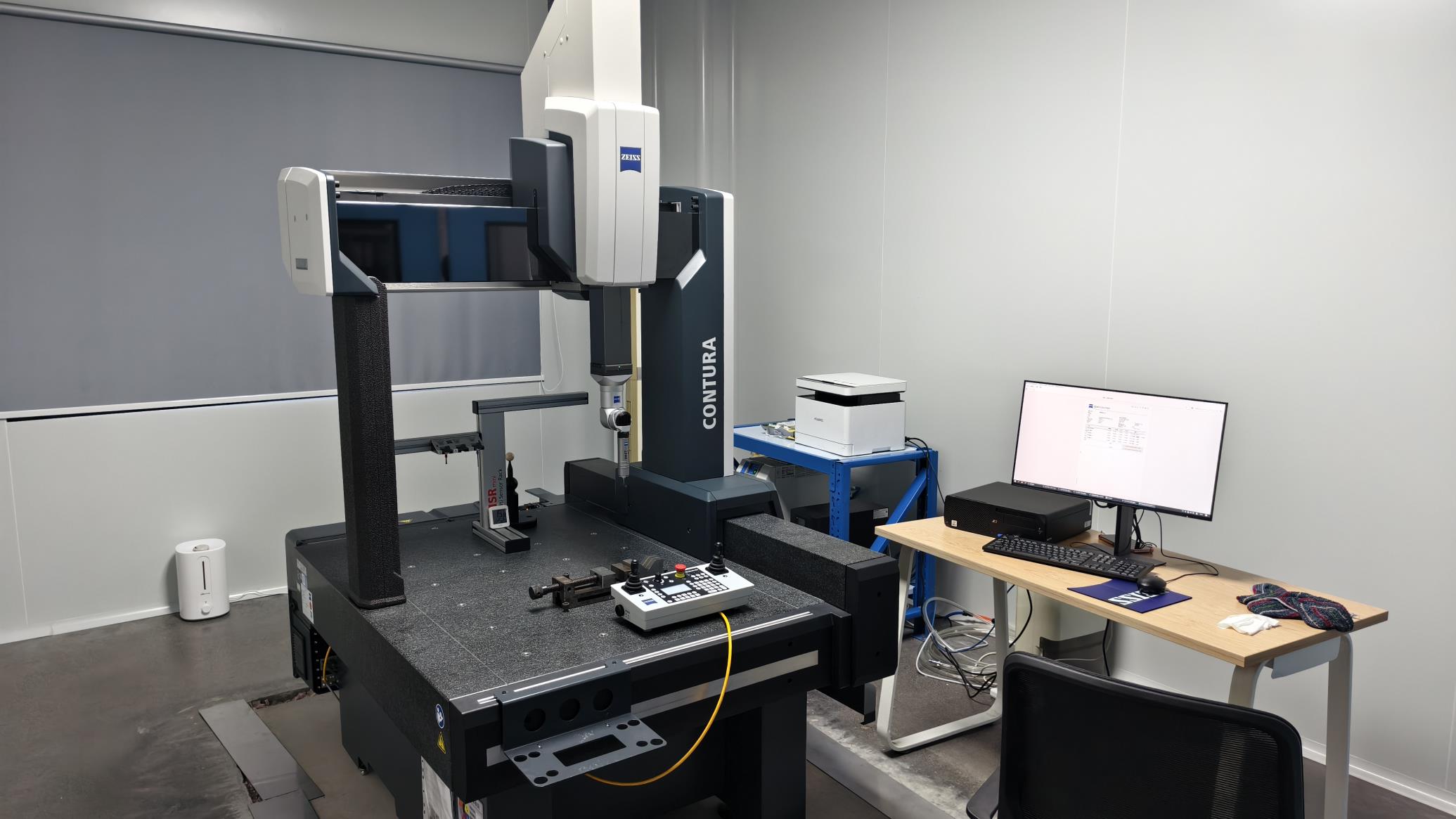
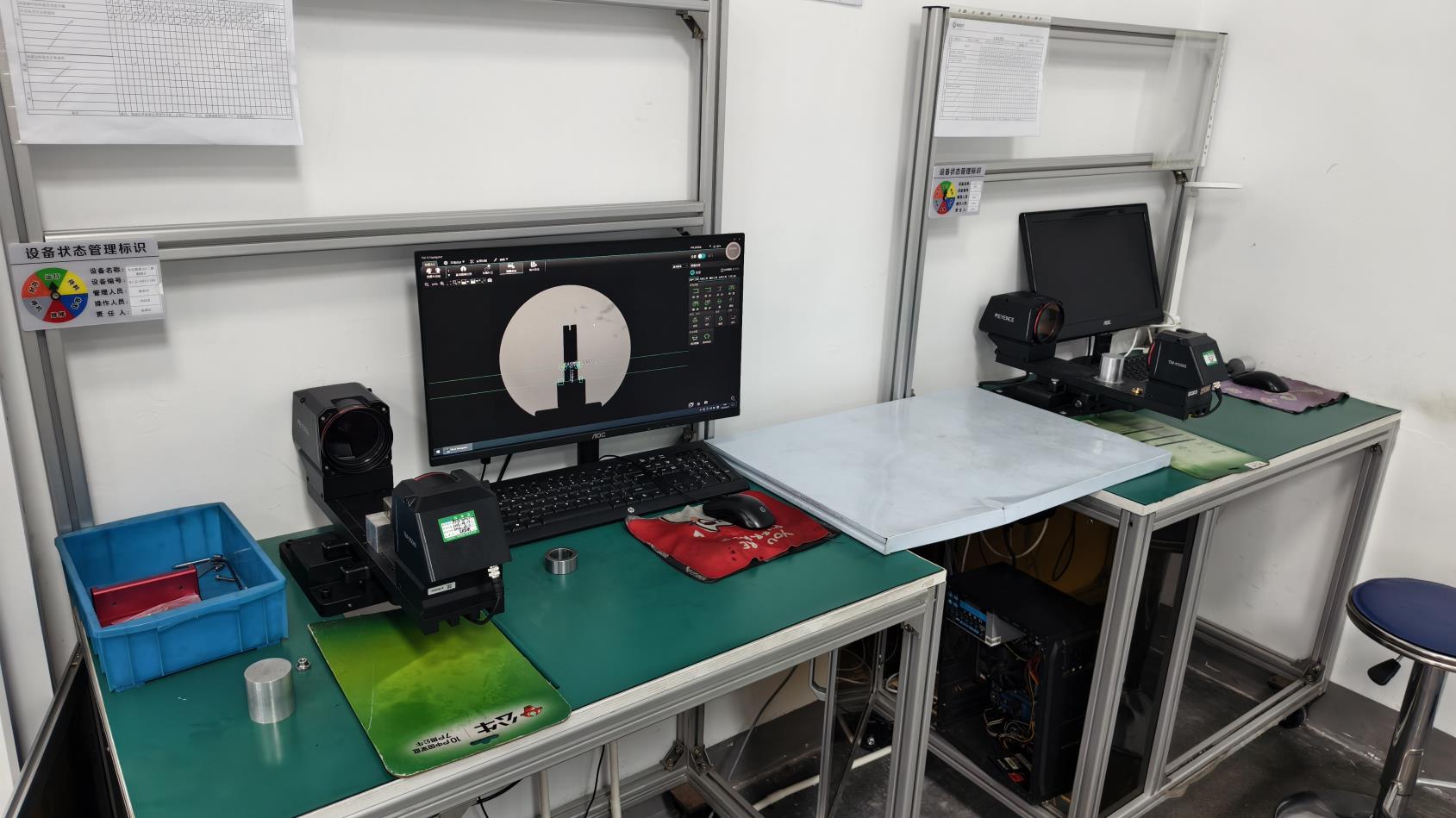
Advanced Manufacturing Facilities & Equipment

Inside our 18,600 m² state-of-the-art production plant, equipped with Swiss-type CNC centers and high-precision inspection tools.

Swiss-type CNC Machine
Swiss-type Machining
Lathe and Milling Equipment
Lathe and Milling
Machining Center
Machining
Testing Department
Testing
Assembling Line
Assembling
Inventory Warehouse
Warehouse
Swiss-type Lathe
Swiss-type Lathe
Lathe and Milling Machine
Lathe & Milling Machine
Lathe Center
Lathe
Machining Center
Machining Center
Wire Cutting Machine
Grinding Machine
Grinding Machine
Three-coordinate Measuring Machine
Three-coordinate Measuring
Two-dimensional Micrometer
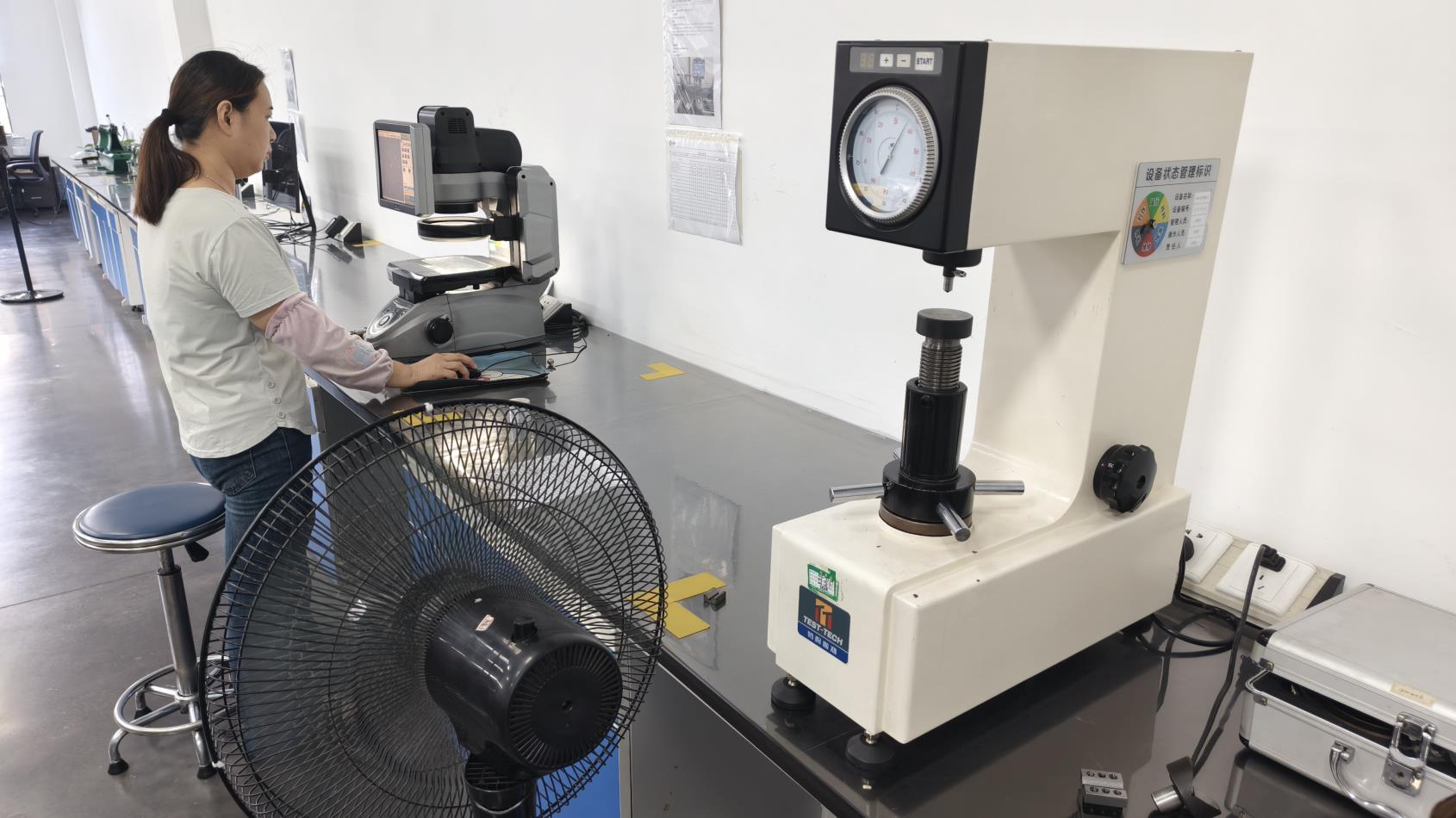
Hardness Tester
Hardness Tester
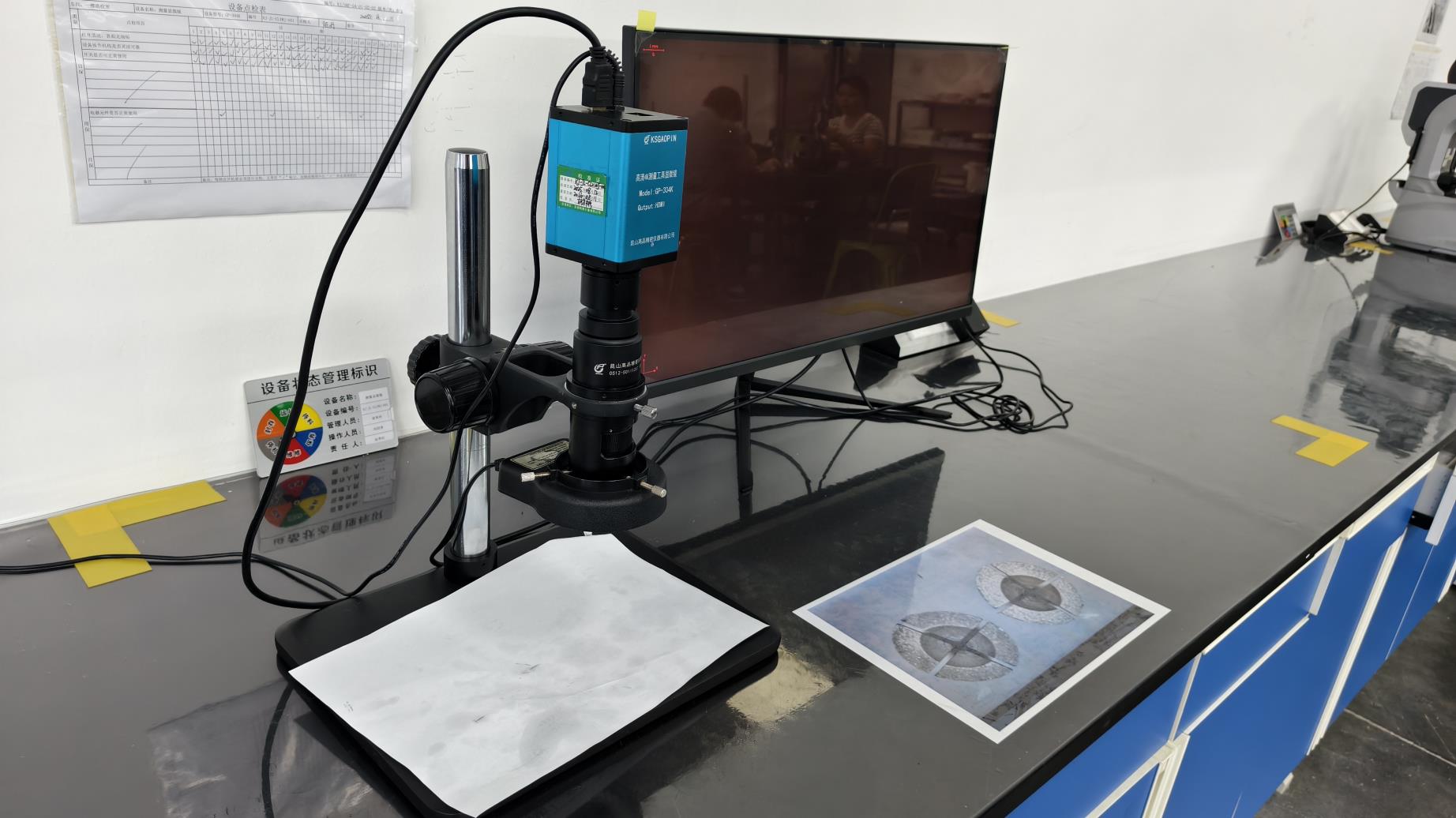
Inspection Microscope
Microscope

6. International Regulatory Compliance & Quality Verification

Entering global markets like North America, Europe, and South America requires strict compliance with medical device regulations. Professional Chinese manufacturers achieve this through comprehensive certifications:

ISO 13485:2016 Medical Quality Management System

Every step of the manufacturing cycle, from product conceptualization in R&D to post-market surveillance, is governed by ISO 13485. This standard ensures complete traceability of materials, manufacturing conditions, and quality verification tests.

CE MDR and FDA 510(k) Clearances

Top-tier factories design and test their implants to meet EU Medical Device Regulations (MDR 2017/745) and US FDA clearances. This process involves proving substantial equivalence to existing predicate devices, executing biological evaluation tests (ISO 10993), and performing mechanical testing, including static and dynamic shear, torsion, and pullout resistance tests (ASTM F543).

Verification and Validation Testing

Prior to dispatch, products undergo a strict testing regimen:

  • Dimensional Verification: Utilizes Coordinate Measuring Machines (CMM) and vision inspection systems to verify thread pitch, cannulation diameter, and wall thickness.
  • Mechanical Testing: Torsional strength, insertion torque, and pullout strength are measured to ensure the screw can withstand intraoperative forces without deformation.
  • Metallurgical Characterization: X-ray diffraction and chemical analysis confirm the composition of the titanium alloy, ensuring it is free of micro-voids or inclusions.

7. Technology Roadmap & Future Outlook

The field of sports medicine fixation is evolving, driven by material science and surgical technique developments. As a forward-looking OEM/ODM partner, Moventra is actively researching and validating next-generation technologies:

Porous and Trabecular Titanium Structures

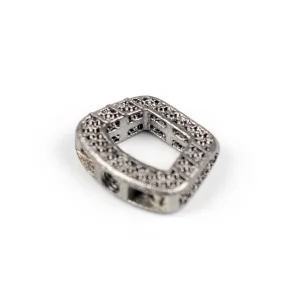
Future interference screws will incorporate 3D-printed porous structures. These biomimetic geometries simulate human trabecular bone, encouraging rapid bone ingrowth directly into the screw body. This design turns the implant from a simple mechanical fastener into an active biological scaffold.

Bioactive Nanoscale Surface Coatings

Applying thin, nano-crystalline Hydroxyapatite (HA) or bone morphogenetic proteins (BMP-2) to the titanium surface accelerates osseointegration. This reduces the healing window, allowing patients to begin aggressive physical therapy sooner without risking graft slippage.

Smart Driver Integration

Developing integrated surgical instruments that provide real-time torque feedback prevents over-tightening. This preserves the integrity of bone tunnels, even in patients with lower bone mineral density.

Technical and Commercial Q&A

Expert answers to common technical, clinical, and logistical questions regarding procurement and OEM partnerships.

Q1: What grades of titanium are utilized for interference screws, and why?

We exclusively utilize Ti-6Al-4V ELI (Extra Low Interstitial), conforming to ASTM F136 and ISO 5832-3 standards. This medical-grade alloy features lower levels of oxygen, nitrogen, carbon, and hydrogen than standard Grade 5 titanium. This composition provides superior ductility, fatigue resistance, and biocompatibility, which are essential for permanent orthopedic implants subjected to cyclical mechanical stresses.

Q2: How do titanium interference screws compare to PEEK and bioabsorbable options regarding pullout strength?

Titanium interference screws provide the highest primary pullout strength, typically exceeding 500 N in standard synthetic bone blocks. Unlike bioabsorbable screws, which lose mechanical integrity during degradation, titanium maintains its strength indefinitely. PEEK offers comparable initial strength but lacks titanium's capacity for passive osseointegration.

Q3: Can these screws be color-coded, and does the color layer compromise biocompatibility?

Yes, our titanium screws are color-coded via electrochemical anodization. This process modifies the surface oxide layer to refract light at specific wavelengths, creating distinct colors (e.g., gold, green, blue, purple) to represent different diameters. This does not involve paint or dye, preserving the biocompatibility of the titanium.

Q4: What is the typical lead time for custom OEM orders?

For standard OEM modifications (e.g., custom branding or specialized packaging), lead times are typically 4–6 weeks. For custom designs requiring tooling changes or prototyping, our R&D team can deliver functional prototypes in 2–3 weeks, with commercial production batches shipping in 8–10 weeks post-design approval.

Q5: How do you prevent graft damage during screw insertion?

Our screws are engineered with a blunt, non-cutting leading thread profile. This design compresses the graft within the bone tunnel rather than cutting the fibers, reducing the risk of construct failure during insertion.

Q6: What sterilization methods are compatible with these implants?

Titanium interference screws are compatible with Ethylene Oxide (EO) sterilization, Gamma Irradiation, and Autoclaving. We offer implants in both non-sterile bulk configurations for local reprocessing and pre-sterilized, double-barrier sterile packaging.

Q7: How does Moventra ensure traceablity of raw materials?

We maintain complete batch traceablity. Every raw material delivery is accompanied by mill test certificates (MTC) detailing its chemical and mechanical properties. The material is assigned a unique batch number, which is tracked through CNC machining, surface finishing, sterilization, and final packaging.

Q8: What support do you offer for regulatory filings in different countries?

We provide comprehensive technical documentation, including Device Master Files (DMF), biological safety reports, sterilization validation data, and mechanical testing results. Our regulatory affairs team works with global partners to assist in registering products with local health authorities.