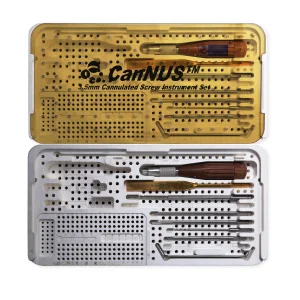
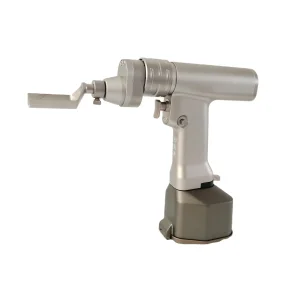
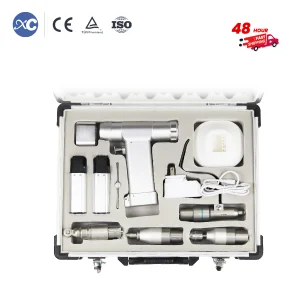
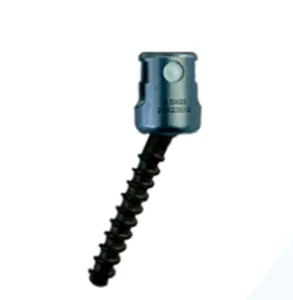
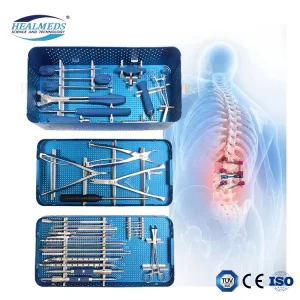
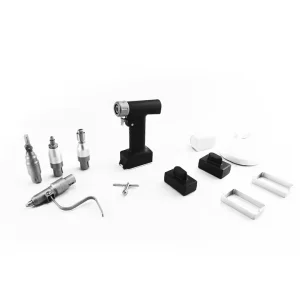
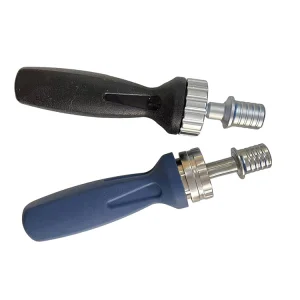
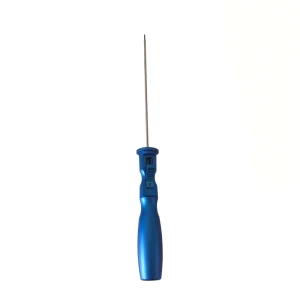
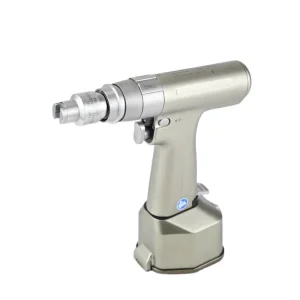
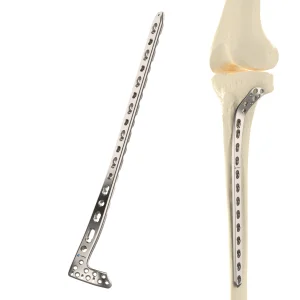
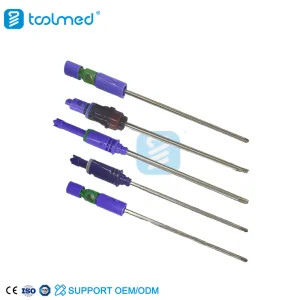
High-precision orthopedic power tools, traumatology systems, and surgical kit arrays produced to global clinical standards.
Analyzing the shift from static interbody spacers to dynamically adjustable expansion systems in spinal fusion surgery.
The global spinal implants market has witnessed a significant paradigm shift from static interbody fusion cages (made of traditional PEEK or solid titanium block structures) to dynamic, expandable spine cages. Static interbody cages require impaction during insertion, which increases the risk of endplate damage, local bone graft disruption, and nerve root retraction. As minimally invasive spine surgery (MISS) became the gold standard, the necessity for a lower-profile cage that could expand in situ emerged.
"The core clinical objective of expandable spine cages is to minimize the surgical insertion footprint while maximizing post-expansion endplate contact, restoration of sagittal alignment, and mechanical stability."
Traditional static implants present structural challenges including graft shearing during placement and subsidence due to incomplete surface contact with the vertebral endplates. Expandable cages allow spinal surgeons to insert the device in a compressed state, greatly reducing the risk of neural injury. Once inside the disc space, the cage is expanded vertically or lordotically to custom-fit the patient's anatomy, restoring disc height and correcting segmental lordosis dynamically.
Advanced expandable interbody devices distribute stress more evenly across the vertebral endplates. By offering continuously adjustable lordosis and expansion heights, these systems minimize stress shielding—a common cause of hardware failure in spinal fusion surgeries. The use of porous titanium structures, often manufactured via additive manufacturing (3D printing), further enhances osseointegration by allowing bone to grow directly into the cage framework.
Dynamic expansion optimizes contact with the dense bone of the peripheral endplates, minimizing postoperative implant settling and maintaining disc height over time.
Adjustable lordotic angles (up to 15° or 20°) allow customized correction of spinal deformity, restoring the natural curvature of the lumbar spine.
Designed for MIS pathways (TLIF, PLIF, LLIF), reducing the muscular dissection and soft-tissue trauma associated with traditional open spinal surgery.
Why leading global medical device brands and orthopedic distributors partner with medical manufacturers in China.
For international medical device companies, raw material provenance, precision machining capabilities, and stringent regulatory compliance are non-negotiable. Sourcing expandable spine cages from China requires deep trust in the manufacturer’s technical infrastructure. Quality systems must comply with ISO 13485, FDA 21 CFR Part 820, and the European Union’s Medical Device Regulation (MDR 2017/745).
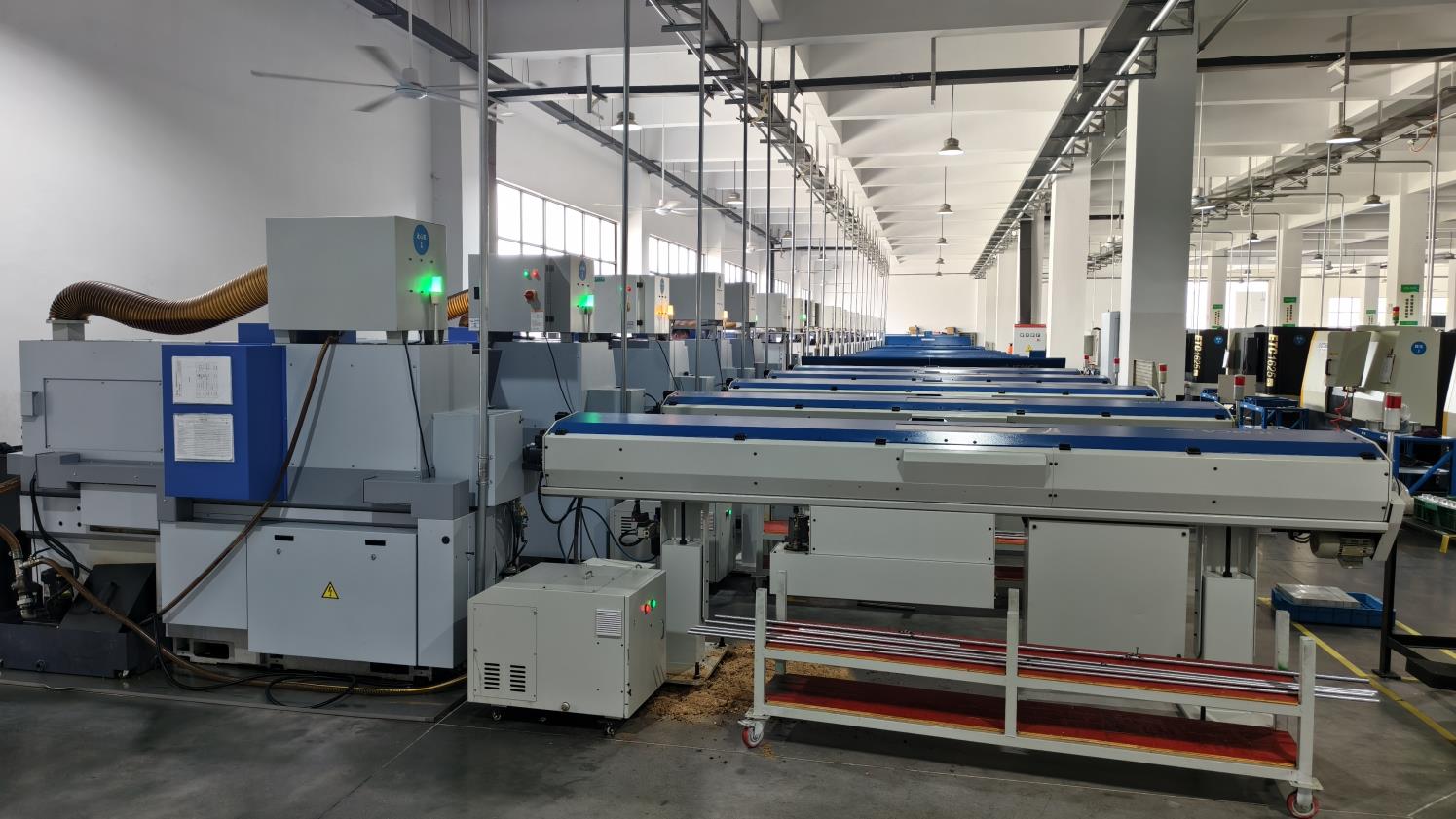
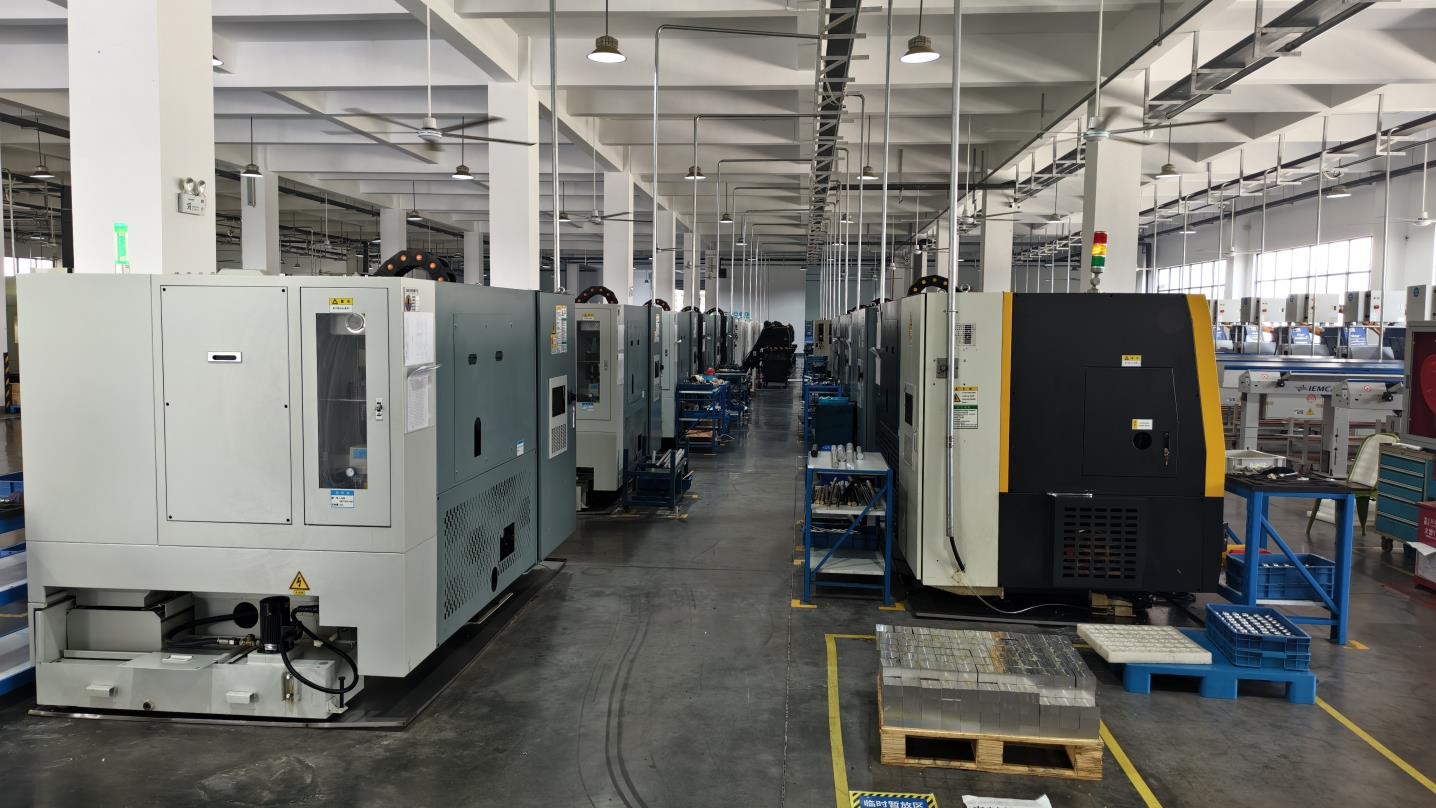
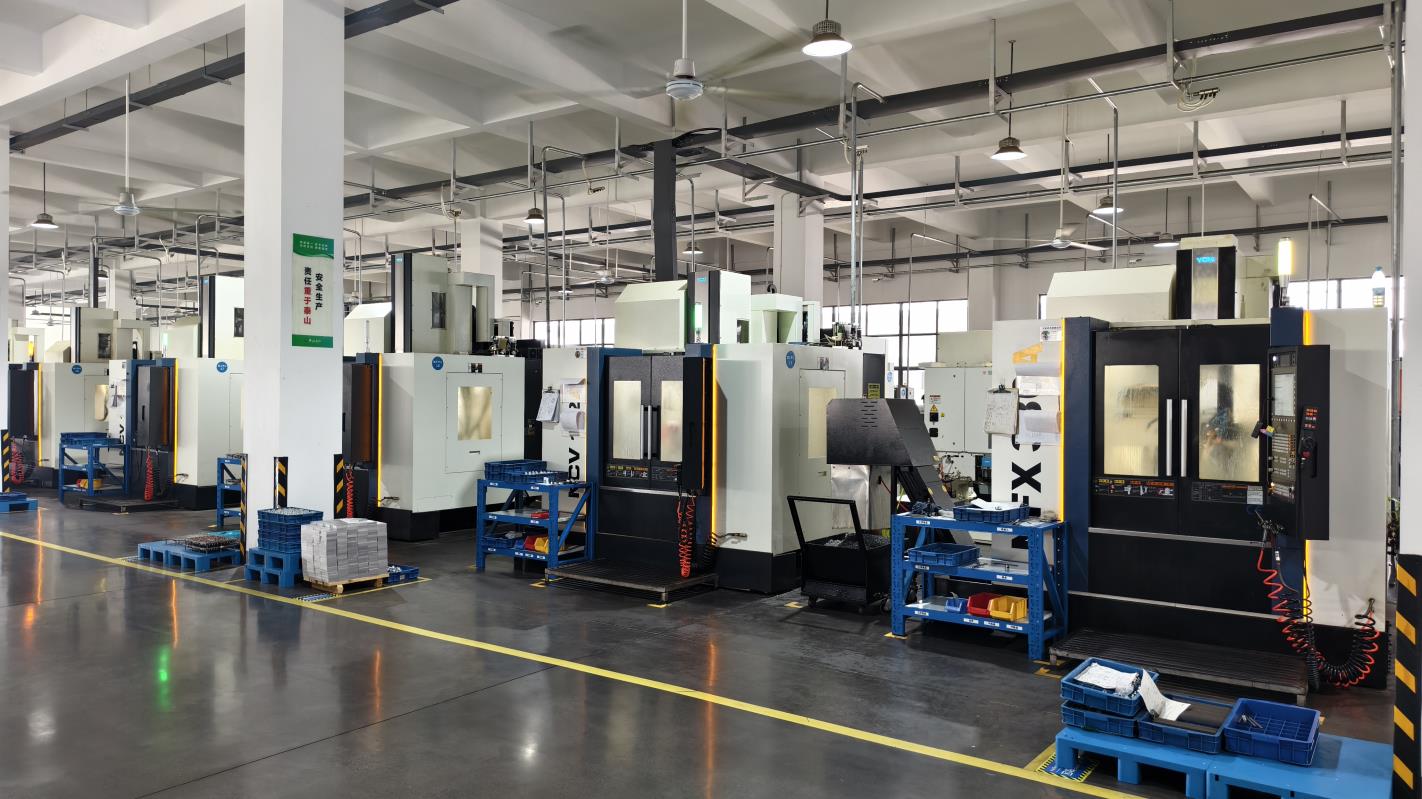
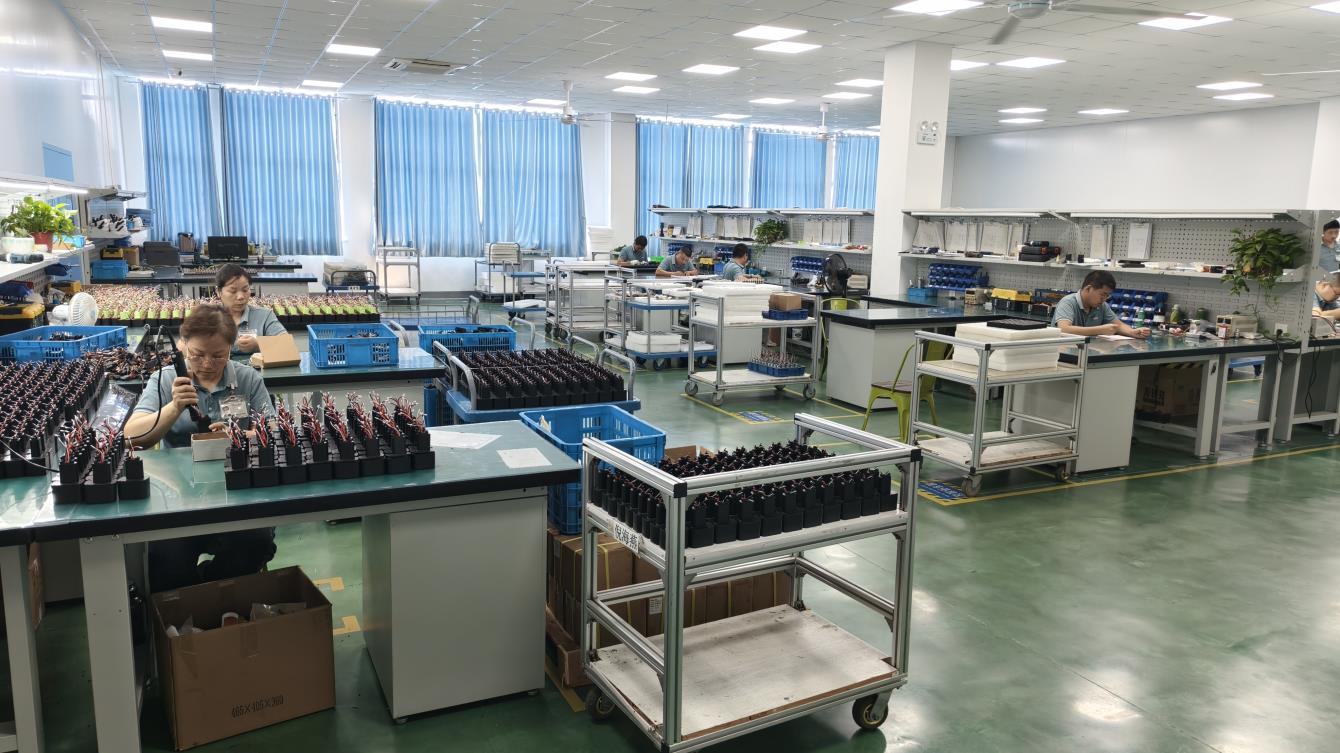
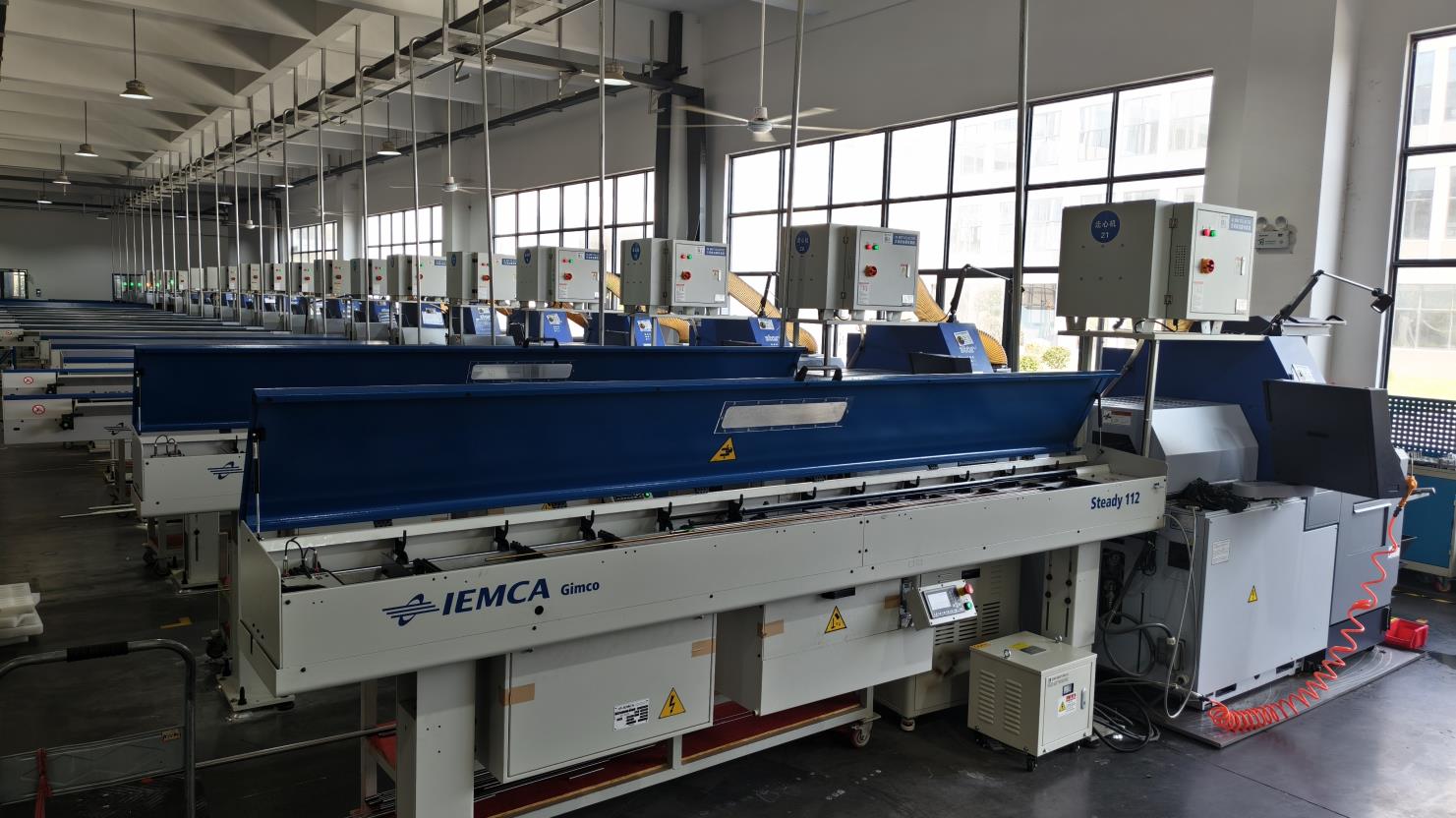
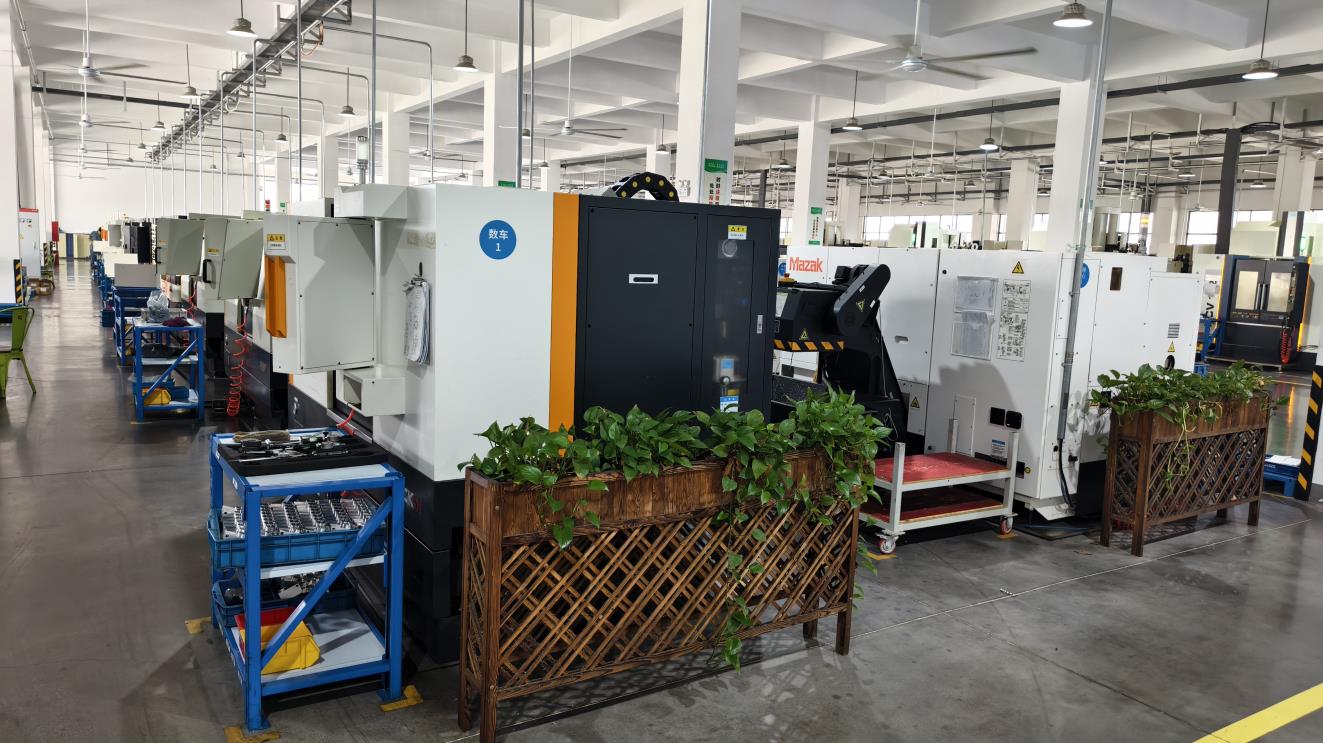
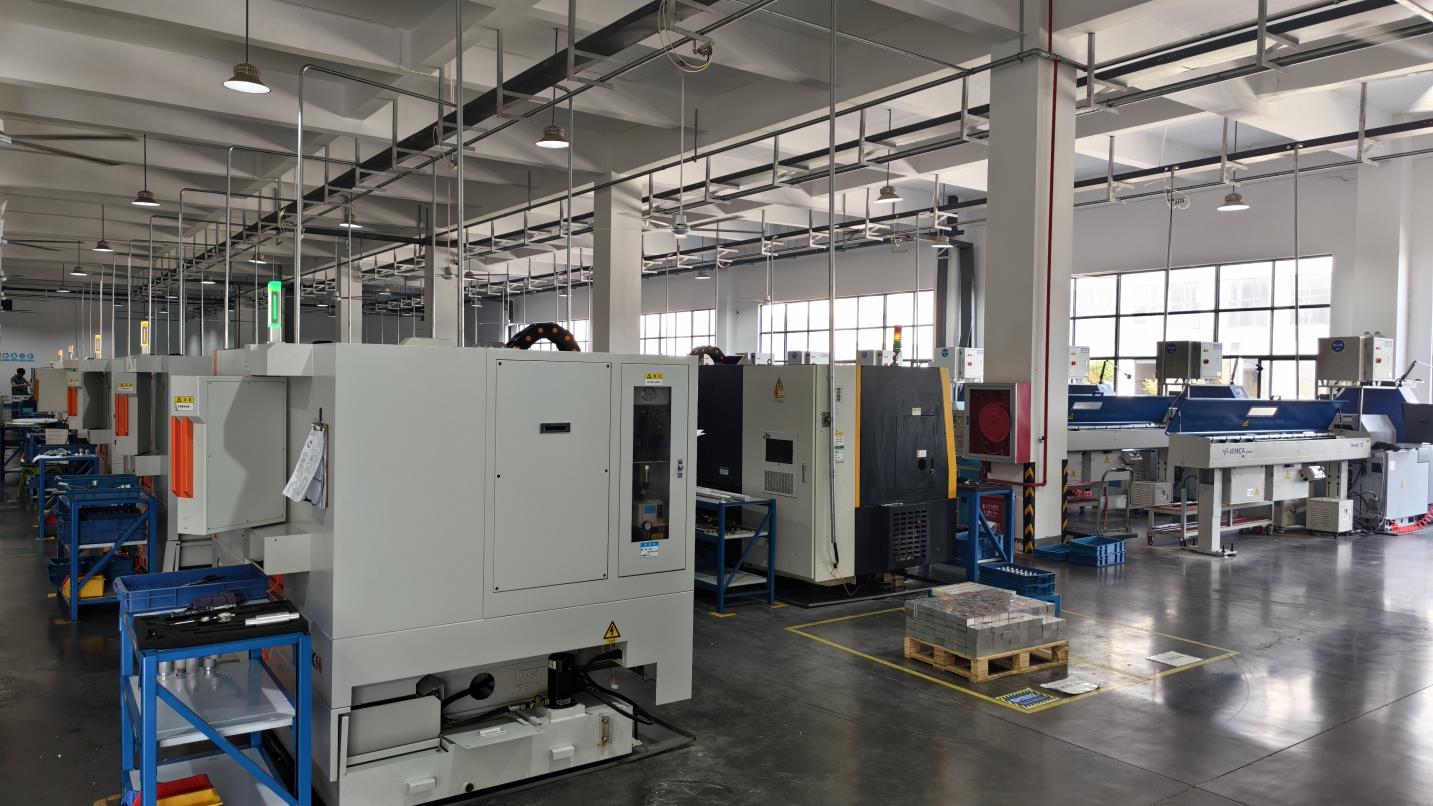
Reliable Chinese manufacturers have evolved from simple contract factories into strategic R&D partners. Companies look for vertically integrated capabilities, which include high-precision CNC machining (Swiss-type lathe mills), cleanroom packaging facilities, and mechanical testing laboratories equipped for ASTM F2077 (shear, static, and dynamic compression testing) and ASTM F2267 (subsidence testing).
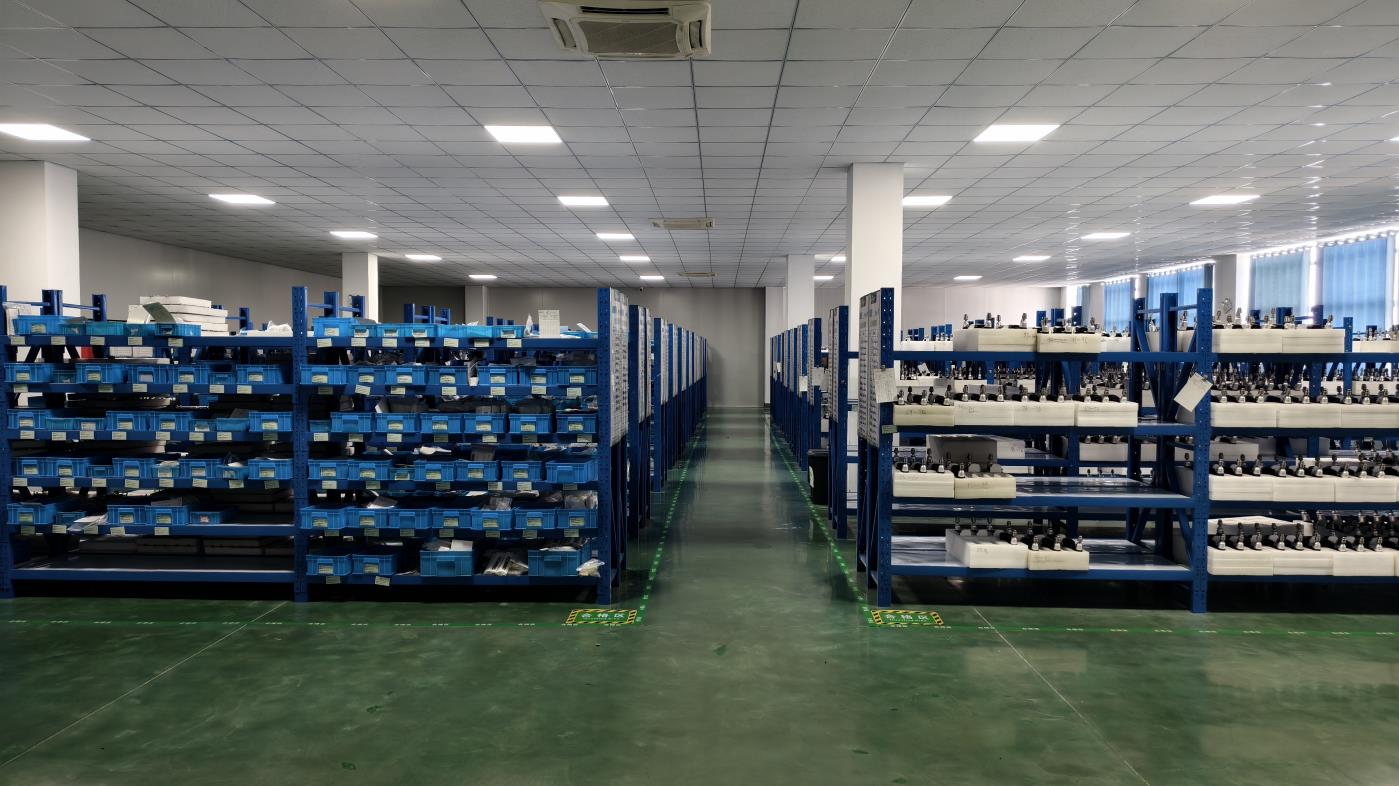
Large-scale medical distributors require flexible manufacturing capacities to handle sudden demand surges. Partners like Moventra Medical Technology address this need through automated manufacturing lines, high-grade raw material inventories (sourcing medical-grade titanium alloy ASTM F136 and PEEK ASTM F2026), and cleanroom operations. This ensures that custom modifications for OEM partners transition smoothly from prototype designs to bulk exports.
An overview of materials science, surface modifications, and custom engineering capabilities for spinal implants.
The performance of an expandable spine cage is determined by its material composition and the precision of its expansion mechanism. Manufacturers utilize medical-grade titanium alloy (Ti-6Al-4V ELI) and polyetheretherketone (PEEK) to achieve biocompatibility, mechanical strength, and radiolucency. Modern design trends include porous titanium coatings or fully 3D-printed lattices that mimic trabecular bone structures, accelerating bone ingrowth and integration.
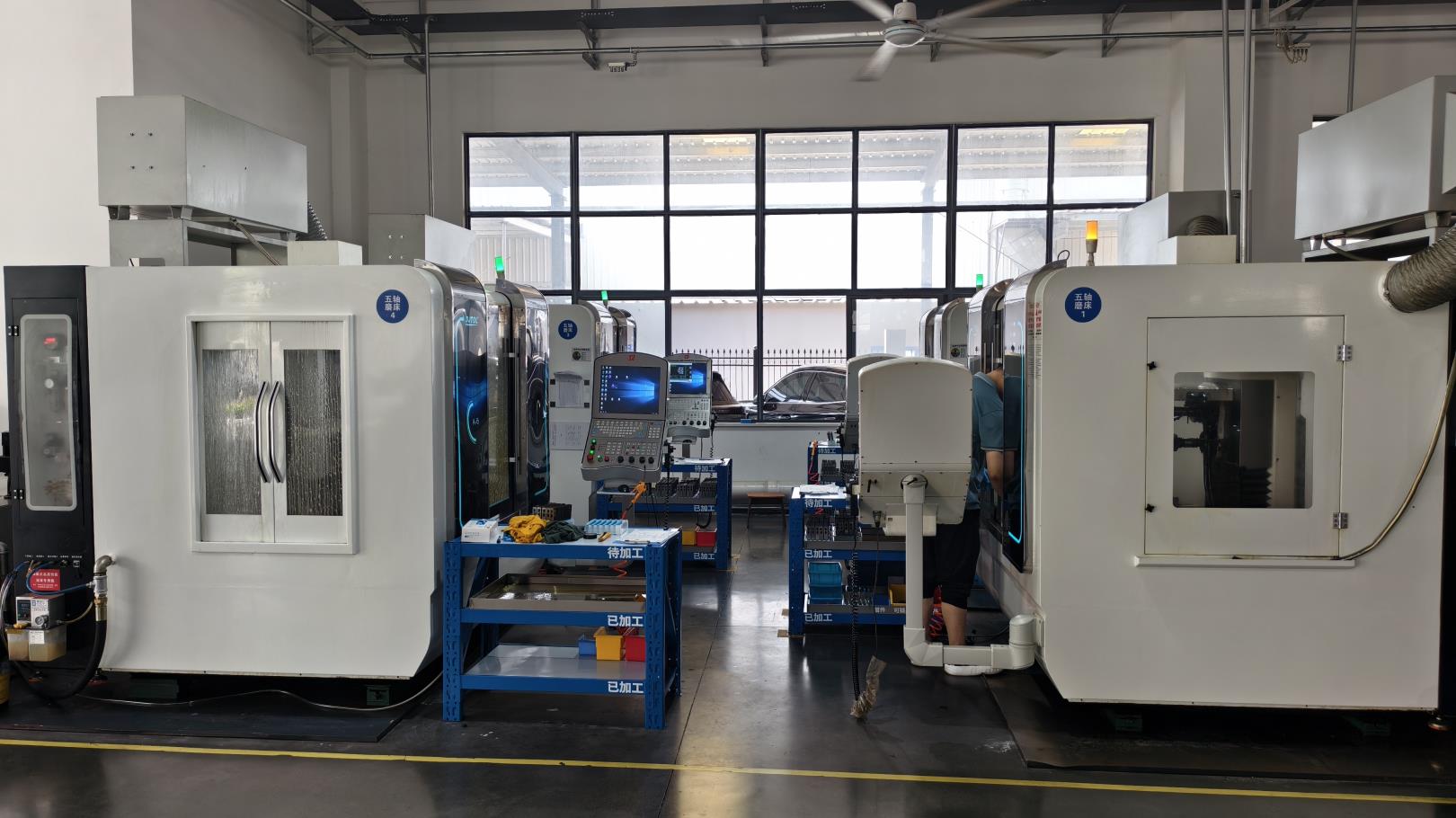
"By integrating multi-axis CNC Swiss-type milling with advanced laser etching and cleanroom packaging, we guarantee sub-micron tolerances for internal mechanisms, preventing lockups during intraoperative deployment."
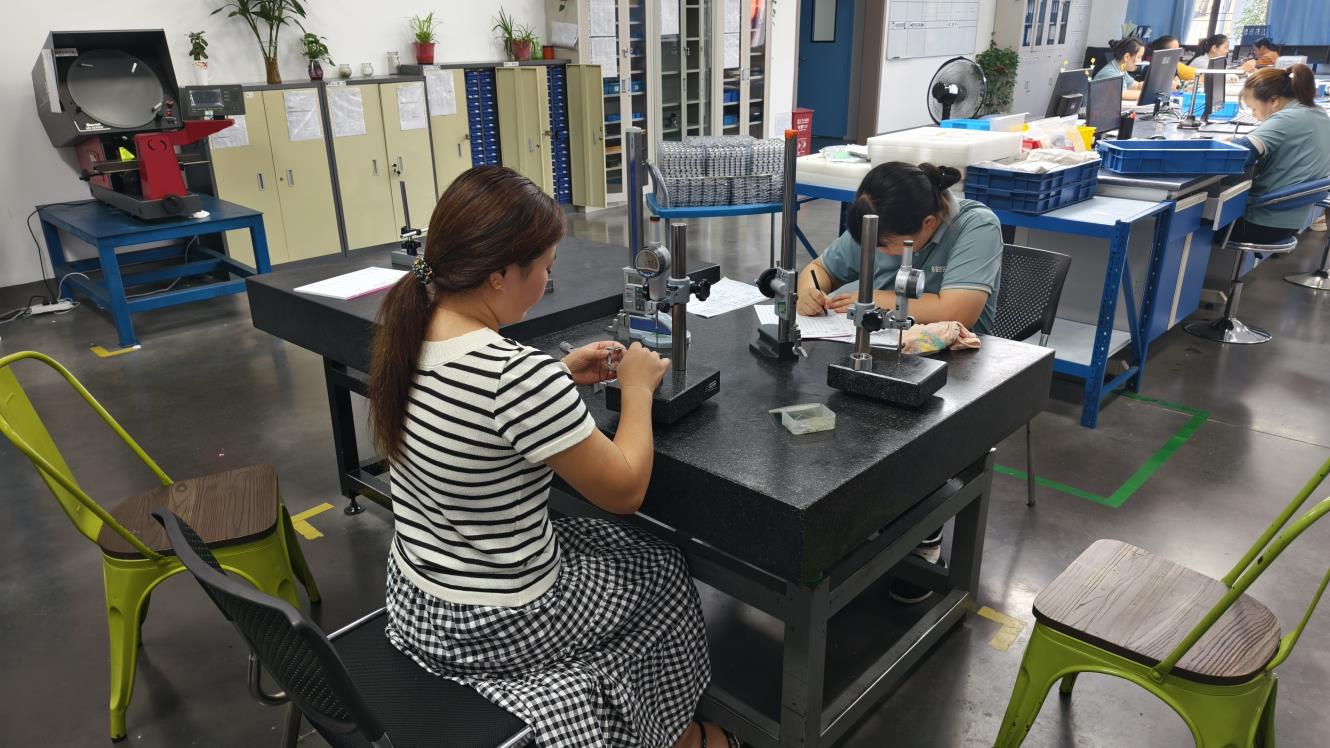
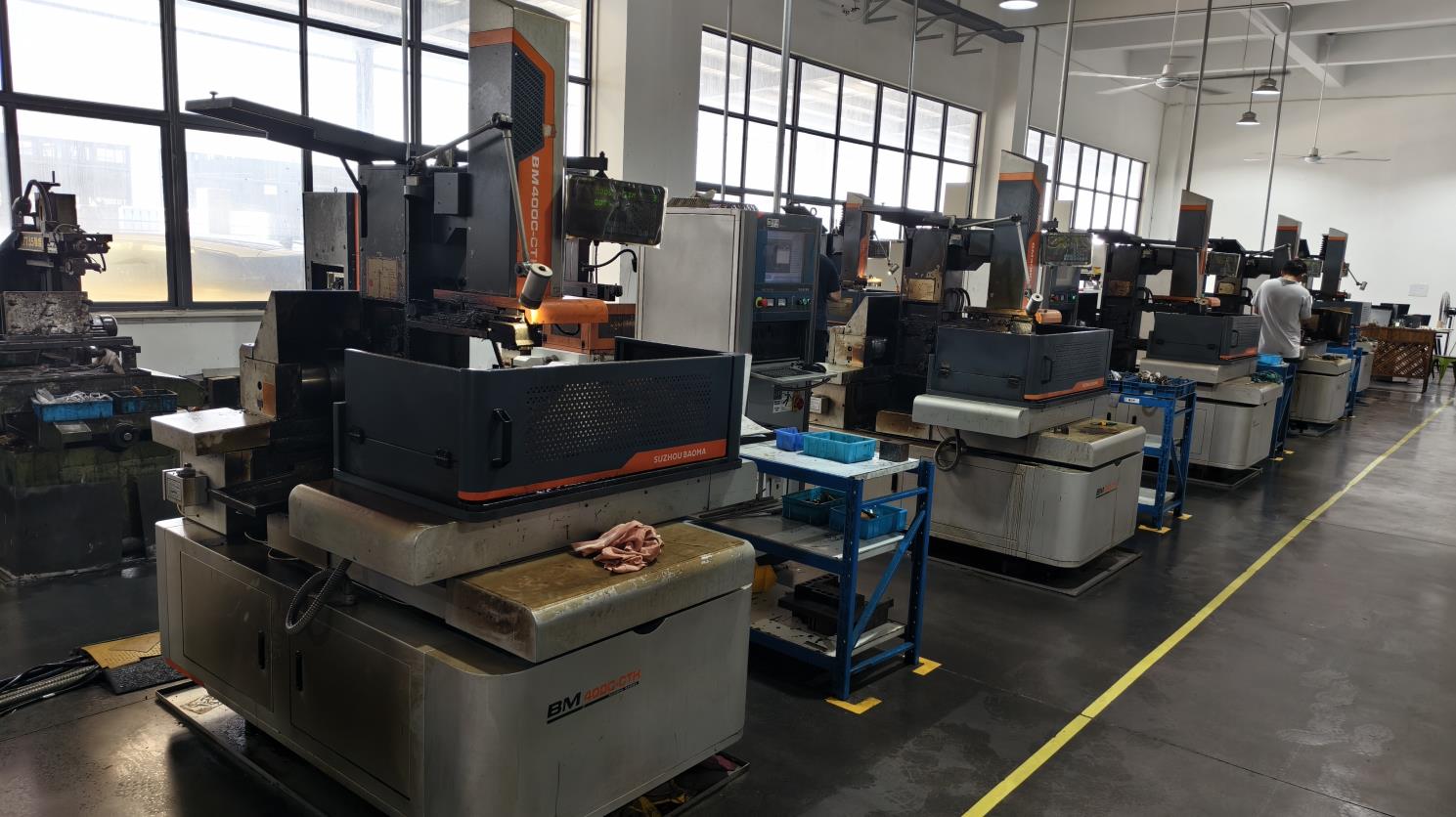
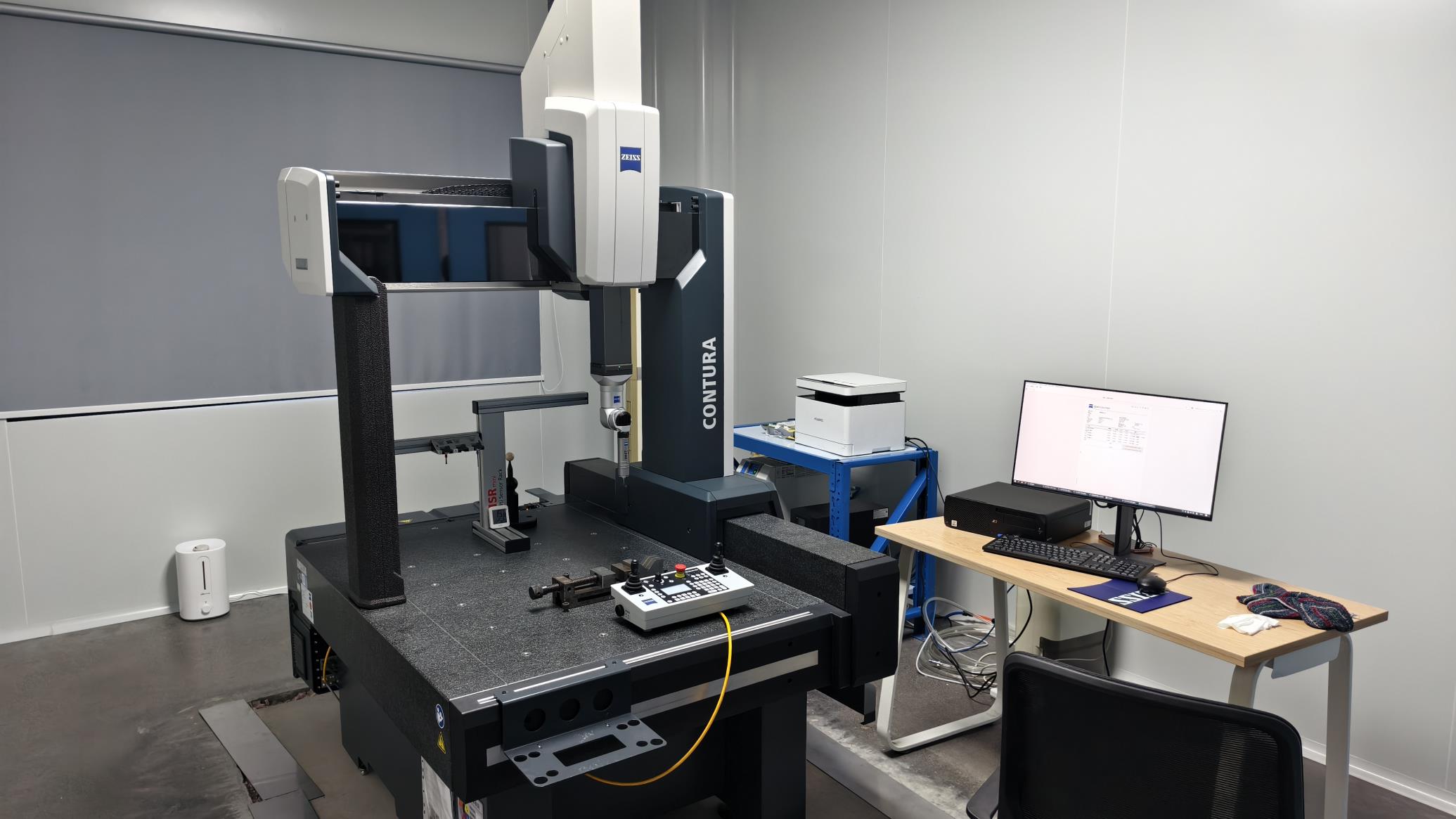
Expandable cages depend on precision internal screws, gears, or wedge components. If tolerances are off by even a few microns, the implant may fail to expand or could collapse under load. To prevent this, strict quality control procedures are applied. This includes coordinate measuring machine (CMM) dimensional checks, surface roughness assessments, and material fatigue life evaluations. Specialized instruments, such as torque-limiting screwdrivers, are custom-designed alongside the cages to ensure safe mechanical expansion within the spinal column.
| Item Category | Technical Specifications & Sourcing Details |
|---|---|
| Company Name | Moventra Medical Technology (China) Co., Ltd. |
| Brand Portfolio | Moventra |
| Established Year | 2017 (With over 13 years of accumulated orthopedic industry experience) |
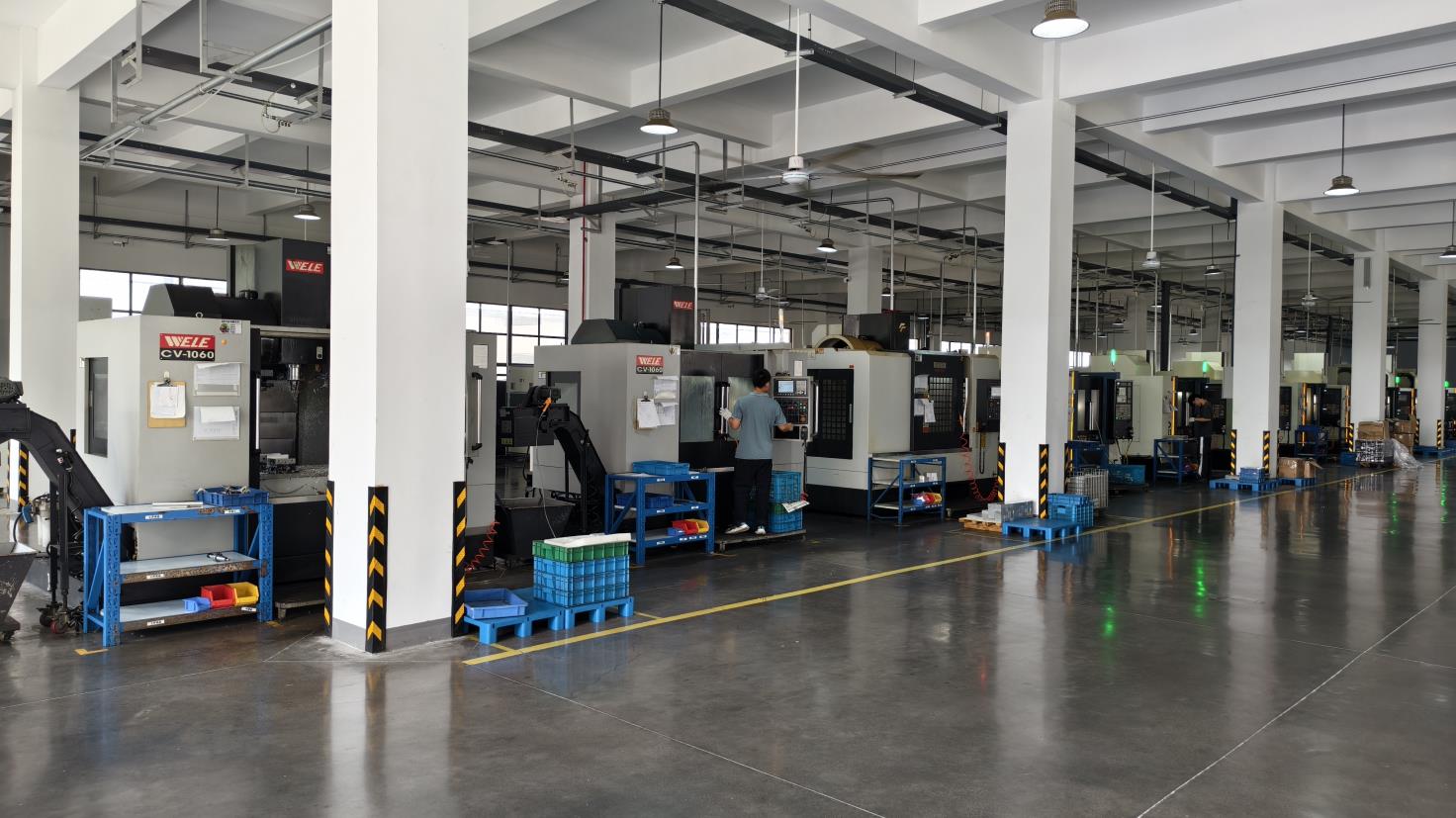
| Manufacturing Facility Area | 18,600 m² (Equipped with high-precision Swiss-type lathe machinery) |
| Annual Export Revenue | USD 23.8 Million (Supported by 7 years of direct export operations) |
| Quality Inspection Protocols | 100% Quality Inspection Before Shipment |
| Product Verification Methods | Dimensional Inspection, Material Chemical Analysis, Surface Finish Inspection, Mechanical Performance Testing, Sterility Verification |
| Dedicated QC & QA Staff | 48 Experienced Inspection Professionals |
| Core Sourcing Services | Manufacturer, OEM & ODM Customization, Global Export Logistics |
| Key Export Markets | North America, Europe, South America, Middle East, Southeast Asia, Australia |
| Product Customization Scope | Logo Customization, Packaging Customization, Product Design Customization, Drawing/Sample-Based Precision Manufacturing |
| Annual R&D Output | 156 New Products Released Last Year, supported by 86 R&D Engineers |
Inside our advanced manufacturing centers, CNC machining zones, and precision testing labs.
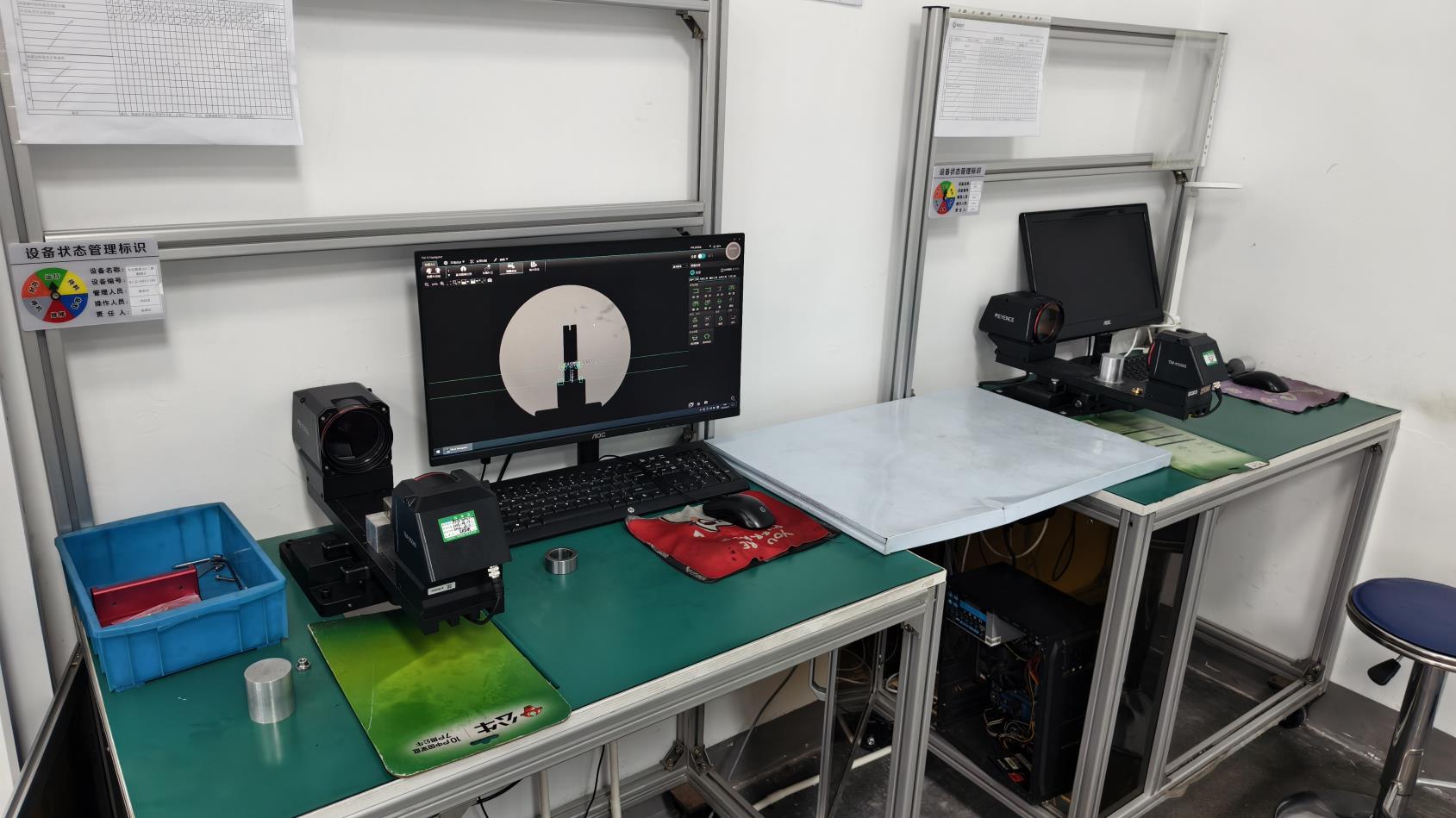
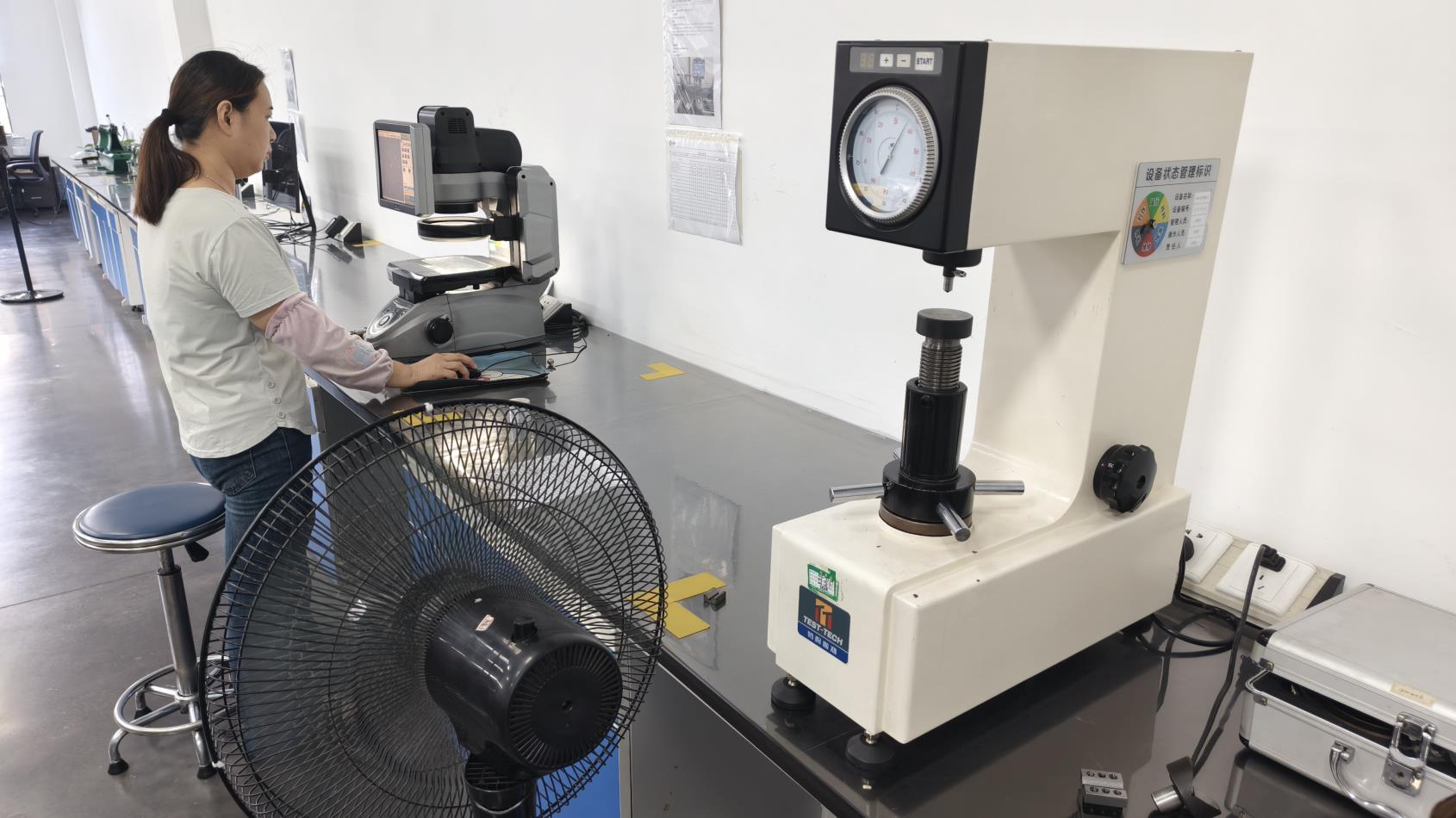
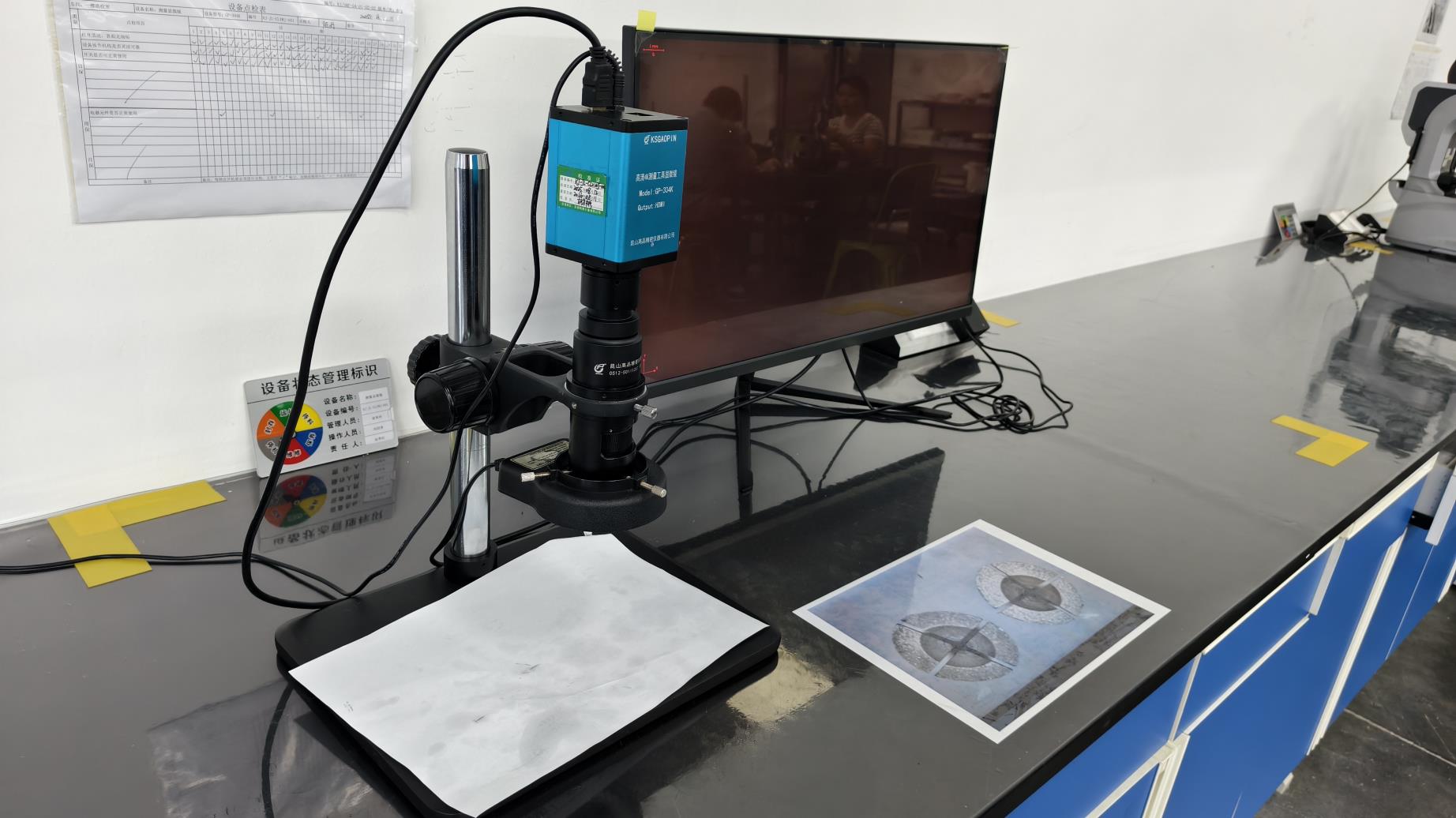
The next frontier of smart spinal implants, bio-resorbable mechanisms, and customized additive manufacturing.
The future of expandable spine cages lies in the integration of smart technologies and advanced materials. Moventra is actively researching 3D-printed porous implants that combine the strength of titanium with the elasticity of the surrounding bone. Our next-generation design focus includes:
Answers to critical design, regulatory, material, and logistics questions from professional medical buyers.
High-quality bone drills, spinal fixation systems, and arthroscopic surgical instruments.
 Moventra Medical