Advanced trauma, spine reconstruction, and orthopaedic surgery solutions manufactured to high mechanical tolerances.
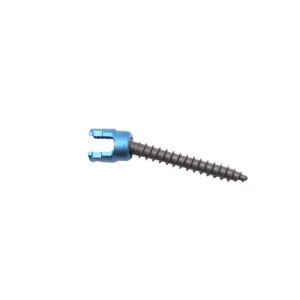
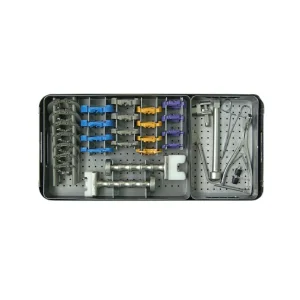
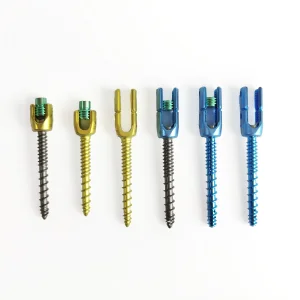
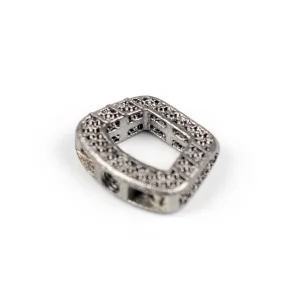
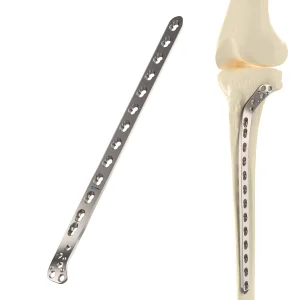
Navigating the complex dynamics of load-bearing implants, micro-motion control, and rapid osteointegration in modern surgery.
The global orthopaedic community faces an escalating demand for high-reliability internal and external fixation devices. Driven by an aging population, rising traumatic injury rates from road accidents, and a growing insistence on active lifestyles into advanced age, the clinical performance threshold for bone implants has never been higher. Modern osteosynthesis demands more than simple mechanical bridging; it requires dynamic alignment with human physiological load pathways.
In fracture fixation, the interaction between implant rigidity and bone strain is critical. Excessive stiffness can lead to "stress shielding"—where the metal plate carries the entire physical load, preventing the natural bone from receiving the mechanical stimuli required for healthy remodeling (following Wolff's Law). Conversely, insufficient fixation allows excessive micro-motion at the fracture gap, leading to hypertrophic non-union or device breakage. An effective OEM manufacturer must achieve a precise balance, choosing between titanium alloys (such as Ti-6Al-4V ELI) and cobalt-chromium or polyetheretherketone (PEEK) based on the specific clinical application.
"Optimized osteosynthesis is achieved through minimal soft-tissue disruption combined with stable internal fixation. Our custom OEM products are engineered to support both anatomical reduction and immediate active rehabilitation, reducing long-term clinical overheads."
For proximal tibial, distal femoral, or spinal pathologies, customized anatomy-conforming configurations represent the vanguard of clinical choice. Traditional, flat-plate fixators require intra-operative bending by the surgeon, introducing micro-fractures into the metal and creating stress concentration zones. Modern OEM processes leverage precise 3D anatomical scanning data to pre-contour locking plates, preserving the structural integrity of the titanium and minimizing operating theatre setup times.
Analyzing regulatory changes, manufacturing scalability, and global distribution dynamics under MD Regulation regimes.
The global orthopedic market has shifted from localized custom fabrication to large-scale, highly compliant global outsourcing. Major medical device brands face intense pressure: the transition from the Medical Device Directive (MDD) to the more rigorous Medical Device Regulation (MDR 2017/745) in Europe, alongside equivalent FDA 510(k) clearances in the United States, has drastically increased the documentation and clinical evaluation required for each component. In this landscape, generic suppliers are being replaced by integrated OEM/ODM engineering partners capable of managing complete verification files.
Furthermore, raw material traceability is now a fundamental requirement. Every titanium rod, PEEK block, or stainless steel bar must have mill certification tracking its chemical composition, clean-room cleaning histories, and forging metrics back to the source. Advanced manufacturers protect downstream brands by documenting these clean-room processes, chemical cleanings, and packaging steps to ensure components arrive ready for sterilization.
Complete traceability and process validation following ISO 13485:2016 and FDA QSR standards for high-risk surgical implants.
Minimizing raw material lead times through direct partnerships with medical-grade titanium and polymer mills.
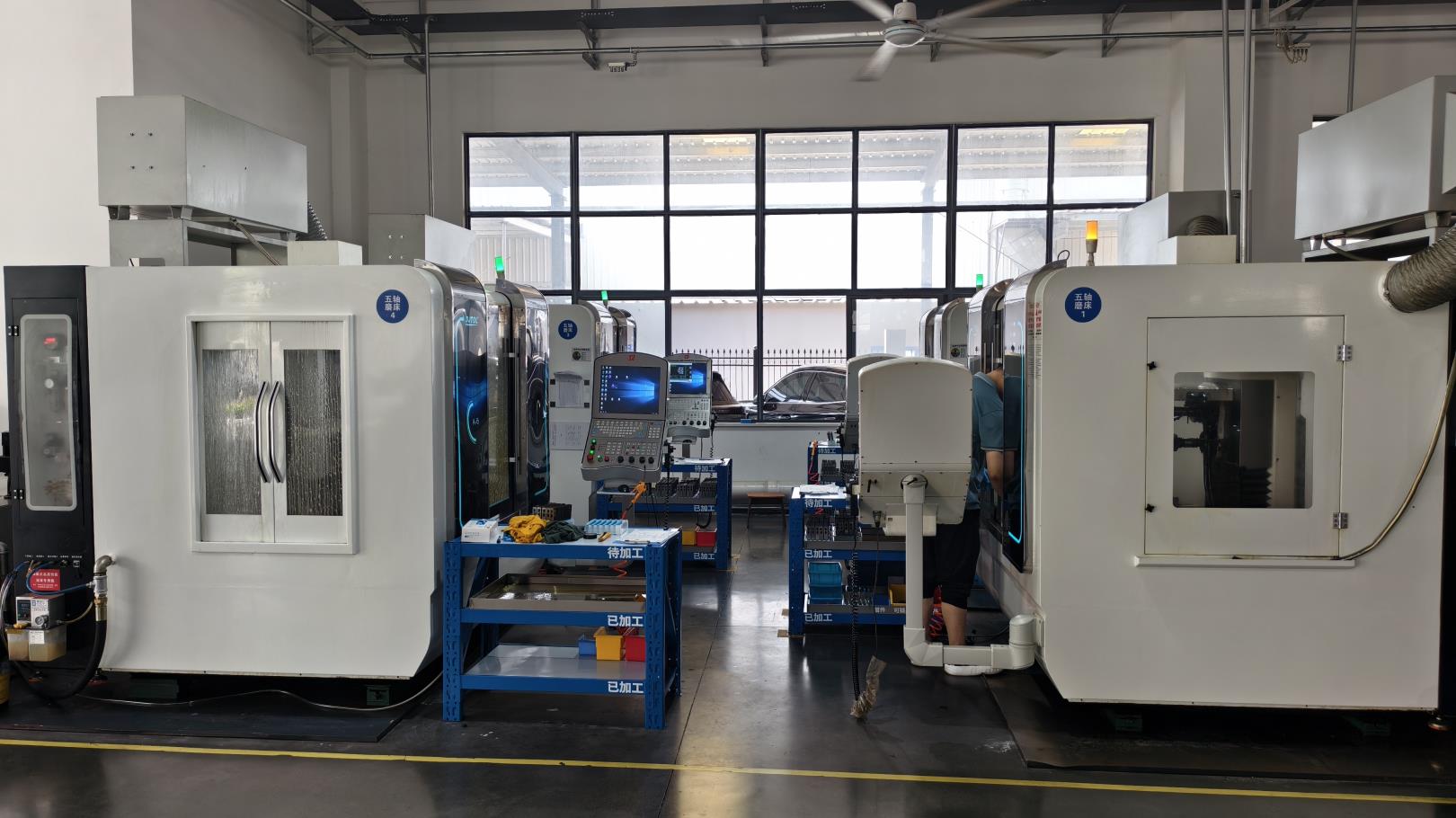
Swiss-type turning centers and multi-axis milling machines handle intricate internal threads and complex geometry.
In addition to human clinical applications, veterinary orthopedics has emerged as a high-growth sector. The mechanical requirements of veterinary implants mirror those of human devices, but they demand a wider variety of sizes—from small feline distal plates to heavy-duty implants for large horses. This diversity makes high-mix, low-volume OEM capabilities essential for manufacturers serving global veterinary distributors.
Moventra Medical Technology (China) Co., Ltd. - Specialized orthopedic engineering, clean-room packaging, and global logistics since 2017.
Moventra Medical Technology (China) Co., Ltd. is a professional manufacturer specializing in the research, development, production, and global supply of orthopedic medical devices and surgical solutions. Established in 2017, the company is dedicated to delivering innovative, high-quality products for trauma, spine, joint reconstruction, sports medicine, and orthopedic surgical procedures. Our facility features advanced CNC machining, precision manufacturing, automated production lines, and strict quality management systems to ensure every product meets international medical standards.
| Operation Details | Technical Parameters & Infrastructure |
|---|---|
| Company Name | Moventra Medical Technology (China) Co., Ltd. |
| Brand | Moventra |
| Established | 2017 |
| Facility Area | 18,600 m² |
| Annual Export Revenue | USD 23.8 Million |
| Export Experience | 7 Years |
| Industry Experience | 13 Years |
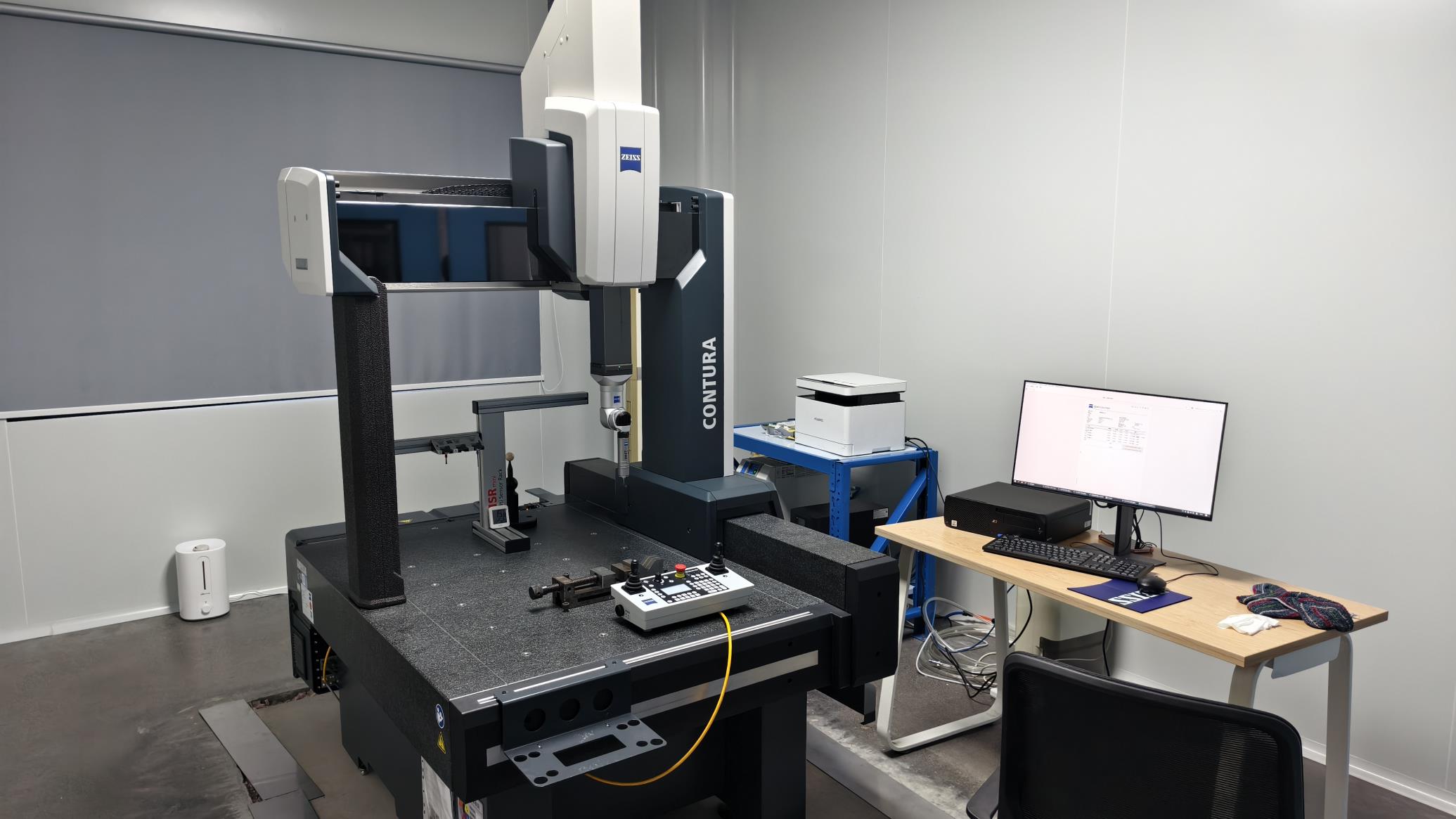
| Quality Inspection | 100% Quality Inspection Before Shipment |
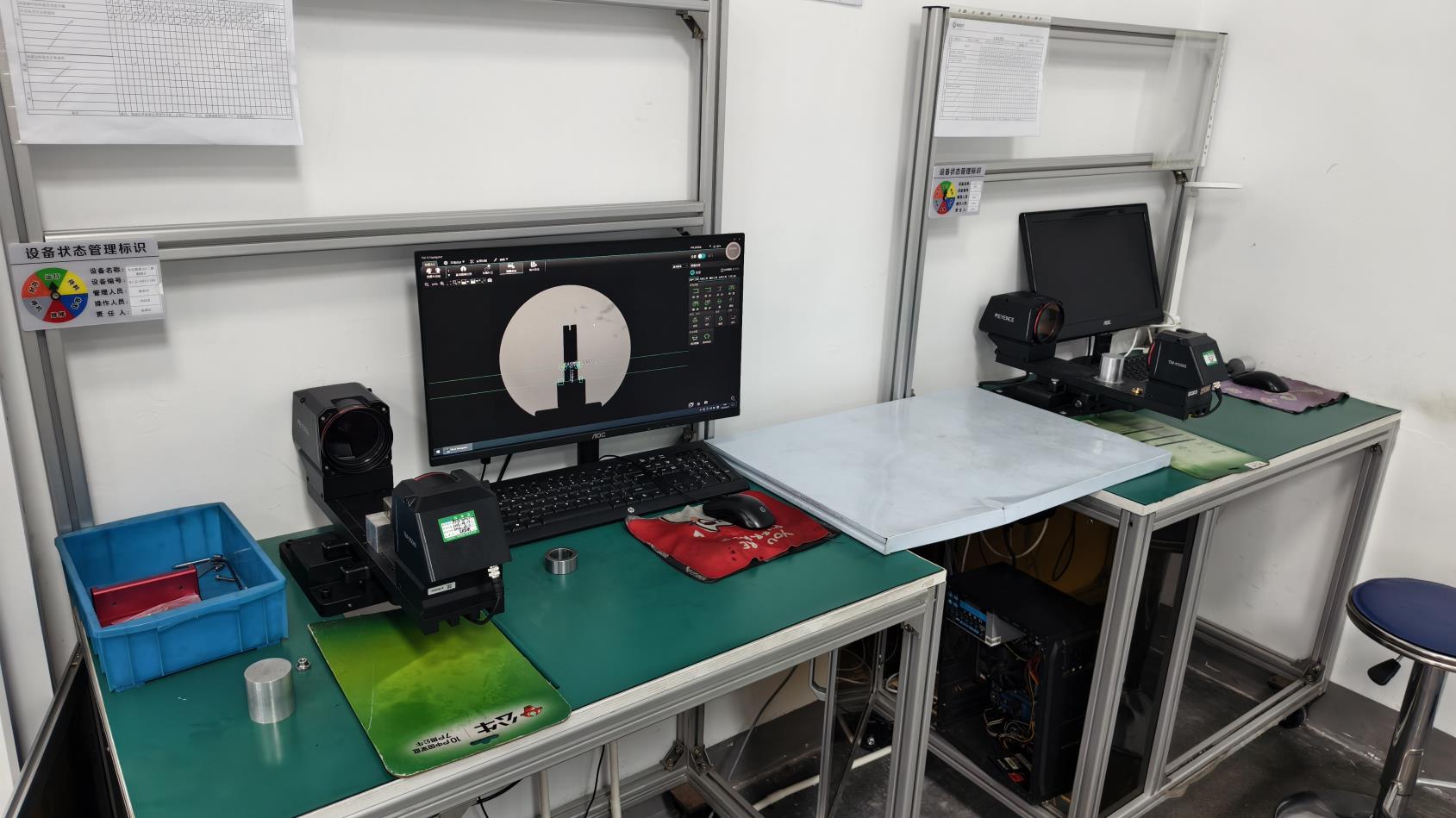
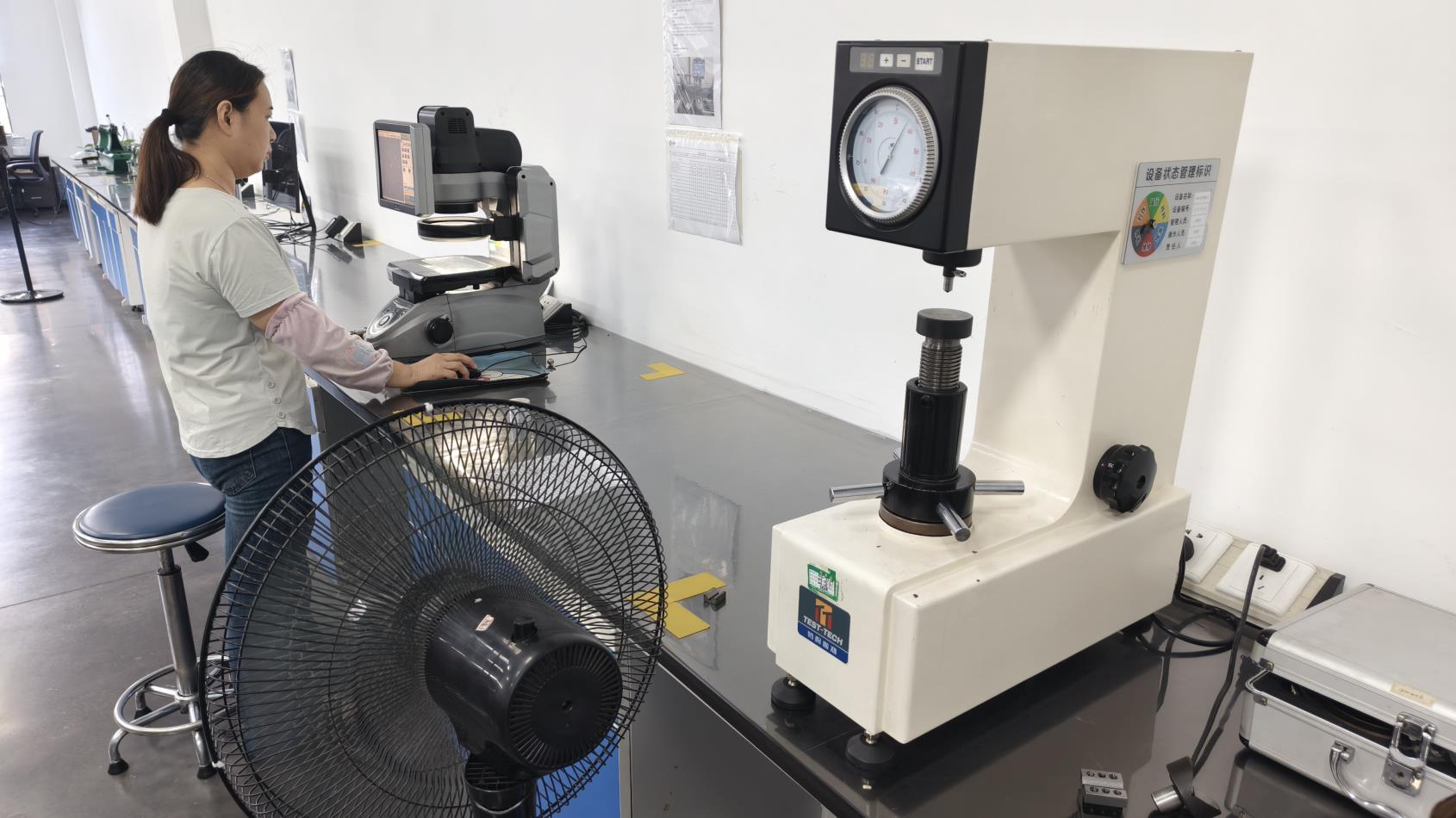
| Inspection Methods | Dimensional Inspection, Material Analysis, Surface Finish Inspection, Mechanical Performance Testing, Sterility Verification |
| QC Staff Size | 48 Quality Control Specialists |
| Business Classification | Manufacturer, OEM & ODM, Exporter |
| Main Markets | North America, Europe, South America, Middle East, Southeast Asia, Australia |
| Supply Chain Partners | 1,120 global supply partners |
| Customer Demographics | Medical Device Brands, Orthopedic Distributors, Hospitals, Importers, Government Procurement Projects |
| R&D Capability | Independent Product Design, Rapid Prototyping, OEM/ODM Development, Customized Engineering Solutions |
| Customization Options | Logo Customization, Packaging Customization, Product Design Customization, Drawing-Based Manufacturing, Sample-Based Manufacturing |
| New Products (Last Year) | 156 Products Released |
| R&D Engineers | 86 Specialists |
A visual tour of our machinery, quality assurance systems, and clean-room assembly processes.
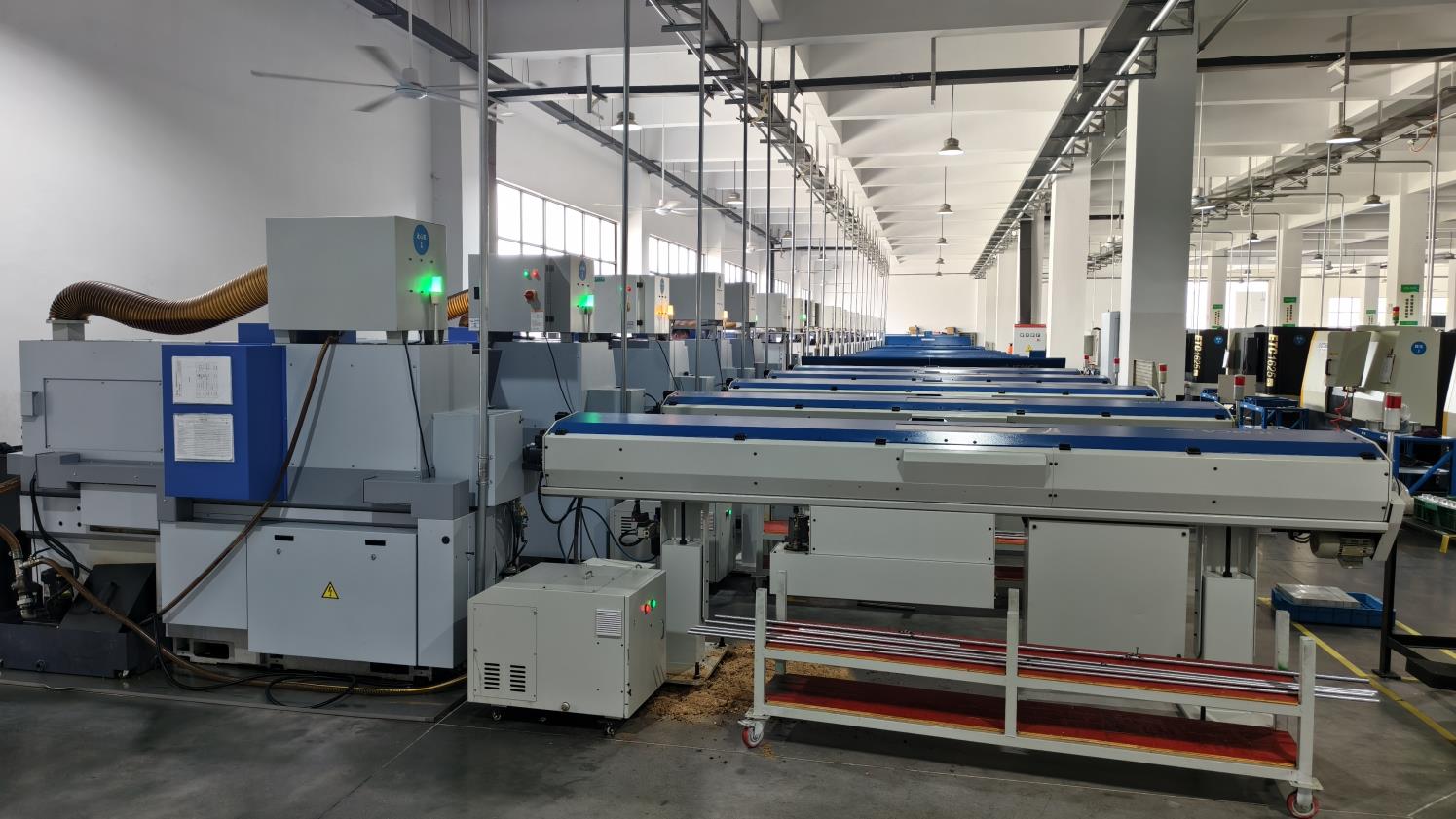
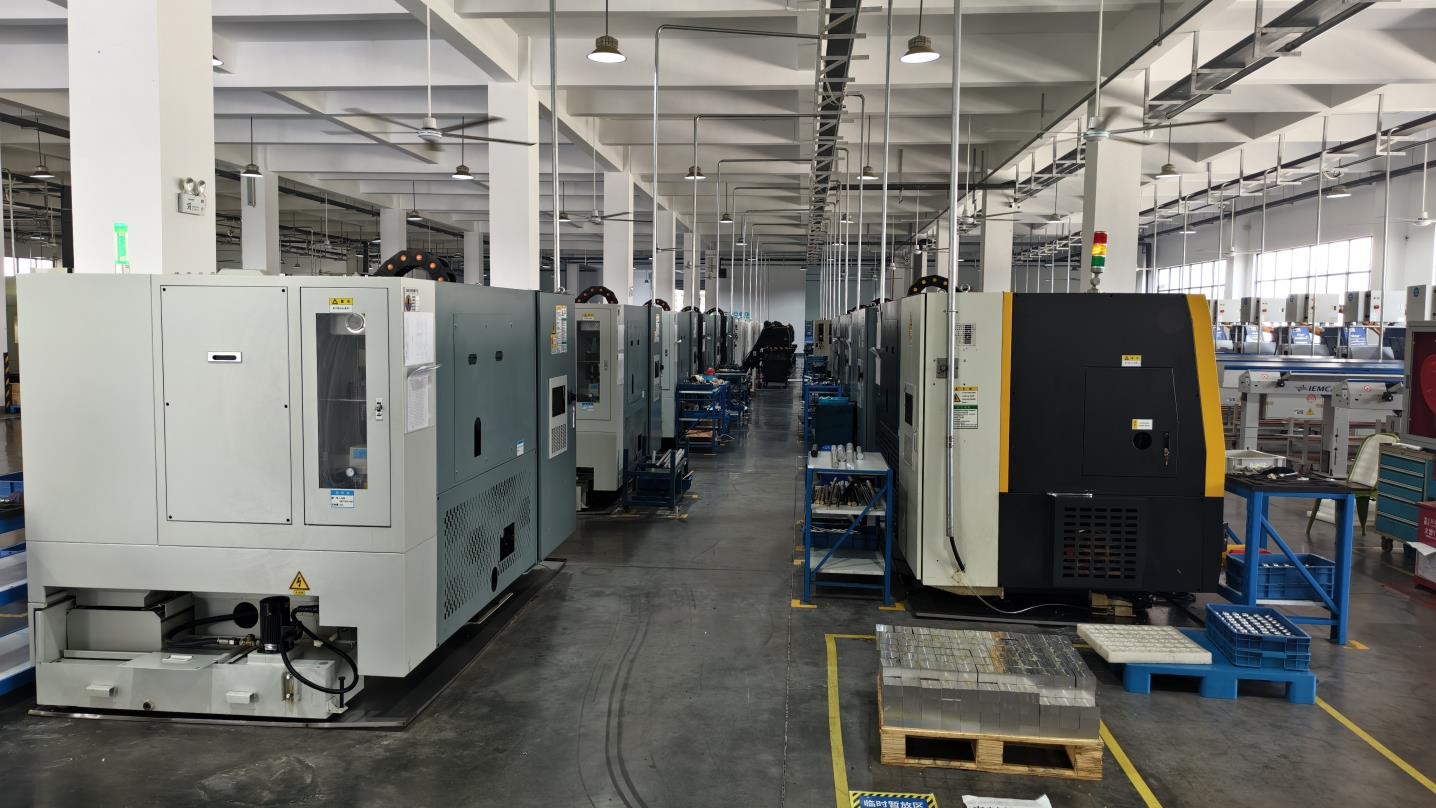
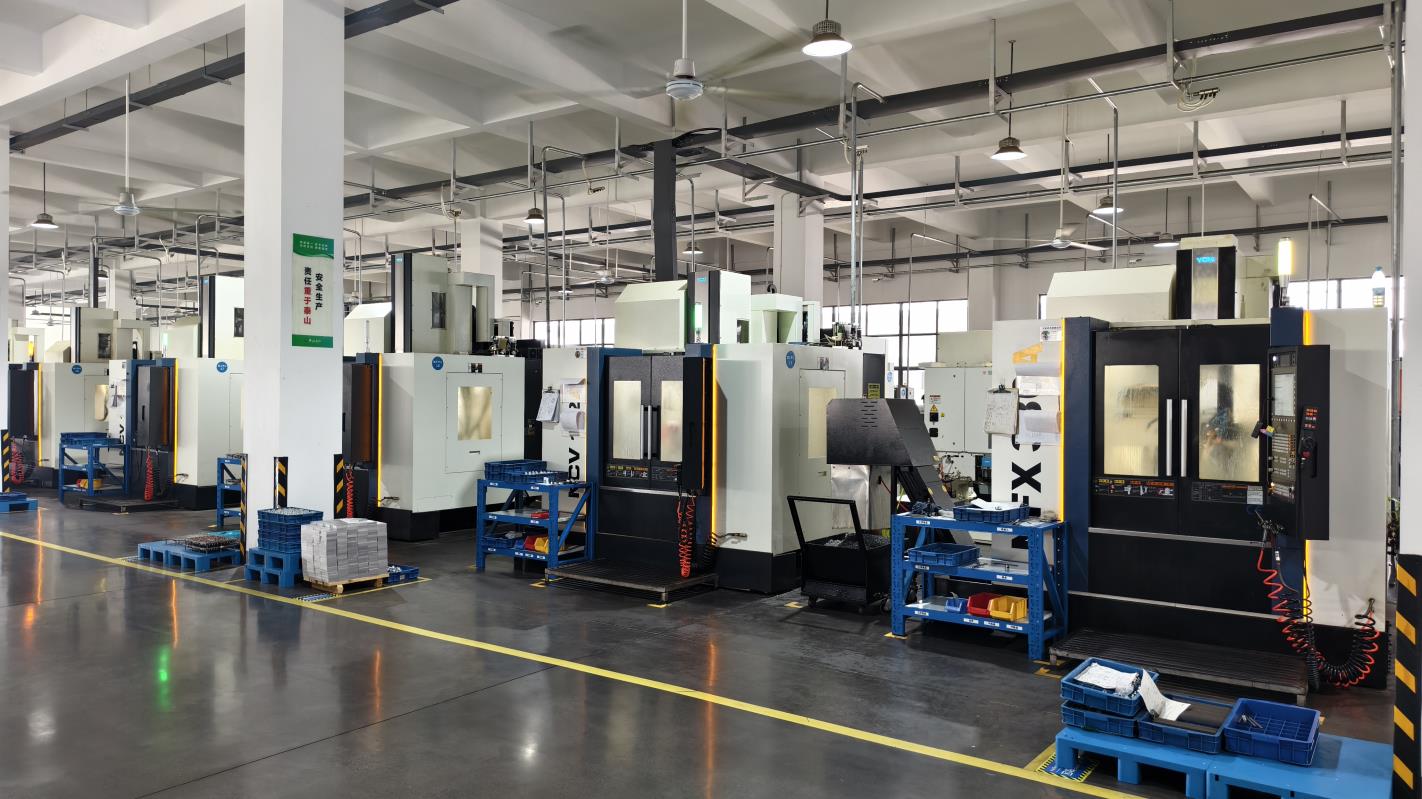
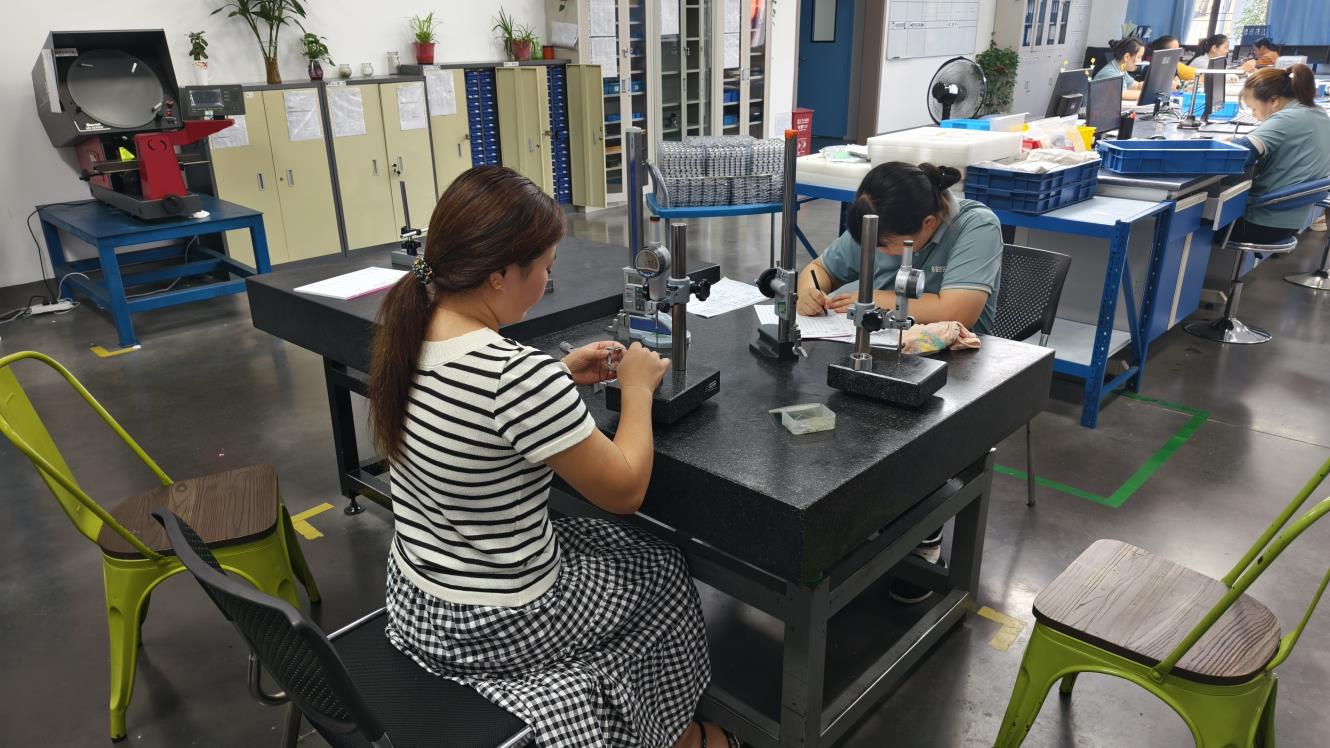
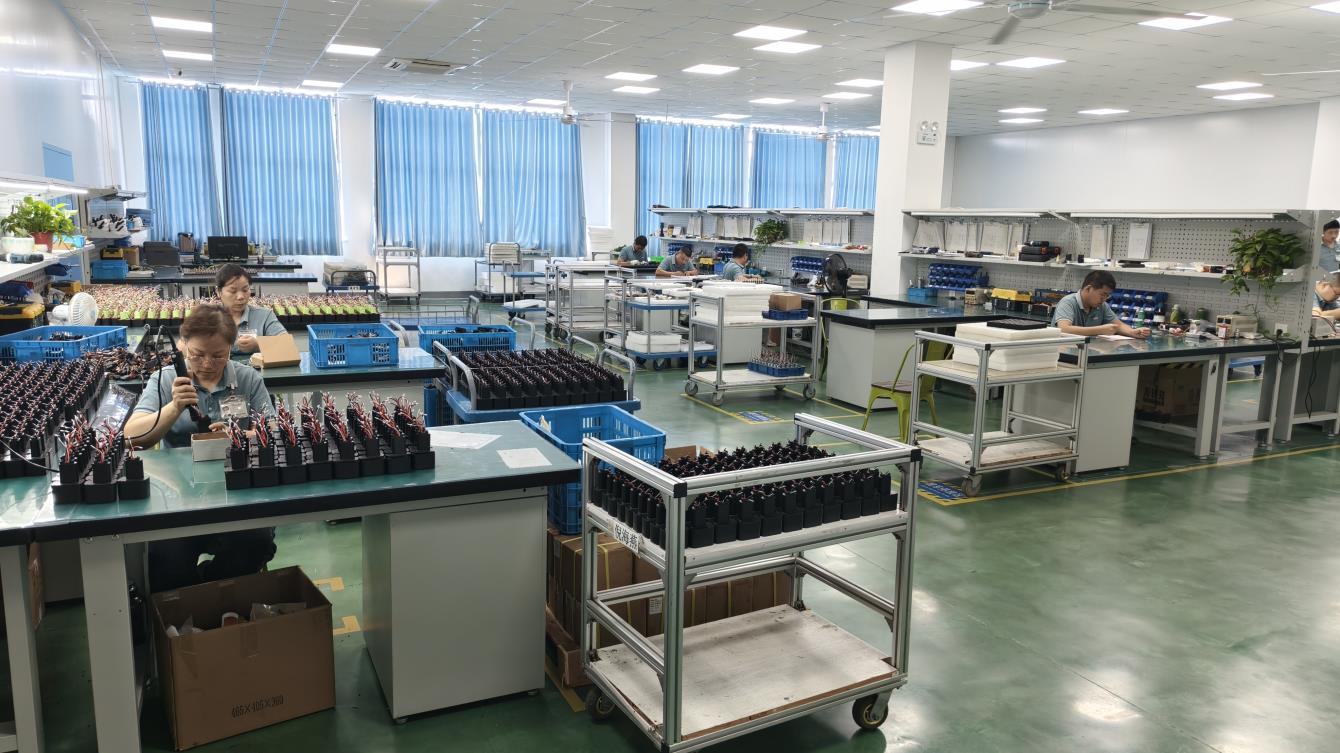
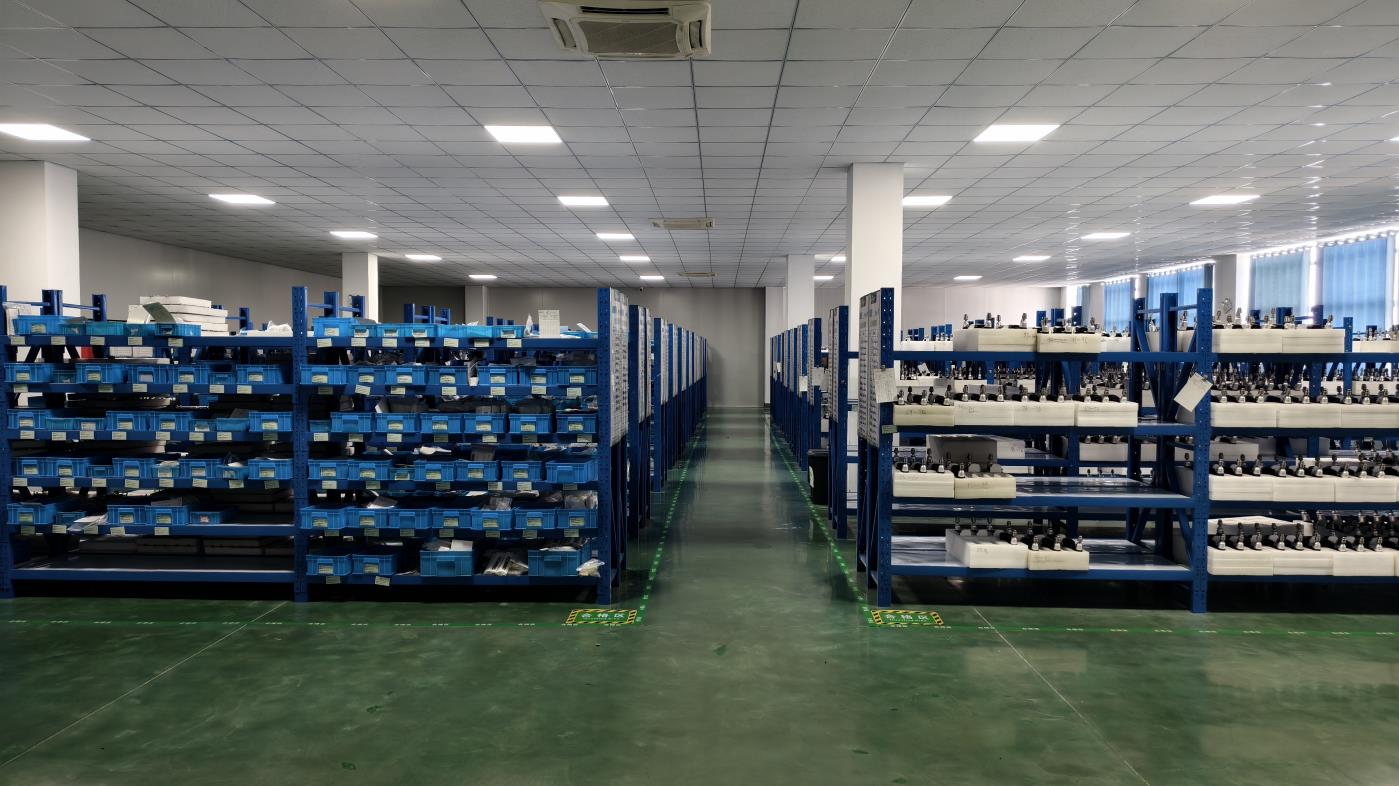
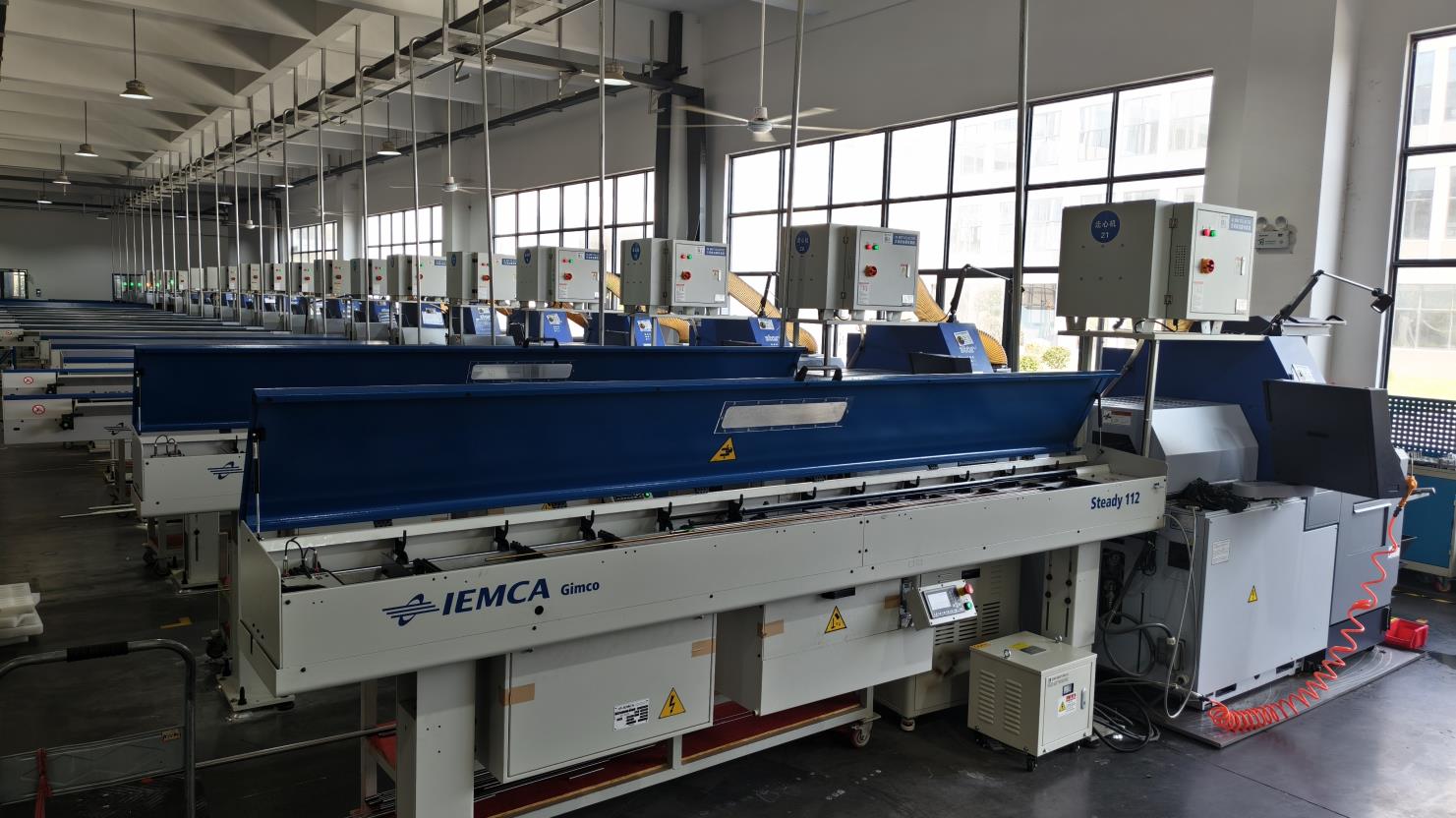
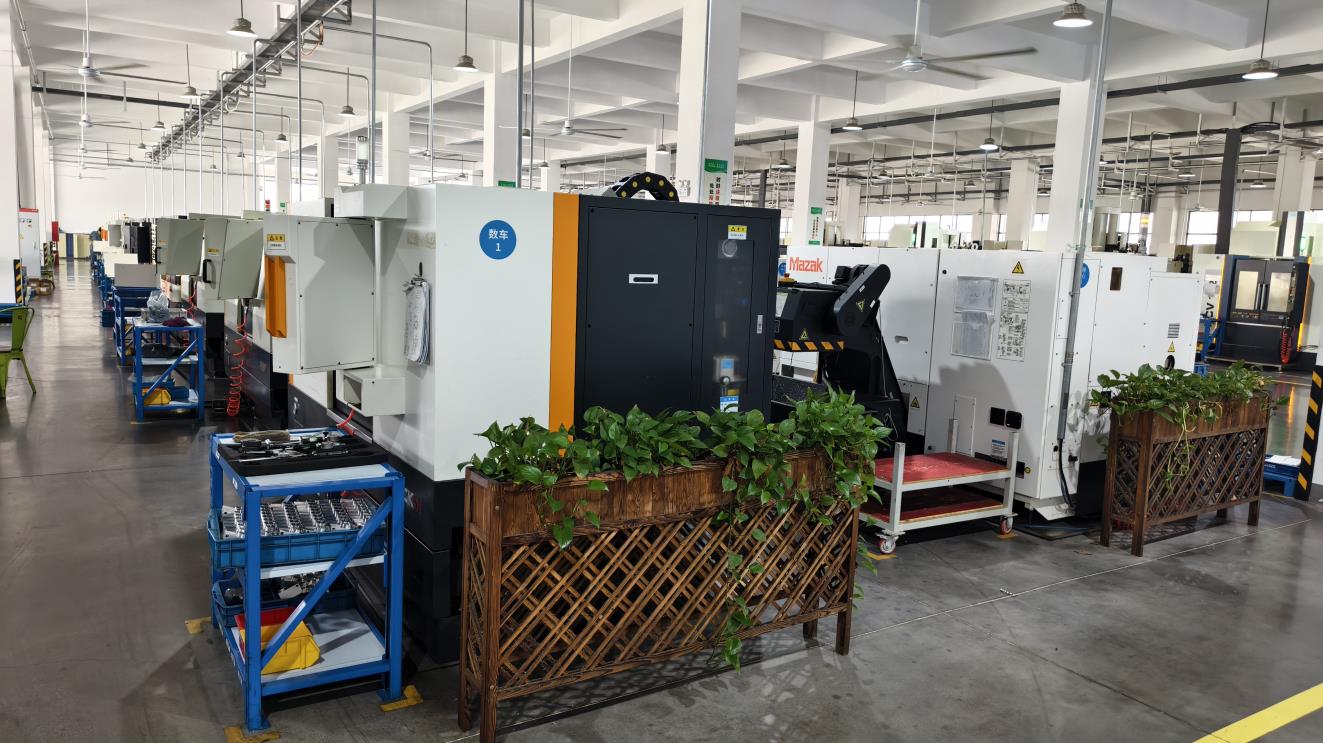
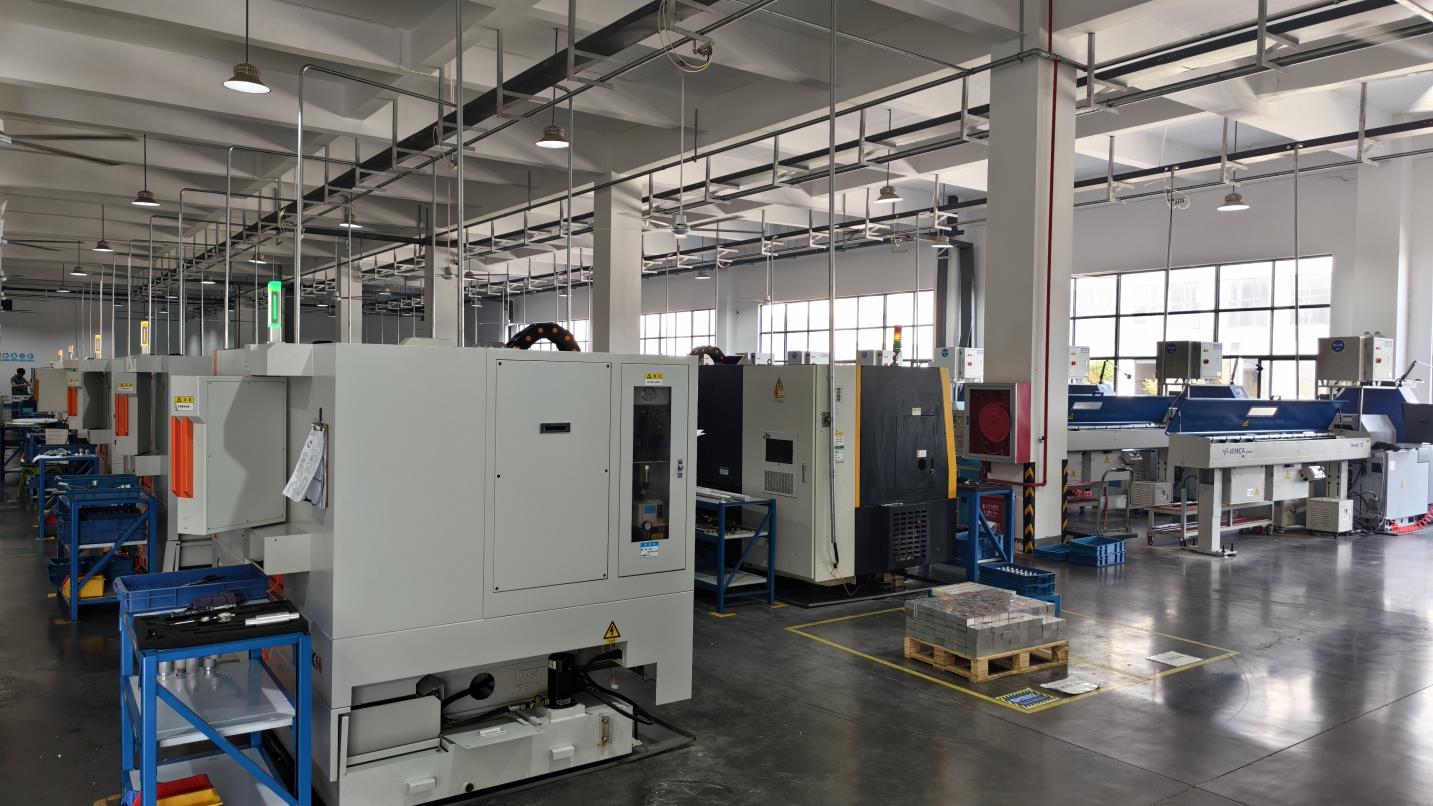
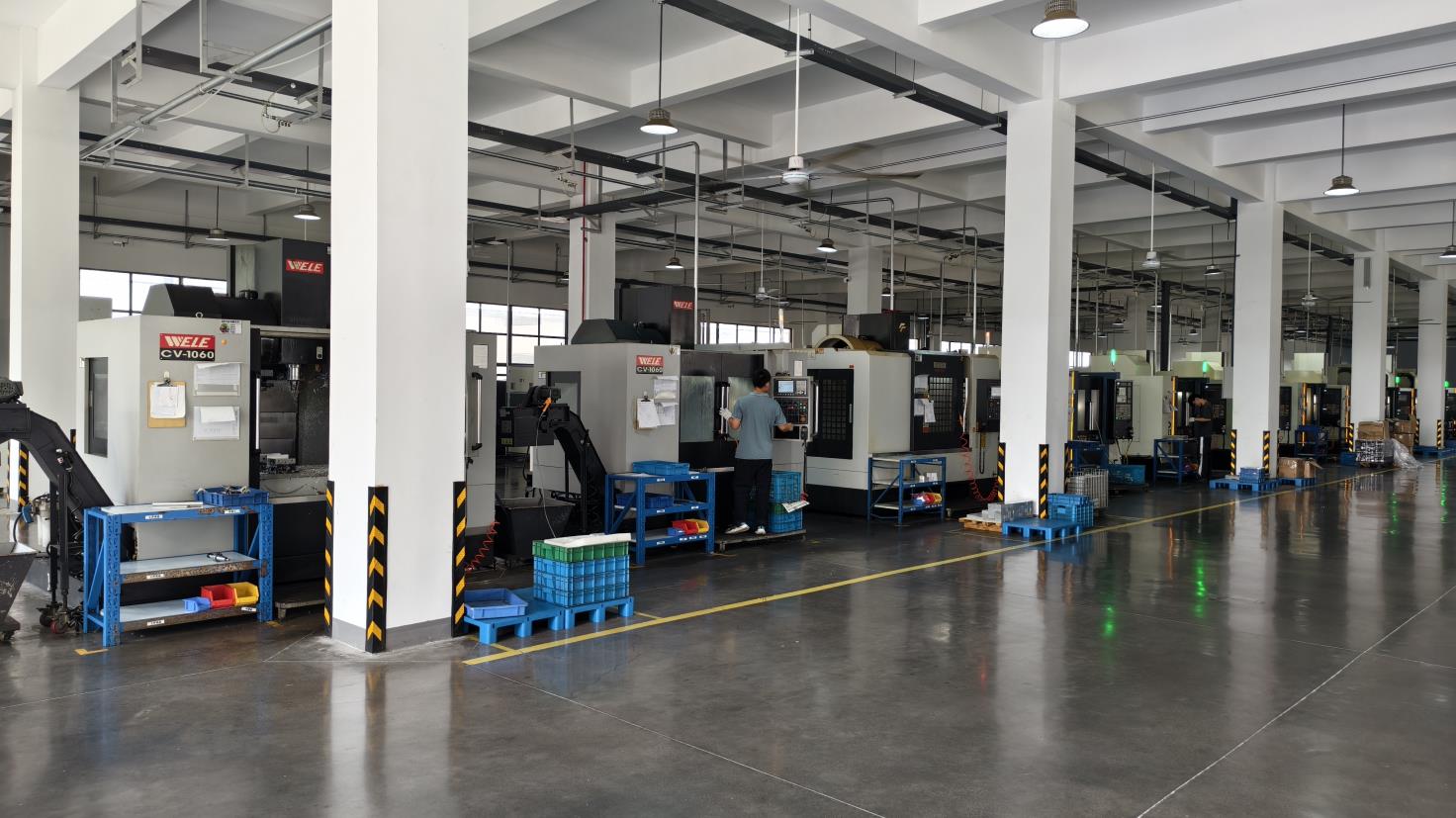
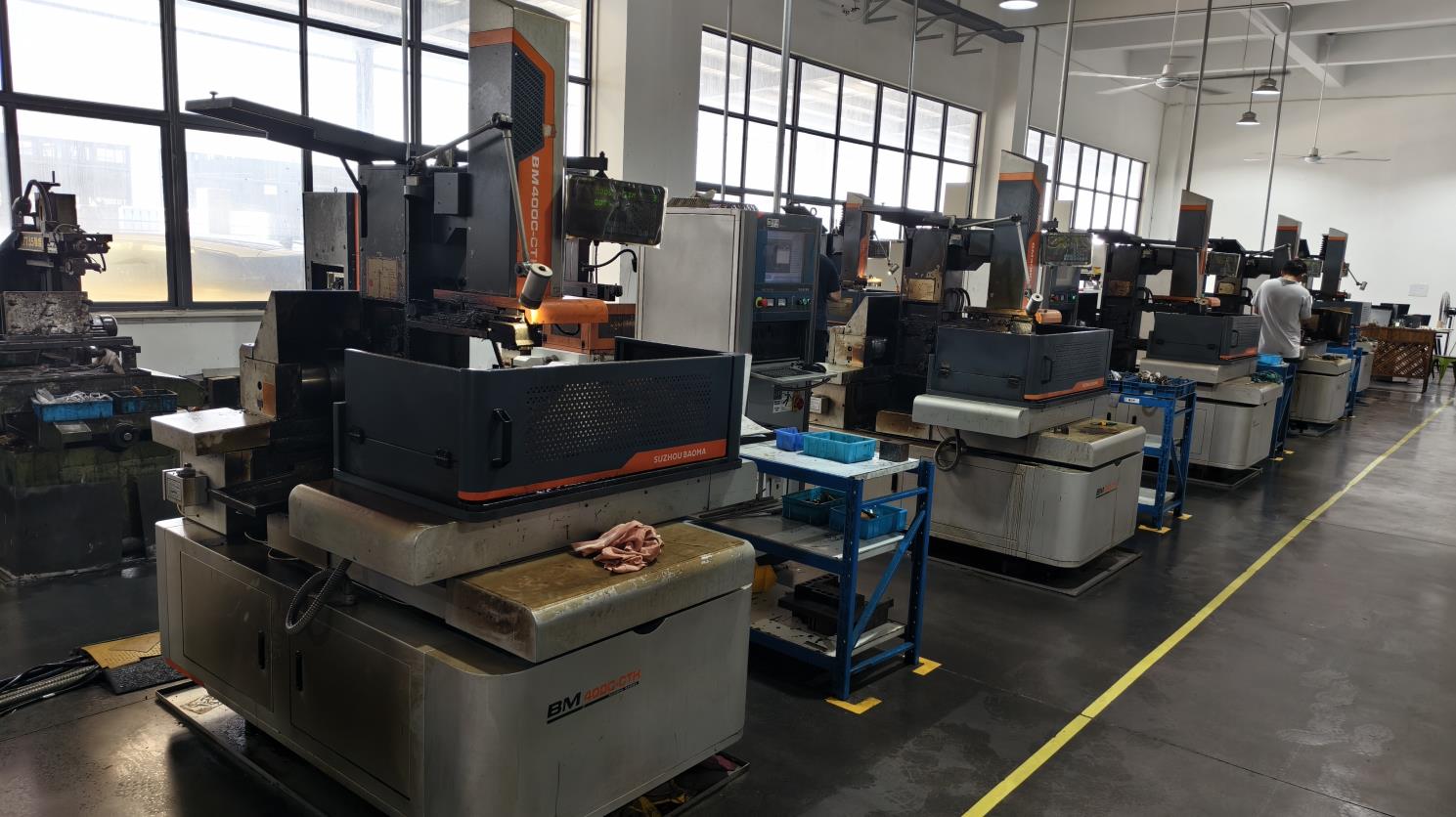
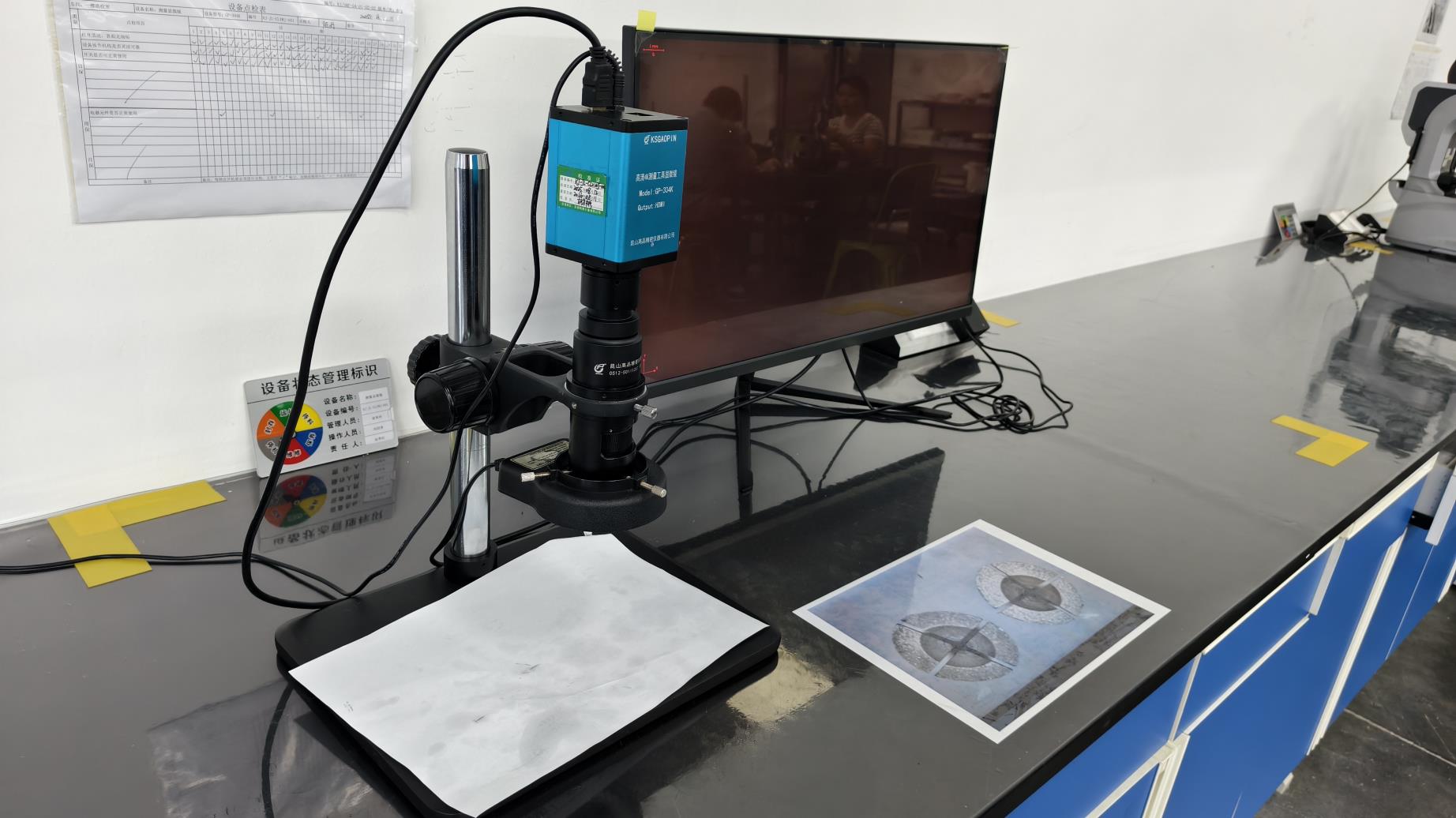
A detailed overview of how Moventra ensures product safety and regulatory compliance.
The manufacturing process begins with certified raw materials. Moventra uses Medical Grade Titanium Alloy (Ti-6Al-4V ELI, conforming to ASTM F136) and high-density, unfilled Polyetheretherketone (PEEK-OPTIMA). These materials are chosen for their high tensile strength, fatigue resistance, and low Young's modulus, which mimics natural bone elasticity to reduce stress shielding.
Every incoming material batch undergoes spectroscopic analysis to verify its chemical composition, alongside tensile testing to confirm structural yield strength. These steps ensure that the implants can withstand cyclic loading over millions of physiological movement cycles without deformation or failure.
For bone plates and polyaxial pedicle screws, dimensional precision must be kept within single-micron tolerances. Our facility uses advanced Swiss-type turning centers and multi-axis CNC machines to cut locking threads and complex anatomical curves in a single setup. This reduces manual refixturing and eliminates alignment errors.
The surface treatment process is equally critical. For bone-contacting surfaces, we apply controlled electrochemical anodization (Type II and Type III). This increases the titanium oxide layer, improving corrosion resistance and helping to build a stable interface for osteoblast attachment. Screw threads are polished to a high finish to reduce friction torque during implantation, helping surgeons secure the device without damaging the surrounding bone structure.
All cleaning, final assembly, and packaging processes occur within Class 10,000 (ISO Class 7) cleanrooms. Implants undergo multi-stage ultrasonic cleaning using deionized water to remove any chemical or physical residues from machining. Quality control is managed by a team of 48 specialists who perform key checks on every production batch:
Streamlining international regulatory paths, local registrations, and custom supply chain workflows for global medical device brands.
Selling medical devices internationally requires navigation of complex local regulations. Moventra helps distributors and medical brands clear these hurdles by providing comprehensive documentation packages, including material certificates, validation reports, and ISO 13485 quality data. This support speeds up local registration processes, such as FDA 510(k) clearances and European CE MDR submissions.
To support global supply chains, we offer flexible shipping arrangements, customized cleanroom packaging, and precise product labeling. Whether delivering semi-finished implants for local finishing or complete sterile-packed kits directly to hospitals, our logistics team ensures all documentation is correct for customs clearance, preventing delivery delays.
"We provide custom laser engraving directly on implants and instruments. This includes unique device identifiers (UDI), tracking numbers, and customized branding. Our processes ensure clear markings that remain legible after repeated autoclave cycles."
Innovating the future of osteosynthesis through porous titanium materials, bio-absorbable components, and smart implant systems.
The field of fracture fixation is evolving quickly, moving from traditional metal plates toward active, biocompatible healing systems. Moventra is actively researching 3D-printed porous titanium structures that mimic the natural trabecular architecture of bone. This design promotes rapid bone growth directly into the implant, improving long-term stability in joint reconstruction and spinal fusion cases.
We are also exploring the use of advanced magnesium alloys that dissolve safely in the body once the bone has healed, eliminating the need for a second surgery to remove the hardware. In parallel, our R&D team is developing smart implant systems with embedded micro-sensors. These sensors can monitor real-time strain and detect early signs of infection, providing clinicians with key recovery data to help personalize patient rehabilitation.
Answering key questions on raw material compliance, custom tooling, lead times, and regulatory support.
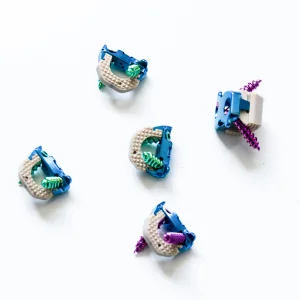
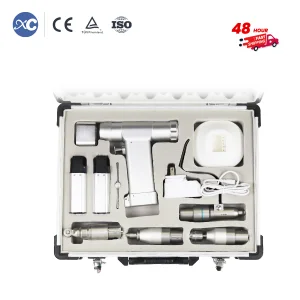
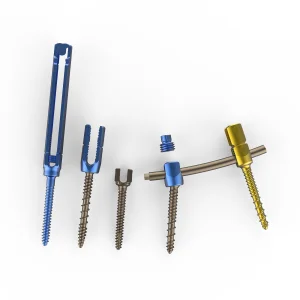
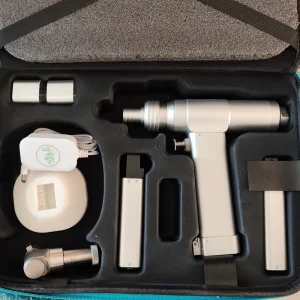
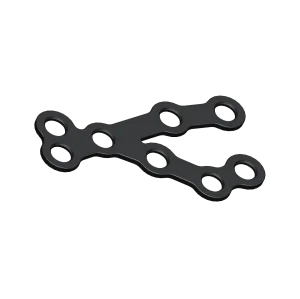
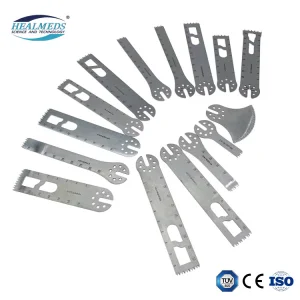
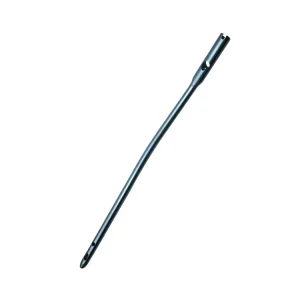
Premium bone drills, specialized saw blades, and advanced trauma locking plate systems designed for human and veterinary applications.
 Moventra Medical