Explore our high-performance components engineered to clinical perfection, supporting minimally invasive trauma and joint reconstructions.
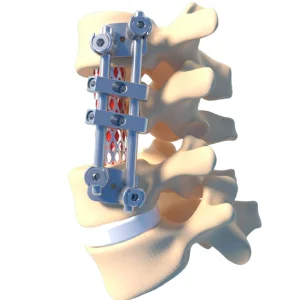
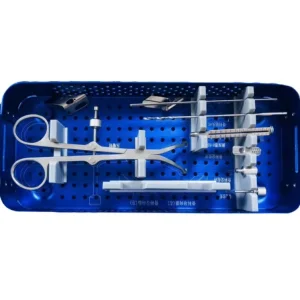
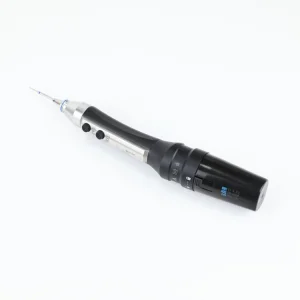
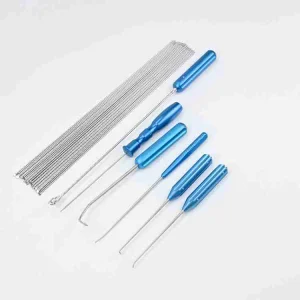
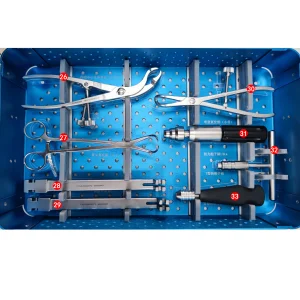
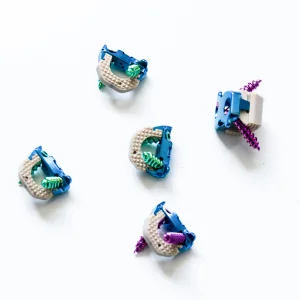
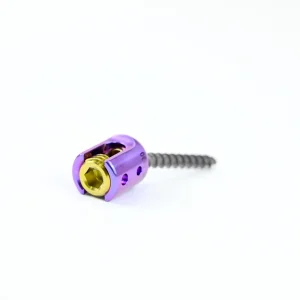
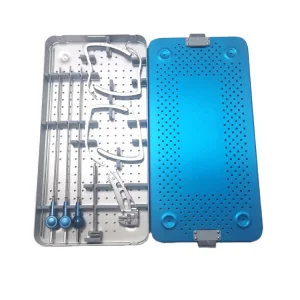
Unveiling the evolution of headless compression technologies in modern osteosynthesis and micro-fixation methodologies.
The global orthopedic fixations market has witnessed a monumental transition from traditional bicortical locking systems to highly specialized, minimally invasive techniques. Foremost among these developments is the adoption of headless cannulated screws (commonly referred to as headless compression screws). Engineered to deliver rigid internal fixation and compression across fracture lines or osteotomy gaps, these specialized implants are designed to sit flush with or beneath the articular cartilage surface. This unique geometry prevents soft-tissue irritation, tendon impingement, and cartilage degradation, which are common complications of standard headed cortical hardware.
From a macroeconomic perspective, the clinical preference for headless screw systems is driven by an aging global population, the expansion of active lifestyles among seniors, and a significant rise in outpatient orthopedic surgeries in Ambulatory Surgery Centers (ASCs). Research indicates that the global market for extremities and trauma fixation devices is expanding at a CAGR of 6.2%, with cannulated compression designs occupying a commanding share. Major medical hubs across North America, Europe, and the Asia-Pacific region are prioritizing surgical procedures that reduce postoperative immobilization, allowing patients to begin early range-of-motion therapy.
SEO Insight & Technical Value: Unlike standard cortical screws, headless cannulated configurations utilize varying thread pitches between the leading (distal) and trailing (proximal) segments. As the screw is advanced, this differential pitch draws the bone fragments together, generating high-pressure compression without a protruding screw head.
An analytical overview of thread mechanics, variable pitch configurations, and raw material selection standards.
Engineered with a wider thread pitch at the distal tip and a finer thread pitch at the proximal end. This configuration pulls the distal bone fragment toward the proximal fragment as the screw is driven forward, delivering stable mechanical compression without relying on a physical screw head.
Manufactured using biocompatible Titanium Alloy (Ti-6Al-4V ELI conforming to ASTM F136). The material exhibits high fatigue strength, excellent corrosion resistance, and high strength-to-weight ratio, ensuring long-term bio-stability and minimizing the risk of revision surgeries.
The concentric hollow channel of our cannulated screws is drilled with micron-level tolerances. This ensures smooth passage over guide wires without compromising the wall-thickness and torsional integrity of the implant, allowing precise placement under fluoroscopic guidance.
From a micro-engineering perspective, designing a reliable headless cannulated screw requires balancing the outer thread profile with the internal core diameter. The thread depth must be deep enough to secure purchase in cancellous bone, yet the core must retain sufficient cross-sectional area to withstand high insertion torque. Moventra’s advanced R&D laboratory utilizes Finite Element Analysis (FEA) to simulate axial loading, torsional stress, and pullout forces across varying bone densities. This allows us to manufacture custom medical implants that consistently perform in complex osteotomy settings.
Our corporate profile highlights our manufacturing footprint, R&D capabilities, and commitment to global regulatory alignment.
Established in 2017, Moventra Medical Technology (China) Co., Ltd. is a leading manufacturer specializing in the research, development, and global supply of premium orthopedic implants and surgical instruments. Over the past 13 years, our engineering team has accumulated deep industry experience, allowing us to build an extensive supply network that serves medical device brands, orthopedic distributors, hospitals, and government procurement projects in North America, Europe, South America, the Middle East, Southeast Asia, and Australia.
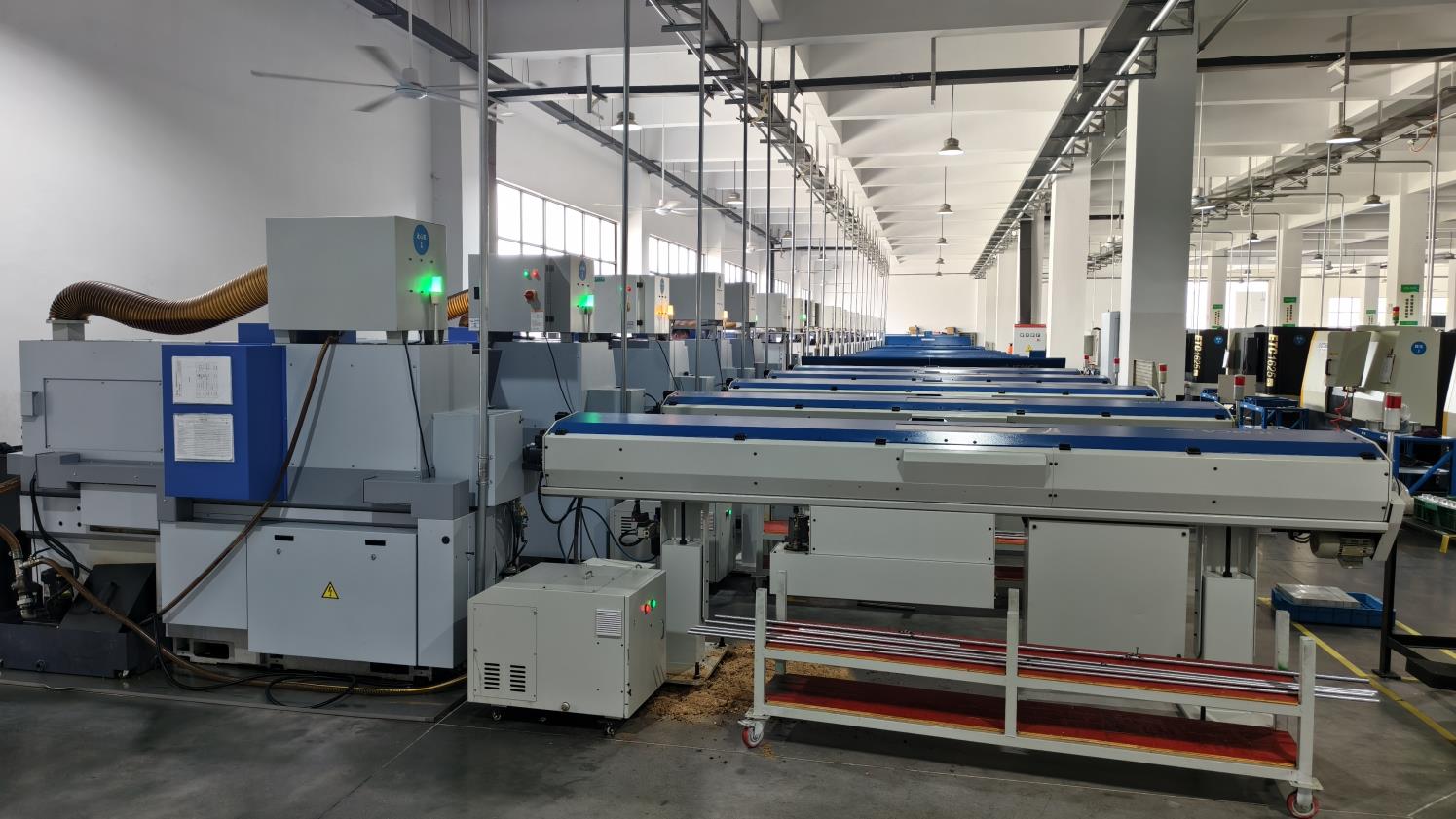
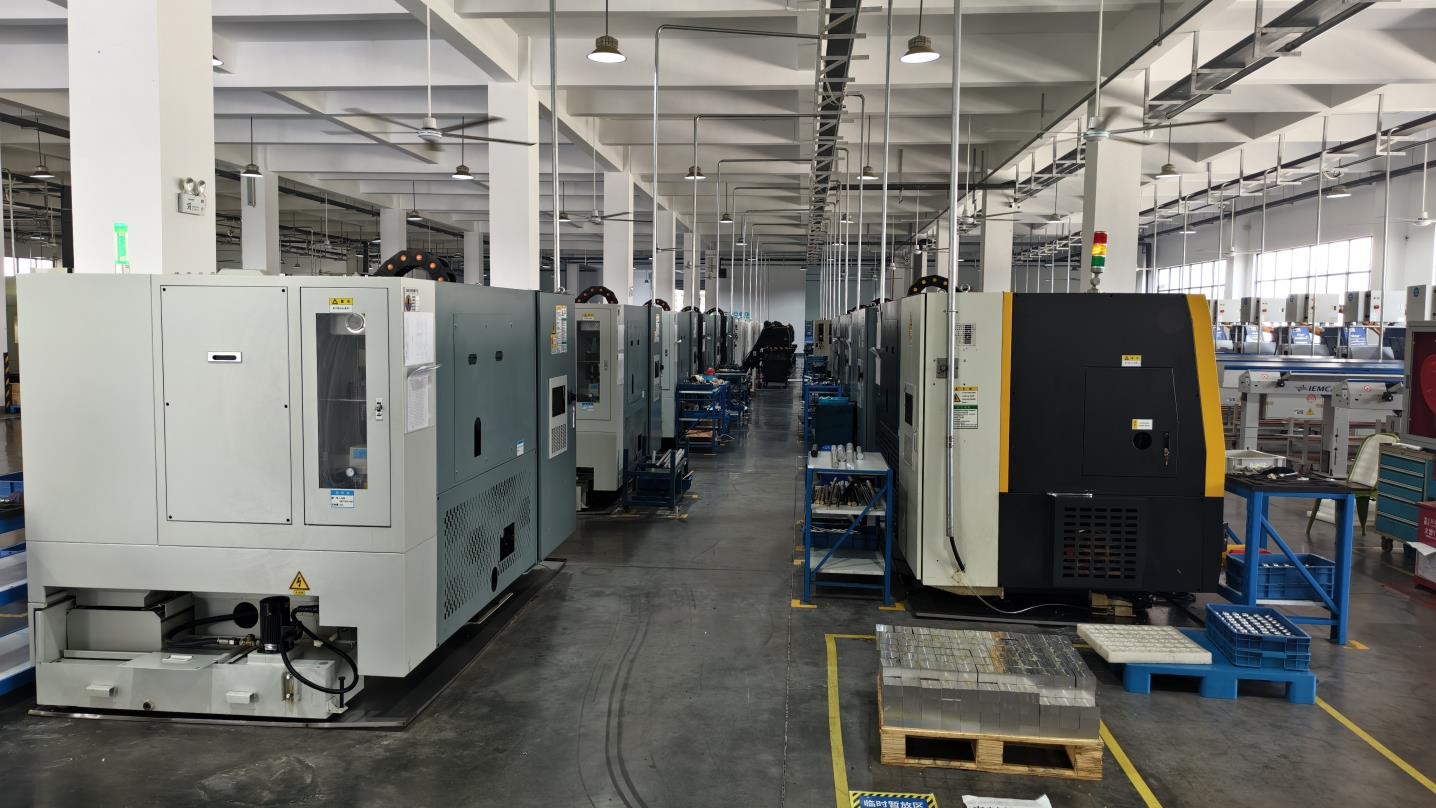
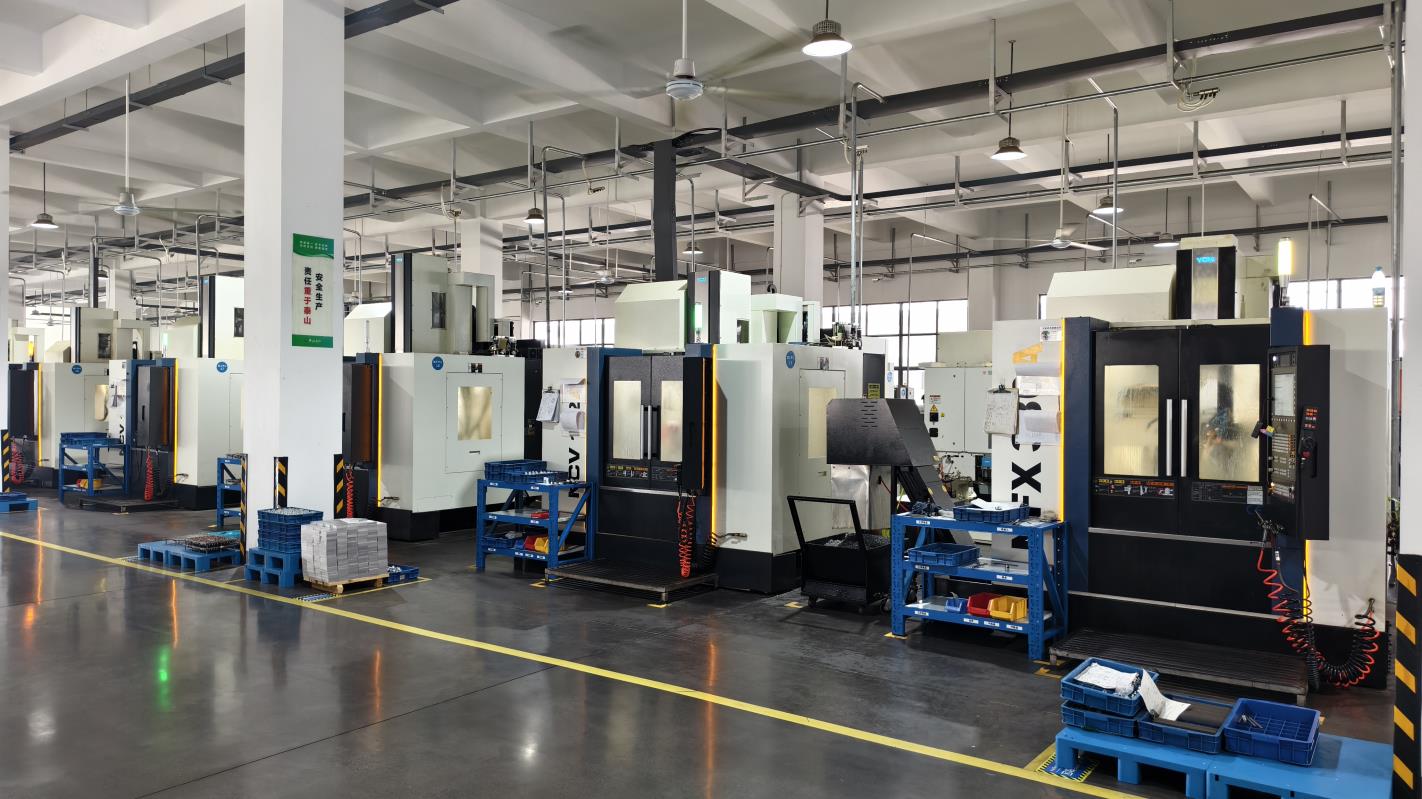
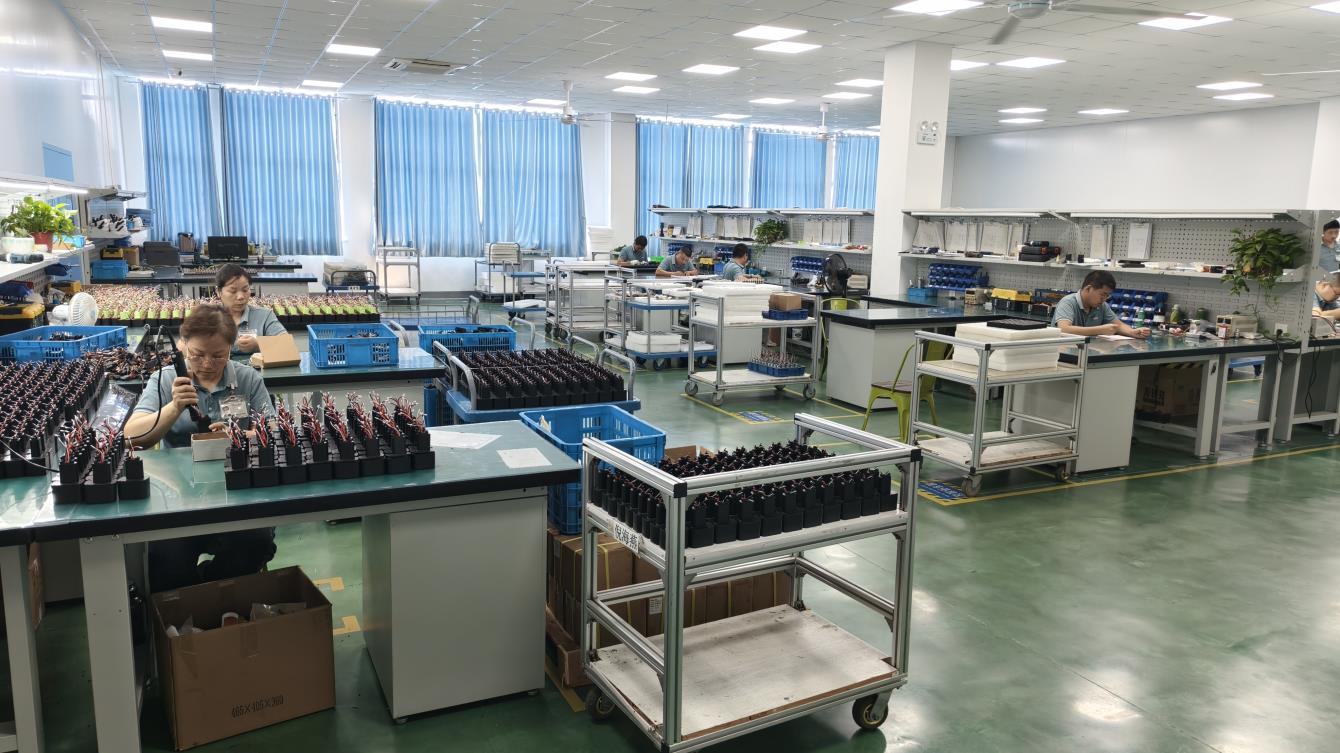
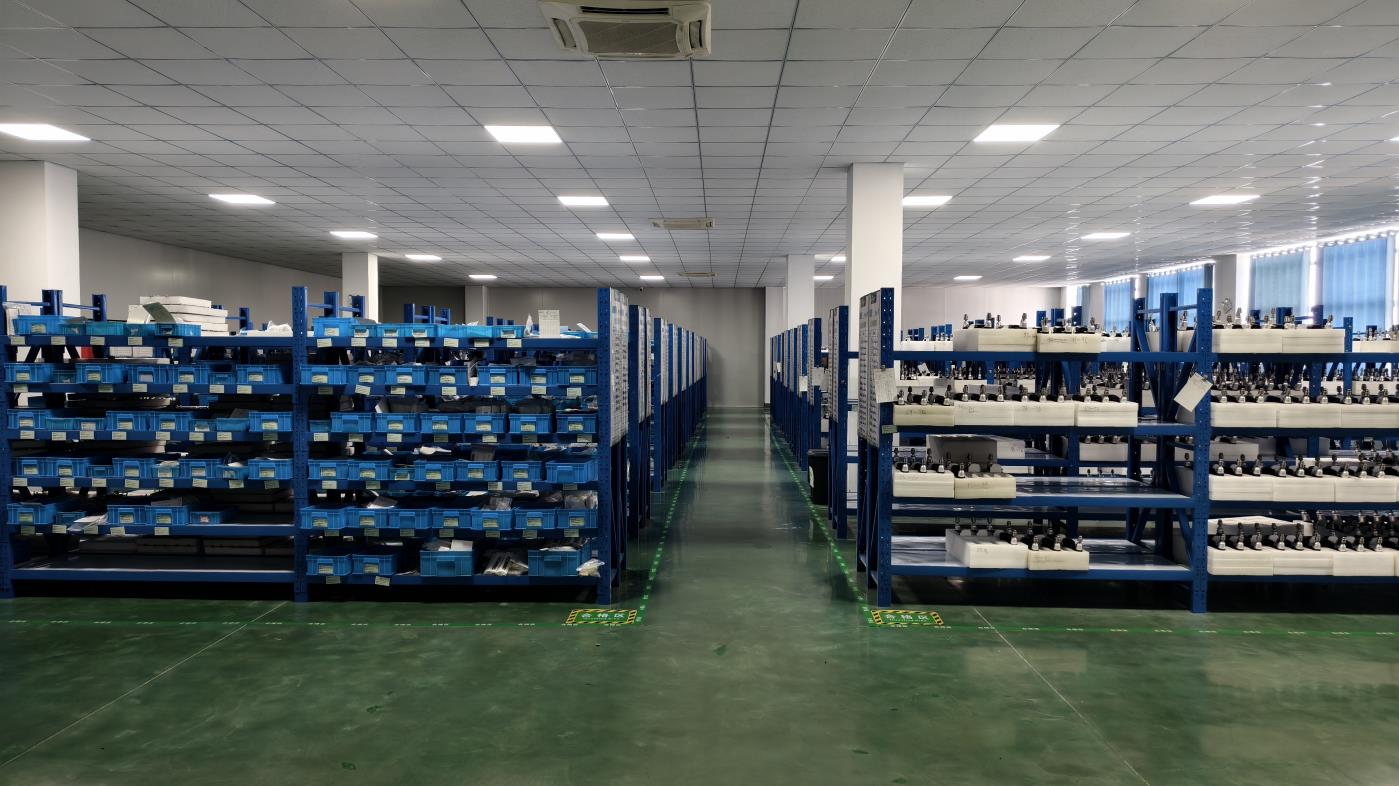
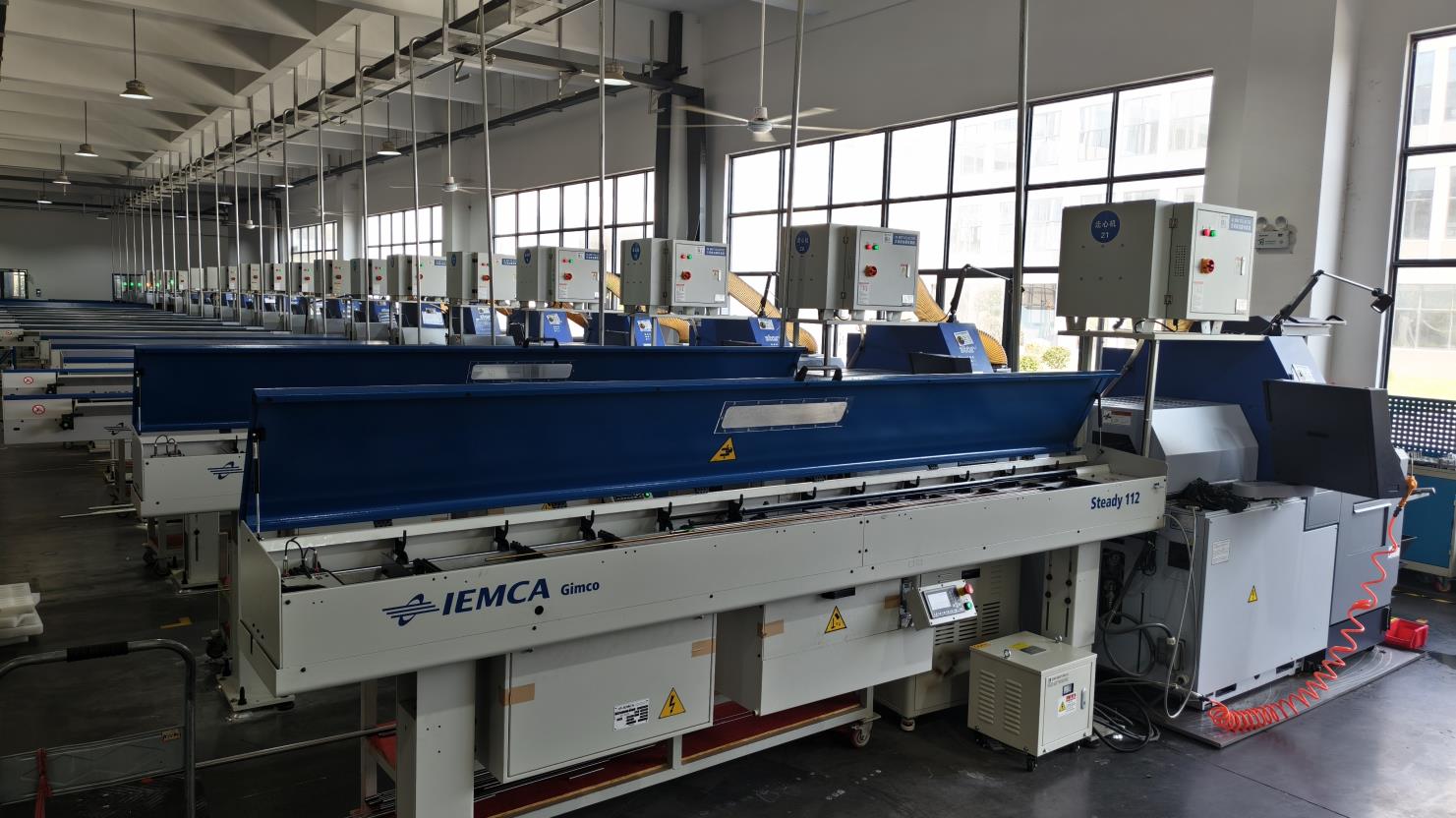
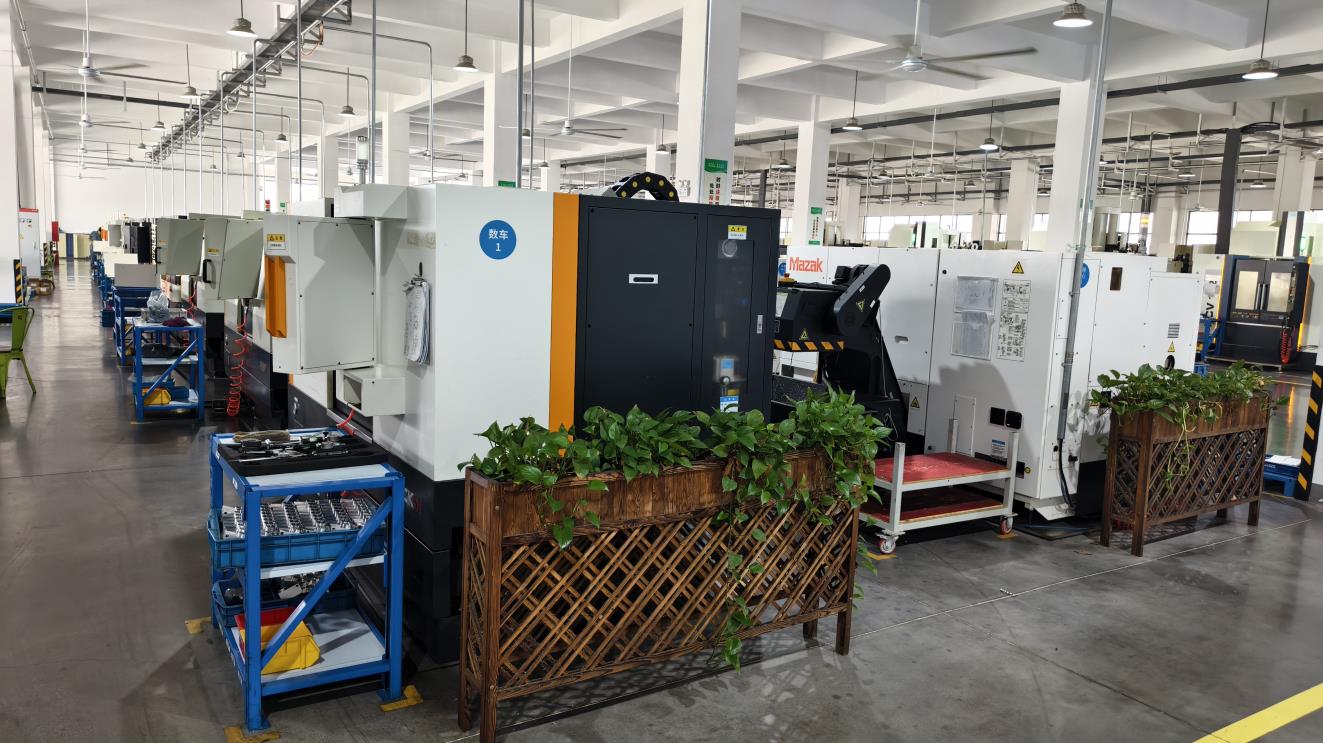
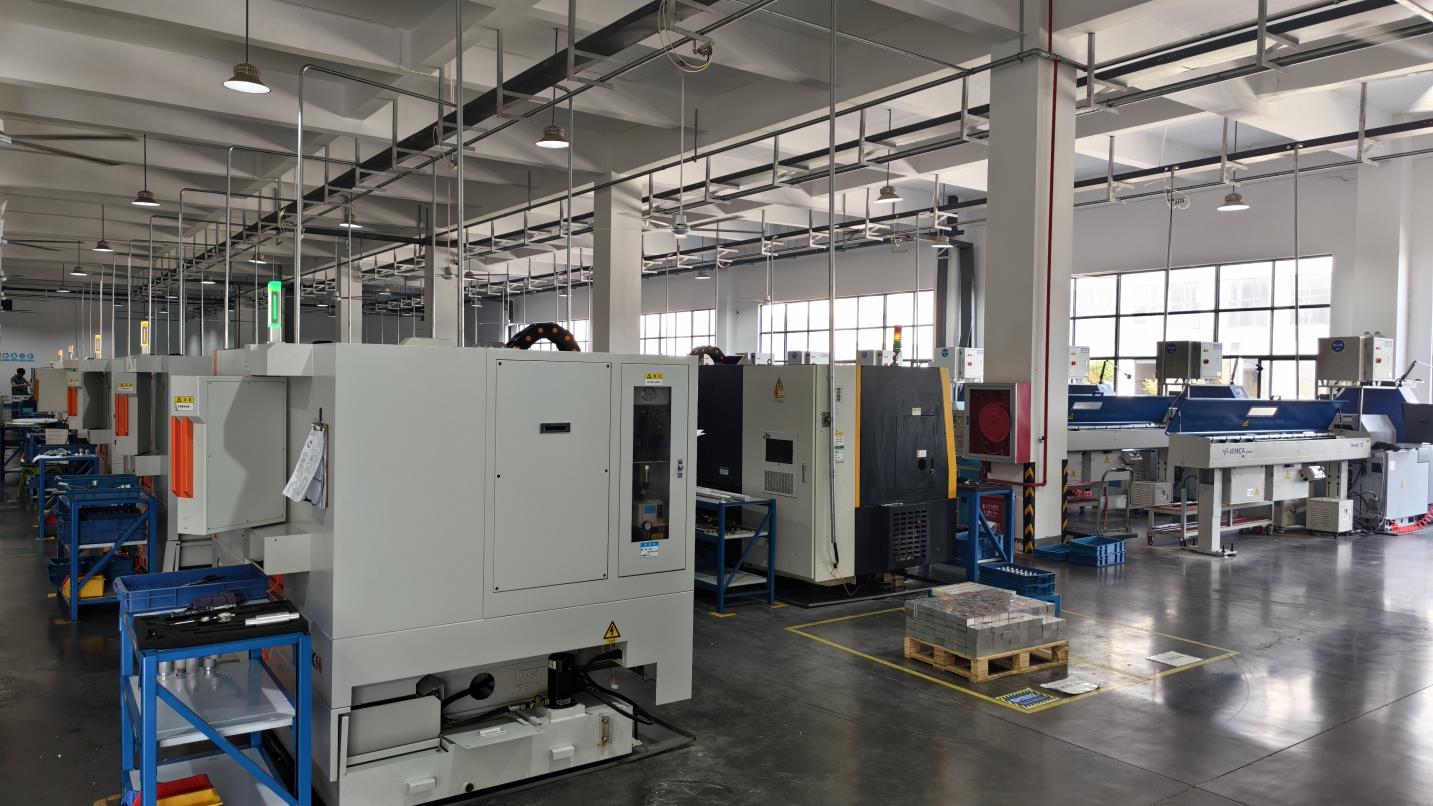
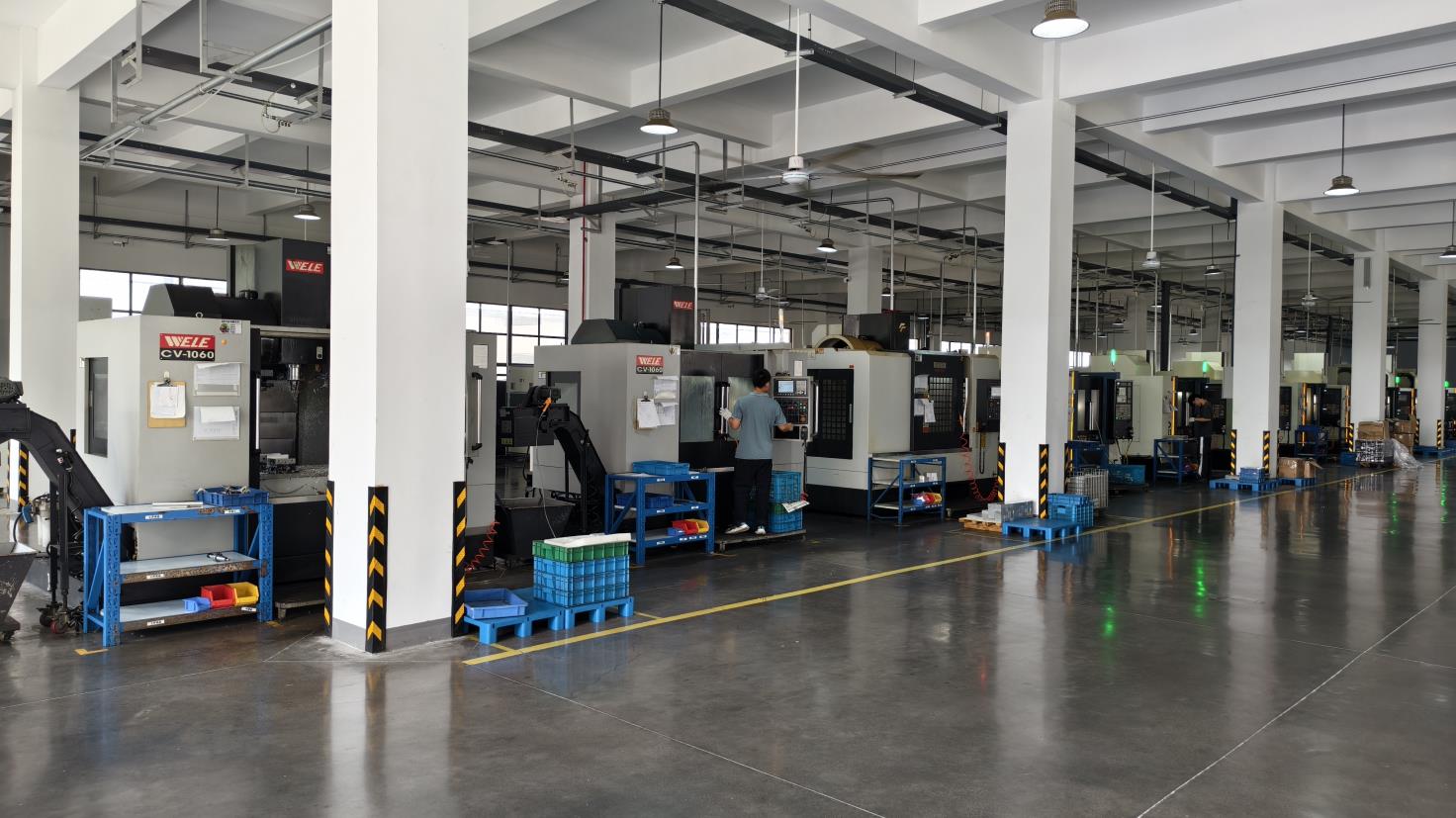
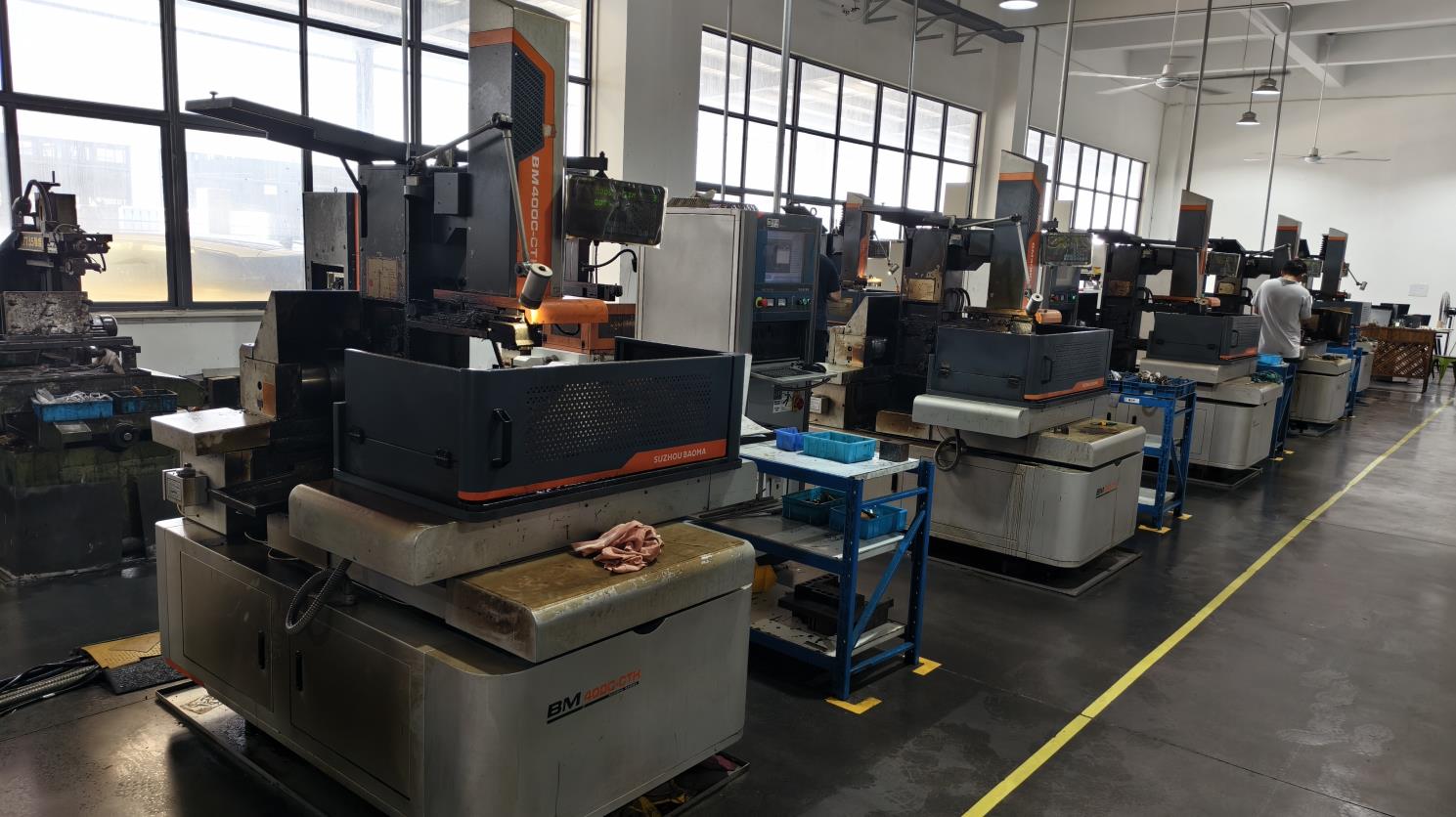
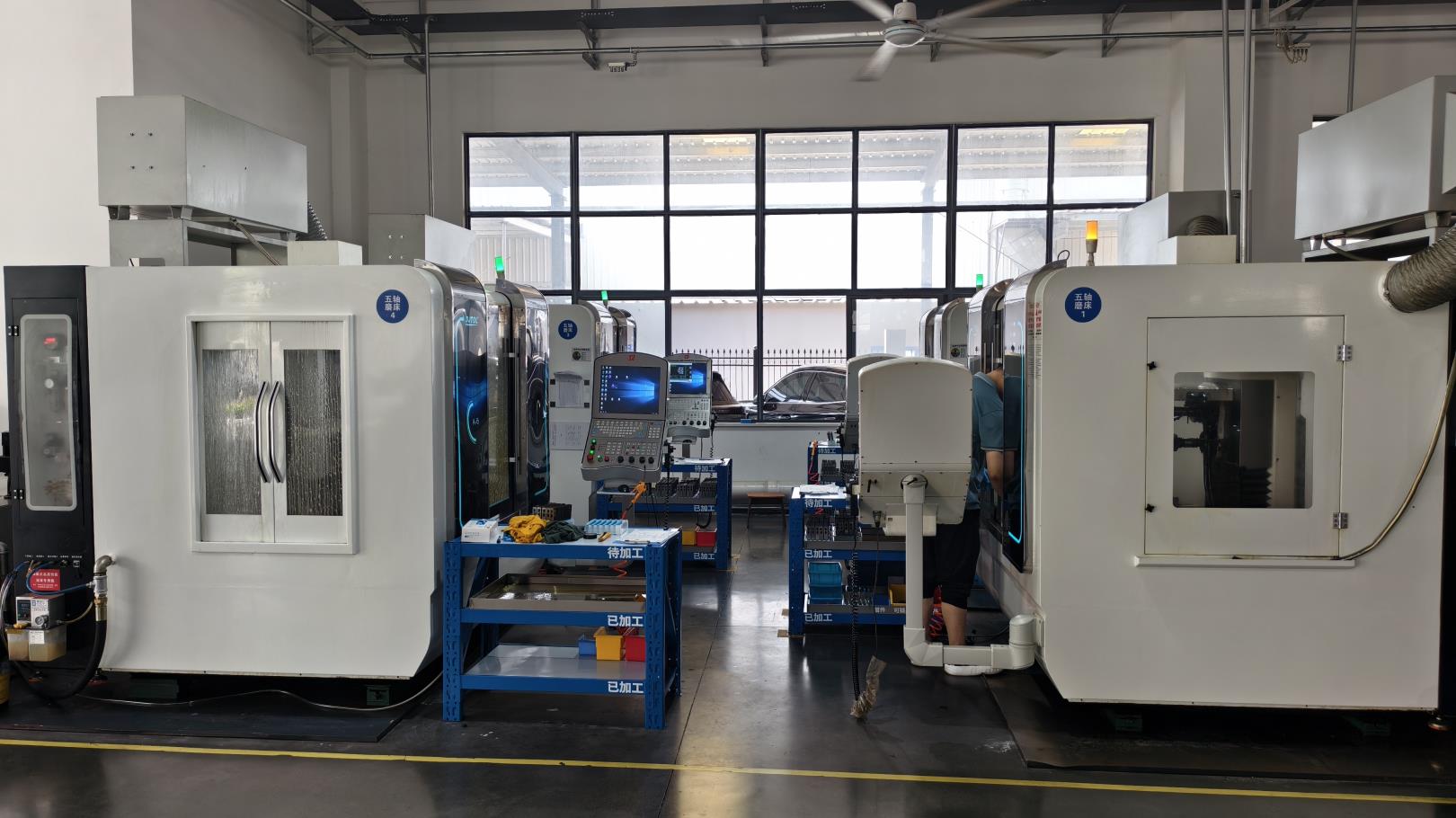
Our manufacturing facility spans over 18,600 m² and is equipped with advanced Swiss-type CNC lathes, multi-axis machining centers, high-precision grinding machinery, and ISO Class 7 cleanrooms. By integrating rapid prototyping with independent product design capabilities, Moventra supports complex OEM/ODM customization requests, including custom thread pitches, surface modifications (anodization, acid etching, HA coatings), and tailored sterile packaging.
| Strategic Indicator | Moventra Capabilities & Technical Details |
|---|---|
| Company Name & Brand | Moventra Medical Technology (China) Co., Ltd. (Brand: Moventra) |
| Manufacturing Scale | 18,600 m² advanced medical-grade manufacturing plant |
| R&D and Engineering Force | 86 R&D engineers; 156 new products released in the past year |
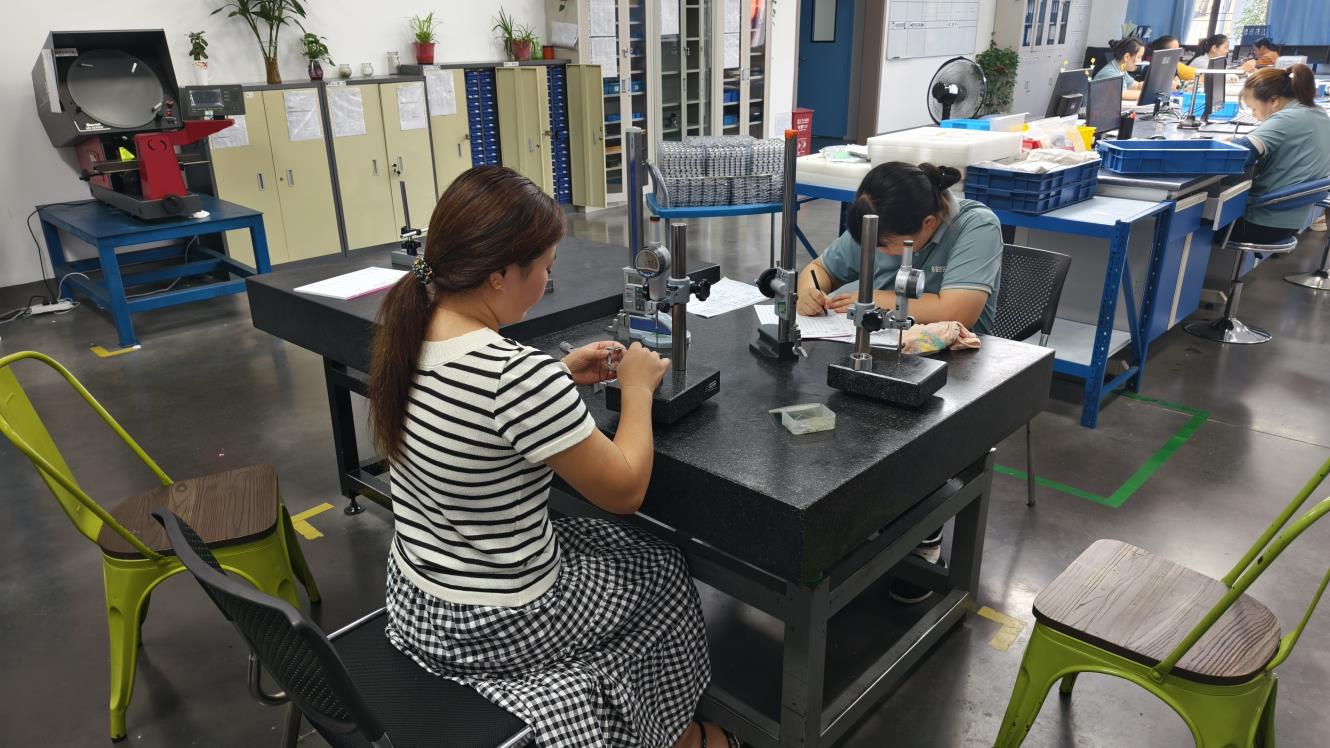
| Quality Control Staff | 48 dedicated QC inspectors conducting 100% Quality Inspection before shipping |
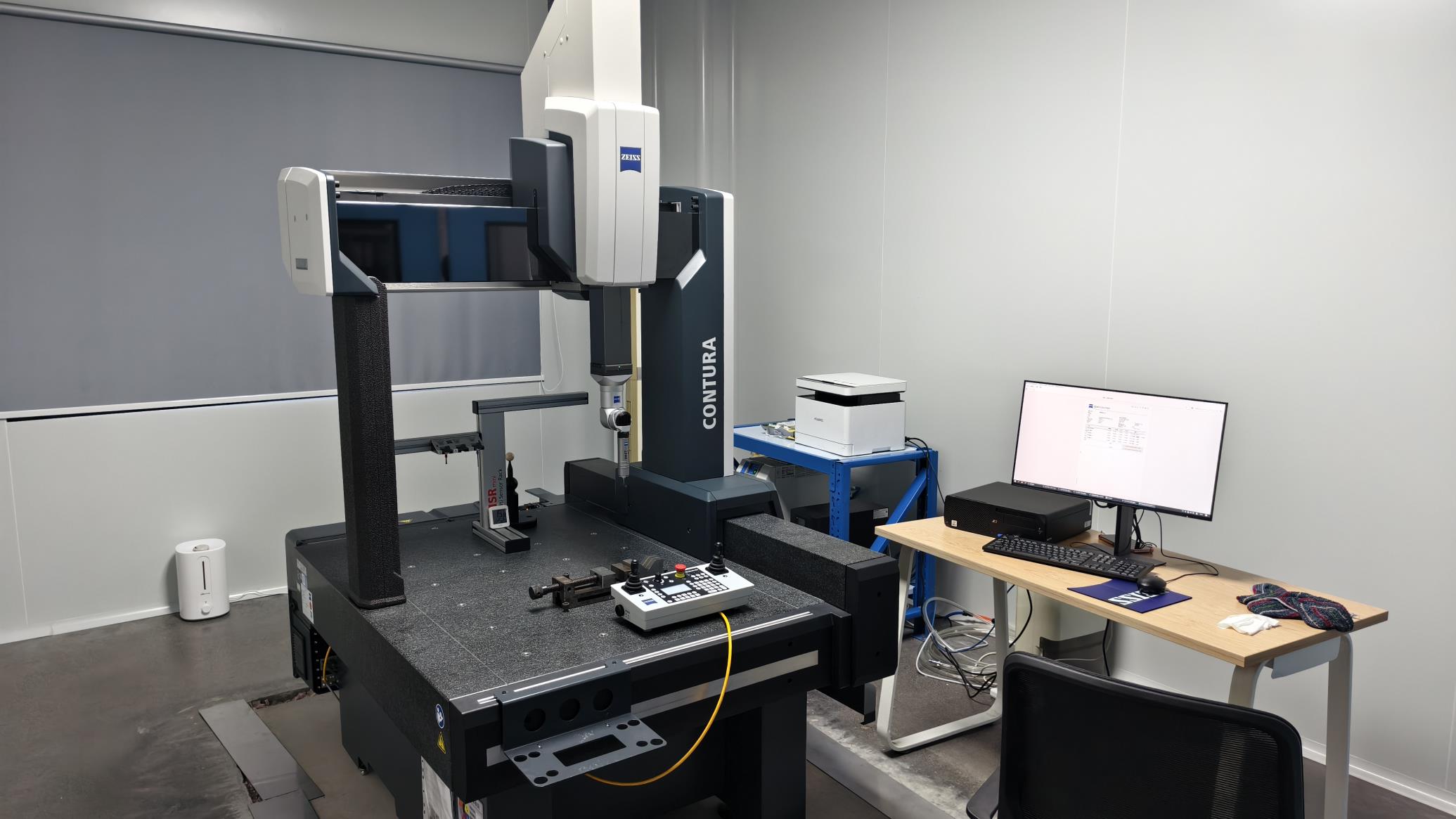
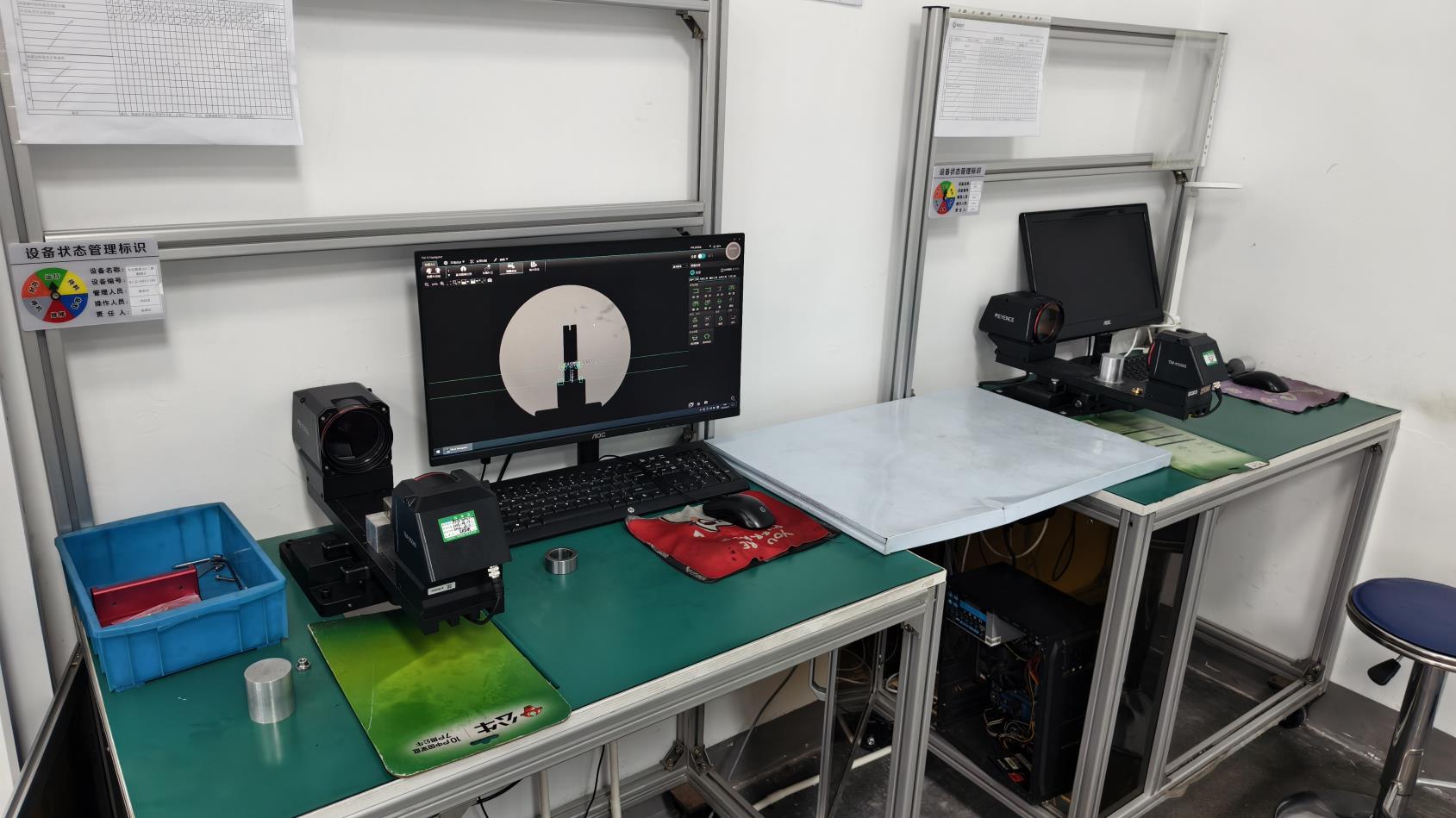
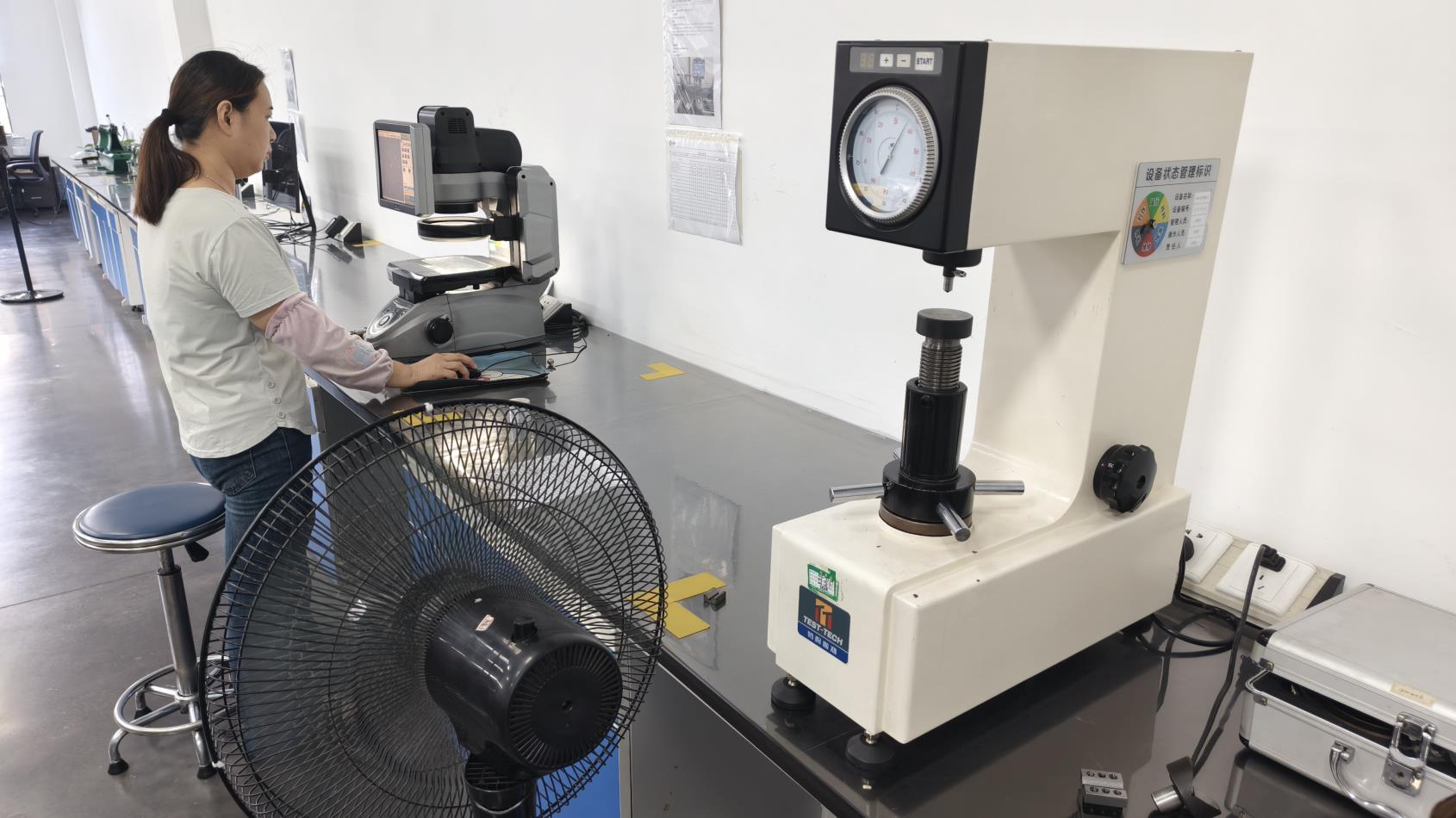
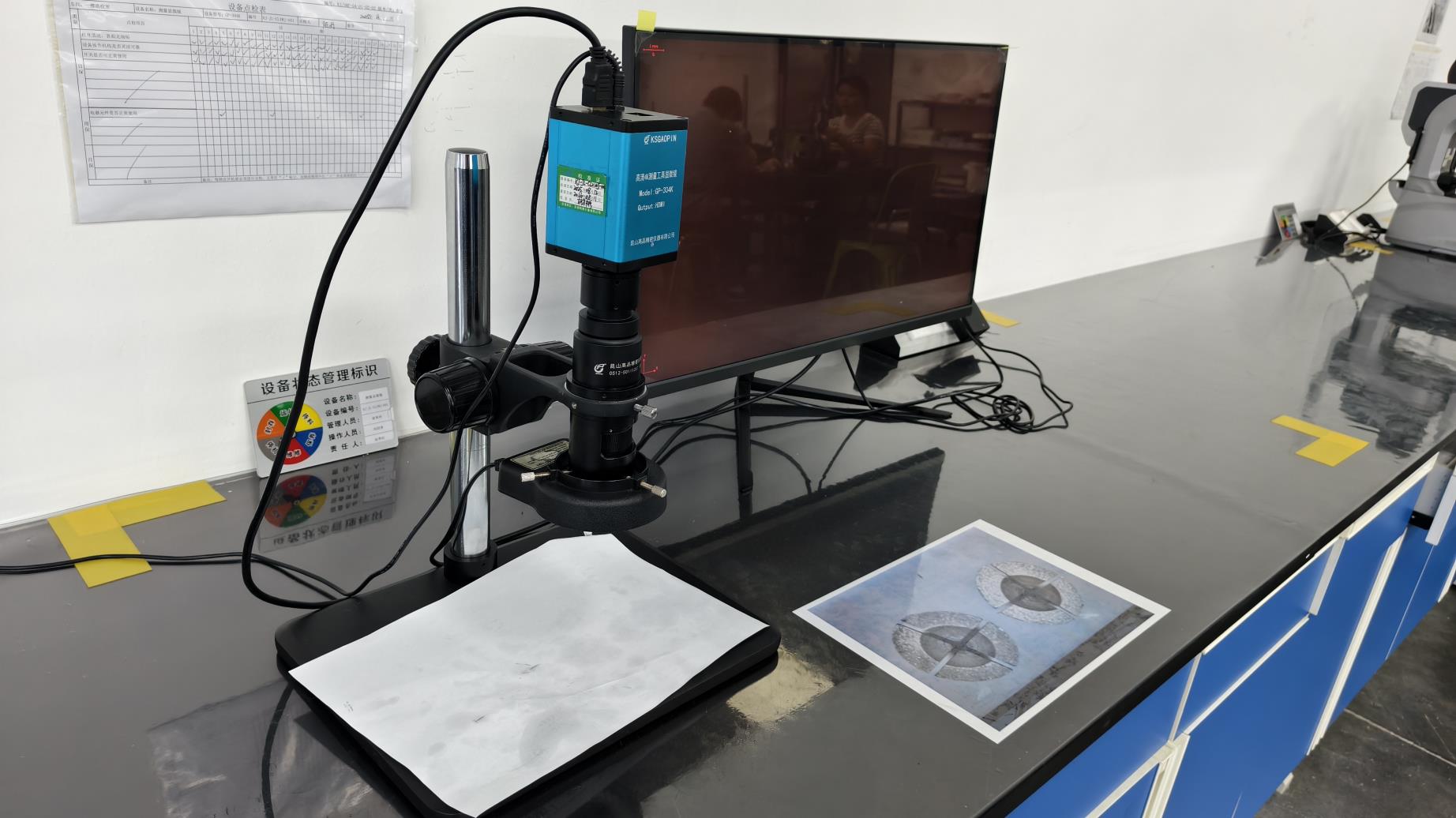
| Testing Methodologies | Dimensional inspection, material analysis, surface finish inspection, mechanical performance testing, and sterility verification |
| Business Models | Manufacturer, OEM & ODM developer, global exporter |
| Supply Chain Integrity | Partnership network of 1,120 verified suppliers and distributors worldwide |
| Export Validation | 7 years of export history with an annual export revenue of USD 23.8 Million |
Understanding how headless cannulated implants resolve specific anatomical challenges in orthopedic surgery.
The scaphoid bone exhibits a delicate retrograde blood supply, meaning unstable fractures can easily progress to non-union or avascular necrosis. Using a headless cannulated screw allows surgeon to insert the implant percutaneously over a guide wire. By embedding the trailing end subchondrally, the articular surface of the scaphoid remains undamaged, promoting vascularization and rapid bone healing.
In distal metatarsal osteotomies (chevron/scarf) and small joint fusions, implants must withstand repetitive shear and bending forces without shifting. Headless compression screws compress the bone interfaces, preventing rotational translation. This maintains anatomical alignment even during early weight-bearing protocols.
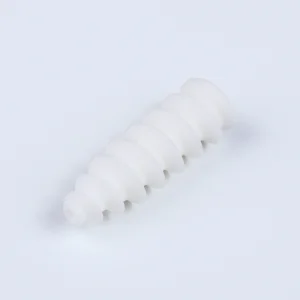
In ligament reconstructions, secure graft placement within the femoral and tibial tunnels is critical. Our biodegradable PLA/PLGA interference screws and titanium cannulated screws are designed to lock ligament structures without lacerating soft tissue, ensuring secure integration during rehabilitation.
Articular shear fractures demand a completely flush implant profile to prevent degradation of the opposing cartilage during joint motion. Moventra's micro-headless designs allow surgeons to achieve rigid interfragmentary compression beneath the articular plane, reducing the risk of post-traumatic osteoarthritis.
Our vision for the future of implants, focusing on smart bio-materials, custom surface modifications, and additive manufacturing.
As a forward-looking OEM manufacturer, Moventra is actively researching next-generation implant materials. While titanium alloy (Ti-6Al-4V ELI) remains the industry gold standard, we are expanding our custom capabilities to include PEEK (Polyetheretherketone) and bioresorbable polymers like PLGA (Poly-L-lactic-co-glycolic acid). PEEK exhibits an elastic modulus similar to human cortical bone, reducing stress shielding and improving postoperative imaging.
Our technical roadmap includes the integration of 3D-printed porous titanium structures. By utilizing Electron Beam Melting (EBM) and Direct Metal Laser Sintering (DMLS), we can produce custom headless screws with highly porous outer matrices. This structure promotes rapid bone ingrowth (osseointegration) directly into the implant body, eliminating the need for long-term mechanical anchorage and offering superior stability in osteoporotic bone.
Furthermore, we are optimizing surface finishes through biomimetic coatings. Our R&D engineers are testing electrochemical deposition of hydroxyapatite (HA) and antimicrobial silver-ion layers to reduce the risk of implant-associated infections (IAIs), which remains a key concern in trauma surgeries.
A look at Moventra's precision Swiss machining, automated testing, and metrology labs.
Technical and commercial answers to support surgical implant sourcing decisions.
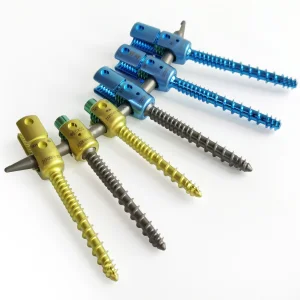
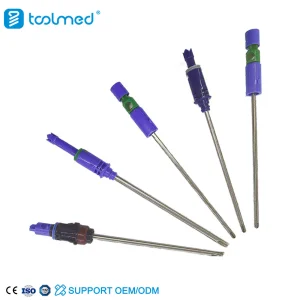
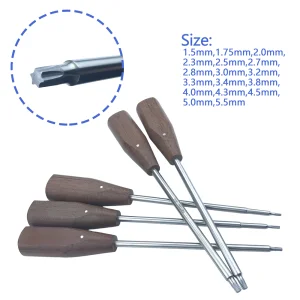
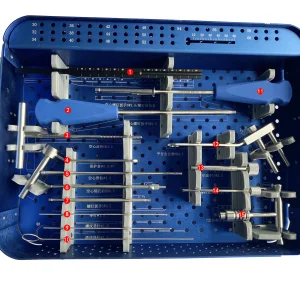
Our comprehensive range of spinal fixation, arthroscopy tools, and osteotomy devices built for specialized clinical procedures.
 Moventra Medical