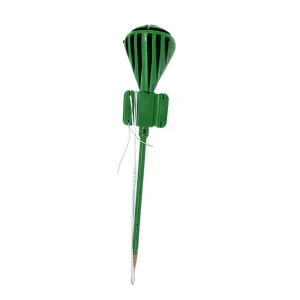
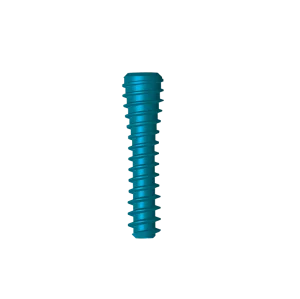
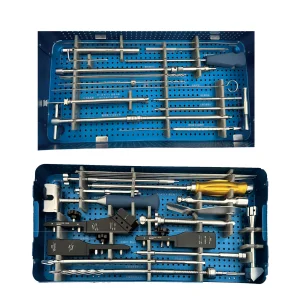
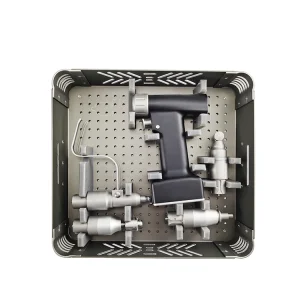
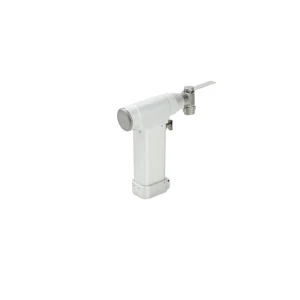
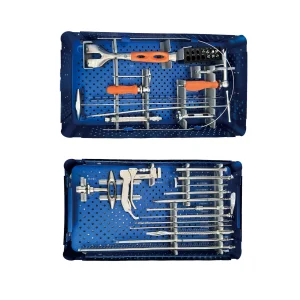
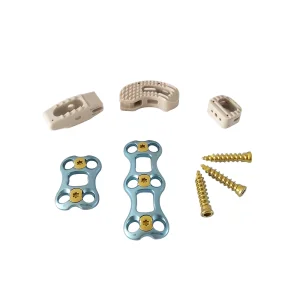
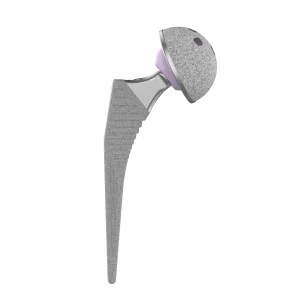
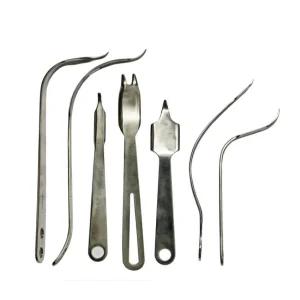
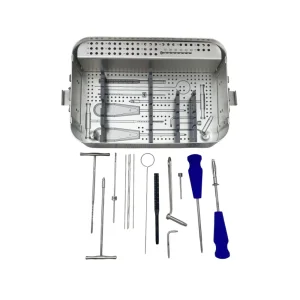
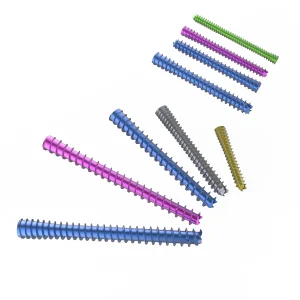
Explore our foundational range of precision orthopedic implants, surgical instruments, and fixation systems designed to complement our custom PEEK manufacturing capabilities.
Spinal arthrodesis has witnessed an exponential paradigm shift over the past two decades. The transition from autologous bone grafts to synthetic biomaterials has allowed spine surgeons to achieve higher fusion rates with minimal morbidity. Among these, Polyetheretherketone (PEEK) has emerged as the gold standard polymer for interbody fusion devices (cages) used in PLIF, TLIF, ALIF, and LLIF procedures.
Unlike rigid titanium implants (elastic modulus ~110 GPa), raw medical-grade PEEK (ASTM F2026) possesses an elastic modulus (~3.6 GPa) closely matching human cortical bone. This reduces the risk of stress shielding and subsequent implant subsidence.
PEEK's inherent radiolucency allows clear, artifact-free radiographic visualization of the fusion progress under CT and MRI, enabling surgeons to accurately assess trabecular bone growth inside and around the cage.
Medical-grade PEEK exhibits superior chemical resistance and remains structurally stable throughout multiple autoclave or gamma radiation sterilization cycles without degrading or releasing toxic elements.
The global spinal implants and surgery devices market is projected to reach USD 14.3 Billion by 2028. Driven by aging demographics, rising incidences of spinal disorders, and a global consensus prioritizing minimally invasive surgeries, orthopedic device distributors and OEMs face intense pressure to deliver reliable PEEK interbody cages.
However, importing advanced spinal implants requires navigating stringent global supply networks. Medical device brands demand partners capable of handling complex geometry, micro-textured surfaces (such as pyramid teeth to prevent cage migration), and specialized material processing (like raw PEEK OPTIMA™ or Carbon-Fiber PEEK composite structures).
To capture market share, surgical brands look for manufacturers offering robust custom engineering, low development risks, and rapid prototyping capabilities that align with FDA 510(k) and CE MDR certification requirements.
As global supply chains shift towards resilience and cost efficiency, Moventra Medical Technology serves as a crucial partner in orthopedic contract manufacturing. Operating from our state-of-the-art 18,600 m² facility, we integrate Industry 4.0 methodologies to provide global partners with unmatched quality, speed, and efficiency.
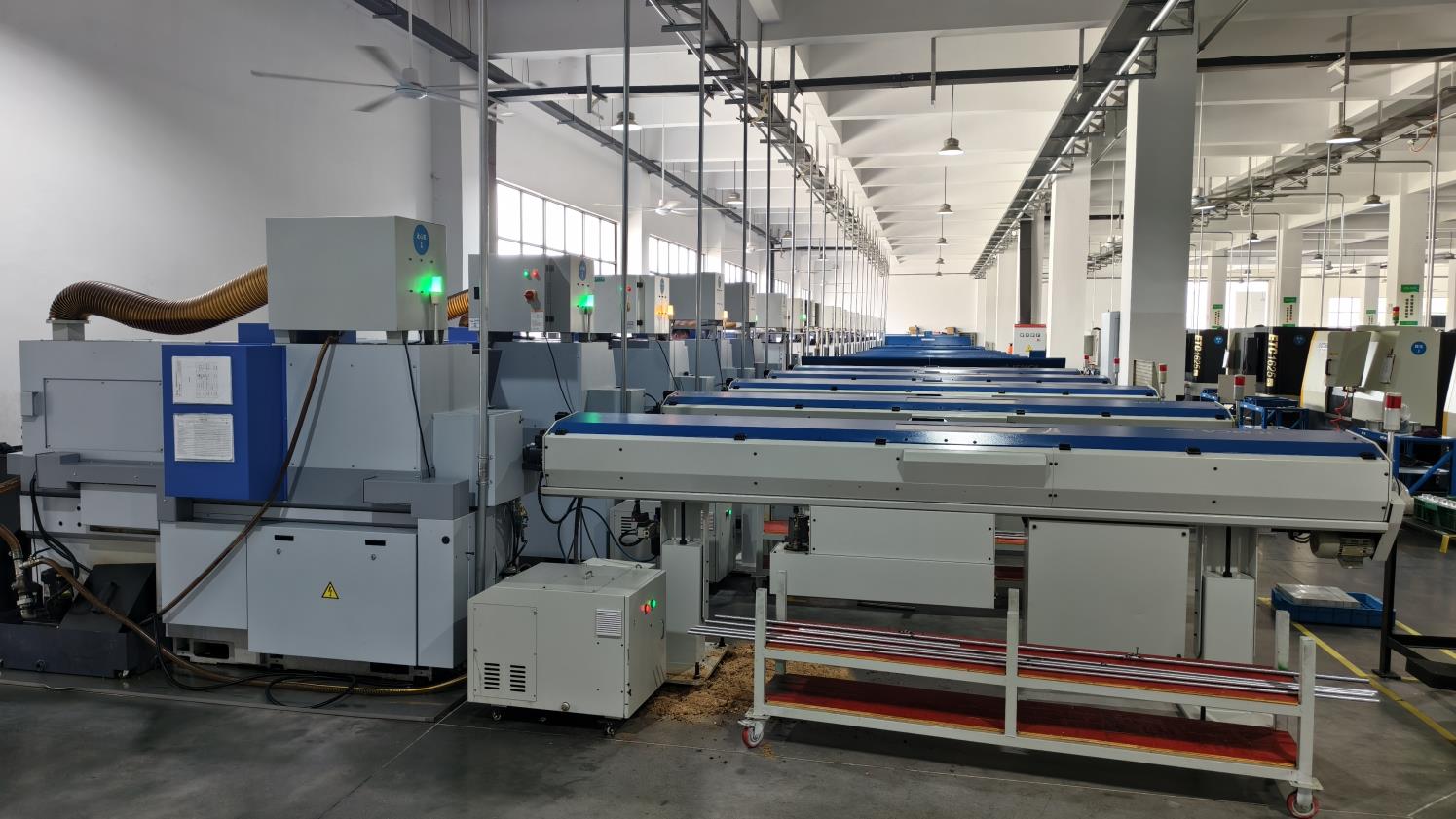
Unlike standard industrial plastic processing, medical-grade PEEK requires specialized temperature controls, feed rates, and tooling geometries to prevent polymer degradation and internal stress. Moventra’s advanced CNC machinery park features high-precision Swiss-type lathes and multi-axis milling machines. These tools allow us to craft complex lordotic angles, custom bullet-nosed tips, and porous surfaces designed for fast osseointegration.
By digitizing our workflows, we achieve rapid transitions from CAD designs to physical prototypes, reducing product development cycles by up to 40% for global medical device brands.
We execute a 100% Quality Inspection protocol before shipment. Our metrology labs are equipped with advanced coordinate measuring machines (CMM), two-dimensional micrometers, microscopes, and hardness testing equipment to ensure micro-dimensional precision.
All raw biomaterials undergo chemical identification, mechanical stress verification, and sterility validation, guaranteeing that every implant leaving our warehouse meets international biomedical criteria.
At Moventra, we prioritize transparency and technical excellence. Explore our high-precision production environment, where raw medical polymer rods and titanium bars are converted into lifesaving implantable devices.
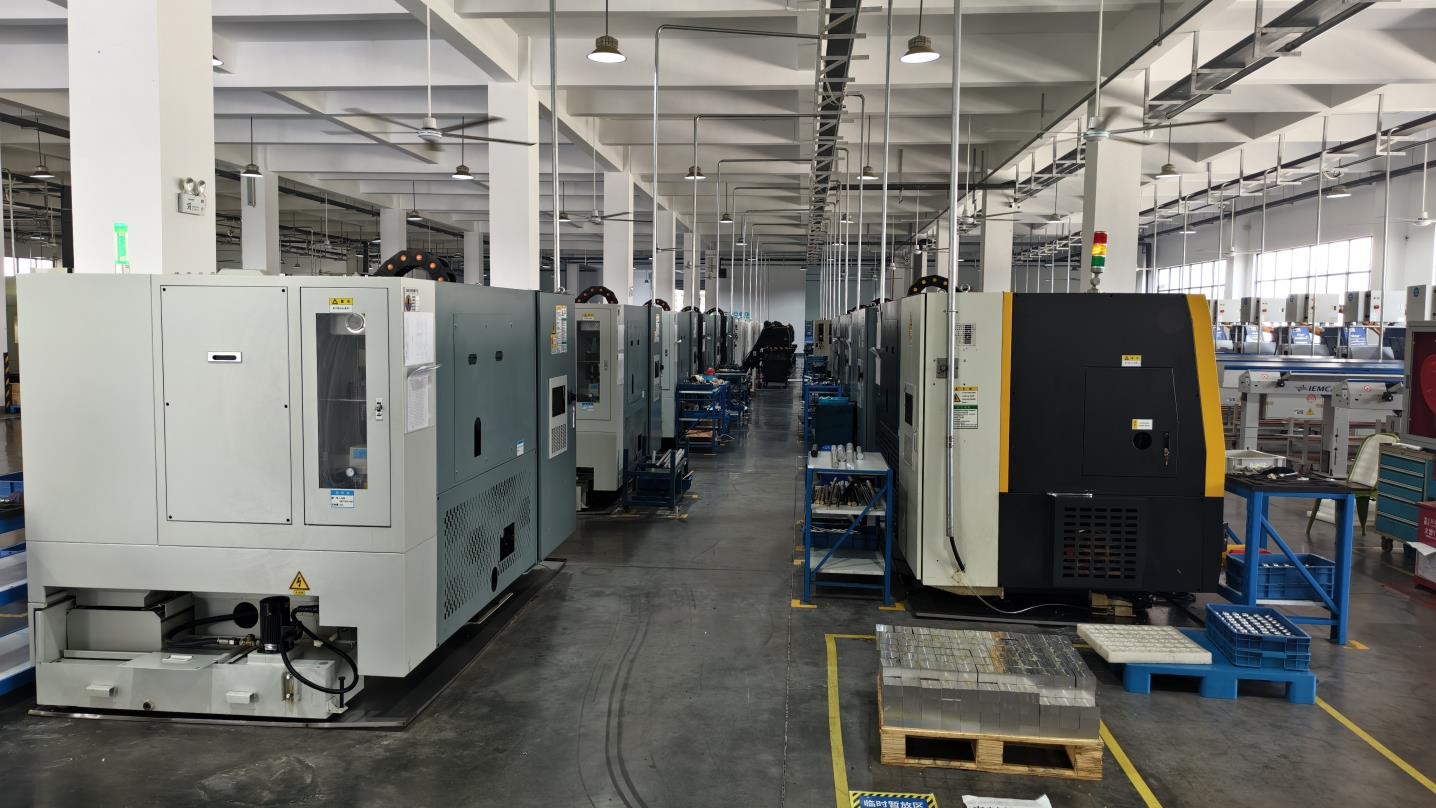
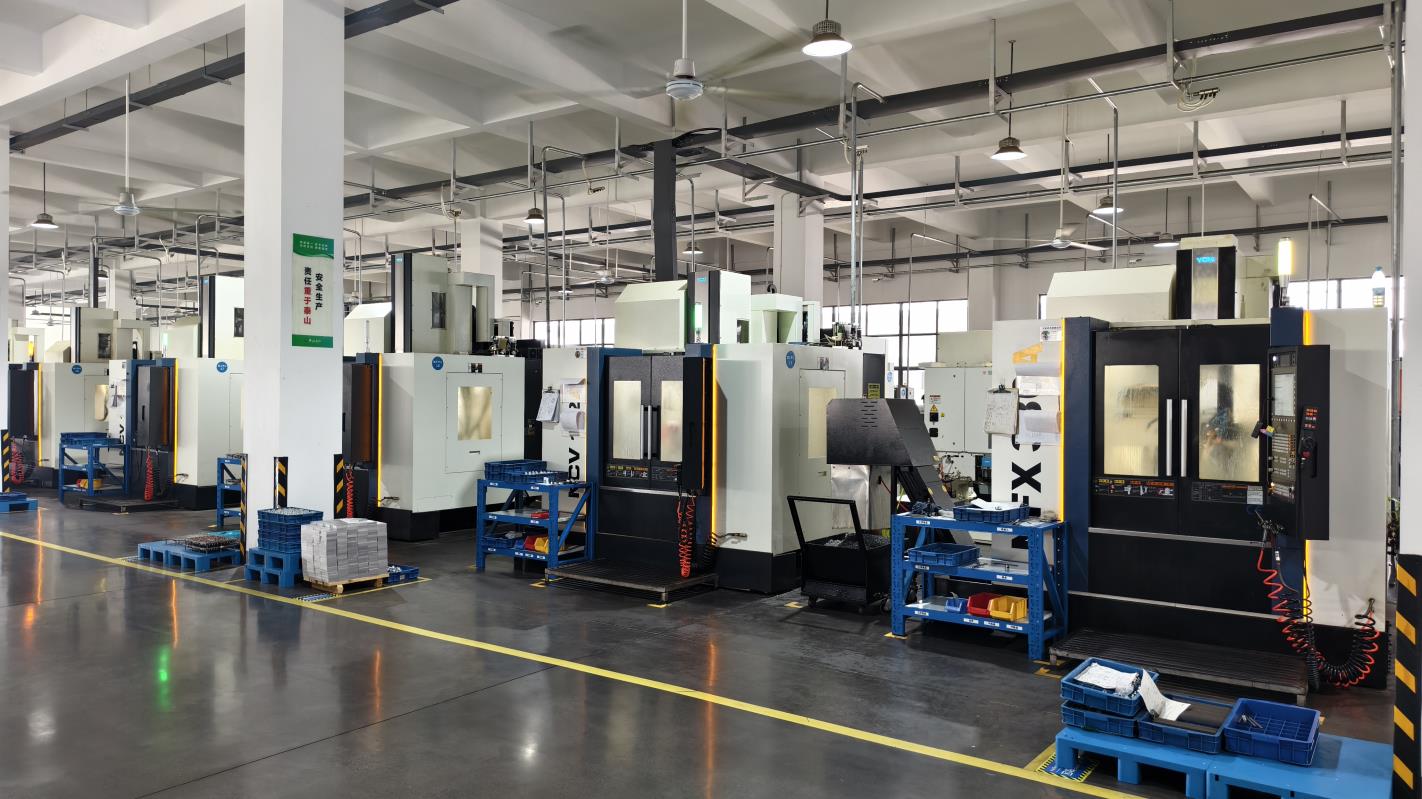
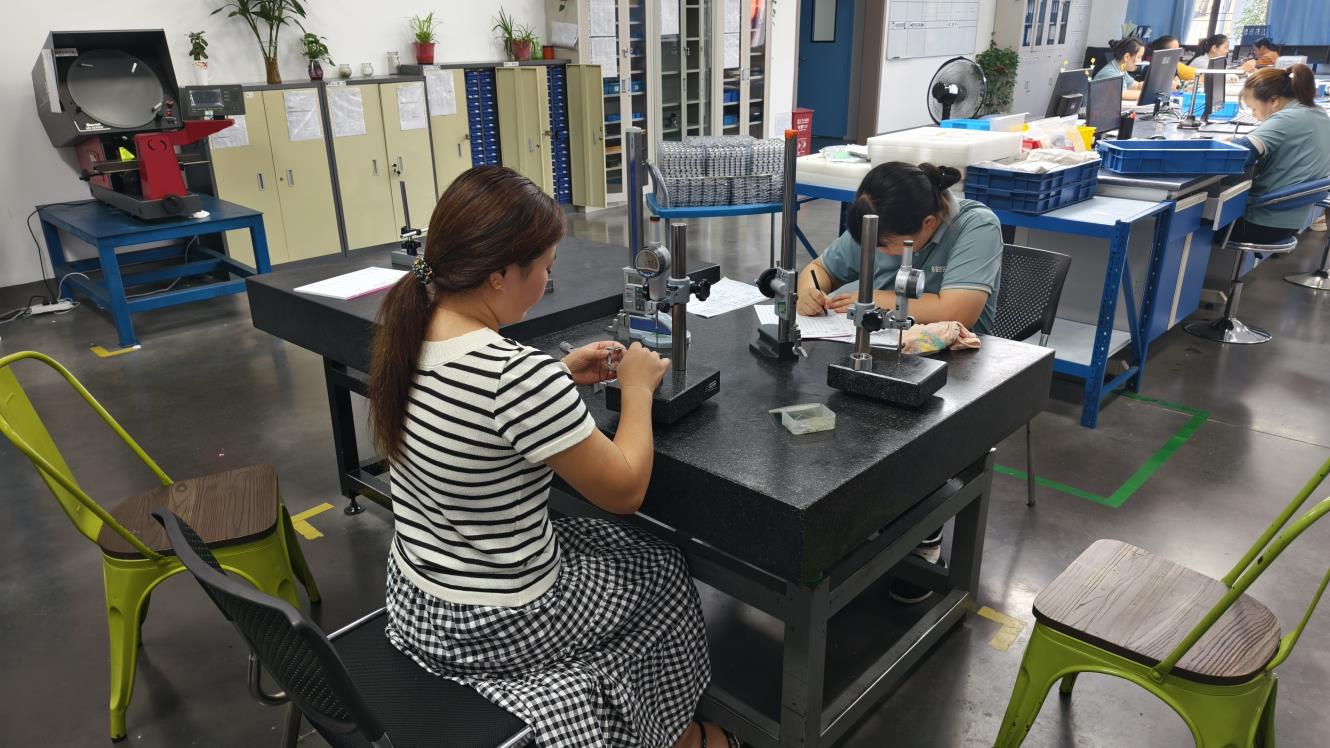
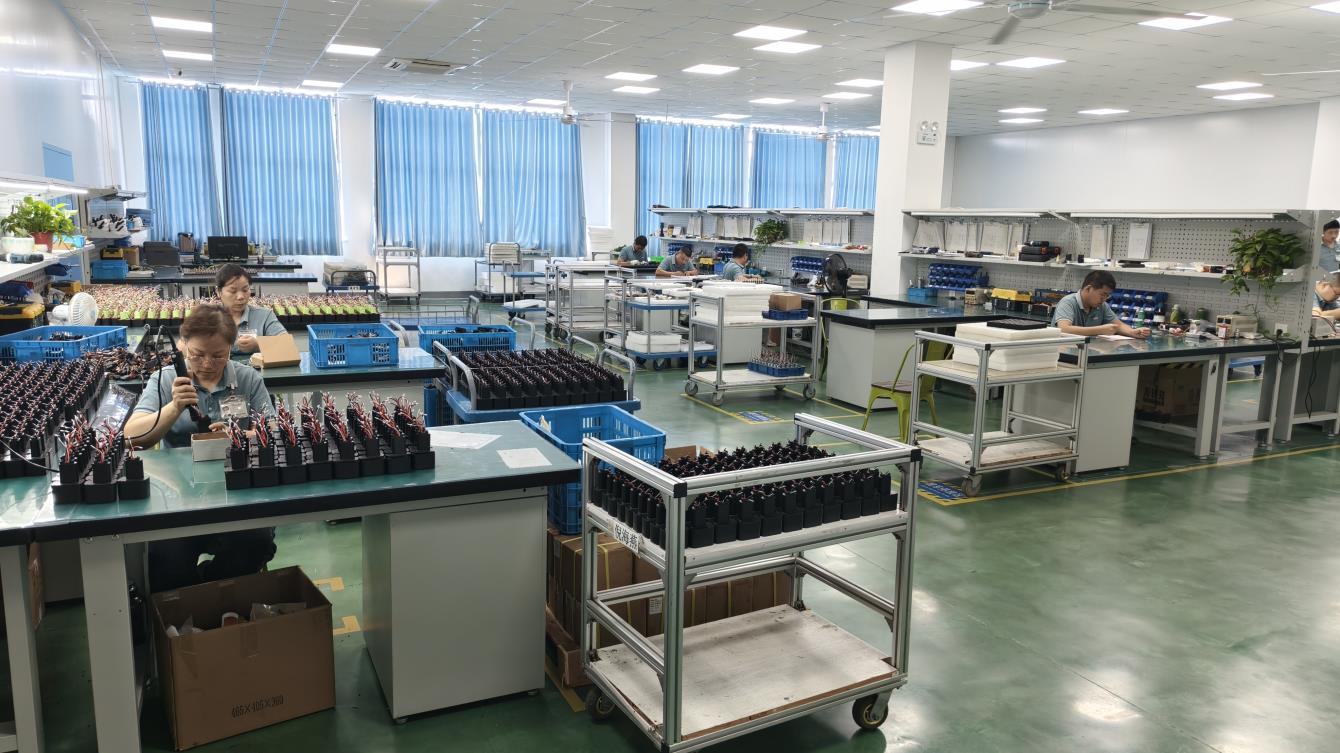
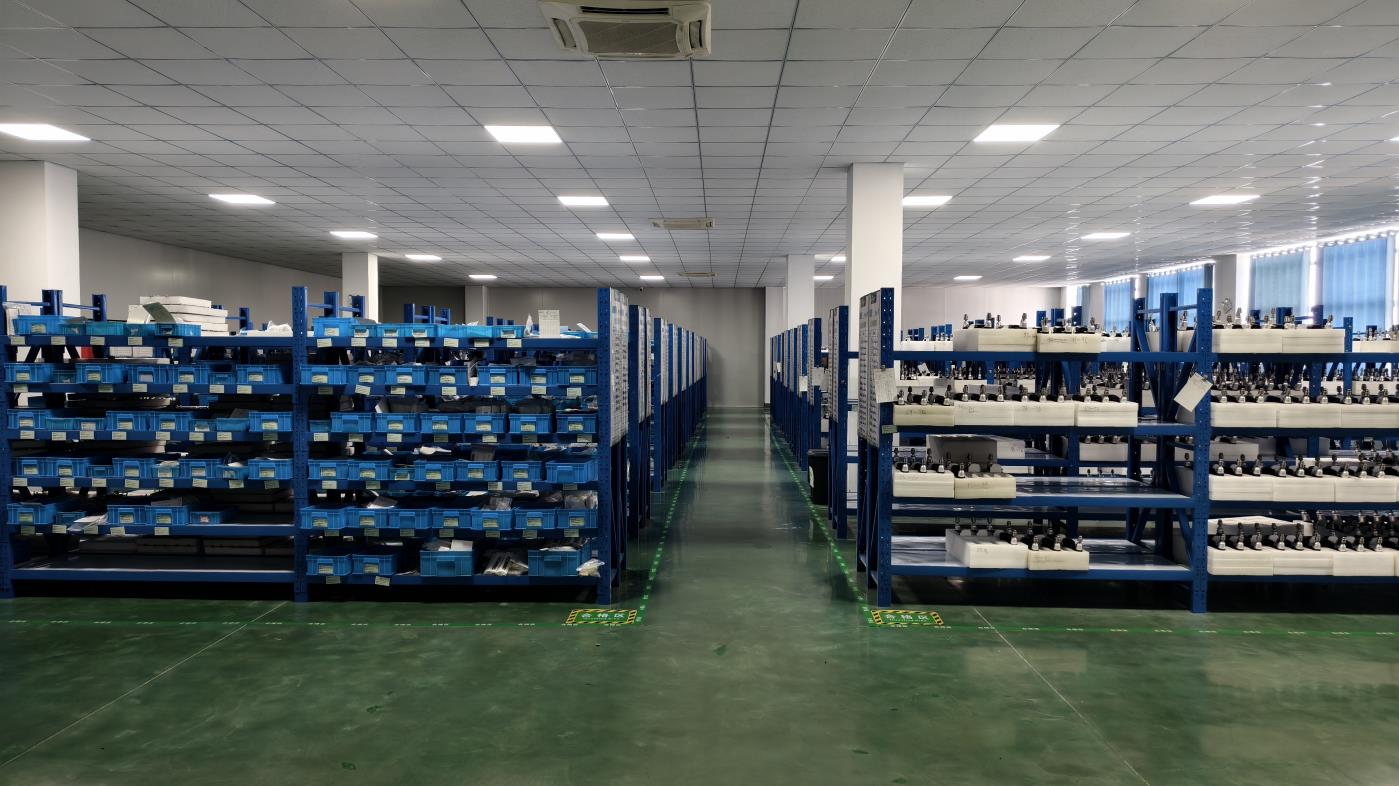
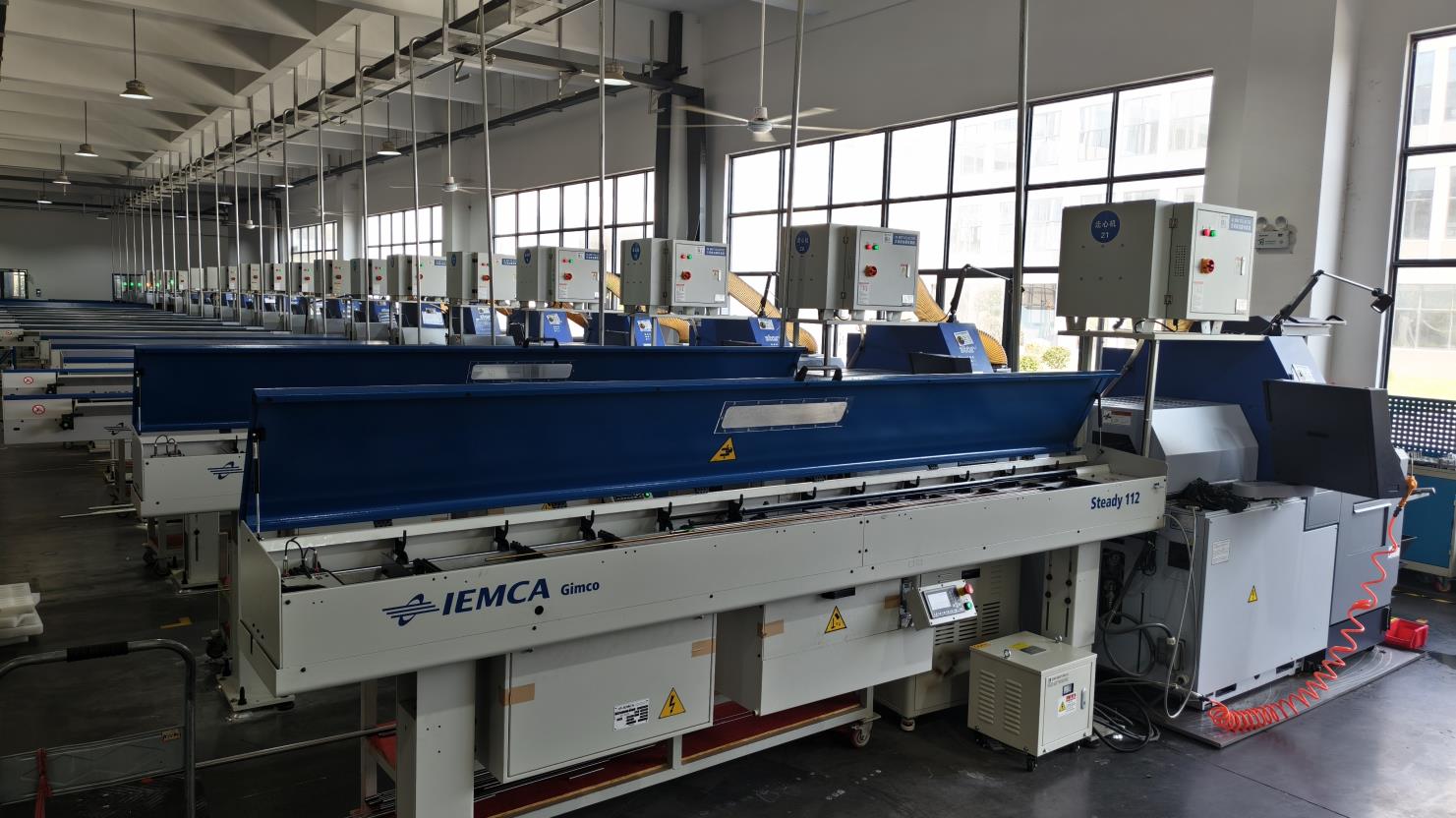
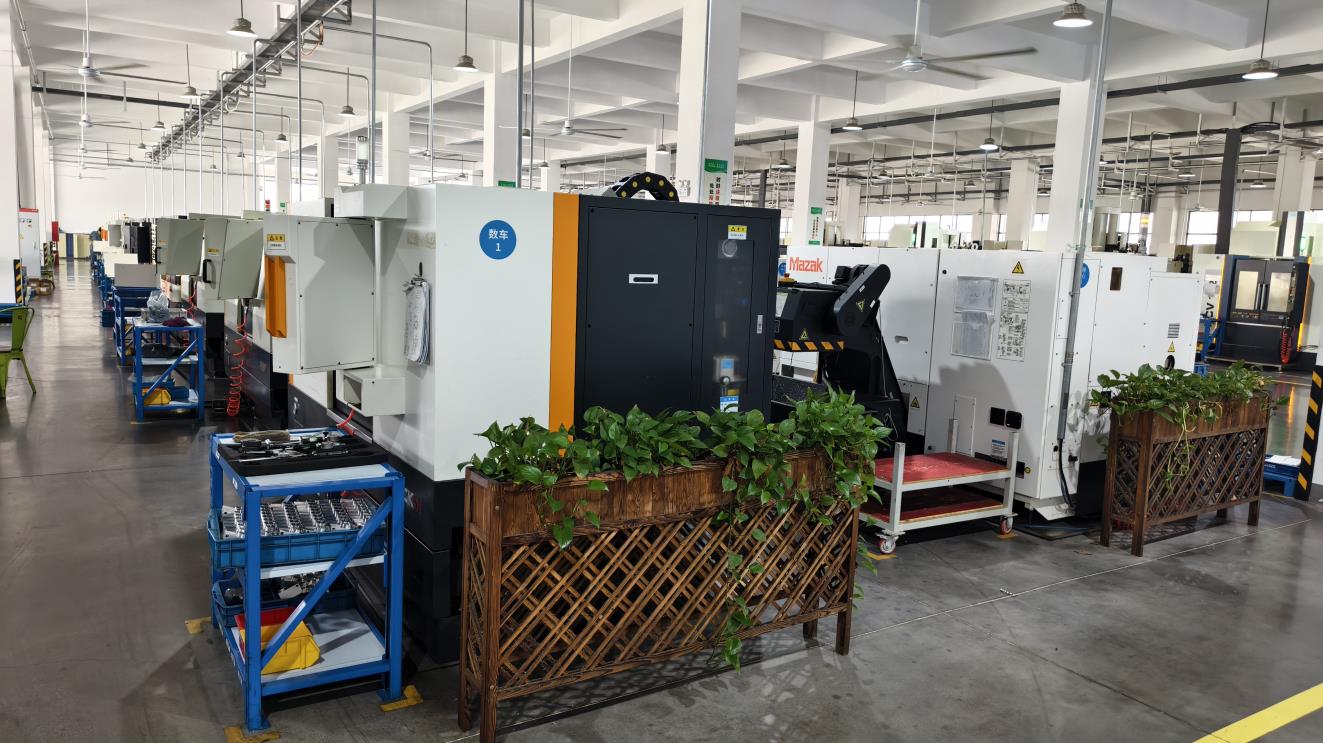
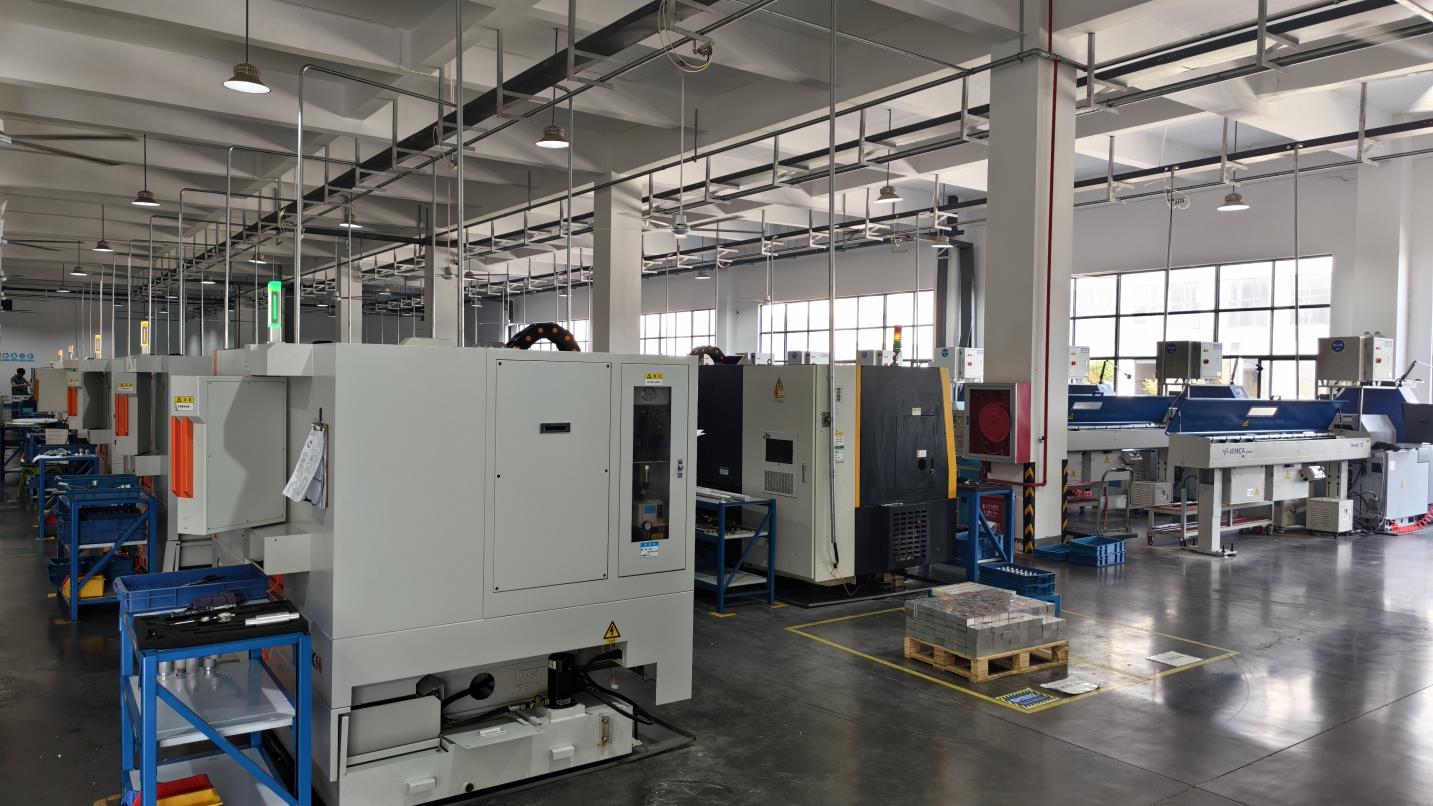
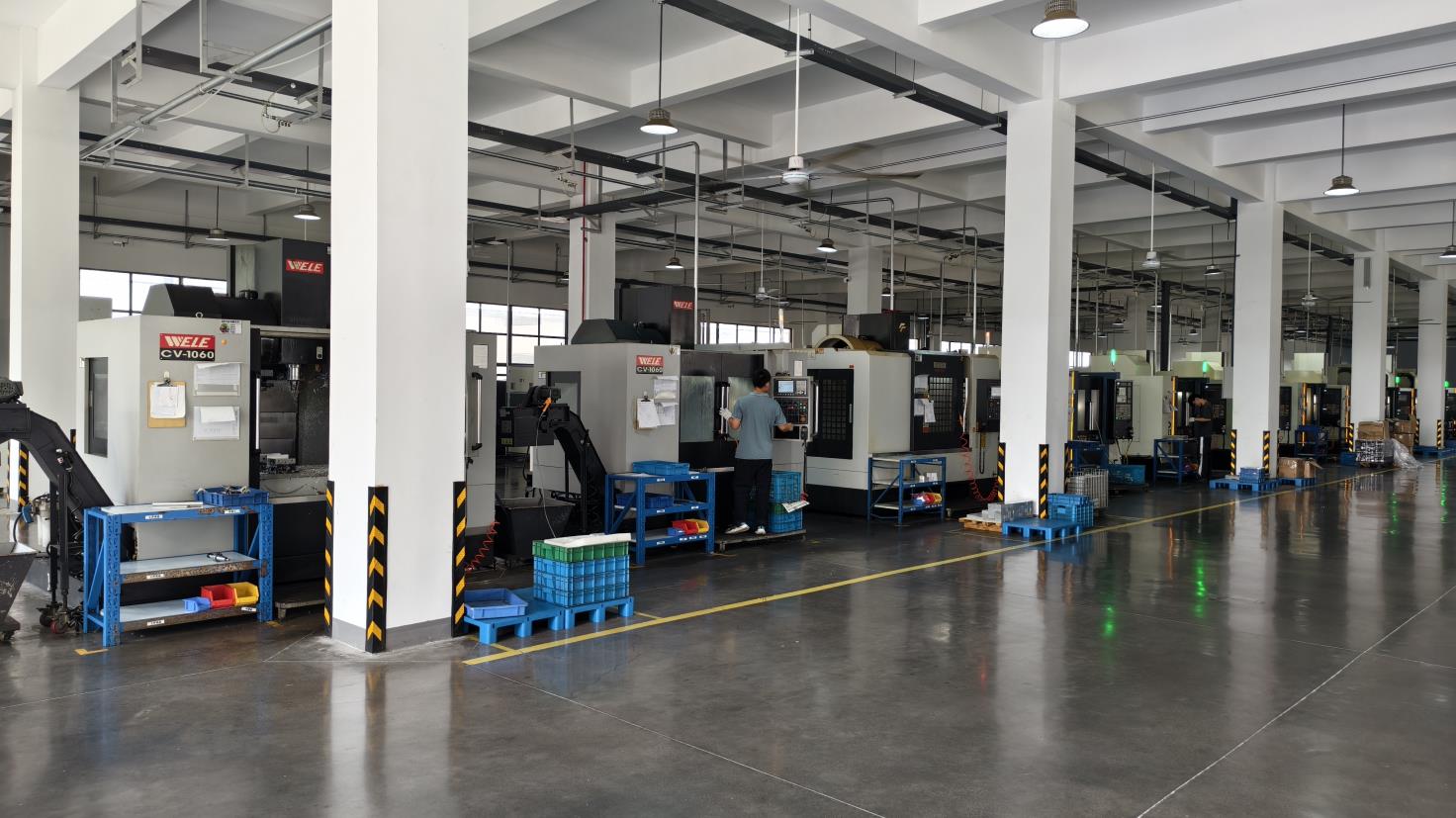
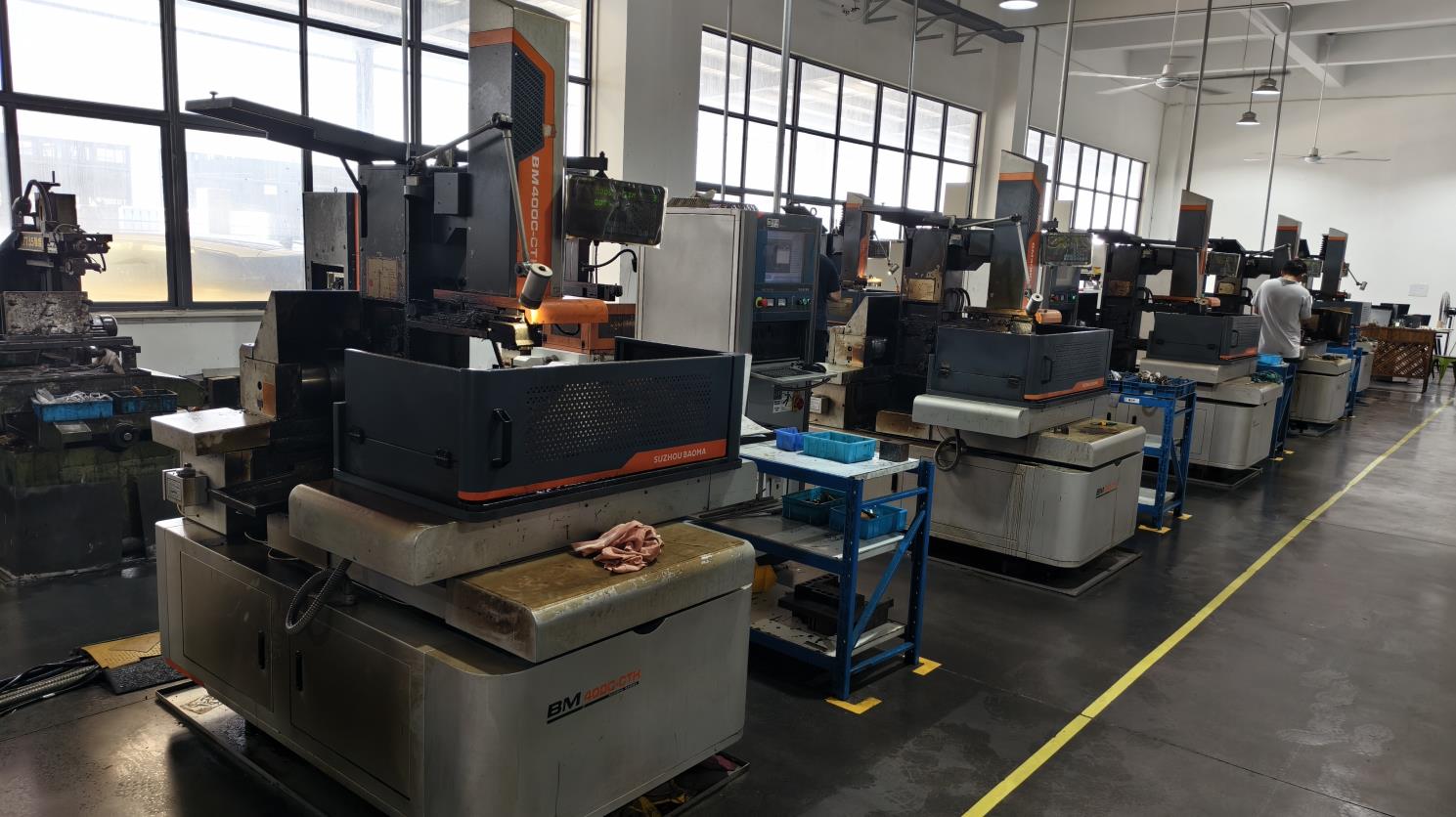
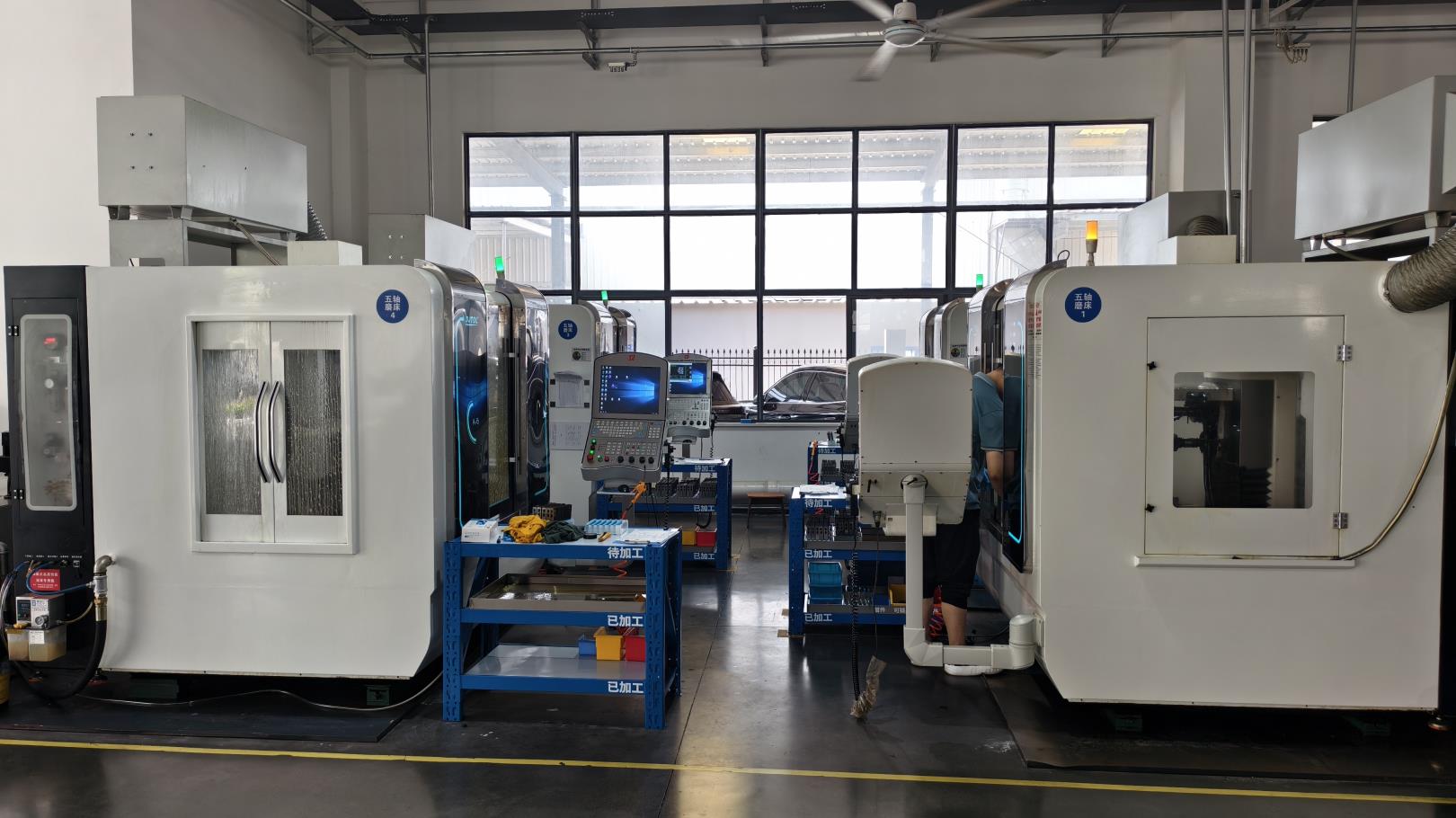
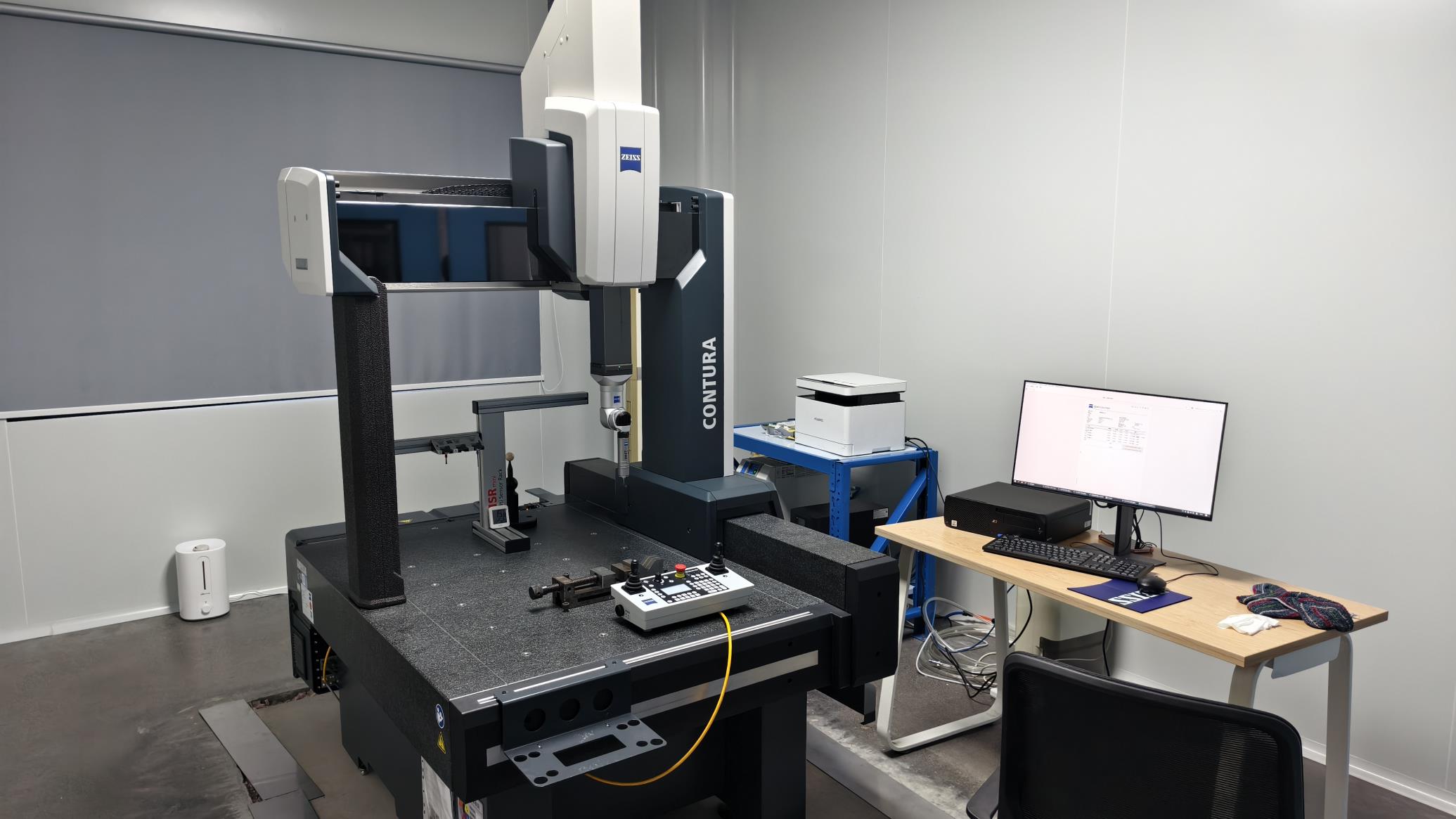
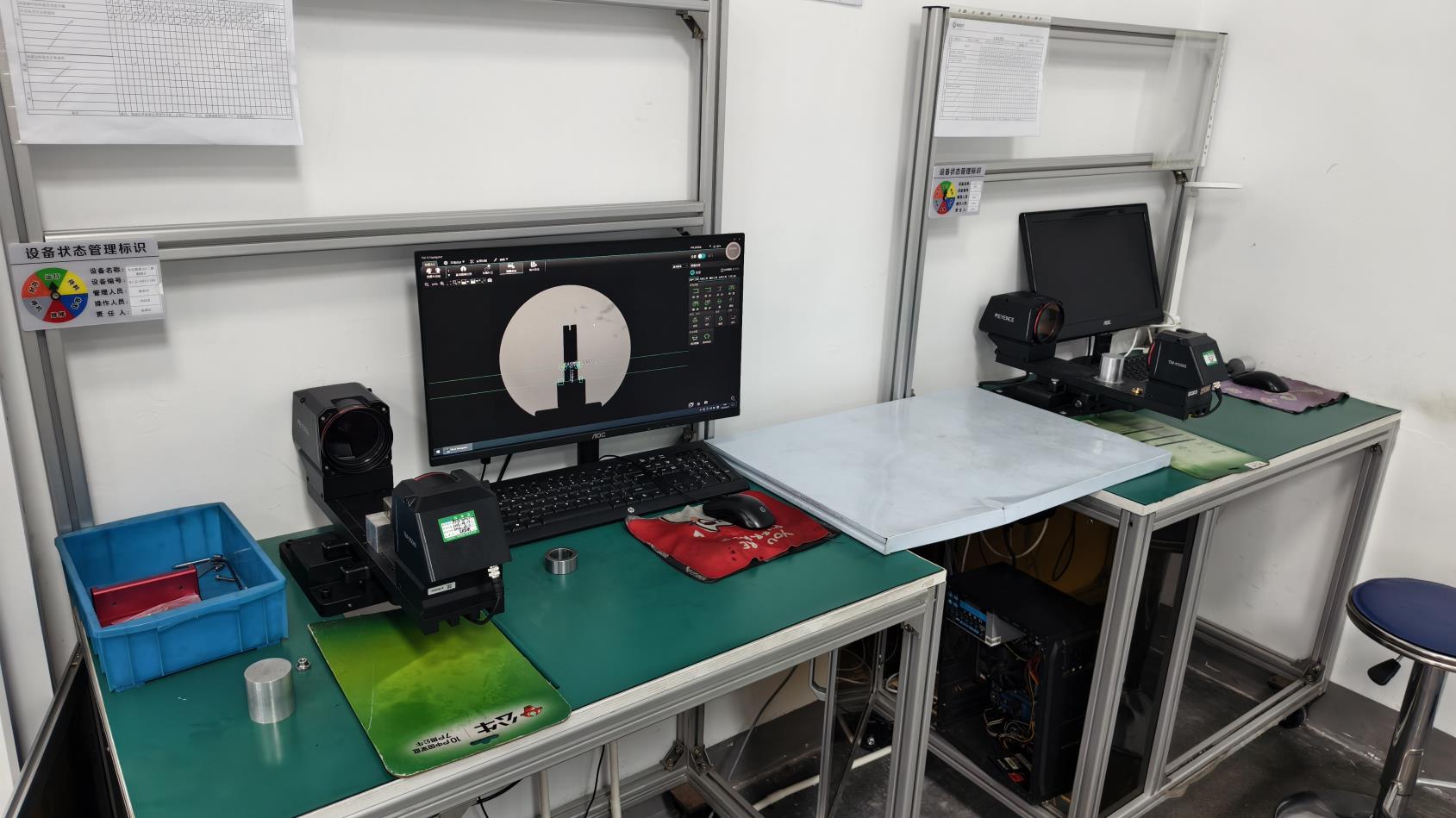
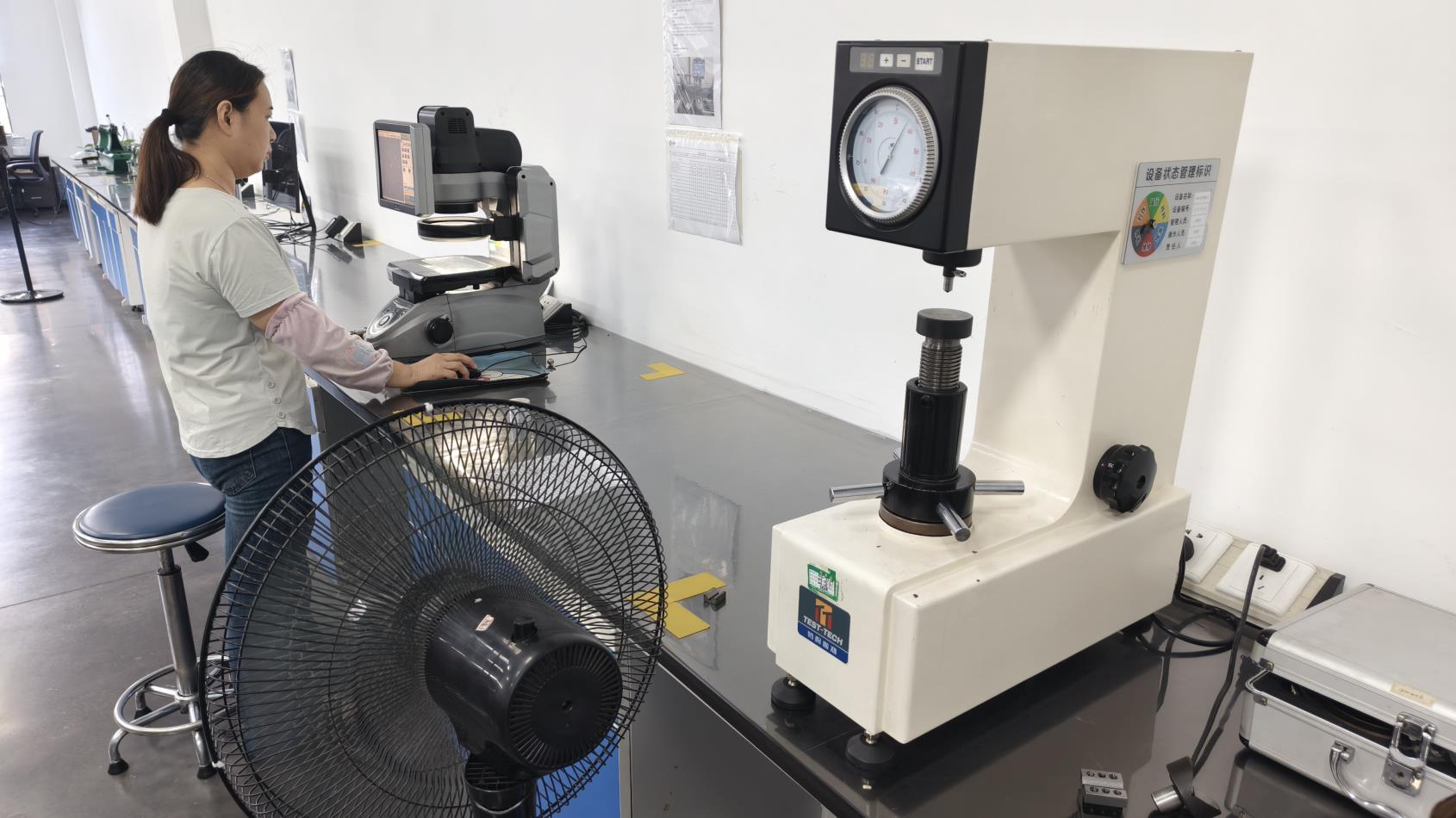
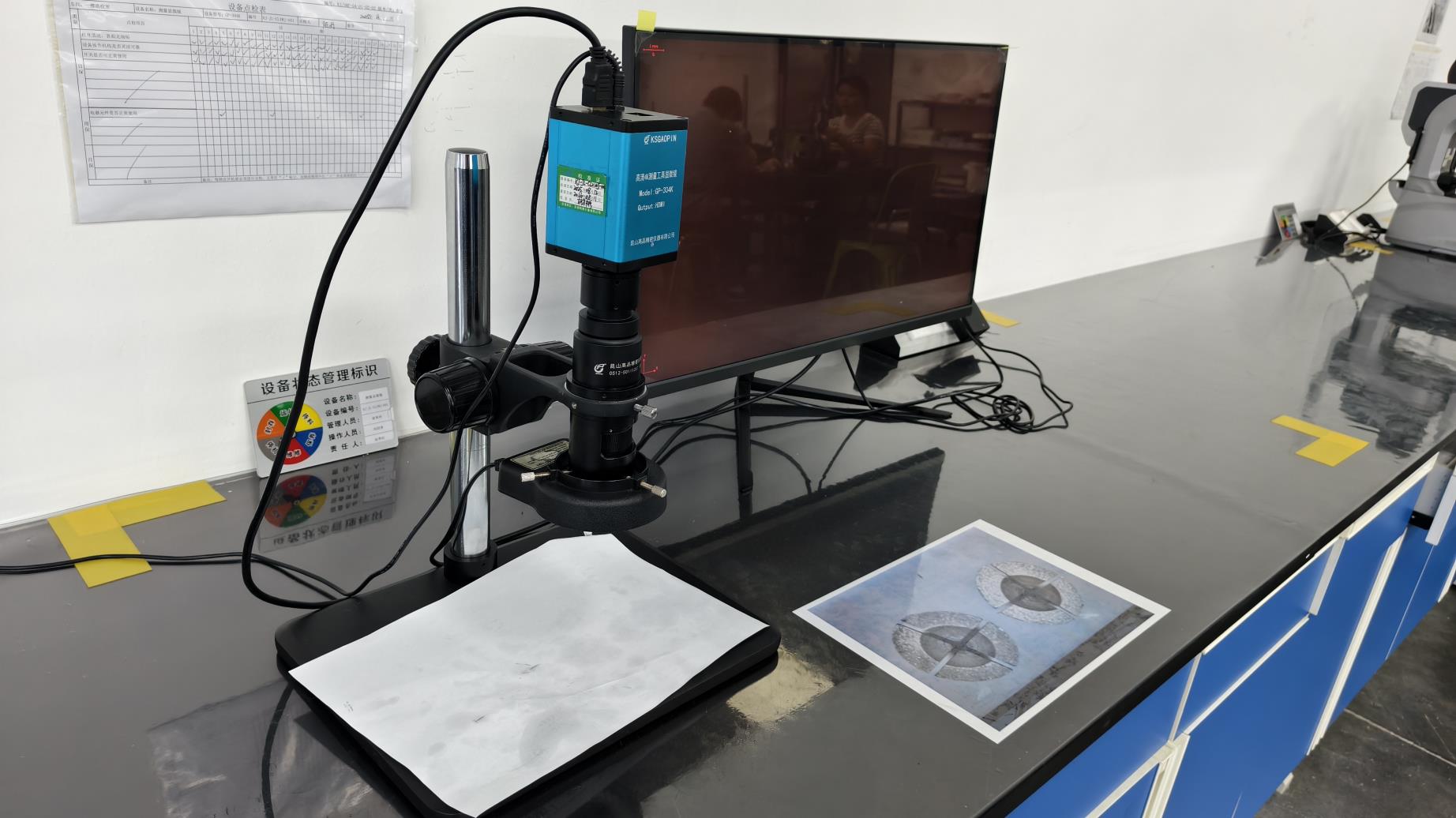
Moventra Medical Technology (China) Co., Ltd. is a specialized manufacturer focusing on the design, production, and global supply of orthopedic implants and specialized instrumentation. We offer end-to-end custom OEM and ODM services for clinical brands, distributors, and governmental hospital purchasing networks.
| Item / Specification Parameter | Moventra Production Capabilities & Details |
|---|---|
| Company Name | Moventra Medical Technology (China) Co., Ltd. |
| Brand Identity | Moventra |
| Established Year | 2017 |
| Facility Footprint | 18,600 m² (Equipped with cleanroom and testing labs) |
| Annual Export Revenue | USD 23.8 Million |
| Export / Industry Experience | 7 Years Global Exporting / 13 Years Medical Manufacturing Experience |
| Quality Inspection | 100% Quality Inspection Before Shipping (Zero-defect tolerance) |
| Inspection Methods | Dimensional Inspection, Material Analysis, Surface Finish Inspection, Mechanical Performance Testing, Sterility Verification |
| Quality Control Staff | 48 QC Technicians & QA Managers |
| Business Models | Manufacturer, OEM & ODM, Exporter |
| Main Markets Served | North America, Europe, South America, Middle East, Southeast Asia, Australia |
| Active Supply Chain Partners | 1,120 global partners and vendors |
| R&D Capability | Independent Product Design, Rapid Prototyping, OEM/ODM Development, Customized Engineering Solutions |
| Customization Options | Logo Laser-marking, Specialized Packing, Structural Modification, Drawing-Based & Sample-Based Manufacturing |
| New Products Released Last Year | 156 new SKUs |
| R&D Engineers | 86 Biomedical and Mechanical Engineers |
Spinal pathology and anatomical requirements vary across regions. In Western markets like North America and Europe, there is a strong focus on advanced, specialized lateral (LLIF) and oblique (OLIF) cages that optimize lumbar lordosis. In comparison, Asian and Latin American markets perform high volumes of transforaminal (TLIF) and posterior (PLIF) lumbar interbody fusions. Our production lines support all variations, ensuring correct sizing and design compatibility for local clinical workflows.
Designed for anterior cervical discectomy and fusion (ACDF) procedures. Feature anatomical dome profiles, integrated titanium markers for positioning, and wide graft windows for autograft or allograft placement.
Optimized for posterior approaches. Featuring bullet-nose entry designs to facilitate smooth insertion into distracted disc spaces and prevent endplate damage. Deep-angled serrations secure the cage in position.
Providing range adjustments from 4° to 15° to reconstruct patient sagittal balance. These implants help address specific clinical needs, preventing sagittal plane misalignment and late implant failure.
Answers to common technical, manufacturing, and regulatory questions from medical device sourcing managers and orthopedic brands.
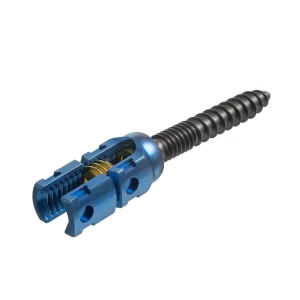
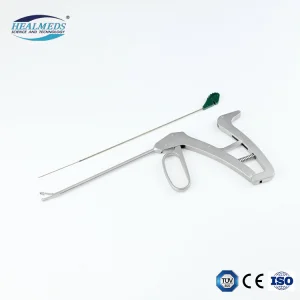
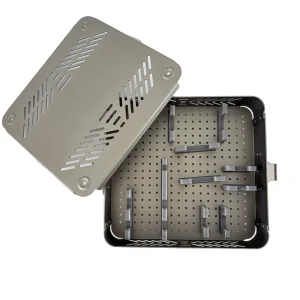
Browse our selection of trauma plates, bone screws, joint prosthetics, and arthroscopy instruments to complete your product portfolio.
 Moventra Medical