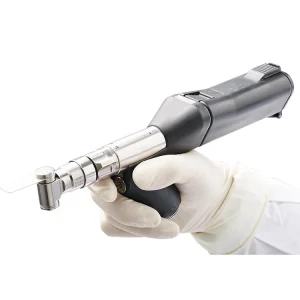
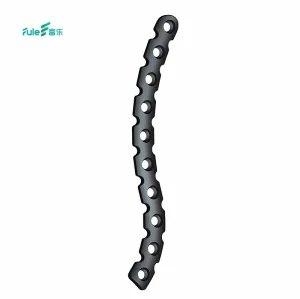
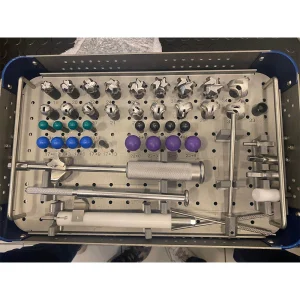
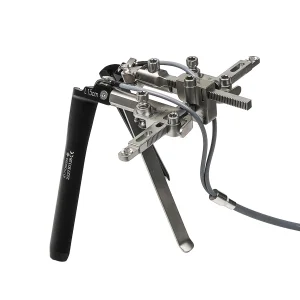
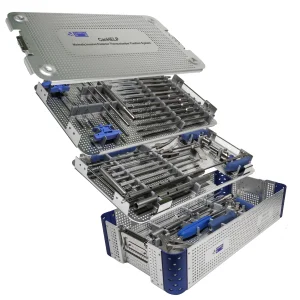
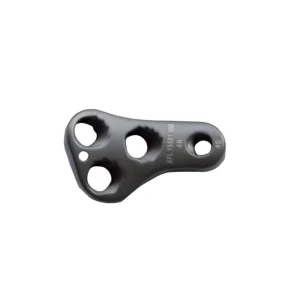
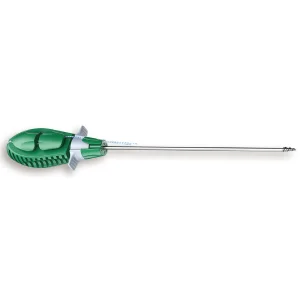
Explore our elite clinical solutions engineered for precision, osteointegration, and surgical efficiency.
Understanding the clinical demand shifts, regulatory dynamics, and supply chain transformation in total hip arthroplasty (THA).
The global market for joint reconstruction is experiencing unprecedented growth, driven by an aging worldwide population, rising incidences of osteoarthritis, and the clinical shift toward younger, more active patients requiring total hip arthroplasty (THA). As a key component of THA, the femoral stem has undergone extensive evolutionary cycles—transitioning from traditional cemented designs to advanced, cementless (press-fit) configurations that favor biological fixation. Modern orthopedic designs prioritize long-term implant survival, biomechanical load transfer, and the mitigation of stress shielding.
To meet these diverse medical requirements, international healthcare brands, hospital groups, and national health systems increasingly rely on specialized OEM (Original Equipment Manufacturer) and ODM (Original Design Manufacturer) partnerships. Because building and maintaining in-house Class III medical device manufacturing facilities requires immense capital expenditure and regulatory navigation, outsourcing to audited, technologically mature factories has become the industry standard. This allows global brands to focus on clinical marketing and patient care while leveraging the engineering depth of specialized manufacturers.
Increased longevity globally necessitates implants that survive 20+ years. The rise of outpatient joint surgeries in Ambulatory Surgical Centers (ASCs) demands simplified, standardized, and highly reliable femoral stem instrument kits.
With the implementation of EU MDR and stringent FDA 510(k) clearances, global distributors require OEM partners with robust technical documentation, biocompatibility data, and certified cleanroom protocols.
Transitioning from forged titanium alloys (Ti-6Al-4V ELI) to advanced surface finishes like Plasma Spraying, Hydroxyapatite (HA) coatings, and 3D-printed porous structures that accelerate osseointegration.
How local infrastructure, advanced machining technology, and raw material integration deliver unmatched value to the orthopedic industry.
China's medical manufacturing sector has transitioned from high-volume assembly to advanced, high-precision engineering. For complex components like femoral stems—which require intricate geometry, precise taper angles (e.g., 12/14 tapers), and rigorous surface finish parameters—Chinese orthopedic manufacturers offer a distinct combination of efficiency, technology, and cost management.
By locating operations in industrial clusters, manufacturers gain immediate access to high-purity, medical-grade raw materials (certified titanium alloys and cobalt-chromium-molybdenum) and a highly skilled engineering workforce. This concentration of resources minimizes logistics delays and accelerates prototyping cycles. In addition, the integration of advanced multi-axis CNC machines and robotic polishing ensures that high production volumes do not compromise the micron-level tolerances required for surgical implants.
By partnering with Chinese OEM/ODM giants like Moventra Medical Technology (China) Co., Ltd., global medical brands achieve substantial strategic advantages:
Adapting implant morphology and fixation types to meet distinct regional and anatomical demands.
Designed for patients suffering from severe osteoarthritis, rheumatoid arthritis, or avascular necrosis. These scenarios utilize press-fit, tapered wedge stems with proximal micro-grooves to stimulate biological fixation and preserve healthy bone stock.
In cases of aseptic loosening, infection, or periprosthetic fractures, revision femoral stems are employed. These are typically longer, modular, or heavily textured stems designed to achieve distal fixation in compromised or osteopenic femoral canals.
Particularly prevalent in East Asian regions, patients with Developmental Dysplasia of the Hip (DDH) present narrow, highly anteverted femoral canals. Custom or modular ODM femoral stems cater to these unique geometric constraints, reducing the risk of intraoperative fractures.
A professional manufacturer specializing in the research, development, production, and global supply of orthopedic medical devices.
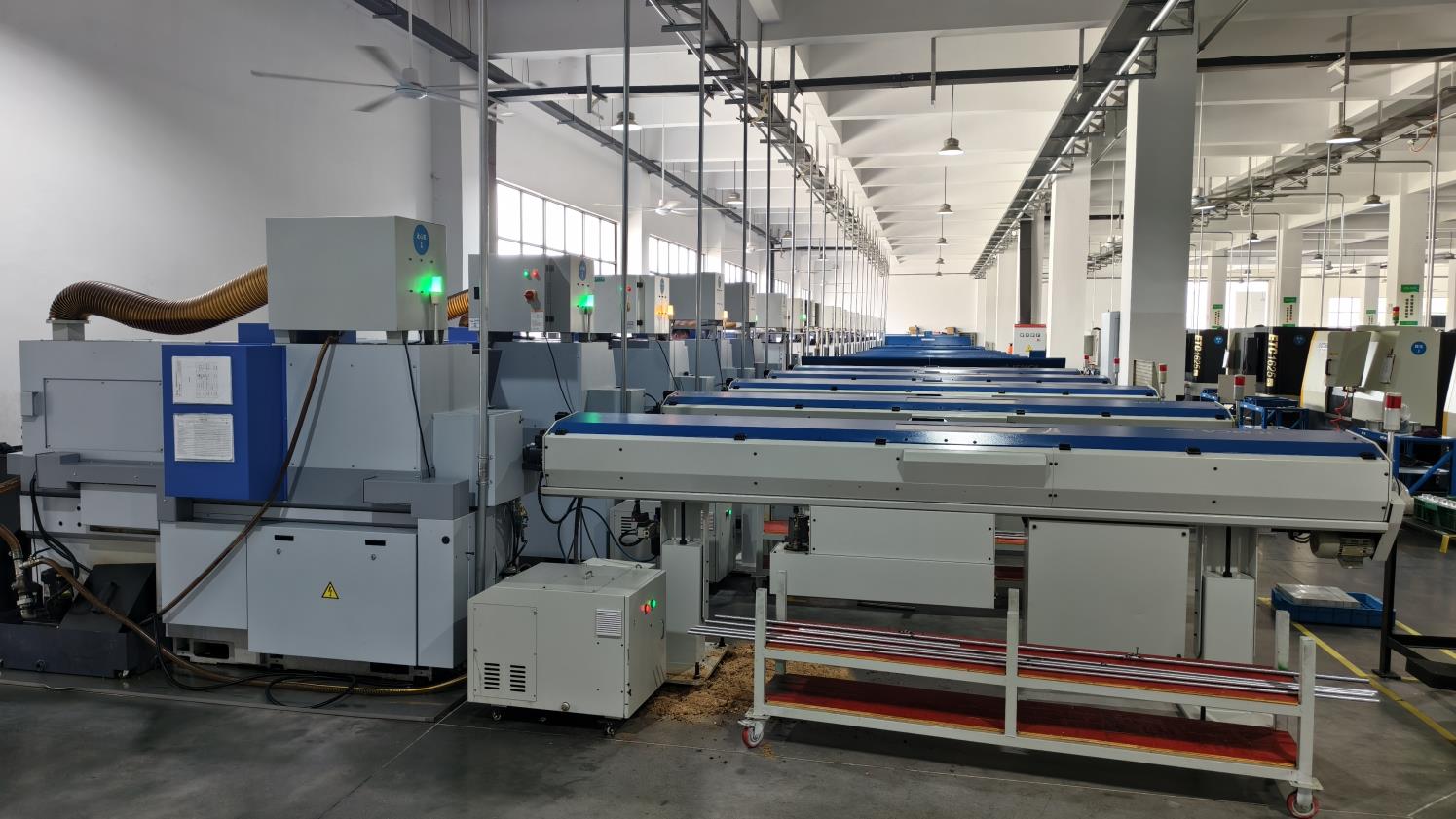
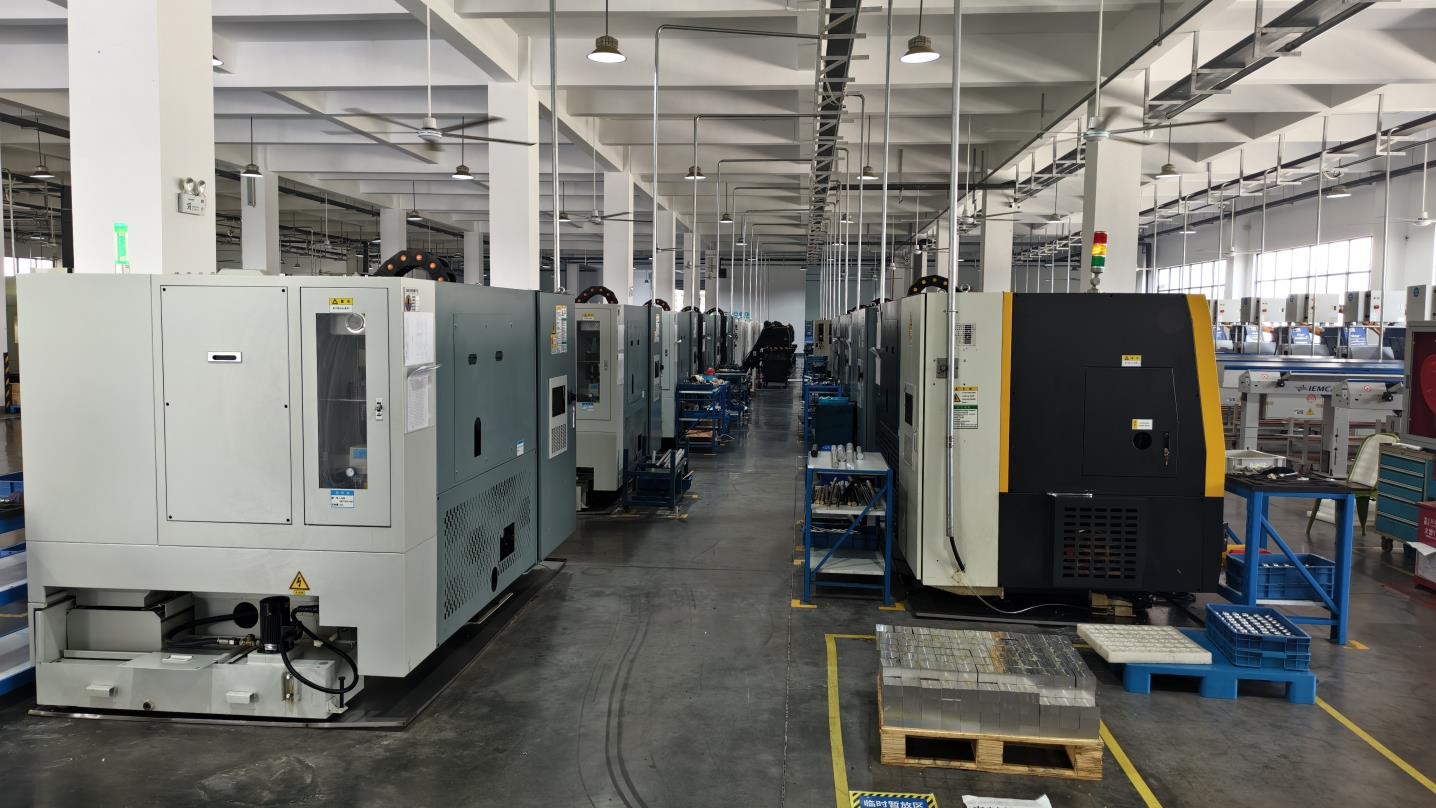
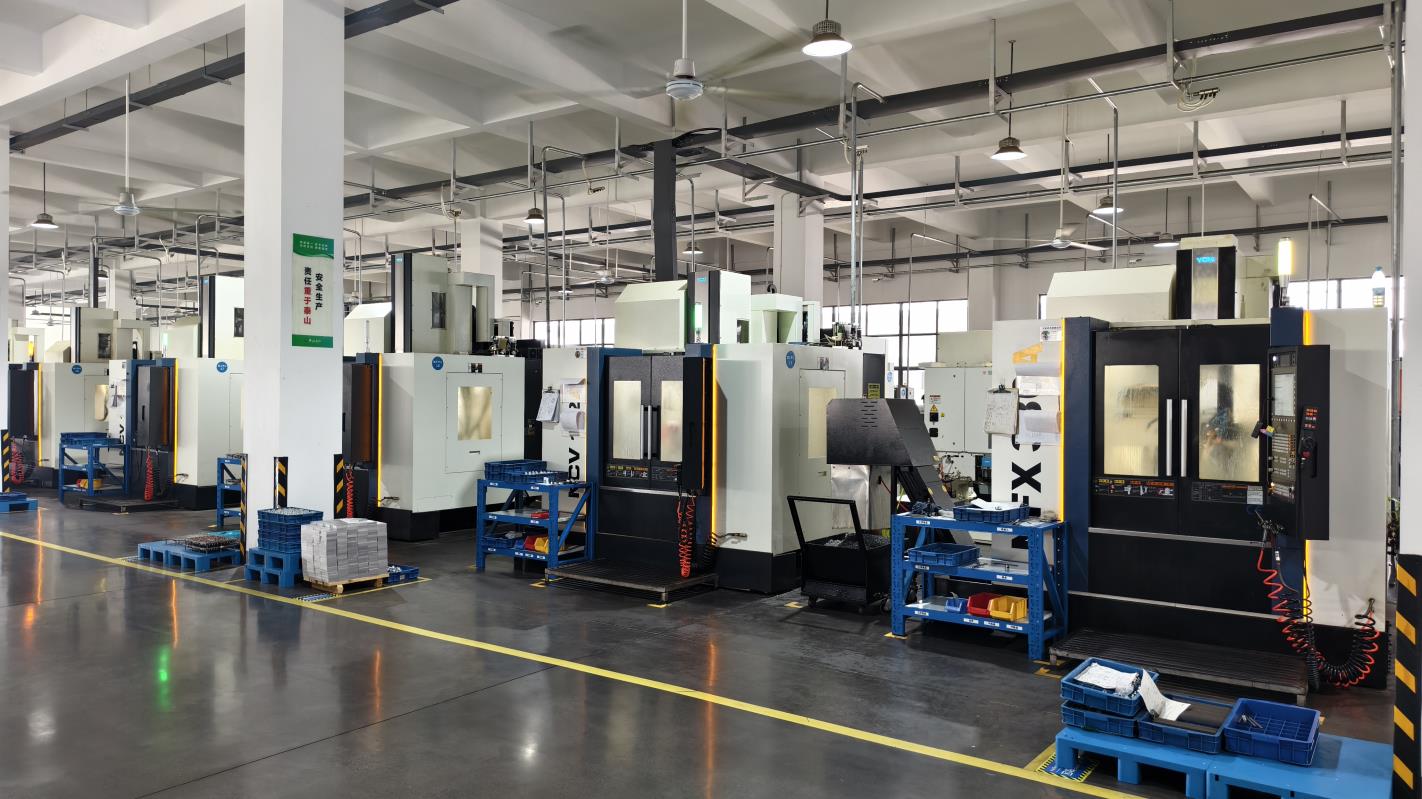
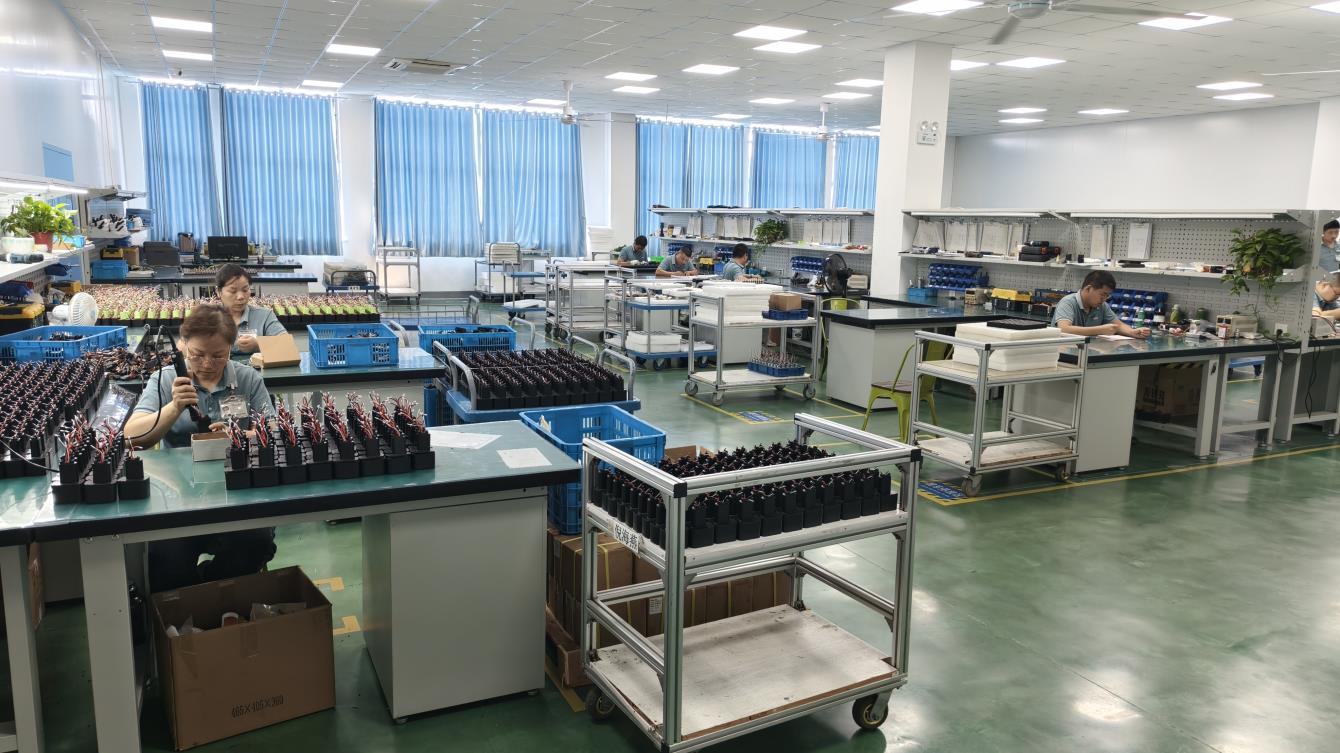
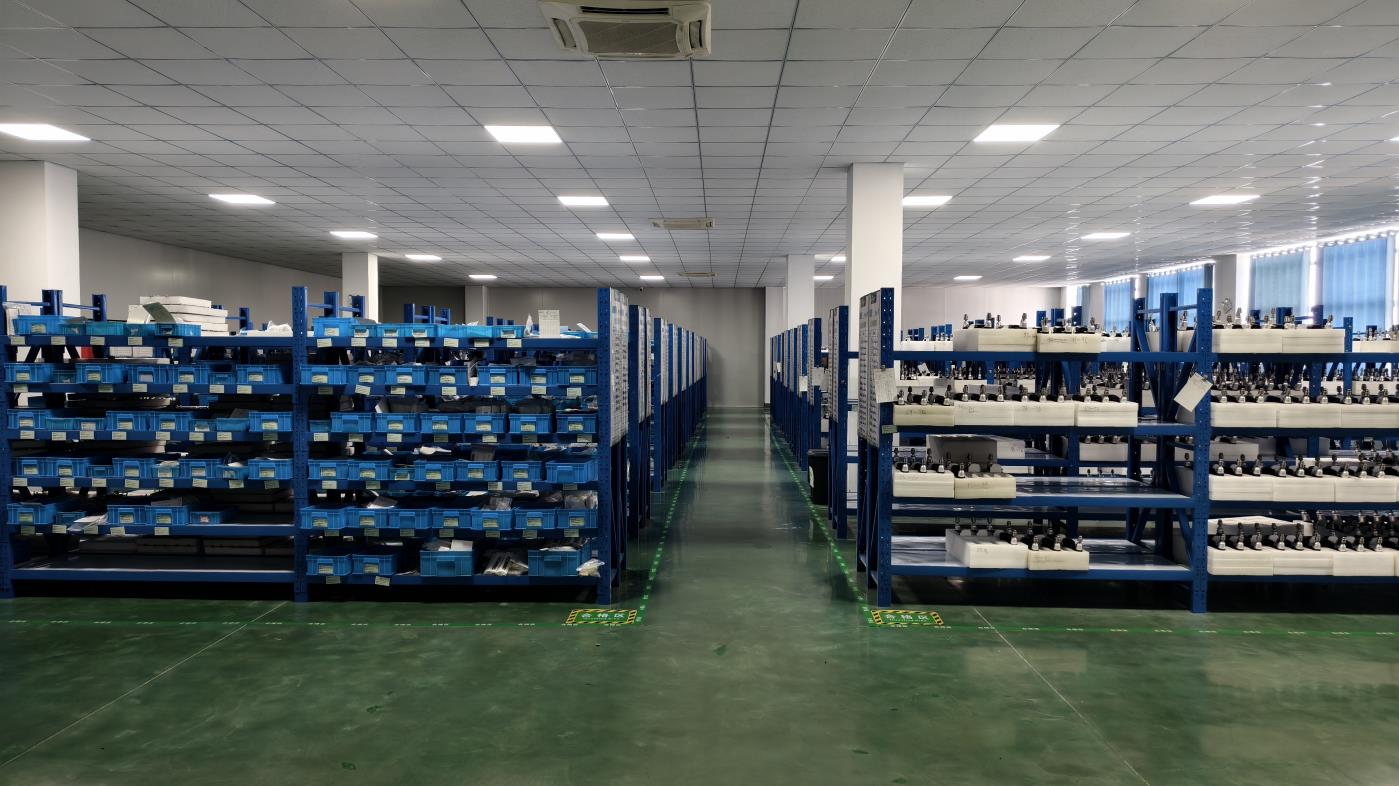
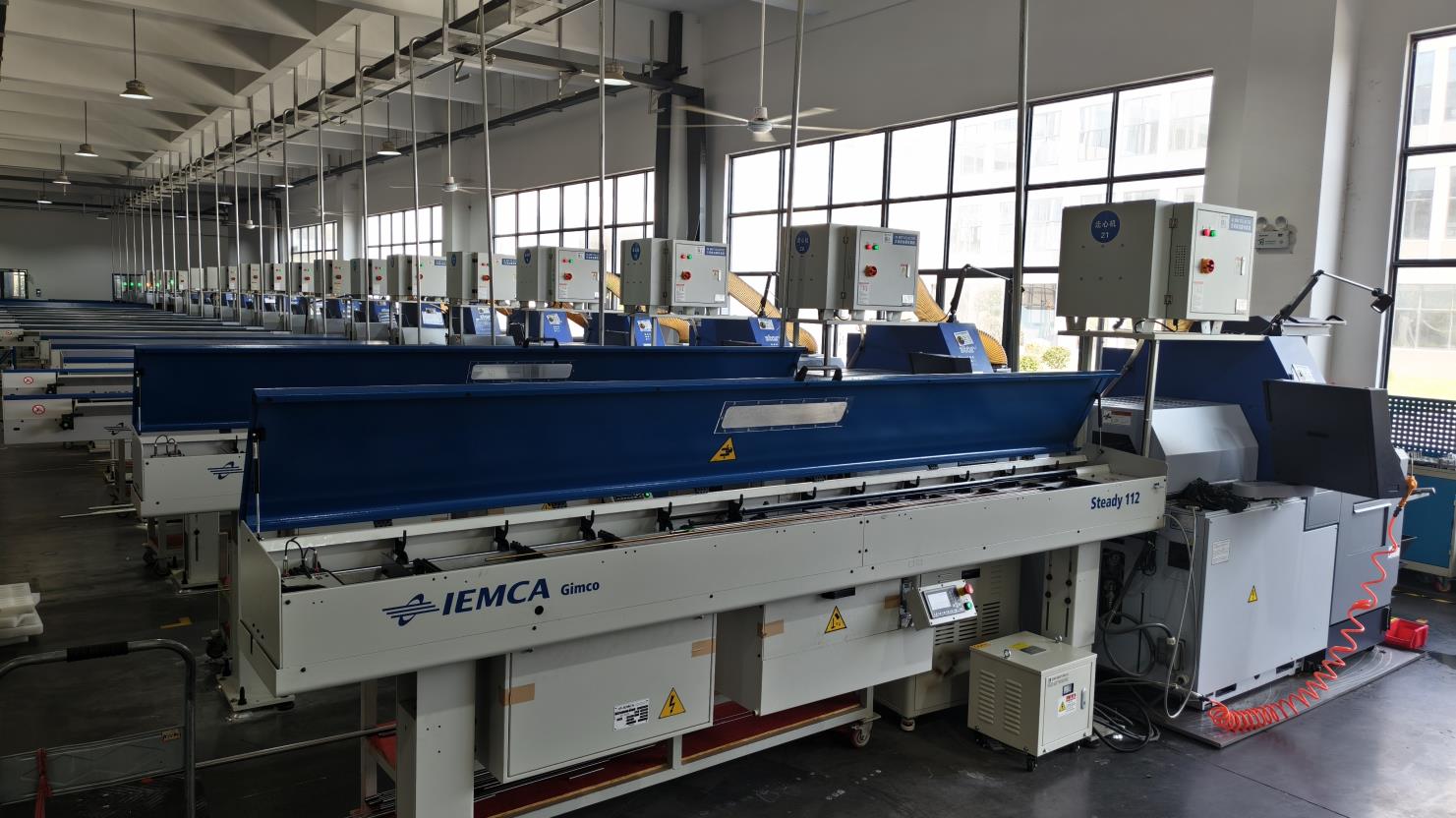
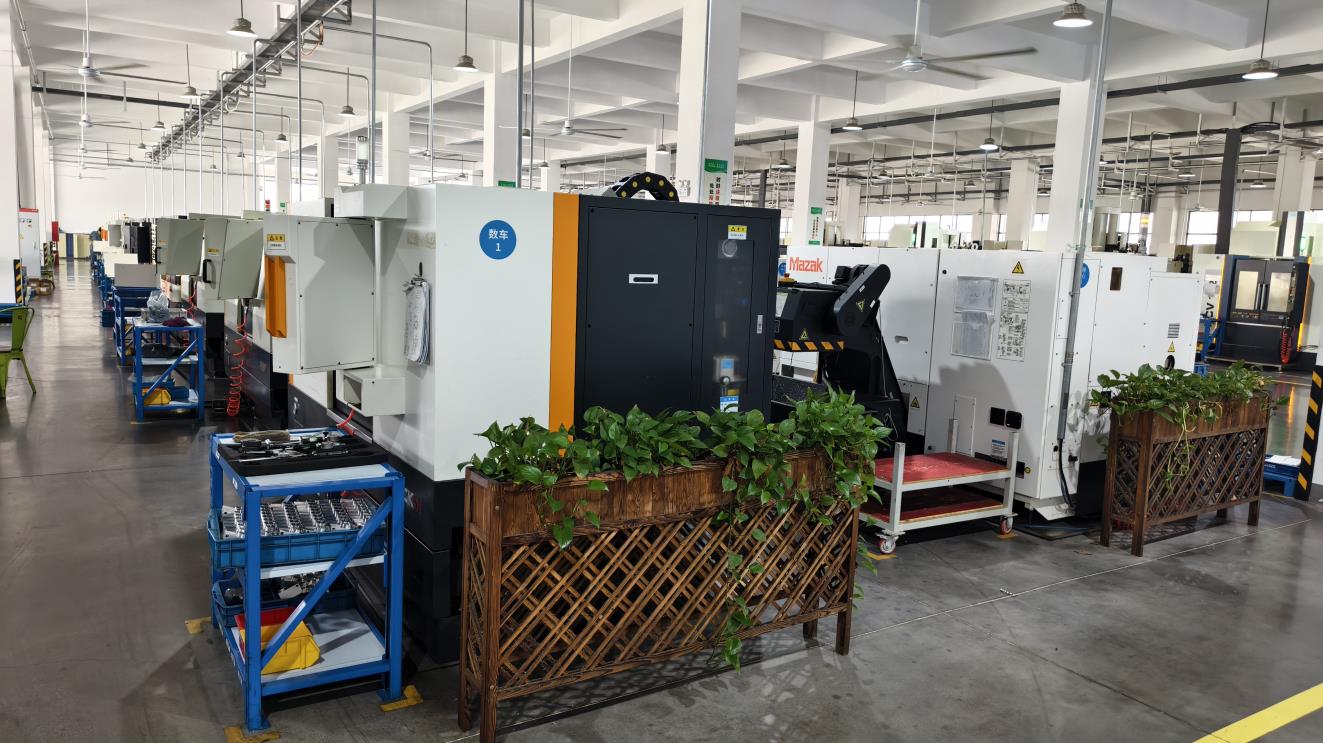
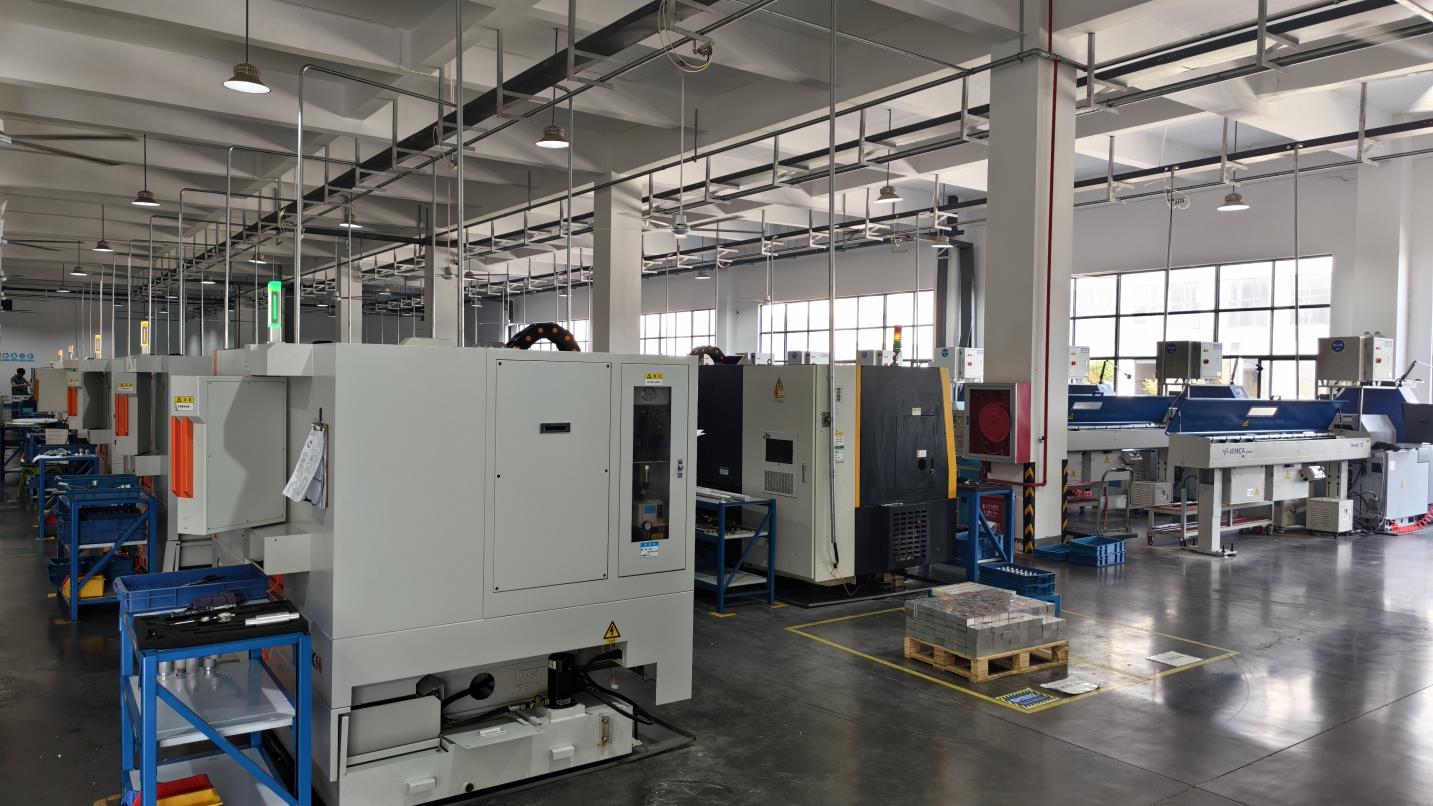
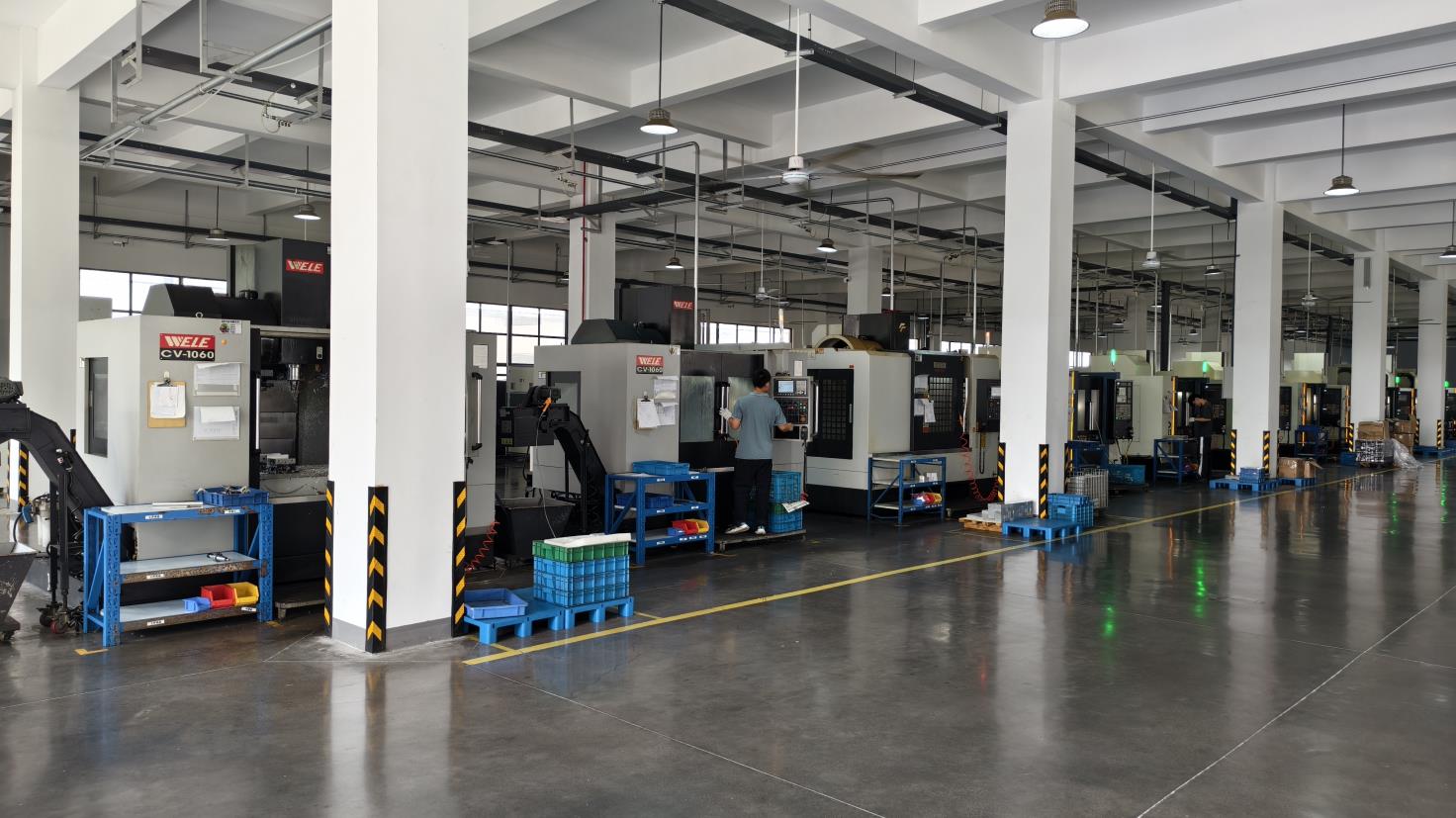
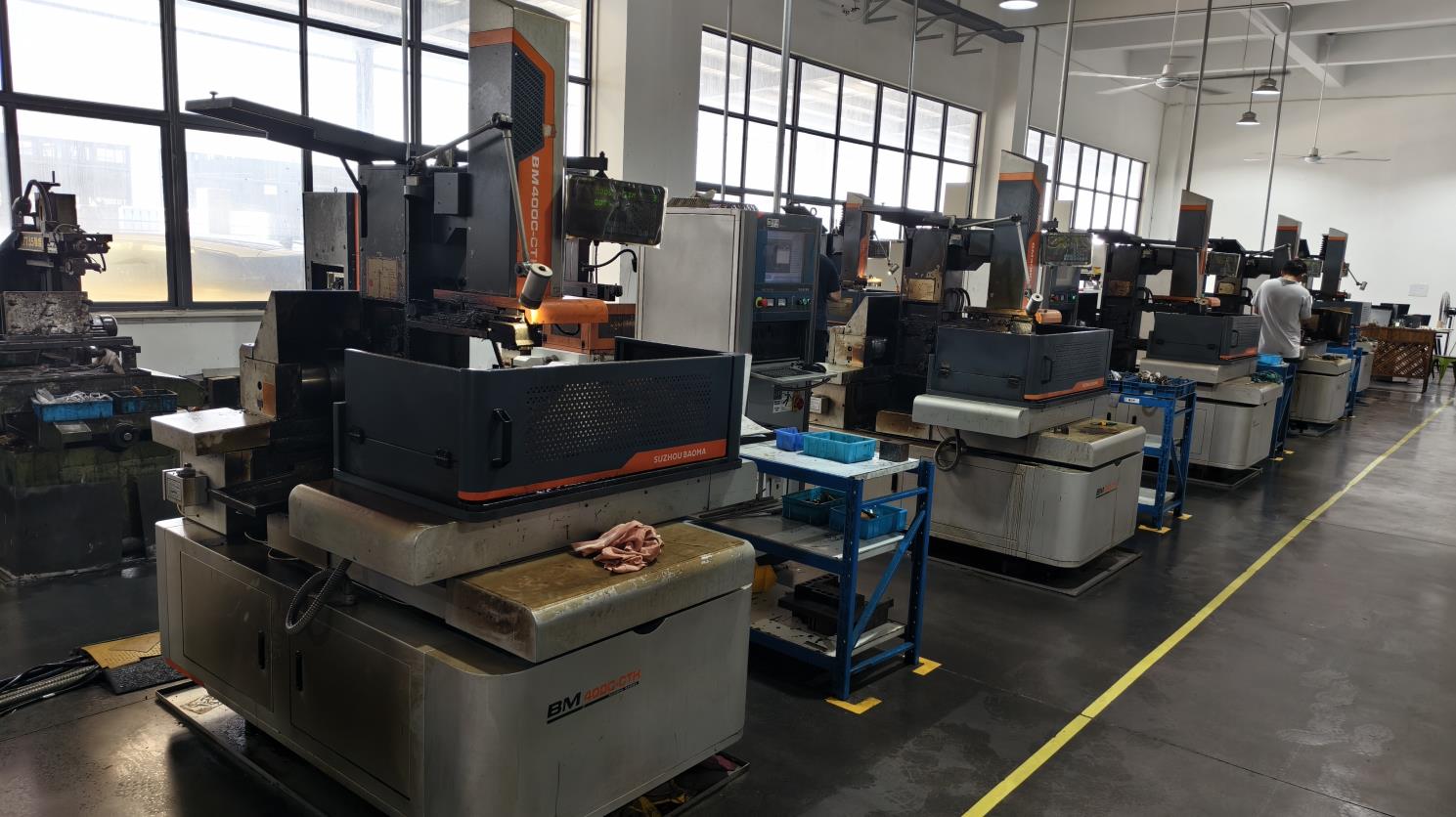
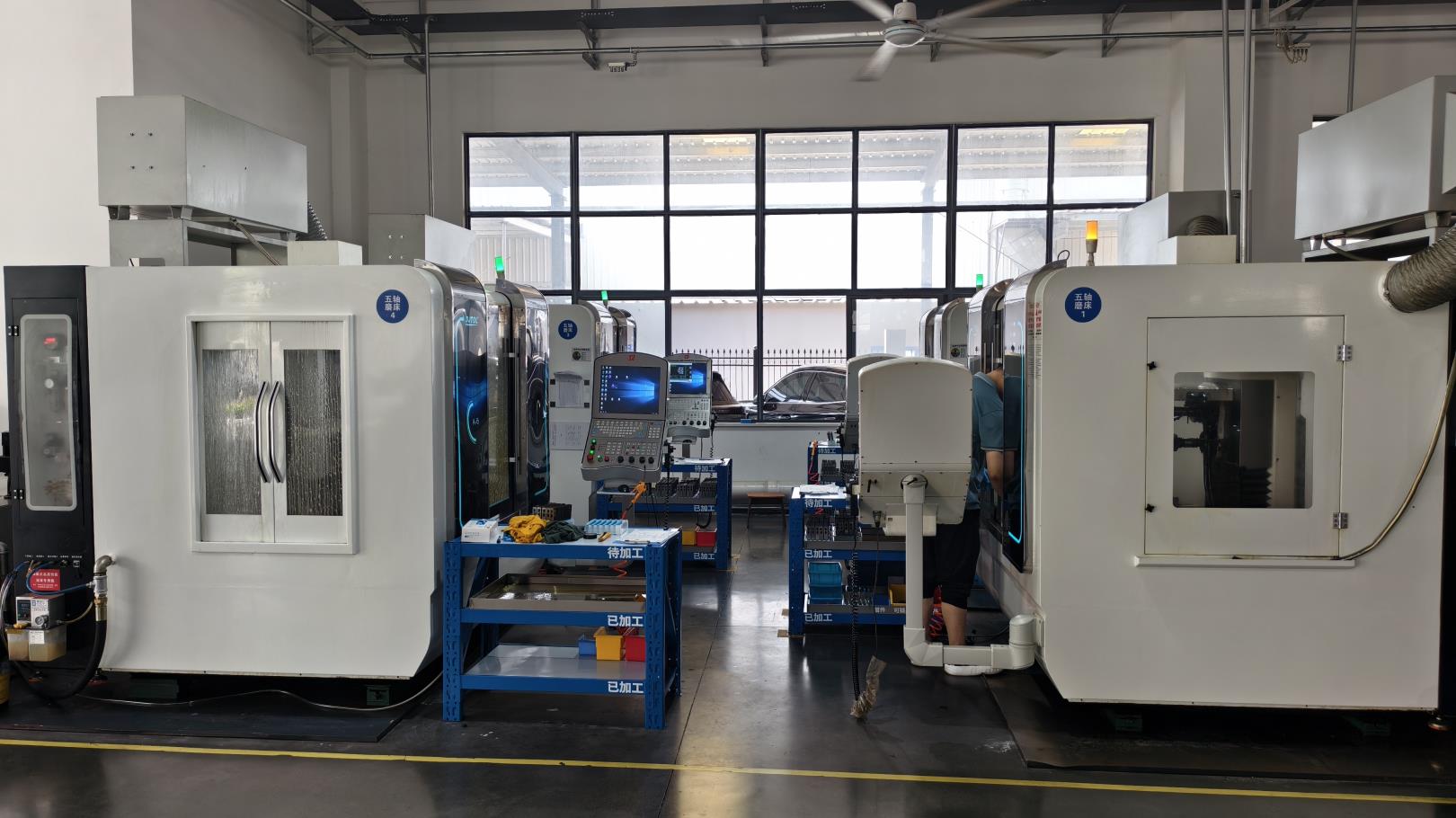
Established in 2017, Moventra Medical Technology (China) Co., Ltd. is dedicated to delivering innovative, high-quality products for trauma, spine, joint reconstruction, sports medicine, and orthopedic surgical procedures. With a modern manufacturing facility covering 18,600 m², Moventra integrates advanced CNC machining, precision manufacturing, automated production lines, and strict quality management systems to ensure every product meets international medical standards.
Supported by an experienced R&D team and a comprehensive quality assurance system, Moventra continuously develops innovative orthopedic solutions that improve surgical efficiency and patient outcomes. Our products are exported to customers worldwide and are trusted for their precision, safety, and consistent performance.
| Item | Details |
|---|---|
| Company Name | Moventra Medical Technology (China) Co., Ltd. |
| Brand | Moventra |
| Established | 2017 |
| Facility Area | 18,600 m² |
| Annual Export Revenue | USD 23.8 Million |
| Export Experience | 7 Years |
| Industry Experience | 13 Years |
| Quality Inspection | 100% Quality Inspection Before Shipment |
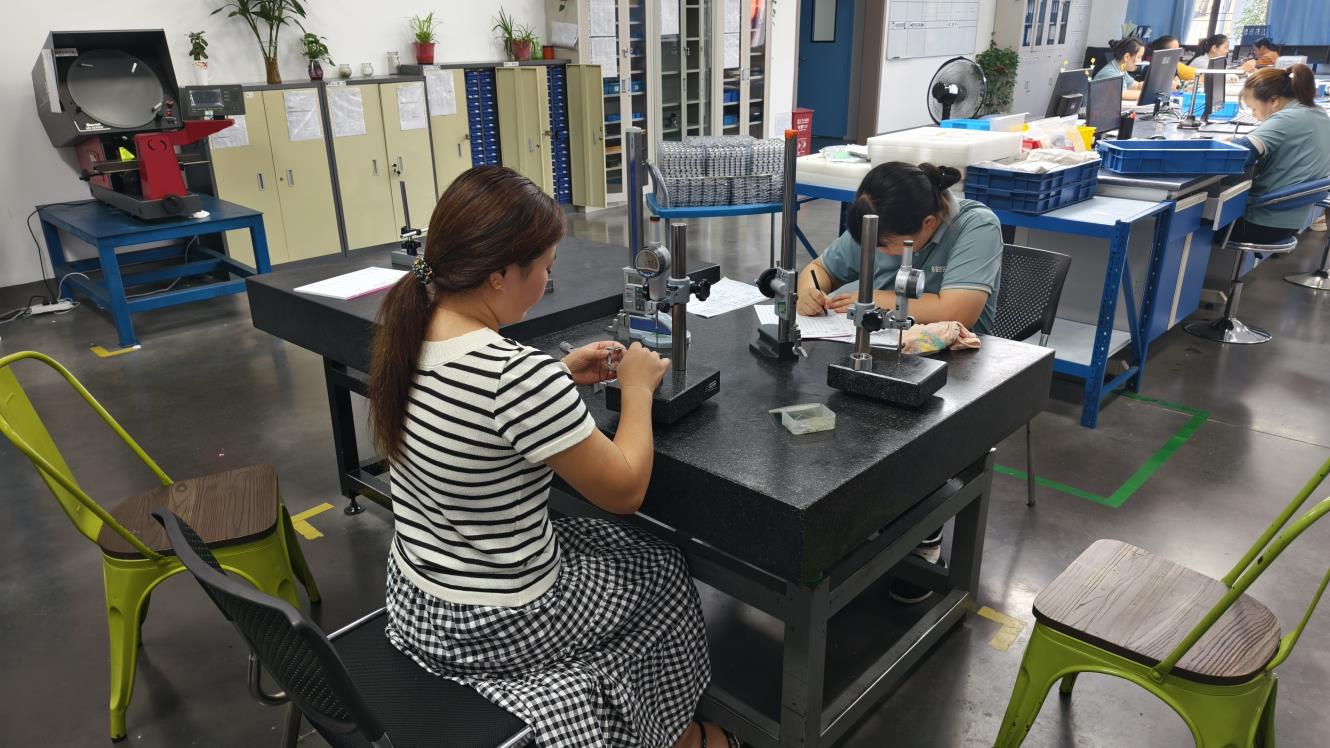
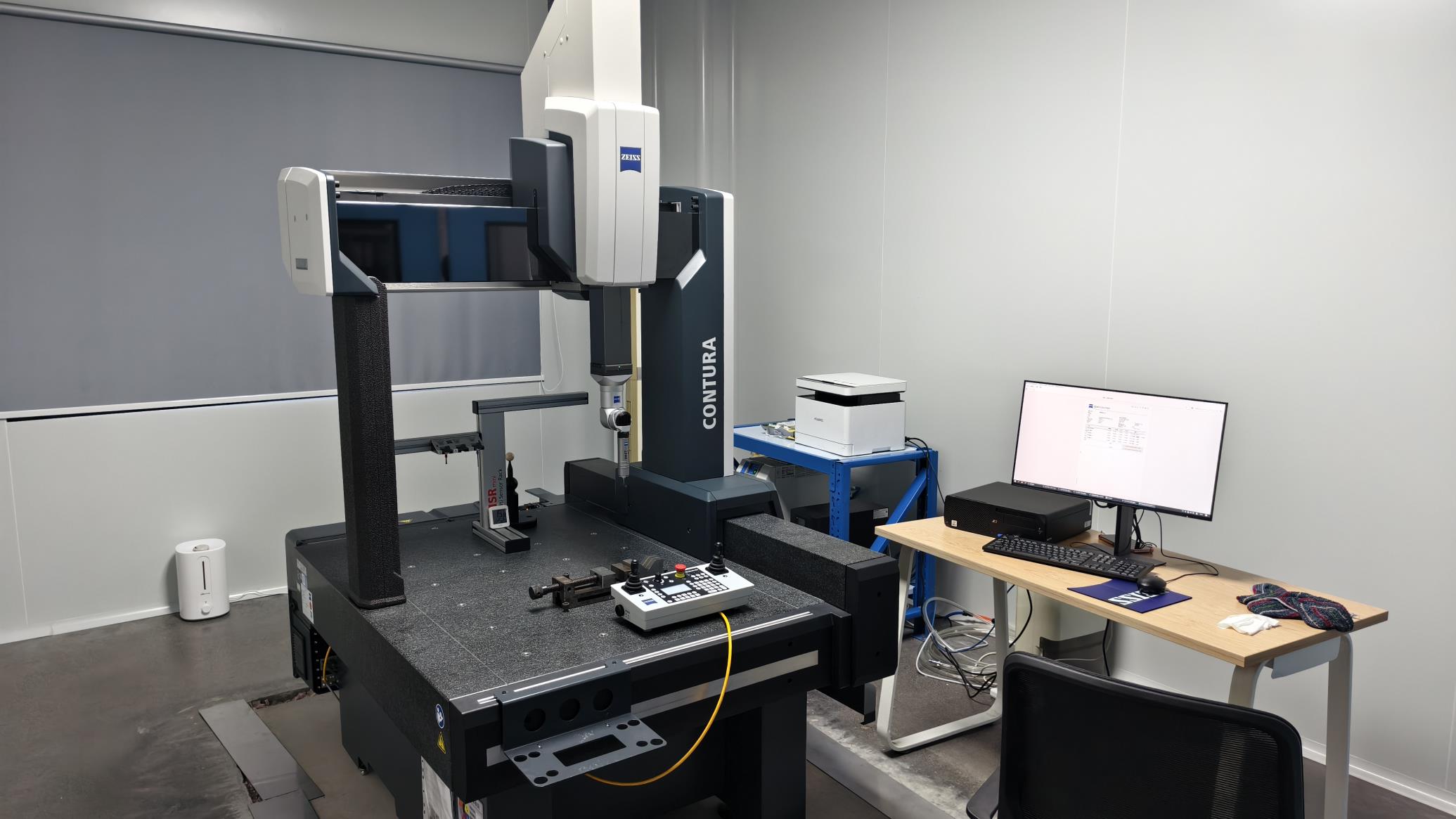
| Product Inspection Methods | Dimensional Inspection, Material Analysis, Surface Finish Inspection, Mechanical Performance Testing, Sterility Verification |
| Quality Control Staff | 48 |
| Business Type | Manufacturer, OEM & ODM, Exporter |
| Main Markets | North America, Europe, South America, Middle East, Southeast Asia, Australia |
| Supply Chain Partners | 1,120 |
| Main Customer Types | Medical Device Brands, Orthopedic Distributors, Hospitals, Importers, Government Procurement Projects |
| R&D Capability | Independent Product Design, Rapid Prototyping, OEM/ODM Development, Customized Engineering Solutions |
| Customization Options | Logo Customization, Packaging Customization, Product Design Customization, Drawing-Based Manufacturing, Sample-Based Manufacturing |
| New Products Released Last Year | 156 |
| R&D Engineers | 86 |
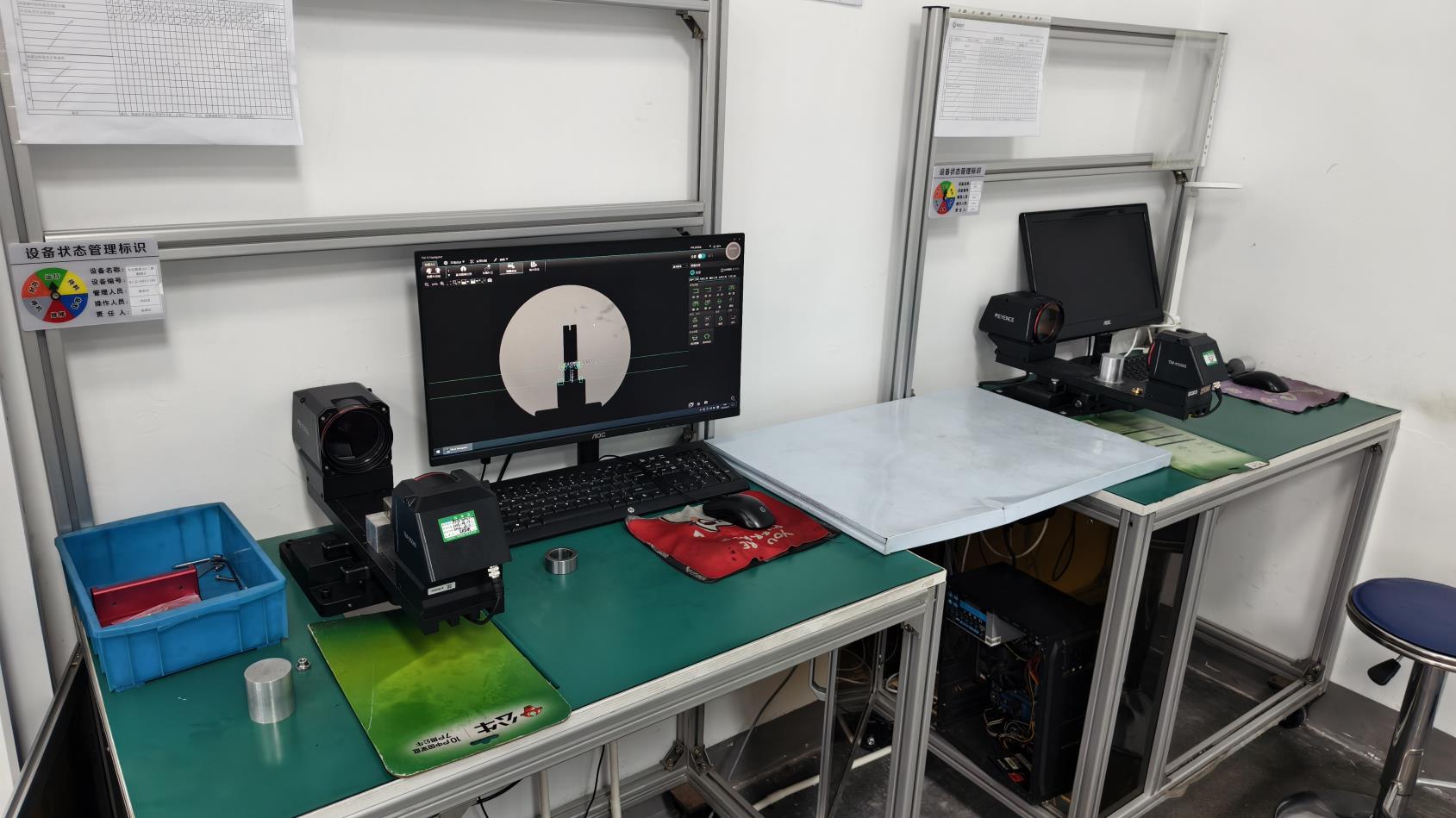
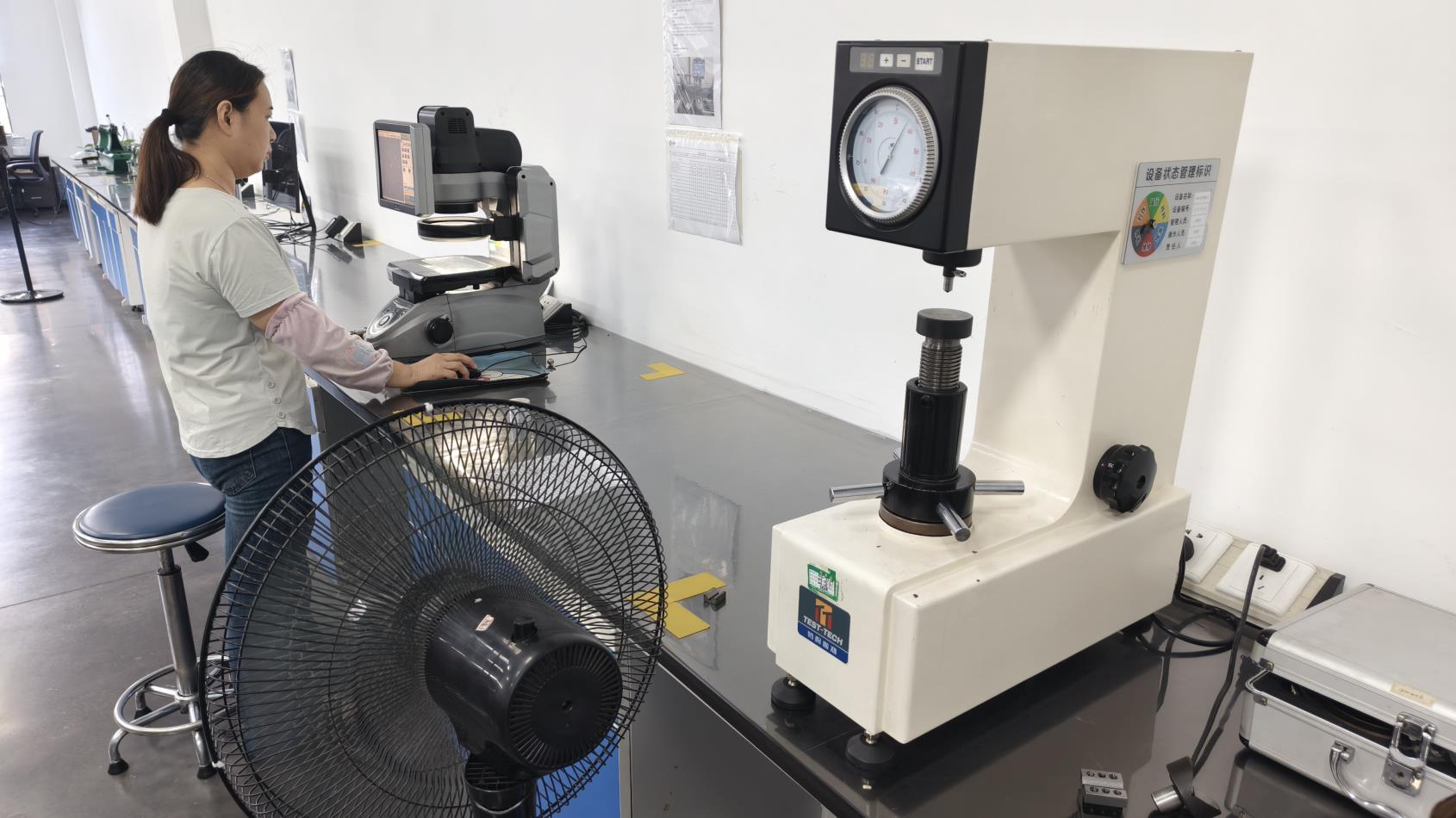
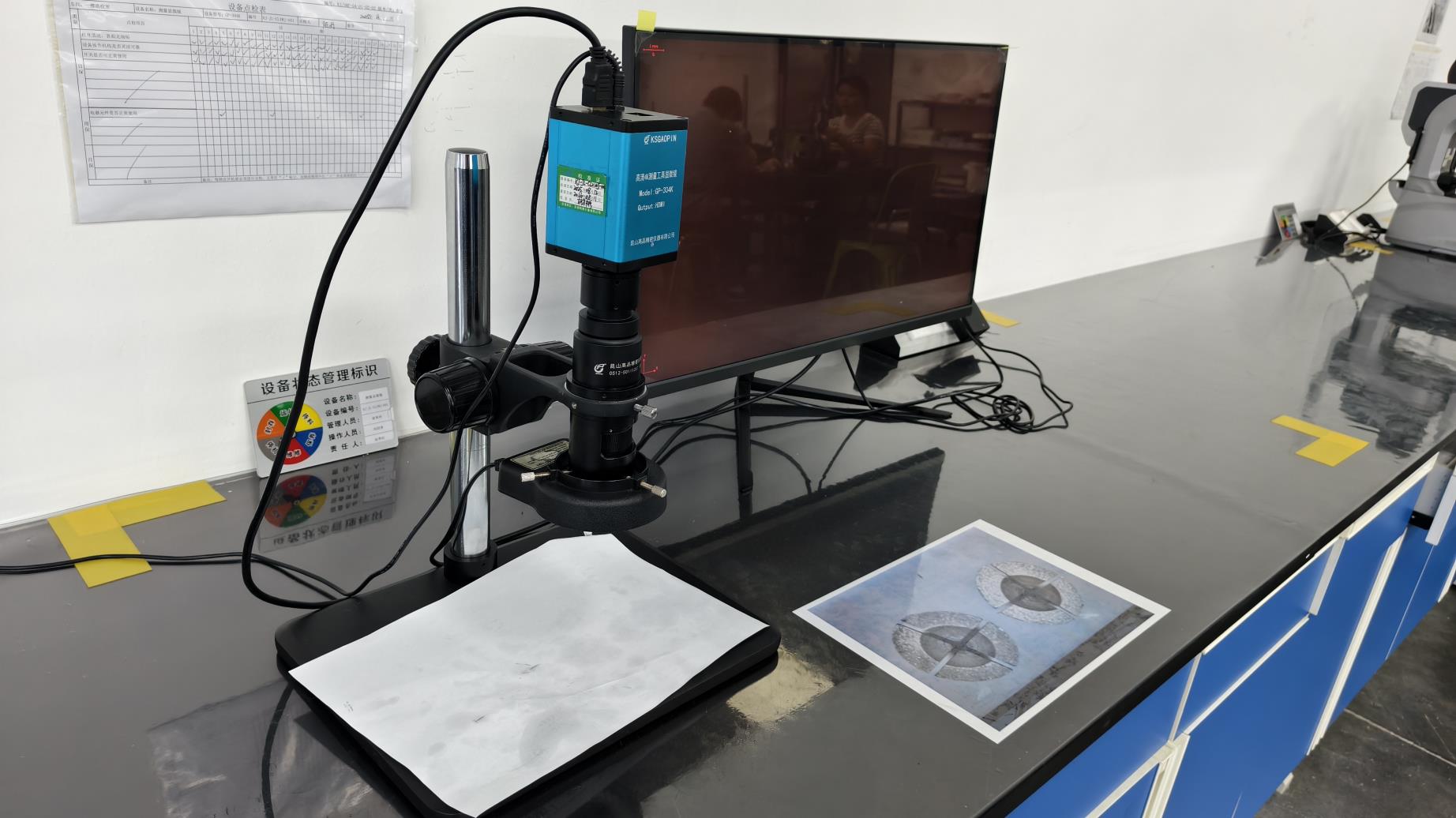
Step inside our state-of-the-art precision production and inspection center.
The technological future of femoral stem design and key factors for commercial sourcing.
The orthopedic implant sector is evolving rapidly toward personalized medicine and advanced biomimetic surfaces. Key trends include:
For B2B buyers—including medical device brands, orthopedic distributors, and hospital procurement boards—sourcing femoral stems involves rigorous qualification processes. Key buying requirements typically encompass:
Technical and logistical insights for orthopedic distributors and procurement managers.
Continuing our selection of clinically validated orthopedic systems for spine, trauma, and sports medicine.
 Moventra Medical