Explore our CE and ISO-certified medical devices, instrumentation sets, and spine fixation components engineered for optimal surgical outcomes.
Bridging biomechanical engineering with clinical excellence to support modern spine surgery demands.
Posterior cervical stabilization demands rigid control over multi-axial movements. Our constructs restrict flexion, extension, lateral bending, and axial rotation, restoring column stability following decompression procedures for cervical spondylotic myelopathy and complex spinal trauma.
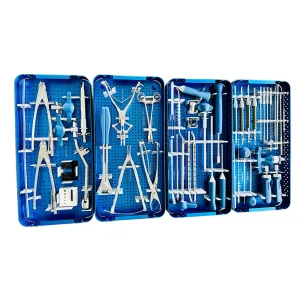
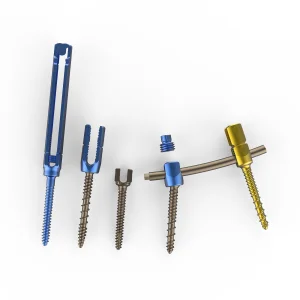
Recognizing the diversity in global surgical approaches, we offer tailorable polyaxial screw architectures, dynamic occipitocervical plates, and customizable rod connectors. Our implants are engineered to seamlessly integrate with proprietary surgical kits.
Minimizing soft-tissue disruption is critical in posterior cervical access. Our low-profile screw heads reduce muscle irritation, lower post-operative complications, and provide a greater volume for bone graft placement to facilitate solid fusion.
Pioneering tomorrow's spinal solutions through advanced material science and digital technology integration.
Moving beyond standard Ti-6Al-4V ELI titanium surfaces, our technical pipeline integrates porous acid-etched, plasma-sprayed, and bioactive coatings. These micro-structured surfaces enhance osseointegration and reduce healing timelines in compromised bone beds.
To optimize postoperative radiolucency and match cortical bone's elasticity, we are developing next-generation implants utilizing carbon-fiber-reinforced PEEK. This minimizes stress shielding and allows for clear artifact-free MRI and CT imaging.
Modern spine surgeries depend heavily on intraoperative navigation. Our posterior cervical screws feature standardized tracker geometries, ensuring seamless alignment and calibration with market-leading surgical robotic systems.
Leveraging automated precision, strict tracing systems, and high production capacities to guarantee component reliability.
Our facility utilizes state-of-the-art Swiss-type lathe machines and multi-axis machining centers to manufacture implants with micrometer tolerances. We address geopolitical and macroeconomic supply chain bottlenecks through extensive raw material stockpiling of high-grade implantable alloys, fully vertically integrated production paths (from raw rod to cleanroom packaging), and a network of 1,120 supply chain partners. This robust architecture ensures predictable lead times, even amidst market volatility.
A glimpse inside Moventra's advanced production halls, testing labs, and assembly cleanrooms.
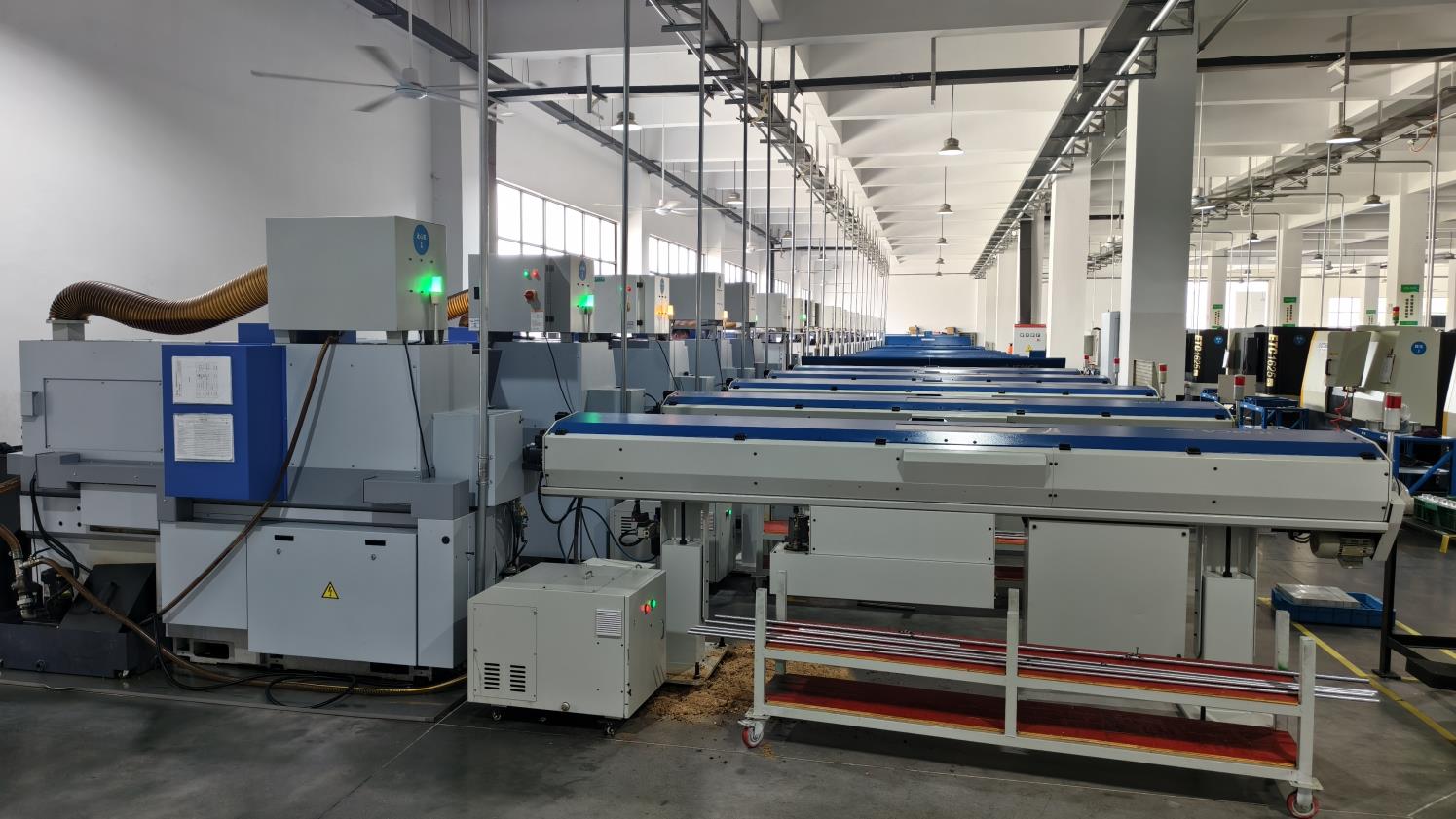
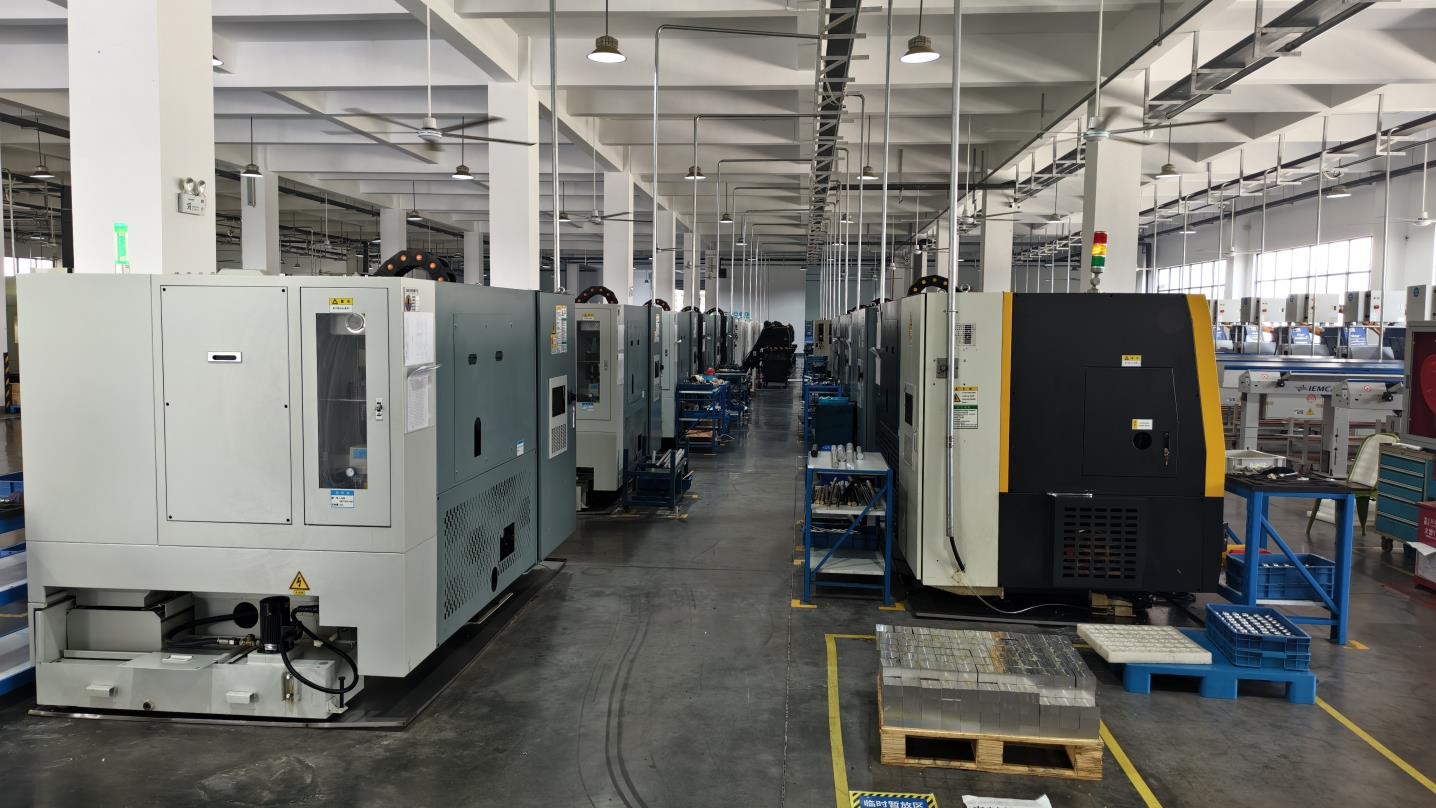
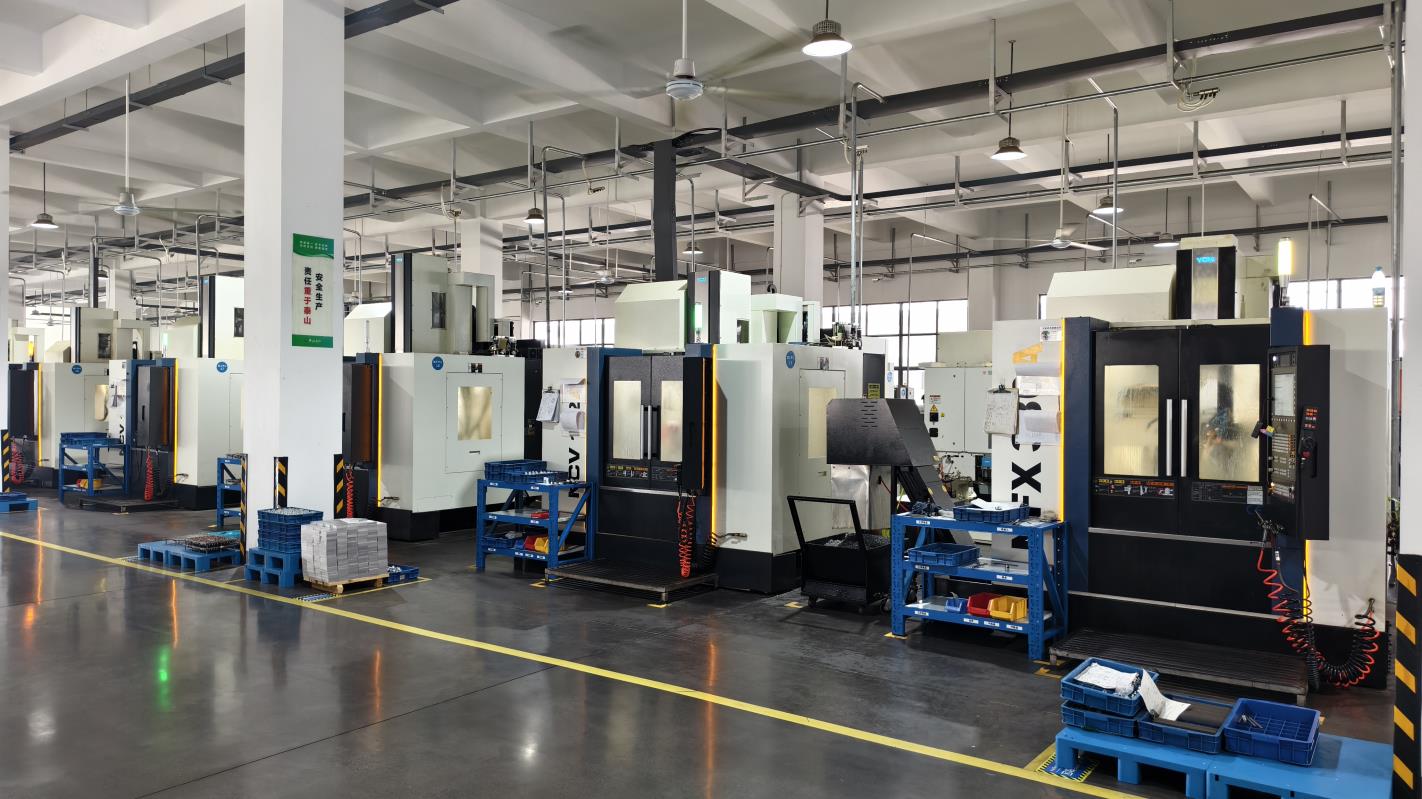
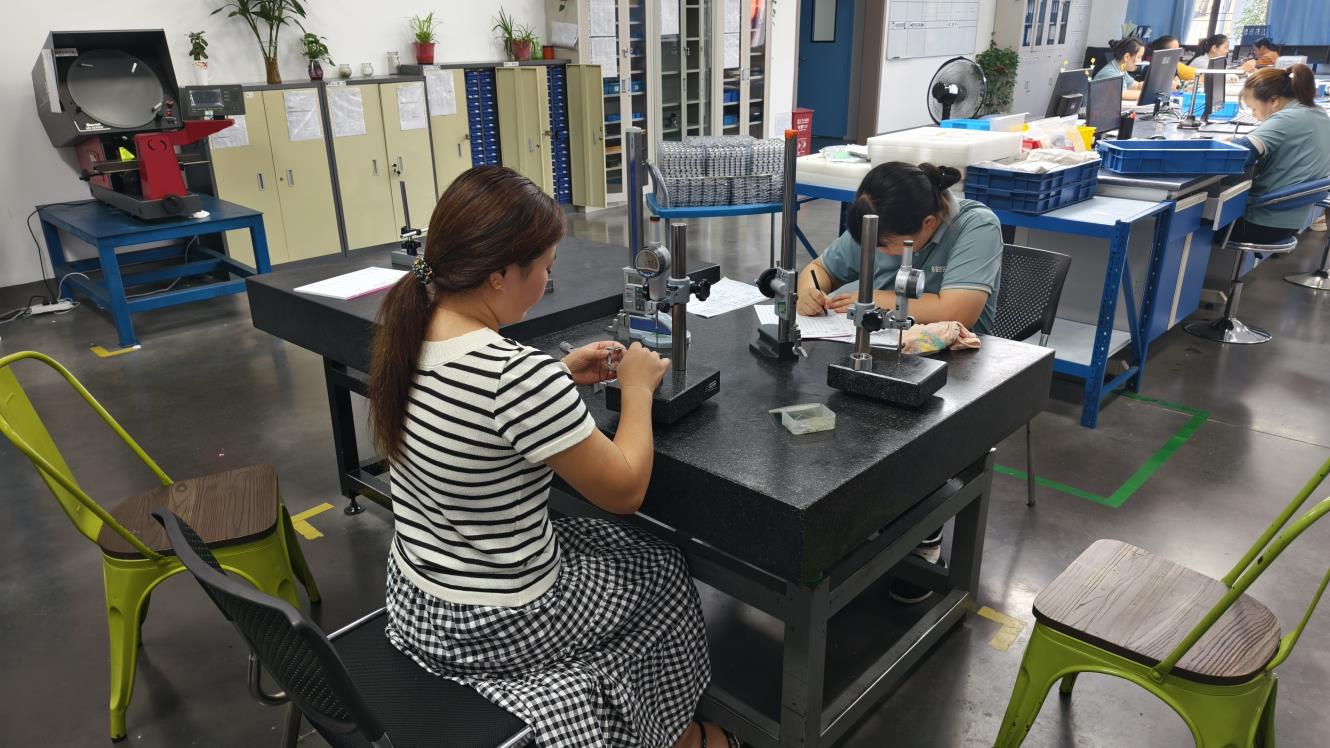
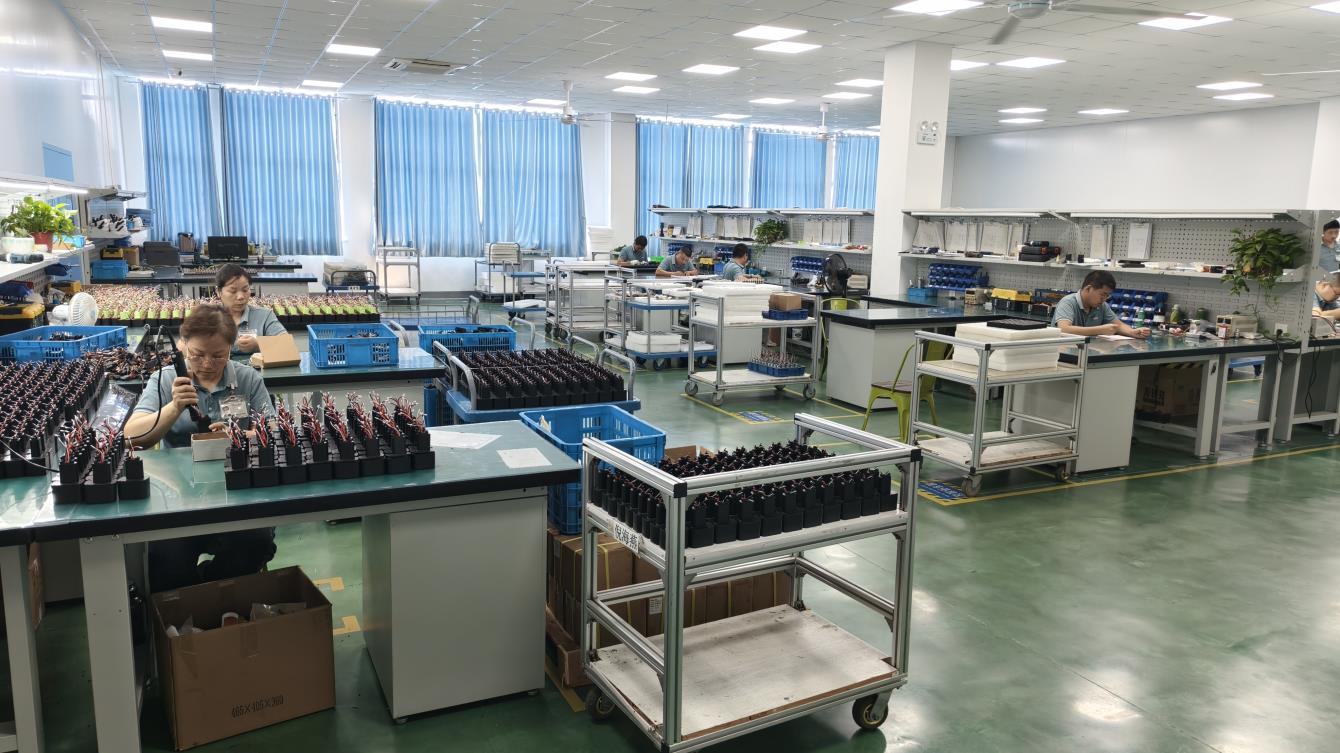
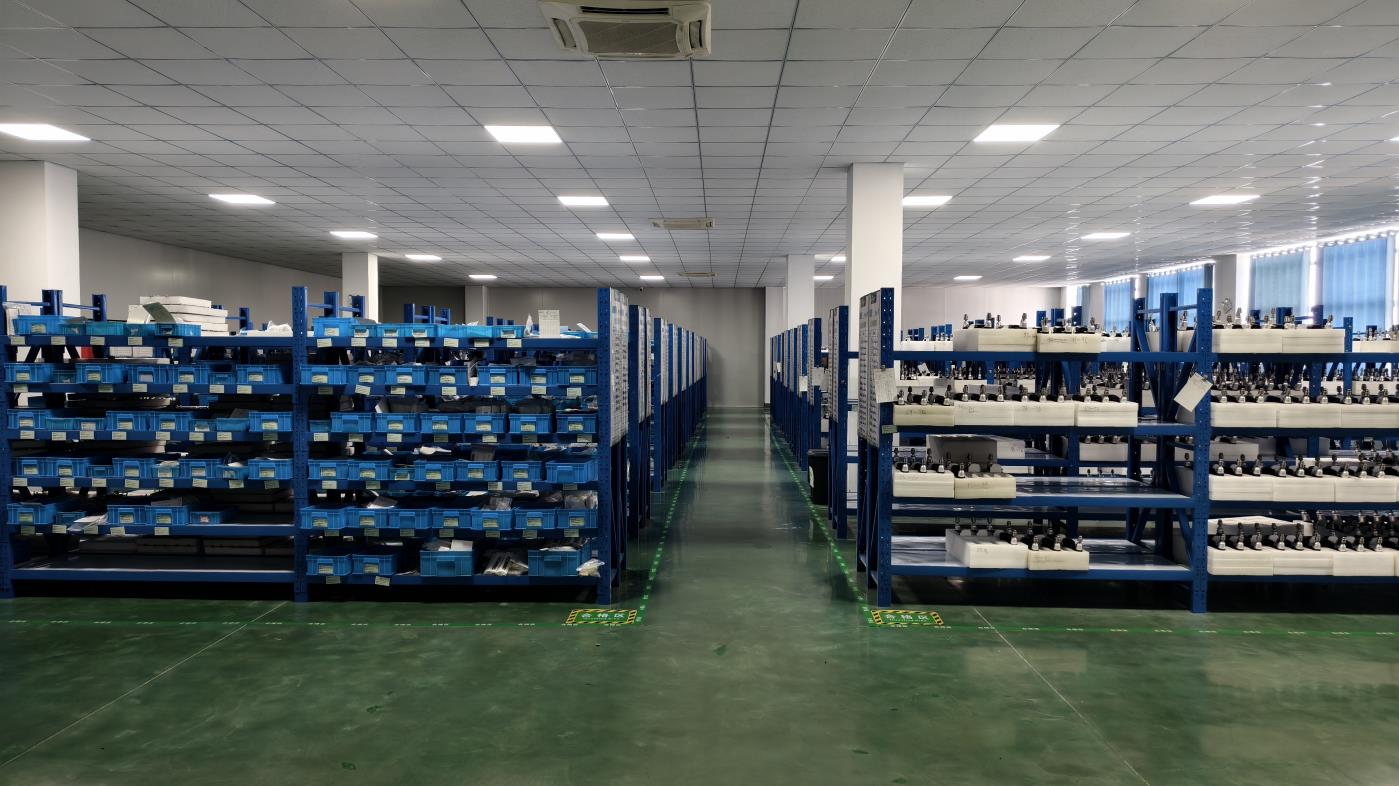
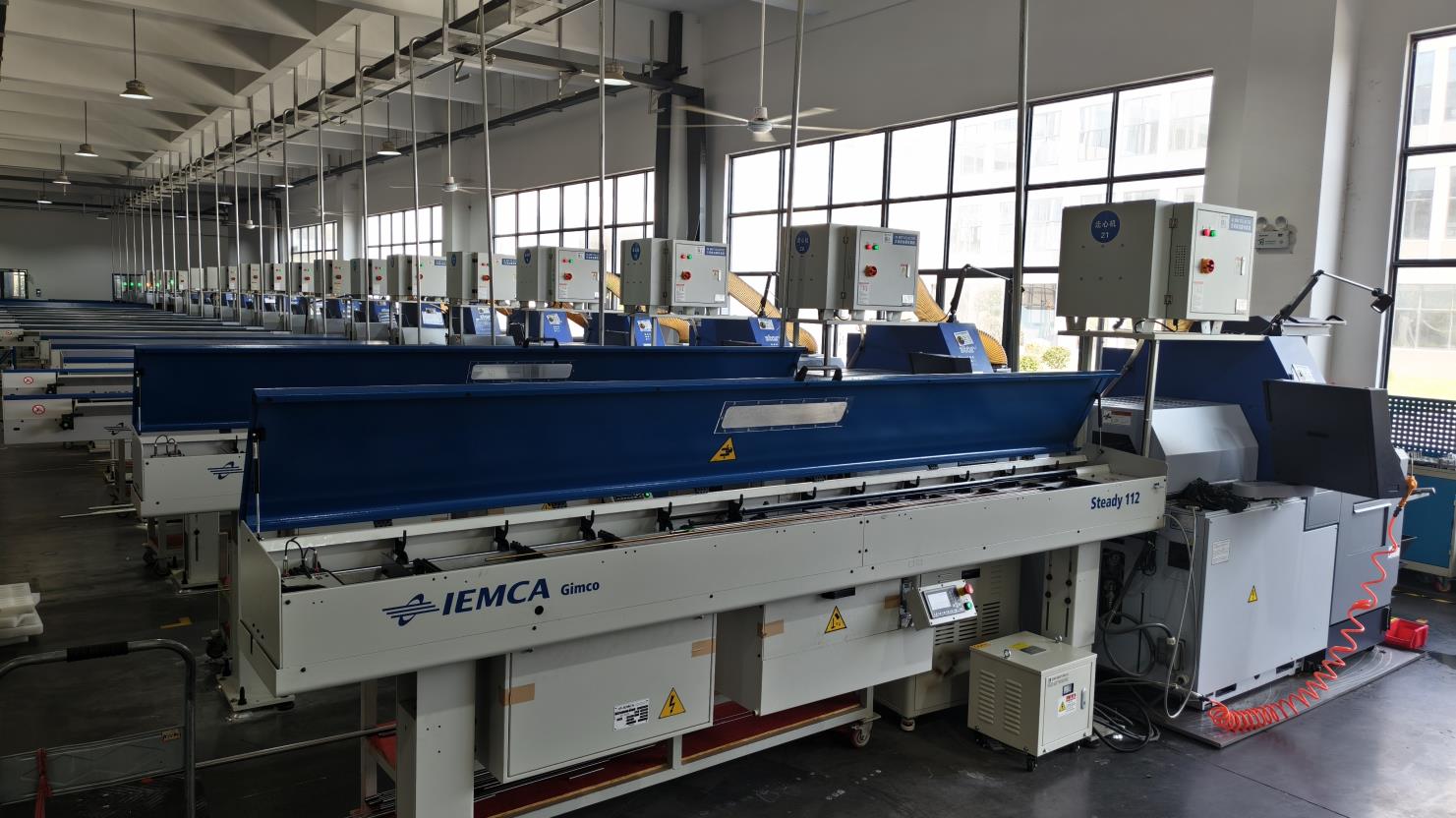
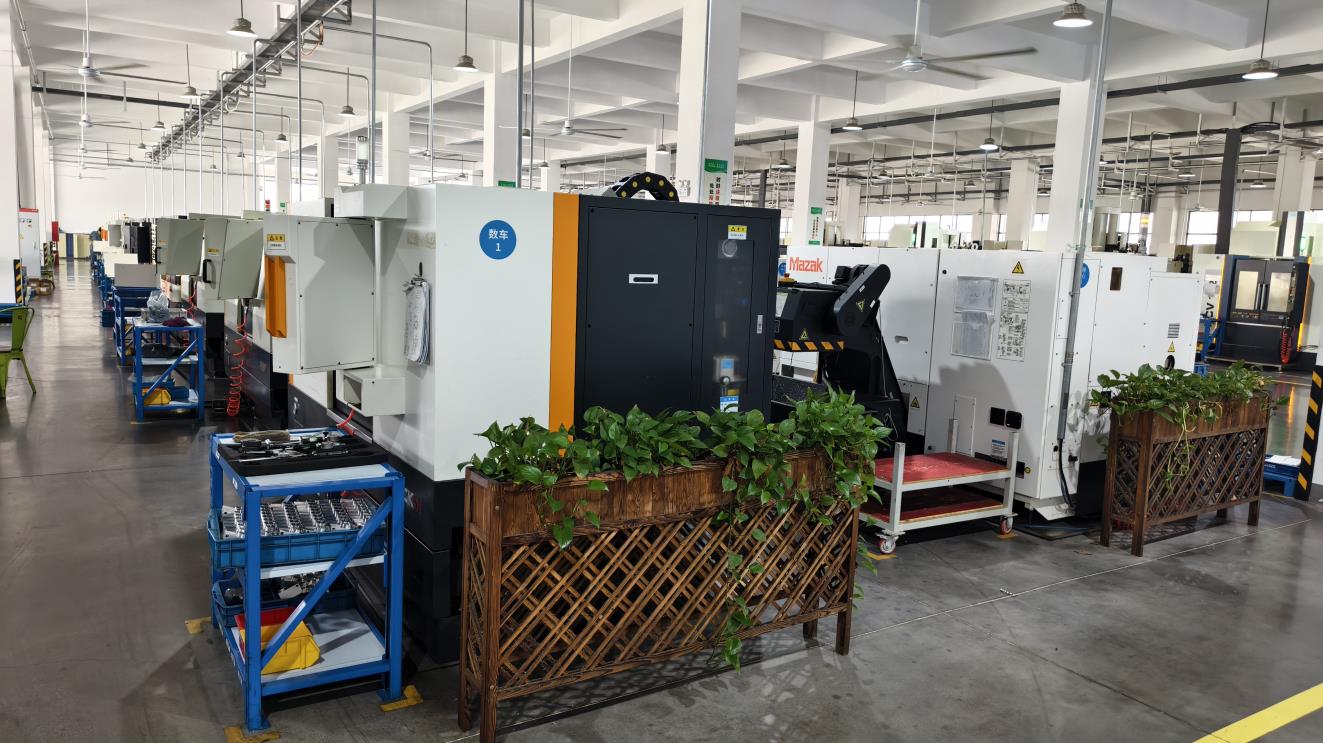
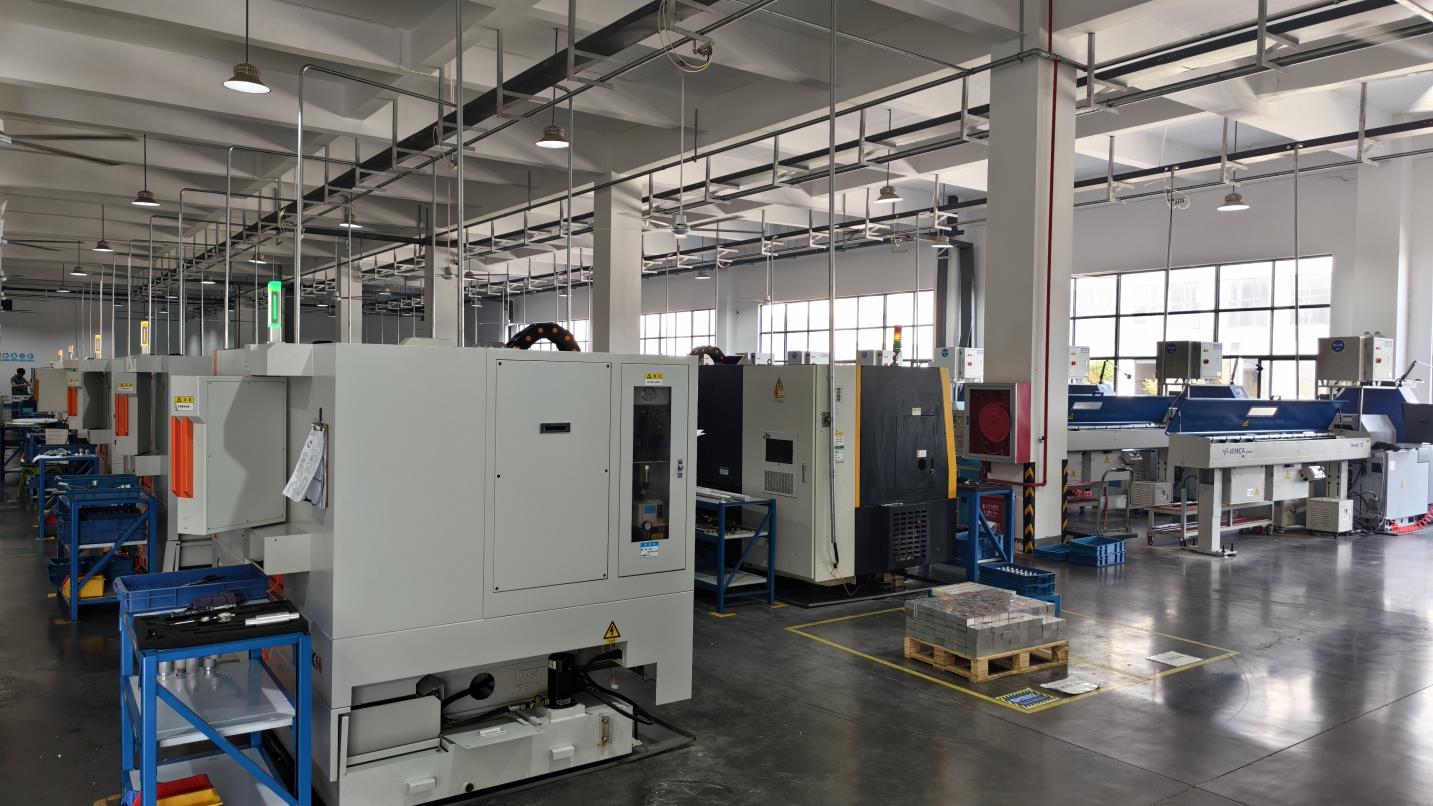
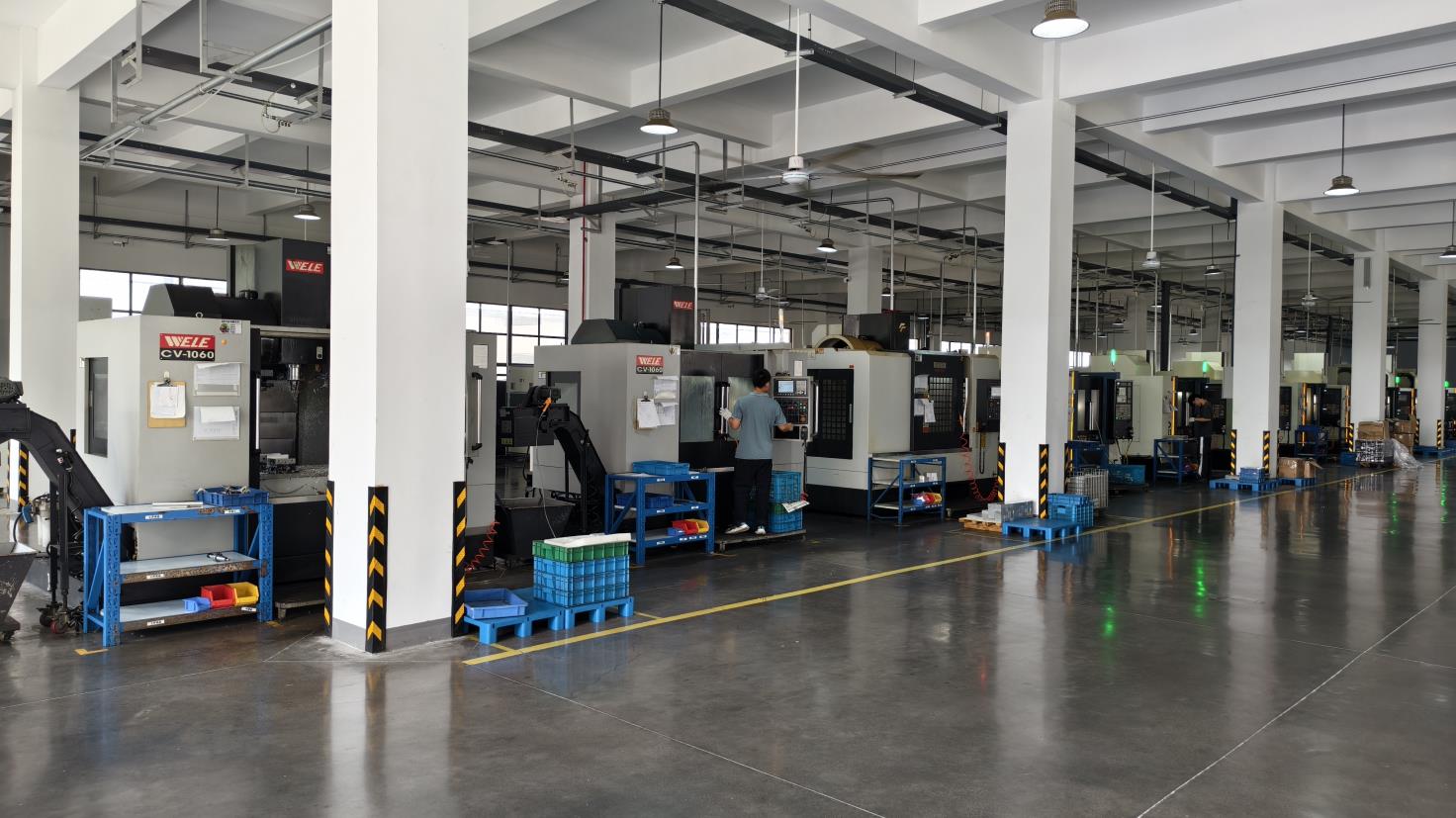
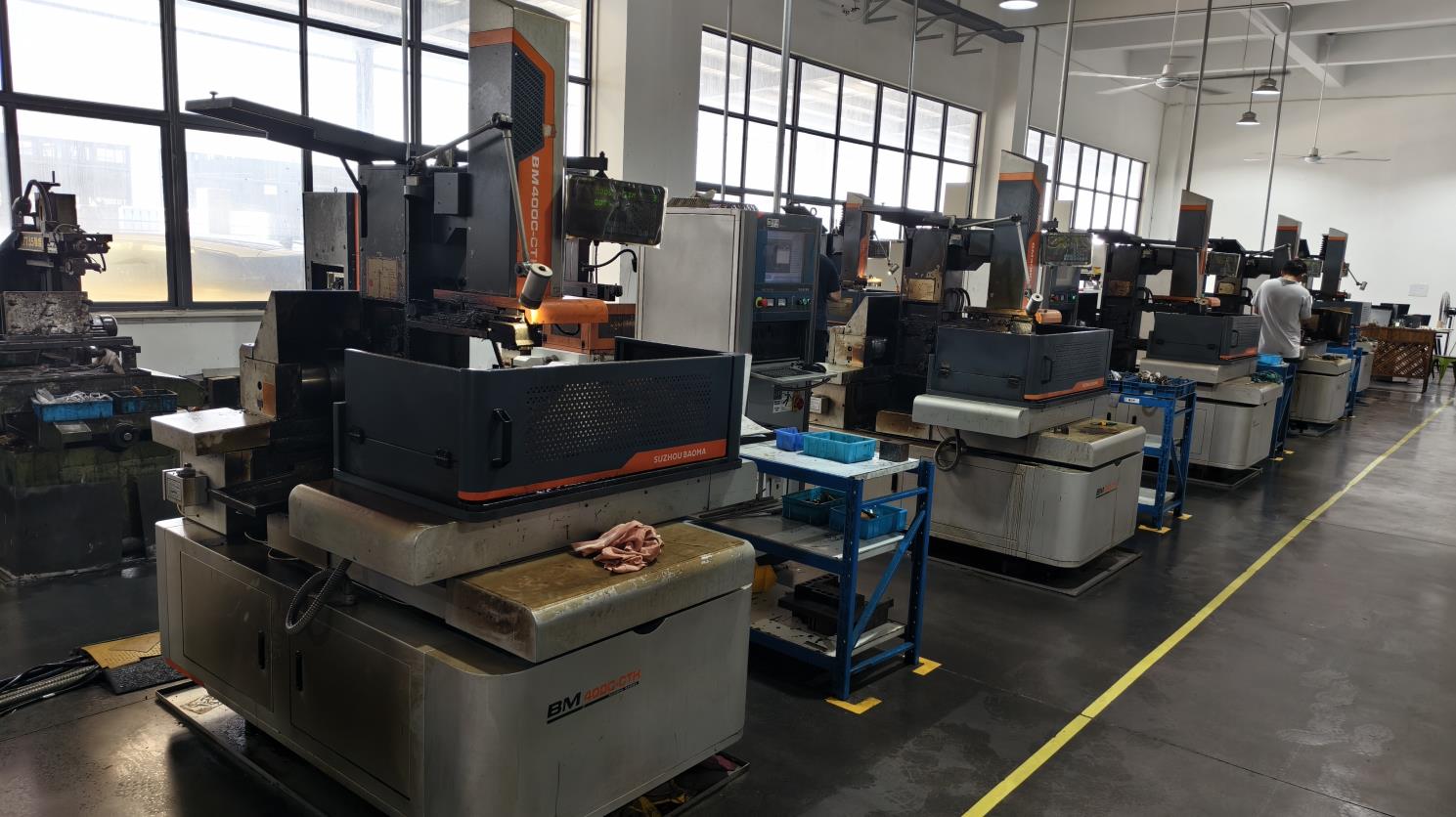
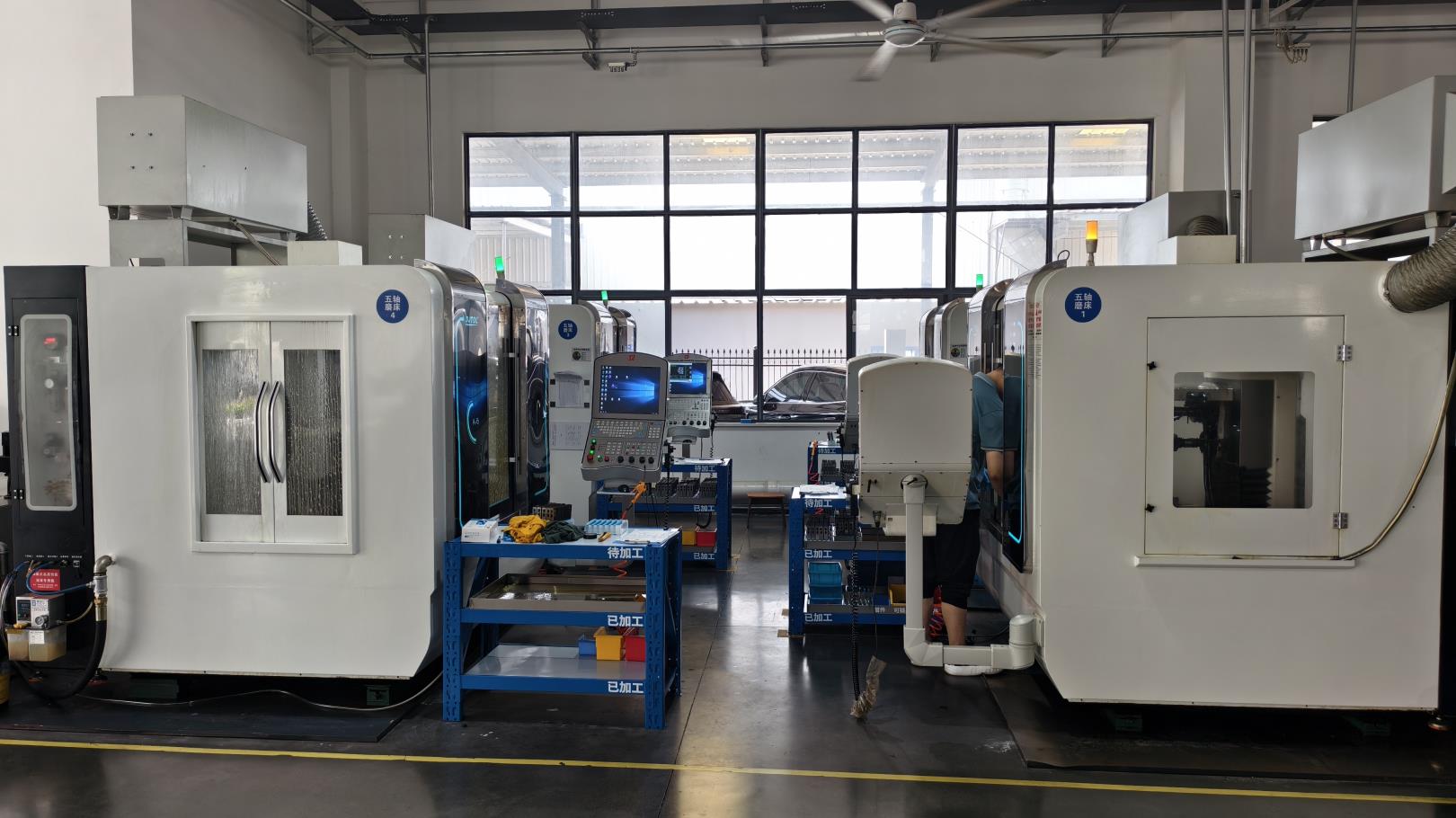
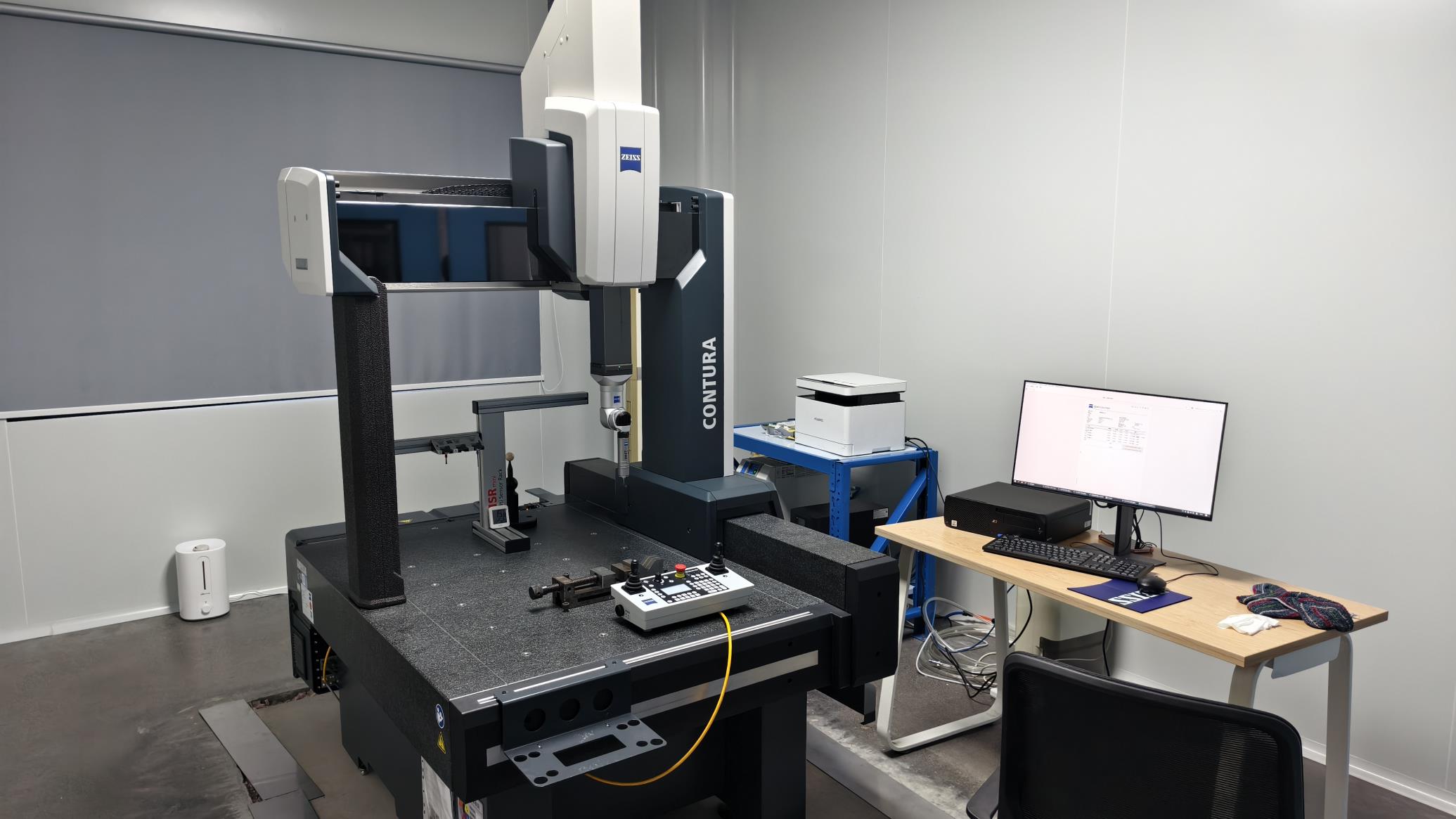
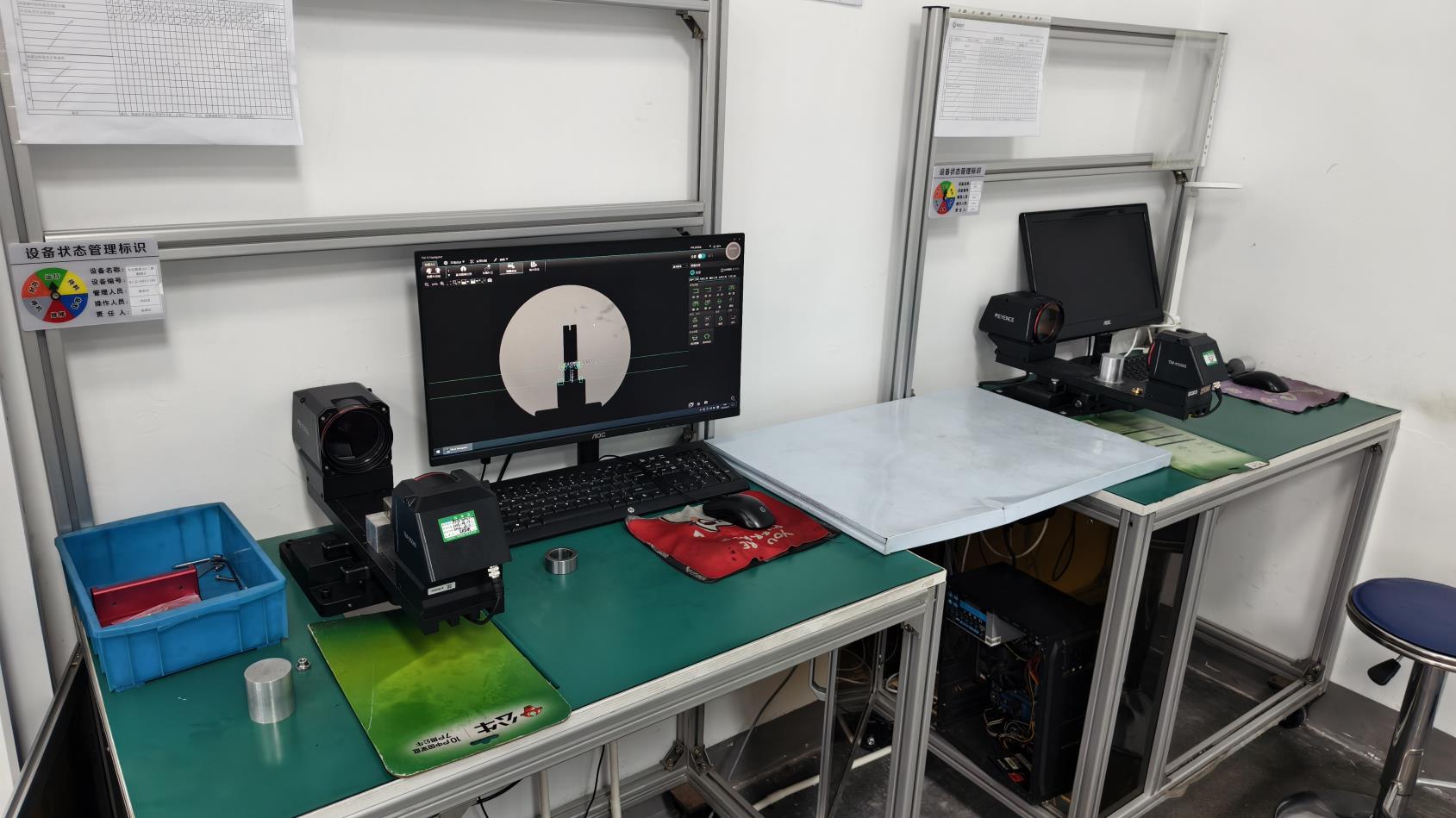
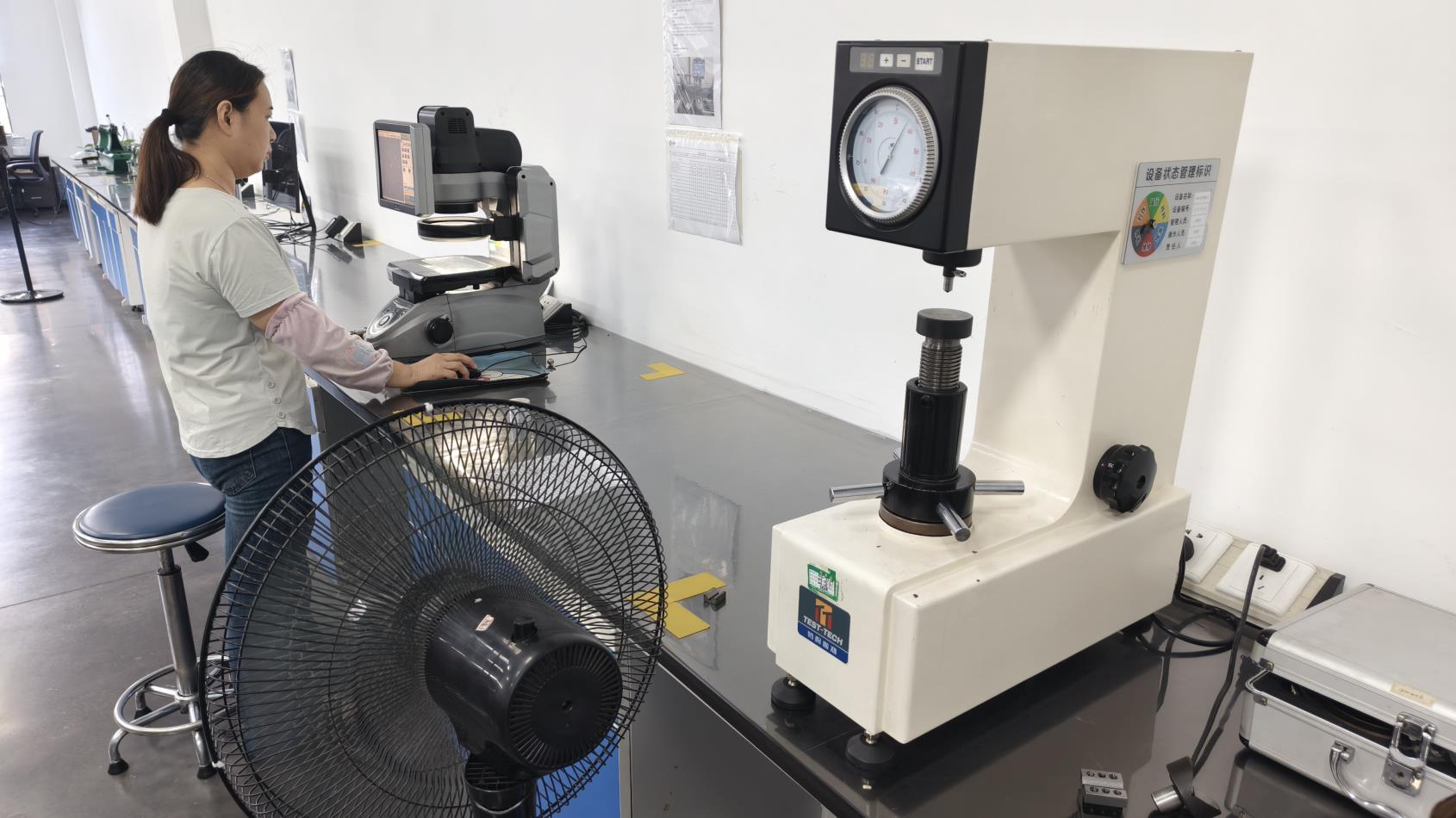
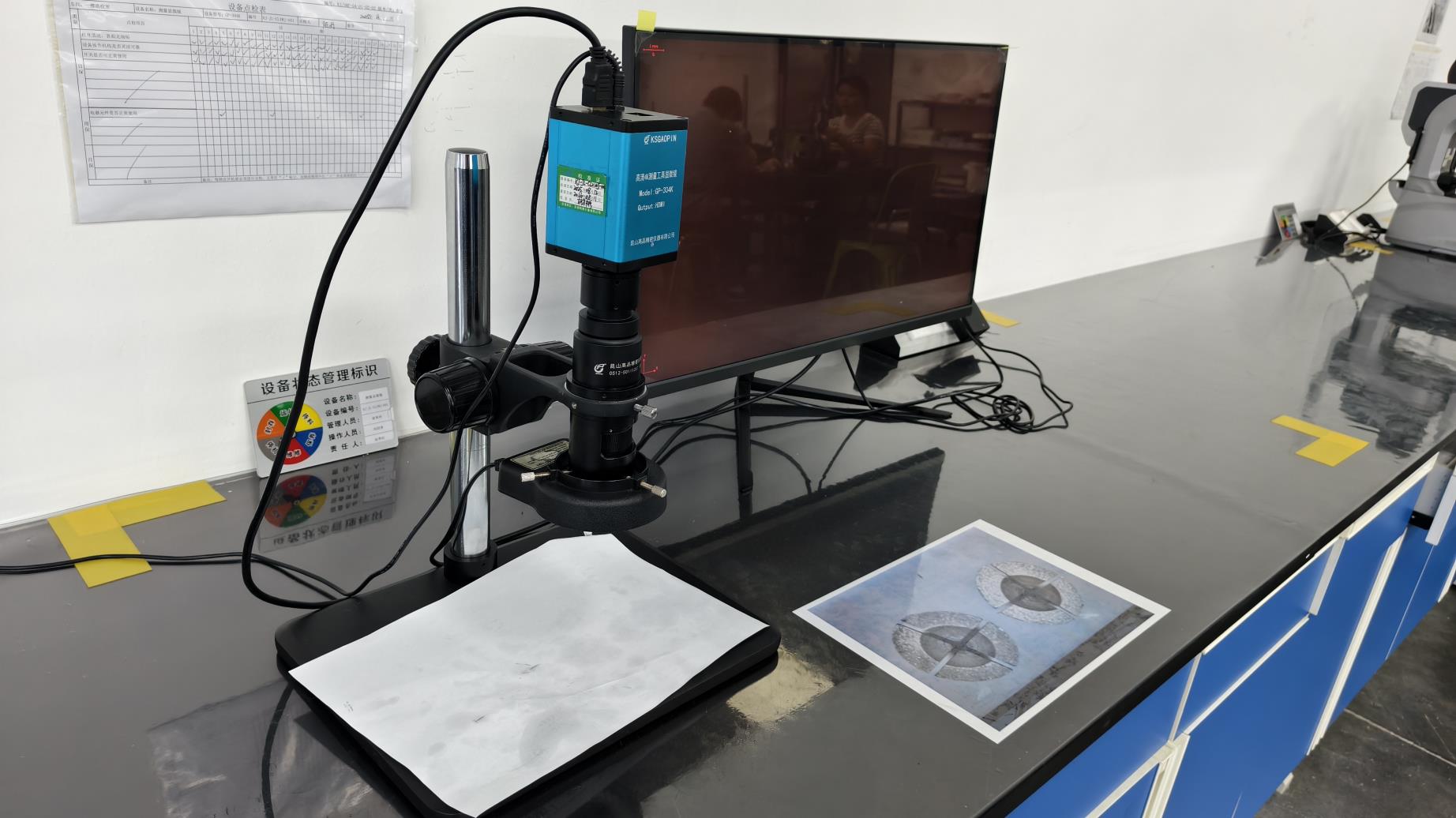
Our structured methodology ensures seamless transitions from initial project consultation to high-volume commercial supply.
We accept CAD models, drawings, or reference samples. Our R&D engineering team conducts Finite Element Analysis (FEA) to predict and optimize mechanical fatigue performance, pull-out resistance, and locking mechanisms.
Rapid CNC prototyping translates digital models into functional metallic test pieces. These undergo strict mechanical stress tests based on ASTM F1717 and ASTM F2706 guidelines to evaluate construct load-bearing capabilities.
Following approval, we transition to bulk manufacturing in our CNC facilities. Cleanroom packaging and dynamic label customization are configured to align with regional distributor and hospital demands.
Adhering to strict international medical device standards to assure patient safety and regulatory approval.
Spinal fixation devices require absolute material and geometric compliance. At Moventra, we guarantee 100% Quality Inspection. Our raw materials are sourced exclusively from certified medical-grade titanium and cobalt-chromium suppliers, backed by comprehensive chemical and metallurgical analysis certificates.
Our quality verification processes check dimensional compliance via 3D Coordinate Measuring Machines (CMM), surface roughness, microhardness, and sterility barriers. We align our manufacturing workflows with FDA 510(k), MDR, and CE compliance standards, simplifying entry into demanding healthcare markets.
| Capability Parameter | Specification Details & Operational Standards |
|---|---|
| Company Name | Moventra Medical Technology (China) Co., Ltd. |
| Brand | Moventra |
| Established | 2017 |
| Facility Area | 18,600 m² modern manufacturing plant |
| Annual Export Revenue | USD 23.8 Million |
| Export & Industry Experience | 7 Years Exporting, 13 Years Industry Experience |
| Quality Inspection | 100% Quality Inspection Before Shipment |
| Quality Control Staff | 48 Quality Control Specialists |
| Product Inspection Methods | Dimensional Inspection, Material Analysis, Surface Finish Inspection, Mechanical Performance Testing, Sterility Verification |
| Business Classification | Manufacturer, OEM & ODM, Exporter |
| R&D Capability | Independent Product Design, Rapid Prototyping, OEM/ODM Development, Customized Engineering Solutions |
| New Products Released Last Year | 156 Orthopedic devices and specialized toolkits |
| R&D Engineers | 86 specialist engineers |
Answers to technical, regulatory, and commercial inquiries for global distributors and purchasing managers.
We manufacture our implants from premium medical-grade Titanium Alloy (Ti-6Al-4V ELI) conforming to ASTM F136 specifications. This ensures high biocompatibility, corrosion resistance, and fatigue strength. For specific rods requiring higher stiffness, we offer Cobalt-Chromium-Molybdenum (Co-Cr-Mo) alloys under ASTM F1537 standards.
Yes, we provide comprehensive private labeling services. We handle laser marking on implants with product codes and serial numbers, customize double-sterile barrier pouching, and print product manuals and outer packaging to match your brand requirements.
Our Swiss-type Citizen/Tsugami automatic lathes achieve tolerances within ±5 microns. Every production batch undergoes coordinate measuring inspection, thread verification, and mechanical push-out testing of the polyaxial seat to prevent intraoperative head-rod decoupling.
We supply full technical documentation packages including ISO 13485:2016 certificates, raw material trace reports, biocompatibility test results (ISO 10993 series), sterility validations, and mechanical evaluation data. These files streamline local regulatory filings with bodies like the FDA, CE, and national health ministries.
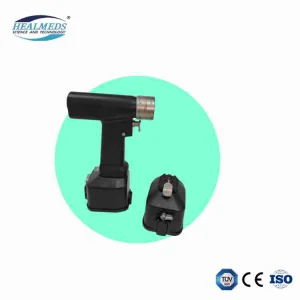
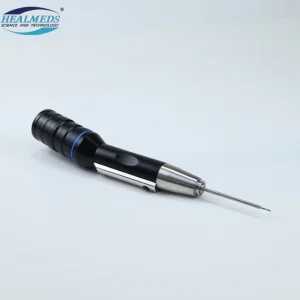
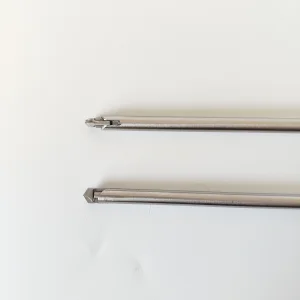
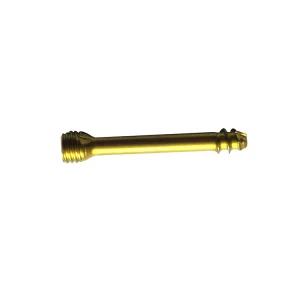
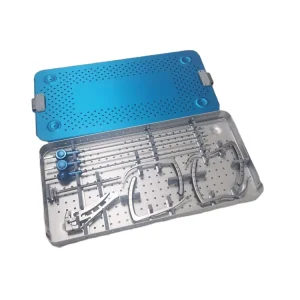
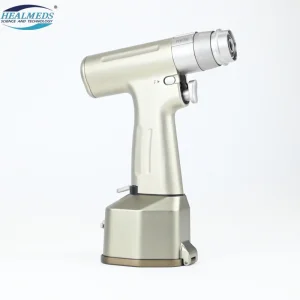
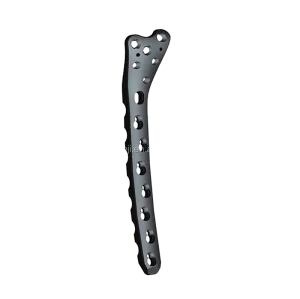
Complementary systems, trauma implants, and specialized surgical drills designed to integrate with our spine systems.
 Moventra Medical