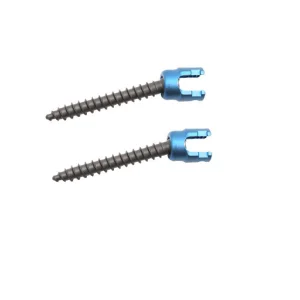
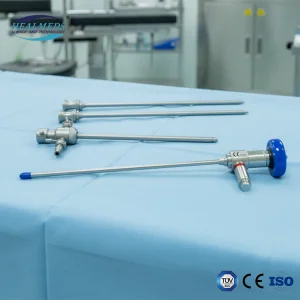
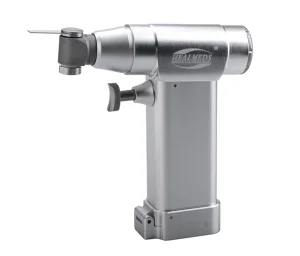
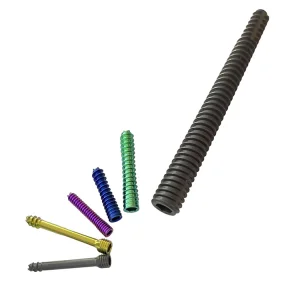
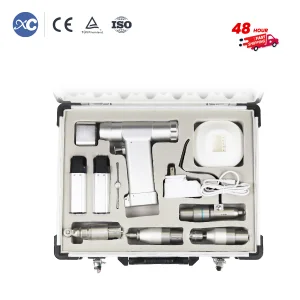
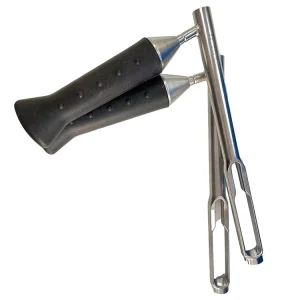
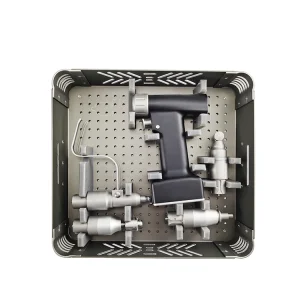
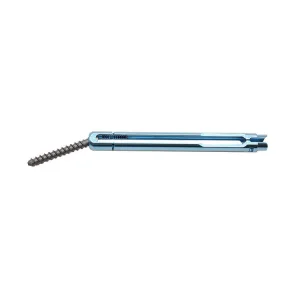
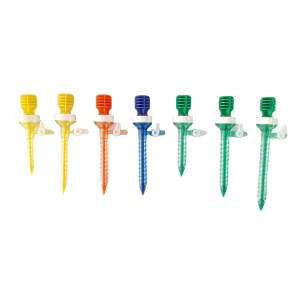
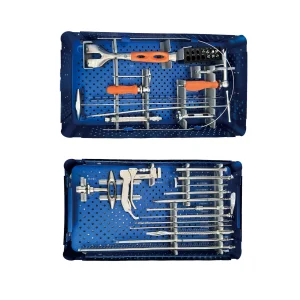
Explore our certified product ranges covering spine systems, intramedullary locks, and arthroscopic surgical devices designed for clinical precision.
In the rapidly advancing landscape of sports medicine and reconstructive surgery, joint stabilization procedures require implants that can withstand complex multidirectional mechanical forces while fostering rapid tissue integration. Titanium Suture Anchors represent the gold standard for soft tissue-to-bone fixation. They are widely used in arthroscopic repairs, such as shoulder rotator cuff repairs, labrum reattachment, and ankle ligament reconstructions.
Utilizing high-tensile medical grade titanium alloys (typically Ti-6Al-4V ELI in compliance with ASTM F136), these anchors offer maximum biocompatibility and corrosion resistance.
Engineered thread profiles ensure optimal purchase in both high-density cortical bone and cancellous micro-environments, preventing post-operative pull-out failures.
Fully compatible with ultra-high molecular weight polyethylene (UHMWPE) sutures, minimizing abrasive wear at the anchor eyelet interface.
The global demand for arthroscopic sports medicine products is accelerating due to the rising frequency of sports injuries, aging populations, and a structural shift toward minimally invasive surgeries. However, medical device distributors and brand owners face significant margin pressures and changing regulatory requirements. Under MDR in Europe and strict FDA clearance pathways in the US, choosing a manufacturing partner requires careful evaluation of their engineering expertise and quality control systems.
Our manufacturing facility is strategically positioned to handle high-precision contract manufacturing, providing comprehensive supply chain reliability from initial prototyping to sterile packaging. Our partners reduce their time-to-market by leveraging our pre-engineered platforms and validation templates, helping them maintain a competitive edge.
Moventra Medical Technology (China) Co., Ltd. is a leading manufacturer specializing in the research, development, production, and global supply of orthopedic medical devices and surgical solutions. Founded in 2017, we are committed to providing innovative, high-performance products for trauma, spine, joint reconstruction, sports medicine, and specialized veterinary orthopedic procedures.
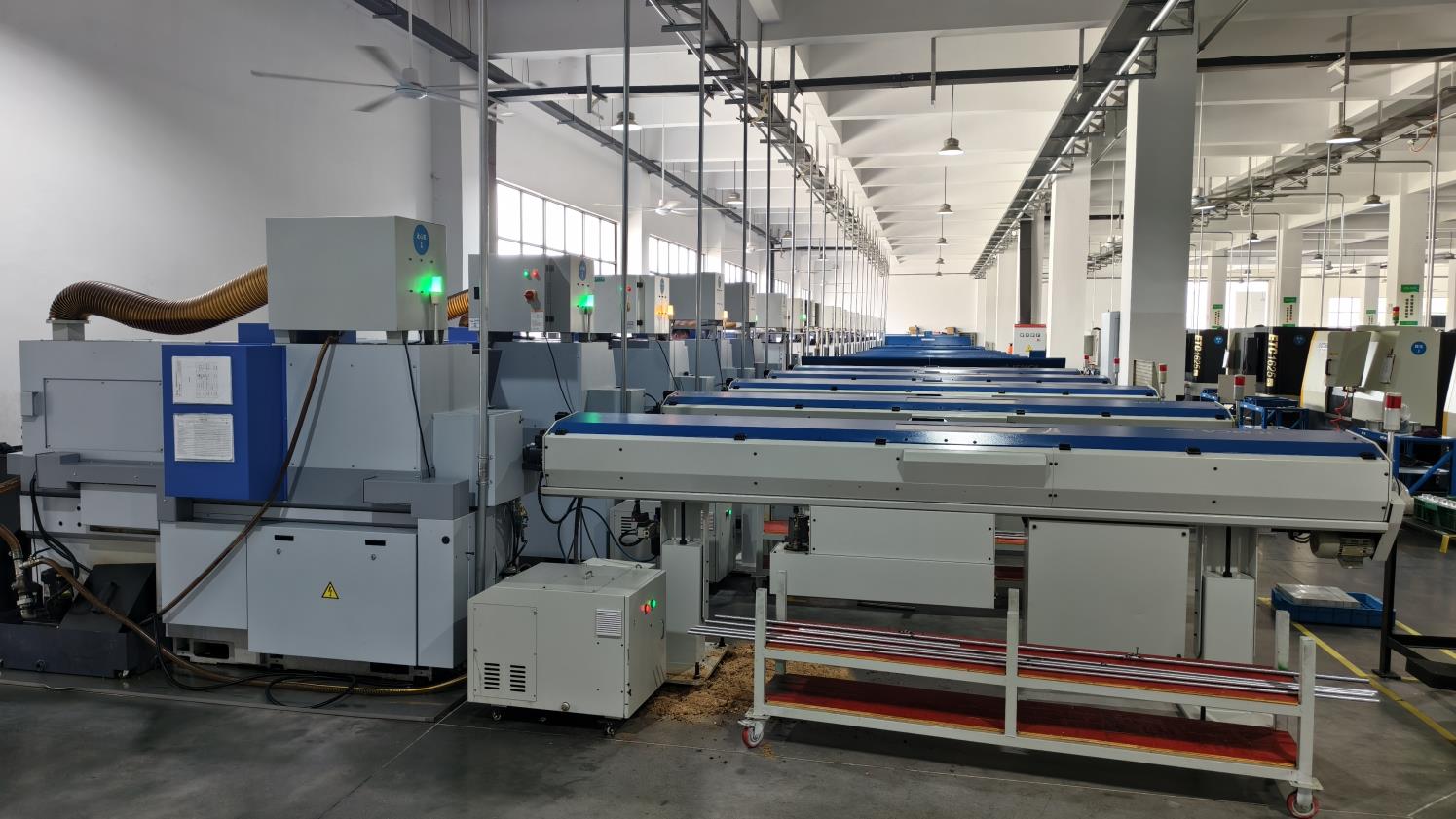
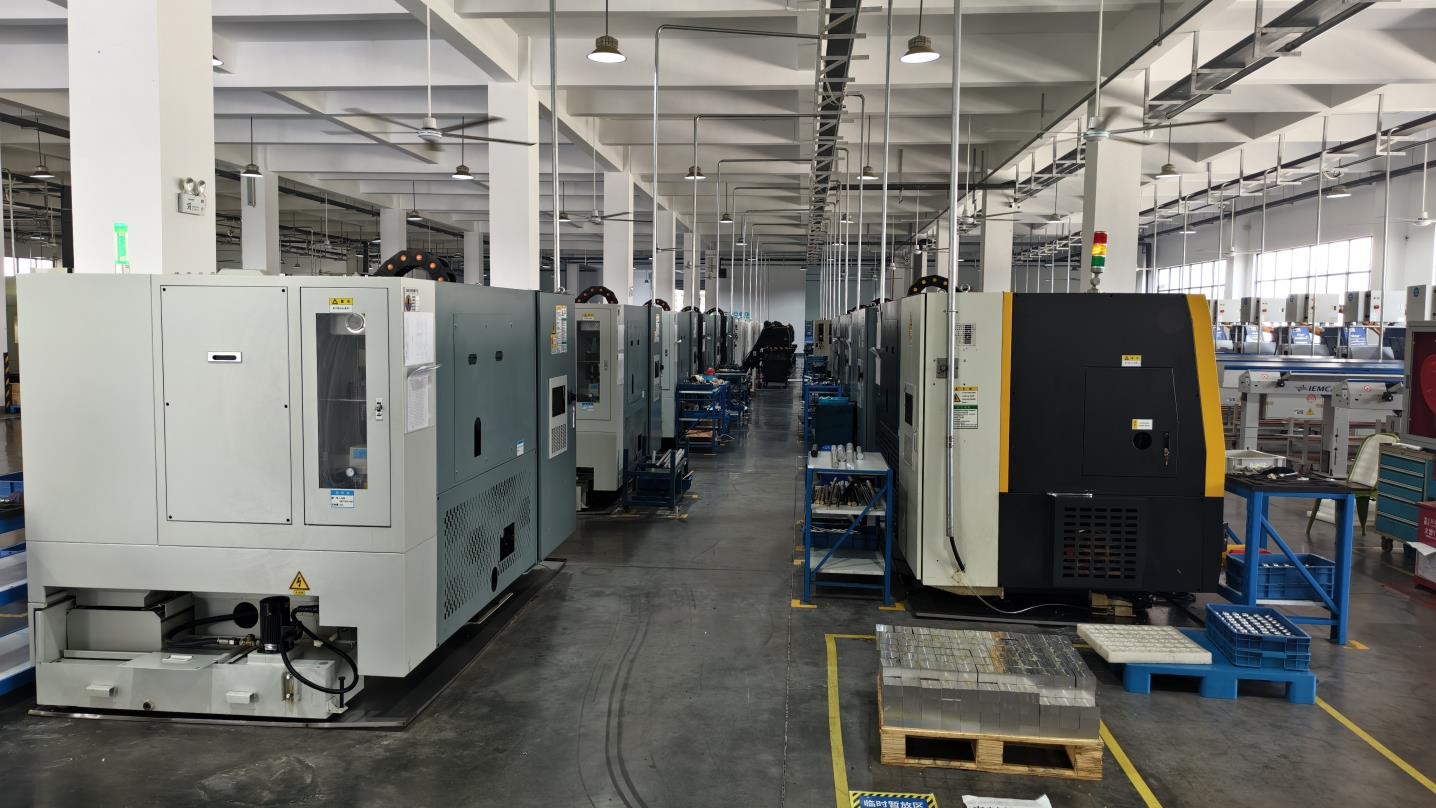
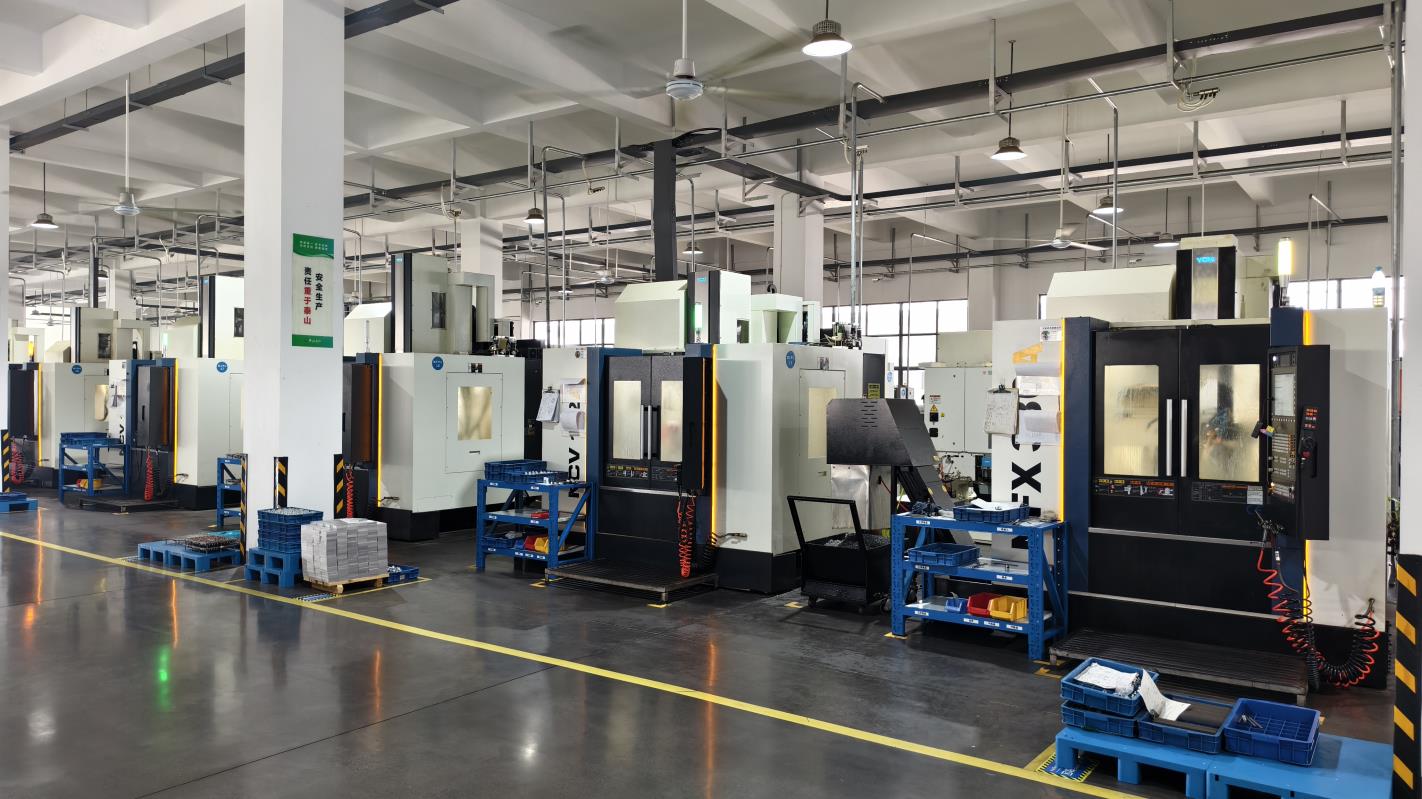
Operating from a modern 18,600 m² facility, Moventra integrates advanced CNC machining, automated production lines, and cleanroom facilities. Our strict quality management systems ensure every medical component is processed to exact specifications. We support global medical device brands, regional distributors, and healthcare networks with flexible OEM and ODM services.
| Manufacturing & Quality Parameters | Operational Details |
|---|---|
| Company Name | Moventra Medical Technology (China) Co., Ltd. |
| R&D Team Depth | 86 Specialized Biomedical & Mechanical Engineers |
| Quality Control Staff | 48 Quality Assurance Specialists |
| Quality Inspection Standard | 100% Dimensional & Material Inspection Before Shipment |
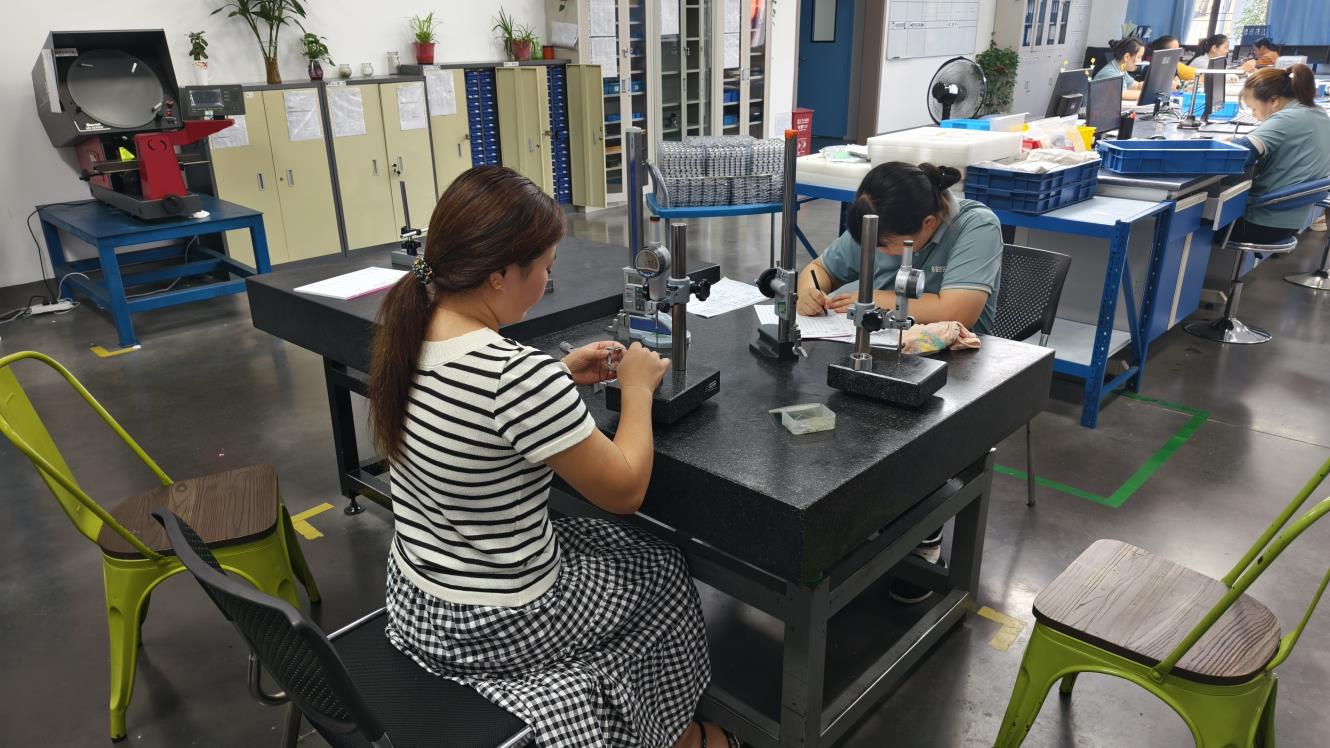
| Product Validation Methods | Dimensional Metrology, Chemical Material Analysis, Surface Roughness Profiling, Static & Dynamic Mechanical Performance Testing, Sterility Validation |
| Customization Scope | Custom Geometric Profiles, Logo Customization, Sterile Packaging Design, Custom Driver Interface Instrumentation |
| Primary Global Markets | North America, Europe, South America, Middle East, Southeast Asia, Australia |
Developing reliable suture anchors requires precise design engineering. The interface between the anchor, insertion driver, and suture is engineered to prevent intraoperative failure. Our design team focuses on minimizing shearing forces on the suture eyelet during insertion.
Dual-thread profiles increase insertion speed while maximizing surface contact area. This design prevents bone necrosis and enhances pull-out resistance in low-density osteopenic bone.
Nitric acid passivation and optional type II anodization create a stable titanium dioxide layer. This process reduces metal ion release and promotes excellent osteointegration.
The internal suture channel undergoes multi-stage micro-polishing to remove burrs. This prevents structural damage to UHMWPE fiber lines during high-tension knot tying.
Distributing orthopedic implants requires strict regulatory compliance. Moventra supports OEM clients with comprehensive regulatory documentation, including material test reports, biocompatibility documentation (ISO 10993), and sterilization validation studies.
Our facility operates under ISO 13485:2016 certification. We trace every raw material batch back to the original melt source, maintaining complete accountability for every manufacturing run.
Cleanroom packaging (Class 10,000 / ISO Class 7) prevents particulate contamination. This ensures all implants are clean and ready for ethylene oxide (EtO) or gamma sterilization.
We offer customized shipping solutions, including bulk non-sterile implants for local sterilization, or fully packaged, sterile-labeled products ready for hospital distribution.
Our production capabilities feature Swiss-type turning centers, multi-axis milling machines, and metrology testing labs. This equipment allows us to maintain tolerances within single-digit microns.
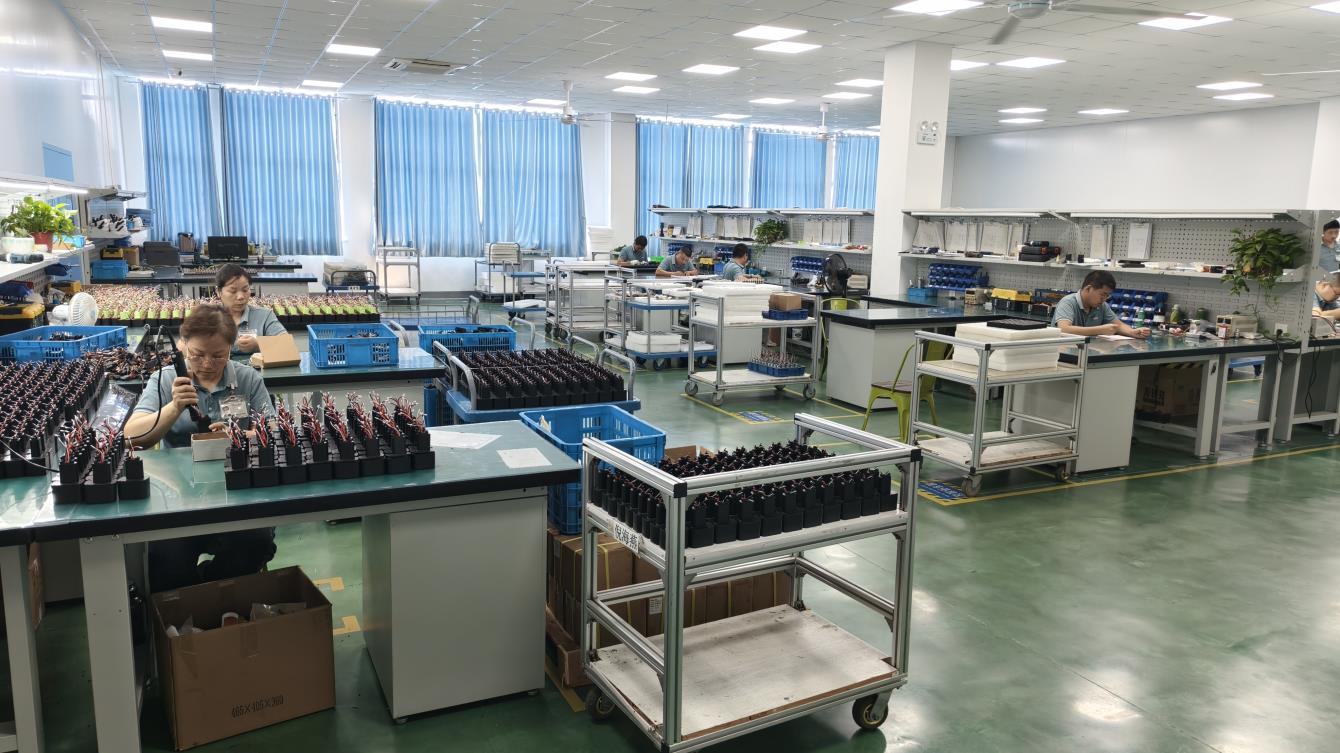
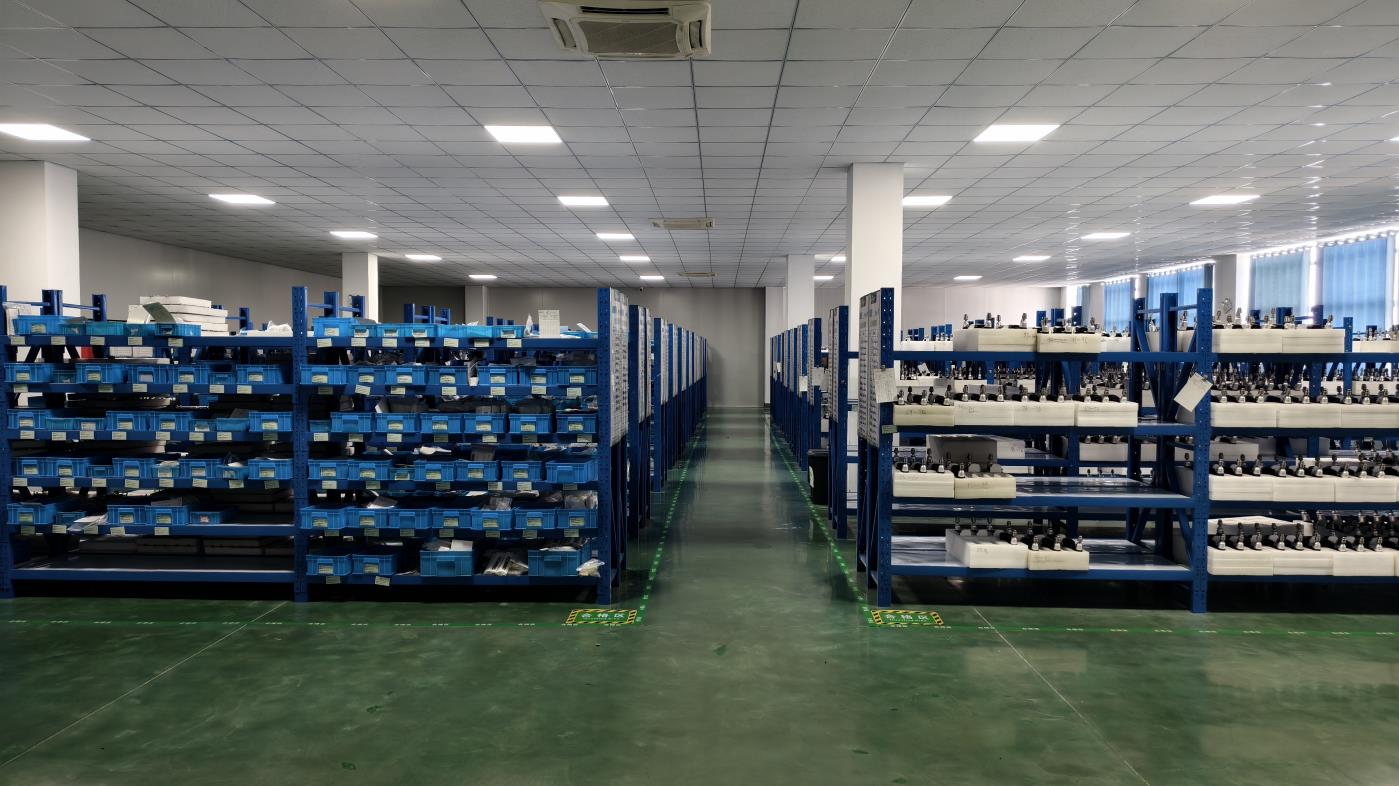
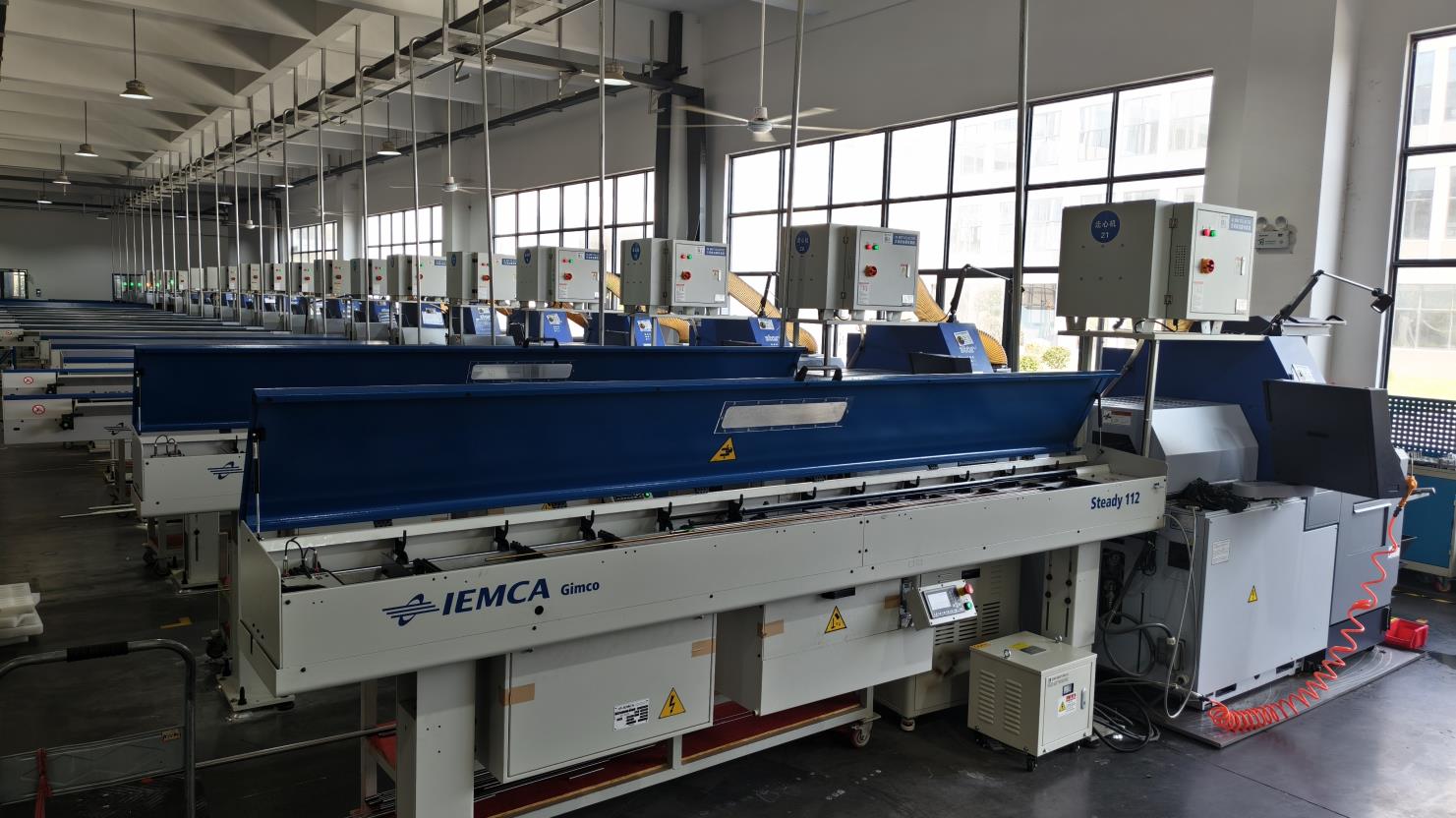
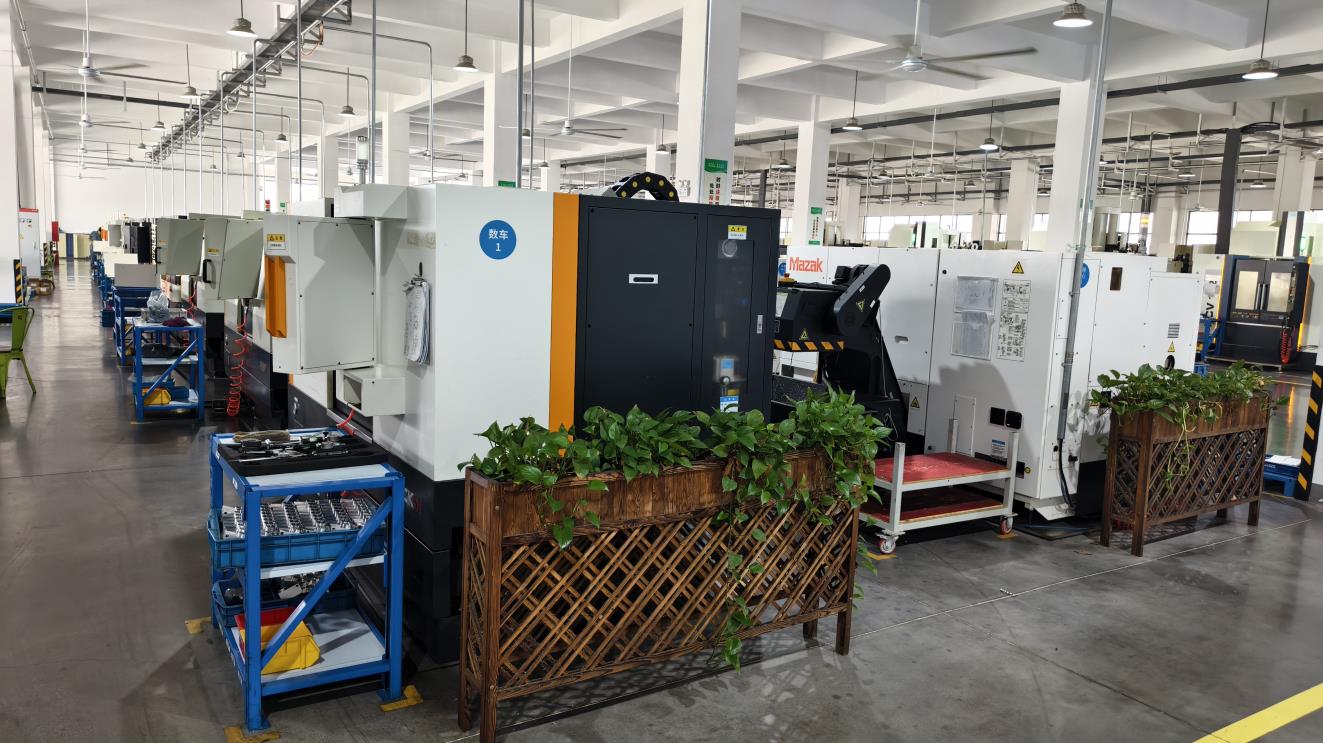
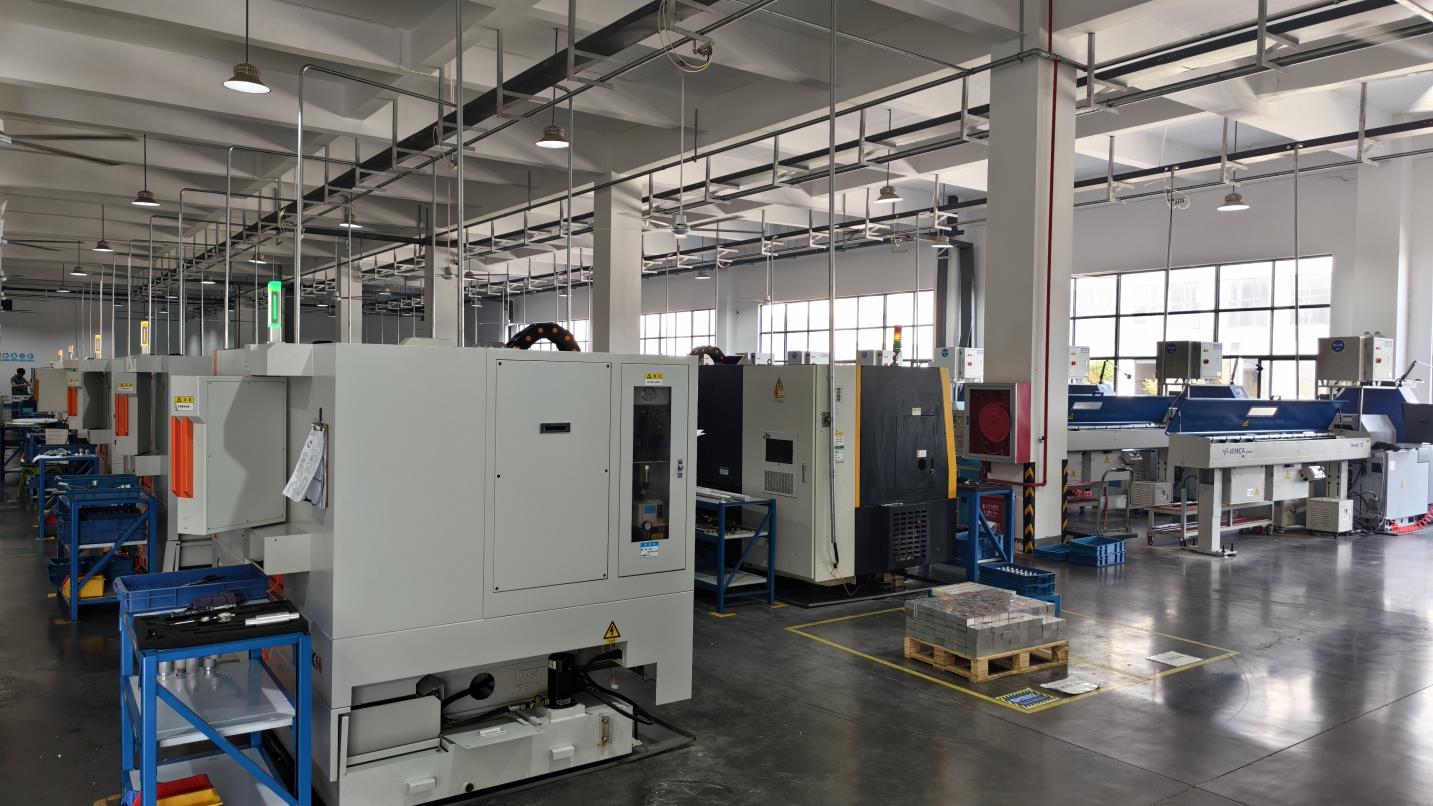
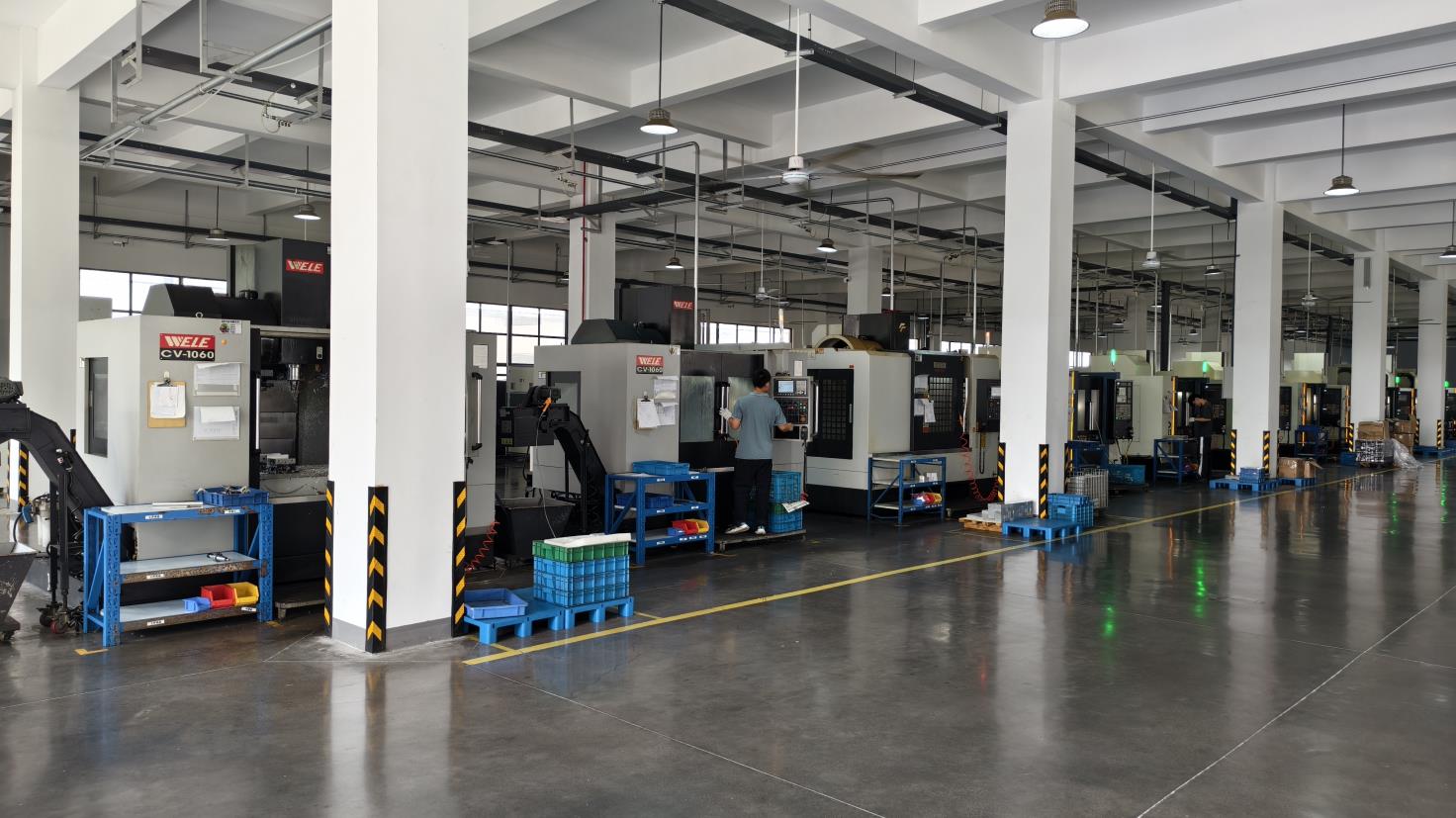
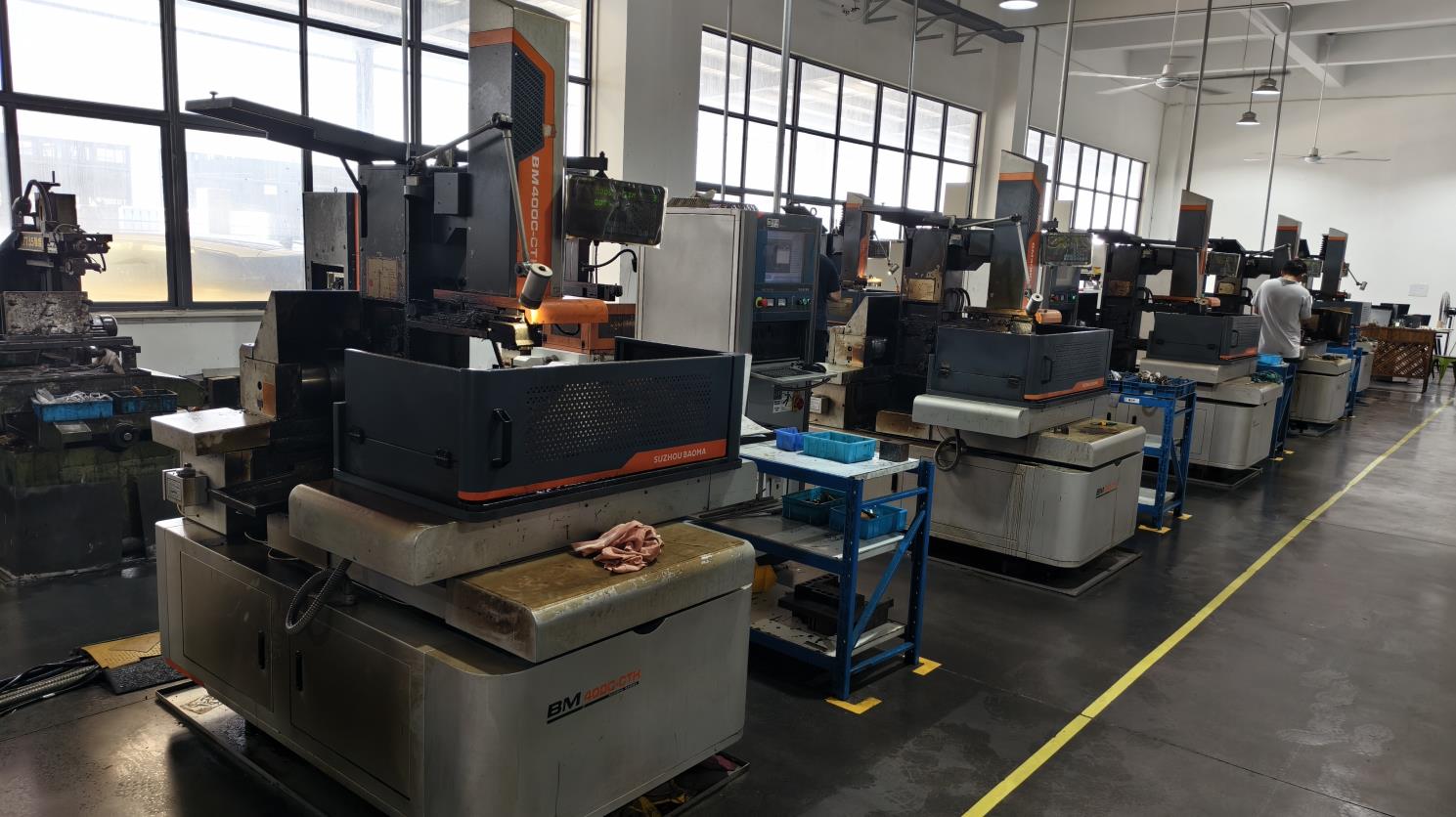
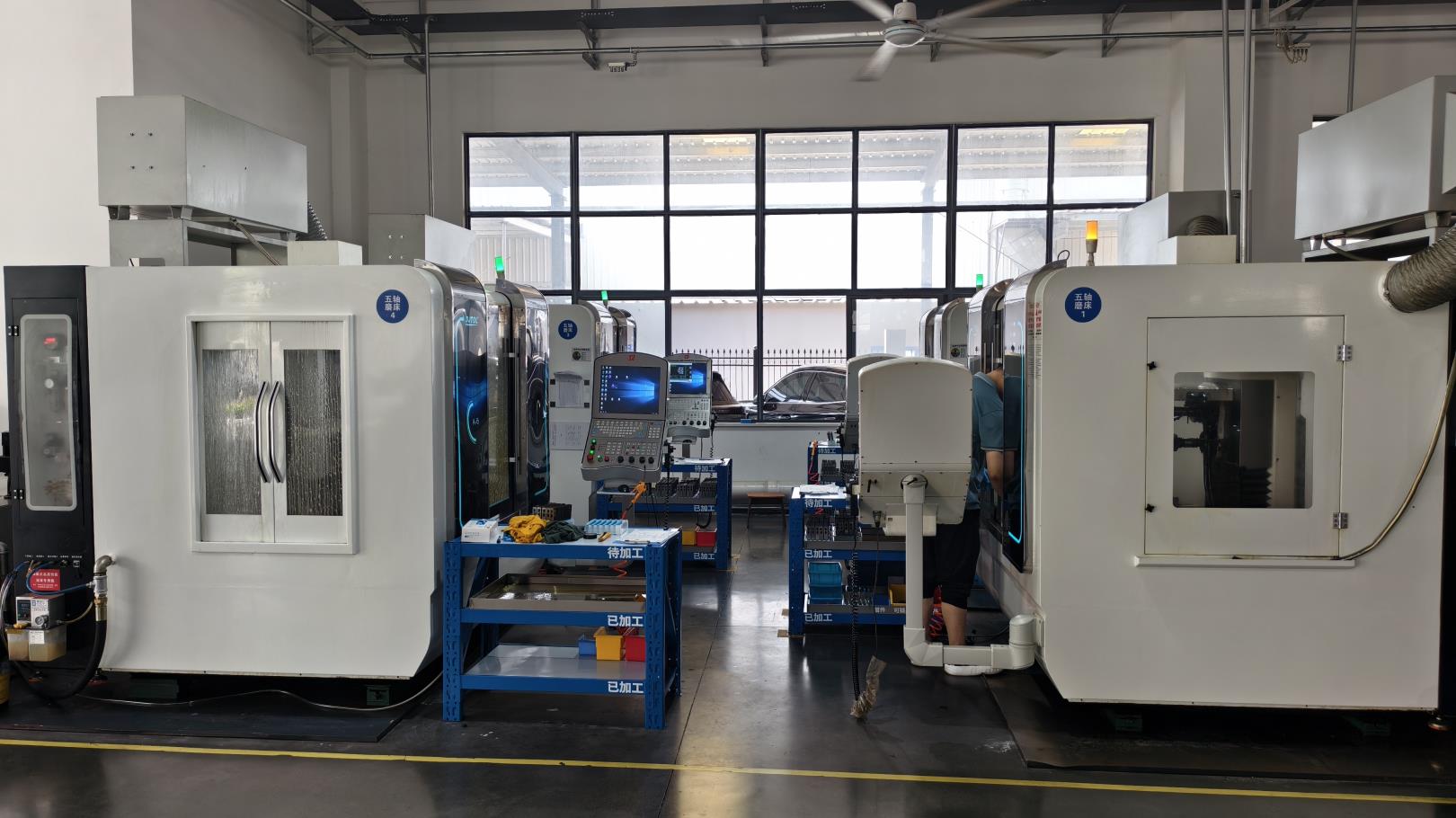
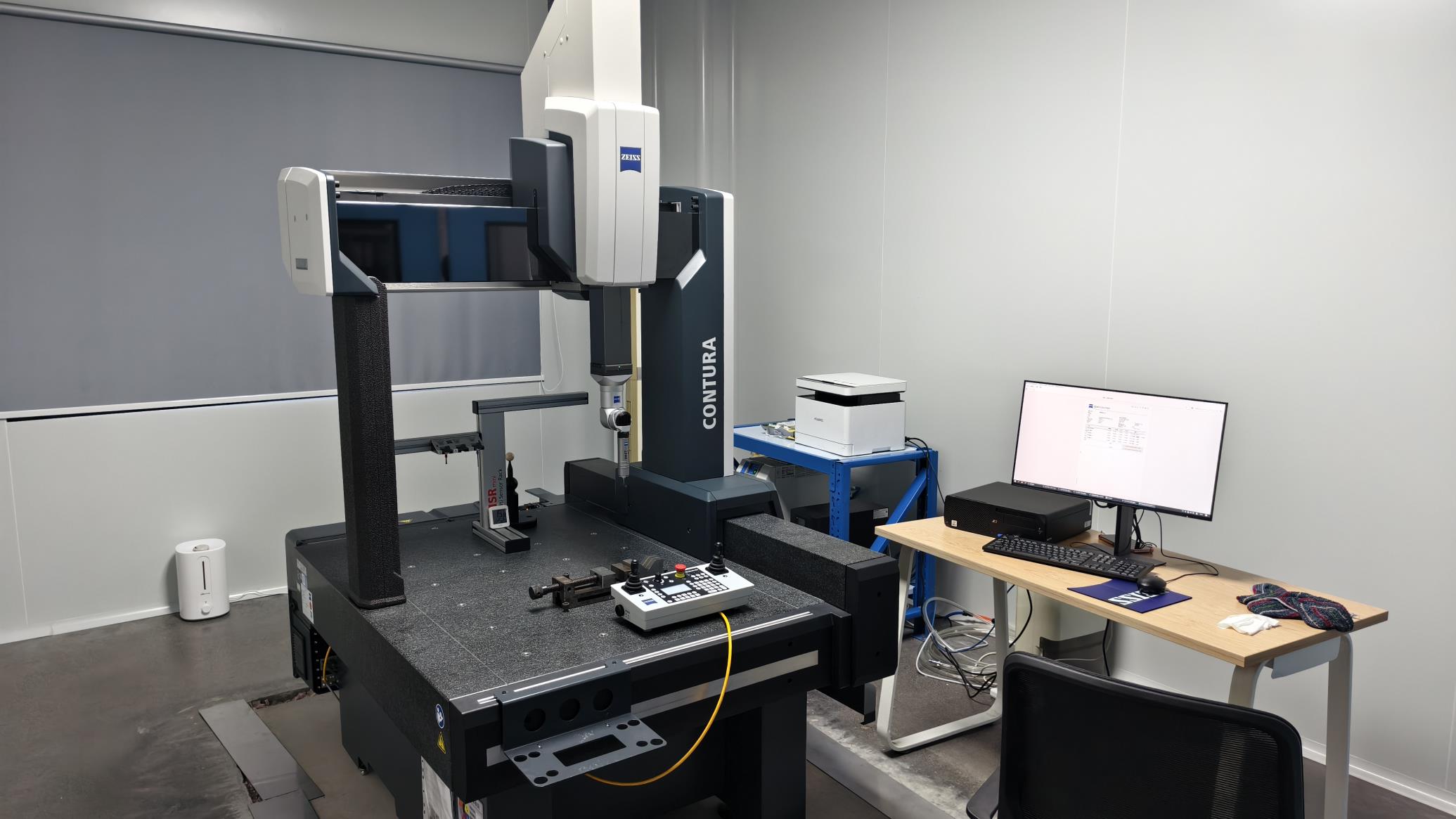
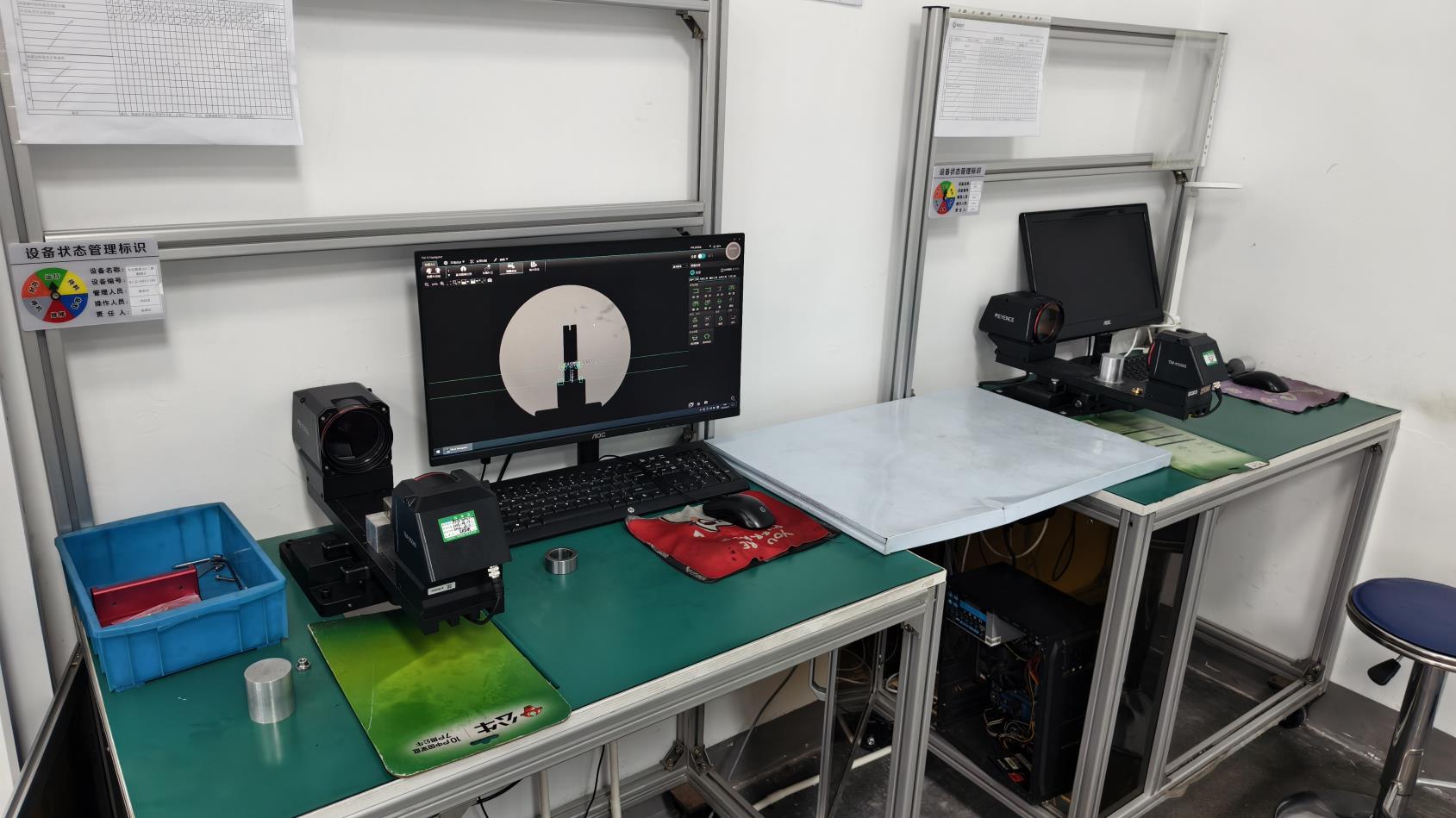
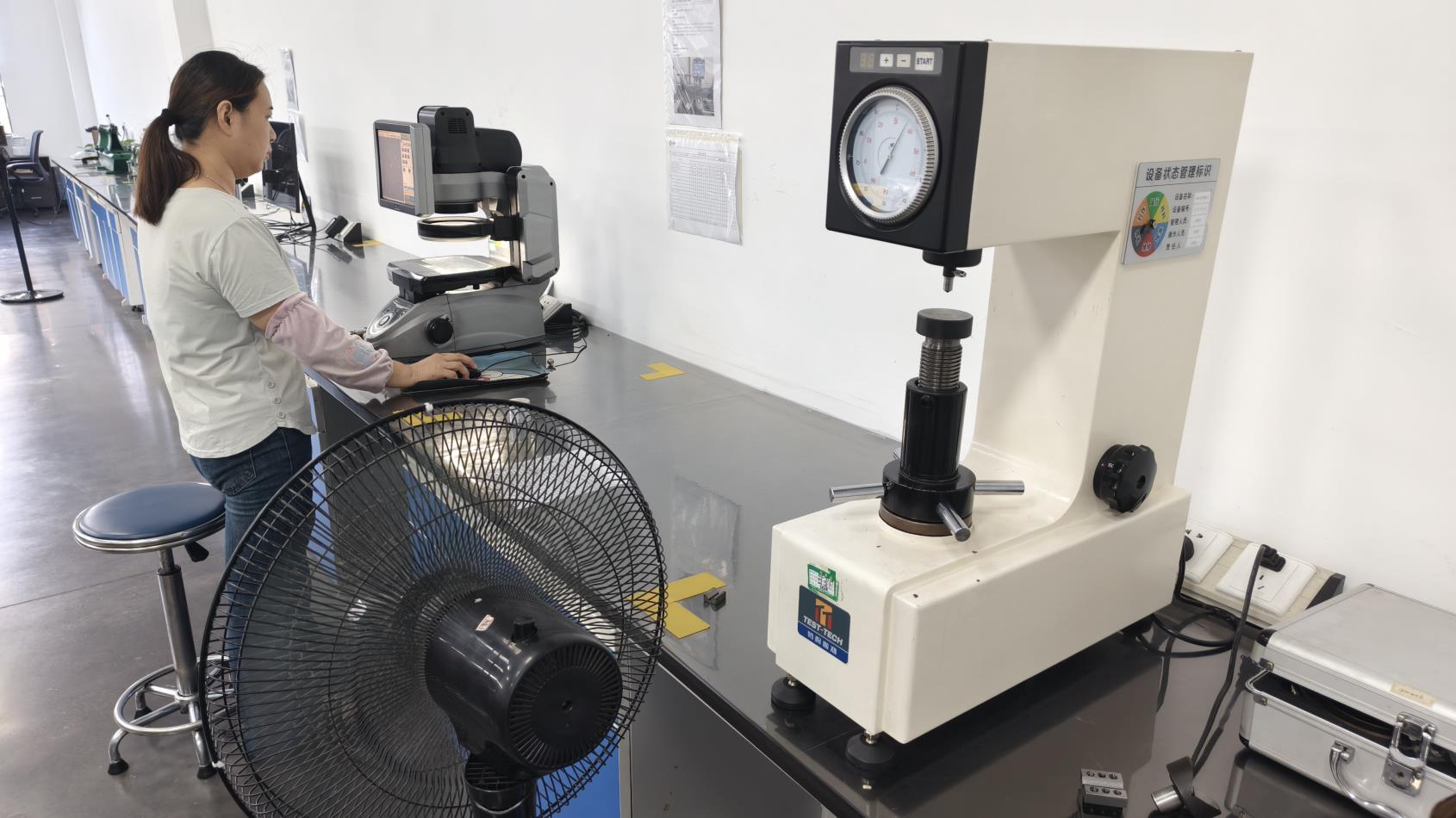
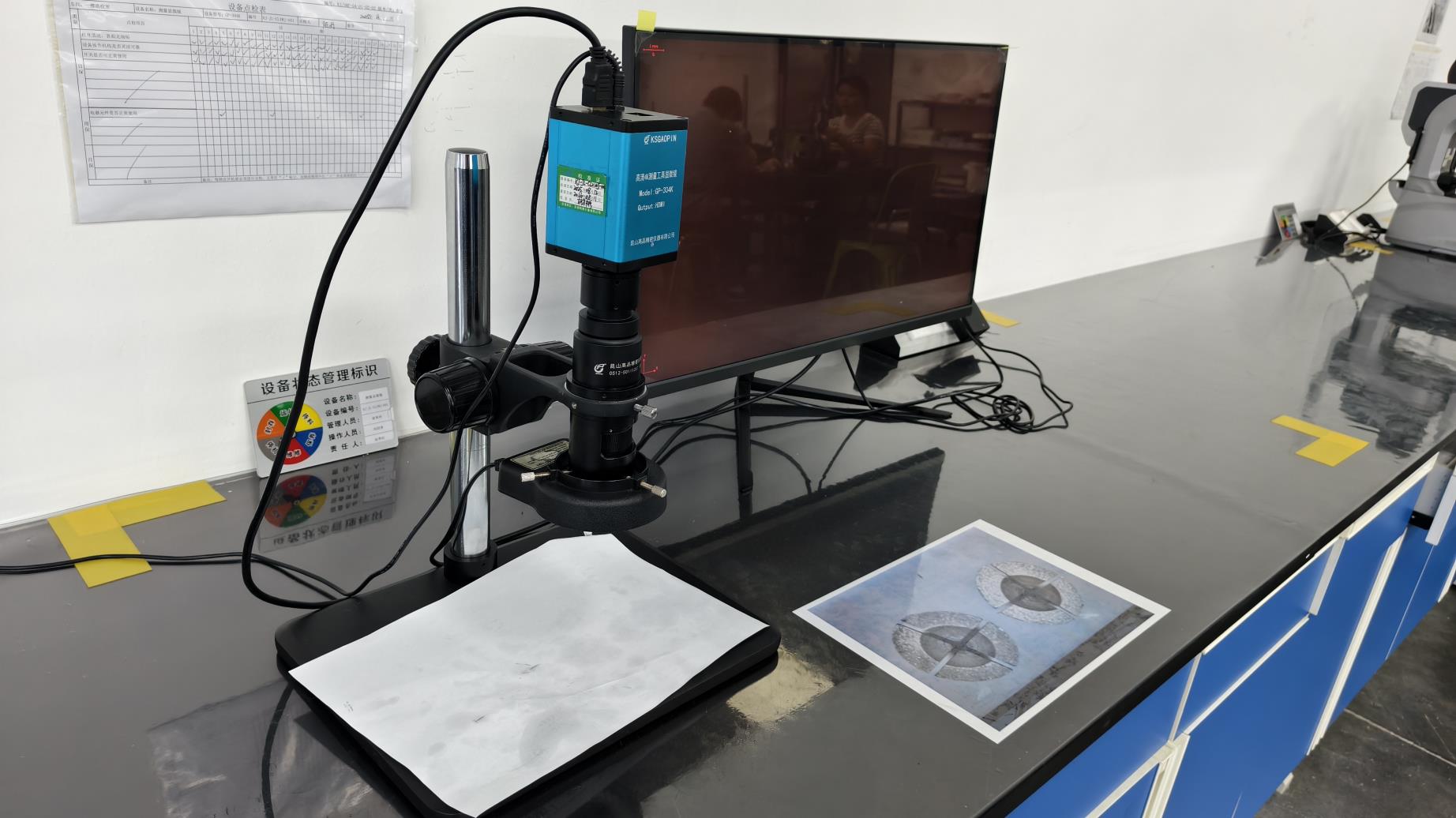
Our R&D team works closely with orthopedic surgeons and materials scientists to design next-generation fixation systems. We focus on improving biocompatibility, ease of use, and overall clinical outcomes.
We are researching calcium phosphate and hydroxyapatite coatings for titanium surfaces. These coatings help accelerate bone growth directly onto the anchor threads, shortening the patient's recovery time.
Knotless suture anchor designs streamline arthroscopic procedures. By adjusting suture tension during implantation, these systems help surgeons achieve precise soft-tissue compression.
We are integrating electron beam melting (EBM) and direct metal laser sintering (DMLS) to produce porous titanium structures. These porous features encourage cell infiltration, mimicking natural bone properties.
Find detailed information regarding material certifications, custom manufacturing options, regulatory compliance, and distribution logistics.
Browse our range of arthroscopic surgical accessories, drills, veterinary bone plates, and hip revision tools.
 Moventra Medical