The global orthopedic joint reconstruction market is experiencing a significant shift as demographical changes demand more durable, cost-effective, and biomechanically compatible systems. The Primary Total Knee System is the cornerstone of joint arthroplasty, serving millions of patients worldwide suffering from late-stage osteoarthritis, rheumatoid arthritis, and traumatic joint degeneration. Historically dominated by major multinational corporations in North America and Western Europe, the supply chain has transitioned towards globalized manufacturing models where efficiency, scale, and high-precision manufacturing meet stringent regulatory compliances.
Today's clinical buyers, distribution networks, and healthcare ministries evaluate suppliers through a composite metric: biomaterial integrity, manufacturing precision, and absolute compliance to international standards like ISO 13485, CE, and FDA protocols. As healthcare expenditures face budget caps globally, B2B procurement partners are increasingly looking to verified, top-tier original equipment manufacturers (OEM) and suppliers in Asia, who offer comparative performance metrics to traditional brands at a fractional cost structure.
Modern knee reconstruction requires structural interfaces that replicate natural kinematics. Manufacturers focus heavily on optimizing the implant's femoral component, tibial baseplate, and the UHMWPE (Ultra-High-Molecular-Weight Polyethylene) insert. The technical roadmap highlights several key areas of growth:
Transitioning from CoCrMo (Cobalt-Chromium-Molybdenum) alloys to titanium-based alloys with specialized porous coatings to encourage biological bone ingrowth (cementless total knee systems).
Engineering posterior-stabilized (PS) and cruciate-retaining (CR) options with deep-dish designs to safely accommodate deep flexion limits (up to 150 degrees) requested by diverse patient lifestyles.
Integrating Patient-Specific Instrumentation (PSI) based on pre-operative 3D modeling and CT scans, minimizing surgical alignment error and improving surgical throughput.
Looking forward, the industry is witnessing an convergence of robotic surgery platforms and smart implants. The future of Primary Total Knee Systems relies on integrated sensor arrays within the trials to monitor intra-operative soft-tissue balance, alongside raw materials that offer near-zero wear debris rates, mitigating risks of osteolysis and revision surgeries.
Implants are not one-size-fits-all. Clinical research demonstrates significant variations in skeletal morphology across different geographical demographics. For instance:
Moventra's global presence allows us to design and customize implants that match the precise anatomical parameters of these targeted localized market segments. Our flexible ODM capabilities enable regional distributors to commission localized size runs, catering specifically to regional anatomical indexes.
Moventra Medical Technology (China) Co., Ltd. is a professional manufacturer specializing in the research, development, production, and global supply of orthopedic medical devices and surgical solutions. Established in 2017, the company is dedicated to delivering innovative, high-quality products for trauma, spine, joint reconstruction, sports medicine, and orthopedic surgical procedures.
With a modern manufacturing facility covering 18,600 m², Moventra integrates advanced CNC machining, precision manufacturing, automated production lines, and strict quality management systems to ensure every product meets international medical standards. Our commitment to continuous innovation enables us to provide reliable OEM and ODM services for global medical device brands, distributors, and healthcare institutions.
Supported by an experienced R&D team and comprehensive quality assurance system, Moventra continuously develops innovative orthopedic solutions that improve surgical efficiency and patient outcomes. Our products are exported to customers worldwide and are trusted for their precision, safety, and consistent performance.
| Item | Details |
|---|---|
| Company Name | Moventra Medical Technology (China) Co., Ltd. |
| Brand | Moventra |
| Established | 2017 |
| Facility Area | 18,600 m² |
| Annual Export Revenue | USD 23.8 Million |
| Export Experience | 7 Years |
| Industry Experience | 13 Years |
| Quality Inspection | 100% Quality Inspection Before Shipment |
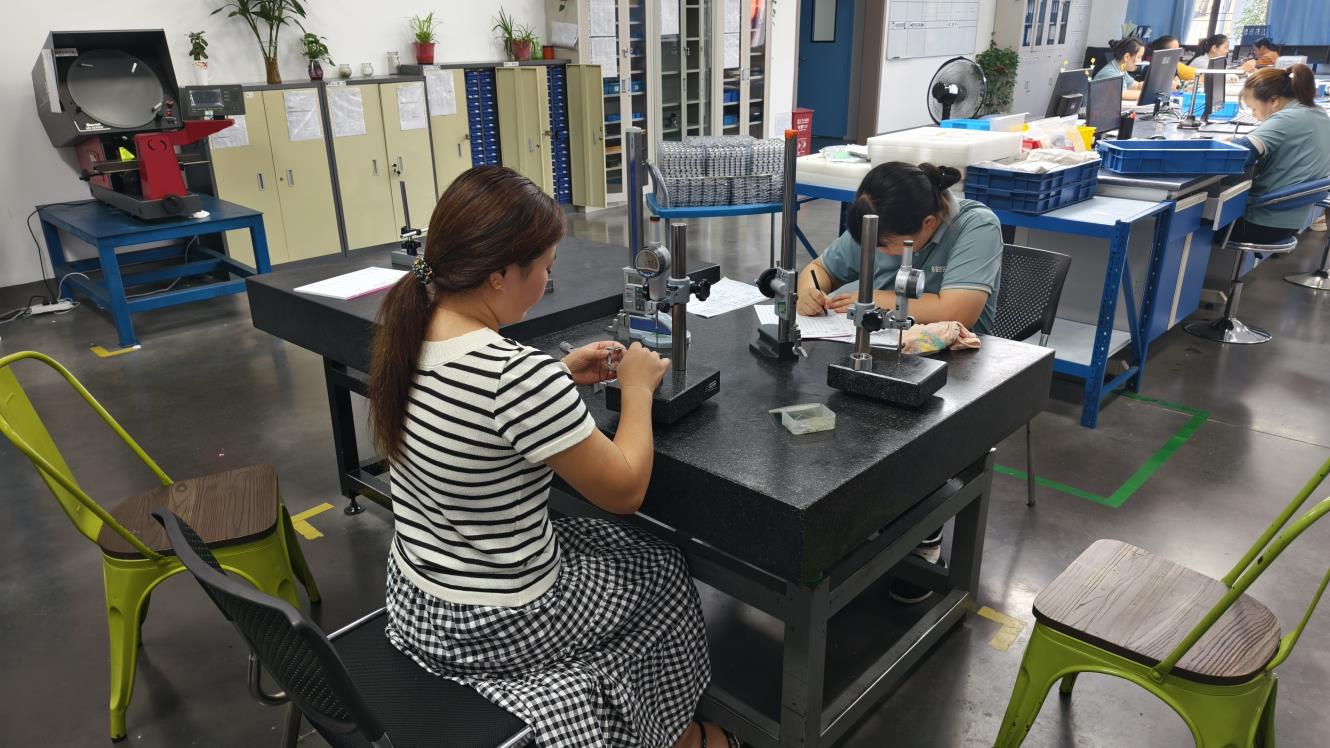
| Product Inspection Methods | Dimensional Inspection, Material Analysis, Surface Finish Inspection, Mechanical Performance Testing, Sterility Verification |
| Quality Control Staff | 48 |
| Business Type | Manufacturer, OEM & ODM, Exporter |
| Main Markets | North America, Europe, South America, Middle East, Southeast Asia, Australia |
| Supply Chain Partners | 1,120 |
| Main Customer Types | Medical Device Brands, Orthopedic Distributors, Hospitals, Importers, Government Procurement Projects |
| R&D Capability | Independent Product Design, Rapid Prototyping, OEM/ODM Development, Customized Engineering Solutions |
| Customization Options | Logo Customization, Packaging Customization, Product Design Customization, Drawing-Based Manufacturing, Sample-Based Manufacturing |
| New Products Released Last Year | 156 |
| R&D Engineers | 86 |
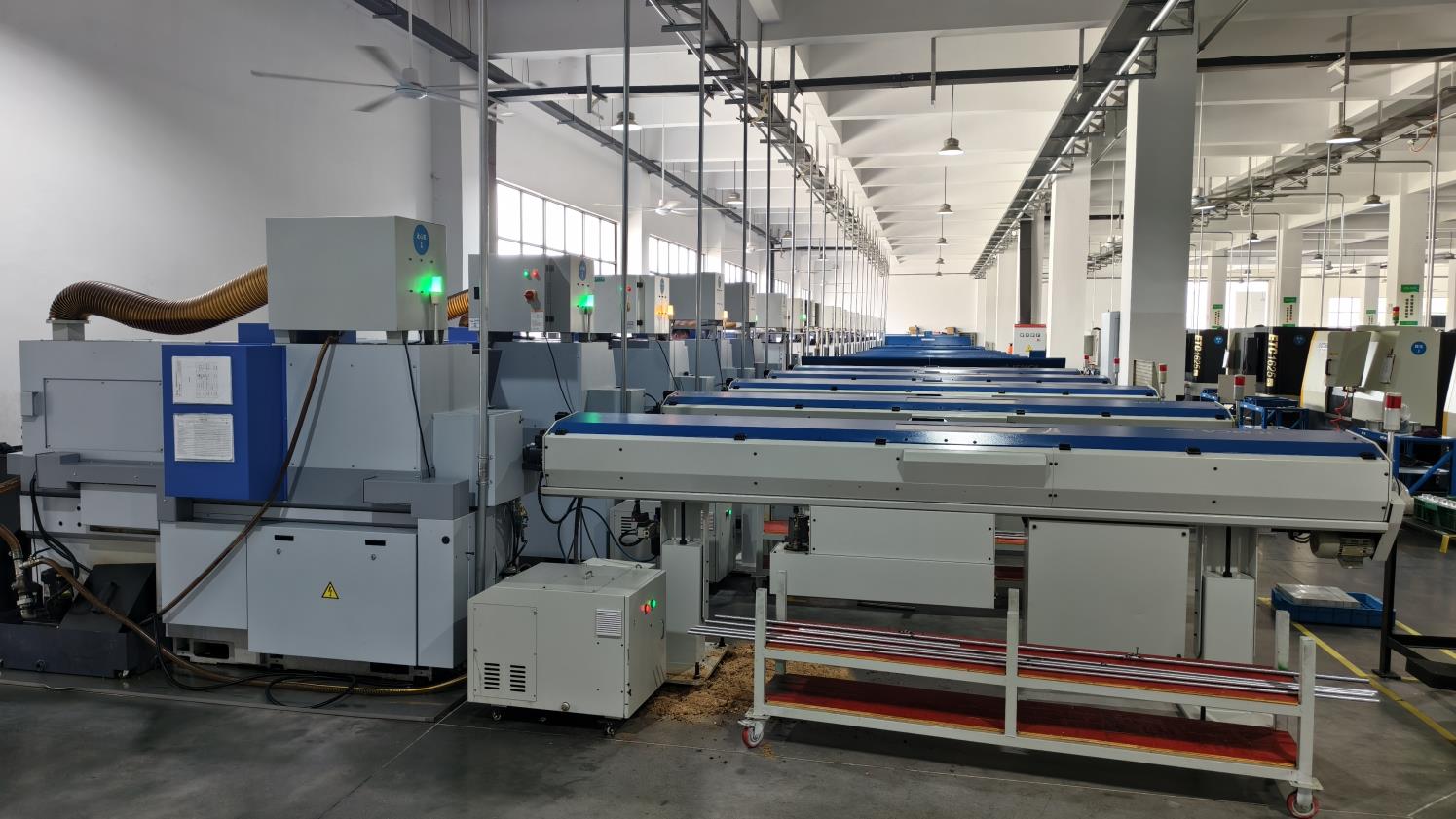
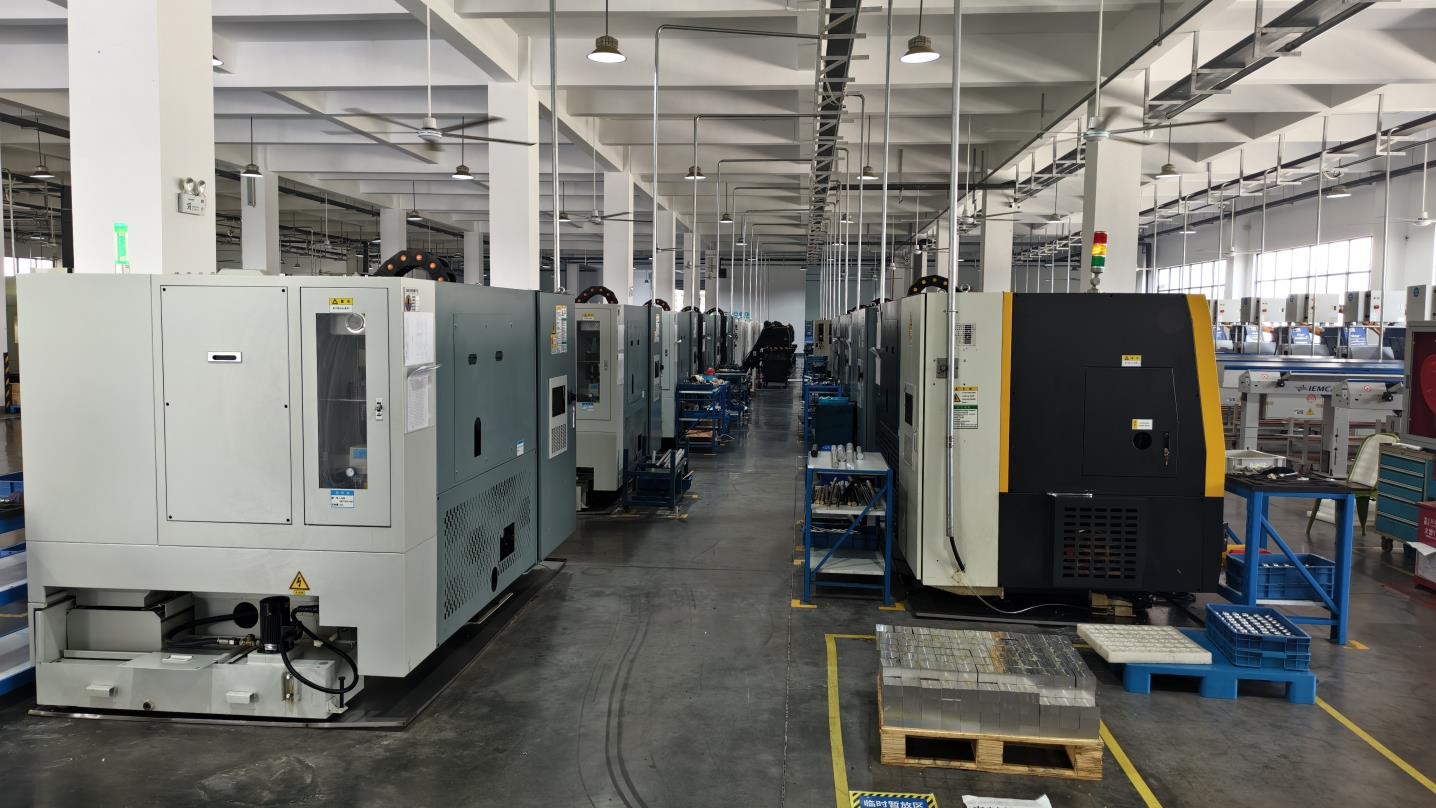
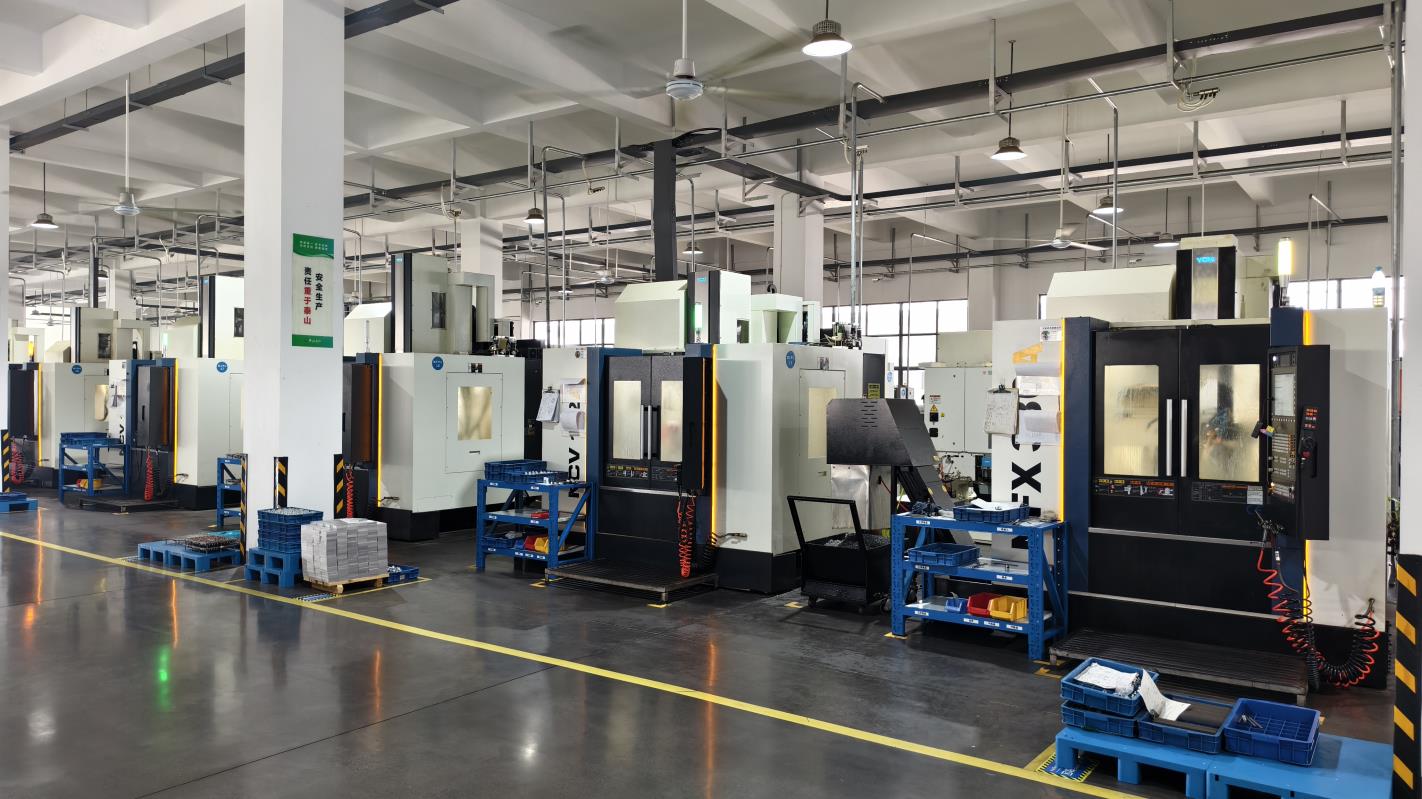
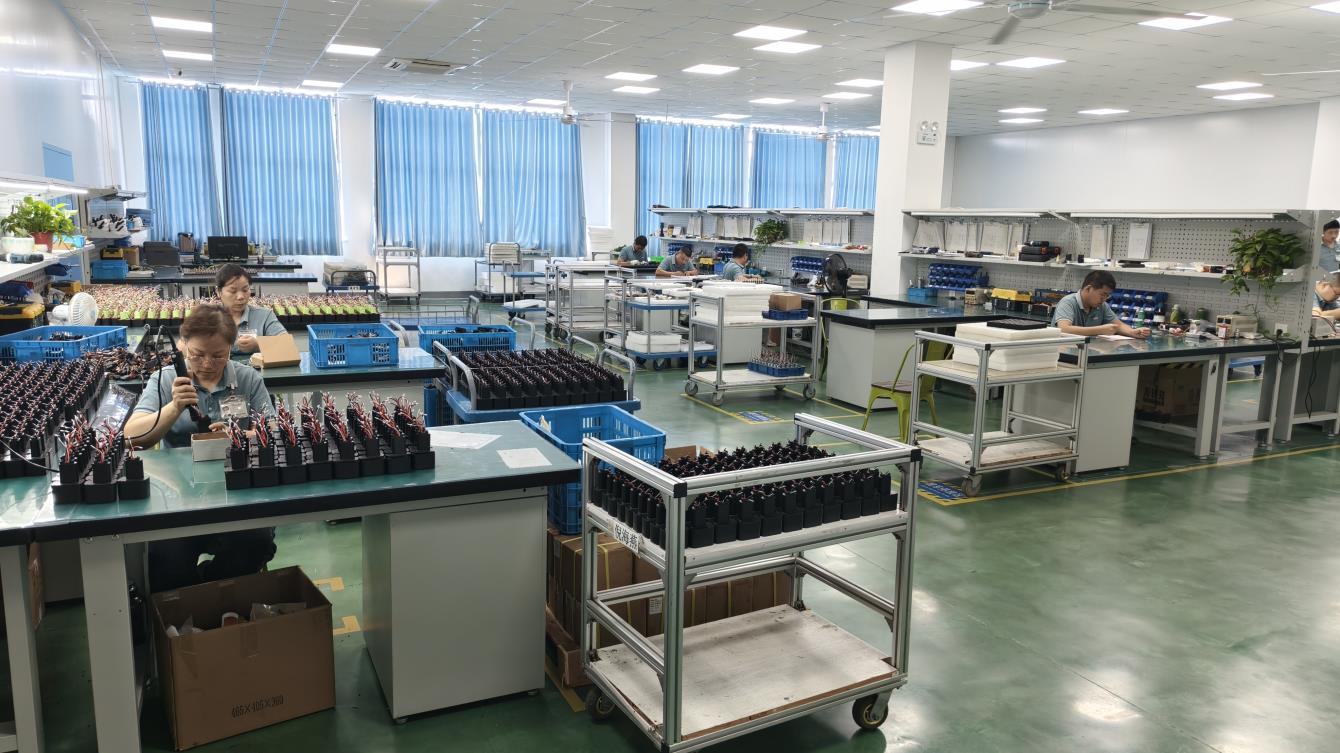
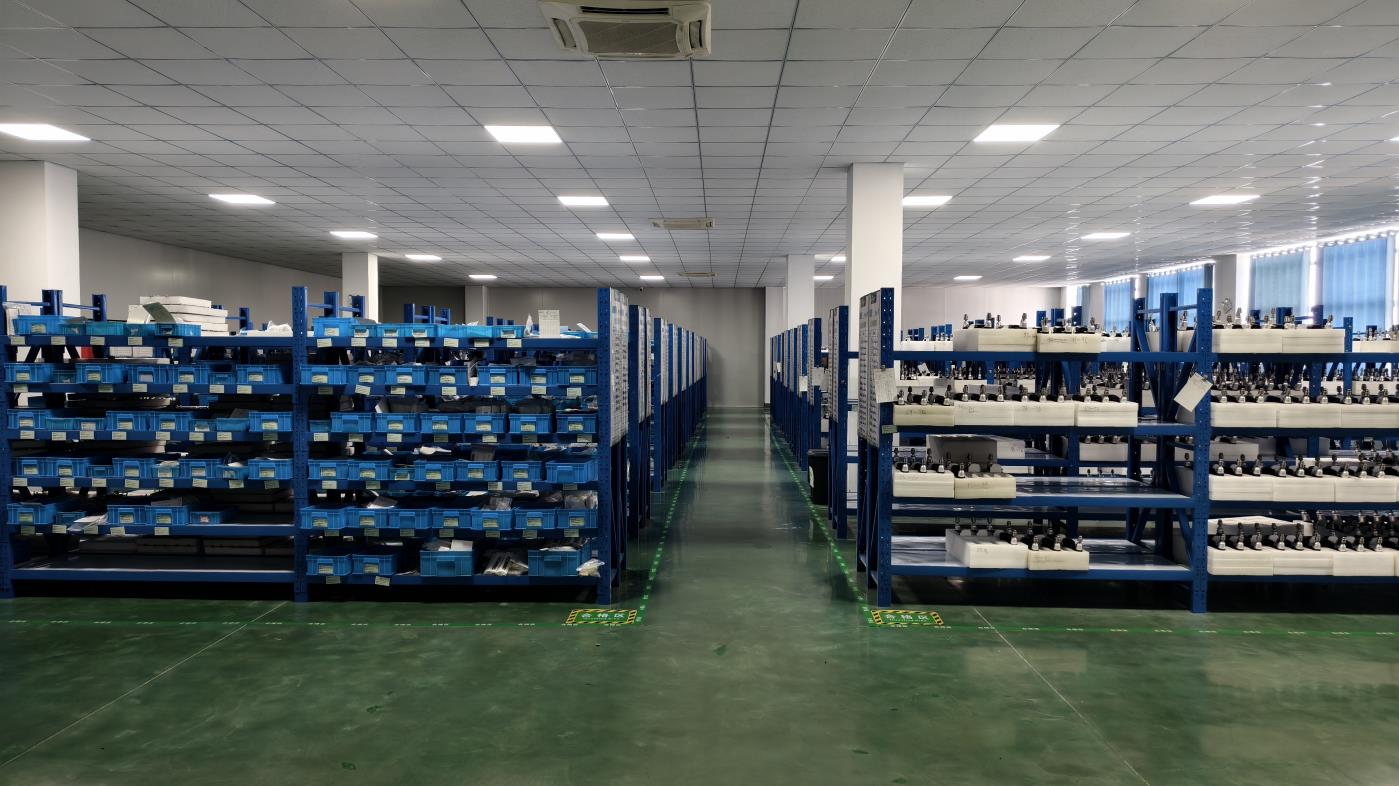
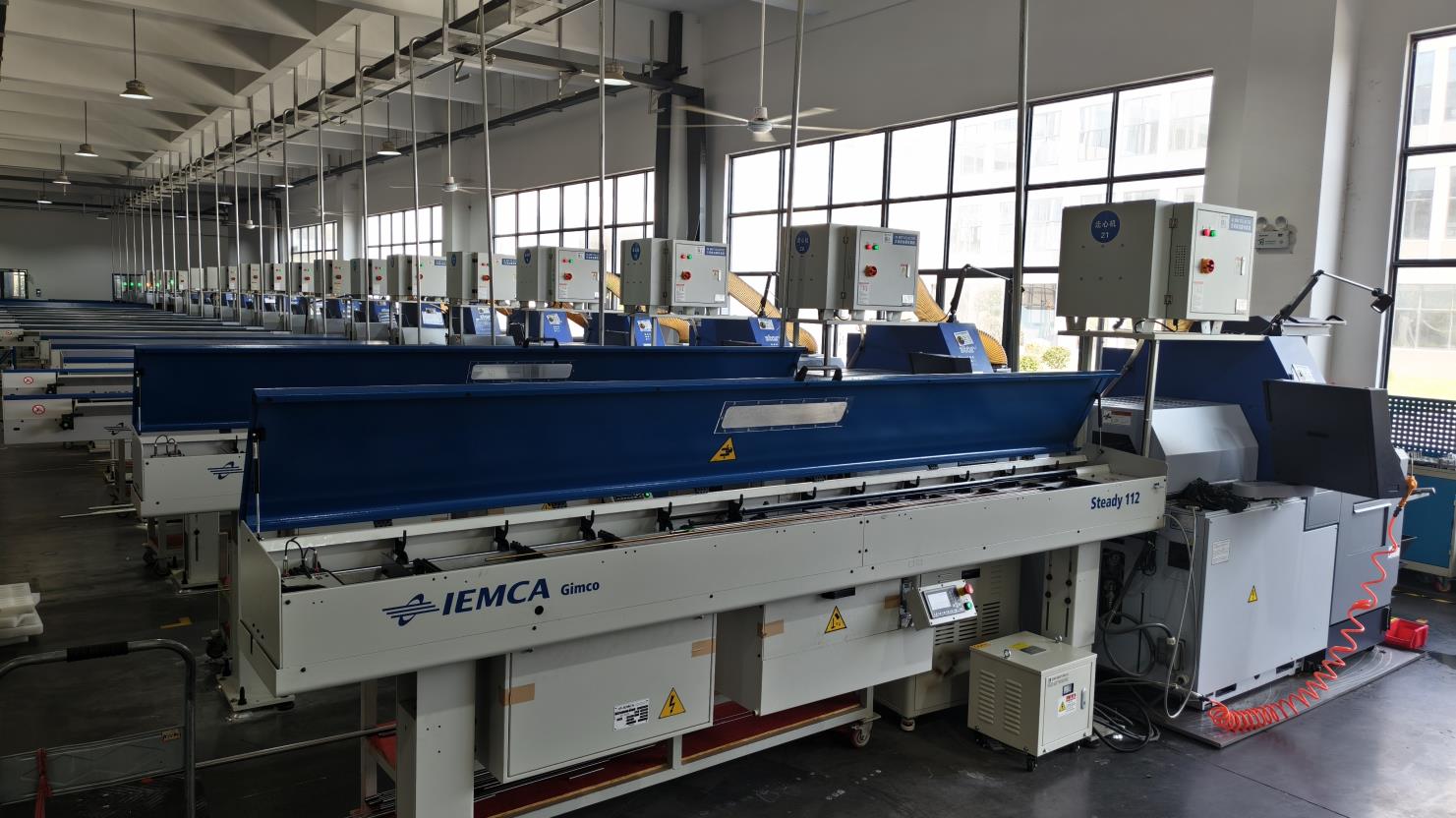
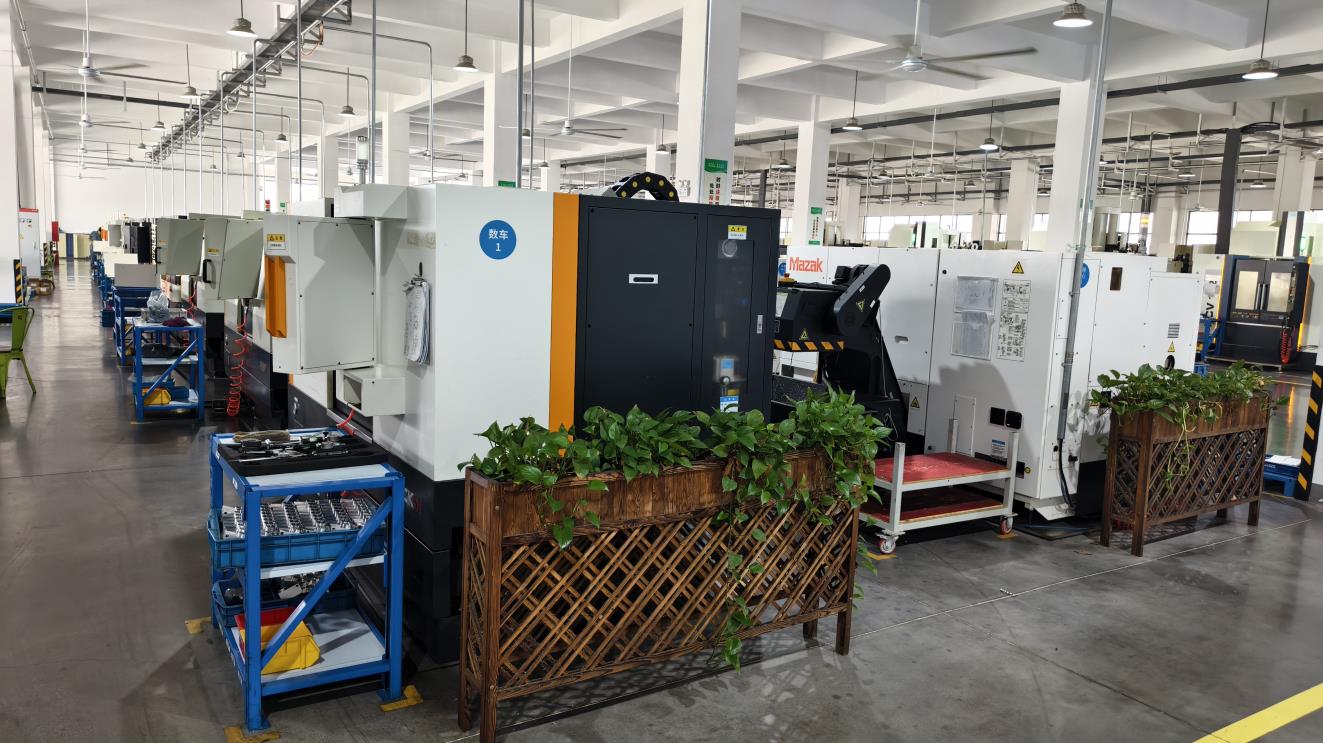
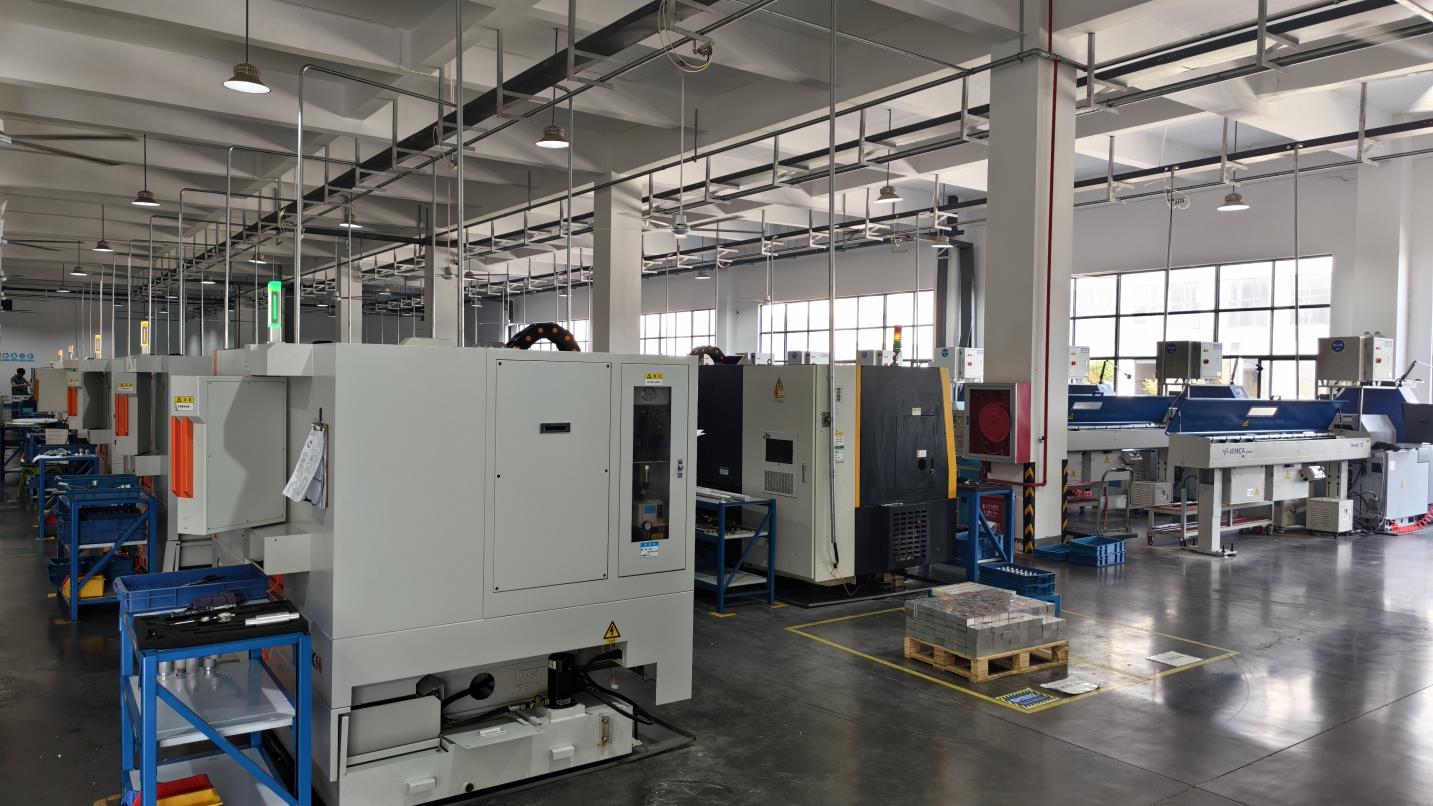
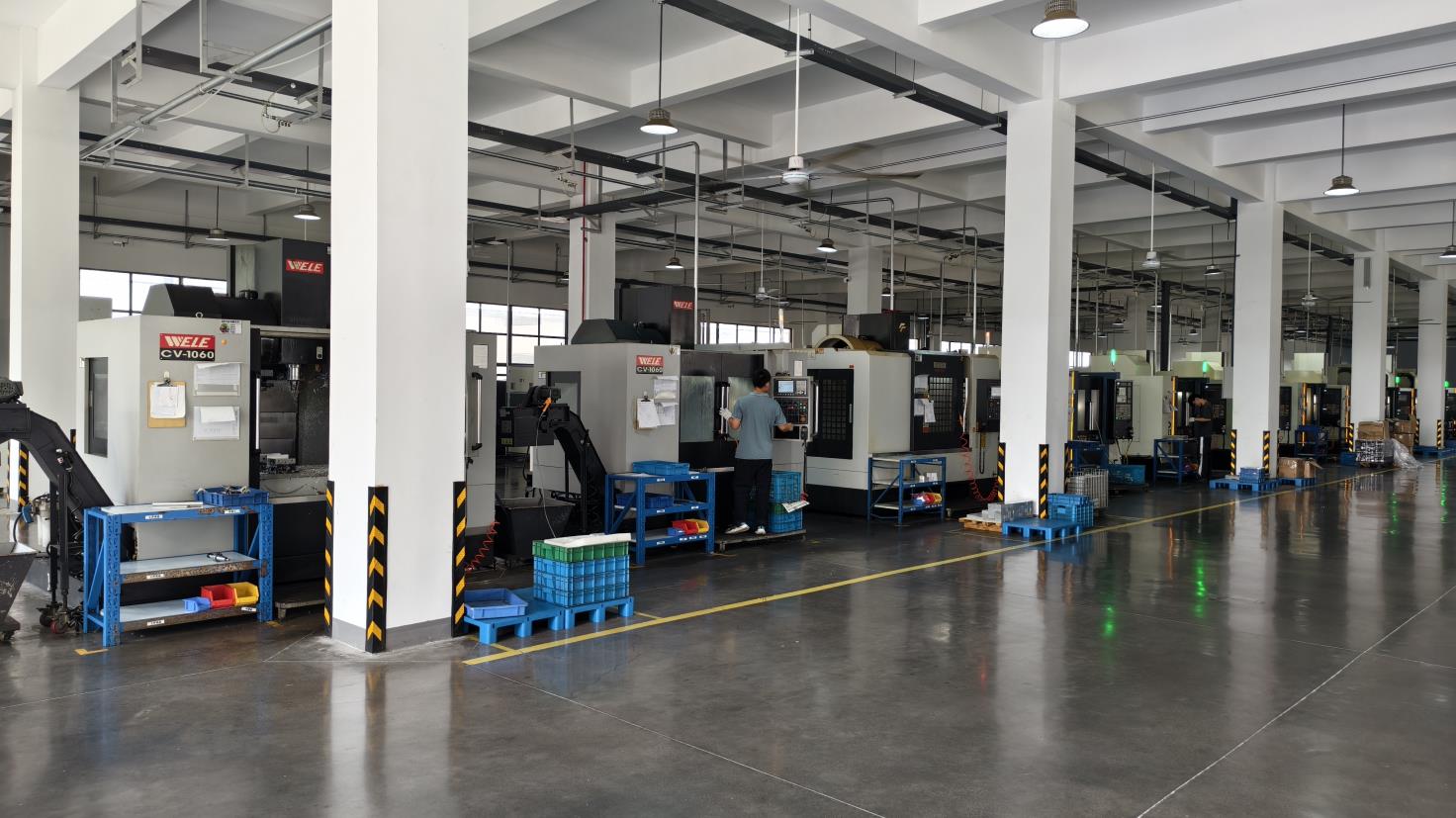
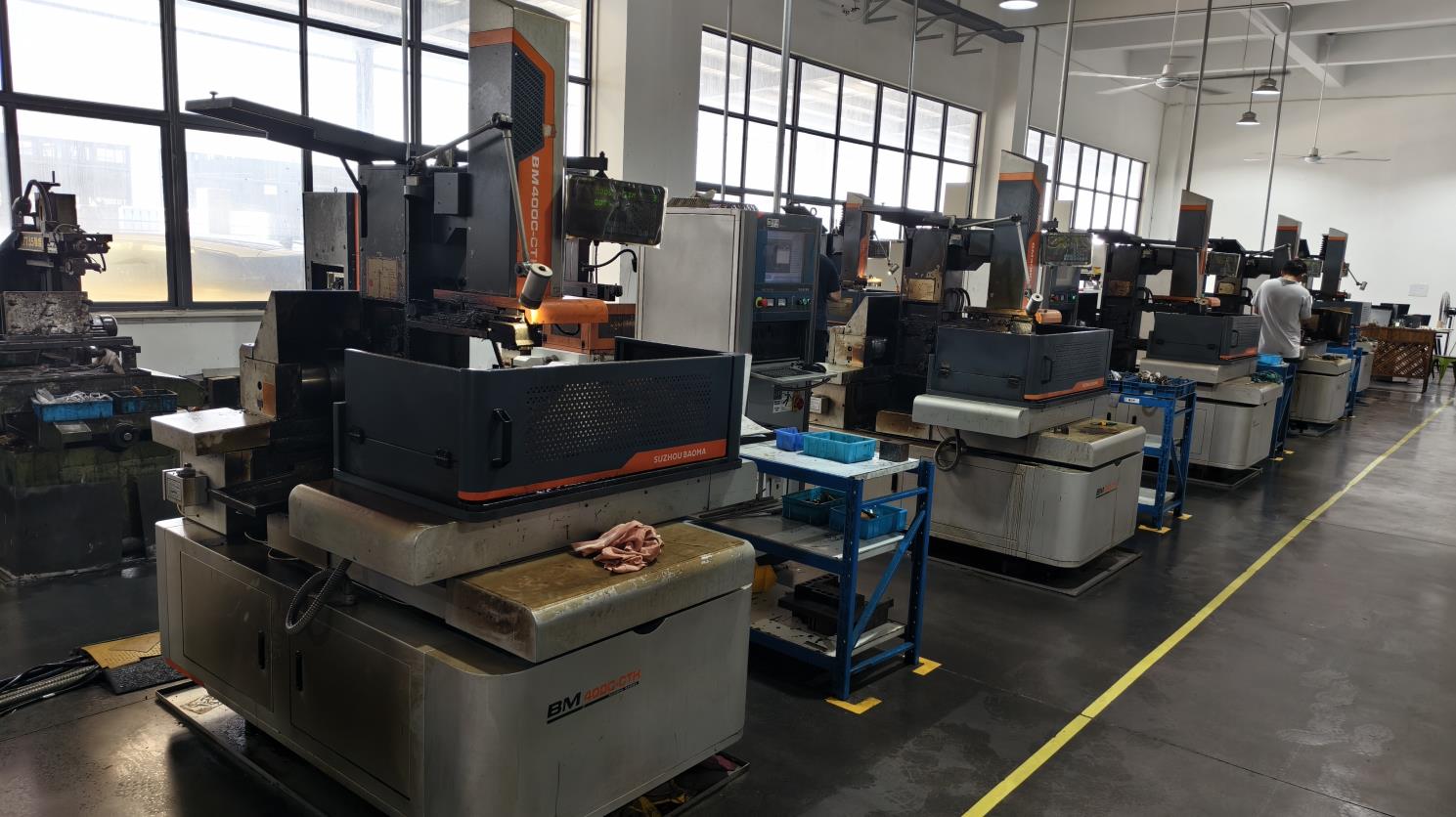
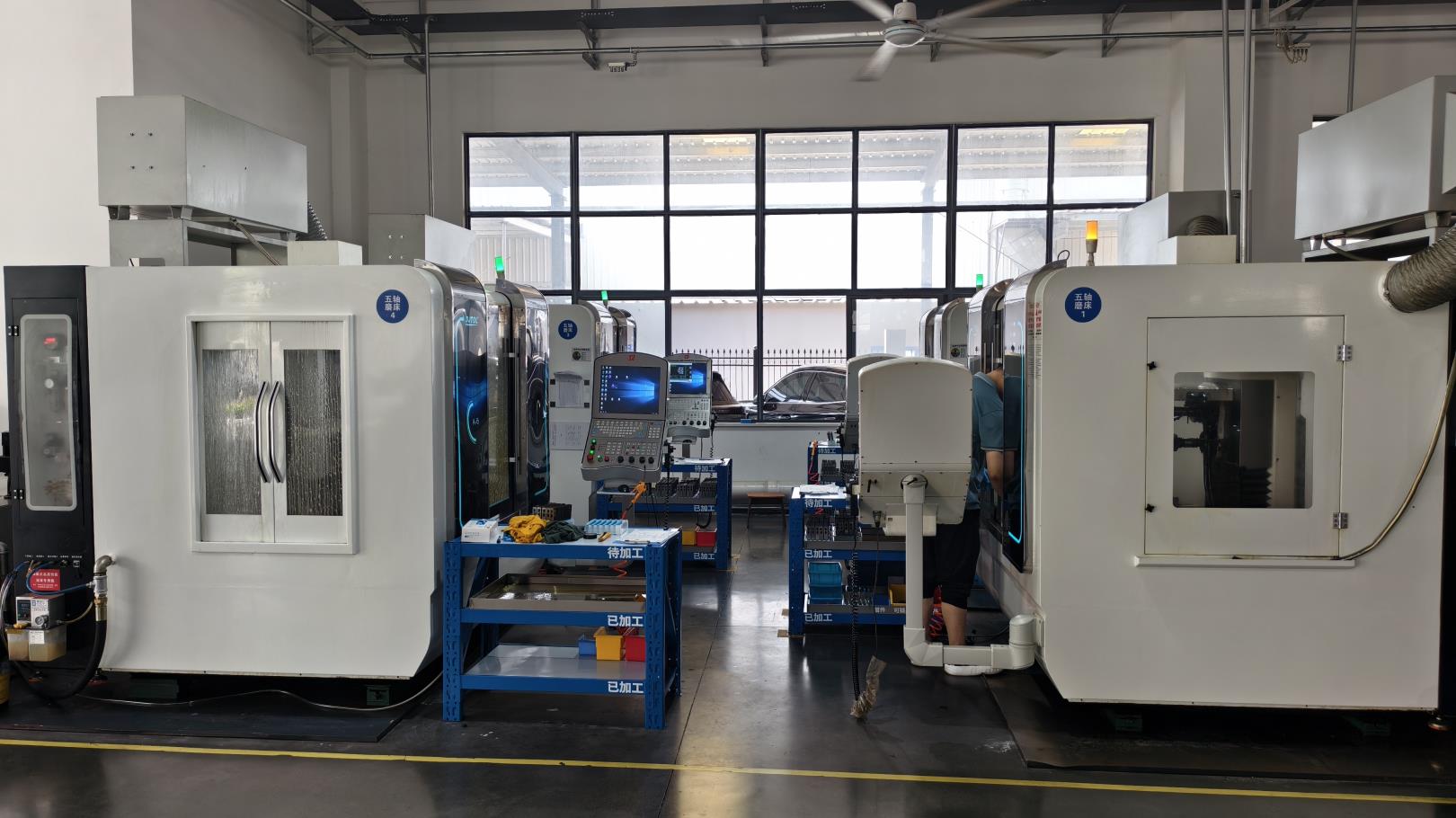
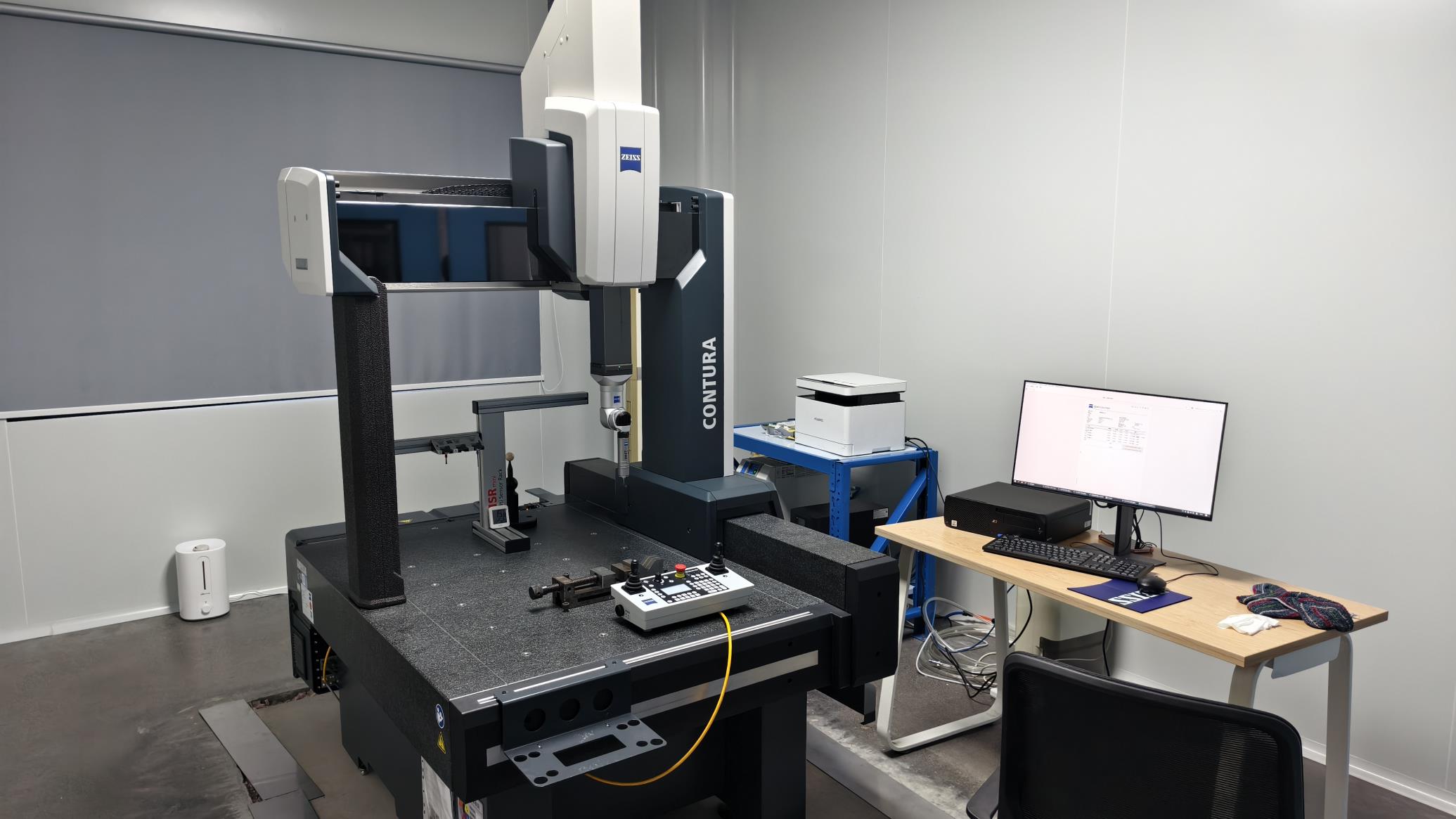
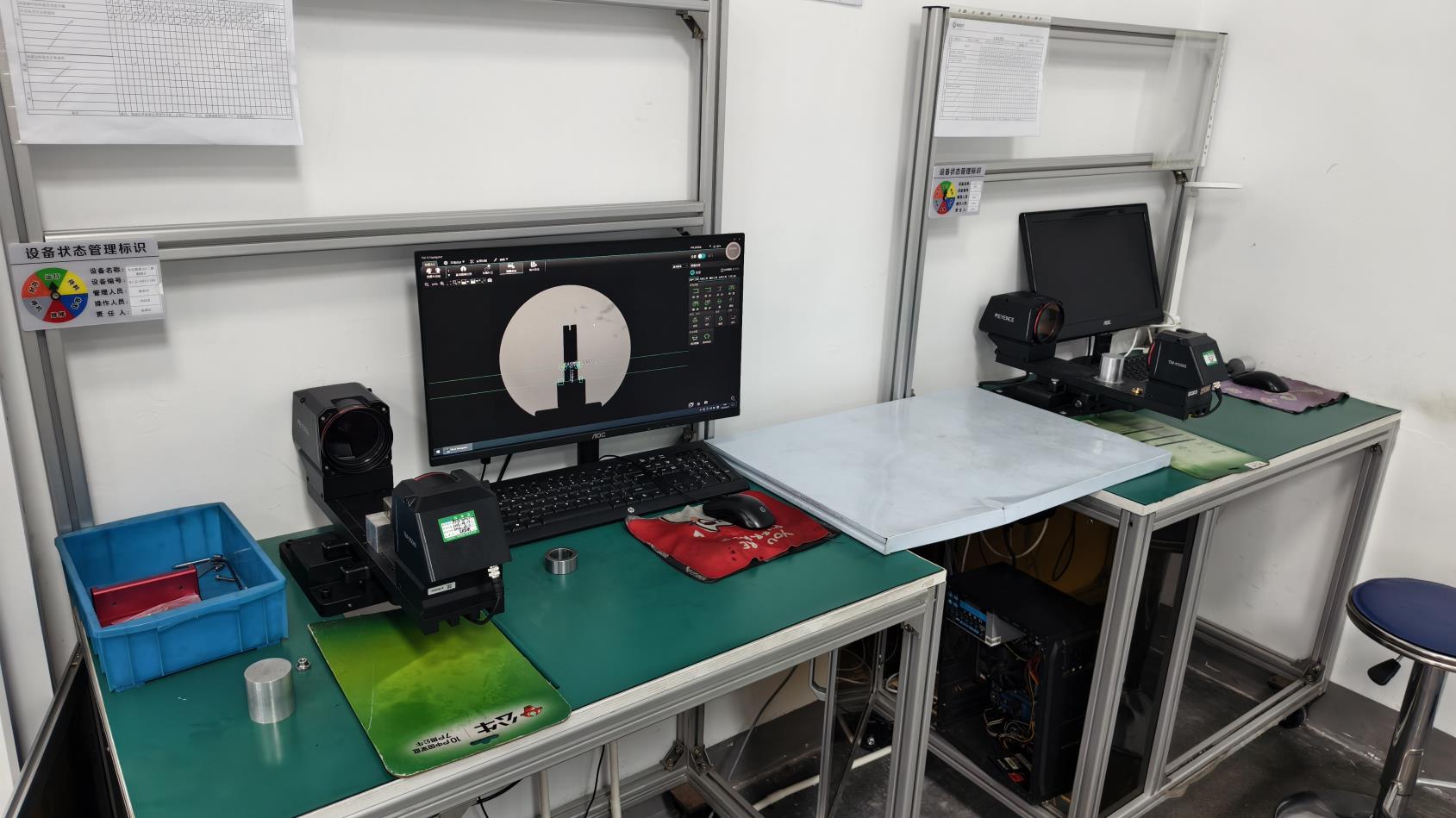
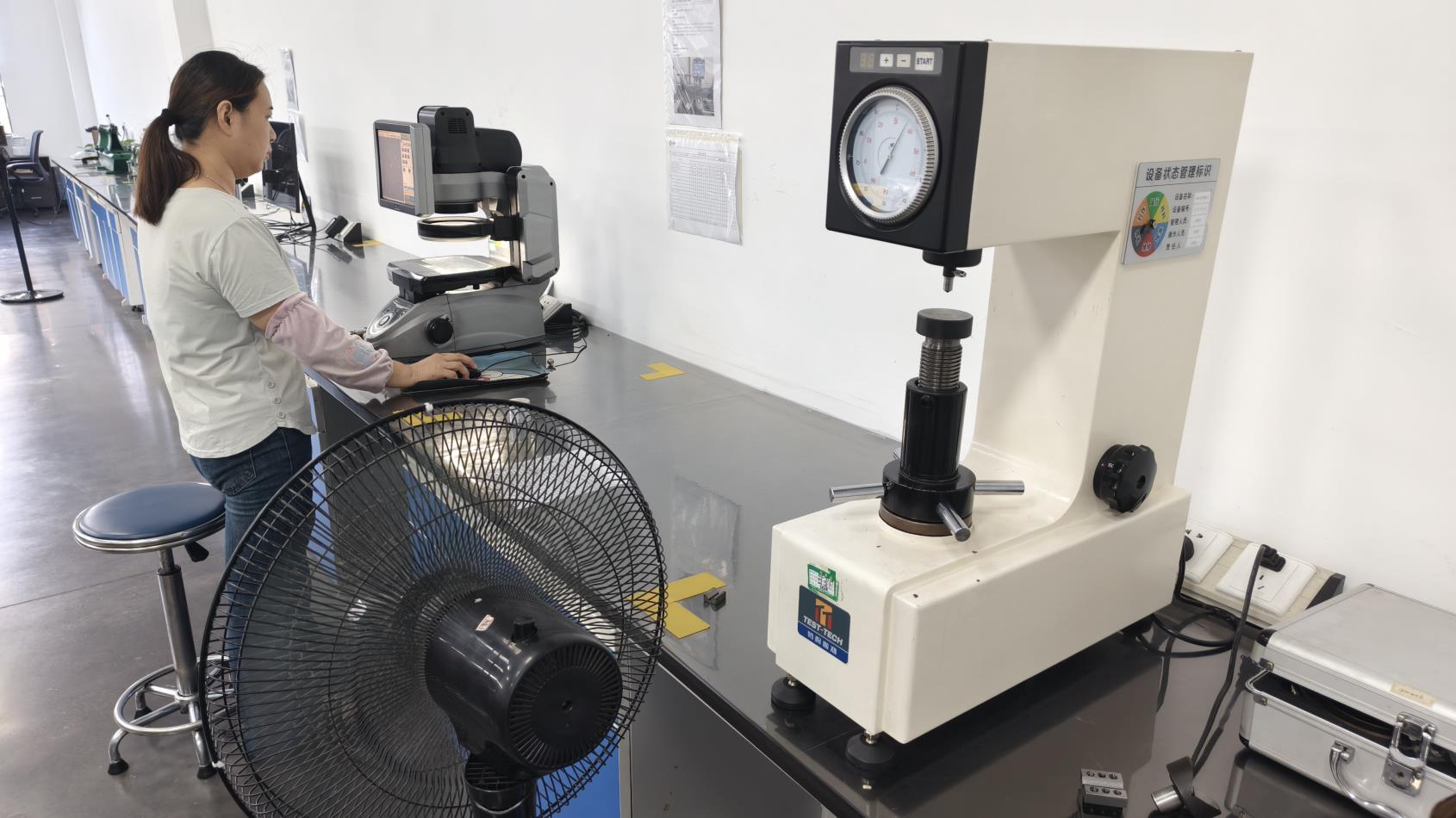
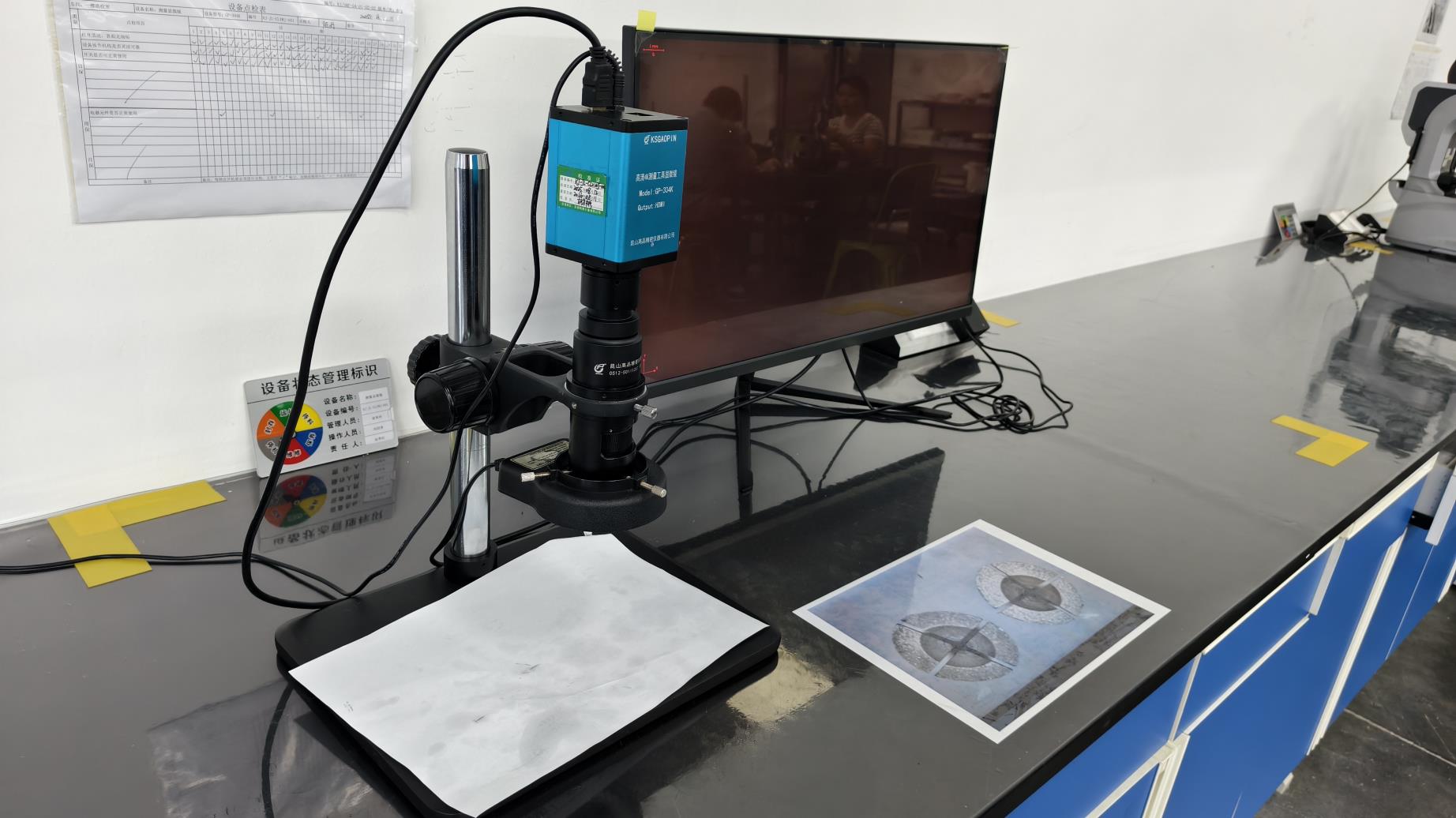
The production of orthopedic implants is highly specialized, demanding raw material traceability, micro-precision machining, and validation loops. China's medical device industry has developed robust supply chain resilience through clustered ecosystems. Our facility in China utilizes this structure to source premium medical-grade Titanium and Cobalt-Chromium alloys, ensuring stable pricing models and immediate lead times.
Why Global Orthopedic Brands and Distributors Partner with Moventra:
Operating in the medical device field requires absolute alignment with regulatory standards. Moventra maintains a comprehensive quality control team of 48 specialists who oversee our five-tiered validation methodology: Dimensional Inspection, Material Analysis, Surface Finish Inspection, Mechanical Performance Testing, and Sterility Verification.
We provide our global partners with registration documentation, facilitating fast-track national approvals in North America, Europe, South America, and the Middle East. Additionally, we offer localized training support, surgical design guides, and dedicated compliance dossiers to assist distributors and hospital procurement teams through the validation process.
 Moventra Medical