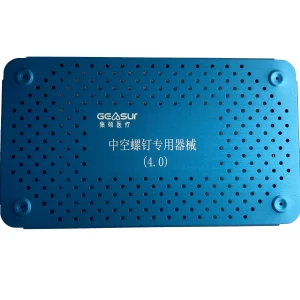
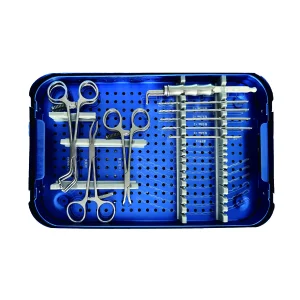
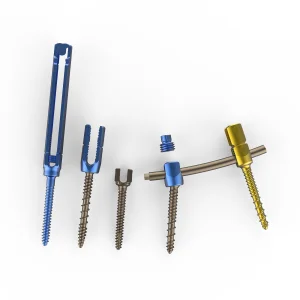
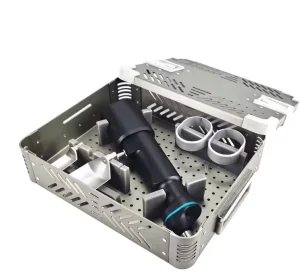
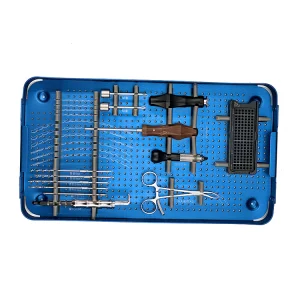
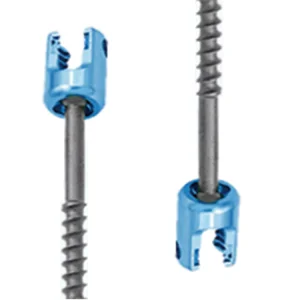
Explore our foundational range of certified trauma plates, spinal systems, joint repair systems, and medical surgical instruments designed to complement comprehensive joint reconstruction surgeries.
The global demand for Total Knee Arthroplasty (TKA) is undergoing a major evolution. Today's clinical environment demands total knee implants that offer high biocompatibility, long mechanical lifespans, and optimal biomechanical alignment to match diverse patient physiologies. As a premier hub for high-end orthopedic solutions, Chinese manufacturing has reached a gold-standard status, combining advanced material science with globally competitive supply chain metrics.
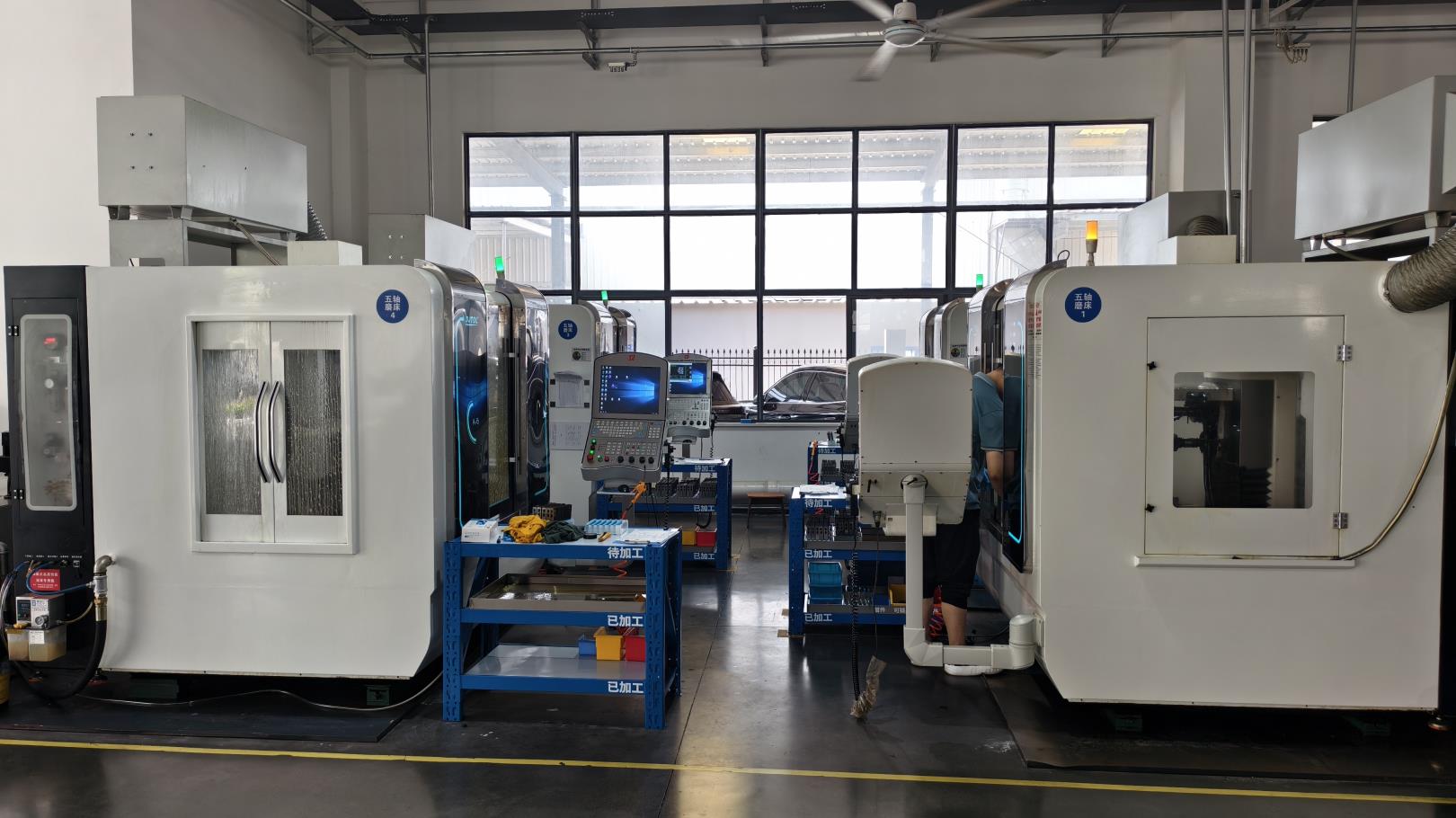
By integrating automated multi-axis precision machining and advanced surface technologies, we ensure our global partners—distributors, private hospitals, and medical device brands—receive implants that comply with strict regulatory frameworks, such as CE and ISO, matching top international benchmarks.
| Moventra Medical Profile & Enterprise Index | |
|---|---|
| Company Name | Moventra Medical Technology (China) Co., Ltd. |
| Brand | Moventra |
| Established Year | 2017 (Industry experience: 13 Years) |
| Facility Area | 18,600 m² |
| Annual Export Revenue | USD 23.8 Million |
| Quality Inspection Staff | 48 specialists |
| R&D Engineers | 86 engineers |
| Business Capabilities | Manufacturer, Exporter, OEM & ODM Solutions |
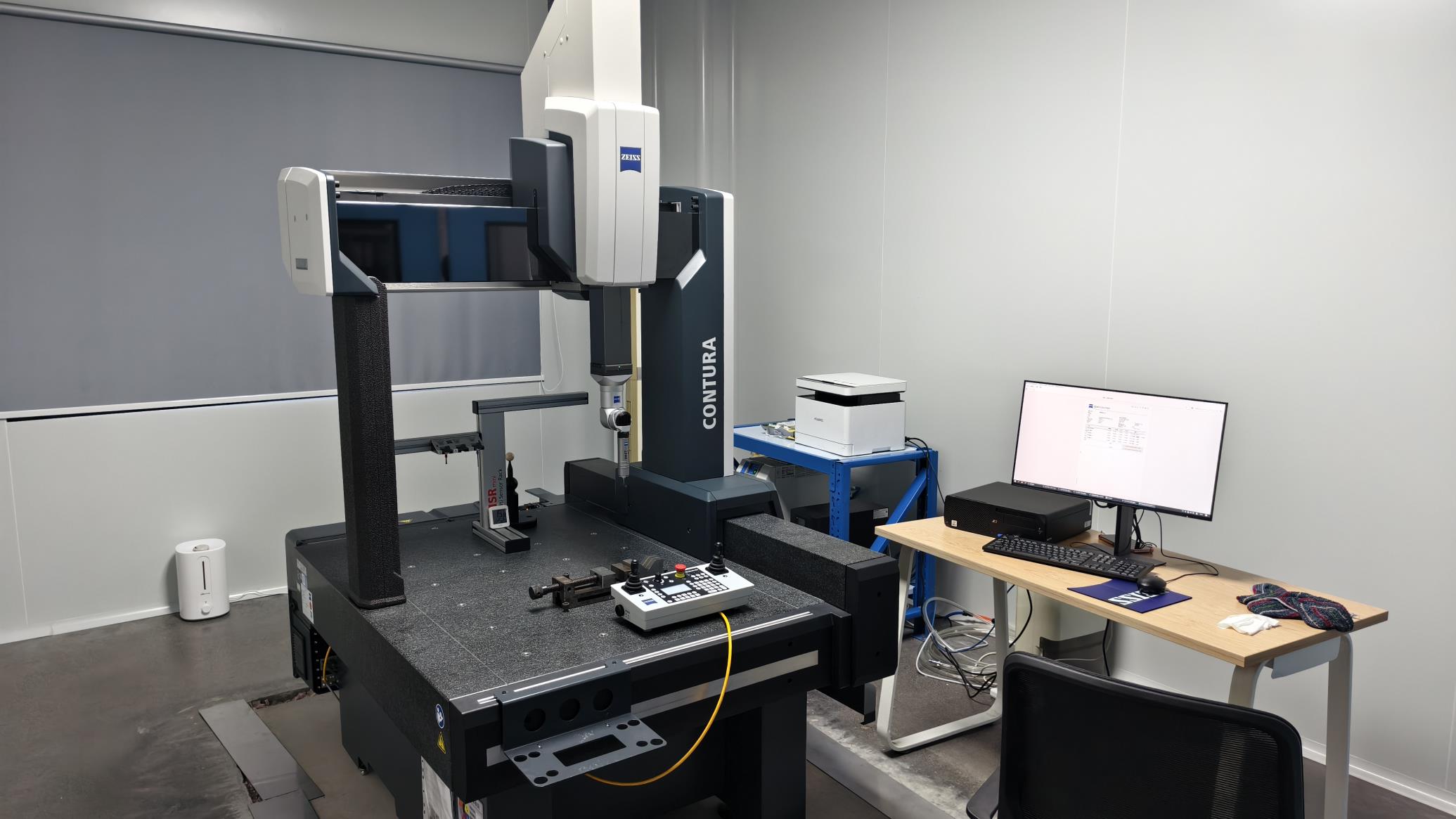
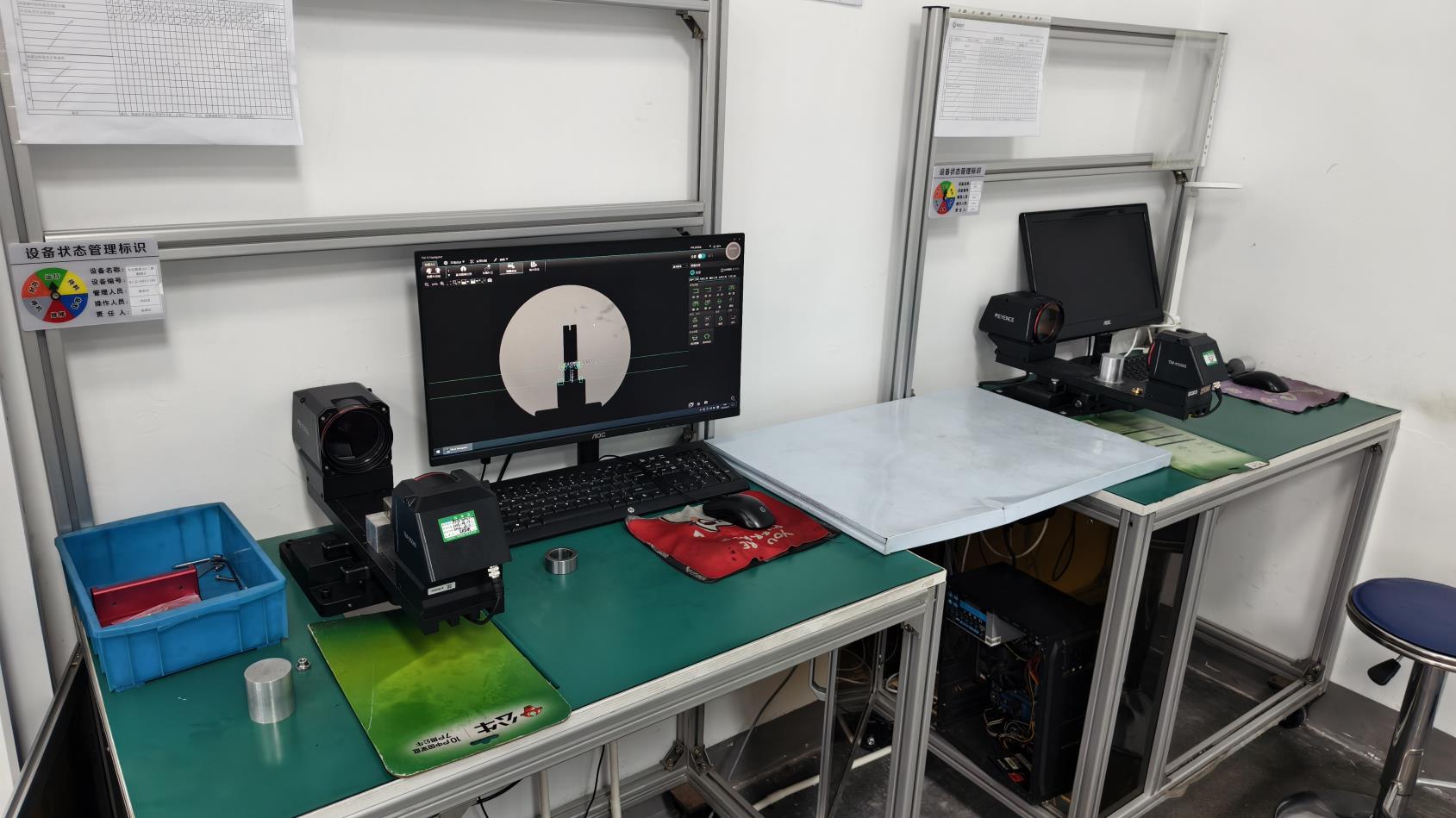
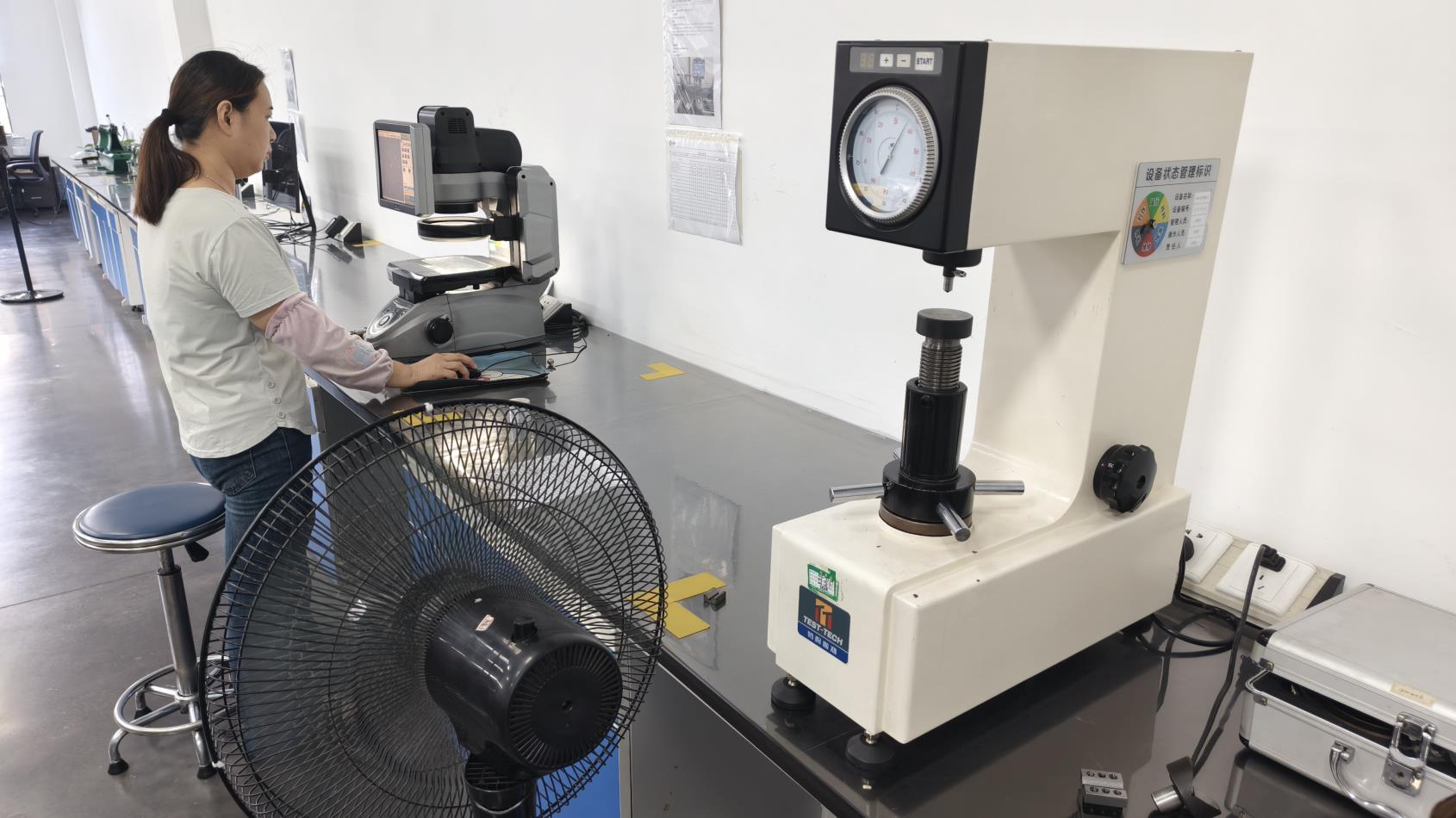
| Product Inspections | Dimensional, Material Analysis, Surface Finish, Mechanical Testing, Sterility Verification |
Bridging advanced design paradigms with comprehensive surgical systems for predictable patient outcomes and streamlined operating room workflows.
Designed for patients with a functional posterior cruciate ligament (PCL). The CR implant system preserves the native ligament, facilitating physiological femoral rollback, preserving natural joint proprioception, and minimizing bone resection at the joint margin.
Optimized for patients with compromised PCLs or severe joint degeneration. Featuring a highly engineered cam-and-post mechanism, our PS configuration provides mechanical substitution for the posterior cruciate ligament, ensuring stability and uniform joint articulation.
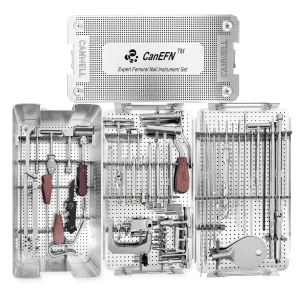
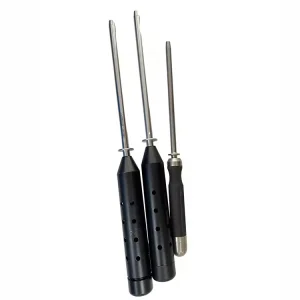
Seamlessly integrated with high-precision cutting guides, alignment instruments, and trials. The surgical instrument sets reduce surgeon fatigue, optimize intraoperative cut accuracy, and significantly lower operating theater turnaround times.
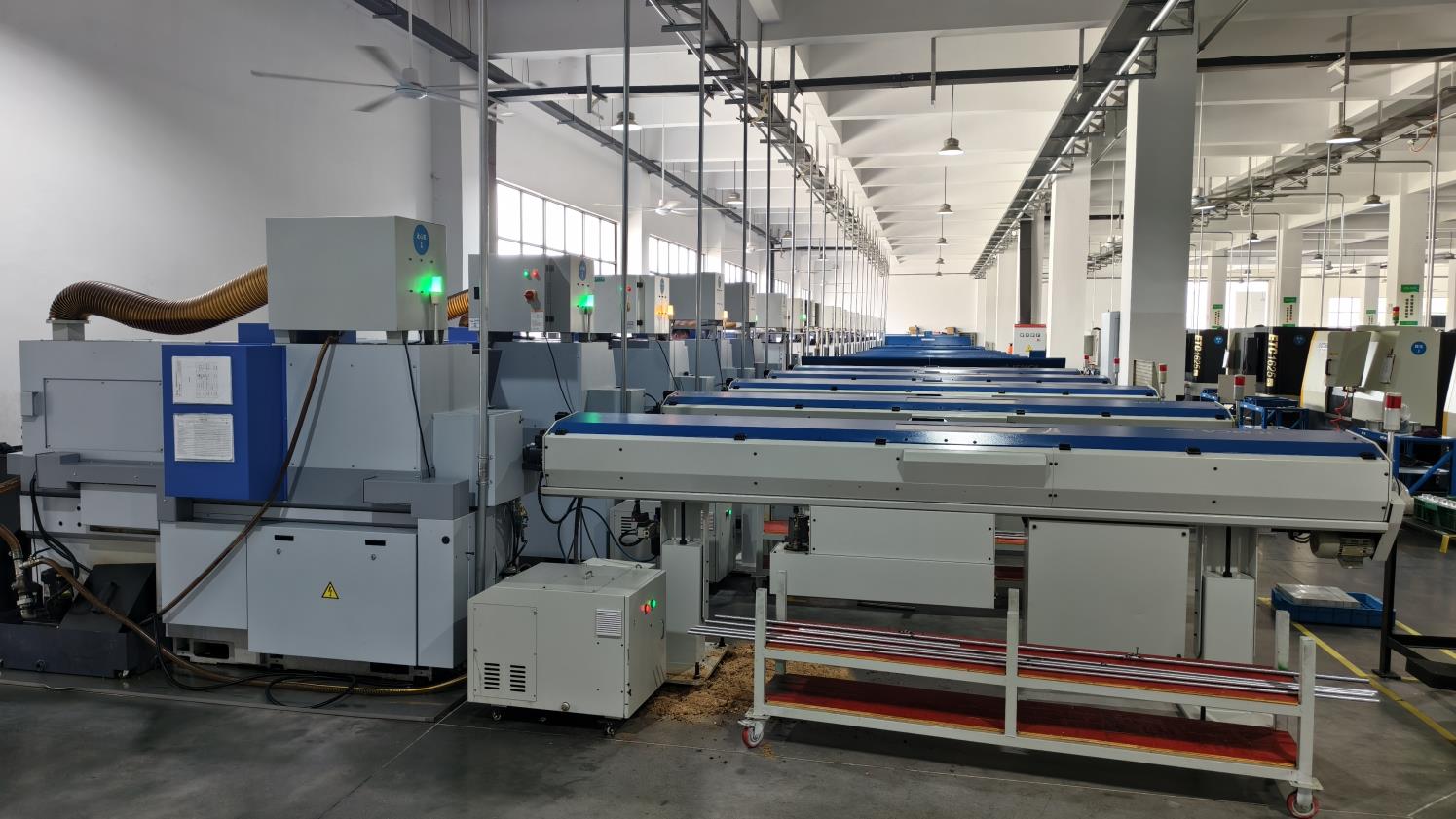
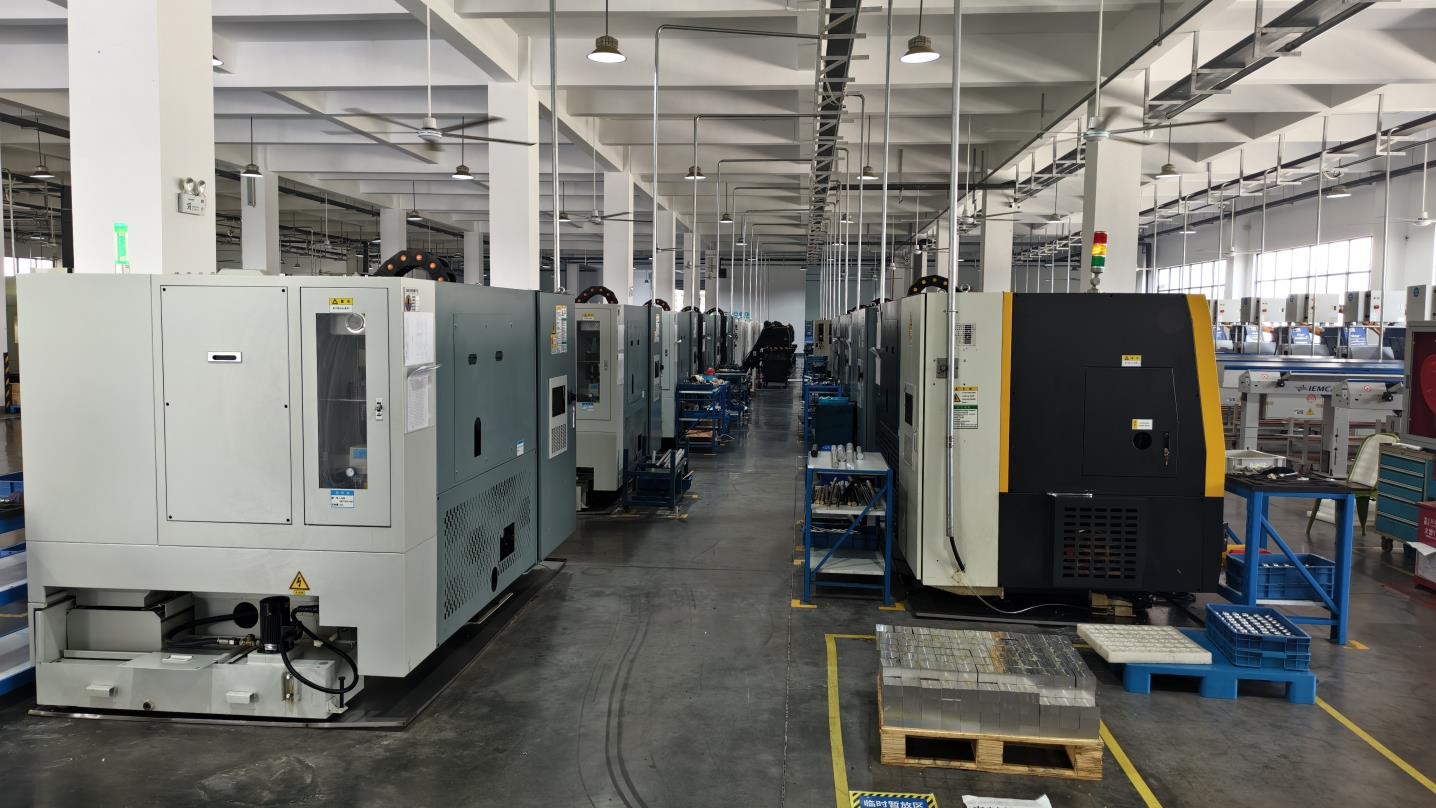
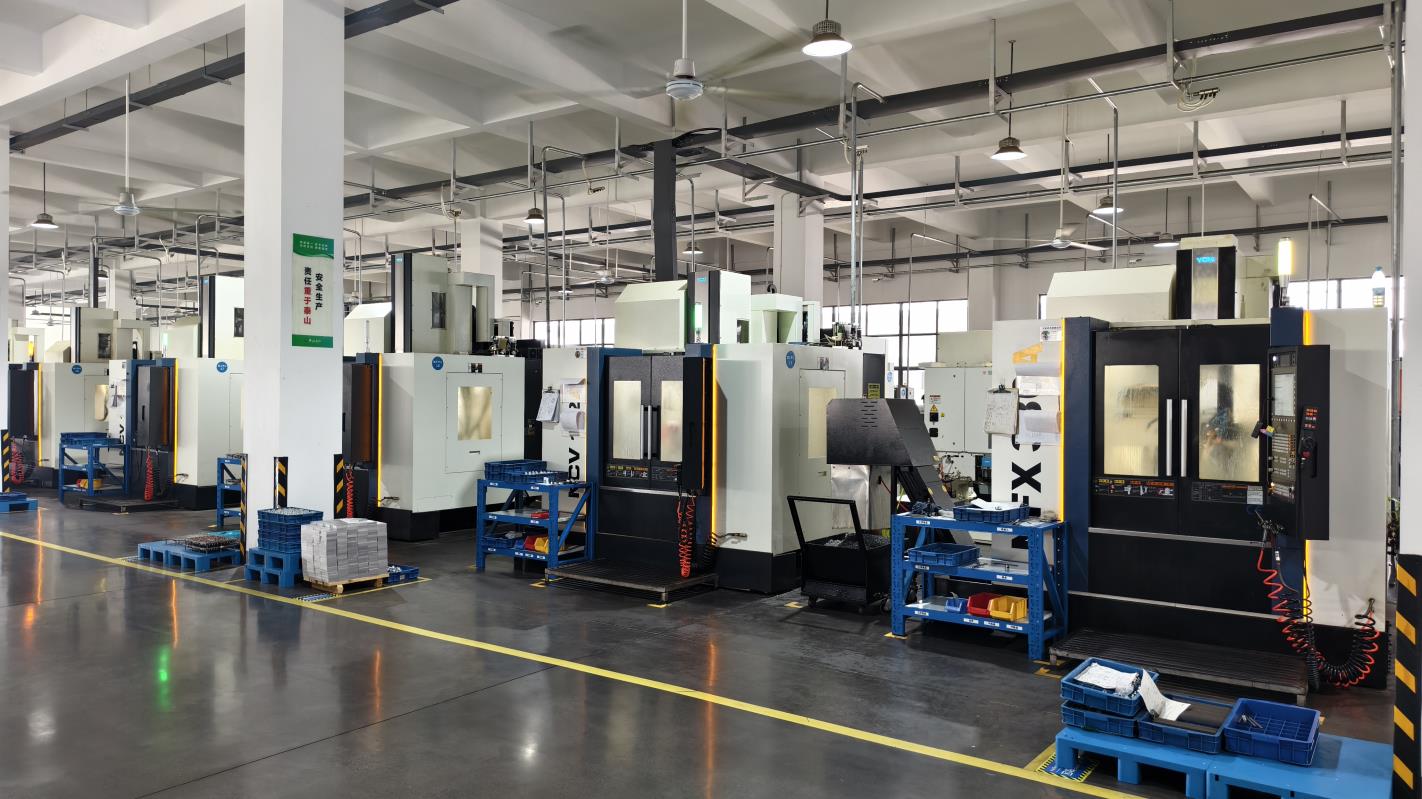
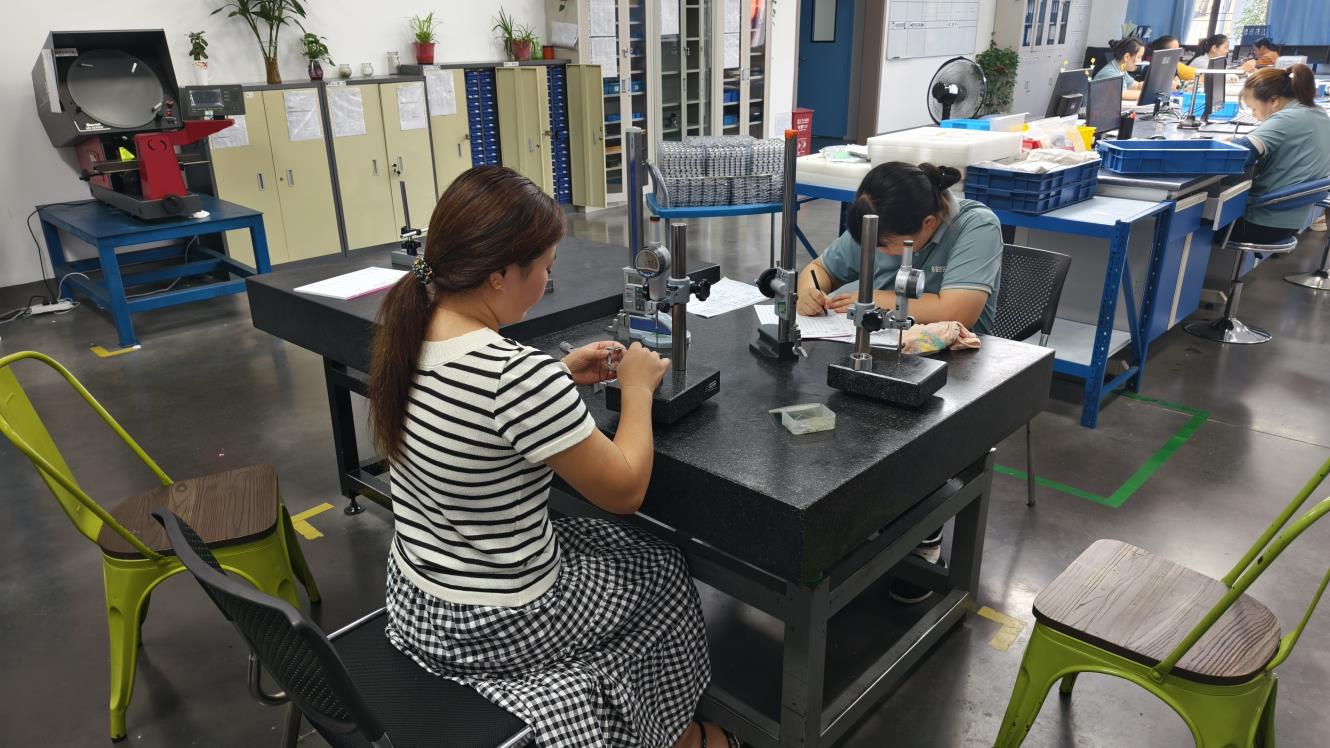
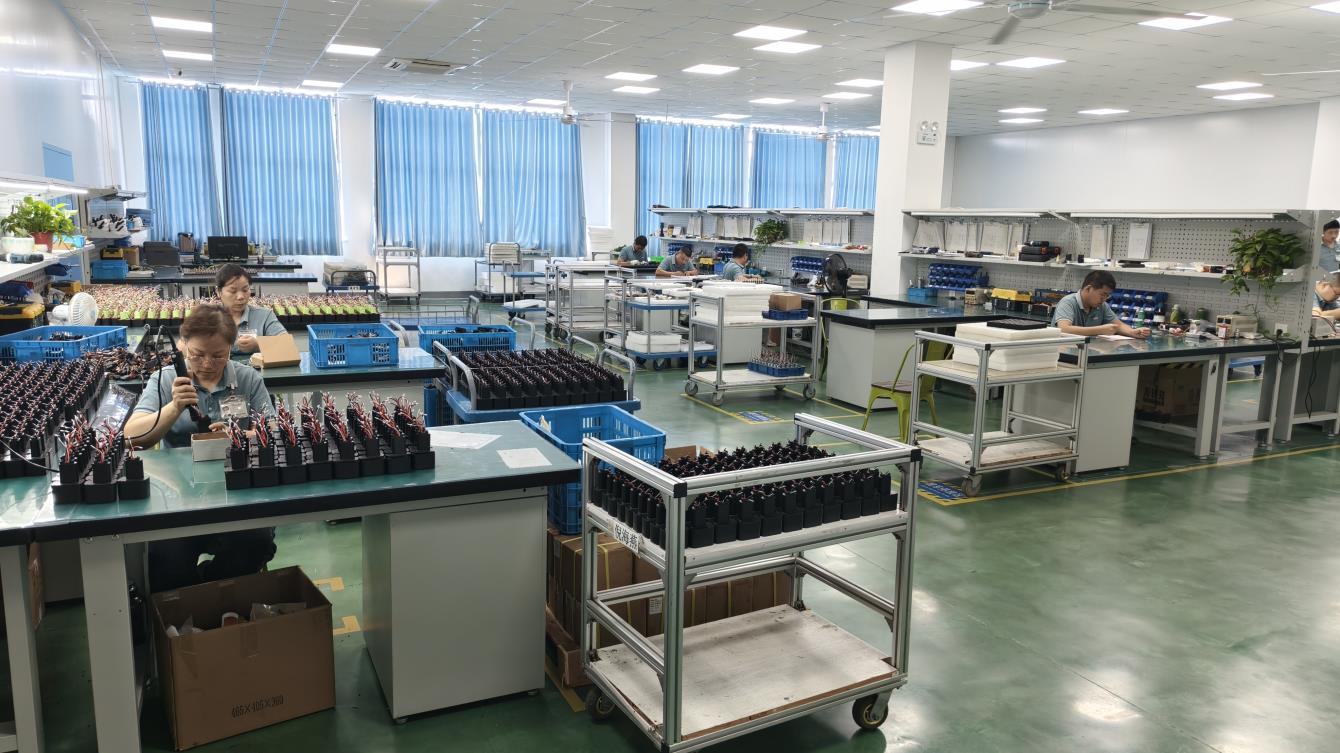
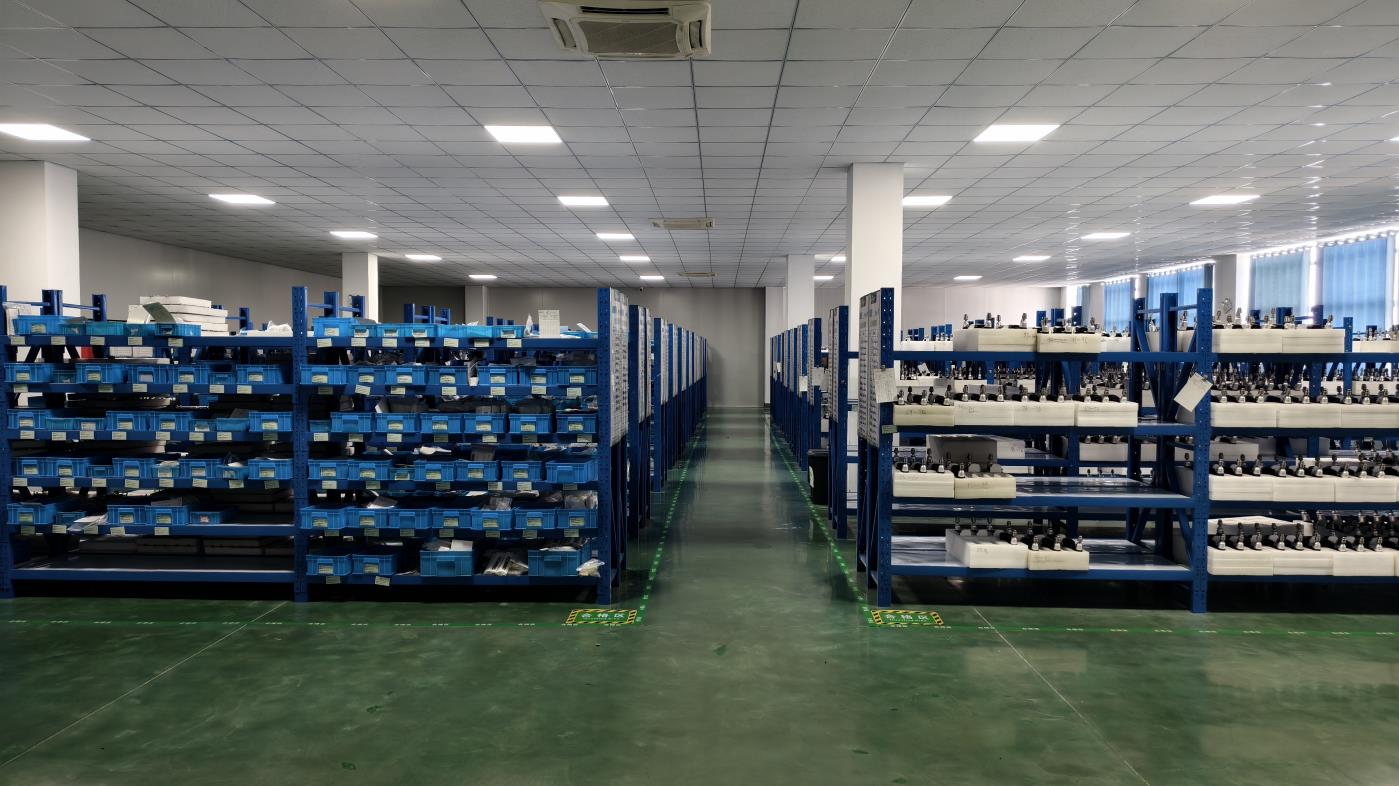
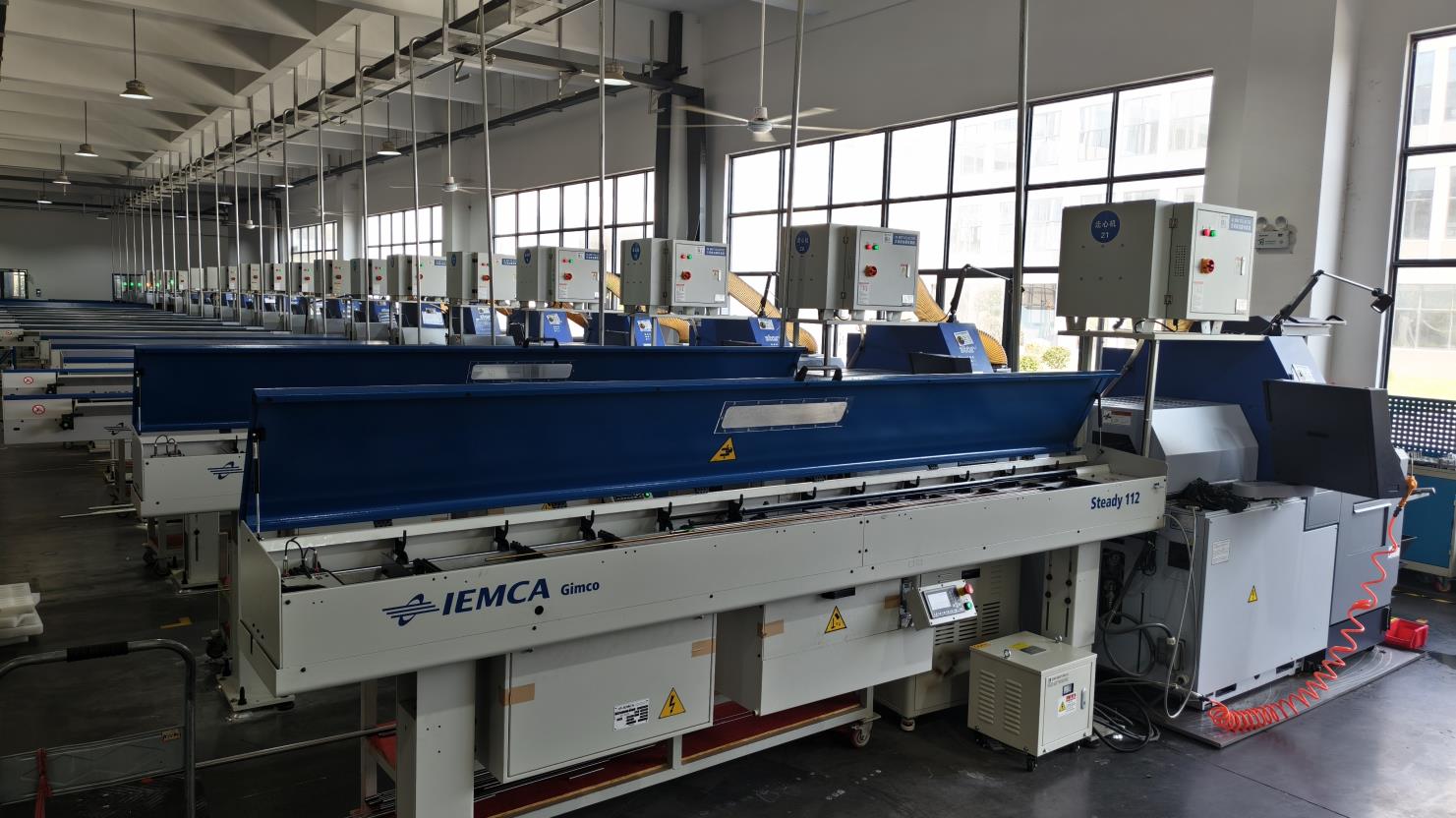
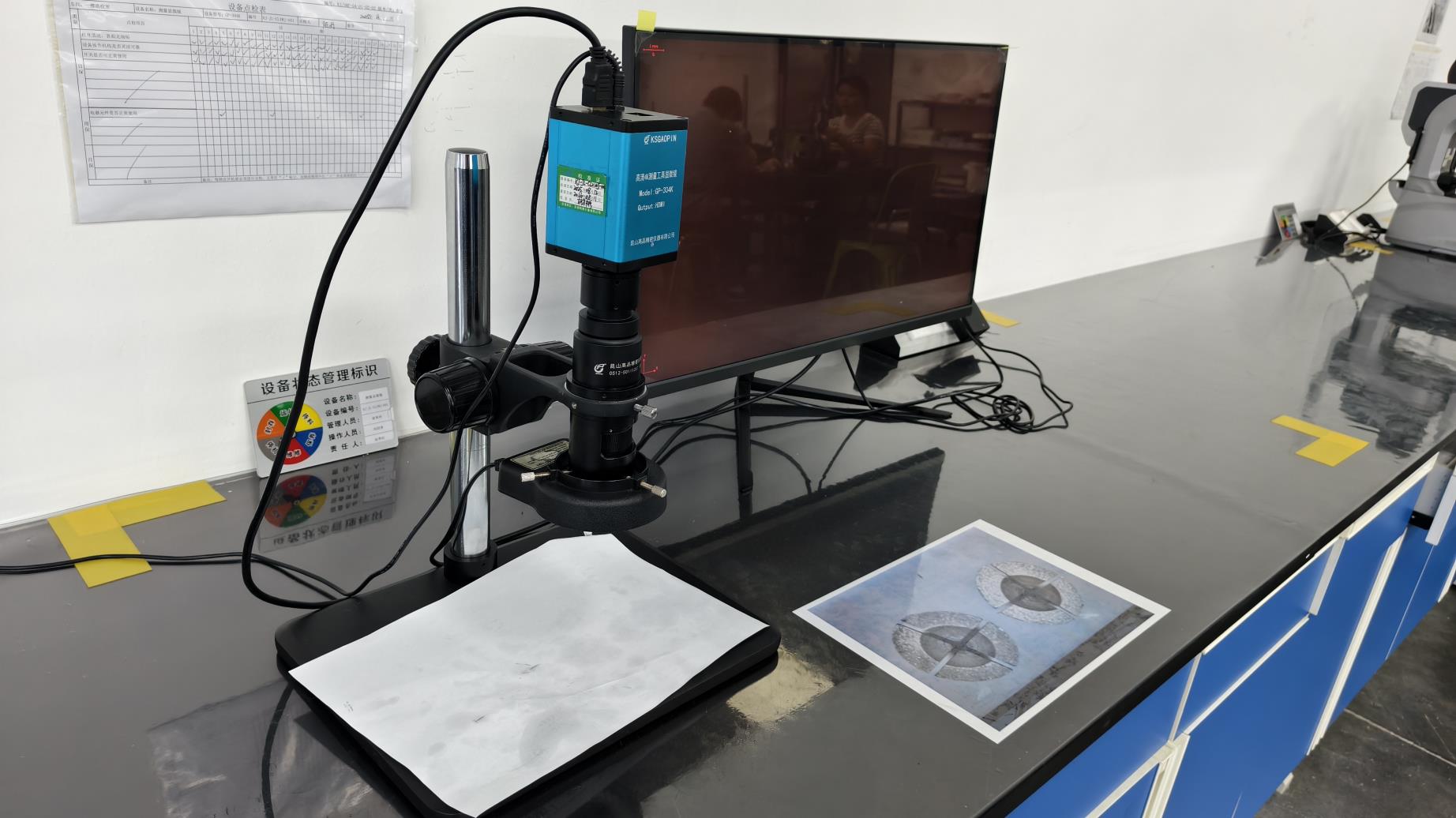
Our 18,600 m² state-of-the-art facility utilizes international-grade manufacturing and inspection tools to maintain sub-micron tolerances.
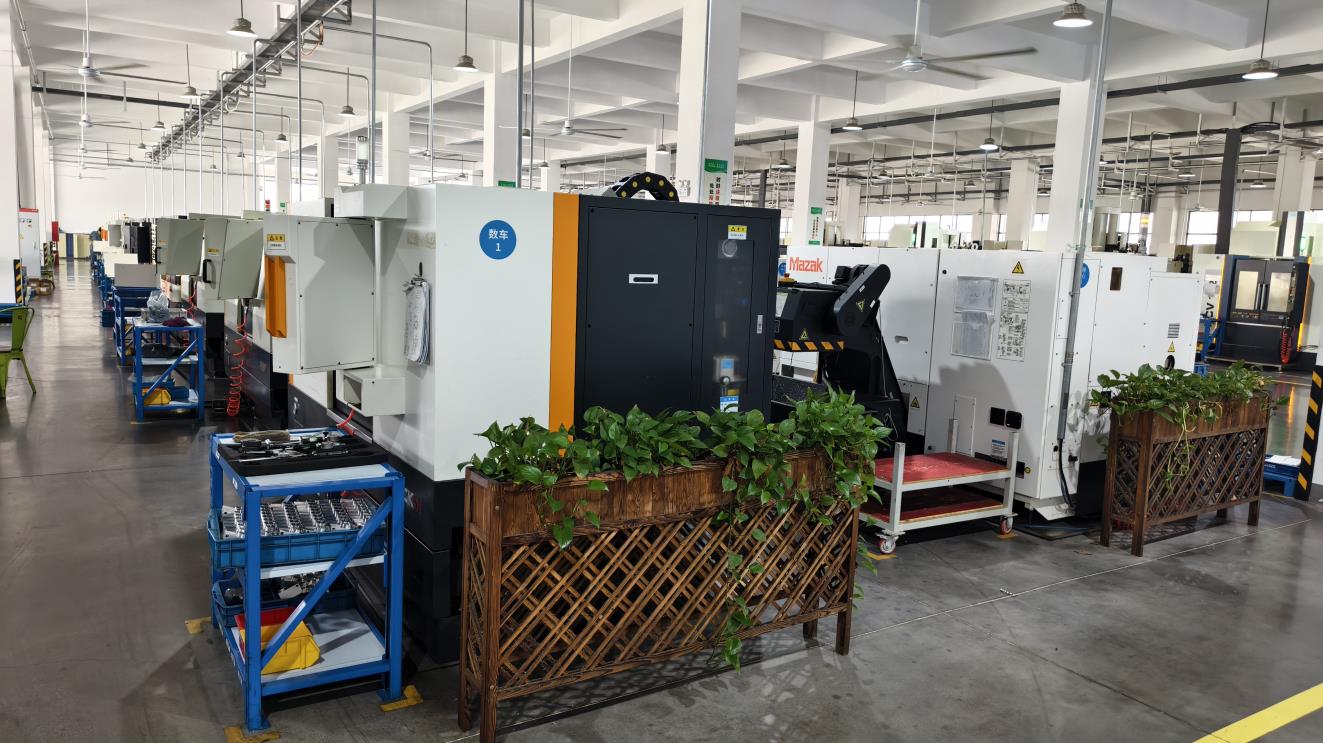
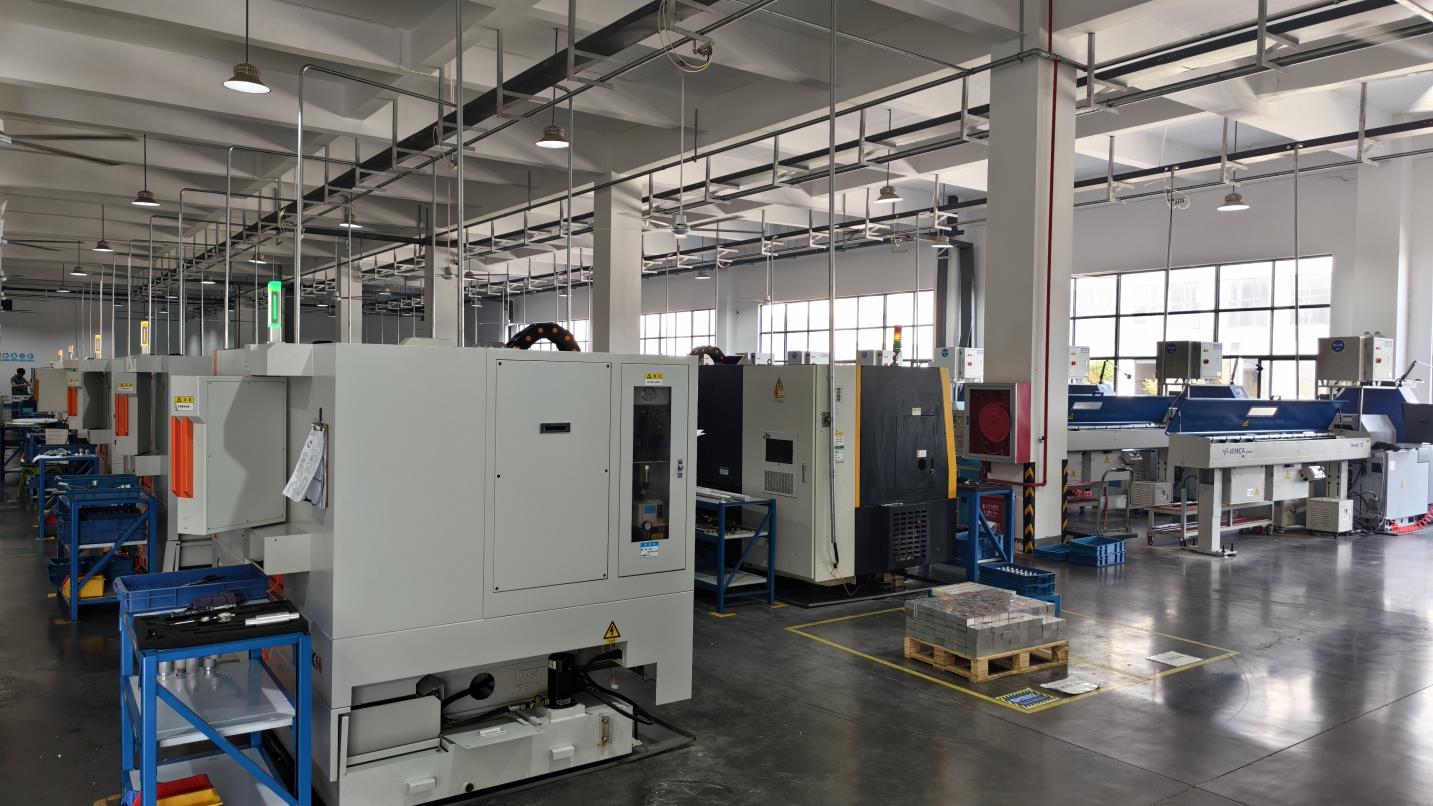
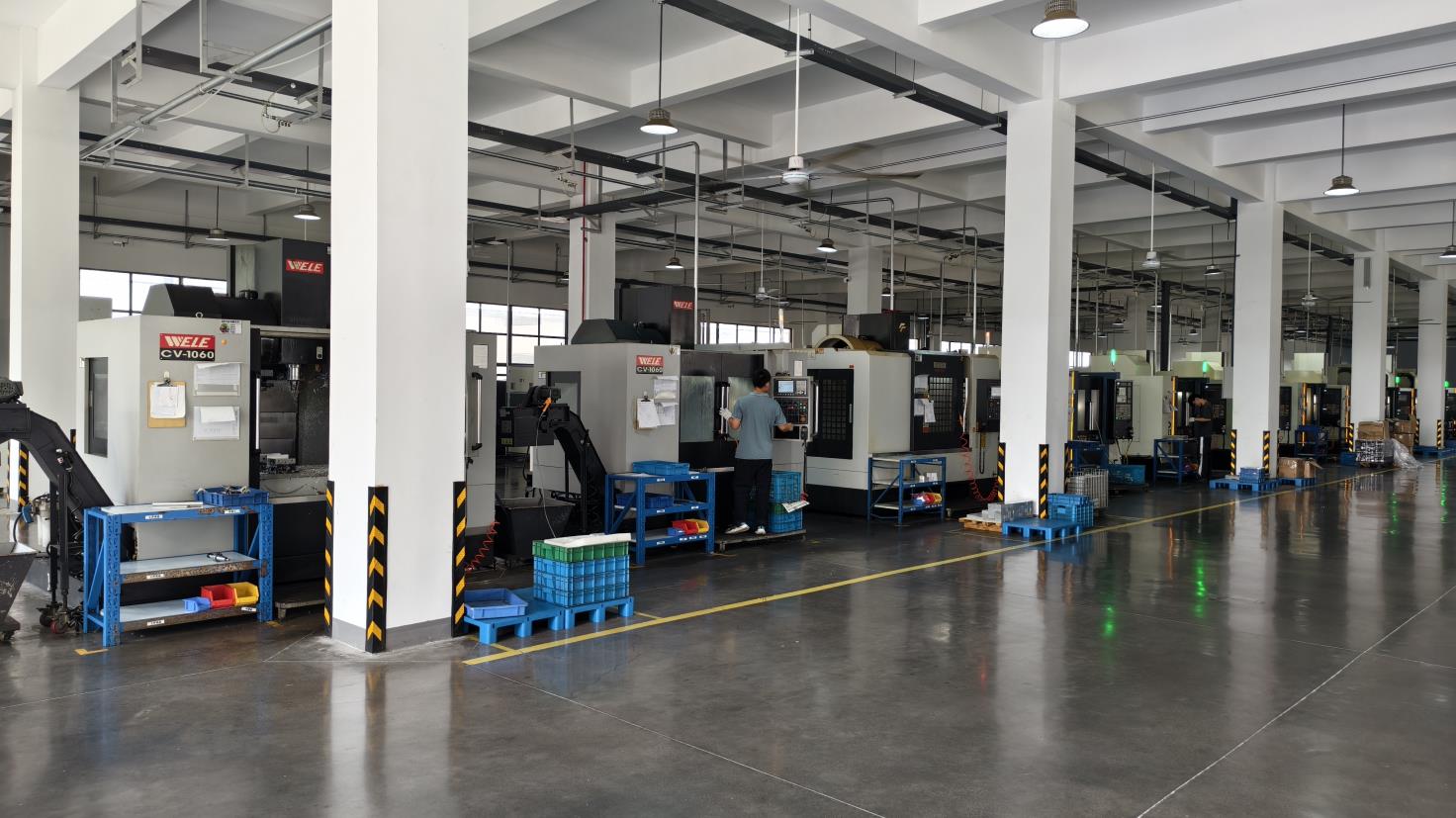
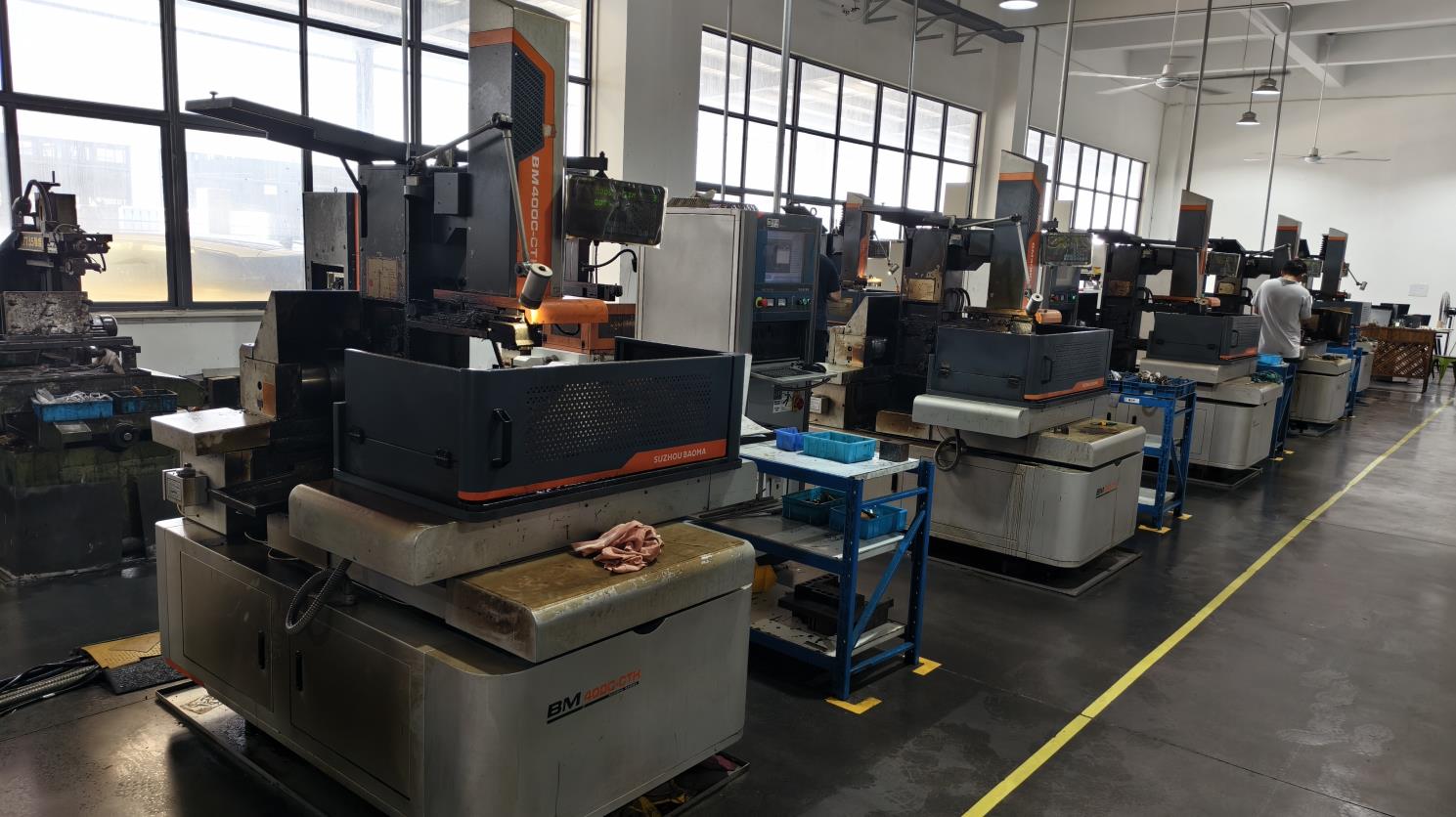
How we address regulatory barriers, localization challenges, and supply chain logistics for orthopedic implant procurement.
Navigating different national healthcare standards requires a partner who understands the details of clinical data pathways and registration files. Whether you are importing into the European Union under MDR rules, or require FDA 510(k) aligned pathways in Latin America, our dedicated documentation team helps manage compliance steps. We provide complete CE and ISO 13485 certification packages alongside detailed chemical and physical material documentation.
Time-to-market is critical in healthcare procurement. Our supply chain handles complex custom parameters, offering direct-to-warehouse delivery and drop-ship logistics for hospitals and distributors globally. We work with leading global freight networks to ensure sterile components are packaged, routed, and cleared with minimum delays, preserving sterile barriers under all shipping conditions.
We recognize that patient populations vary globally. Our R&D facility offers tailor-made adjustments for implant profiles to address specific morphological requirements across different markets. We support custom sizing, altered flexion geometry, and custom material compositions to help you target regional clinical demands effectively.
Our commitment to next-generation joint arthroplasty technology platforms.
We are advancing the integration of 3D-printed trabecular titanium metal structures. These porous surfaces replicate the modulus of cancellous bone, encouraging direct osseointegration and creating highly stable press-fit boundaries without needing bone cement.
Our long-term R&D roadmap focuses on incorporating micro-sensors within trial components. These sensors provide objective feedback on joint balancing, load distribution, and real-time range of motion, helping surgeons optimize alignment during surgeries.
We are shifting our joint bearings catalog to Vitamin E stabilized highly cross-linked polyethylene (XLPE). Infusing Vitamin E neutralizes free radicals, significantly preventing long-term material oxidation and maintaining high wear resistance.
Comprehensive regulatory and engineering details to support hospital tenders and industrial distribution procurement processes.
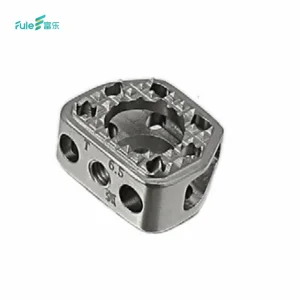
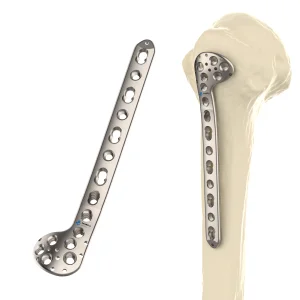
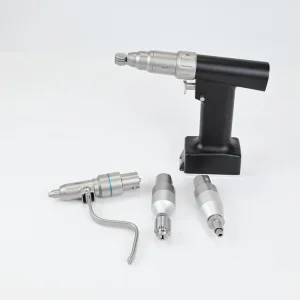
Complete surgical catalog featuring titanium plates, pedicle screw configurations, surgical power tools, and spinal cage solutions.
 Moventra Medical