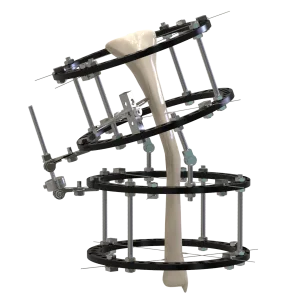
The metropolitan area of Sydney, serving as Australia's primary medical innovation hub, operates under a sophisticated, dual-layer healthcare system administered by New South Wales (NSW) Health and private sector hospital chains such as Ramsay Health Care and Healthscope. In this complex infrastructure, clinical demands for orthopedic external fixators are driven by key Level 1 Trauma Centers including Royal Prince Alfred Hospital (RPA), Westmead Hospital, and Royal North Shore Hospital.
For medical device exporters entering the Sydney market, compliance with the Therapeutic Goods Administration (TGA) regulations and alignment with the Prostheses List (PL) reimbursement framework are paramount. Importers demand high-performance trauma stabilization products configured for rapid clinical mobilization, featuring advanced biocompatible alloys (ISO 5832-3 compliant Titanium 6Al-4V) and radiolucent carbon fiber construct rods.
Estimated annual procurement patterns within NSW public hospitals prioritize modular, lightweight external frames that reduce intraoperative assembly times.
The international supply chain for orthopedic trauma devices has shifted from traditional domestic assembly towards highly integrated global manufacturing hubs. The integration of high-speed CNC Swiss-type milling technology, cleanroom packaging (Class 10,000 / ISO ISO 7 standard), and strict traceability mechanisms enables leading global exporters to produce Class III medical devices that conform to international regulations such as the EU MDR 2017/745 and FDA 510(k) frameworks.
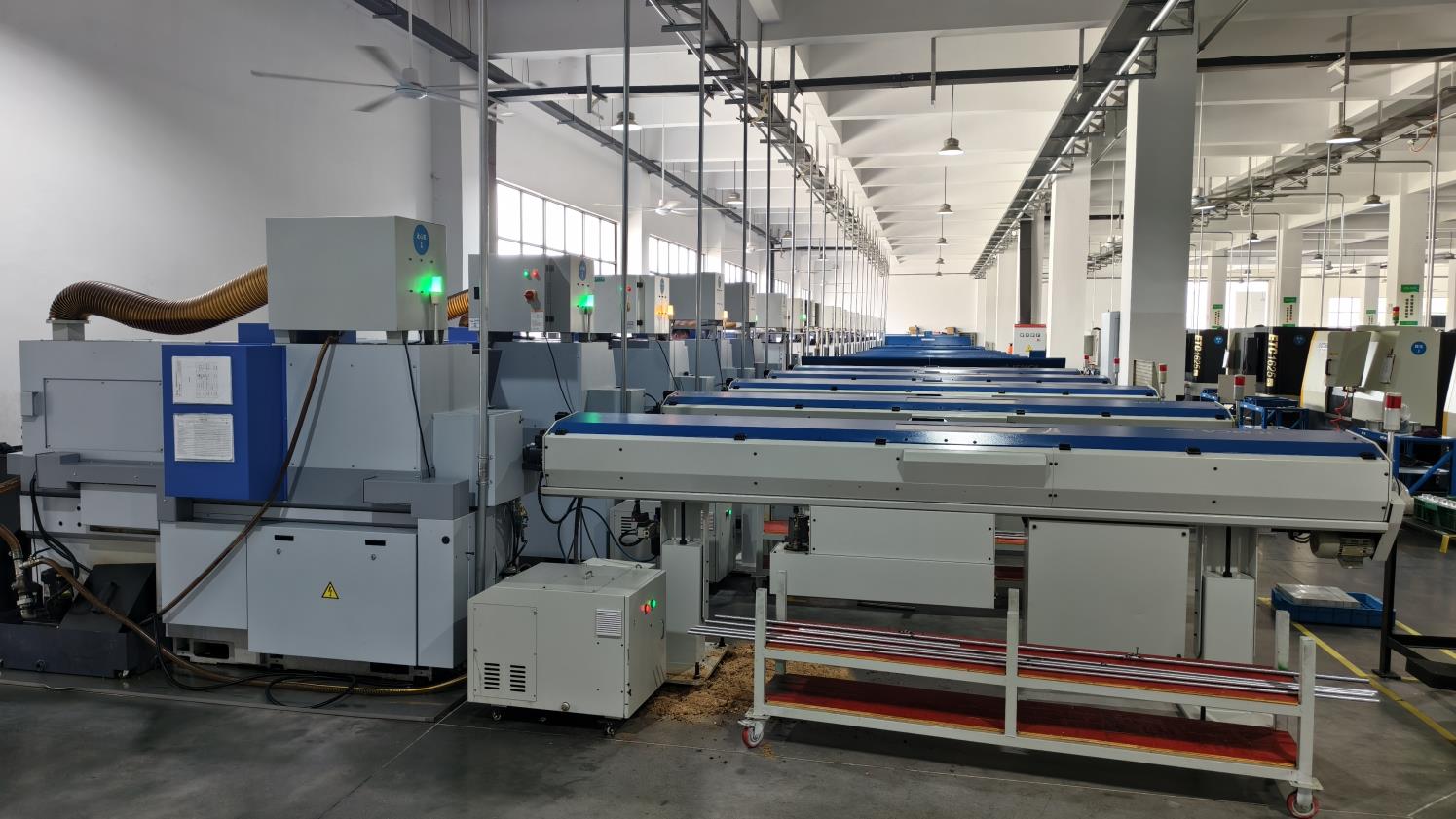
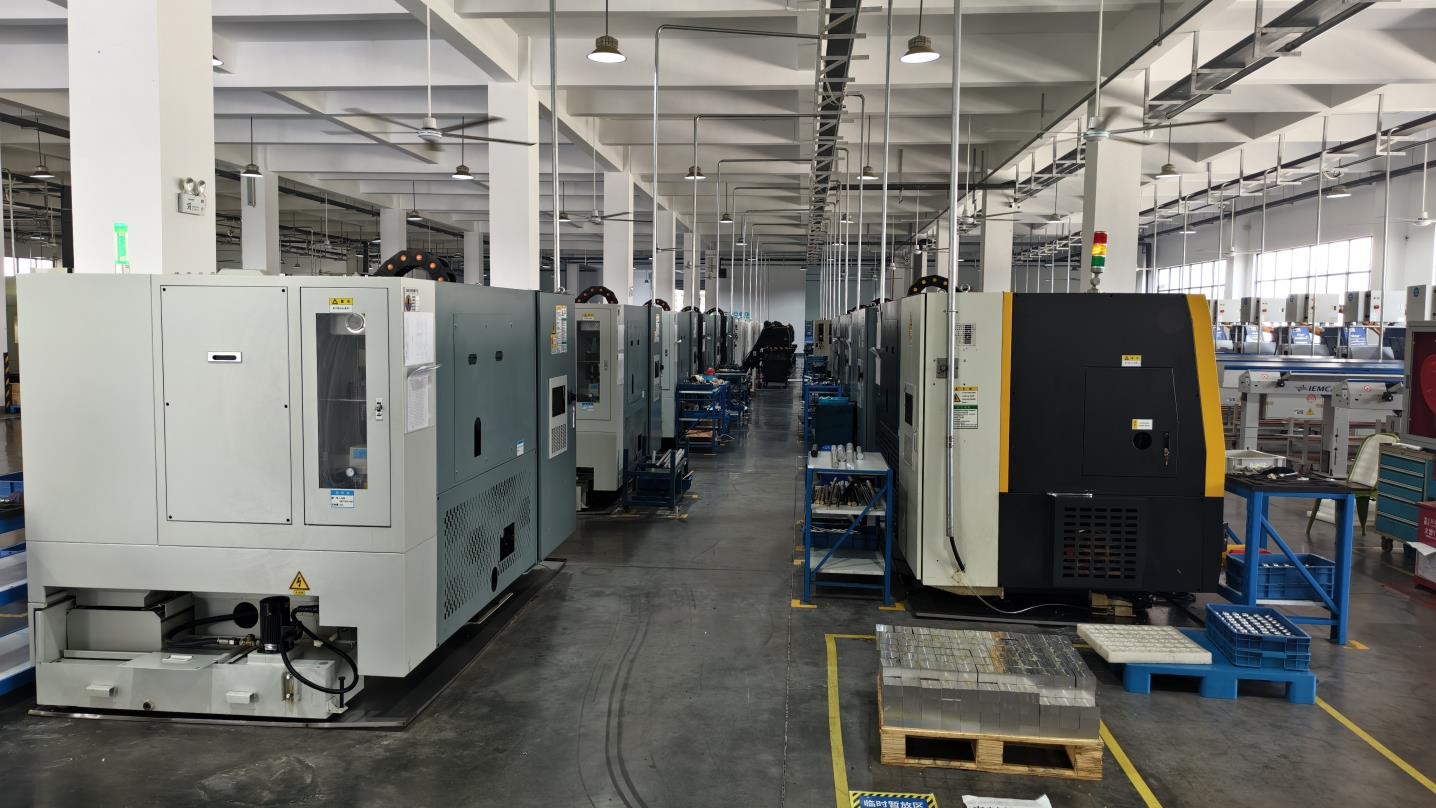
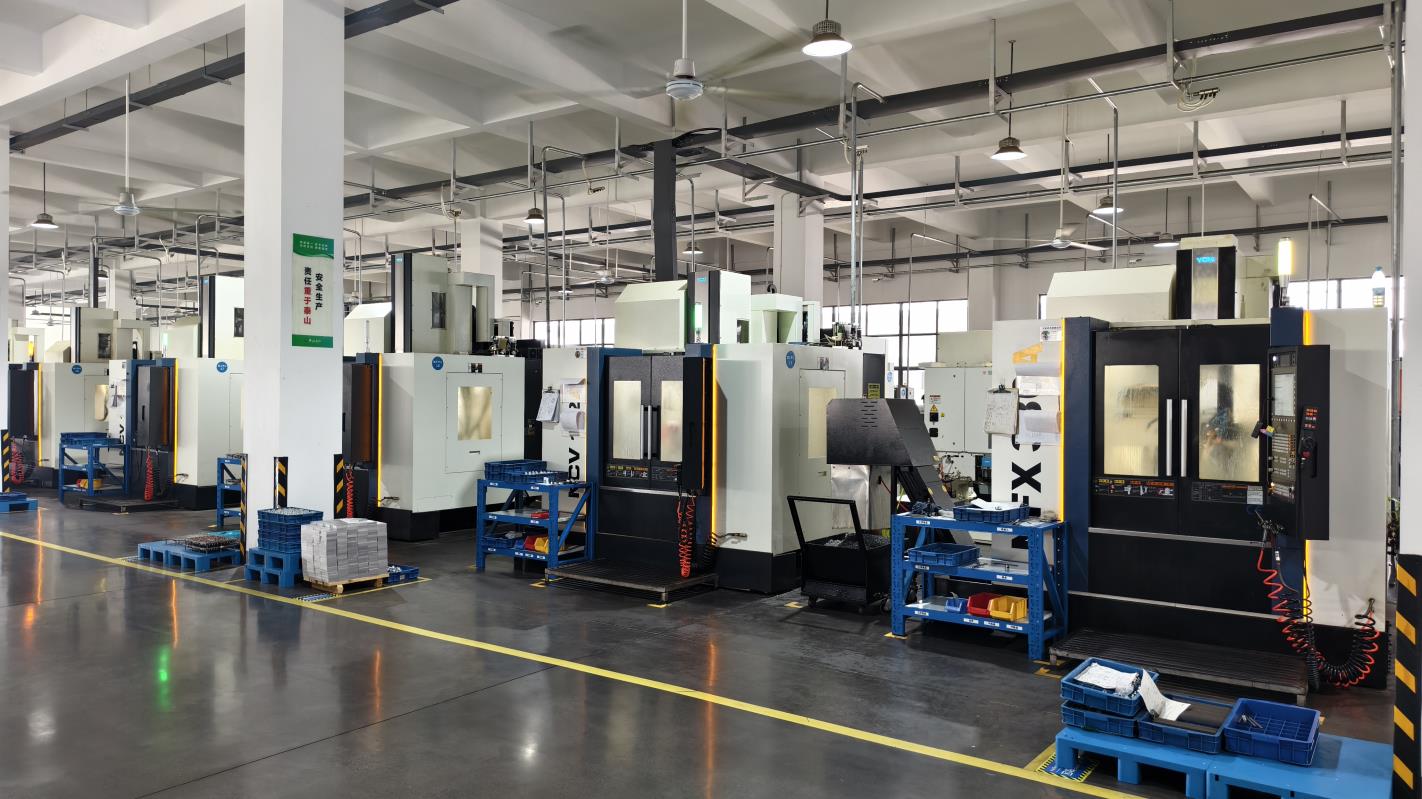
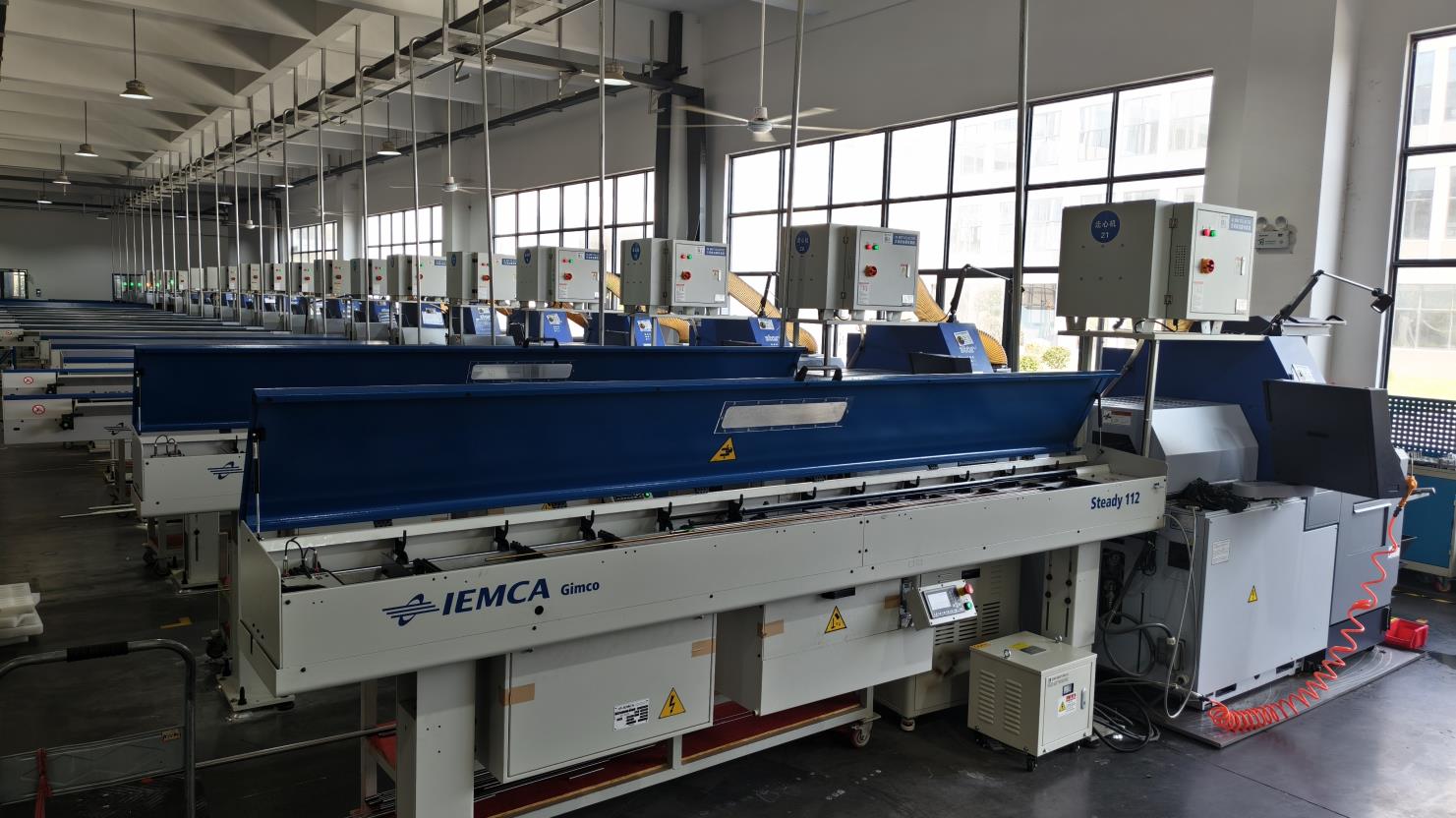
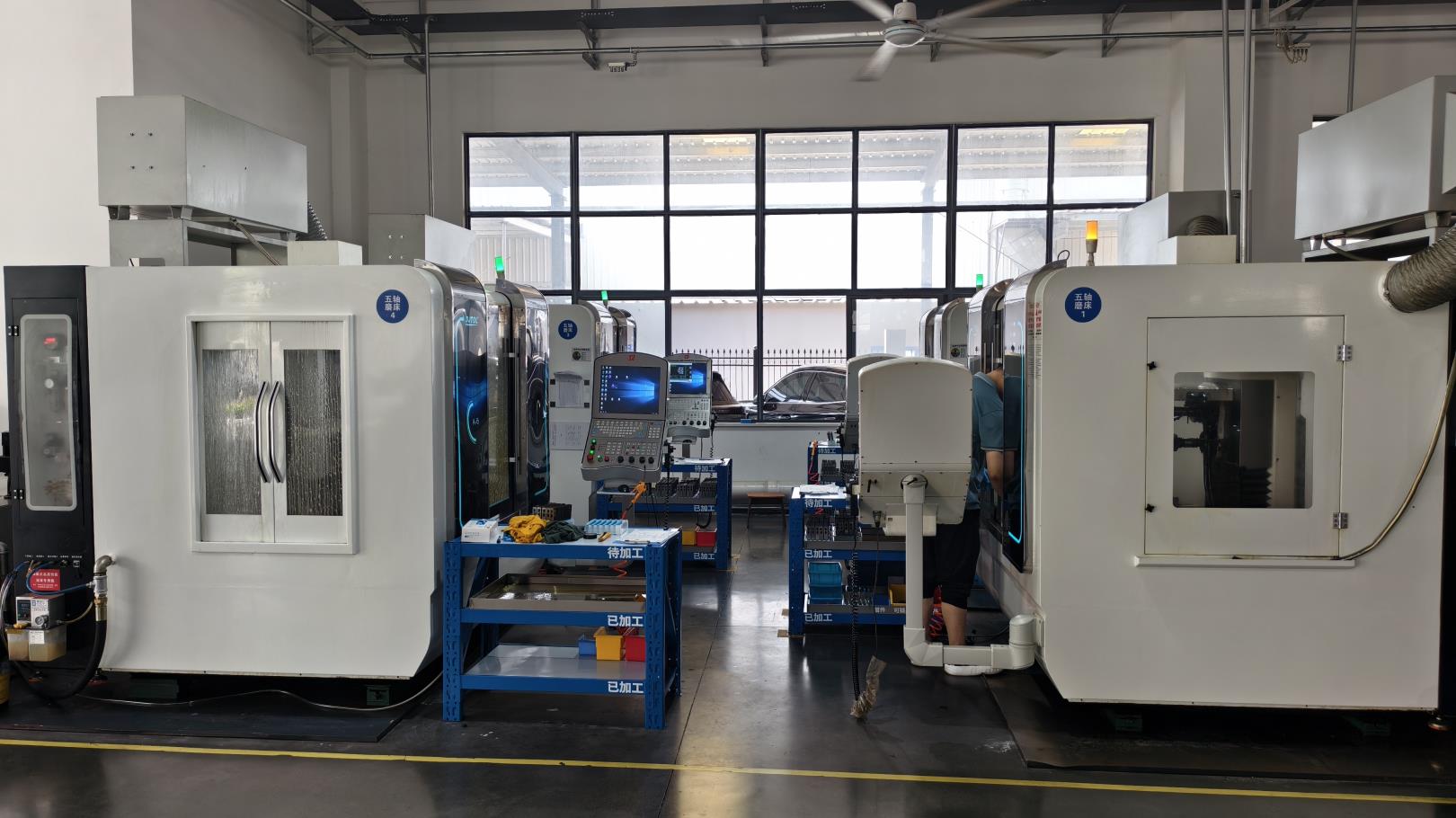
Moventra Medical Technology (China) Co., Ltd. stands at the forefront of this industrial transformation. Leveraging a modern 18,600 m² manufacturing plant equipped with cutting-edge German and Swiss production machinery, Moventra processes high-grade raw materials (including medical titanium, cobalt-chromium alloys, and PEEK polymers) into high-tolerance implants. Through continuous investment in research and development, Moventra ensures that its complete portfolio, ranging from external fixators to spinal cages, matches the rigorous engineering profiles required by traumatologists in Sydney and worldwide.
Below is the detailed operational data profile for Moventra, outlining our manufacturing capacities, engineering parameters, and global quality control frameworks. These metrics demonstrate our readiness to support high-volume hospital tenders and commercial distribution partnerships in Australia.
| Operational Dimension | Enterprise Specifications & Capability Details |
|---|---|
| Company Legal Entity | Moventra Medical Technology (China) Co., Ltd. (Brand: Moventra) |
| Founding Year & Legacy | Established in 2017 with 13 years of total orthopedic industry heritage. |
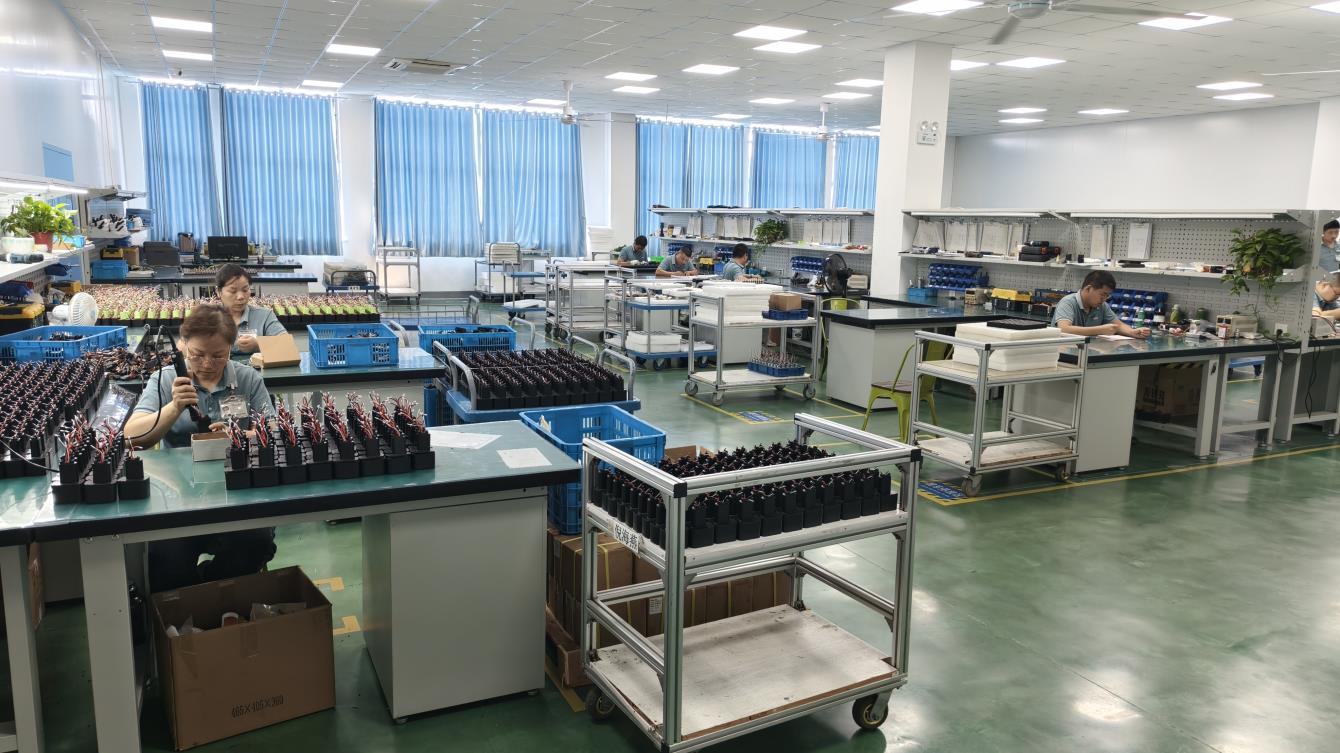
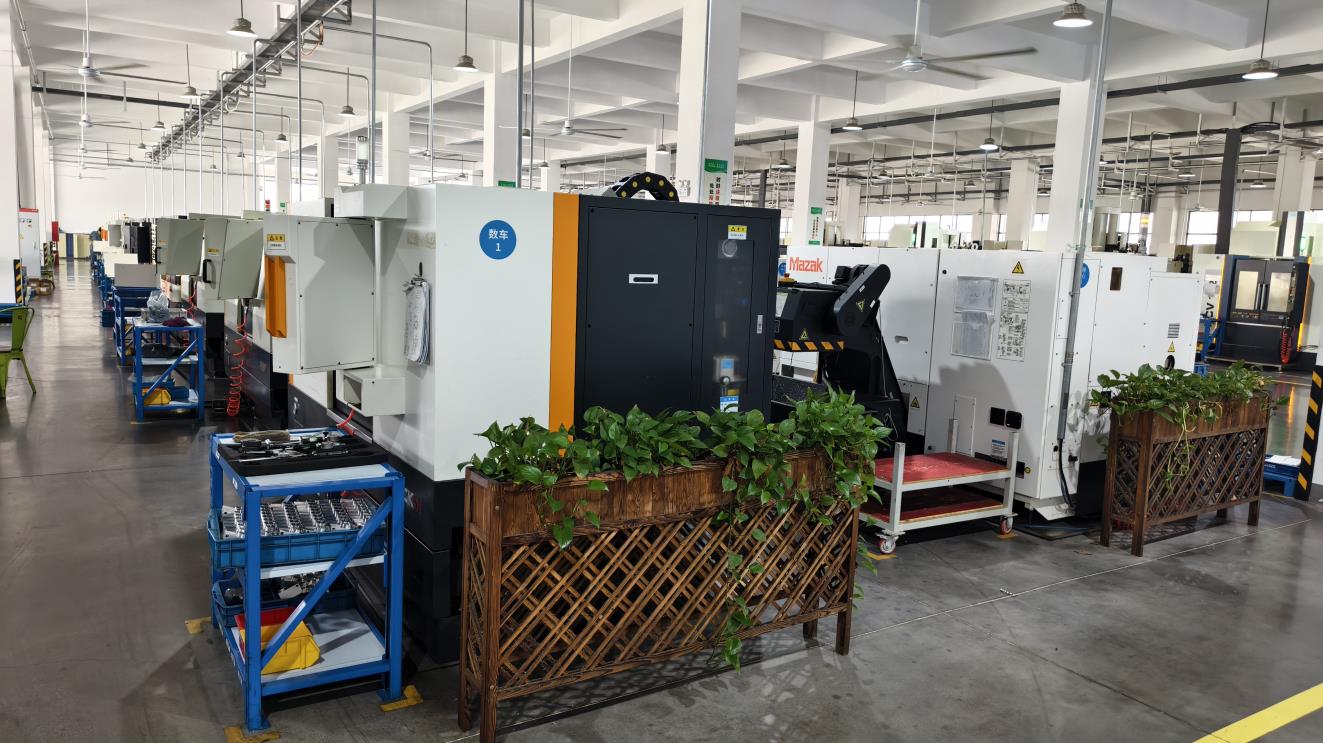
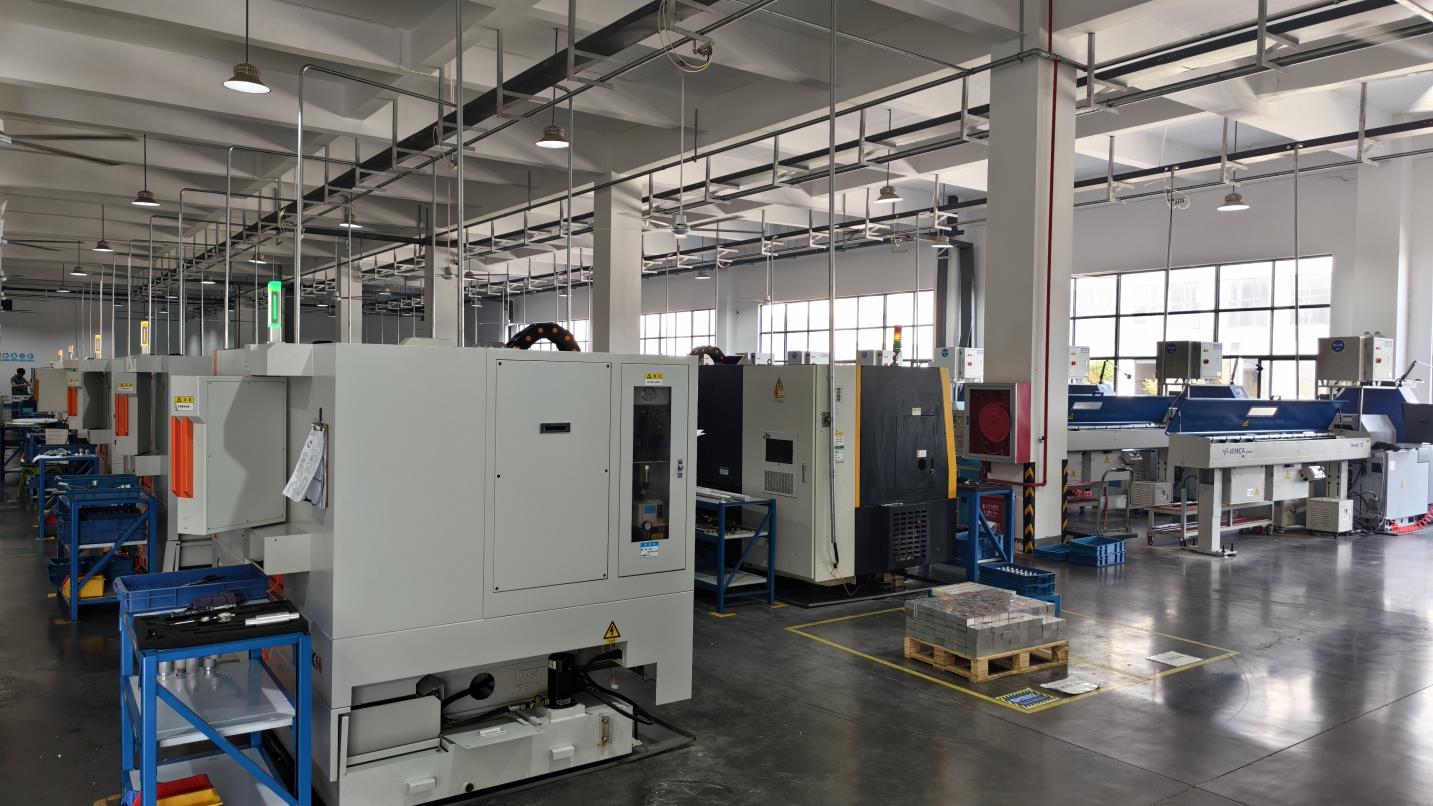
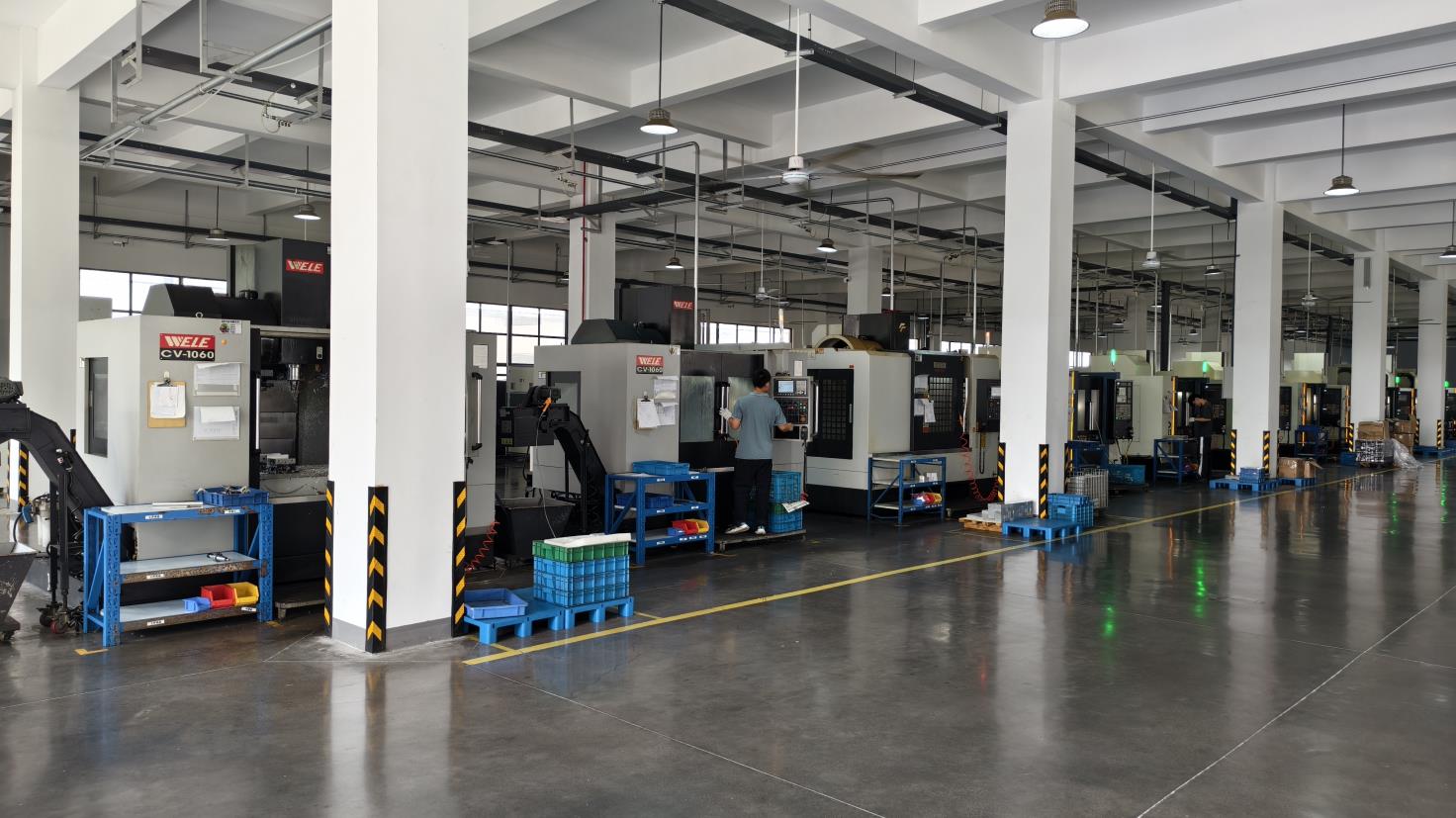
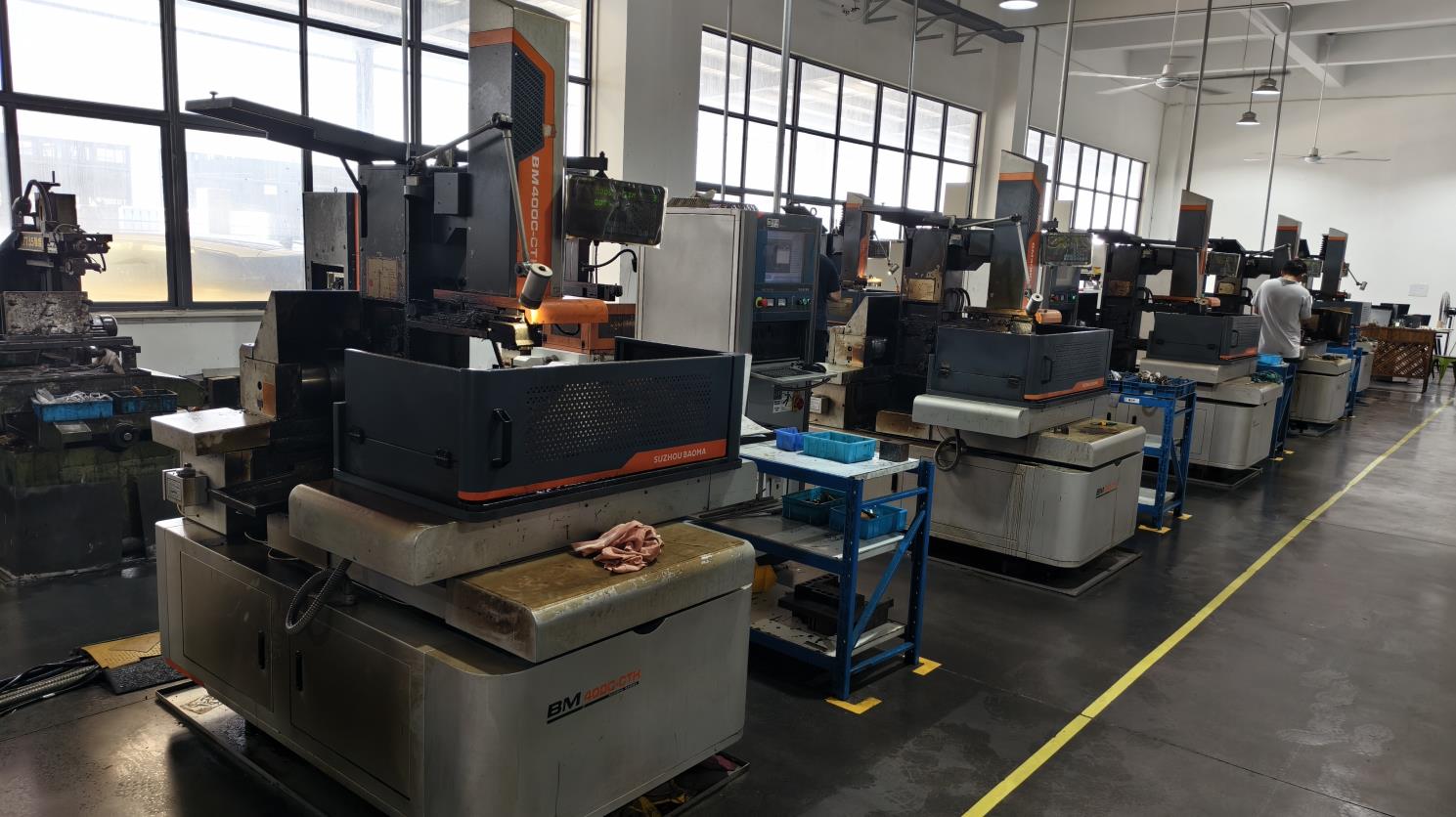
| Manufacturing Scale | 18,600 m² state-of-the-art facility featuring Swiss-type lathes and high-axis machining centers. |
| Core Quality System | 100% Quality Inspection Before Shipment. ISO 13485, CE, Class III compliant pathways. |
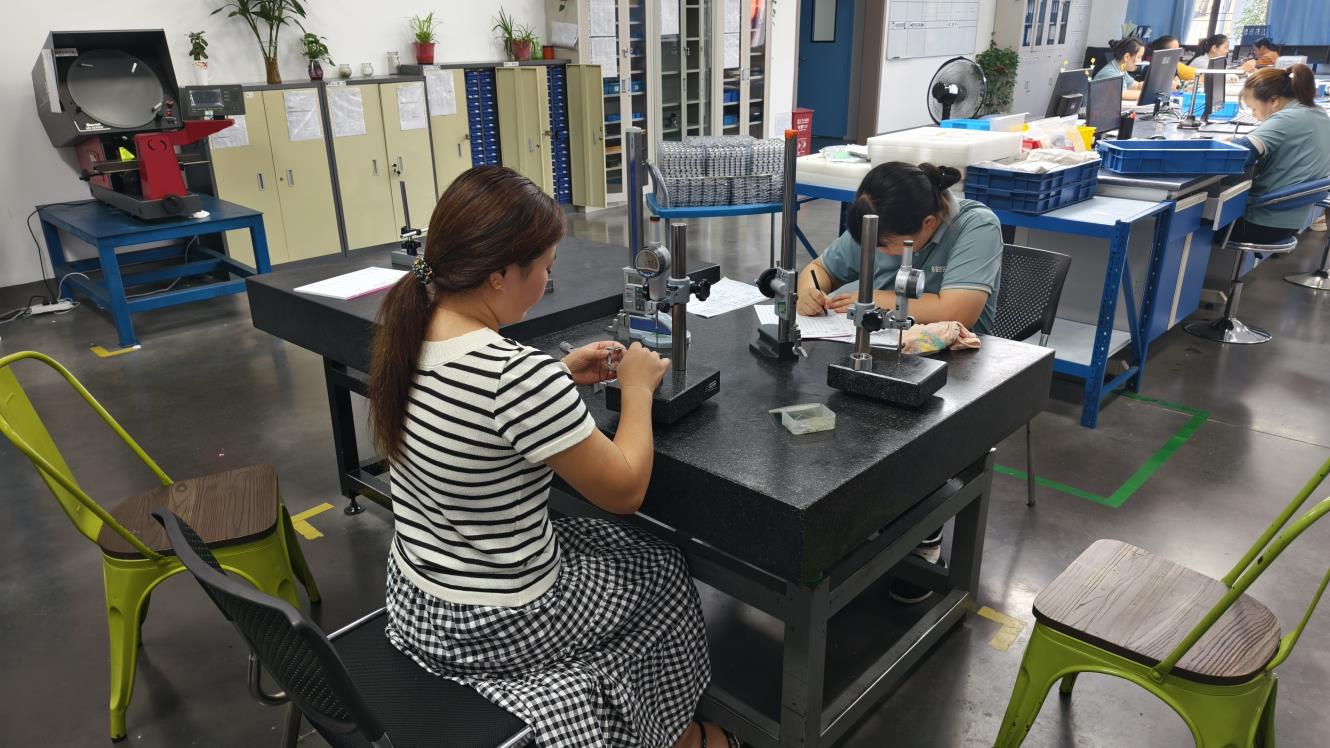
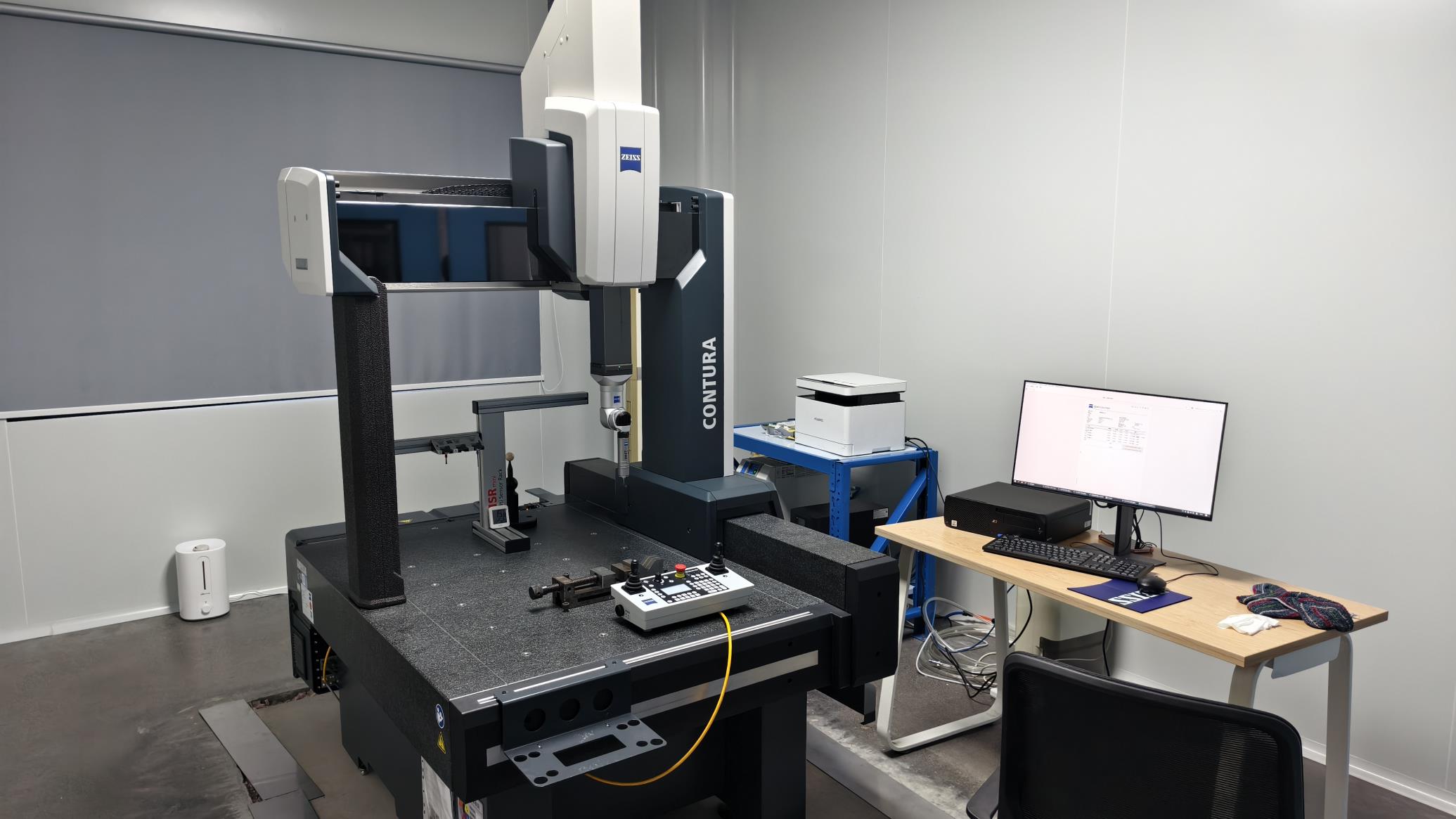
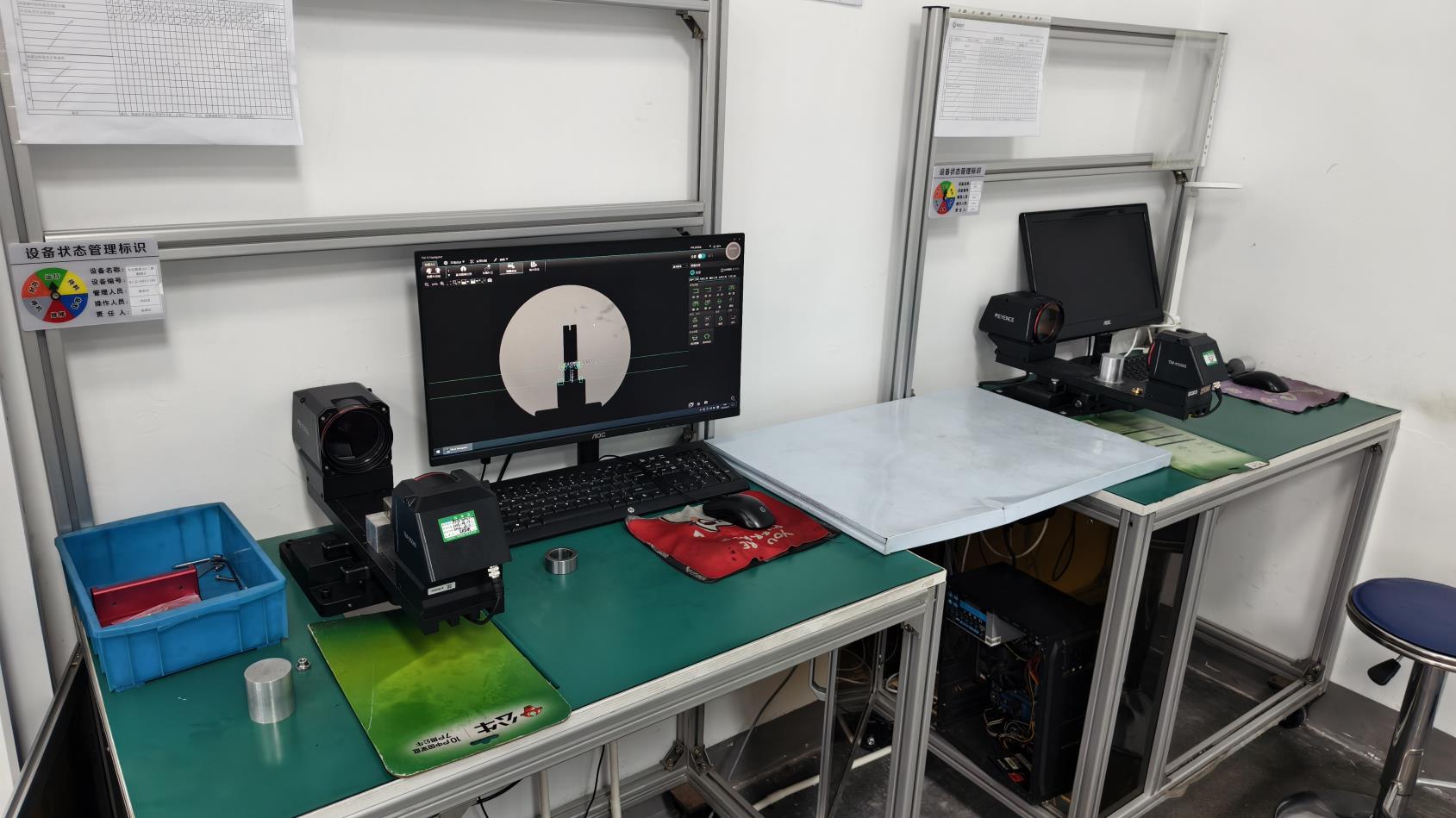
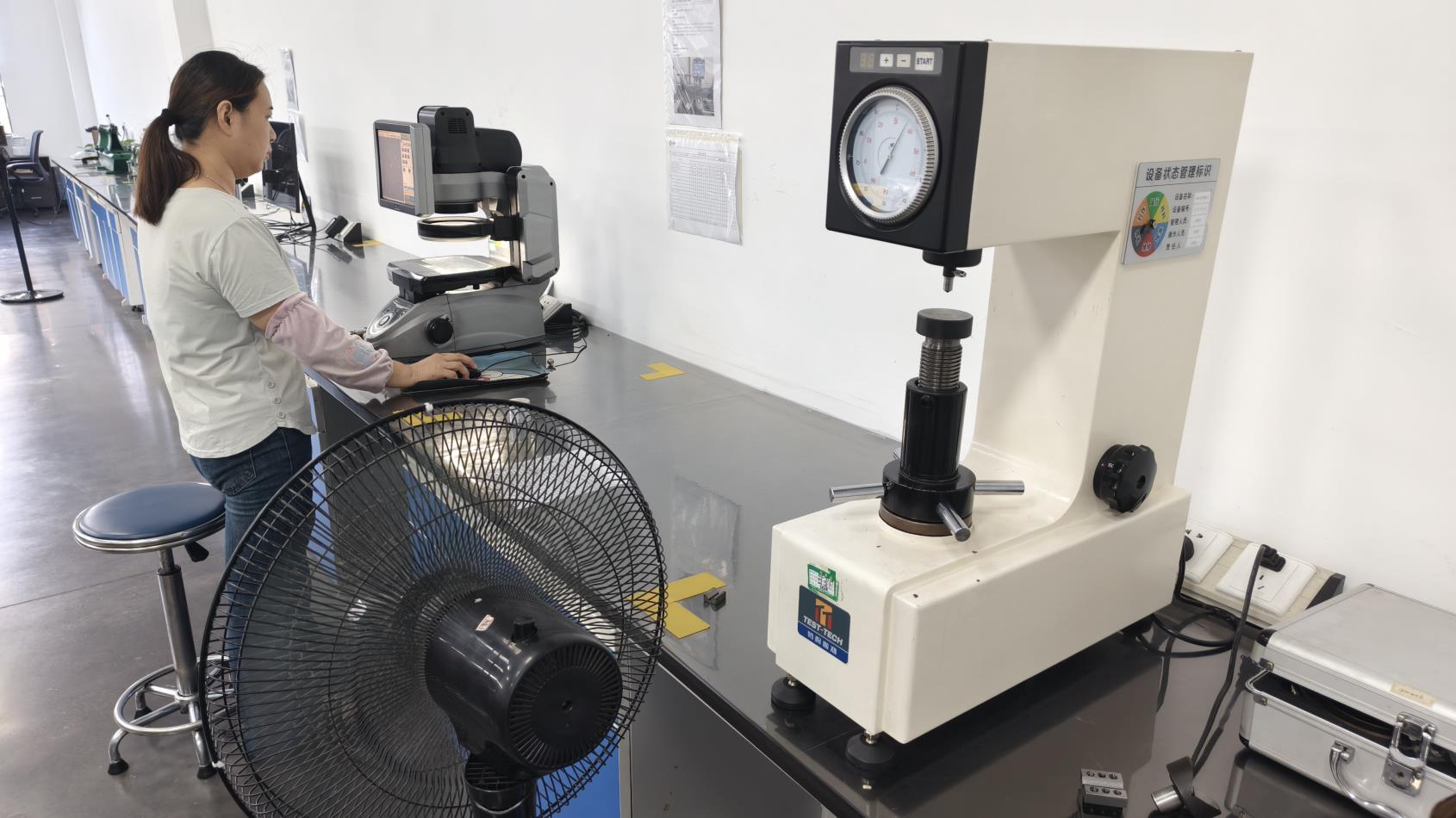
| Testing Methodologies | Dimensional Inspection, Material Analysis, Surface Finish Inspection, Mechanical Performance Testing, Sterility Verification. |
| Quality Control Staff | 48 dedicated QC inspectors and metrology engineers. |
| Operational Modality | Original Equipment Manufacturer (OEM), Original Design Manufacturer (ODM), and Global Exporter. |
| Primary Target Regions | North America, Europe, South America, Middle East, Southeast Asia, and Australia. |
| Supply Chain Network | 1,120 global supply chain partners and component sources. |
| Client Archetypes | Medical Device Brands, Orthopedic Distributors, Hospitals, Importers, Government Procurement Projects. |
| Innovation Output | 156 new orthopedic and trauma products released in the last calendar year. |
| Engineering R&D Team | 86 R&D engineers specializing in biomechanics, rapid prototyping, and custom titanium design. |
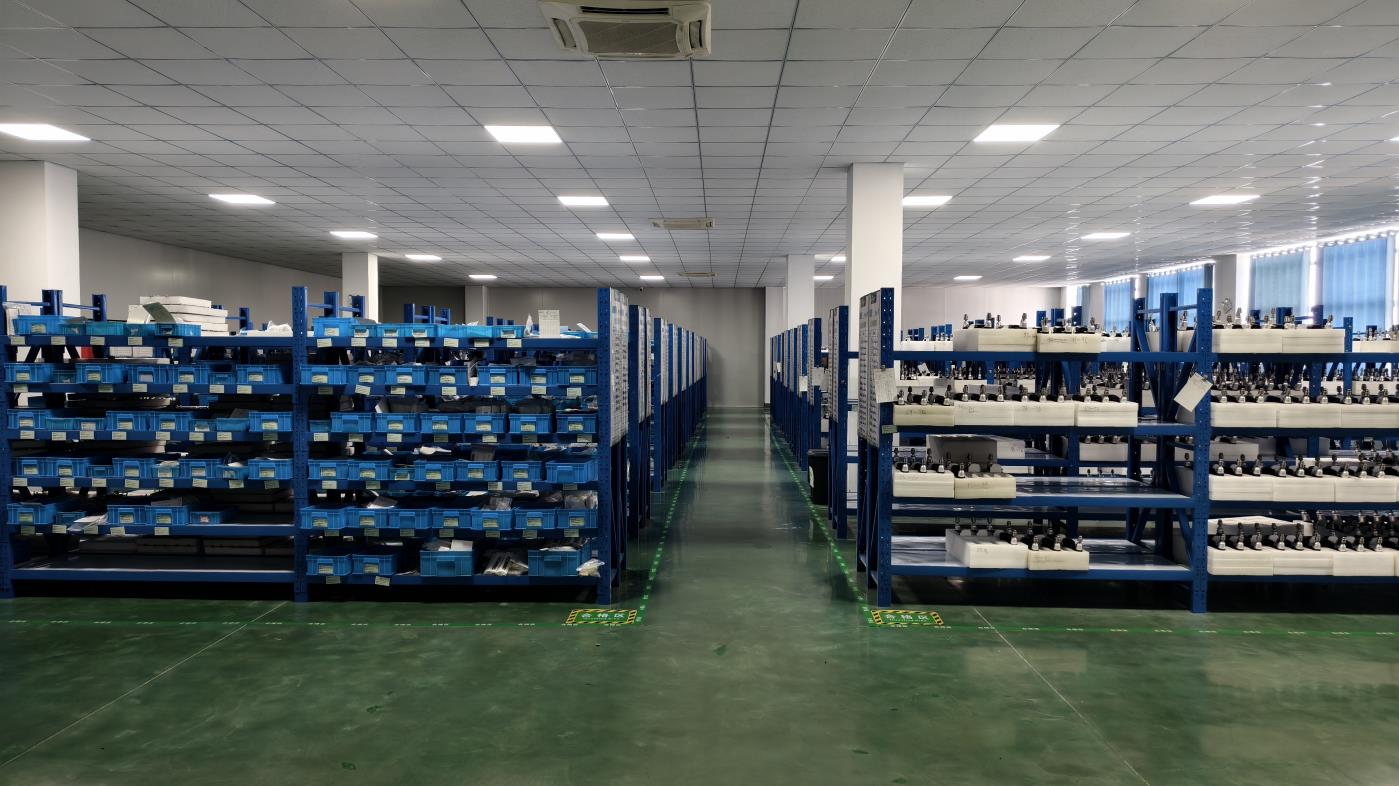
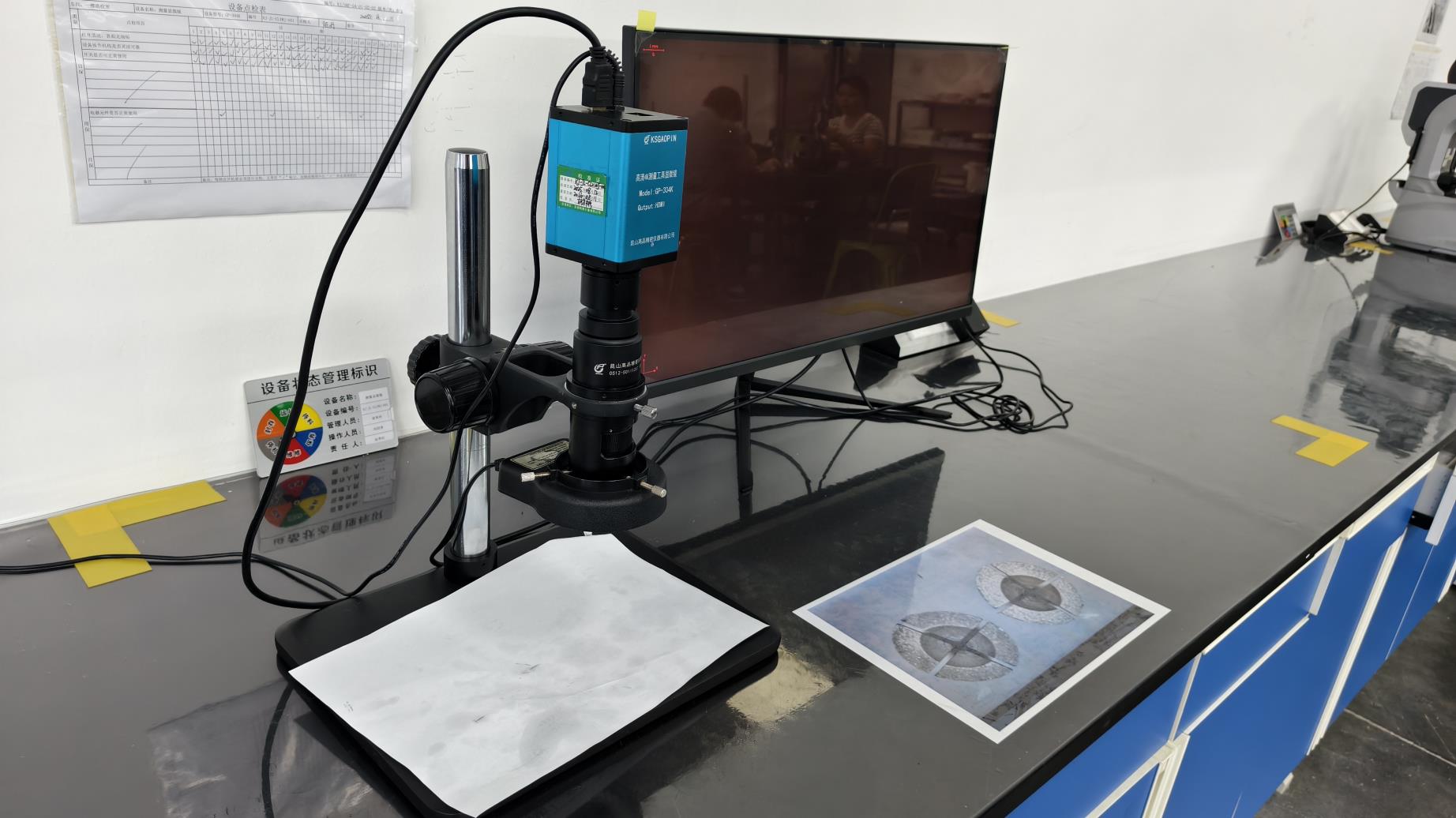
Explore our modern production environments where high-precision medical machinery guarantees microns-level tolerances on all orthopedic components.
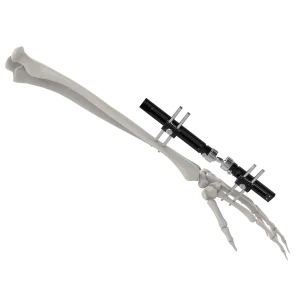
Sydney's motorways and industrial ports generate complex trauma profiles requiring immediate damage control surgery. High-stability modular frames allow surgeons at metropolitan trauma hubs to stabilize compound fractures rapidly within the 6-hour surgical window.
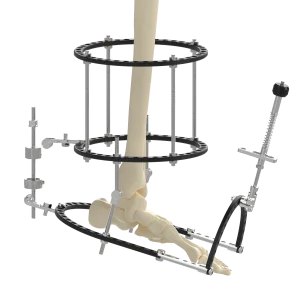
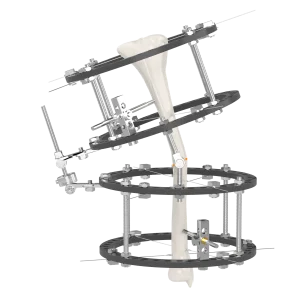
Utilizing spatial circular ring fixators (based on the Ilizarov and Taylor Spatial principles), clinical units in Sydney execute precise axial, rotational, and angular corrections. This is critical for pediatric bone anomalies and post-traumatic reconstructive cases.
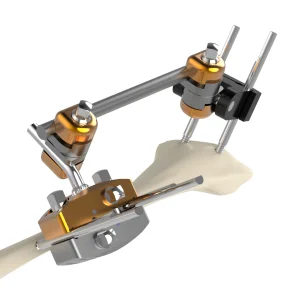
Miniature external fixators are optimized for metacarpal and phalanx reconstruction. Sydney hand surgery specialists leverage these systems for secure wire fixation without compromising the delicate vascular networks in small bone structures.
The next generation of external fixation design shifts from static stabilization to smart, dynamic biological monitoring. Moventra is actively exploring the integration of wireless strain sensors within carbon-fiber rods to measure callus stiffness in real time, providing objective data on fracture healing directly to the clinician's mobile dashboard.
Simultaneously, the development of patient-specific, 3D-printed titanium pin clamps is set to reduce the bulk of external frames by up to 35%. This optimization enhances patient comfort, improves mobilization indices, and reduces post-operative rehabilitation timelines.
Biomedical engineering trends focus heavily on mitigating the risk of bacterial colonization along transcutaneous pins. Our materials science pipeline includes silver-ion plasma-assisted chemical vapor deposition (PACVD) and advanced anodization techniques. These modifications alter the surface energy of titanium alloy pins, preventing biofilm formation while promoting soft-tissue integration at the skin interface.
Furthermore, the introduction of radiolucent PEEK (Polyetheretherketone) components into modular frame clamps allows for unobstructed radiographic evaluation of the healing bone callus. This ensures that surgeons can monitor the fracture site in multiple planes without visual artifacts.
We furnish all critical technical documentation, including ISO 13485 quality system certificates, biocompatibility studies (ISO 10993), and mechanical validation reports (ASTM F1541) necessary to expedite TGA listing processes.
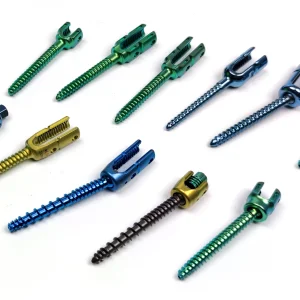
Leveraging our 86-strong engineering team, we provide comprehensive customization options. These include specialized thread geometries for bone pins, custom color anodization for clamp identification, and private-label packaging solutions.
Importers can choose between cleanroom bulk supply or individually sterile-packaged kits (gamma irradiation or EO sterilized) designed for immediate deployment in hospital operating theaters.
 Moventra Medical