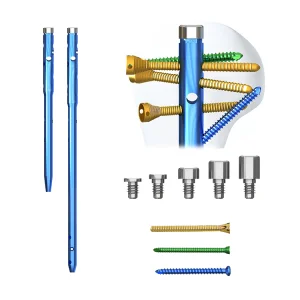
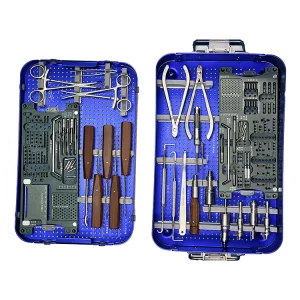
Engineered to the highest mechanical specifications, ensuring ultimate structural compatibility and wear resistance.
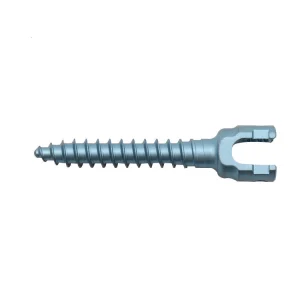
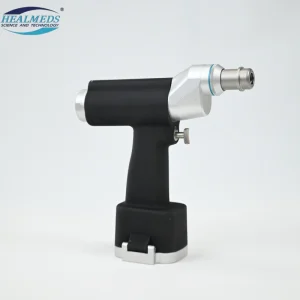
Deep insight into clinical efficacy, material science advancements, and international market requirements.
Understanding wear patterns in Metal-on-Polyethylene (MoP) interfaces is crucial. Modern THA relies heavily on Cobalt-Chromium-Molybdenum (CoCrMo) alloy femoral heads paired with Ultra-High-Molecular-Weight Polyethylene (UHMWPE) or Highly Crosslinked Polyethylene (XLPE/HXLPE) liners to minimize debris release.
The global demand for total hip arthroplasty (THA) is increasing rapidly due to aging populations. Modern medical distributors require robust supply chains, CE/FDA clearance, and biocompatibility verification to secure municipal and healthcare procurement tenders.
To access global healthcare networks, manufacturers must provide strict regulatory assurances, including ISO 13485 certifications, biocompatibility documentation (ISO 10993), and fatigue test profiles under ASTM F2003 protocols.
Total Hip Arthroplasty (THA) is widely recognized as one of the most successful surgical procedures of the last half-century. However, the lifespan of a hip prosthesis is primarily limited by wear at the articulation interface, leading to aseptic loosening. Historically, standard UHMWPE liners underwent significant mechanical wear, shedding microscopic polyethylene particles. These particles initiate an osteolytic inflammatory cascade, culminating in bone resorption and eventual implant failure.
"The integration of Highly Cross-linked Polyethylene (HXLPE), stabilized using thermal annealing or antioxidant addition (such as Vitamin E), has drastically reduced volumetric wear rates by up to 80-90% compared to traditional polymers, offering a viable lifetime option for younger and more active patients."
Our manufacturing philosophy addresses this tribological challenge at the root. By pairing premium-grade CoCrMo (Cobalt-Chromium-Molybdenum) alloys refined via vacuum-melting with highly crosslinked, sterile-irradiated polyethylene components, Moventra delivers components with surface roughness properties (Ra) below 0.01 micrometers for femoral heads. This micro-finish limits frictional coefficients and optimizes fluid-film lubrication under varying load scenarios.
Since 2017, delivering precision-manufactured implants to global distributors, hospitals, and medical supply chains.
Moventra Medical Technology (China) Co., Ltd. is a professional manufacturer specializing in the research, development, production, and global supply of orthopedic medical devices and surgical solutions. Established in 2017, the company is dedicated to delivering innovative, high-quality products for trauma, spine, joint reconstruction, sports medicine, and orthopedic surgical procedures.
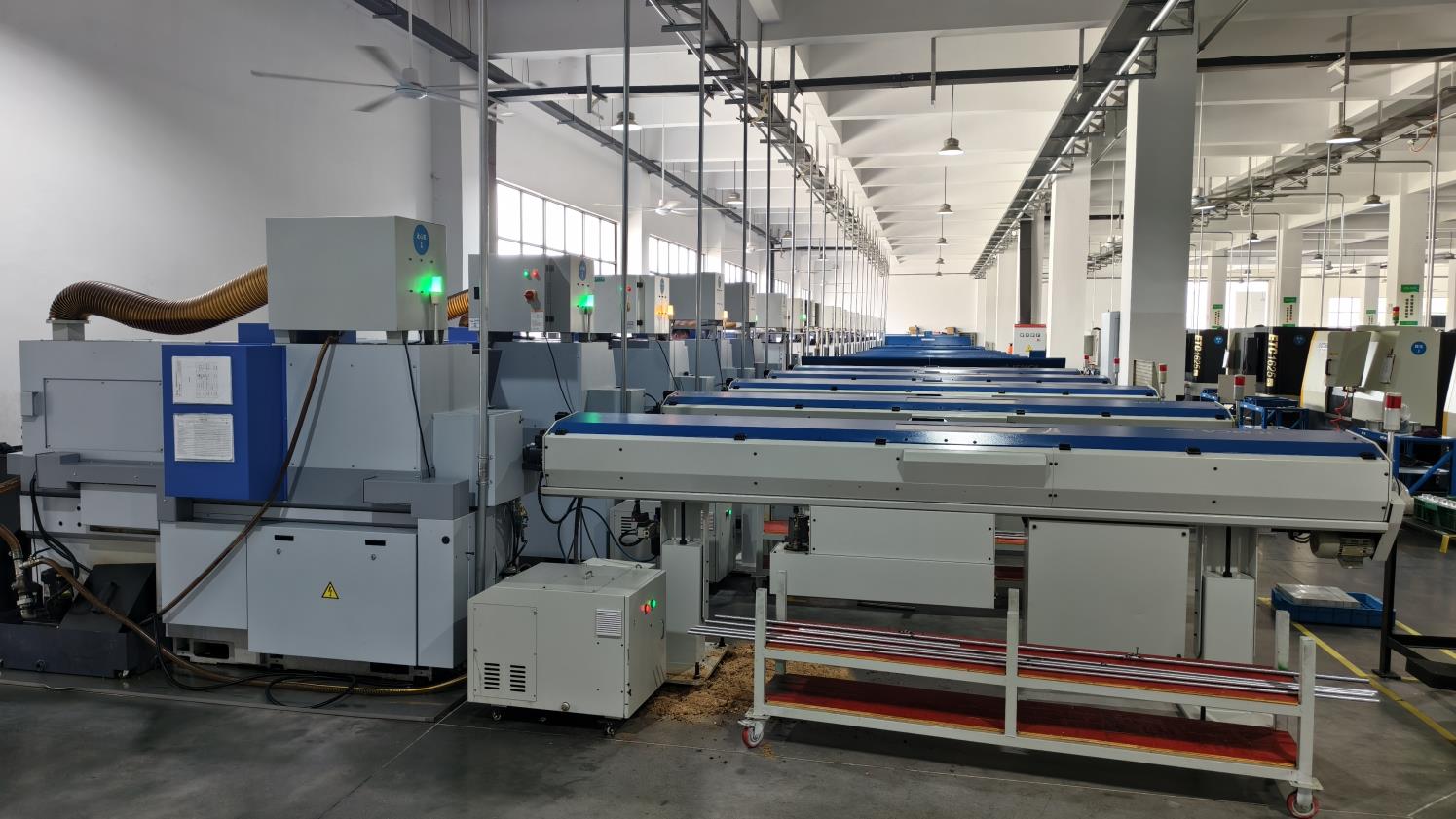
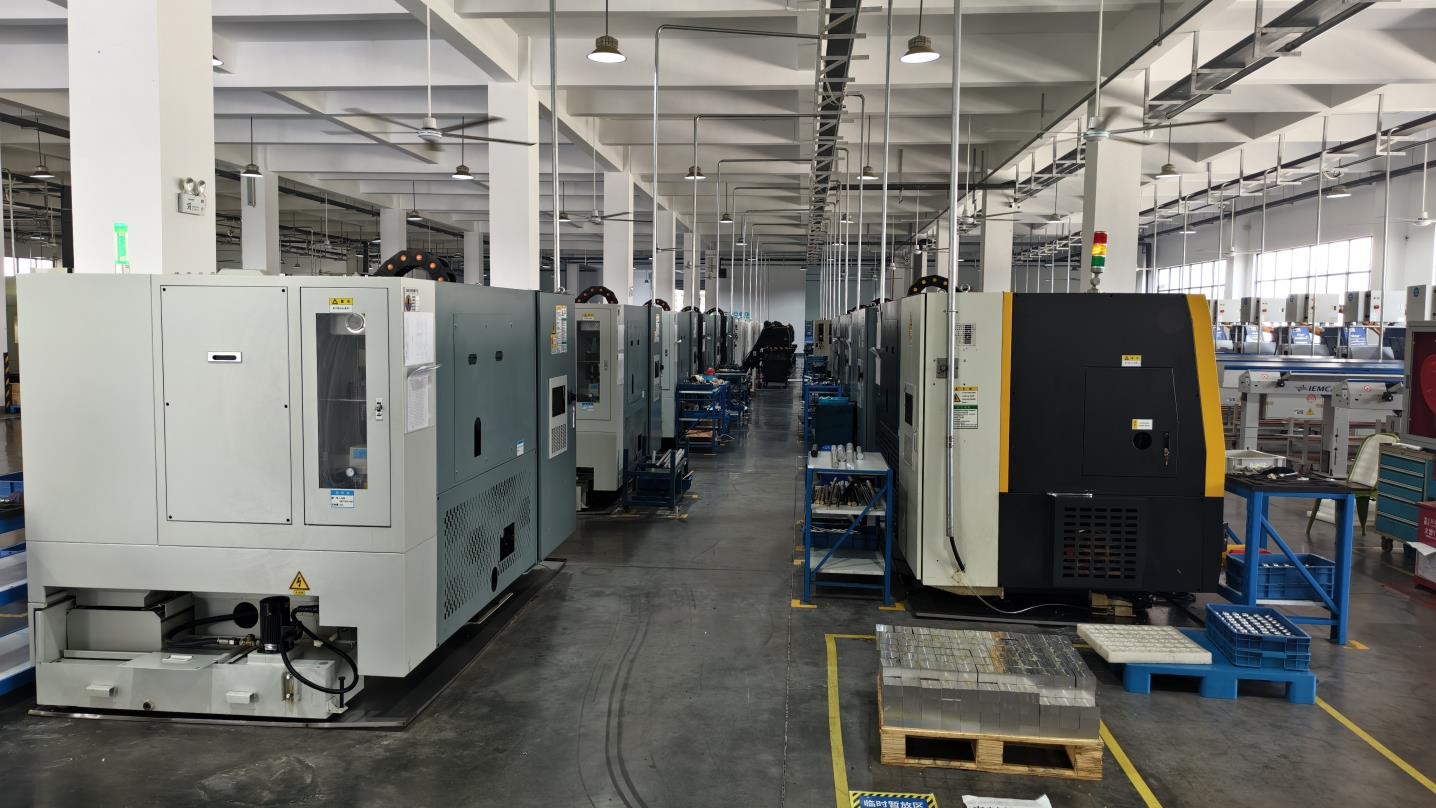
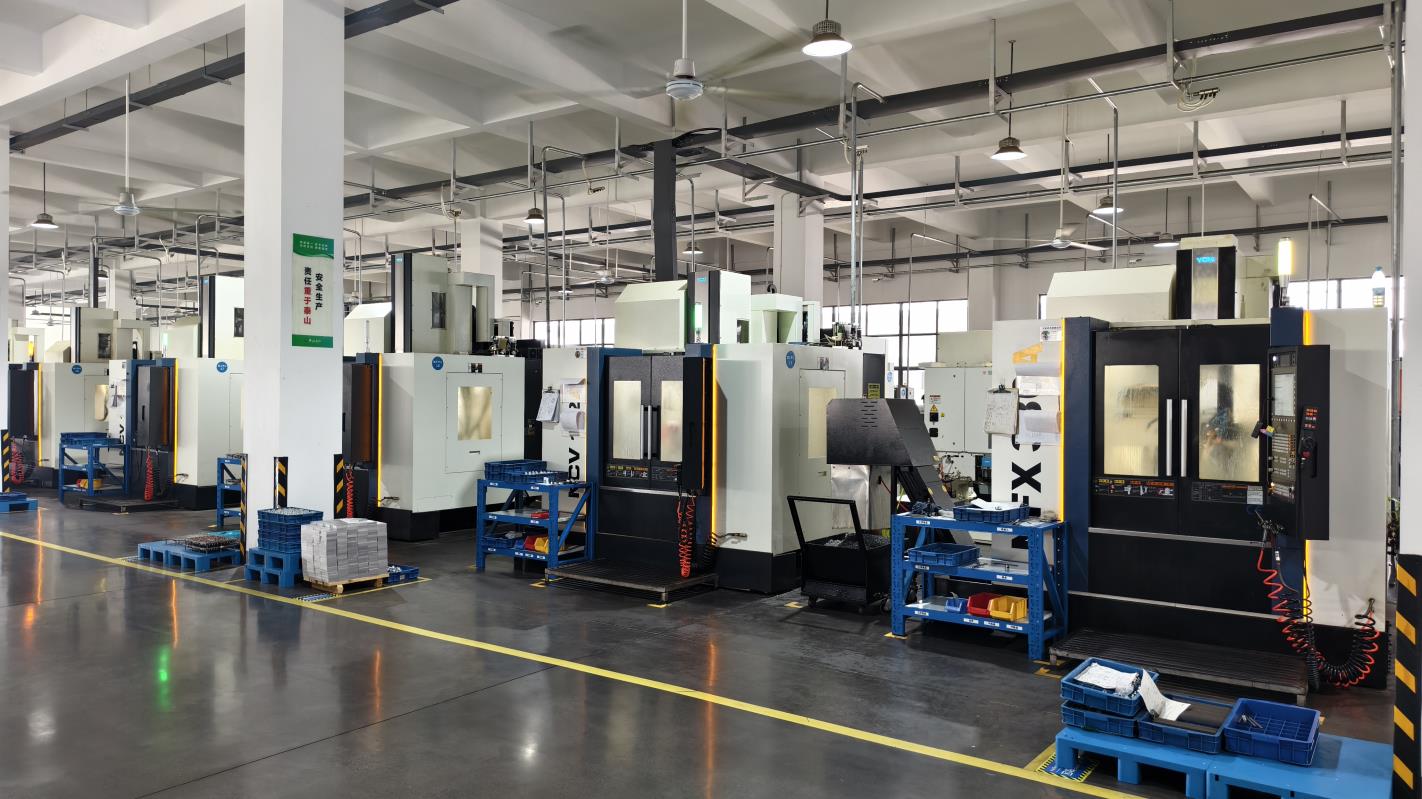
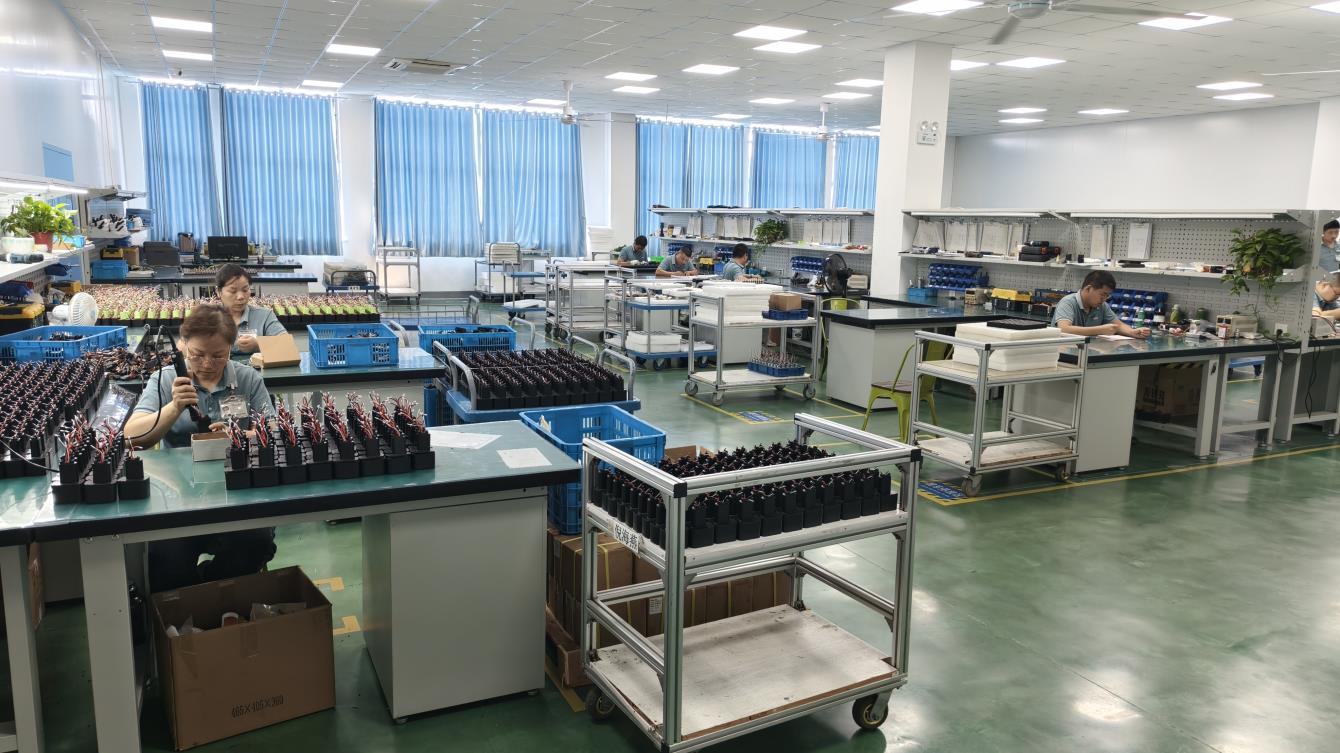
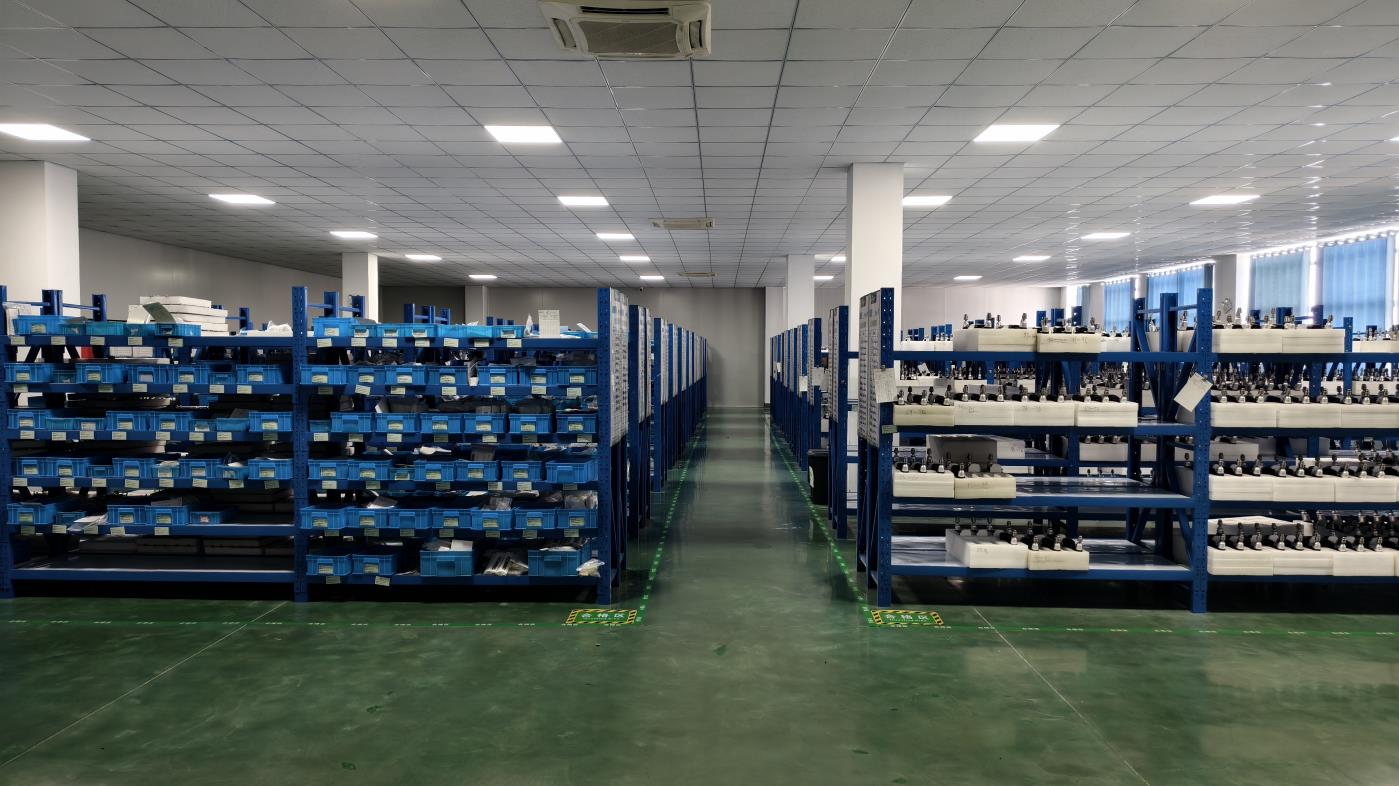
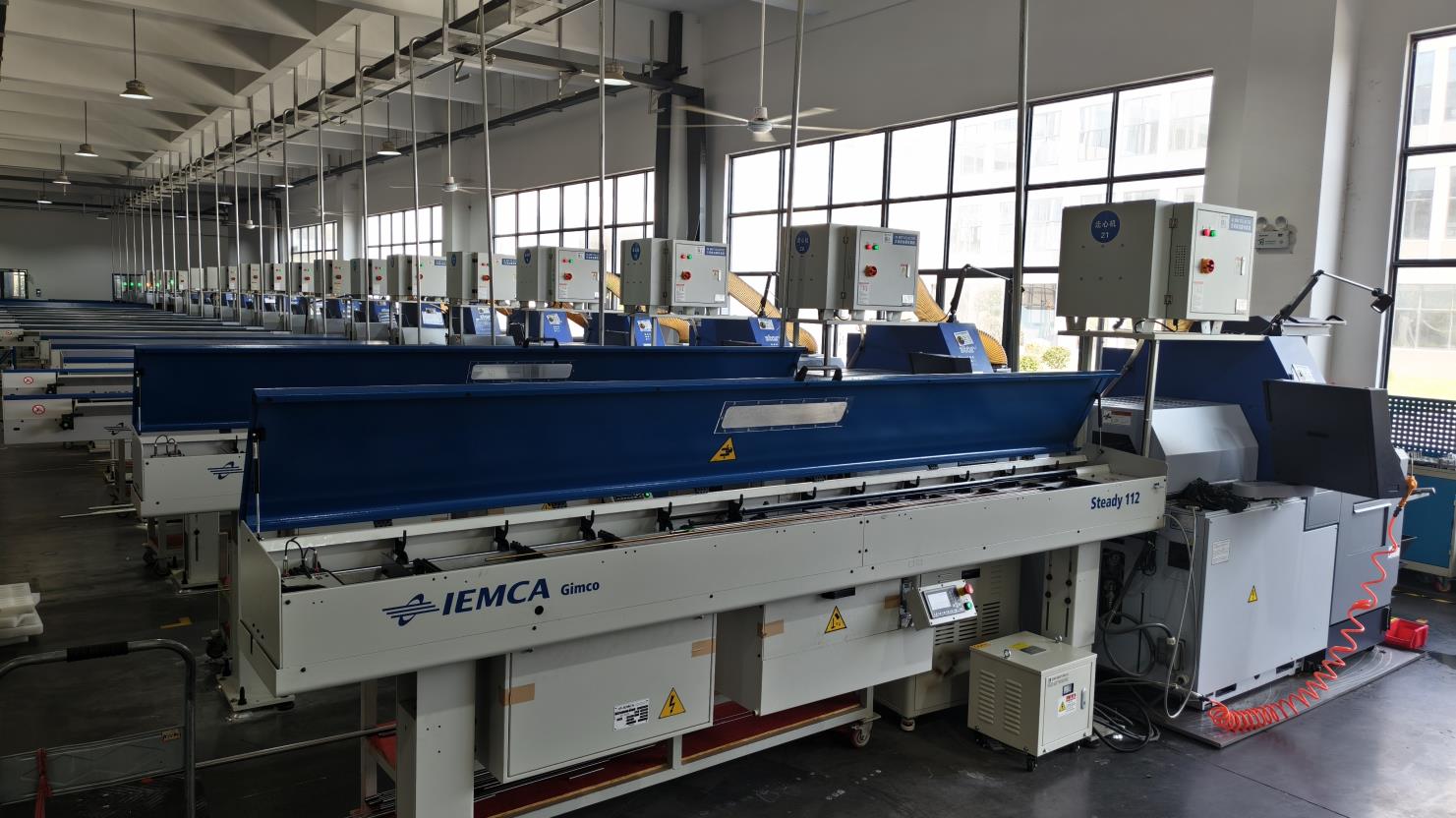
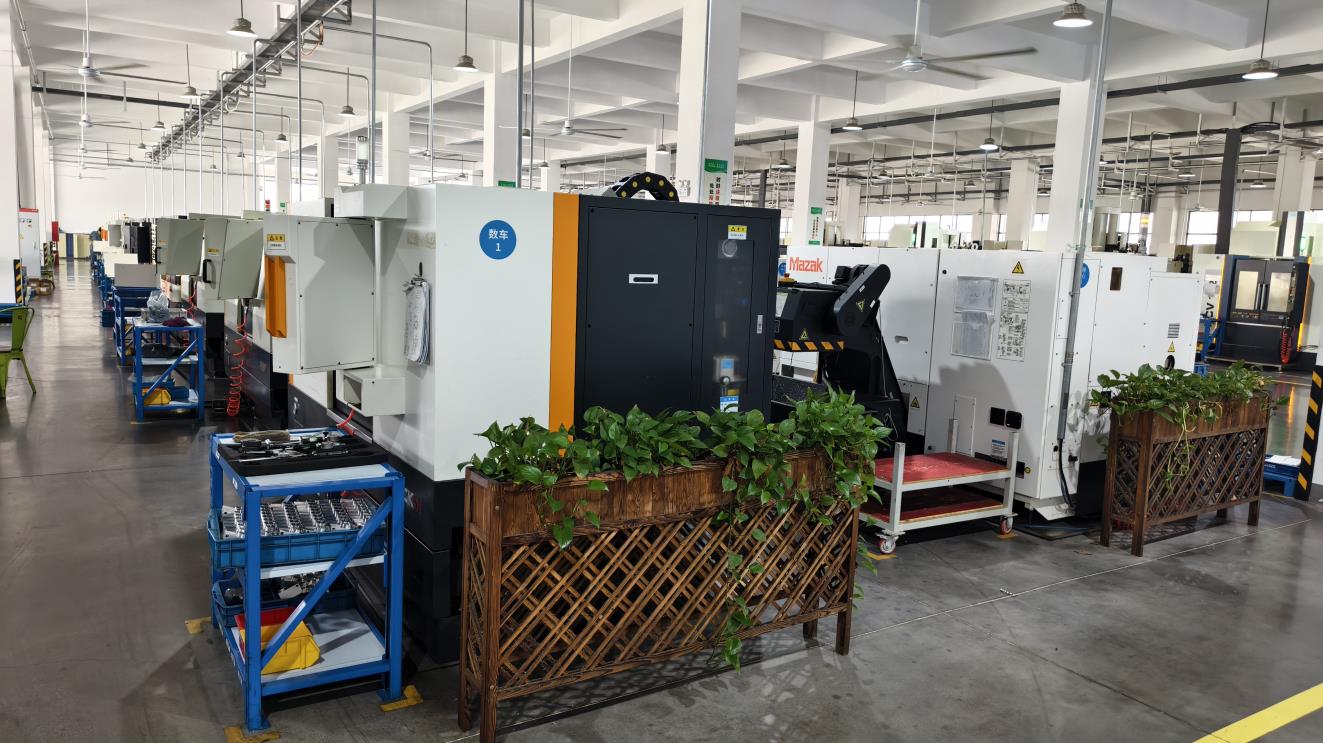
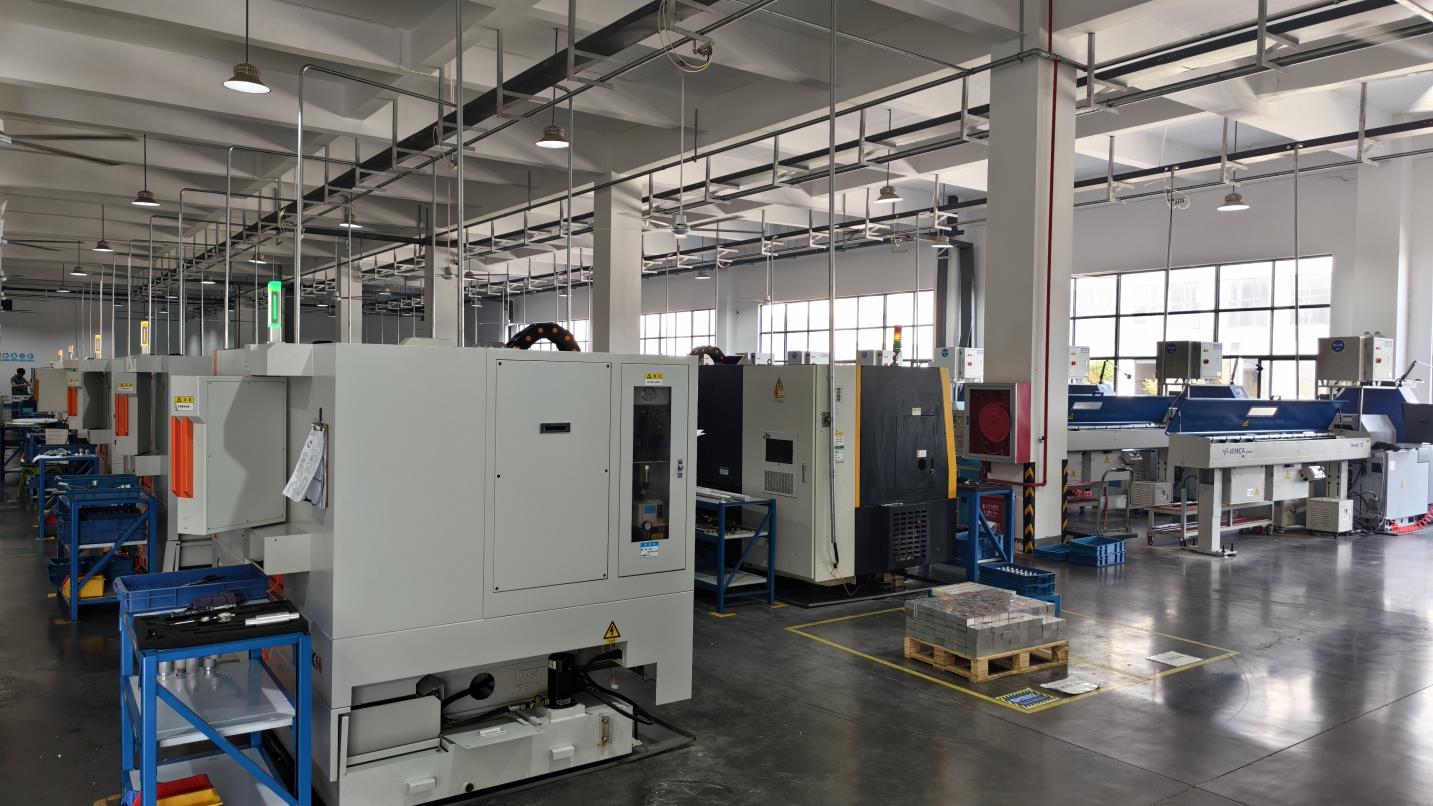
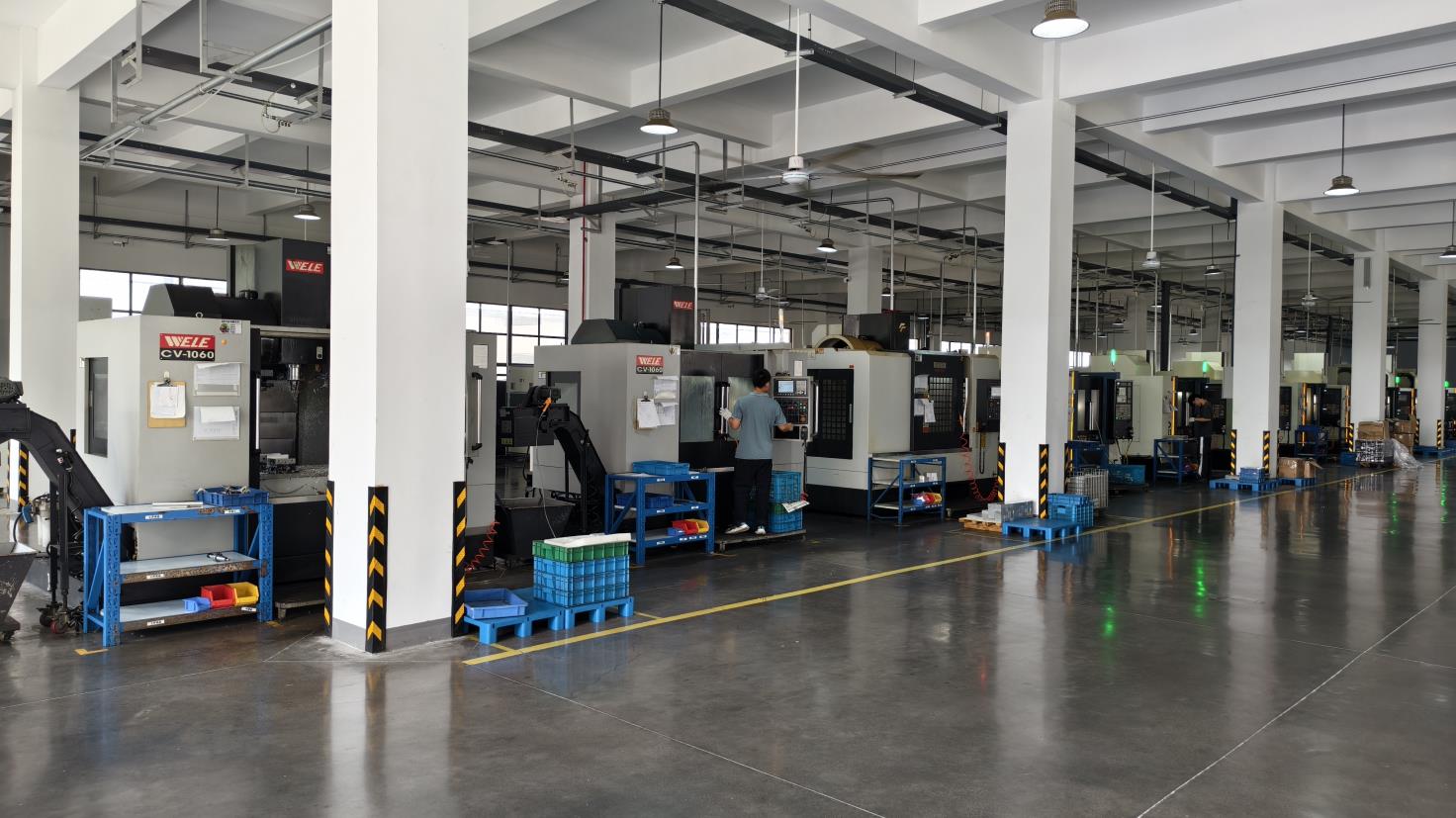
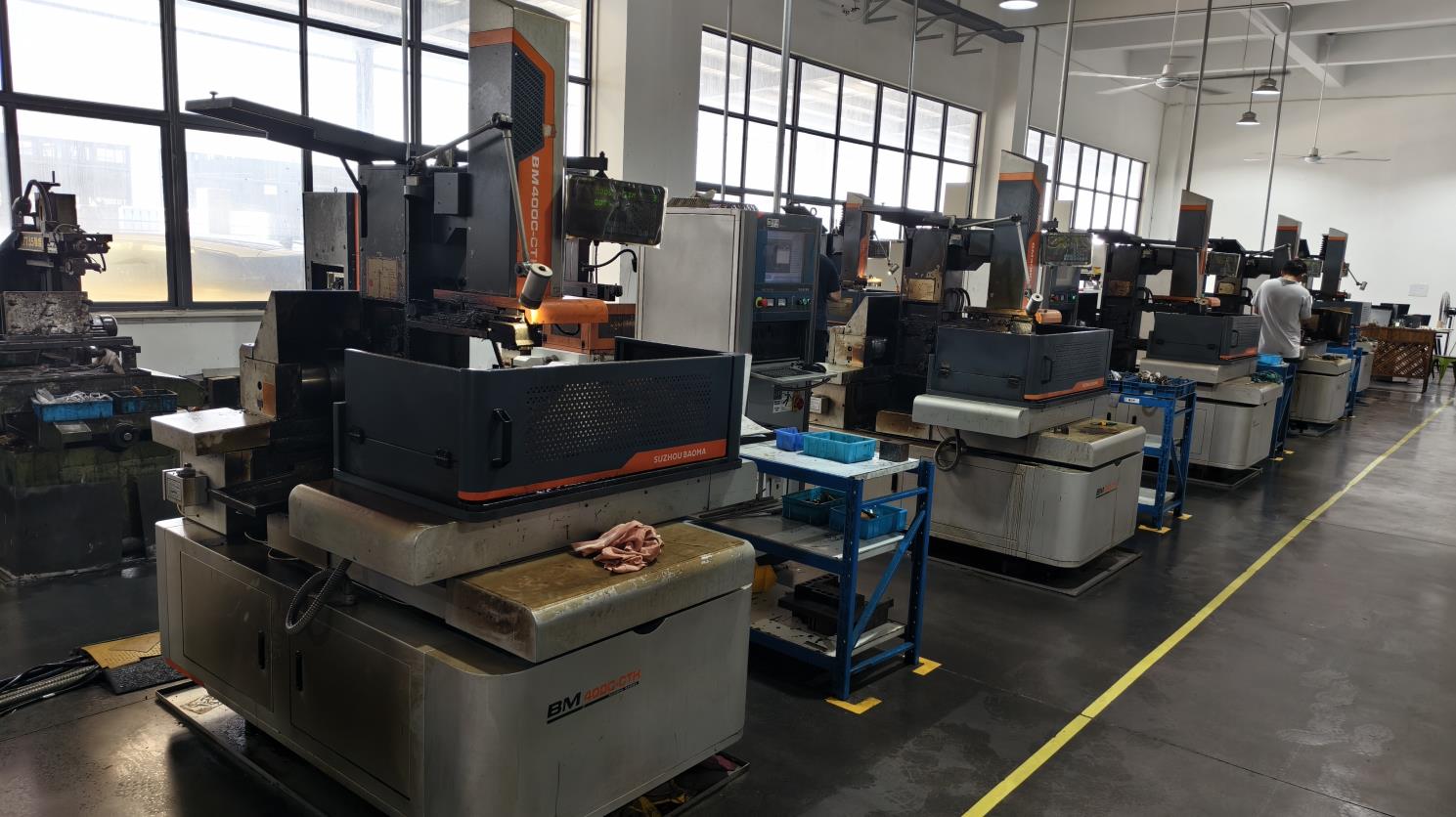
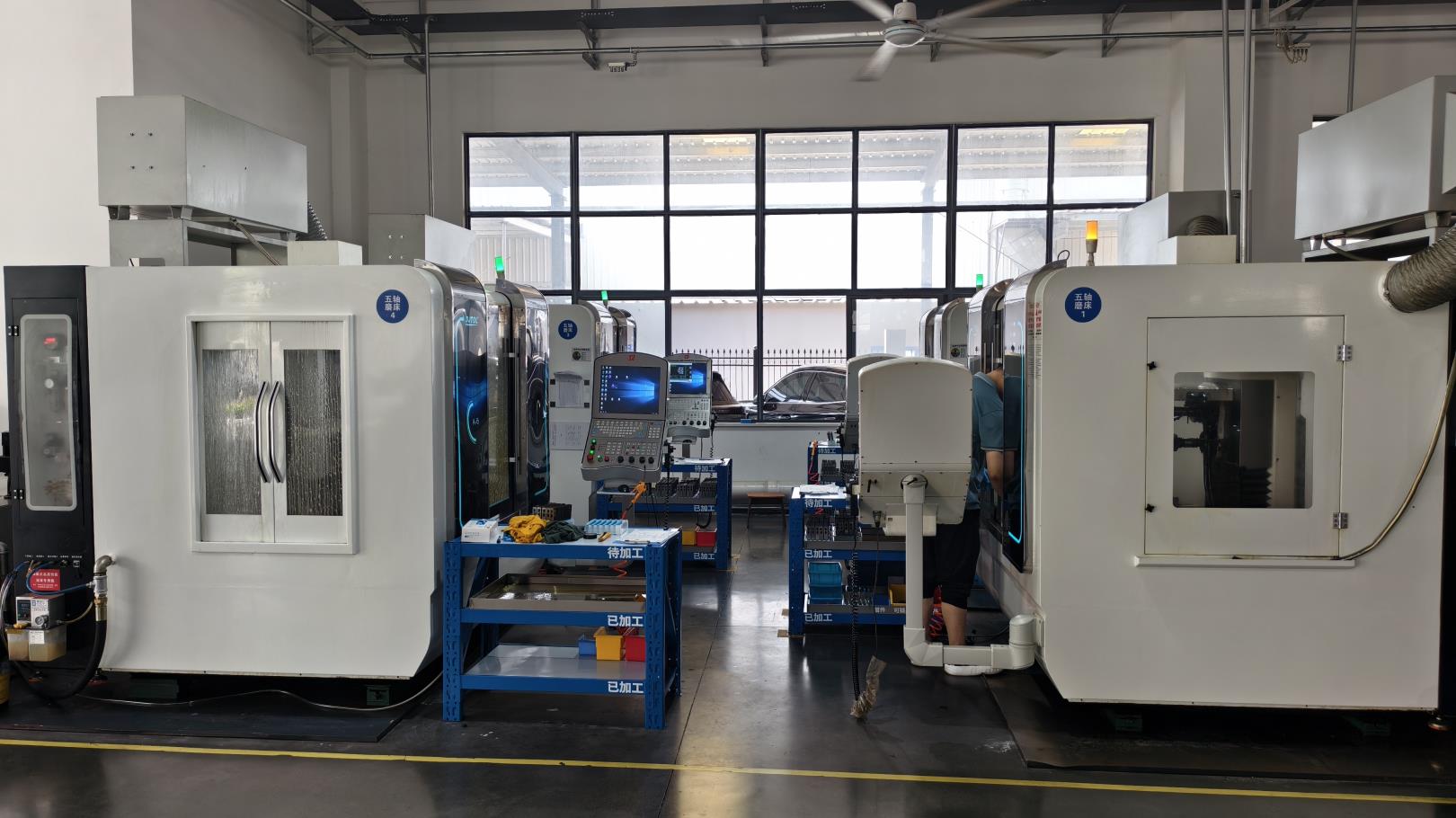
With a modern manufacturing facility covering 18,600 m², Moventra integrates advanced CNC machining, precision manufacturing, automated production lines, and strict quality management systems to ensure every product meets international medical standards. Our commitment to continuous innovation enables us to provide reliable OEM and ODM services for global medical device brands, distributors, and healthcare institutions.
A transparent overview of our testing methods, customization capacities, and organizational structure.
| Corporate Parameter | Details & Standard Specifications |
|---|---|
| Company Name | Moventra Medical Technology (China) Co., Ltd. |
| Brand / Identity | Moventra |
| Established Year | 2017 |
| Facility Footprint | 18,600 m² Integrated Production and Cleanroom Facility |
| Export Logistics Experience | 7 Years Global Export Coverage |
| Industry Experience | 13 Years of Technical Orthopedic Manufacturing expertise |
| Quality Control Personnel | 48 dedicated QC Inspectors and Quality Assurance Engineers |
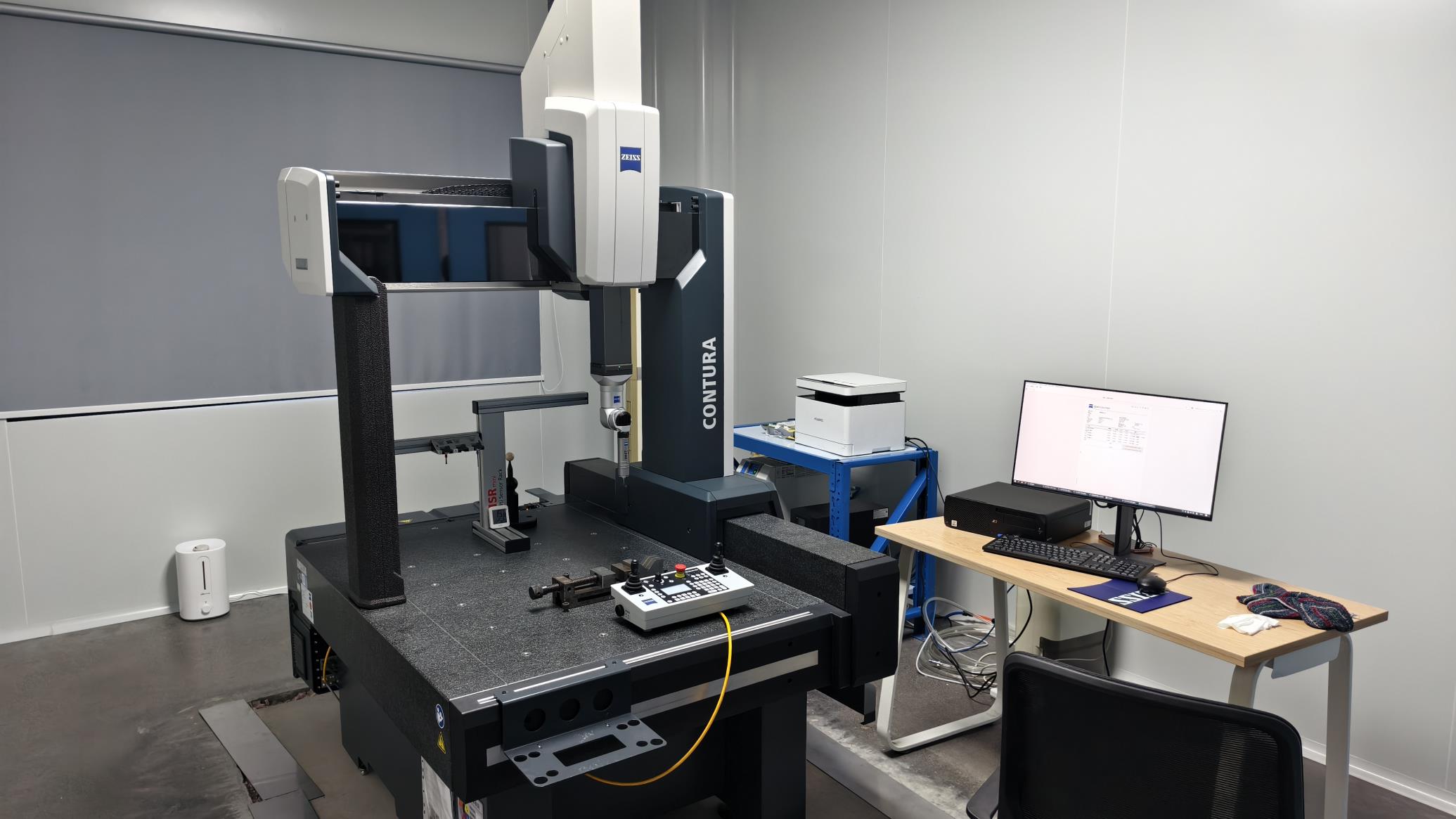
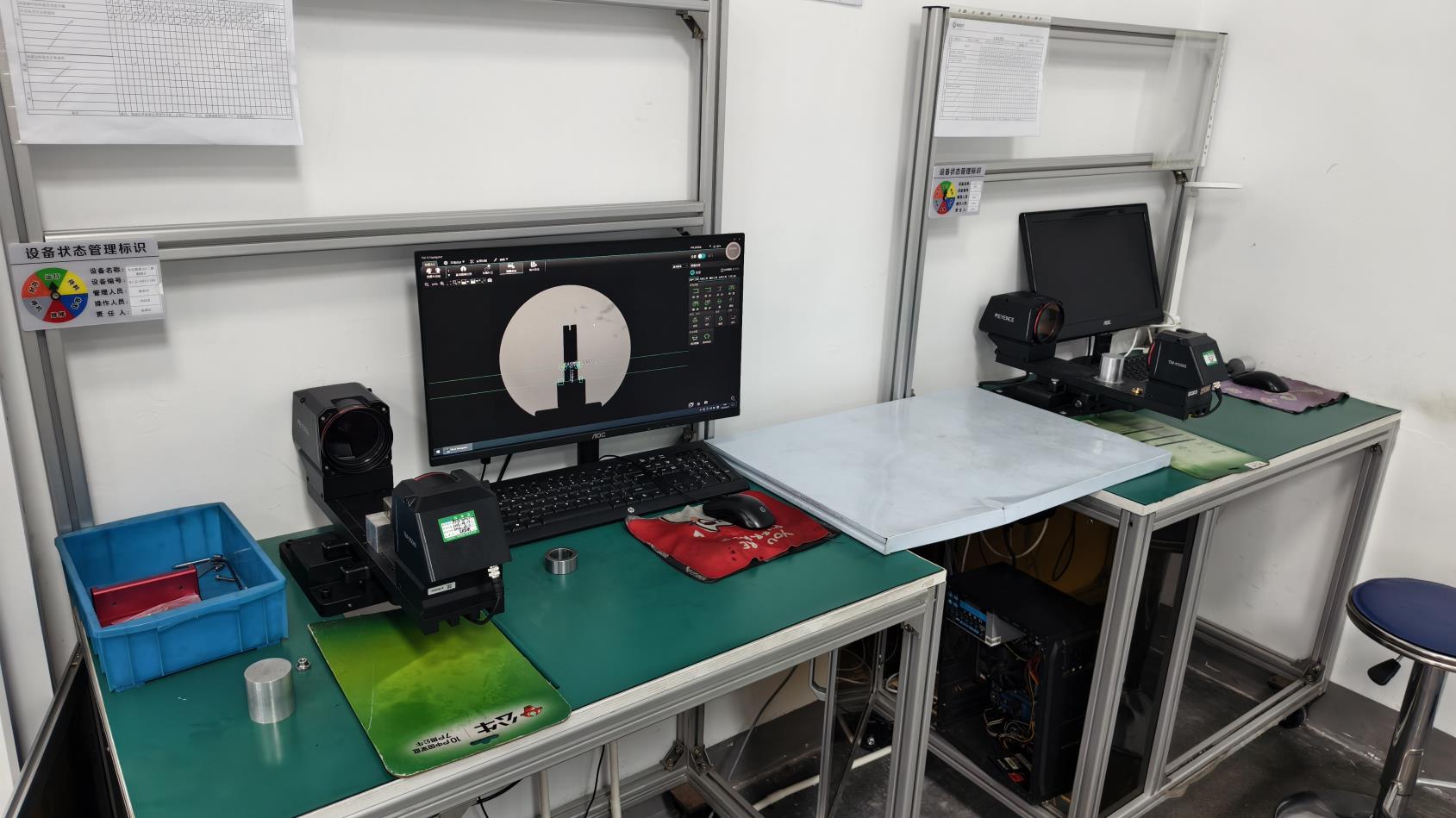
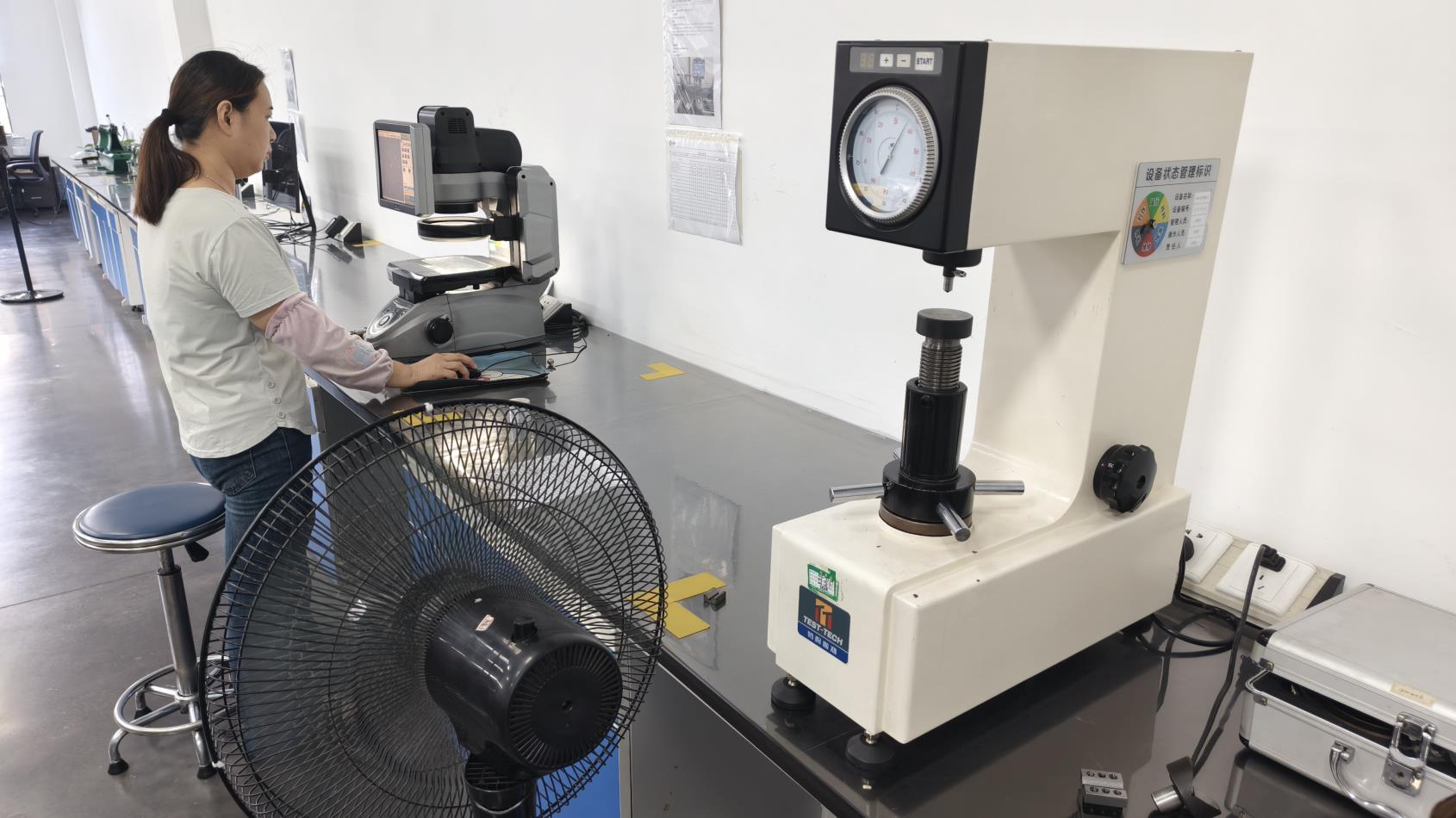
| Inspection Methodologies | Dimensional Inspection, Material Analysis (Spectrometric), Surface Finish Profiling, Mechanical Fatigue Testing, Sterility Validation |
| Customization Capabilities | Laser logo etching, custom sterile packaging design, rapid prototype machining based on 3D drawings or anatomical samples |
| Key Markets Served | North America, Western Europe, Latin America, Middle East, Southeast Asia, Australia |
| R&D Scale | 86 specialized development engineers, 156 new products introduced annually |
Adapting state-of-the-art orthopedic engineering to local regulatory policies, hospital workflows, and anatomical requirements.
Every clinical market presents unique patient demographics and physiological considerations. For instance, anatomical variants in femoral neck angles and acetabular depths between Western and Asian demographics demand highly customizable modular implant solutions. Moventra's product catalog addresses these needs by offering a variety of femoral head diameters (28mm, 32mm, 36mm) paired with corresponding cup diameters and neck offset configurations.
Navigating the complex requirements of national health services requires localized documentation support. Moventra supports regional distributors by providing comprehensive regulatory dossiers, including cleanroom bioburden analysis reports, gamma sterilization verification (ANSI/AAMI/ISO 11137), and mechanical validation certifications. We ensure that our clients have the necessary documentation to satisfy local health ministries and procurement boards, avoiding customs clearance delays and hospital integration bottlenecks.
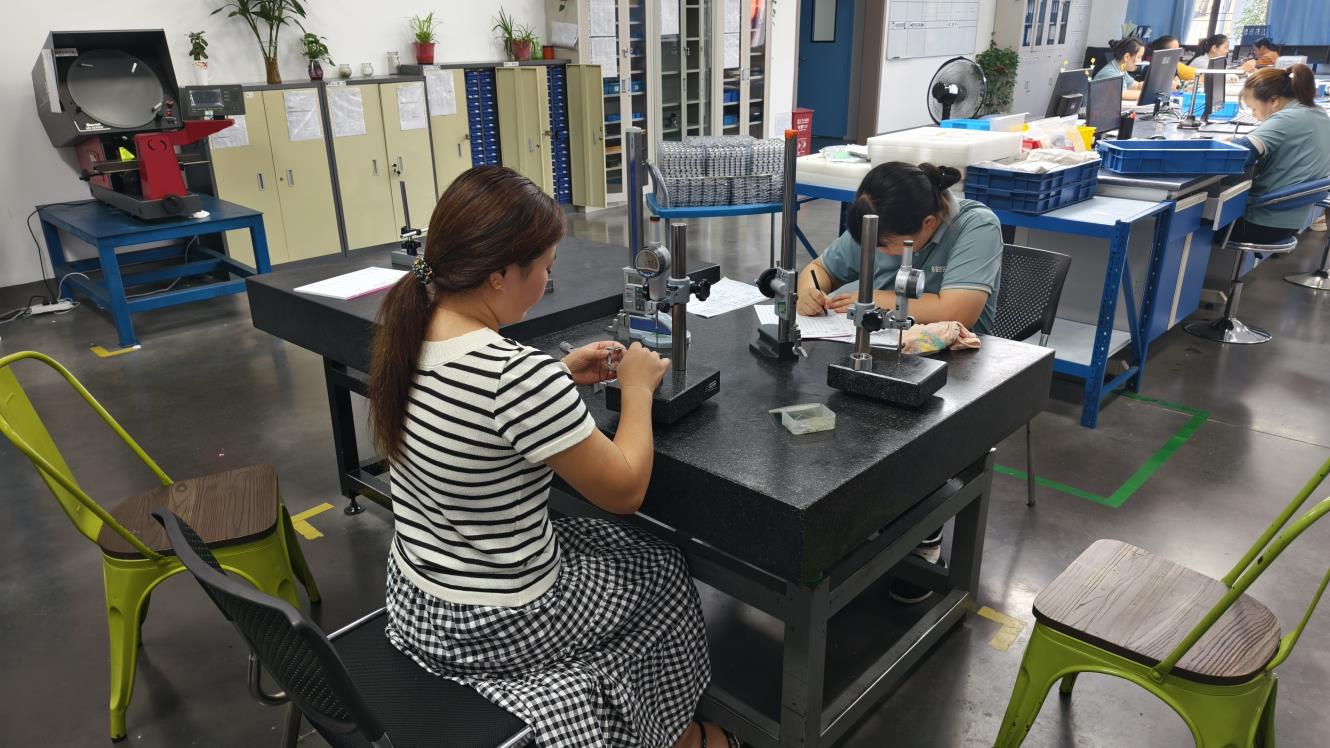
Our machinery and testing equipment guarantee dimensional tolerances down to the sub-micron scale.
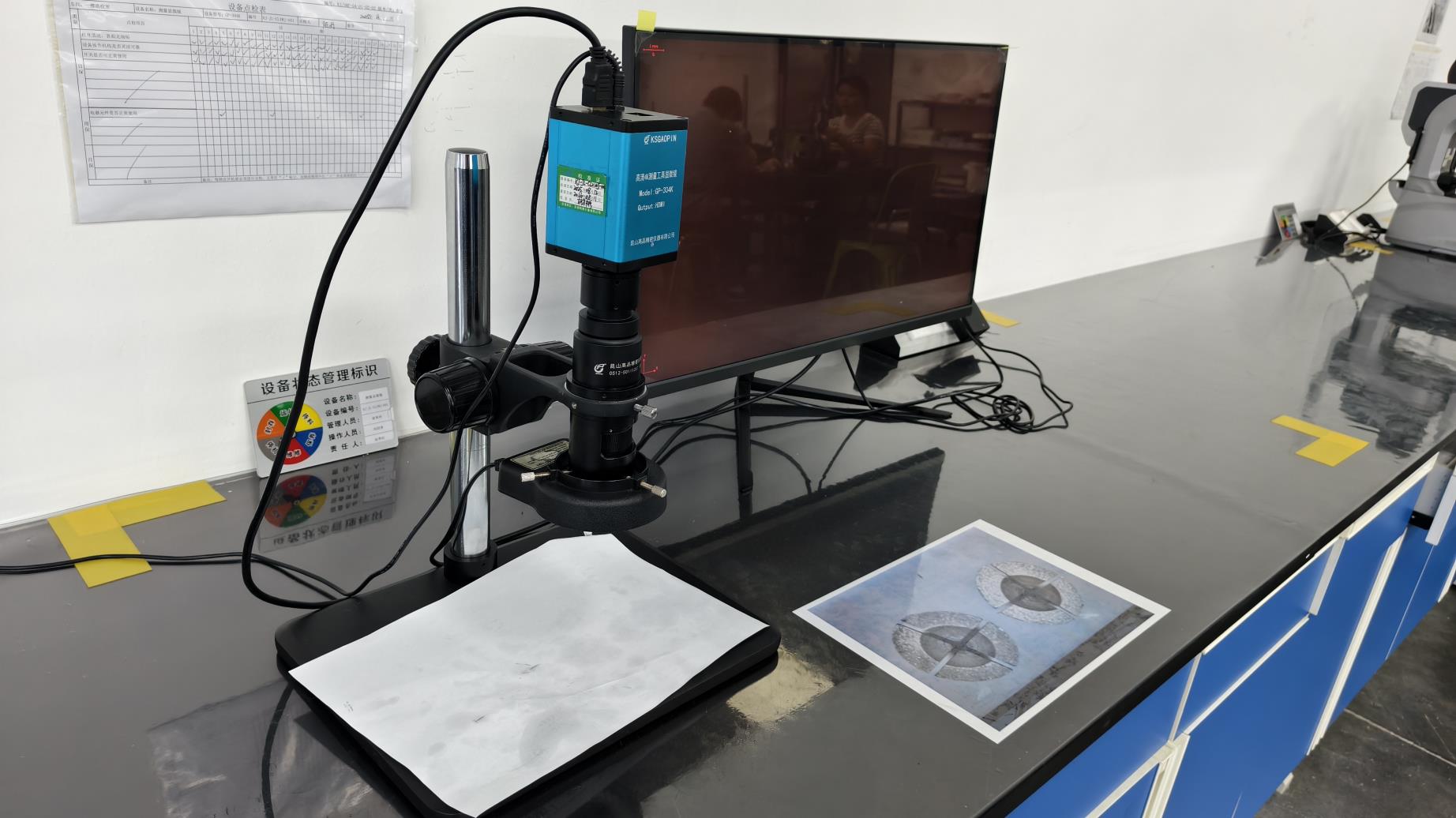
Pioneering the next era of long-term implant survival through material design and advanced structural processing.
Our long-term R&D roadmap focuses on addressing the limits of current orthopedic implant materials. Our materials research team is actively developing next-generation solutions designed to meet the demands of younger and more active joint replacement patients.
Traditional Highly Cross-linked Polyethylene, while resistant to adhesive wear, can remain susceptible to long-term oxidation caused by residual free radicals. Adding Vitamin E (alpha-tocopherol) to the polymer compound neutralizes these free radicals without requiring thermal melting, thereby preserving the material's mechanical properties, tensile strength, and fatigue resistance.
We are investigating specialized thin-film coatings, such as Titanium Nitride (TiN) and Diamond-Like Carbon (DLC), to harden metal interfaces. These treatments reduce scratching and wear debris, making them suitable for patients with sensitivities to metal ions (Nickel or Cobalt).
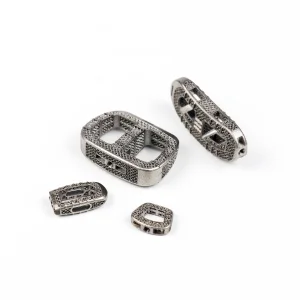
Integrating 3D printing (Direct Metal Laser Sintering - DMLS) allows us to design implants with porous structures that mimic human bone. This encourages bone ingrowth into the implant, improving long-term stability and fixation compared to traditional smooth surfaces.
Answers to technical, regulatory, and logistics queries from orthopedic surgeons, distributors, and procurement teams.
A comprehensive system of orthopedic implants, internal fixation systems, and surgical tools.
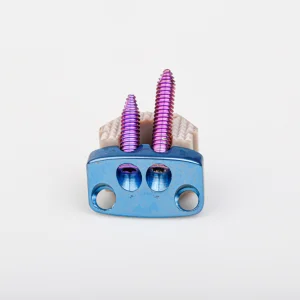
 Moventra Medical