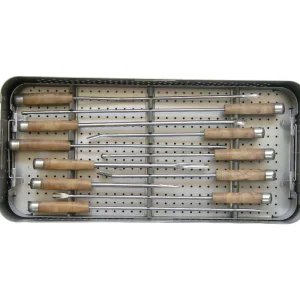
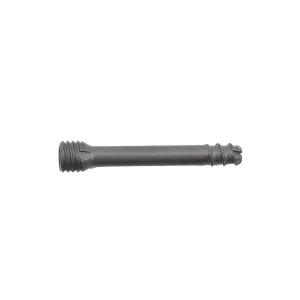
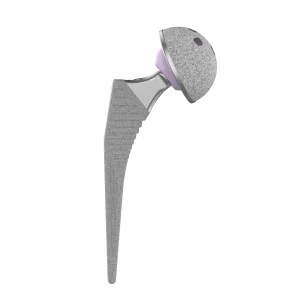
Explore our high-performance clinical implants, surgical power instruments, and orthopedic systems designed to optimize patient mobility and surgical outcomes worldwide.
In modern orthopedic joint reconstruction, the tibial tray (baseplate) plays a fundamental role in determining the long-term survival of Total Knee Arthroplasty (TKA). Positioned atop the resected proximal tibia, the tibial tray acts as the interface transferring weight-bearing forces from the femoral component down to the cortical and cancellous bone structures of the leg.
To survive decades of cyclic loading—often exceeding millions of cycles per year—these components must possess exceptional fatigue limit, corrosion resistance, and structural integrity. Standard offerings utilize premium medical-grade Titanium Alloys (such as Ti6Al4V ELI in accordance with ASTM F136) or Cobalt-Chromium-Molybdenum alloys (CoCrMo under ASTM F75) to achieve optimal biocompatibility and minimize the risk of stress shielding.
Moventra Medical Technology (China) Co., Ltd. represents the peak of precision orthopedic manufacturing, pairing continuous product innovation with rigorous international regulatory compliance.
Established in 2017, Moventra Medical Technology (China) Co., Ltd. is a leading manufacturer specializing in the research, development, production, and global supply of orthopedic medical devices and surgical solutions. We are dedicated to delivering innovative, high-quality products for trauma, spine, joint reconstruction, sports medicine, and orthopedic surgical procedures.
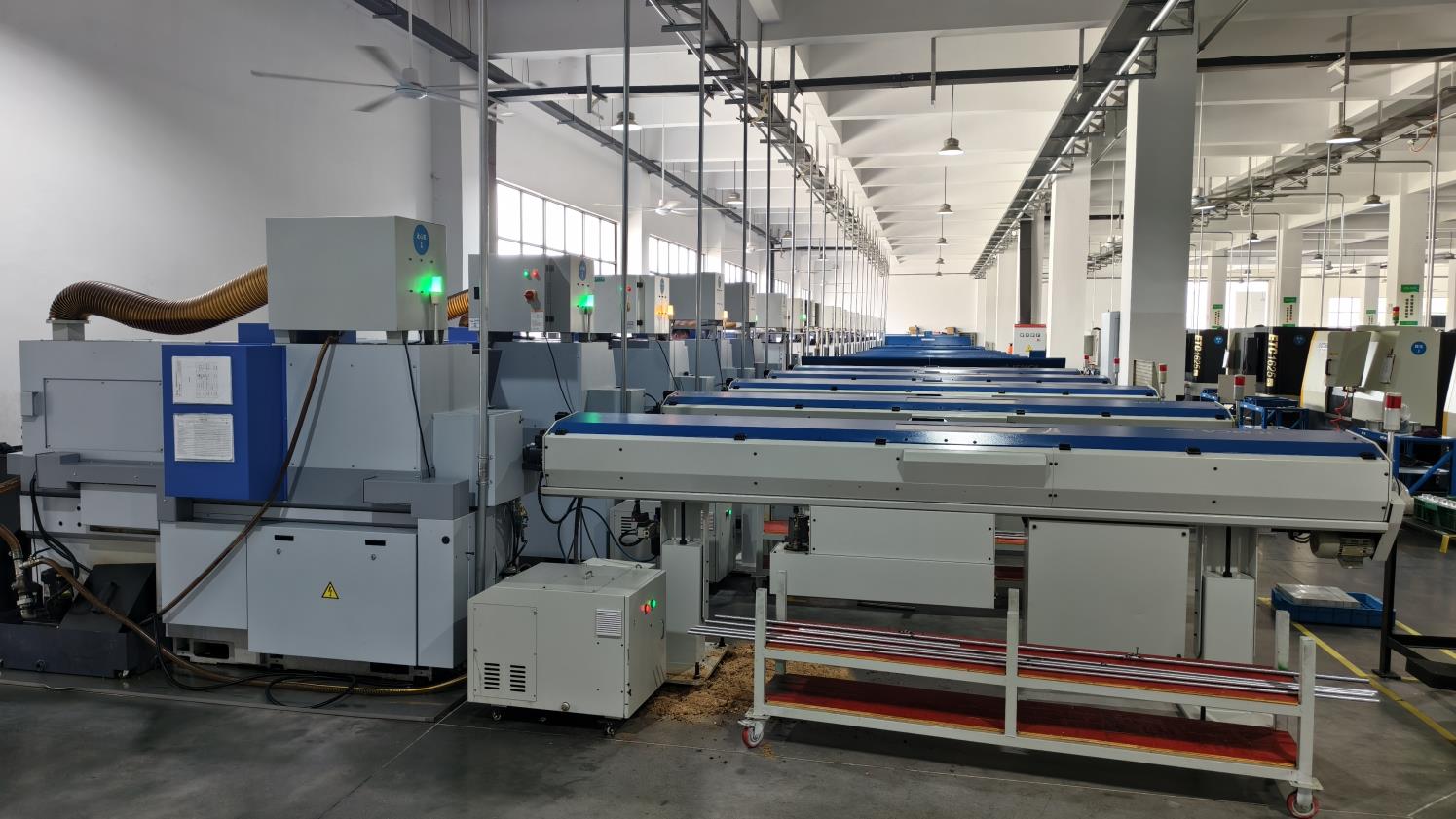
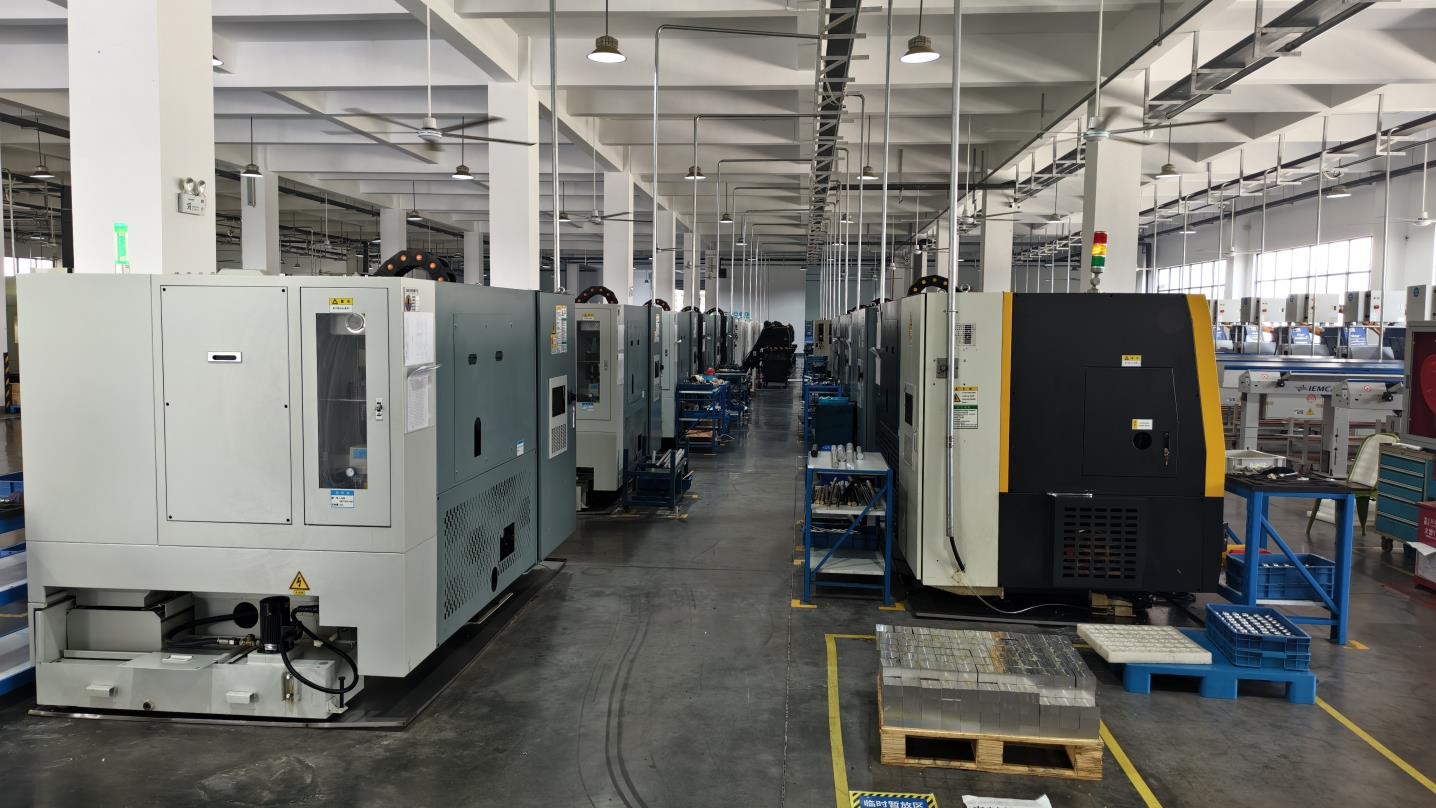
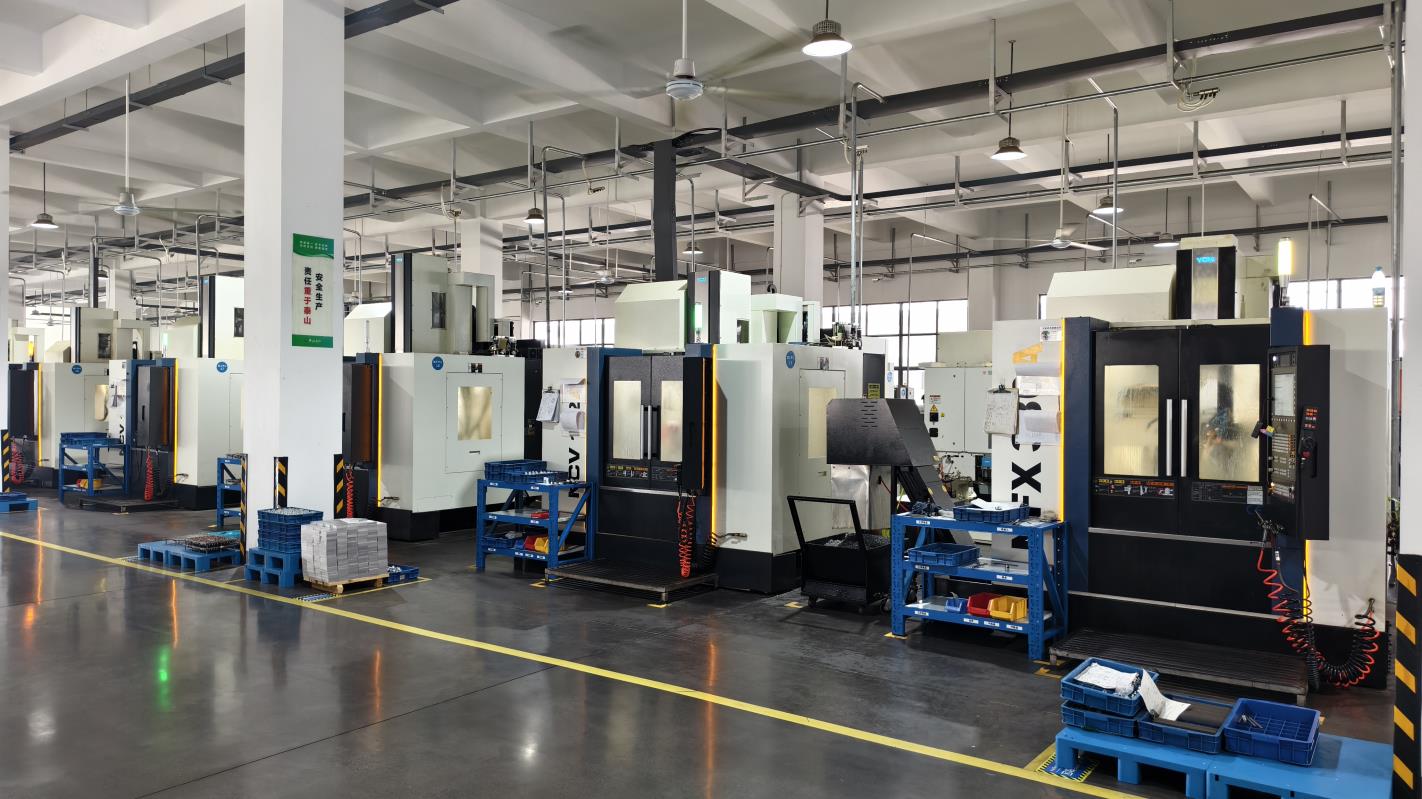
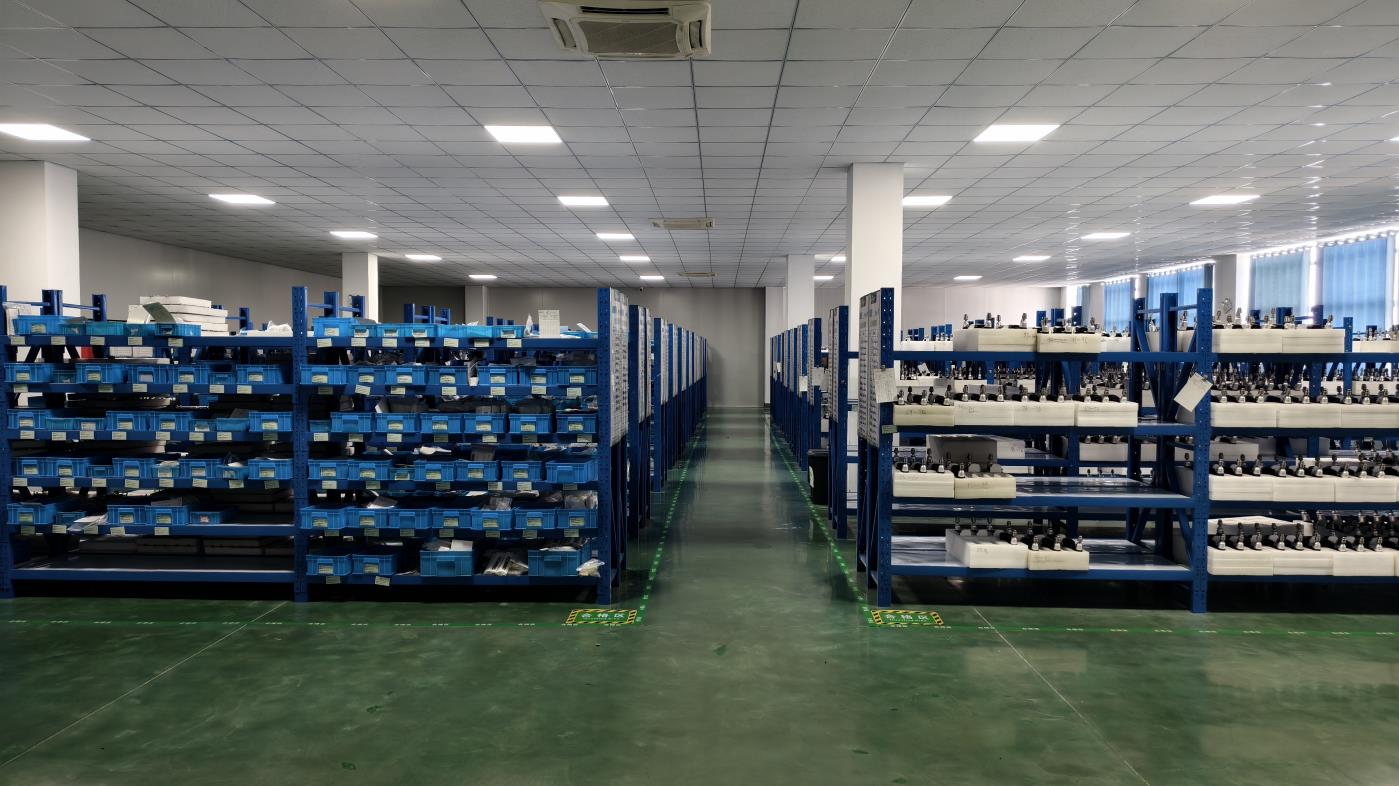
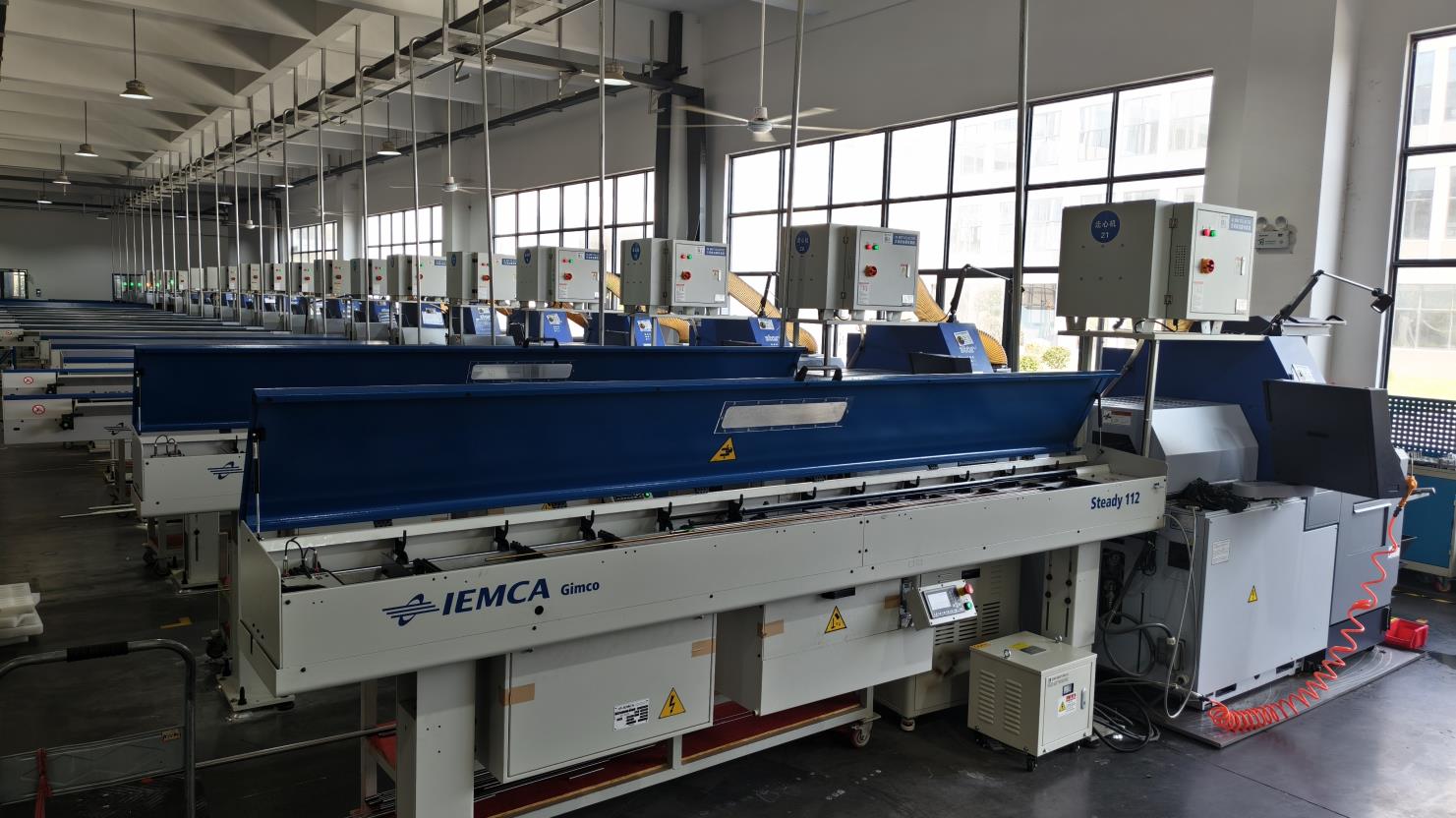
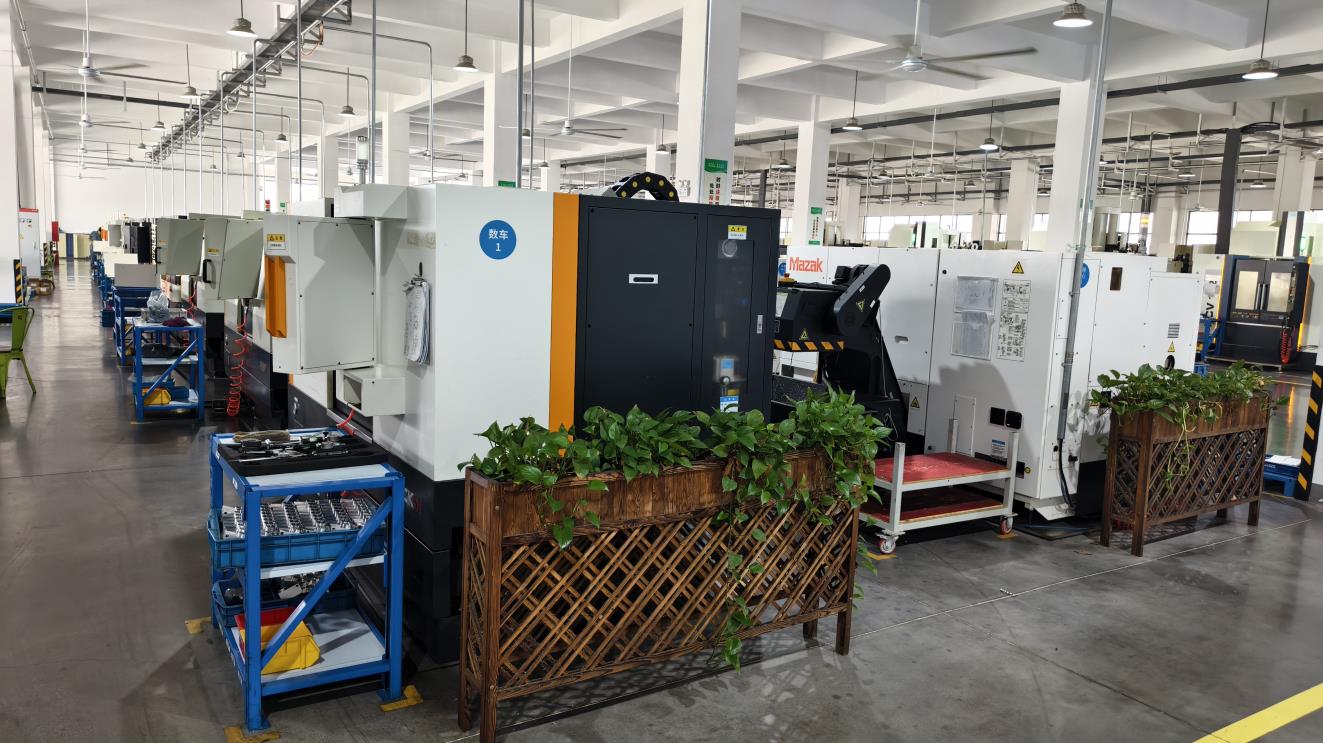
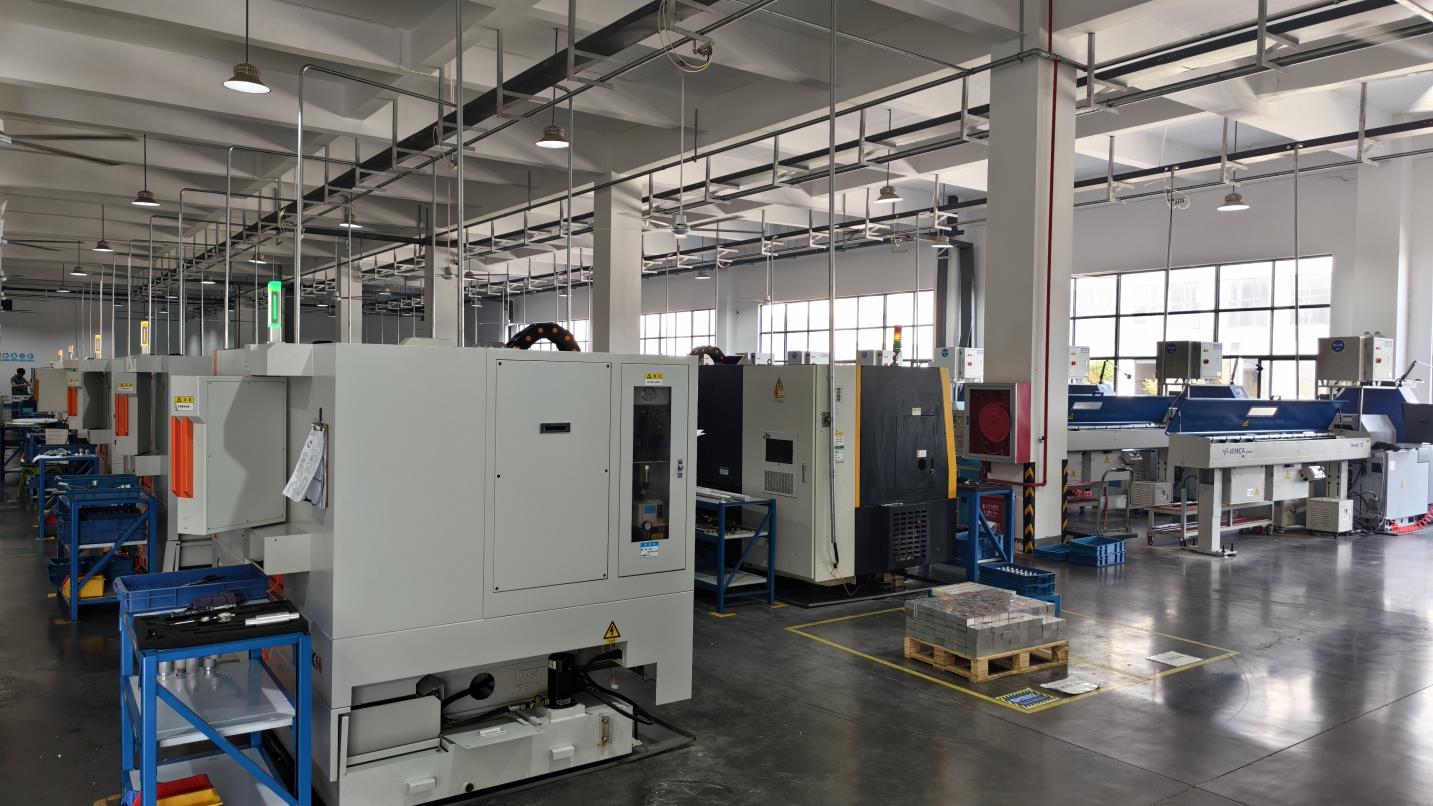
With a modern manufacturing facility covering 18,600 m², Moventra integrates advanced CNC machining, precision manufacturing, automated production lines, and strict quality management systems to ensure every product meets international medical standards. Our commitment to continuous innovation enables us to provide reliable OEM and ODM services for global medical device brands, distributors, and healthcare institutions.
Supported by an experienced R&D team and comprehensive quality assurance system, Moventra continuously develops innovative orthopedic solutions that improve surgical efficiency and patient outcomes. Our products are exported to customers worldwide and are trusted for their precision, safety, and consistent performance.
| Detail Category | Operational Specifications |
|---|---|
| Company Name | Moventra Medical Technology (China) Co., Ltd. |
| Brand & Business Type | Moventra | Manufacturer, OEM & ODM, Exporter |
| Established & Experience | 2017 (7 Years Export, 13 Years Industry Experience) |
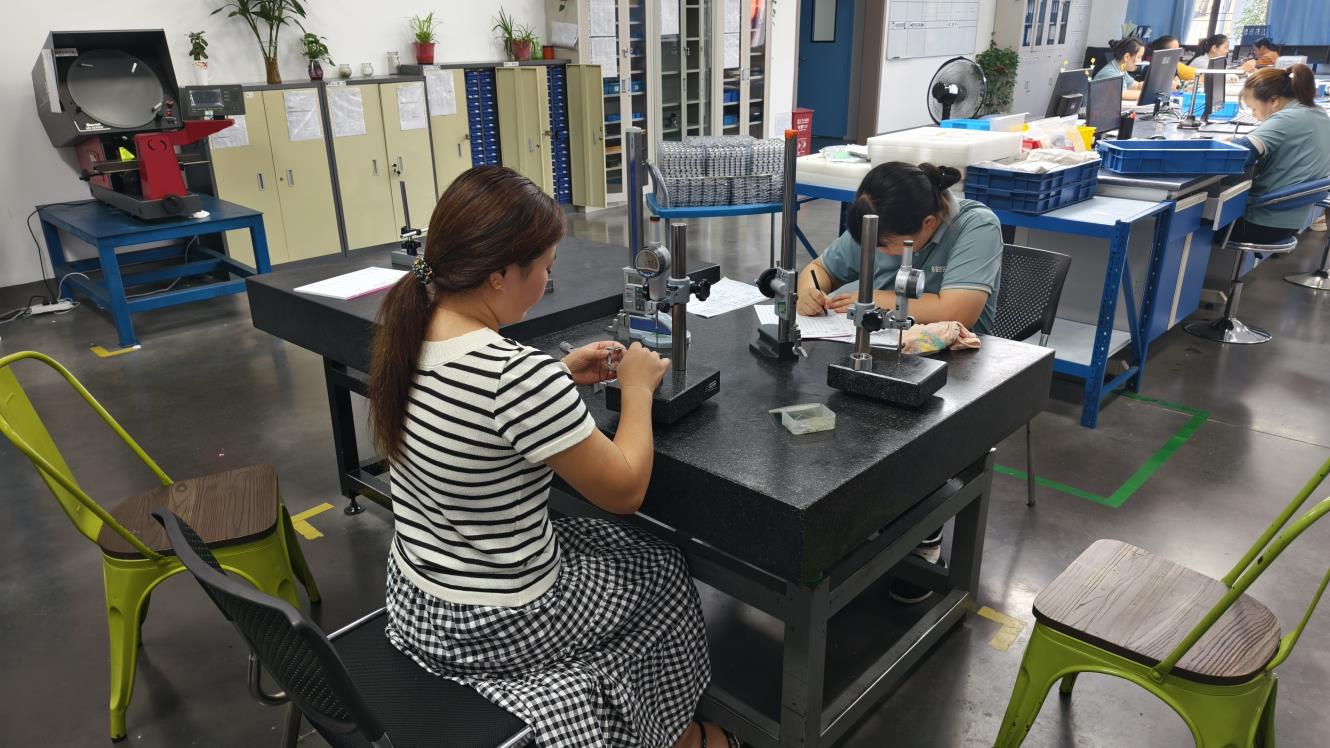
| Quality Inspections | 100% Pre-shipment (Dimensional, Material, Surface, Mechanical) |
| Quality Control Staff | 48 dedicated QC personnel |
| Main Markets | North America, Europe, South America, Middle East, Southeast Asia, Australia |
| Customization Options | Logo, Packaging, Product Design, Drawing-Based & Sample-Based MFG |
Addressing structural challenges in global arthroplasty via design innovation, material diversity, and targeted biomechanical interfaces.
Whether optimizing for elderly patients needing instant mechanical stability (cemented PMMA systems) or younger, active patients requiring biologic integration (porous press-fit tibial trays), we offer tailored design configurations. Our cementless trays feature highly structured porous backings designed to encourage rapid osseointegration.
Backside wear of the polyethylene insert is a major cause of osteolysis. Our precision locking mechanisms and micron-level surface finishes on the superior aspect of the tibial tray dramatically reduce interface friction, ensuring the poly insert remains locked with zero wobbling or micromotion under load.
Symmetrical tibial trays can lead to either overhang (causing soft tissue impingement) or under-coverage (leading to subsidence). Moventra manufactures modern, anatomically asymmetric tibial designs that align perfectly with natural left and right tibial plateaus, maximizing cortical bone contact.
The orthopedic implant market is undergoing rapid evolution. Key drivers include an aging global population, rising obesity rates, and the growing demand for outpatient Total Joint Arthroplasty (TJA) in ambulatory surgical centers (ASCs). For OEM/ODM brands and international distributors, partnering with an agile, high-precision manufacturer in China is no longer just about cost control—it is about securing a resilient, high-capacity supply chain.
At Moventra, we address this demand by using raw materials from trusted suppliers and fabricating medical devices with world-class machinery. This ensures our partners receive implants with mechanical properties matching or exceeding those of top-tier multi-national brands.
By operating advanced 5-axis CNC milling centers, wire-cutting machines, and precision Swiss-type lathes, we maintain tight tolerance bands within ±5 microns, optimizing fitment accuracy and reducing surgical revision rates.
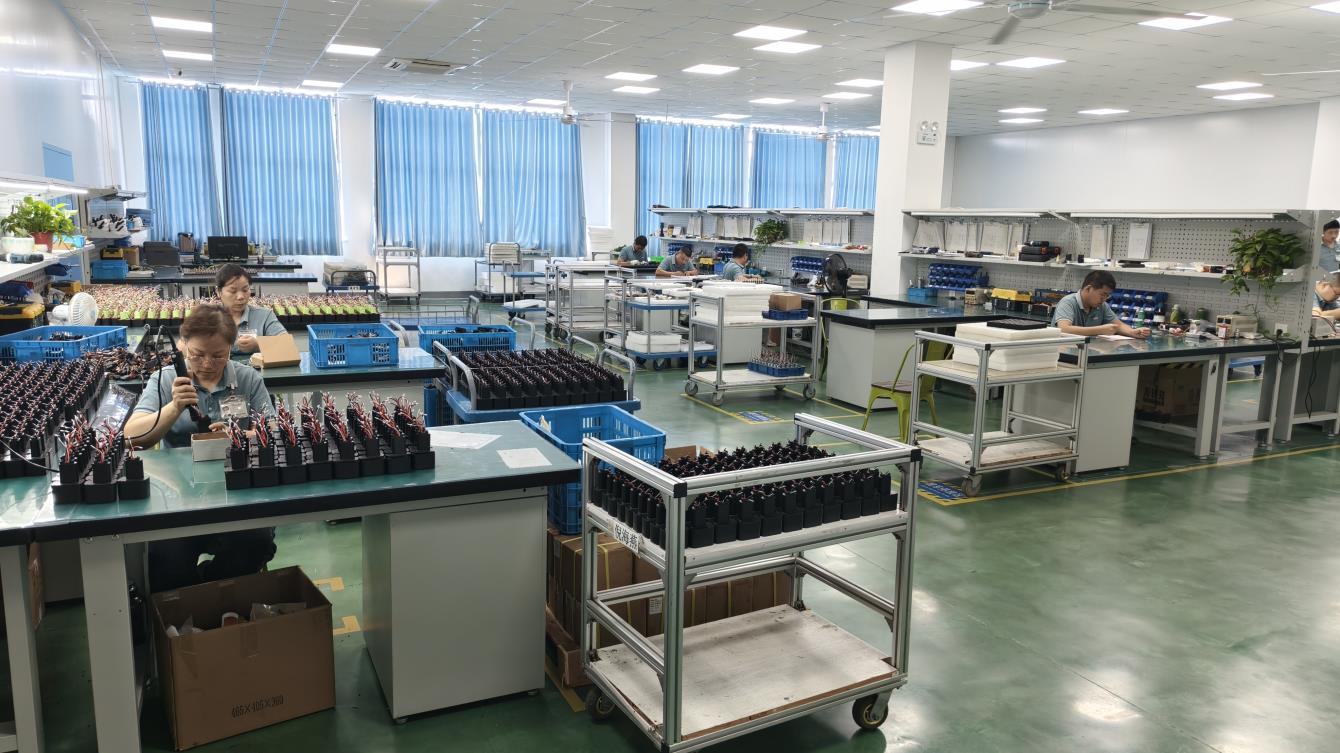
Our 18,600 m² state-of-the-art workshop features high-performance machinery and rigorous inspection laboratories to guarantee flawless production.
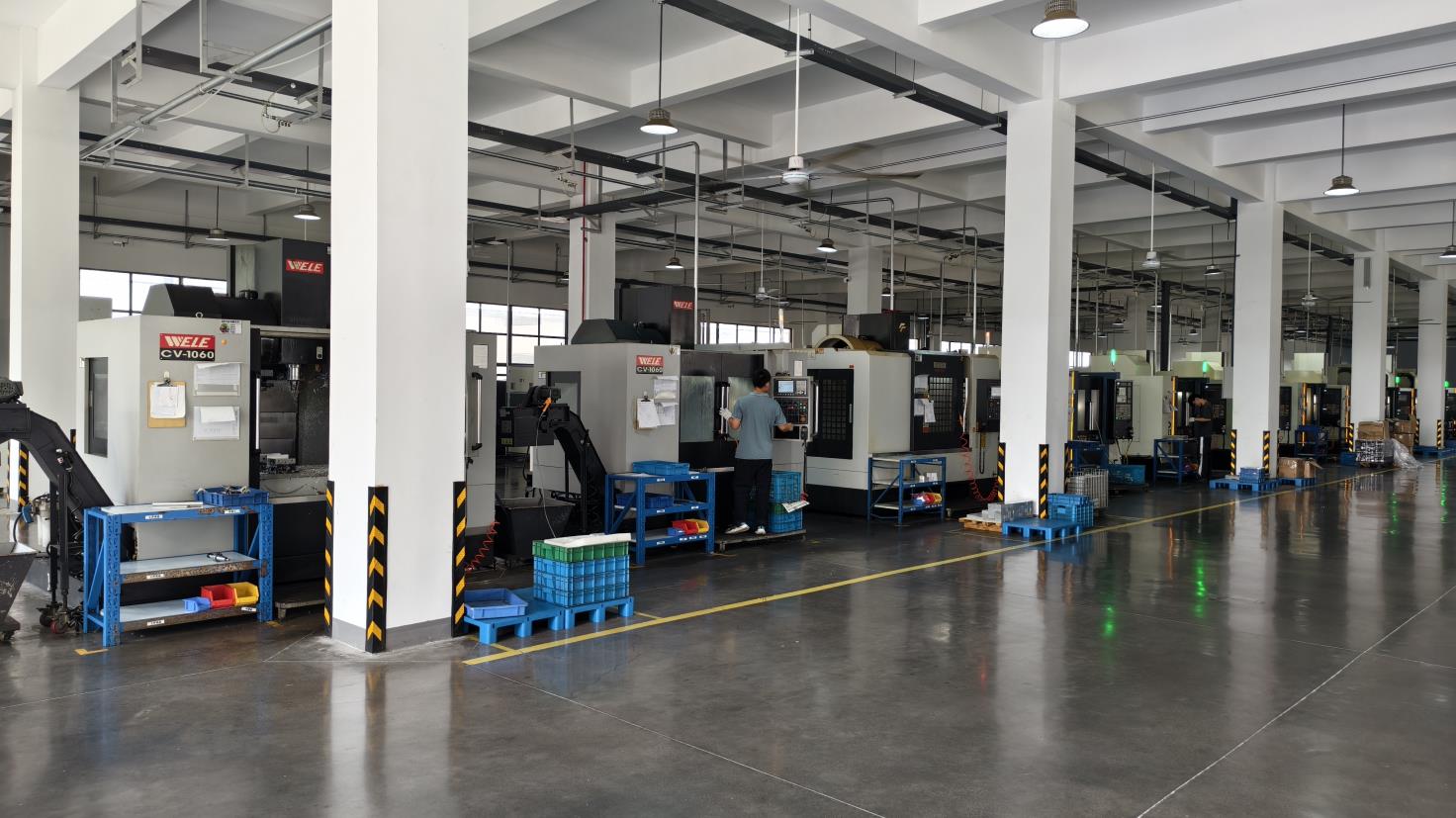
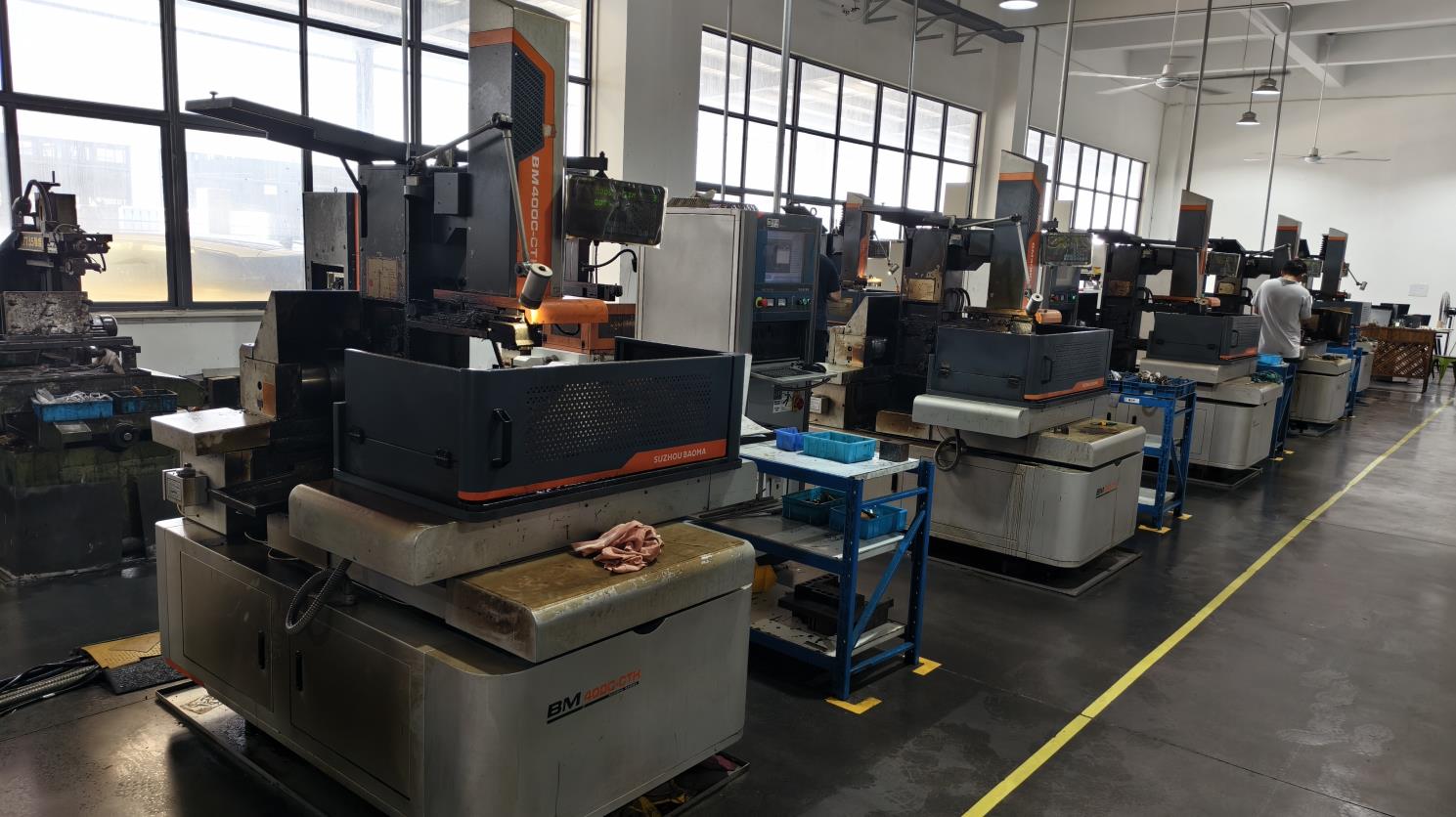
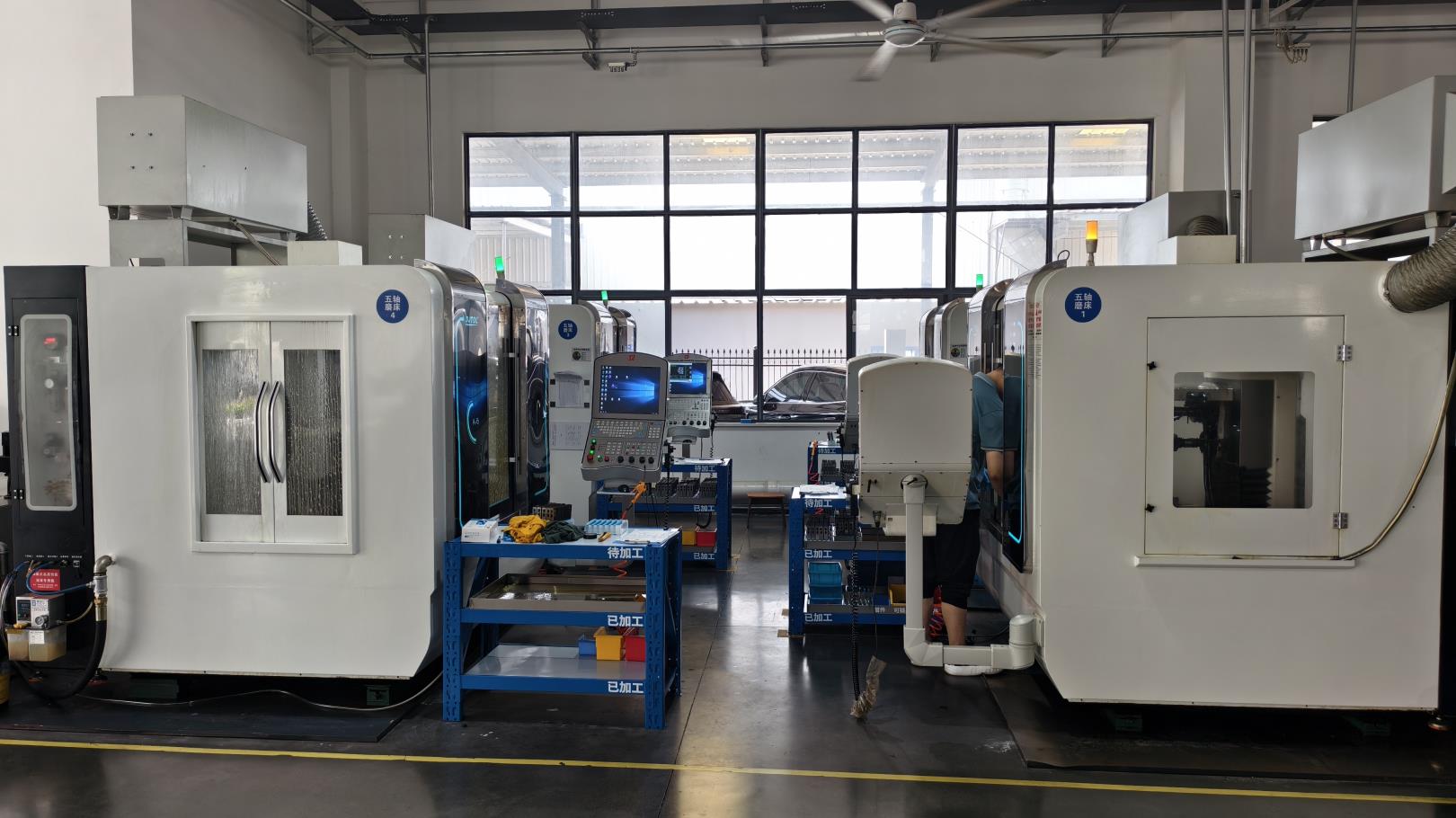
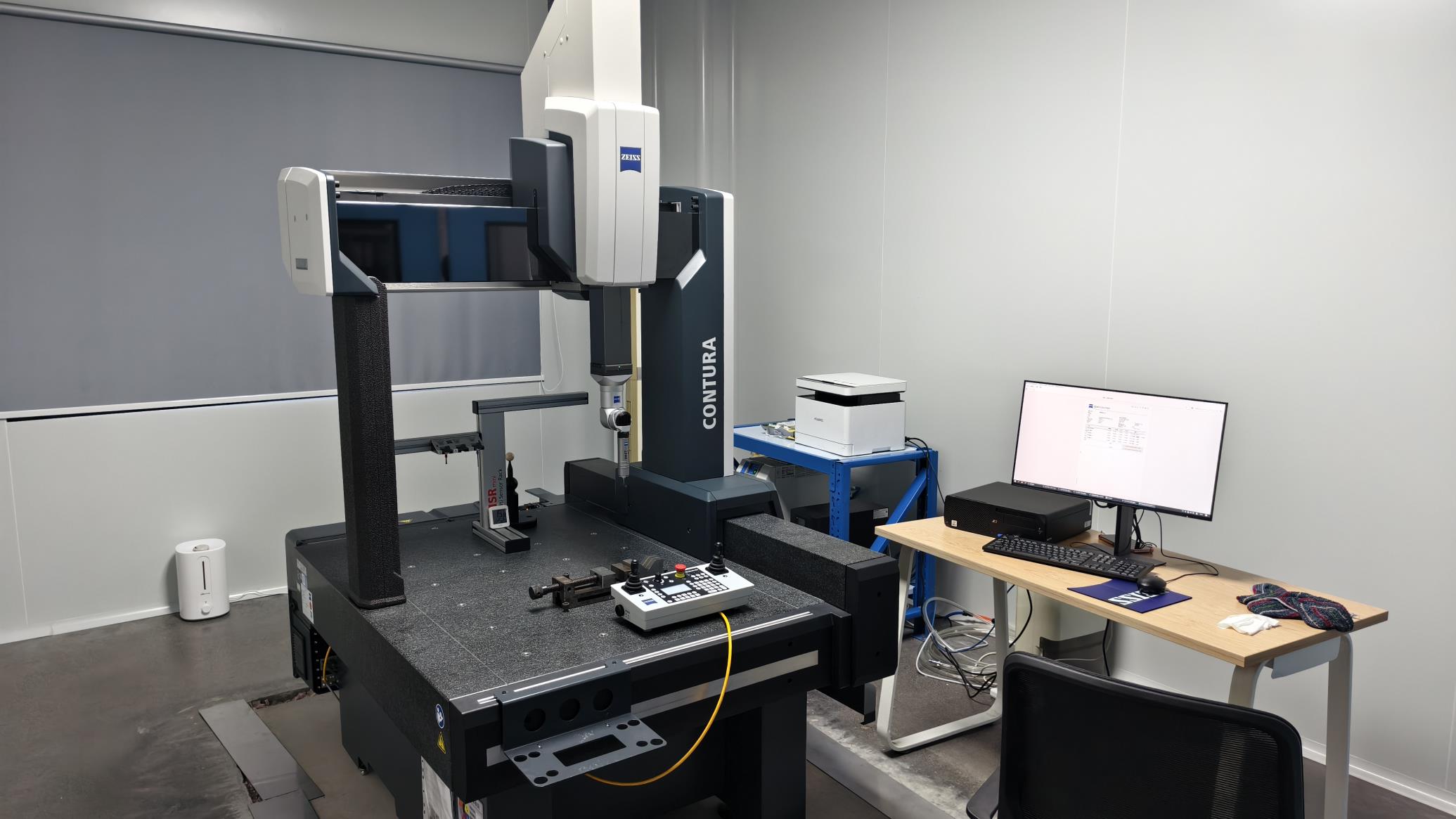
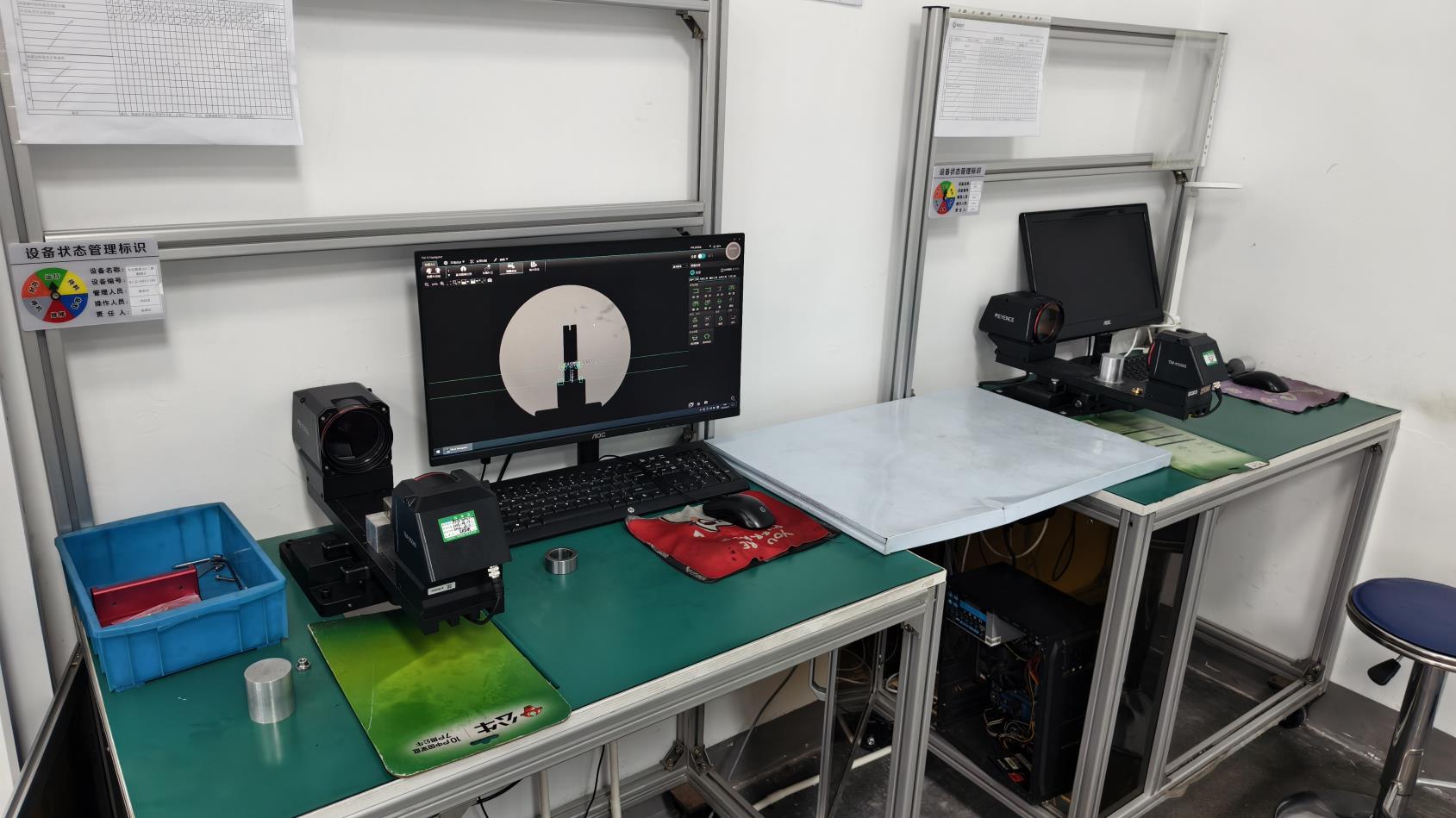
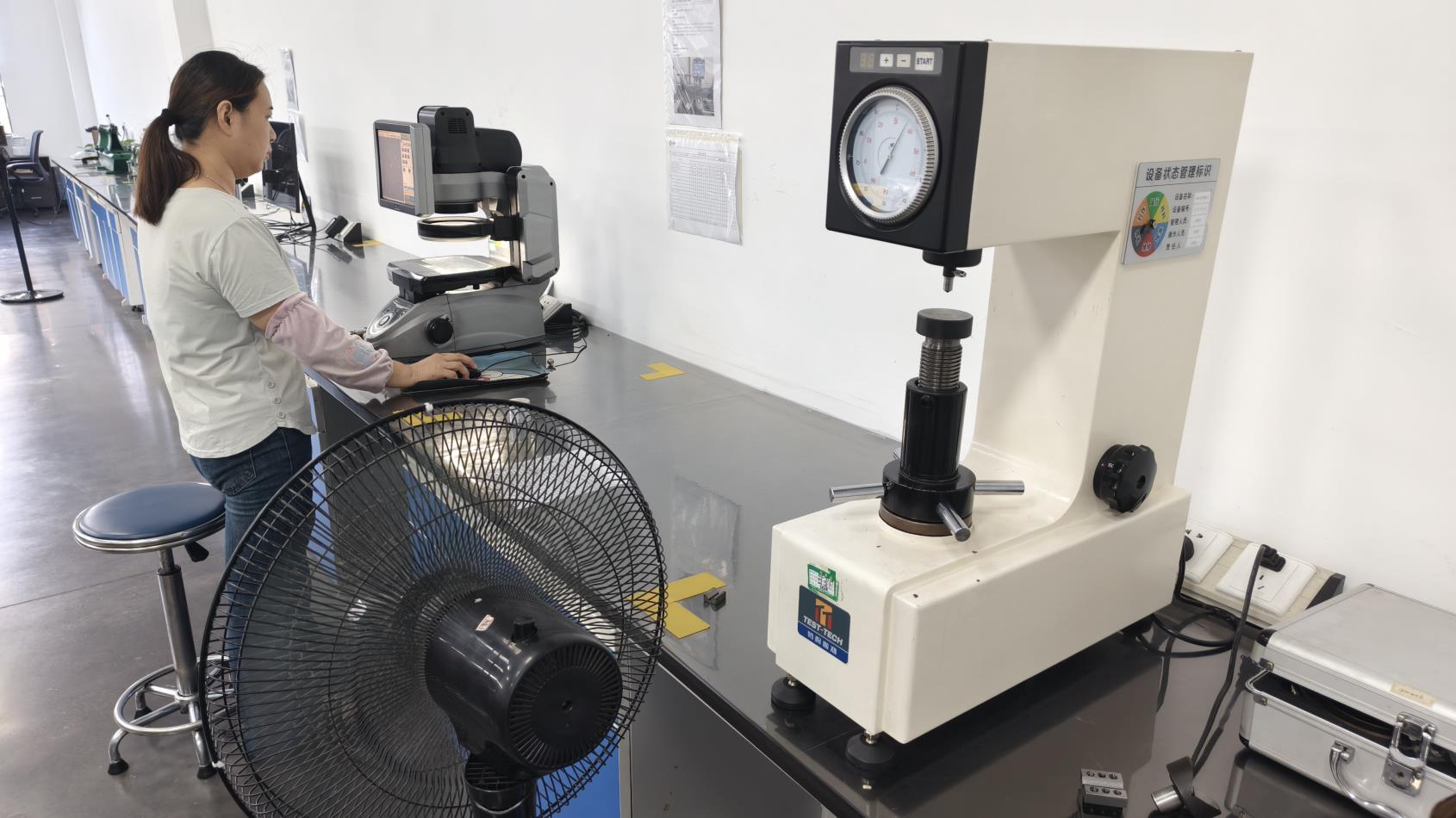
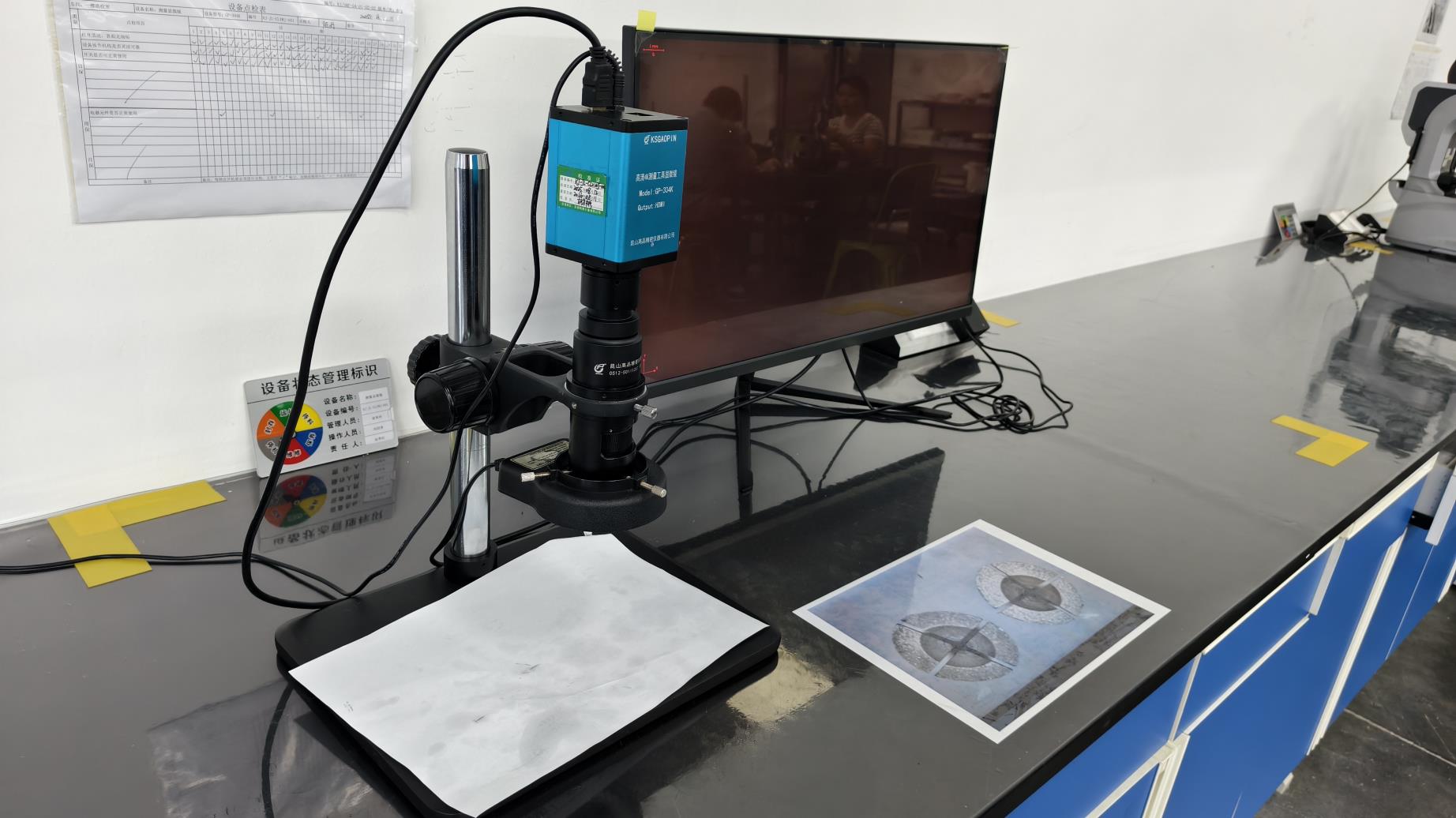
Ensuring seamless entry into strict regional markets with reliable testing and localized operational frameworks.
Our quality management systems are fully certified to ISO 13485:2016 standards. All manufacturing phases, from raw material procurement to cleaning and final packaging, take place in certified cleanrooms (Class 100,000 / ISO Class 8).
We subject our tibial trays to rigorous fatigue testing under ASTM F1800 (standard test method for cyclic fatigue testing of metal tibial tray components). This testing ensures that even under physiological overload, our implants will not fail.
To support regional distributors, we offer localized packaging, labeling, and laser etching options. This customization aligns with local regulatory needs, such as FDA UDI (Unique Device Identification) codes or EU MDR compliance structures.
Our tibial trays are designed for primary TKA, providing a stable foundation for the joint system. For cases with severe bone loss or ligamentous instability, we offer revision tibial trays featuring modular stem extensions and augment options. These components allow surgeons to bypass compromised metaphyseal bone, anchoring the implant securely in the diaphysis.
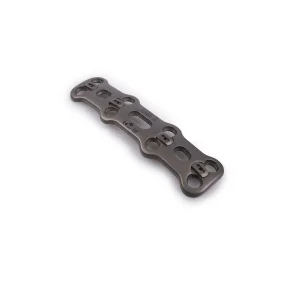
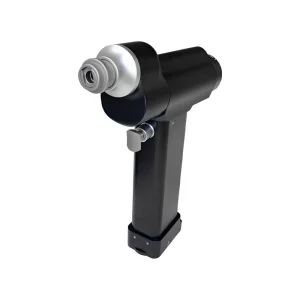
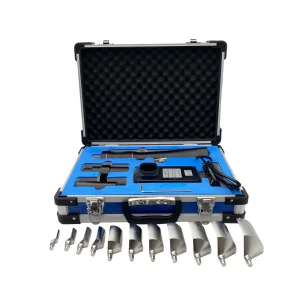
In addition to human joint reconstruction, our expertise extends to veterinary surgical procedures. By manufacturing precise TPLO (Tibial Plateau Leveling Osteotomy) saw systems and bone plates, we provide veterinary surgeons with the specialized tools needed to treat cranial cruciate ligament (CCL) ruptures in canines. This application helps restore joint stability and patient mobility.
Our forward-looking R&D roadmap focuses on improving biological fixation and clinical longevity through advanced surface treatments and additive manufacturing.
Developing 3D-printed, highly porous titanium structures that mimic human trabecular bone. These structures feature interconnecting pores of 600–800 microns, promoting rapid bone ingrowth and lowering the elastic modulus to reduce stress shielding.
Applying thin, crystalline HA coatings via advanced vacuum plasma spraying. This promotes rapid, chemical-level bonding between the implant surface and surrounding bone tissue, shortening patient recovery times.
Exploring micro-sensors embedded within the tibial stem. These sensors can monitor real-time post-operative load distribution, temperature, and early signs of localized infection, transmitting diagnostic data wirelessly to healthcare providers.
Detailed answers regarding manufacturing capabilities, quality assurance, regulatory compliance, and procurement options.
Our extensive catalog includes precision orthopedic tools, veterinary osteotomy systems, and customized implant components.
 Moventra Medical