1. Global Procurement Dynamics & Strategic Hurdles
The procurement of trauma implants like Humeral Intramedullary Nails involves complex logistical, clinical, and economic variables. Hospitals demand configurations that accommodate heterogeneous patient anatomies (e.g., retrograde and anterograde approach compatibility, varying canal diameters, and dynamic lengths). Concurrently, distributors struggle to balance high minimum order quantities (MOQs) with market demand, while keeping product registrations active across regulatory jurisdictions.
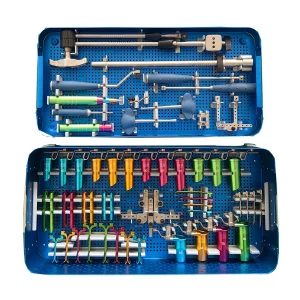
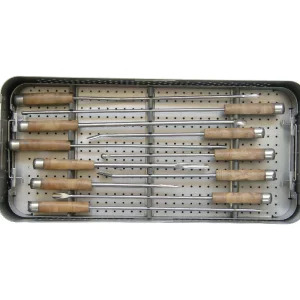
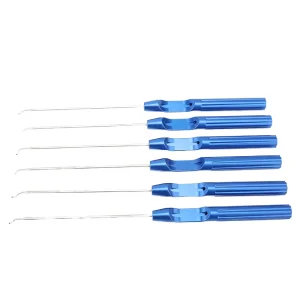
To overcome these supply chain bottlenecks, OEMs must transition from component manufacturing to integrated supply chain solutions. Strategic inventory programs, combined with quick-turn rapid prototyping for customizable nail sizes, help partners reduce carrying costs. Additionally, providing fully integrated, sterilized surgical instrument trays alongside implants reduces clinical friction and streamlines hospital purchasing protocols.
2. Technical Roadmap & Biomechanical Engineering
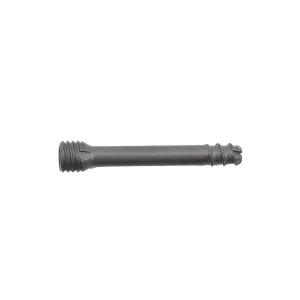
The mechanical efficiency of a humeral nail is defined by its ability to neutralize shear stress while supporting longitudinal compression. Modern HIN systems utilize advanced metallurgy and locking designs to optimize bone healing:
- Biocompatible Titanium Alloy (Ti-6Al-4V ELI): Yields high fatigue strength, lower modulus of elasticity compared to stainless steel (reducing stress shielding), and superior osseointegration.
- Multi-planar Proximal Locking Options: Integrates dynamic, static, and oblique locking holes to stabilize proximal metaphyseal-diaphyseal fragments.
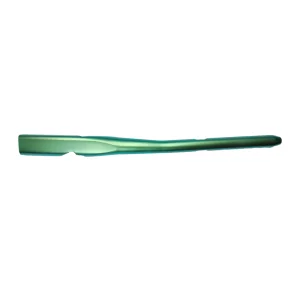
- Retrograde vs. Anterograde Engineering: Adaptive anatomical bends (e.g., a proximal bend of 3° to 5°) allow entry points that minimize damage to the rotator cuff or olecranon fossa.
- Distal Targeting Accuracy: Advanced distal targeting jigs utilize carbon-fiber composite guides, minimizing radiation exposure in the operating theater and preventing drill bit deviation.
3. Quality Assurance Protocols & Global Compliance
Orthopedic implants require absolute structural integrity and strict regulatory compliance. Class III medical devices must conform to ISO 13485 standards. Regulatory compliance begins with certified medical-grade titanium bar stock, with chemistry verified through optical emission spectrometry.
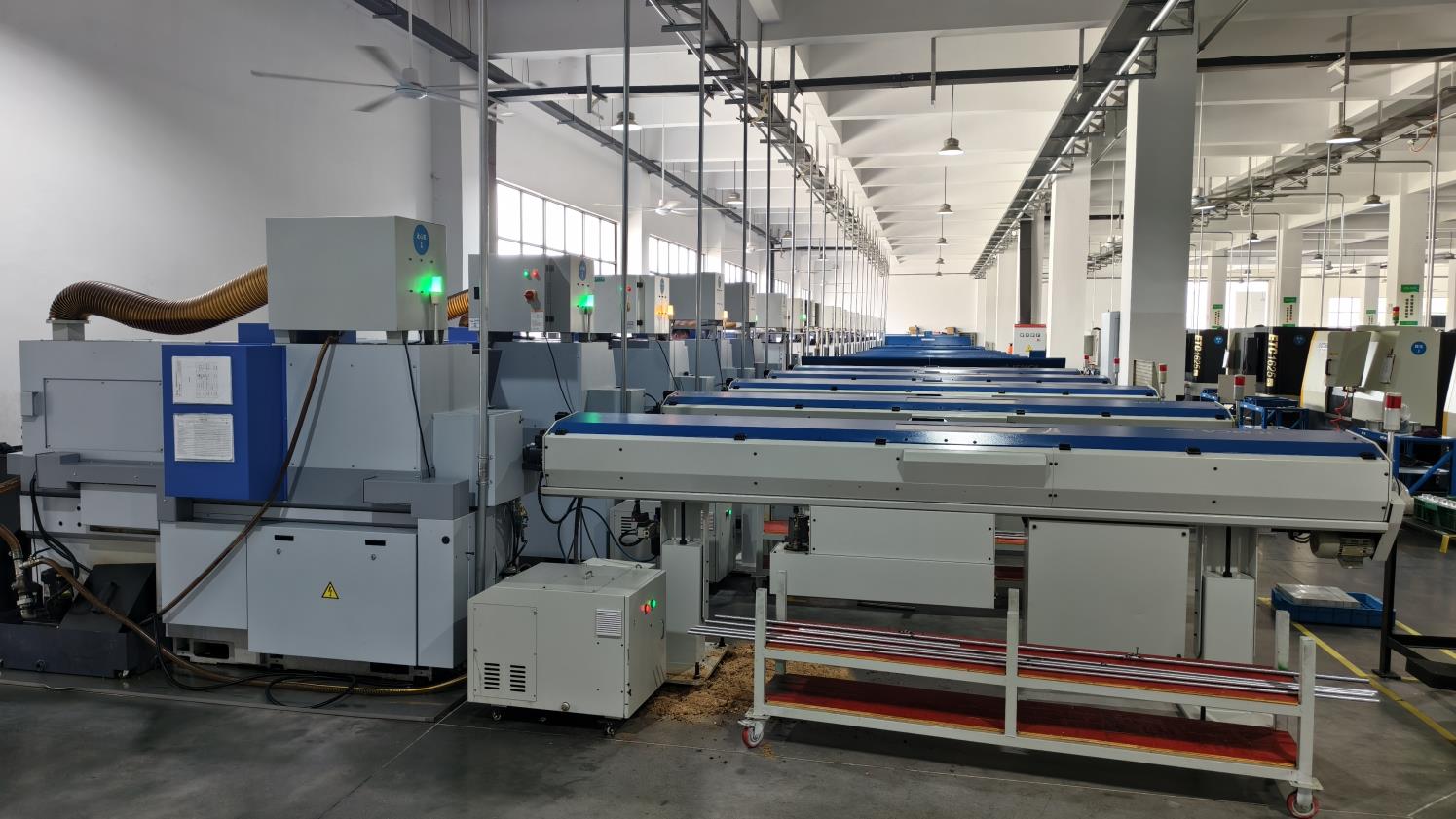
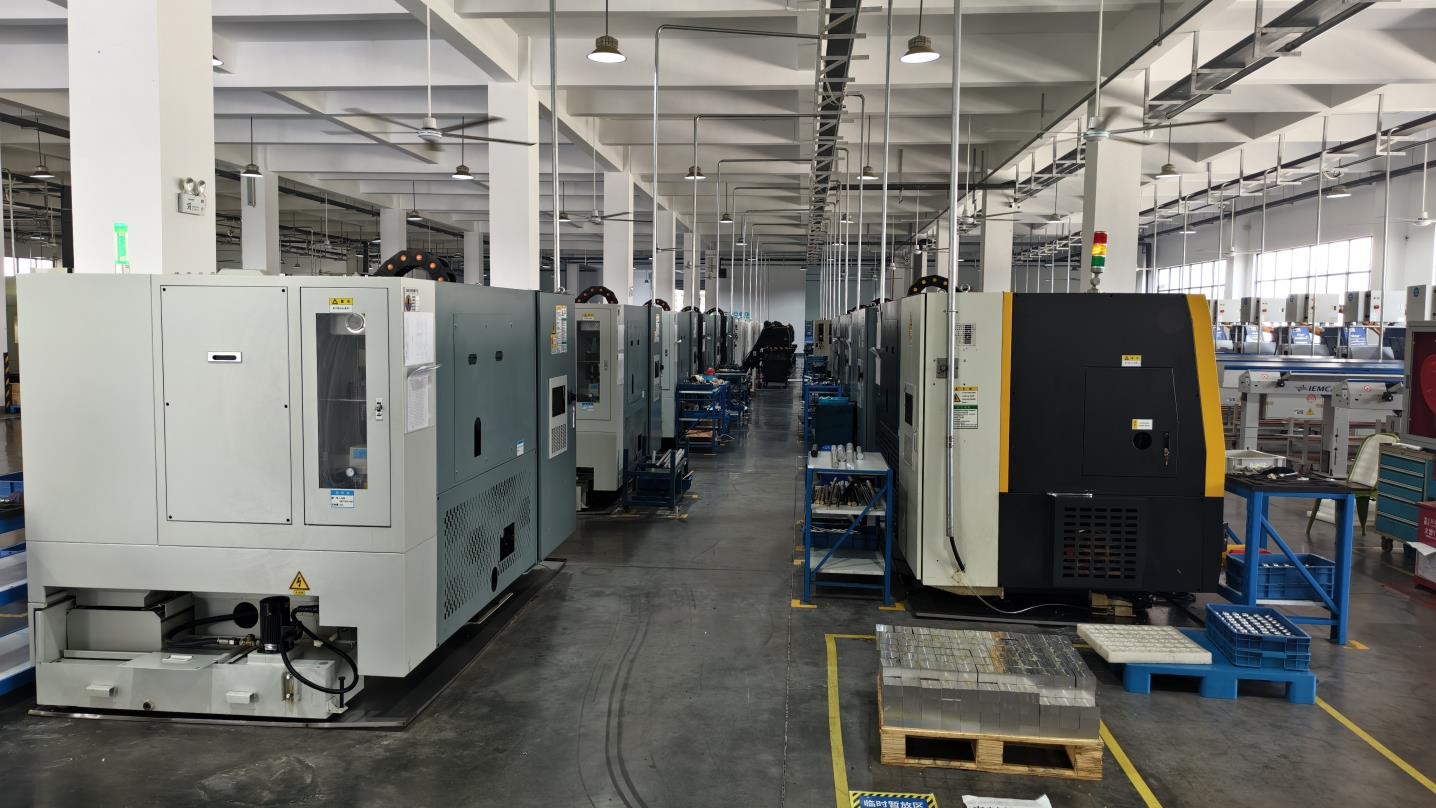
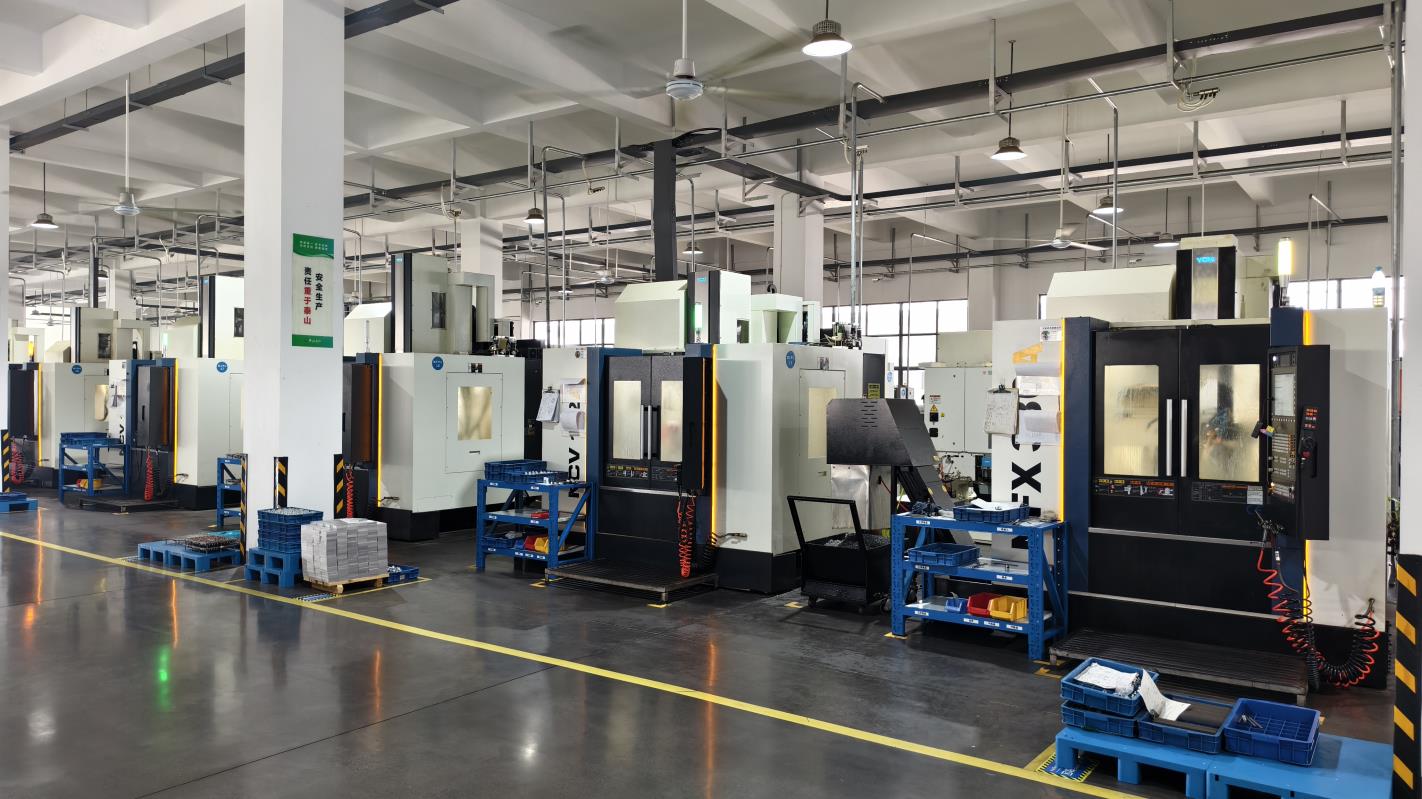
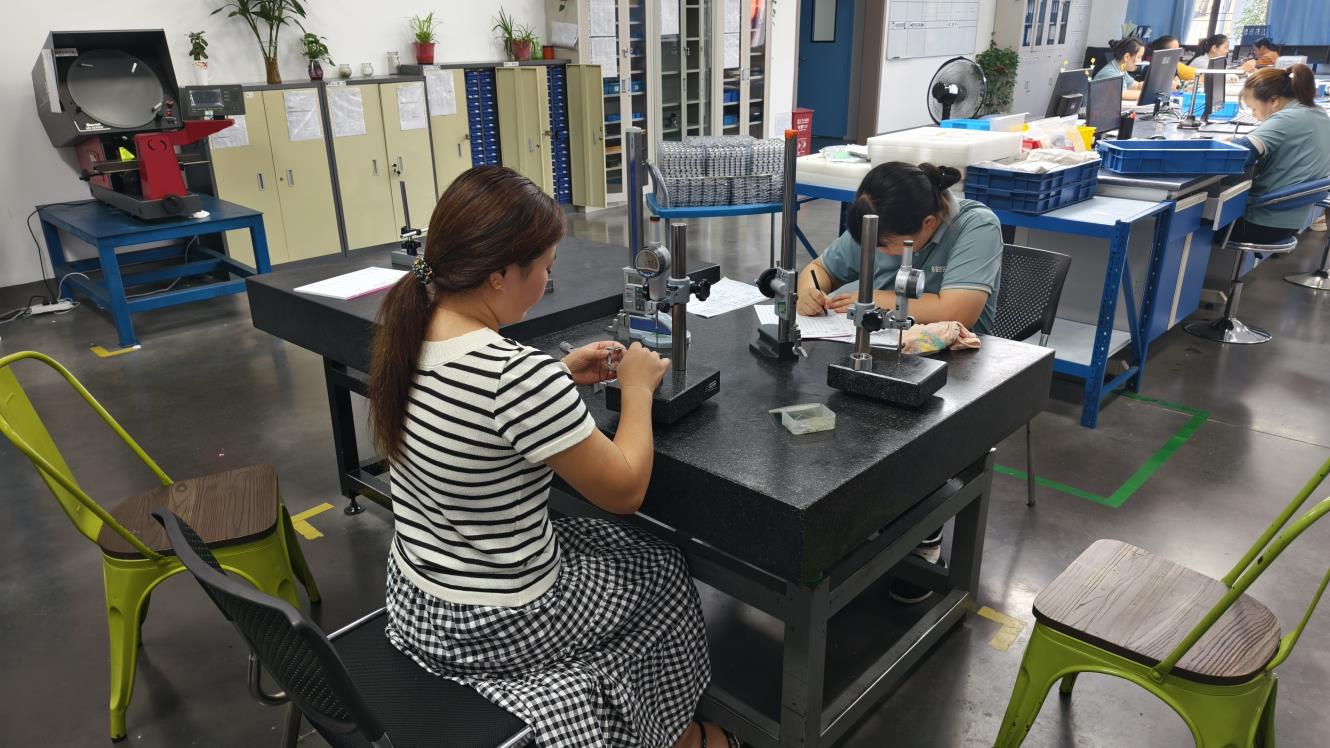
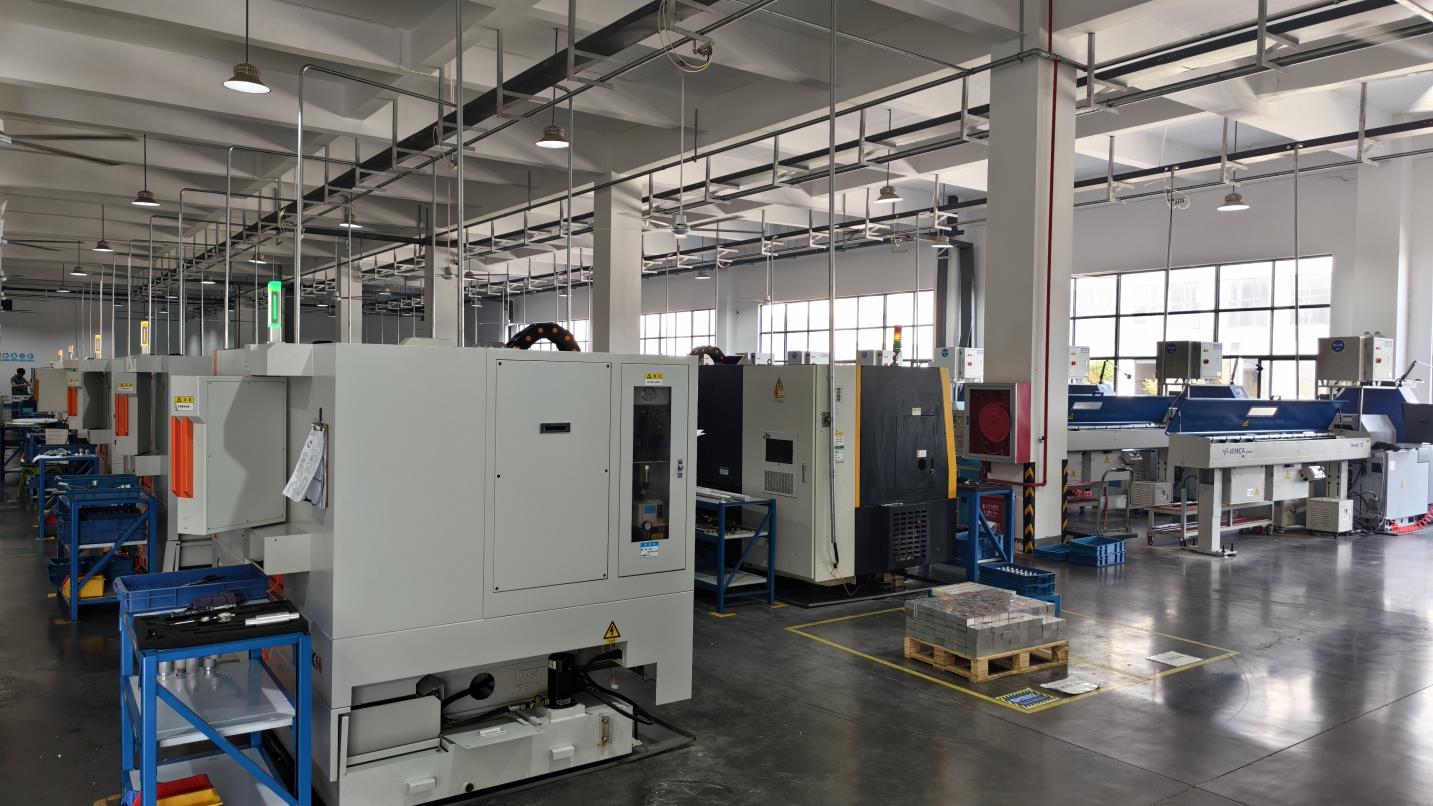
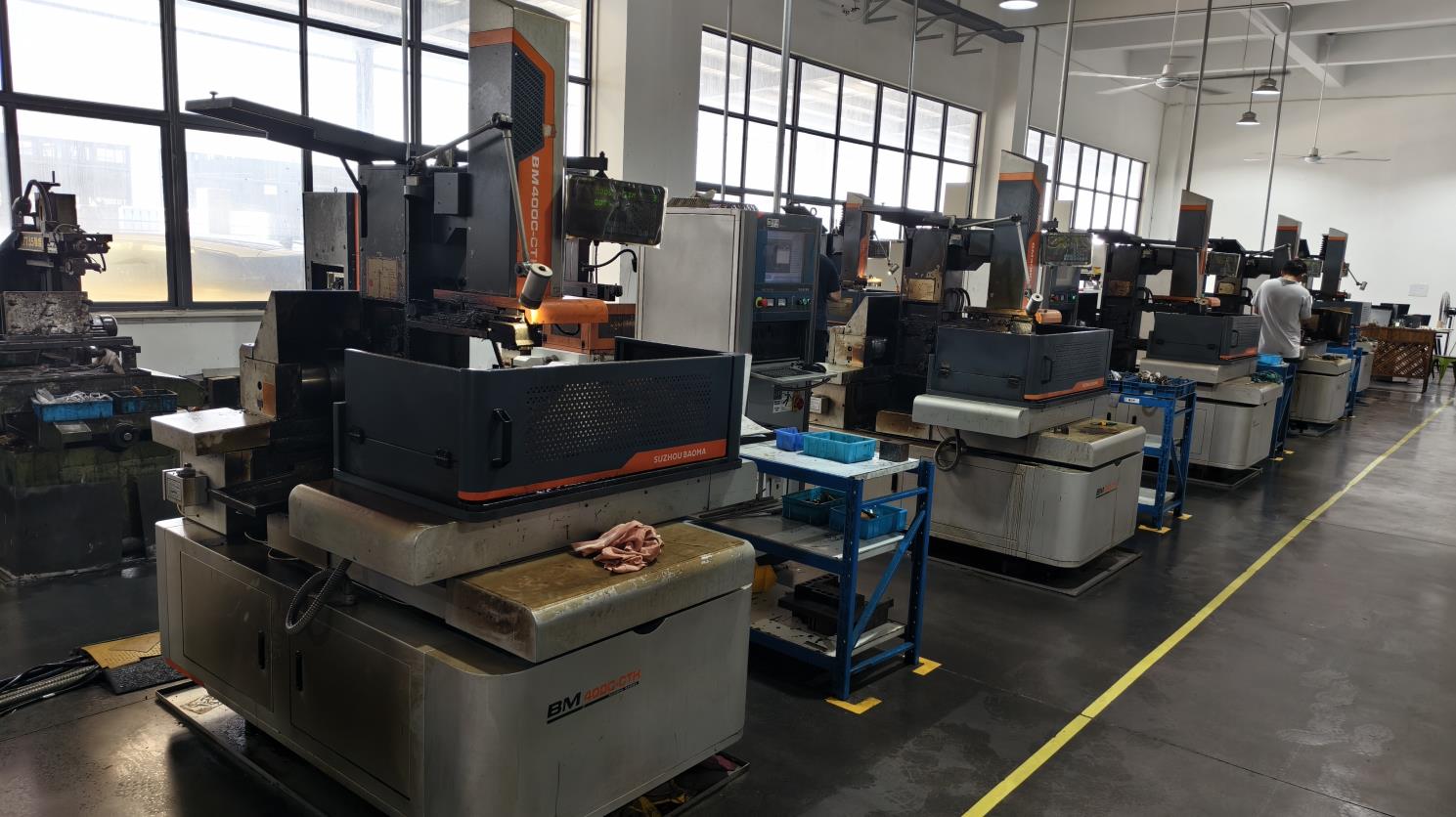
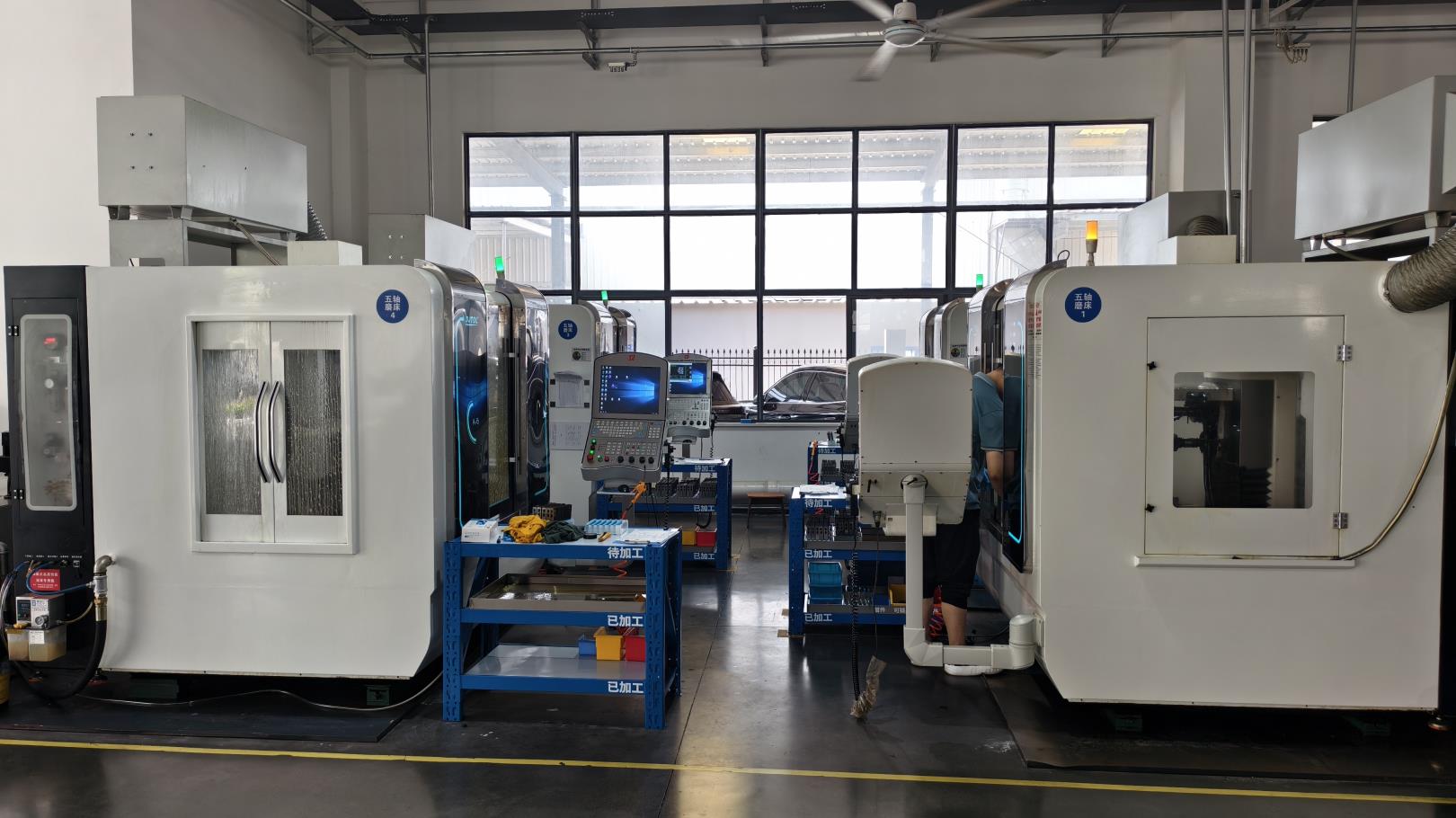
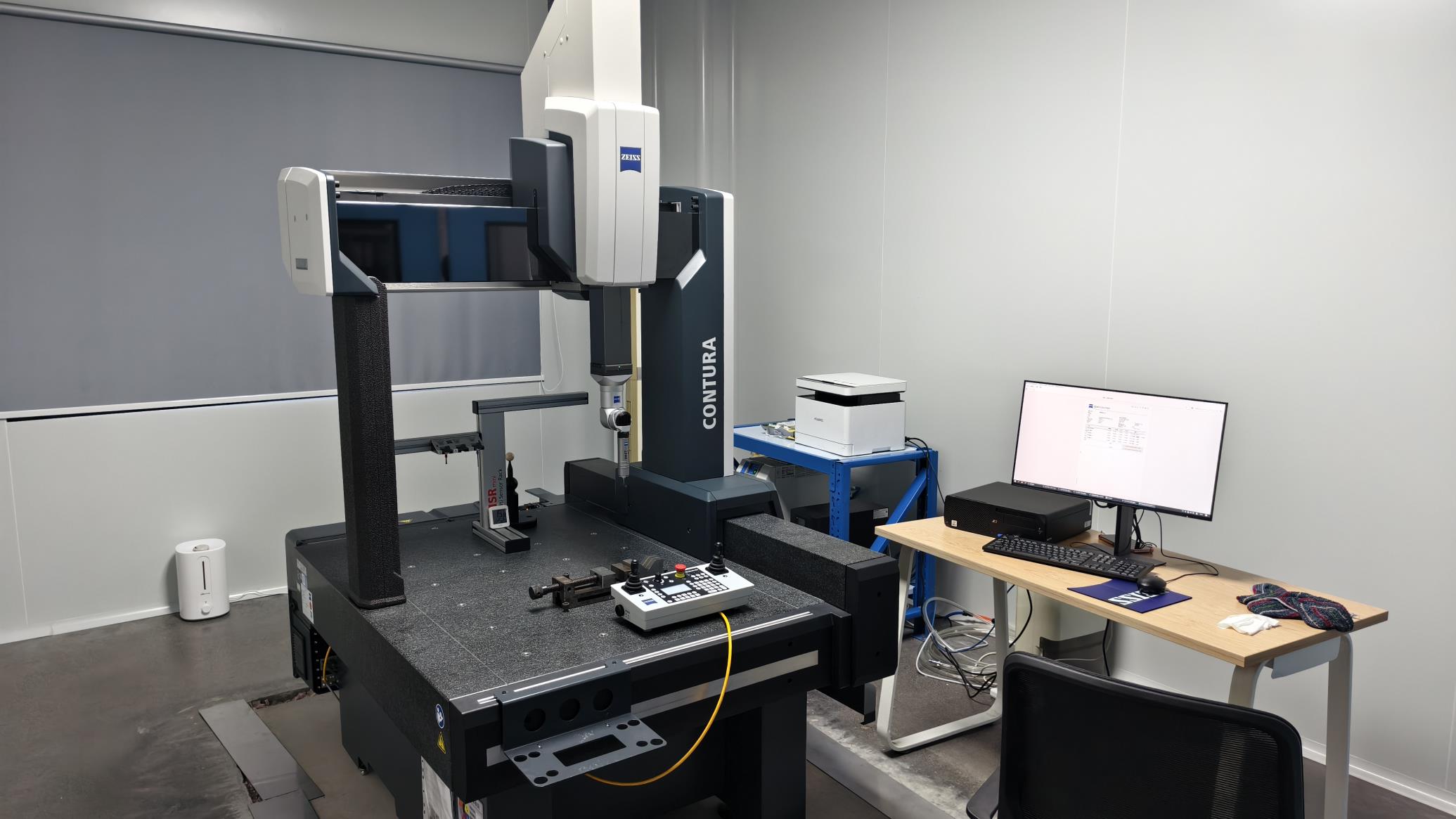
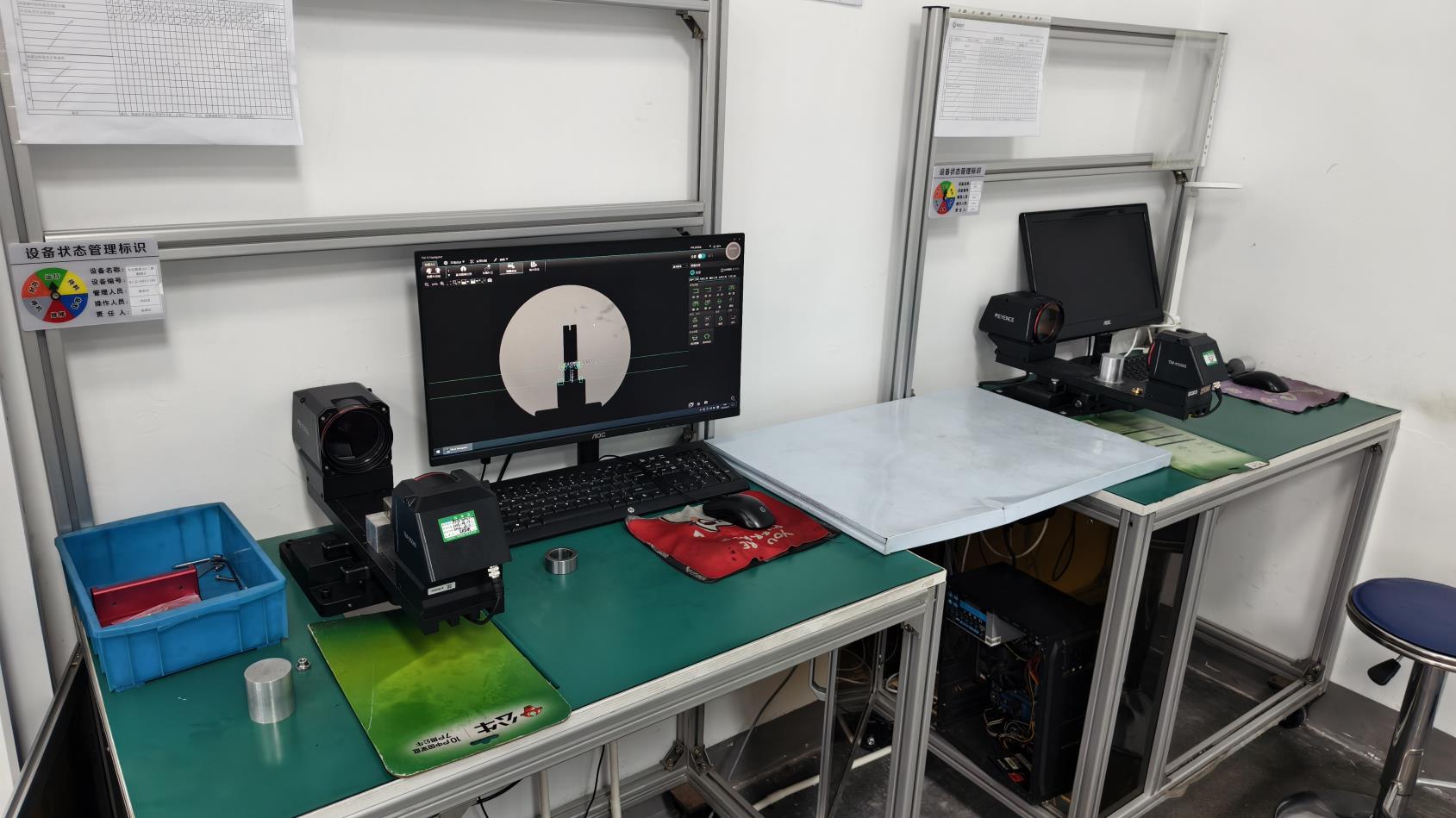
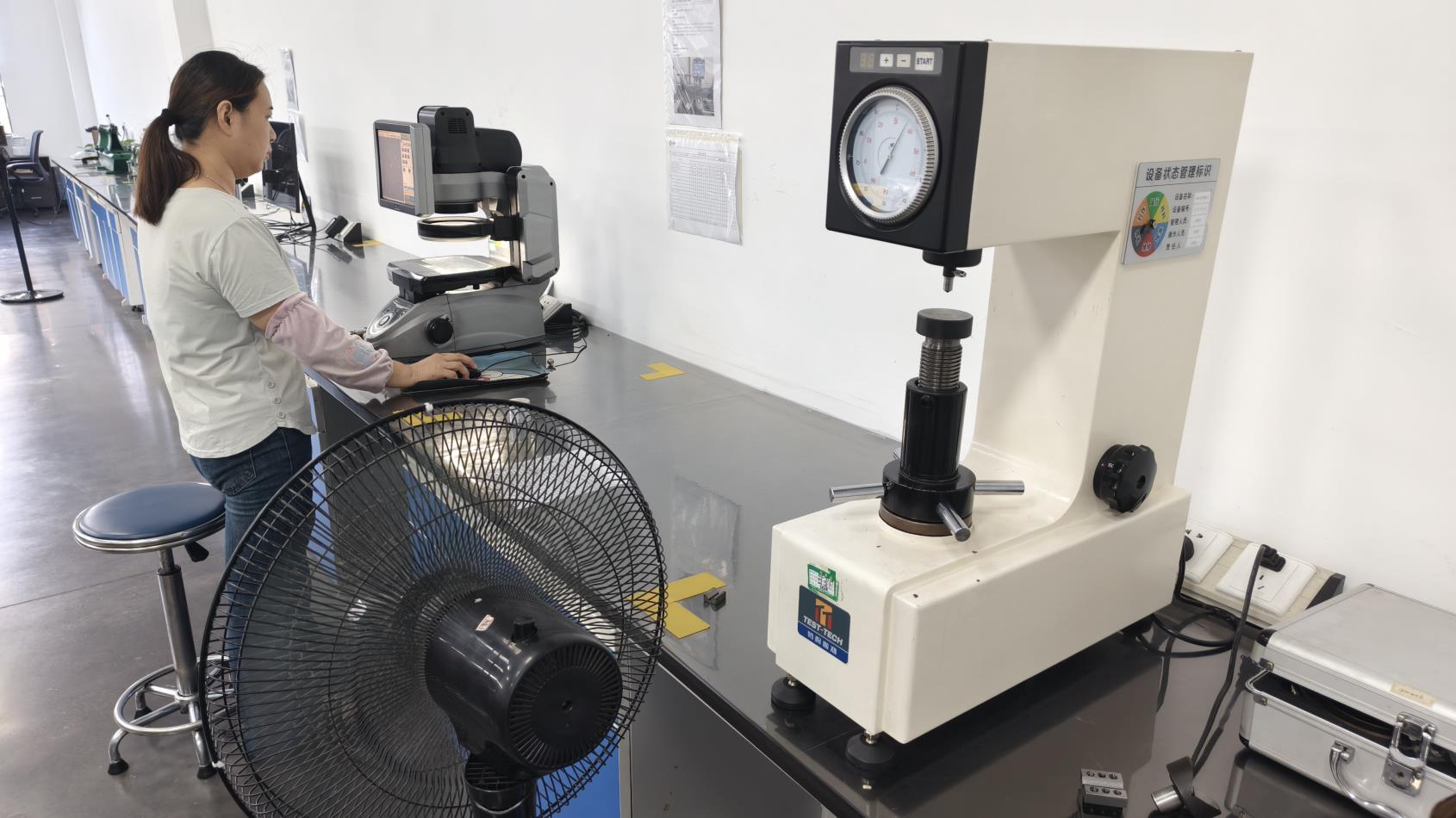
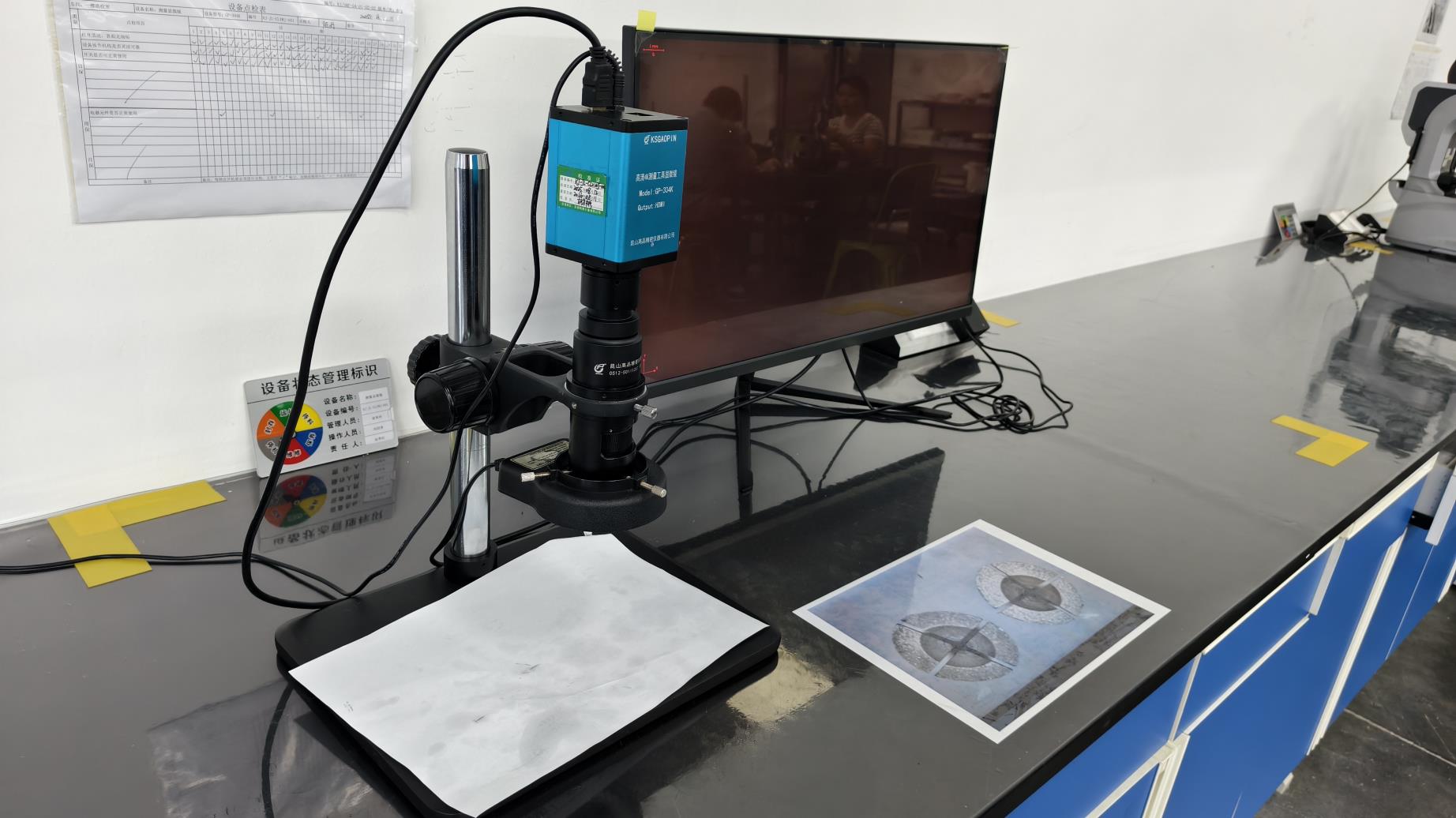
Throughout production, CNC tolerances are monitored at micro-meter resolution. Surface modifications, such as Type II anodization, improve fatigue resistance and color-code component diameters. The final step is automated ultrasonic cleaning in ISO Class 7 cleanrooms, followed by packaging in medical-grade blister packaging to ensure a 5-year sterile shelf life.
Dynamic OEM Customization: Under ODM protocols, implant surface topographies (e.g., HA coating, acid-etched microroughness) can be modified to meet proprietary anatomical specifications or local regulatory demands, such as US FDA 510(k) clearances or EU MDR Class IIb pathways.
4. Future Technical Directions & Outlook
The next decade of intramedullary nailing will be defined by smart implants and digital surgical workflows. Innovations such as embedded strain-gauge micro-sensors to track real-time bone healing and load progression are moving from clinical trials to commercial validation. Concurrently, advancements in additive manufacturing (3D printed titanium structures) allow for customized, patient-specific intramedullary implants for complex limb reconstructions.
On the material science front, research is shifting towards bio-absorbable composite systems and antimicrobial surface treatments, such as silver-ion or selenium coatings, designed to mitigate medical device-associated infections (MDAIs) without compromising structural integrity. Factories that invest in these advanced technologies today will lead tomorrow's medical device supply chains.
 Moventra Medical