Explore the first tier of our certified surgical instrument sets, precision internal fixations, and joint reconstructive implants engineered for dynamic bio-compatibility and load-bearing performance.
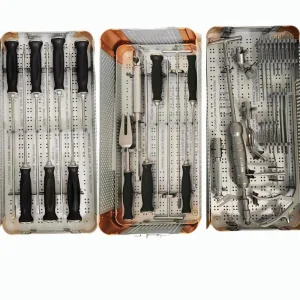
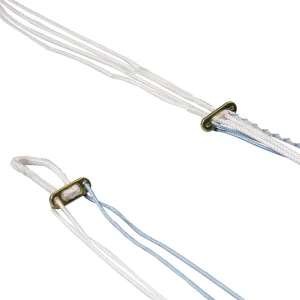
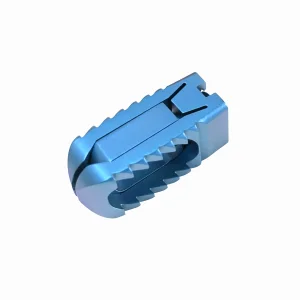
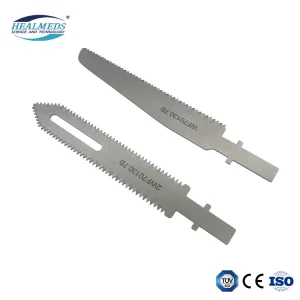
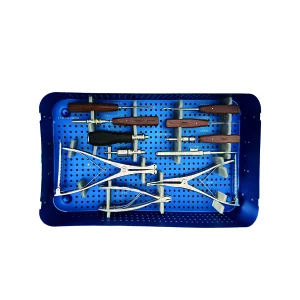
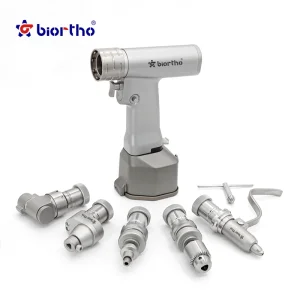
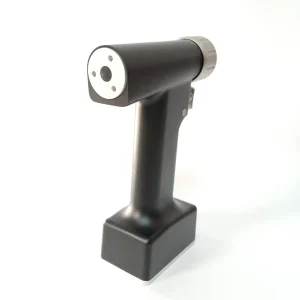
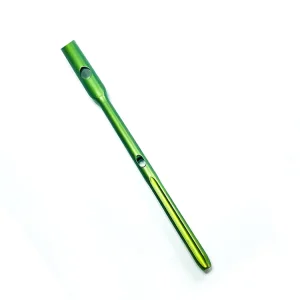
Proximal femoral fractures, especially trochanteric and subtrochanteric fractures, represent a significant clinical challenge globally due to the aging population. The Gamma intramedullary nail system and its modern iteration, the Proximal Femoral Nail Antirotation (PFNA), have become the gold standard in trauma orthopedics. These implants provide stable load-sharing and anti-rotation capabilities, promoting early mobilization and accelerating post-operative rehabilitation.
Unlike sliding hip screws, intramedullary nails are located closer to the weight-bearing axis of the body. This reduces the bending moment on the implant and minimizes the risk of cut-out or mechanical failure in osteoporotic bone structures.
Modern PFNA configurations integrate an anti-rotation blade or secondary locking lag screw. This mechanism compacts the cancellous bone tissue instead of removing it, maximizing purchase and fixation density.
For international supply, compliance with ISO 13485, CE MDR (Regulation EU 2017/745), and US FDA 510(k) clearances is non-negotiable. Tier-1 manufacturers provide fully traceable mechanical validation and raw material records.
When procurement departments, government bidding committees, and clinical networks evaluate Gamma nail suppliers, the decision spans beyond cost. The leading global suppliers and OEM/ODM exporters are measured by strict technological indicators:
Moventra Medical Technology (China) Co., Ltd. is a leading manufacturer specializing in the research, development, production, and global export of orthopedic trauma implants and surgical solutions. Founded in 2017, the enterprise is dedicated to delivering medical devices for trauma, spine, joint reconstruction, and sports medicine.
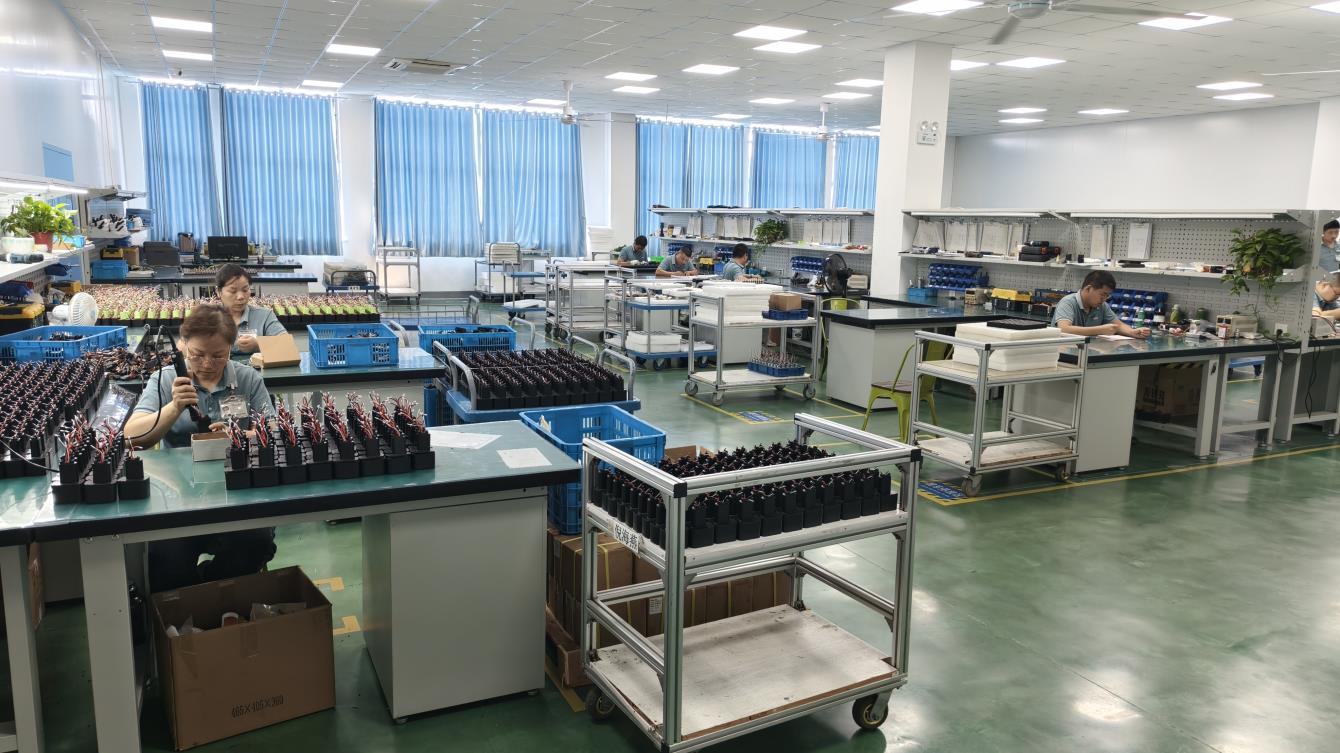
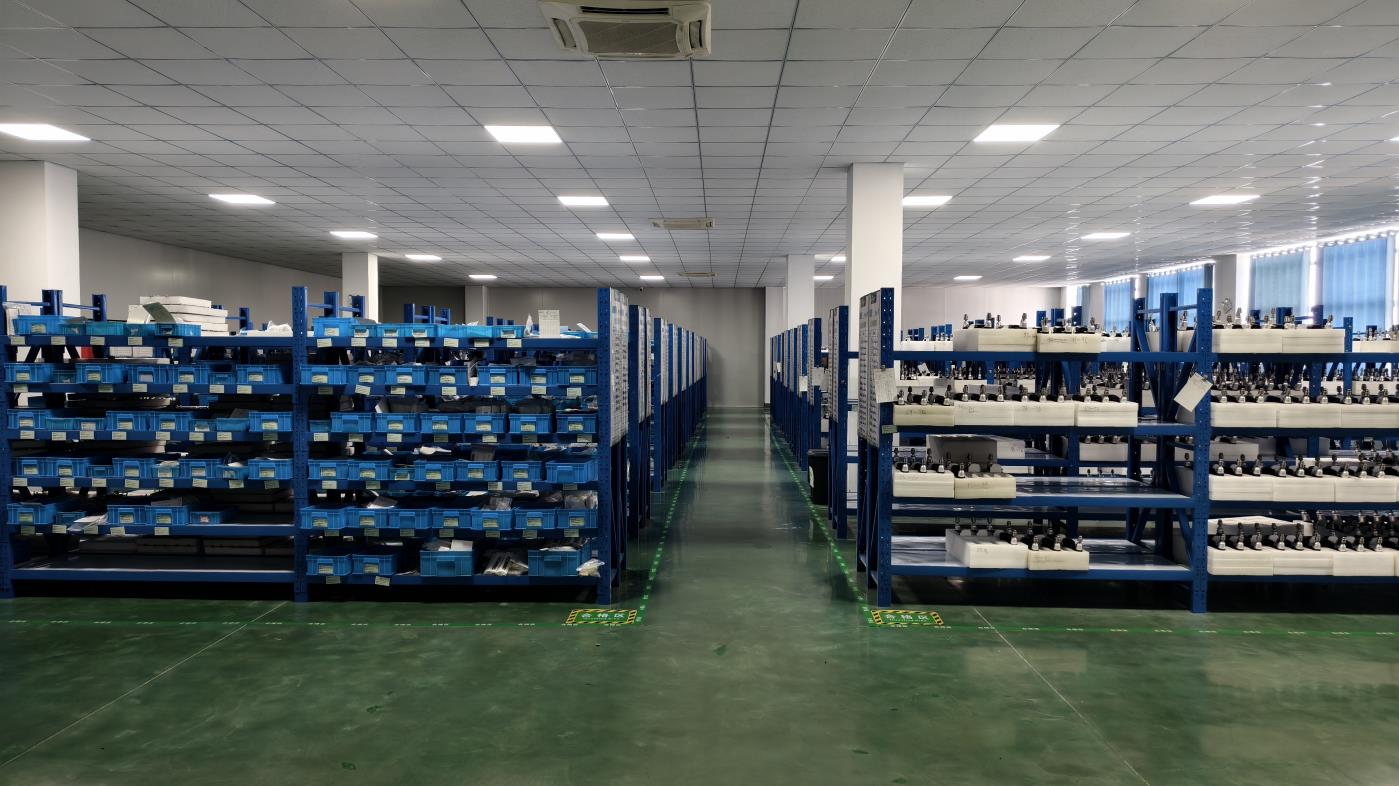
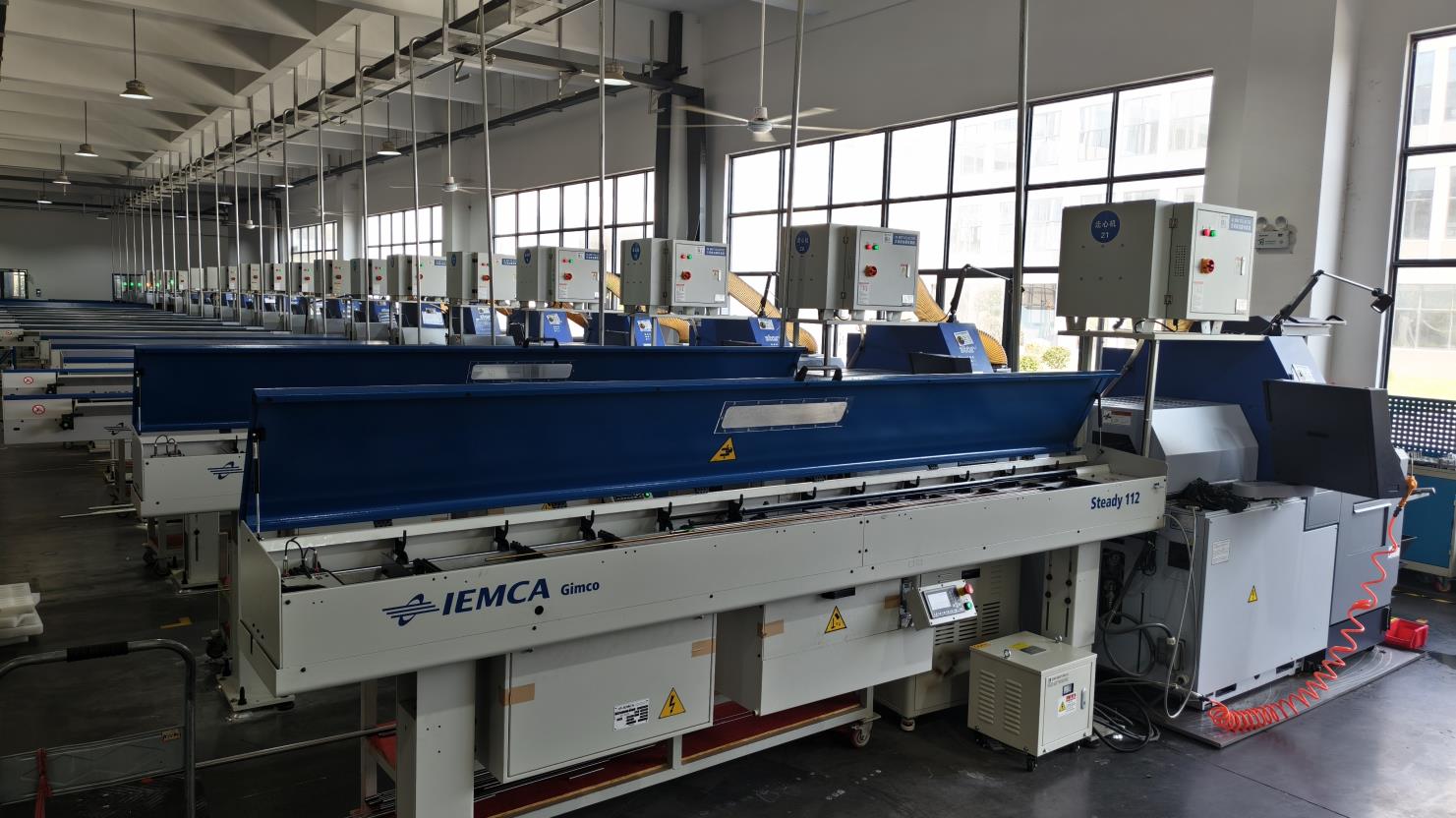
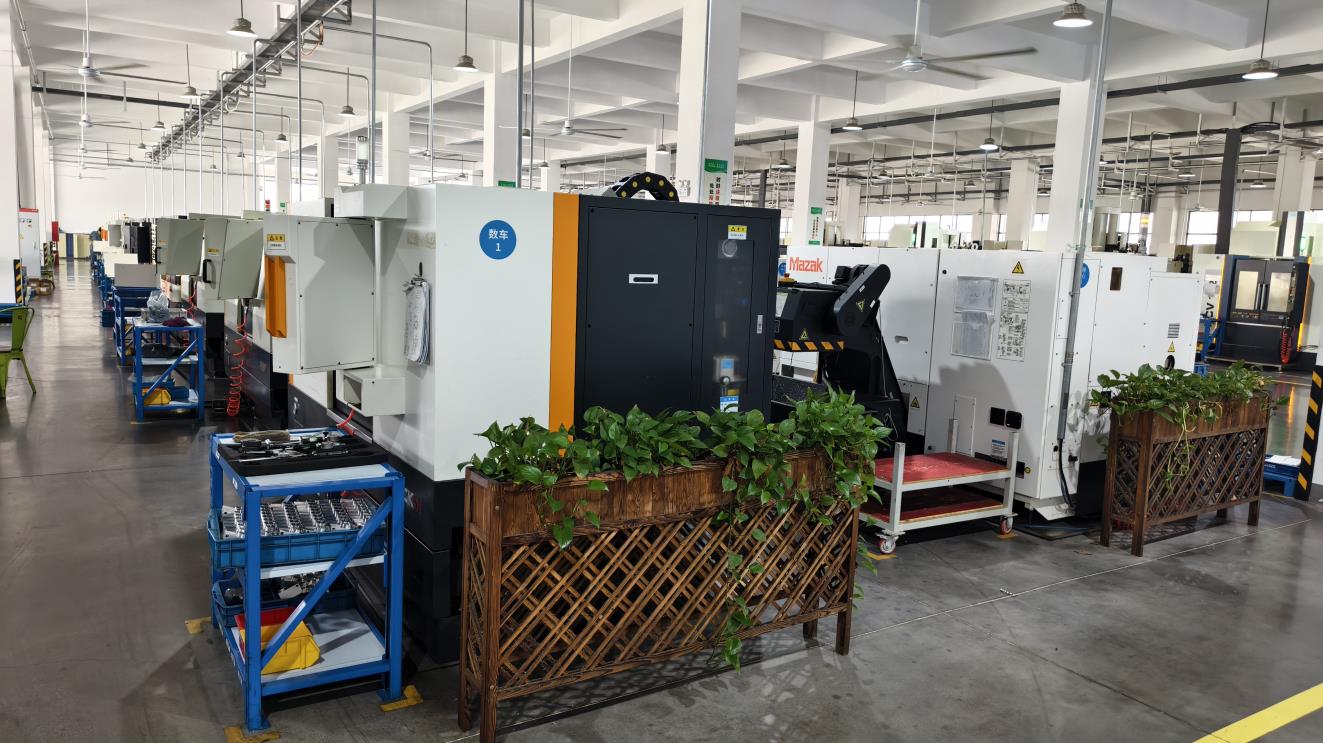
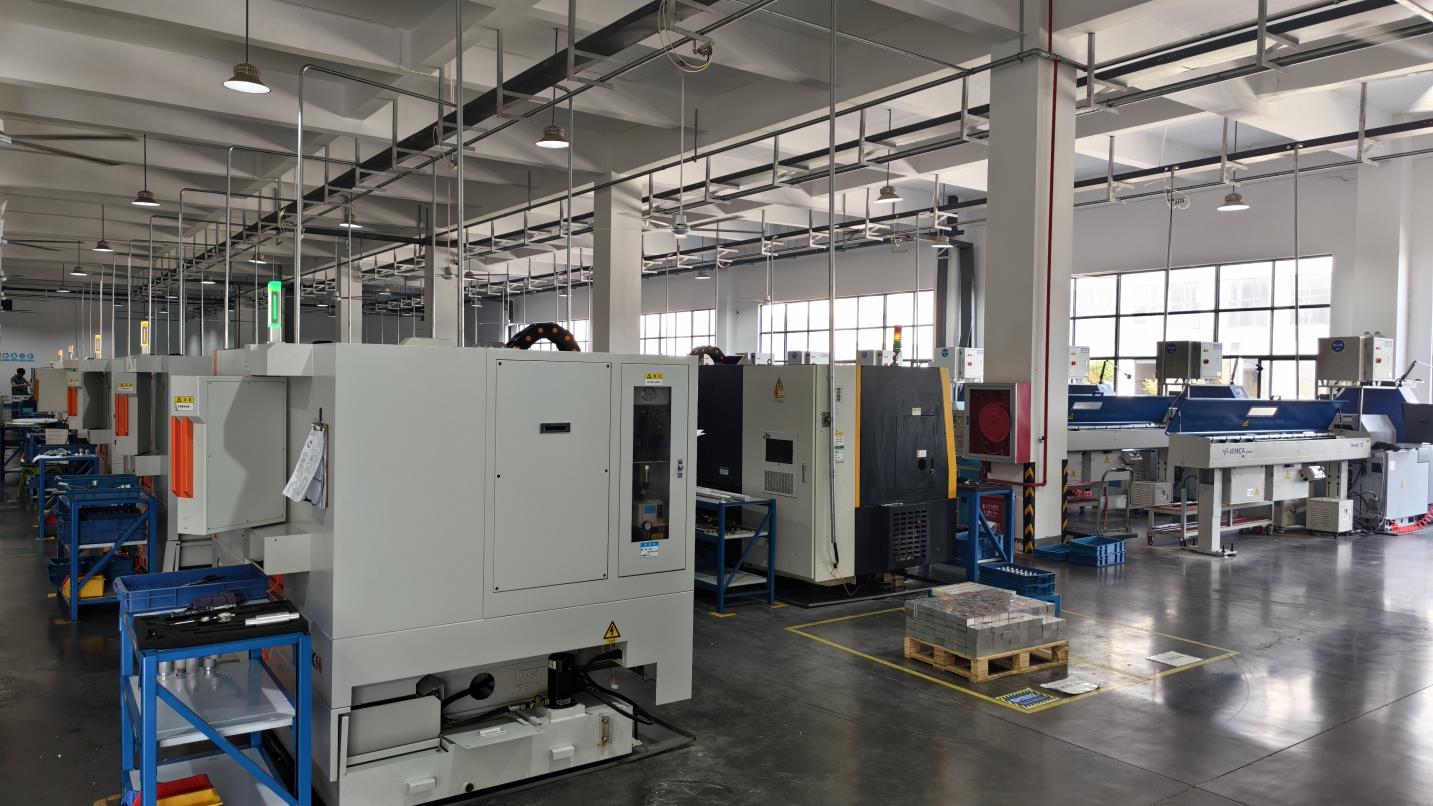
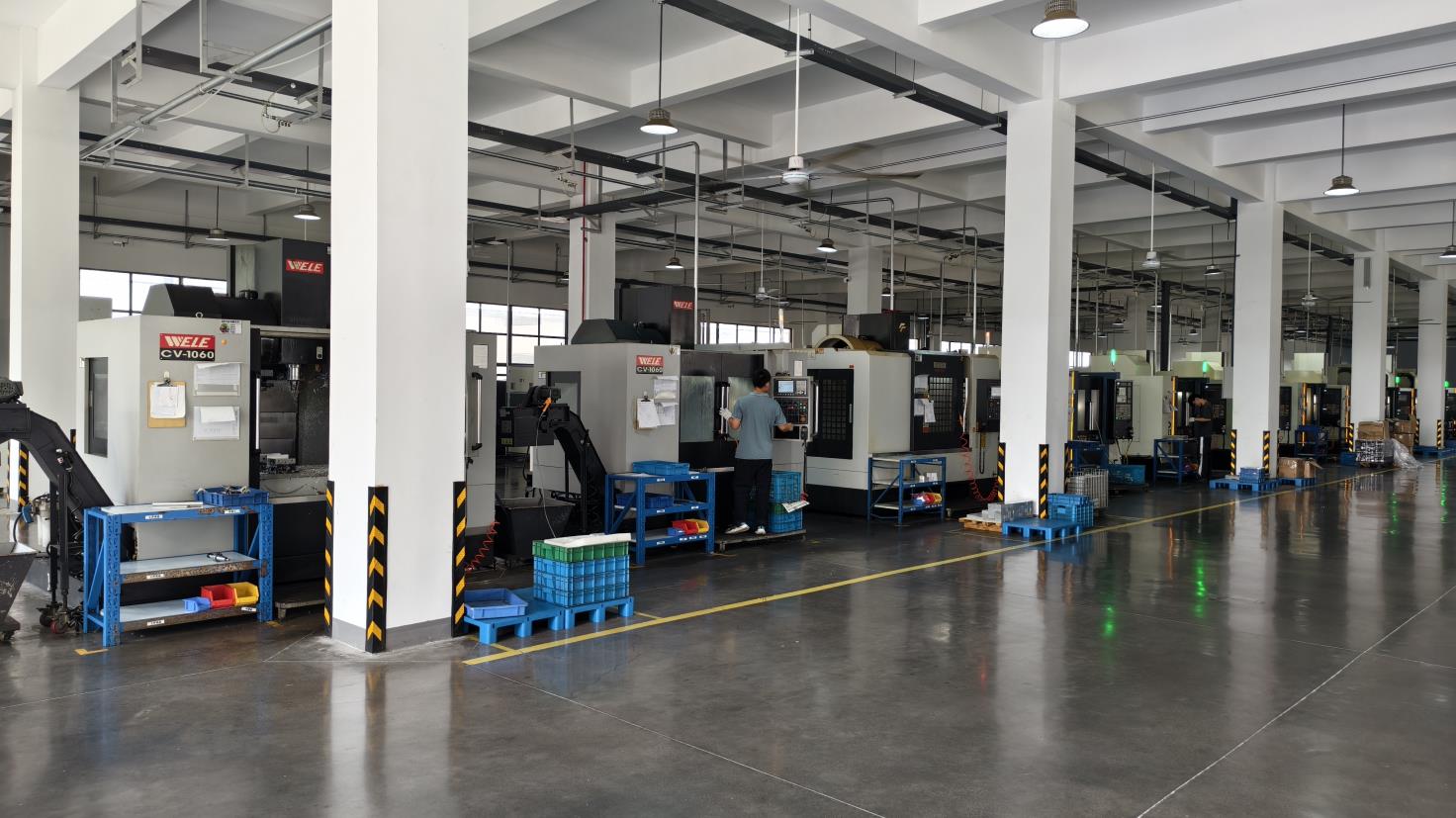
Operating a modern manufacturing facility spanning 18,600 m², Moventra integrates advanced CNC Swiss-type machining, automated production cells, and rigorous quality inspection equipment. Our mature OEM/ODM supply chain ensures tailored product modifications, custom laser marking, and sterile packaging for medical brands and clinical groups worldwide.
| Evaluation Parameter | Specification Details & Operational Capabilities |
|---|---|
| Company Name | Moventra Medical Technology (China) Co., Ltd. (Brand: Moventra) |
| Established & Experience | Established in 2017 | 13 Years of Industry Experience | 7 Years of Global Export Operations |
| Export & OEM Capacity | USD 23.8 Million annual export revenue | Supply Chain Partners: 1,120 global distributors |
| Primary B2B Target Verticals | Medical Device Brands, Orthopedic Distributors, Public and Private Hospitals, Government Bidding Projects |
| Quality Audits & Inspections | 100% Inspection before shipment. Methods: Dimensional, Material Analysis, Surface Finish, Mechanical Performance, Sterility Verification |
| R&D Capability & Output | Independent product design, rapid prototyping, and CAD-based drawing/sample-based custom engineering |
| Customization Options | Logo Customization, Custom Sterile/Non-sterile Packaging, Custom Instrument Sizing & Geometry |
| Annual Innovation Velocity | 156 New Products Released last year alone, backed by 86 dedicated R&D engineers |
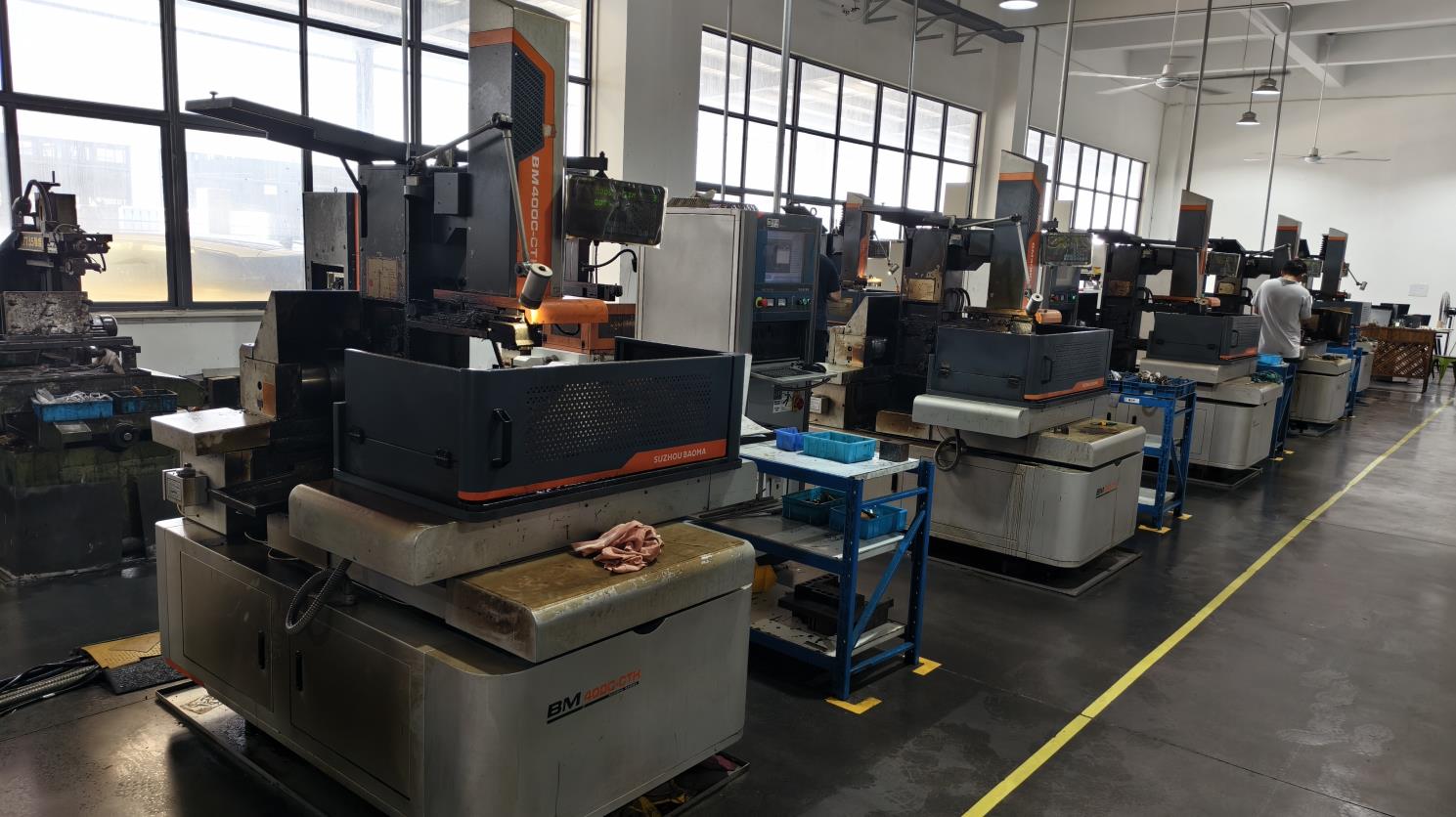
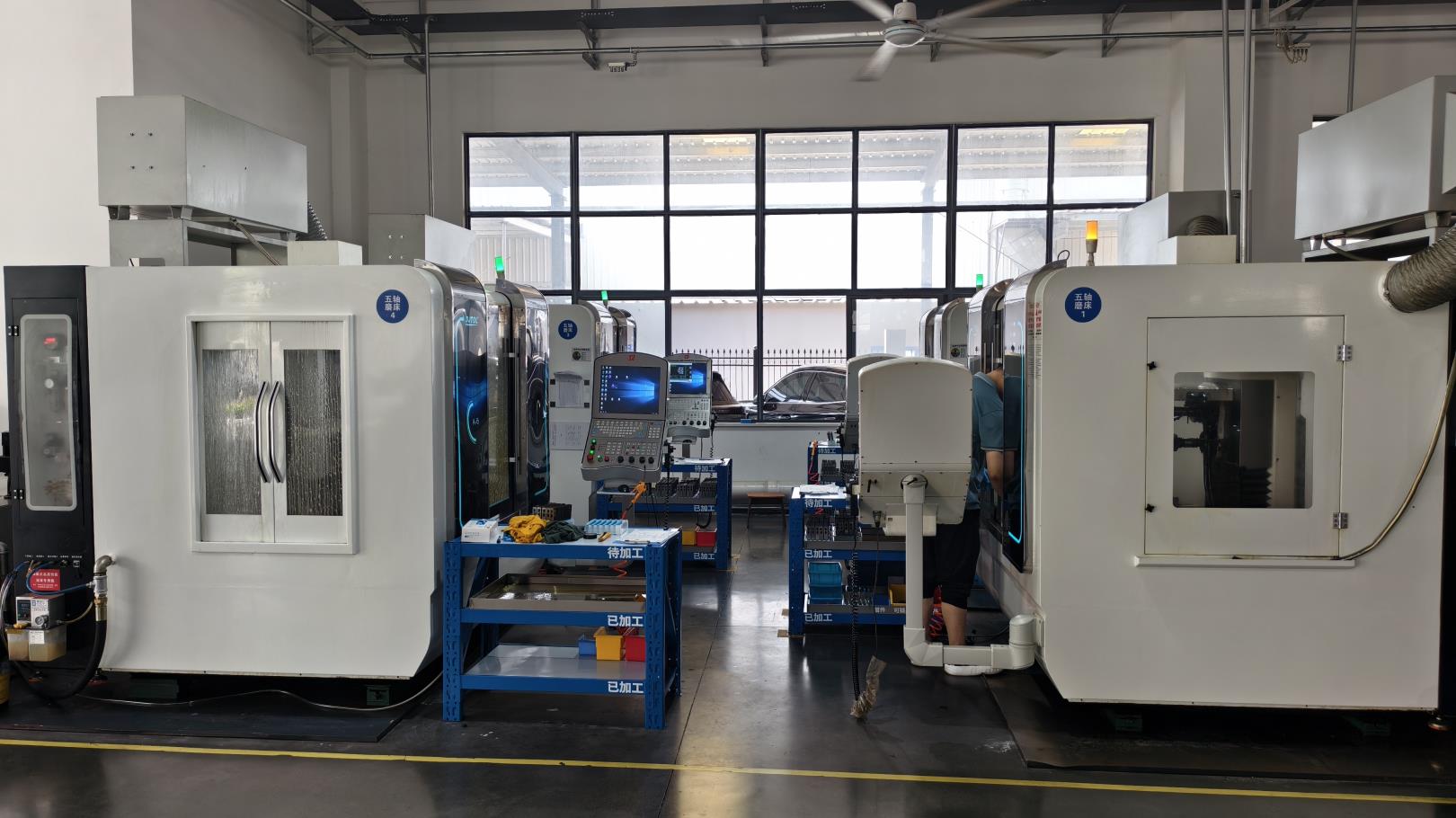
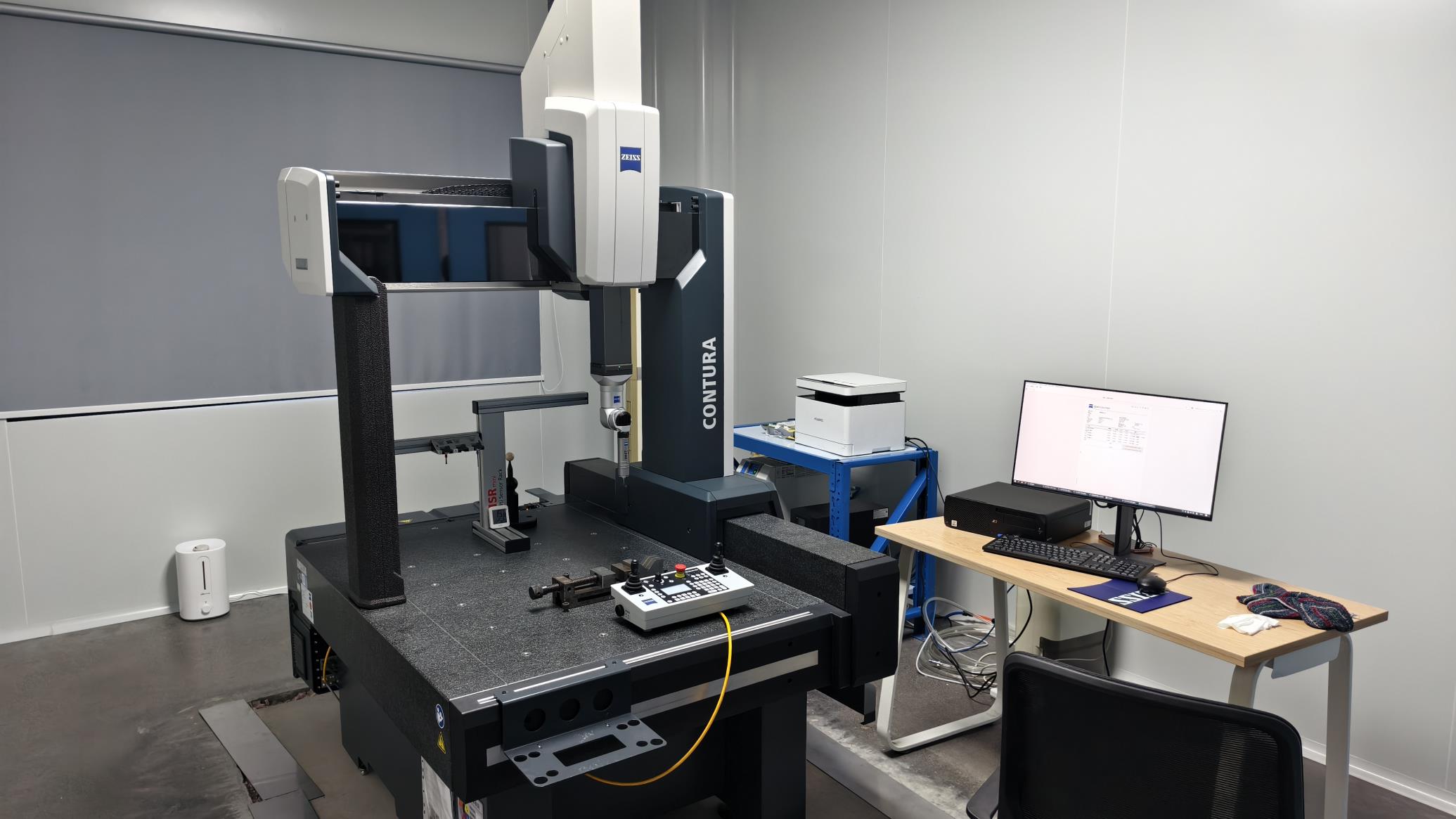
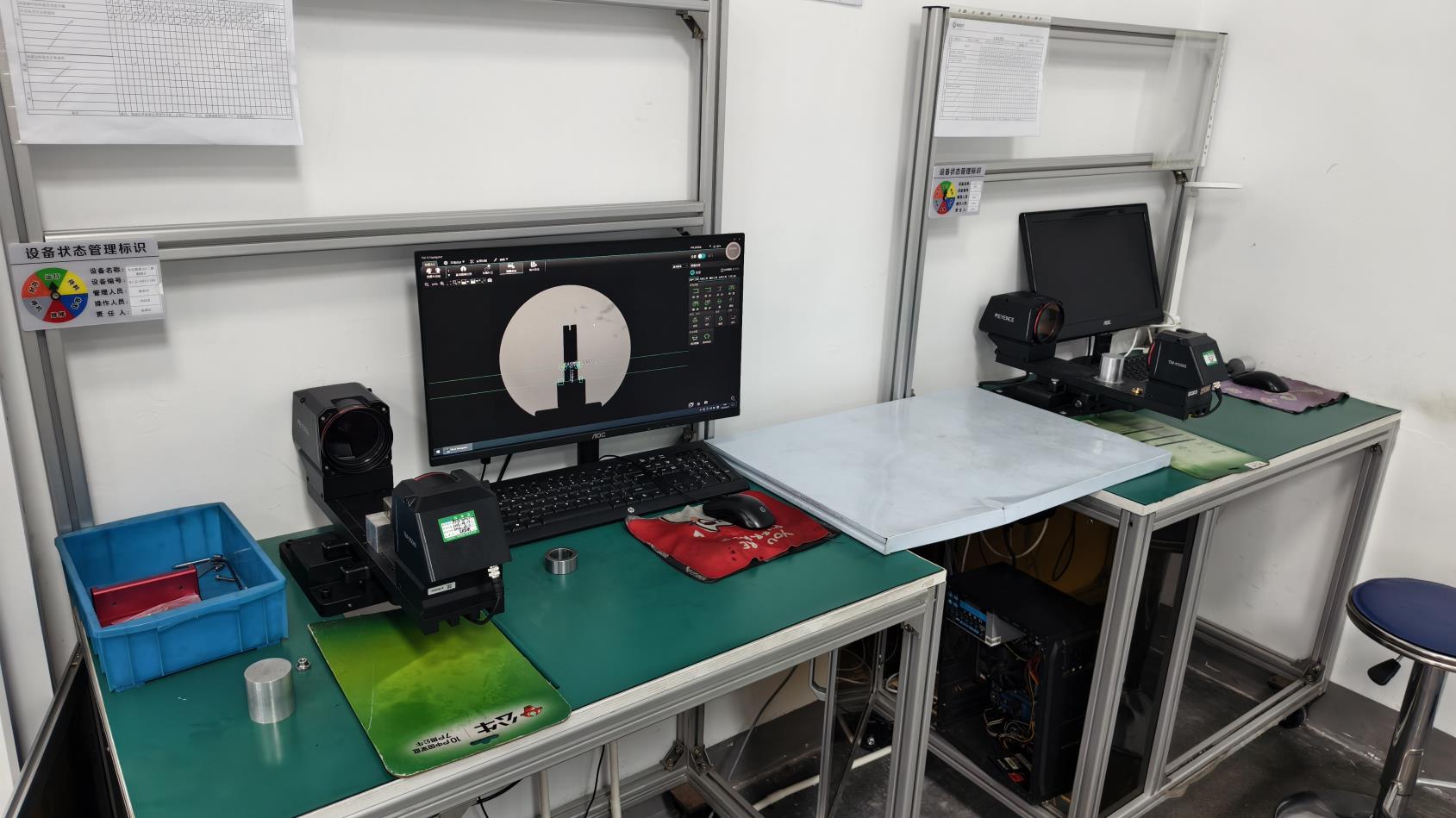
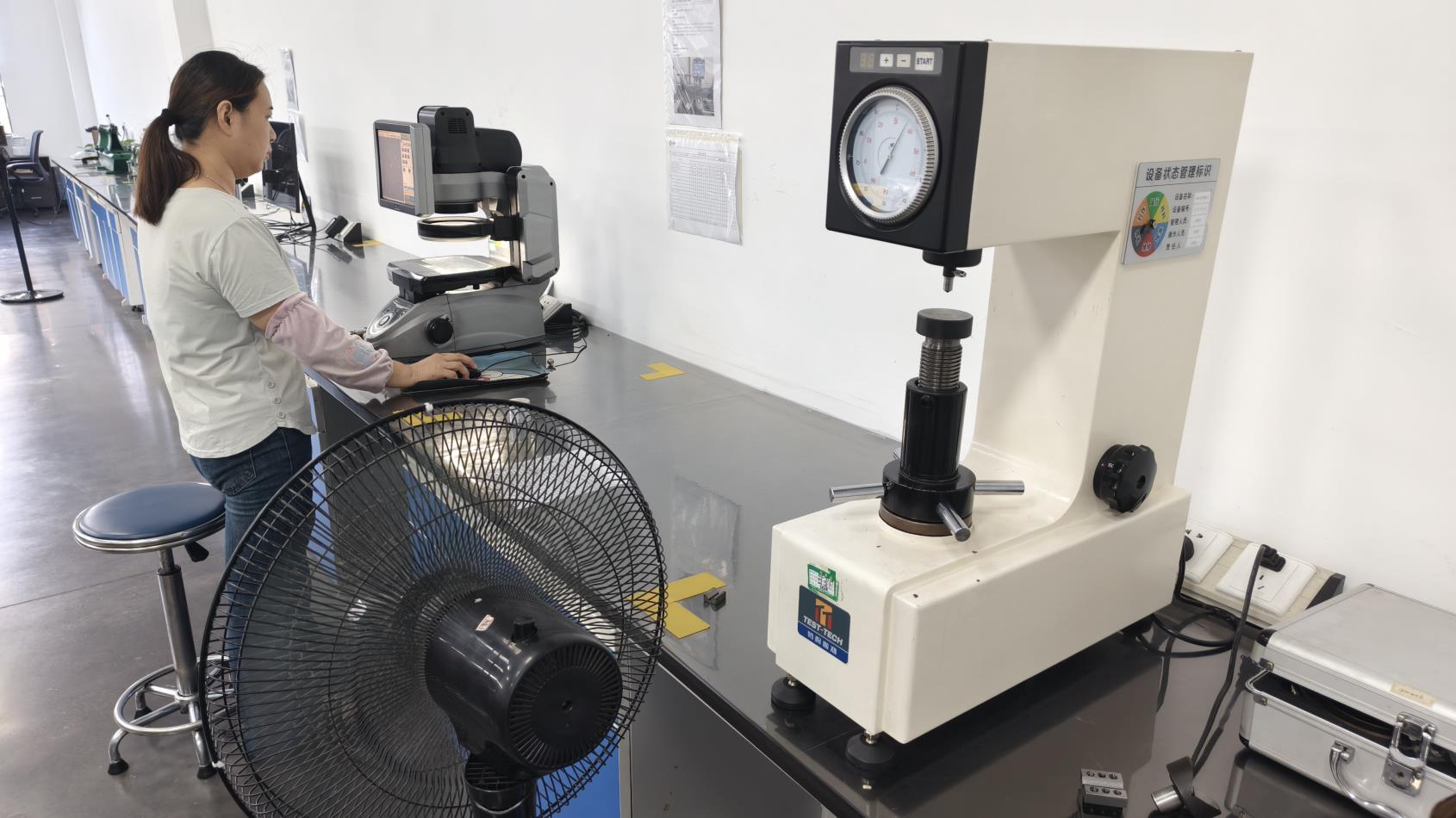
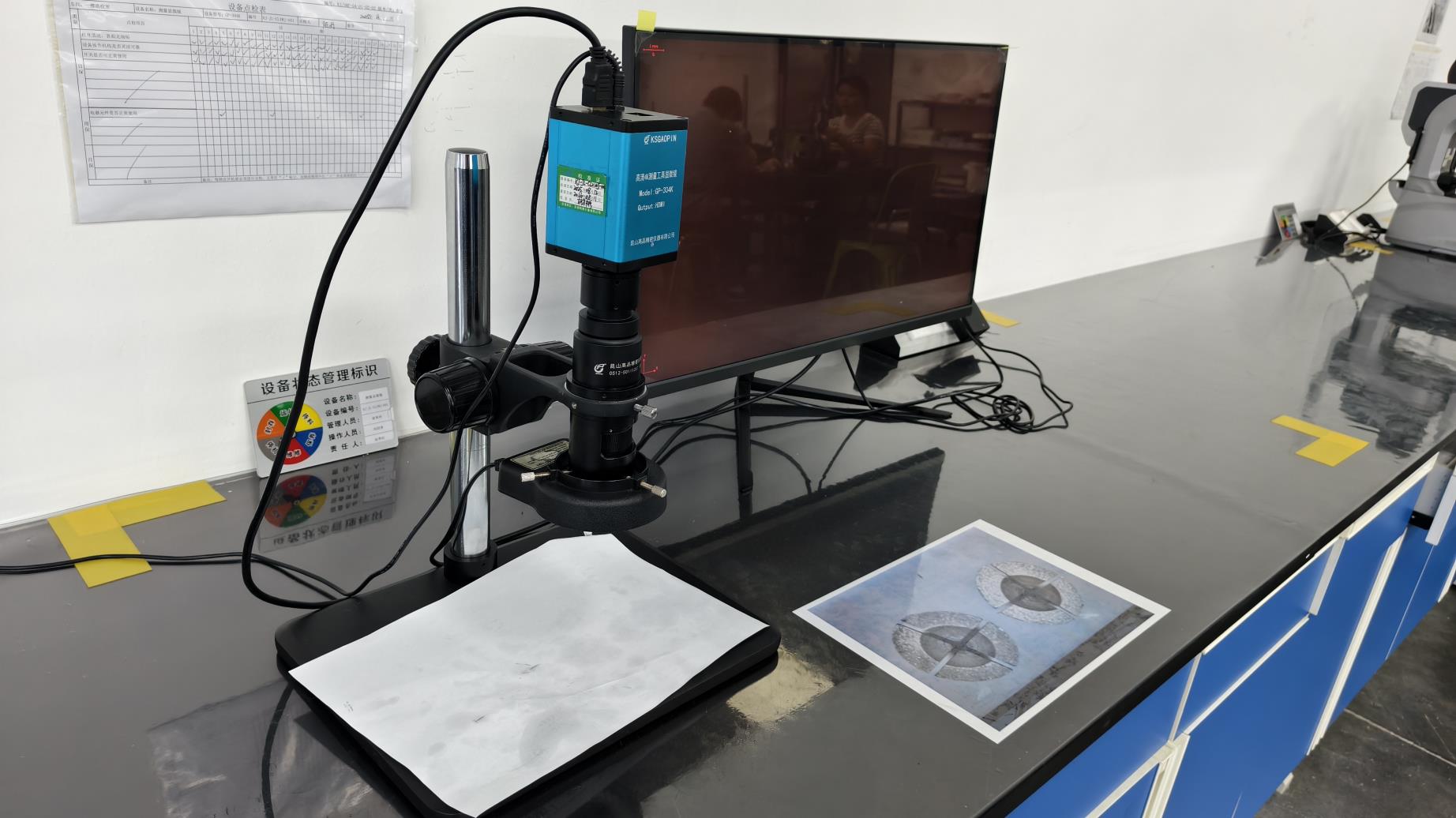
Our 18,600 m² factory features high-precision machinery, including multi-axis CNC Swiss-type lathes, automated milling machines, wire-EDM cutting stations, and cleanrooms. We implement advanced testing equipment to ensure that every intramedullary nail and instrument set meets critical dimensional and mechanical tolerances.
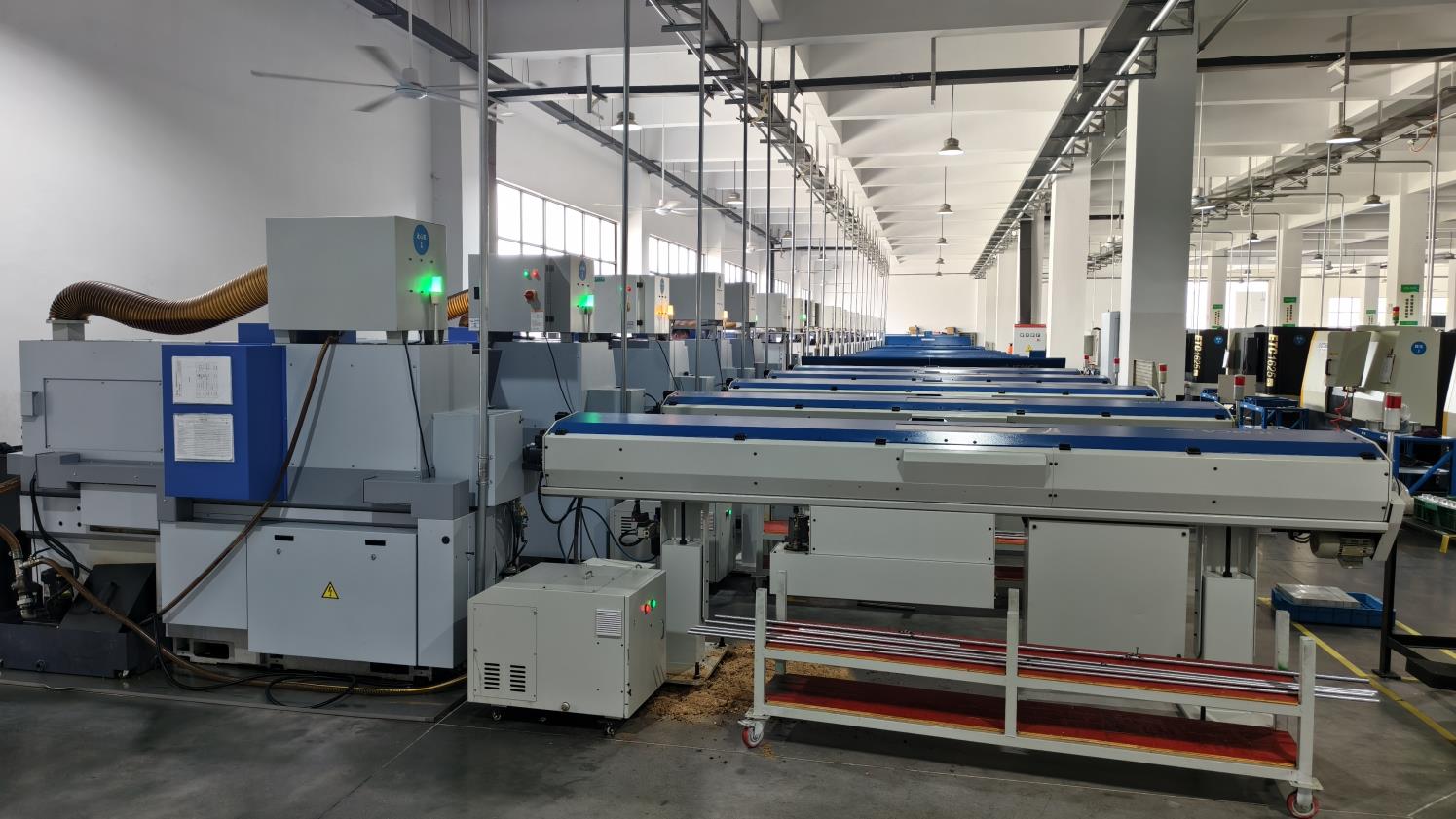
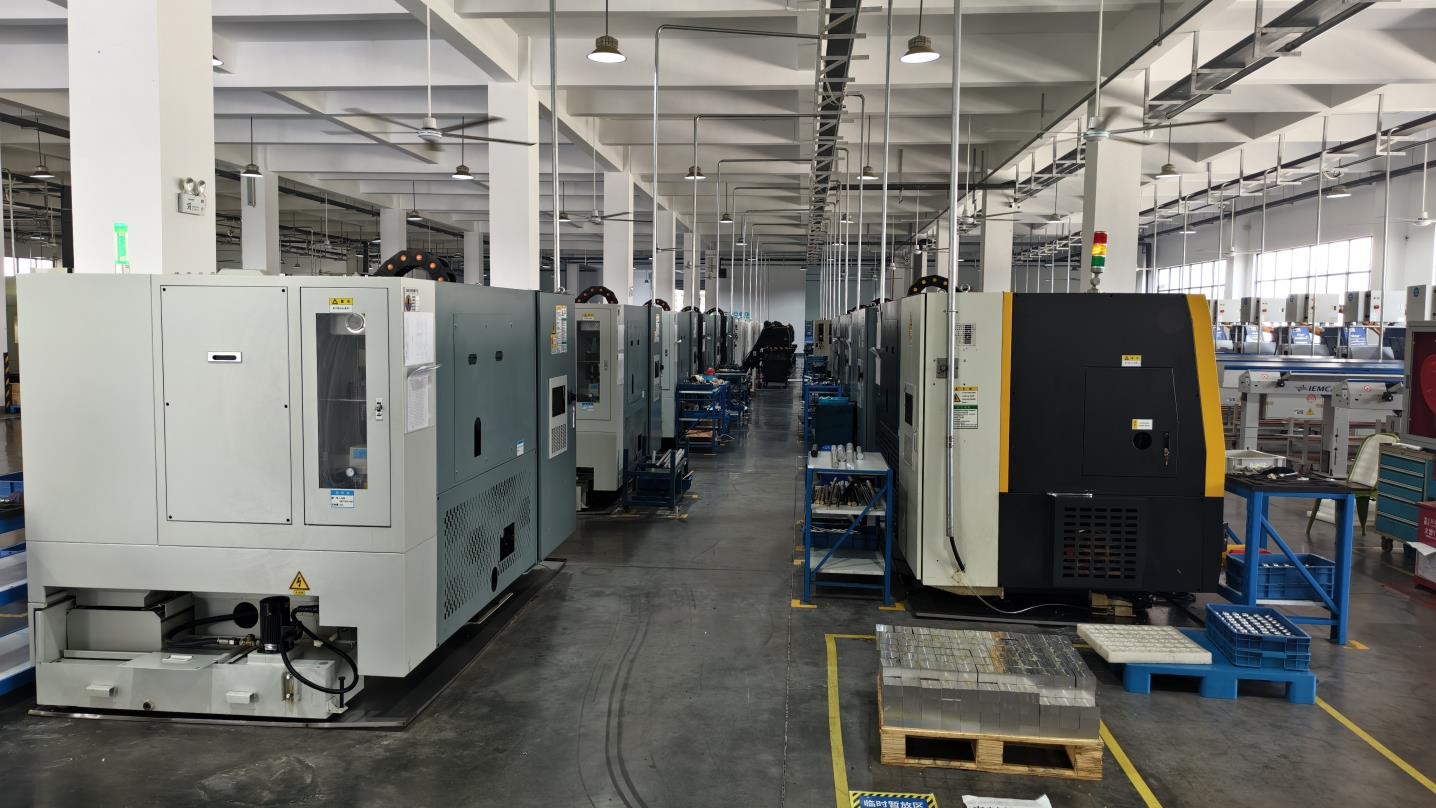
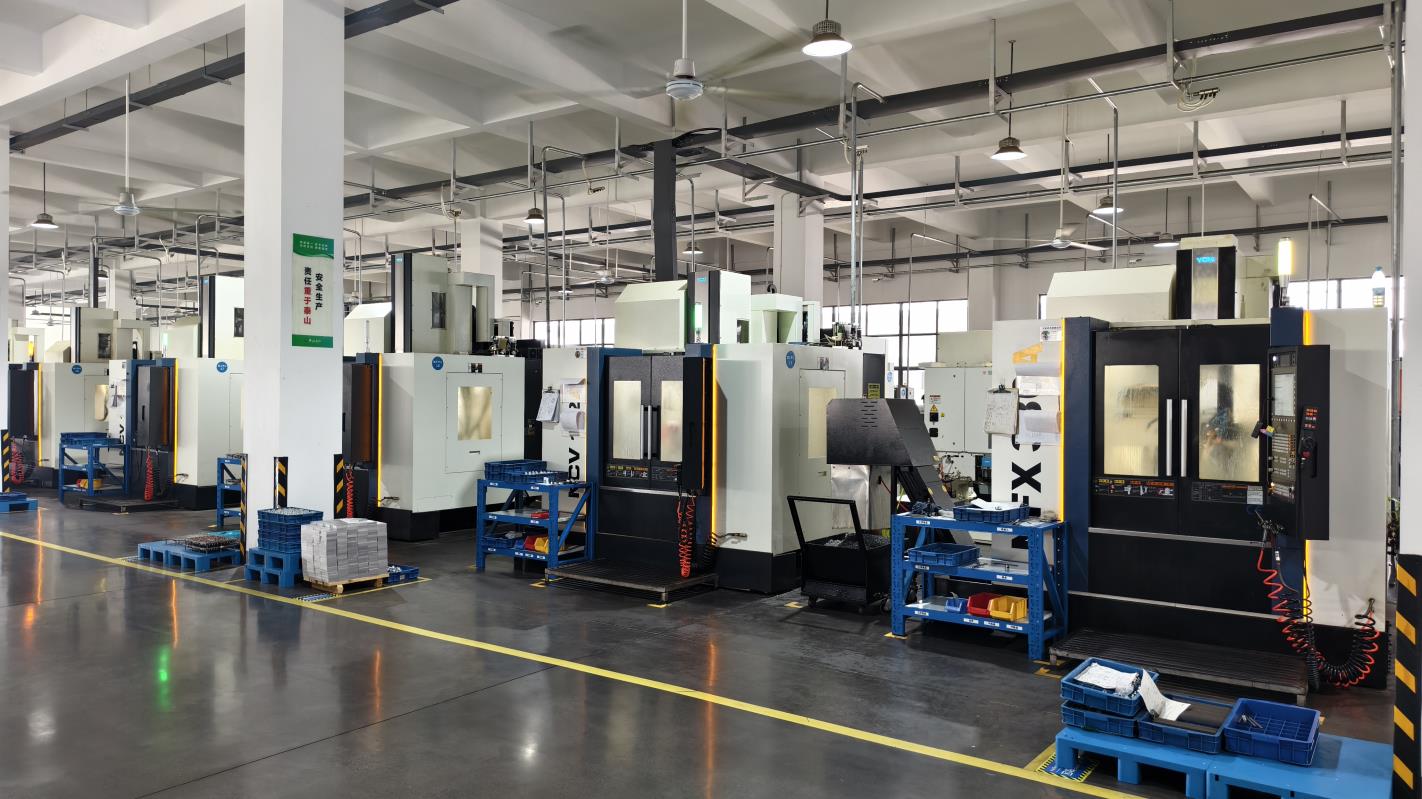
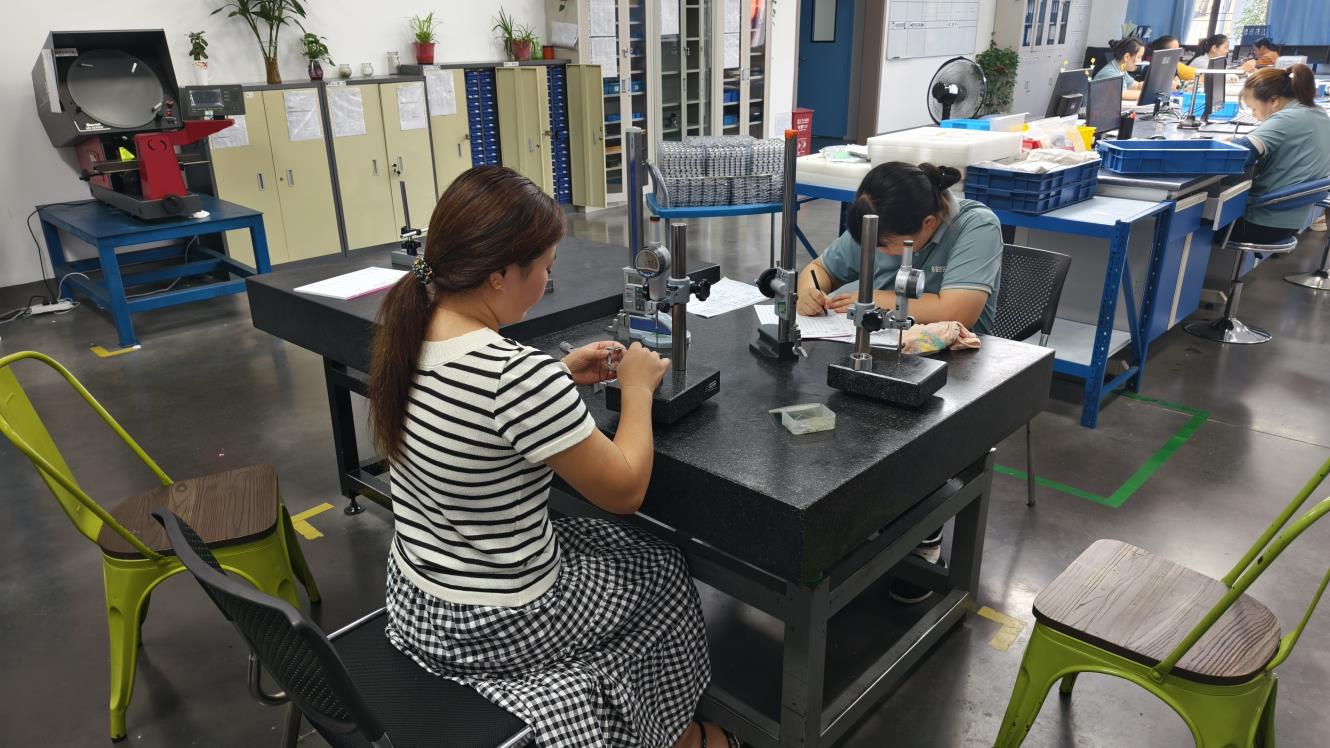
The intramedullary fixation landscape is transitioning from mechanical stability to functional biological integration. Leading global R&D groups, including Moventra's engineering team, focus on three primary technological trends:
Modern Gamma nails are treated with advanced surface modification techniques, such as plasma electrolytic oxidation (PEO) or biological HA (hydroxyapatite) coatings, to promote rapid osseointegration at the proximal femur interface. Dynamic anodization techniques create oxide layers that increase wear resistance, which is critical during implant insertion and long-term micromotion cycles.
3D printing (Selective Laser Melting - SLM) allows manufacturers to produce implants with controlled porosity. High-end trauma manufacturers are working toward patient-specific intramedullary implants designed from preoperative CT scans to address severe anatomical deformities or post-traumatic malunions.
The surgical environment is increasingly adopting navigation-guided targeting systems. Real-time electromagnetic (EM) tracking integration helps surgeons locate distal locking holes without radiation exposure from traditional fluoroscopy, reducing surgical time and optimizing patient outcomes.
Shipping orthopedic implants to major global markets (North America, Europe, South America, Middle East, and Asia-Pacific) requires robust regulatory documentation. A leading manufacturer must provide complete documentation packages, including material certificates (mill sheets), mechanical validation reports, biocompatibility tests (ISO 10993), and sterilization validation studies (ISO 11137).
Moventra maintains a resilient distribution system that supports medical brand owners and government procurement teams through customized labeling, localized registration support, and secure logistics channels. We ensure that our shipments comply with local standards, including SFDA, ANVISA, CE MDR, and US FDA requirements.
Explore the second tier of our certified surgical instrument sets, precision internal fixations, and joint reconstructive implants engineered for dynamic bio-compatibility and load-bearing performance.
 Moventra Medical