Engineered to ensure mechanical durability, precise fixation, and optimized biological recovery.
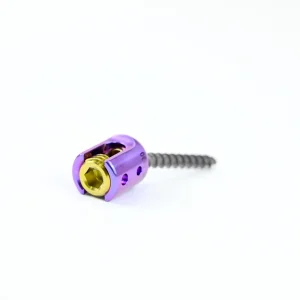
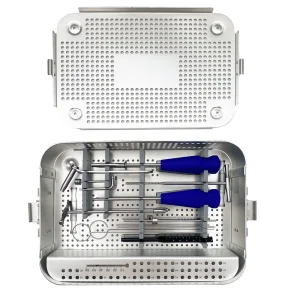
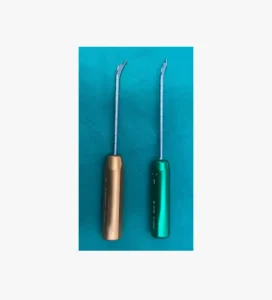
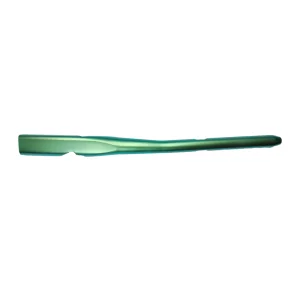
A procurement-level perspective on orthopedic trauma solutions, biological fixation, and quality control systems.
Locking plating systems represent a paradigm shift in fracture fixation. Unlike traditional dynamic compression plates that rely strictly on friction forces between the plate and bone surface, locking plate constructs operate as rigid internal fixators. By locking the screw head into the plate, the system minimizes contact pressure on the periosteum. This design critical-to-quality benefit prevents osteonecrosis beneath the plate and ensures the vital blood supply of the bone tissue is preserved for accelerated callus formation.
For hospital systems, global importers, and orthopedic distributors, selecting the ideal locking plating systems supplier involves evaluating key mechanical metrics. The biological stability and long-term fatigue life of these implants depend on the precision machining of the thread profile, the biocompatibility of the titanium alloy (primarily Ti-6Al-4V ELI / Grade 5), and the stringent control of tolerances down to the micron level.
As the global geriatric population grows, the demand for osteoporotic fracture treatment has spiked. According to industry intelligence, the global orthopedic locking plates market is expected to witness steady compound growth over the next decade. Key factors steering this evolution include:
Sourcing medical-grade orthopedic implants involves strict regulatory hurdles. Buyers look for suppliers who satisfy the following critical criteria:
1. Regulatory Certification: Implants must satisfy the European Medical Device Regulation (EU MDR 2017/745) and hold US FDA 510(k) clearances. Without these credentials, entering developed markets is impossible.
2. Raw Material Traceability: Complete manufacturing transparency is vital. Top-tier manufacturers provide physical and chemical material test reports for every batch of medical-grade titanium and cobalt-chromium alloys.
3. Dynamic Mechanical Testing: Manufacturers must conform to testing standards such as ASTM F382 (Standard Specification and Test Method for Metallic Bone Plates) to verify fatigue limits, bending stiffness, and bending strength.
A premier manufacturer and strategic OEM/ODM partner for orthopedic implants and trauma systems.
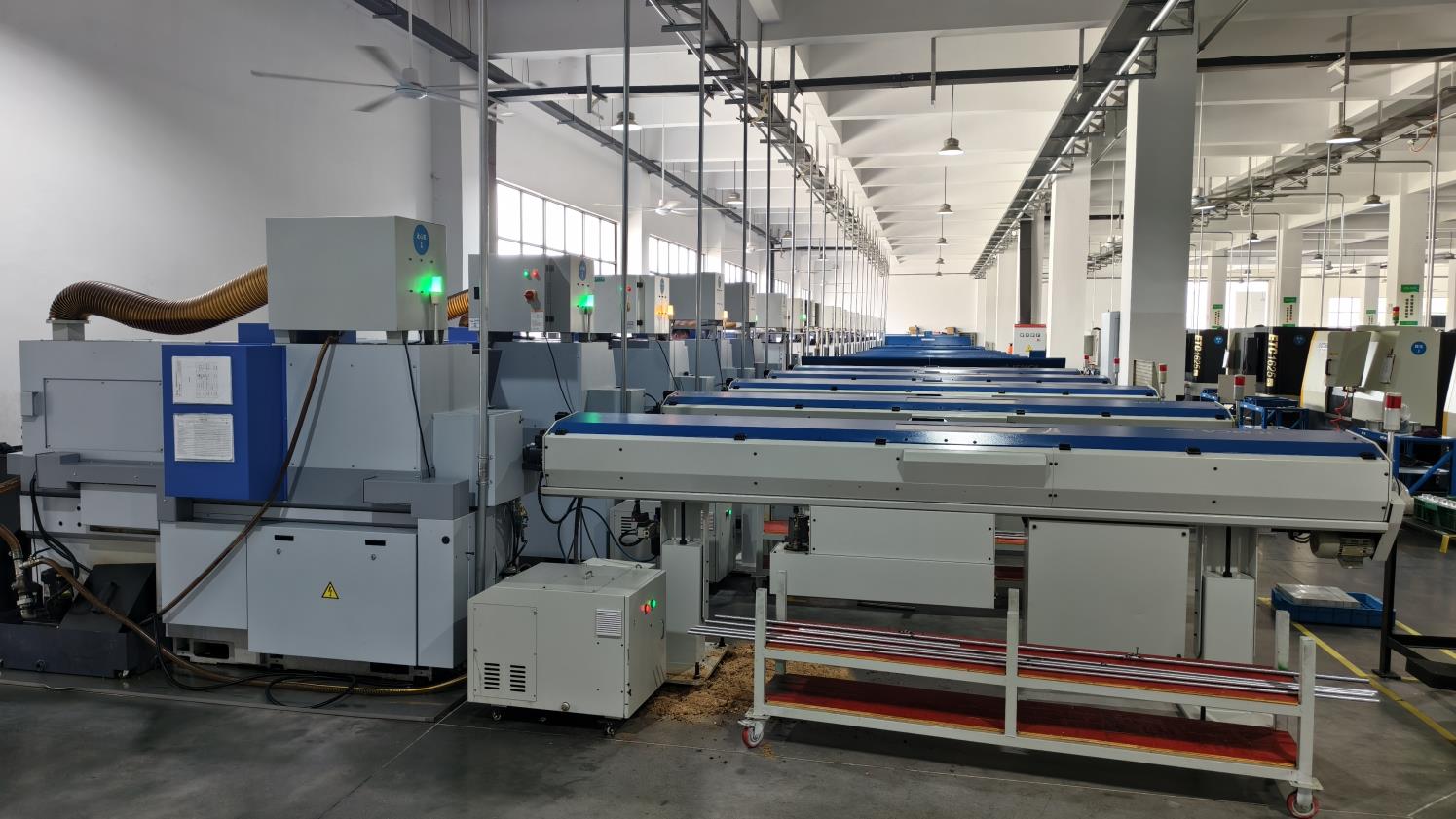
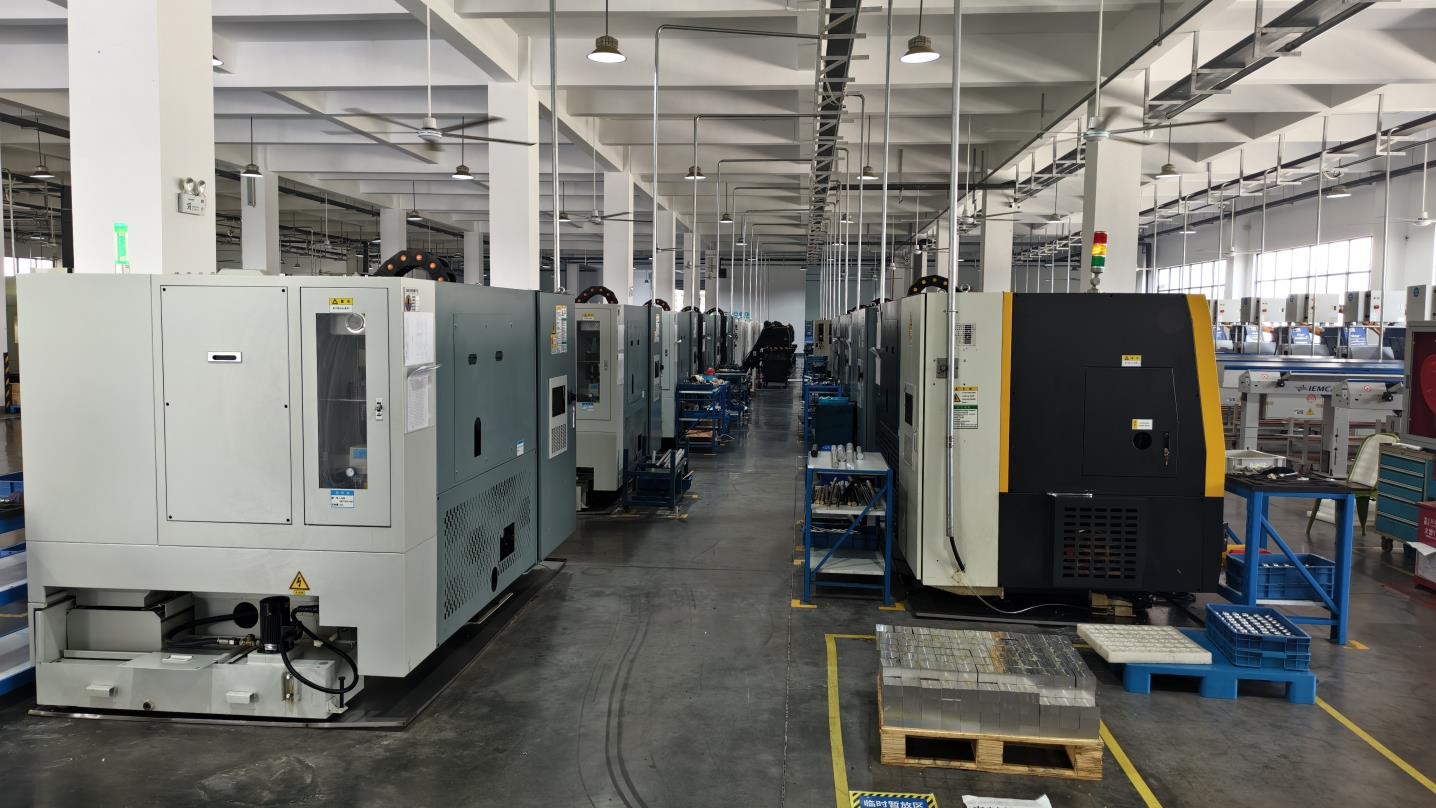
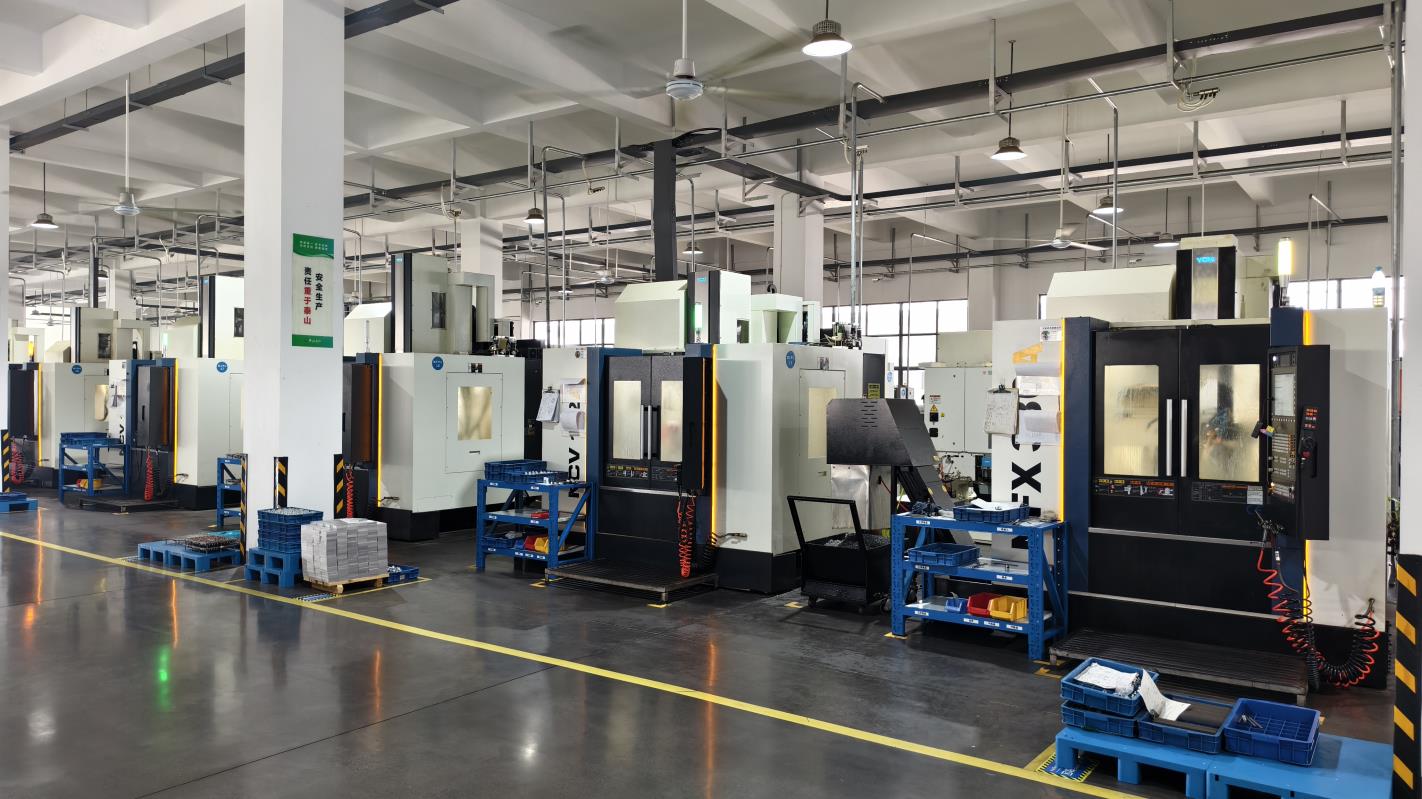
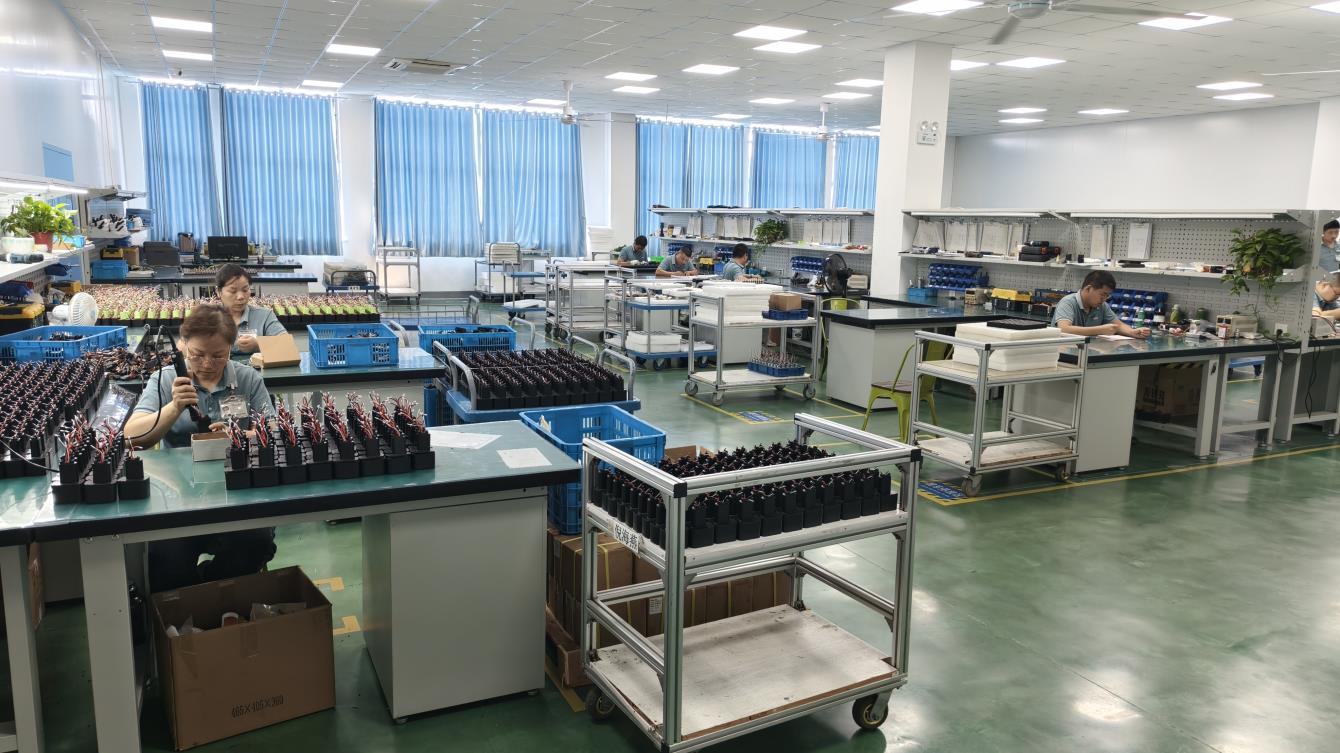
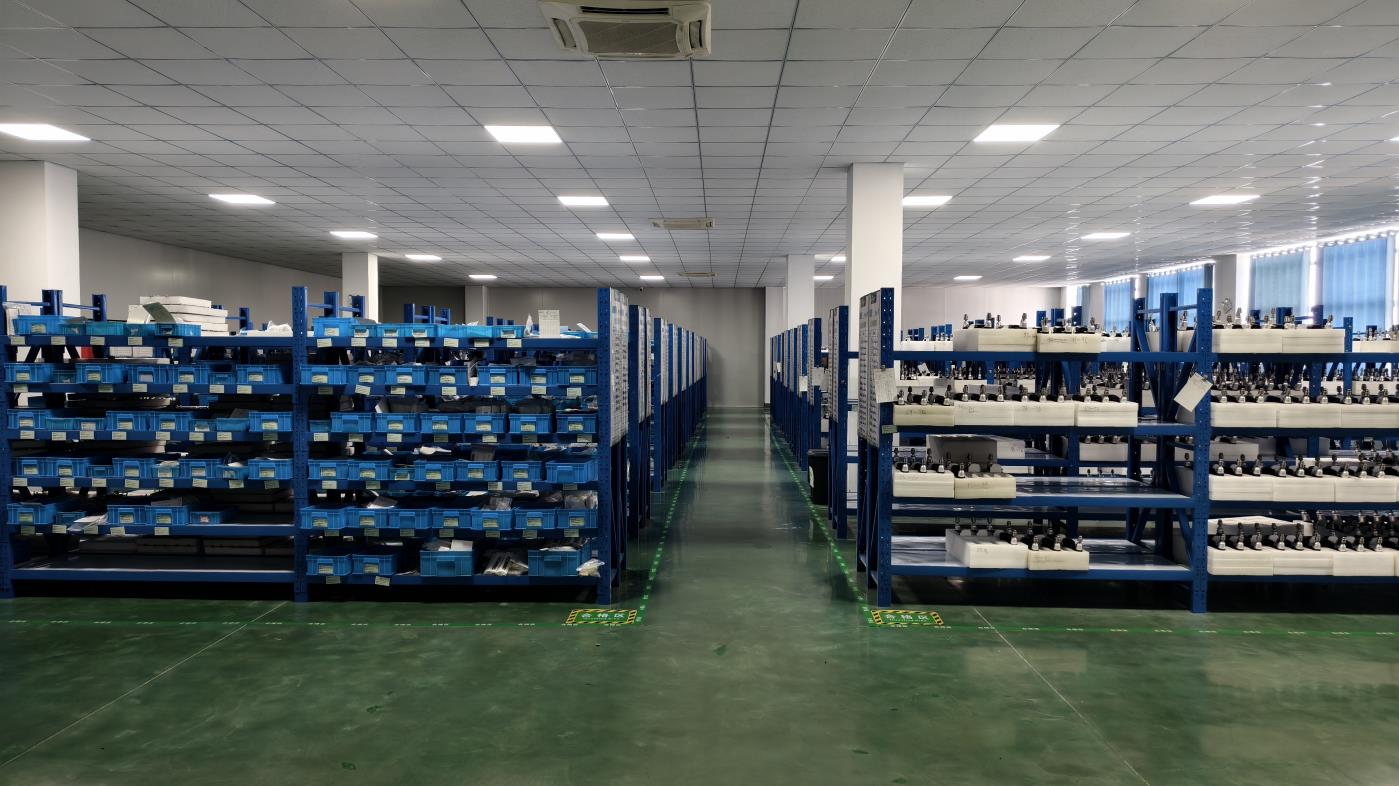
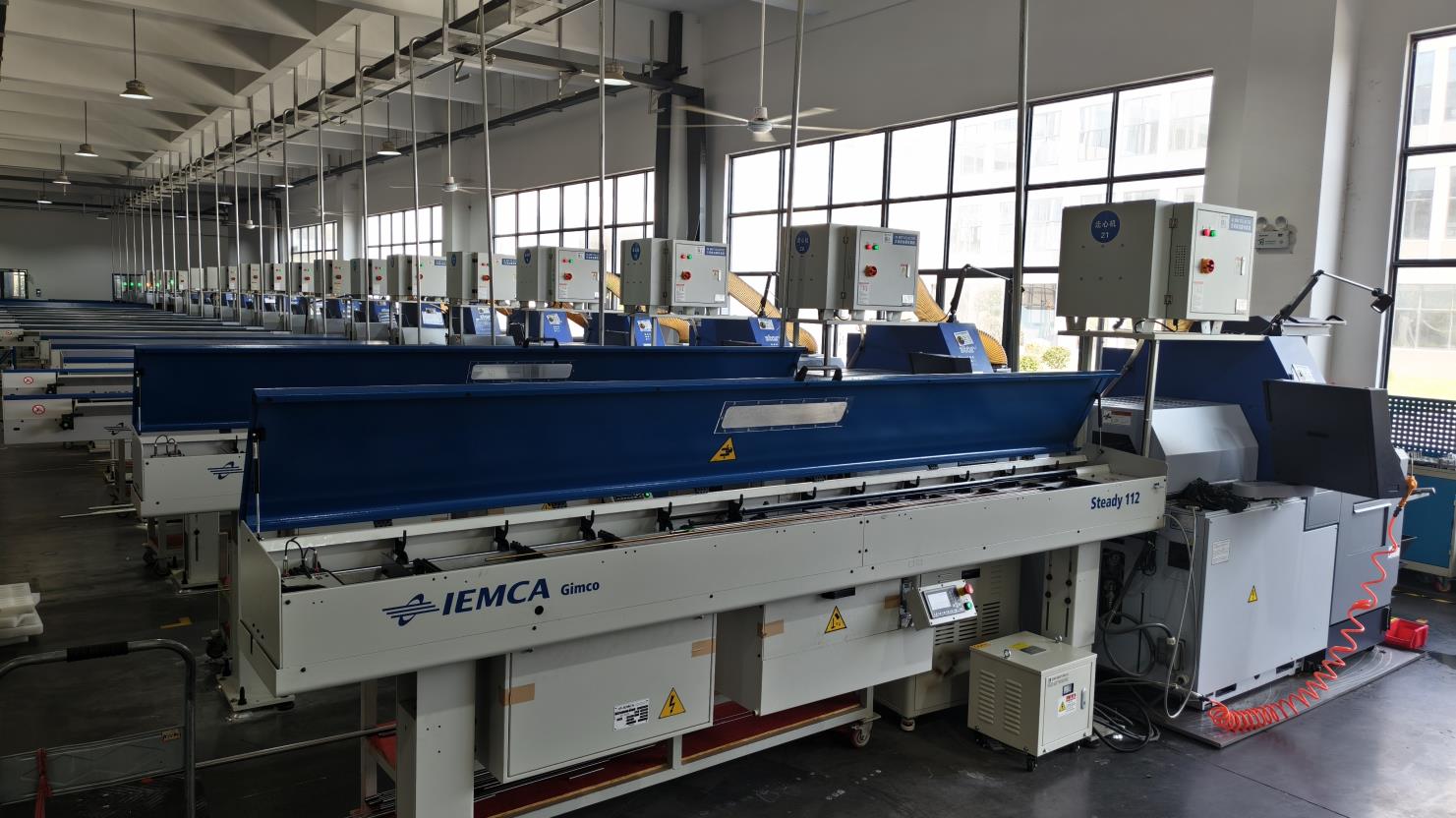
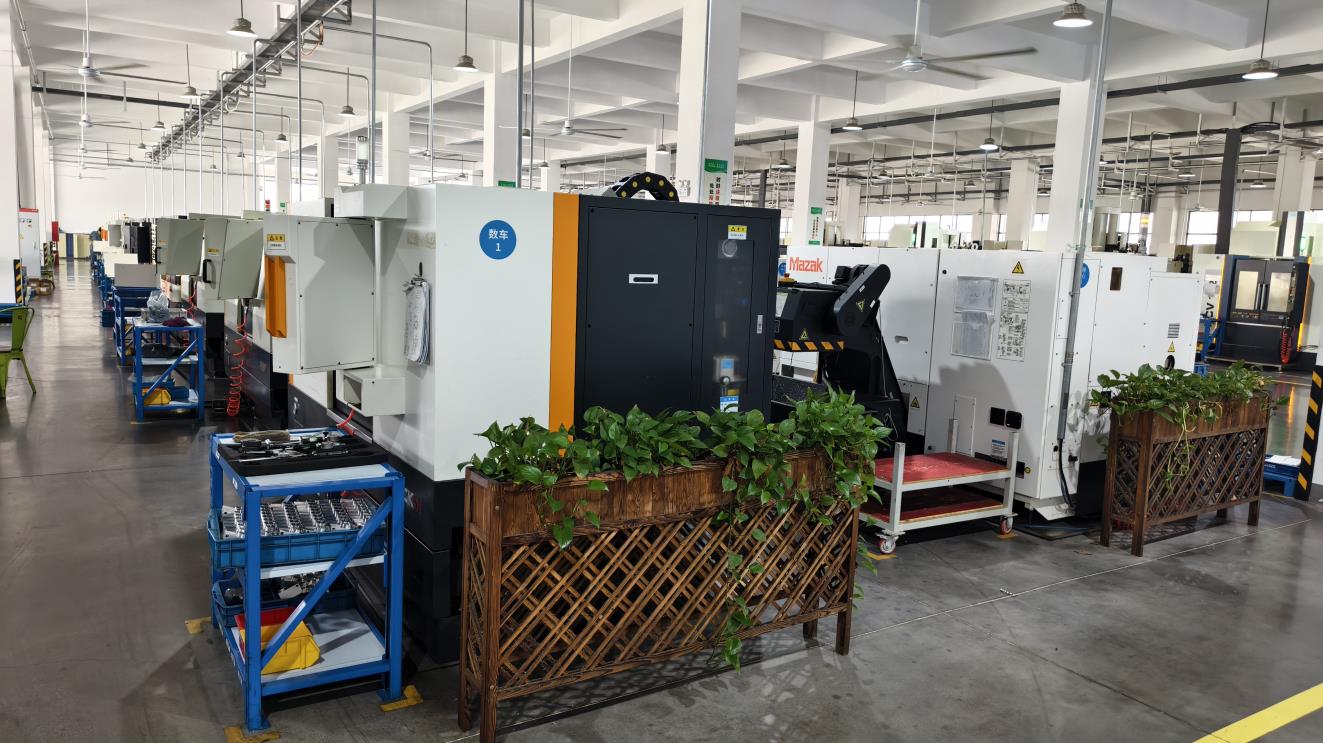
Established in 2017, Moventra Medical Technology has emerged as a premier force in the orthopedic device industry, building on 13 years of deep sector experience. Operating out of an expansive, state-of-the-art 18,600 m² facility, we integrate advanced manufacturing, precision testing, and international compliance architectures to supply world-class locking plating systems, joint prostheses, and surgical power instruments.
| Strategic Capabilities | Operational Specifications |
|---|---|
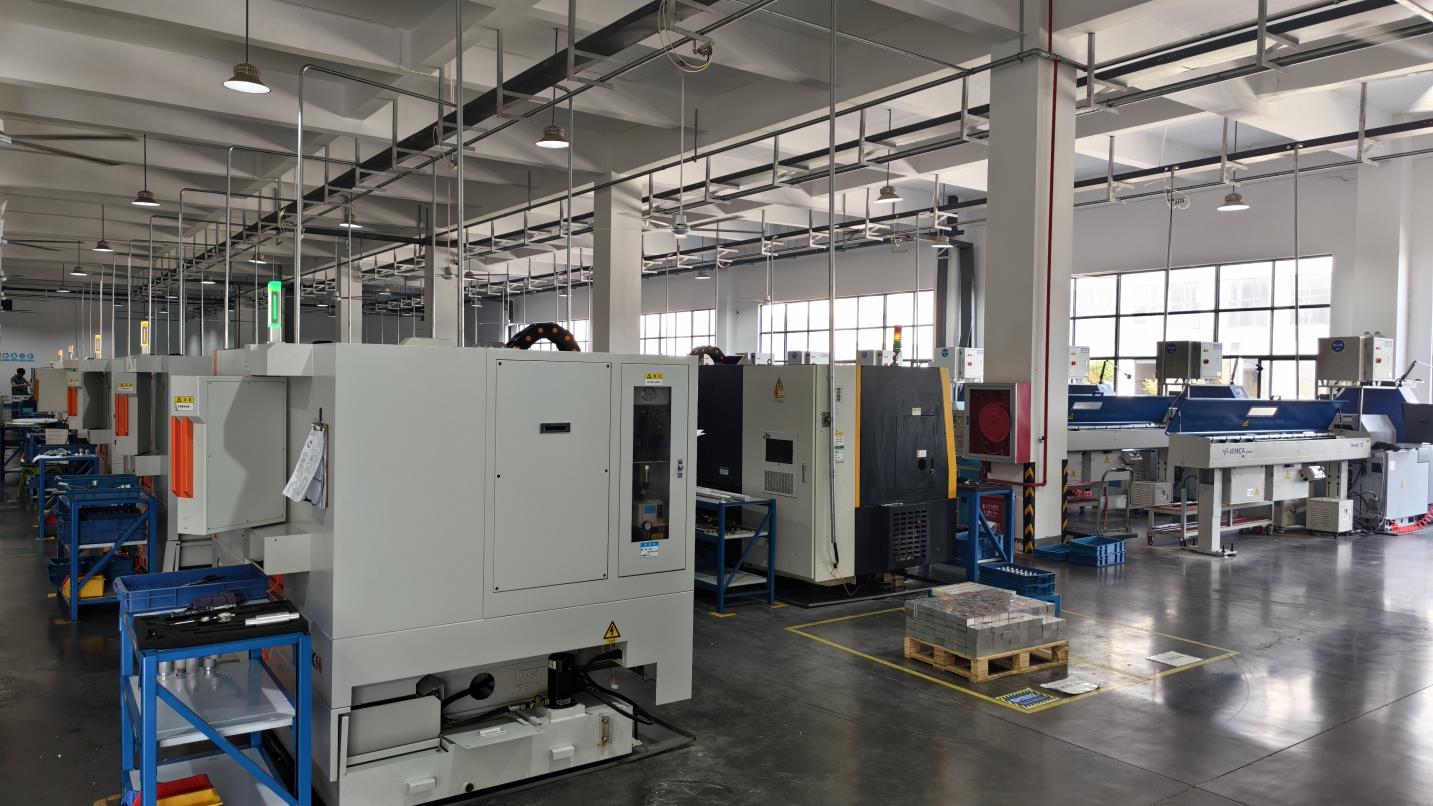
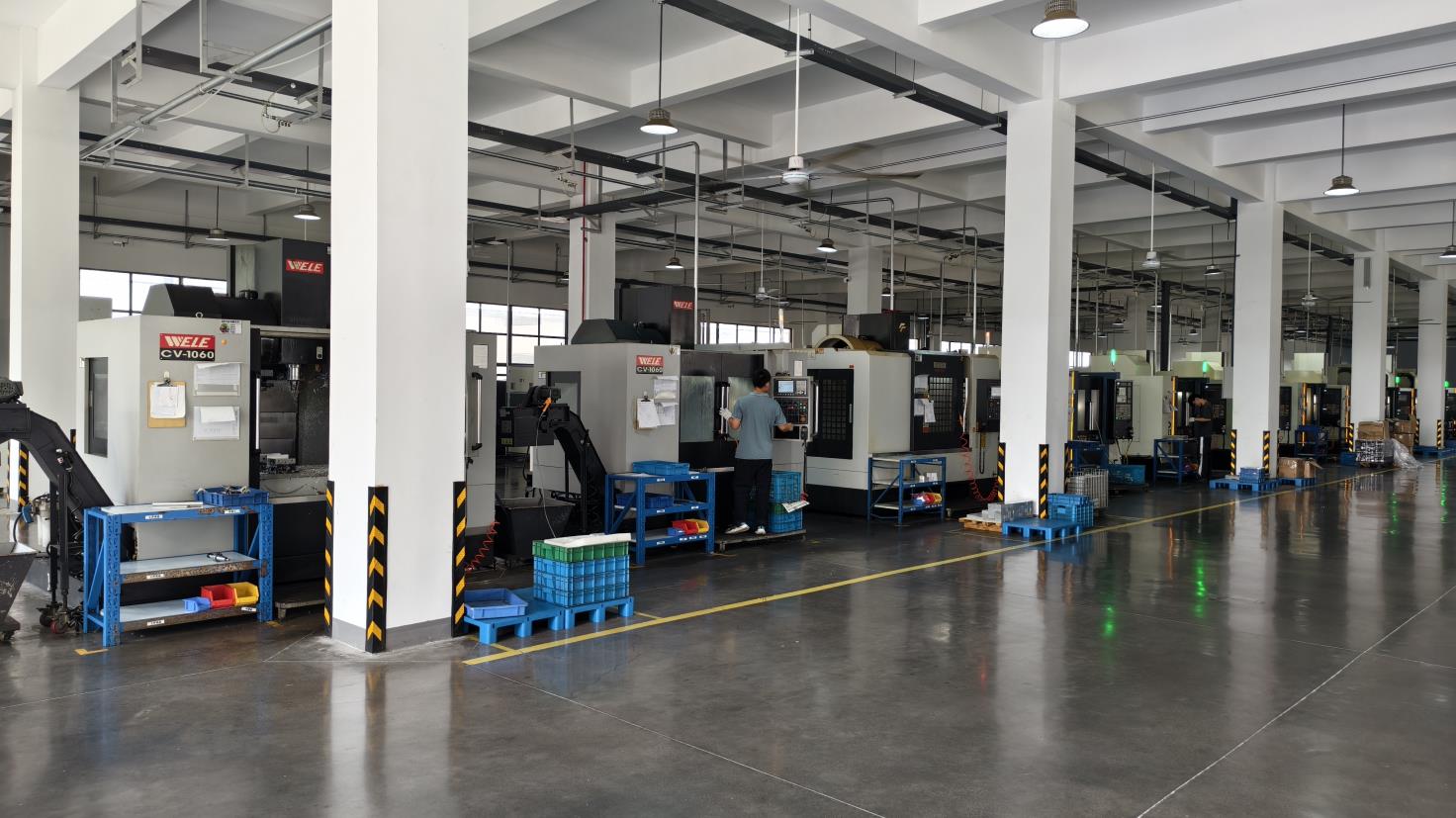
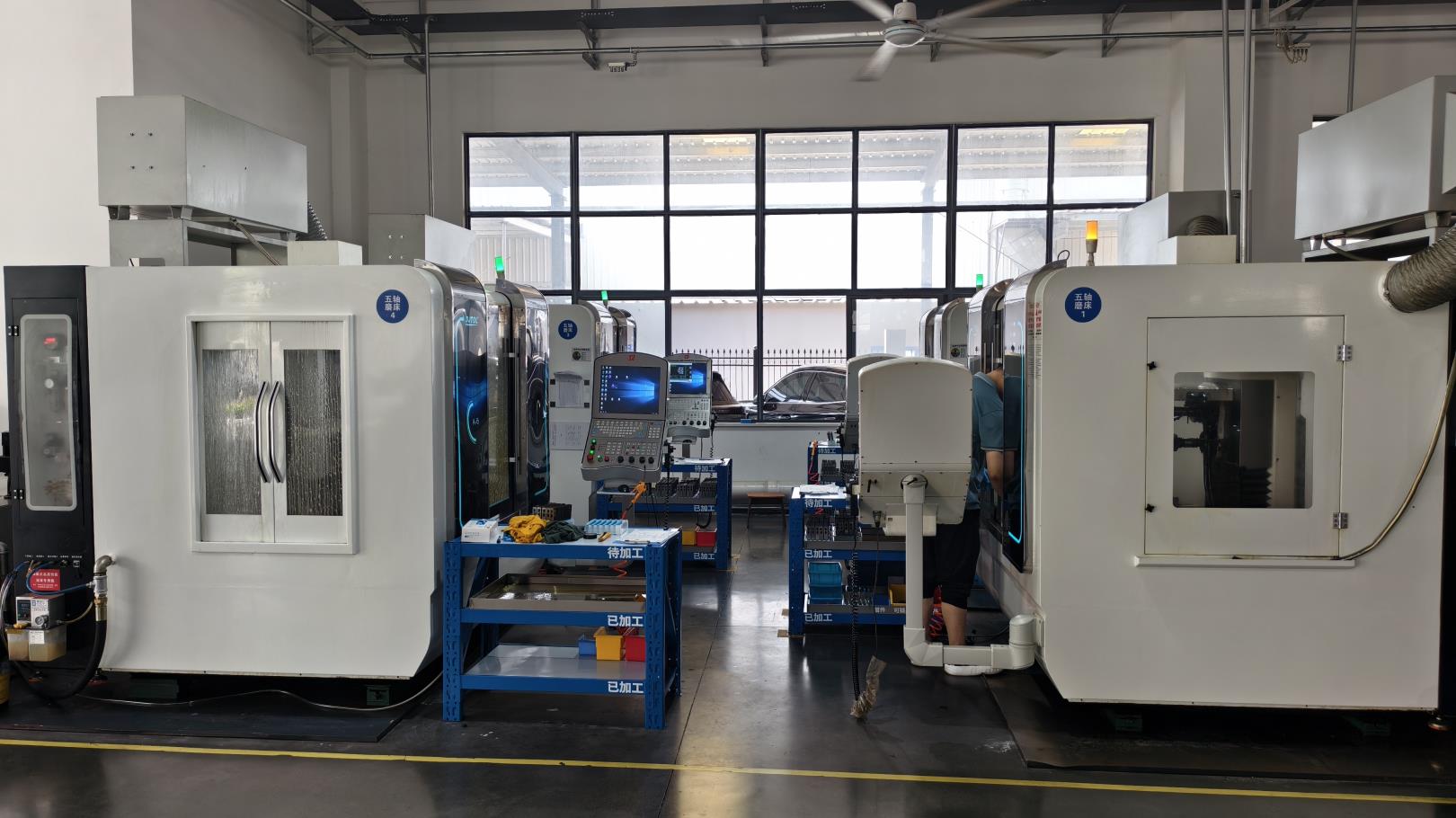
| Manufacturing Precision | Equipped with Swiss-type multi-axis lathe/milling centers for ultra-fine toleranced implants. |
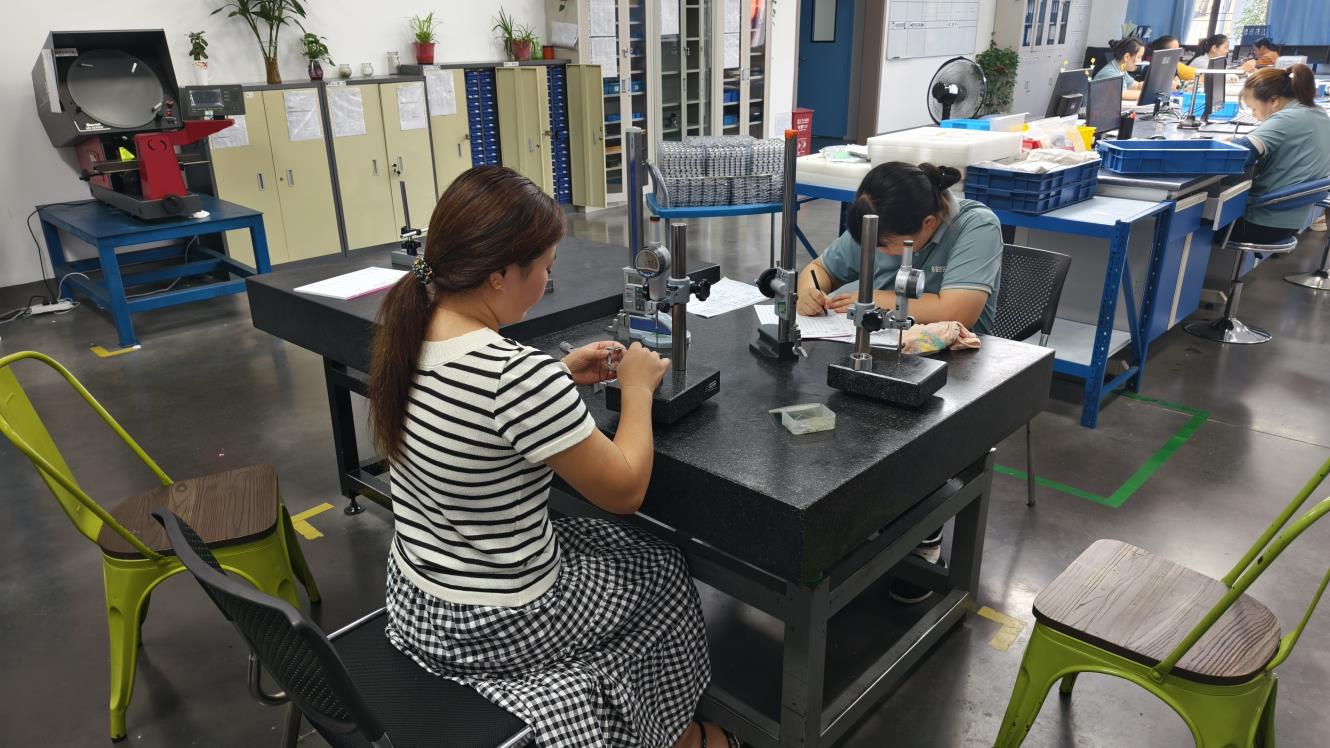
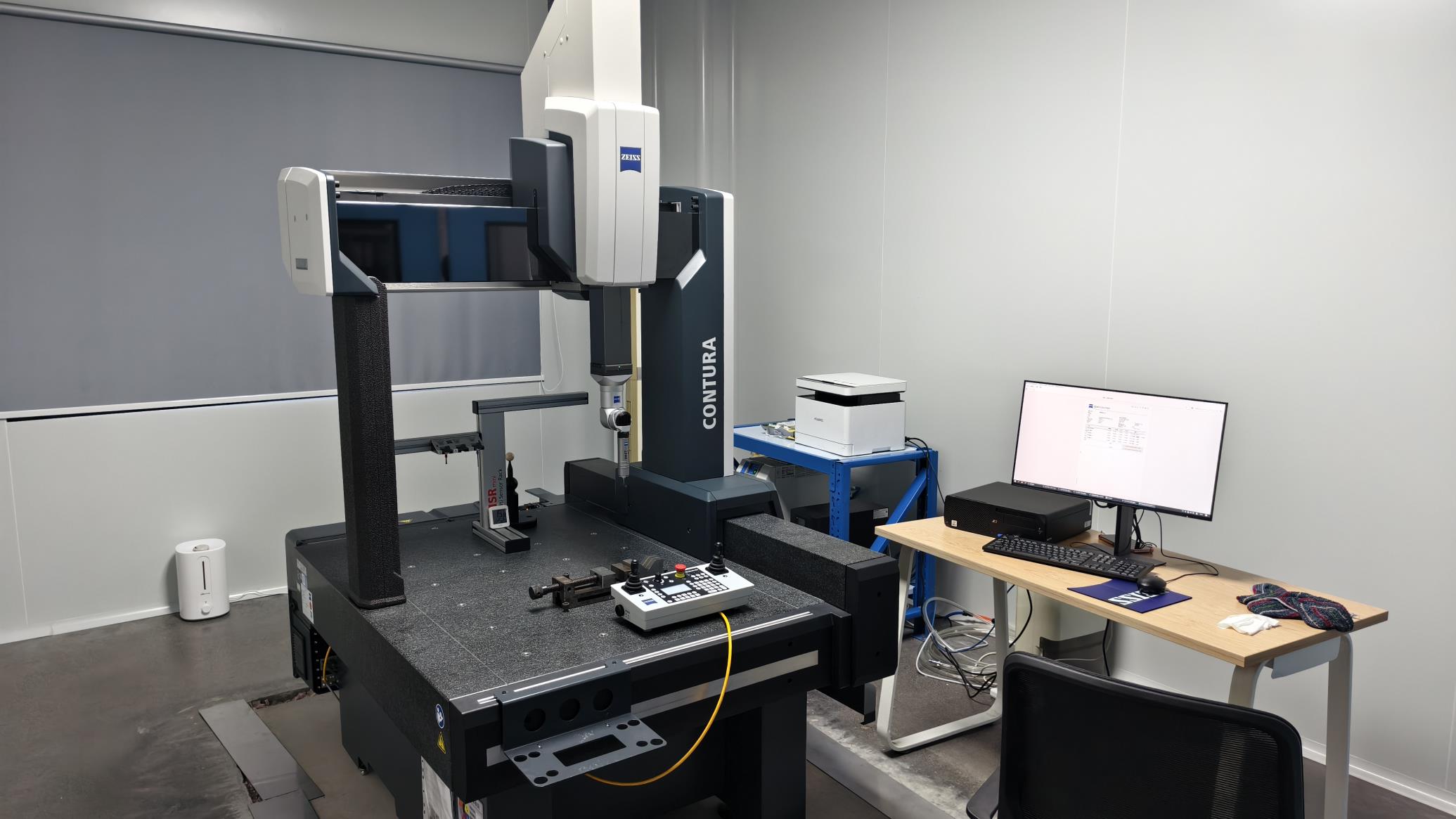
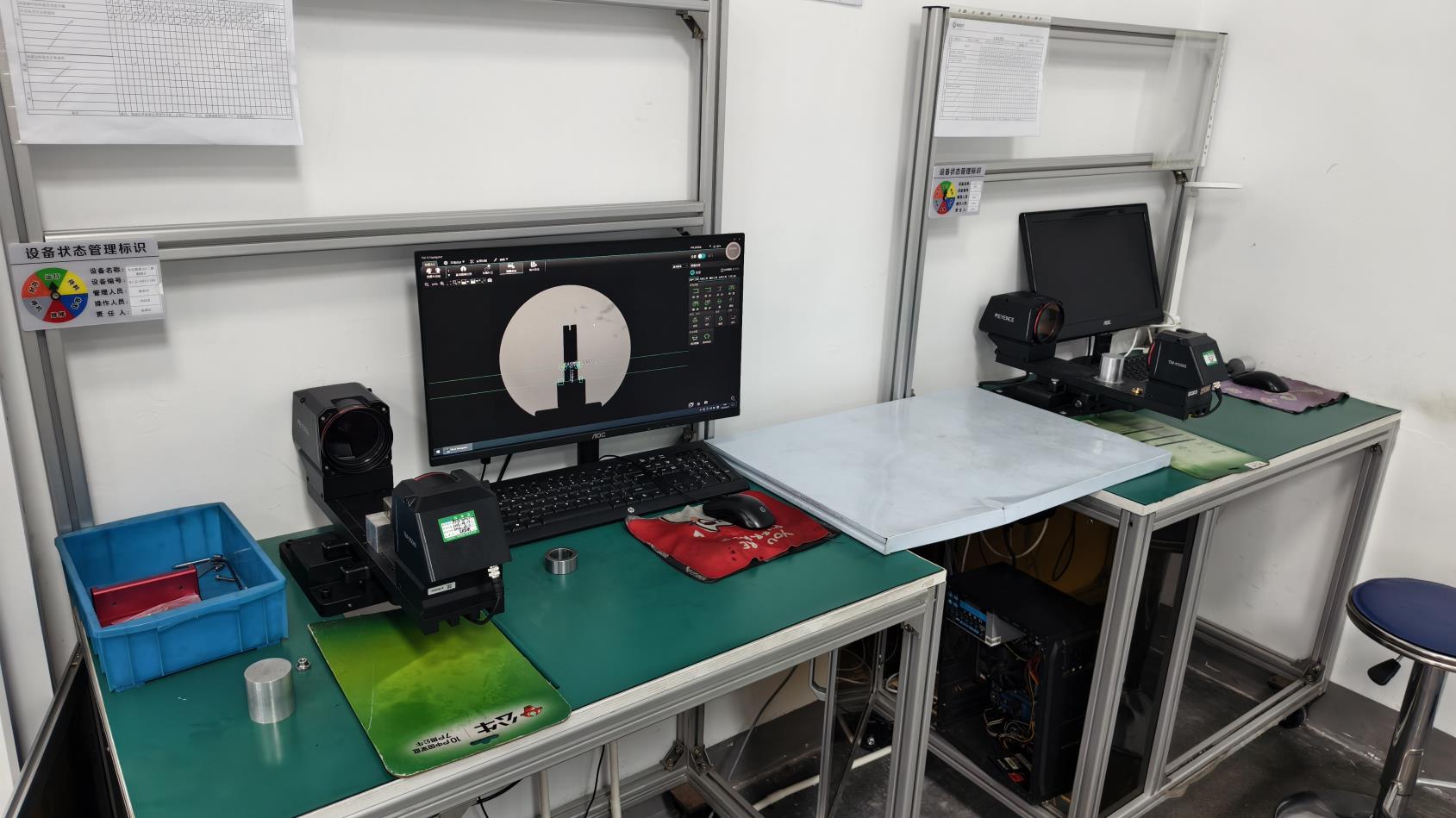
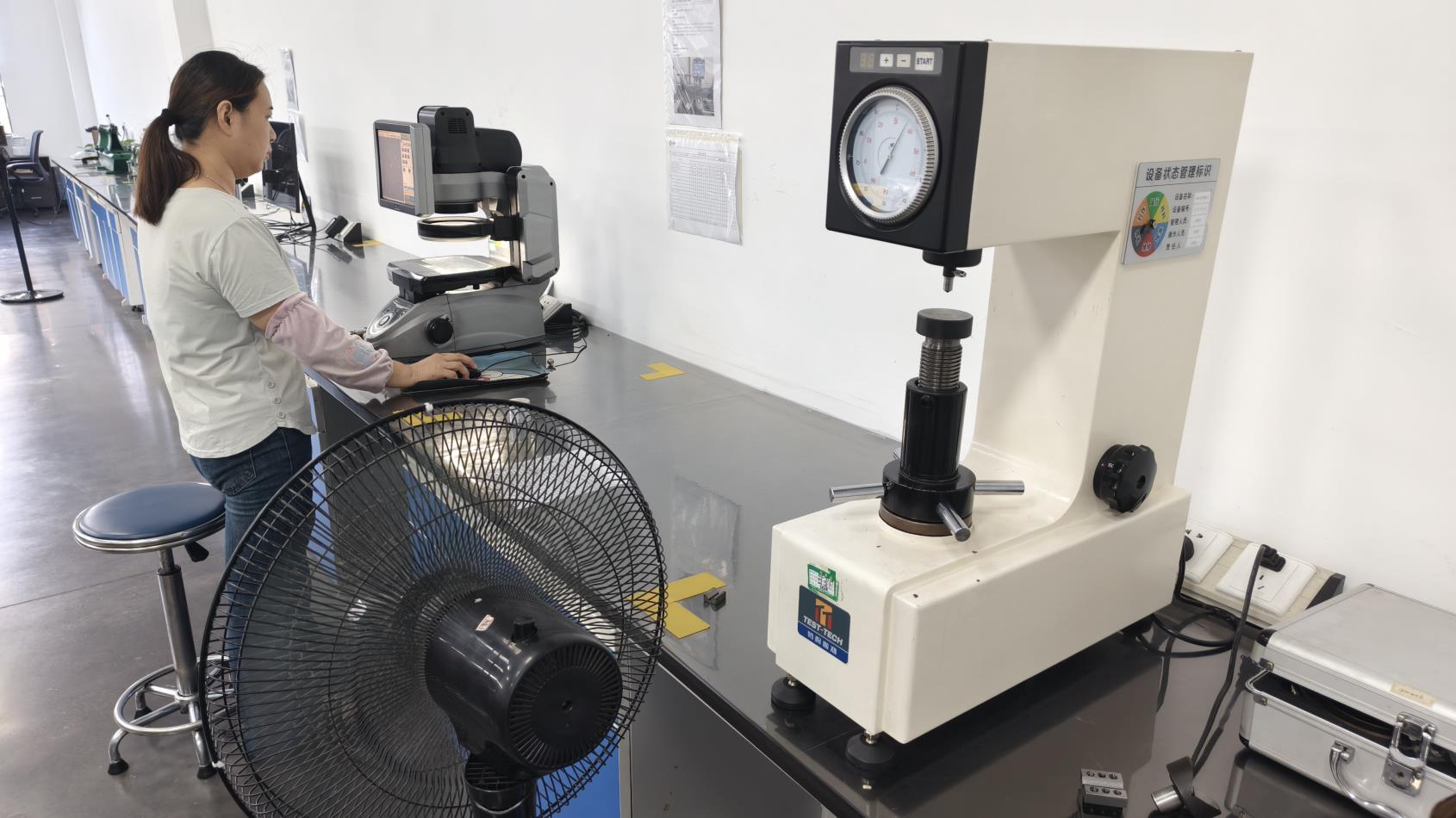
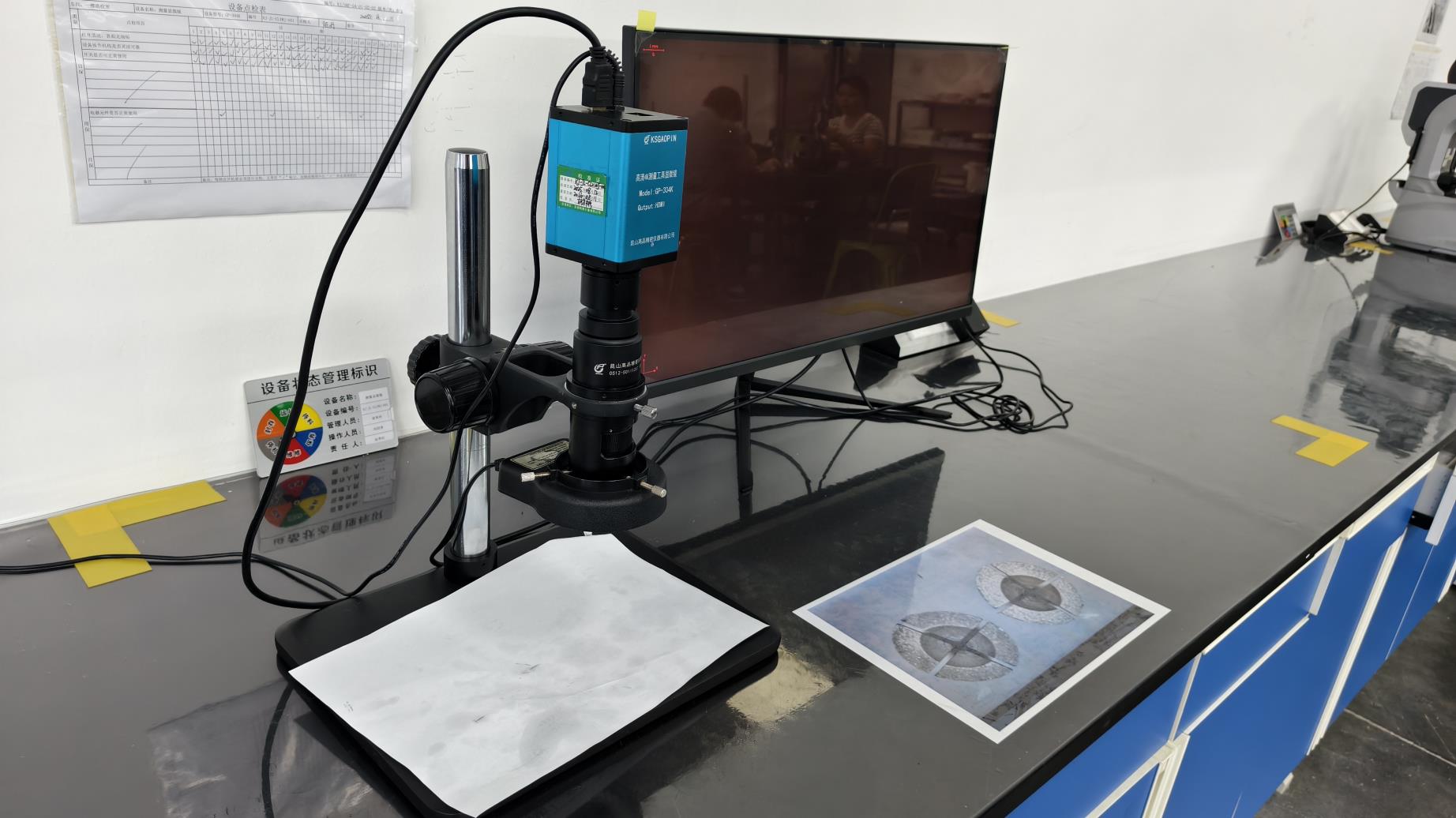
| Quality Control Staff | 48 dedicated QC inspectors conducting raw material, in-process, and post-sterilization audits. |
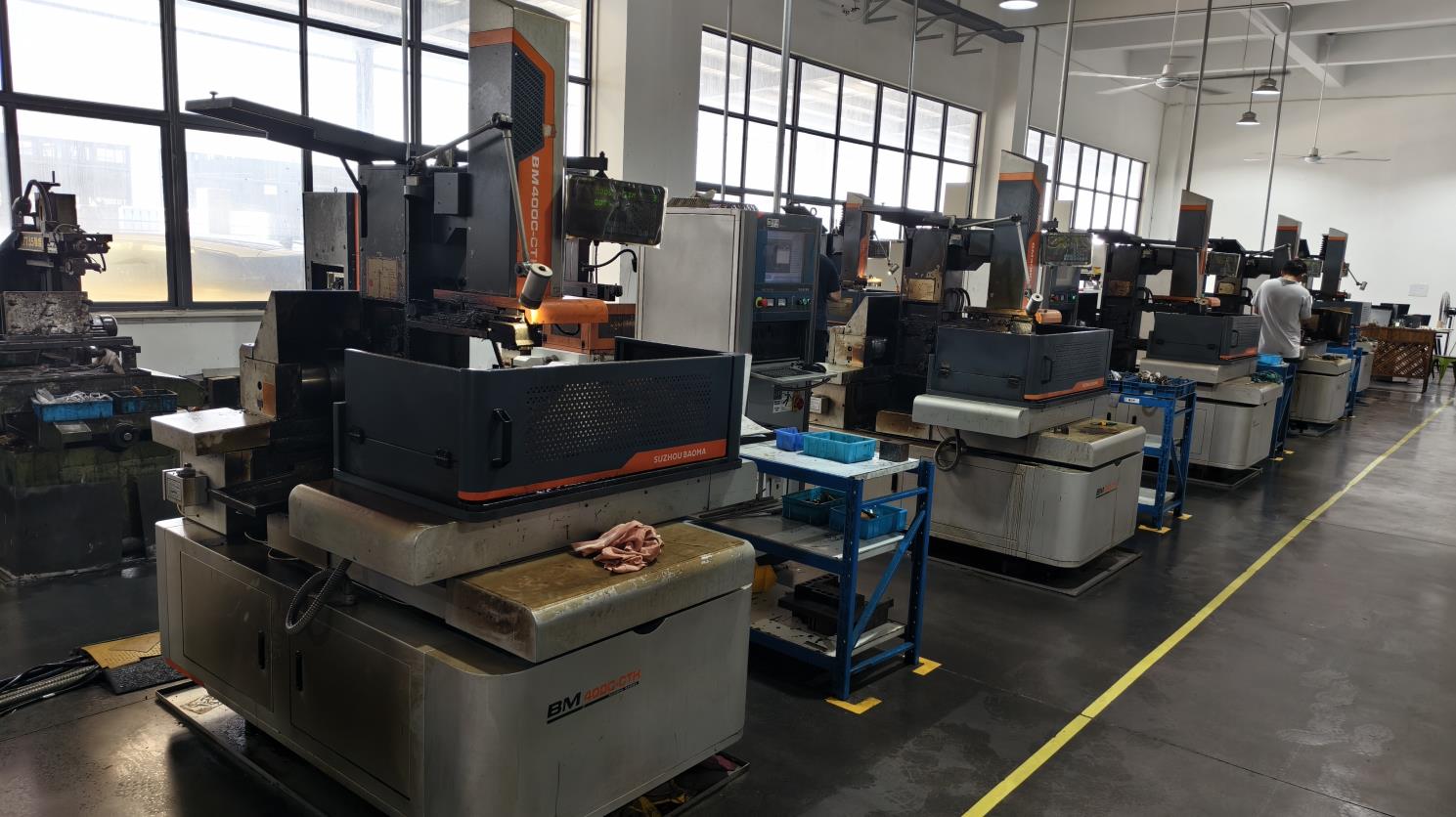
| Testing Protocols | Dimensional analysis, material structure inspection, surface roughness profiling, mechanical wear tests, sterility verification. |
| Core Global Markets | North America, European Union, South America, Middle East, Southeast Asia, Australia. |
| Supply Chain Network | 1,120 active supply partners guaranteeing reliable component availability. |
| OEM/ODM Flexibility | Custom laser branding, custom packaging, drawing-to-sample engineering, and sterile barrier design. |
| Annual Product Innovation | 156 new product variants developed and certified last year. |
How we guarantee micron-level consistency for life-saving orthopedic hardware.
Driving clinical efficacy through continuous research, biomaterials advancement, and digital workflows.
The future of dynamic compression and locked plating systems lies in the surface-bone interface. Moventra is actively researching hydroxyapatite (HA) and bioactive glass coatings designed to accelerate cell proliferation. By integrating these thin-film coatings, the implant facilitates early-stage stability and mitigates postoperative infection risks by inhibiting bacterial adhesion.
Standard plates can cause stress shielding, which leads to localized bone resorption over time. By incorporating 3D-printed porous lattices into custom bone plates, we mimic the elastic modulus of cancellous bone. This innovation balances load distribution, reduces material fatigue, and creates a pathway for bone ingrowth directly into the implant structure.
Modern trauma surgery increasingly relies on preoperative 3D modeling and custom templates. Moventra supports medical partners with rapid prototyping and engineering rendering, allowing surgeons to design patient-specific plating systems for complex joint reconstructions and severe non-unions.
Answering key structural, clinical, and logistical questions for global medical device procurement directors.
Precision-crafted components ensuring seamless workflow integration inside the operating theater.
 Moventra Medical