Engineered for excellence and biocompatible reliability. Access our leading range of orthopedic surgical tools, compression systems, and reconstruction instruments.
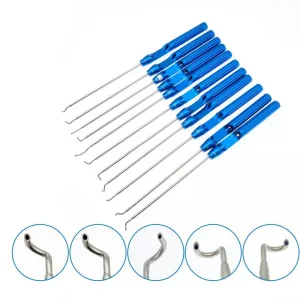
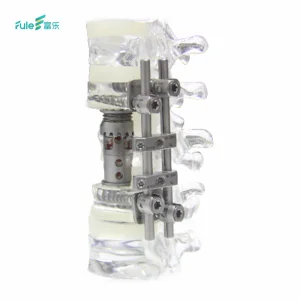
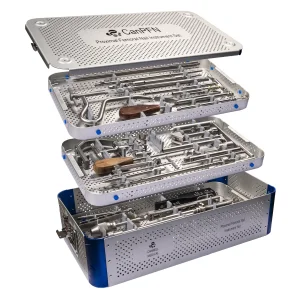
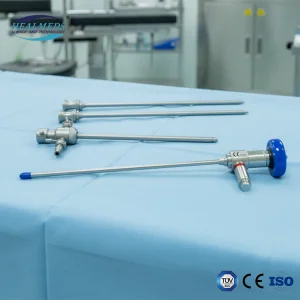
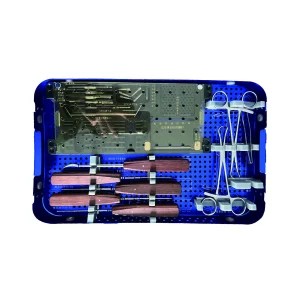
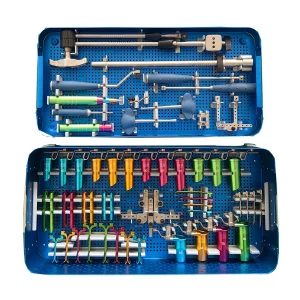
The crucial role of external fixation systems in modern trauma, limb-salvage, and orthopedic reconstruction.
Unilateral external fixators are indispensable for stabilizing severe open fractures, non-unions, and infected bone defects. Modern designs balance axial stiffness and micromotion to support optimal callus formation while protecting surrounding soft tissues.
Driven by rising geriatric populations, high-impact traffic accidents, and complex sports injuries, the demand for modular, lightweight, and radiolucent carbon-fiber unilateral fixators is growing rapidly among trauma centers worldwide.
Advanced external systems combine medical-grade titanium (Ti-6Al-4V ELI) and carbon fiber rods. This hybrid approach reduces weight, enhances biomechanical compatibility, minimizes stress shielding, and ensures clear postoperative X-ray evaluation.
Unlike rigid internal plates, modern unilateral external fixators are engineered for load-sharing. By adjusting dynamic locking pins, surgeons can allow controlled axial compression under weight-bearing conditions, accelerating physiological bone remodeling and reducing healing time.
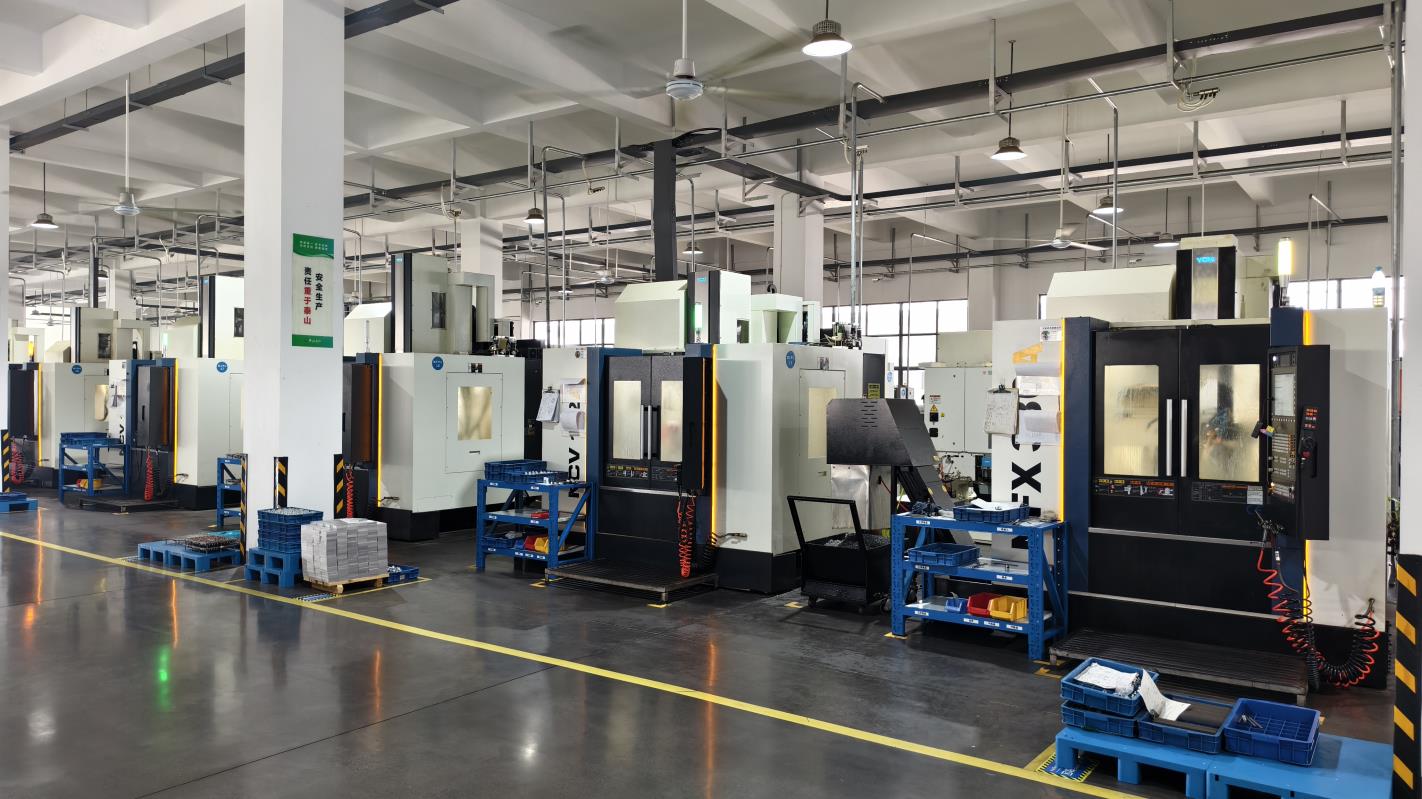
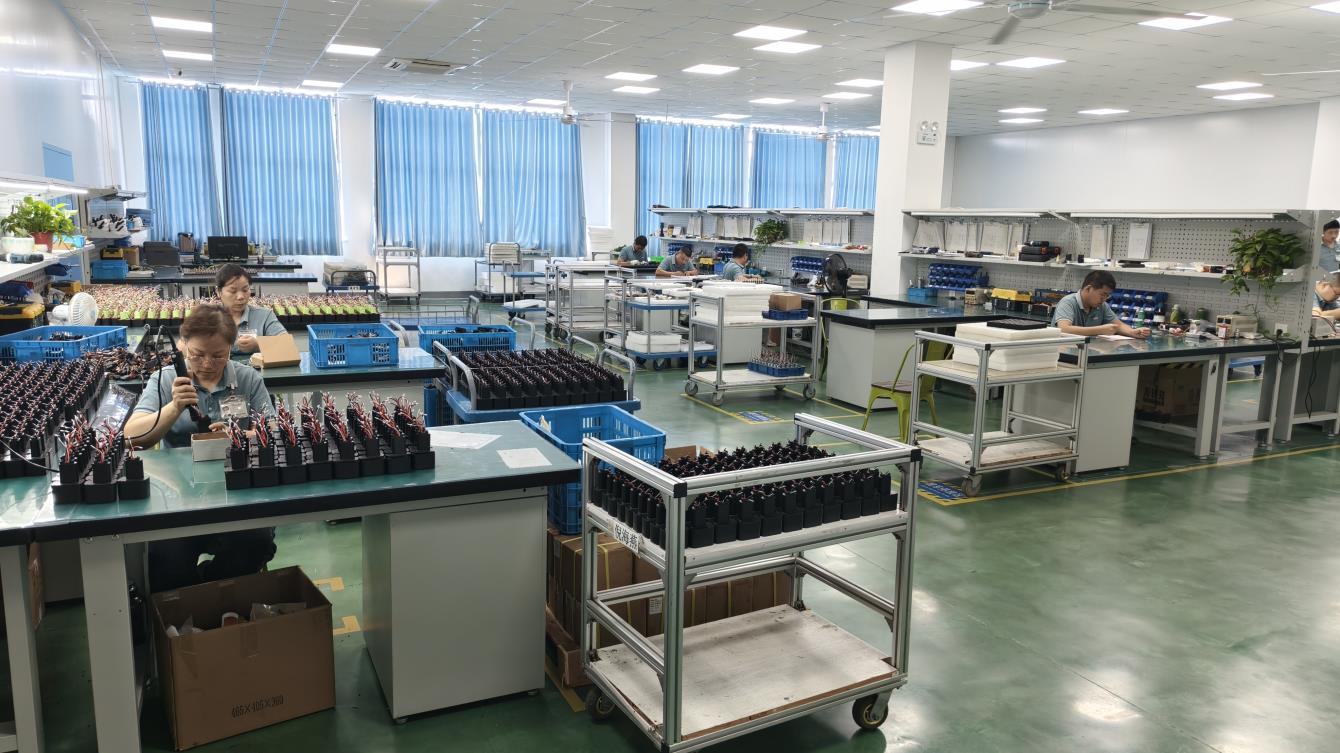
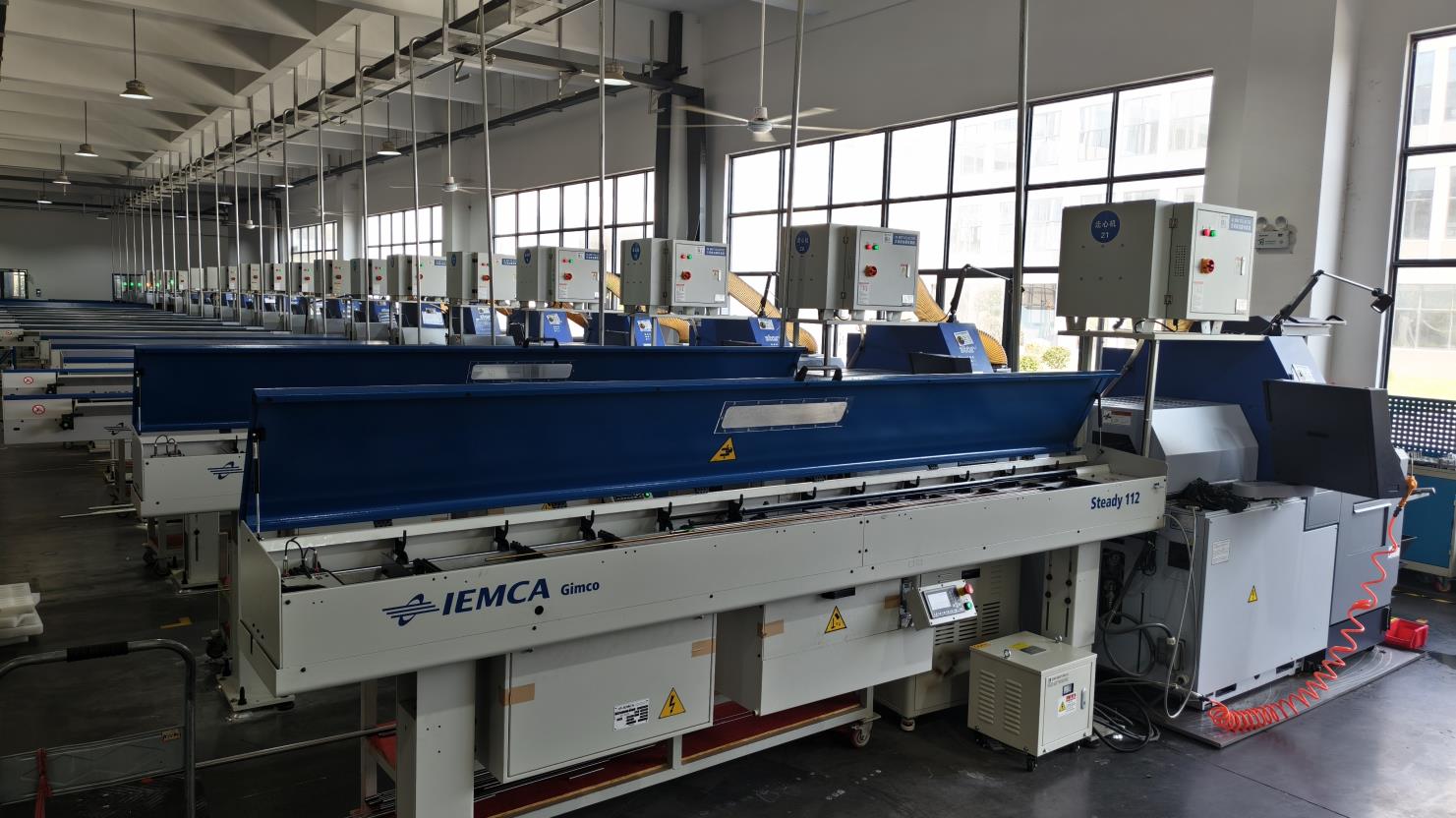
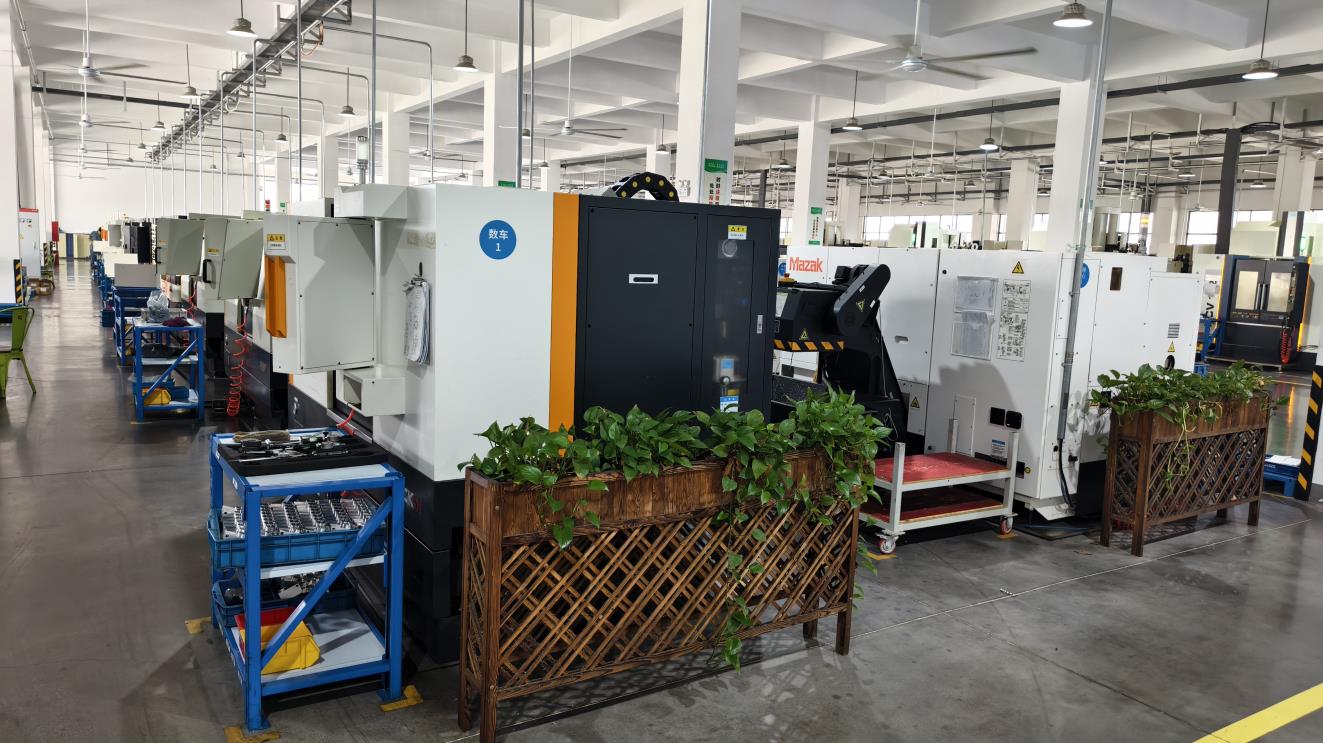
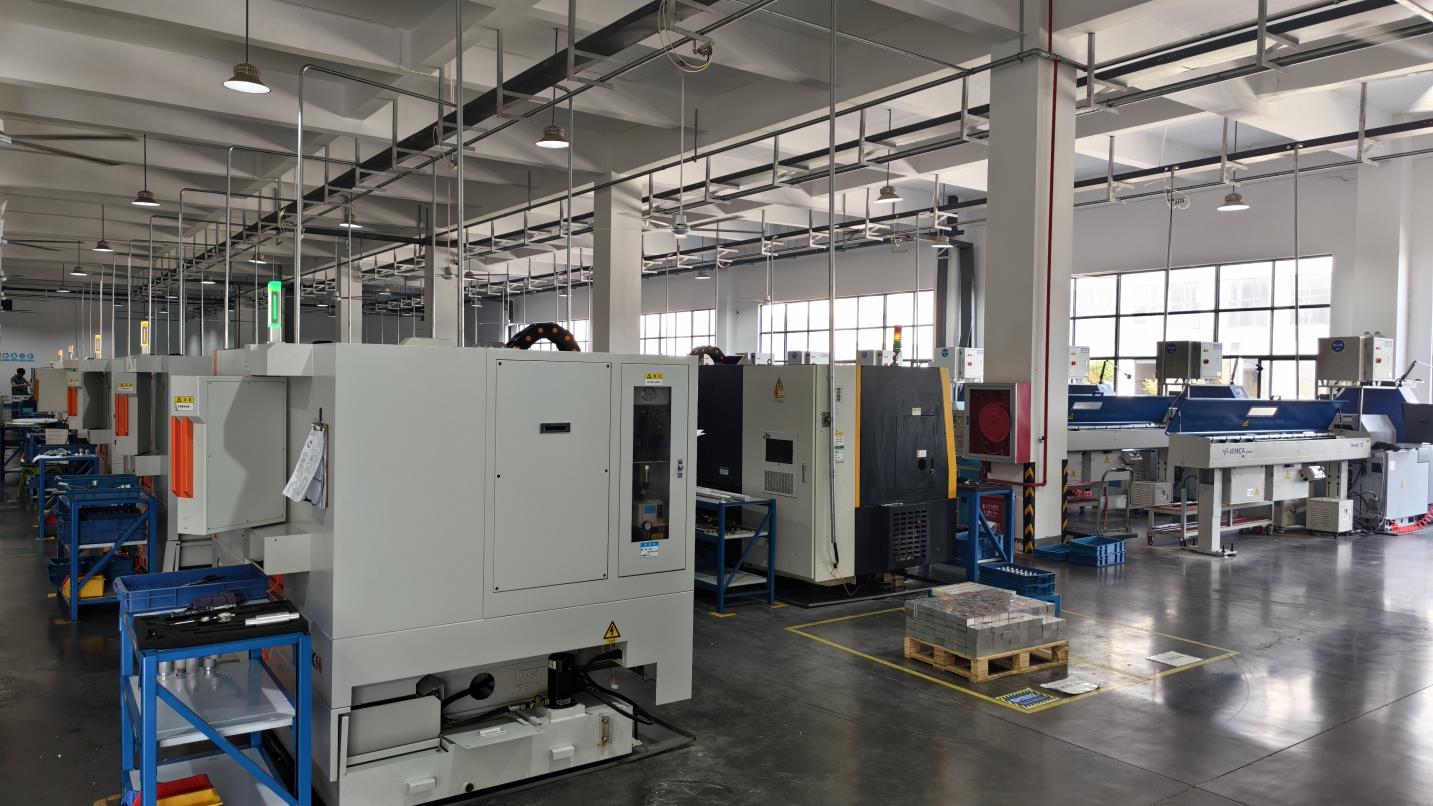
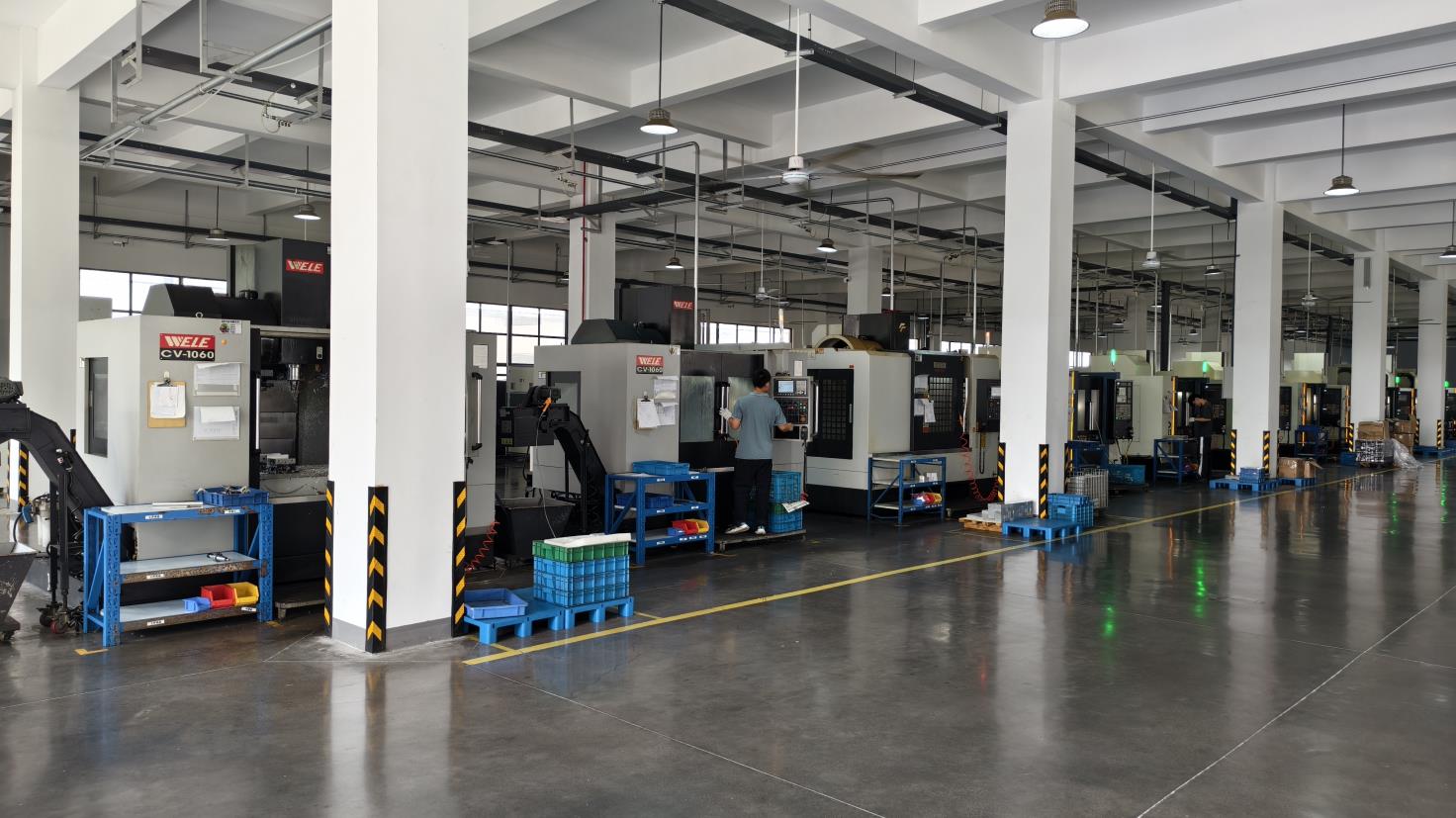
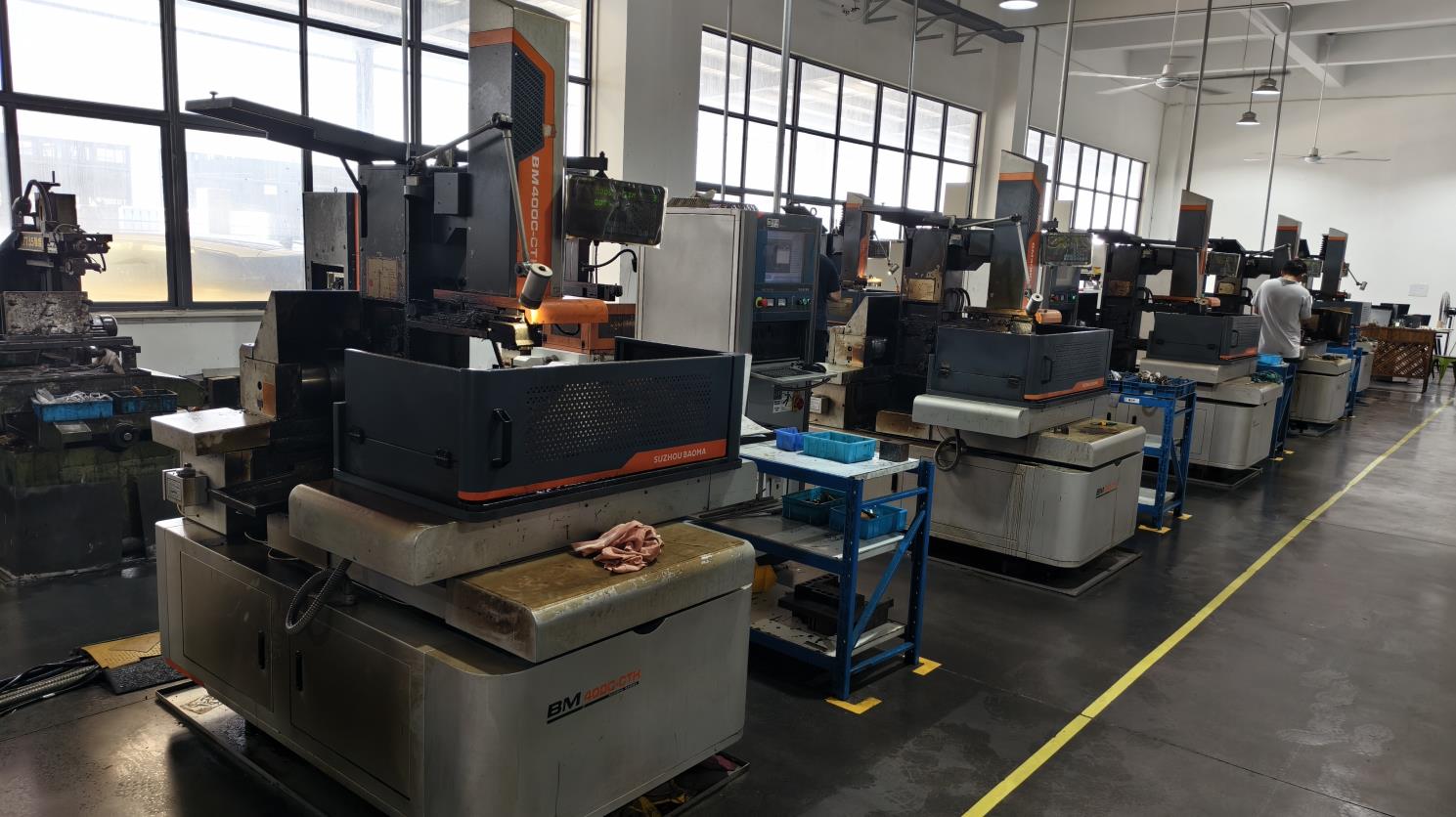
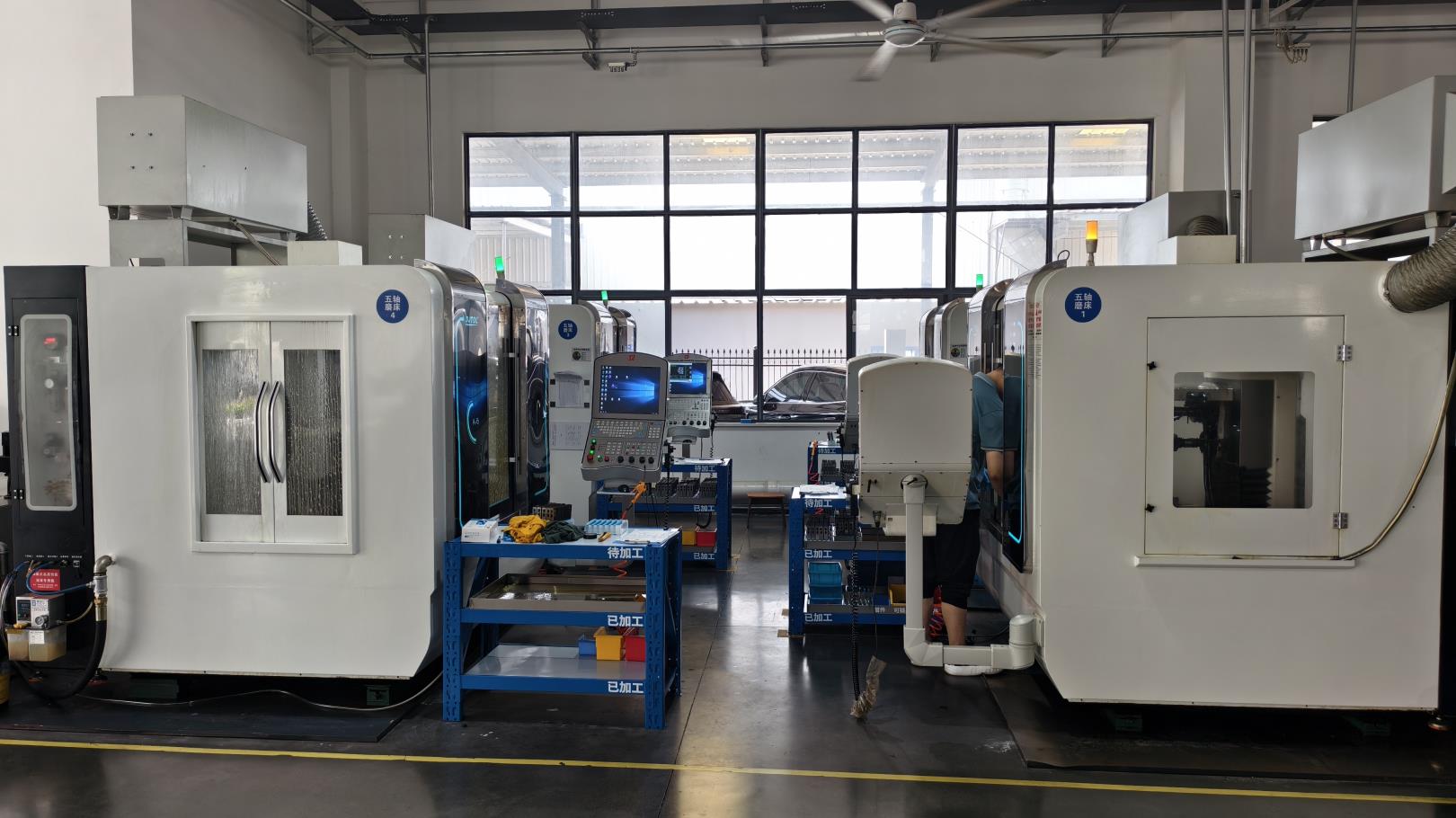
China’s advanced medical manufacturing sector has transitioned from simple component processing to high-end, end-to-end design and manufacturing. Leading factories like Moventra integrate automated raw-material testing, Swiss-type high-precision CNC machining, and automated cleanroom packaging to deliver world-class medical implants.
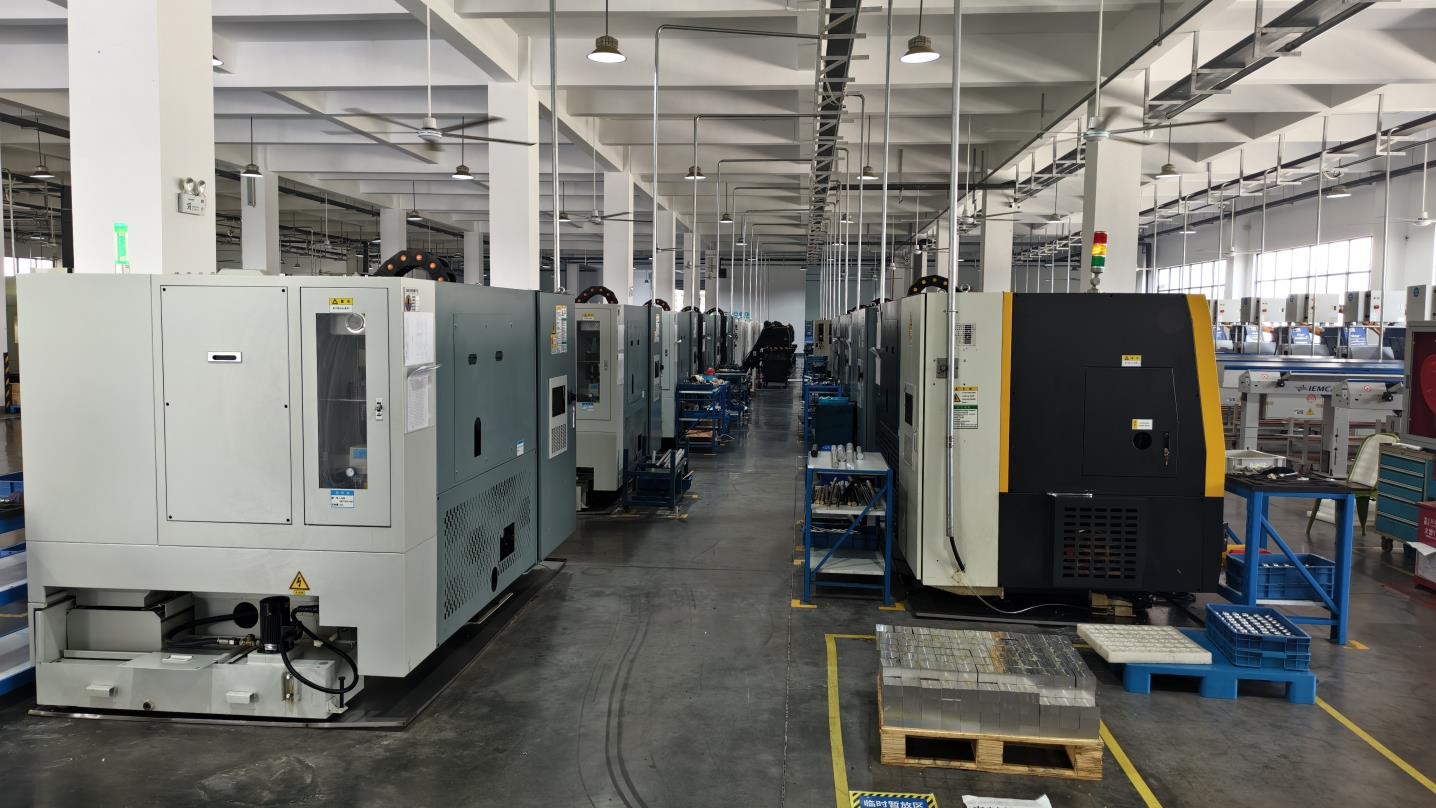
A global force in advanced orthopedic medical devices, manufacturing systems, and surgical trauma configurations since 2017.
| Specification Item | Details & Capabilities |
|---|---|
| Company Name / Brand | Moventra Medical Technology (China) Co., Ltd. / Moventra |
| Established / Export Experience | Established in 2017 | 7 Years of Global Export Operations |
| Industry Experience | 13 Years of Orthopedic Device Innovation & Manufacturing |
| Quality Assurance Staff | 48 QC Specialists managing 100% pre-shipment inspections |
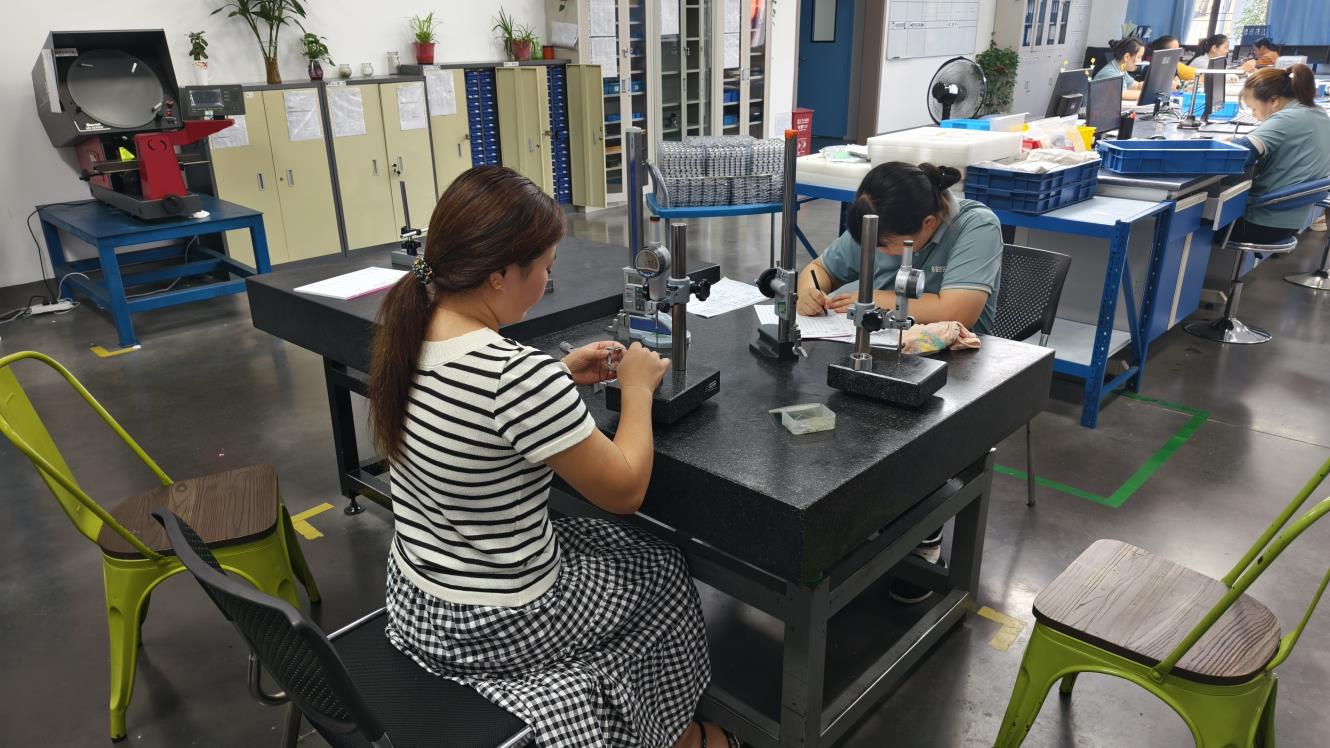
| Product Inspection Methods | Dimensional Inspection, Material Analysis, Surface Finish Inspection, Mechanical Performance Testing, Sterility Verification |
| Primary Business Types | Manufacturer, OEM & ODM, Contract Exporter |
| Main Markets Served | North America, Europe, South America, Middle East, Southeast Asia, Australia |
| Supply Chain Partnerships | Over 1,120 Trusted Global Partners and Distributors |
| Customization Capabilities | Logo engraving, Custom packaging, CAD Drawing-based production, Sample-based engineering |
Designed for versatile stabilization across diverse surgical emergencies and reconstructive treatments.
In patients with multiple injuries, quick temporary stabilization of long-bone fractures (such as the femur or tibia) is critical. Unilateral systems can be applied rapidly to control bone movement, limit soft-tissue damage, and prepare the patient for secondary internal fixation.
Managing infected bone defects often requires radical debridement and stable fixation. Because unilateral external fixators place hardware outside the infected zone, they support effective bone transport and healing without introducing implant-related infections.
For bone lengthening or angular corrections, unilateral fixators with adjustable, threaded compression-distraction rods provide the necessary control. Surgeons can make precise post-operative adjustments to match patient healing progress.
Important factors for global medical procurement officers, hospital purchasing groups, and distributors.
When sourcing orthopedic implants internationally, maintaining a stable supply chain and meeting strict regulatory standards are essential. Global distributors must verify key technical and operational parameters before establishing supply partnerships:
Every batch of raw medical titanium and steel must include chemical analysis certificates (e.g., ASTM F136 or ISO 5832-3). This ensures the implants are biocompatible and free from structural defects.
Purchasing departments must verify mechanical test reports, including dynamic fatigue and torsion tests. Implants must withstand physiological loads without loosening or failing early.
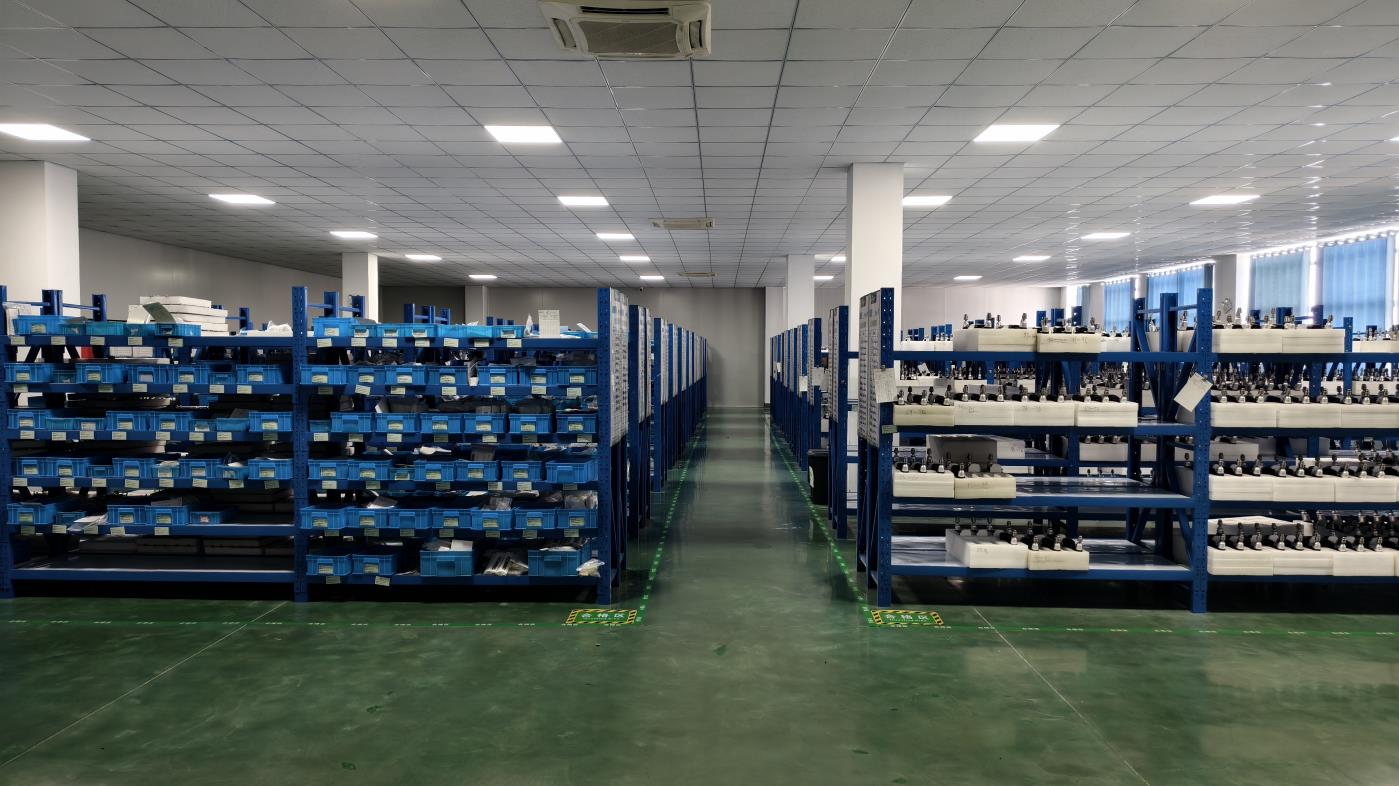
Quality assurance depends on complete production documentation. Each fixator should feature laser-etched batch codes, allowing tracking from raw material through machining to packaging.
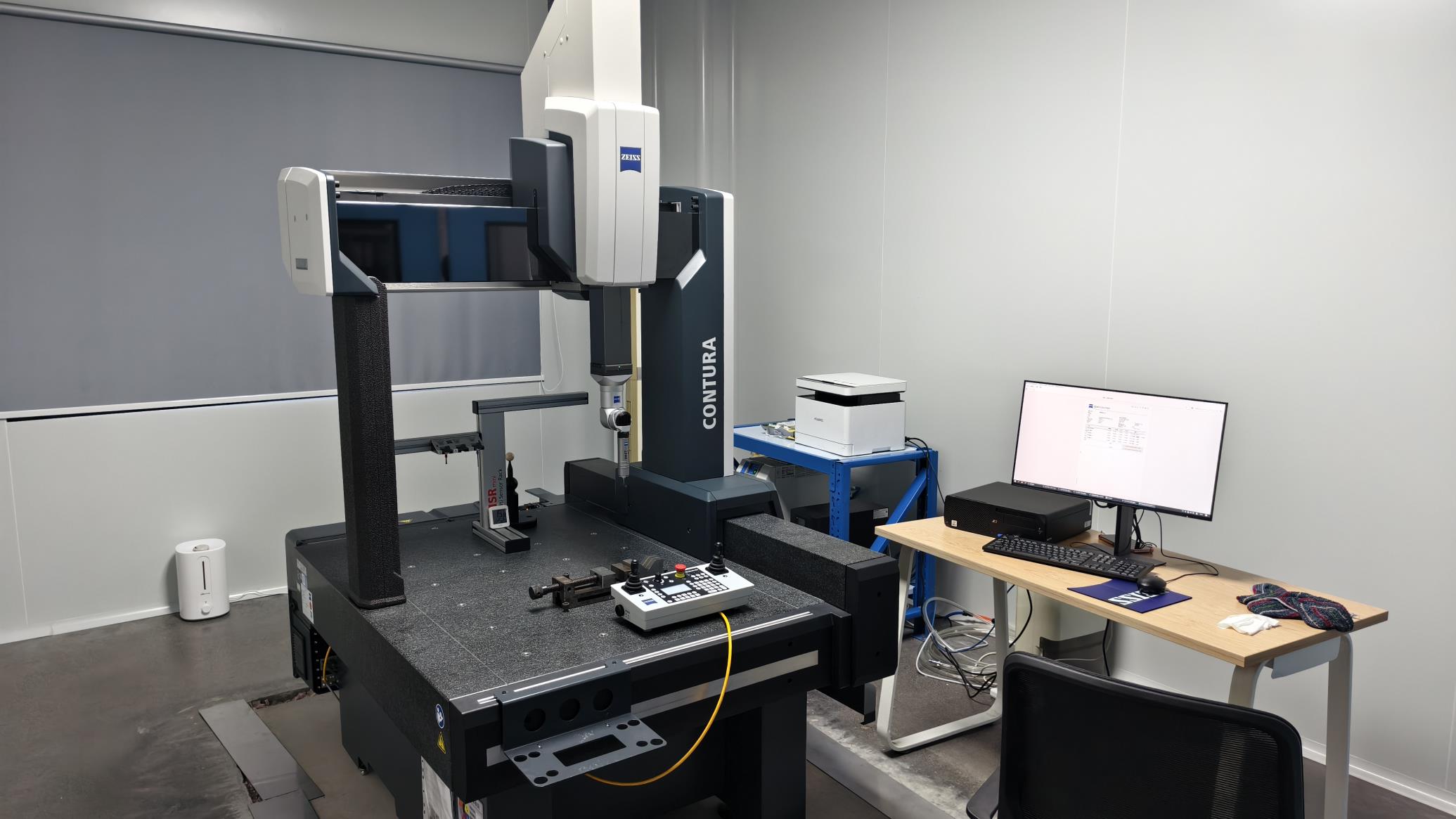
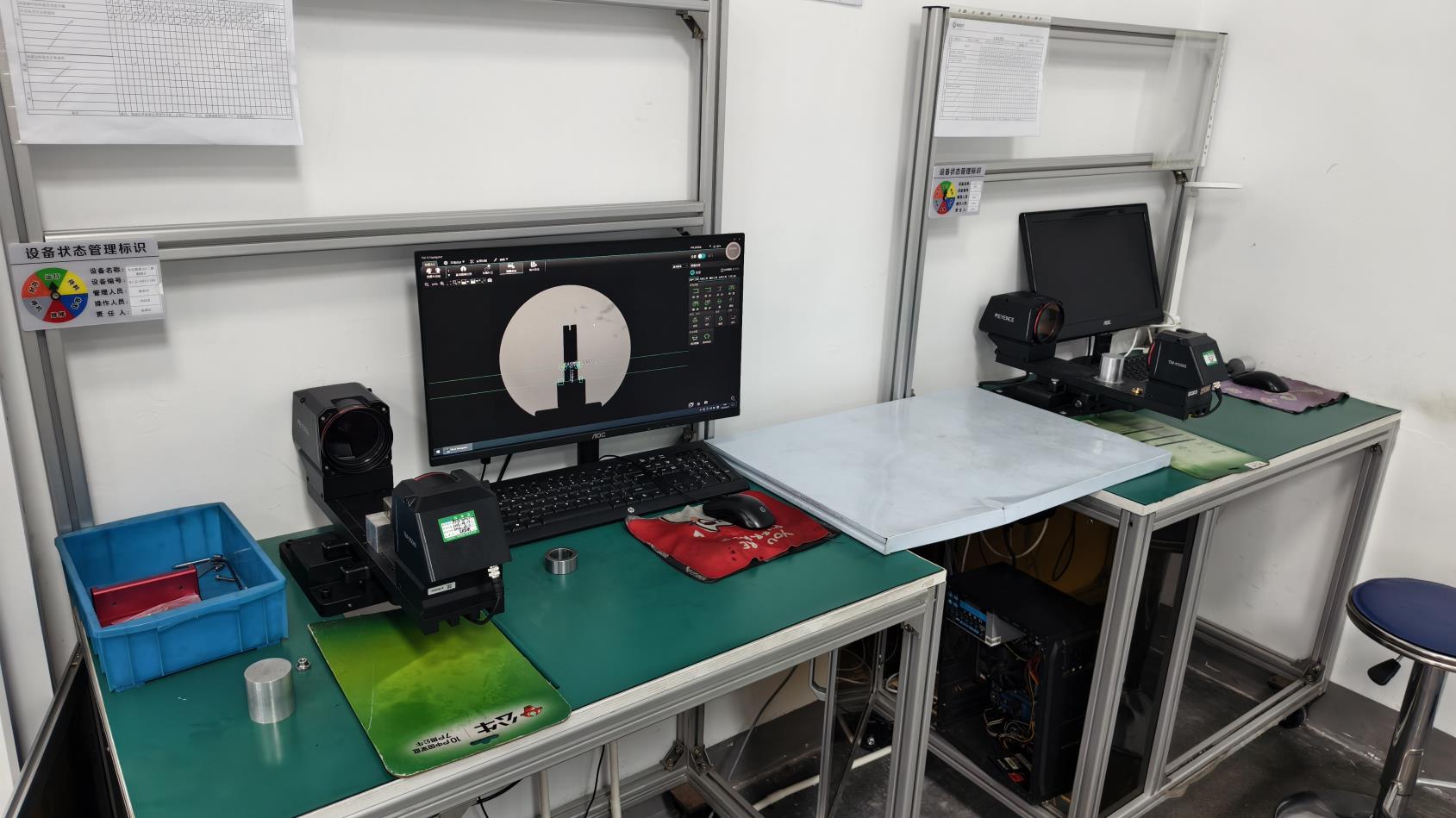
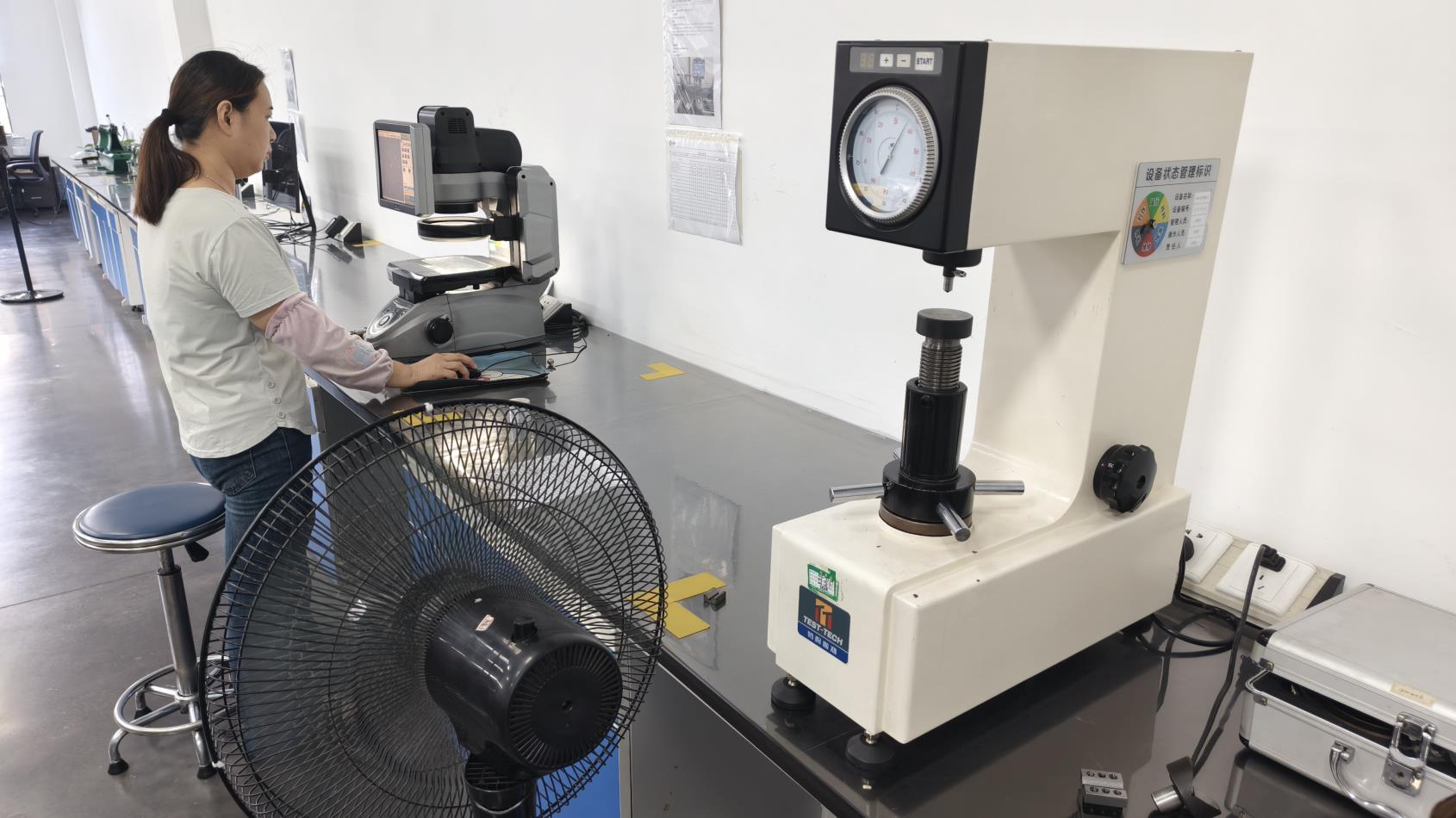
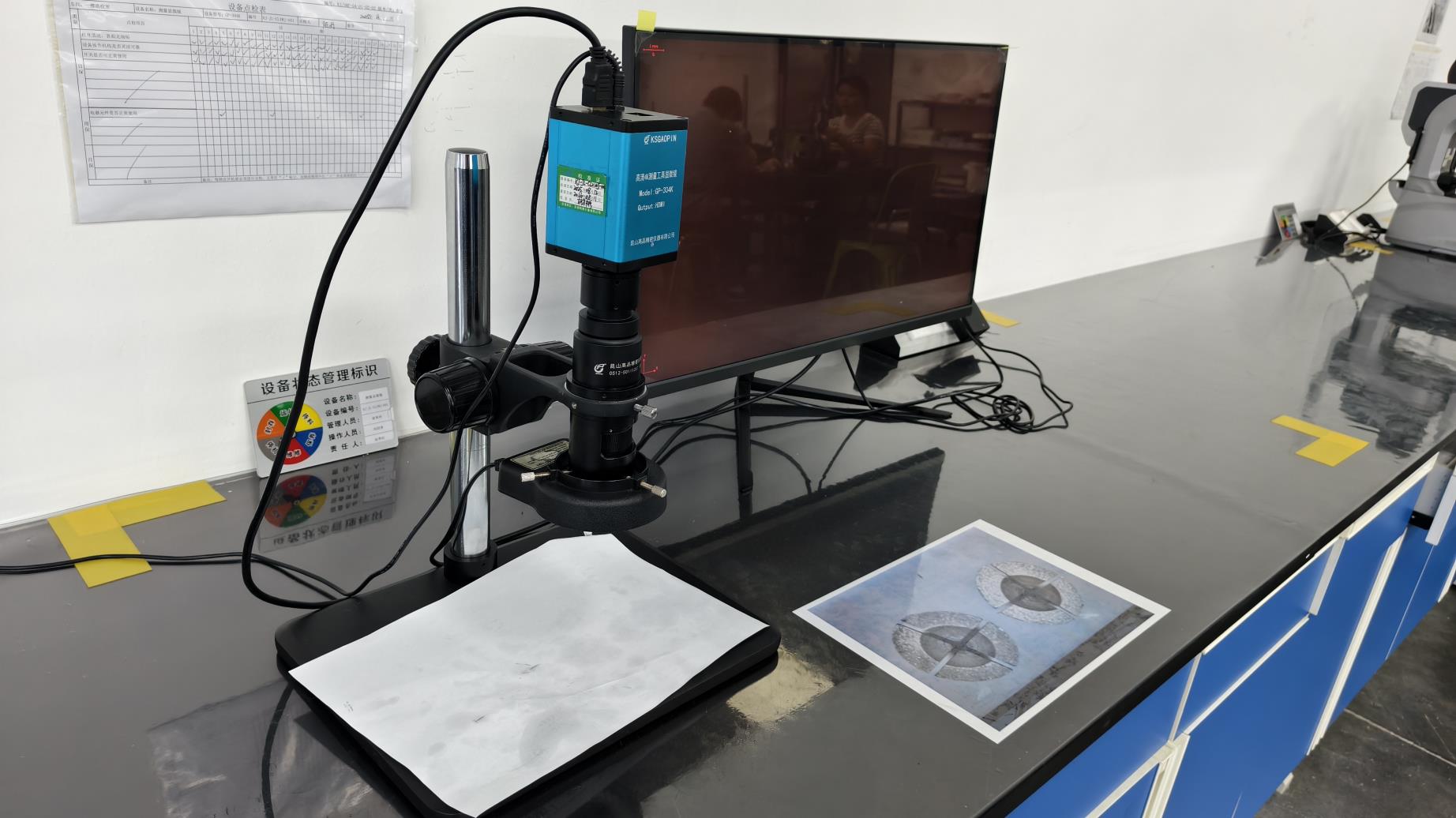
At Moventra, every production batch goes through a multi-stage testing process. This includes coordinate measuring machine (CMM) dimensional checks, surface roughness measurement, hardness verification, and mechanical fatigue testing. This strict quality control ensures every shipment meets global healthcare standards.
Equipped with Swiss-type precision machinery and professional diagnostic labs to maintain strict tolerances and high reliability.
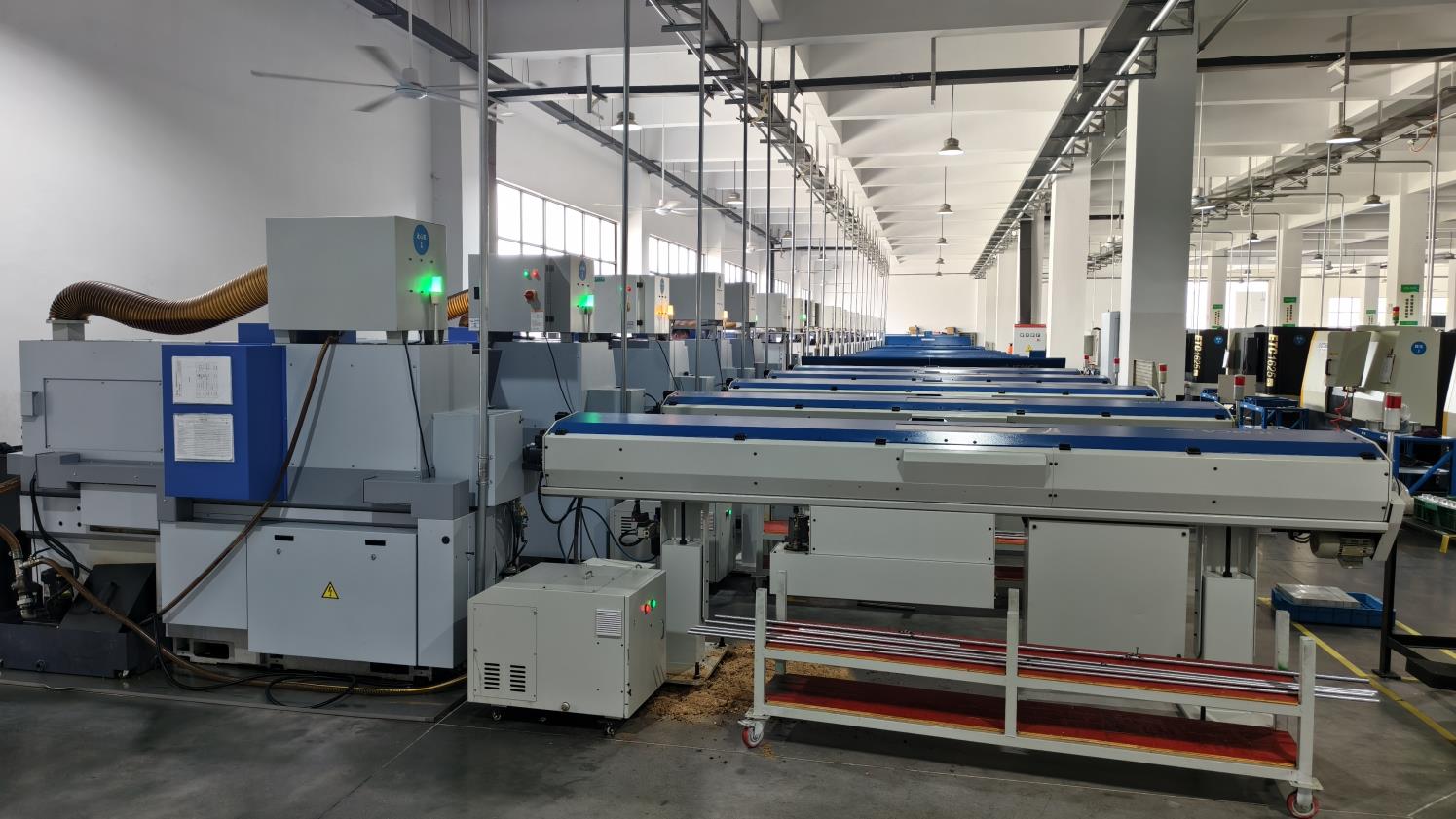
Where surgical efficiency, advanced biomechanical materials, and smart medical technologies meet.
Modern hospitals are replacing traditional steel fixation bars with high-performance carbon fiber. Carbon fiber provides a high strength-to-weight ratio and is completely radiolucent, allowing surgeons to monitor bone healing during fluoroscopy without interference.
In critical trauma care, every second matters. Newer unilateral fixators feature quick-lock pin clamps that snap onto rods instantly, reducing surgical time and helping limit infection risks in open-wound operations.
The industry is exploring the integration of wireless strain sensors directly into structural fixator bars. These sensors monitor load changes over time, helping clinicians track bone healing and decide when it is safe to remove the hardware.
Detailed answers to technical, manufacturing, and regulatory questions from healthcare professionals and purchasing teams.
High-precision components designed to support complex reconstructive surgeries and veterinary orthopedic procedures.
 Moventra Medical