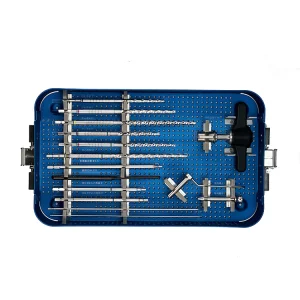
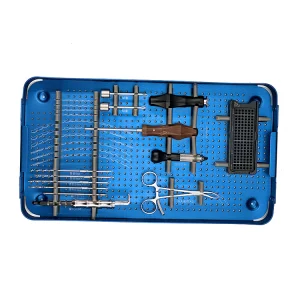
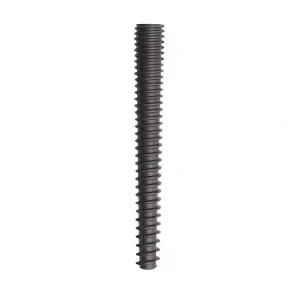
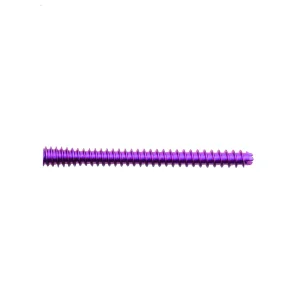
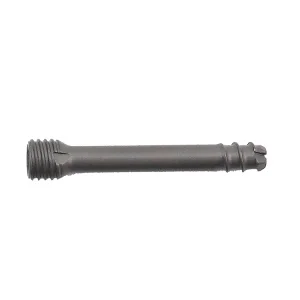
Engineered for high stability, immediate compression, and minimally invasive orthopaedic procedures in Riyadh clinical hubs.
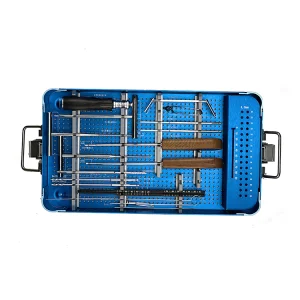
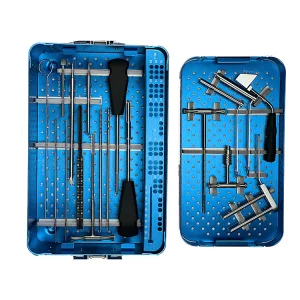
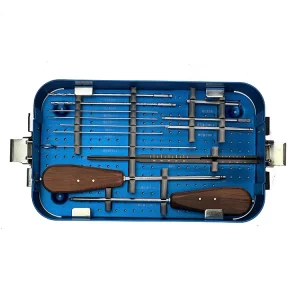
Strategic medical supply alignment with Saudi Arabia's Vision 2030 Healthcare Transformation Programs.
Riyadh is witnessing an unprecedented expansion of its healthcare infrastructure. With the Saudi Ministry of Health’s (MOH) sweeping privatization policies and the restructuring of healthcare networks into the Health Holding Company, municipal clinical centers like King Faisal Specialist Hospital & Research Centre, Dr. Sulaiman Al Habib Medical Group, and King Saud University Medical City are escalating standards for orthopedic trauma implants. The demand for highly specialized cannulated screws, primarily used in minimally invasive osteosynthesis, has surged due to a clinical focus on shortening patient recovery cycles and reducing hospital length of stay (LOS).
In Riyadh, orthopedic surgeons encounter complex trauma cases resulting from urbanization and motor vehicle incidents, alongside a growing incidence of osteoporotic femoral neck fractures in the aging demographic. The need for precise compression, biocompatibility, and sterile implants is critical. This necessitates direct partnerships with FDA-registered and ISO 13485-certified manufacturers capable of providing robust logistical support, consistent product batches, and customized OEM solutions that fit the tender requirements of Saudi medical institutions.
All orthopedic implants conform to ASTM F136 titanium standards, facilitating direct registration procedures through the Saudi Food and Drug Authority (SFDA).
Engineered using High-Grade Titanium Alloy (Ti-6Al-4V ELI) to guarantee optimal tissue integration, reducing corrosion and structural failure risks.
Complete batch documentation, mechanical validation reports, and sterilization certifications suitable for NUPCO and public hospital bids.
Innovation in design parameters, thread geometries, and mechanical stabilization.
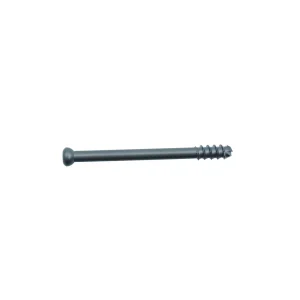
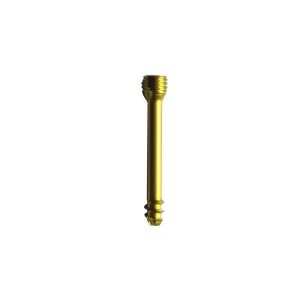
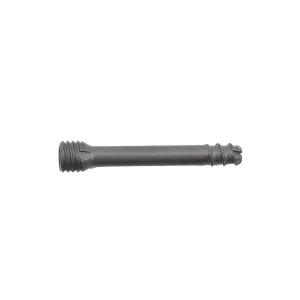
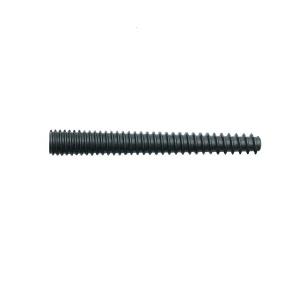
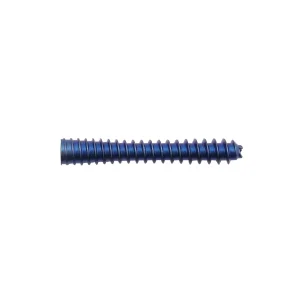
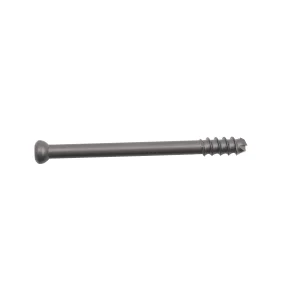
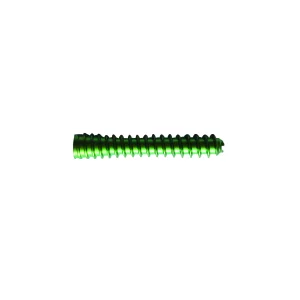
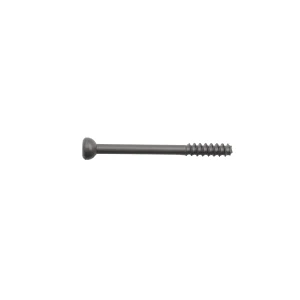
The global orthopedic implant sector is evolving rapidly toward Minimally Invasive Surgery (MIS). Cannulated bone screws are central to this change. Their hollow core enables surgeons to precisely guide the screw over a pre-positioned K-wire (Kirschner wire), ensuring accurate anatomical reduction with minimal soft-tissue dissection. This is highly beneficial for delicate procedures such as femoral neck fractures, scaphoid fixations, calcaneal osteotomies, and arthrodesis of small joints.
Key design innovations include:
Riyadh's clinical demand reflects these technological shifts, transitioning from standard stainless steel screws to titanium-alloy compression screws and complete single-use instrument setups that minimize contamination risks during major orthopedic cases.
How B2B orthopedic buyers mitigate supply chain volatility and ensure patient safety.
Procuring implants involves stringent quality standards. When orthopedic brand owners, multinational distributors, and health departments in Riyadh buy implants, their risk assessment covers three key dimensions:
1. Traceability & Material Verification: Medical devices must be fully traceable back to the raw material melt batch. Manufacturers must supply authentic mill test reports demonstrating chemical composition (e.g., carbon, oxygen, nitrogen limits in Grade 5 / ELI Titanium) and microstructural conformity.
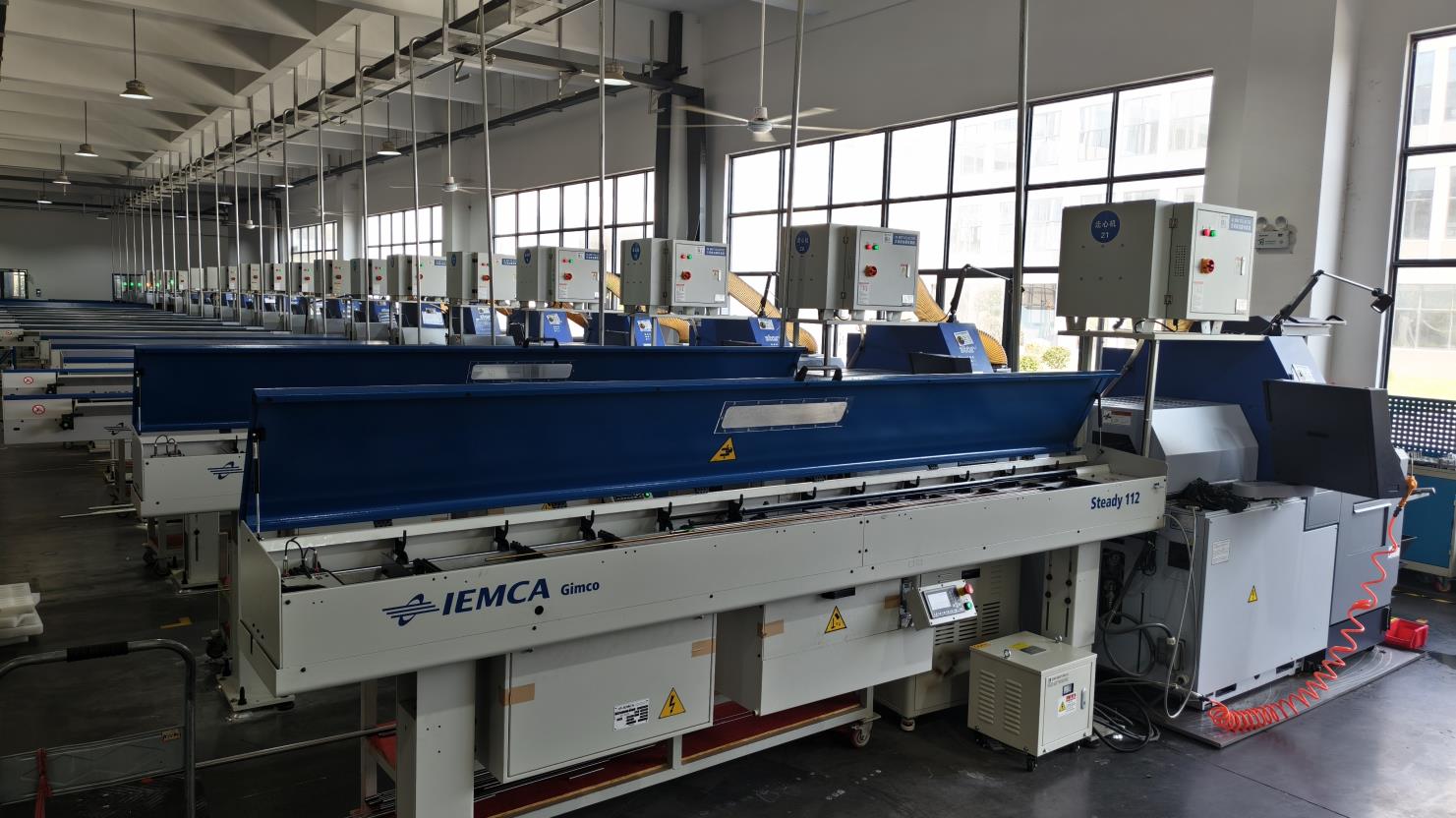
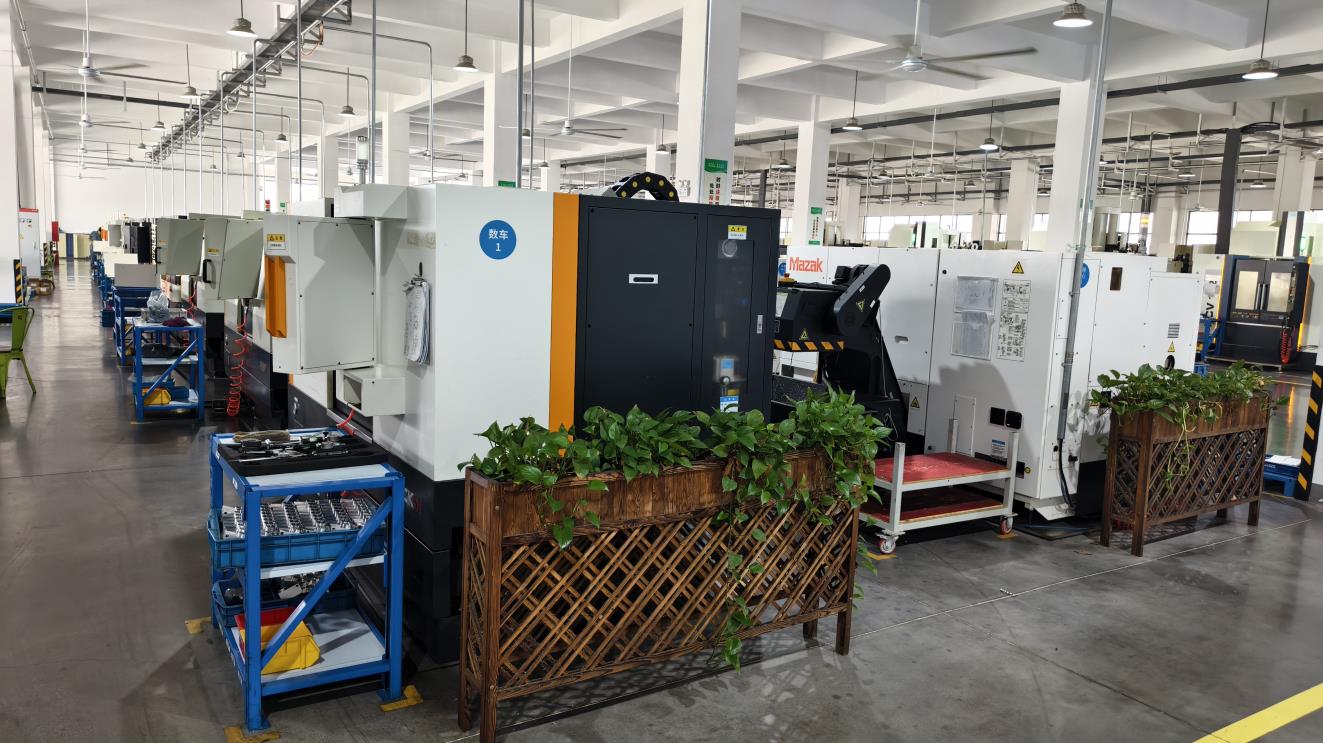
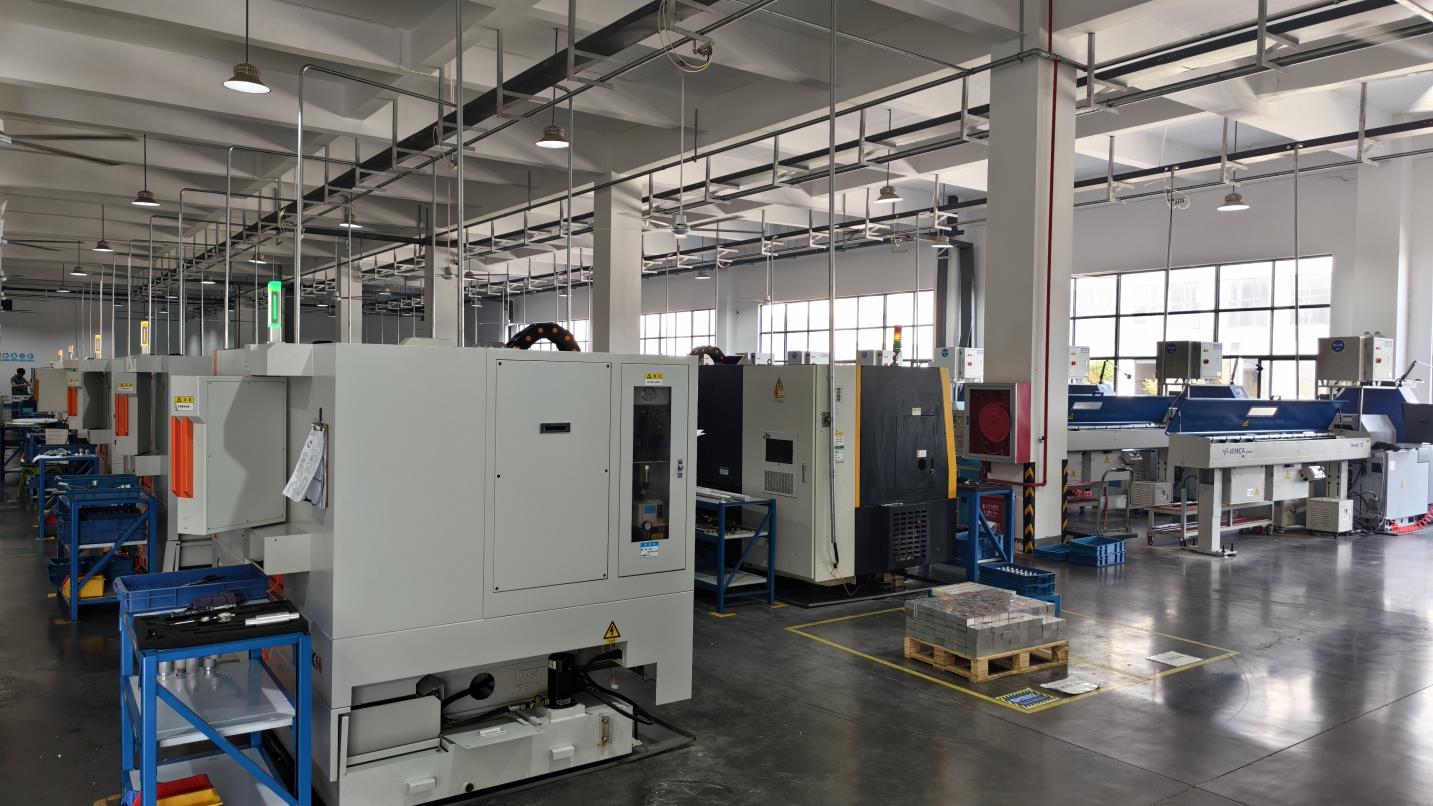
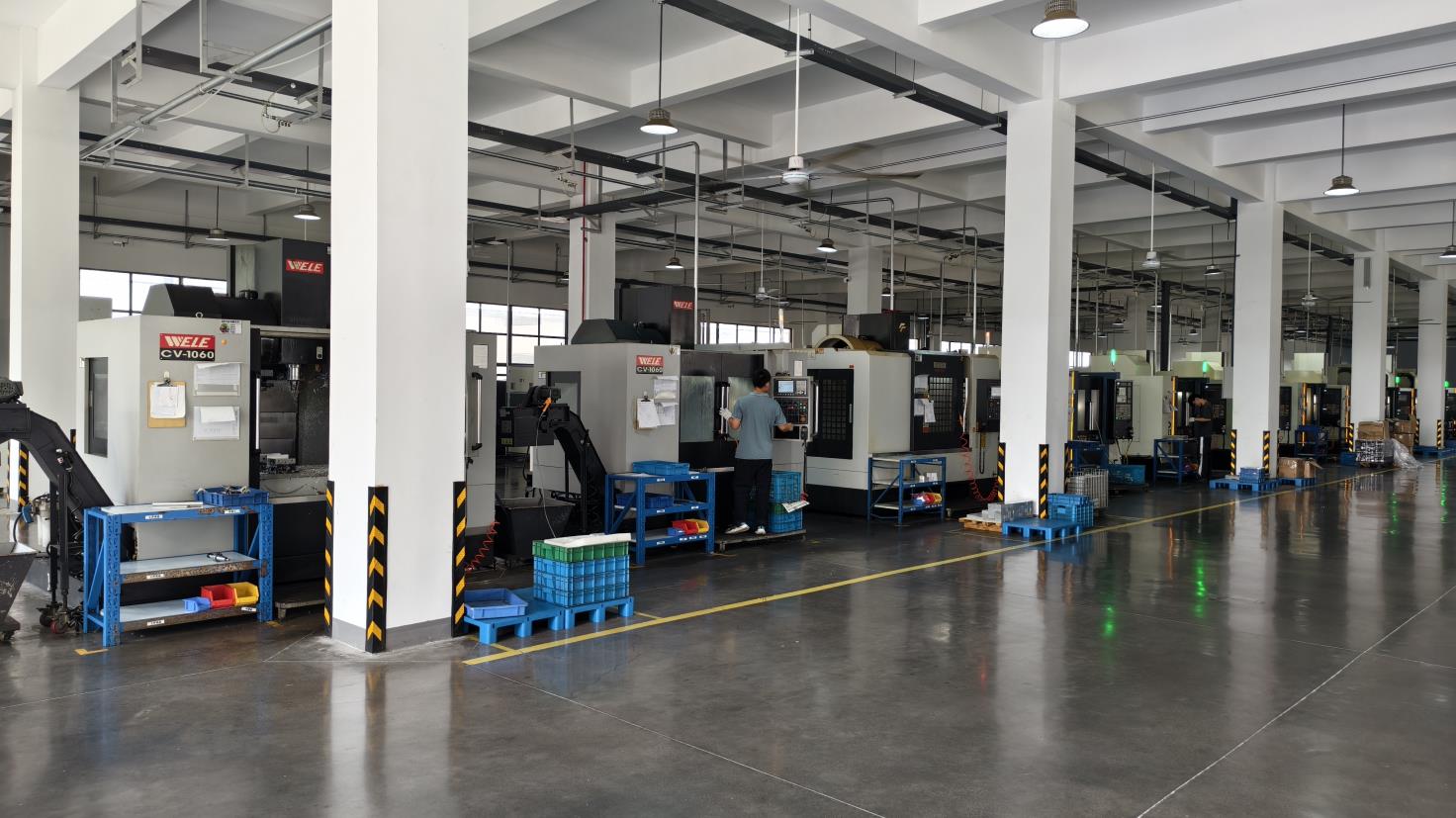
2. Supply Chain Agility & Production Capacity: Lead-time consistency is vital. The Factory 4.0 production framework used by advanced Chinese suppliers shields buyers from sudden volume crunches. High-speed Swiss CNC machining centers and automated tool wear detection keep production on schedule.
3. Regulatory Documentation Packages: A complete regulatory file (containing CE mark certificates, ISO 13485 certificates, sterility validation protocols, biocompatibility studies, and mechanical fatigue test results conforming to ASTM F543) is essential. Having this documentation ready speeds up local import and listing approvals through the SFDA.
Our intelligent factory footprint, production technologies, and comprehensive company specifications.
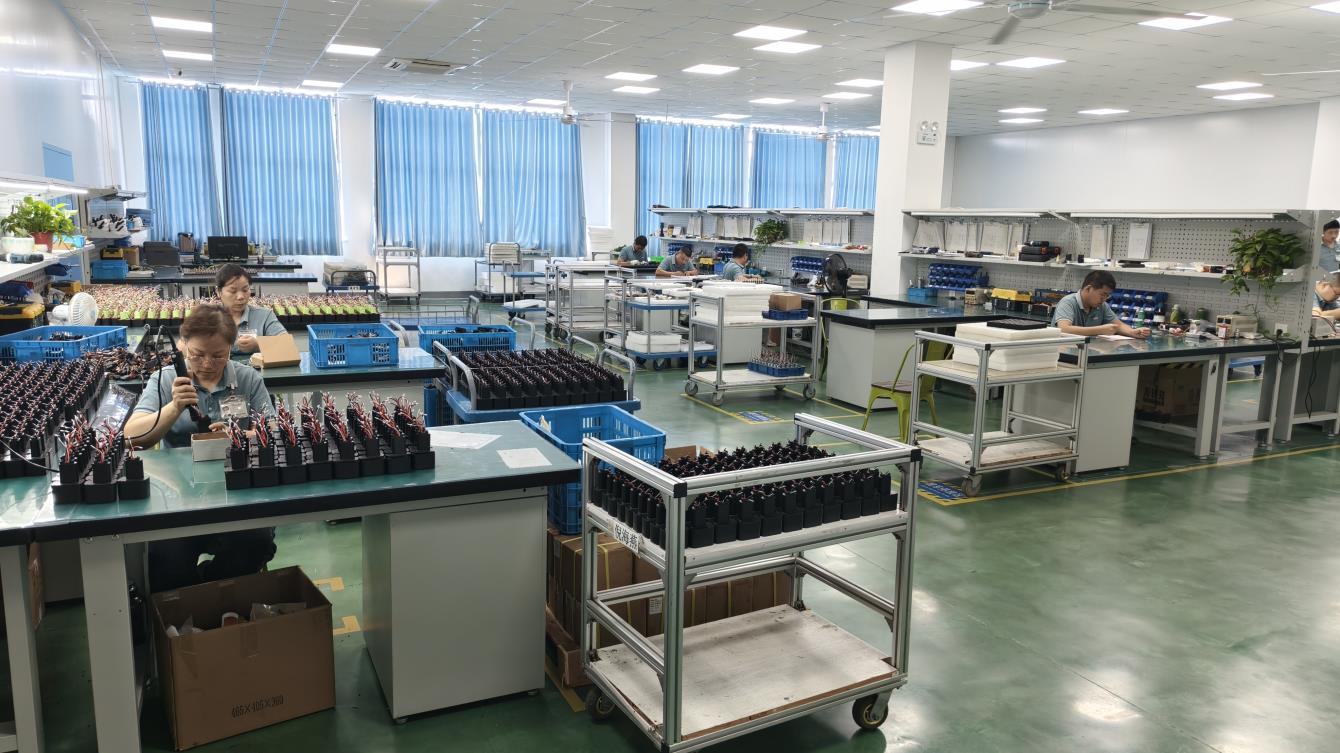
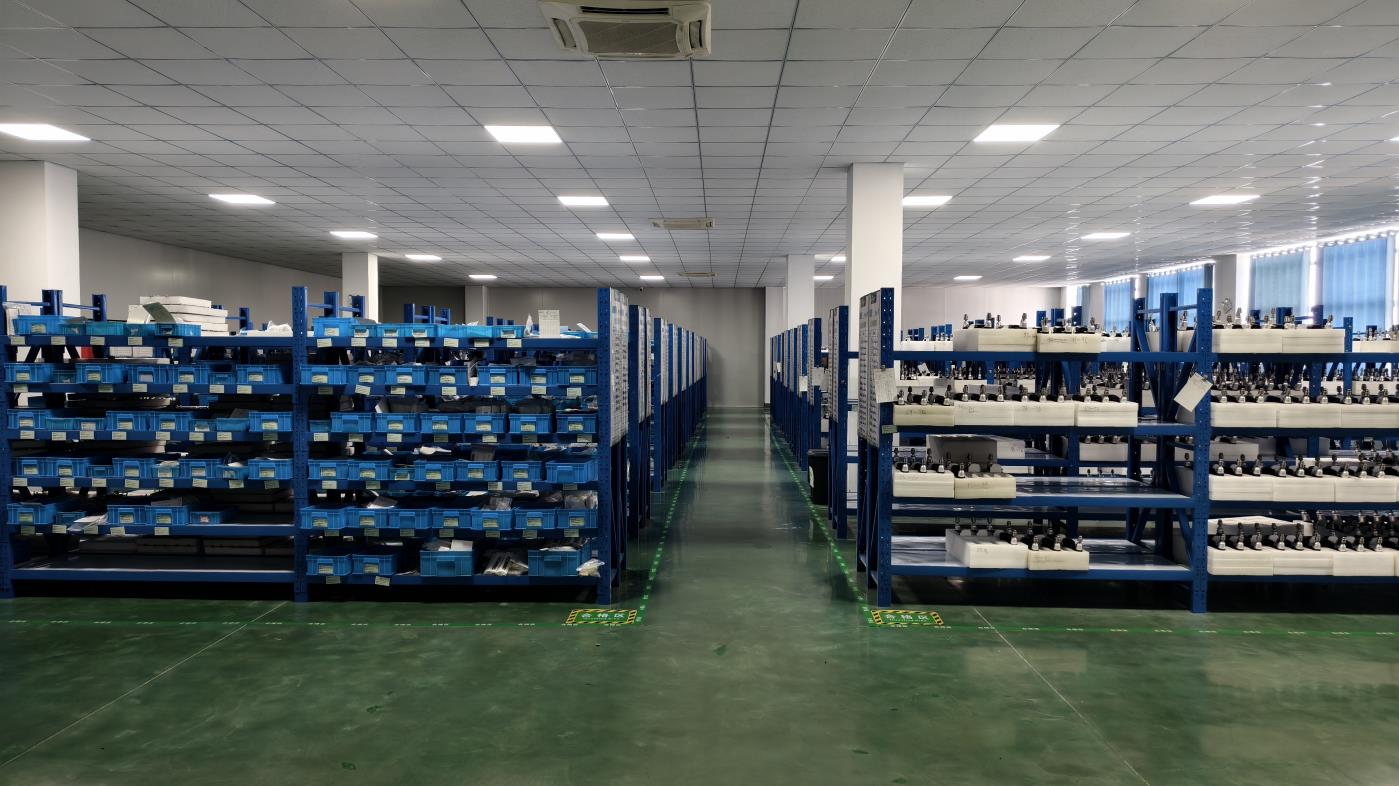
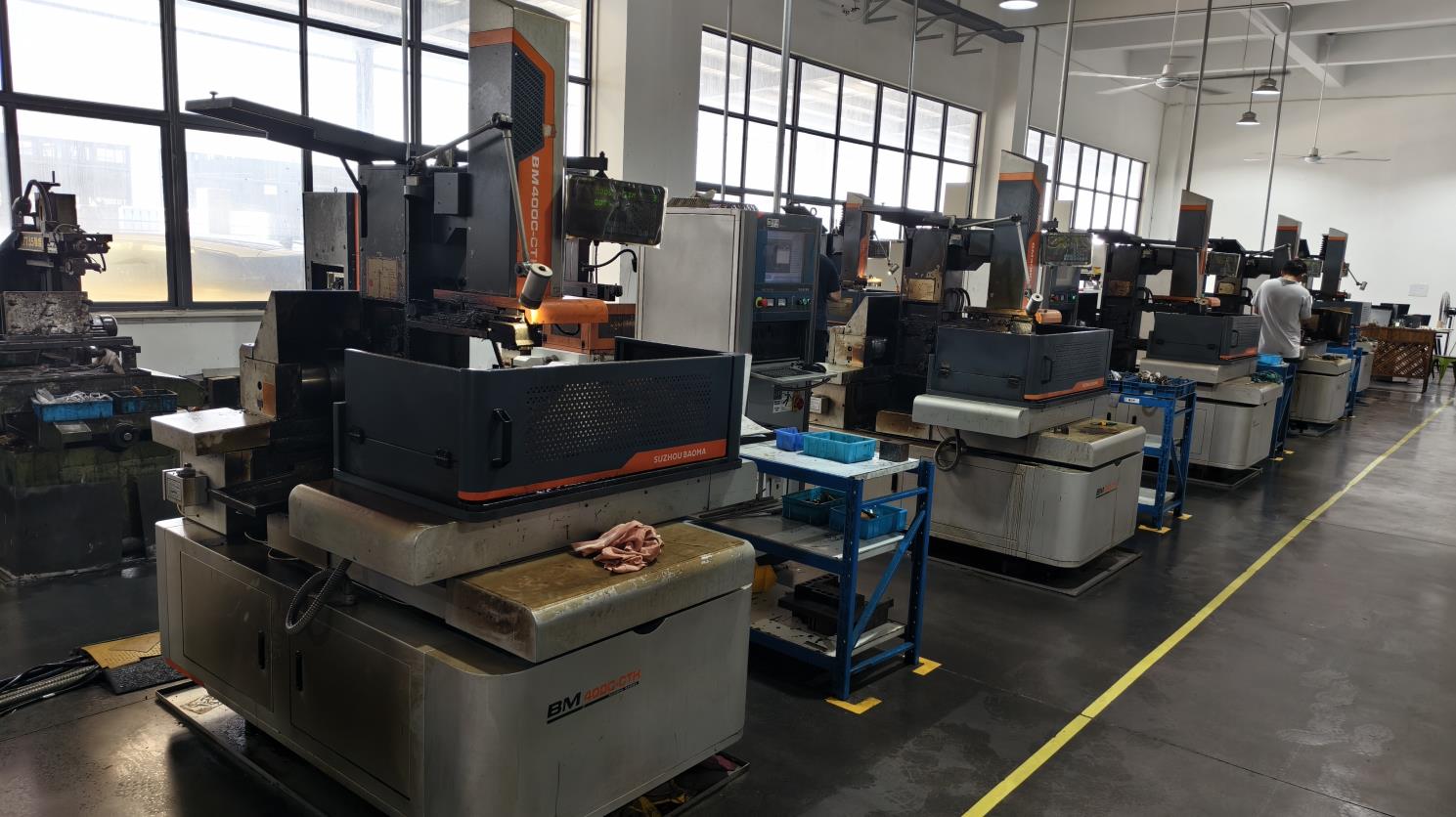
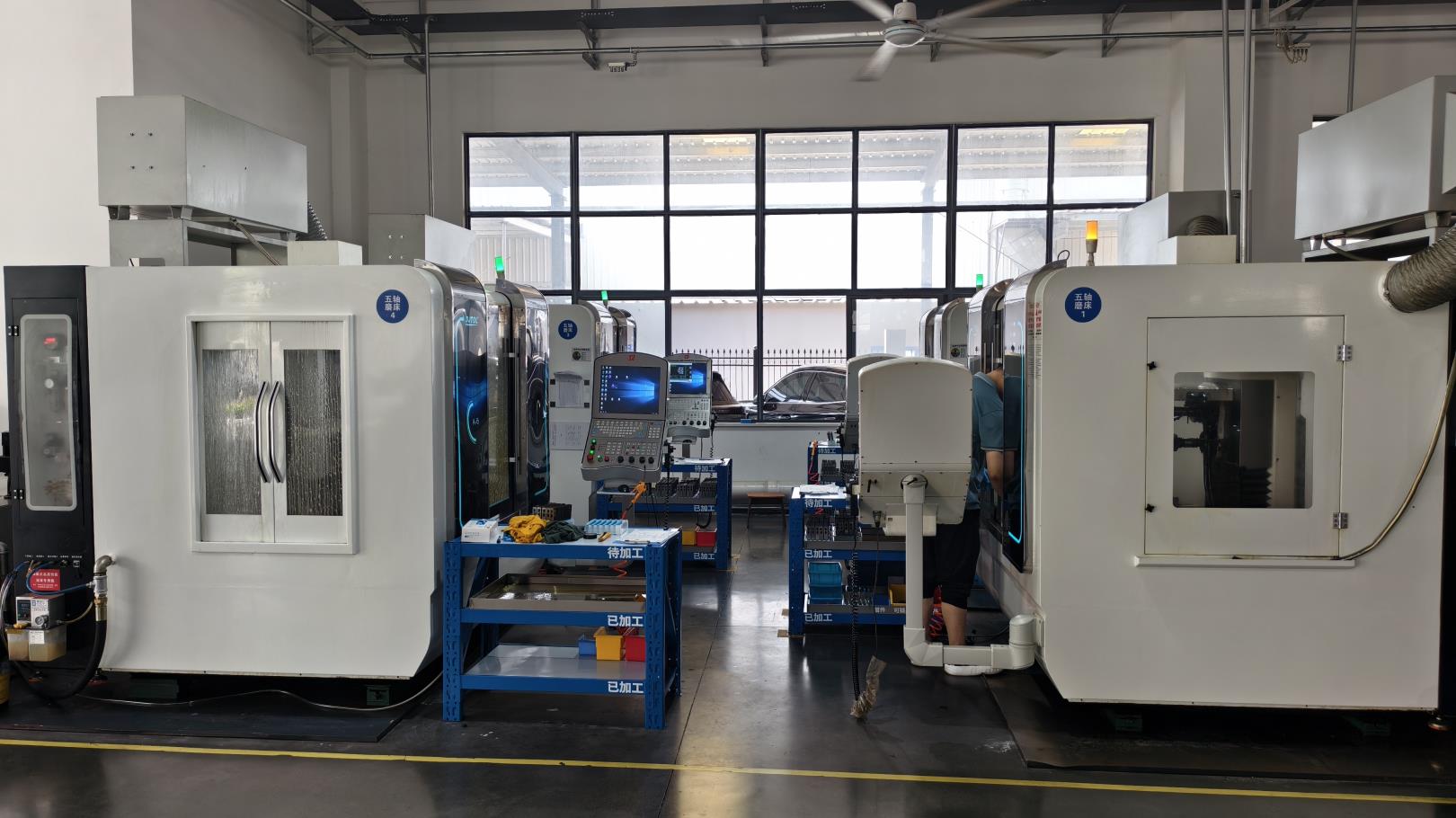
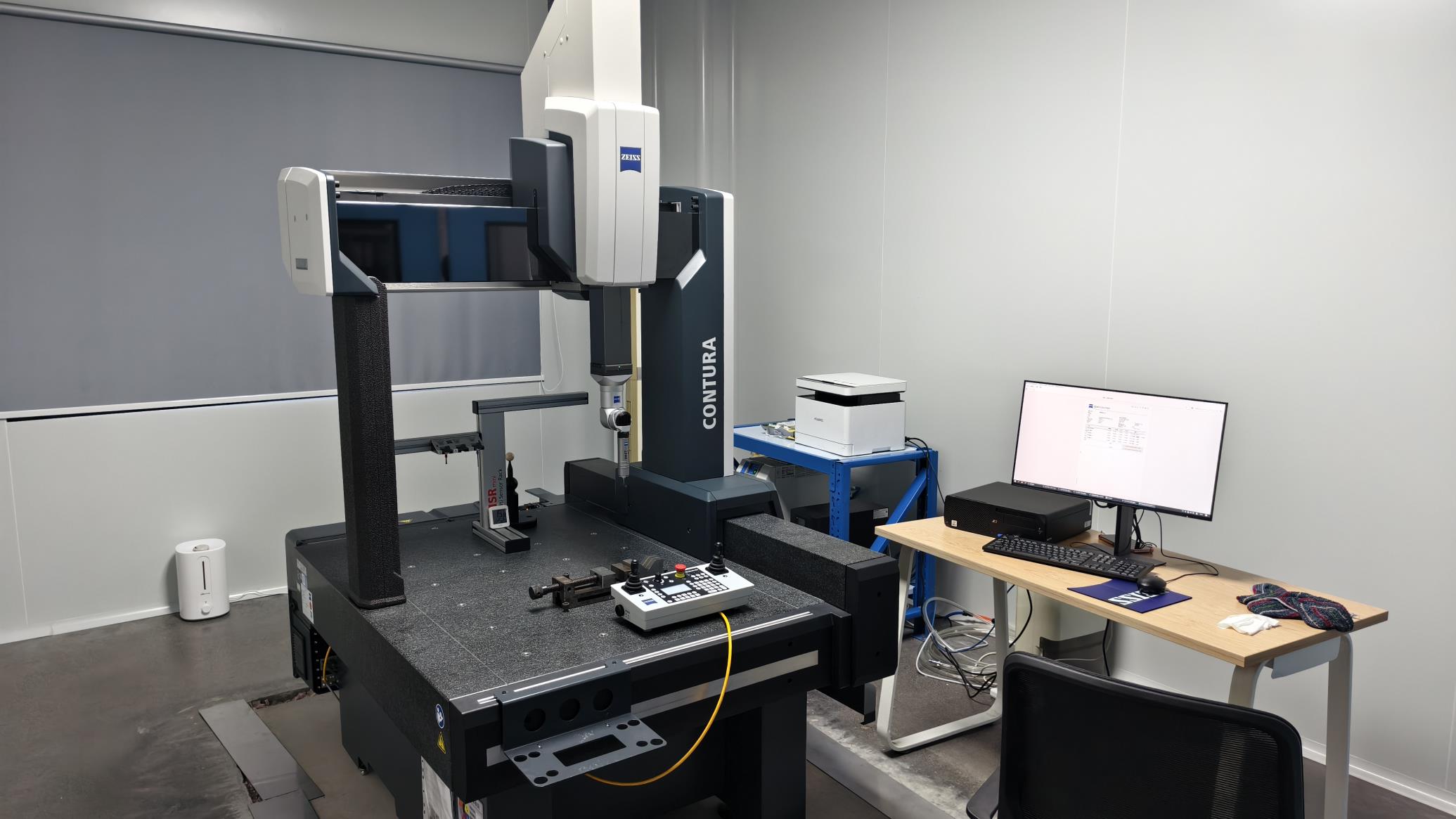
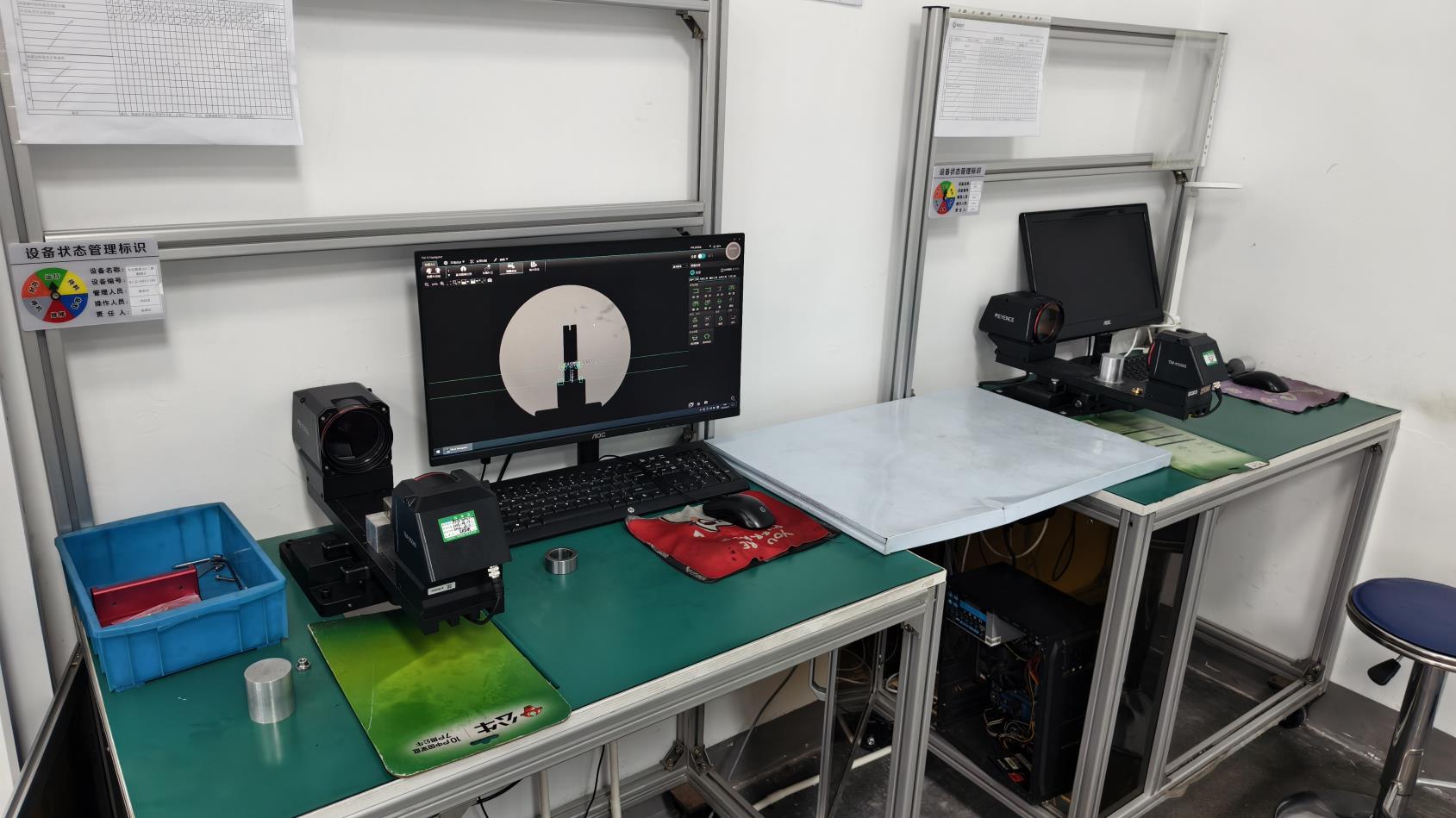
Established in 2017, Moventra Medical Technology (China) Co., Ltd. stands at the forefront of intelligent medical device production. Operating a state-of-the-art 18,600 m² digital factory, we integrate advanced Swiss-type automatic lathes, precise multi-axis milling machines, and automated cleanroom packaging units to achieve micro-level tolerance controls on all cannulated components.
| Specification Category | Technical and Commercial Details |
|---|---|
| Company Name | Moventra Medical Technology (China) Co., Ltd. |
| Brand Identity | Moventra |
| Established | 2017 |
| Production Facility Footprint | 18,600 m² modern smart manufacturing site |
| Annual Export Revenue | USD 23.8 Million |
| Export Experience | 7 Years serving premium medical markets globally |
| Industry Deep Experience | 13 Years in high-precision orthopedic engineering |
| Quality Audits & Inspection | 100% Quality Inspection Before Shipment |
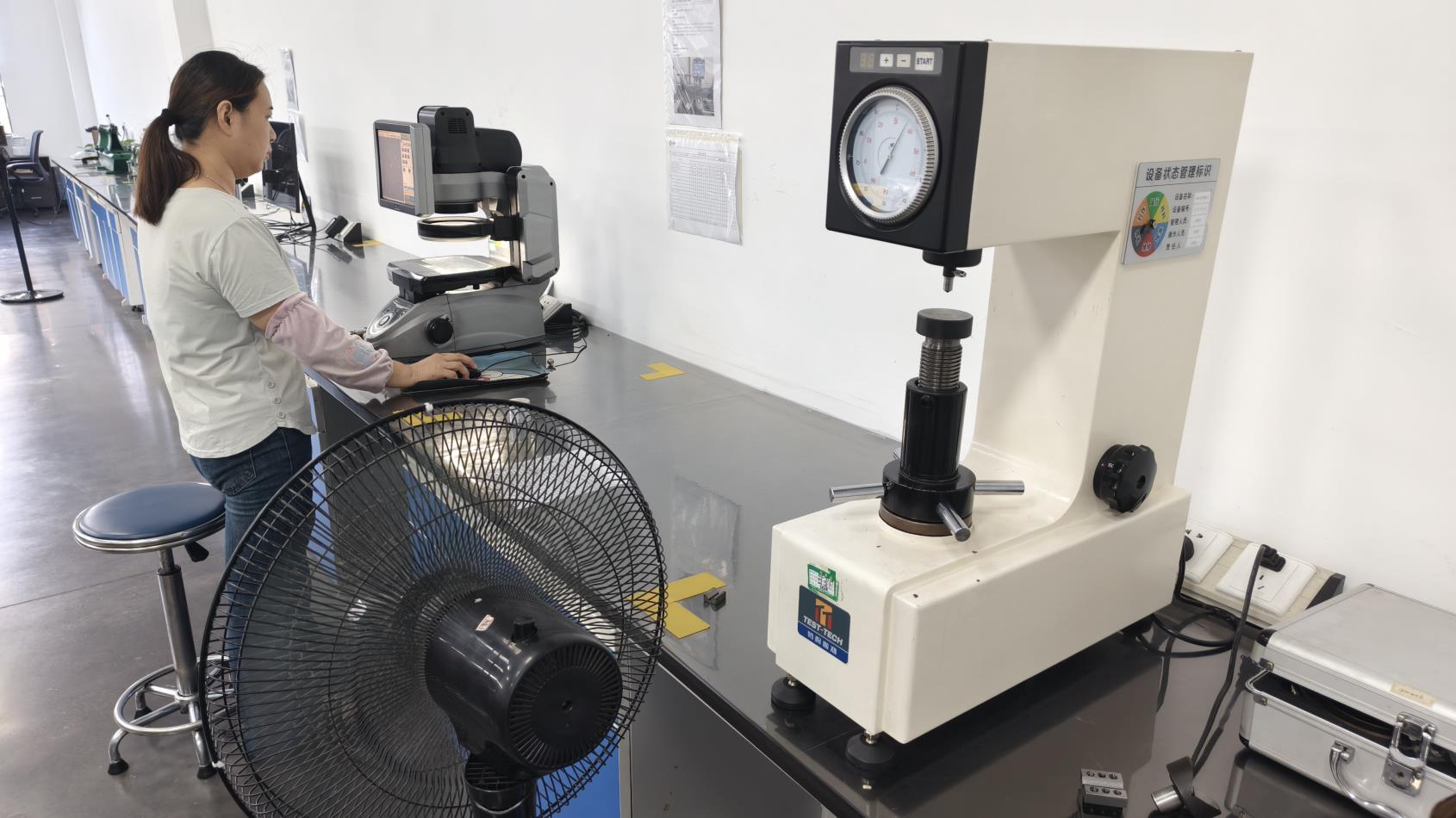
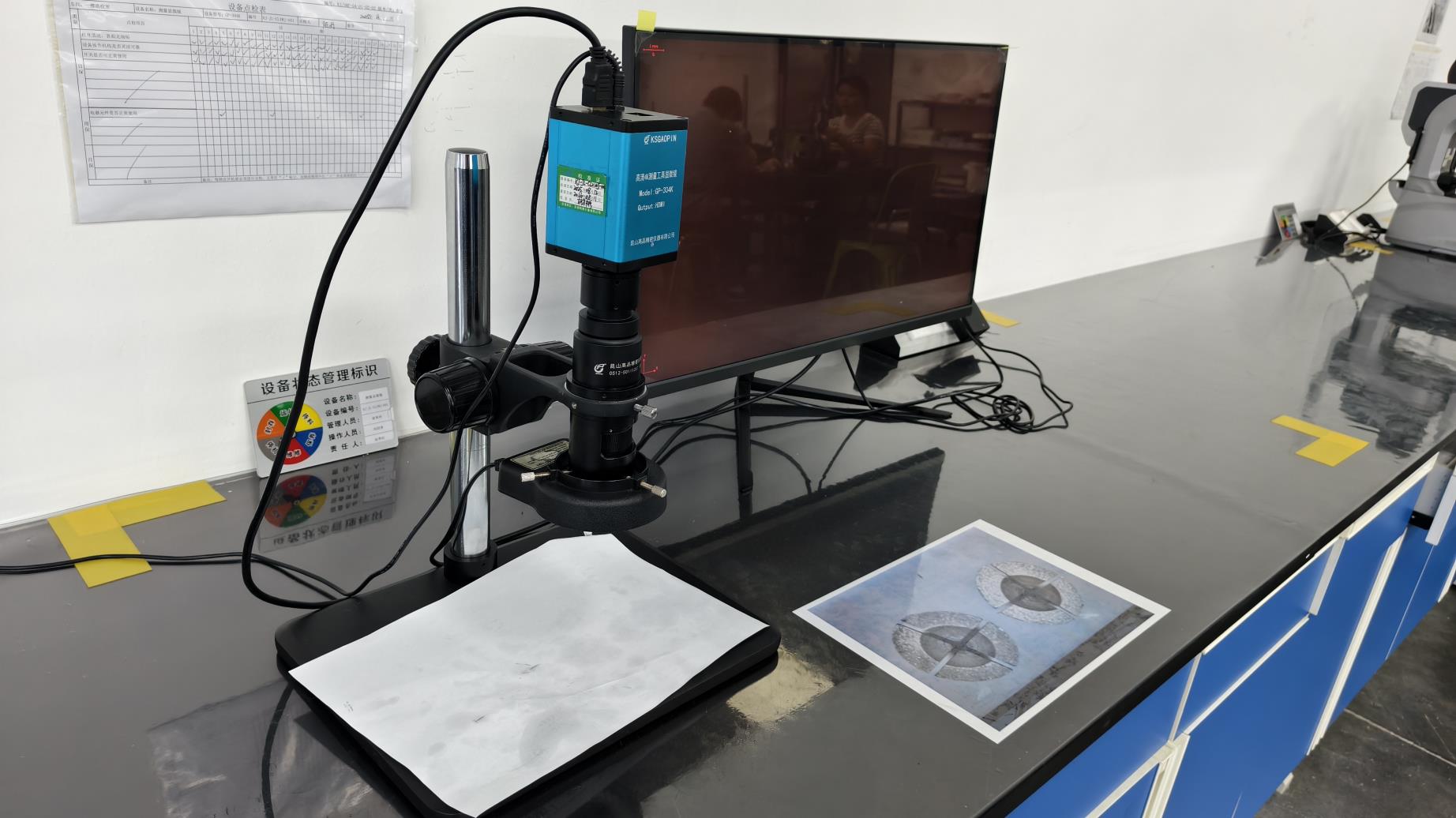
| Inspection Methodologies | Dimensional Inspection, Material Analysis, Surface Finish Inspection, Mechanical Performance Testing, Sterility Verification |
| Quality Assurance Team | 48 Experienced Engineers and QC Staff |
| Business Model | Manufacturer, OEM & ODM, Contract Exporter |
| Primary Geographic Markets | North America, Europe, South America, Middle East, Southeast Asia, Australia |
| Supply Chain Partners | 1,120 global distribution and material sourcing partnerships |
| Target Clientele | Medical Device Brands, Orthopedic Distributors, Hospitals, Importers, Government Procurement Projects |
| R&D Capabilities | Independent Product Design, Rapid Prototyping, OEM/ODM Development, Customized Engineering Solutions |
| Customization Options | Logo Customization, Packaging Customization, Product Design Customization, Drawing-Based Manufacturing, Sample-Based Manufacturing |
| Innovation Capacity (Last Year) | 156 new product variations and instruments released |
| R&D Engineers | 86 specialists in orthopedics, metallurgy, and biomechanical design |
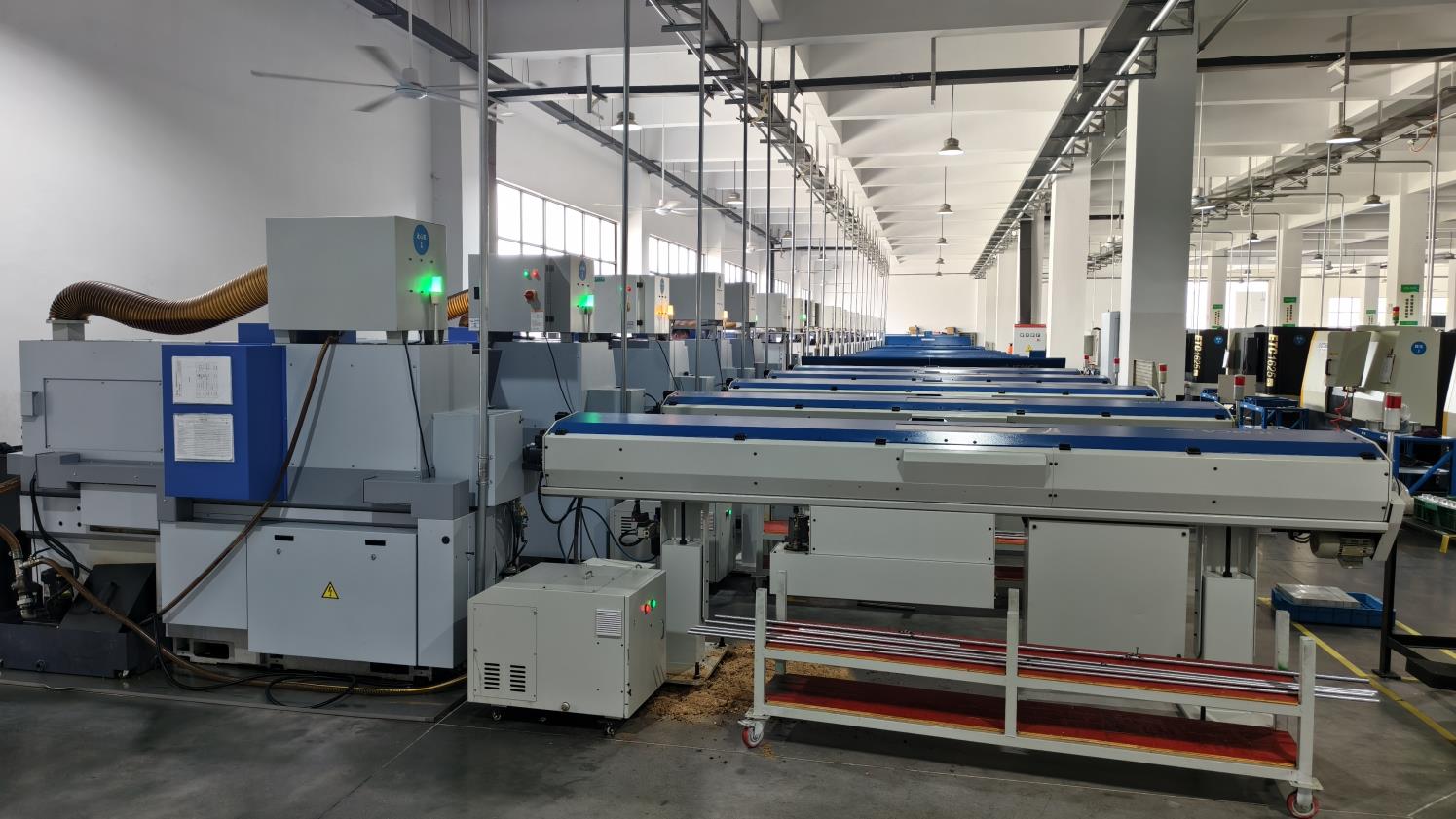
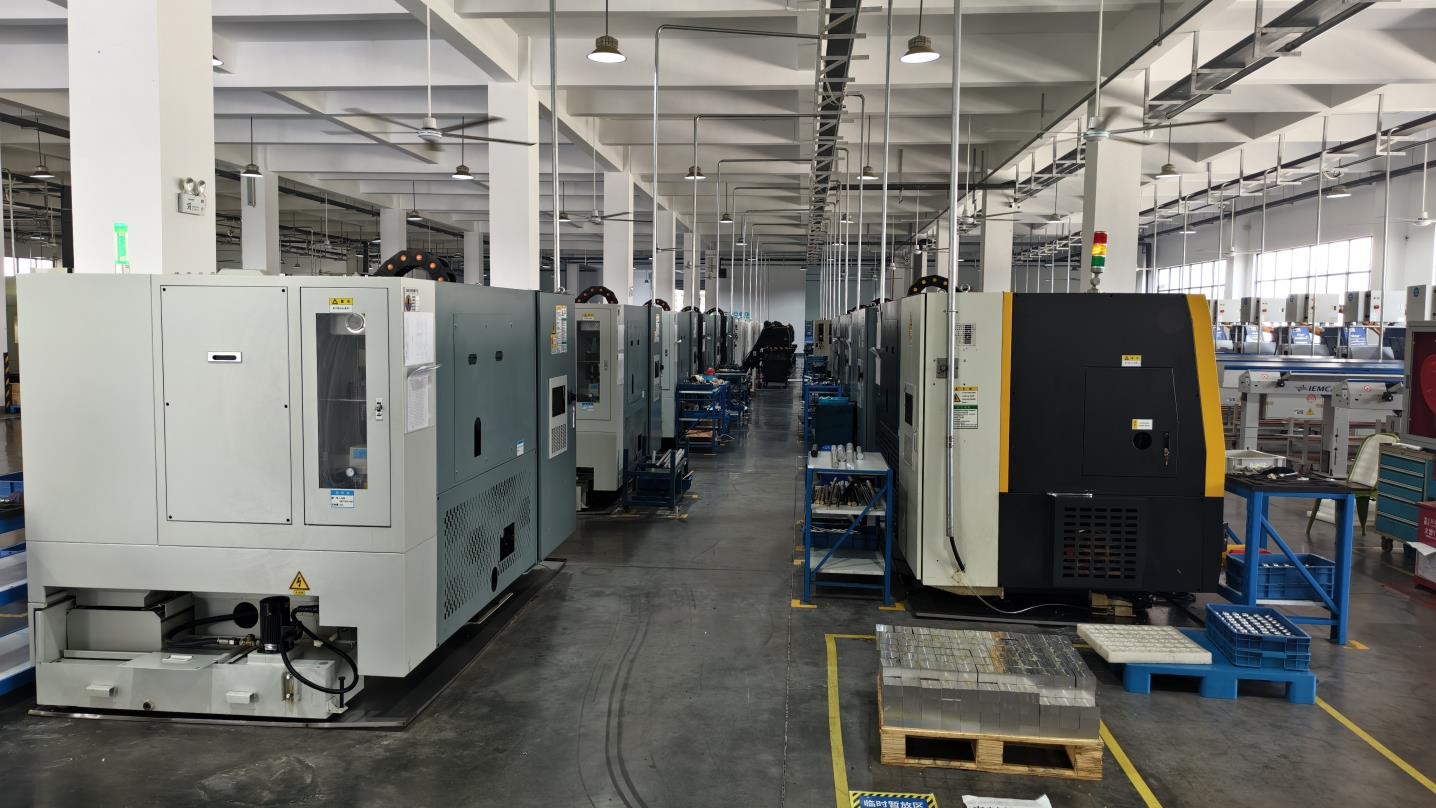
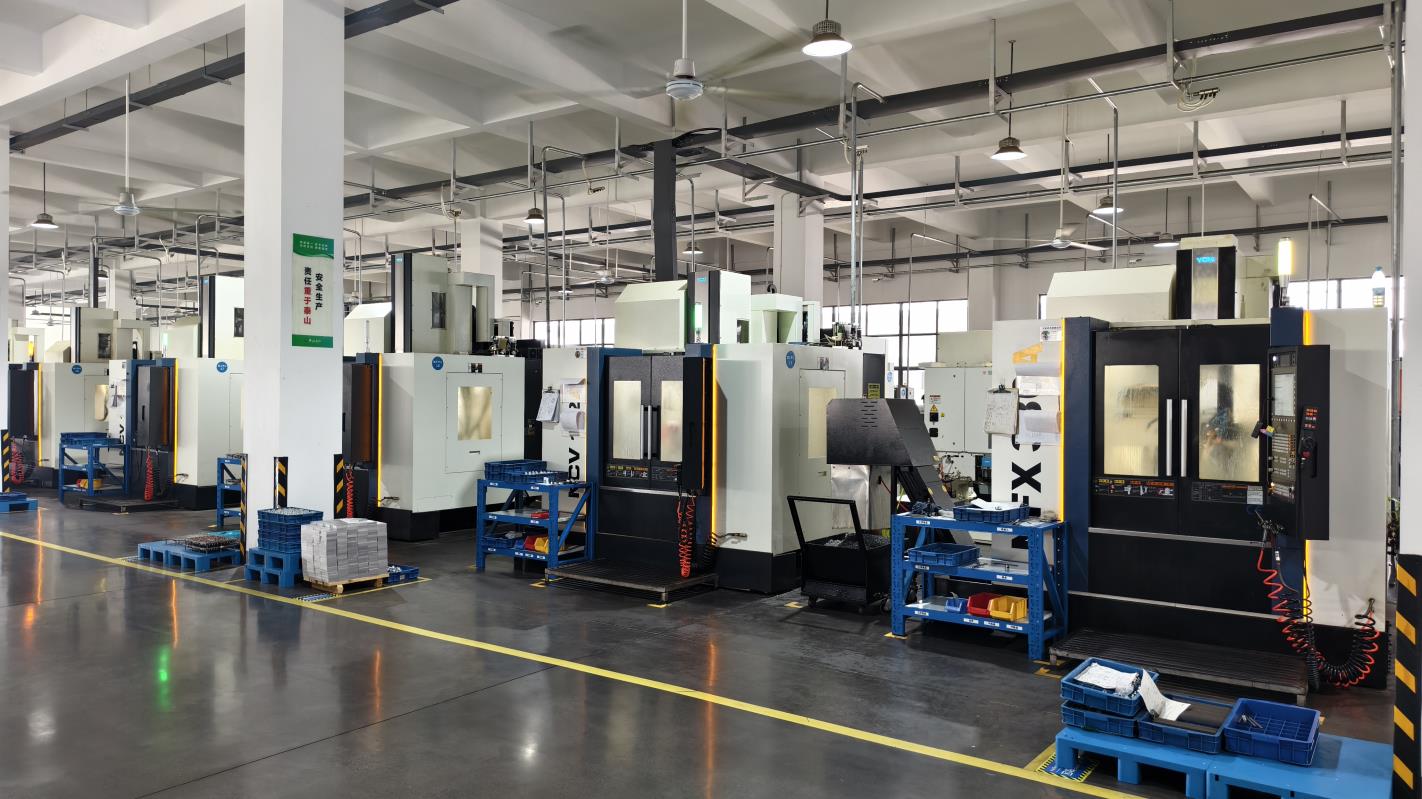
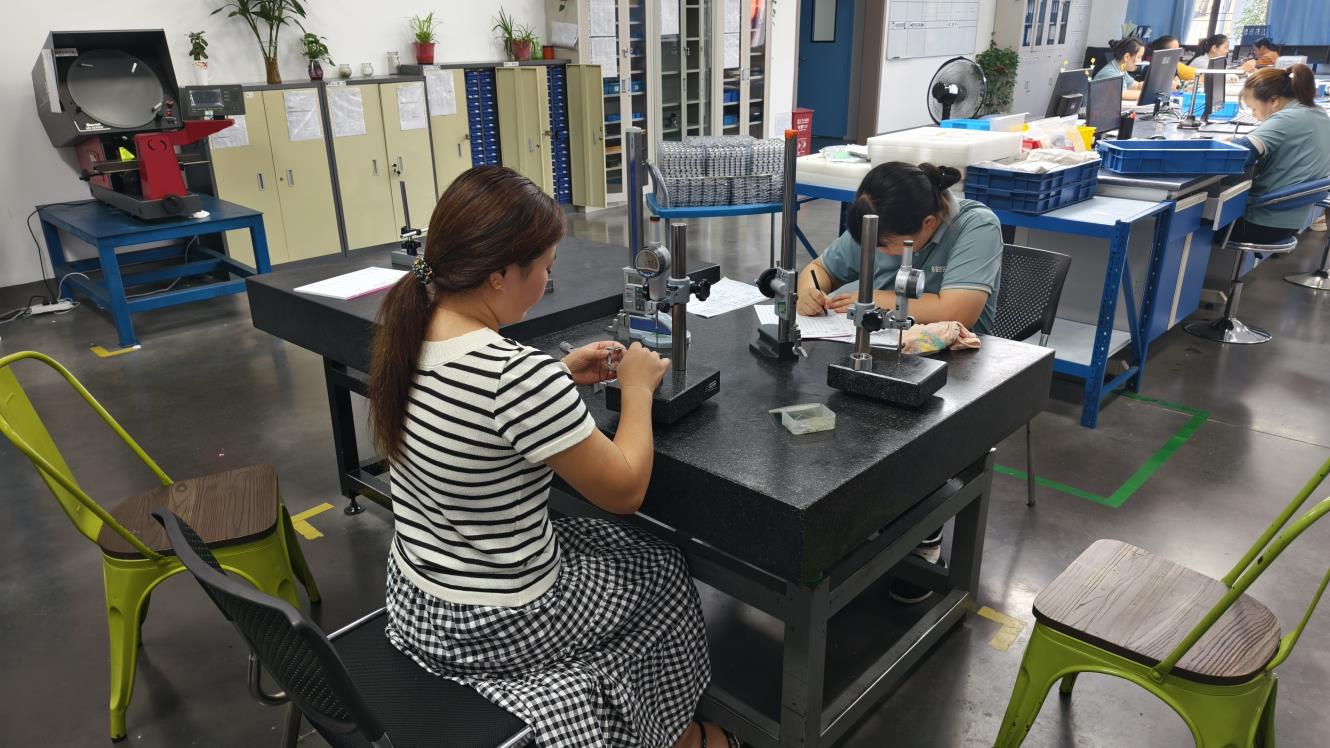
Practical surgical environments where Moventra cannulated screws offer proven clinical outcomes.
In the clinical settings of Riyadh, our titanium alloy implants solve challenging surgical scenarios:
At trauma units within Riyadh, surgeons regularly address osteoporotic subcapital neck fractures in elderly patients. Using three of our 6.5mm or 7.3mm Cannulated Screws in a parallel triangular pattern provides rotational stability and resistance to shearing forces. The self-tapping profile shortens procedure times under fluoroscopy, reducing risks for patients with multiple comorbidities.
With Riyadh’s growing sports medicine infrastructure, restoring function after high-energy hand trauma is a priority. For scaphoid waist fractures, our Headless Herbert Cannulated Screws (2.4mm - 3.0mm) are placed percutaneously under guide wire control. The headless design embeds fully within articular cartilage, avoiding impingement while securing strong compression to promote bone healing.
Our spinal instrument kits and large cannulated screws are regularly deployed in pelvic ring disruptions and sacroiliac joint dislocations. The mechanical properties of our titanium alloy components ensure they withstand weight-bearing stresses during the early post-operative mobilization phase.
Insights on procurement, mechanical specs, regulatory standards, and Riyadh logistics.
Engineered for international distribution and hospital group procurement programs.
 Moventra Medical