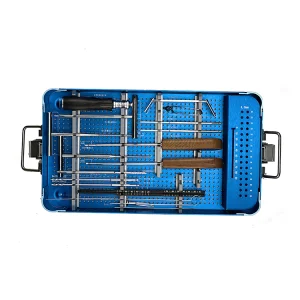
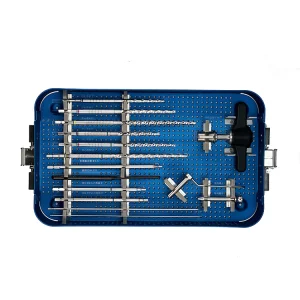
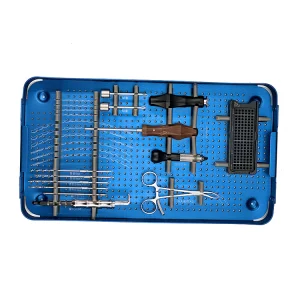
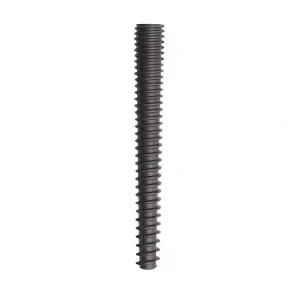
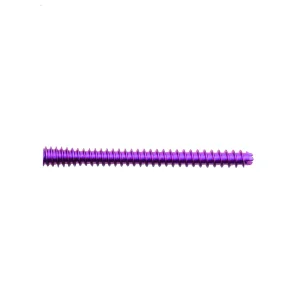
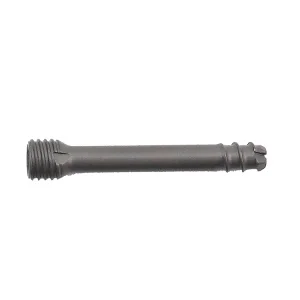
Advanced surgical fixation kits and implants engineered for Seattle healthcare infrastructures and trauma centers.
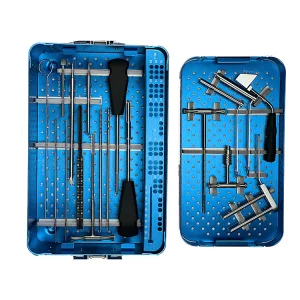
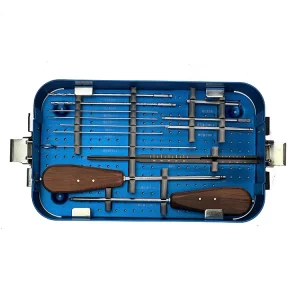
The Seattle metropolitan area has emerged as a premier bio-medical and health technology corridor. Anchored by world-renowned clinical and research institutions like the University of Washington (UW) Medicine, Swedish Medical Center, and Harborview Medical Center—the sole Level 1 adult and pediatric trauma center serving Washington, Alaska, Montana, and Idaho—the demand for highly advanced orthopedic instrumentation is exceptionally rigorous. In this high-intensity trauma and reconstructive surgery market, cannulated screws play a vital role in minimally invasive osteosynthesis, bone fragment compression, and spinal stabilization processes.
Local orthopedic surgeons and procurement committees prioritize components that facilitate rapid recovery times and lower post-operative complication rates. Cannulated screws manufactured with absolute structural integrity, utilizing biocompatible Titanium Alloys (Ti-6Al-4V ELI) and engineered with self-tapping/self-drilling characteristics, have become the clinical standard. Local medical distribution channels are shifting away from general brokers, choosing instead to establish direct relationships with vertically integrated global manufacturers who can guarantee strict regulatory compliance, traceable materials, and rapid supply chain continuity to the Pacific Northwest.
Modern orthopedic surgeries rely heavily on the biomechanical stability provided by cannulated screws. Hollow screw technology enables surgeons to insert a precise guide wire (typically 0.8mm to 3.2mm in diameter depending on the application) to verify alignment fluoroscopically prior to screw insertion. This minimizes bone displacement, protects soft tissue, and ensures sub-millimetric accuracy during internal fixation.
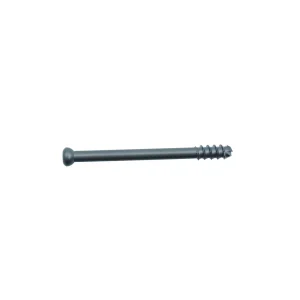
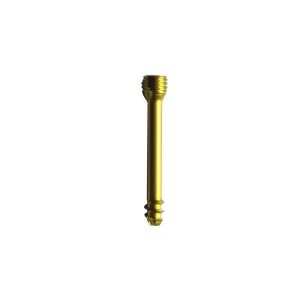
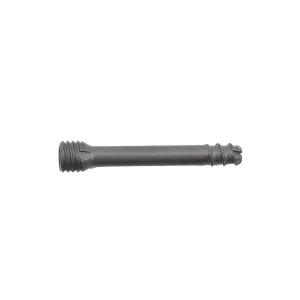
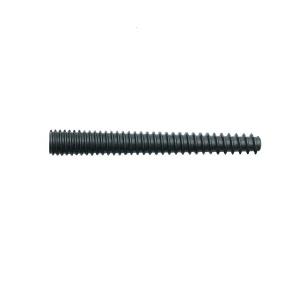
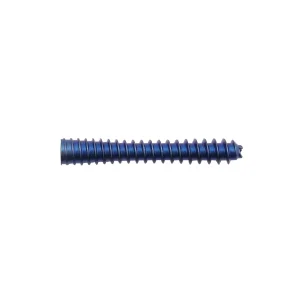
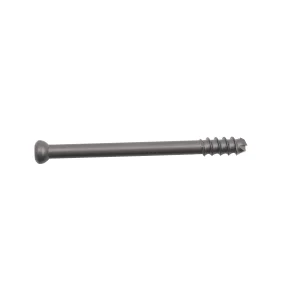
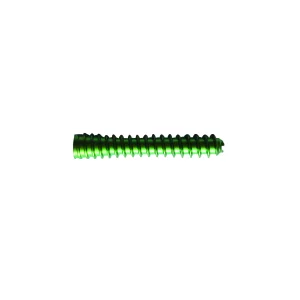
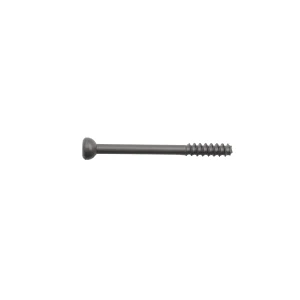
| Feature Spec | Cancellous Cannulated Screws | Headless Compression (Herbert) Screws | Cortical Cannulated Screws |
|---|---|---|---|
| Typical Diameter Range | 4.0mm, 4.5mm, 6.5mm, 7.3mm | 2.4mm, 2.5mm, 3.0mm, 4.5mm | 3.5mm, 4.0mm, 4.5mm |
| Thread Profile | Deep, wide pitch cancellous threads | Variable pitch dual-lead threads | Shallow, high-density cortical threads |
| Principal Biomaterial | Grade 5 ELI Titanium (Ti-6Al-4V) | Medical-Grade Titanium Alloy (ISO 5832-3) | Titanium / 316L Stainless Steel Option |
| Common Indications | Femoral neck fractures, tibial plateau, calcaneus | Scaphoid fractures, osteochondritis dissecans | Syndesmotic repairs, long bone shaft fixation |
| Instrumentation Kit | Hollow drill bit, guide wire, counter-sink, tap | Parallel wire guides, cannulated depth gauge | Screwdriver with sleeve, hollow tap |
Material choice is critical. Titanium alloys offer a modulus of elasticity closer to cortical bone compared to traditional stainless steel. This mitigates the risk of "stress shielding" where the metal implant carries all the load, causing adjacent bone density to decrease. Additionally, the formation of a stable, passive titanium oxide (TiO2) layer on the screw's surface prevents corrosion in physiological fluids and supports osseointegration.
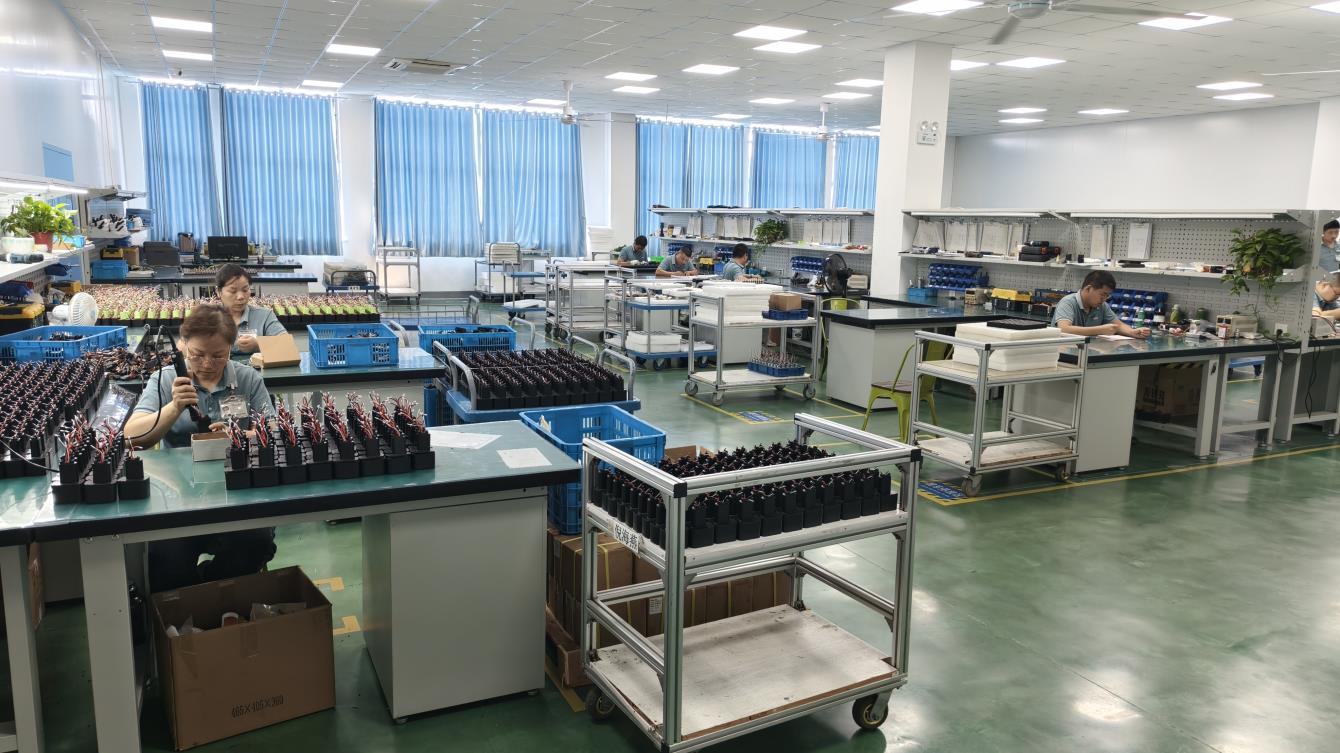
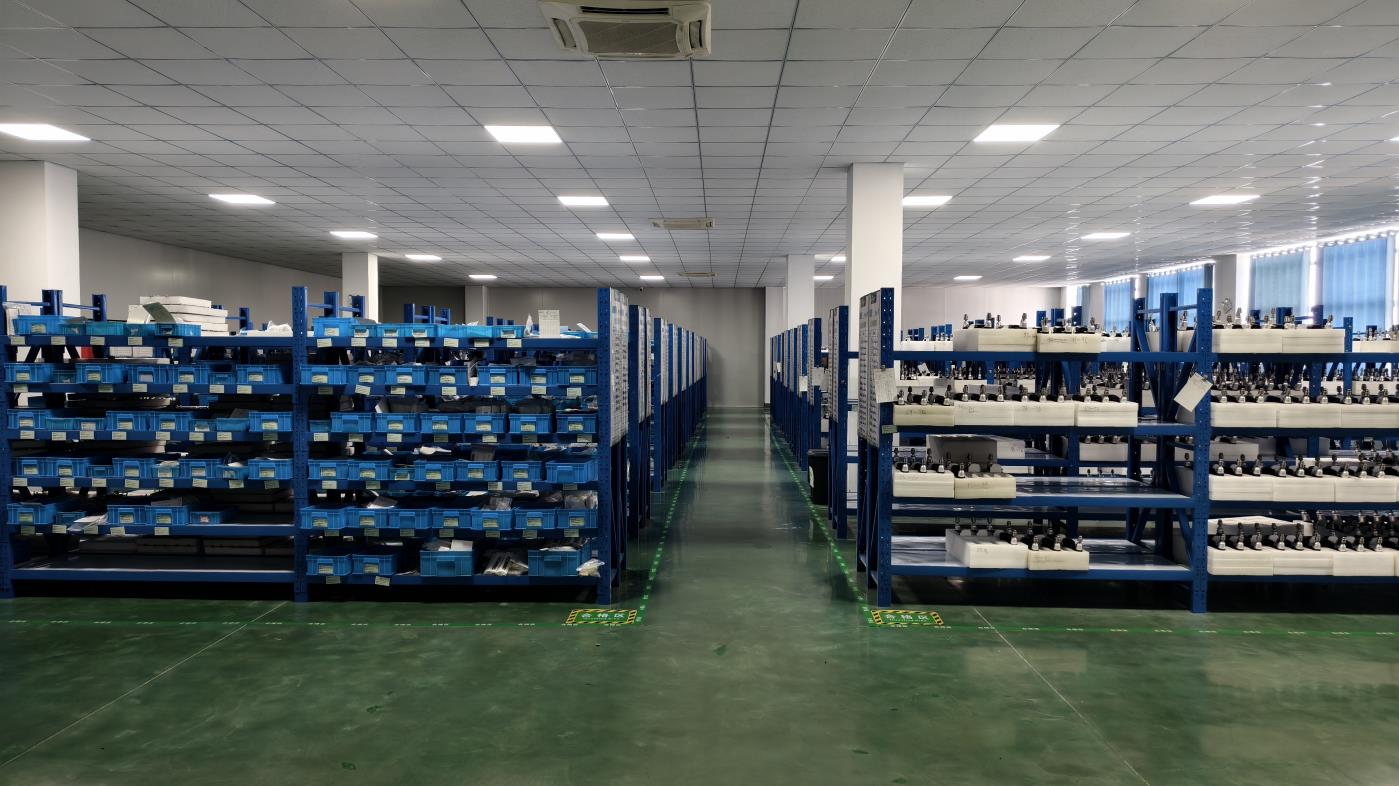
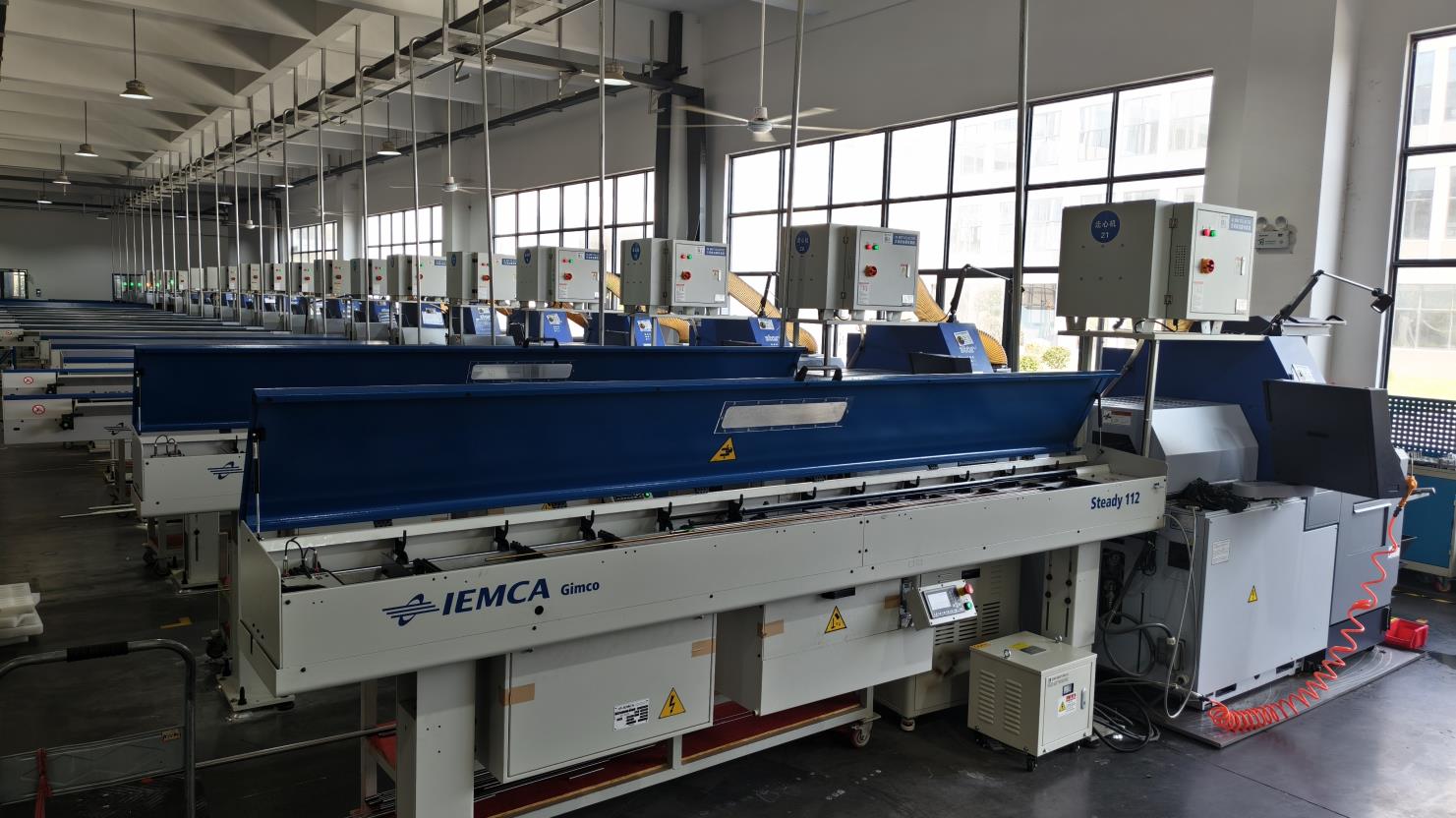
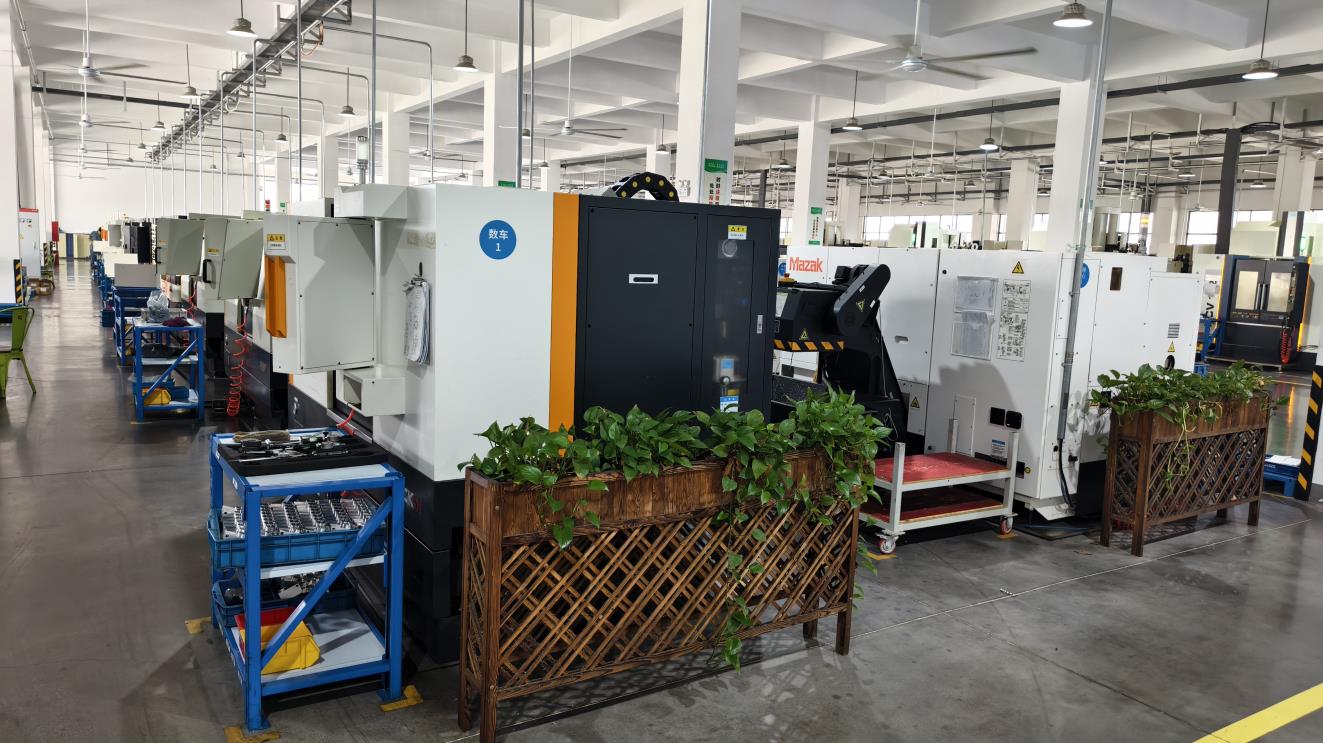
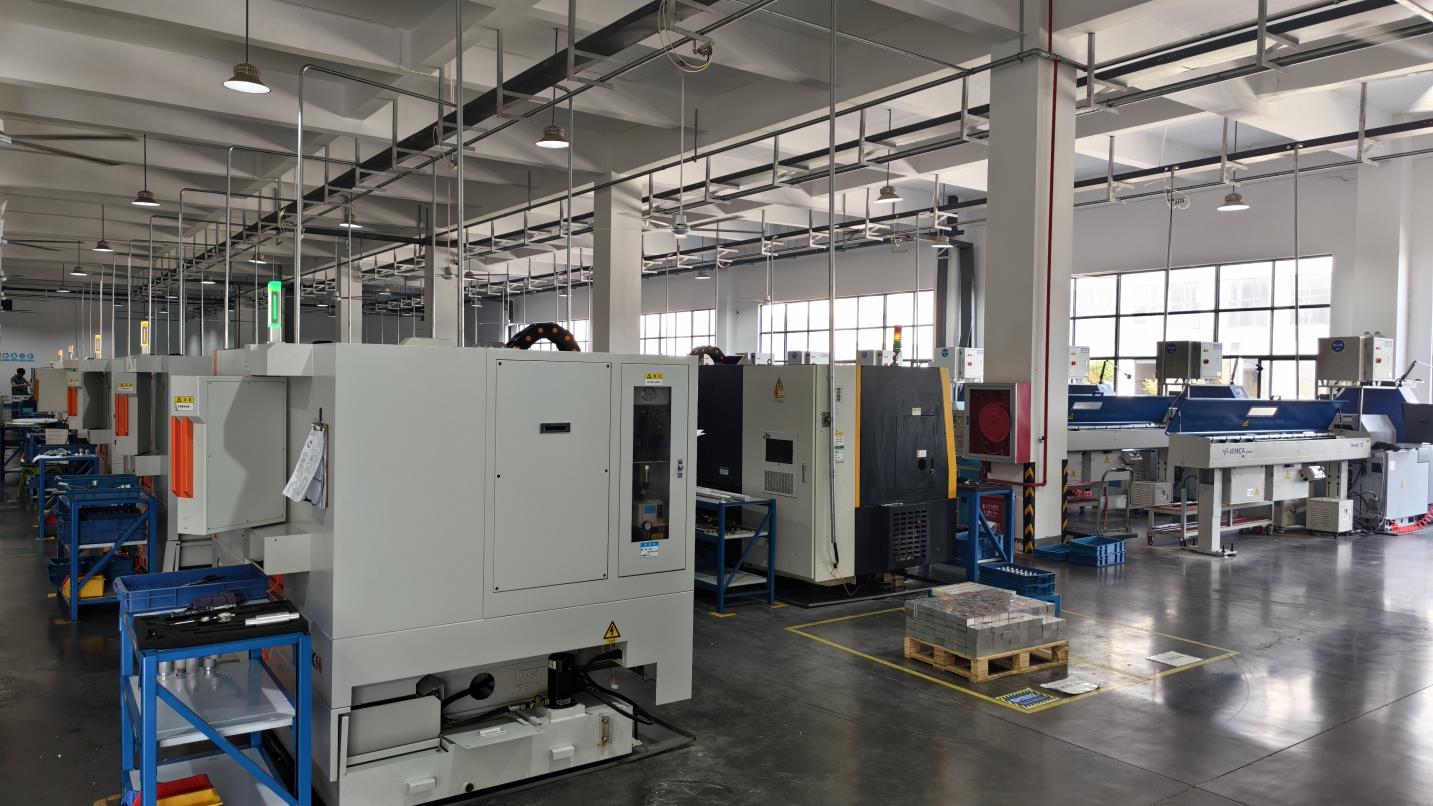
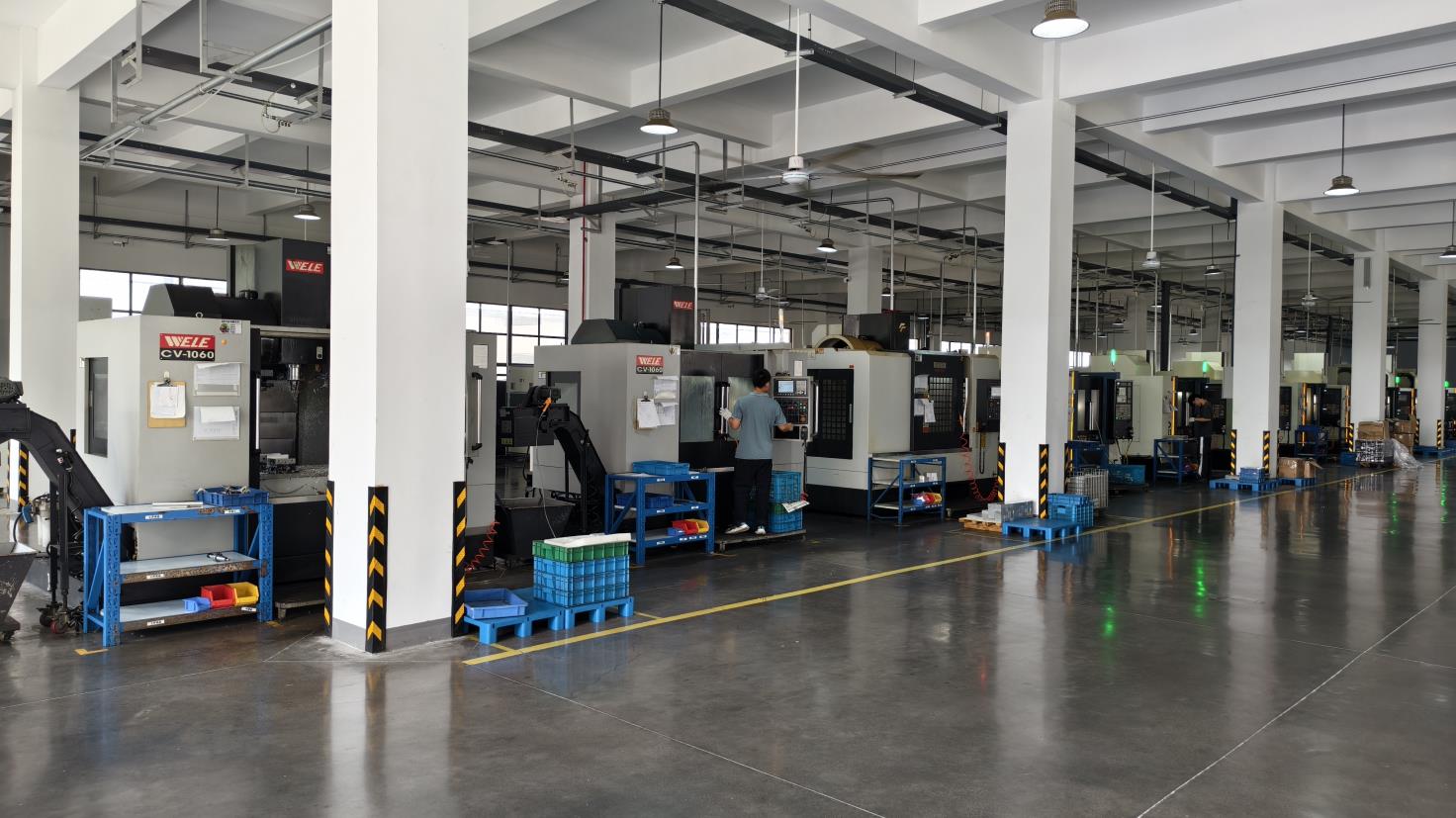
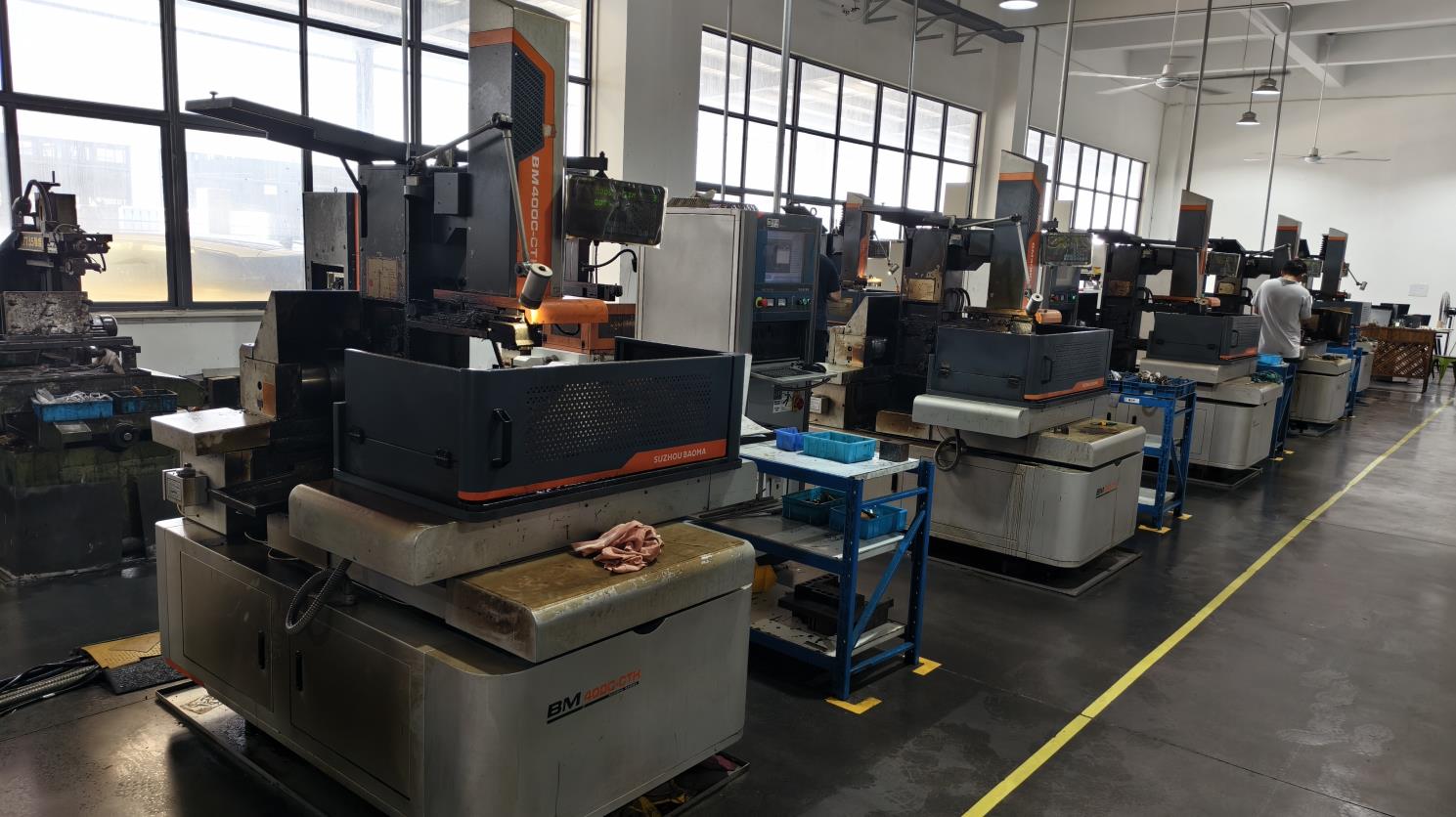
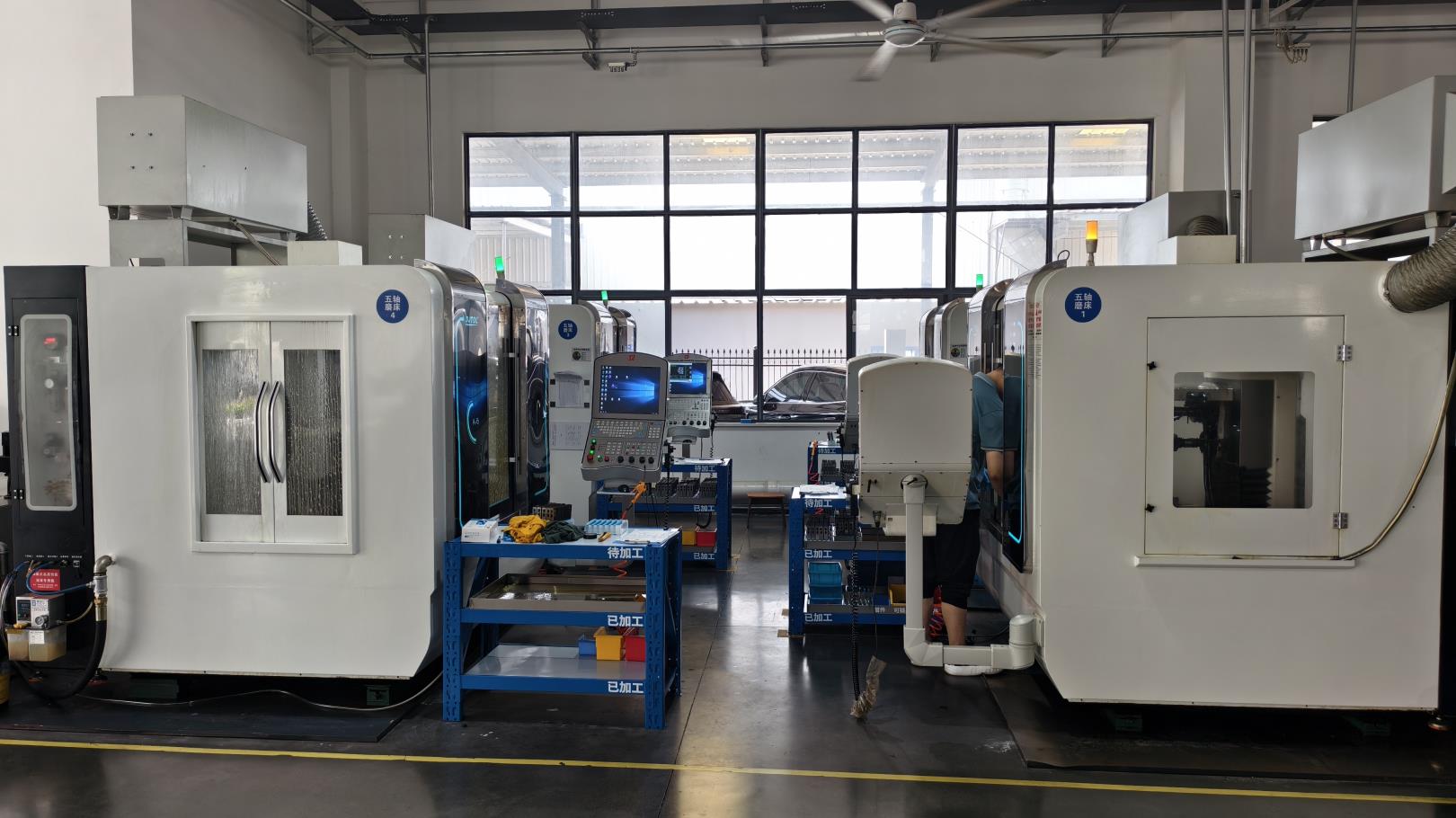
Established in 2017, Moventra Medical Technology (China) Co., Ltd. has developed into a dominant force in the production and global distribution of orthopedic medical devices. Operating out of an advanced 18,600 m² smart factory, Moventra bridges the gap between high-volume production and micron-level precision. Our ISO 13485:2016-certified manufacturing center utilizes the industry’s most advanced machinery, including Swiss-type longitudinal CNC lathes, 5-axis machining centers, precise grinding stations, and dedicated wire cutting suites.
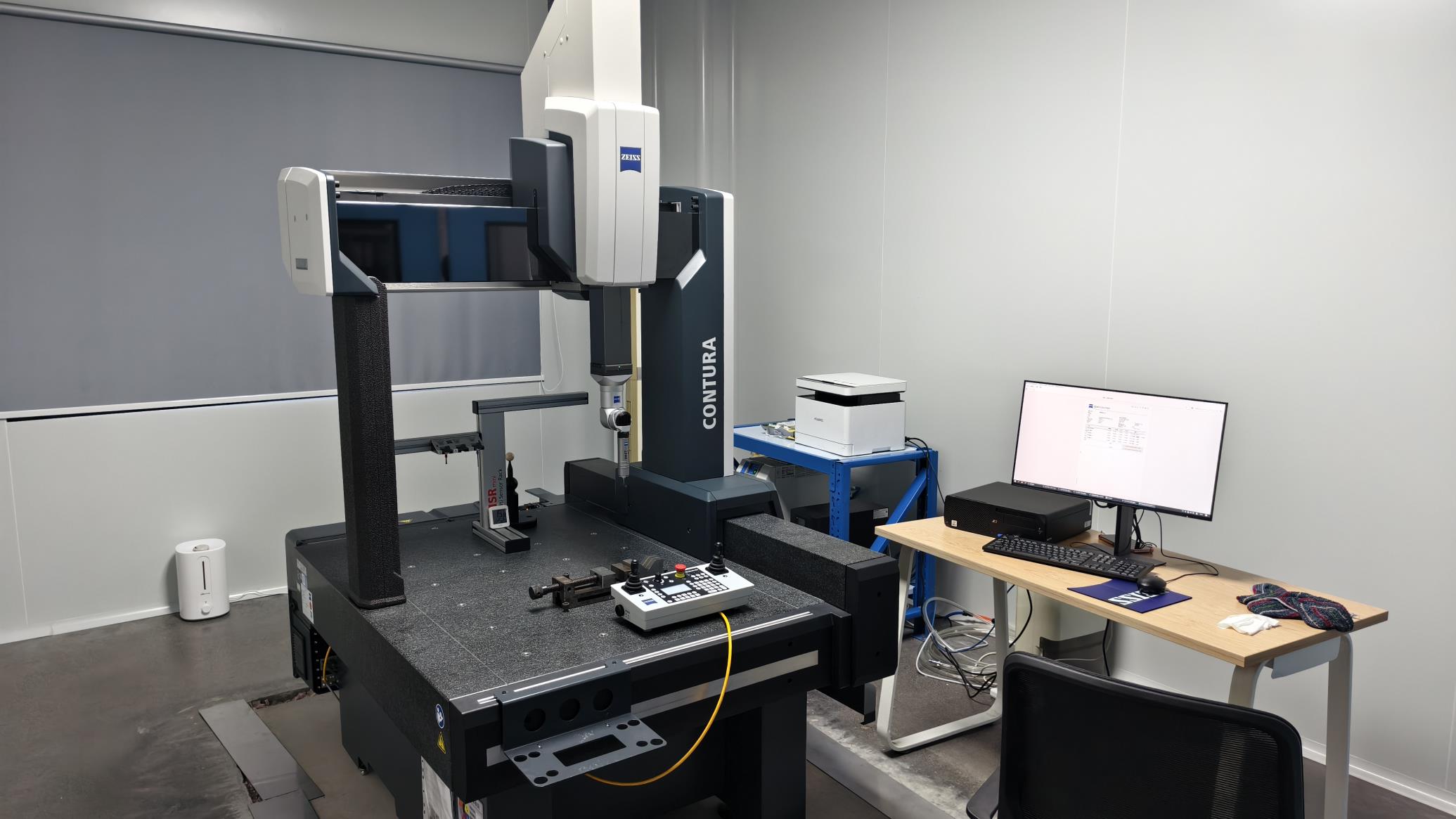
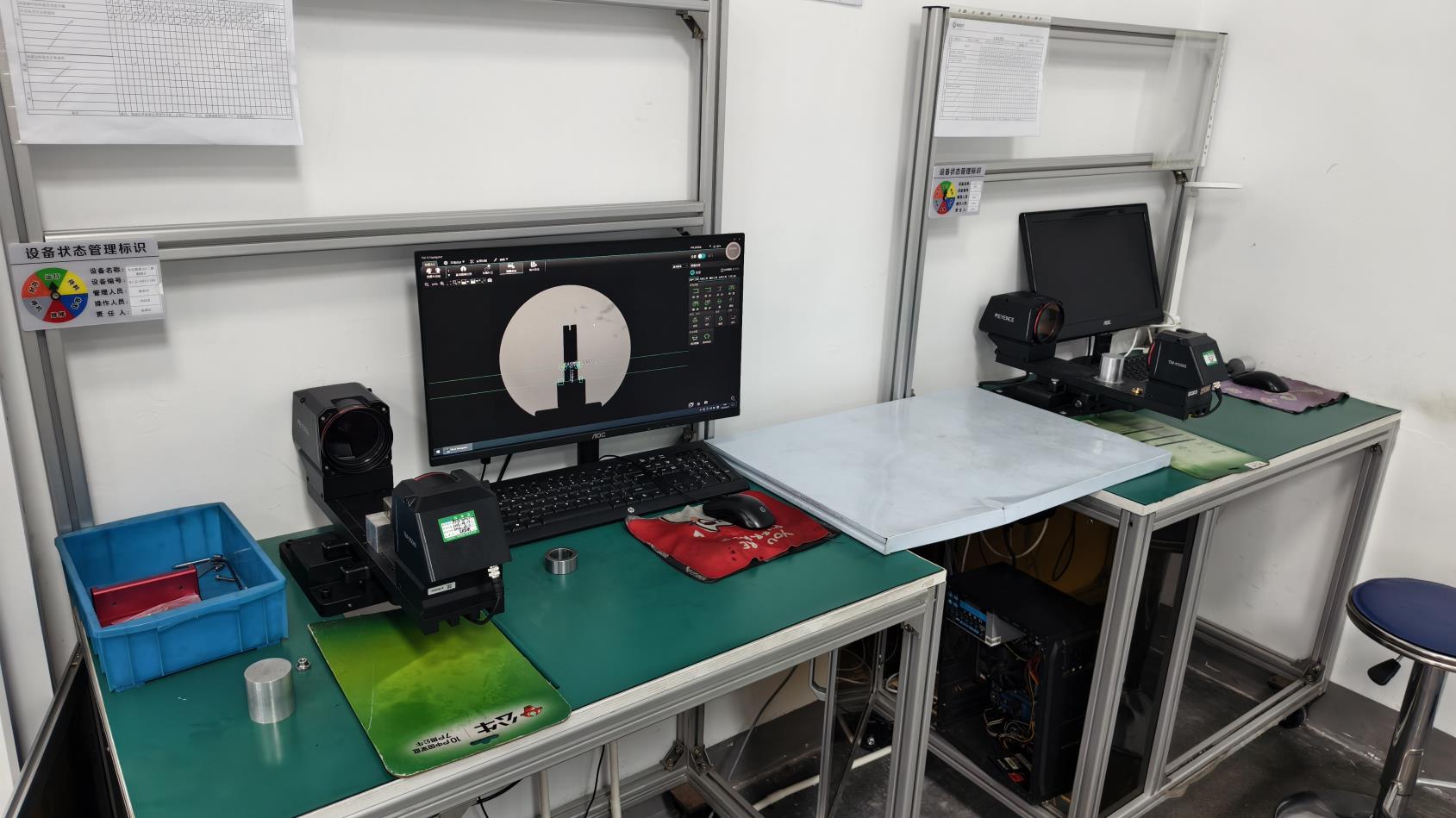
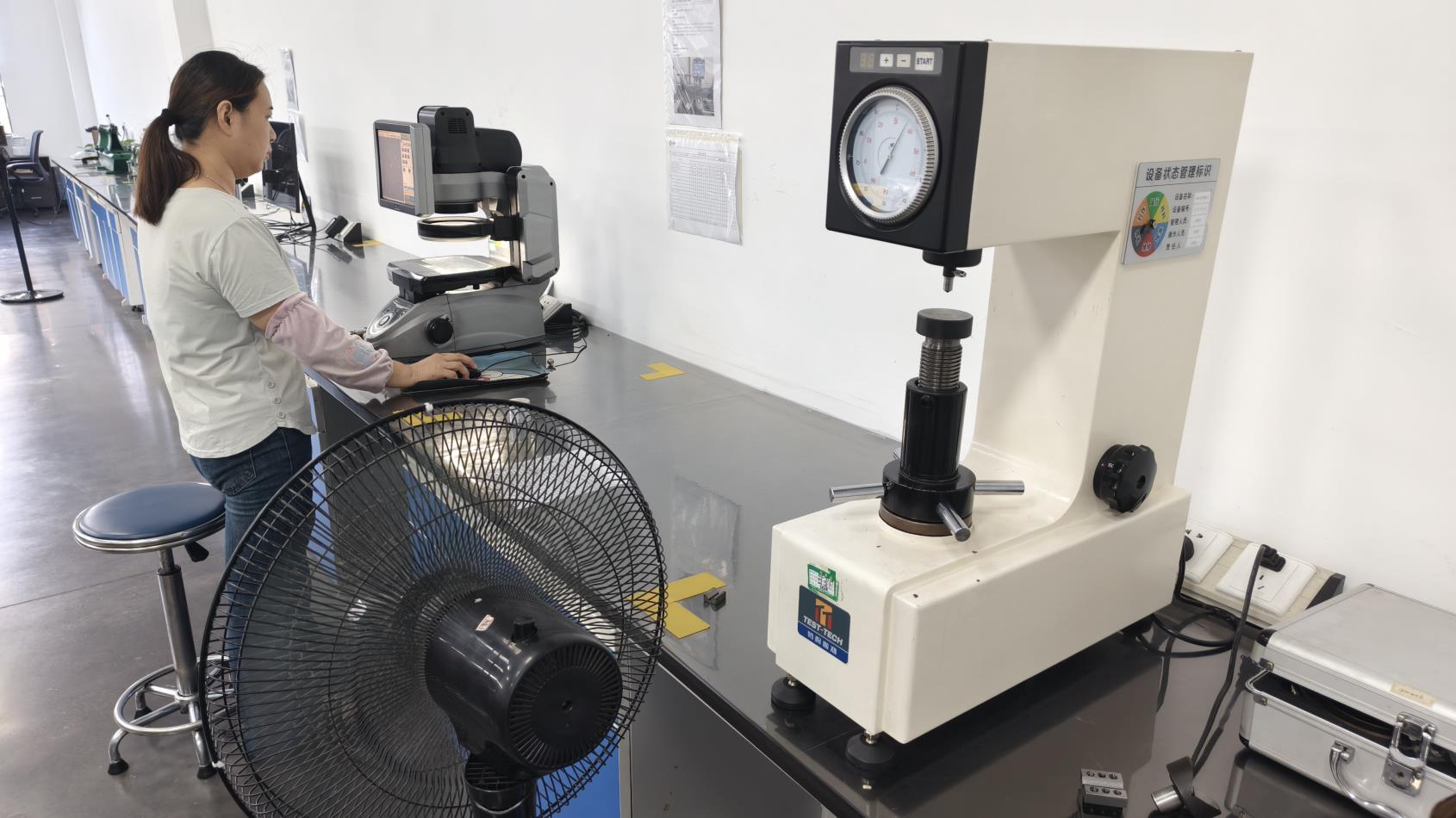
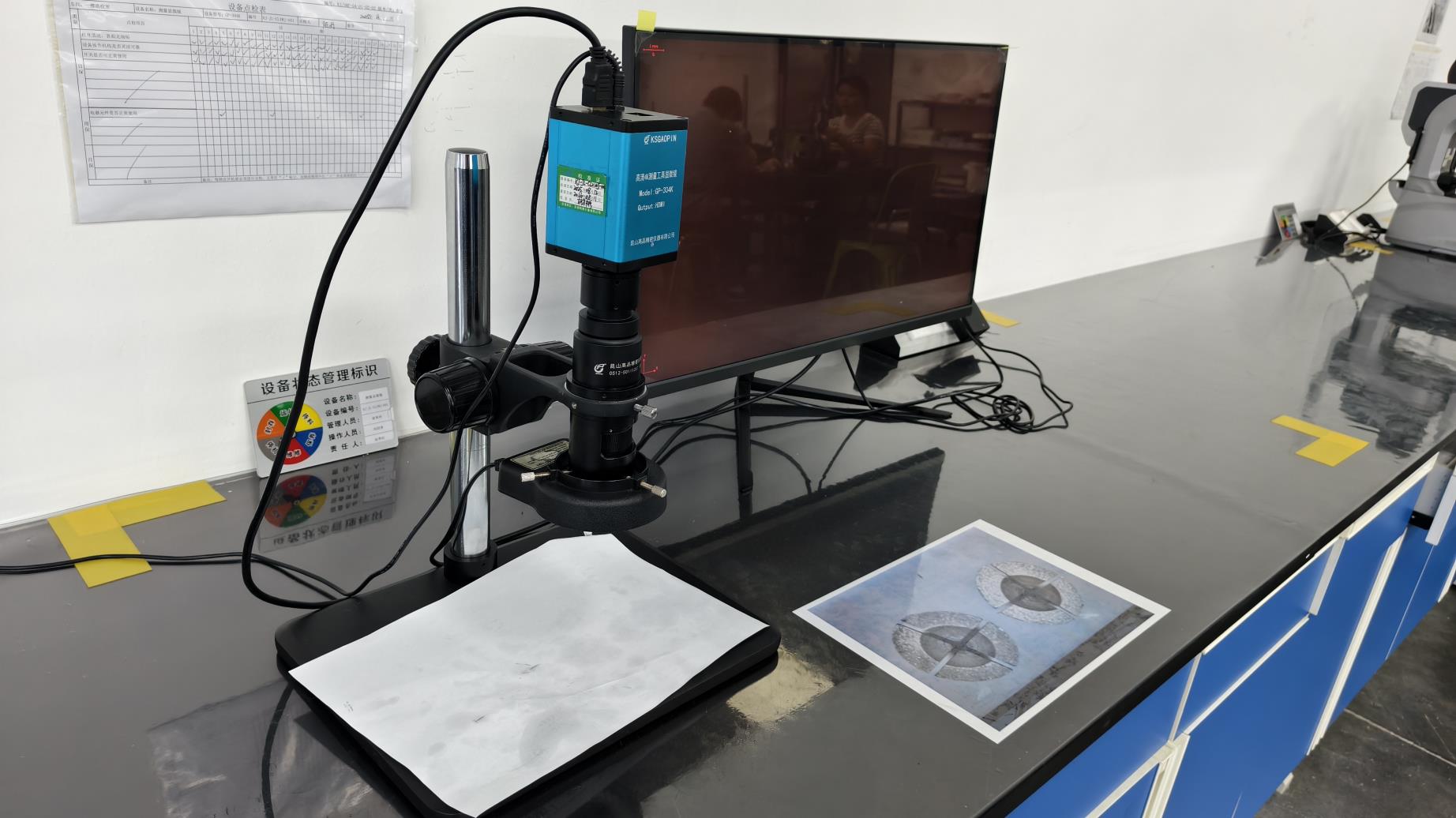
To support global supply chains and meet Seattle hospital standards, Moventra provides comprehensive OEM and ODM solutions. Our facility houses 86 R&D engineers who collaborate directly with biomedical research teams and orthopedic surgeons to engineer customized instrumentation, custom thread designs, and specialized implant finishes. Every batch undergoes 100% rigorous quality verification using coordinate measuring machines (CMM), optical micrometers, hardness testers, and mechanical fatigue testing rigs, guaranteeing lifetime reliability and safety in critical clinical applications.
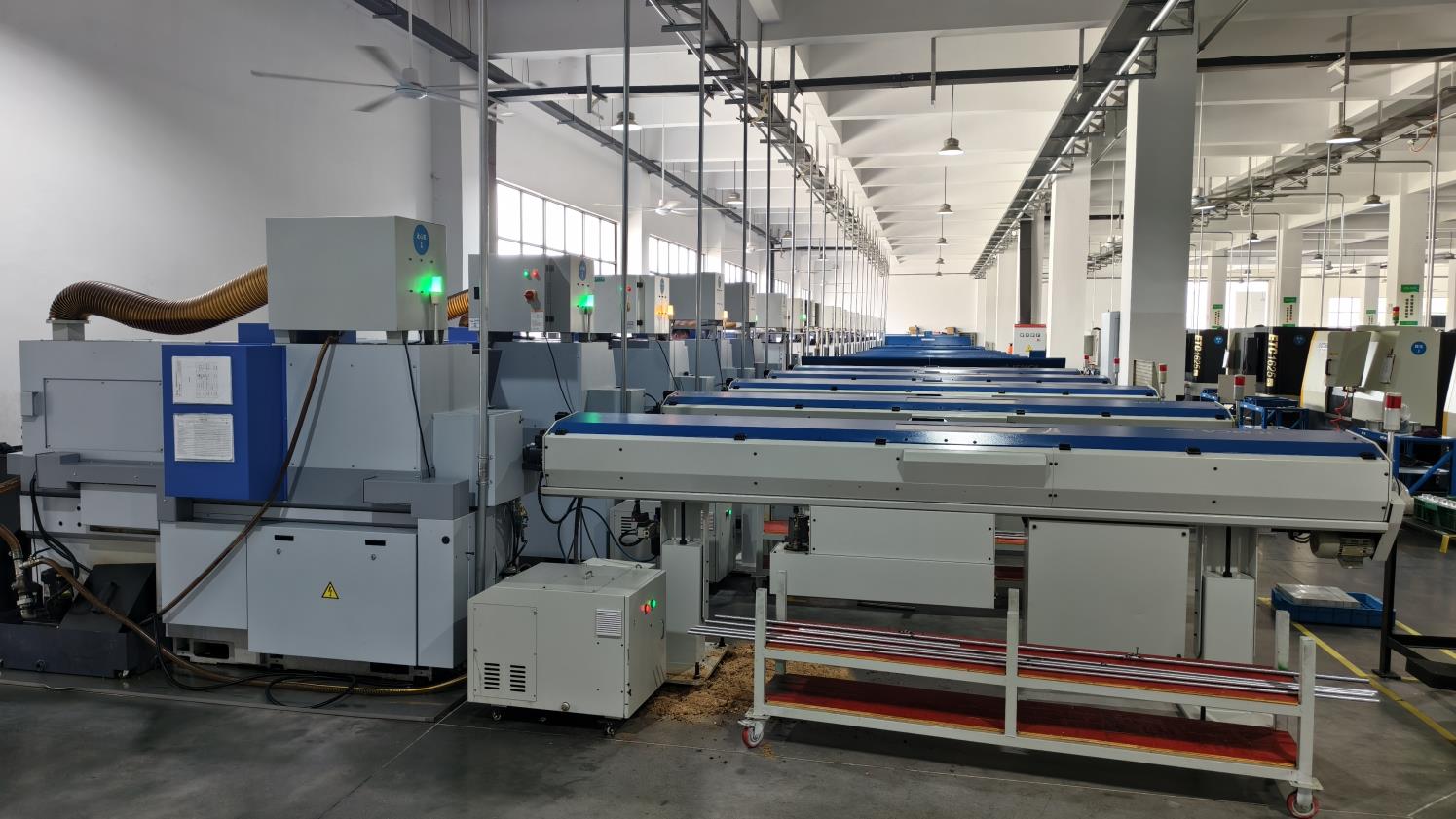
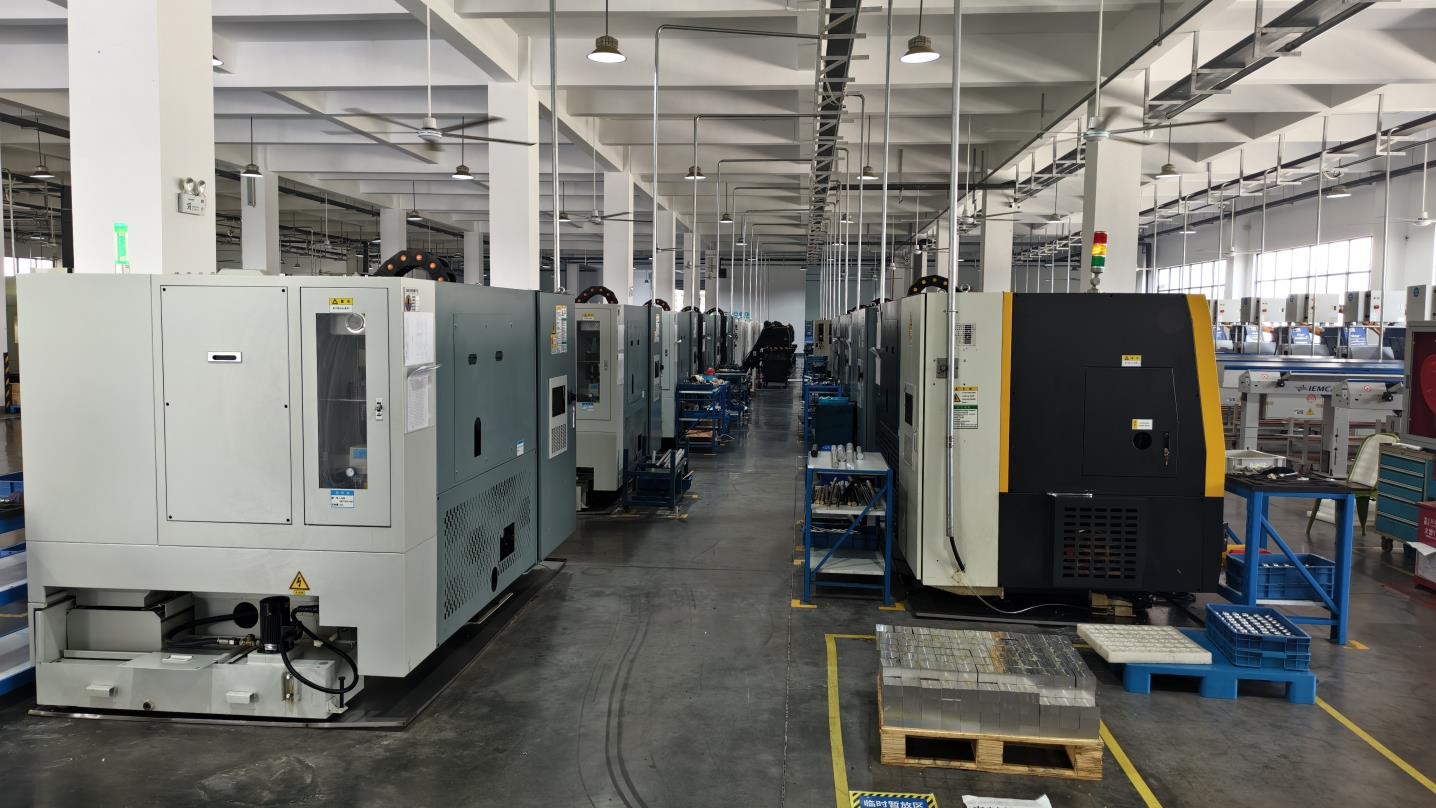
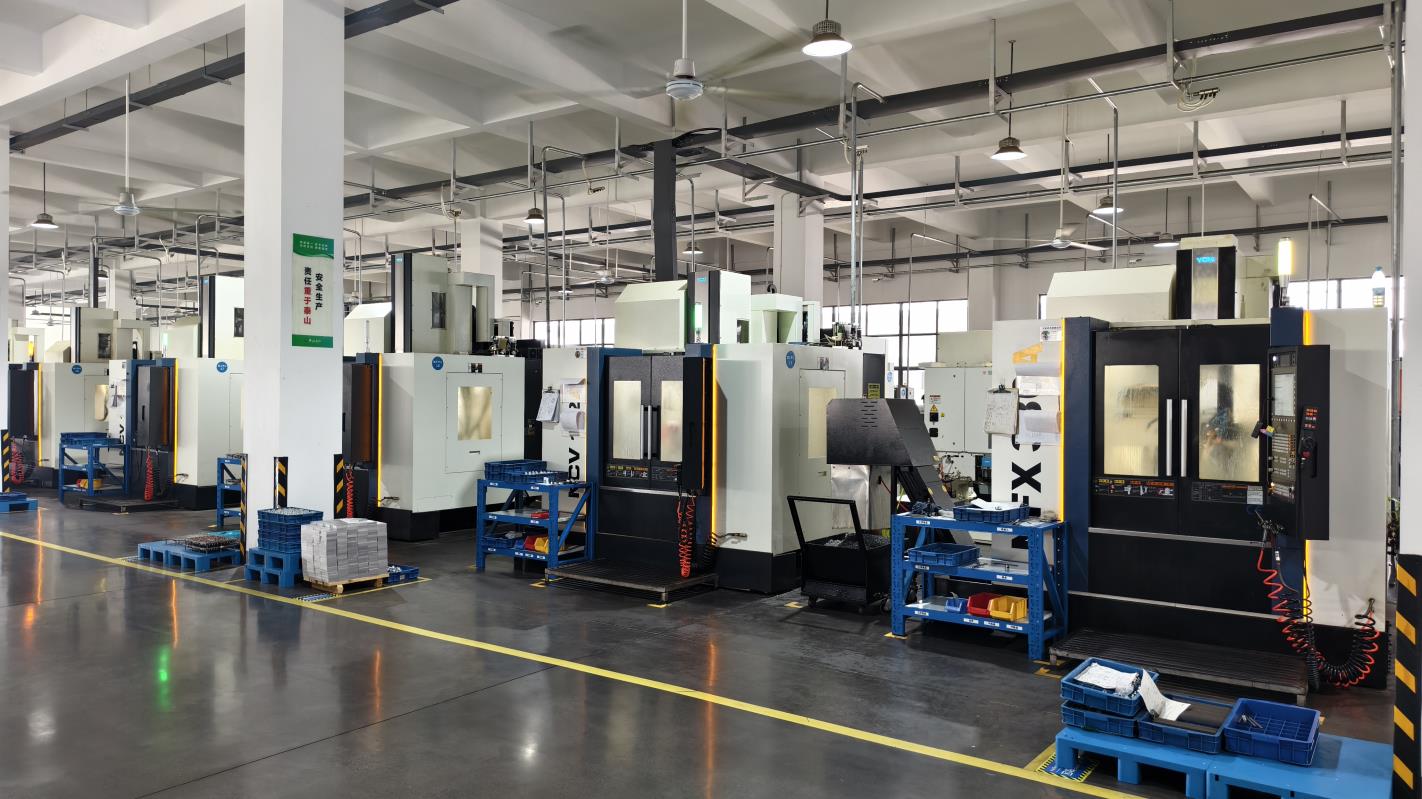
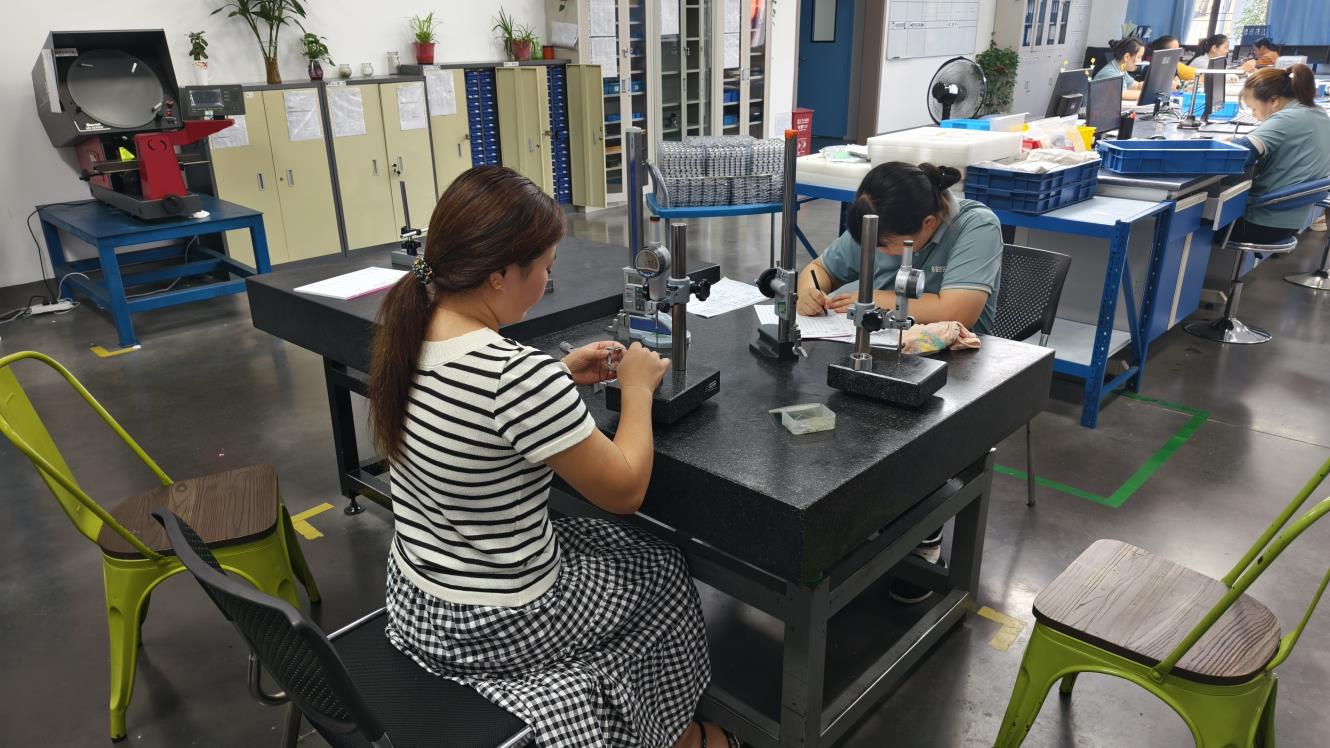
Navigating the orthopedic supply chain for Washington State healthcare networks requires strict adherence to both clinical validations and logistics protocols. Hospitals and surgical centers in the Seattle region are bound by rigorous standards dictated by Joint Commission accreditations and internal clinical review committees. Consequently, manufacturers supplying this market must present extensive technical documentation, including raw material traceability (such as chemical mill test certificates), bio-compatibility validation records, and cleanroom bio-burden validation logs.
Understanding that supply delays in trauma surgery are unacceptable, Moventra has built an optimized supply chain routing process specifically for the Pacific Northwest. We coordinate closely with medical device distributors and customs brokers to provide seamless DDP (Delivered Duty Paid) shipments. Utilizing fast air cargo routing directly into Seattle-Tacoma International Airport (SEA), or cost-effective maritime routes directly to the Port of Seattle, we ensure that bulk implant orders and surgical instrumentation kits are delivered reliably on schedule.
As orthopedic science advances, several major trends are reshaping the development of bone screws. In the Seattle biotechnology hub, clinical research centers are actively evaluating the implementation of smart implants and surface modified bio-interactive metals. Moventra is actively investing in these forward-looking methodologies to ensure our partners maintain a distinct technological edge:
Developing titanium surfaces coated with thin layers of Hydroxyapatite (HA) or biomimetic calcium phosphate. This accelerates the cellular interface between the patient’s cancellous bone and the screw threads, reducing implant loosening rates.
Pioneering research into high-purity Magnesium-Zinc-Calcium alloys. These bio-absorbable screws degrade safely within the body once the bone has healed, eliminating the need for a secondary retrieval surgery, which significantly cuts hospital costs.
Introducing advanced anodization technologies and silver-nanoparticle impregnation layers. These microscopic modifications actively inhibit bacterial colonization and biofilm formation, decreasing post-surgical infection risks in complex trauma cases.
Answers to critical technical, regulatory, and supply chain questions from Seattle surgical buyers and distributors.
Explore our premium clinical-grade orthopedic titanium alloy implants and specialized medical instruments.
 Moventra Medical