Engineered with medical-grade titanium alloy and optimized locking configurations for superior biological fixation in emergency orthopedic surgical procedures.
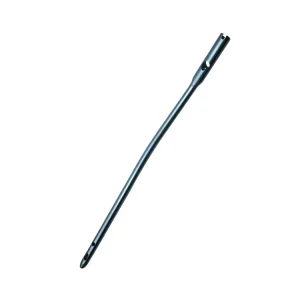
Designed specifically for unstable trochanteric fractures, featuring helical blade optimization ideal for osteoporotic bone density frequently encountered in regional Maputo healthcare systems.
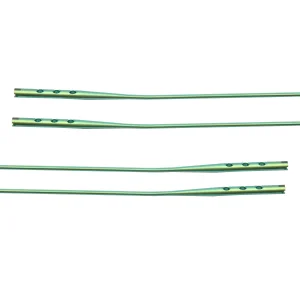
Precision-engineered interlocking nail designed for diaphyseal fractures of the radius and ulna, offering rotation stability and early mobilization protocols.
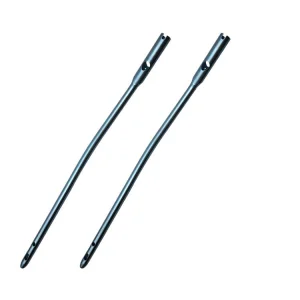
High-strength titanium alloy interlocking nail designed for proximal and distal shaft stabilization, maximizing load-sharing attributes in heavy load-bearing zones.
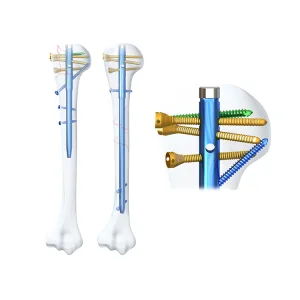
Anatomically pre-curved humeral nails featuring versatile proximal locking options to achieve optimal stability for complex humeral shaft fractures.
Mozambique is experiencing rapid infrastructural growth and urbanization, which has led to a major rise in road traffic accidents (RTAs), especially along key transportation networks like the EN1, EN4, and EN6 corridors. Simultaneously, expanding industrial endeavors in the Tete coal mines and gas extraction complexes in Cabo Delgado have increased the incidence of high-impact occupational trauma.
For municipal clinical hubs such as Hospital Central de Maputo (HCM), Hospital Central de Beira, and Hospital Central de Nampula, managing complex long-bone fractures efficiently is critical. Minimally invasive osteosynthesis using intramedullary interlocking nails has become the gold standard. These implants minimize surgical trauma, limit blood loss, and allow patients to mobilize sooner. This is vital for reducing hospital stay times in clinical facilities operating with limited bed capacities.
"Providing reliable, fatigue-resistant intramedullary implants directly addresses the surgical backlog in East African public healthcare networks, allowing patients to return to work faster and easing the economic burden on families."
How our advanced design paradigm accelerates fracture healing and reduces intraoperative complications.
Modern intramedullary nails are designed as load-sharing internal splints. Unlike rigid plates, they sit within the medullary canal, distributing stress along the bone's anatomical axis. Our dynamic locking mechanisms allow controlled micro-motion. This stimulates callosity formation and secondary bone healing, which are critical for early weight-bearing protocols.
We construct our implants exclusively from medical-grade Titanium Alloy (Ti-6Al-4V Extra Low Interstitial). This material provides an exceptional strength-to-weight ratio, high fatigue resistance, and excellent biocompatibility. It also features a lower elastic modulus than stainless steel, reducing stress shielding and the risk of post-operative refracture.
Long bone geometry varies by ethnicity and build. Our design incorporates optimized radius curvatures for femoral, tibial, and humeral implants. This makes insertion smoother, prevents distal cortical penetration, and reduces the need for excessive reaming. As a result, it preserves the endosteal blood supply, which is vital for healing.
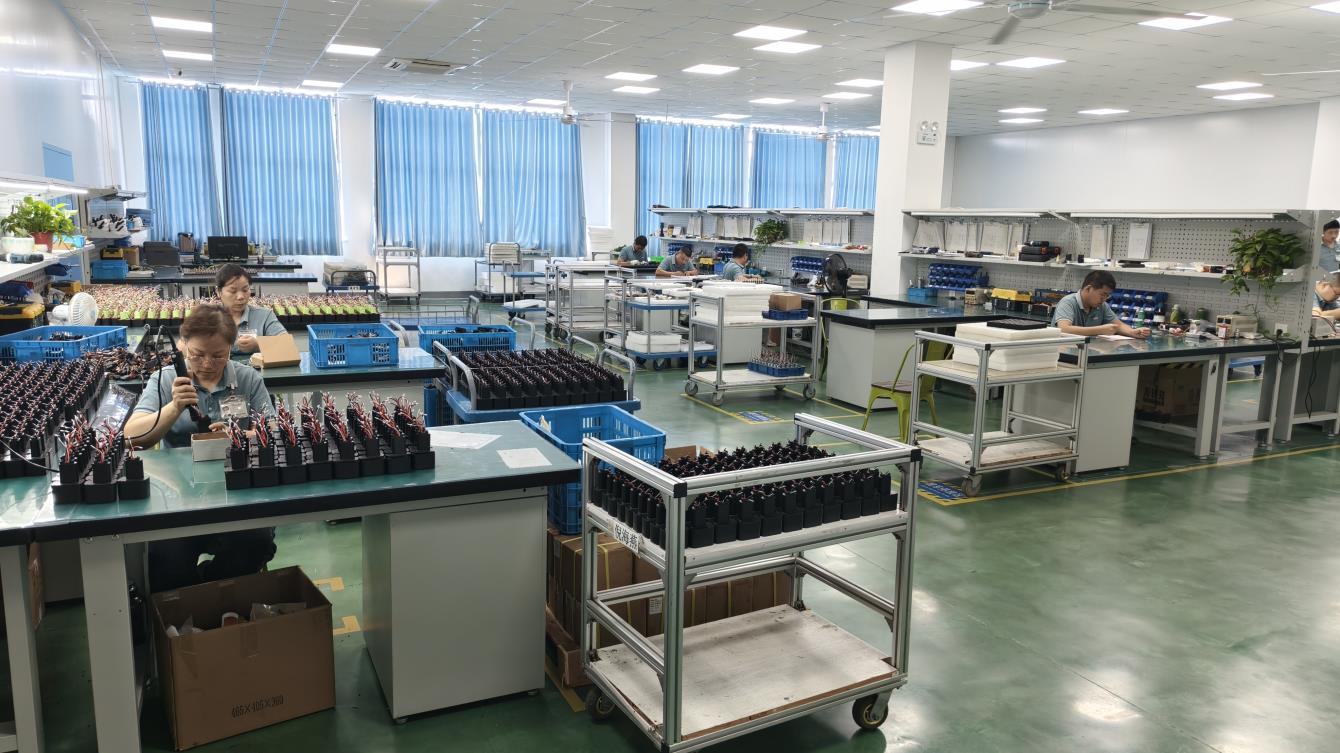
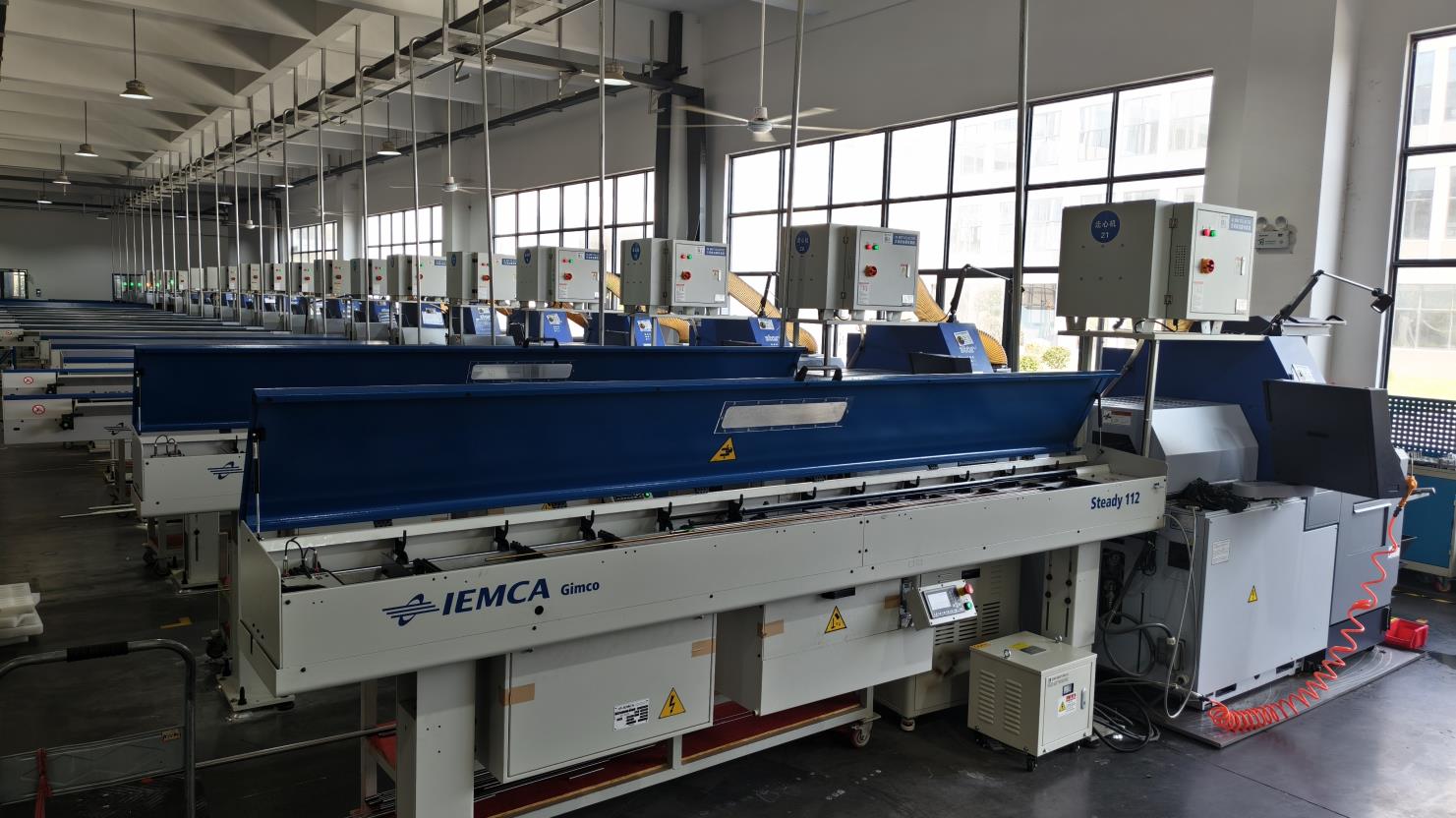
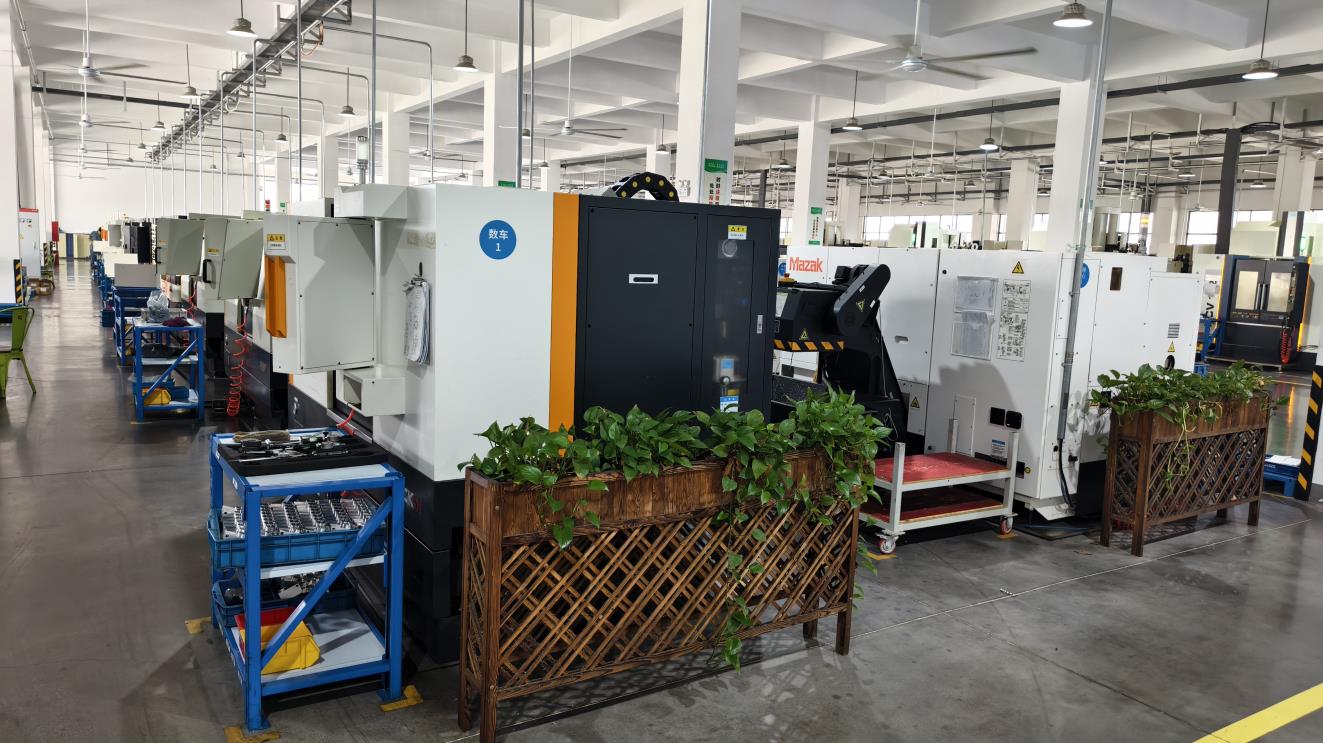
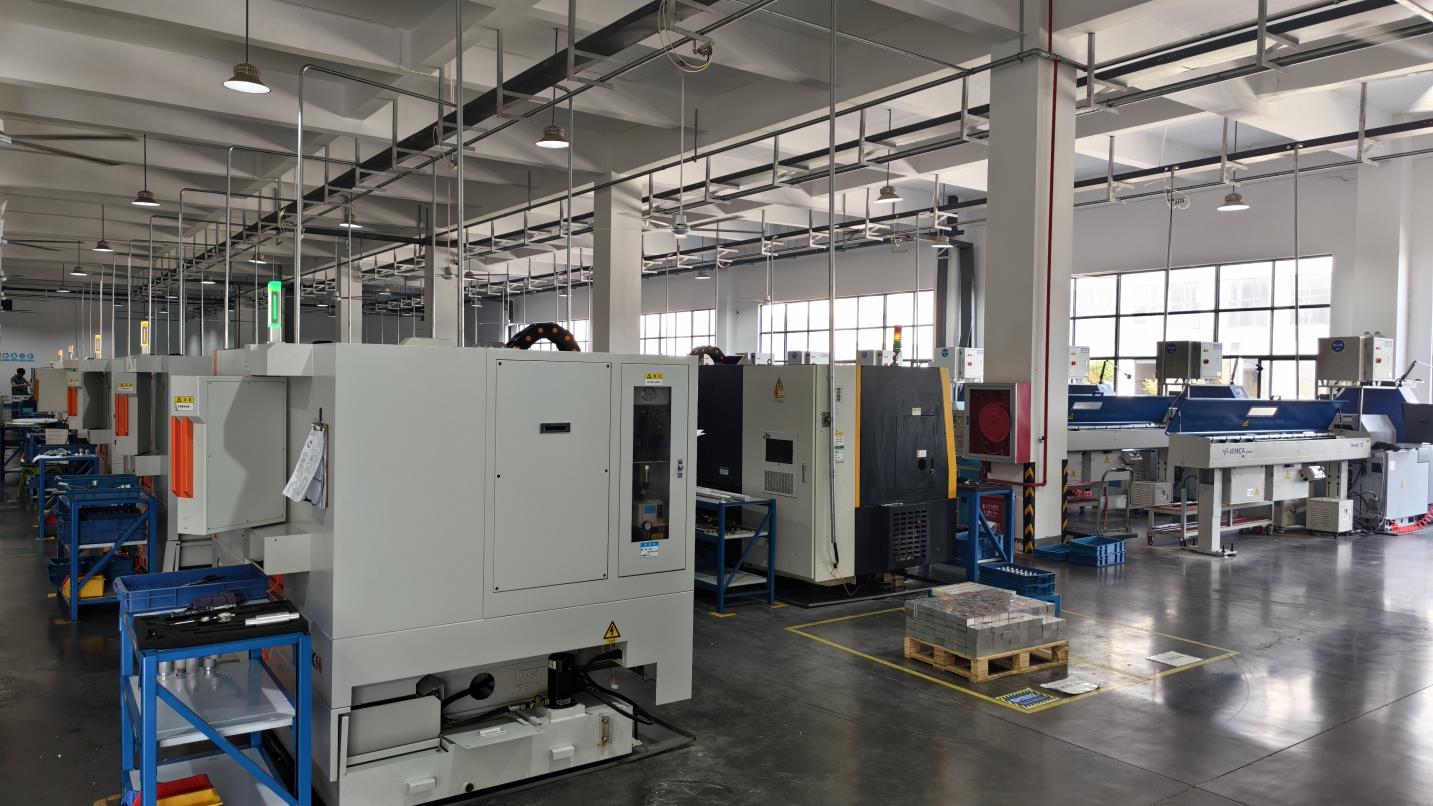
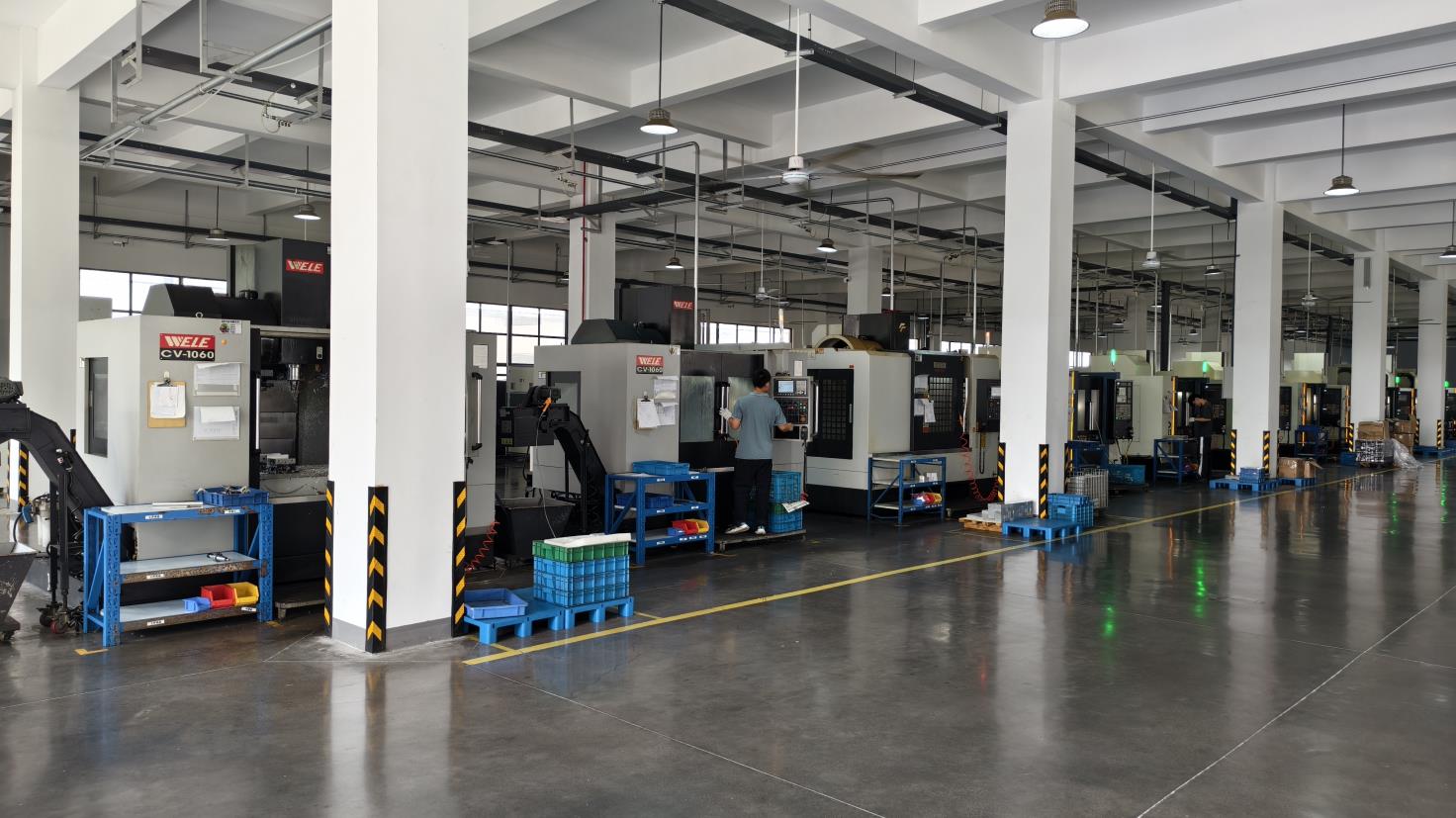
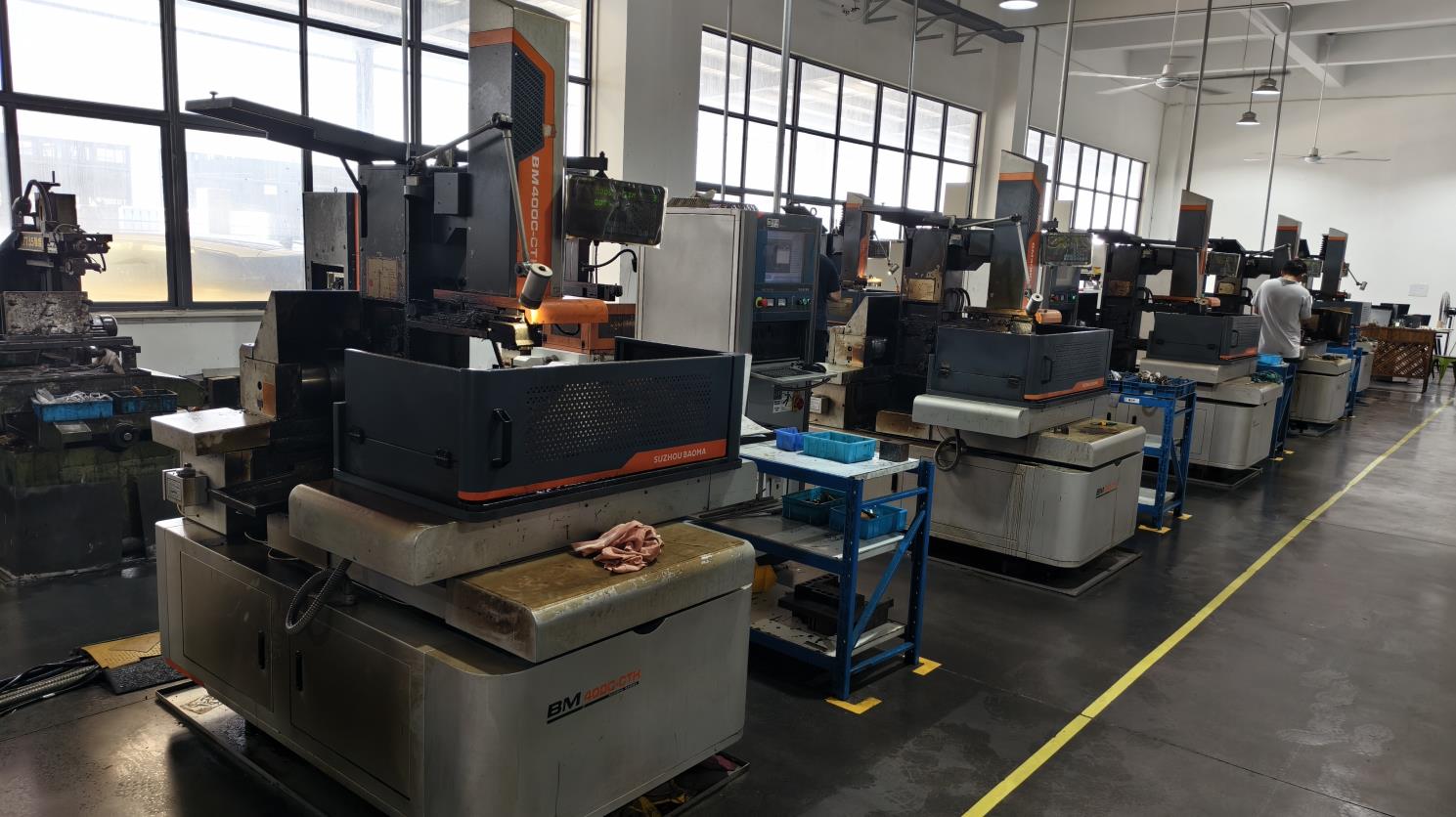
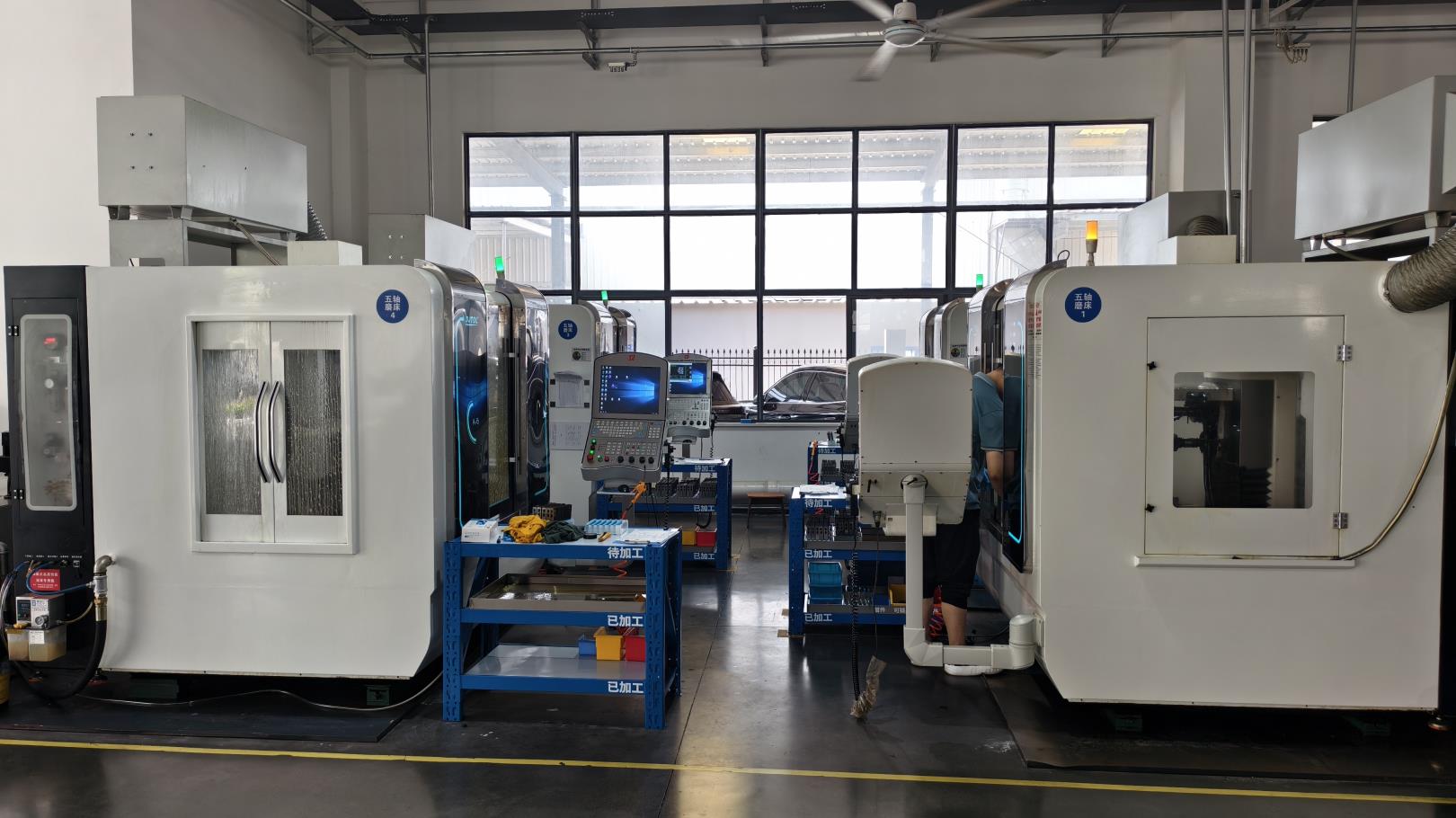
High-capacity CNC production lines executing flawless precision for complex global markets.
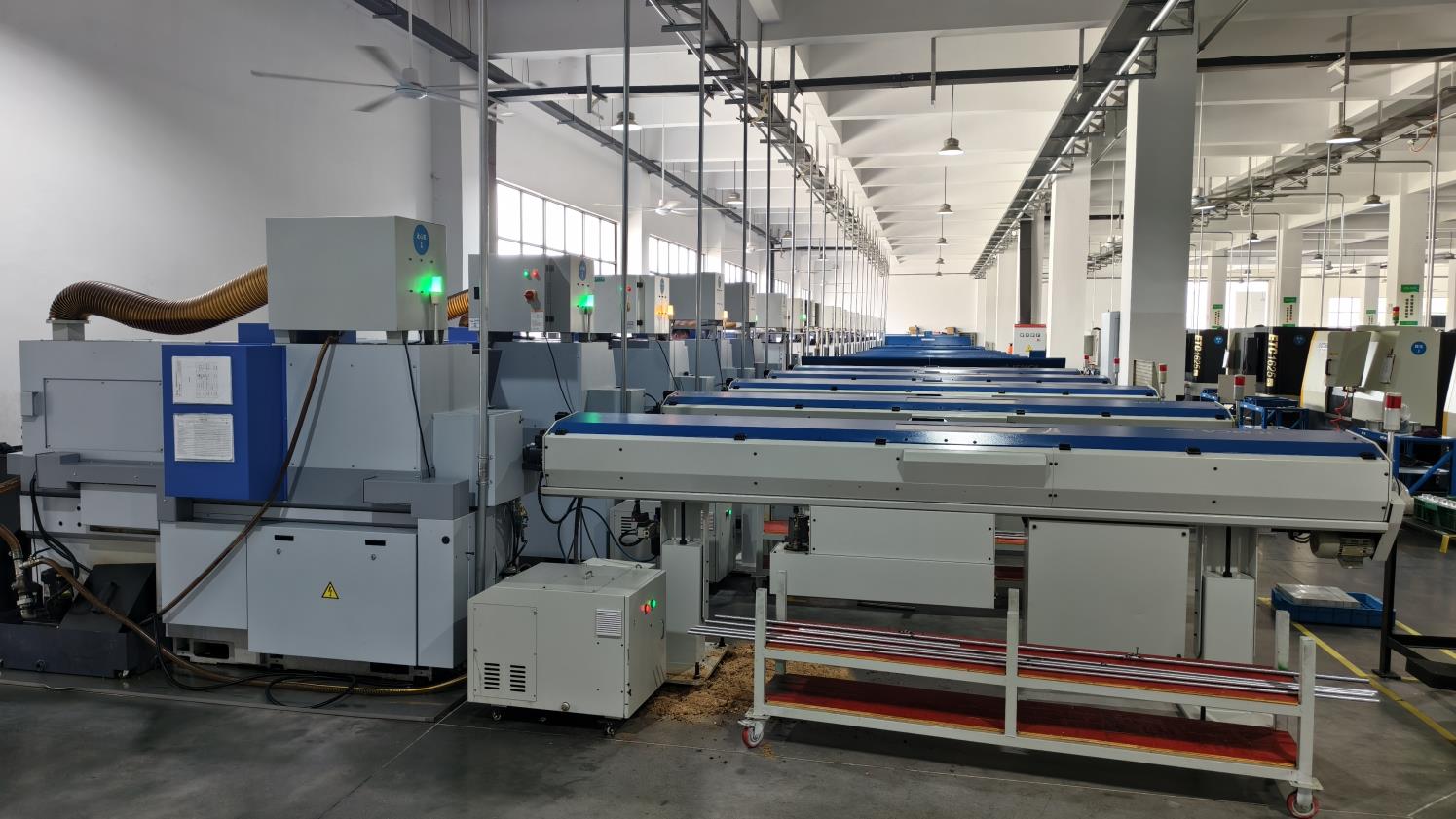
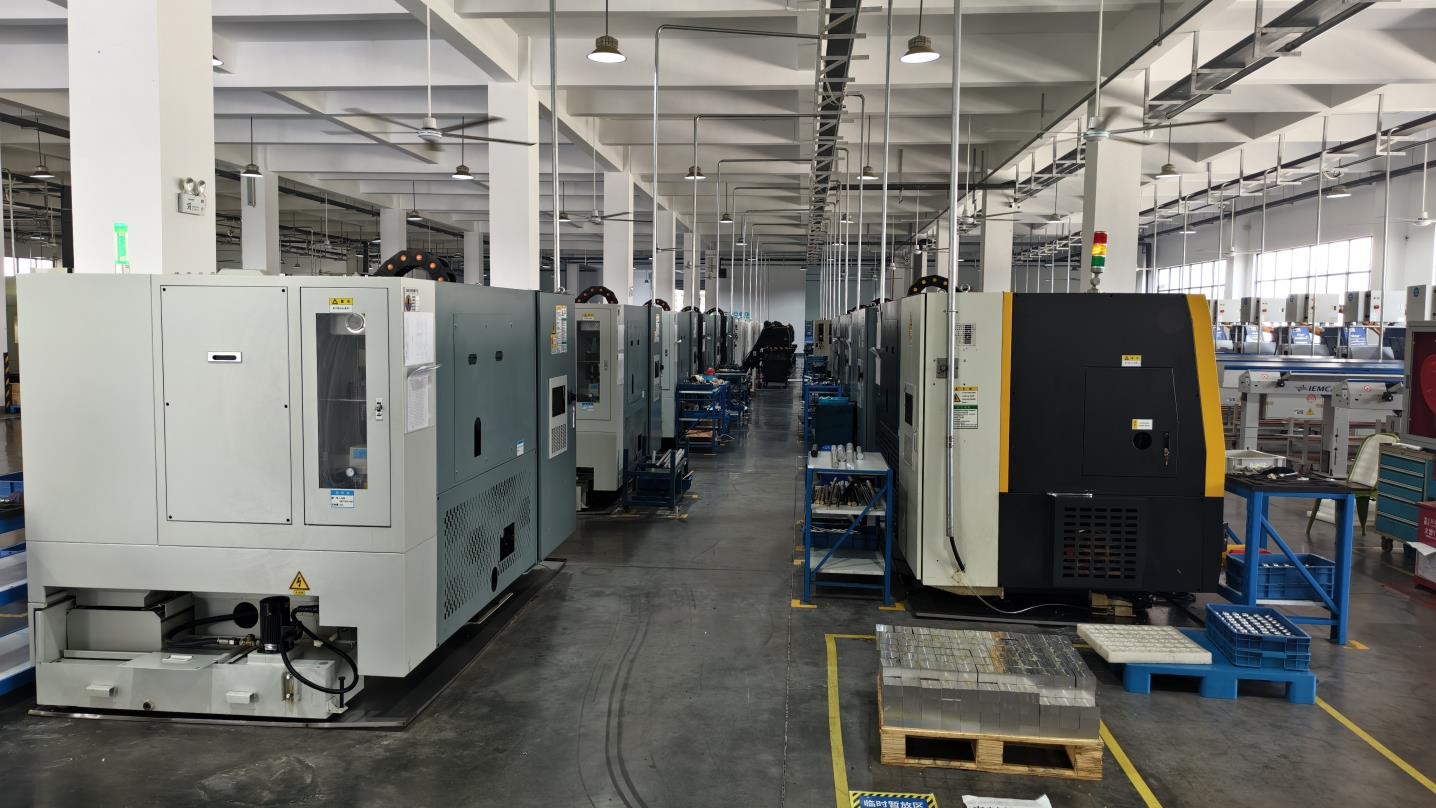
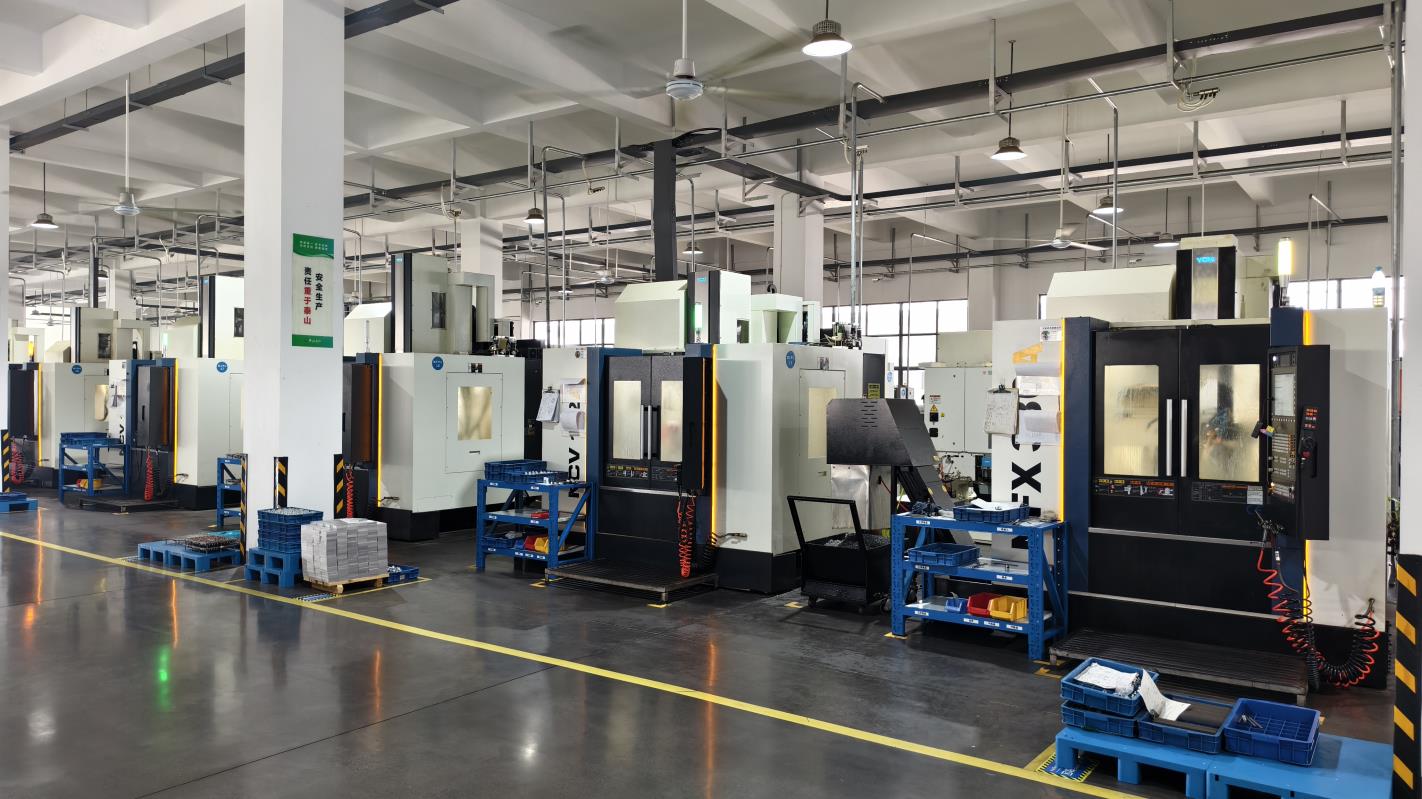
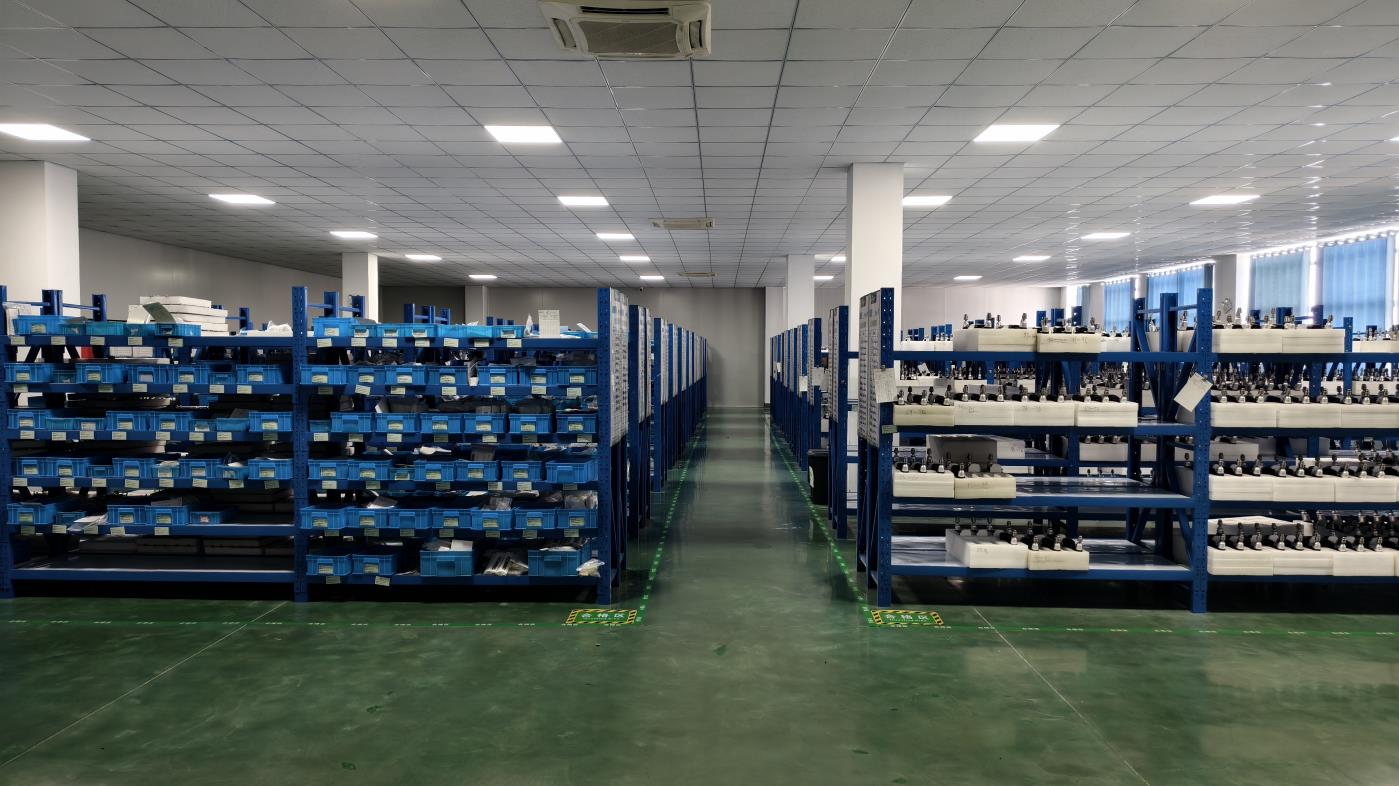
The global supply of orthopedic devices demands strict quality consistency and cost-efficiency. Our manufacturing facility in China utilizes state-of-the-art Swiss-type CNC automatic lathes, precision grinding machines, and automated multi-axis machining centers. This advanced setup guarantees dimensional tolerances within microns.
By utilizing a highly integrated supply chain, we consolidate raw material procurement, precision machining, surface finishing (anodization), and sterile barrier packaging under one roof. This structural efficiency allows us to counter global inflation, offering competitive pricing models to public tenders in Mozambique without compromising clinical safety standards.
| Moventra Manufacturing & Export Benchmarks | |
|---|---|
| Established | 2017 (13 Years Industry Experience) |
| Manufacturing Facility Area | 18,600 m² Modern Plant |
| R&D Engineers & QC Staff | 86 Engineers & 48 QC Inspectors |
| Annual Export Revenue | USD 23.8 Million |
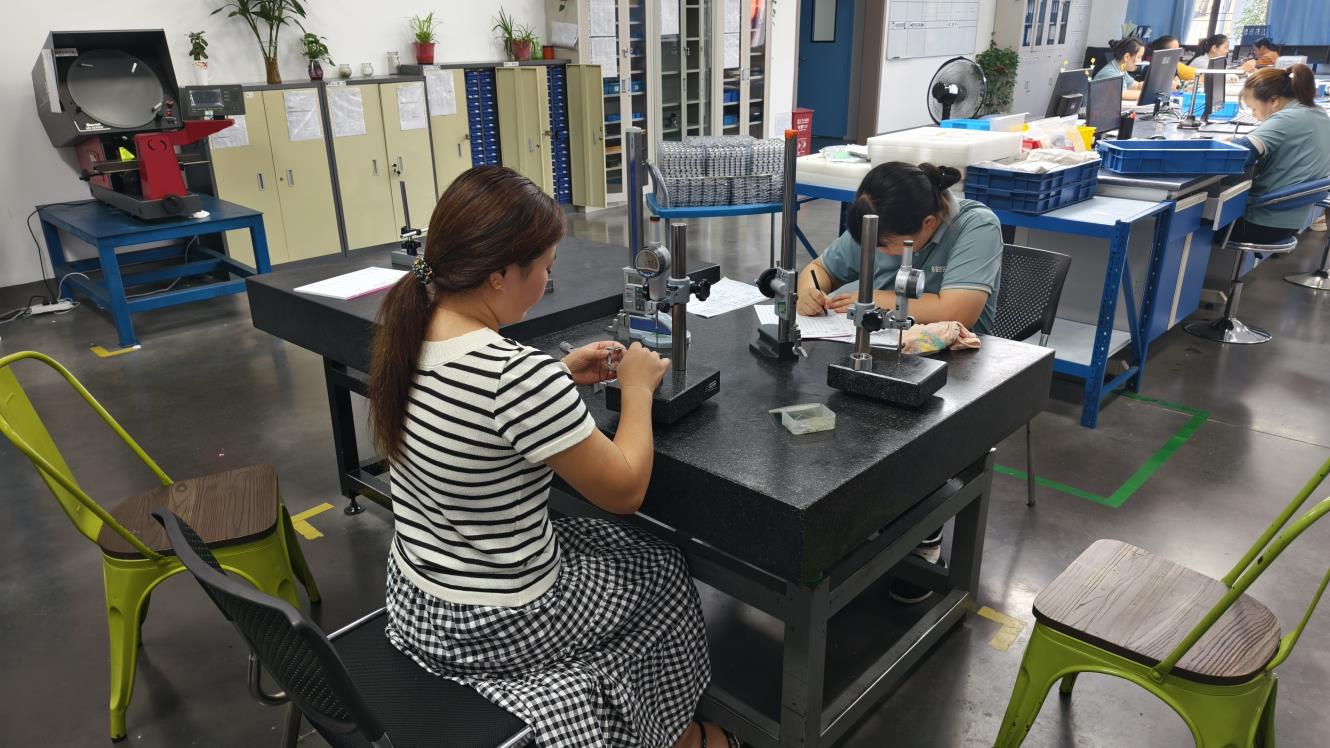
| Inspection Standards | 100% Quality Inspection Before Shipment |
| Production Capabilities | Independent CAD Design, Rapid Prototyping, OEM & ODM |
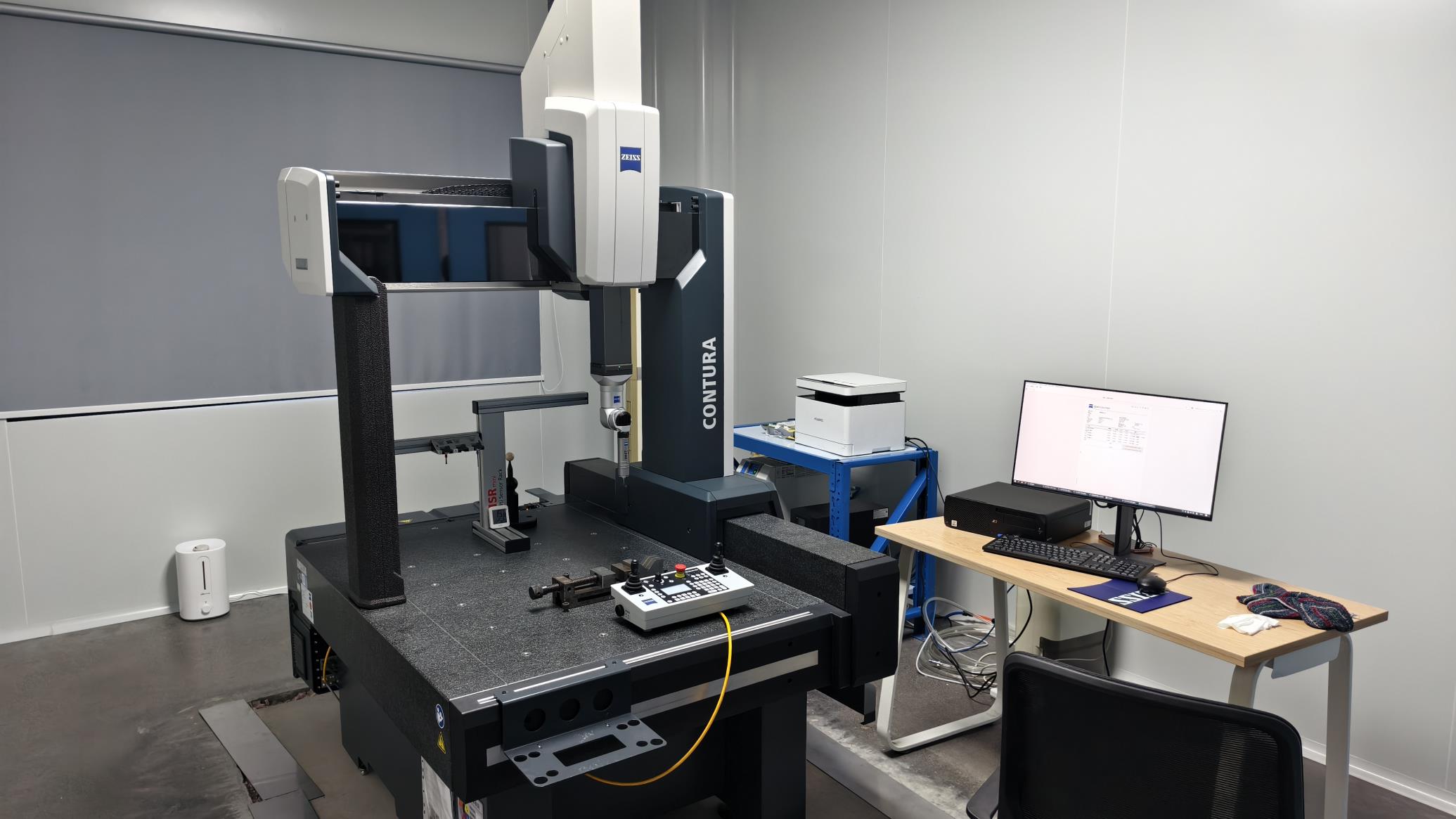
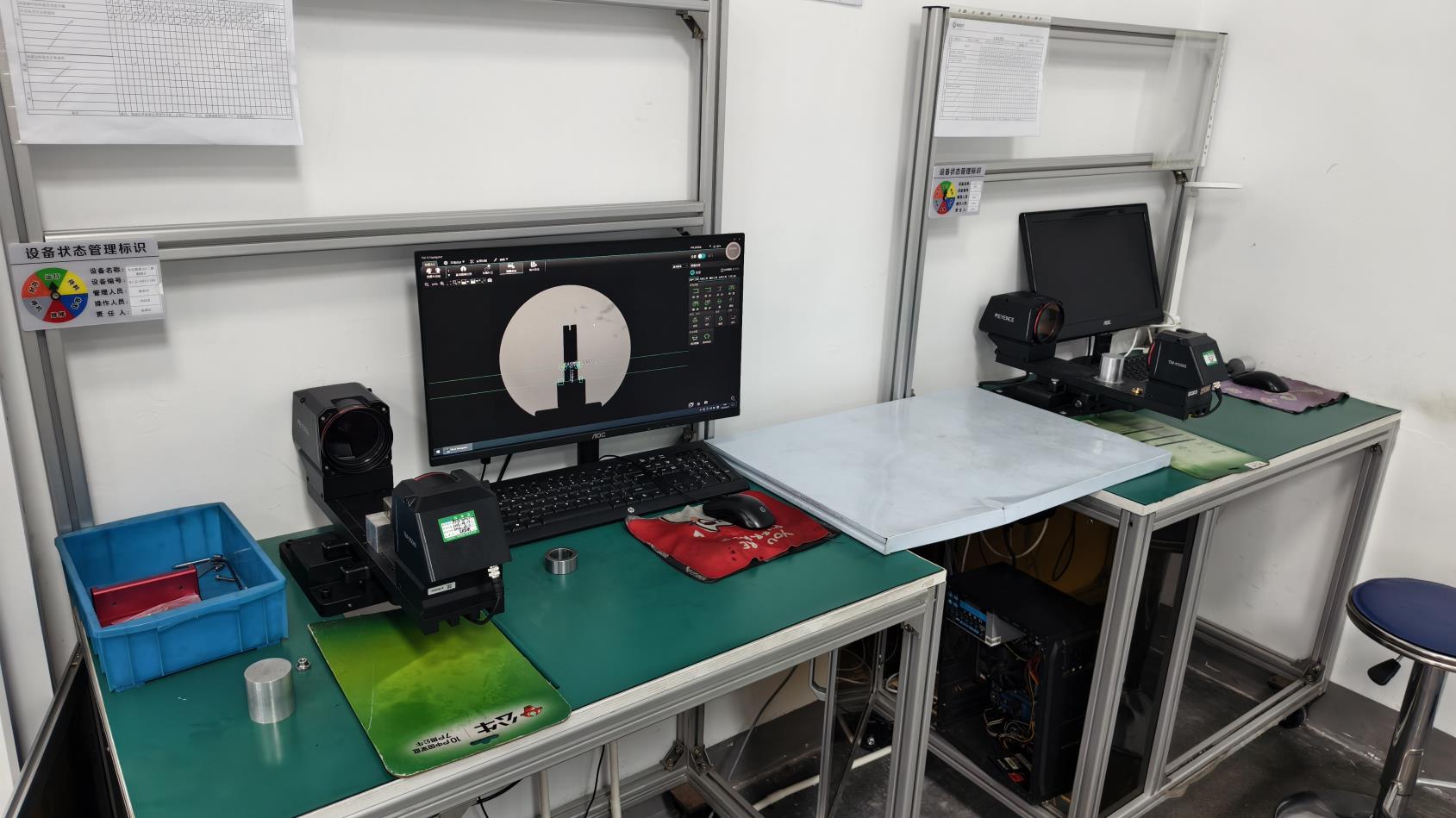
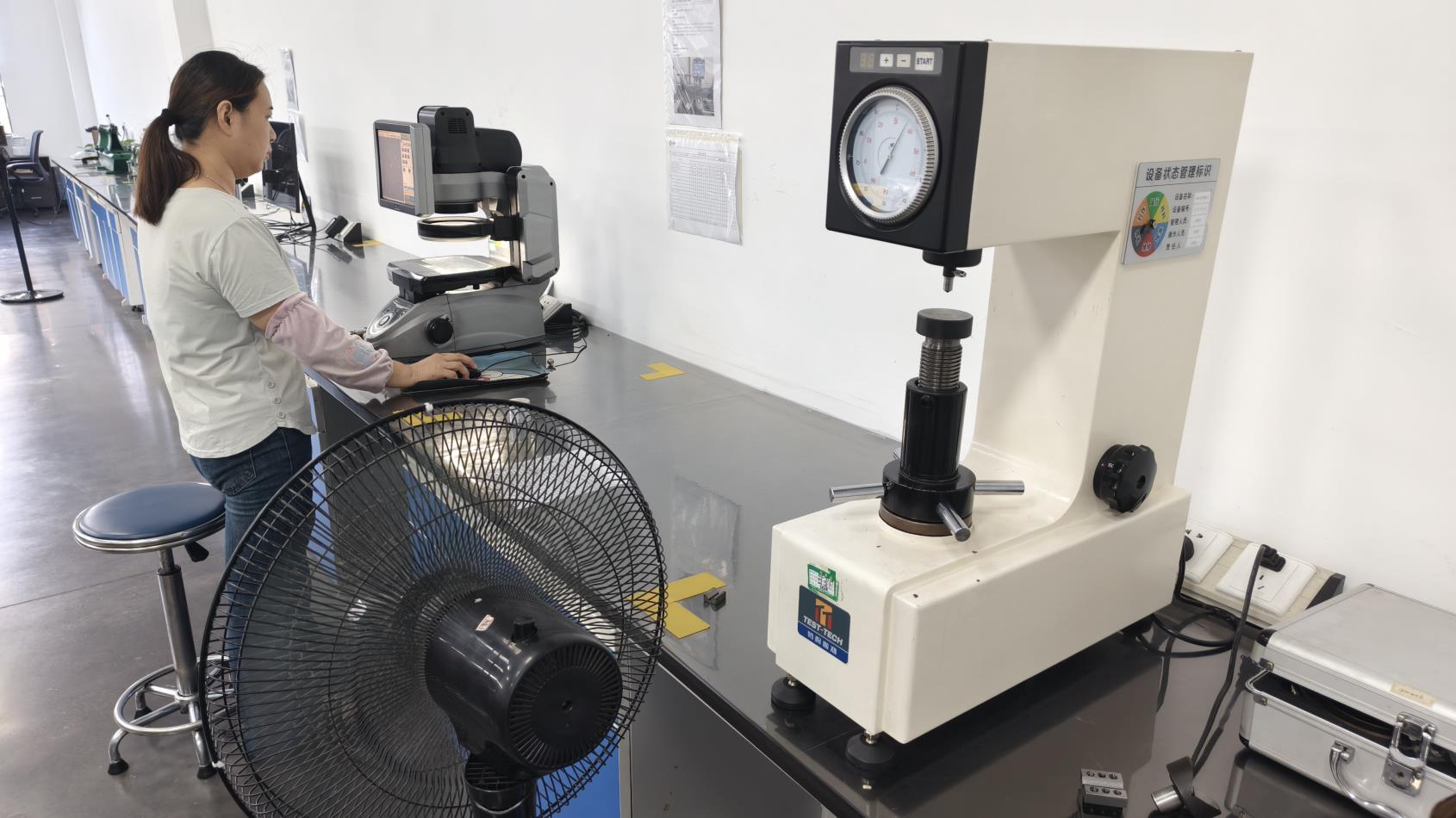
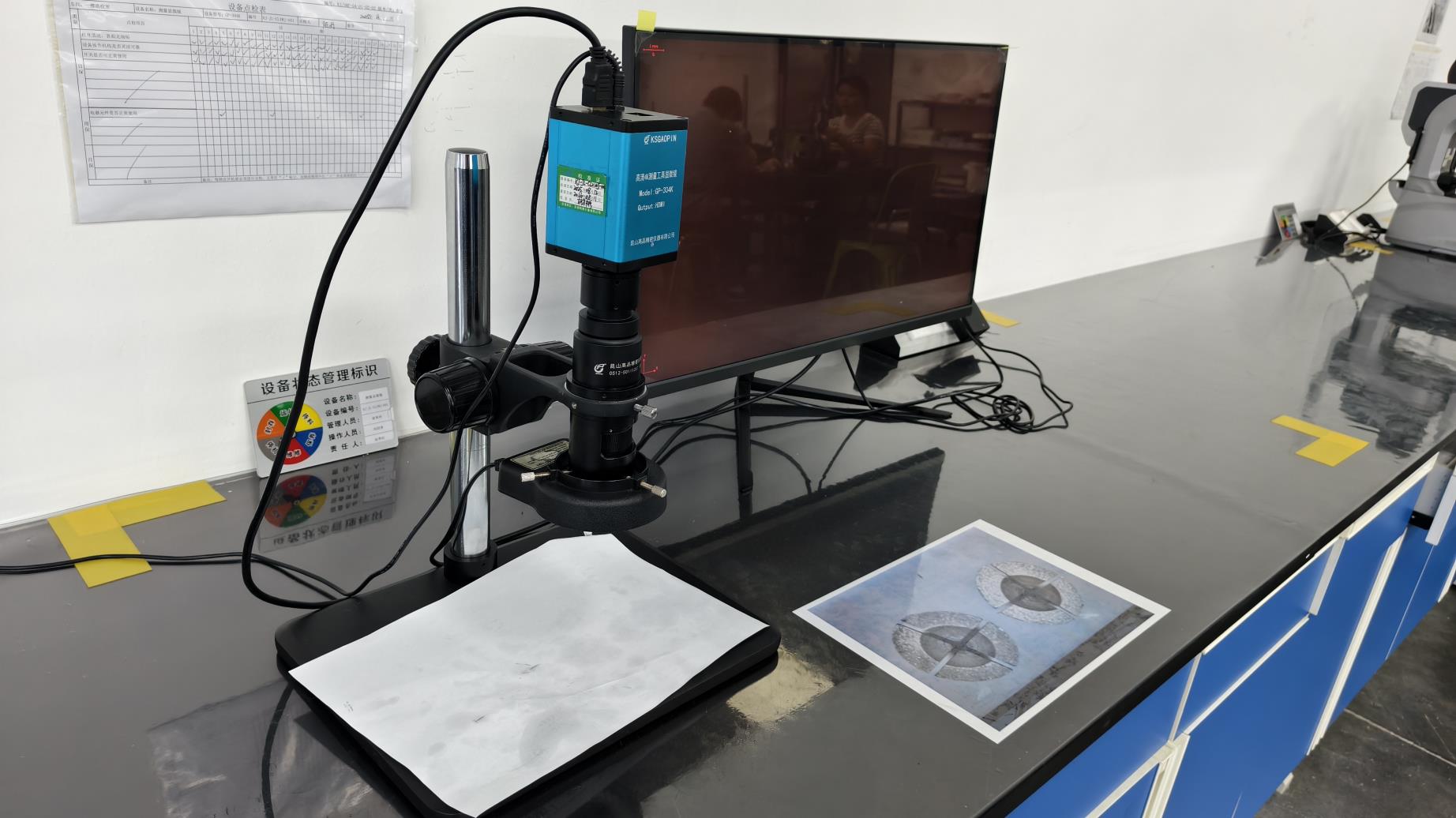
Simplifying importing procedures to Mozambique while ensuring compliance with local regulatory guidelines.
We provide full documentation required by the Mozambique Ministry of Health (Ministério da Saúde - MISAU) for medical imports, including ISO 13485 quality system certificates, CE mark conformity directories, and sterilization validation reports (gamma irradiation / ethylene oxide).
Success in the operating room depends on reliable instruments. We supply complete instrument trays customized for intramedullary nailing. These feature durable, autoclavable drill guides, sliding hammers, tissue protectors, and flexible reamers designed to withstand heavy daily use in busy trauma wards.
Our export division handles shipping routes to Maputo, Beira, and Nacala ports. We work with experienced clearing agents to ensure smooth customs clearance, minimizing port delays so that hospitals receive critical implant supplies on schedule.
A comprehensive selection of specialty intramedullary implants designed for pediatric trauma and complex anatomical reconstructions.
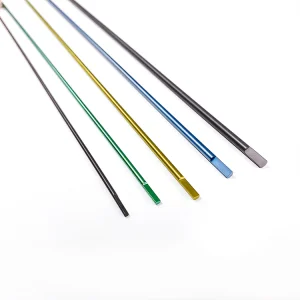
Designed for pediatric long-bone fractures, providing stable fixation while protecting open growth plates in active children.
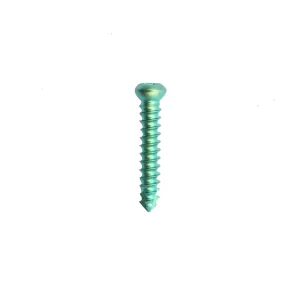
Precision 3.5mm self-tapping locking screws designed to secure intramedullary nails, preventing implant migration under physiological loads.
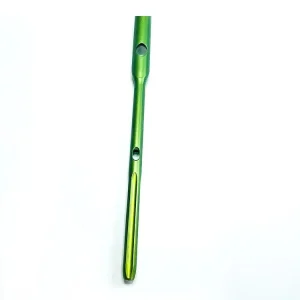
Features a single-element helical blade that compacts cancellous bone. This provides excellent resistance against rotational and varus displacement.
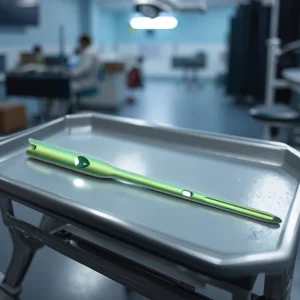
Designed for subtrochanteric and pertropic fractures, this titanium implant enables stable anatomical reduction and early mobilization.
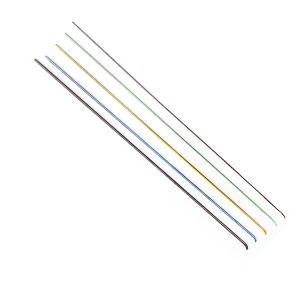
Biocompatible elastic nails optimized for pediatric femur and tibia fracture stabilization, helping to avoid growth disturbance issues.
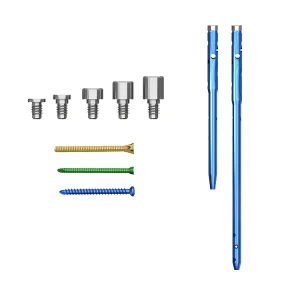
Features multi-directional locking screw options to secure proximal humeral fragments, even in challenging, low-density bone structures.
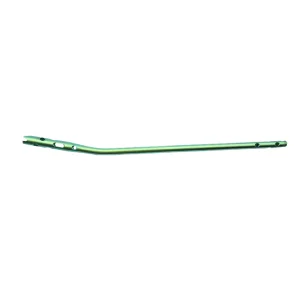
A Class III medical device engineered to treat tibial shaft fractures, utilizing advanced distal locking configurations for high torsional stability.
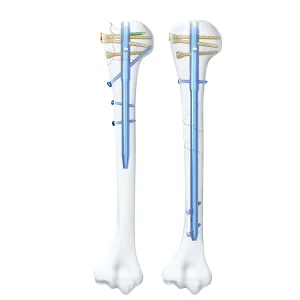
Optimized for proximal humeral fractures in elderly patients, featuring specialized locking technology to prevent screw back-out.
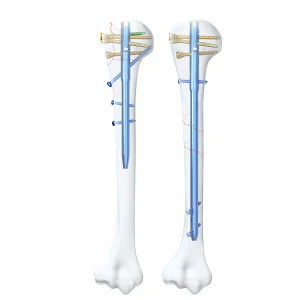
A multi-lock humeral interlocking nail designed to treat complex fractures of the humeral shaft, featuring a design that protects the rotator cuff during insertion.
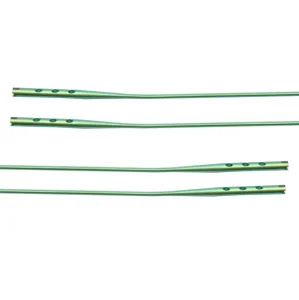
Designed for precise anatomical reduction of ulnar fractures, minimizing rotational deformity and soft tissue disturbance during insertion.

CE-certified pediatric elastic nails designed for specialized pediatric spinal and long-bone stabilization procedures.
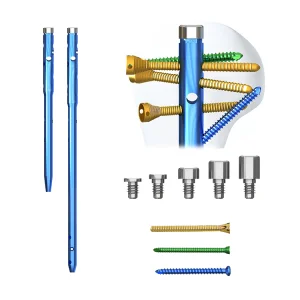
CE and ISO certified Class III multi-lock humeral nail, providing reliable rotational stability for complex humeral shaft fractures.
Find answers to common questions about product registration, delivery times, and customized solutions.
Contact our medical sales representatives to discuss tender specifications, request samples, or obtain a competitive quotation tailored for the Mozambican healthcare market.
Send Inquiry Now Moventra Medical