Precision-Engineered Orthopedic Trauma Solutions conforming to EU standards, elevating surgical efficiency and local clinical outcomes.
Advanced trauma implants engineered with clinical-grade materials for swift stabilization of long-bone fractures.
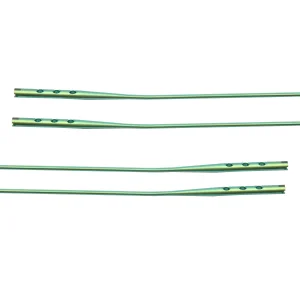
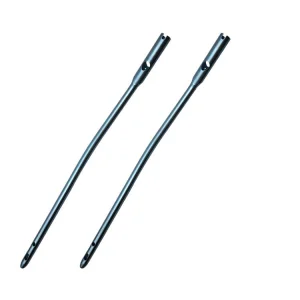
An in-depth analysis of regulatory shifts, clinical demands, and the growing import market for trauma devices in Central and Eastern Europe.
Hungary's healthcare sector, governed under the National Health Insurance Fund (NEAK - Nemzeti Egészségbiztosítási Alapkezelő), faces a rising demand for osteosynthesis solutions. The clinical reality is heavily shaped by an aging demographic; similar to other Central European countries, Hungary has experienced an upward trend in osteoporosis-related fractures. Proximal femur, humeral head, and distal tibia fractures represent the vast majority of trauma admissions at major orthopedic centers in Budapest, Debrecen, Szeged, and Pécs. The transition from plate osteosynthesis to closed intramedullary nailing (IMN) has accelerated due to the clinical benefits of biological fixation, minimal incision sizes, shorter operative times, and early weight-bearing features that directly lower hospital bed occupancy rates.
For Hungarian public hospitals and university clinics, sourcing dependable, cost-efficient, and CE-marked titanium alloy nails is vital. With restricted local clinical budgets but stringent outcome metrics, surgical teams seek implant configurations that minimize implant failure, such as the Proximal Femoral Nail Antirotation (PFNA) equipped with a helical blade to counter rotation and cut-out in osteoporotic bone. Importers and distributors require robust international suppliers who understand the regulatory landscape and can offer consistent inventory support.
Exporting orthopedic medical devices to Hungary demands complete alignment with the European Union Medical Device Regulation (EU MDR 2017/745), which replaced the Medical Devices Directive (MDD 93/42/EEC). Intramedullary locking systems and their associated instruments fall under Class IIb and Class III categories. Implants must feature valid CE certifications under the MDR, demonstrating extensive clinical data, rigorous biocompatibility assessments, and post-market clinical follow-up (PMCF) plans.
Moventra Medical Technology maintains a state-of-the-art regulatory path. Every batch of titanium alloy intramedullary implants conforms to ISO 13485 quality management systems. Our global distribution channels ensure that all exported lots carry clear traceability, sterilization details, and documentation files required by the National Institute of Pharmacy and Nutrition (OGYÉI) in Hungary. This level of compliance minimizes customs bottlenecks and assures public tender procurers of product pedigree.
Specialized elastic and lockable intramedullary nails tailored for distal and proximal shaft stabilization.
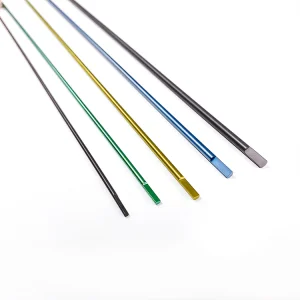
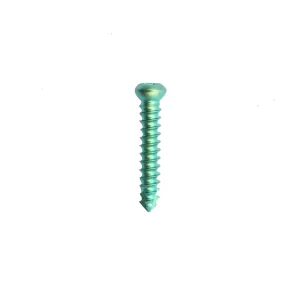
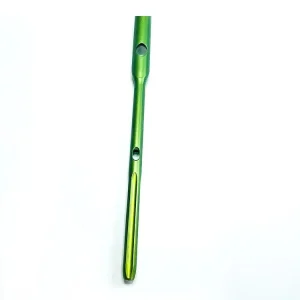
The engineering principles behind titanium alloys, structural elasticity, and optimized mechanical stability.
All Moventra intramedullary nails are fabricated from high-purity Titanium Alloy (Ti-6Al-4V ELI), corresponding to ISO 5832-3 and ASTM F136 standards. The choice of ELI grade titanium is critical for orthopedic trauma applications. Lowering interstitial elements like oxygen, nitrogen, carbon, and hydrogen enhances fracture toughness, ductility, and fatigue strength, making the implants highly resistant to cyclic biomechanical loads experienced within human long bones.
Titanium features an elastic modulus closer to cortical bone compared to stainless steel (110 GPa vs. 200 GPa). This reduce stress shielding—a phenomenon where stiffer metal implants bear all mechanical loads, causing neighboring bone to resorb due to lack of physiologic stress. By utilizing Ti-6Al-4V ELI, Moventra nails encourage micro-motion that stimulates callus formation and secondary bone healing, while providing the tensile stability needed for early mobility.
Modern clinical data supports the move toward specialized locking configurations. Our PFNA systems utilize a single helical blade that compacts cancellous bone during insertion, providing superior resistance to rotation and varus collapse, which is particularly beneficial in osteoporotic bone. In humeral and tibial applications, multi-planar distal locking holes allow surgeons to secure small bone fragments, preventing distal segment migration and translation in highly unstable, comminuted fractures.
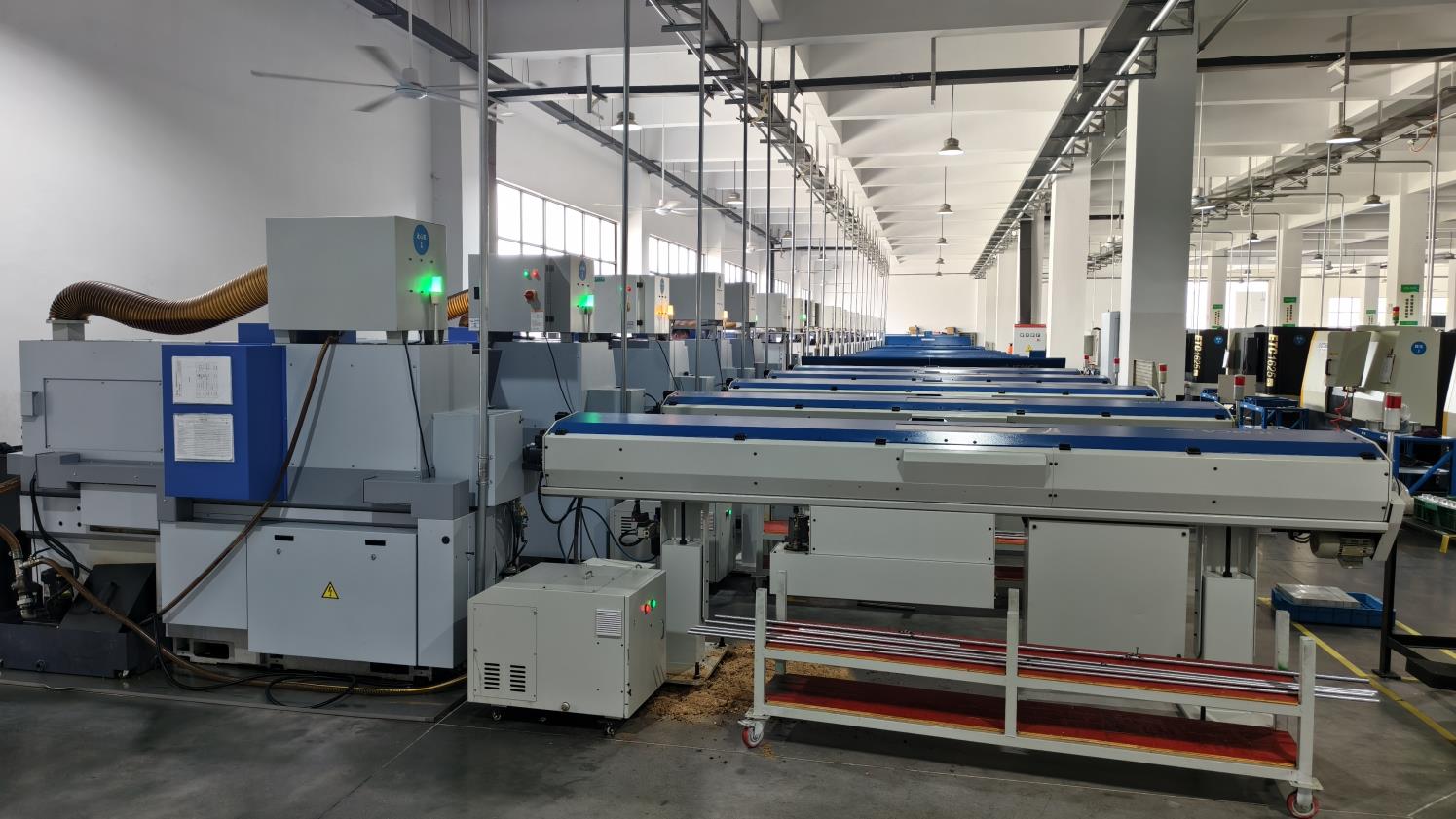
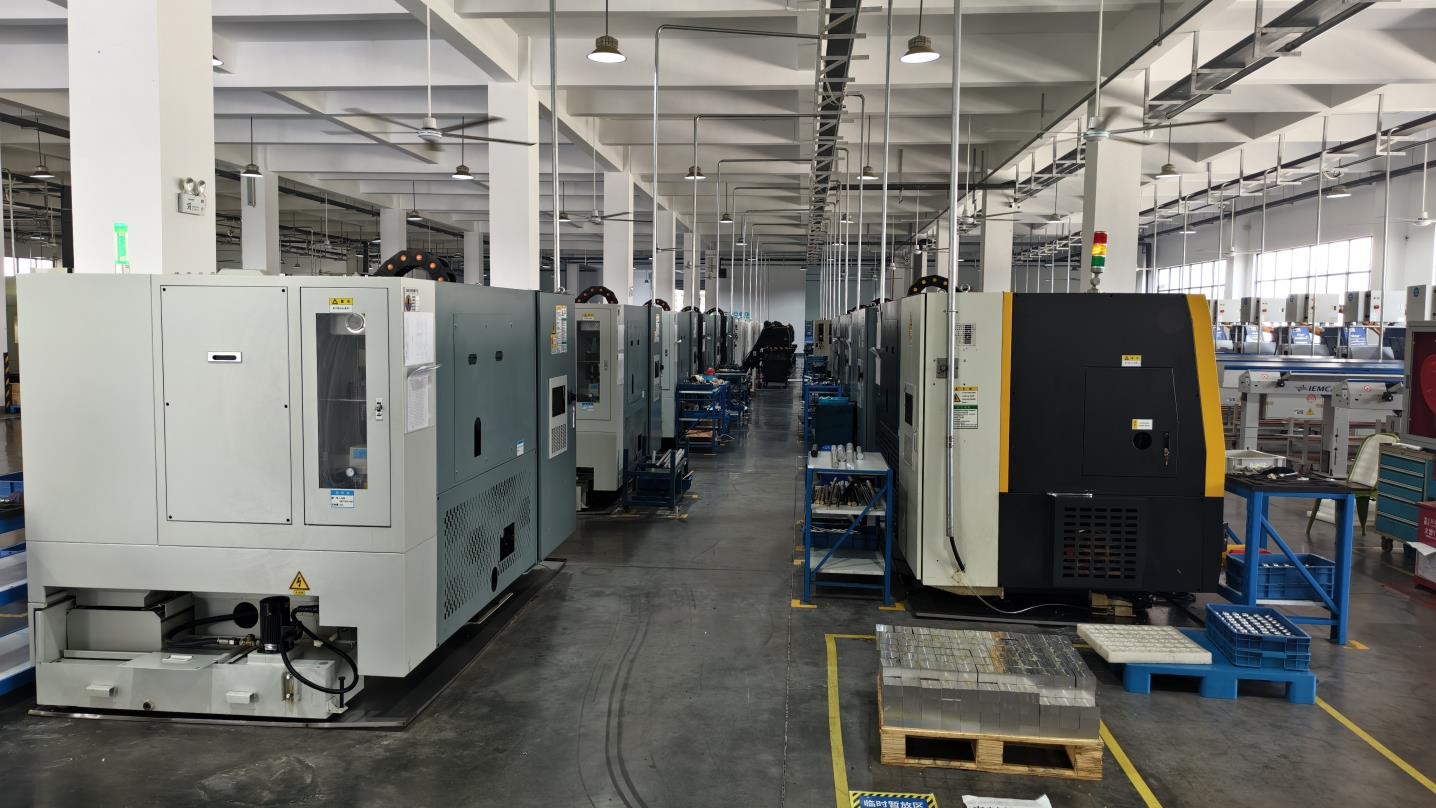
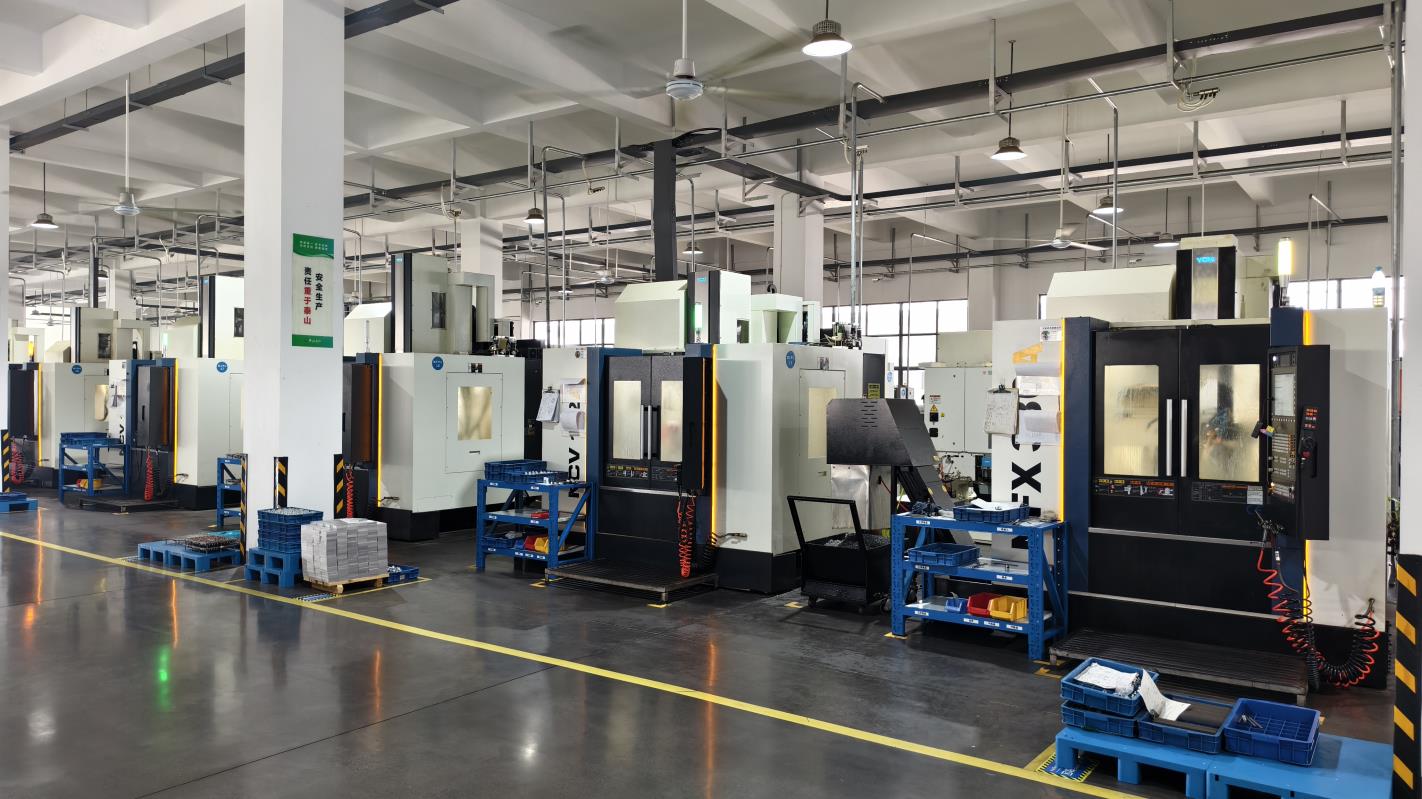
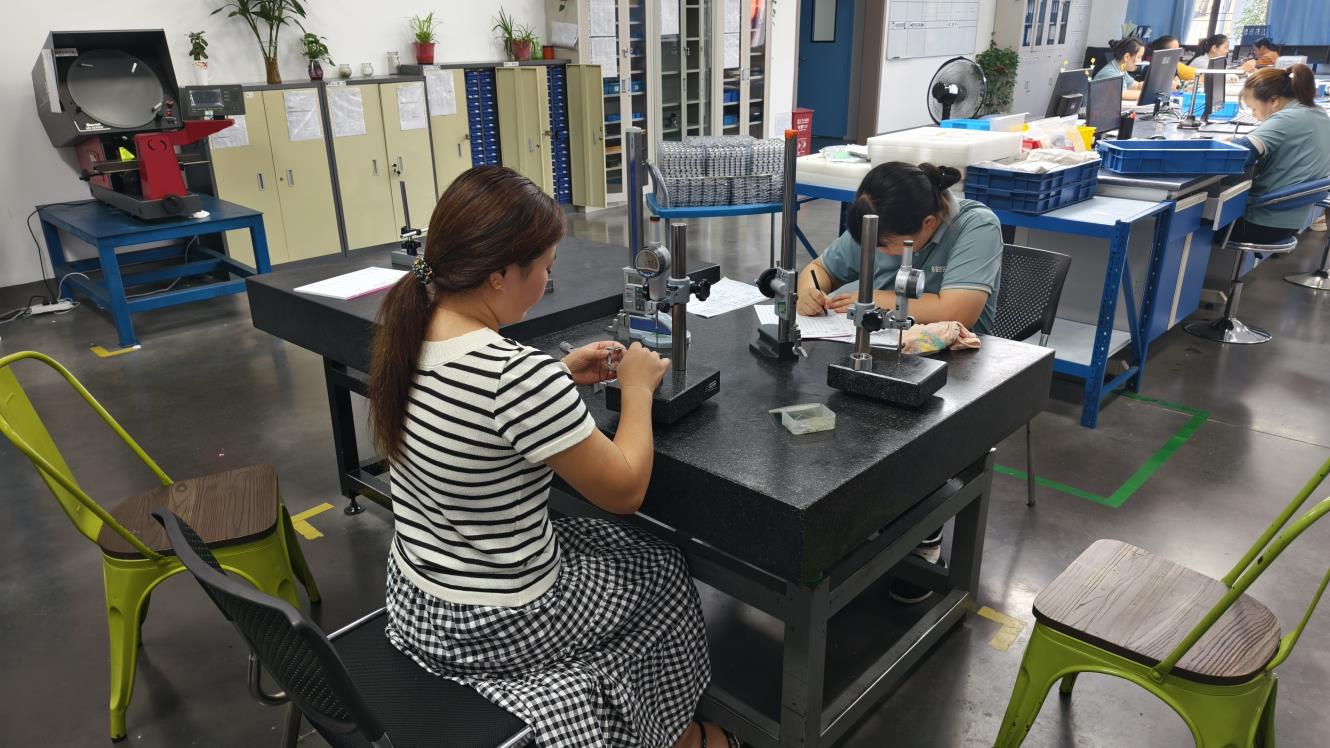
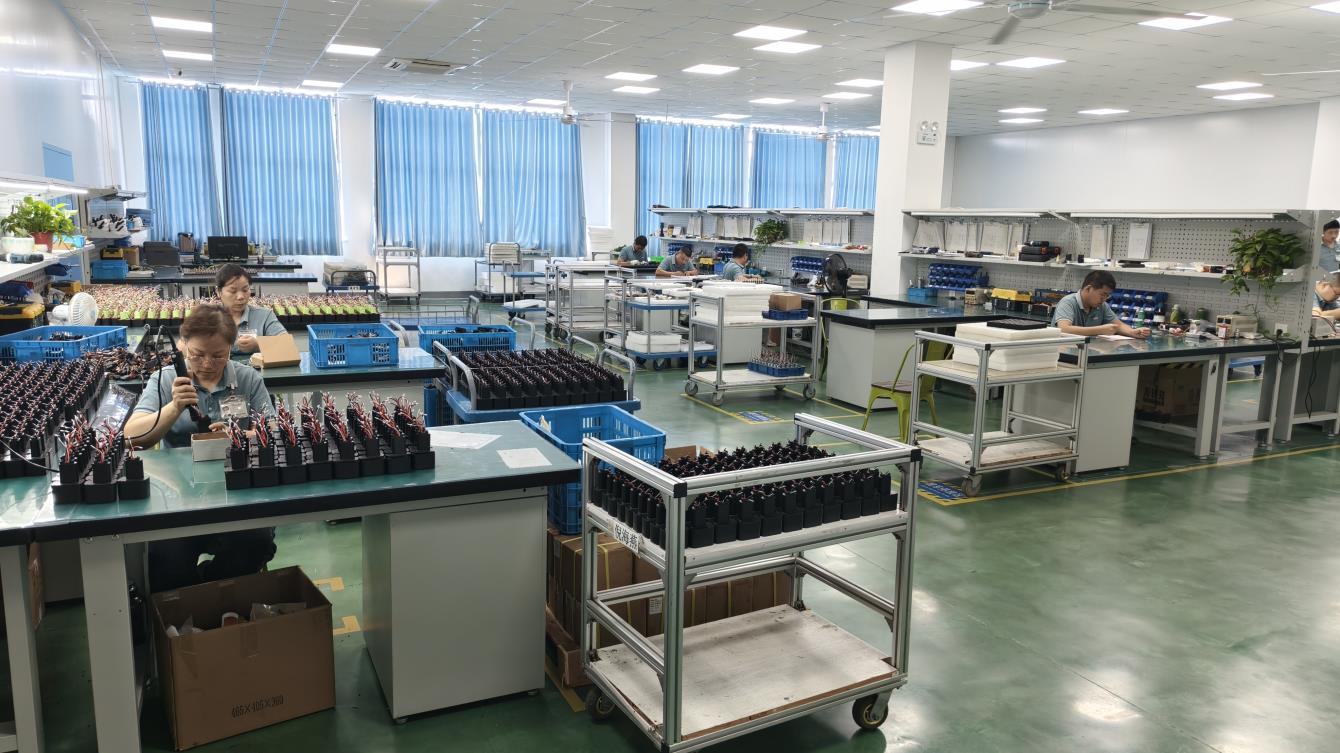
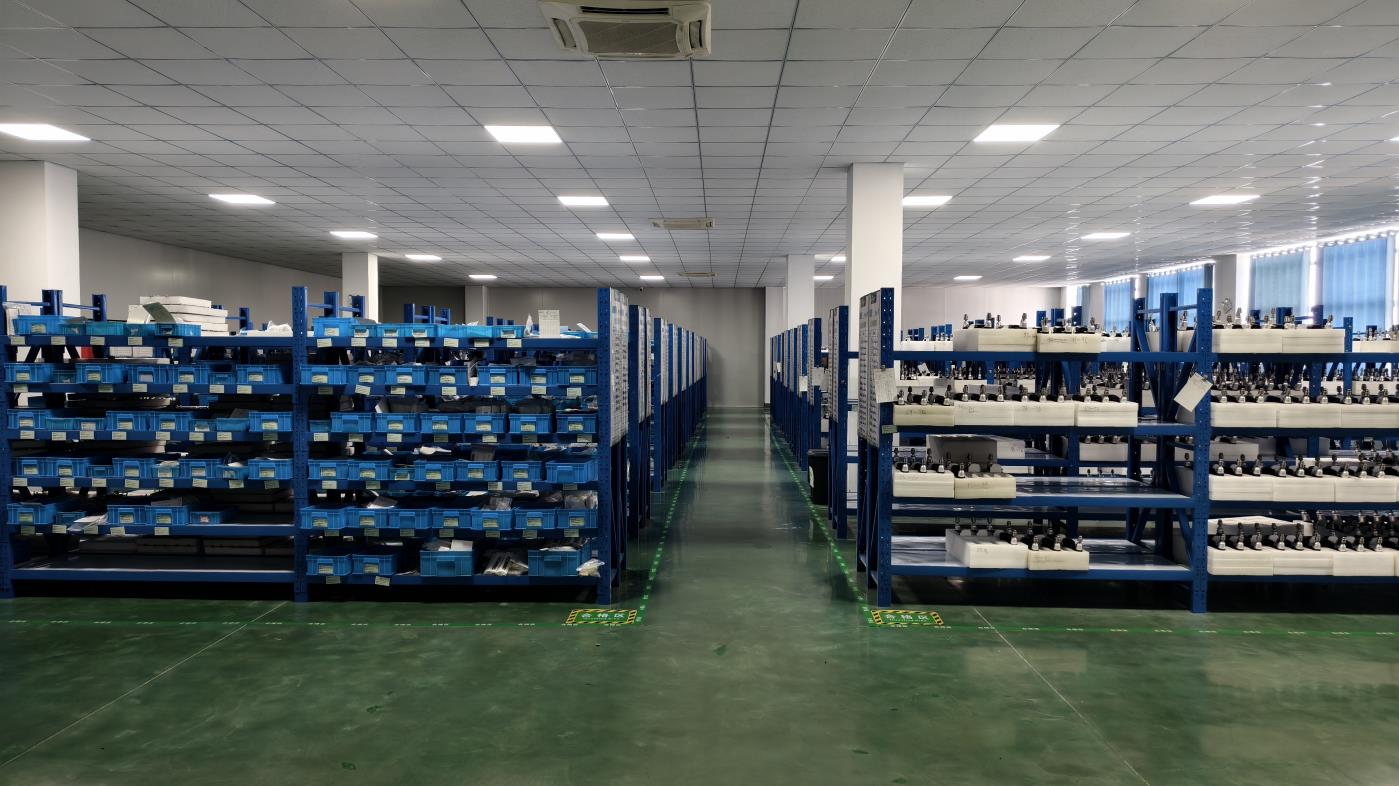
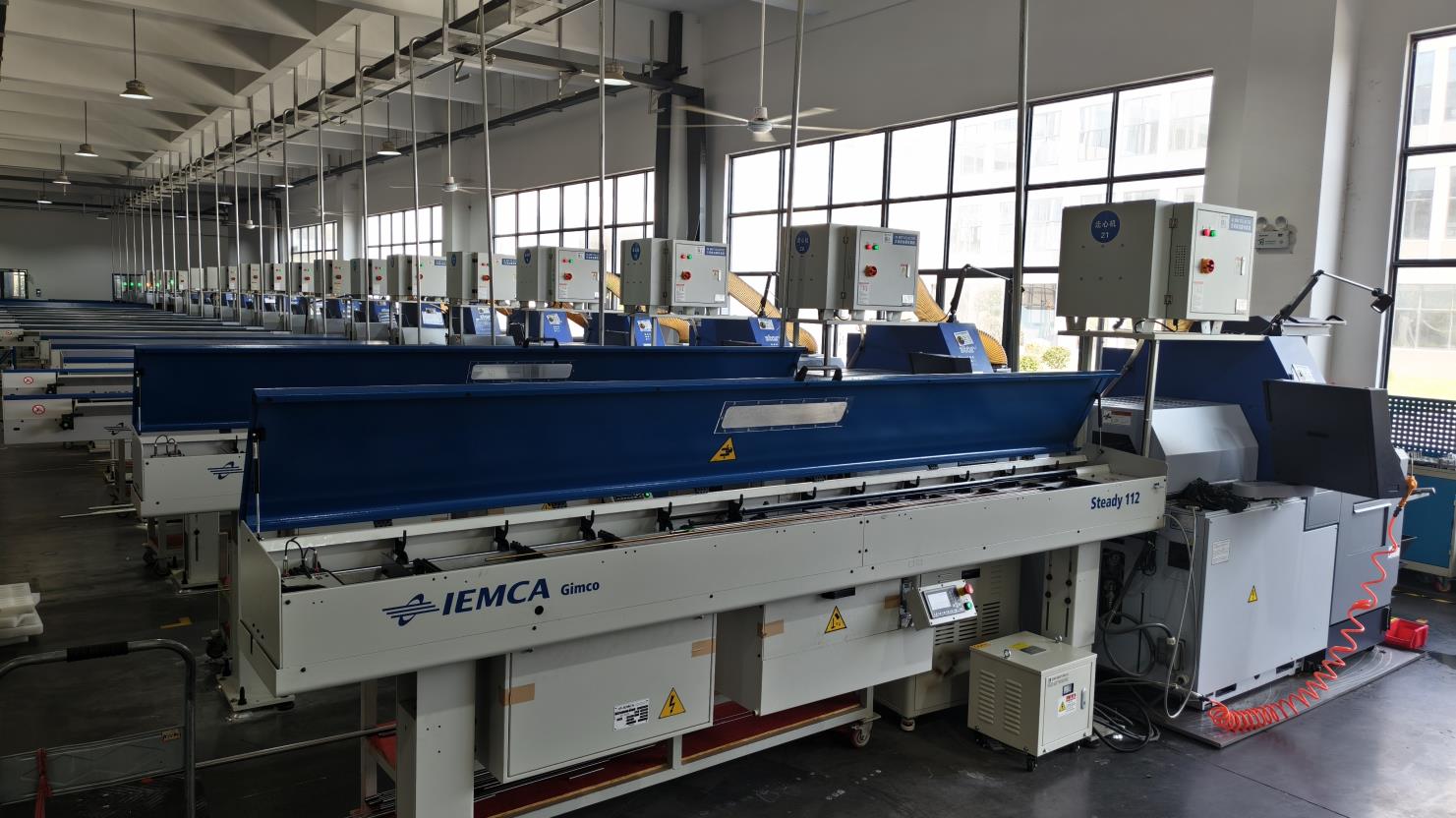
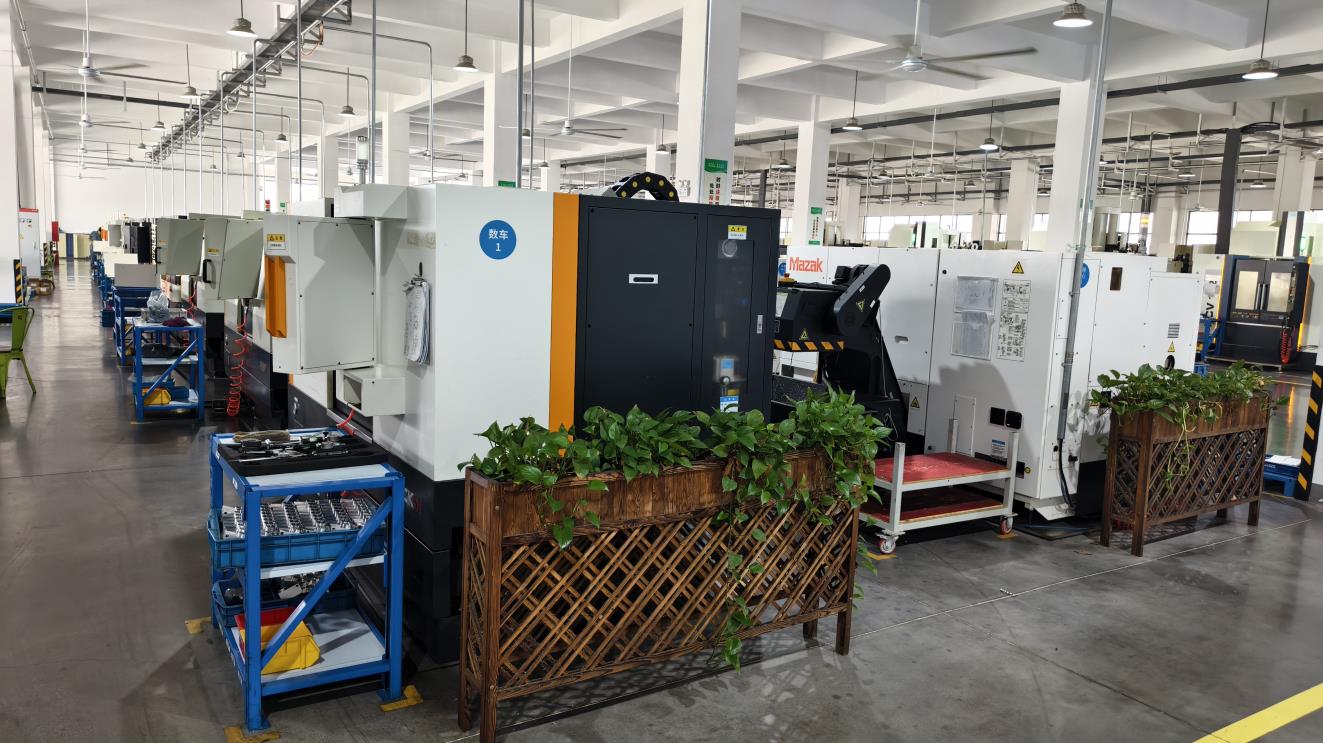
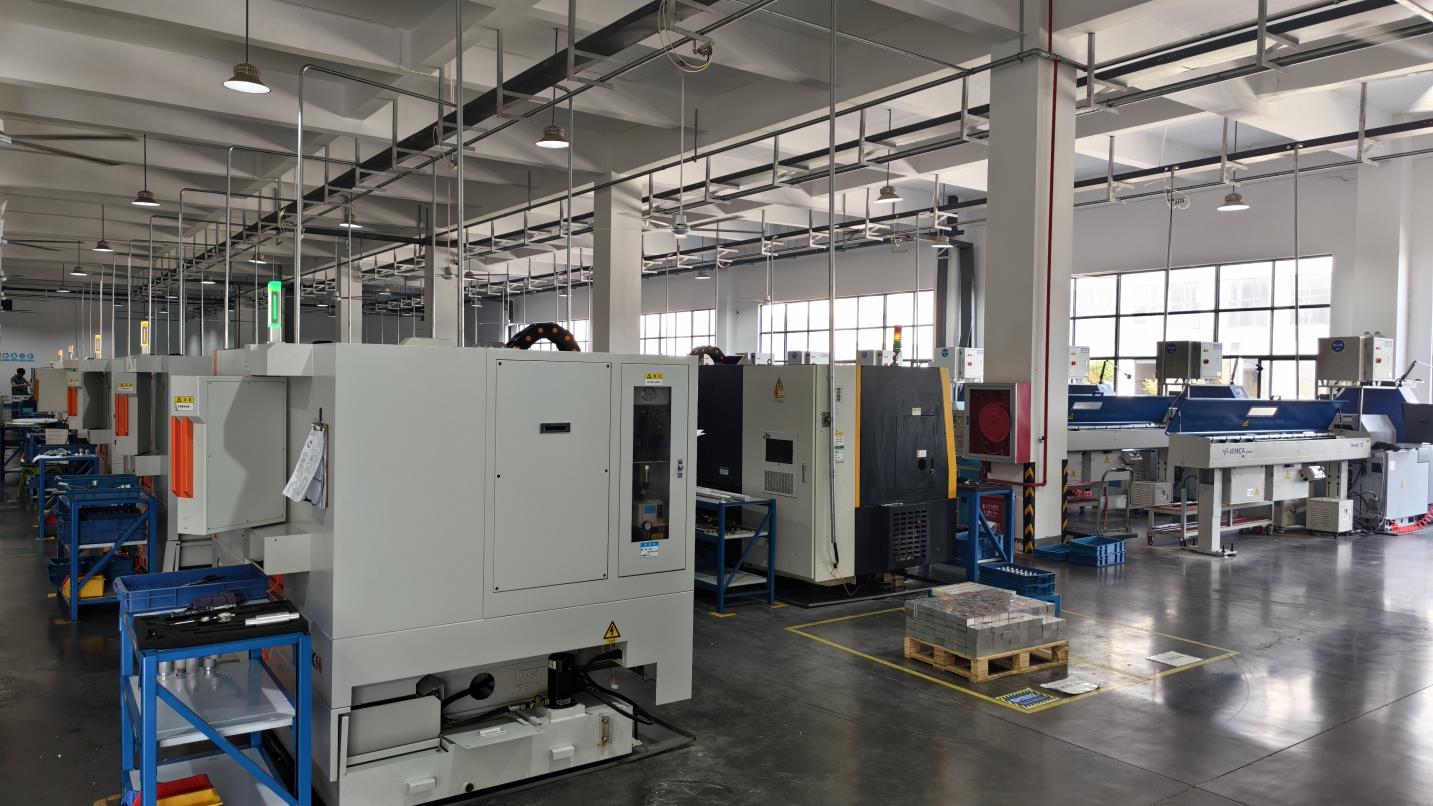
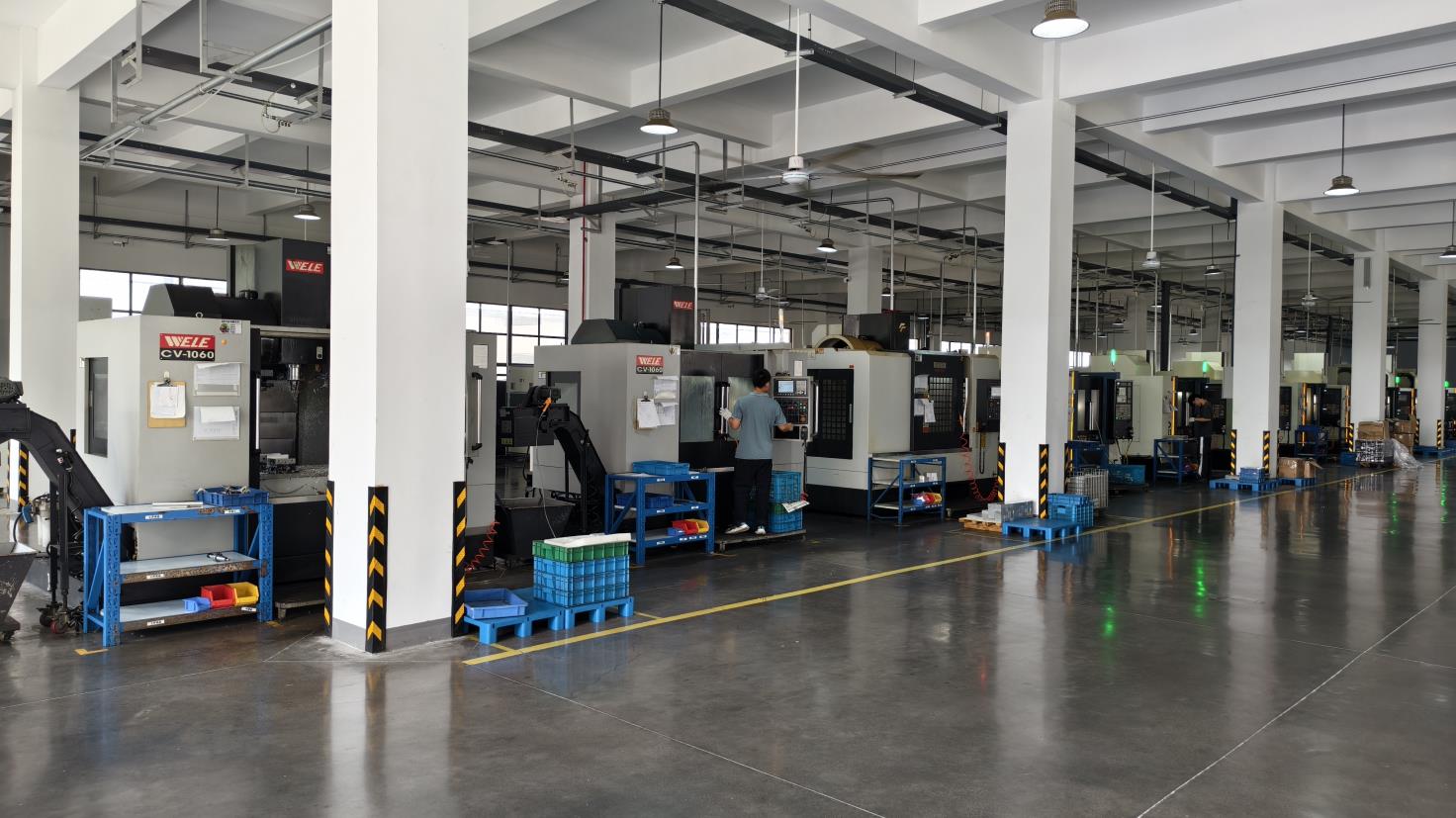
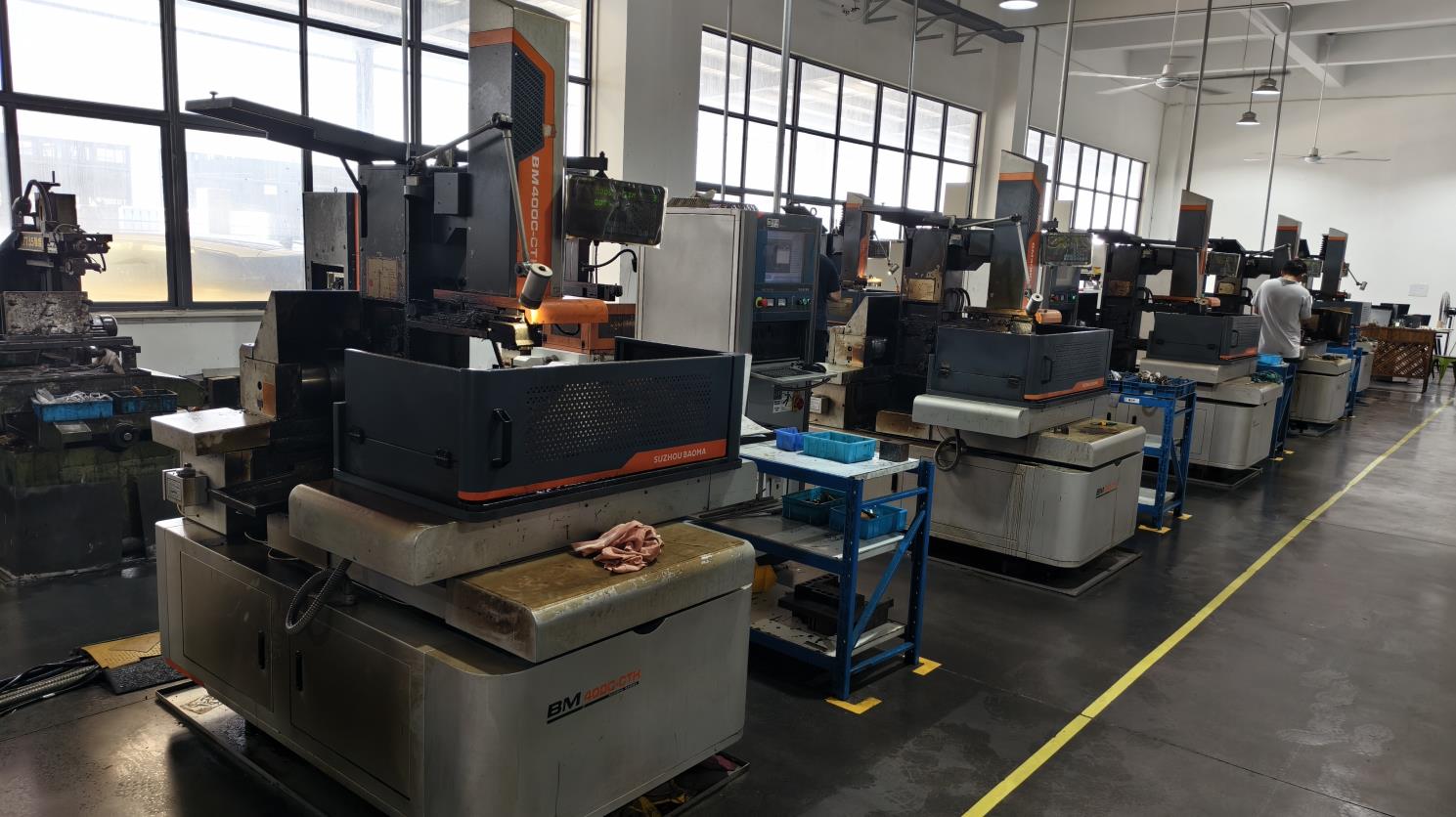
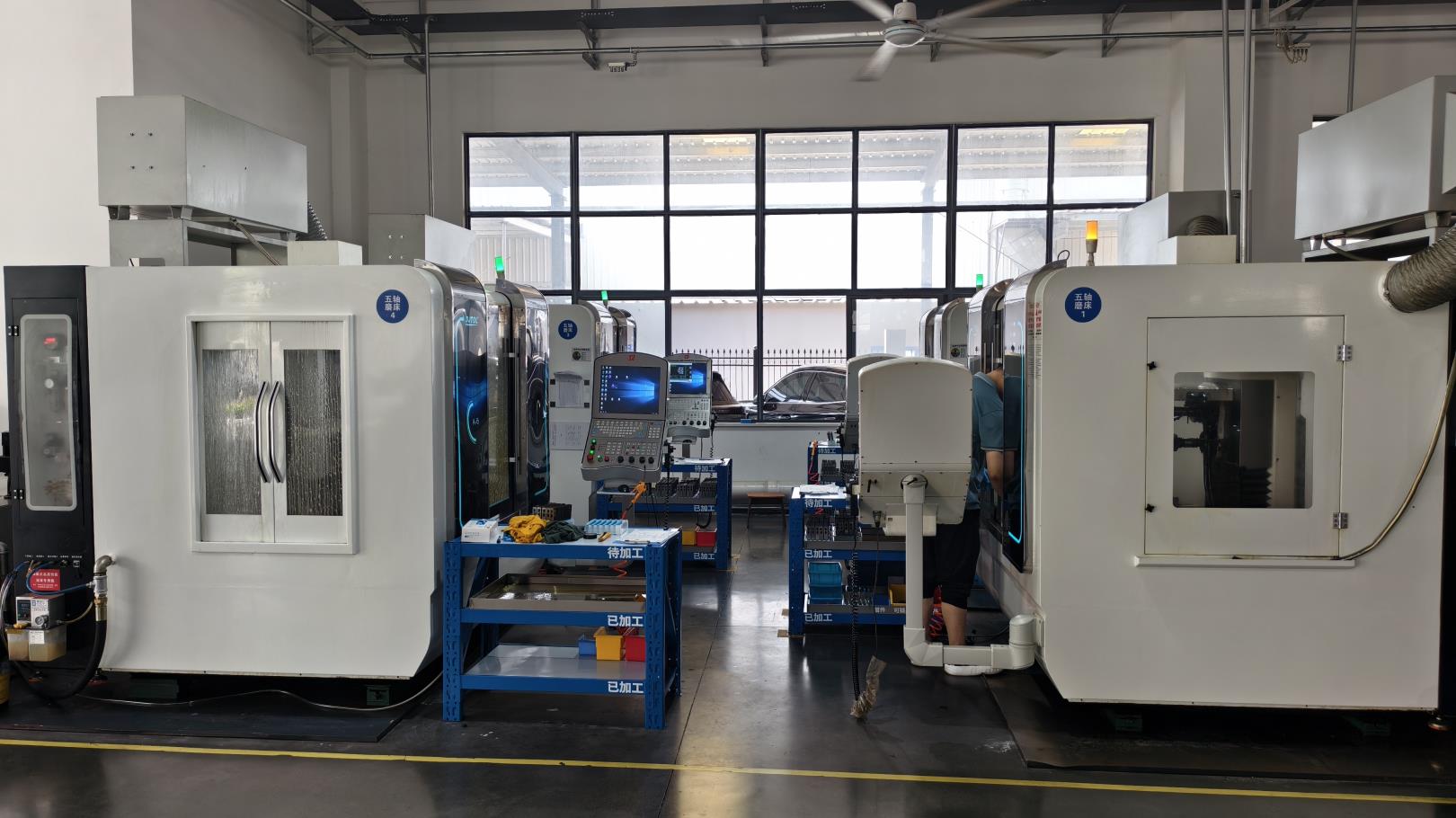
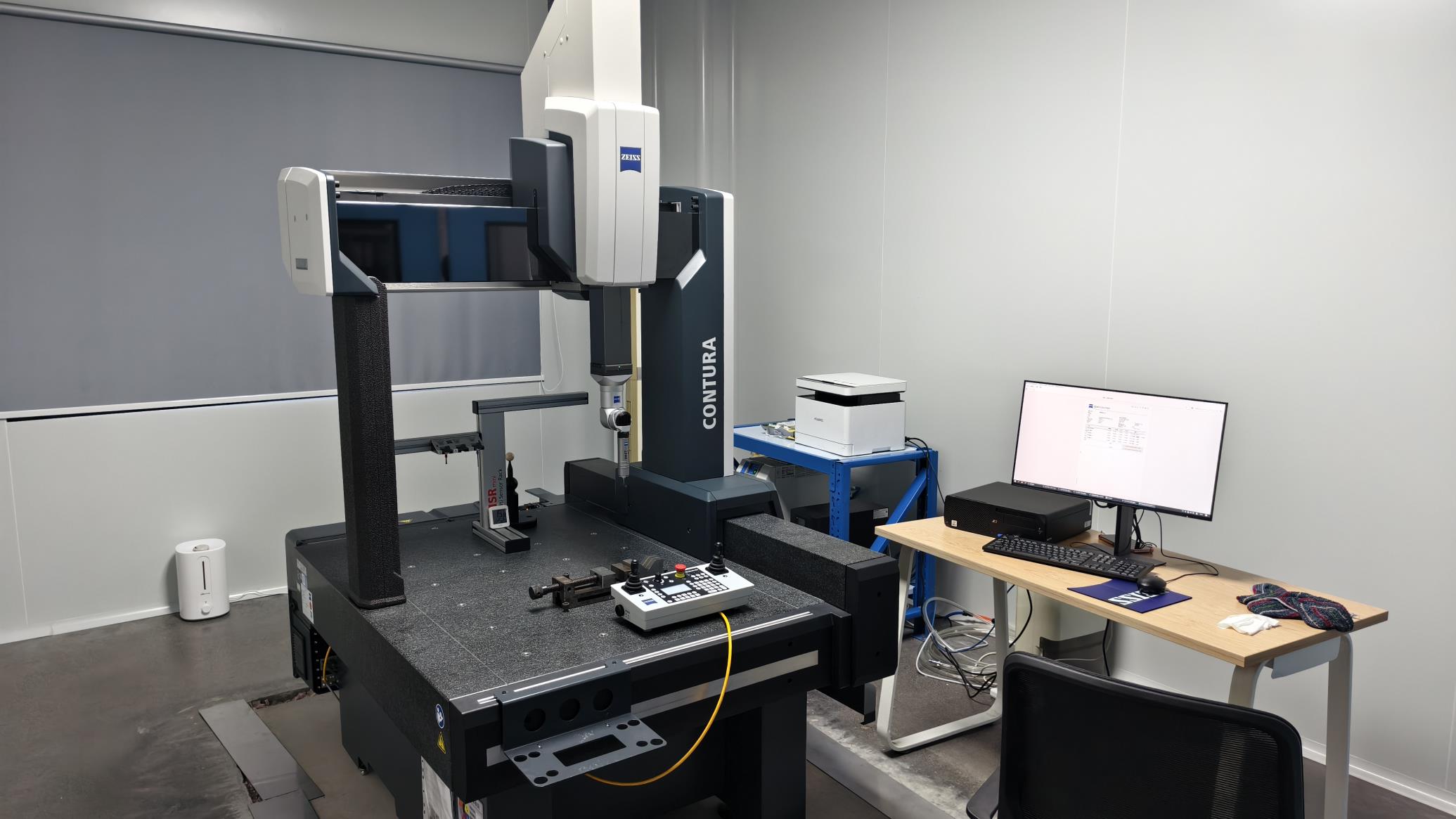
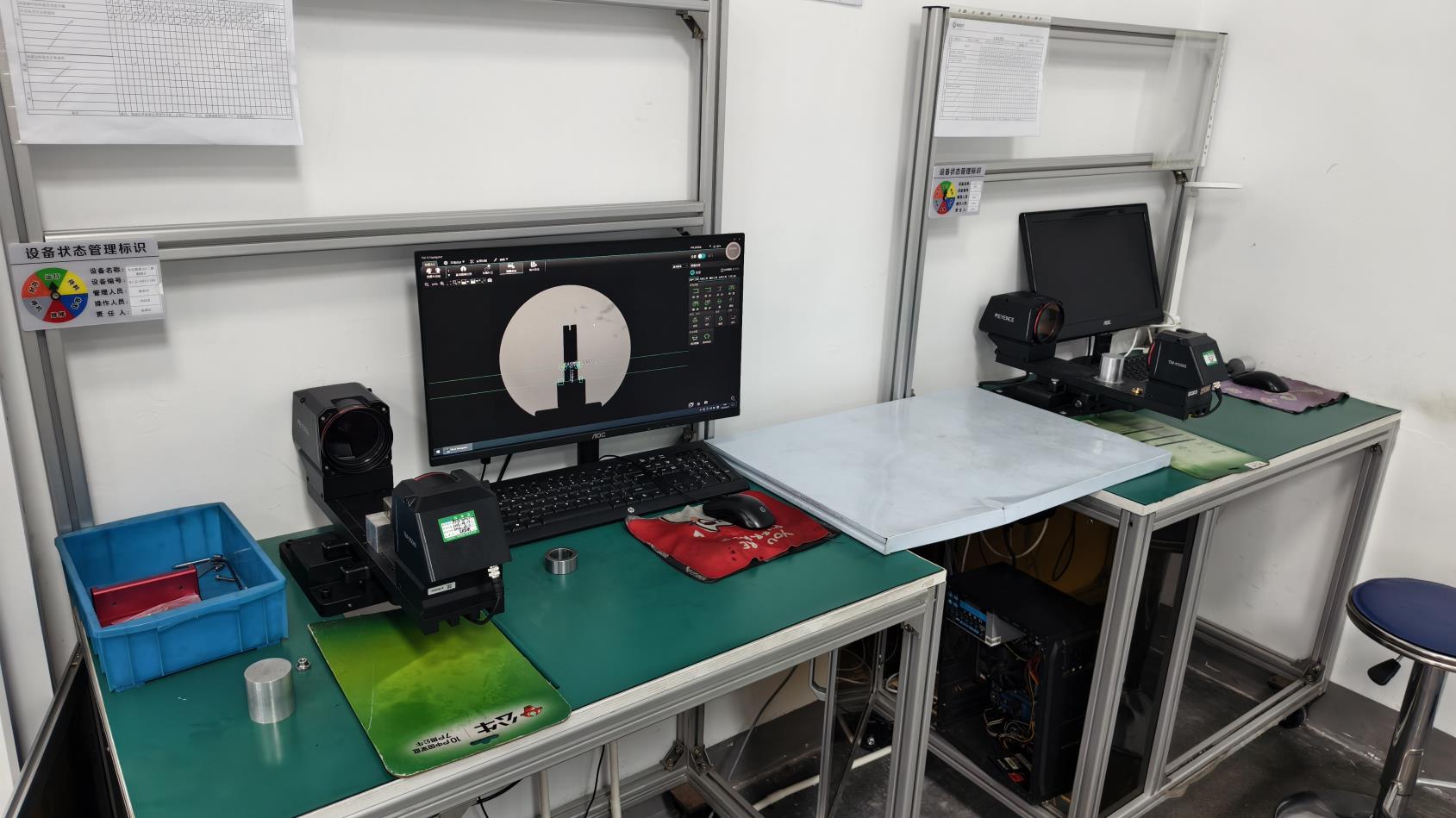
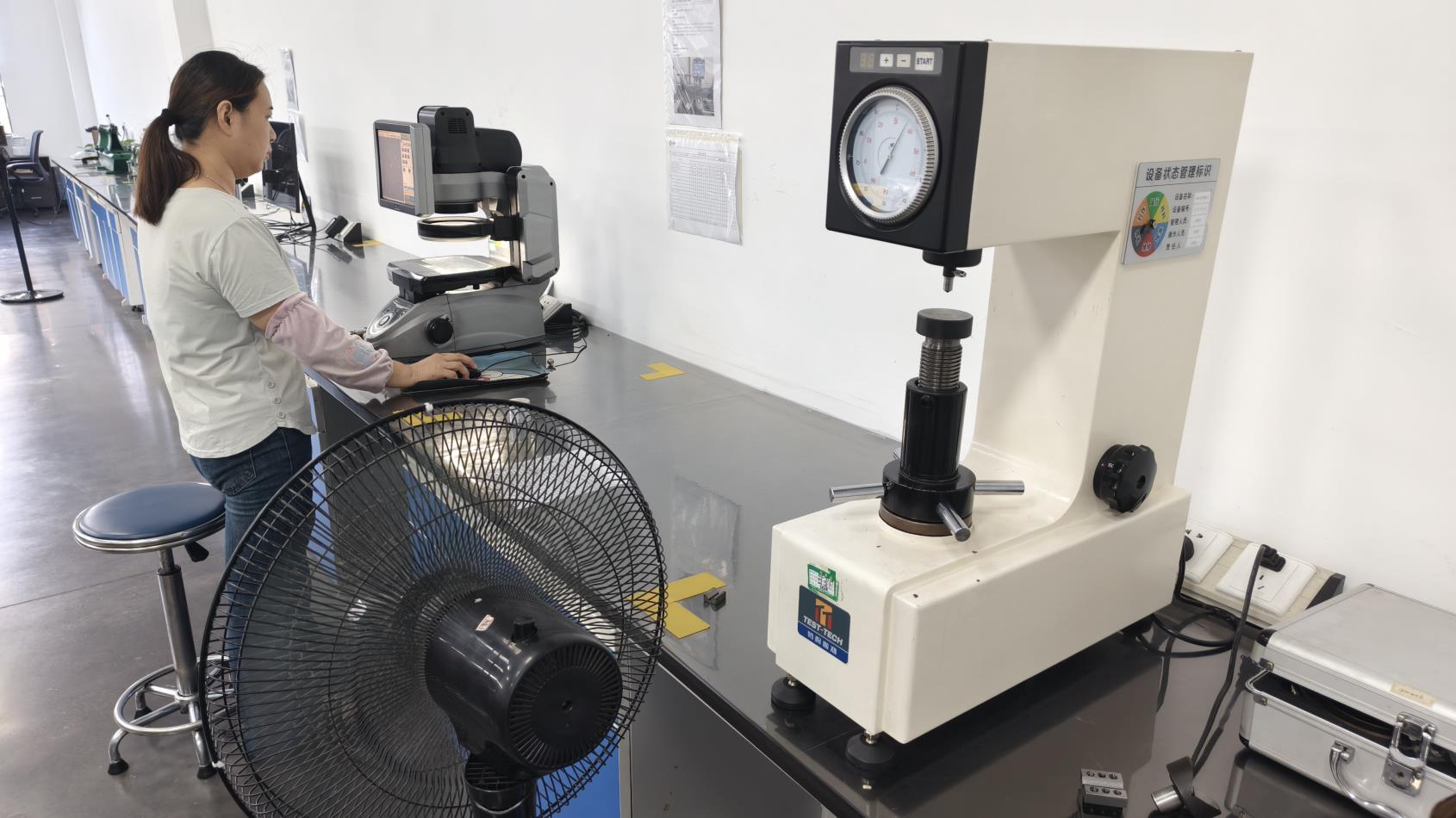
A look inside Moventra's advanced 18,600 m² smart factory, combining raw material traceability, robotic milling, and strict QA protocols.
Global medical device supply chains demand reliability, shorter lead times, and strict quality control. Operating from our state-of-the-art facility, Moventra Medical leverages Factory 4.0 workflows to supply importers in Hungary and neighboring Central European countries with premium orthopedic implants at competitive price points. By integrating precision Swiss-type CNC machining, robotic lathe and milling processes, and coordinate measuring machines, we maintain tight tolerances on every titanium component.
| Corporate Parameter | Manufacturing & Operational Metrics |
|---|---|
| Company Name | Moventra Medical Technology (China) Co., Ltd. (Brand: Moventra) |
| Established & Experience | Established 2017 | 13 Years of Industry Experience | 7 Years Exporting |
| Facility Footprint | 18,600 m² advanced cleanrooms and smart machining bays |
| Annual Export Revenue | USD 23.8 Million across North America, Europe, and South America |
| Quality Management Staff | 48 Dedicated QA/QC Engineers executing 100% inspection |
| R&D Capability | 86 R&D Engineers, independent design, rapid prototyping, and OEM/ODM services |
| Material Integrity Tests | Dimensional inspection, mechanical testing, material analysis, and sterility verification |
| New Product Innovations | 156 new products launched in the previous fiscal year |
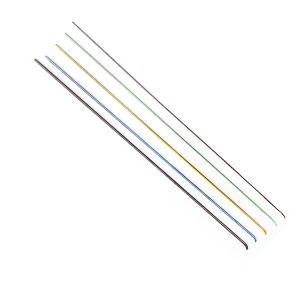
Comprehensive selection of pediatric, humeral, and tibial nails optimized for complex reconstructions.
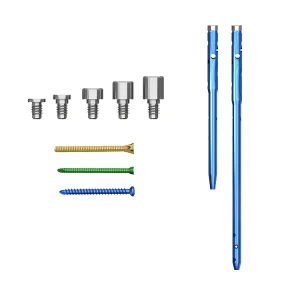
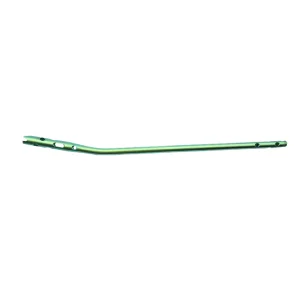

Understanding how Moventra intramedullary systems address specific trauma scenarios in Hungarian public and private medical institutions.
In Hungarian municipal clinics managing high volumes of elderly patients, trochanteric and subtrochanteric fractures require stable fixation. Using the Geasure PFNA System, surgeons can achieve reliable interlocking without the risk of screw cut-out. The single helical blade compacts the osteoporotic bone, creating an interface that reduces post-operative complications and minimizes overall rehabilitation times.
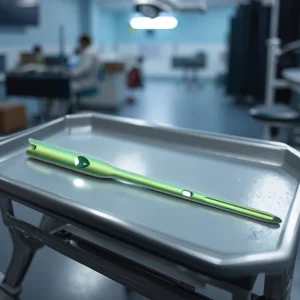
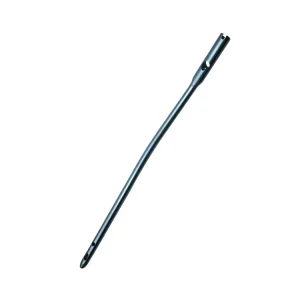
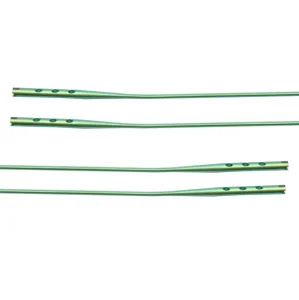
For pediatric surgeries at university teaching hospitals in Debrecen and Szeged, maintaining the growth plate is critical. The Orthopedic Elastic Intramedullary Titanium Nail (ESIN) provides biological fixation without interfering with epiphyseal growth. The flexibility of our titanium elastic nails allows for a minimally invasive approach, ensuring rapid recovery for pediatric patients.
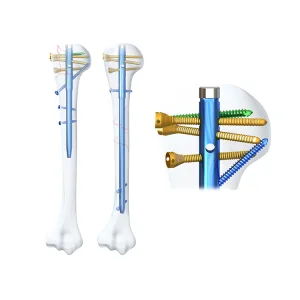
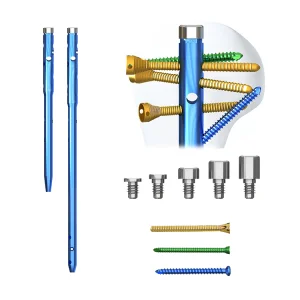
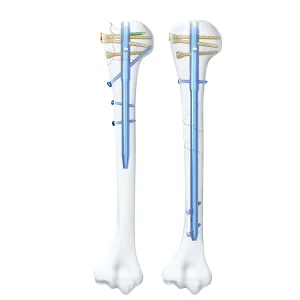
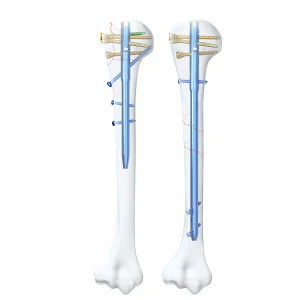
Humeral shaft fractures present stability challenges due to rotational stresses. With Moventra's Multiloc Interlocking Humeral Nail, surgeons can utilize multi-directional distal locking screws to capture small bone fragments, minimizing soft-tissue disruption and providing the rotational stability needed to support early physical therapy.
Get answers to common regulatory, metallurgical, and logistics questions about importing orthopedic implants to Hungary.
 Moventra Medical